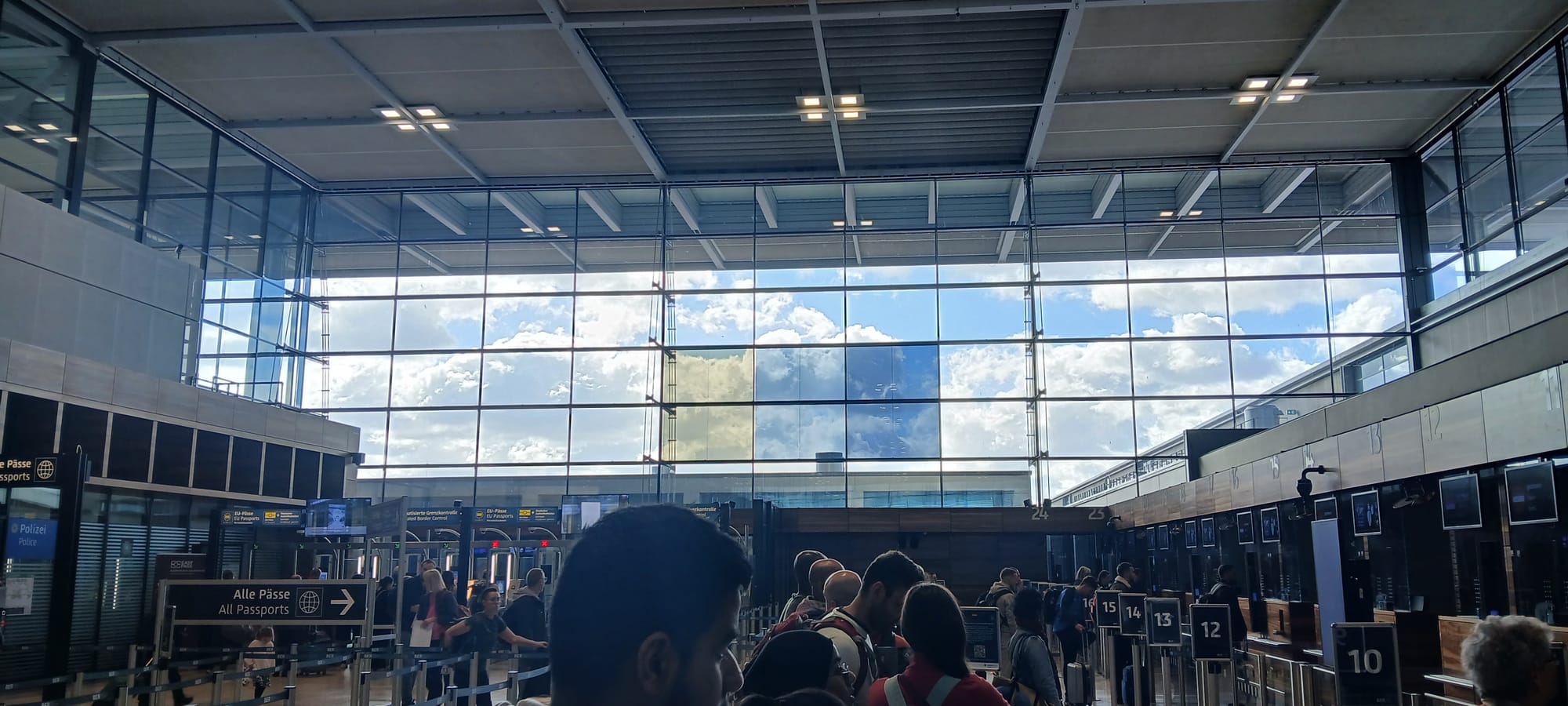
Berlin Revisited
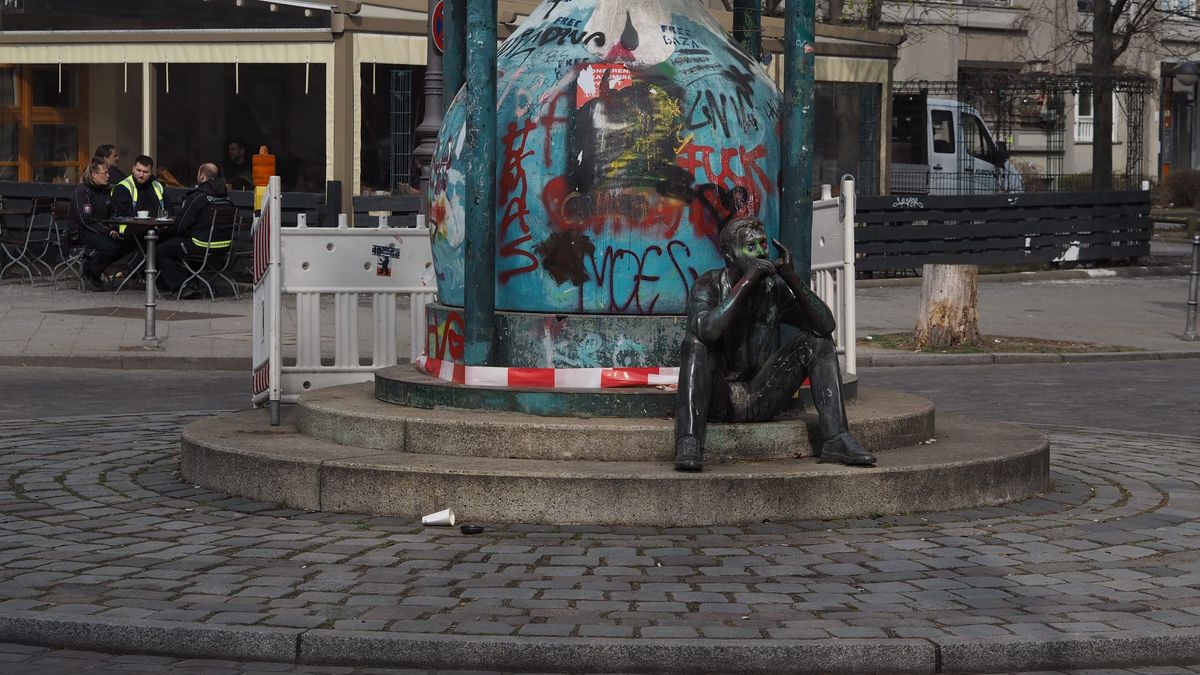
(was going to call it Berlin do your Wurst. Although the temperature plummeted immediately on our arrival, it never does.)
The History of Berlin
I have written before about my father receiving a DAAD scholarship which provided the excuse for my mother, Ianthe (extraordinary that my granny and grandpa, if you knew them you'd think so too, should give their only child a Greek name. Then, she wasn't quite their only child.), to take my brother and I to Germany, which, in 1982, was the BRD and DDR. I have been there before. My brother, Dom (I wanted to call him Harry. لله الحمد that didn't happen and we got a dog, whose name I was having trouble remembering in a dream two nights ago.) has too. He returned and then, a second time, stuck, with our niece, the perfectly talented Iris. (Her band, The Bridesgown won a major competition last night ... one more step before representing Germany internationally, which since has reunified.) We visited. And that song Dad used in his production of Tales from Hollywood is somewhere on eternal replay:
Christopher Hampton wrote Tales from Hollywood in 1982. Dad directed it at the Fortune Theatre, Dunedin, the year of our return to NZ, 1983. A wonderful play. Hampton's is not a name heard much today. He's 80 this year and ought to be celebrated, a sort of Stoppard with heart. The play memorialises playwright Ödön von Horváth as its narrator, mention of whose name it is even rarer to hear, except in our family: his name was given to our dog, a German short-haired pointer. Ödön the dog was succeeded in our family by Botho, a miniature Schnauzer, named after the playwright Botho Strauß, whose Big and Little Dad directed at Downstage. There are pictures of the production here.
My father's father died when we were in Berlin in 1982. We didn't return in time. When Dad was dying, my brother was in Berlin the first time. He made it back to see him. I make these remarks only for the curious symmetries, which like the two sides of a Rorschach form signs into which meaning can be read.
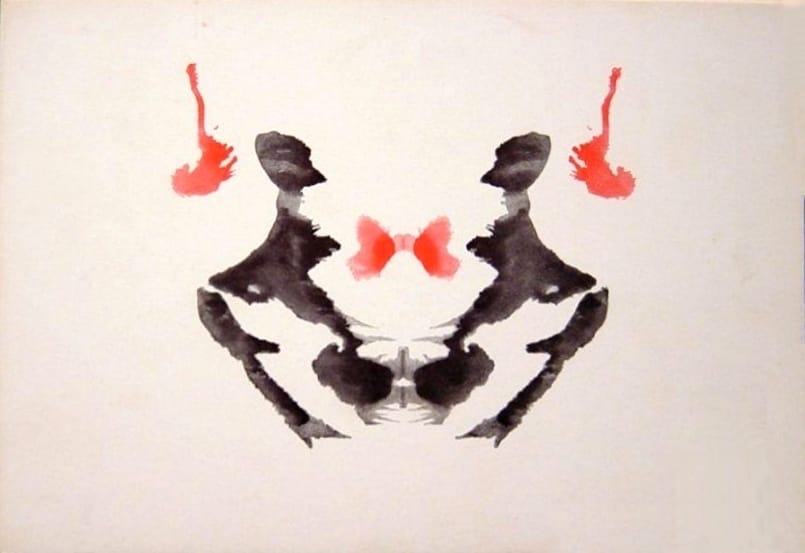
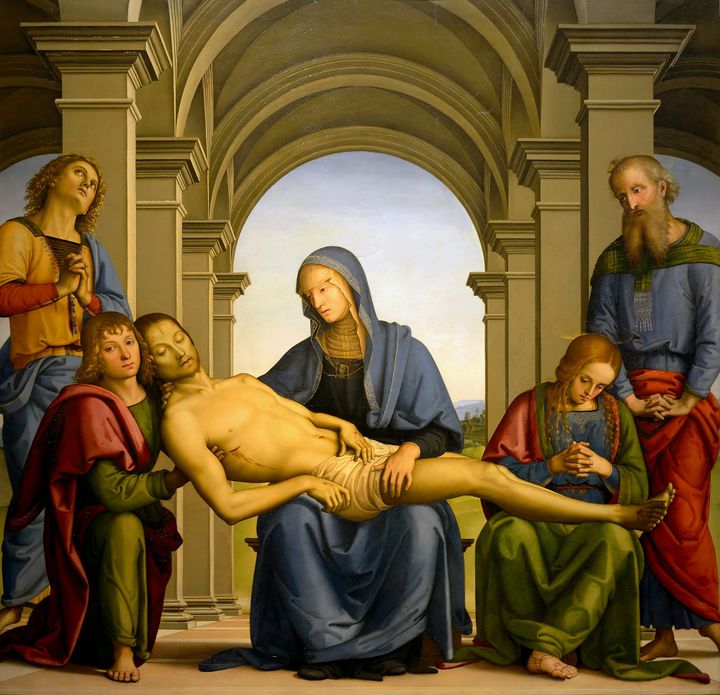
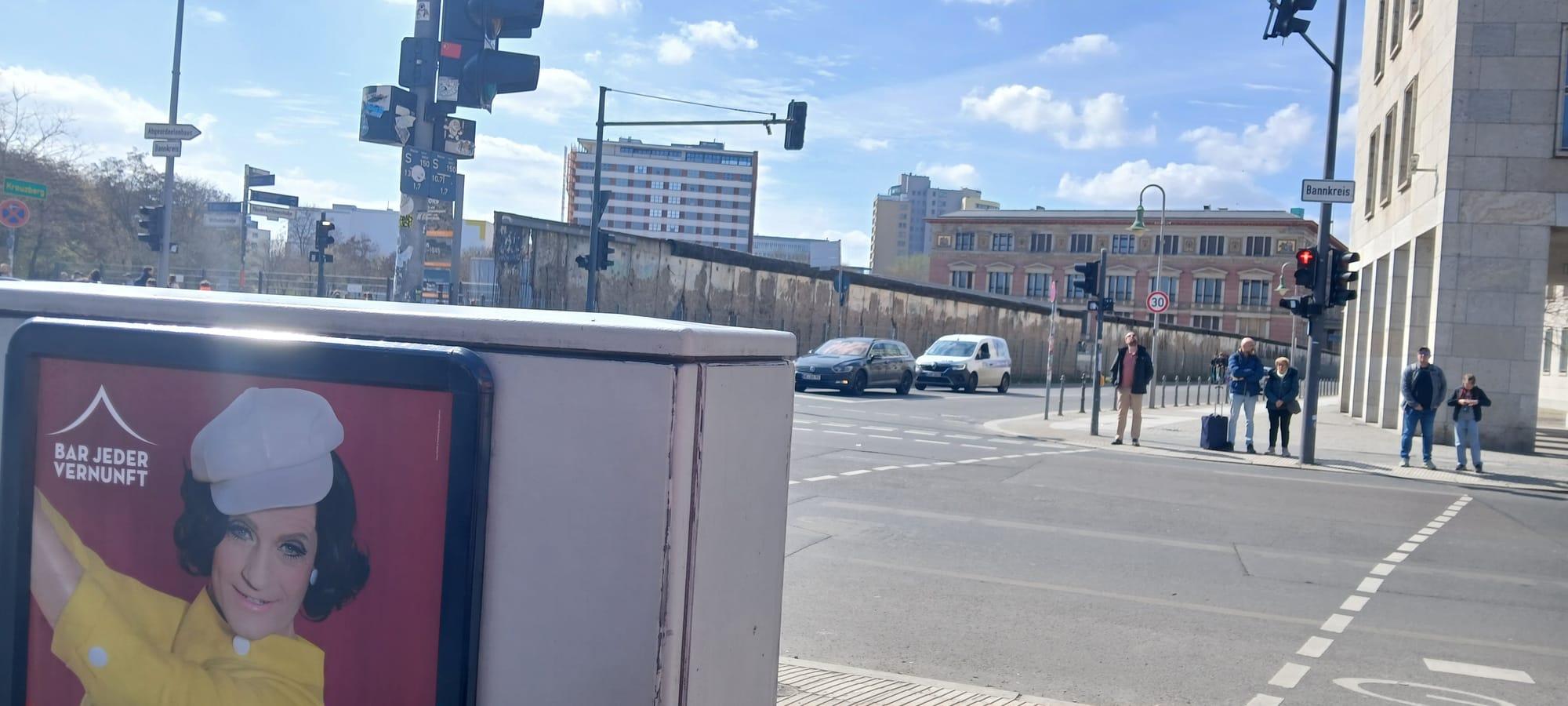
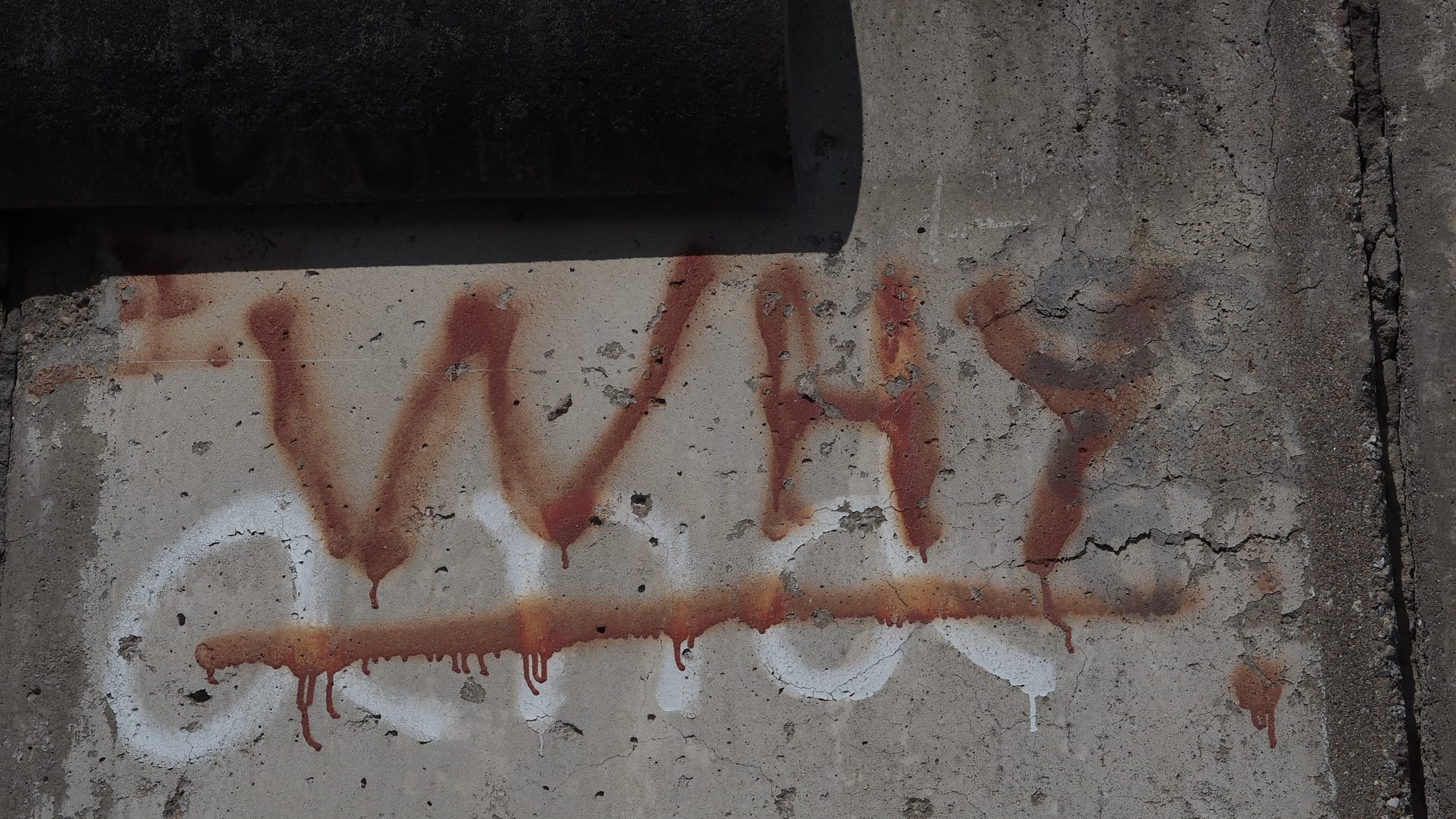
Of course, Berlin the time we lived in it was, like Germany, divided, by a wall which in the picture above, although it cuts in two the heart that has popped out of the butler's chest, making it into a butterfly, has become invisible. On repeat visits I still see the two images superimposed one on the other. Sometimes it is the butterfly that is the dominant image, sometimes the two hearts.
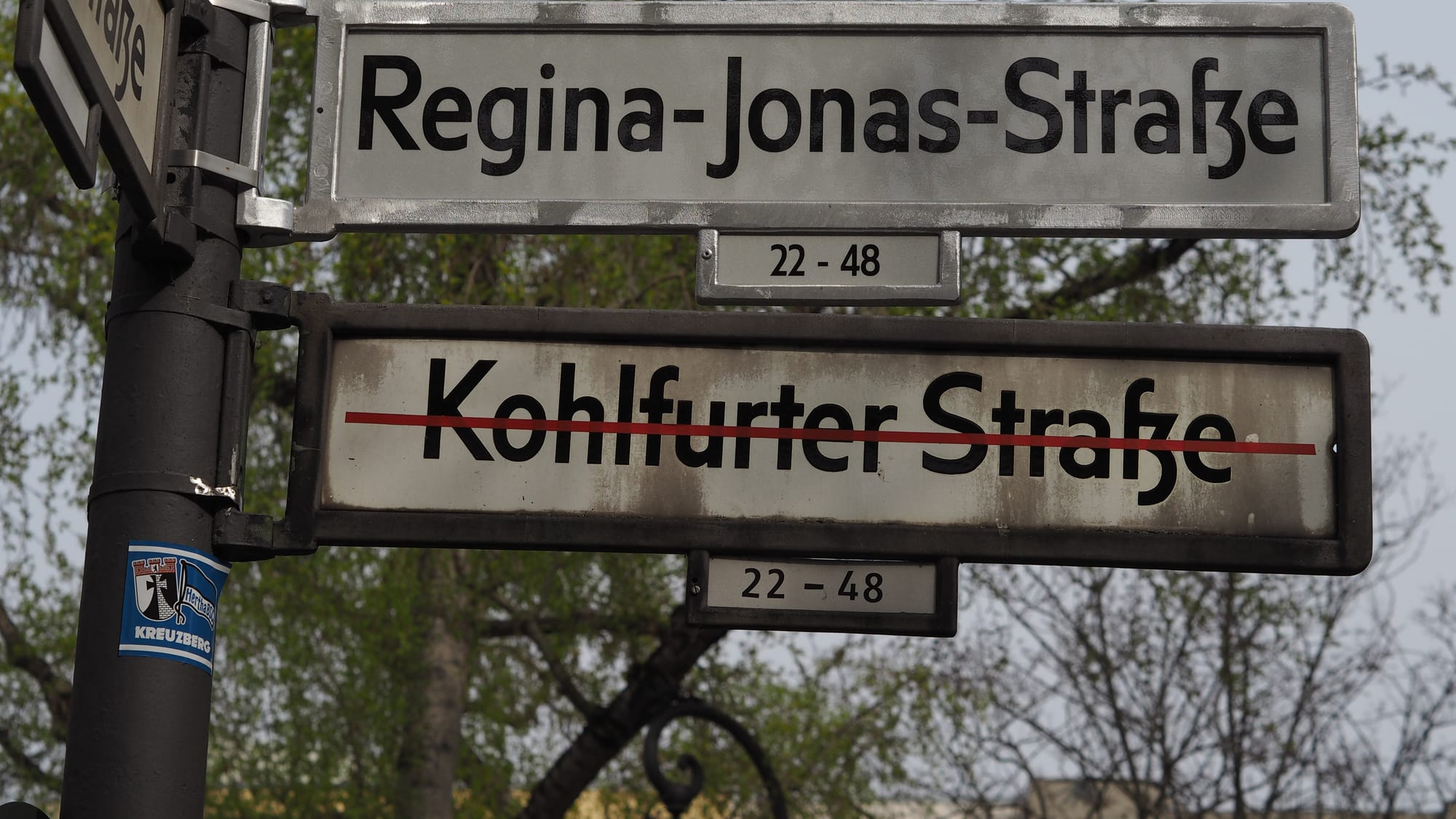
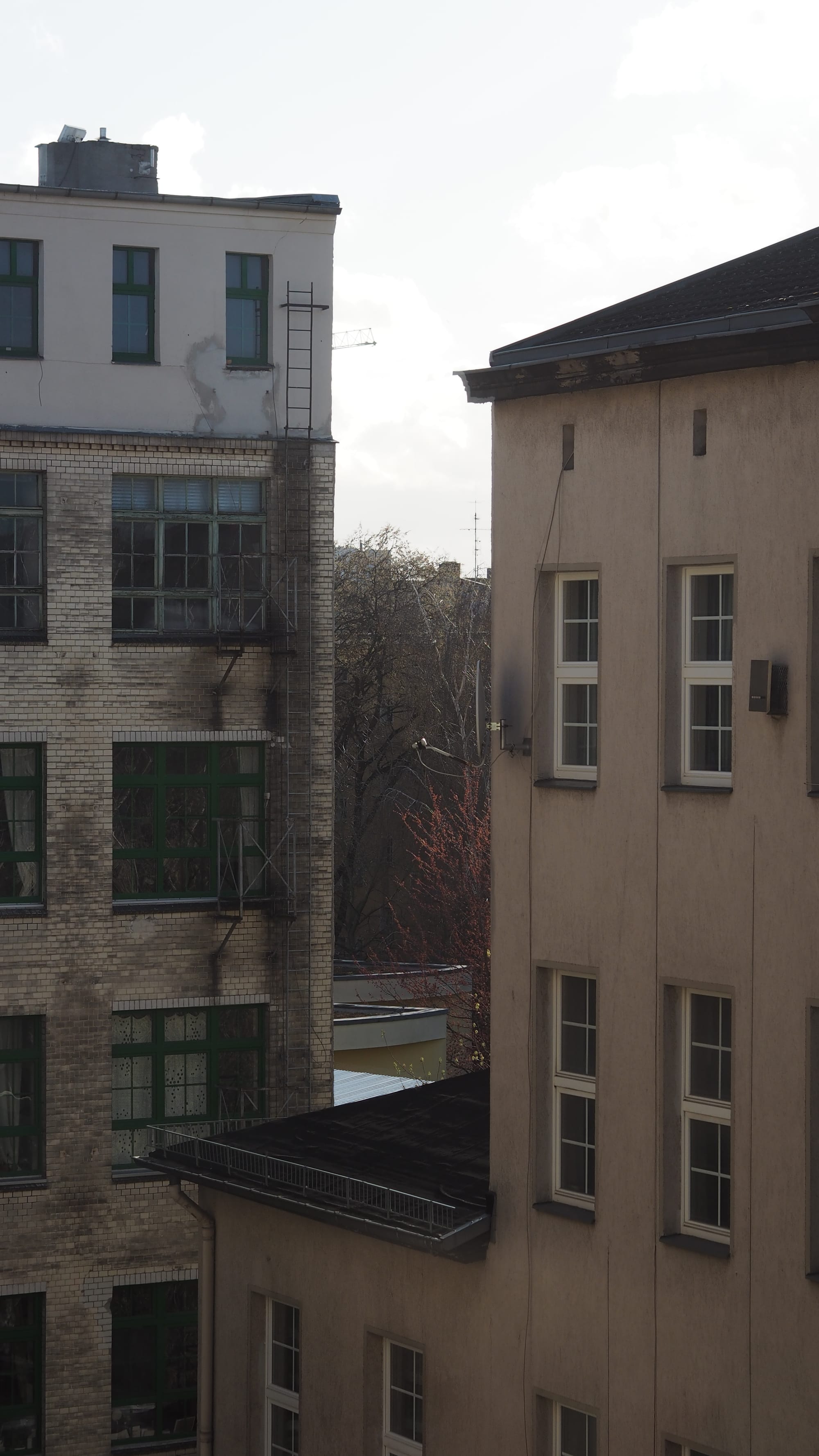
We went for the first of many walks but leaving the apartment took the wrong direction, left instead of right, ending up having to loop back to the apartment and go right, in a loop almost identical to that taken on the left.
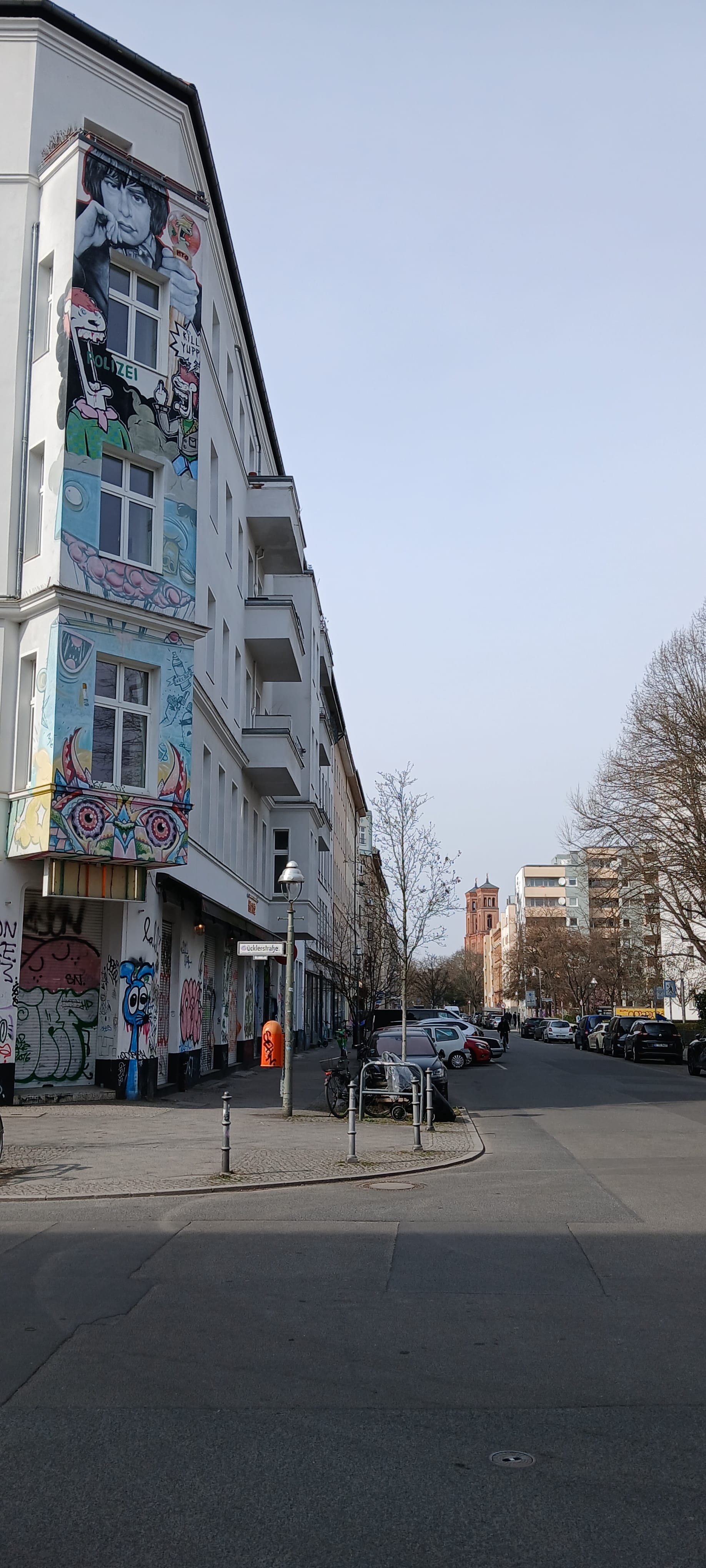
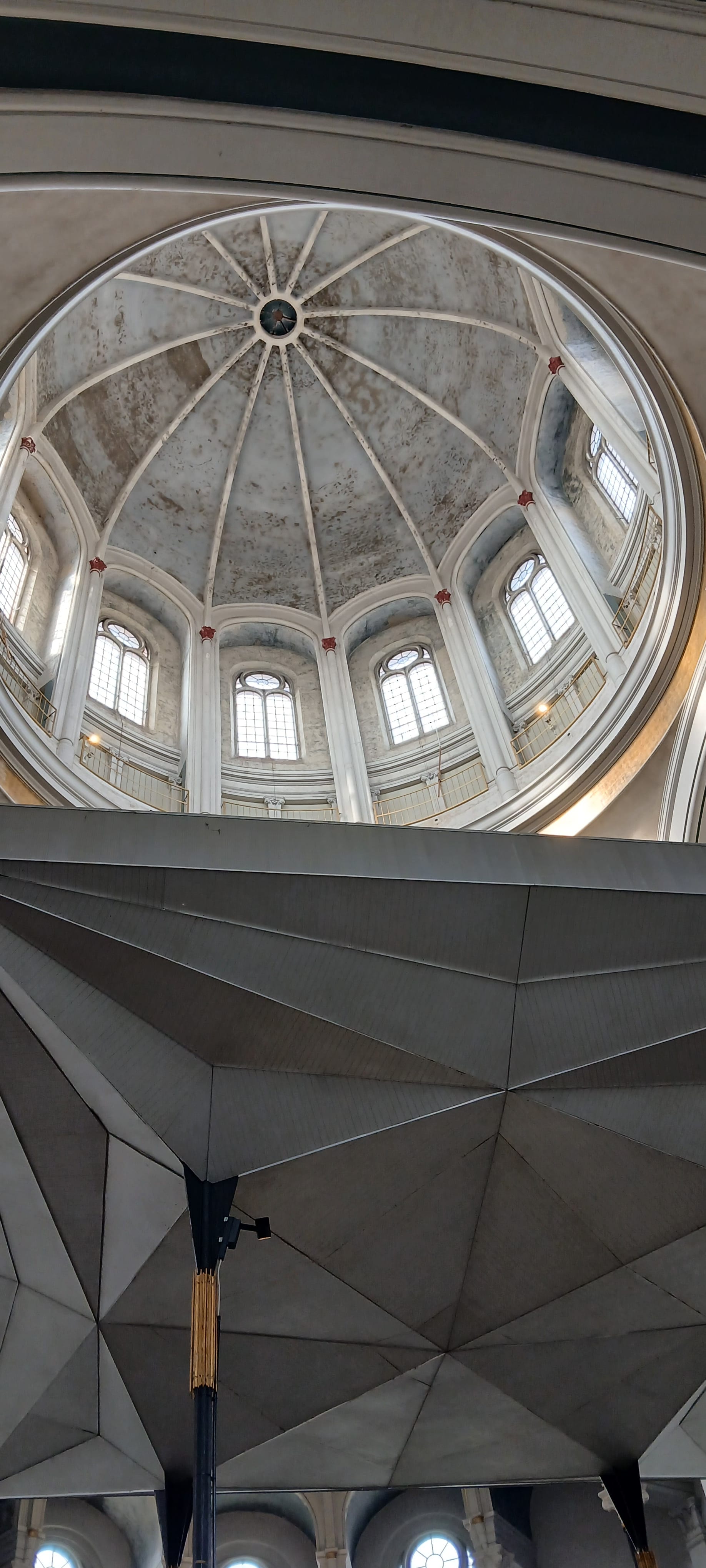
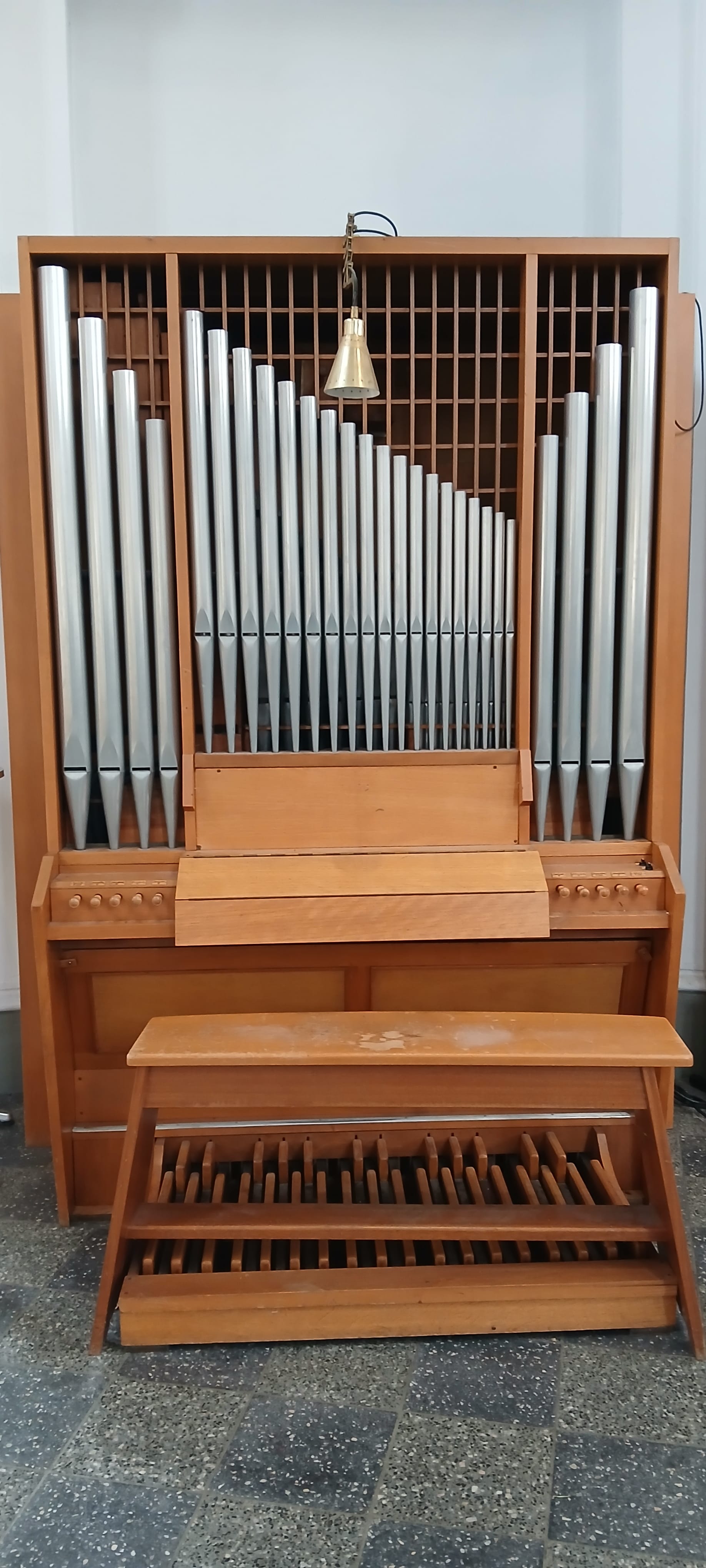
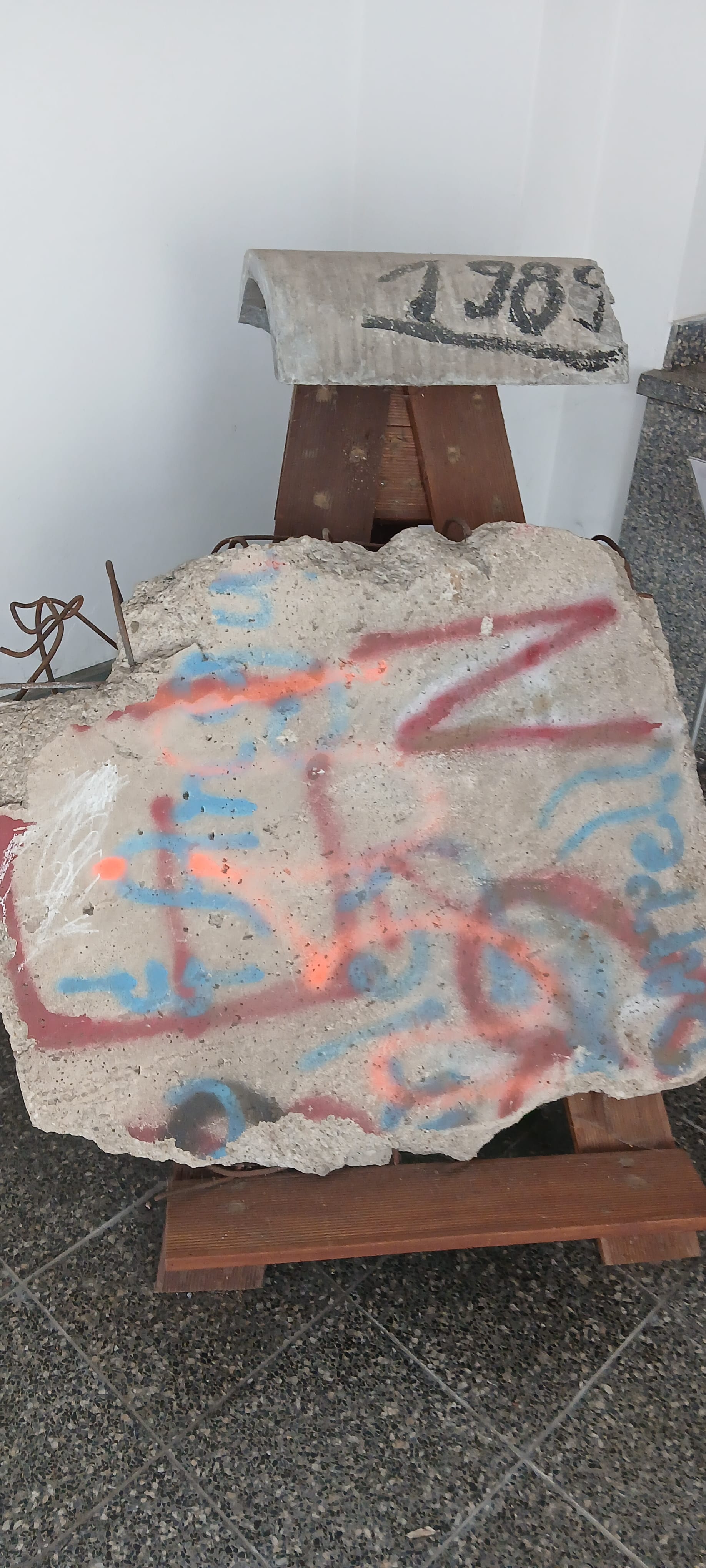
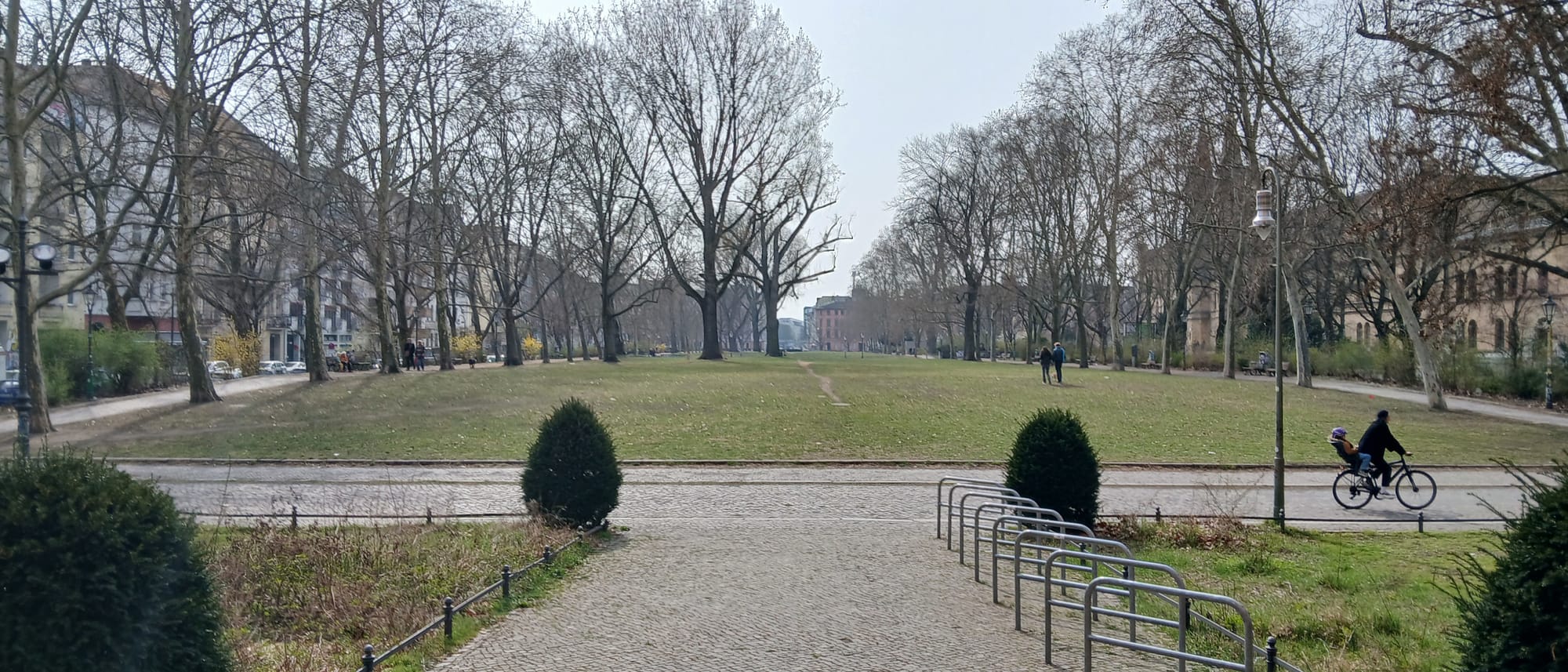
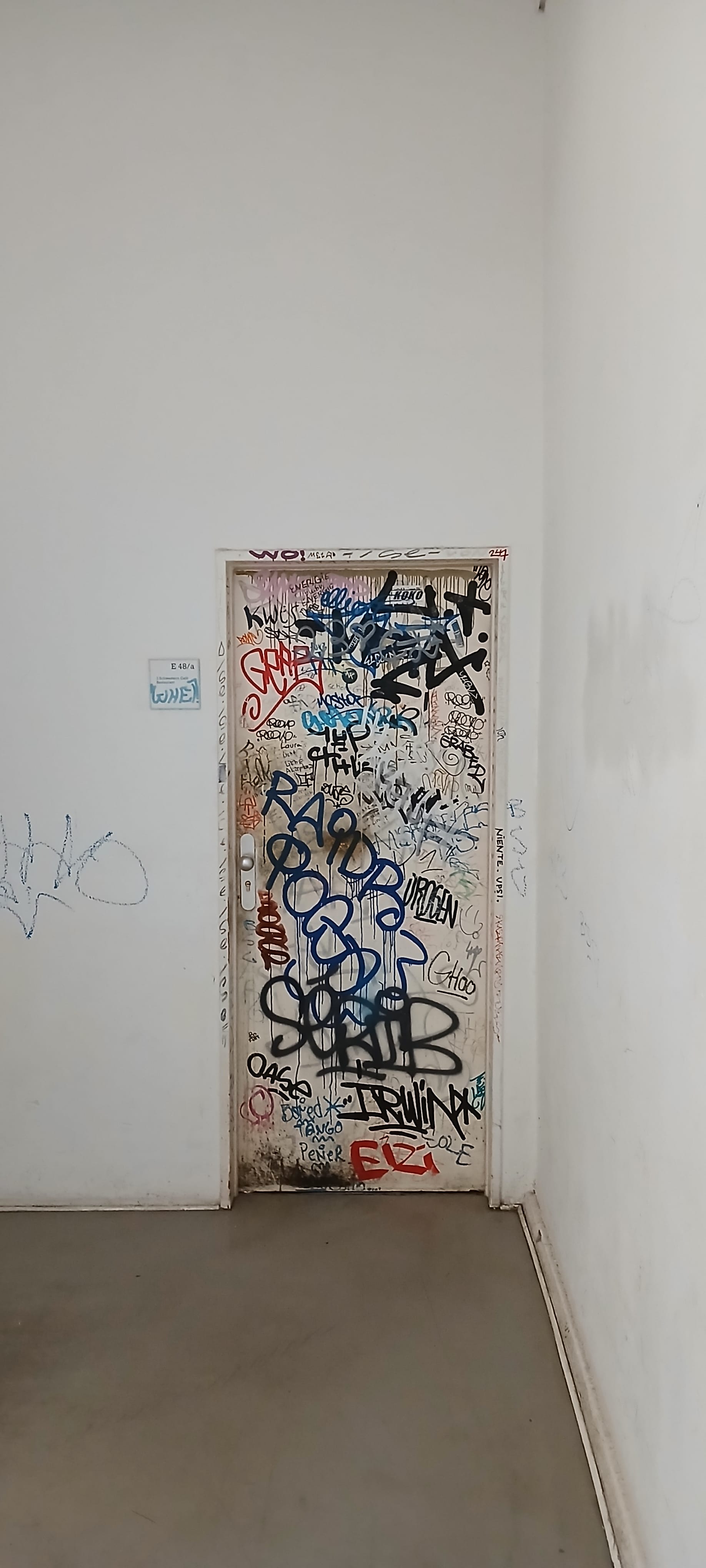
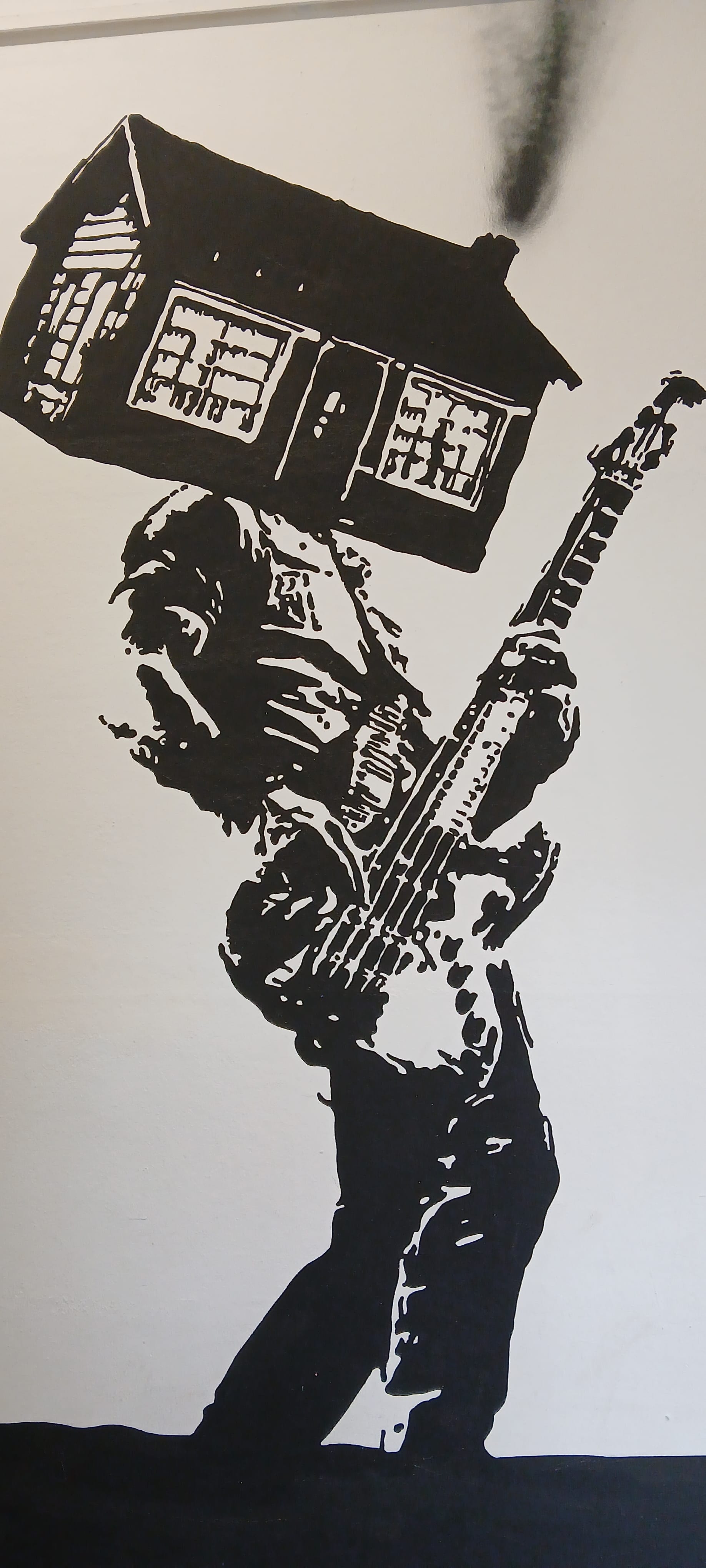
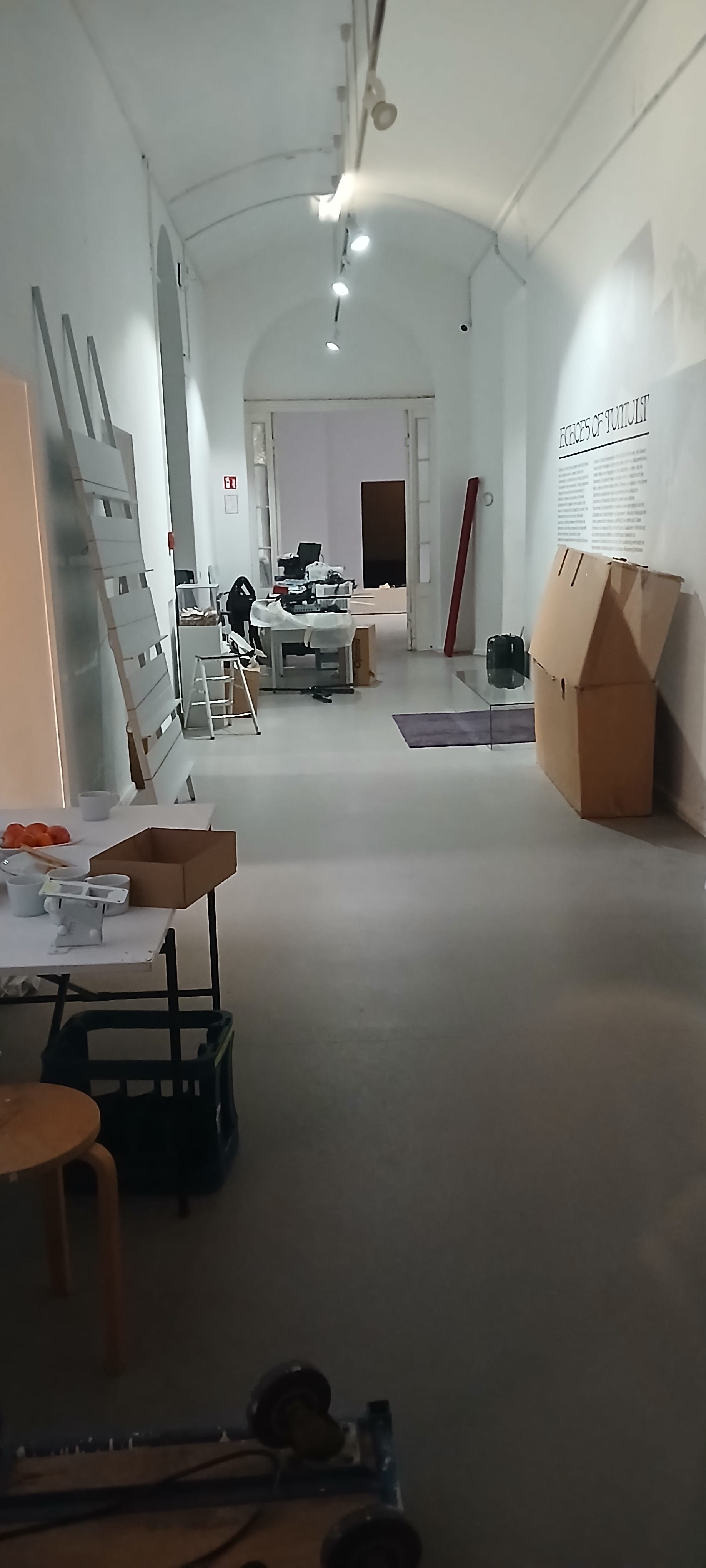
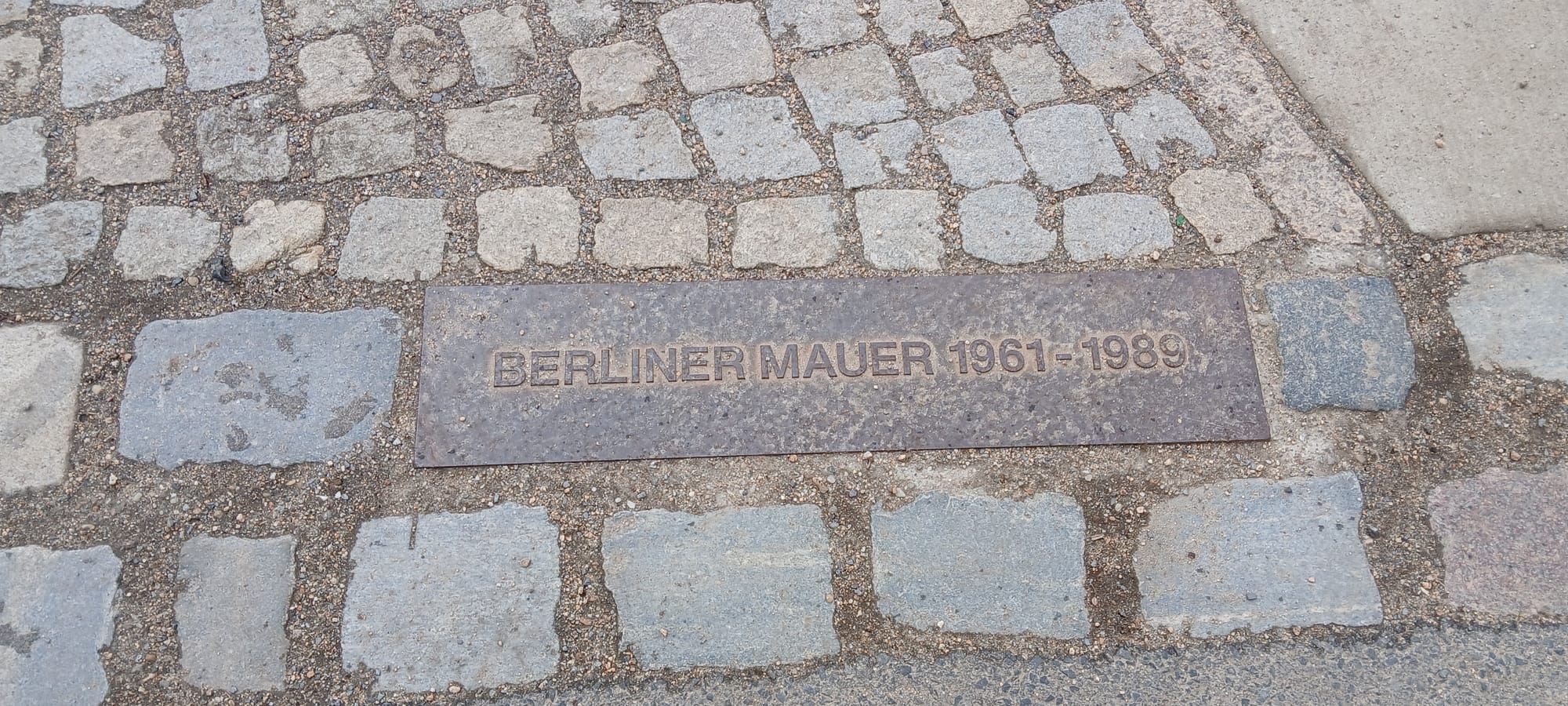
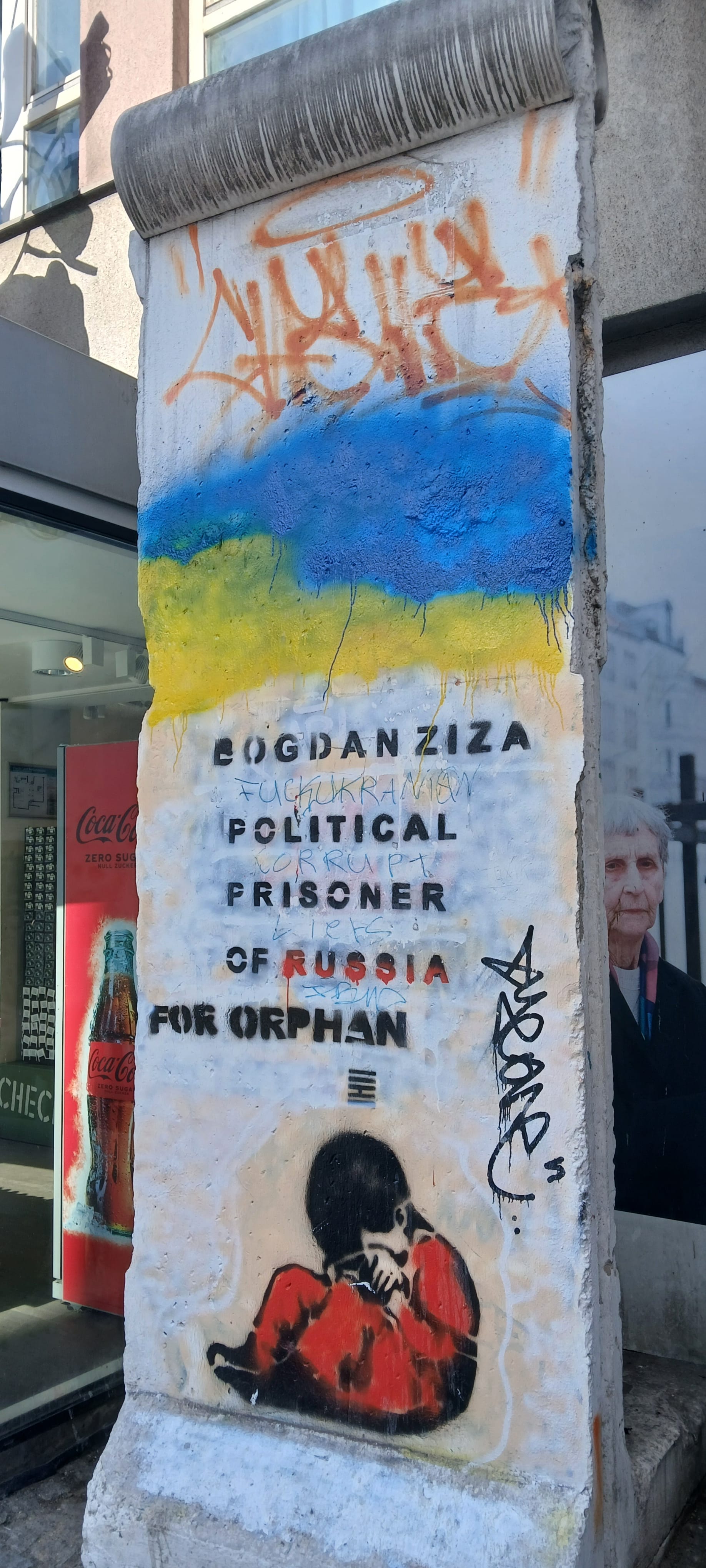
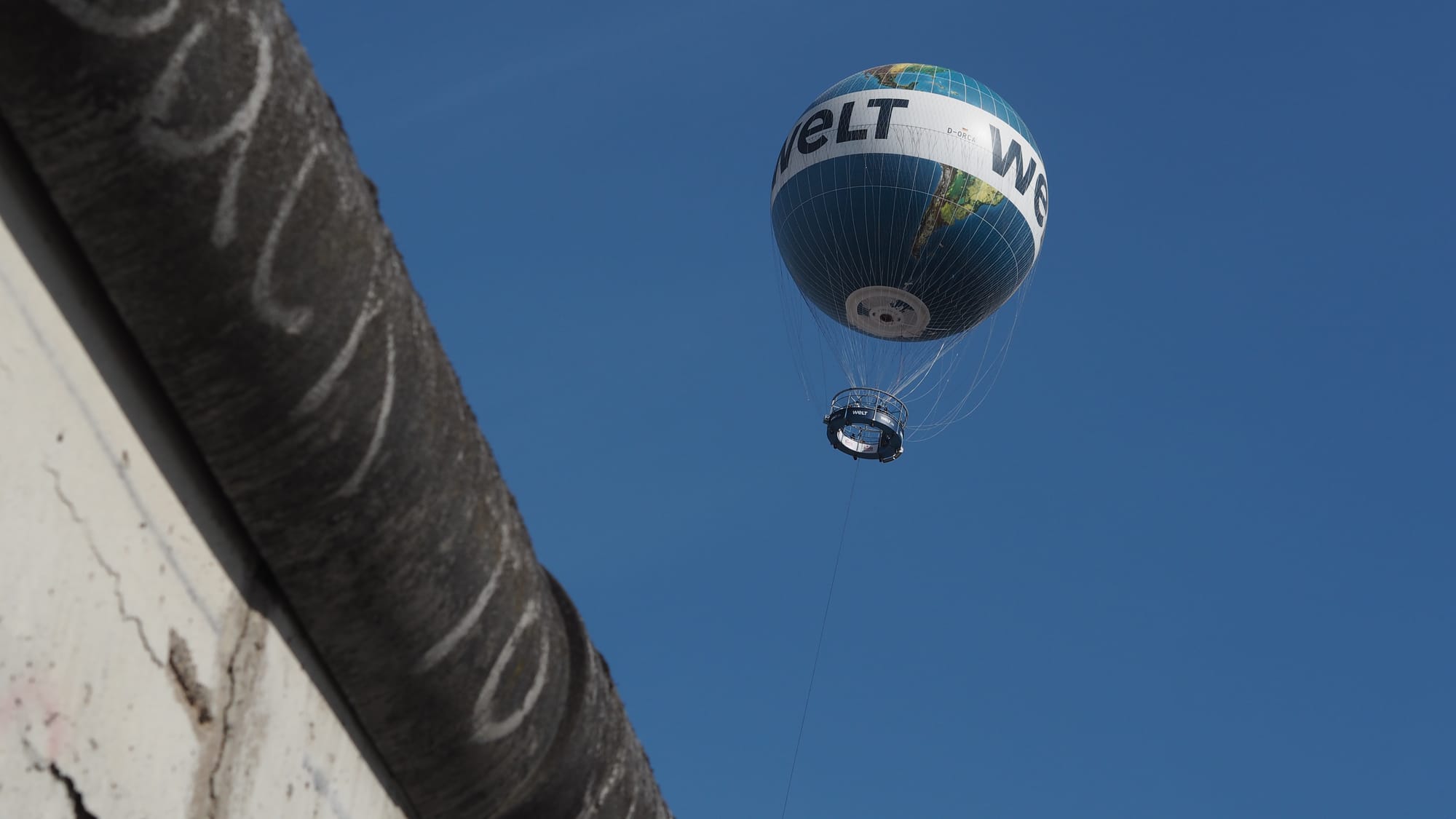
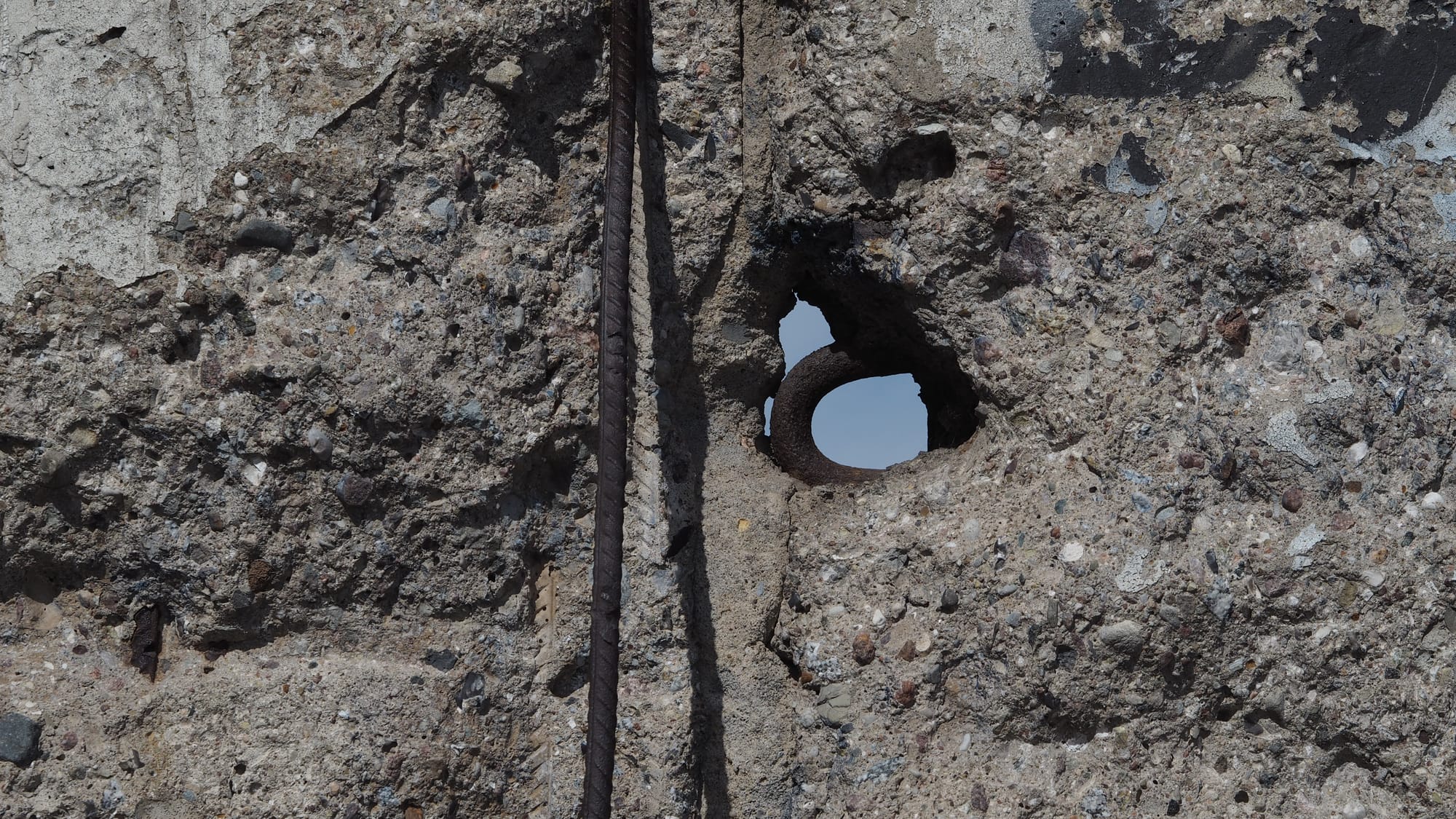
- a fragment of the wall above, and the interior of Künstlerhaus Bethanien
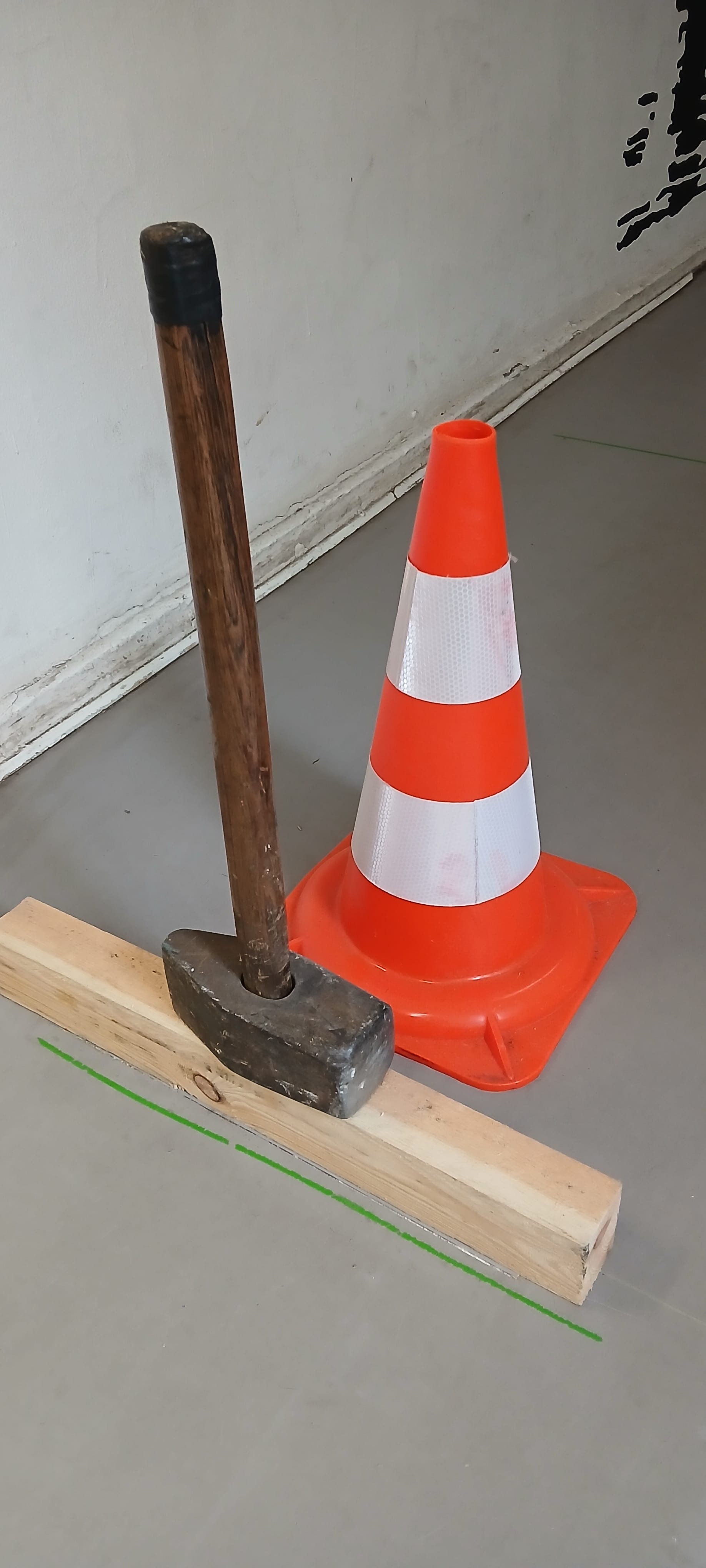
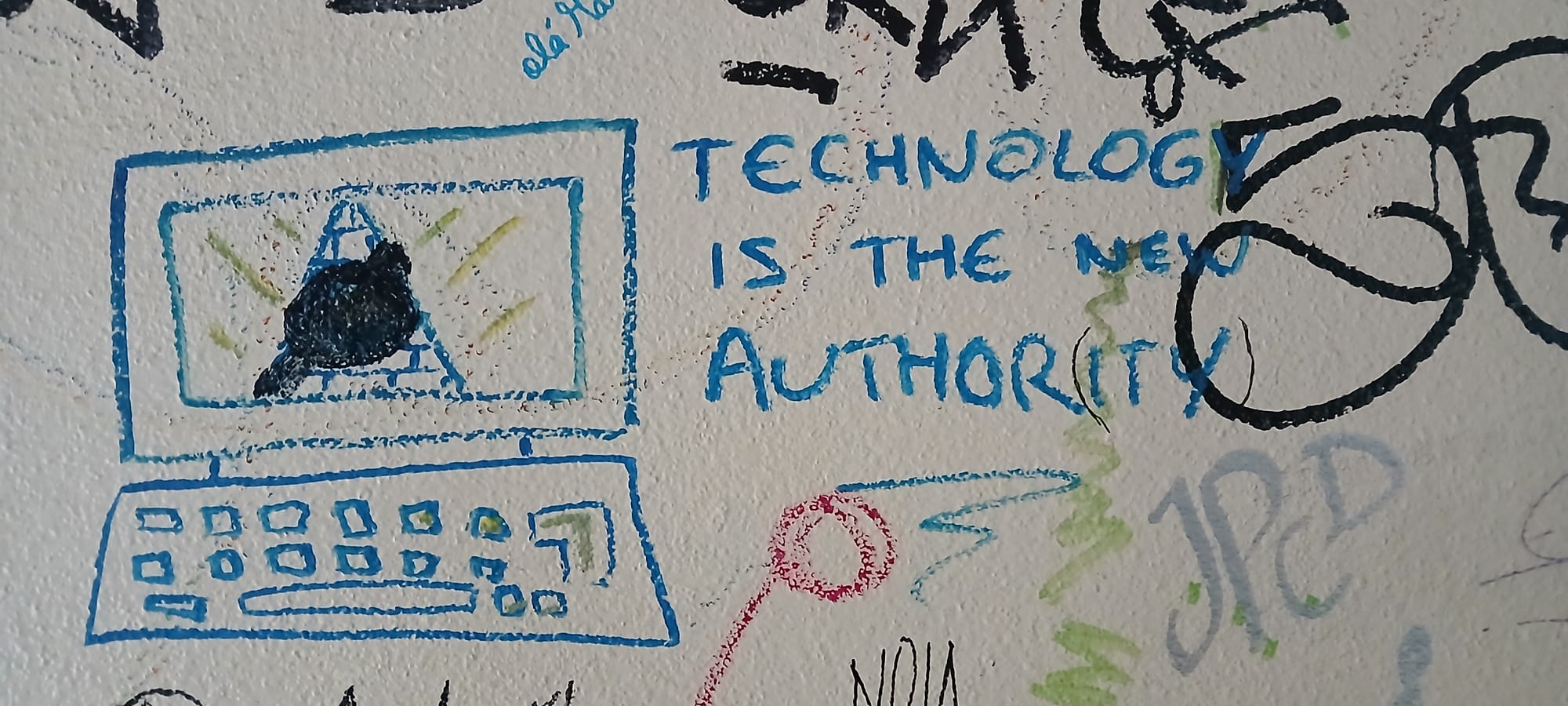
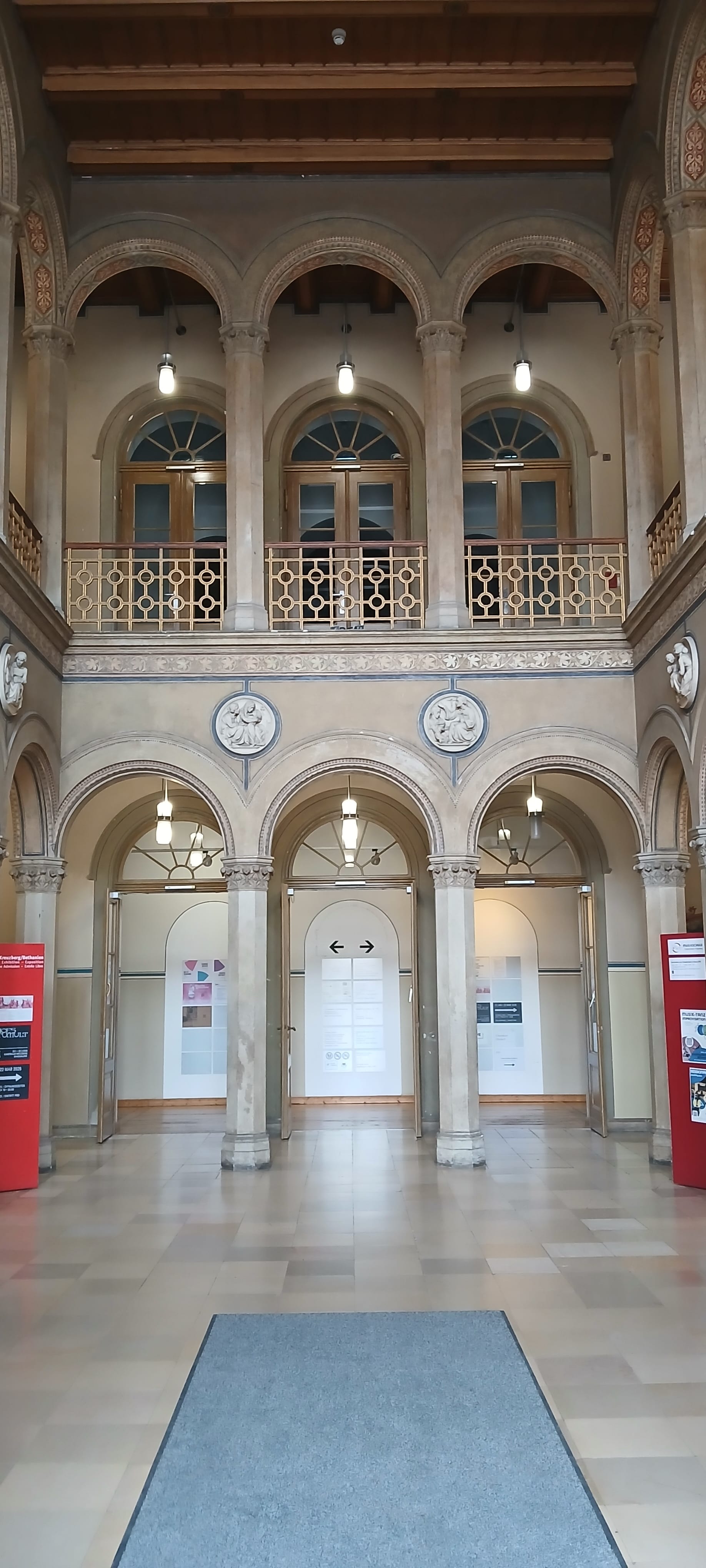
- at the Bethanien
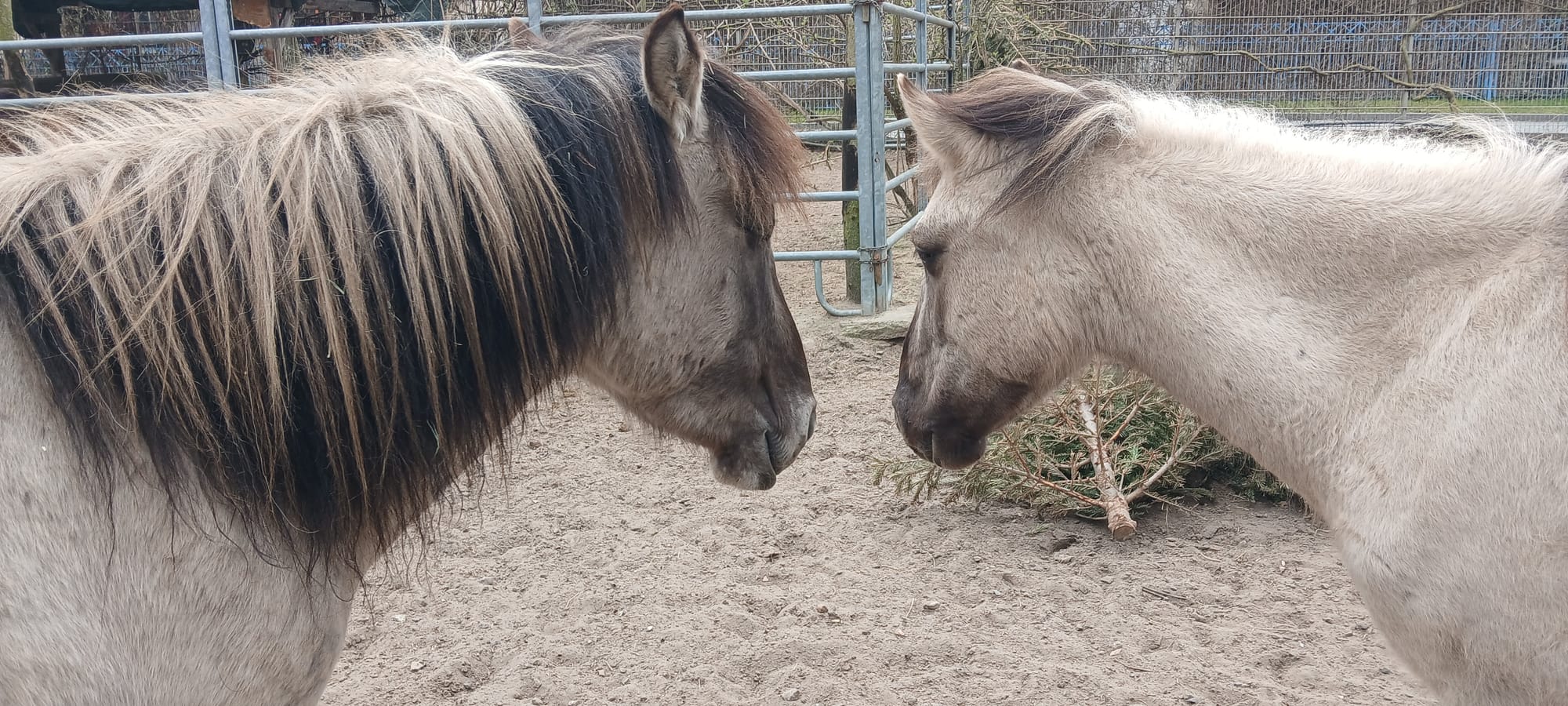
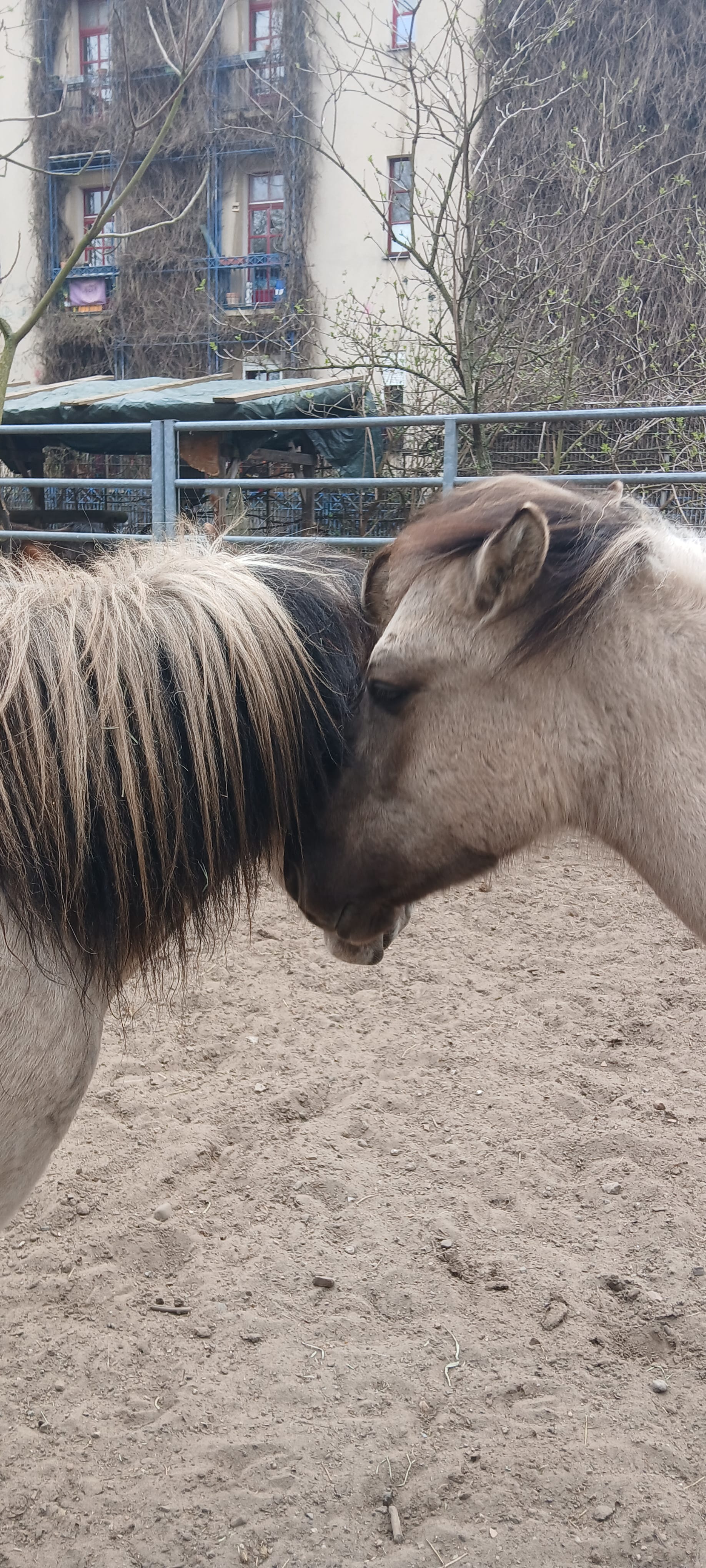
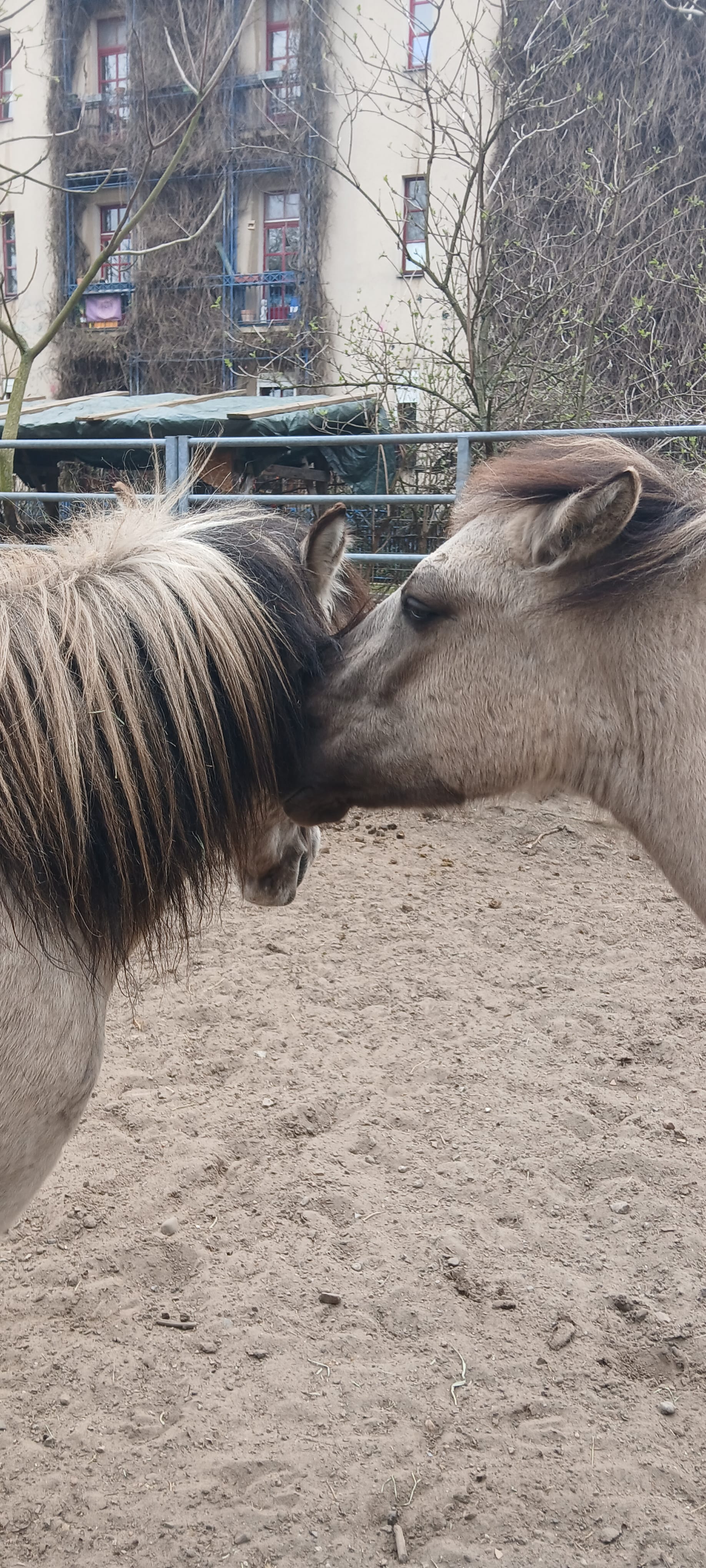
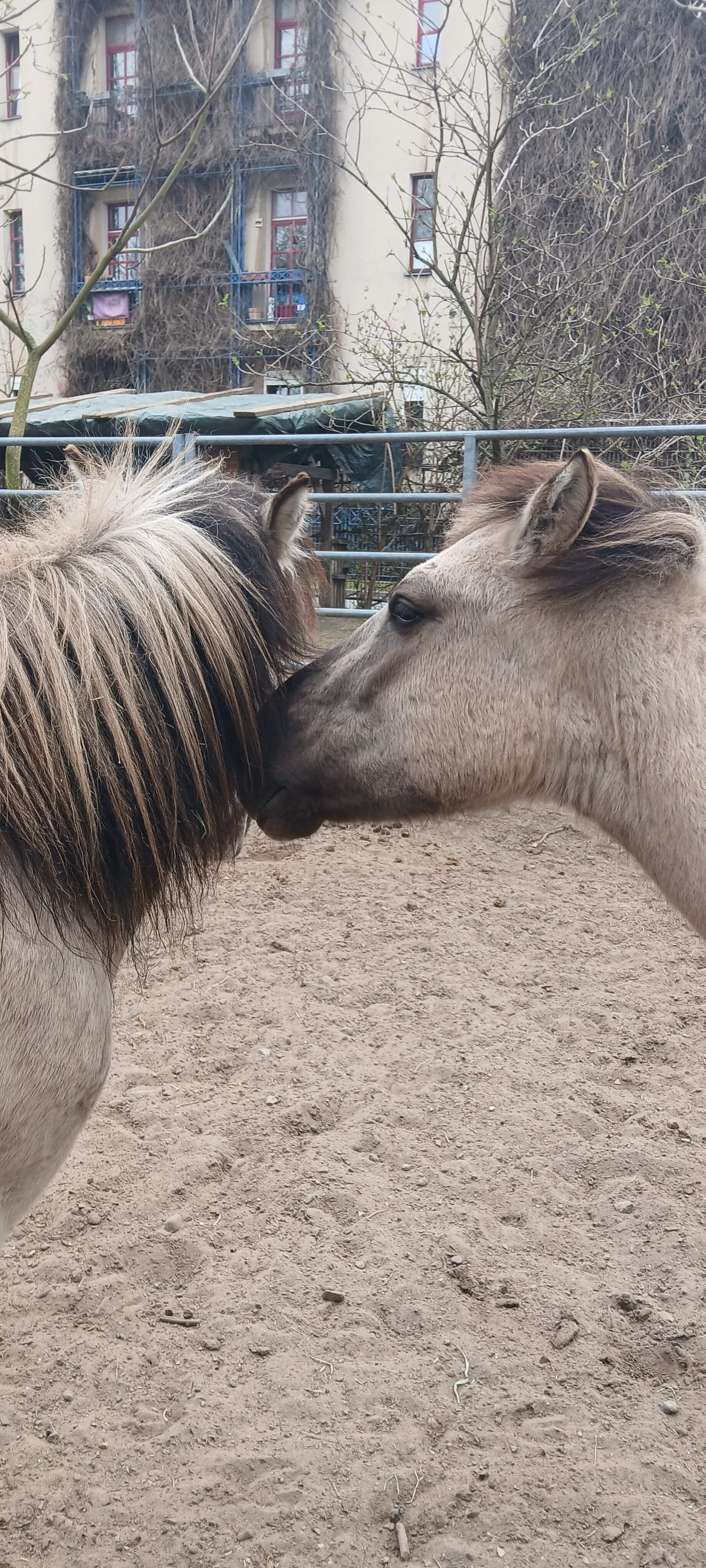
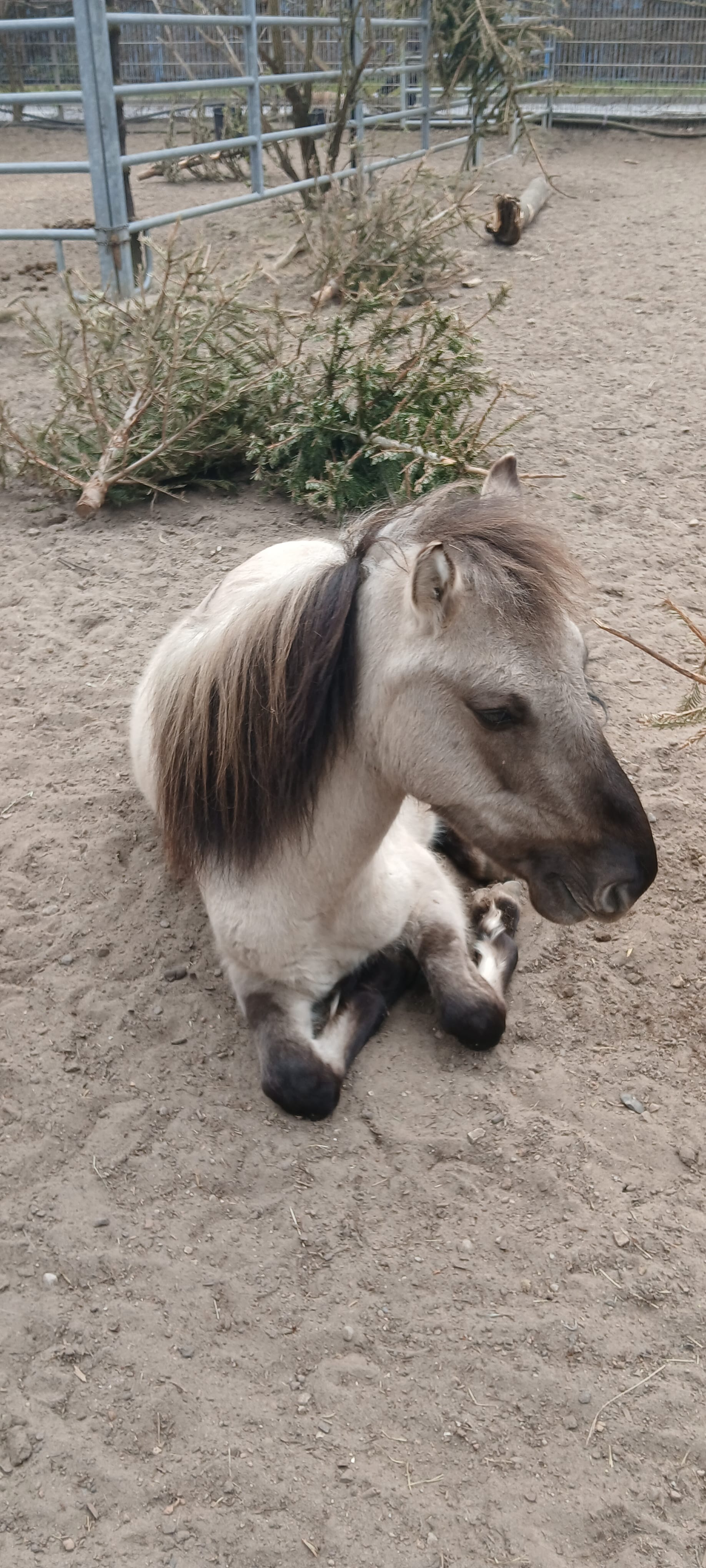
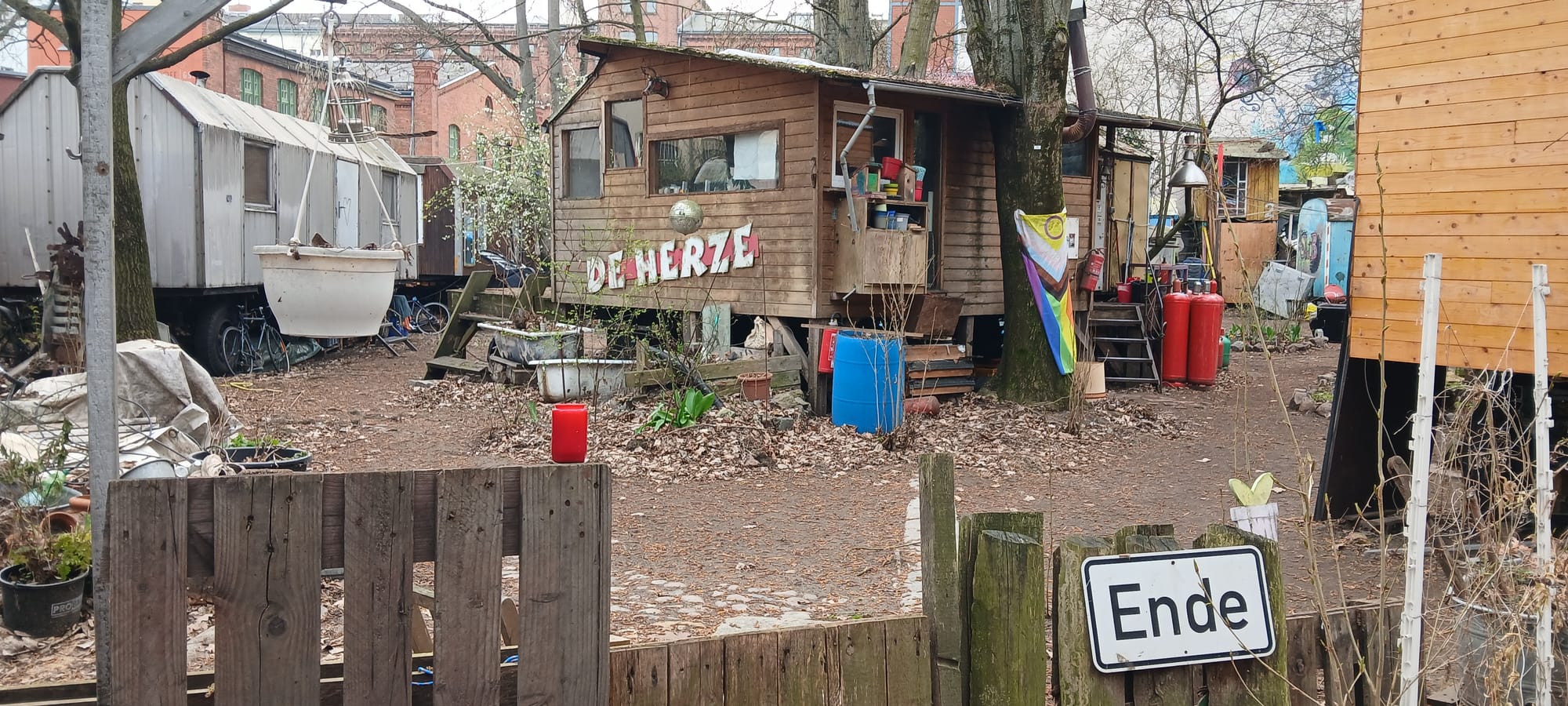
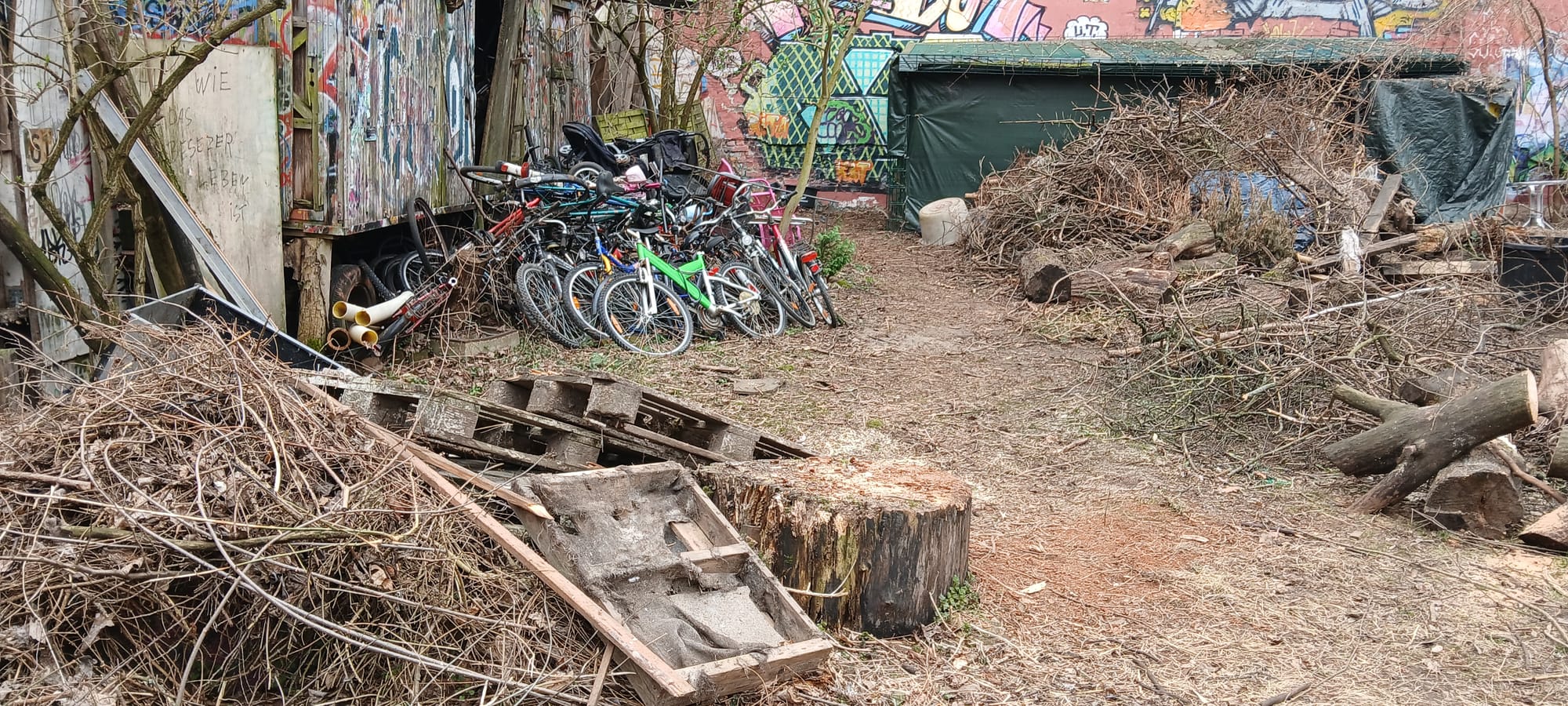
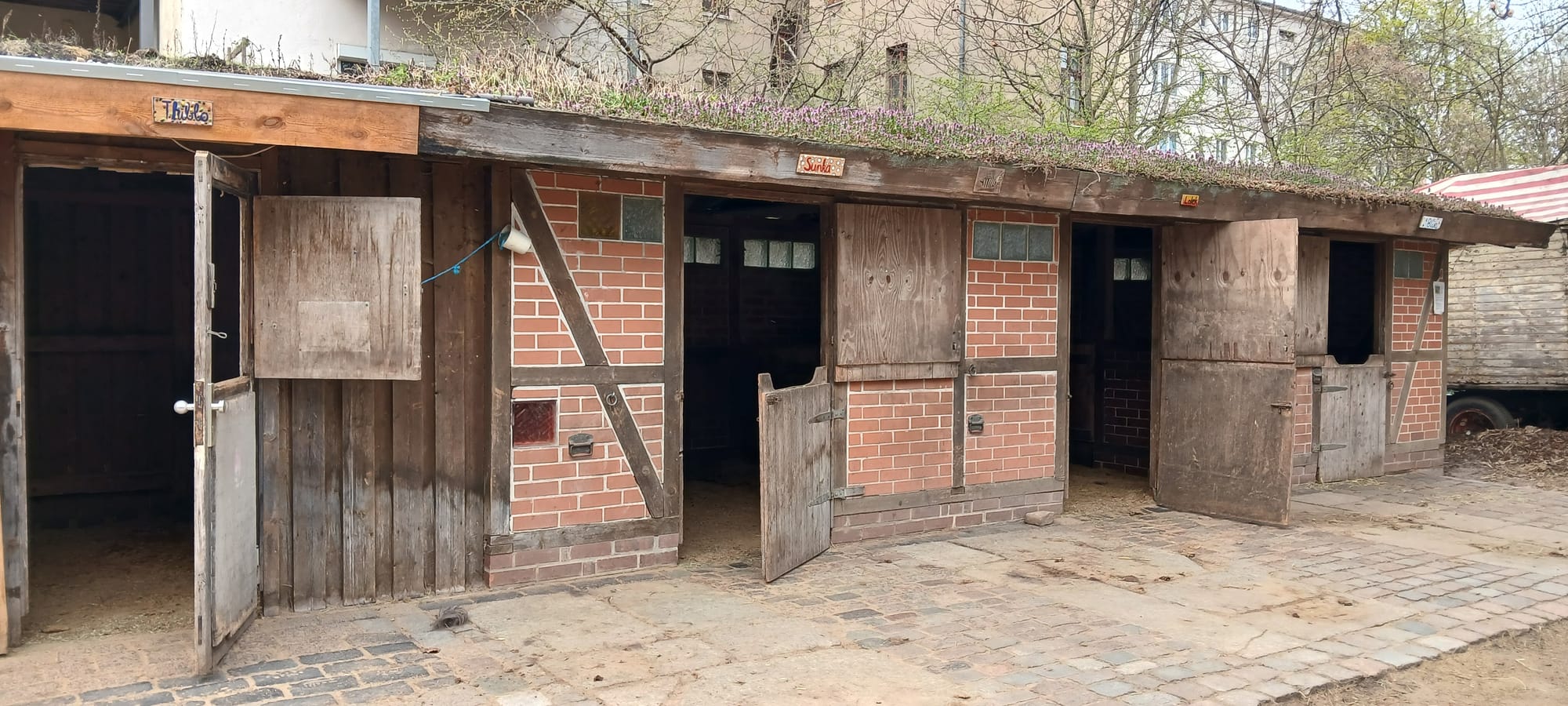

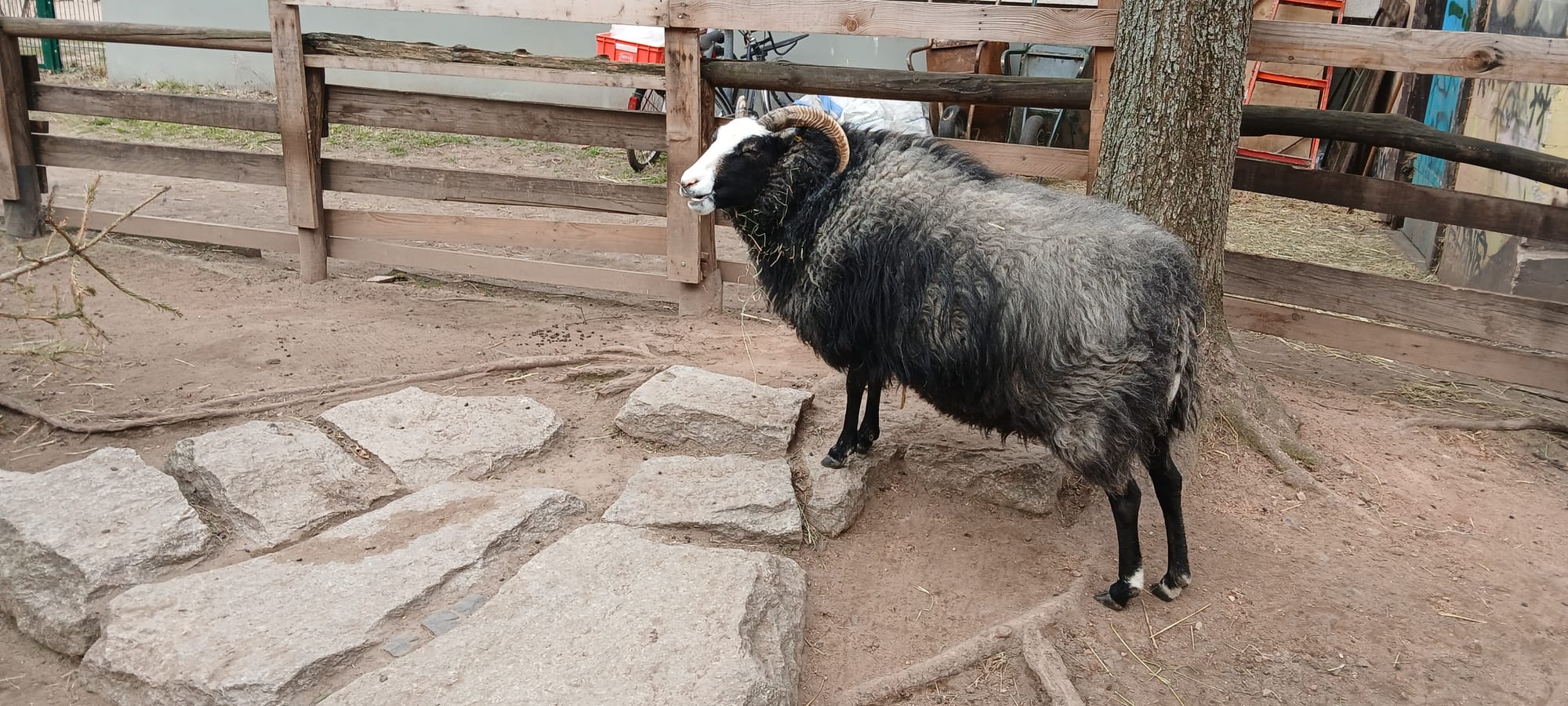
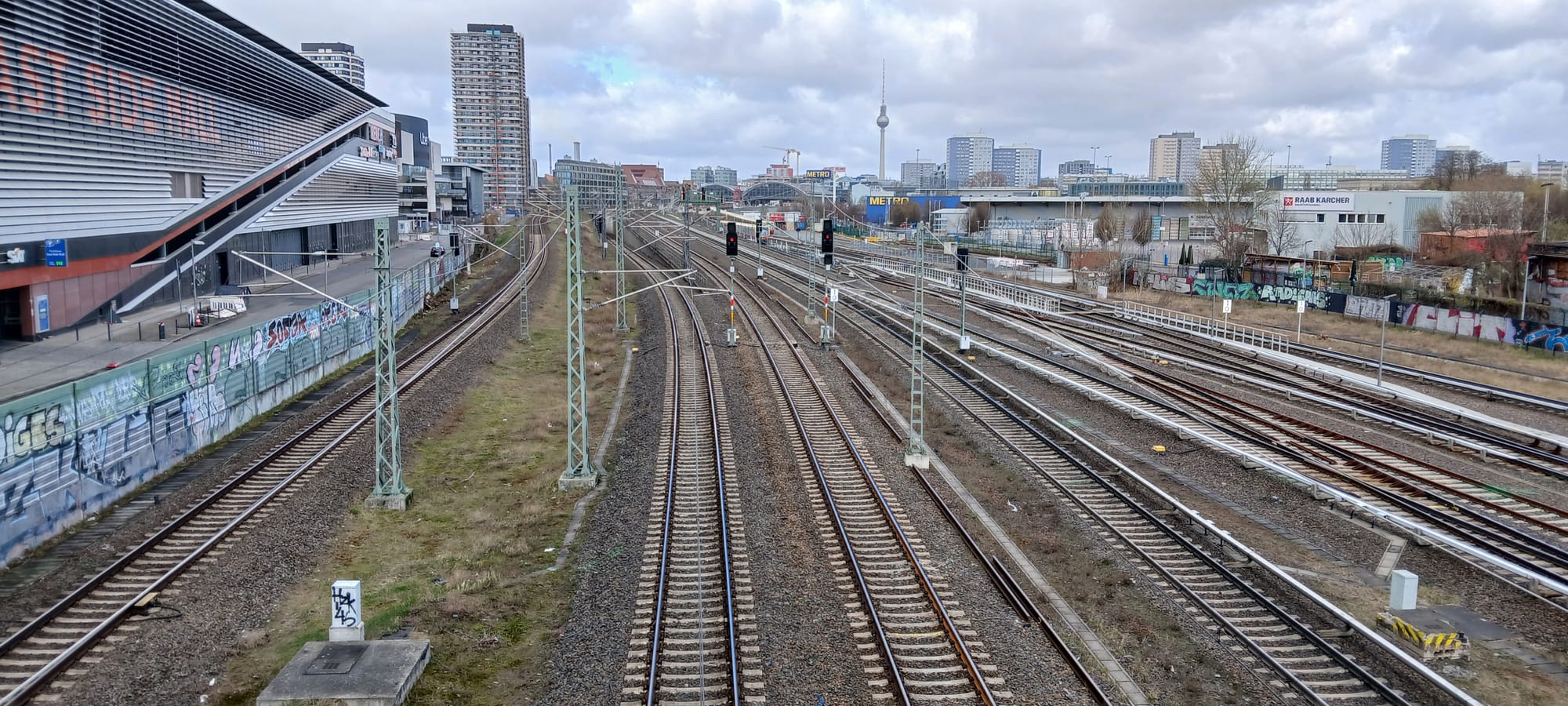
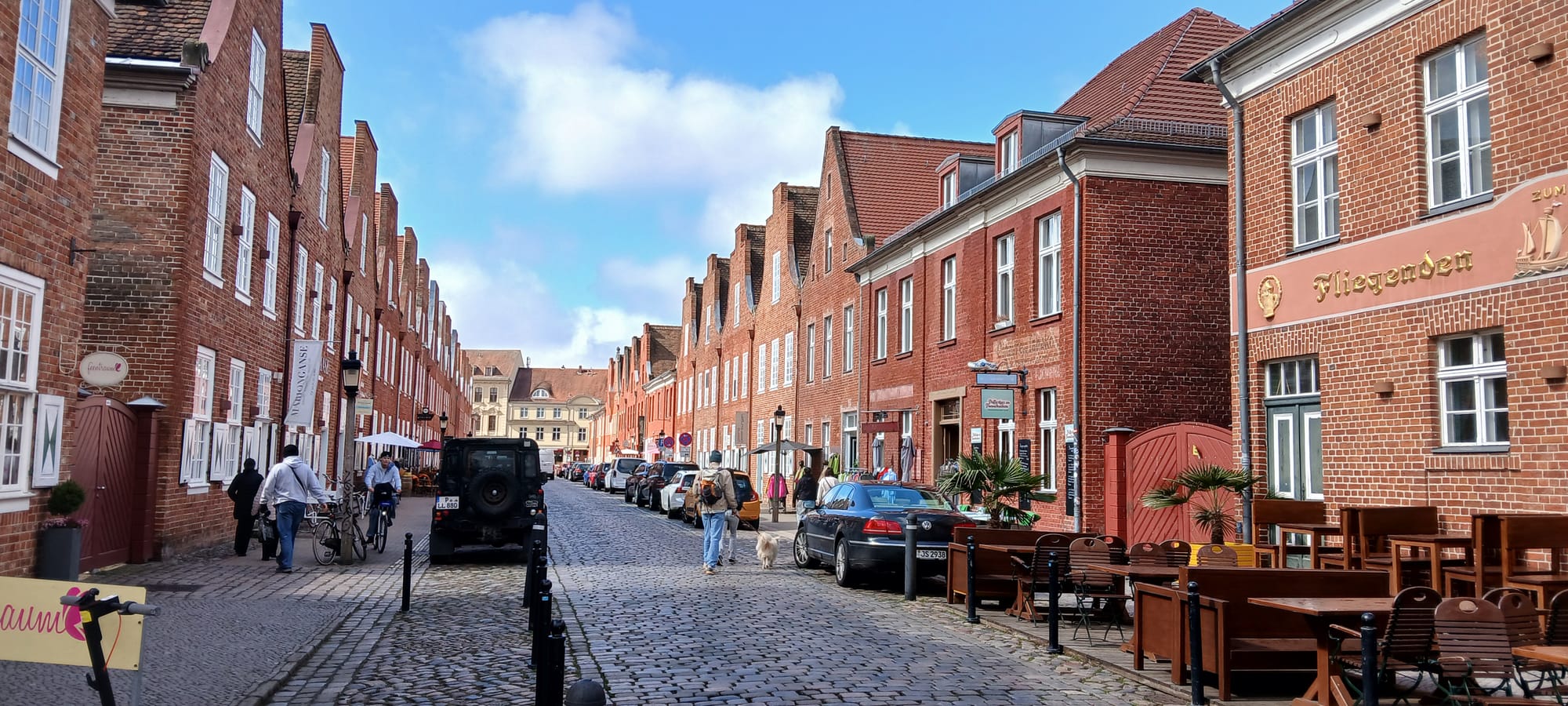
- around the corner from the post-unification cityscape, an urban farm off-the-grid community experience or urbane Landwirtschaftsautarkegemeinschaftserfahrung. The little horses are Koniks
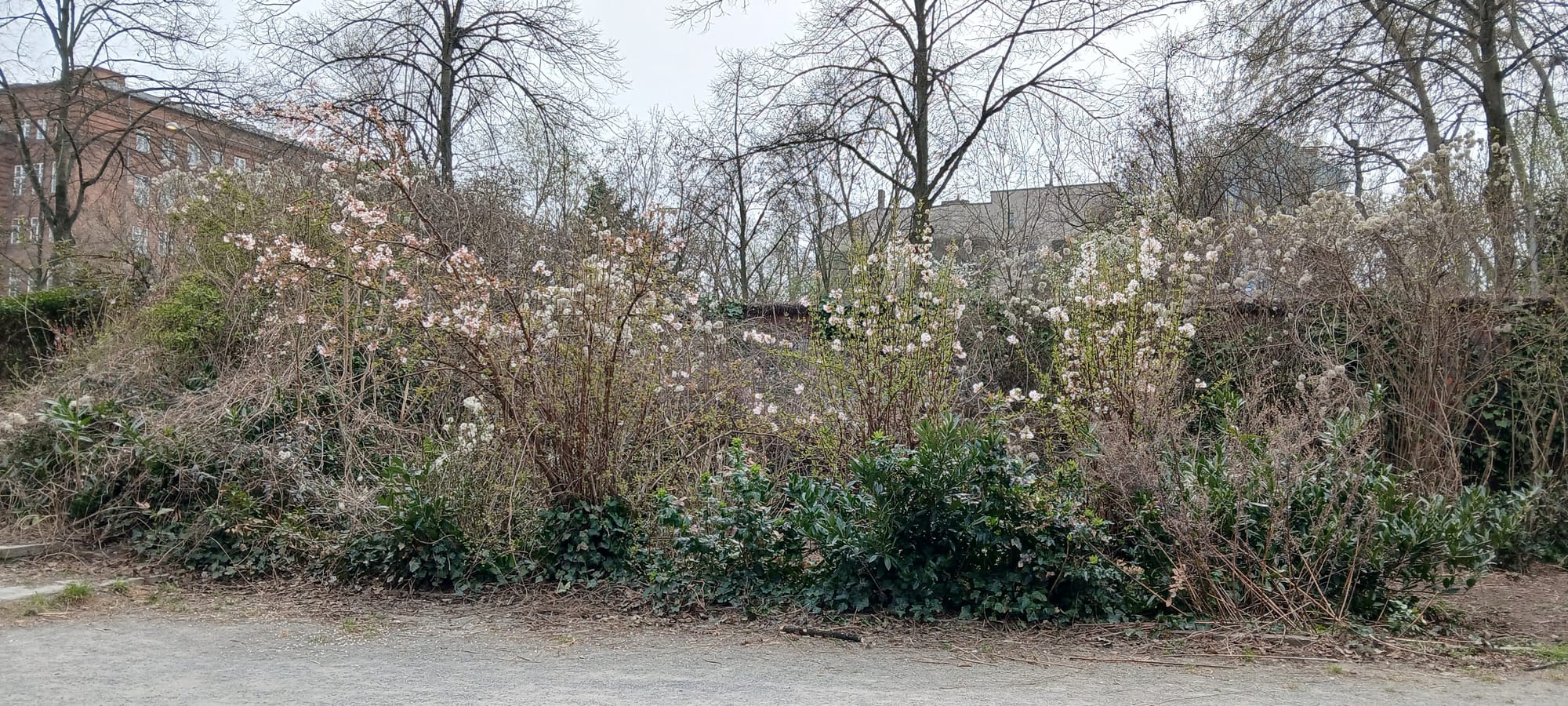
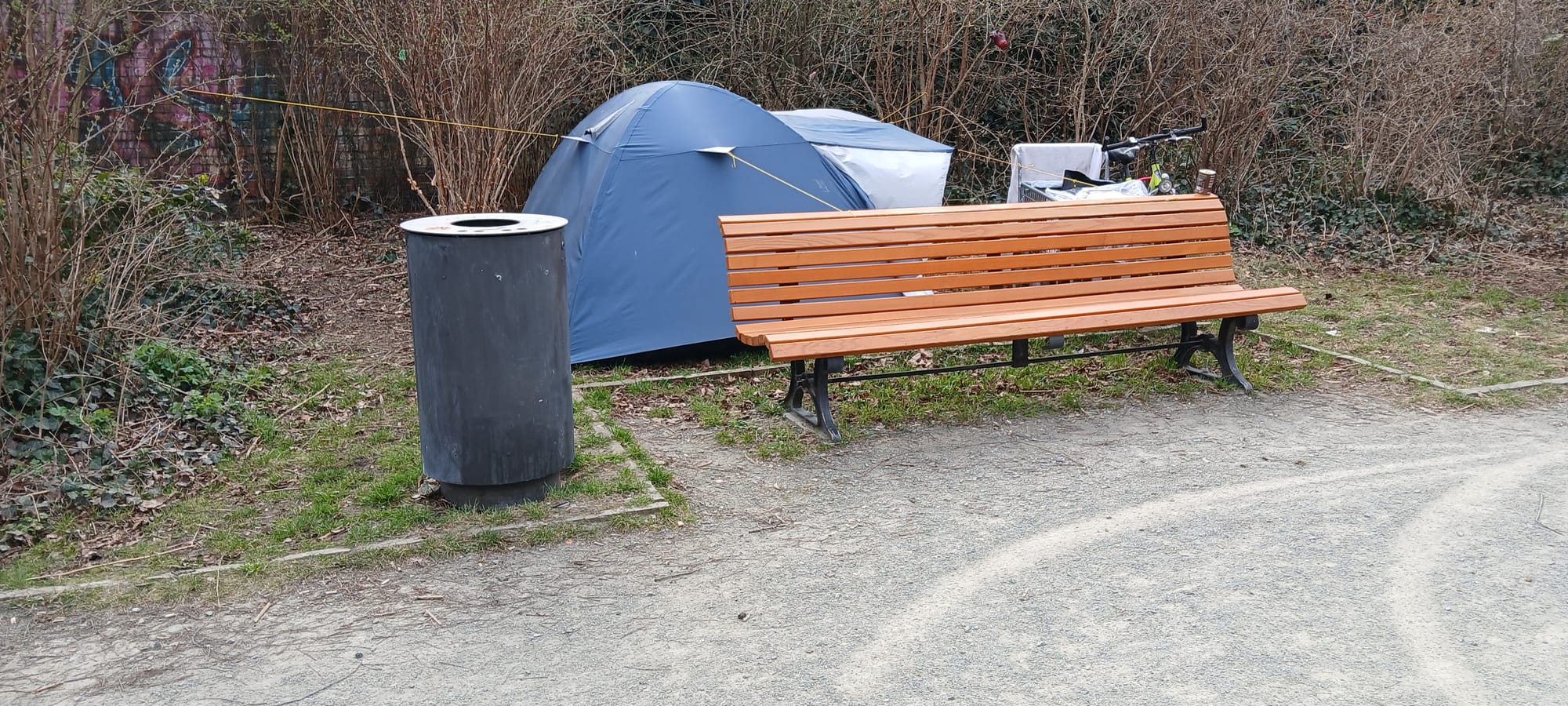
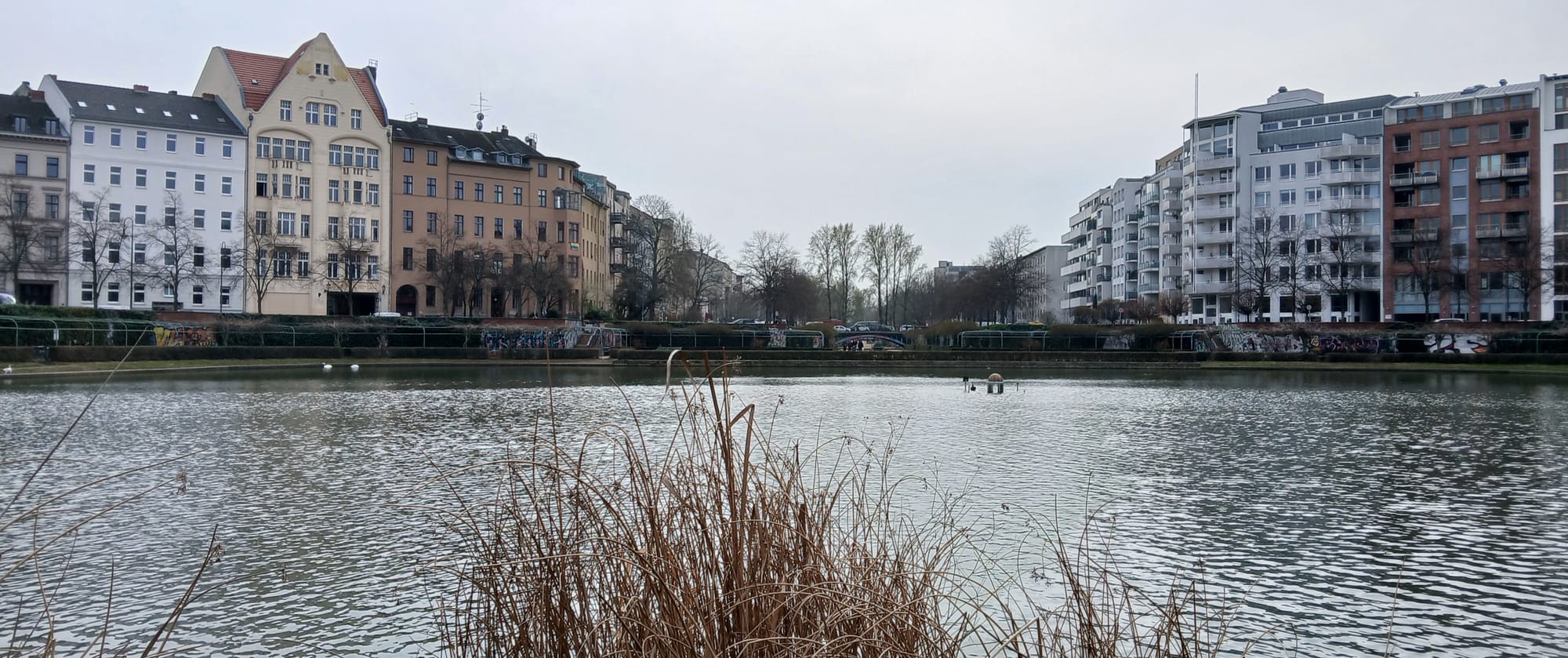
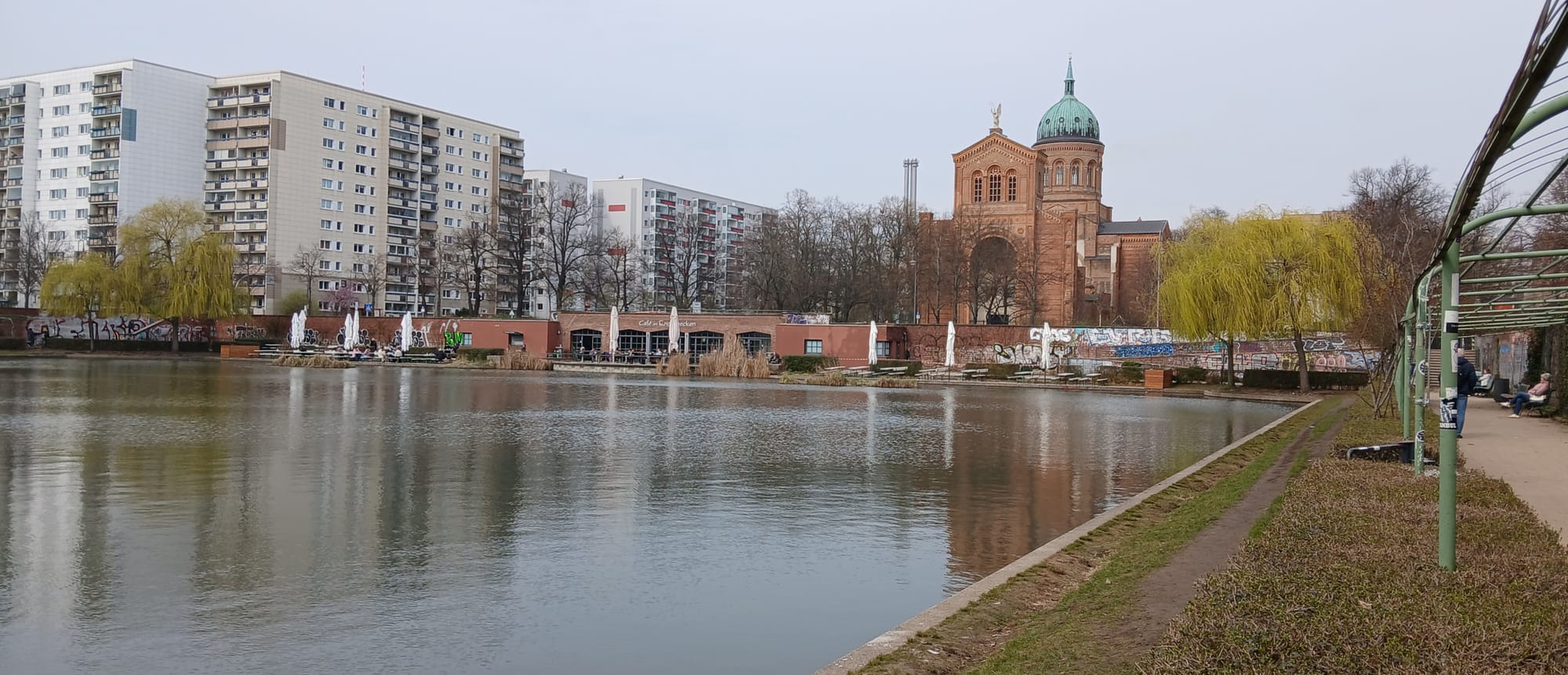
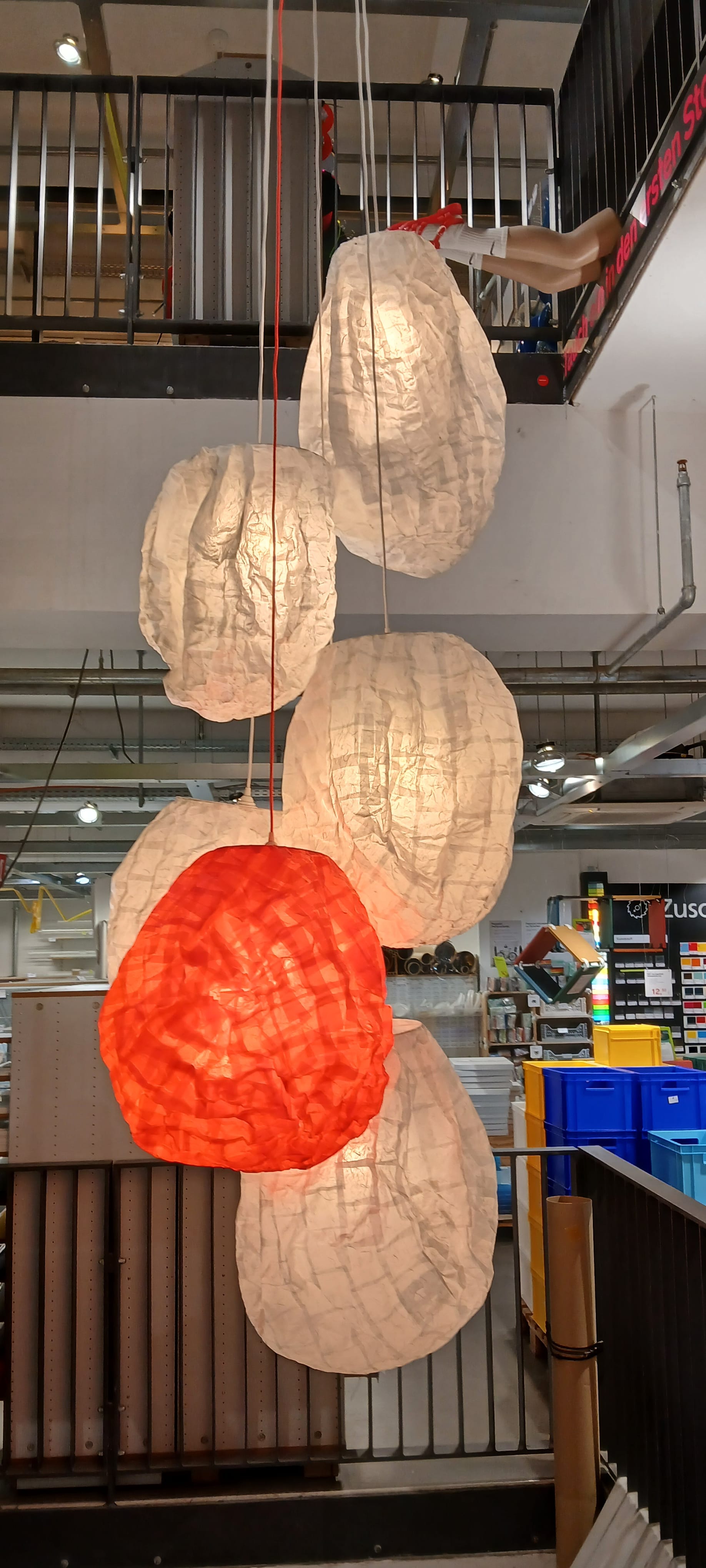
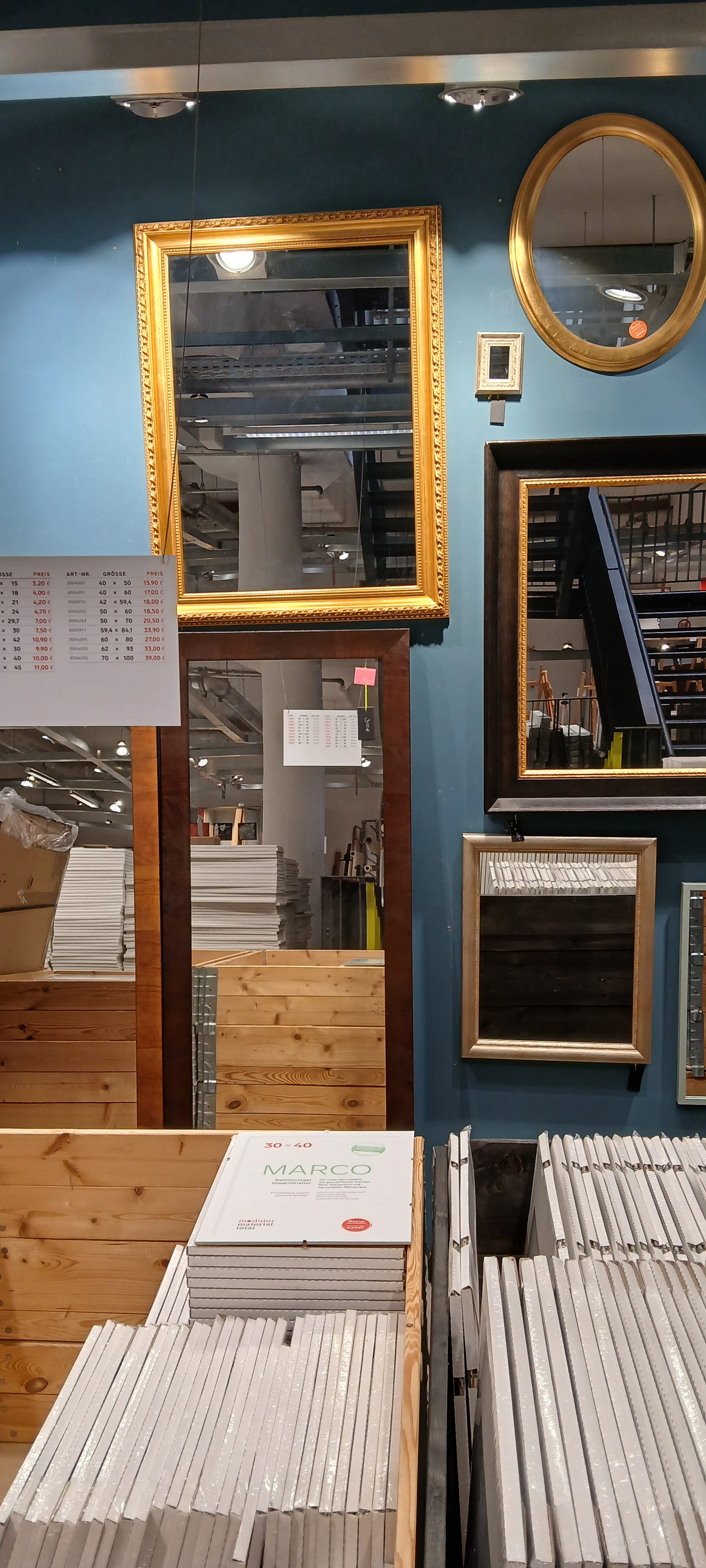
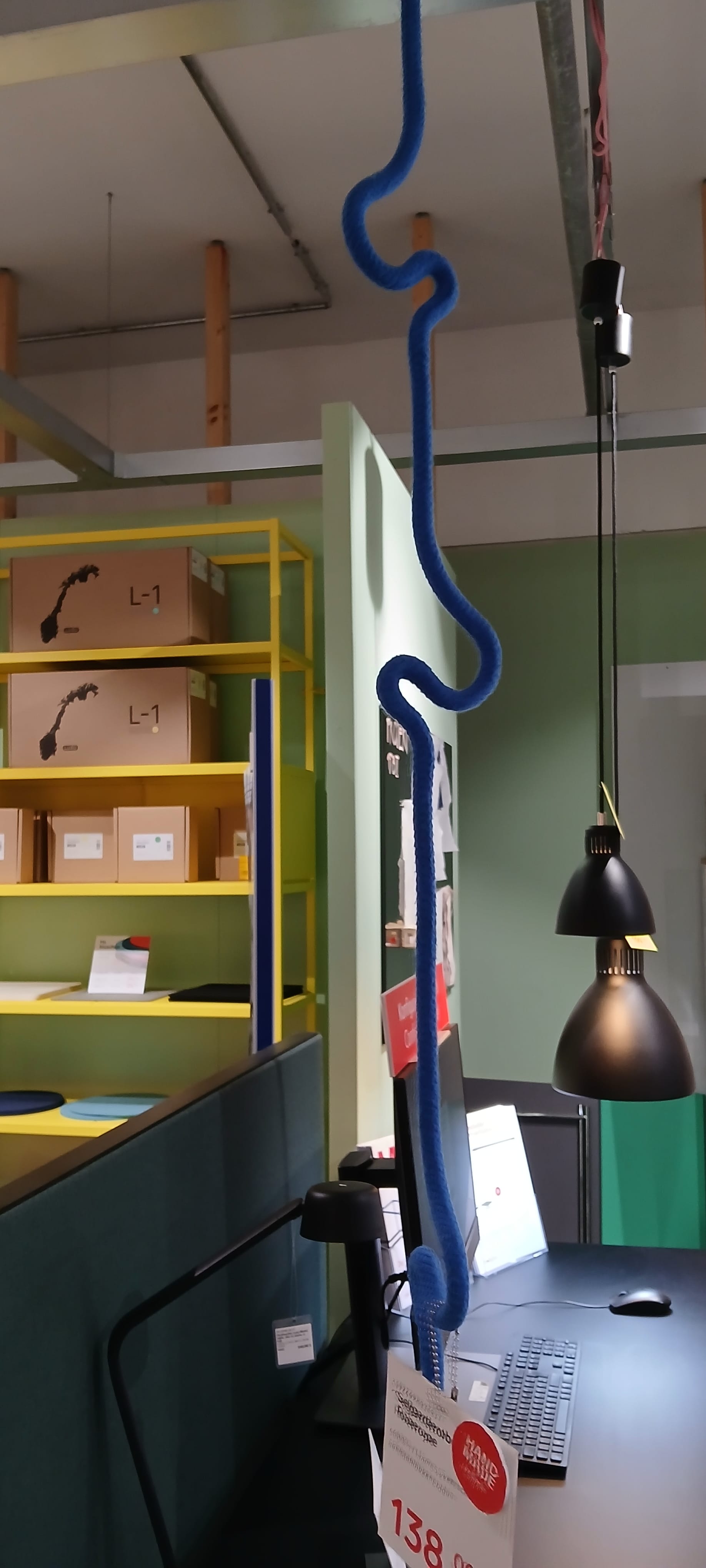
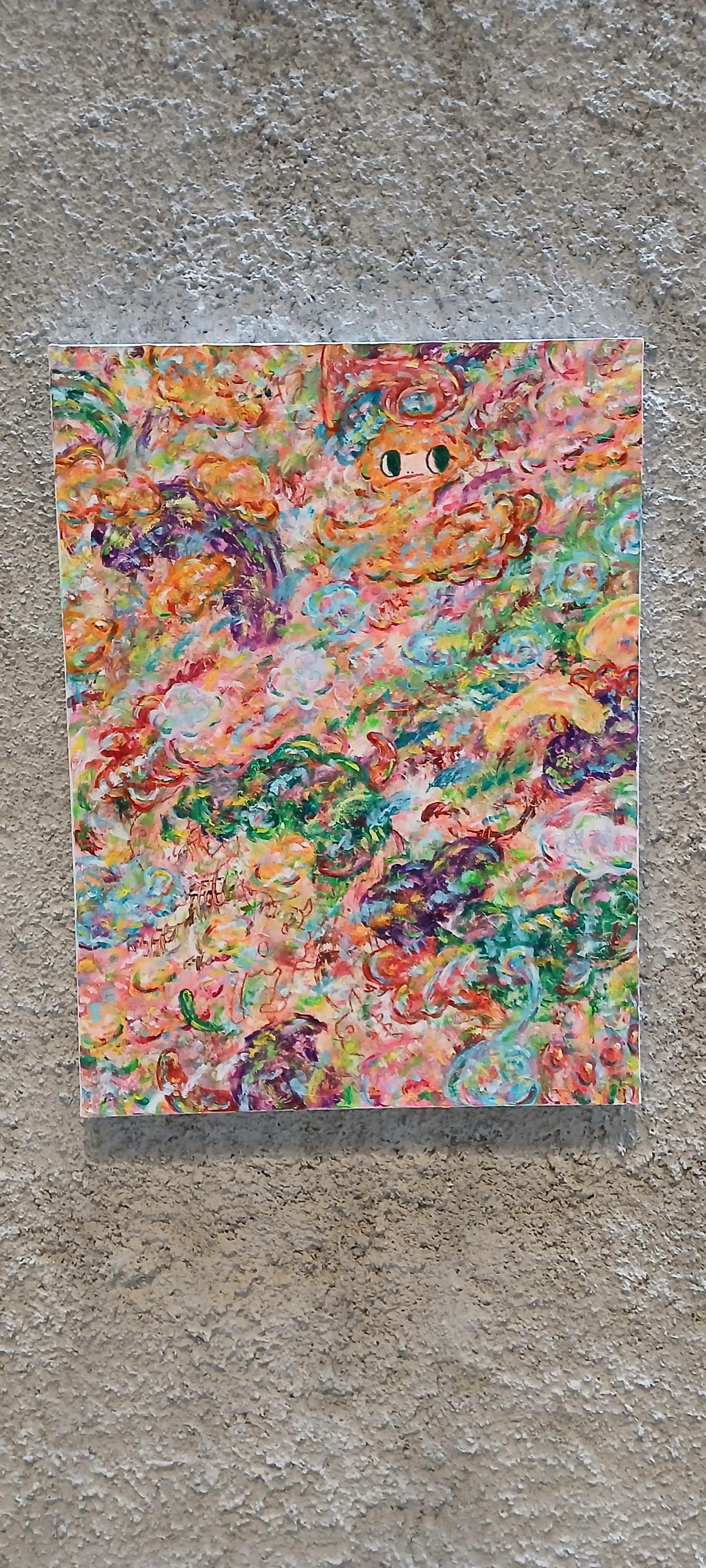
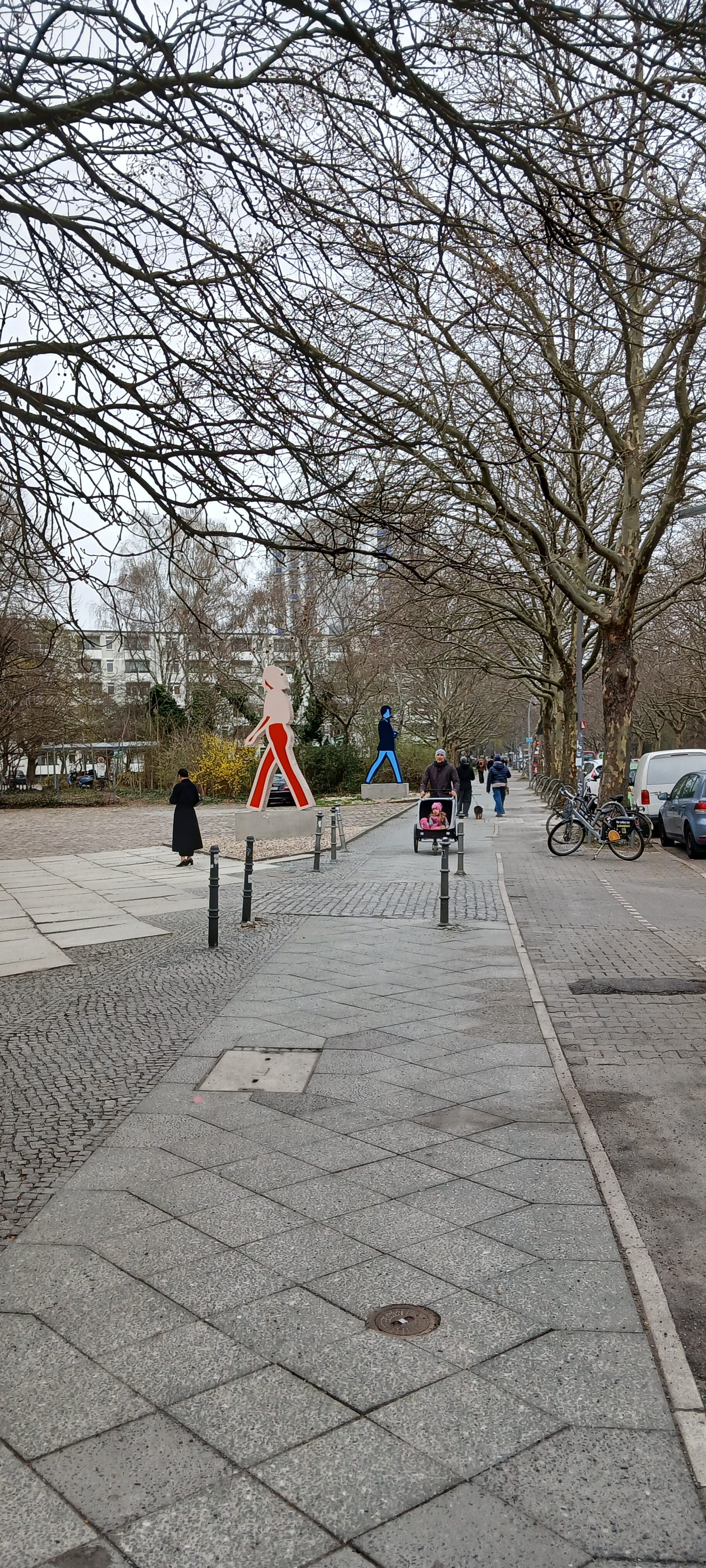
- here we've passed through several zones, or life-worlds (Lebenswelten): past the tent, despite the freezing temperatures there were many; down the line the Wall took; into Modulor, a shop named after Le Corbusier's famous system; to König Galerie, the most perfect exhibition space in Berlin, last time there we saw Ragnar Kjartansson's video of The National performing their song 'Sorrow' repeatedly in a six hour live loop, while this time:
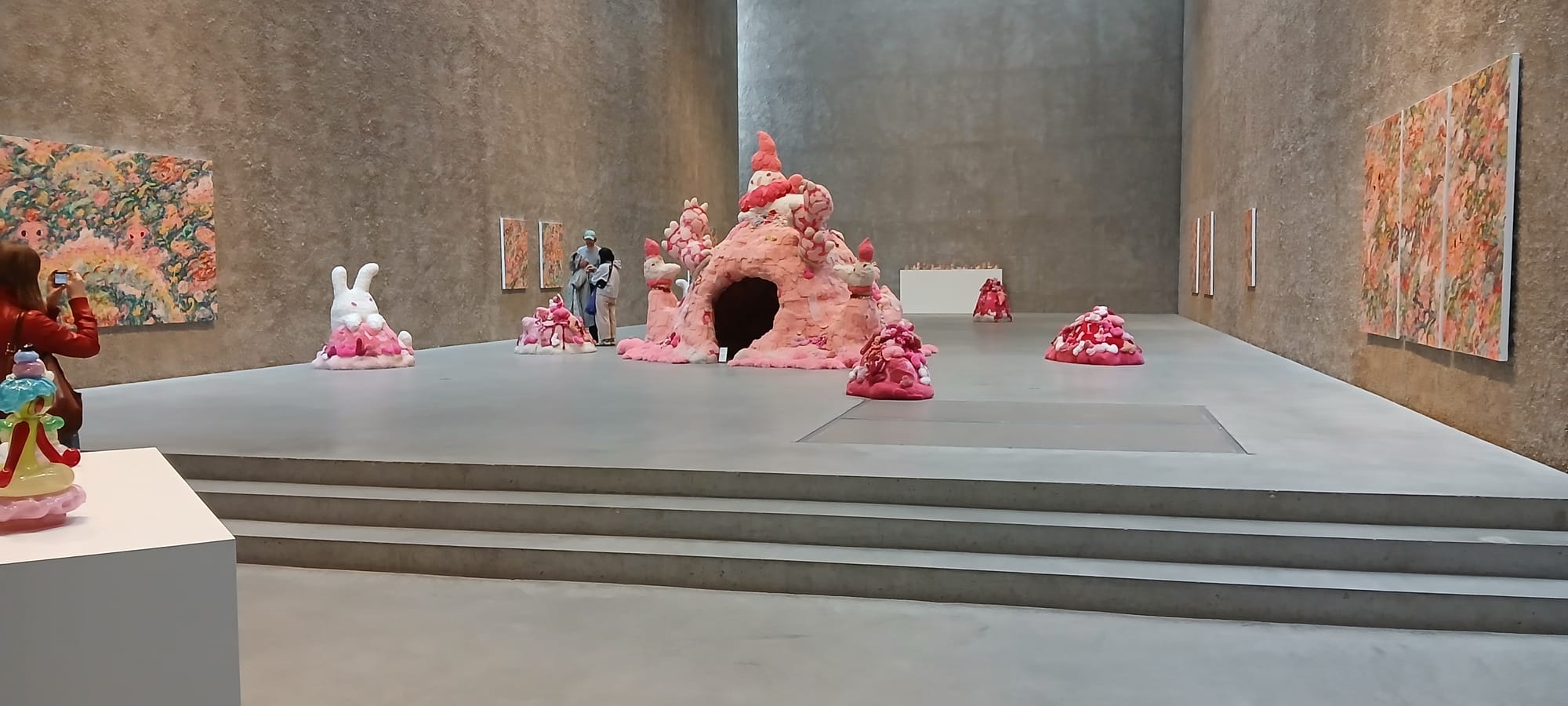
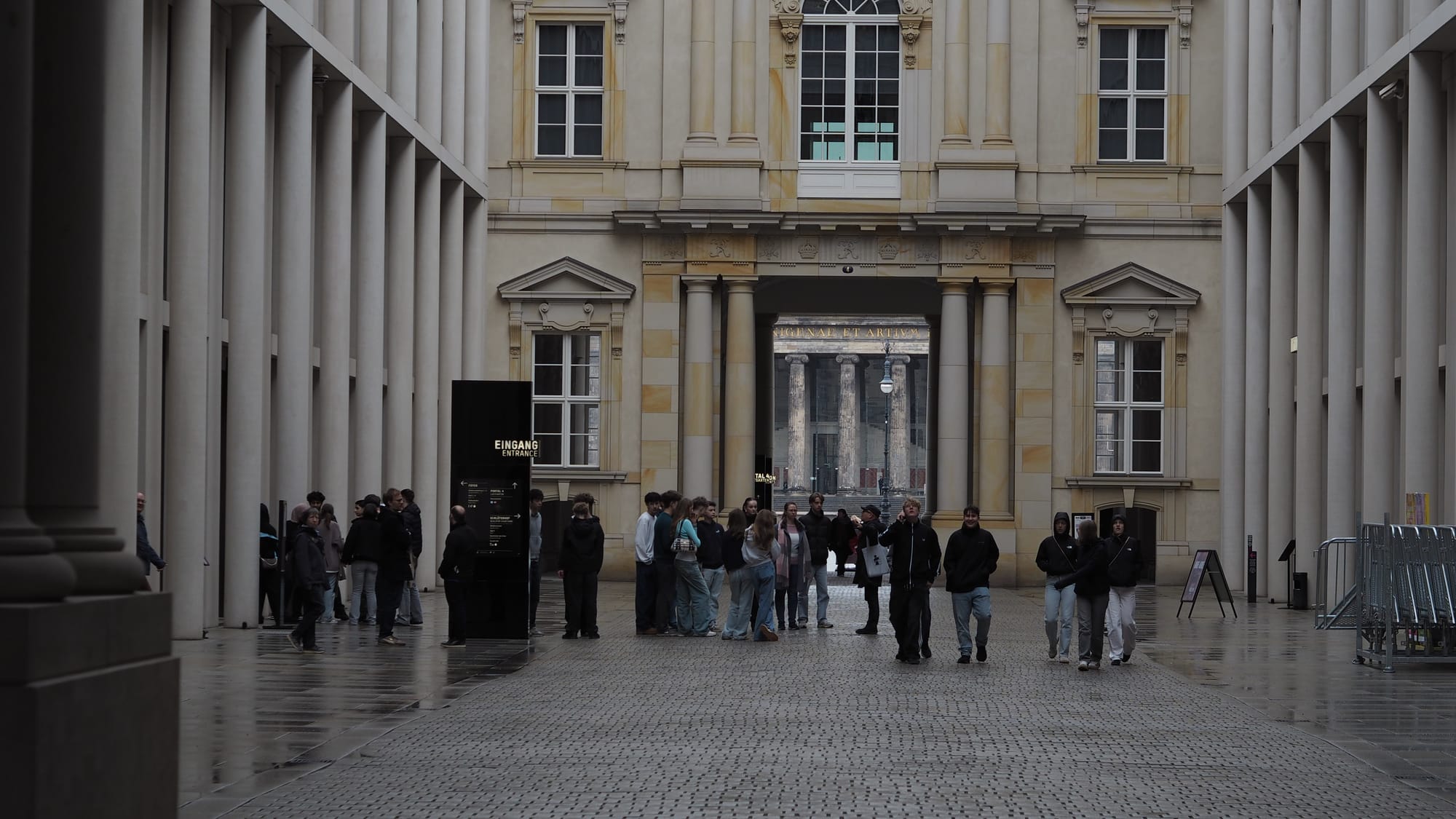
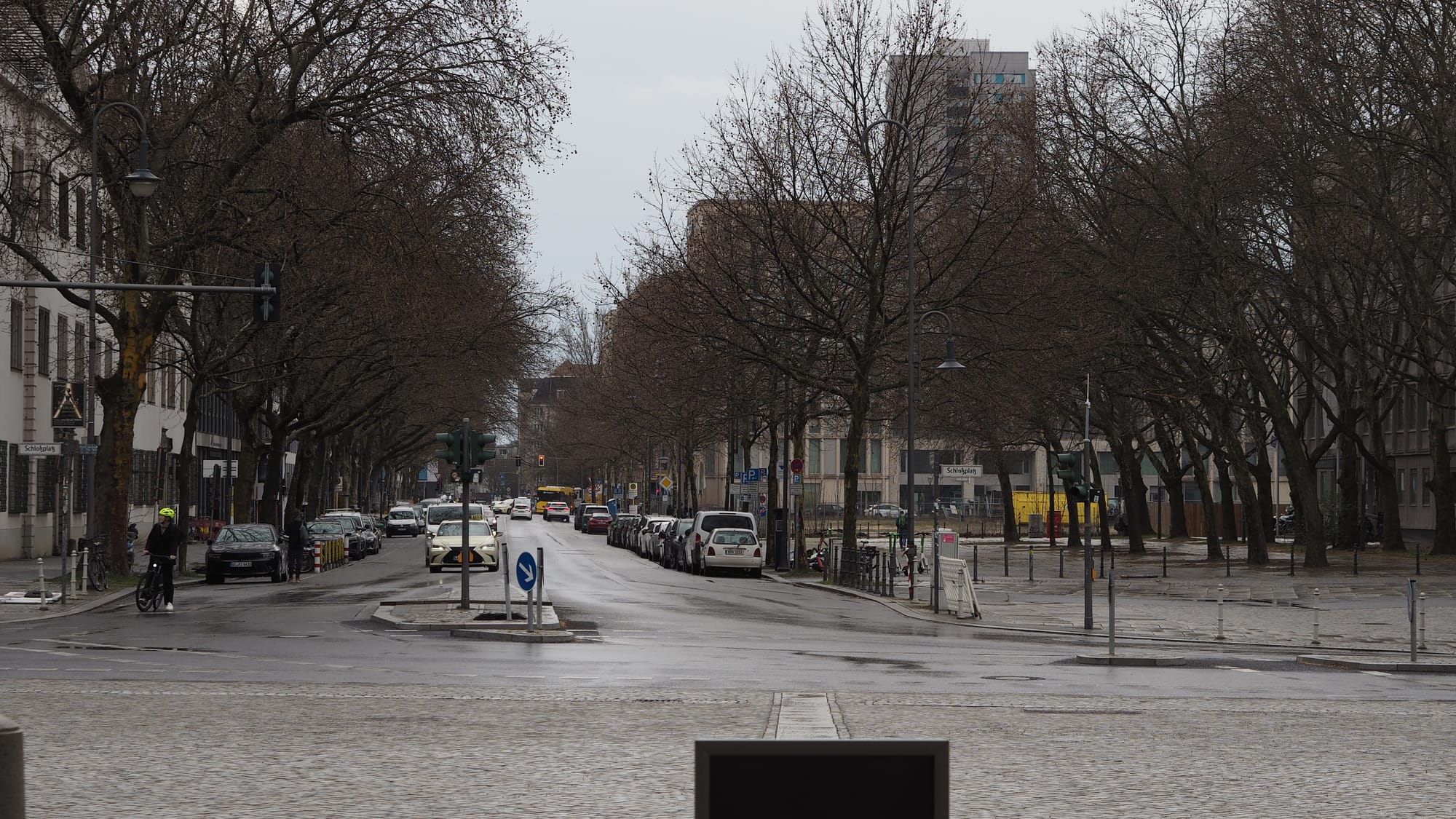
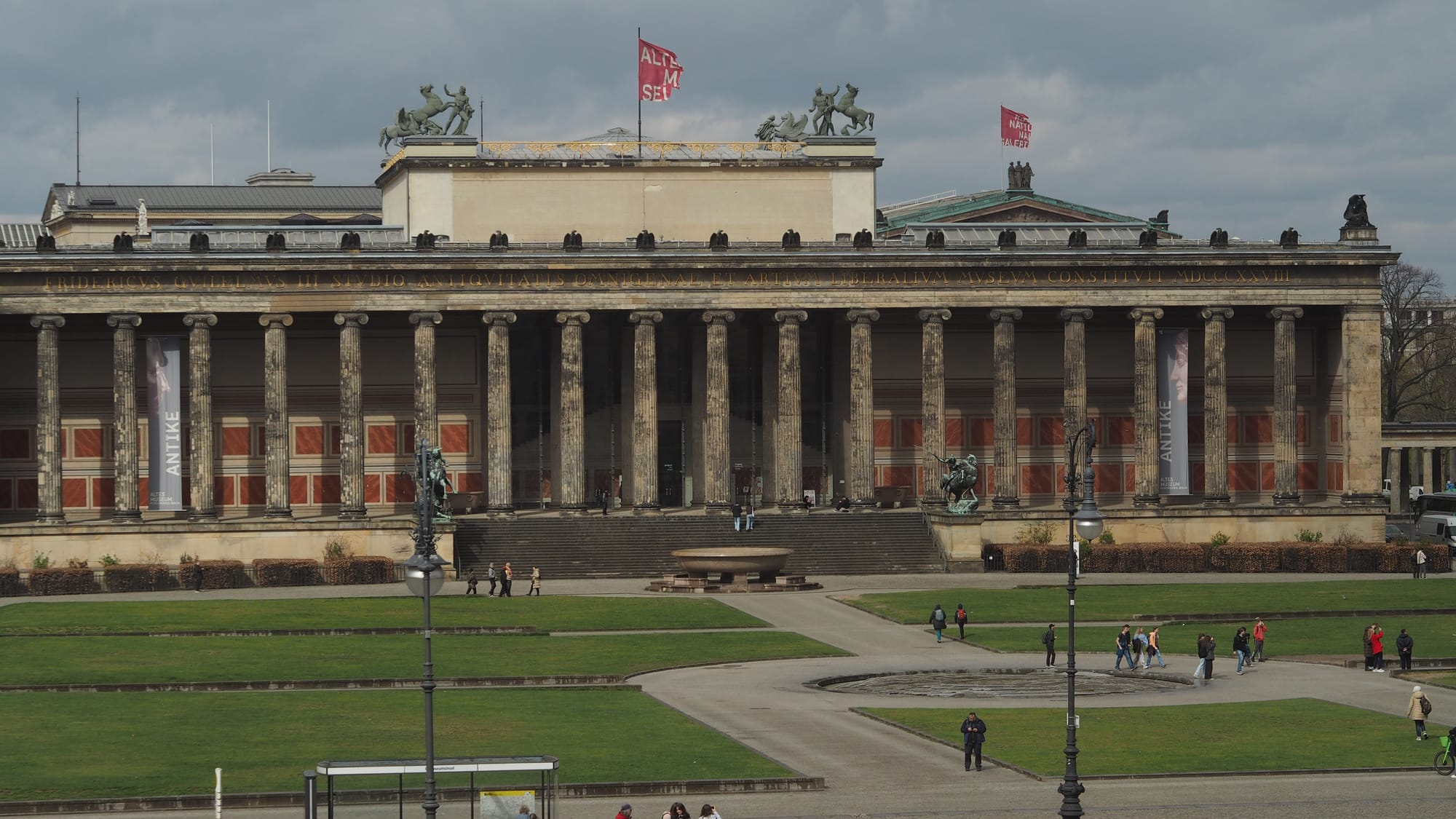
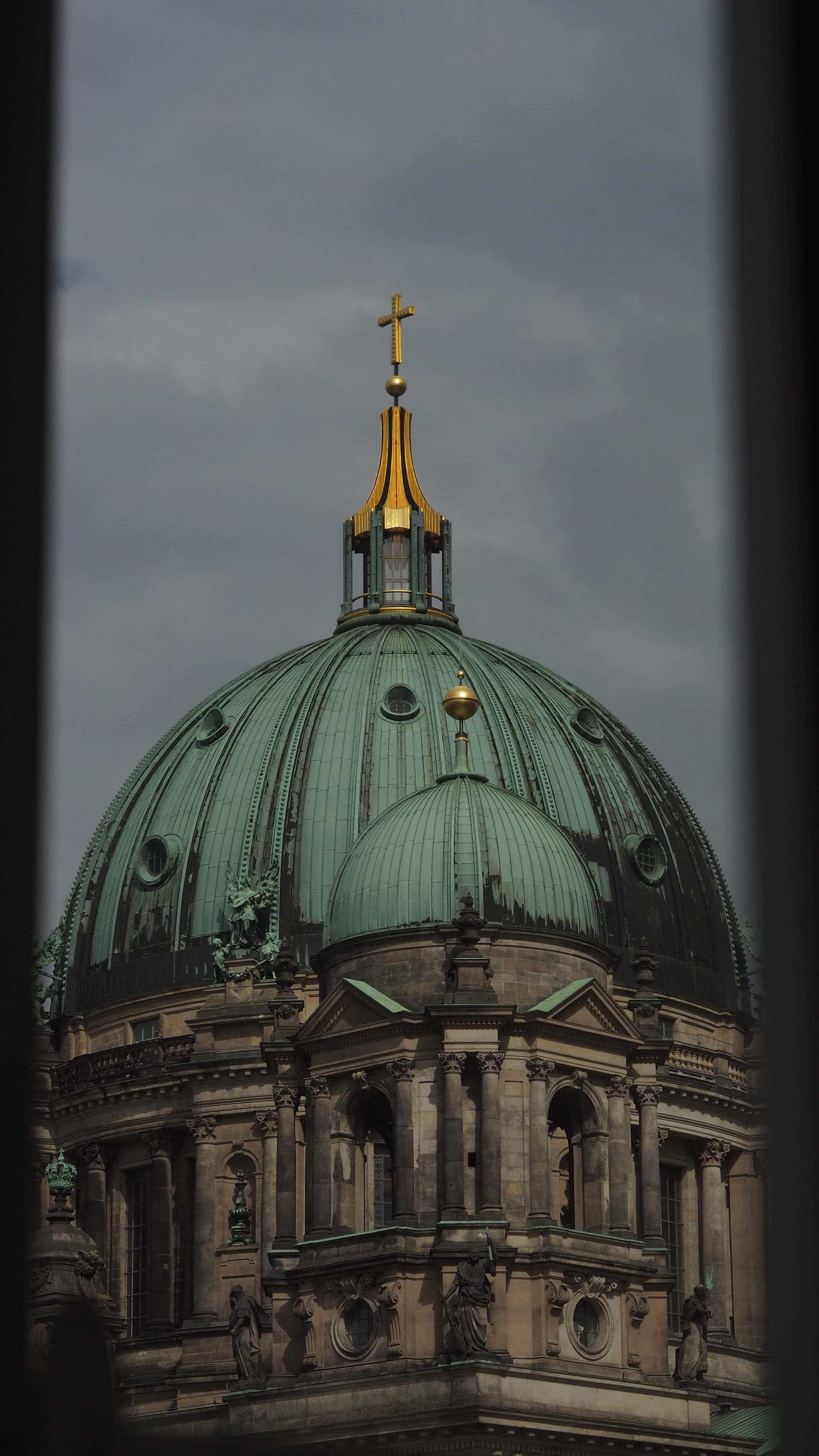
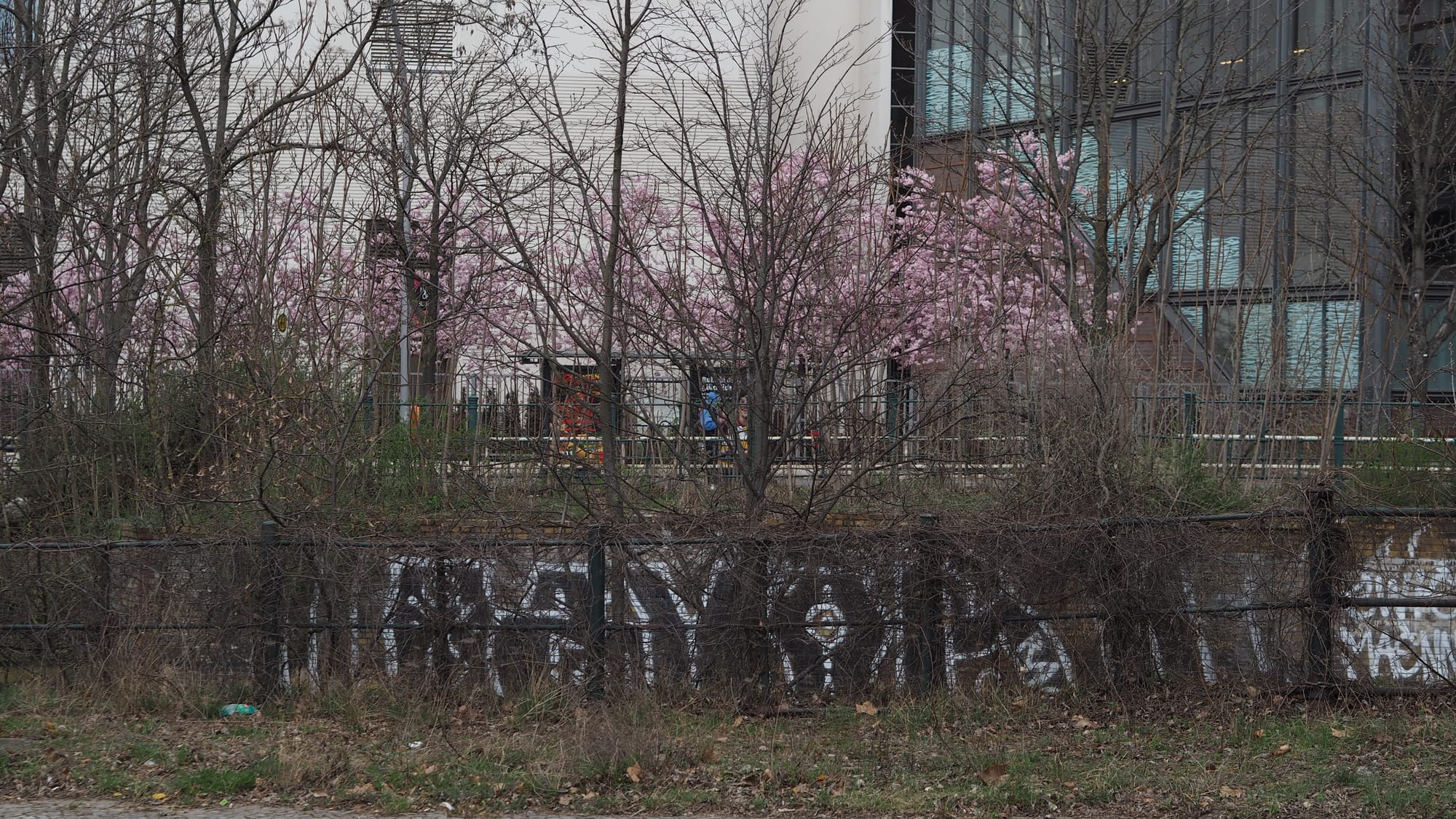
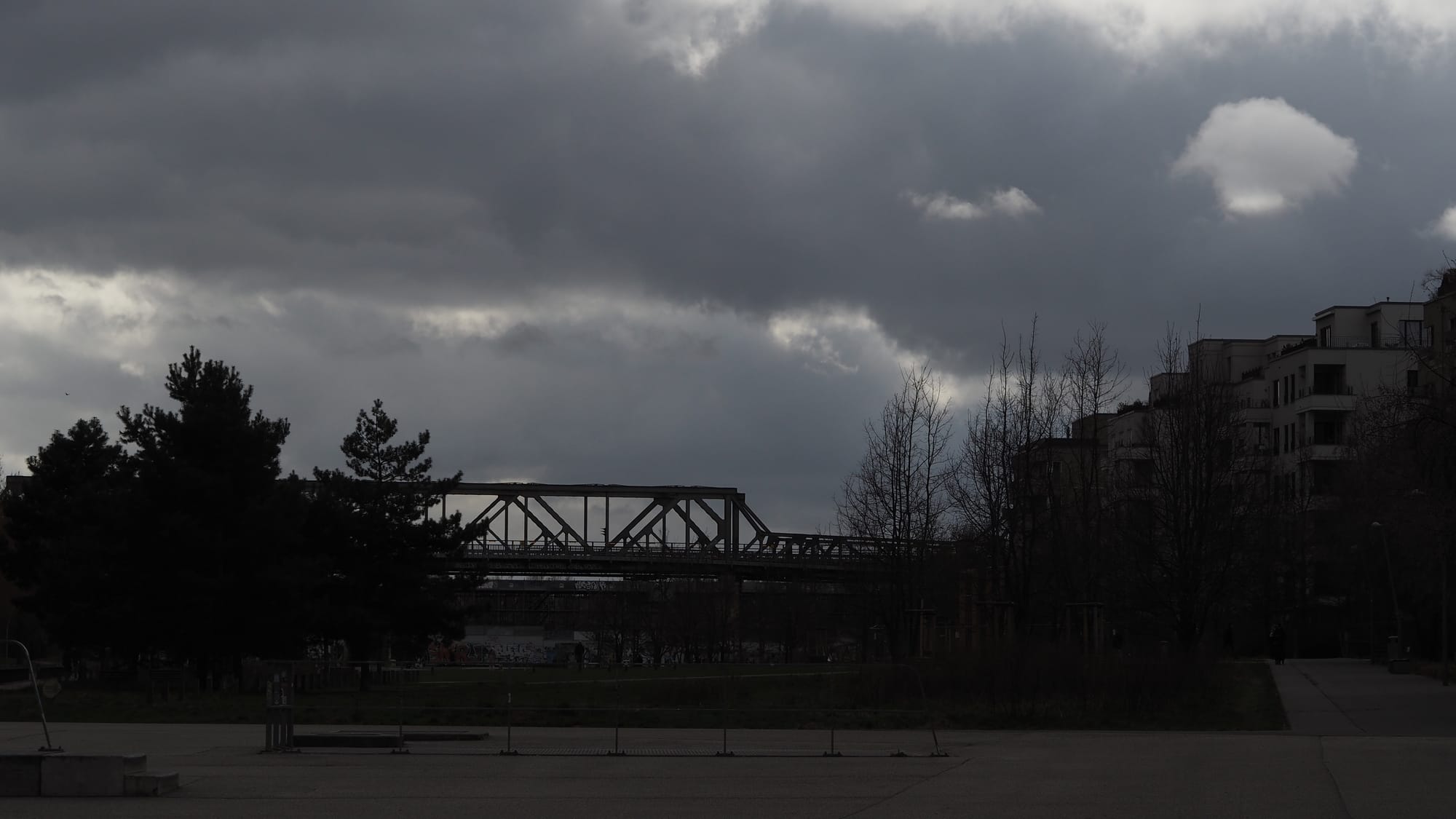
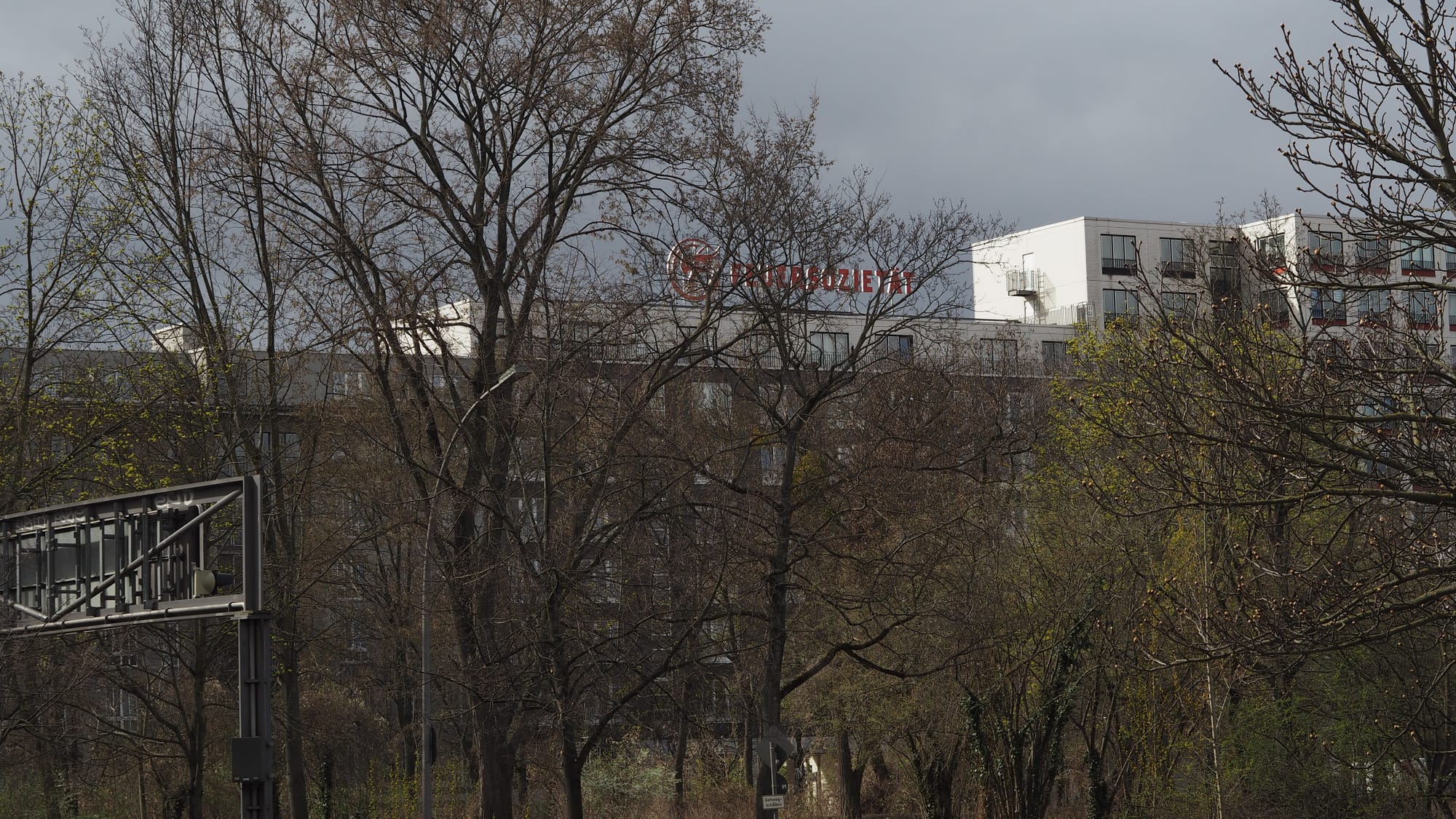
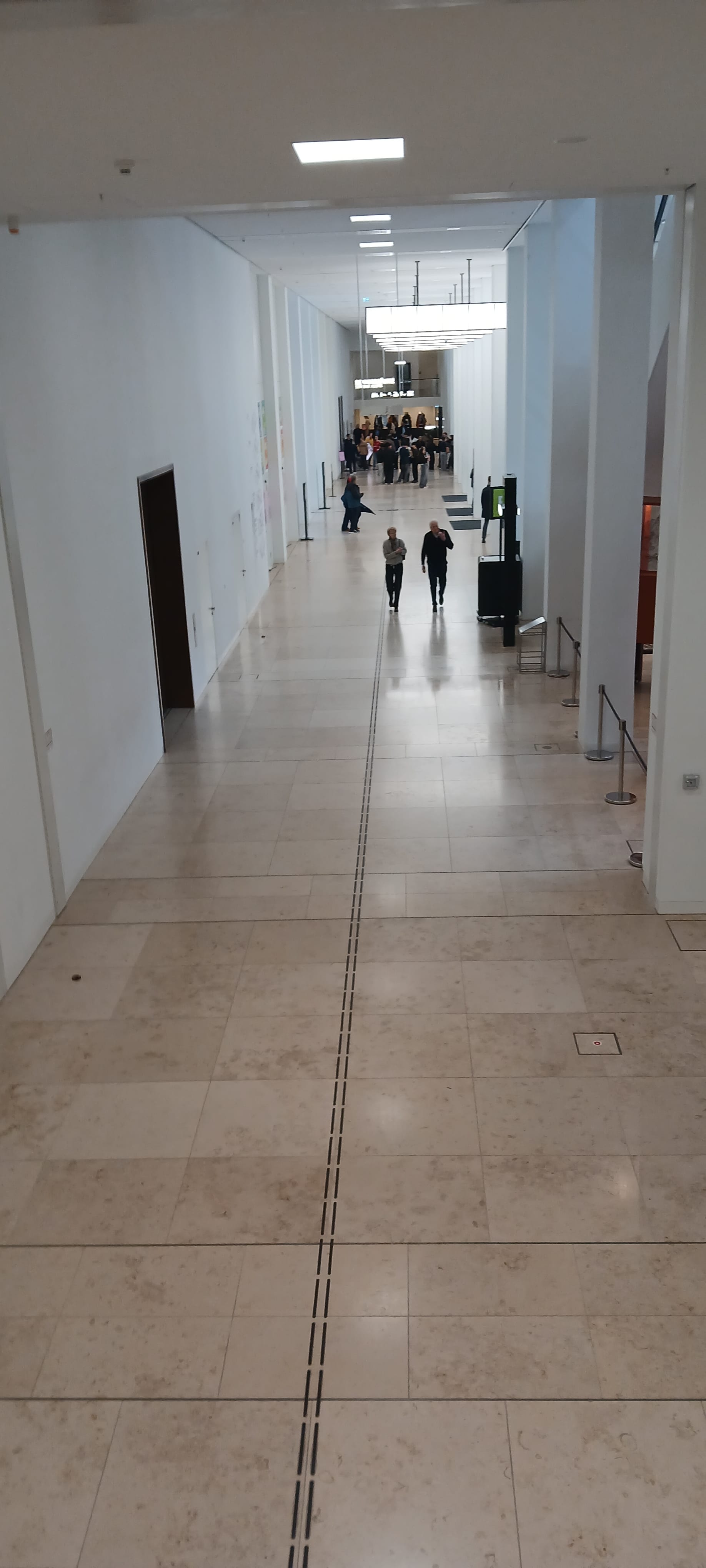
Replacing the People's Palace which the people of the DDR were never fond of, it was a symbol of the regime, the Berlin Palace which the people are not fond of, it serves as a symbol of the regime, was built. Completed in 2020, it cost €600 million. Also known as the Humboldt Forum, it houses exhibitions and events, but what for?
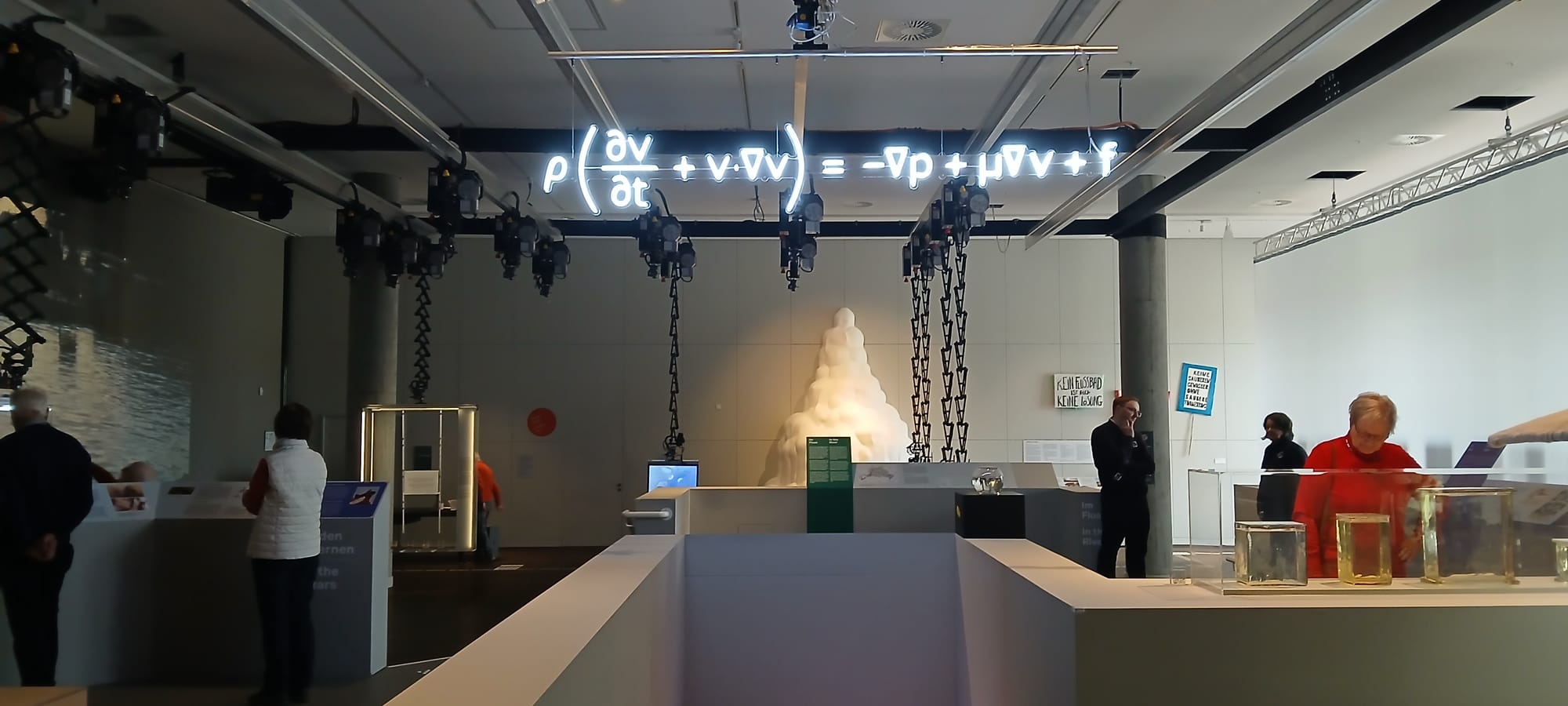
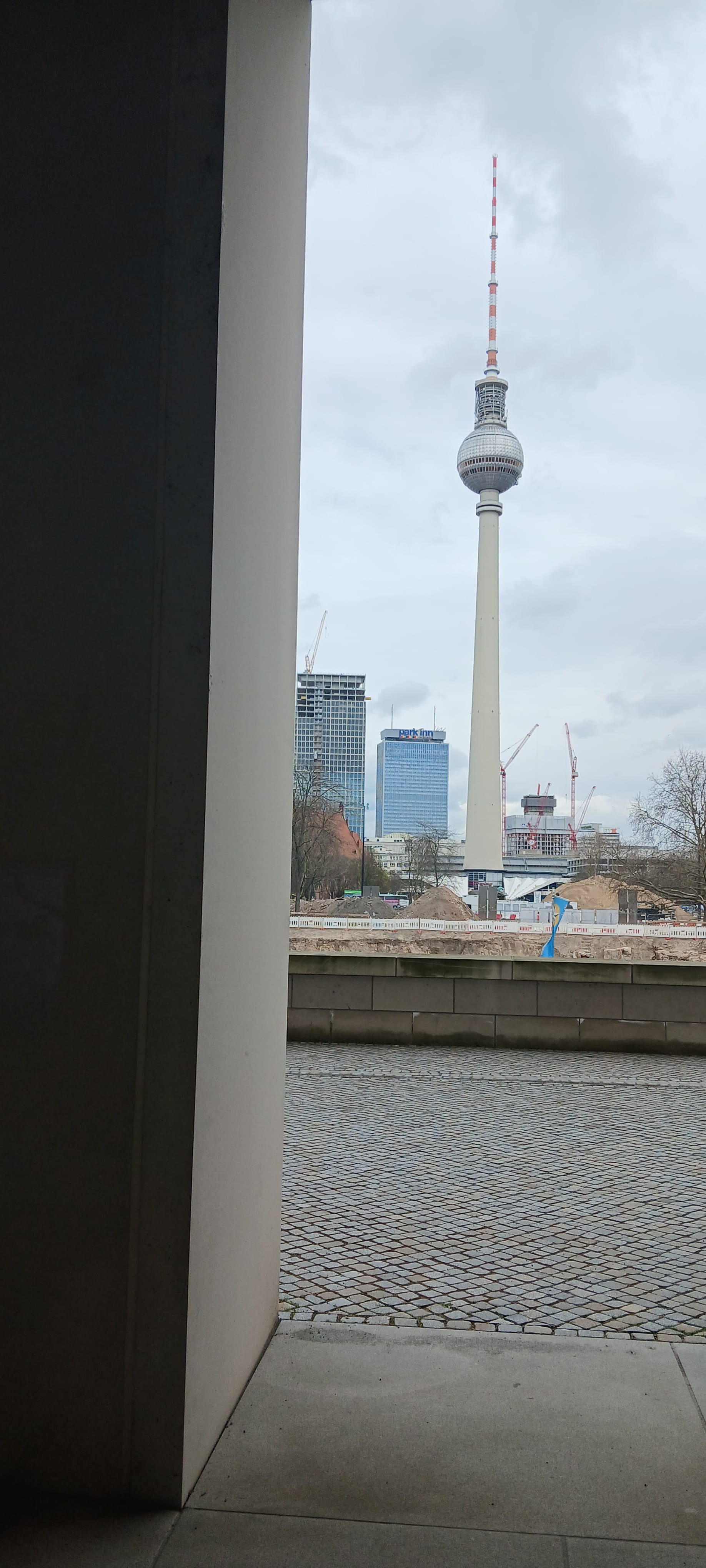
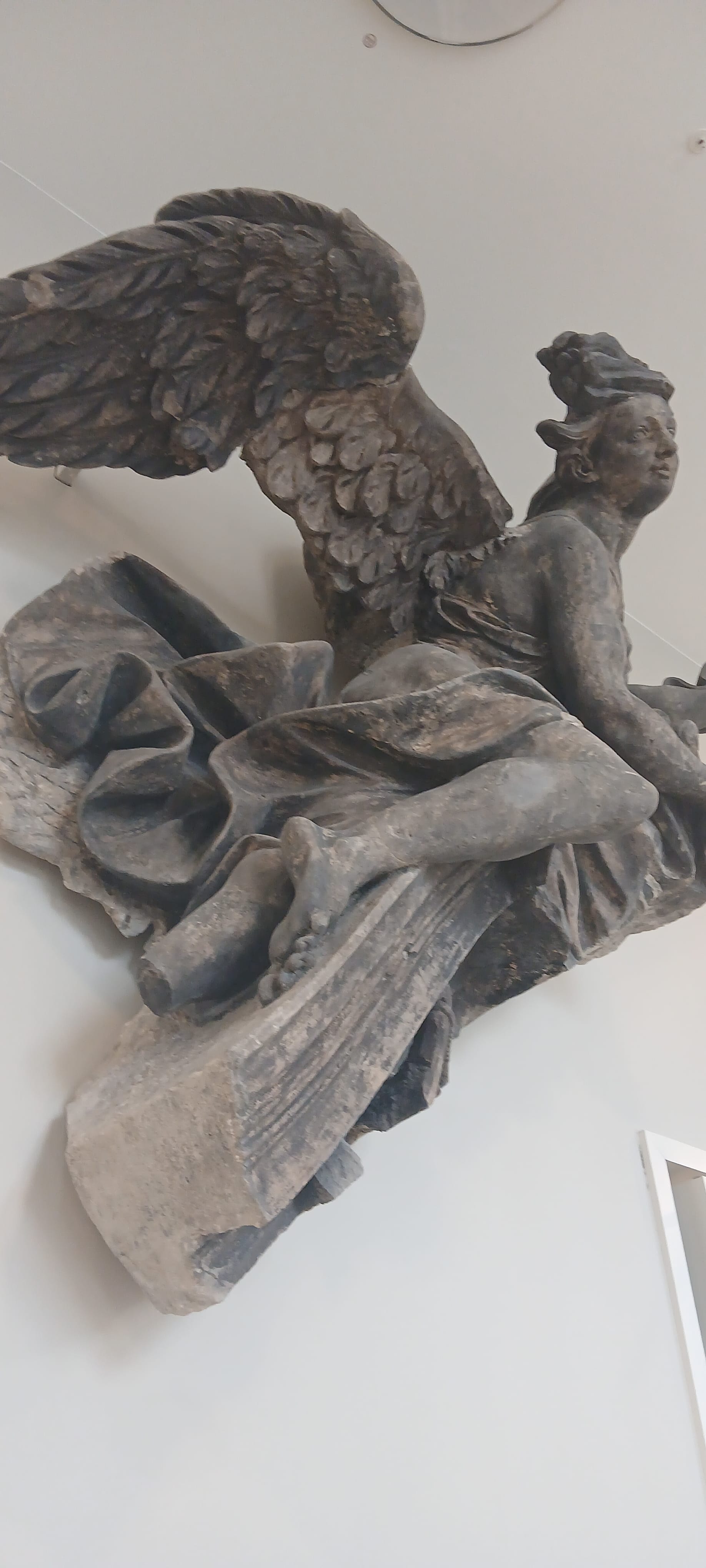
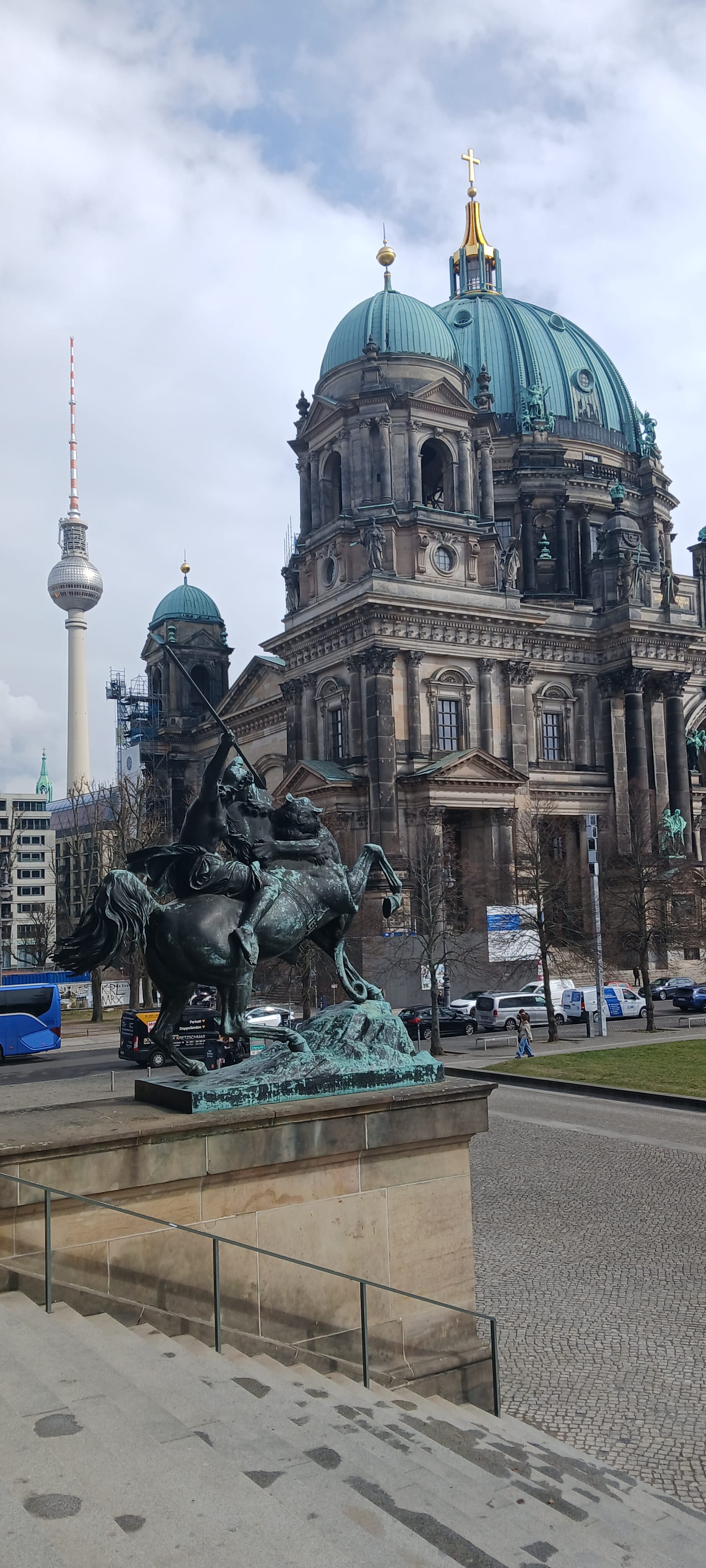
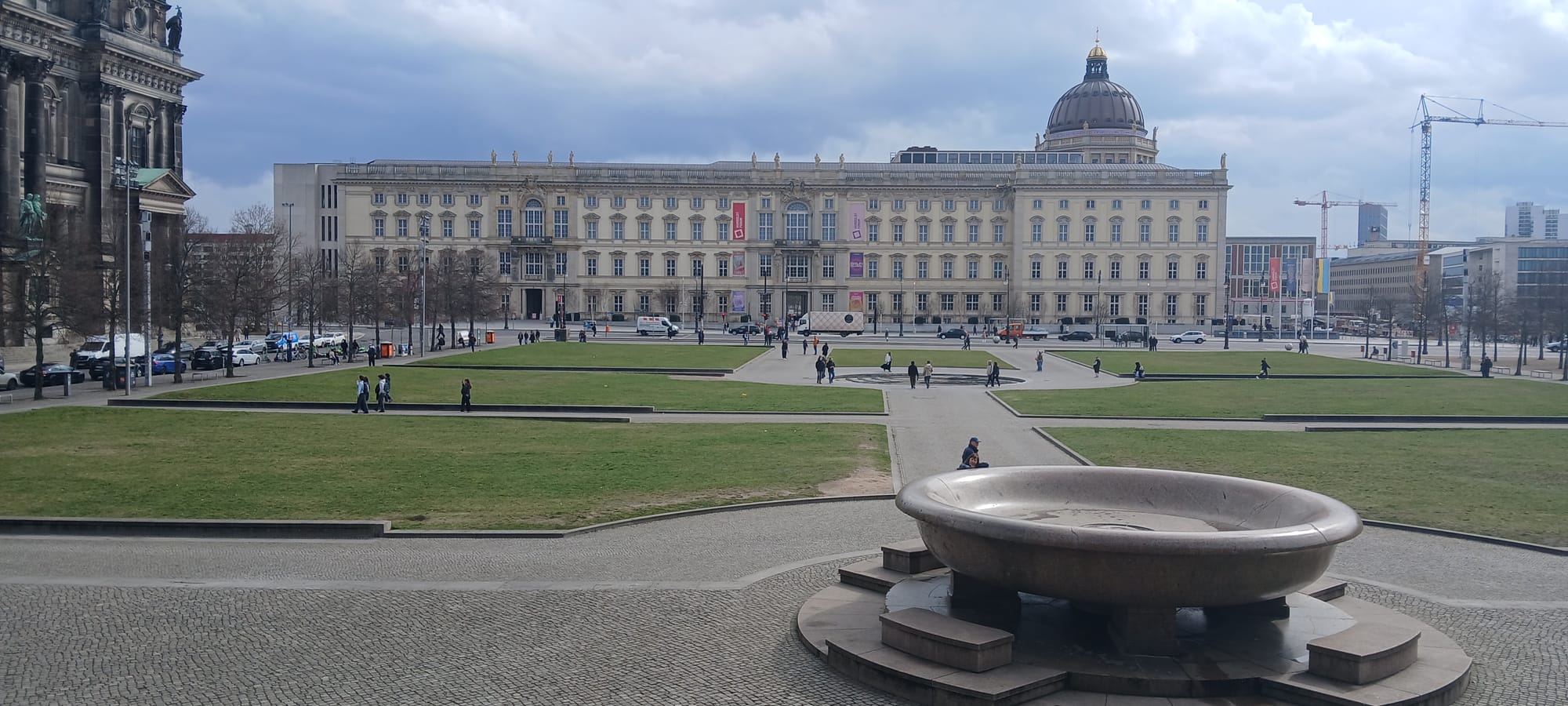
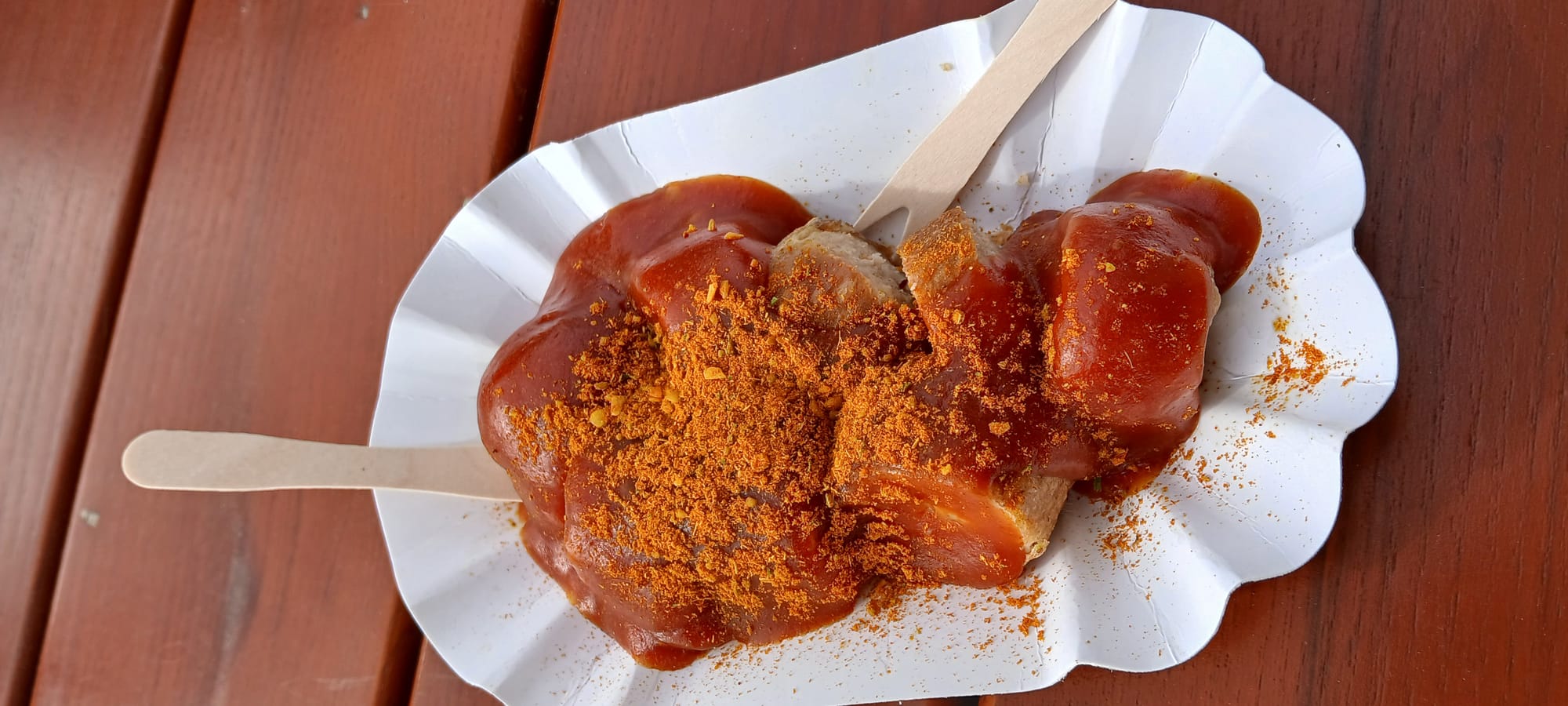
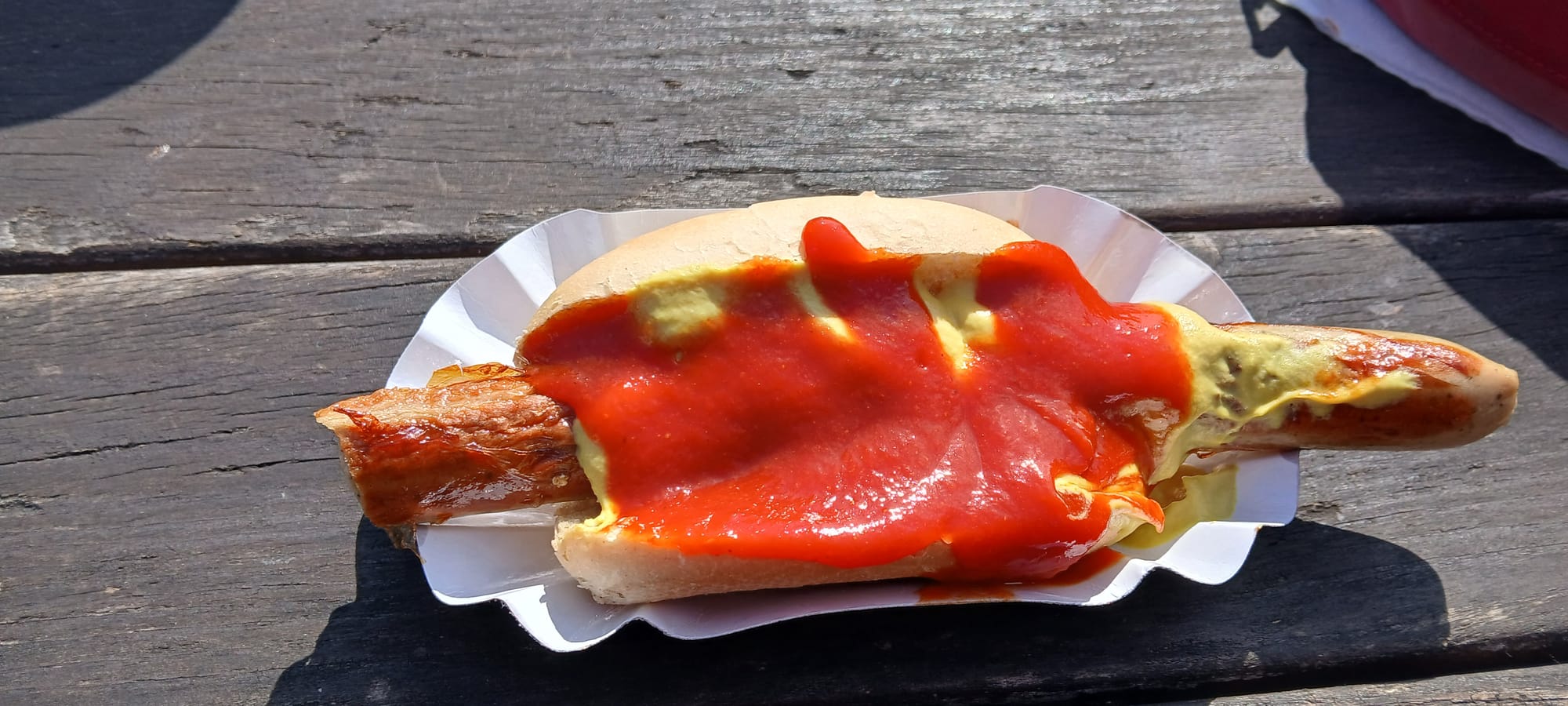
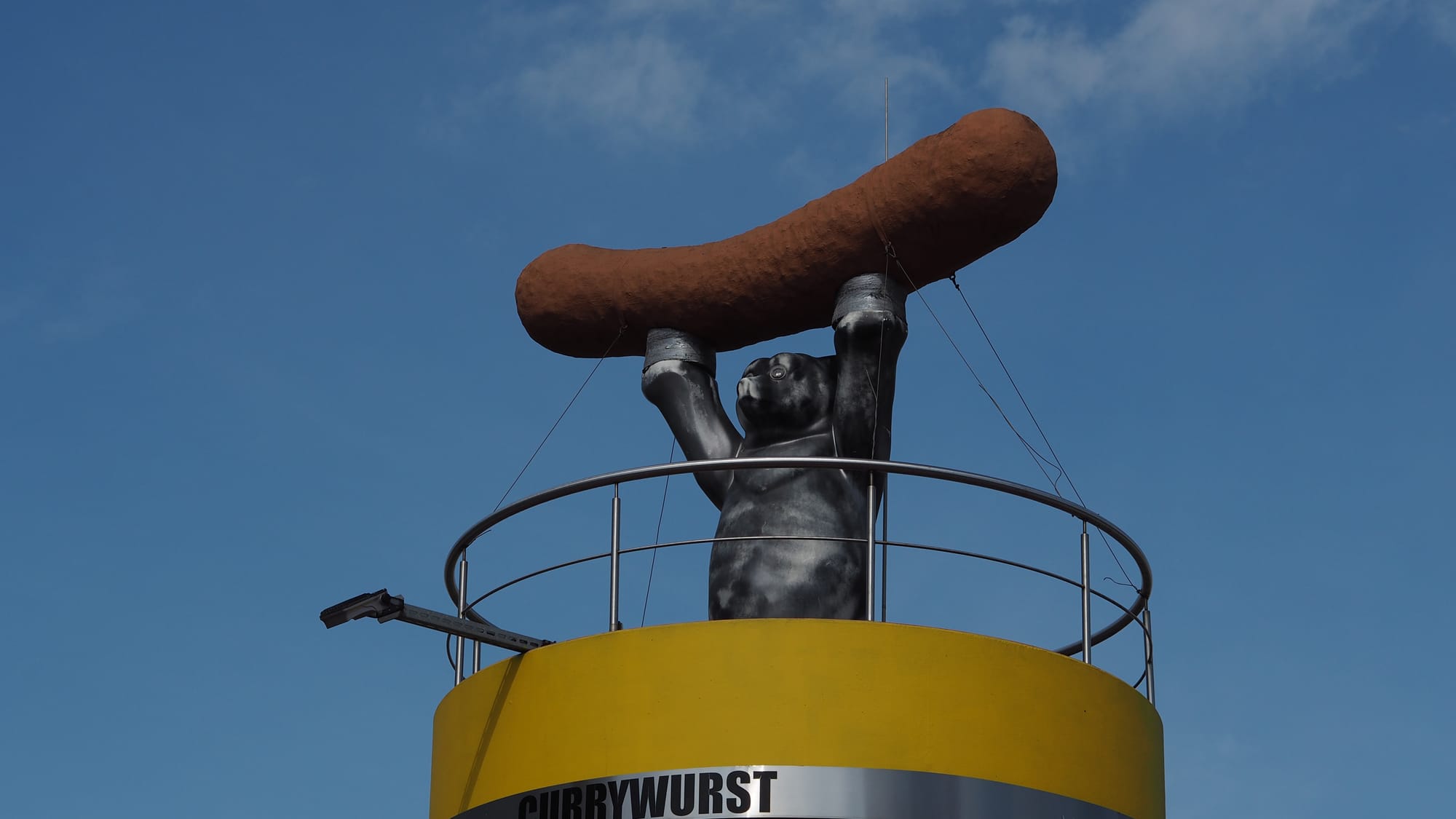
- the angel above is from the original; the curry wurst below is original
- upholding its educative function, at the store in the Humboldt Forum
- hewing stone for the new statuary atop the ideologically unimpeachable edifice
By all reports, the Palace of the People,
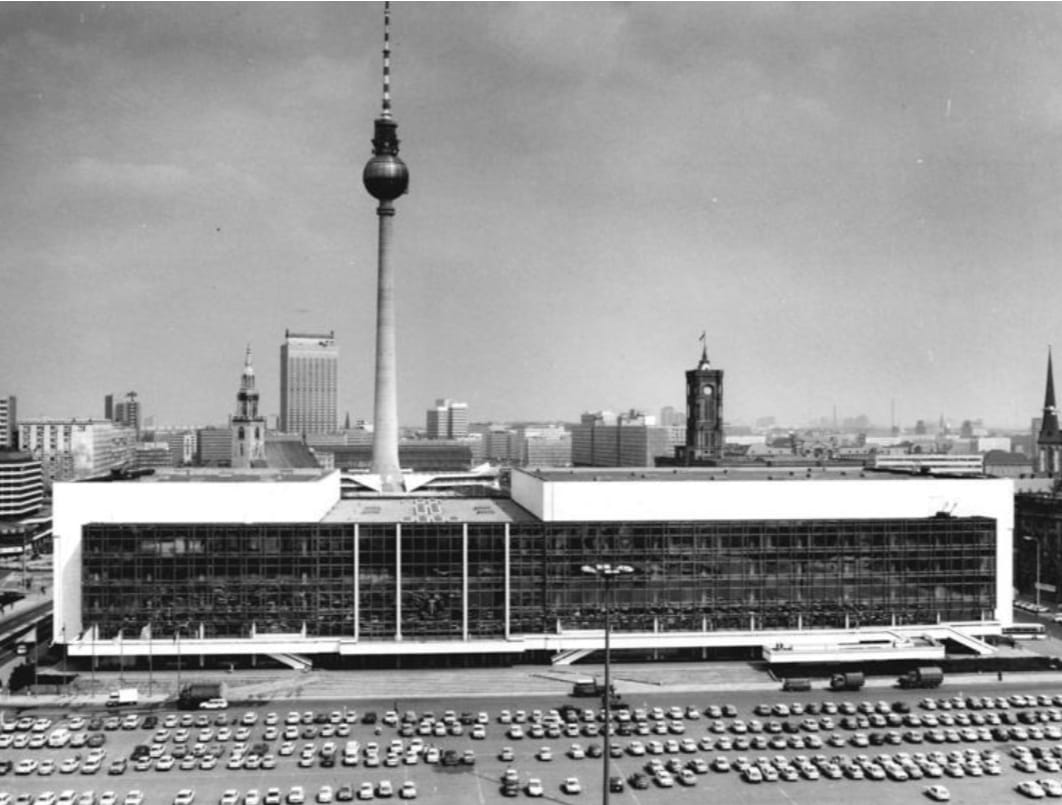
contained asbestos. Asbestos is a toxic ideological material, like history. And it costs a lot to remove it, like history. This is one area in which civilization has advanced: the removal of history has become extremely cost-effective, demokratisch, it used to be said in German, it can be cheaply and effectively carried out by almost anyone, unlike the removal of asbestos.
After our wurst in the freezing street, where we watched a young sociopath who was part of a school trip from the United Kingdom as its laughably called, we thought to find the unlikely Nikolaiviertel, a quaint Disney-ish cobbly area nearby, in the vicinity of the church of St. Nicholas from which it gets its name. And we did. While we were drinking coffee and eating Apfelstrudel mit Vanillesoße, and our nervous waiter stood in his tweed waistcoat (asked about the cakes he said to me, I am not a friend of cake), an ex-member of Kiss entered. On leaving, we saw his hog parked outside. He discussed what he would have in not-unfriendly terms (clearly he was not a cake-eater) with the waiter and sat reading pensively, peering down through his reading-glasses and pursing his lips.
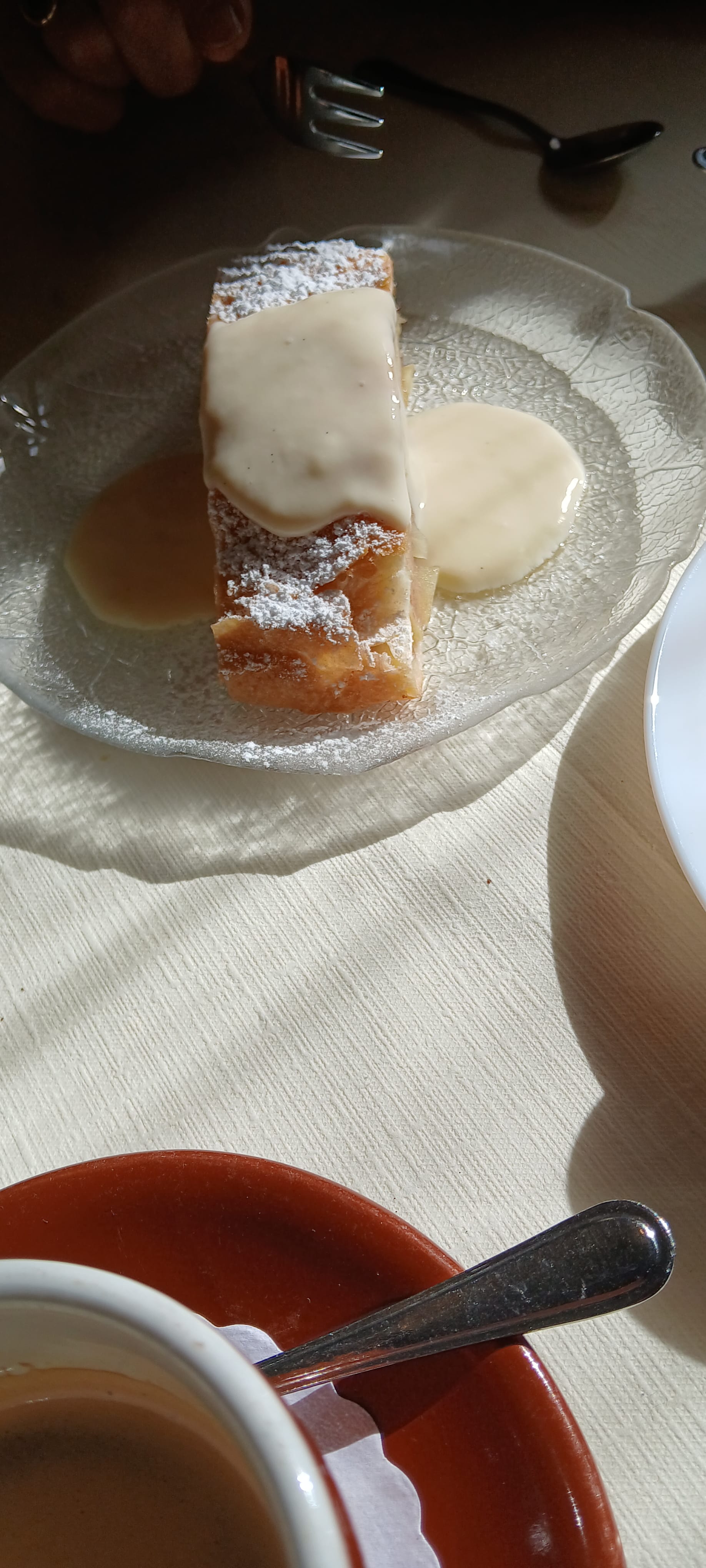
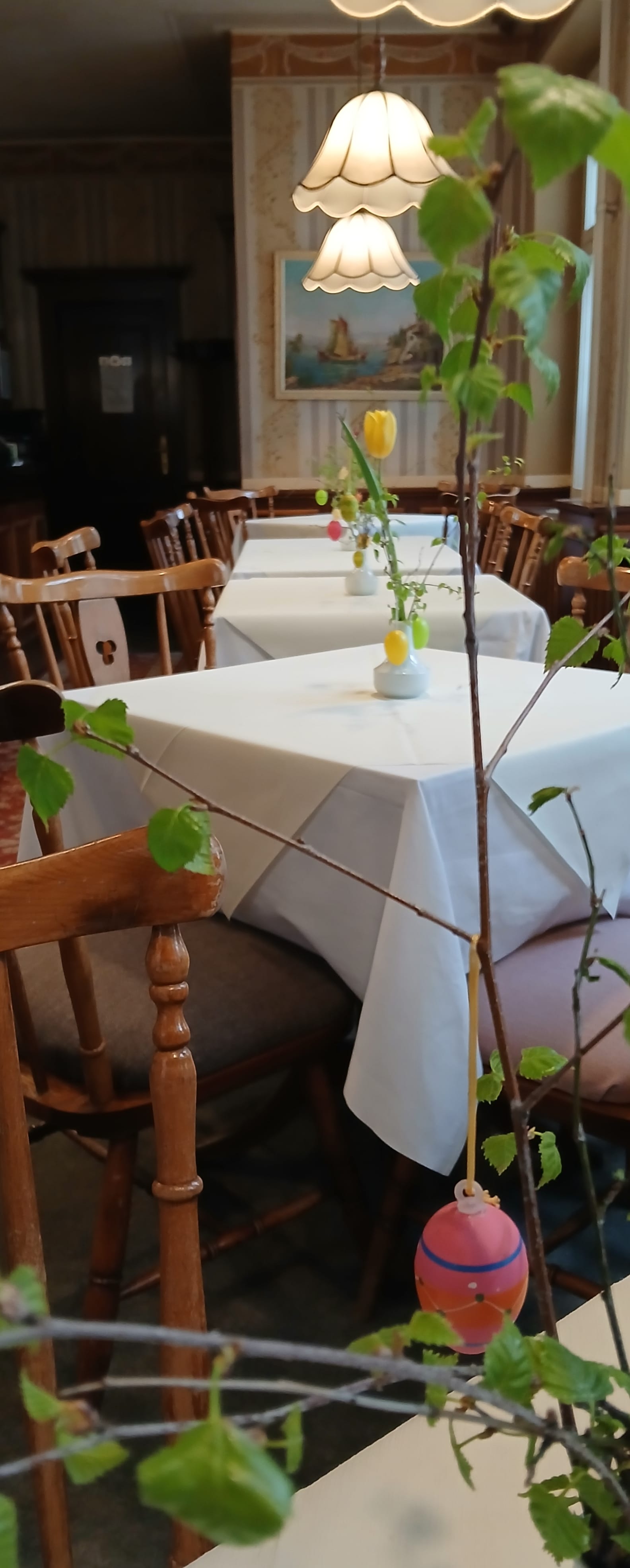
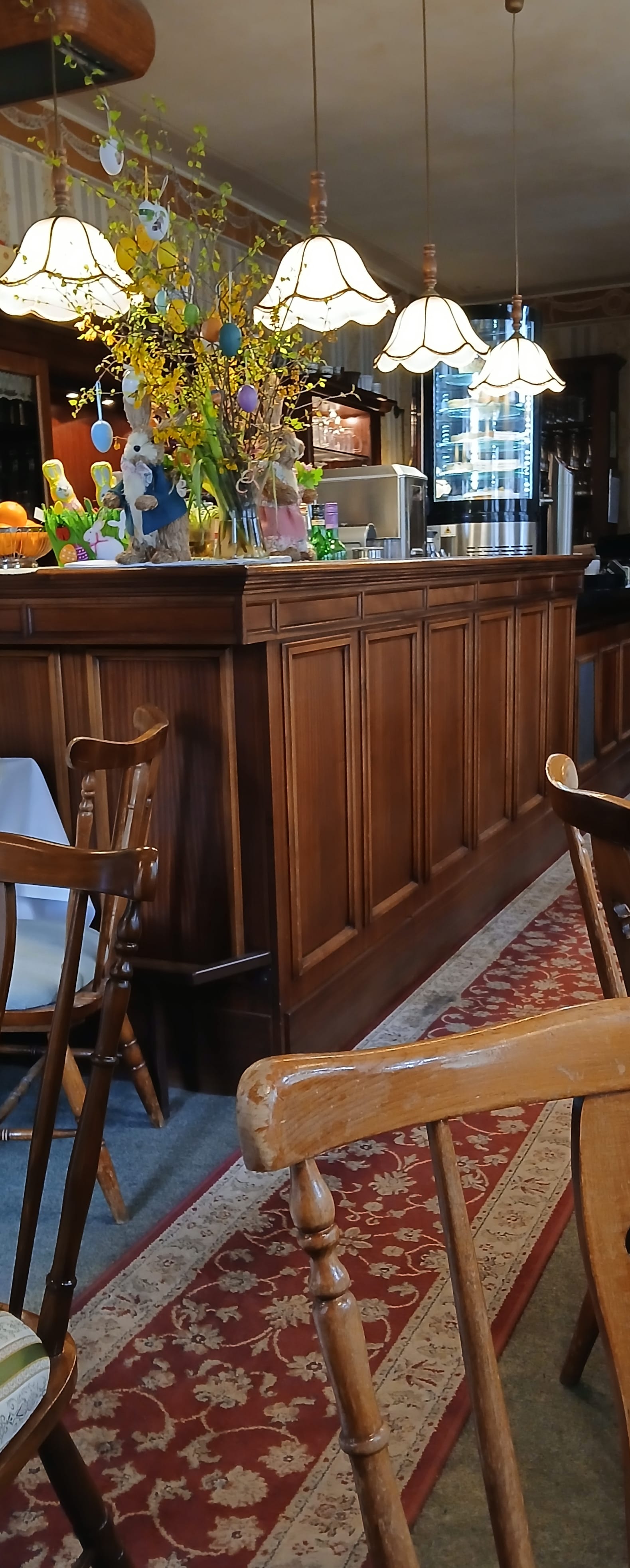
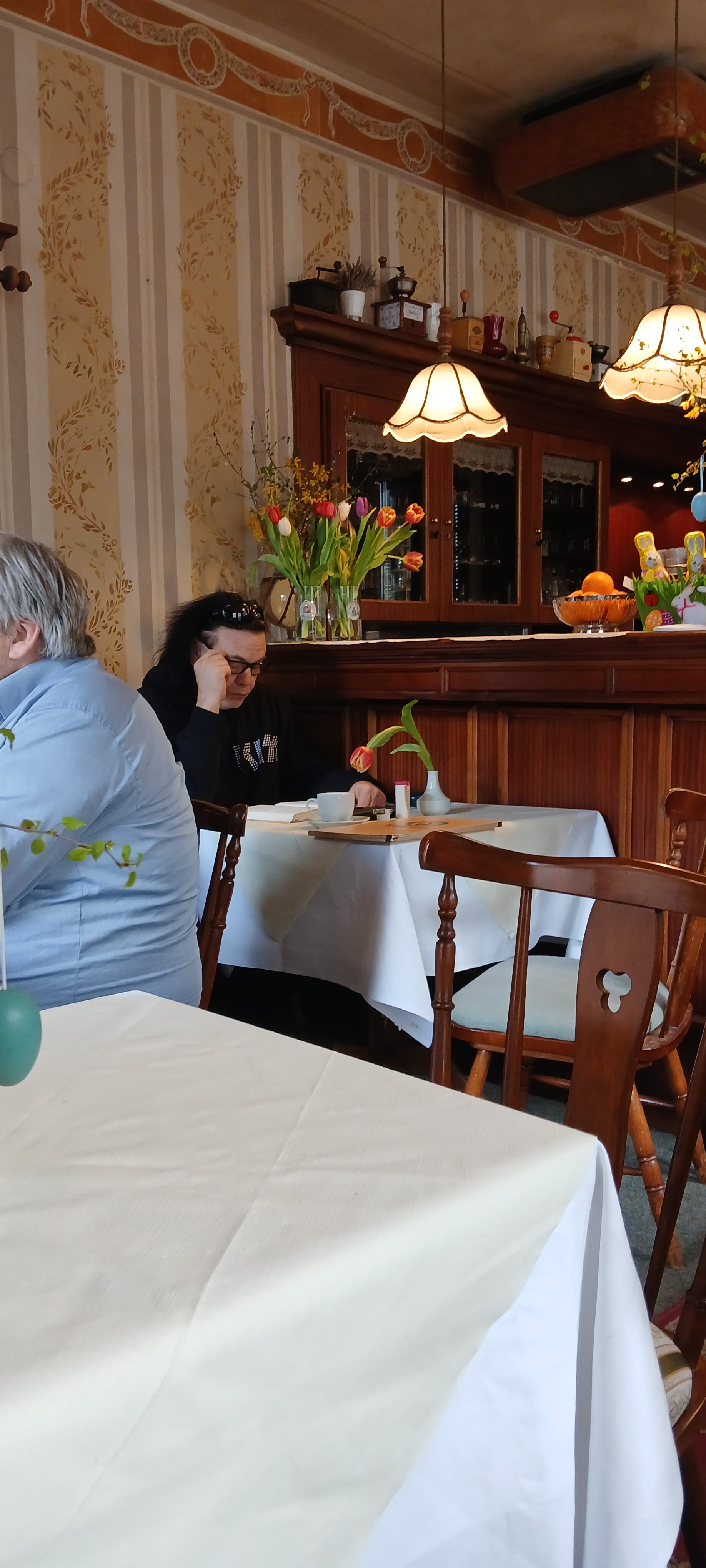
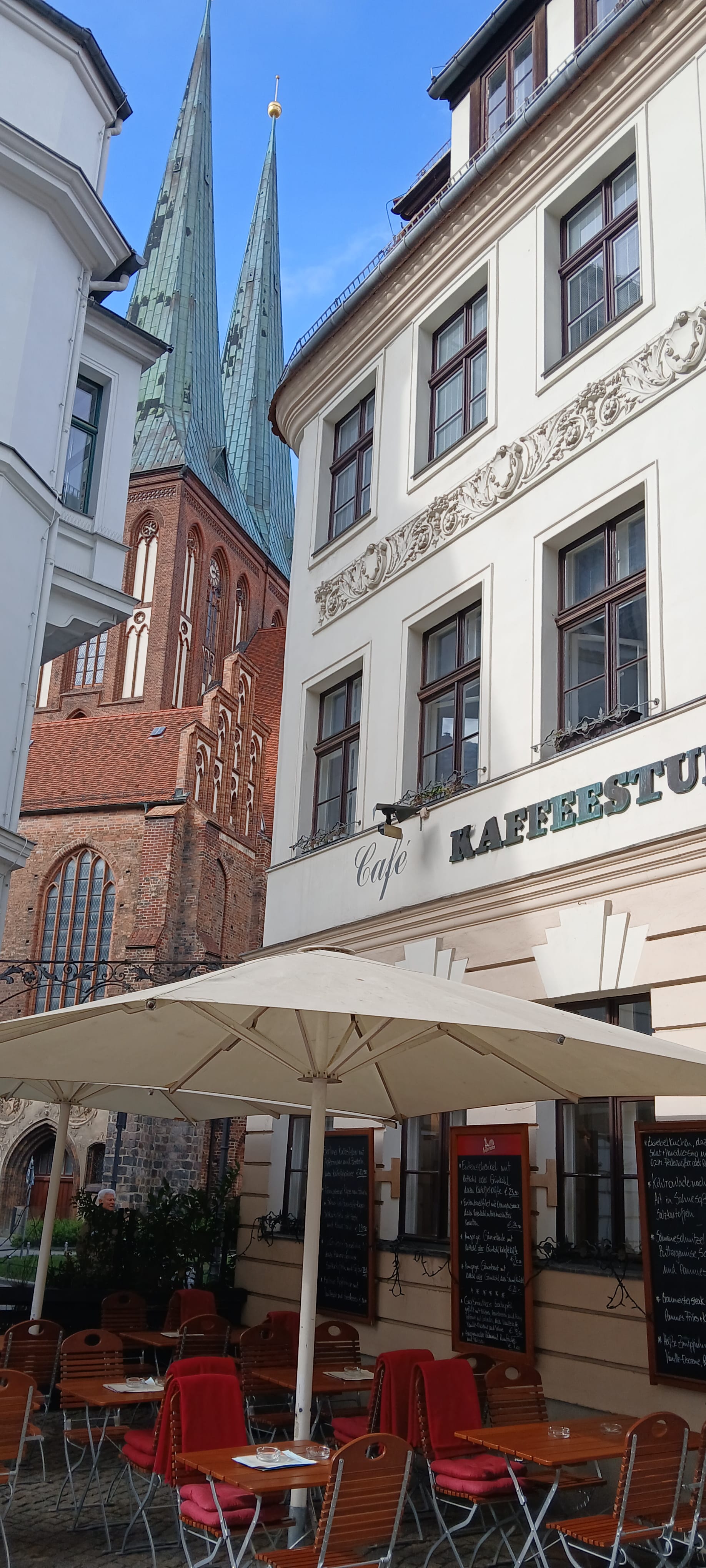
- the Kaffeestube, as you can see, was klassisch
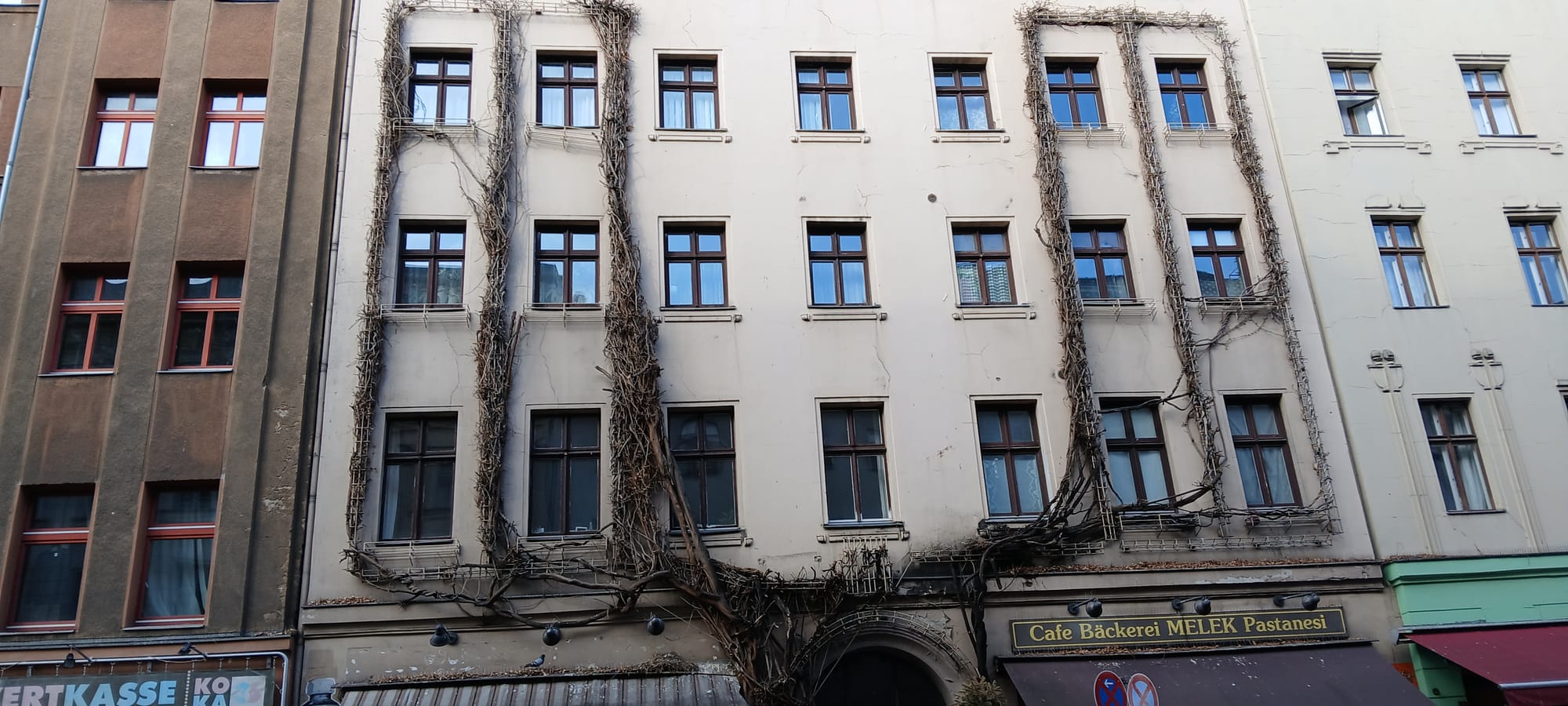
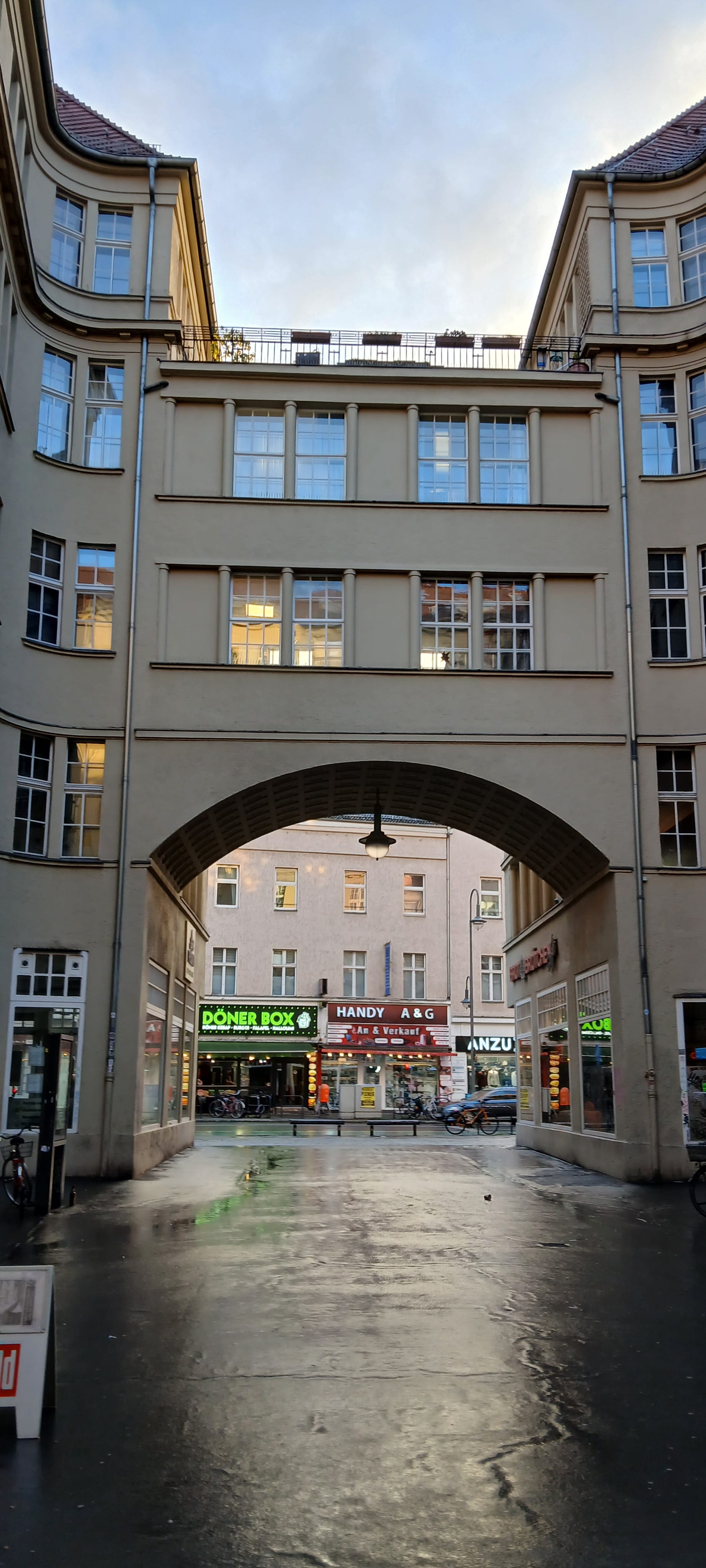
Home by Oranienstraße:
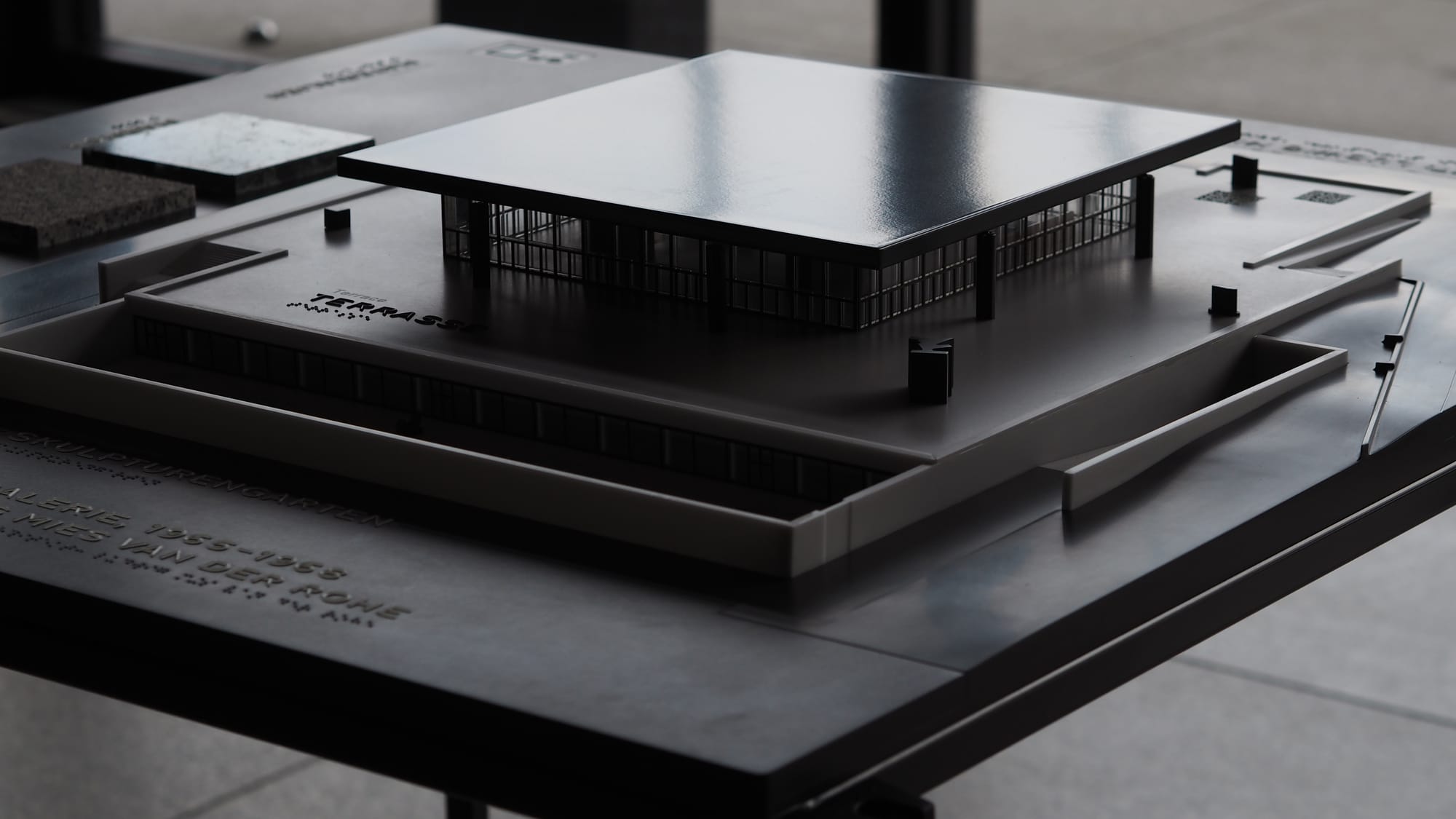
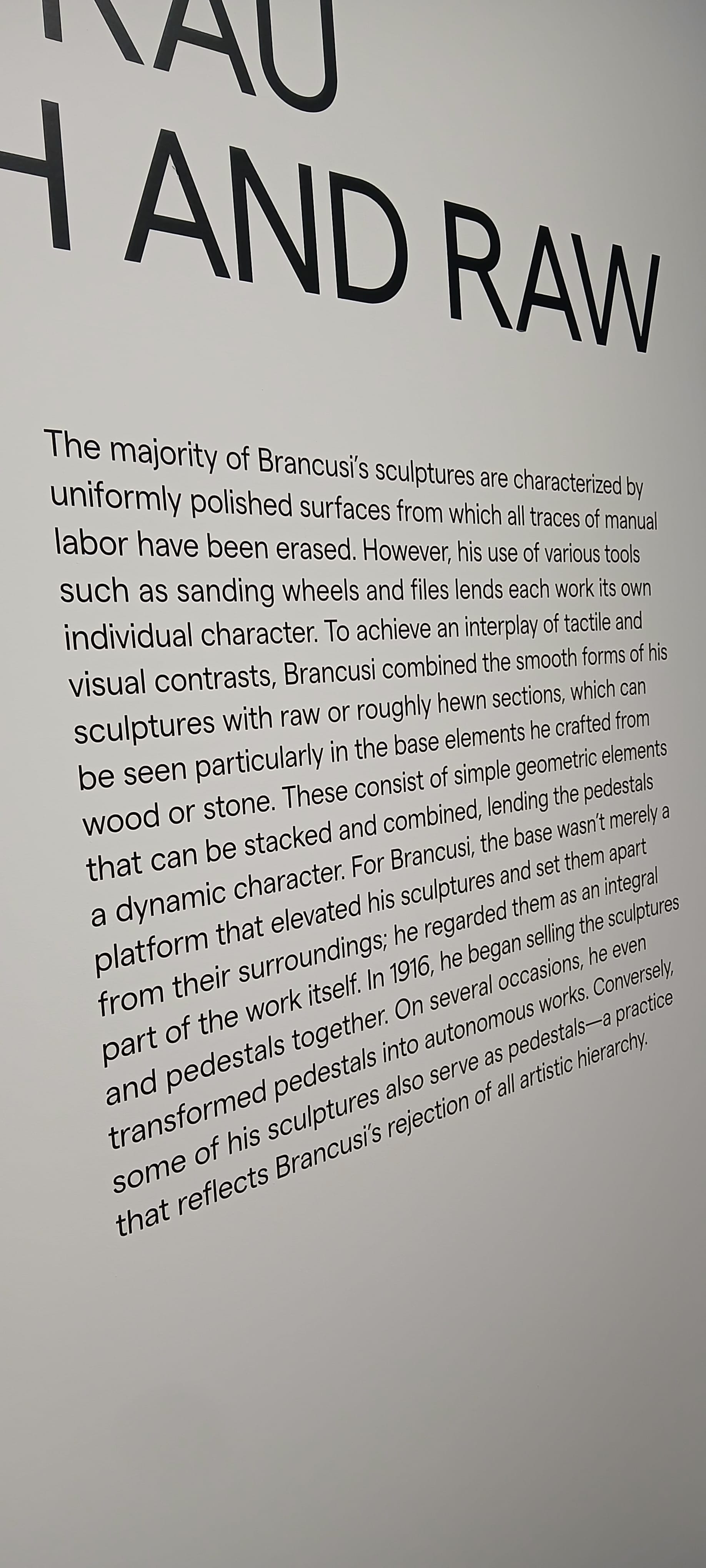
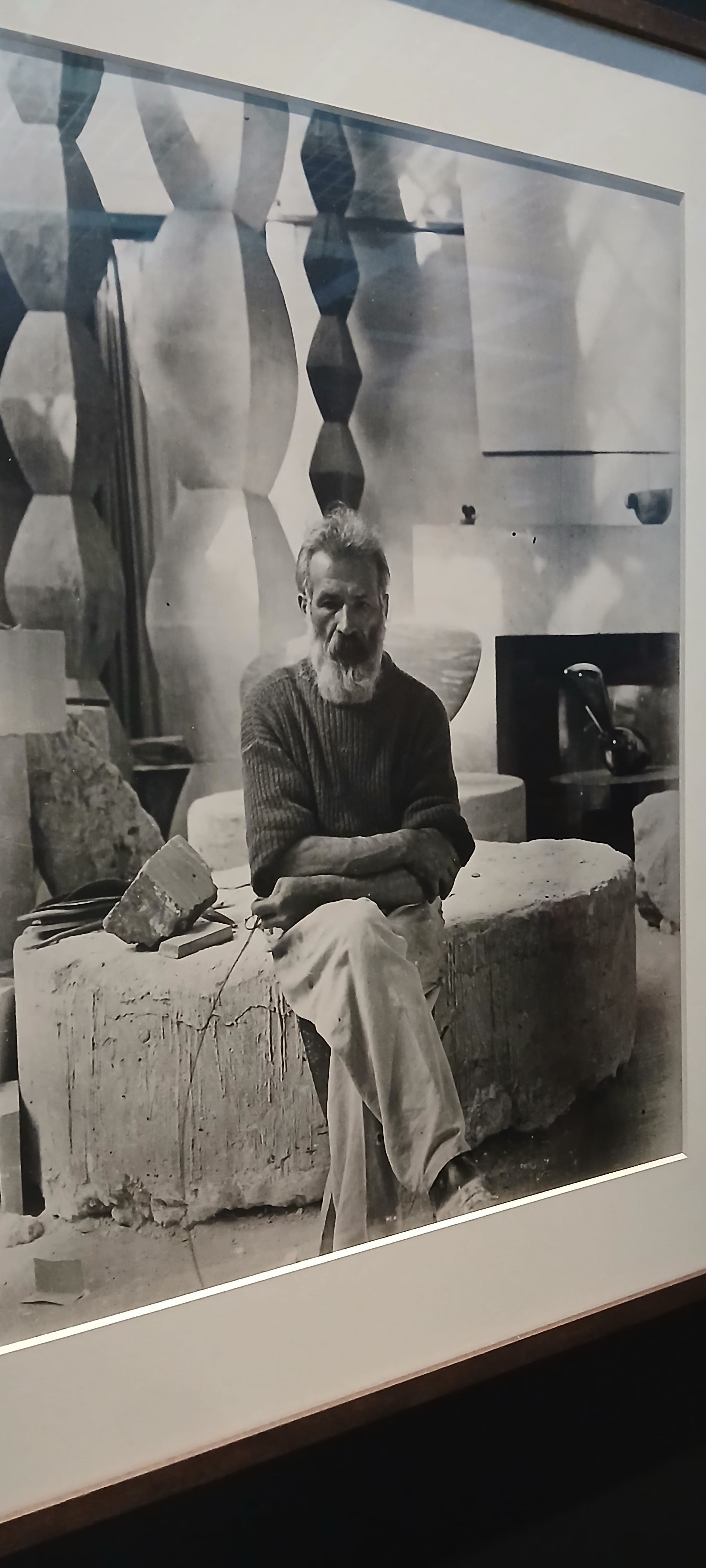
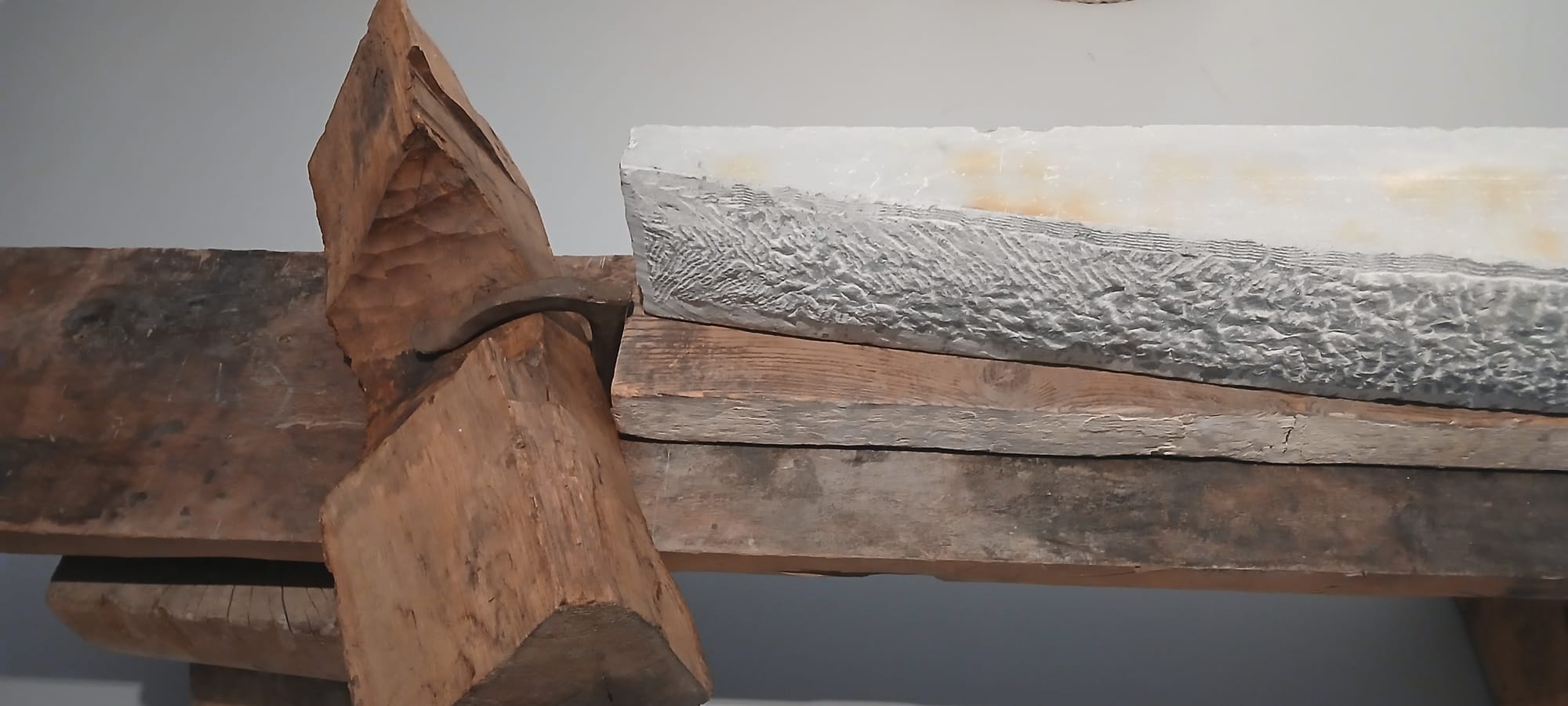
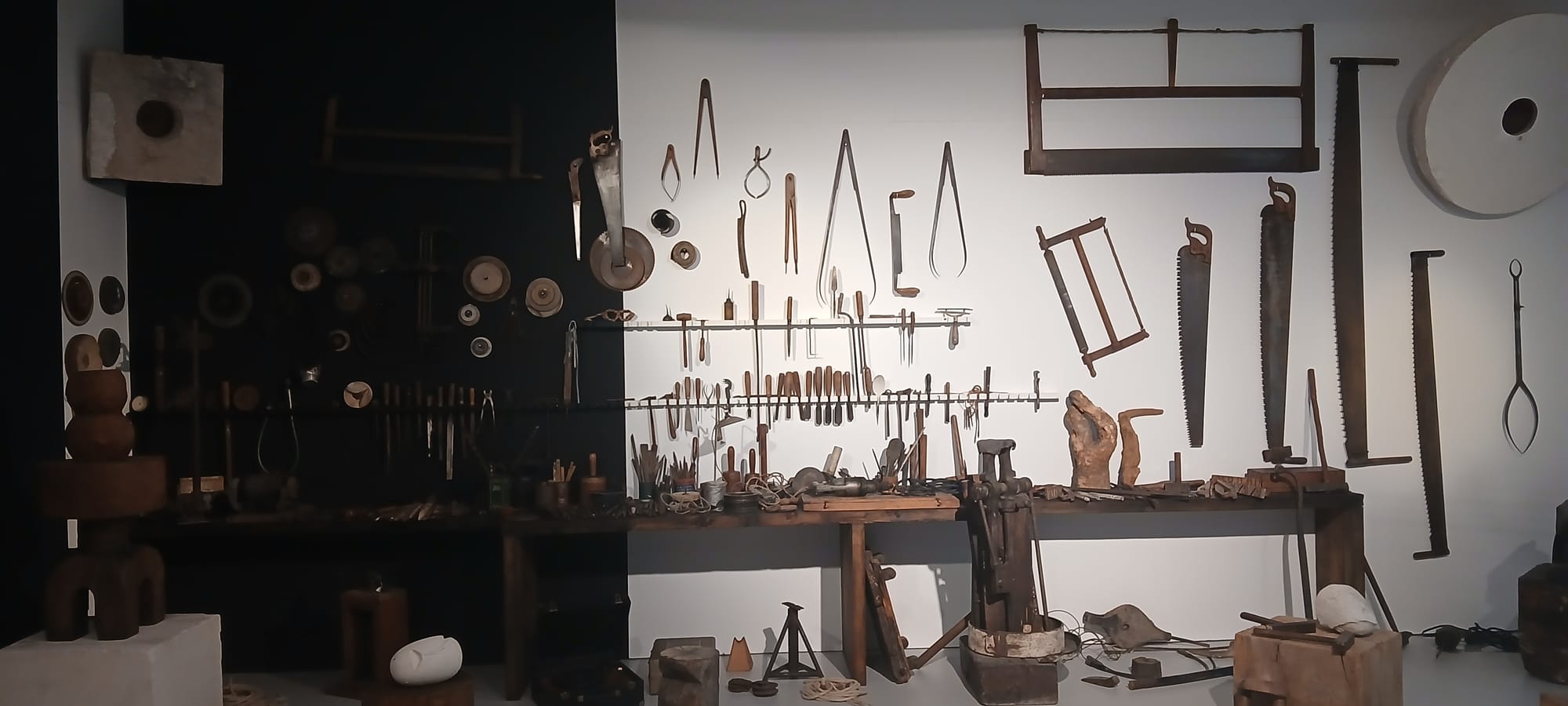
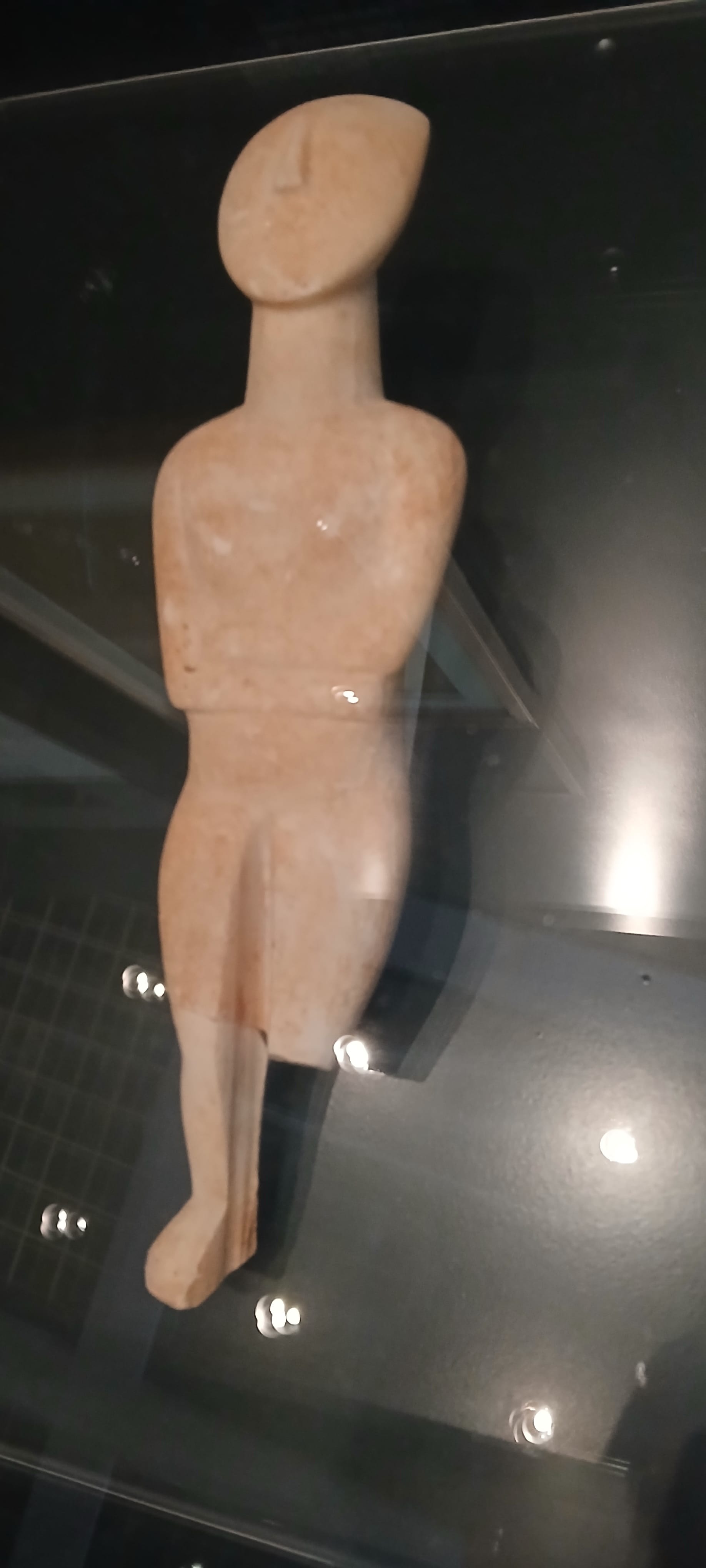
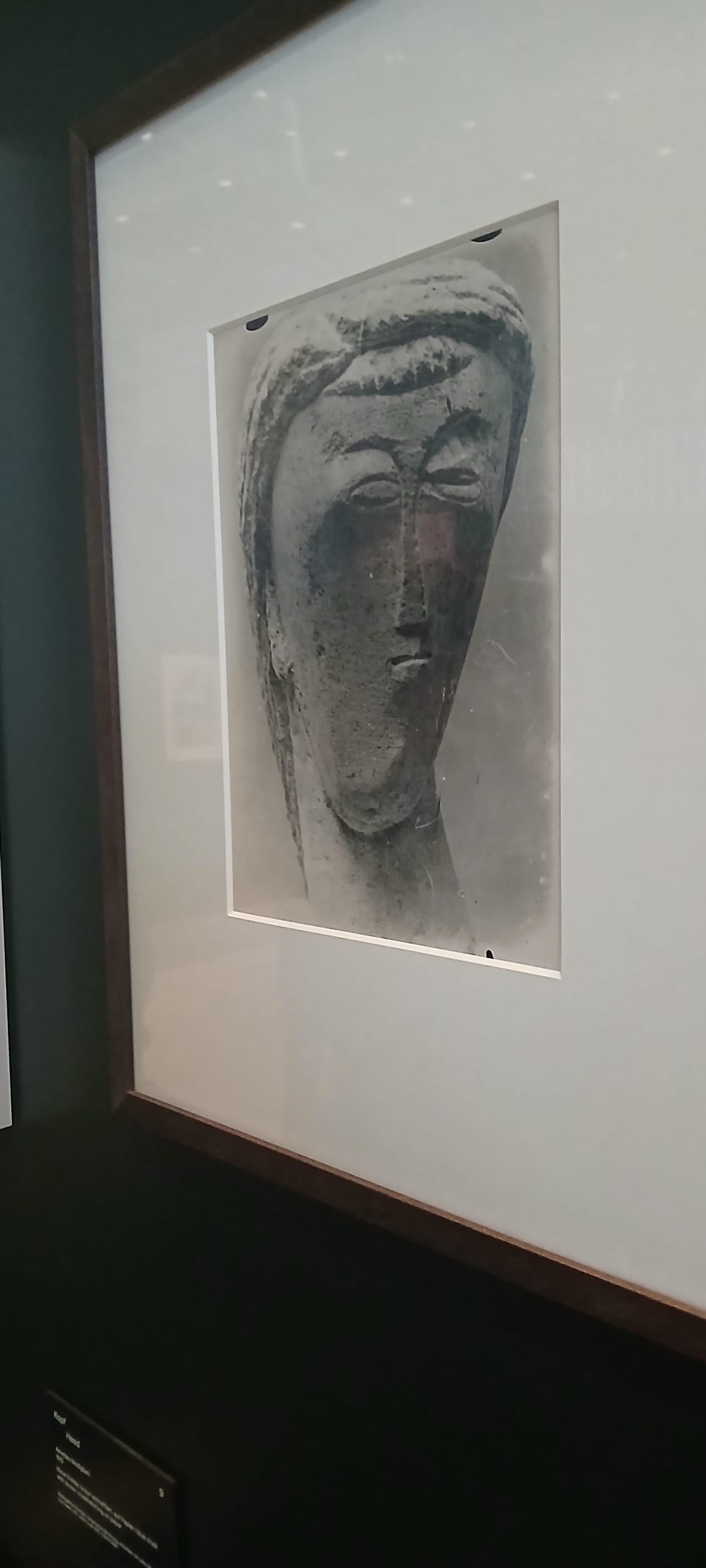
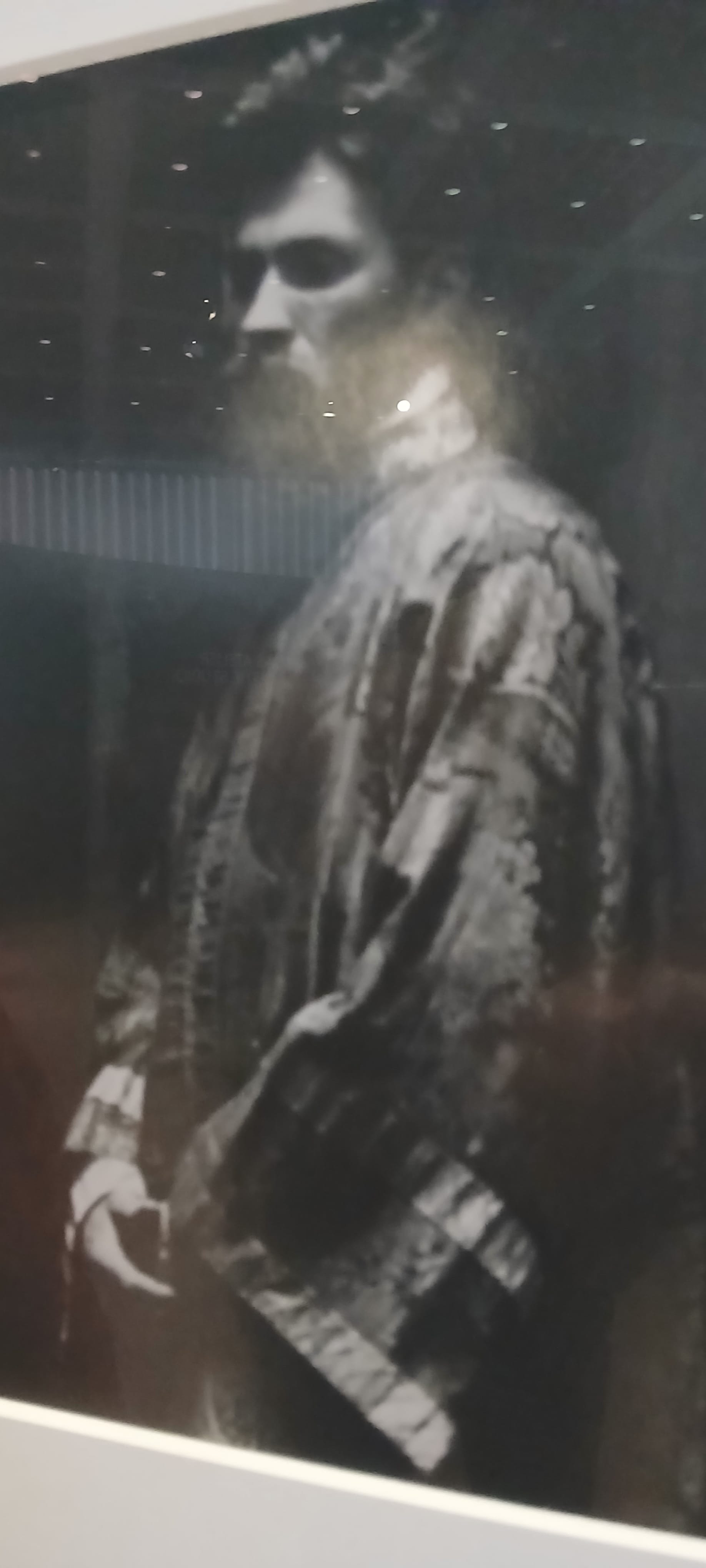
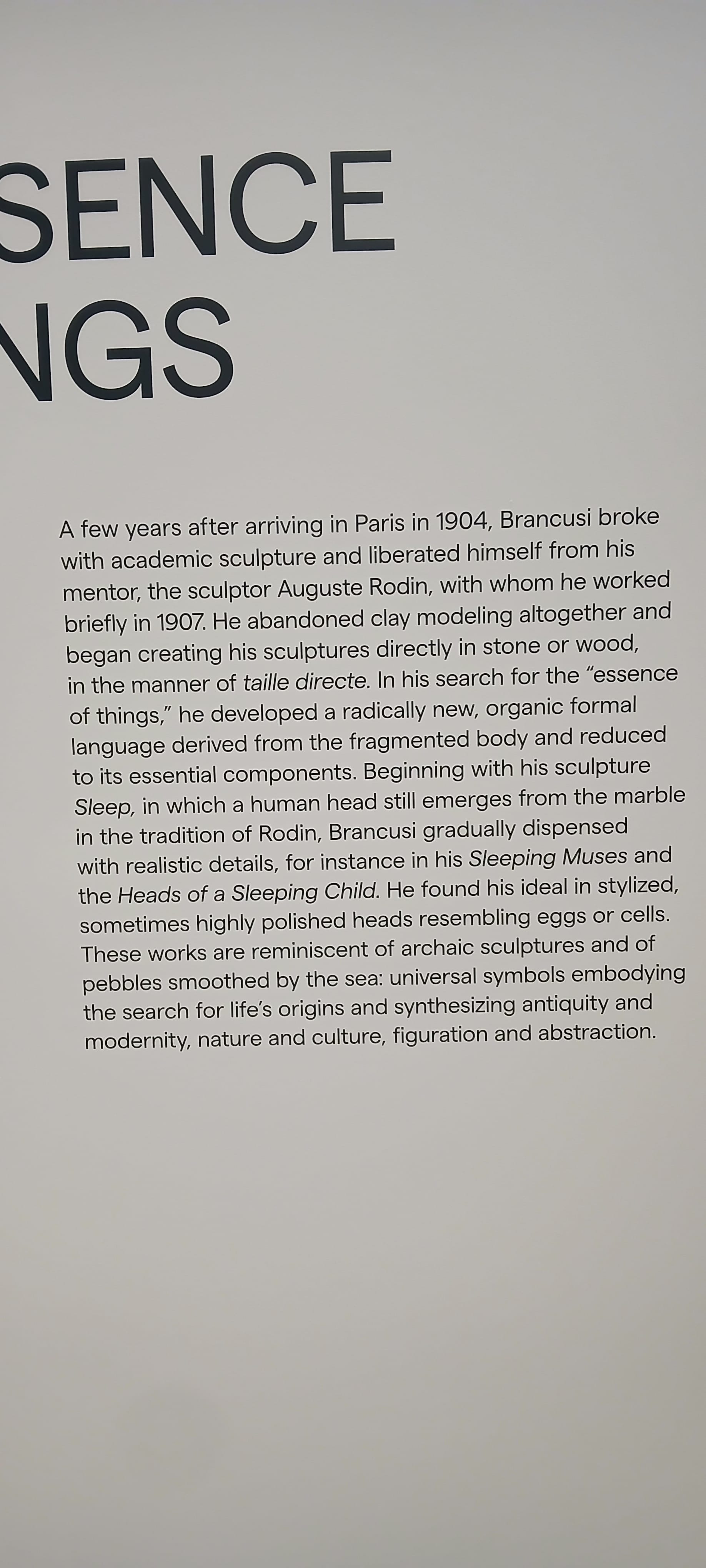
Brancusi at the Neue Galerie
architect: Mies van der Rohe
(you might think it resembles the Palace of the People but it has no ideological asbestos.)
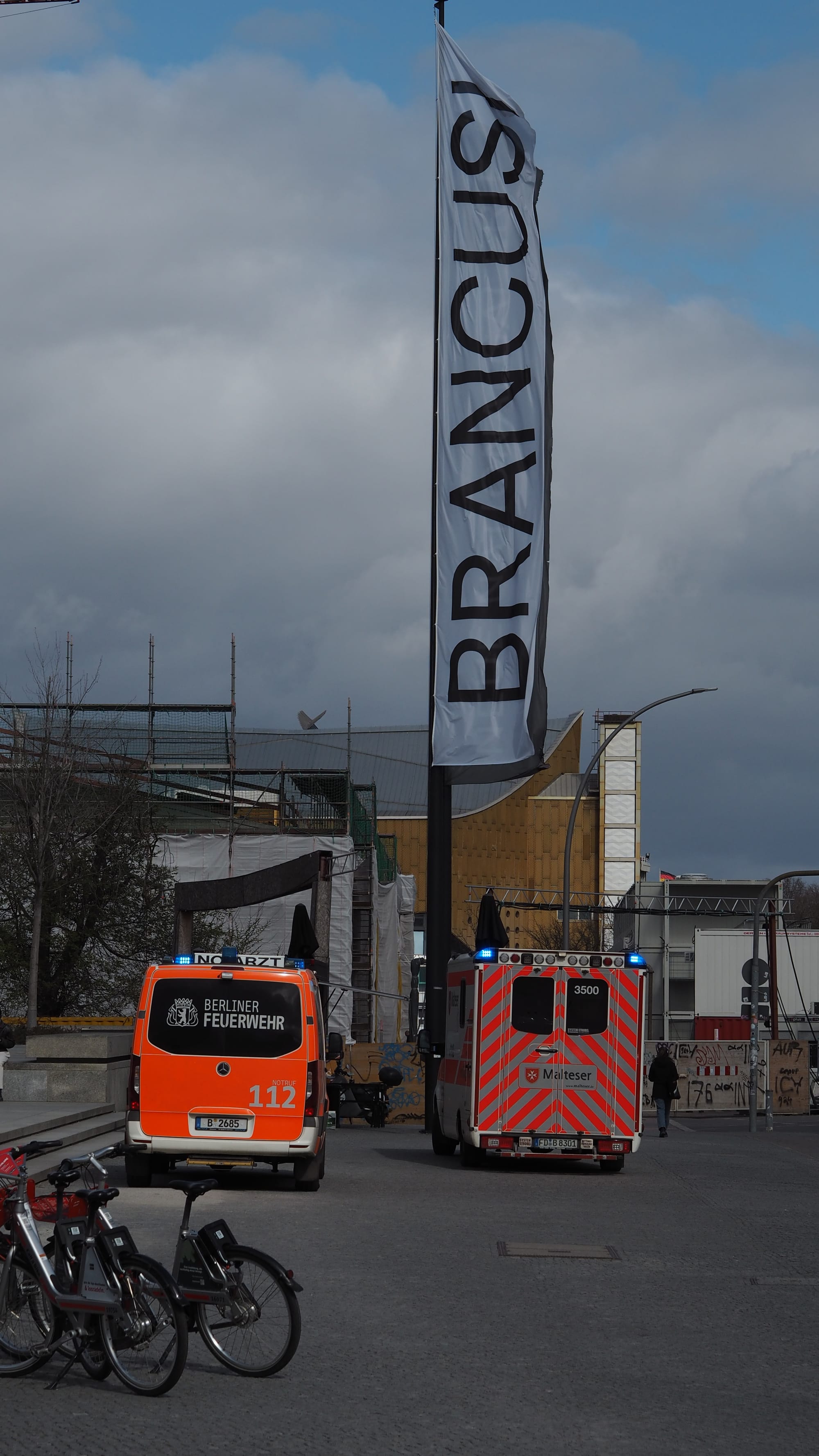
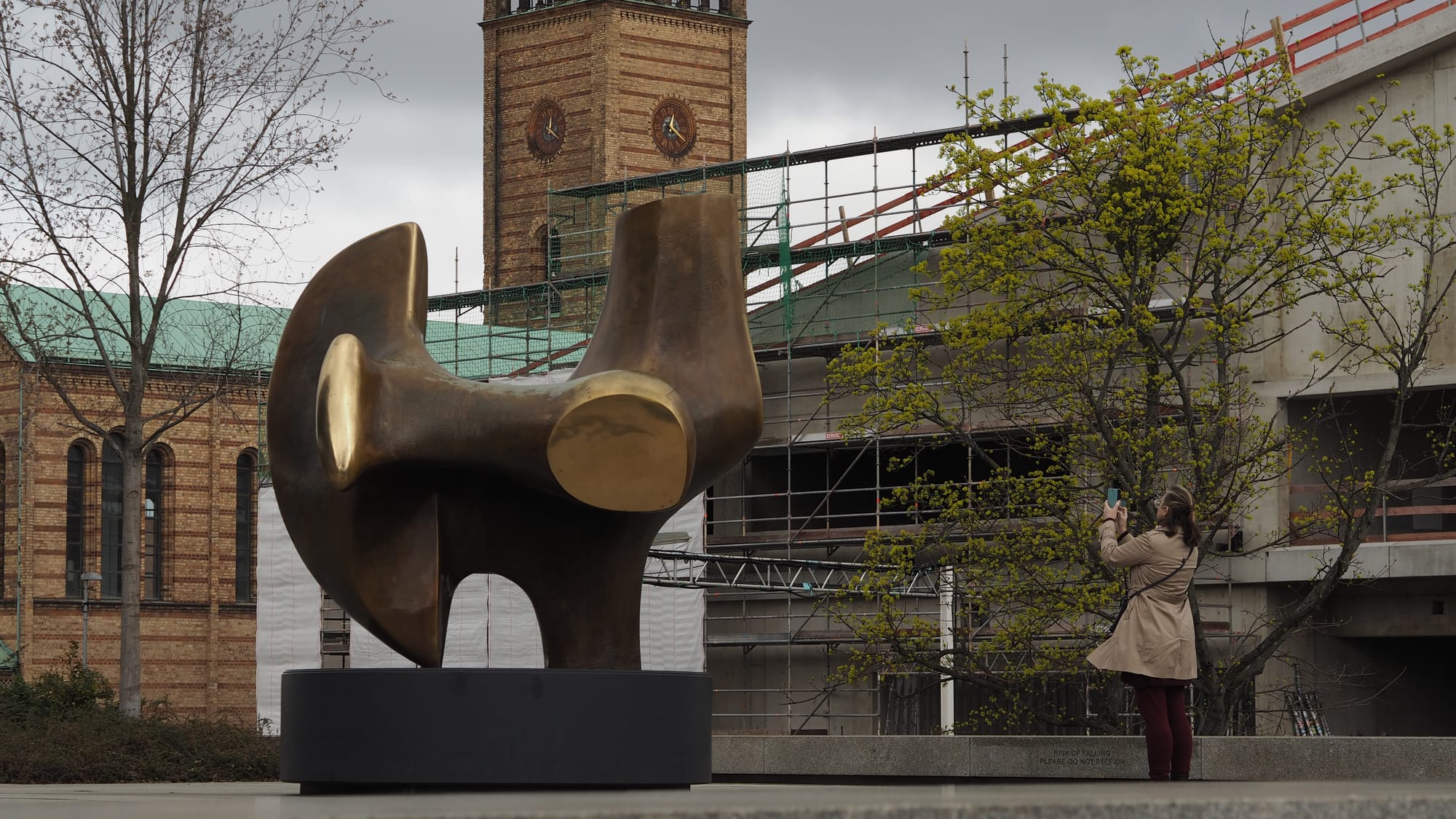
- bronze, not Brancusi, is Henry Moore's Three Way Piece No.2: Archer
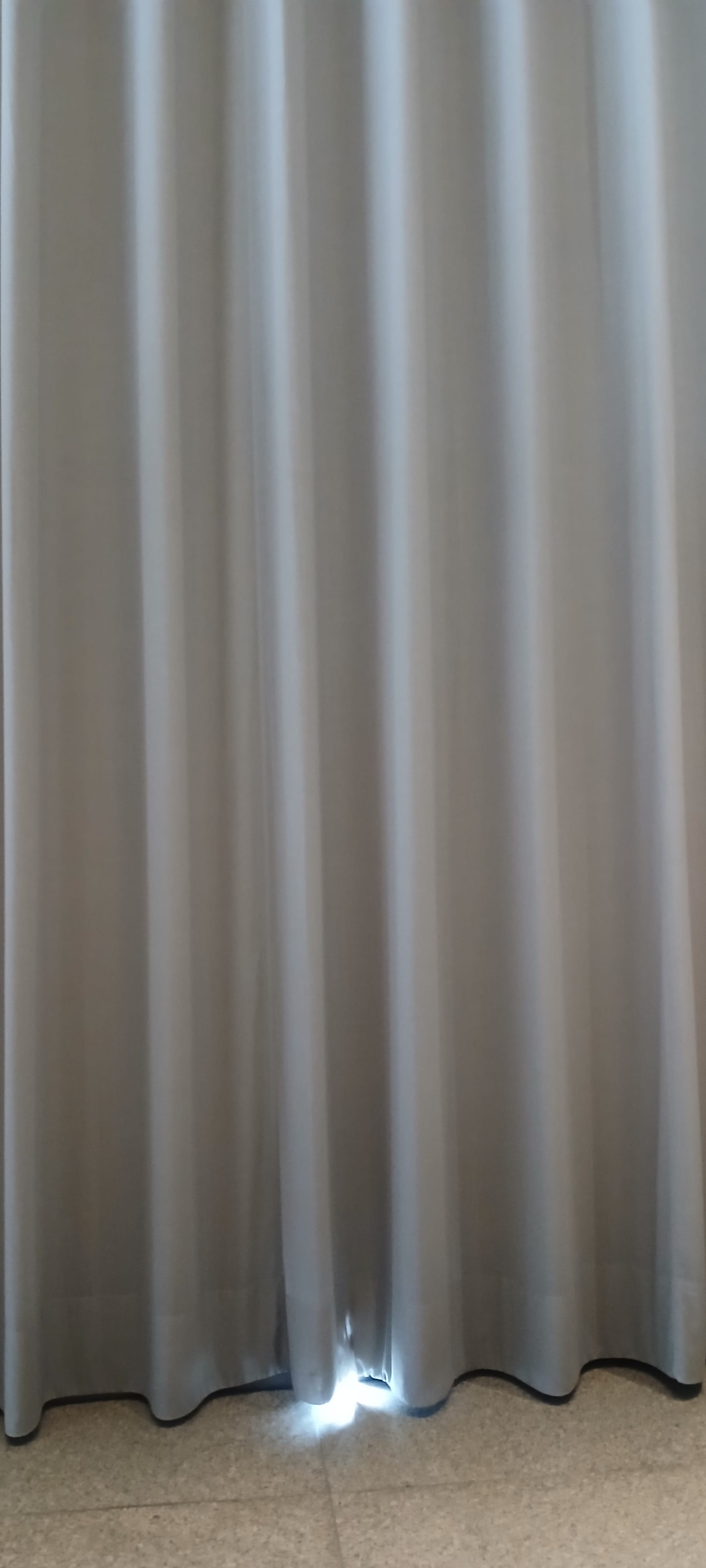
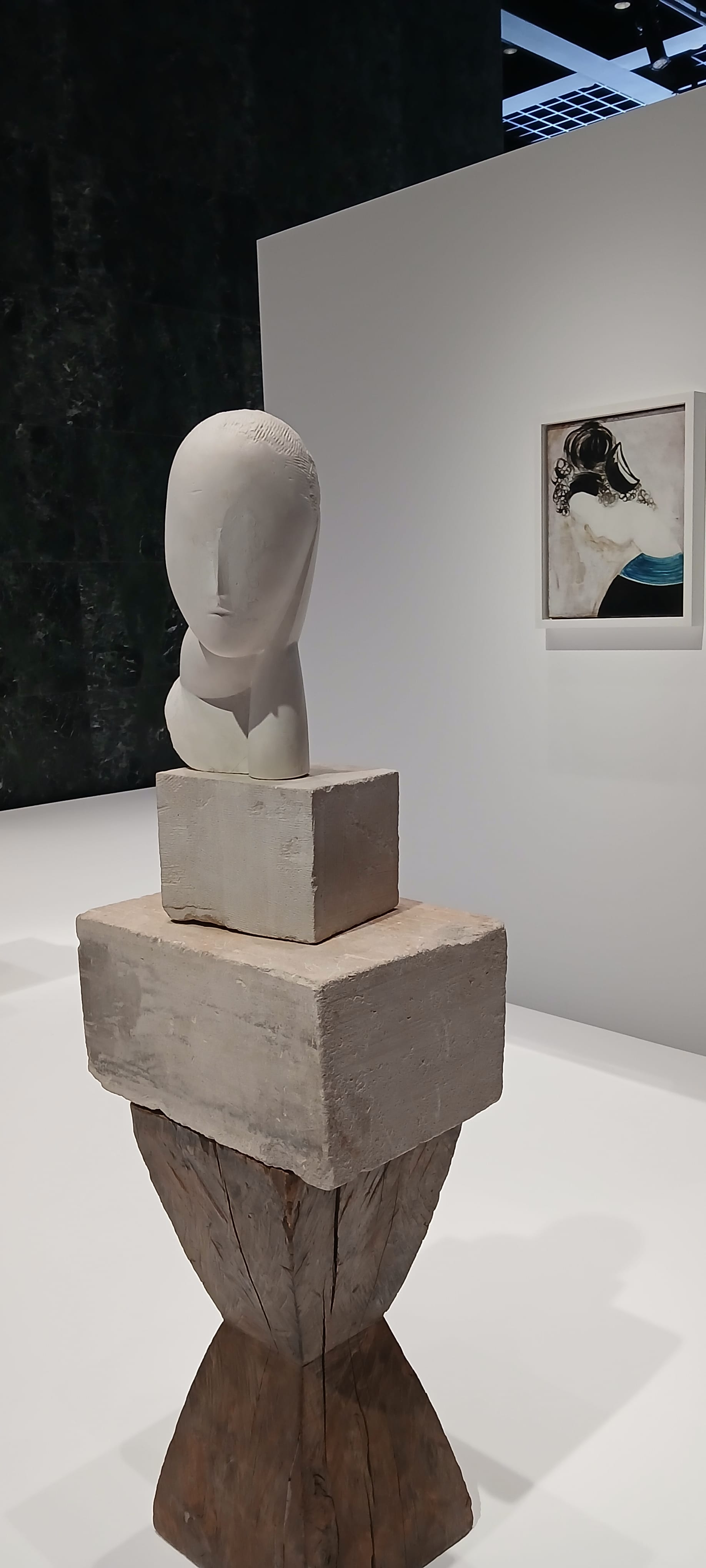
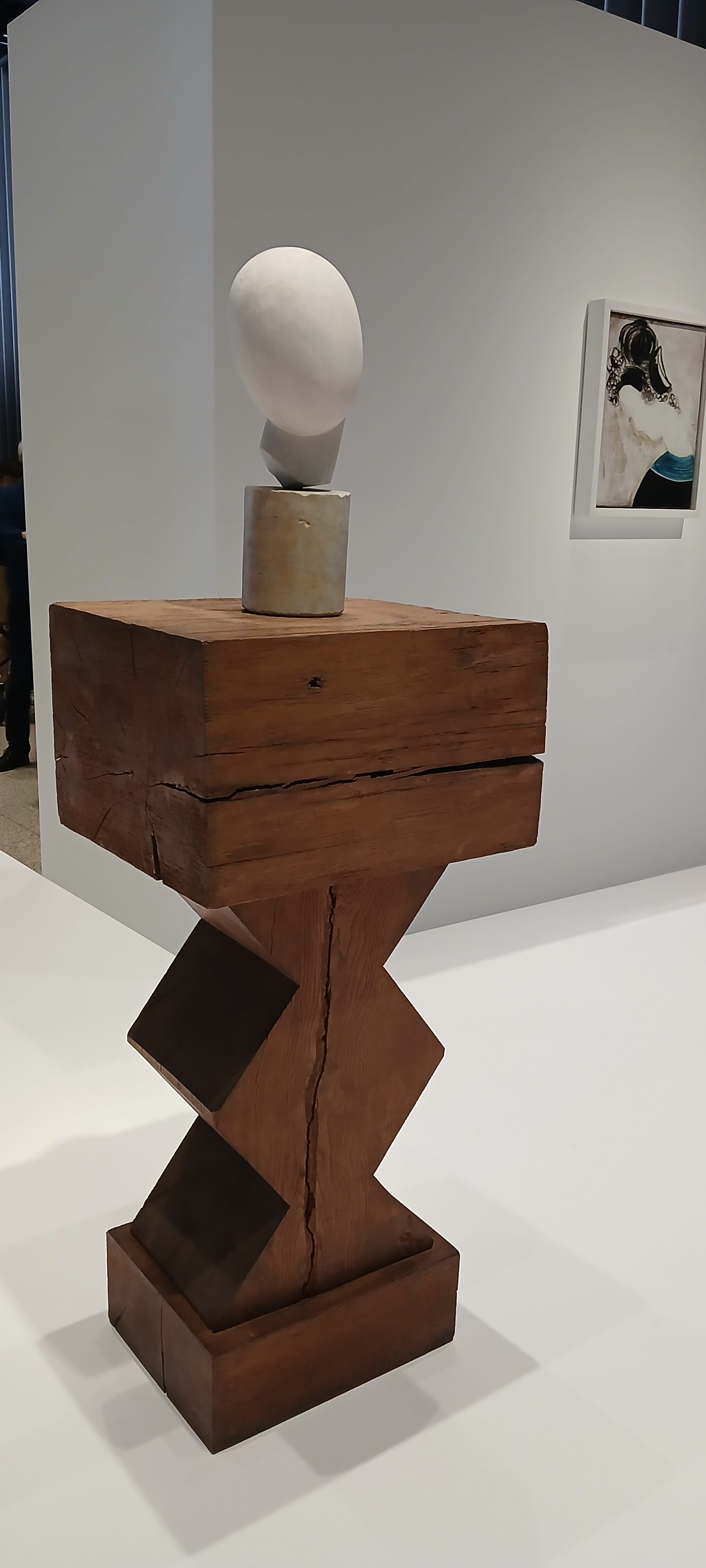
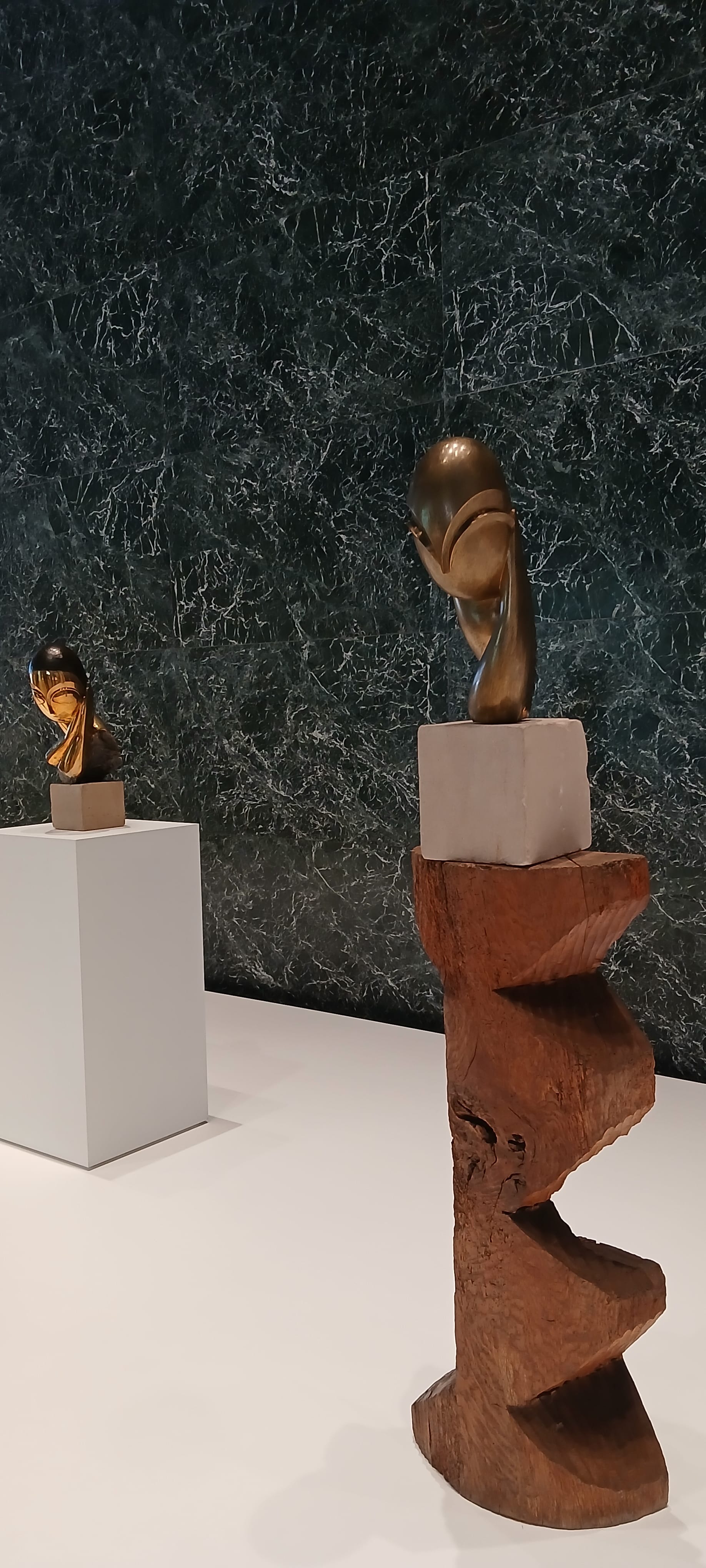
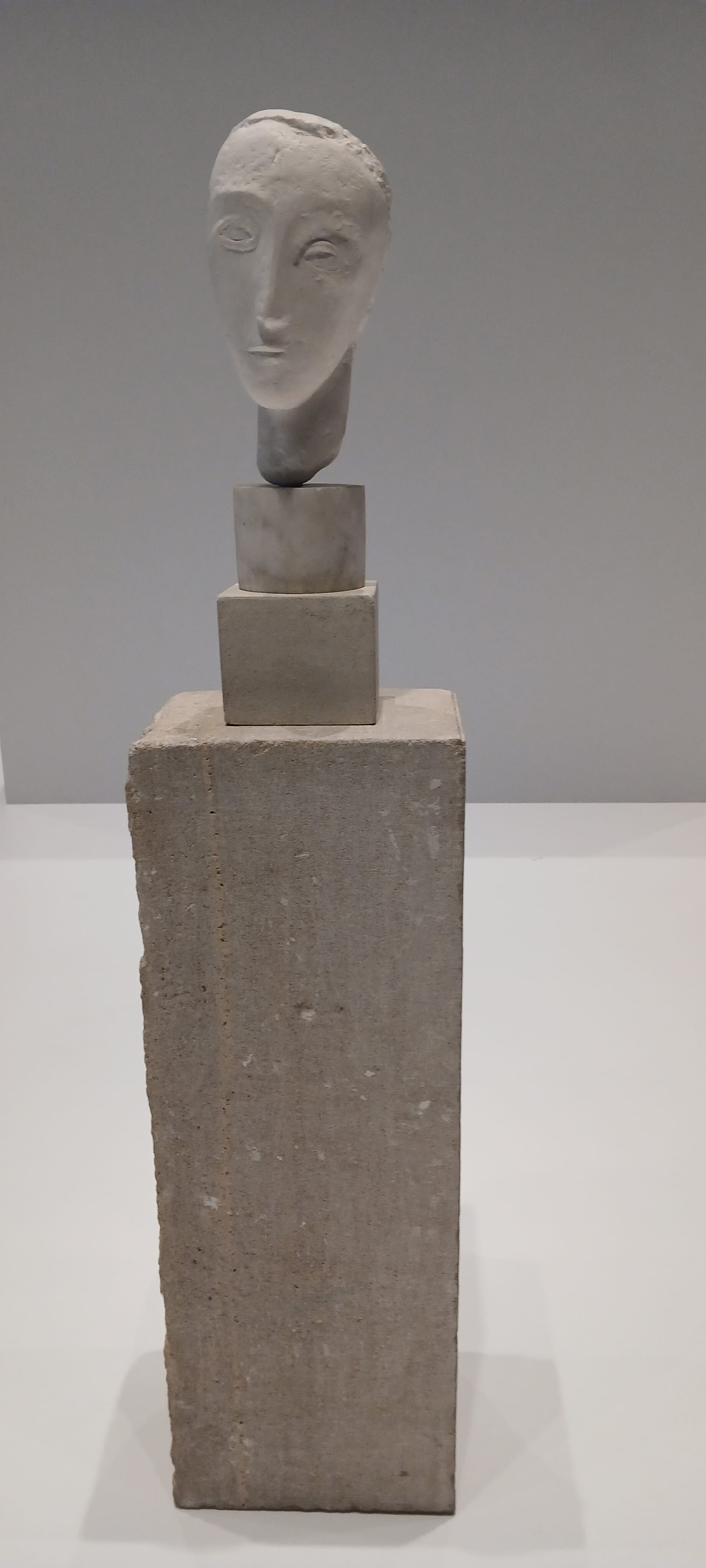
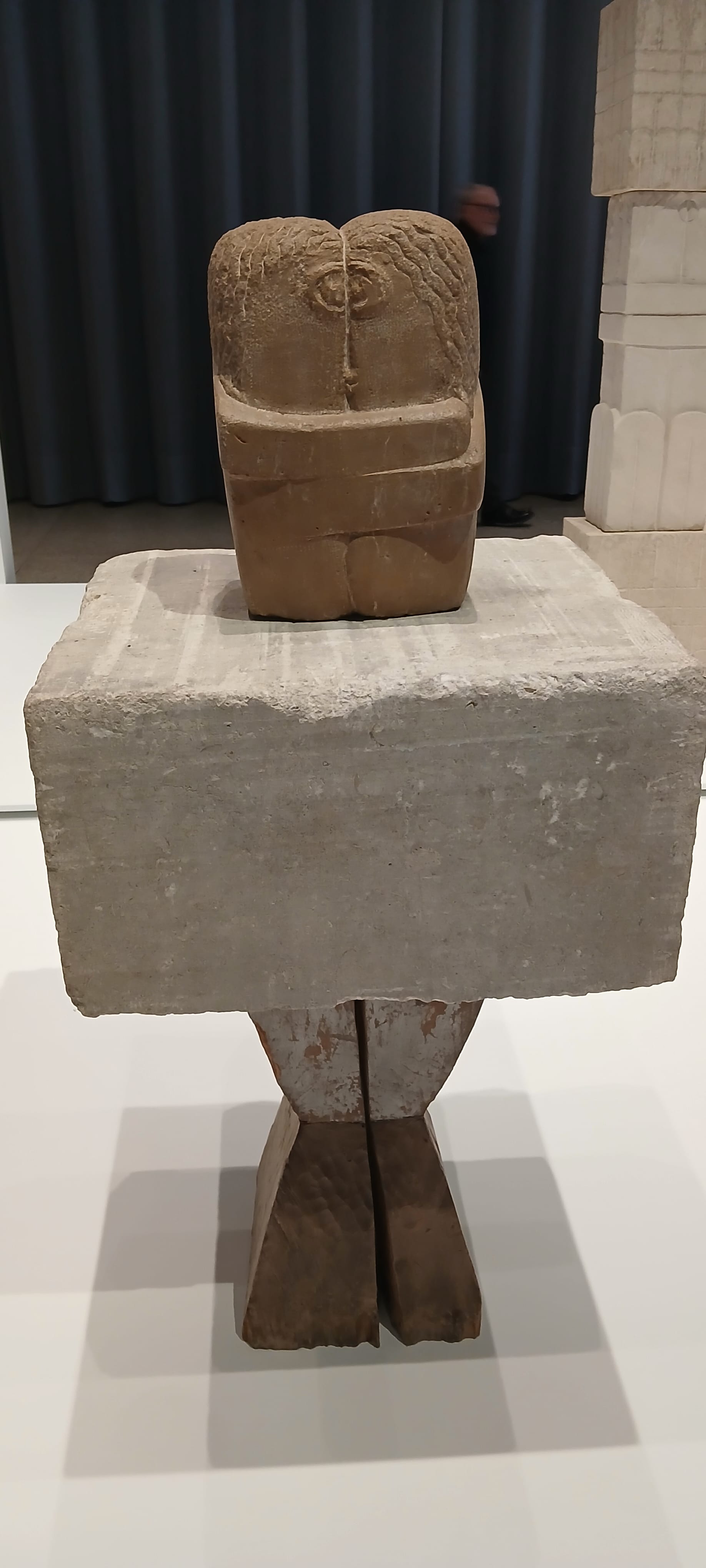
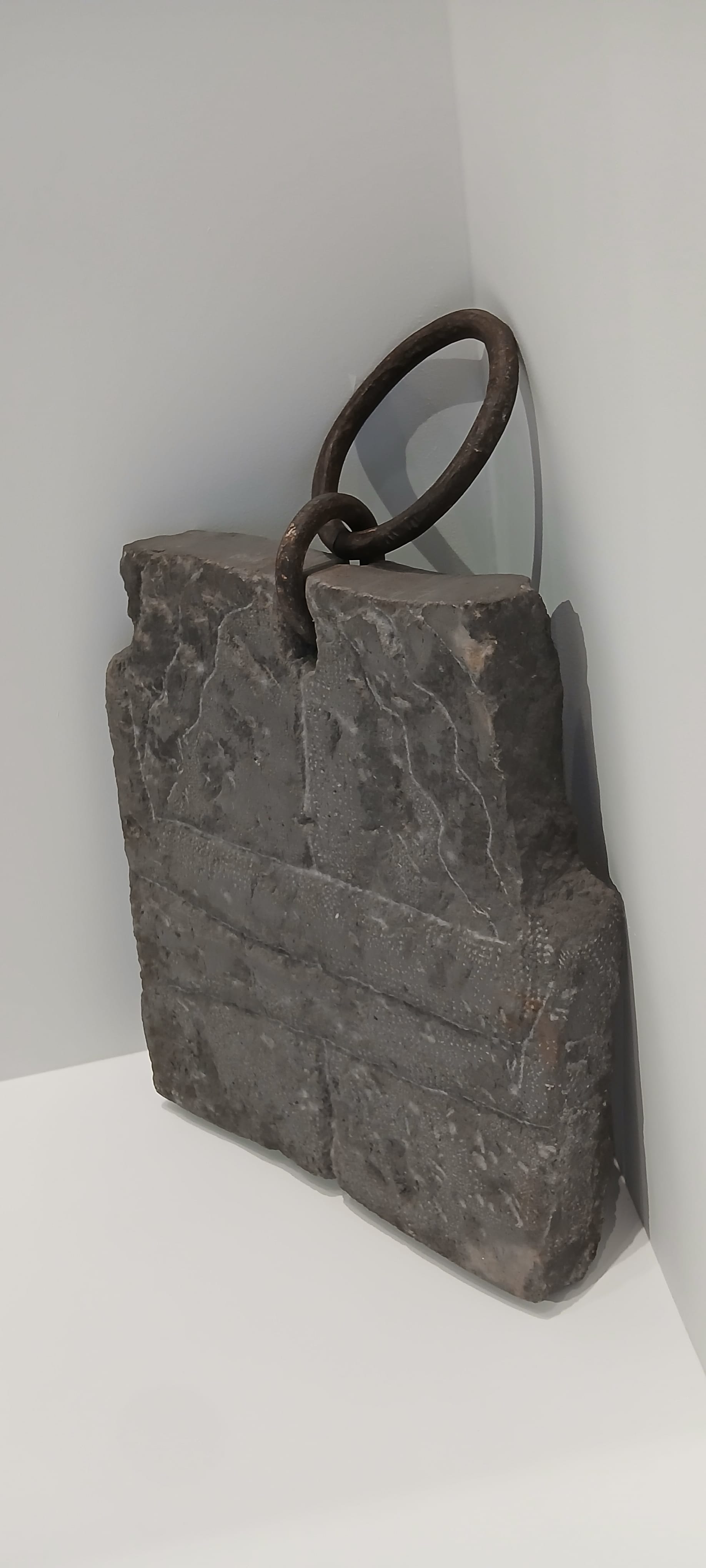
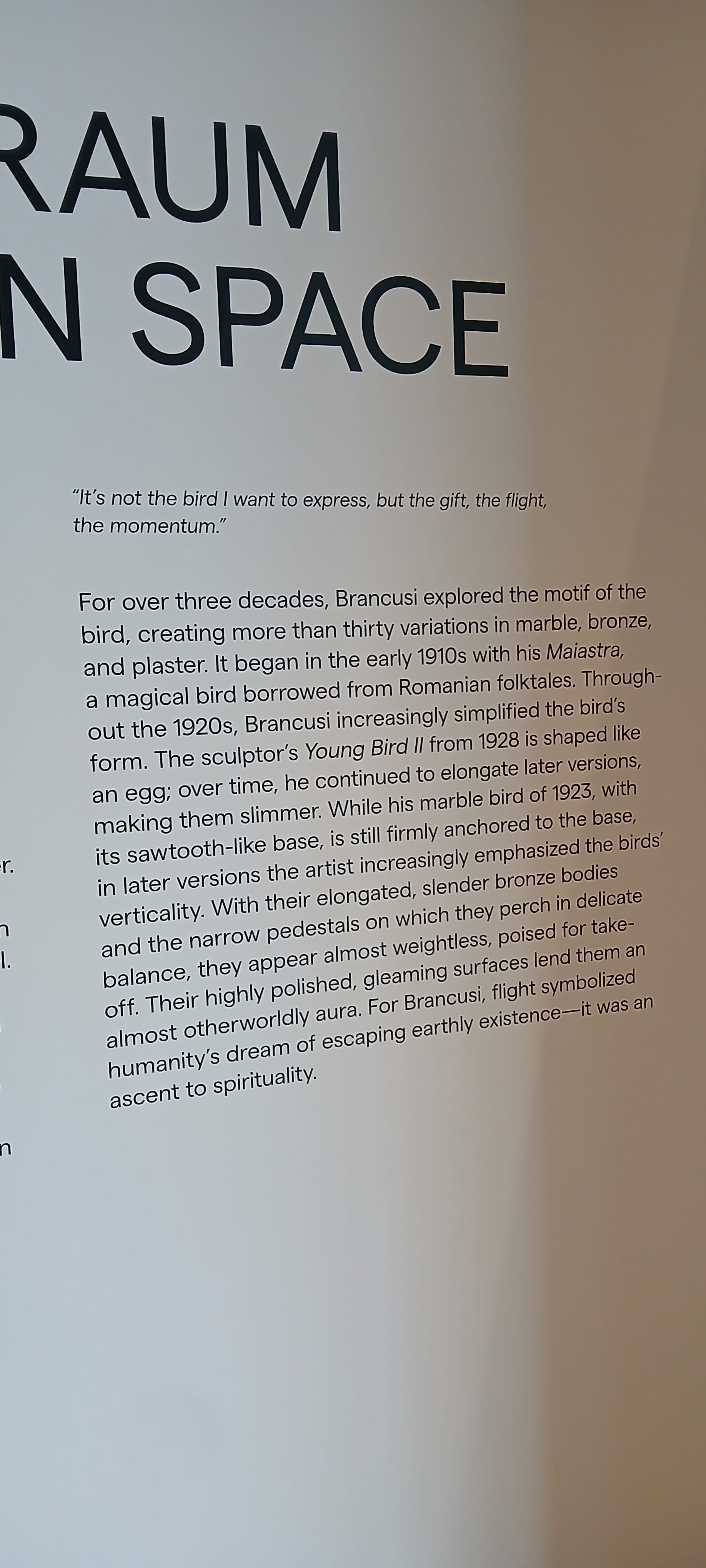
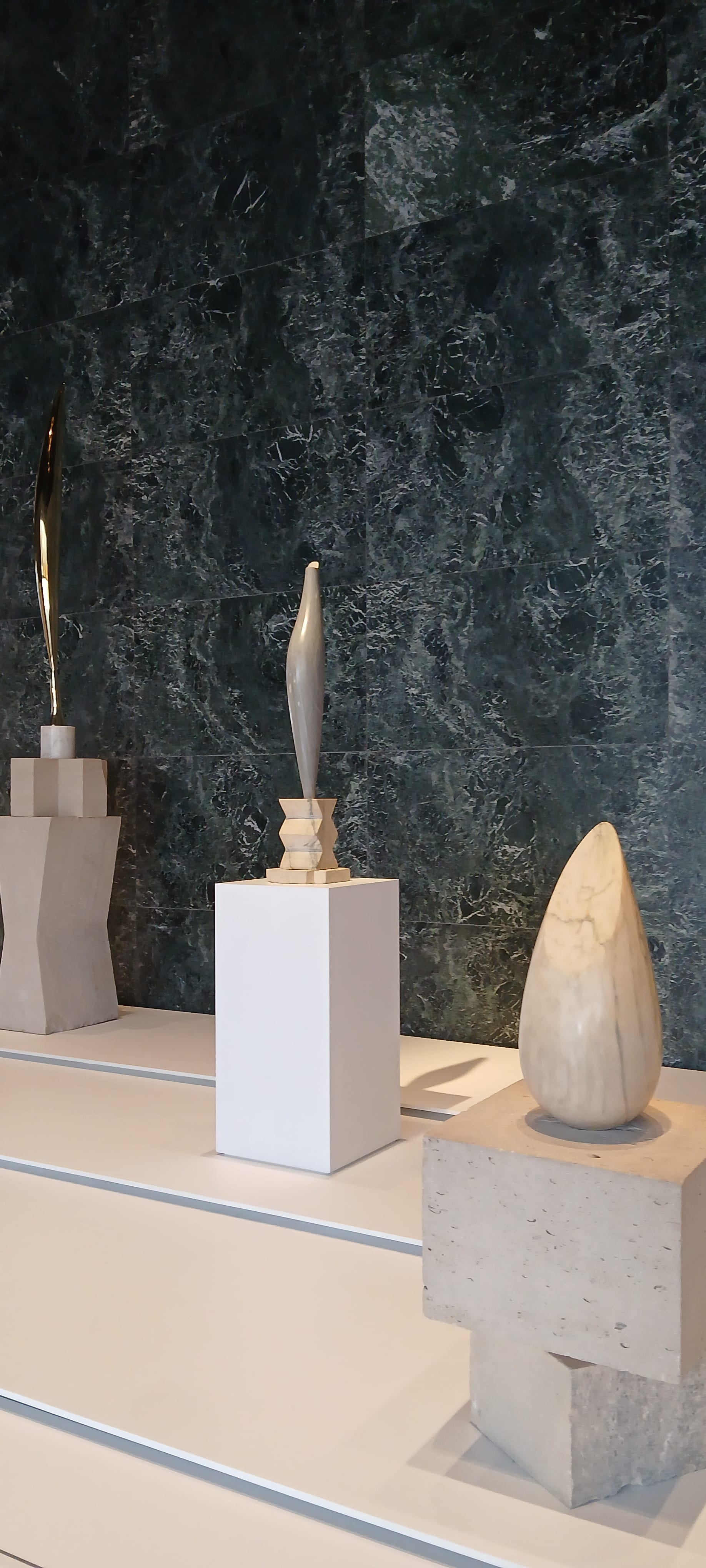
- consistent with his emphasis on movement, Brancusi also adopted moving-image technology, filming his work and staging it to be filmed
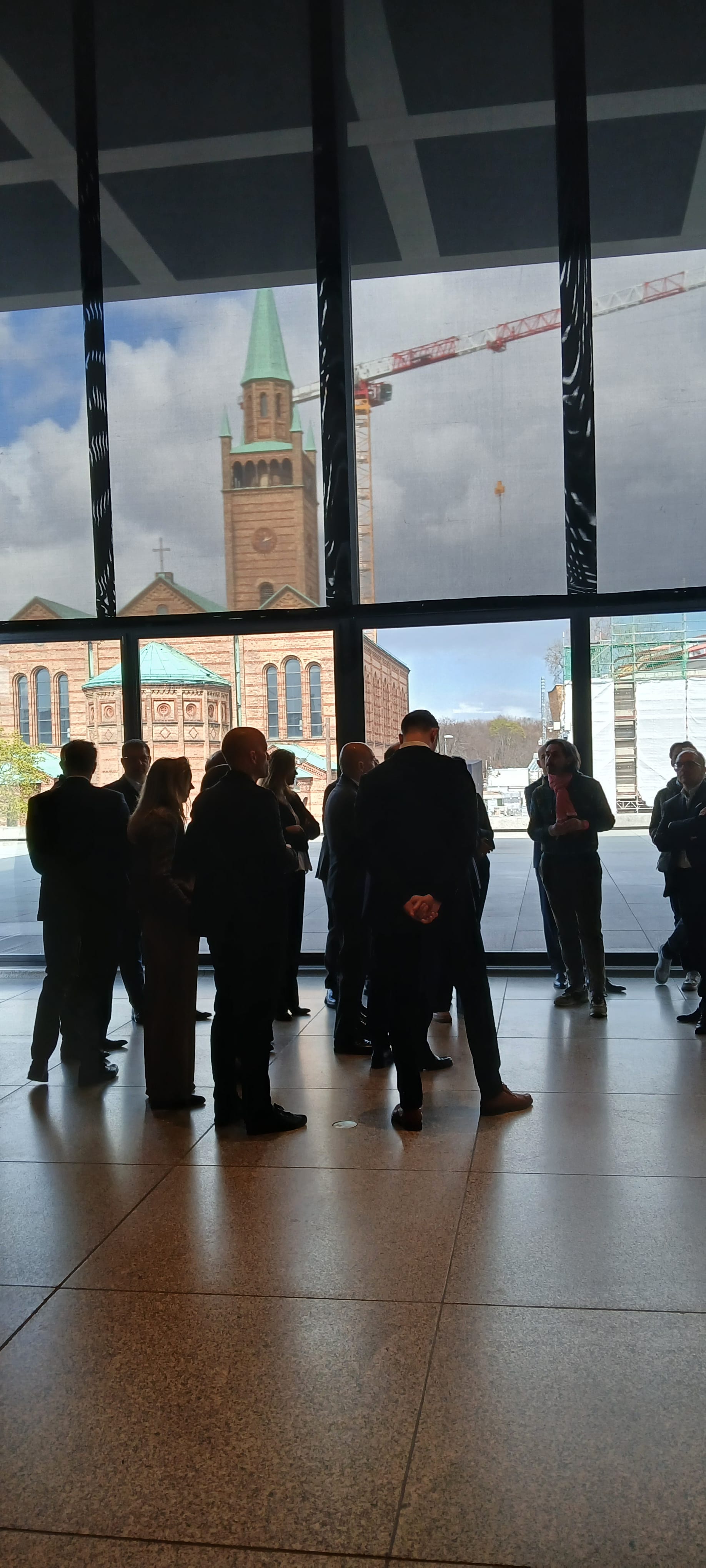
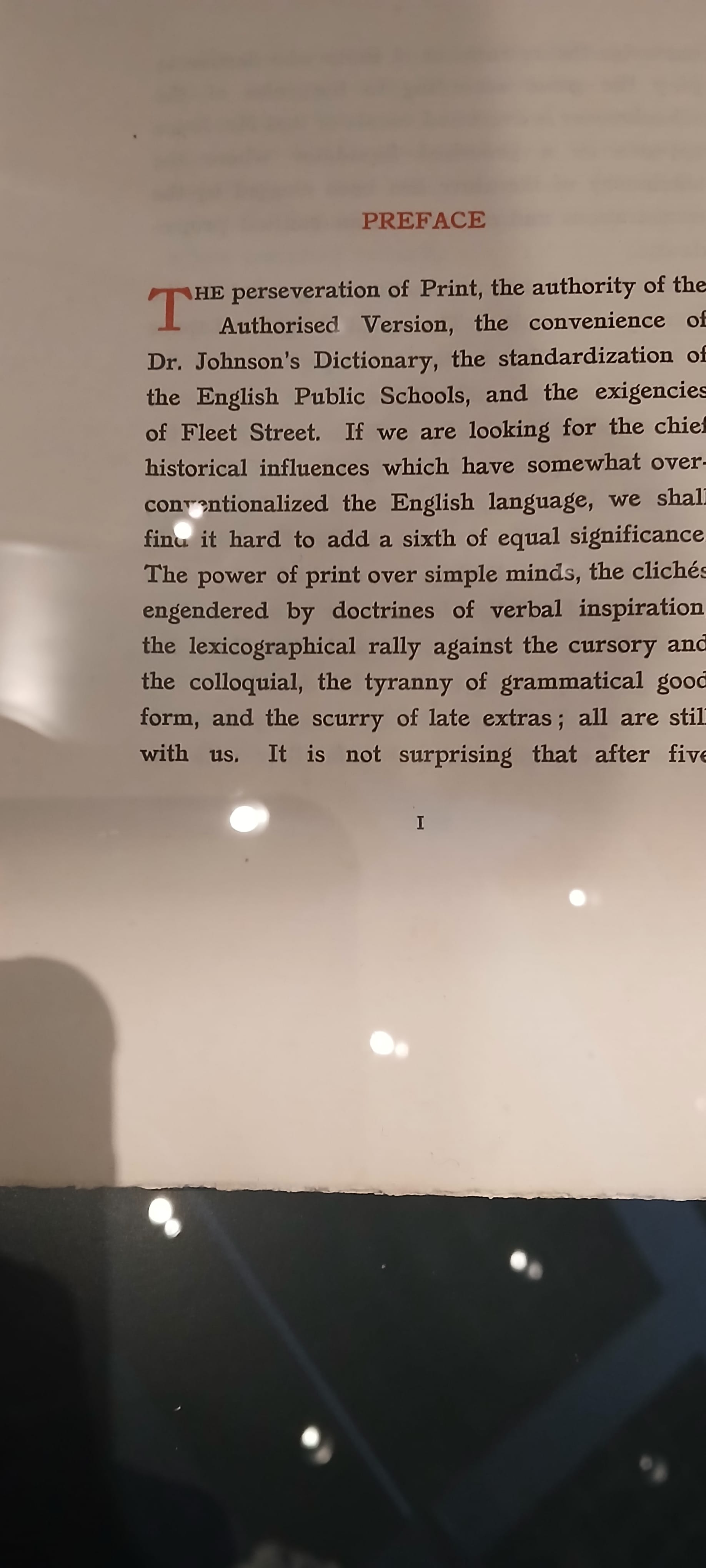
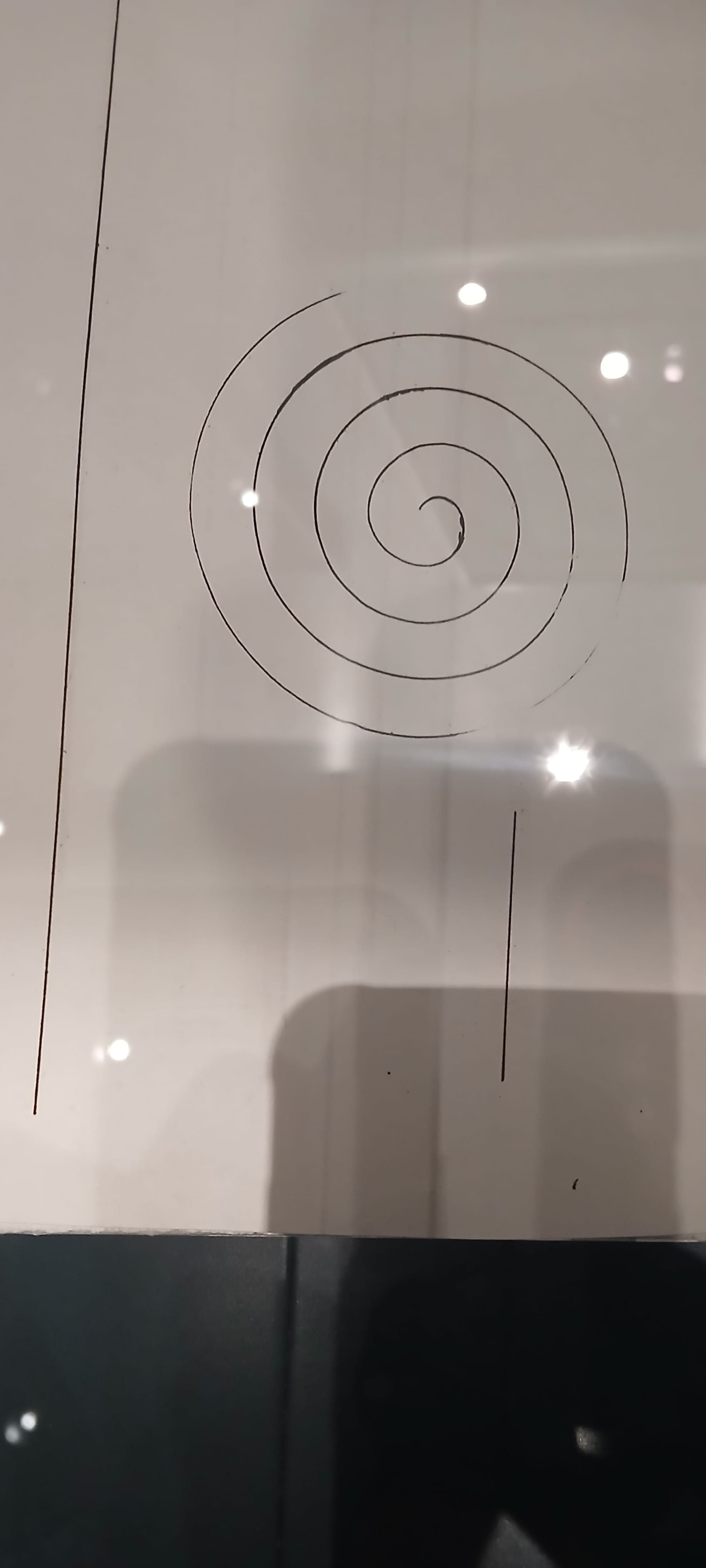
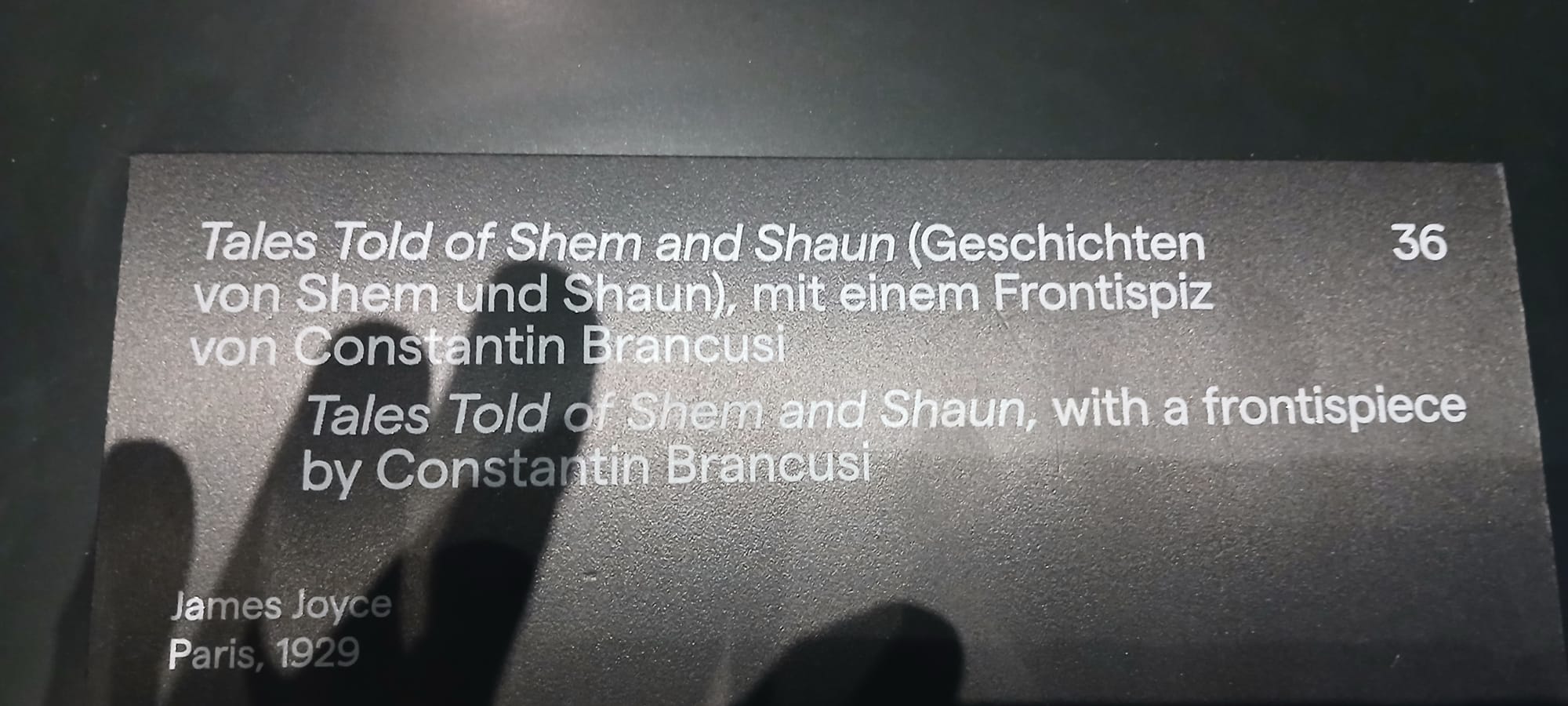
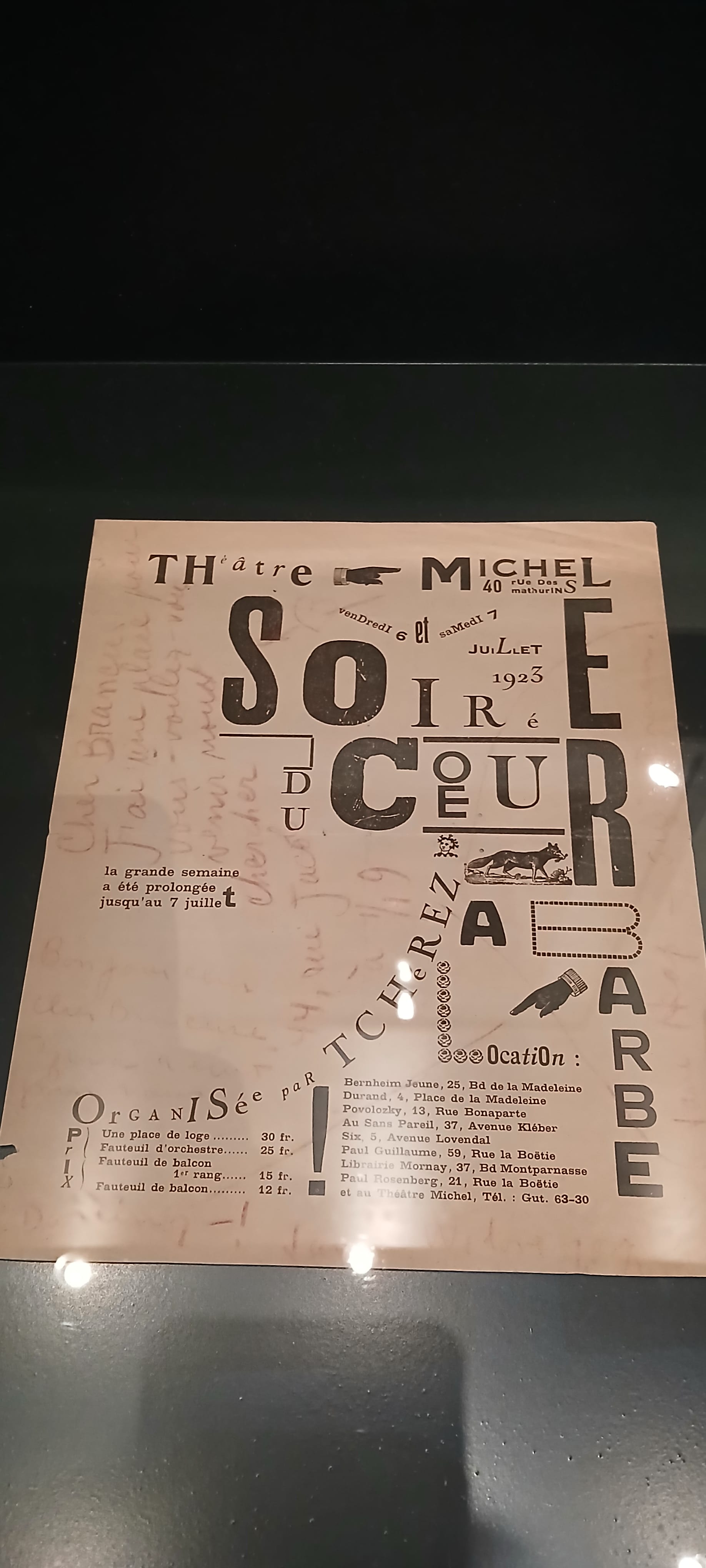
café
by Jorge Pardo, 2021
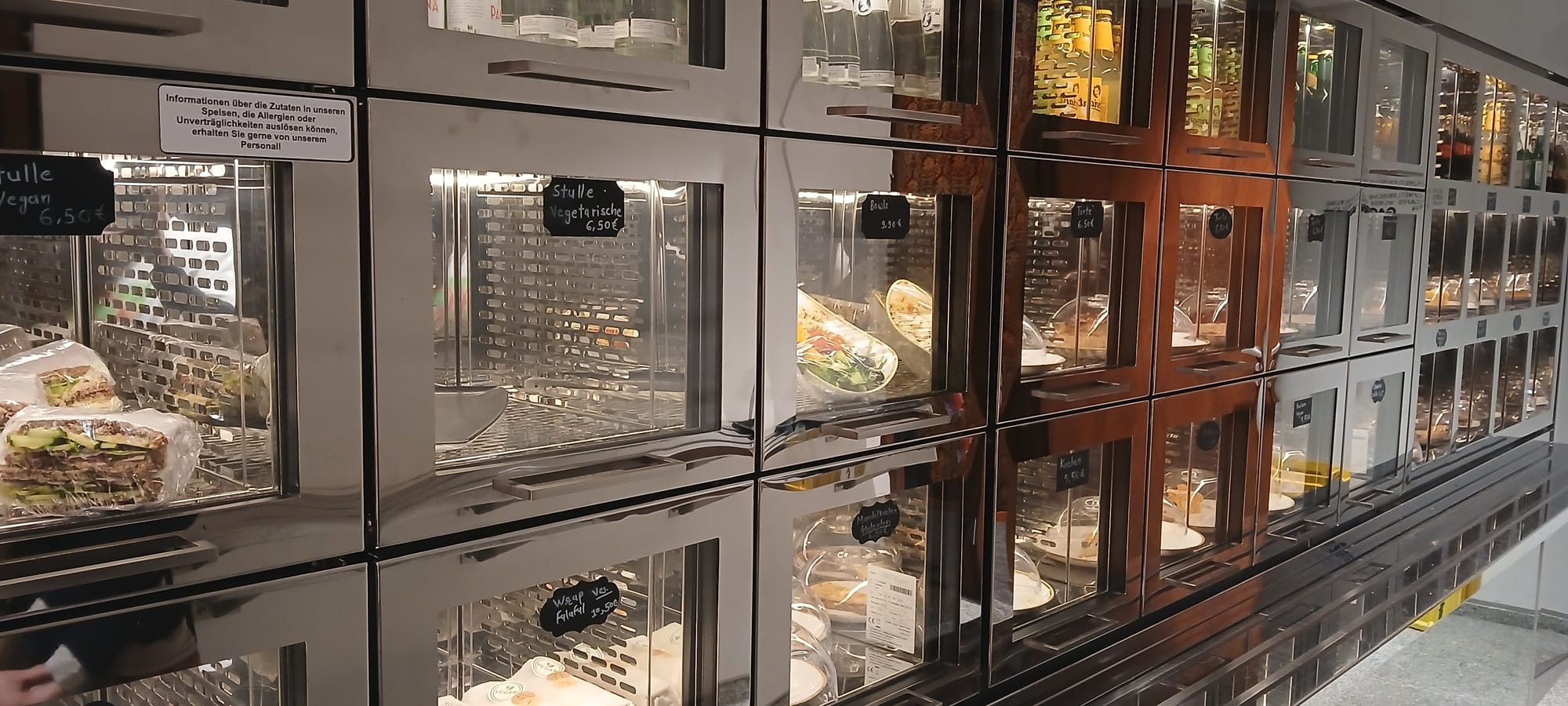
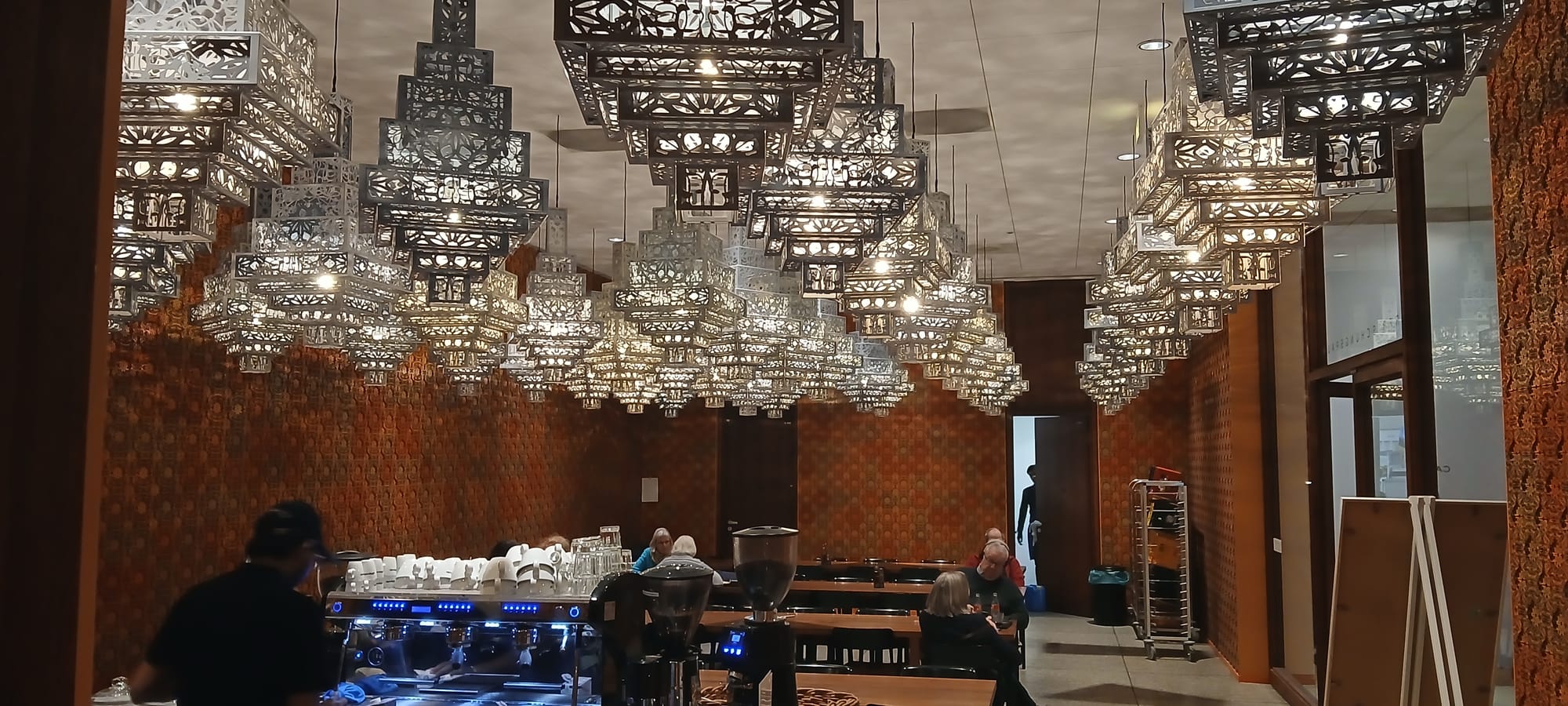
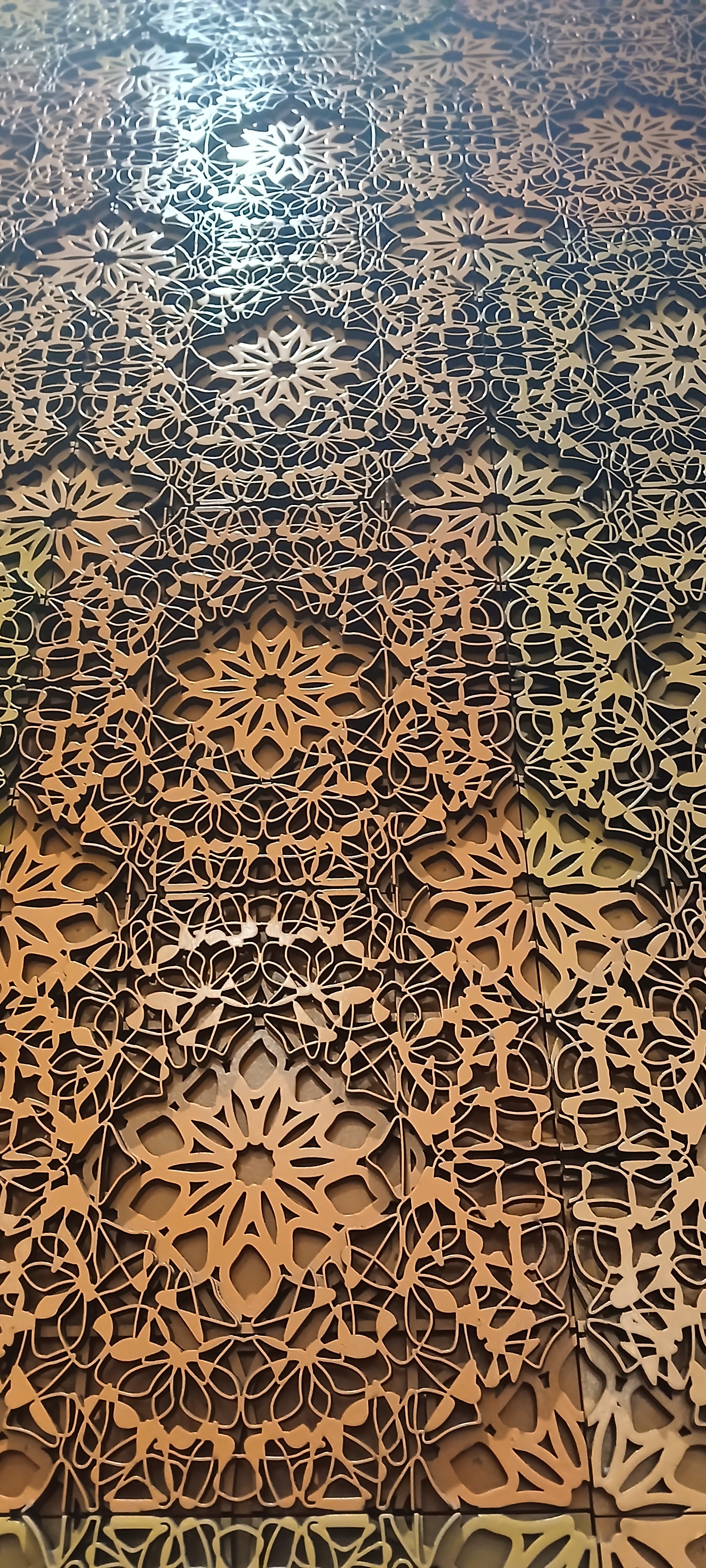
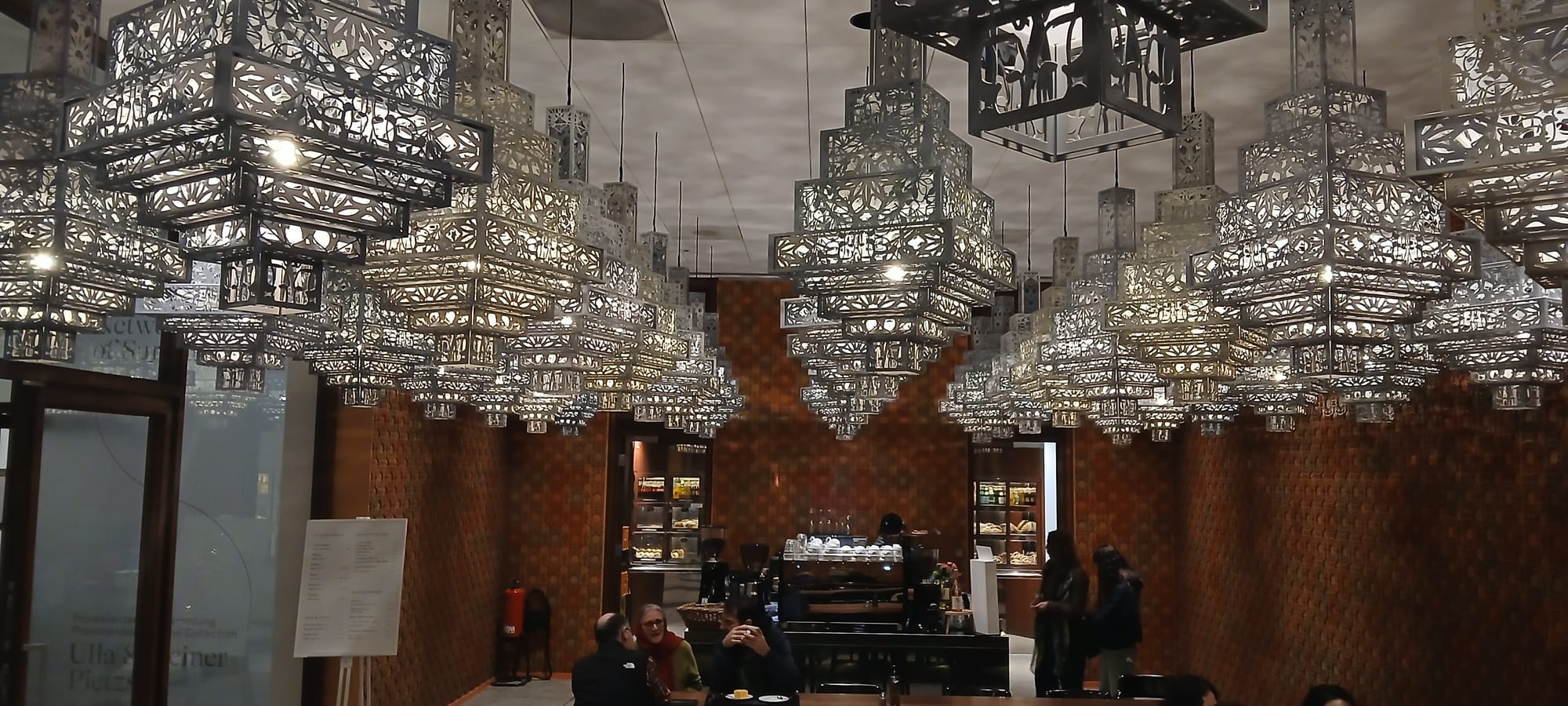
Max Ernst to Dorothea Tanning: Networks of Surrealism
an odd exhibition, really focusing on the lines connecting those purchasing works, and the network of relationships between artists and muses who inconveniently turn into artists
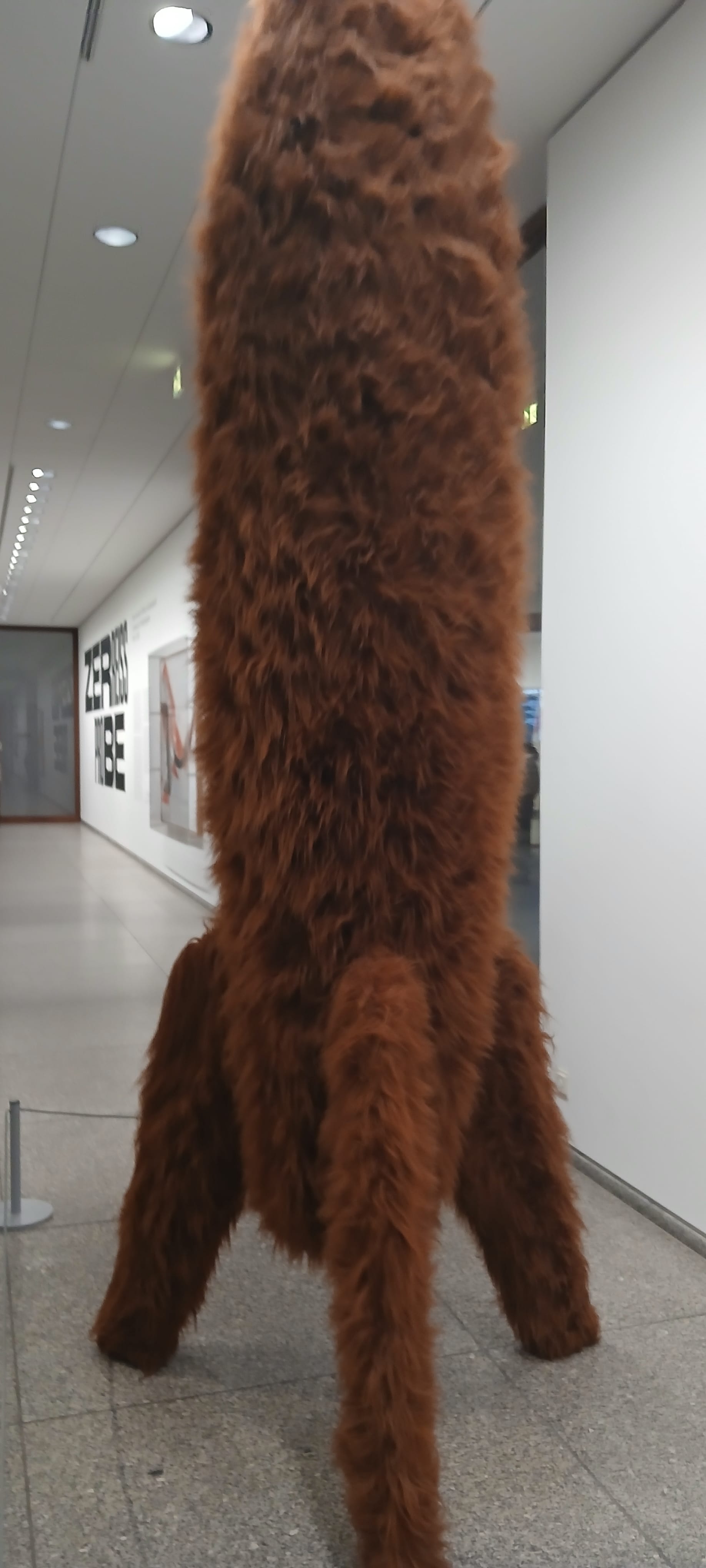
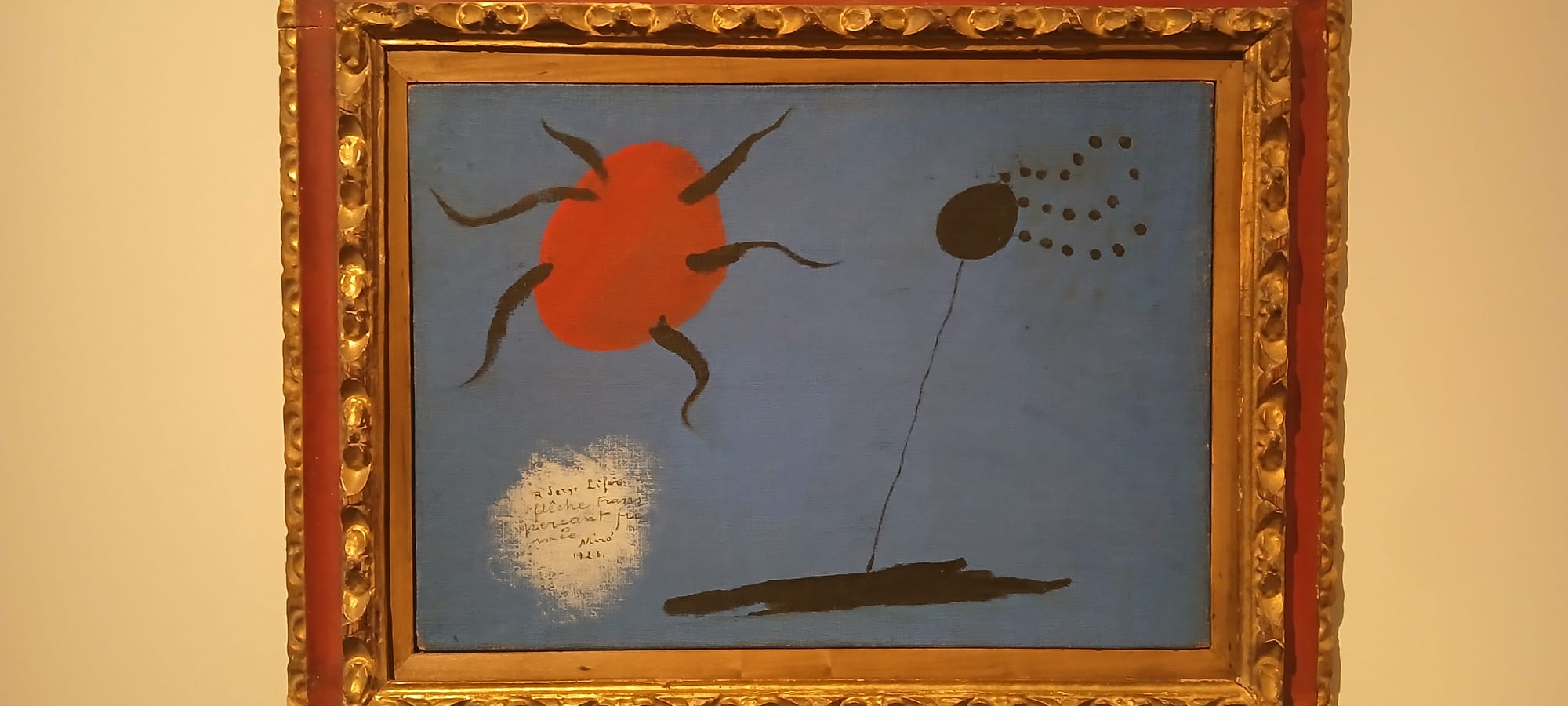
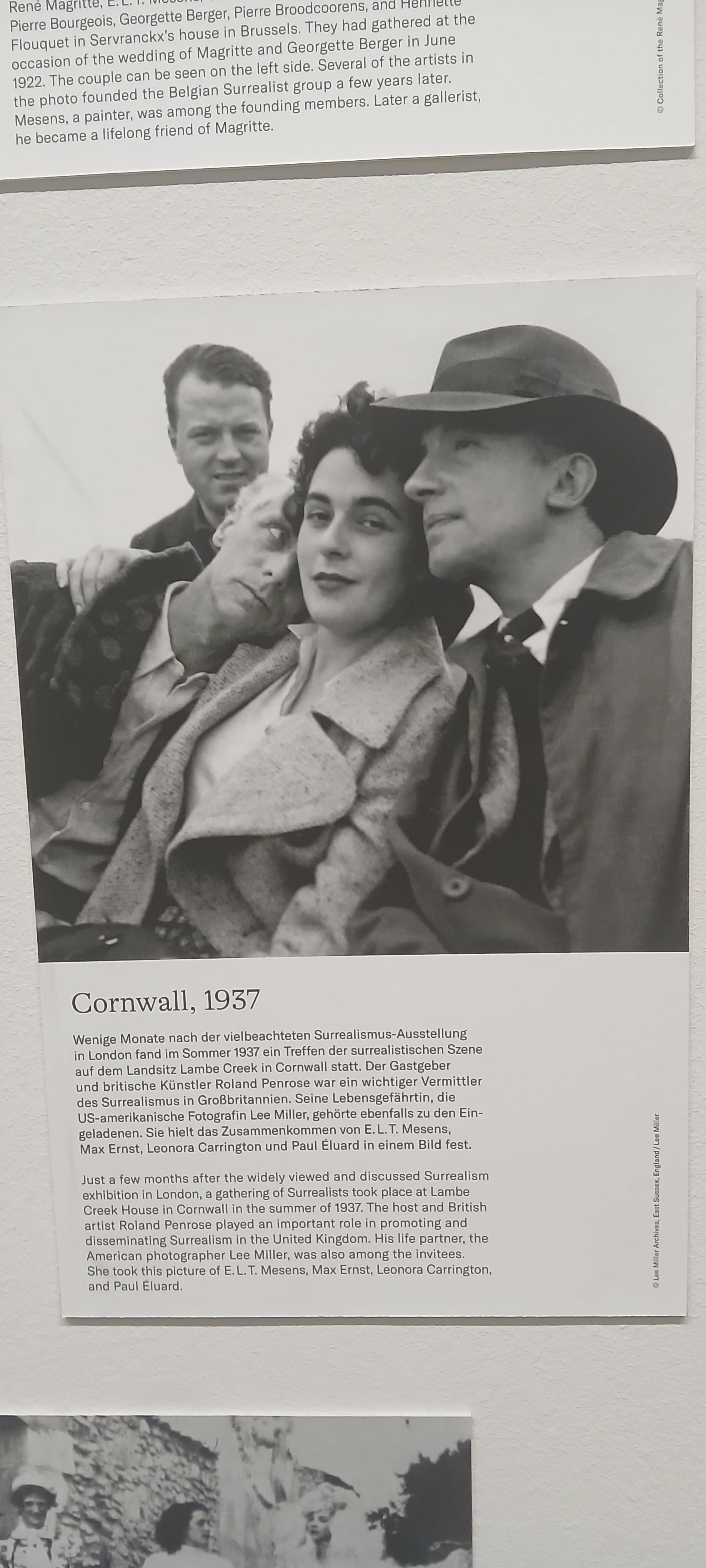
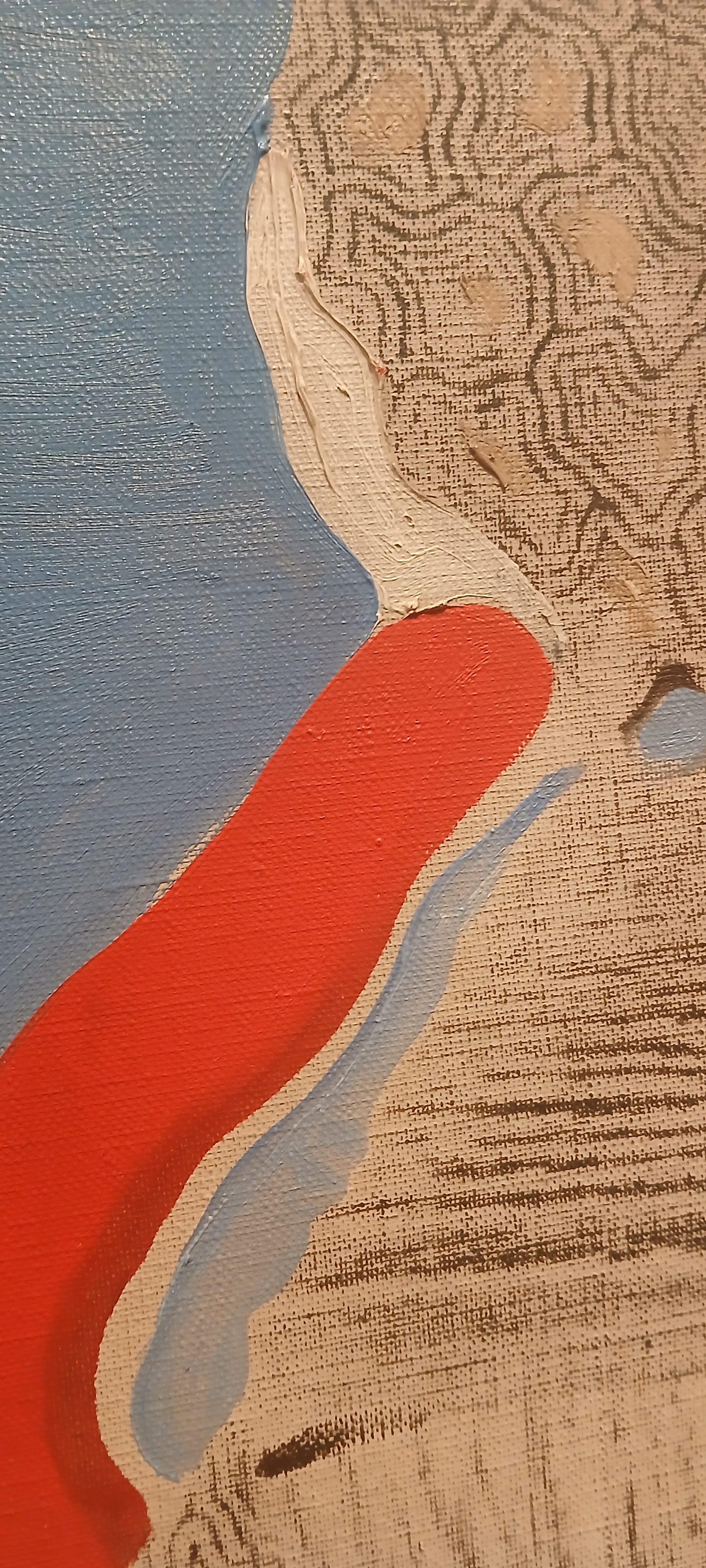
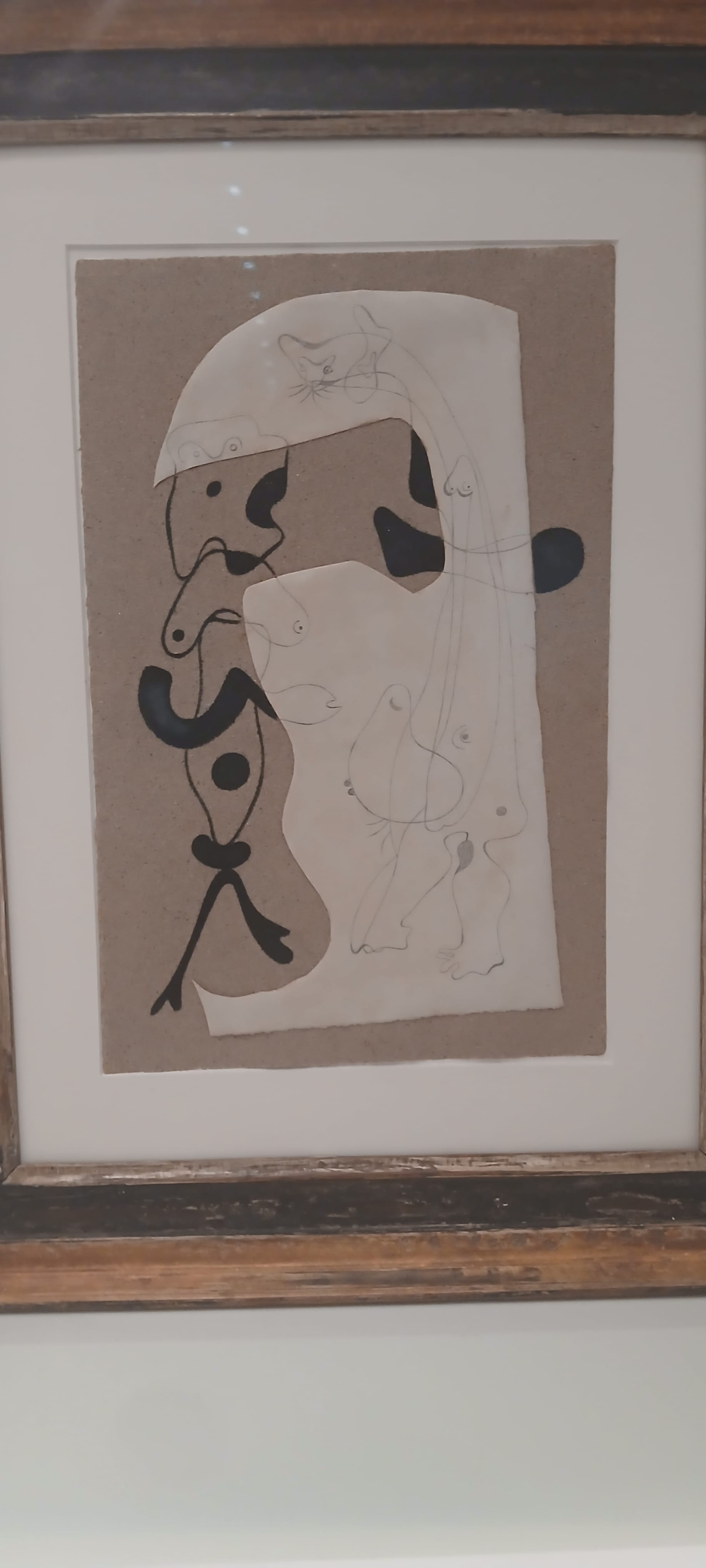
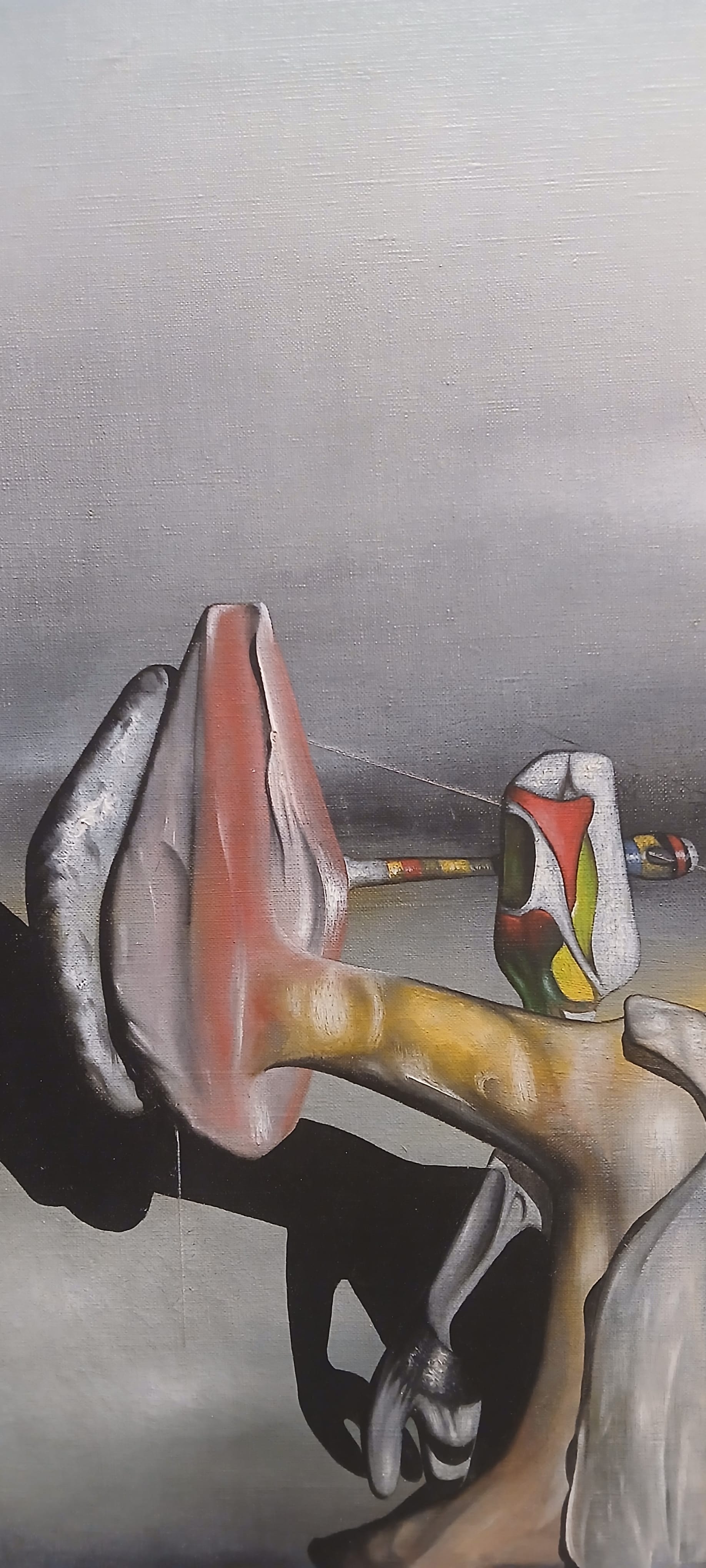
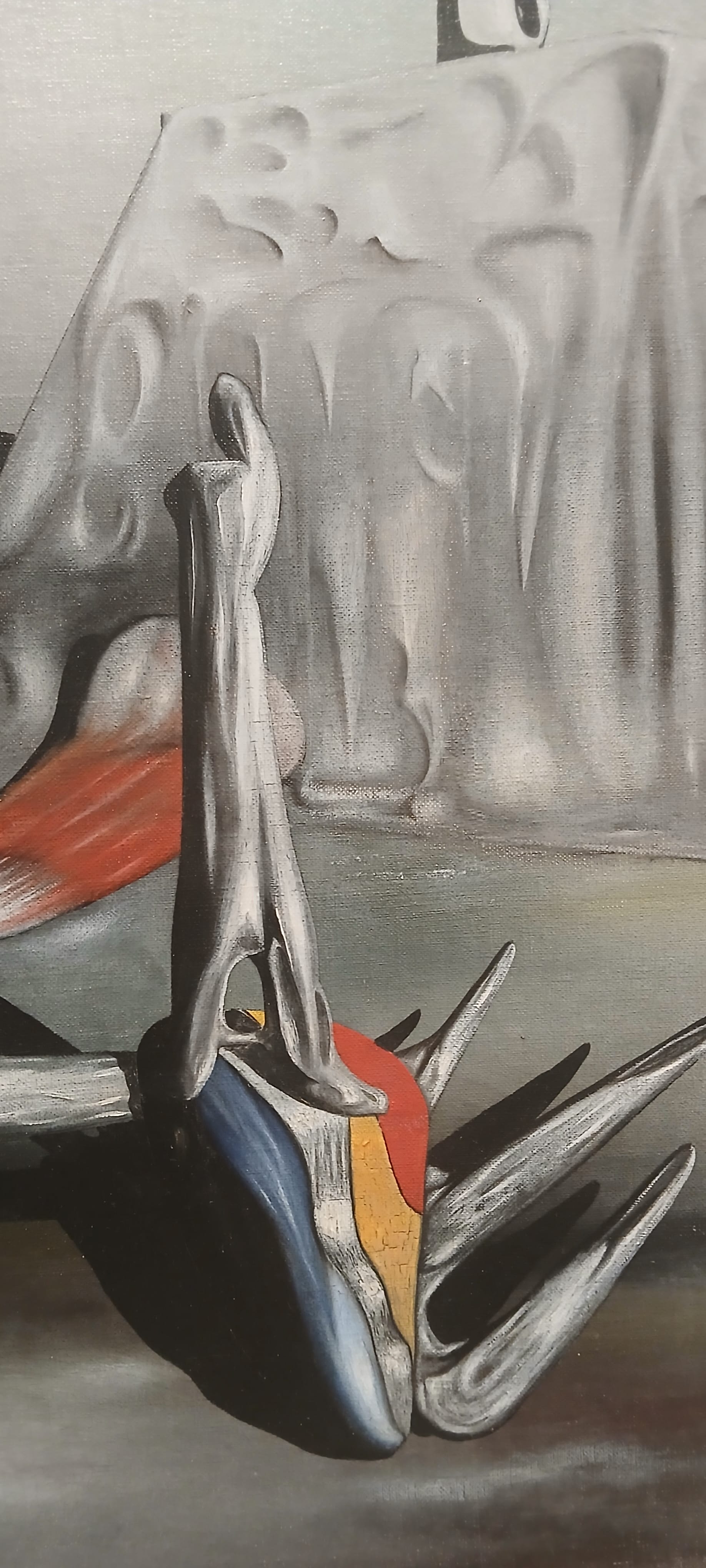
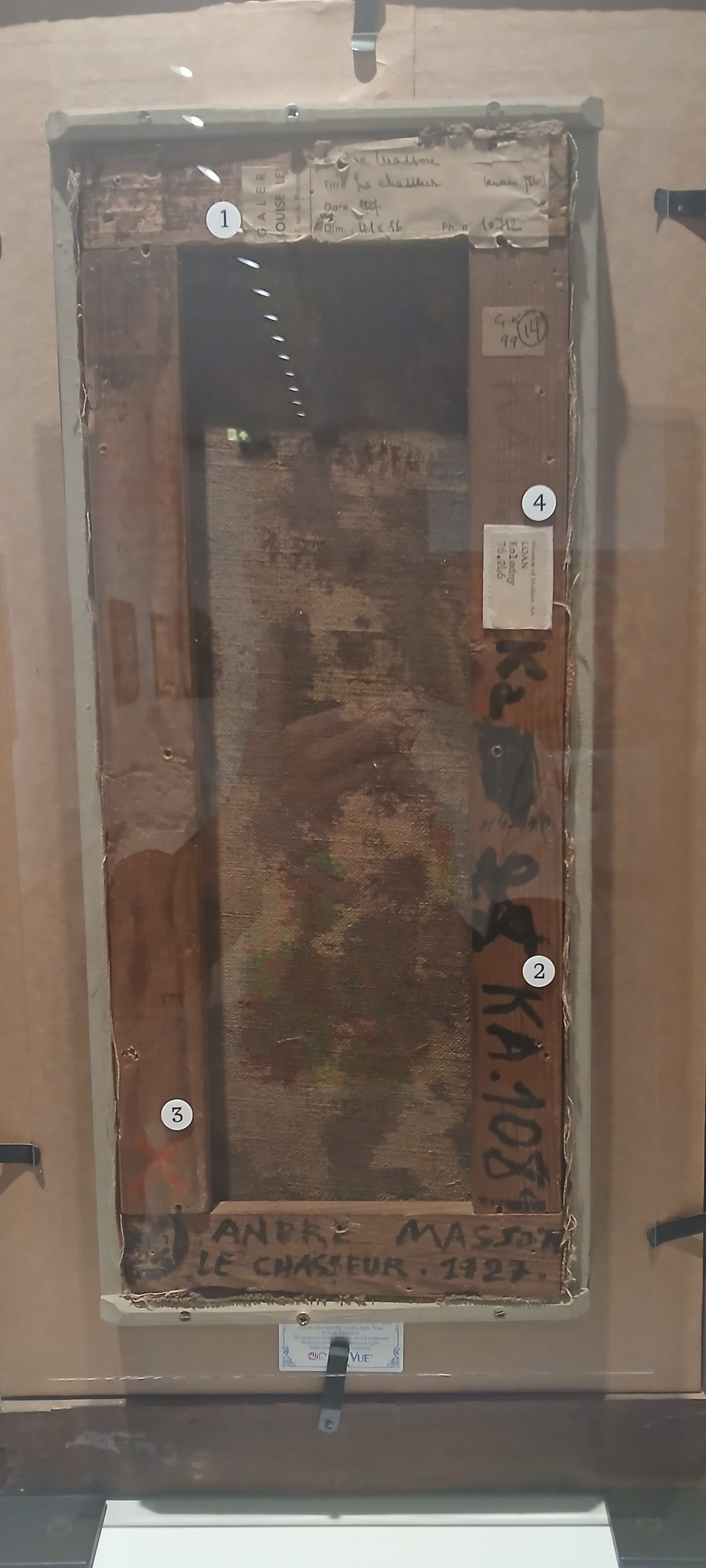
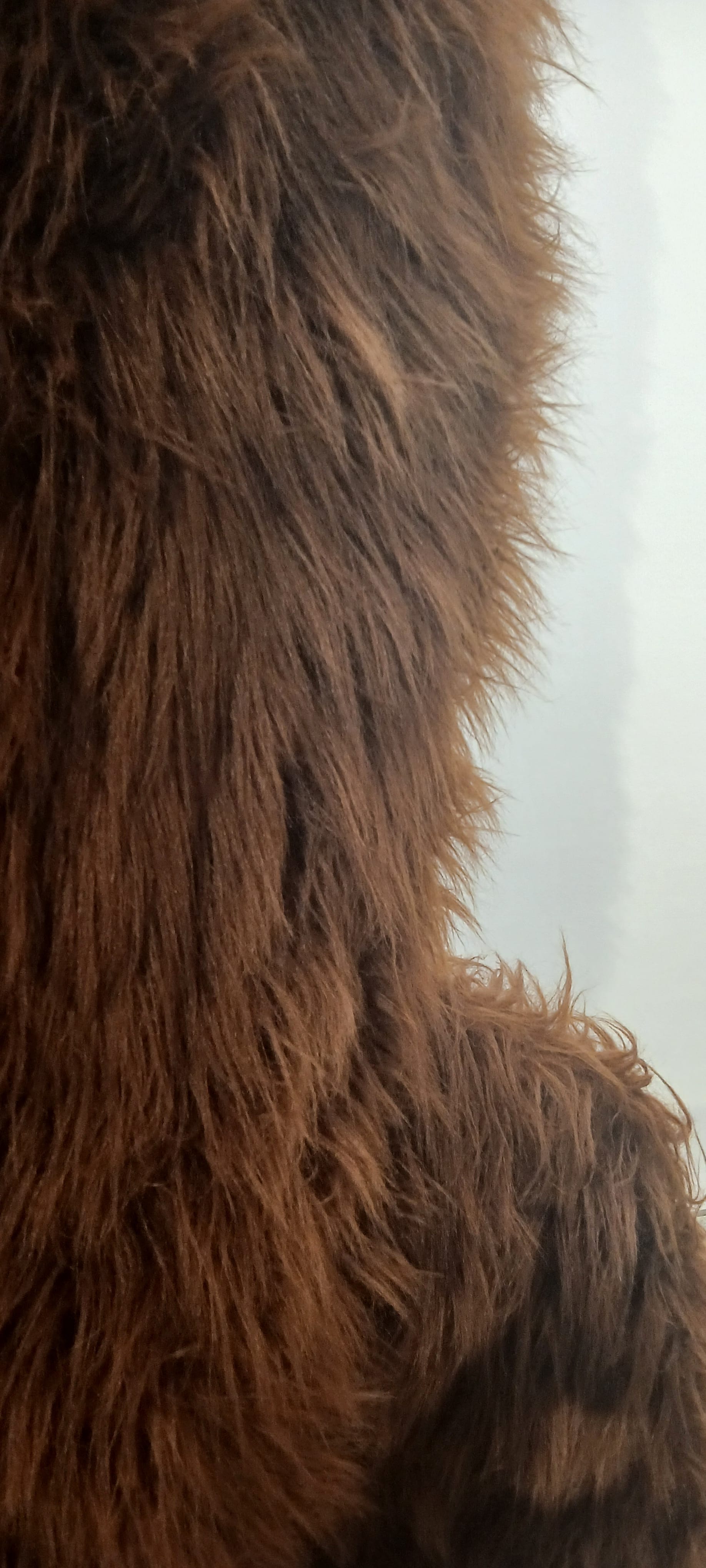
- furry rocket not part of exhibition but on the way
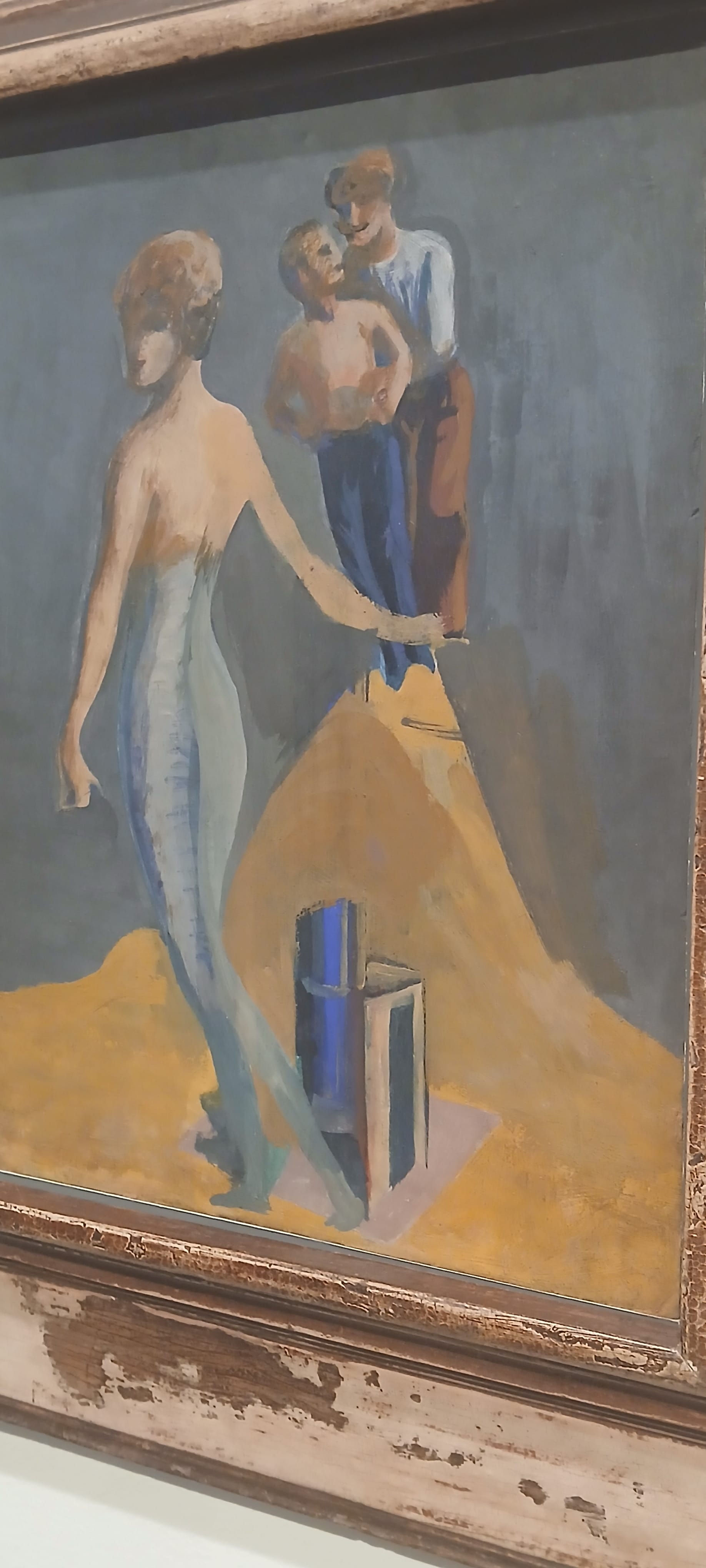
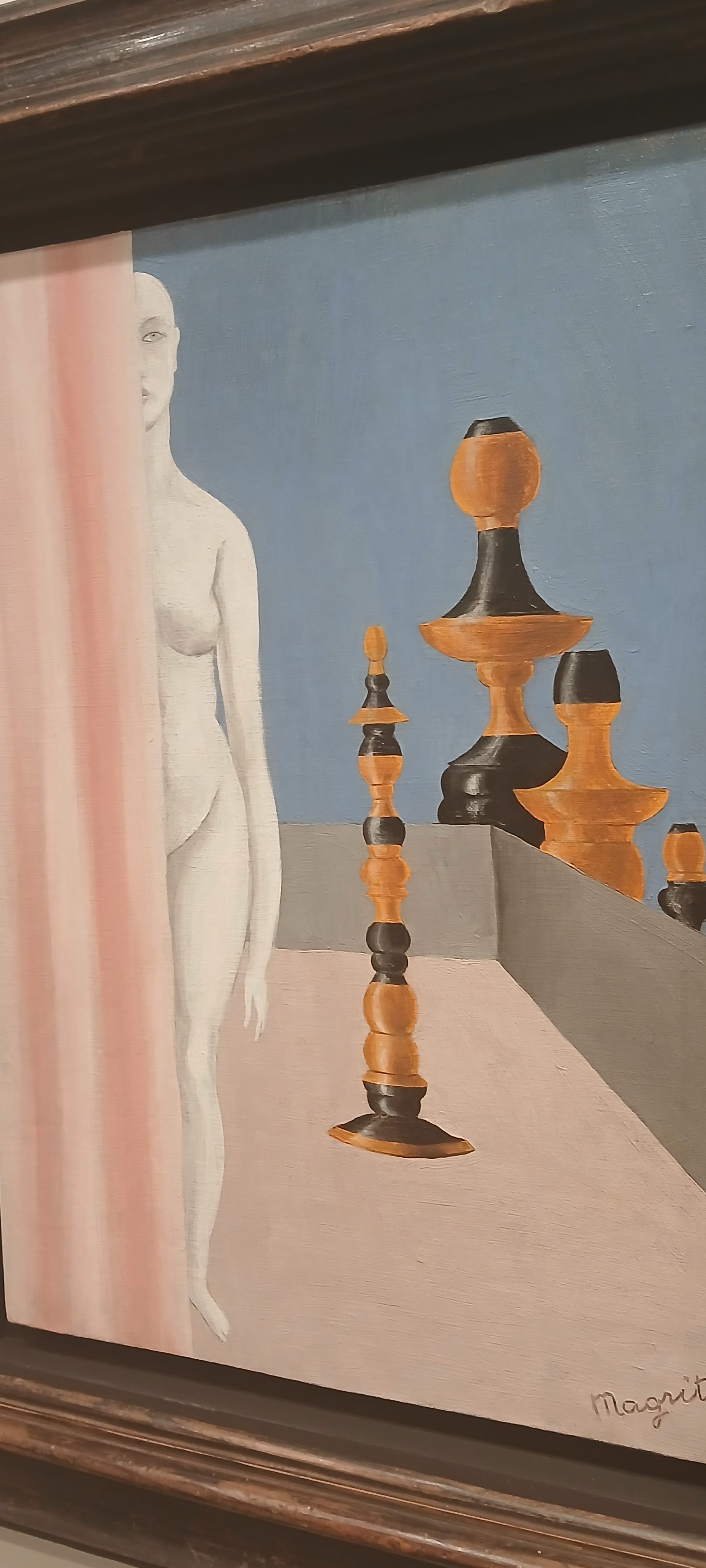
Out by the giftshop, past the leg of the furry rocket:
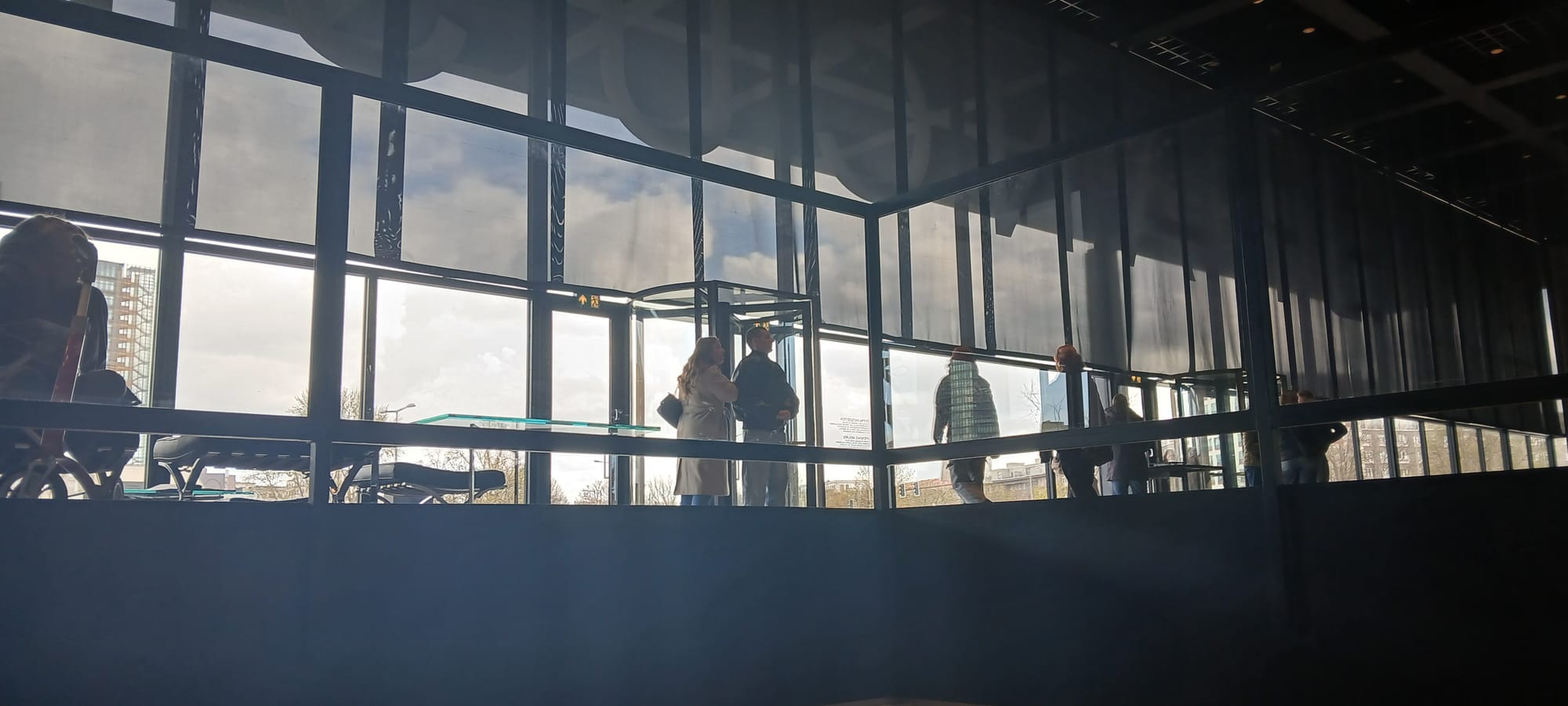
Am Ufer
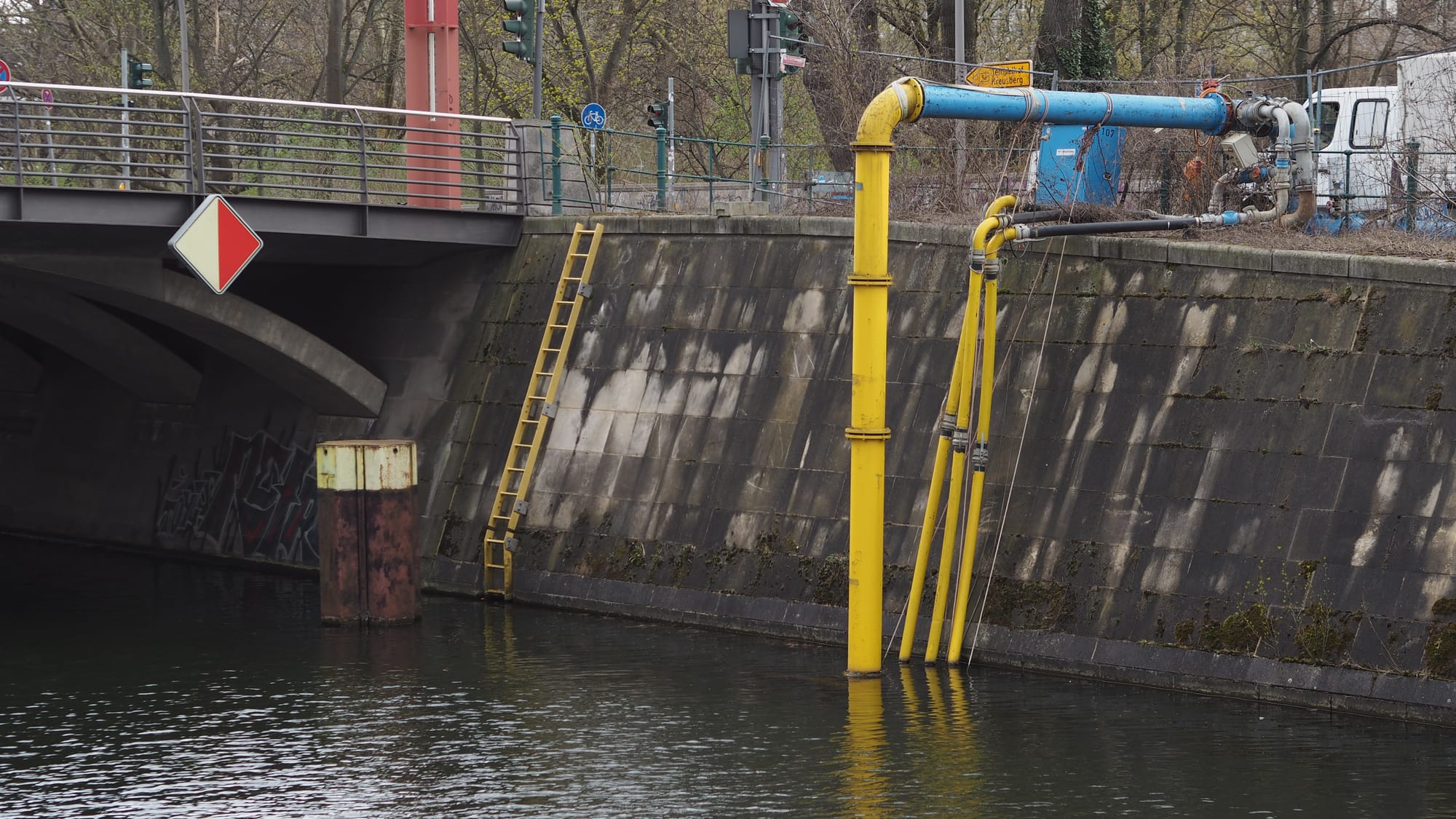
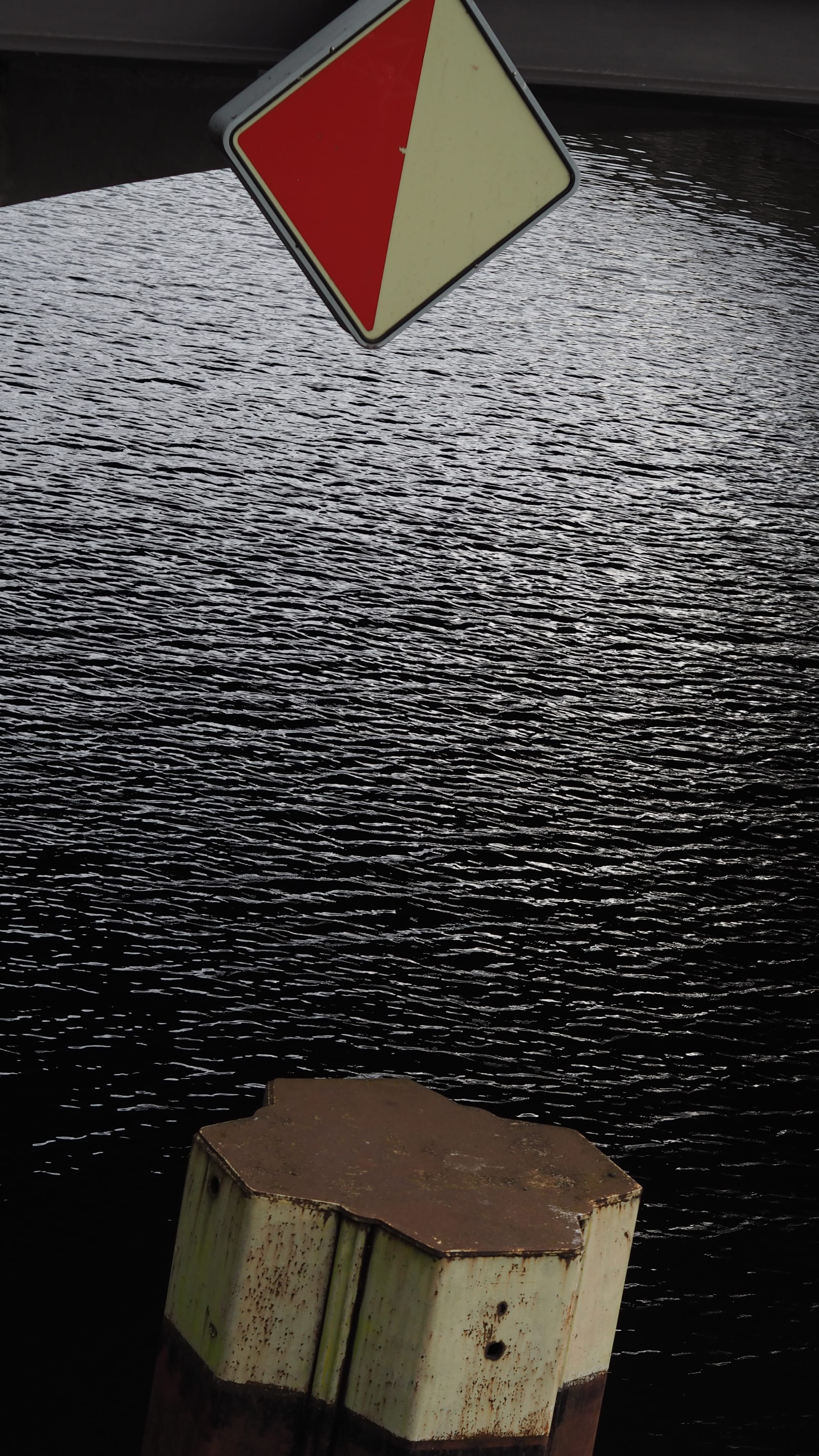
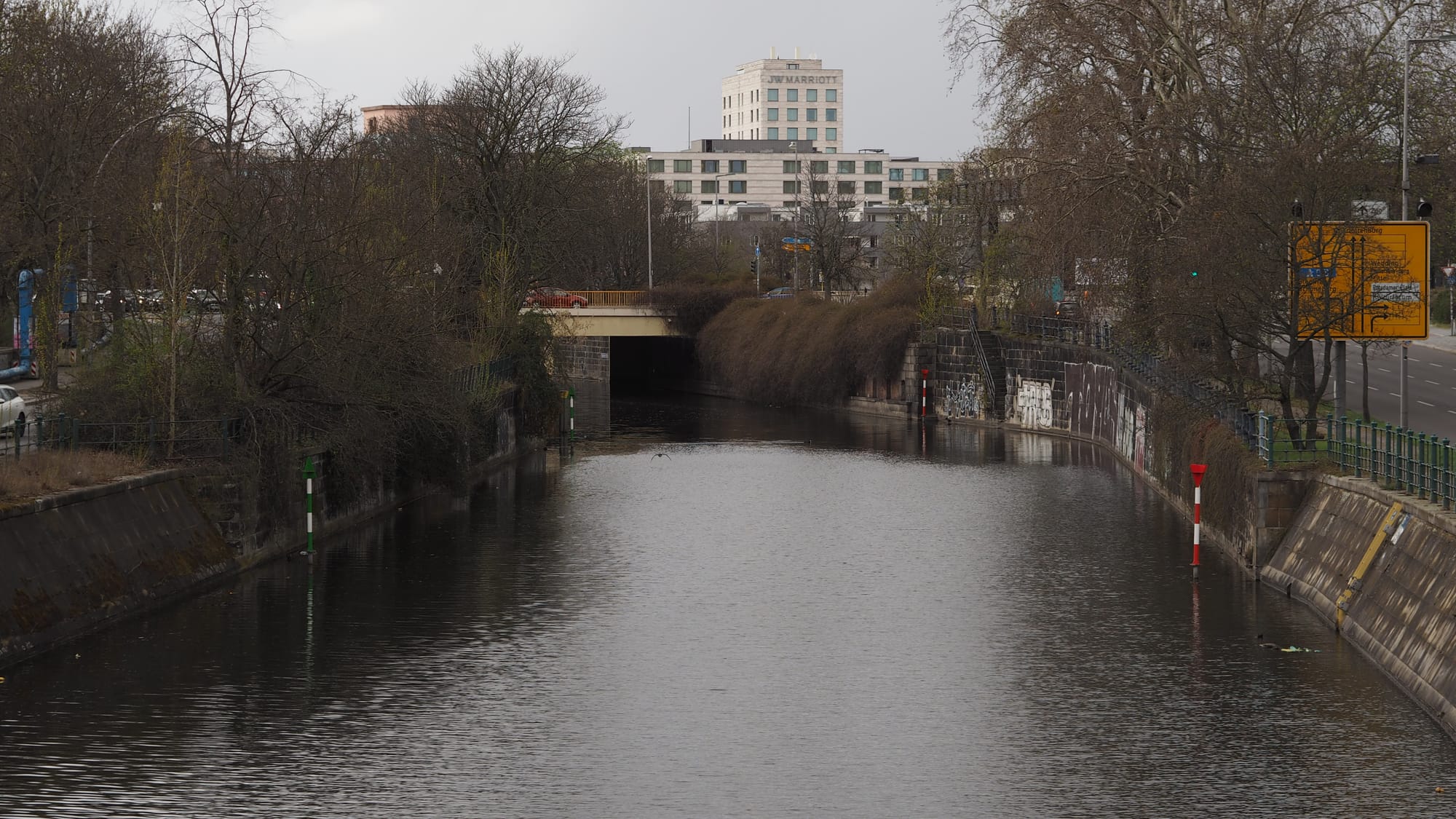
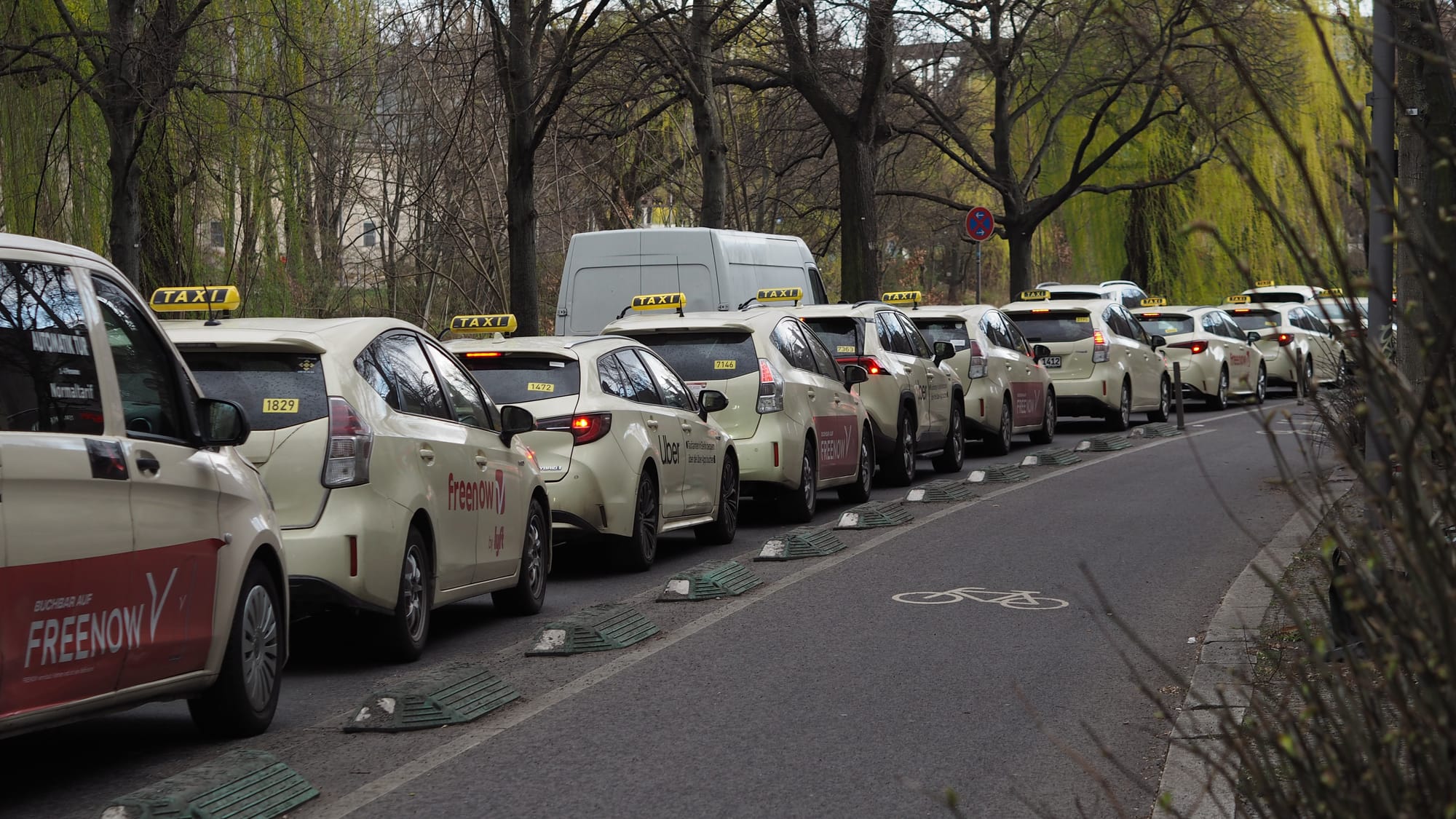
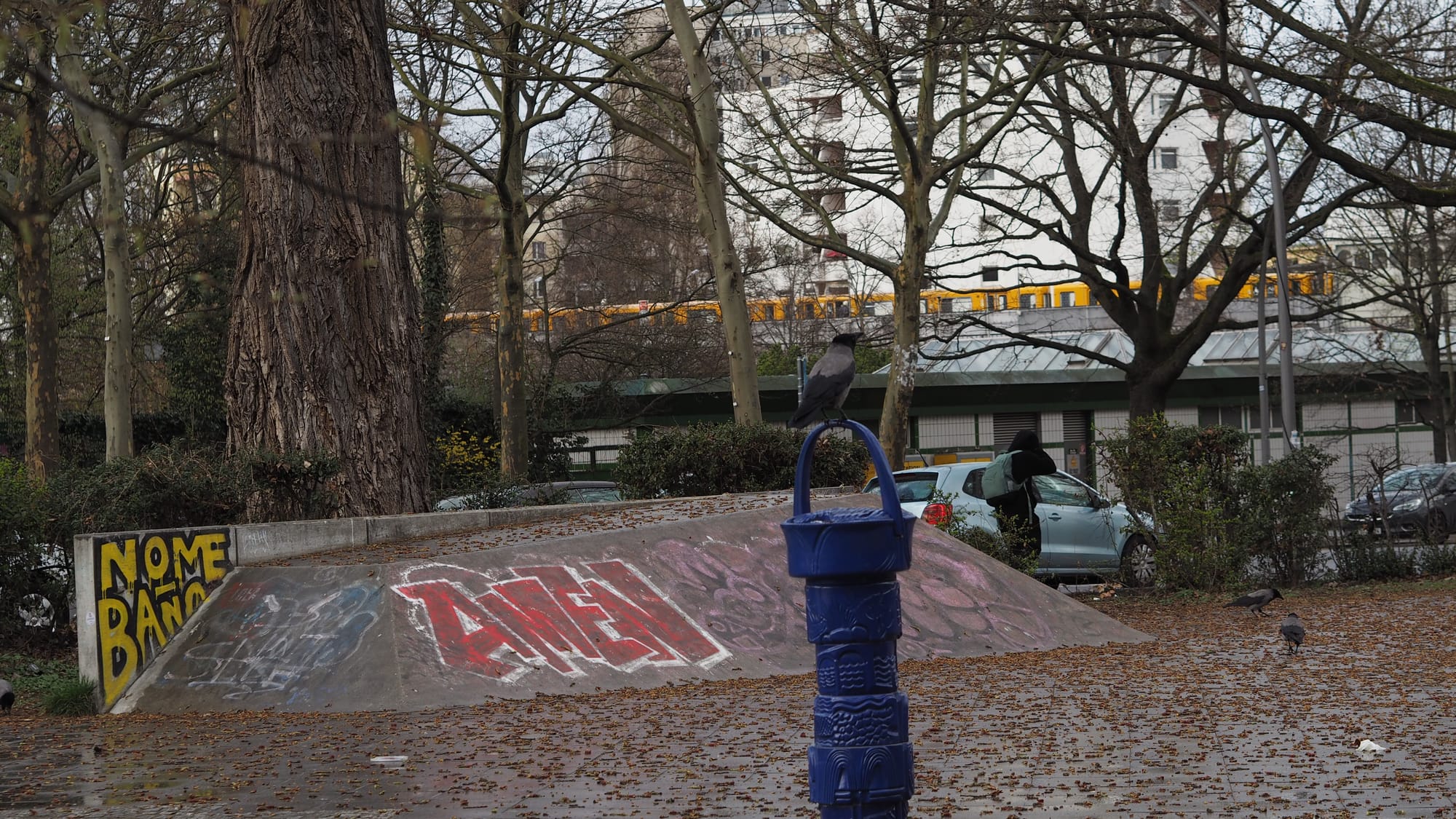
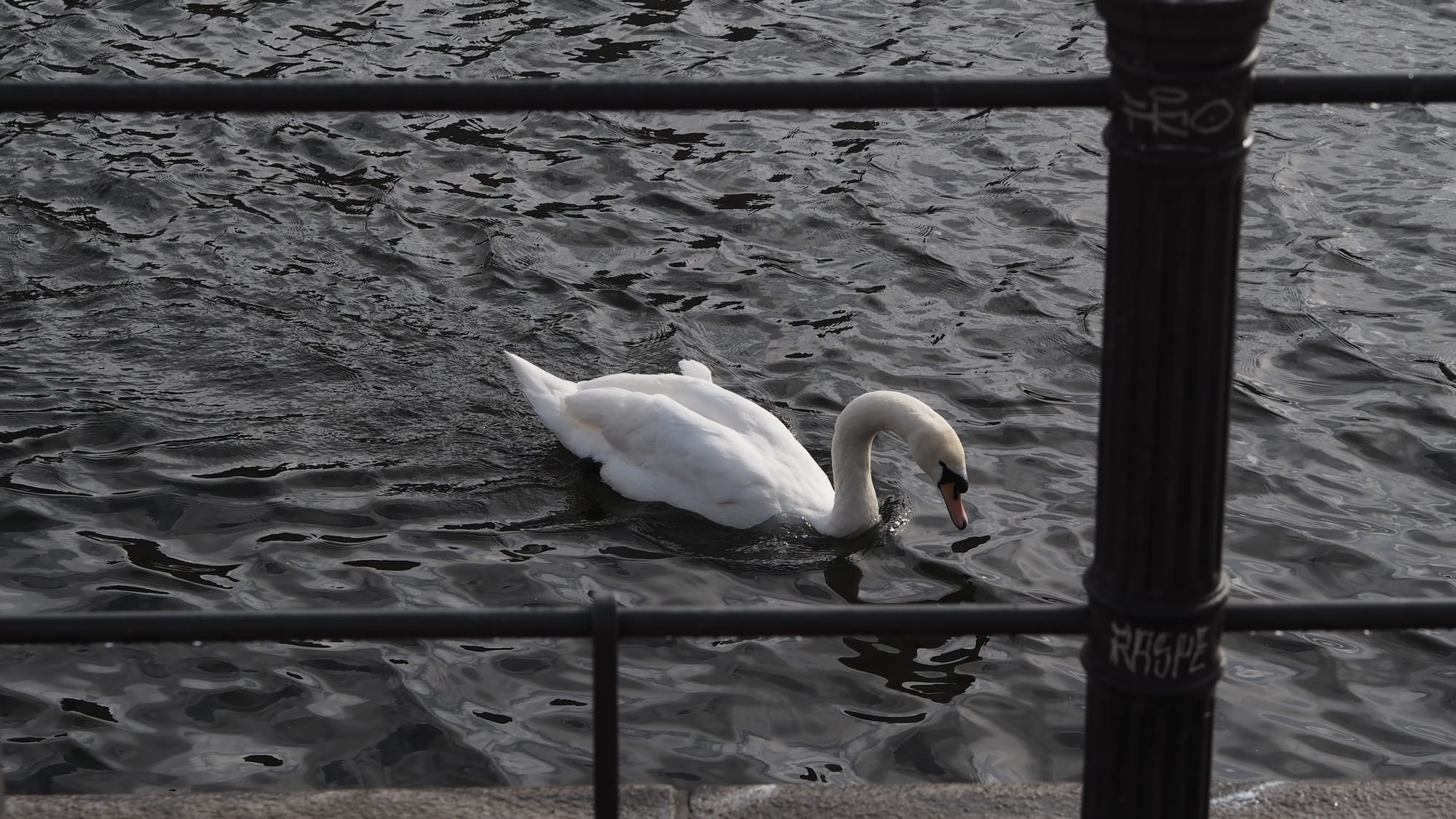
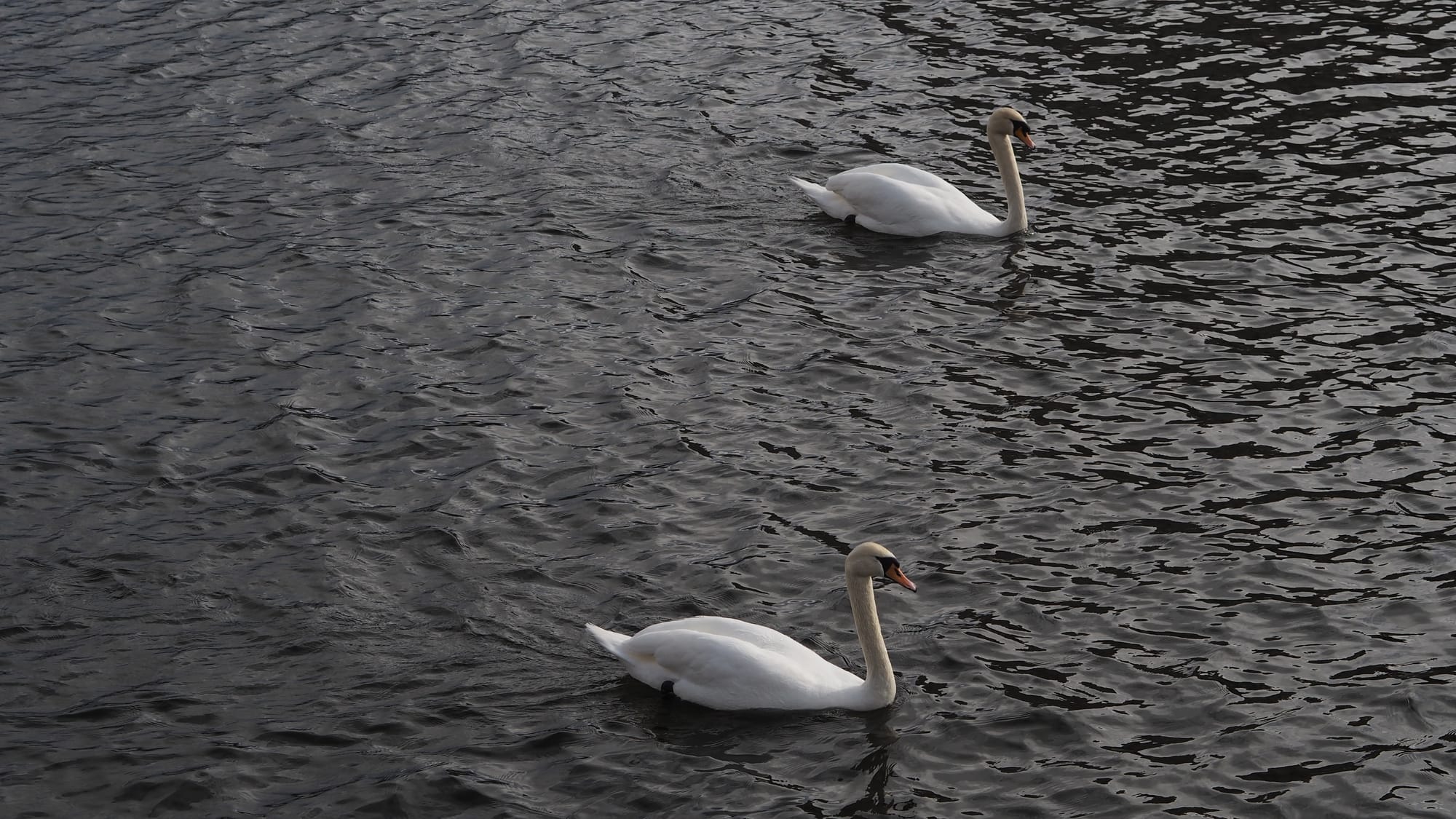
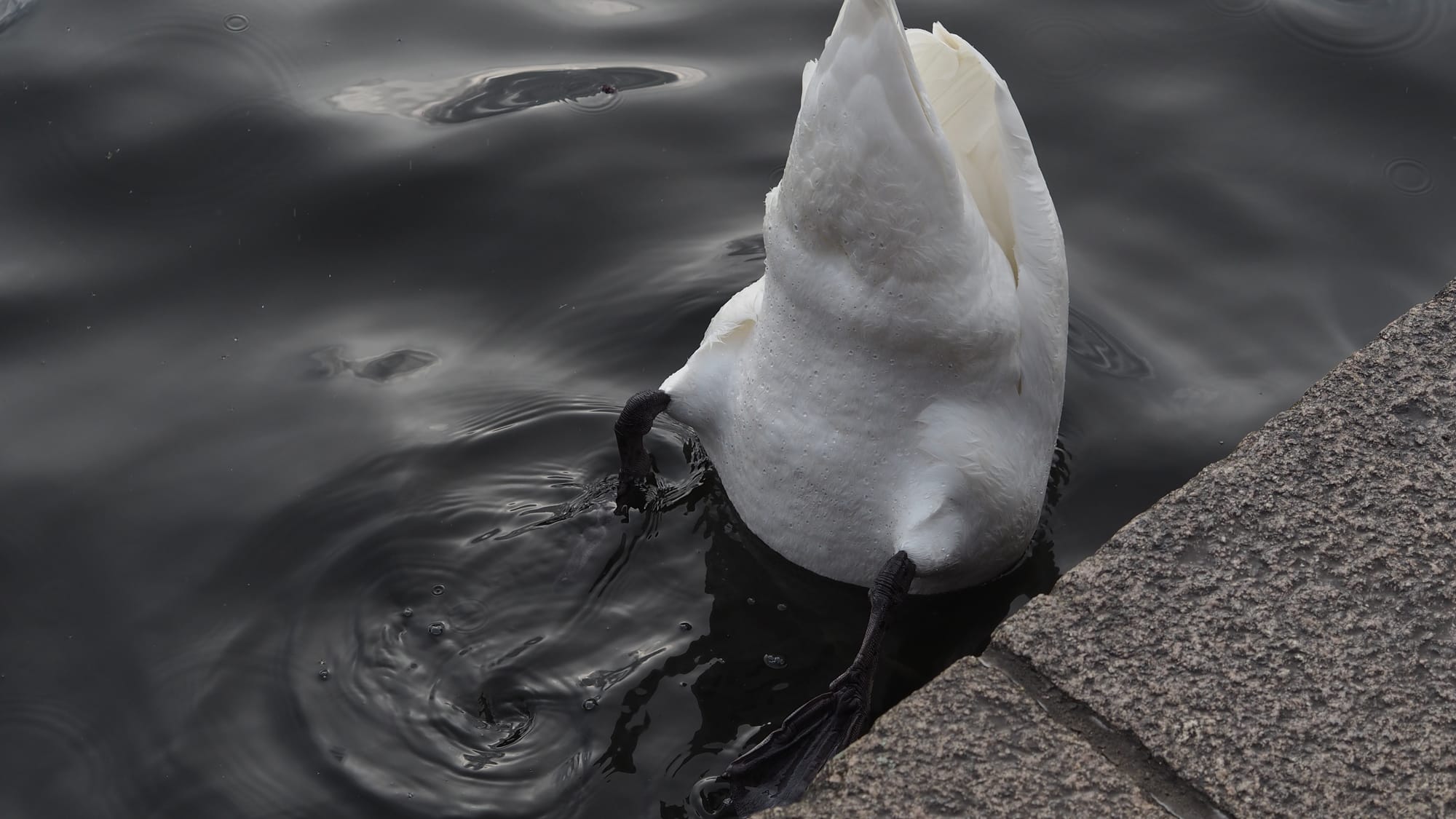
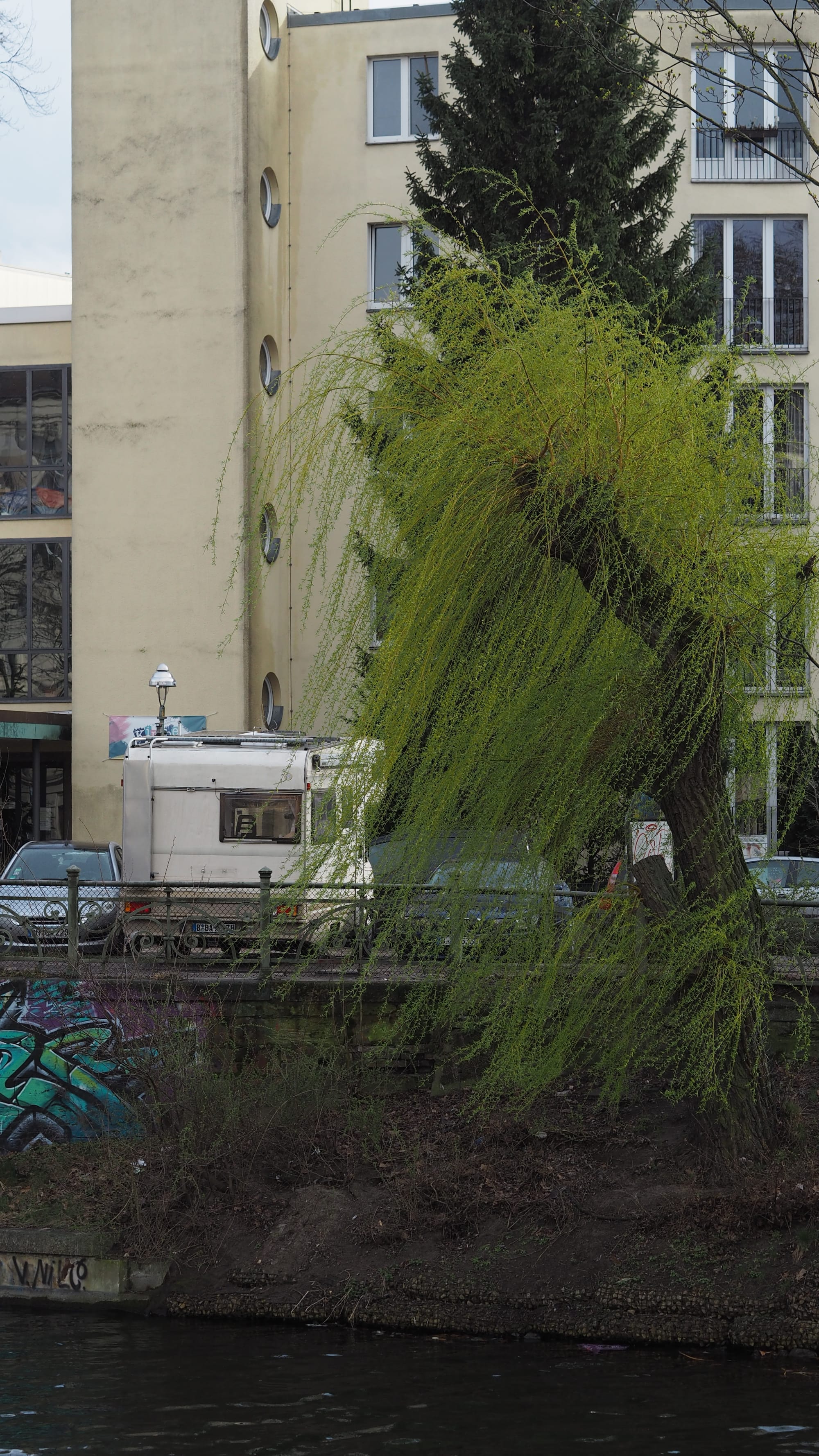
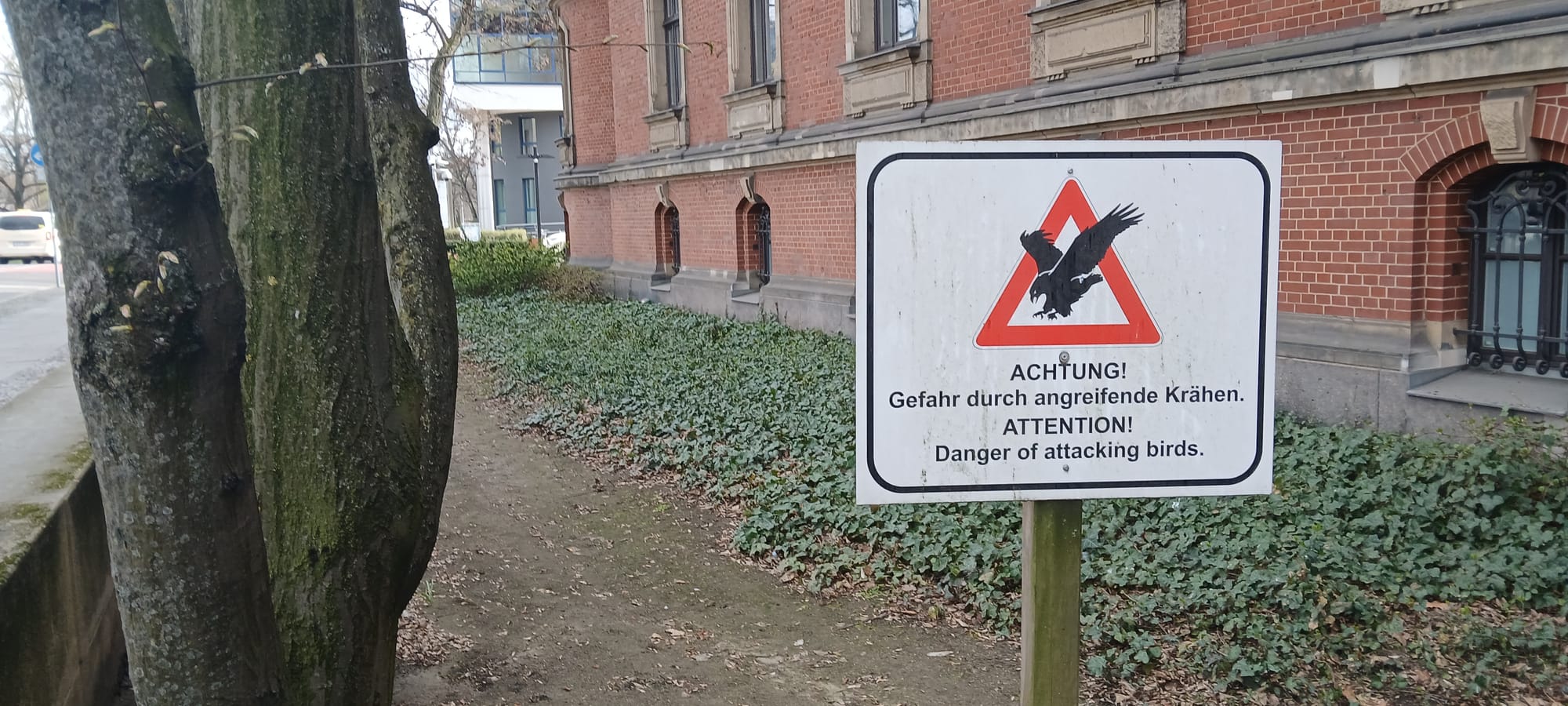
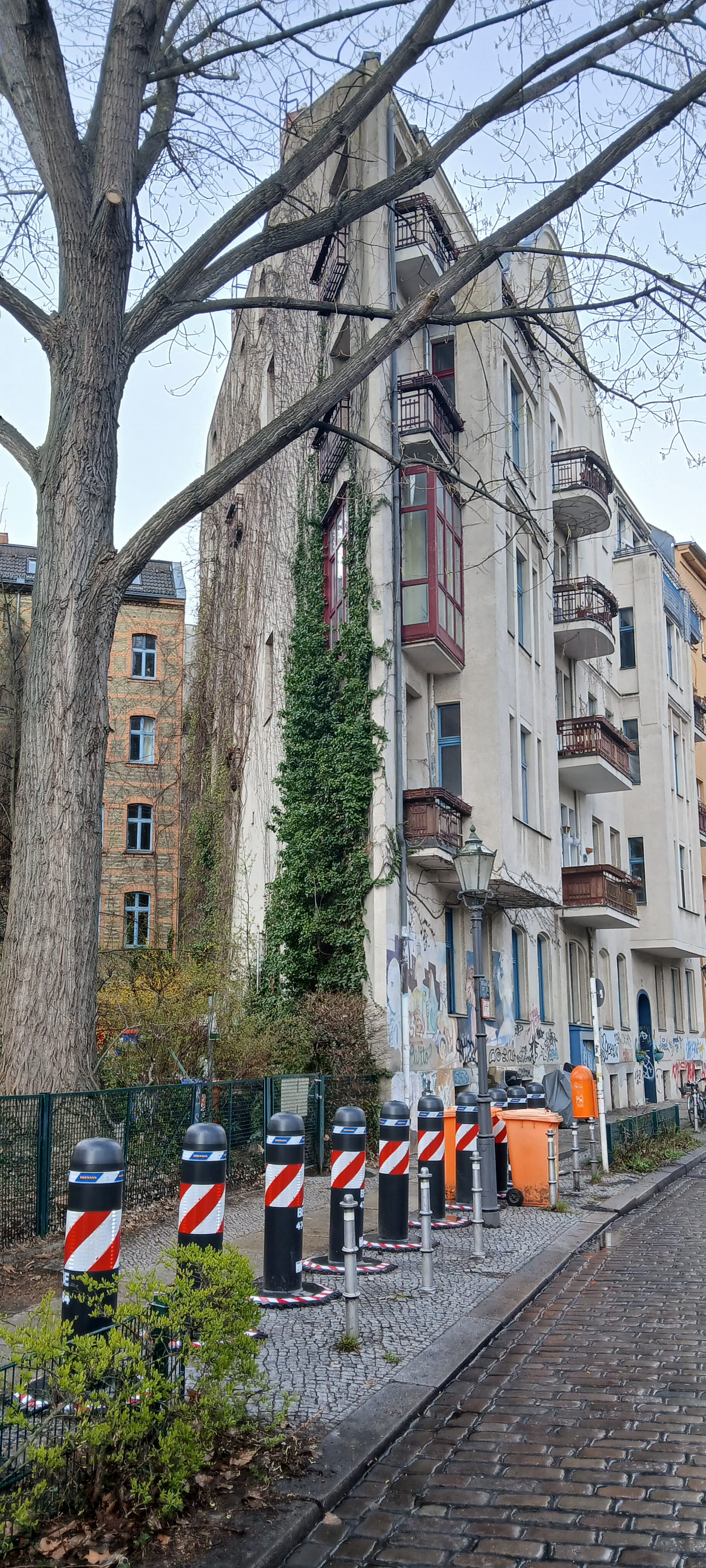
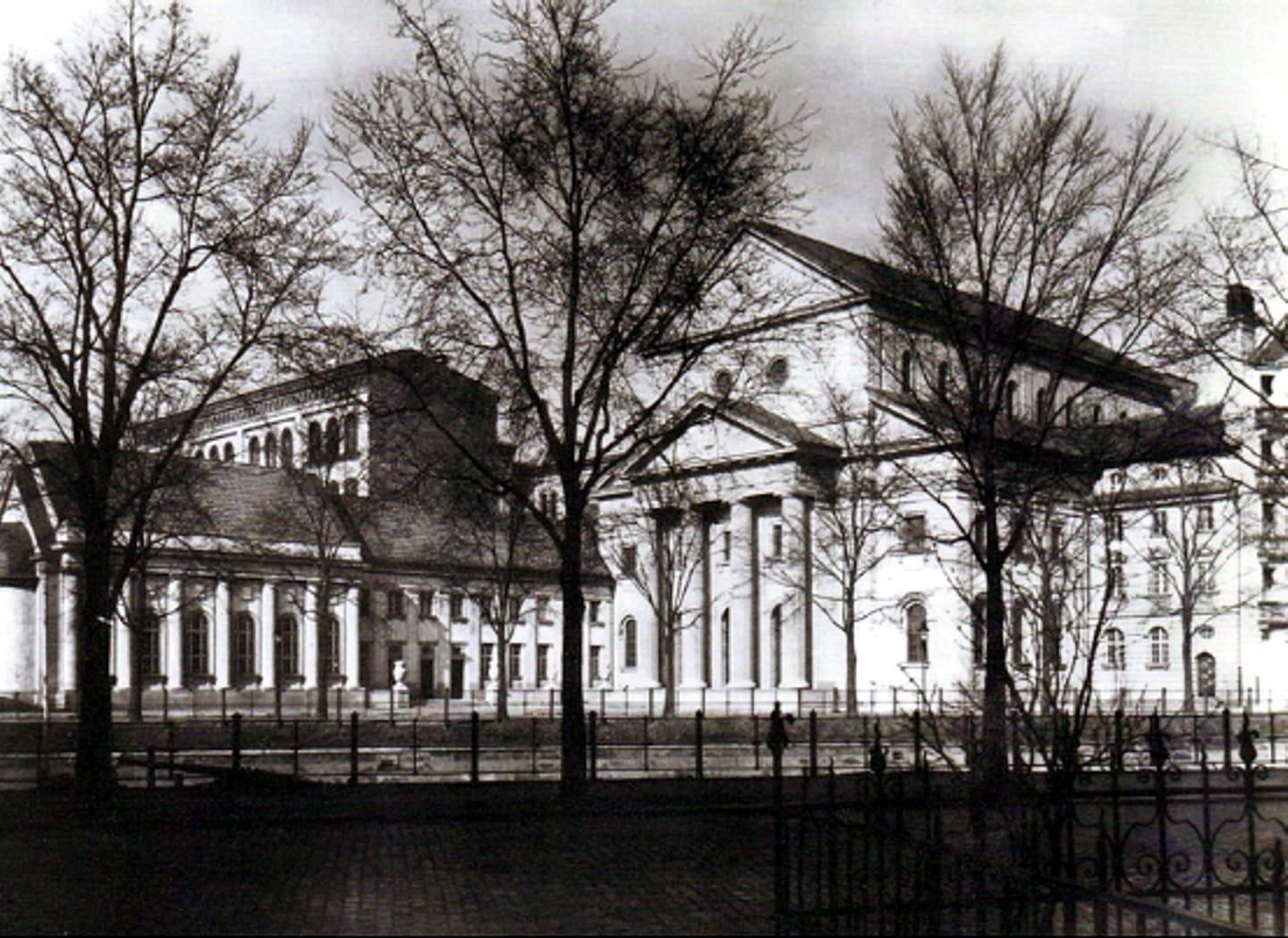
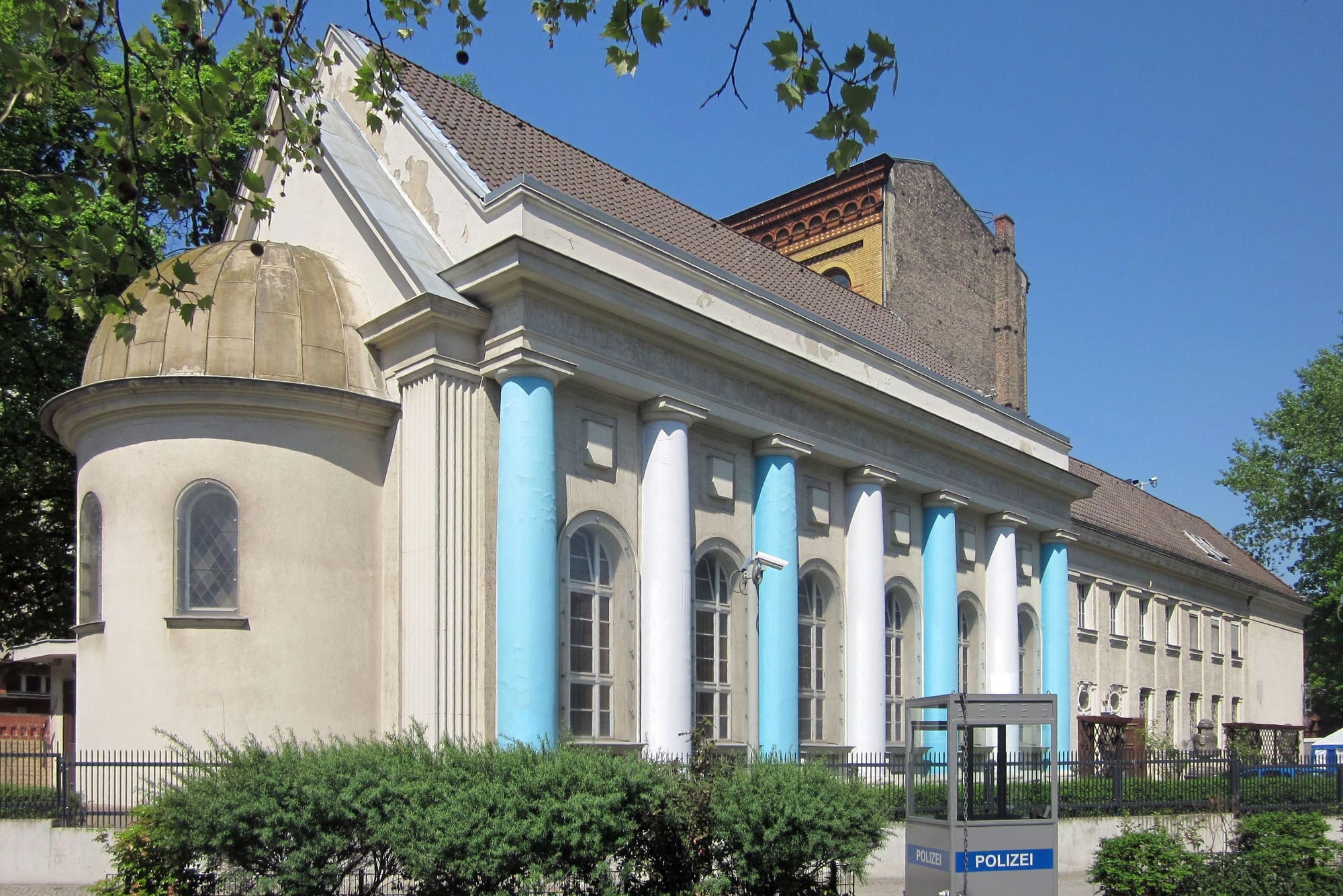
- the serious bollards are on a narrow cobbled street between the Landwehrkanal and a synagogue. Guarded day and night, the Synagoge am Fraenkelufer had been one of Berlin's largest. Here it is as it was:
KaDeWe
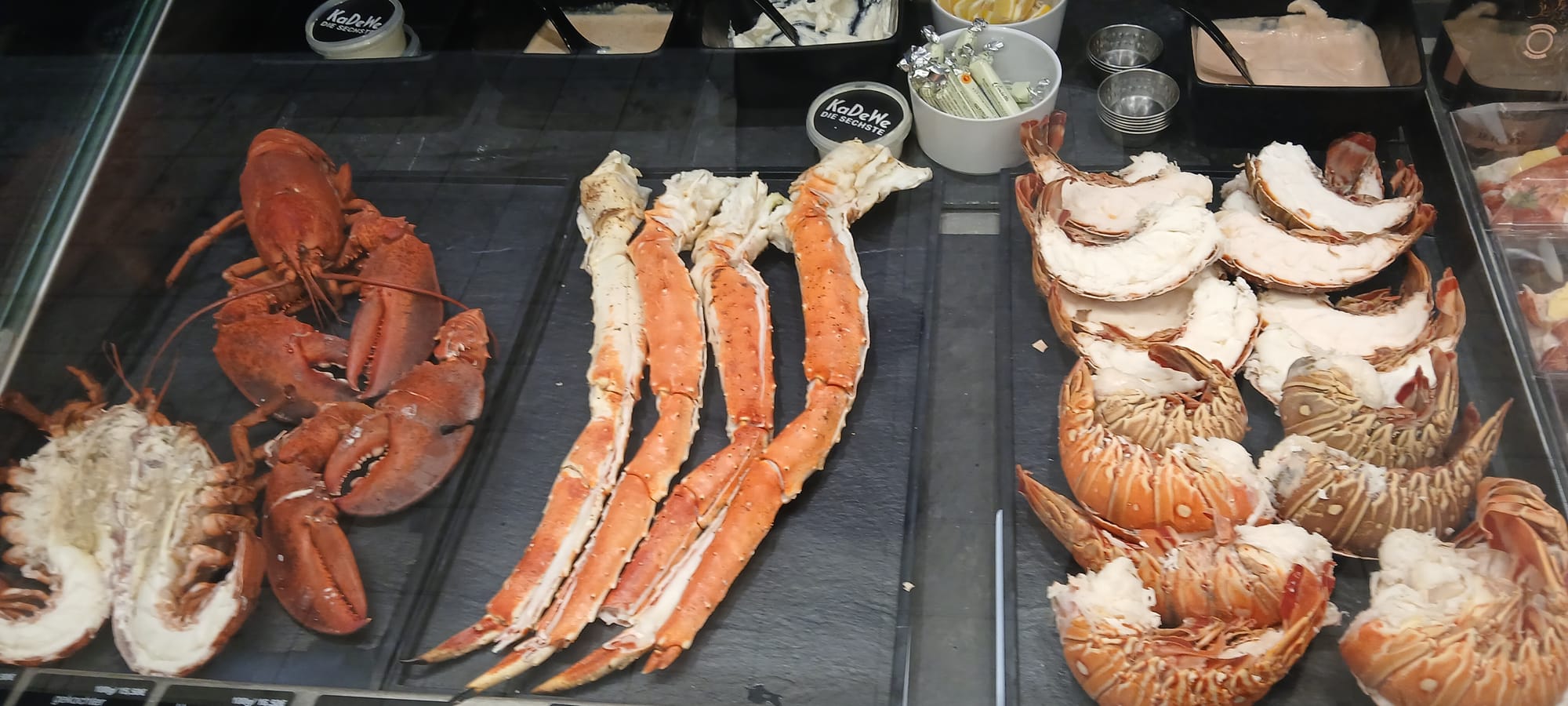
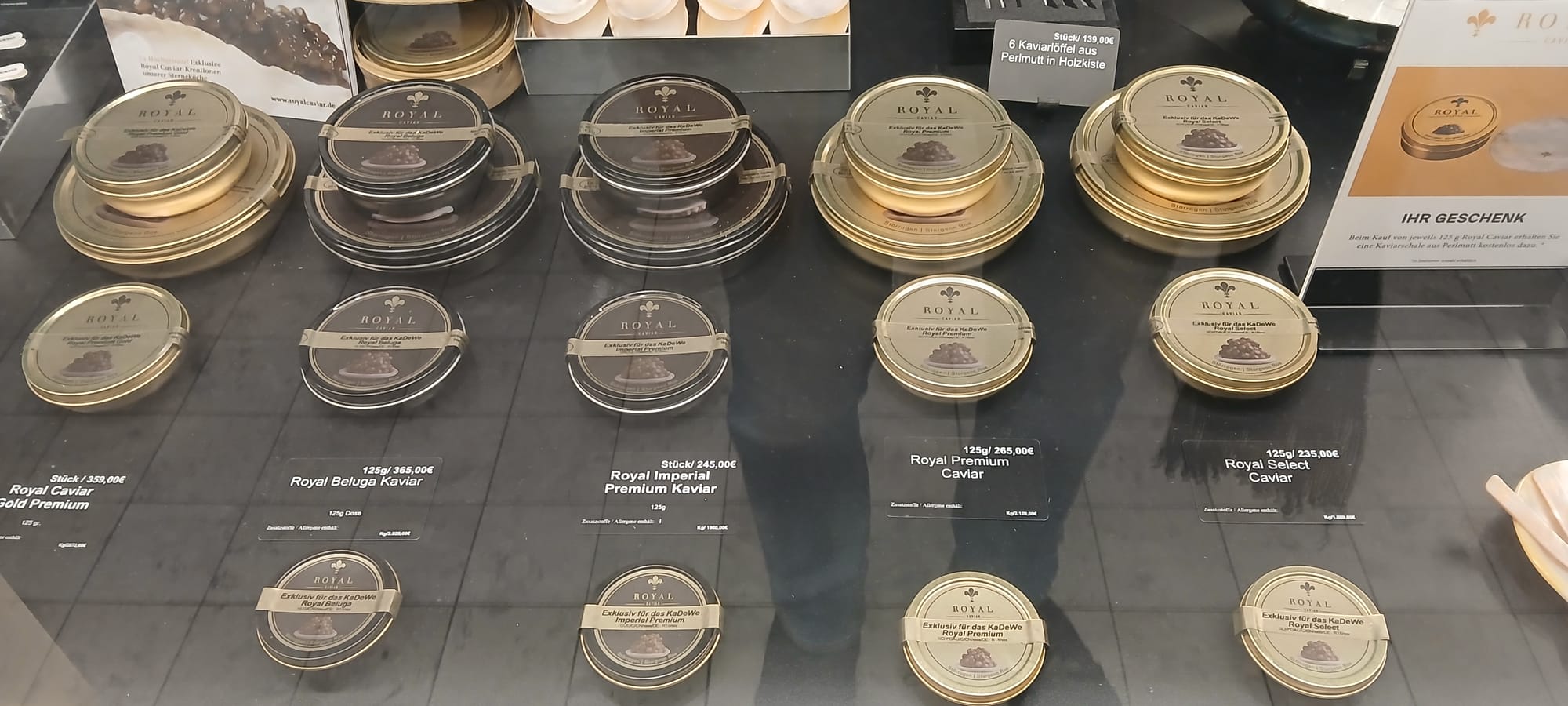
... names the highlight and lunch locale of our counting-in-kilometres hike, a flat hike, criss-cross to the mid-city of yesteryear: Kaufhaus des Westens. Its name unchanged and untranslatable: Department Store of the West, no. It was there in 1982 and epitomised Berlin as storefront to the West. A department store that glittered on an island, the city surrounded on all sides by East Germany, divided down the middle by the Wall and, with every enemy armament of the former Soviet Bloc directed towards it, at the centre of the Cold War. At the centre of the centre, the stores and the theatres of West Berlin had money pumped into them, along with the galleries and music venues, the avant-garde we now know to have been supported, by organisations like the Congress for Cultural Freedom, in the cause of Western propaganda. John Mauceri's excellent The War on Music: Reclaiming the Twentieth Century, 2022, presents this bias to the unlistenable; I'm also looking forward to reading Everything We Do Is Music: How 20th-Century Classical Music Shaped Pop by Elizabeth Alker, 2026.
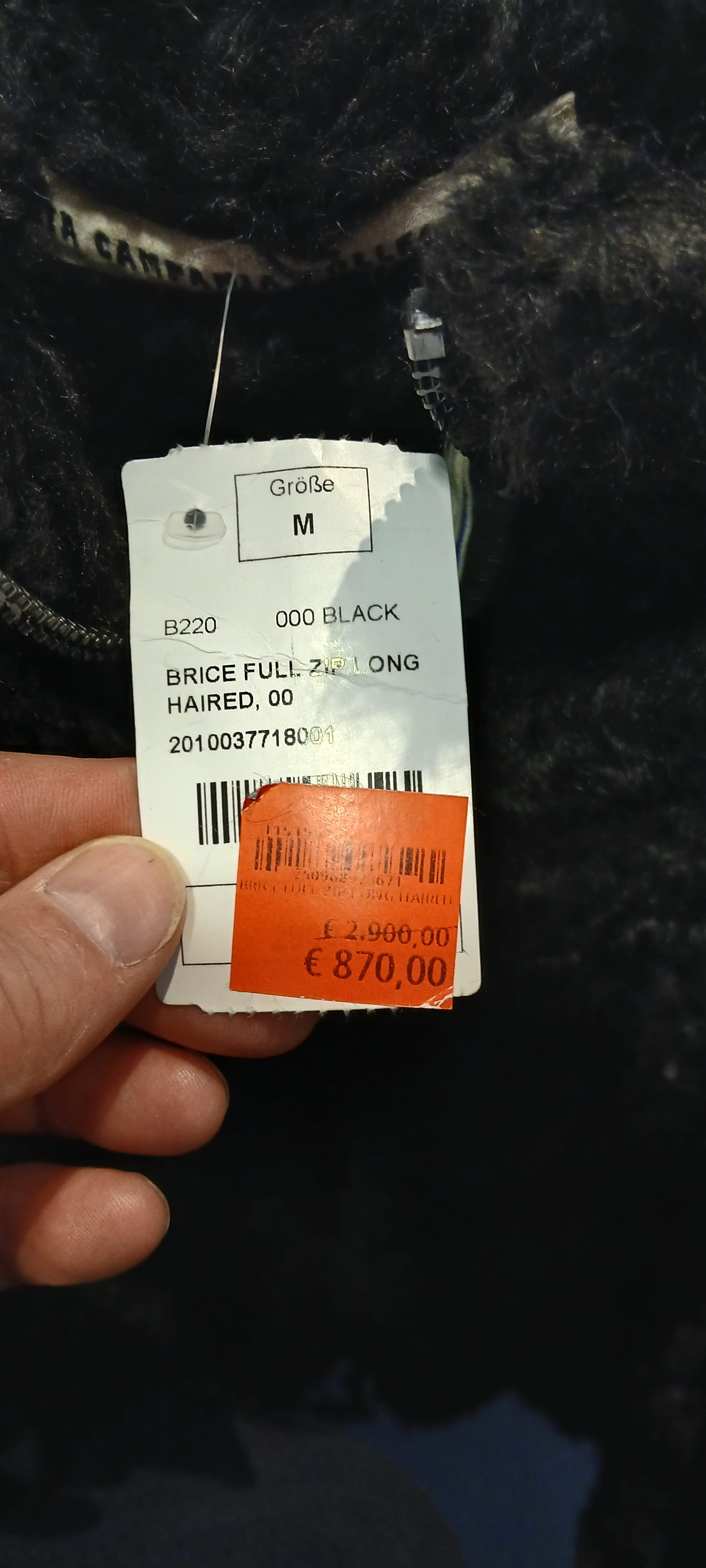
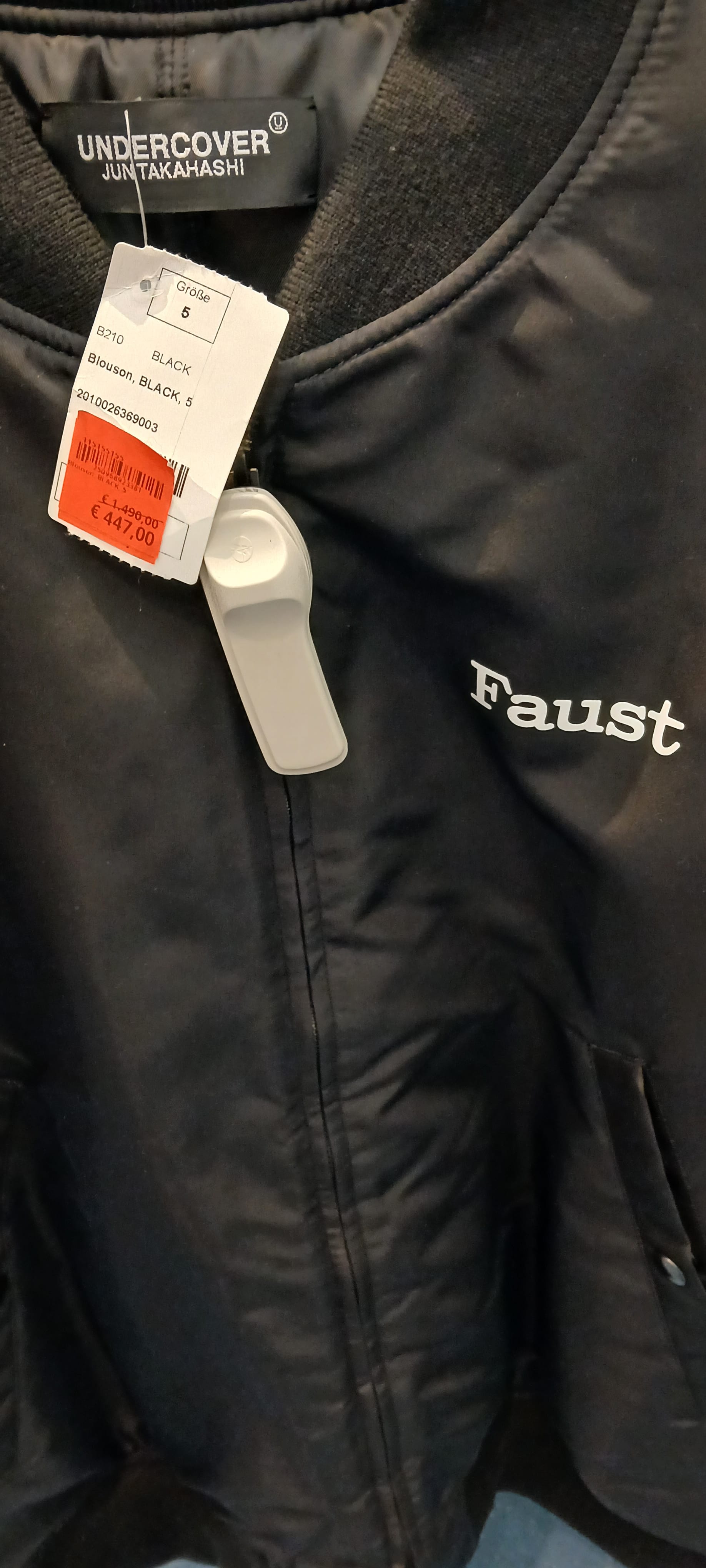
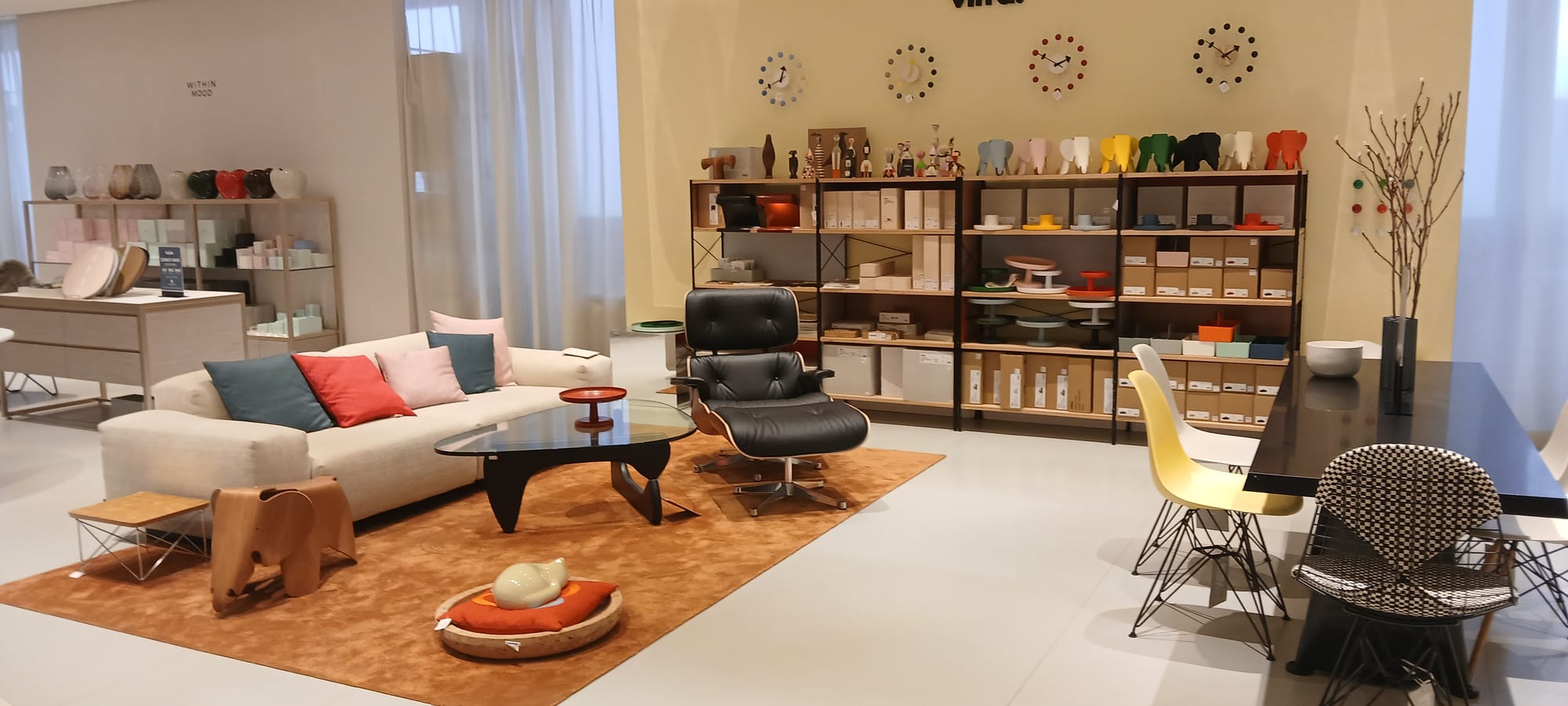
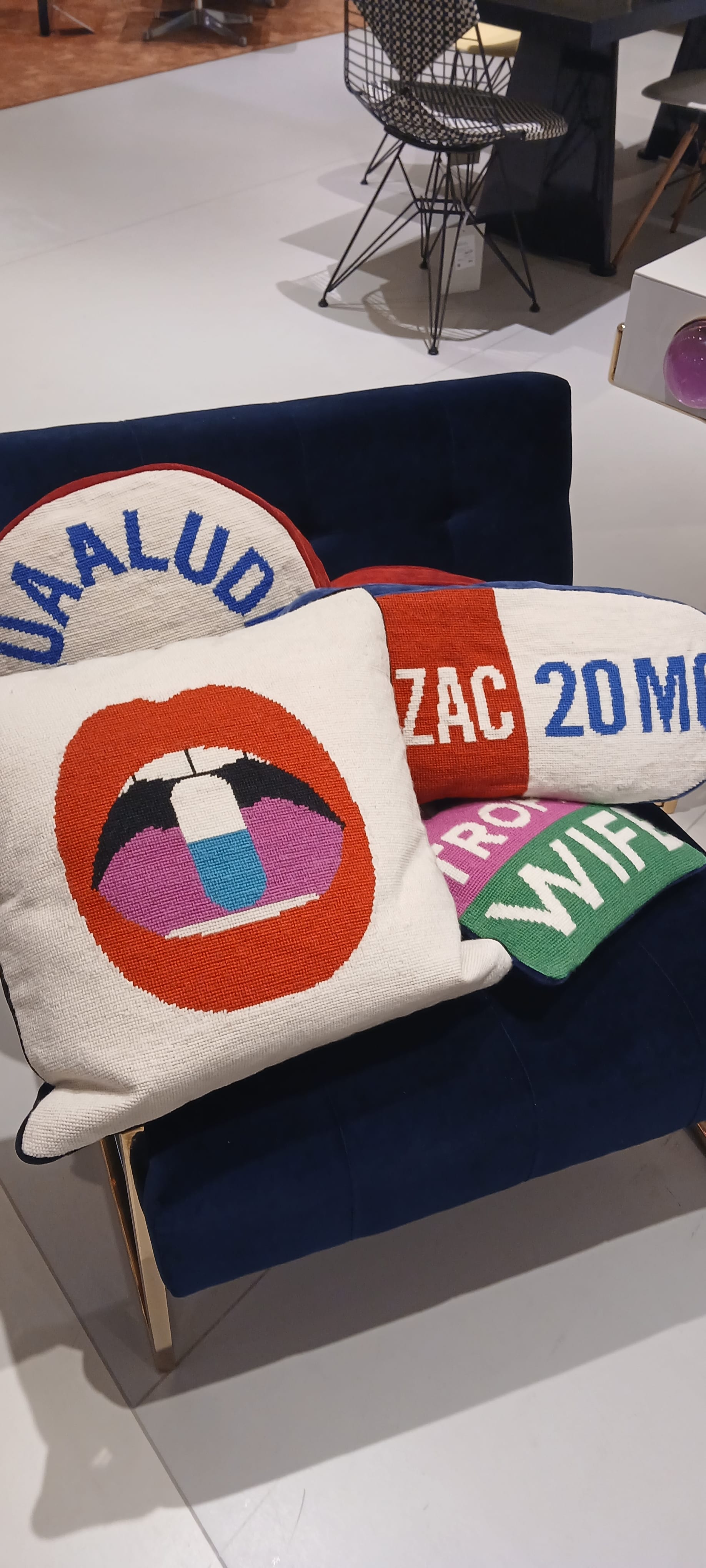
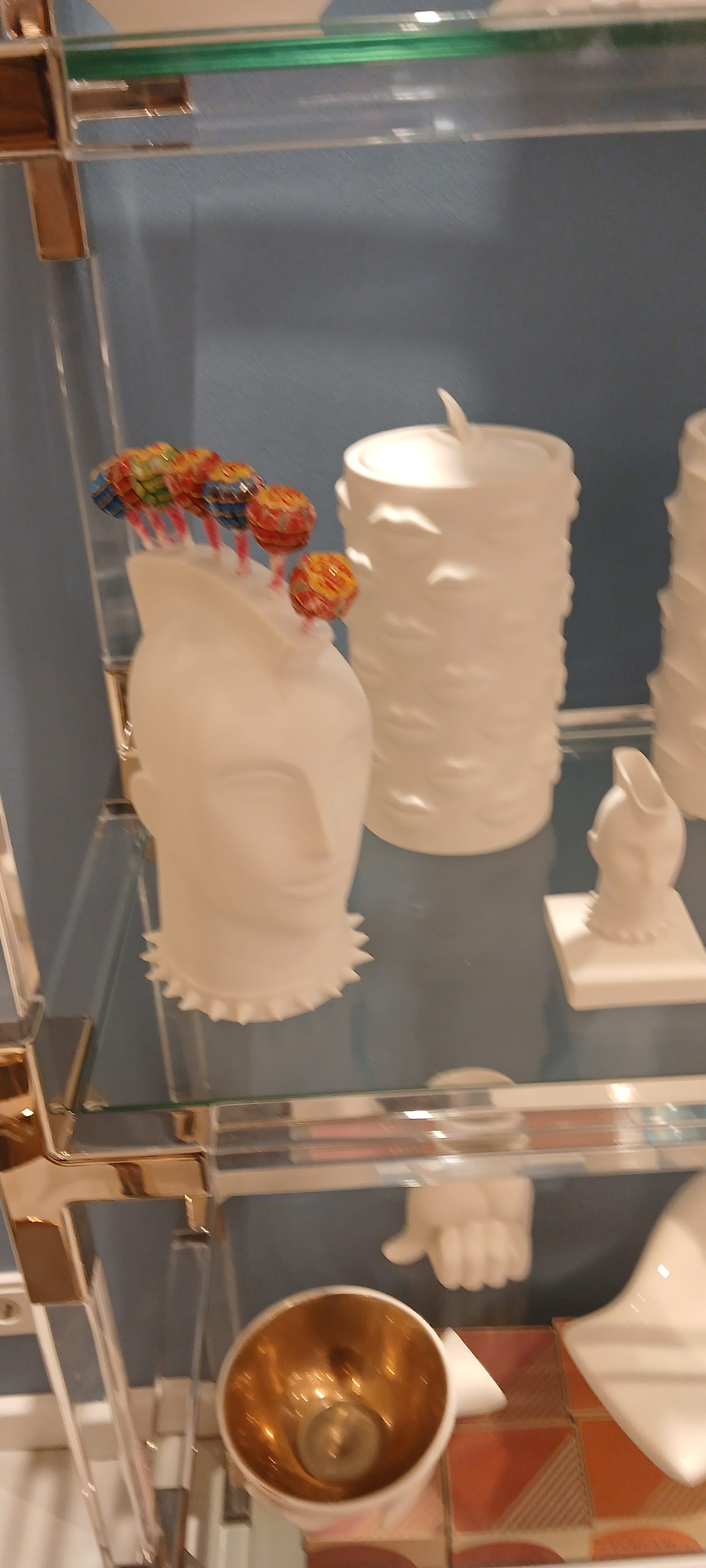
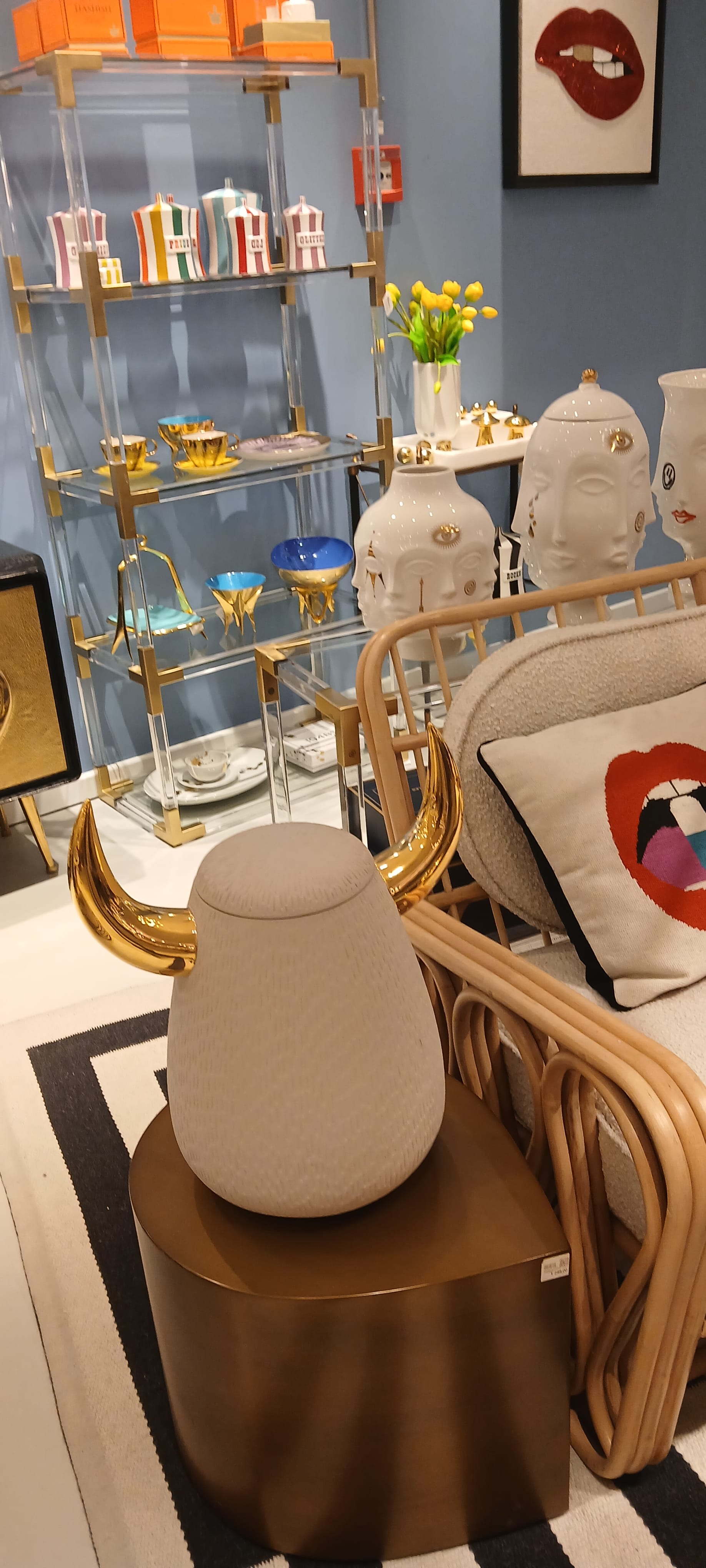
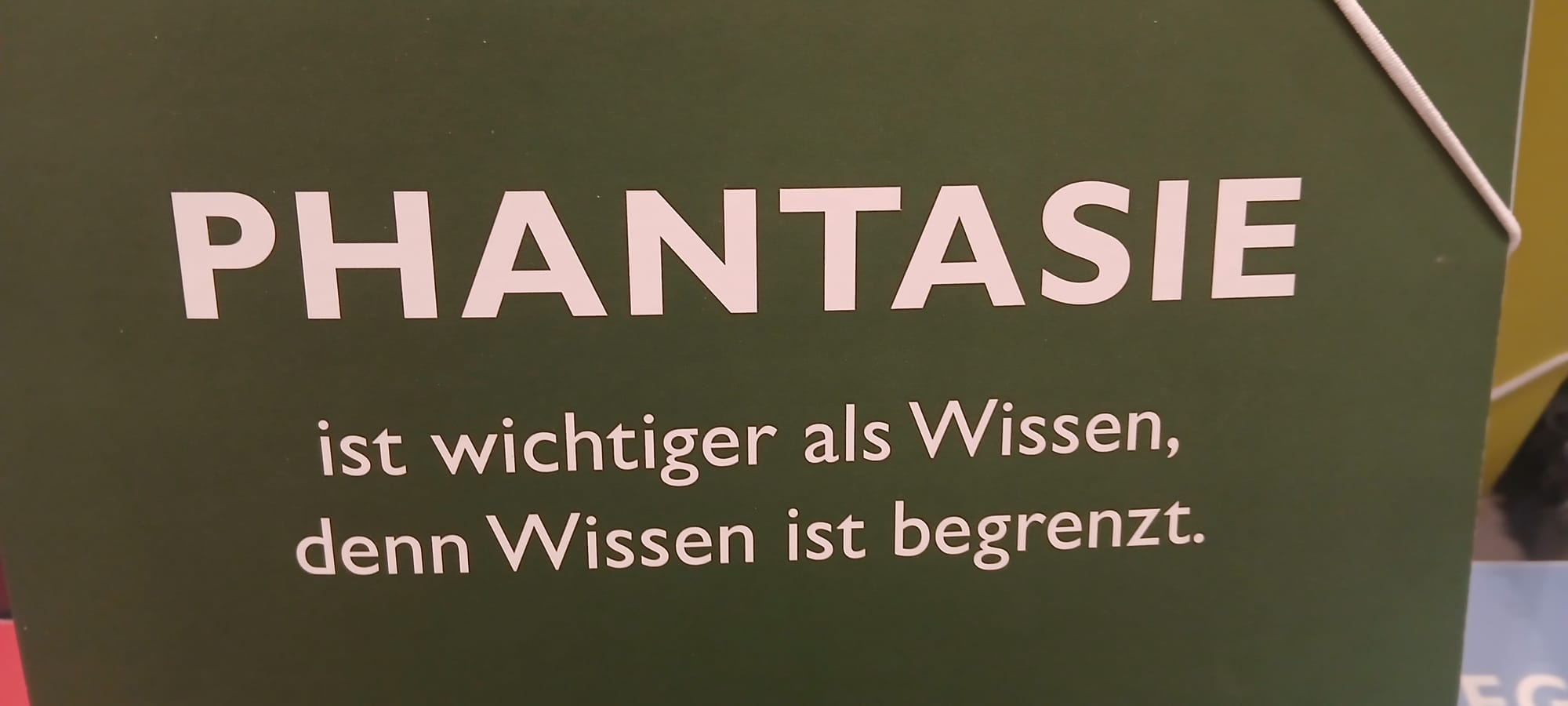
- the flash of underwear doesn't quite capture the bum pads built in; as you can see, fashion in interior decor seems to have circled back around to the early '80s; the Phantasie title is the slogan on a notebook, Imagination is more important than knowledge, since knowledge has boundaries.
- tech department shows off hi-res screen
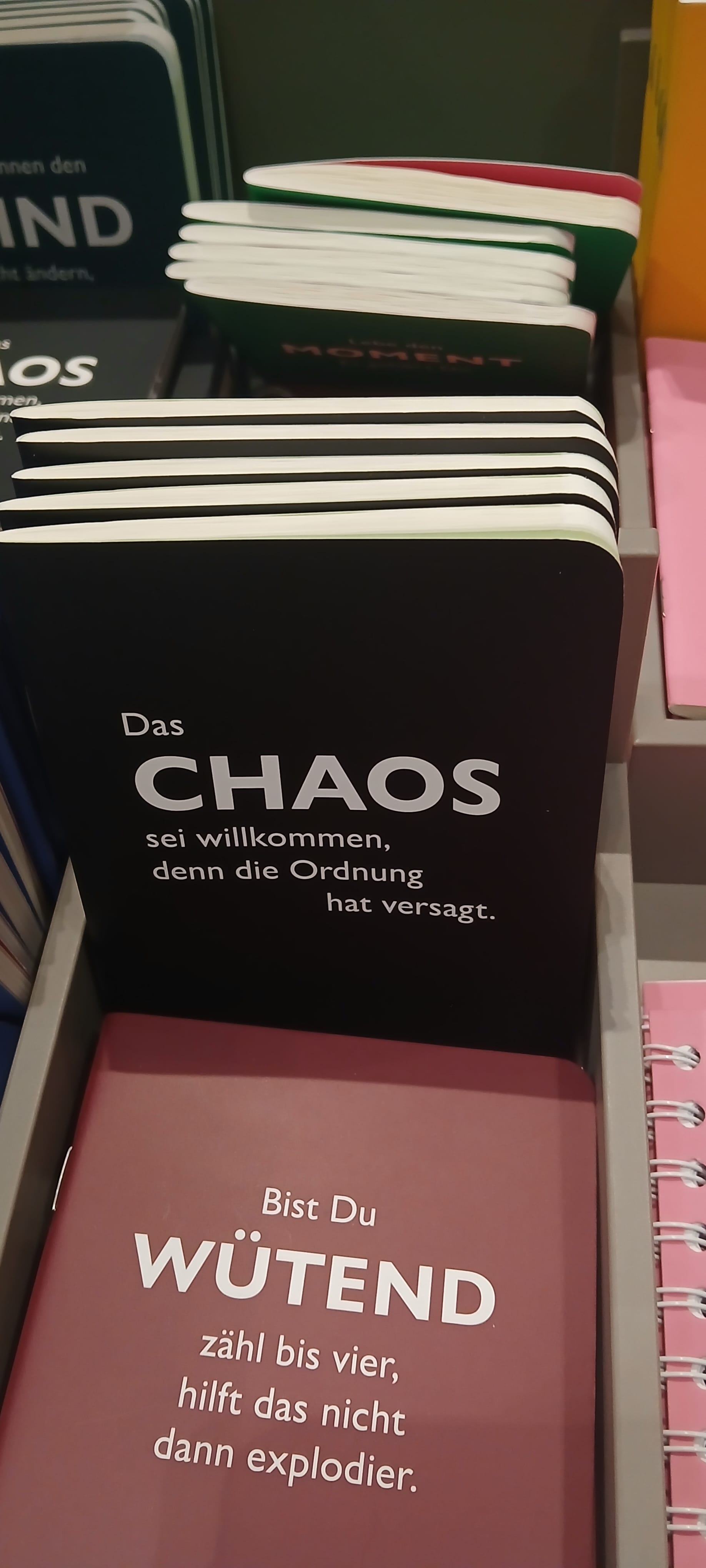
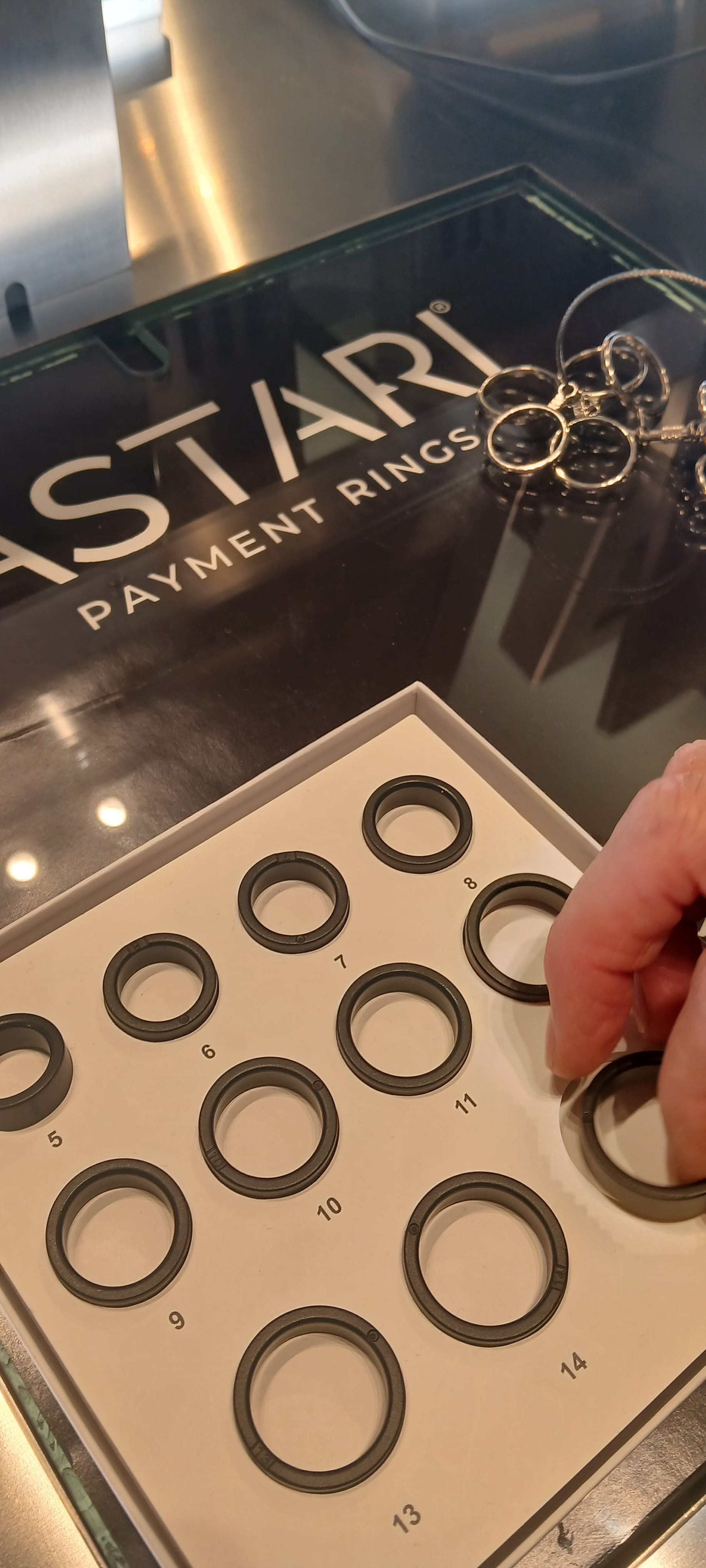
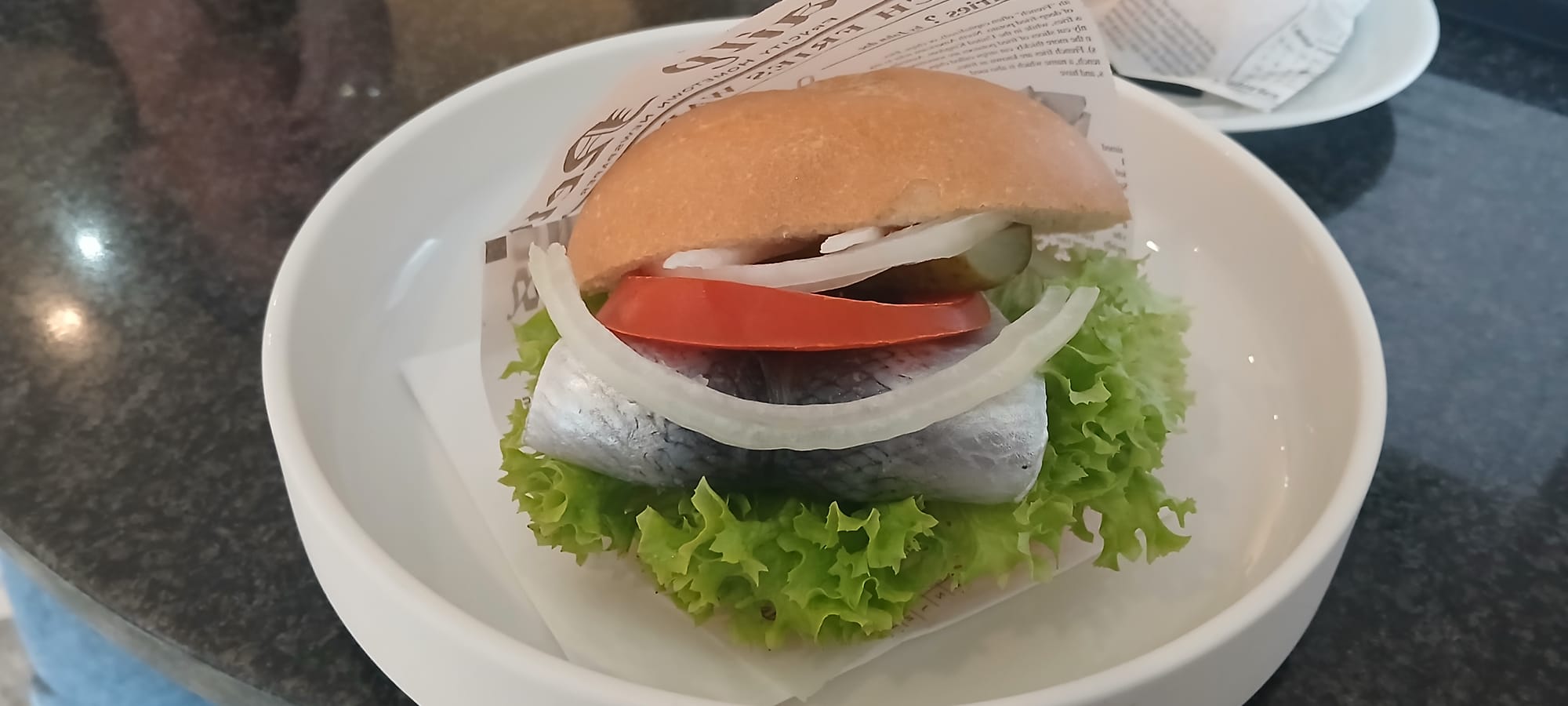
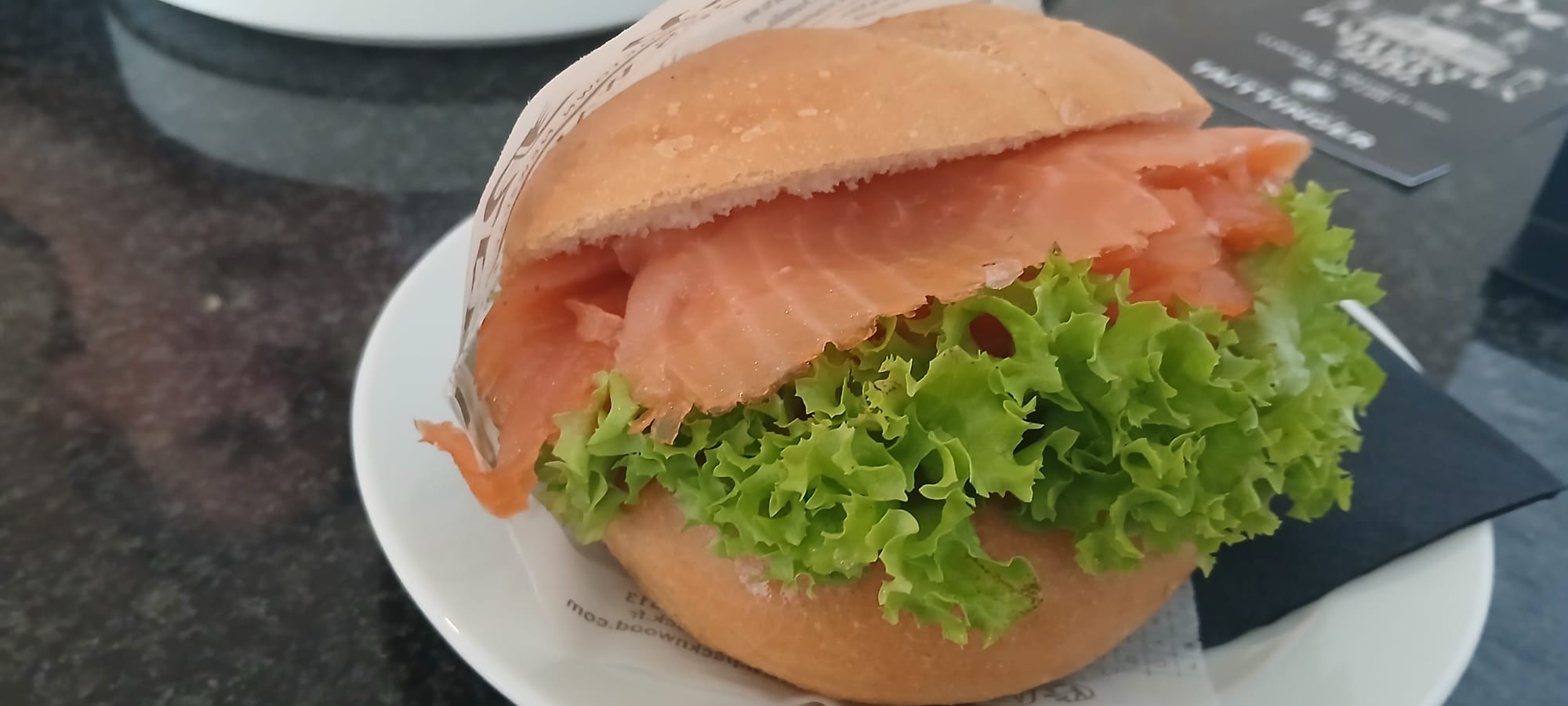
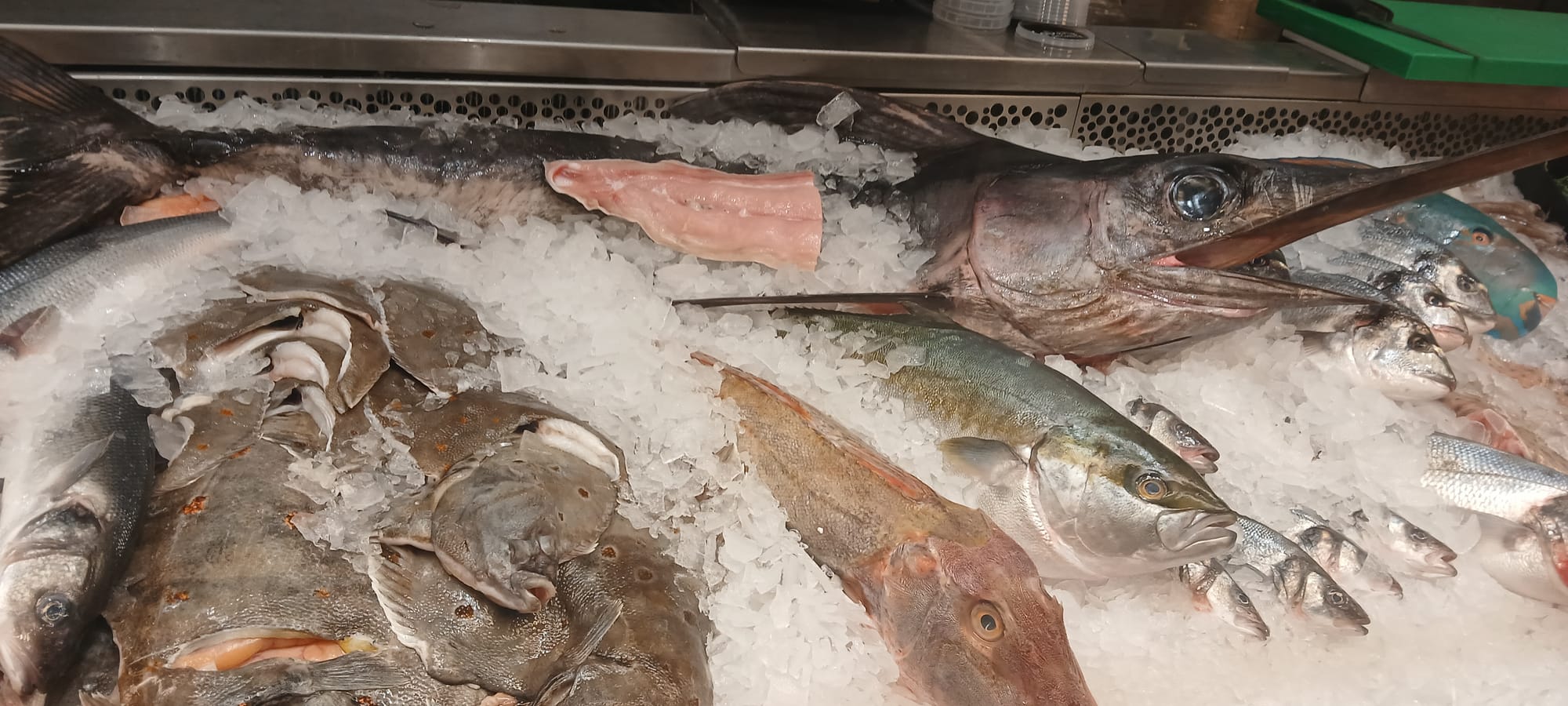
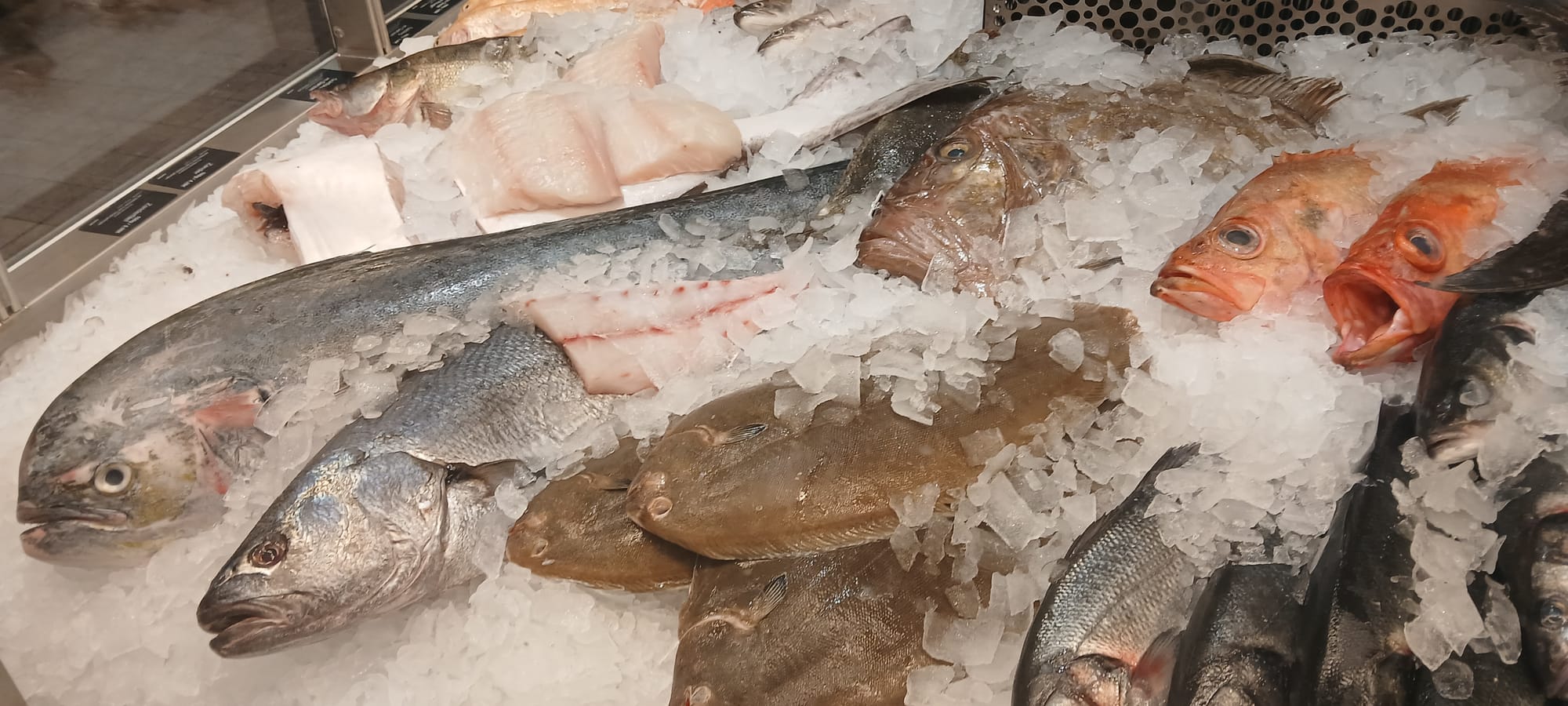
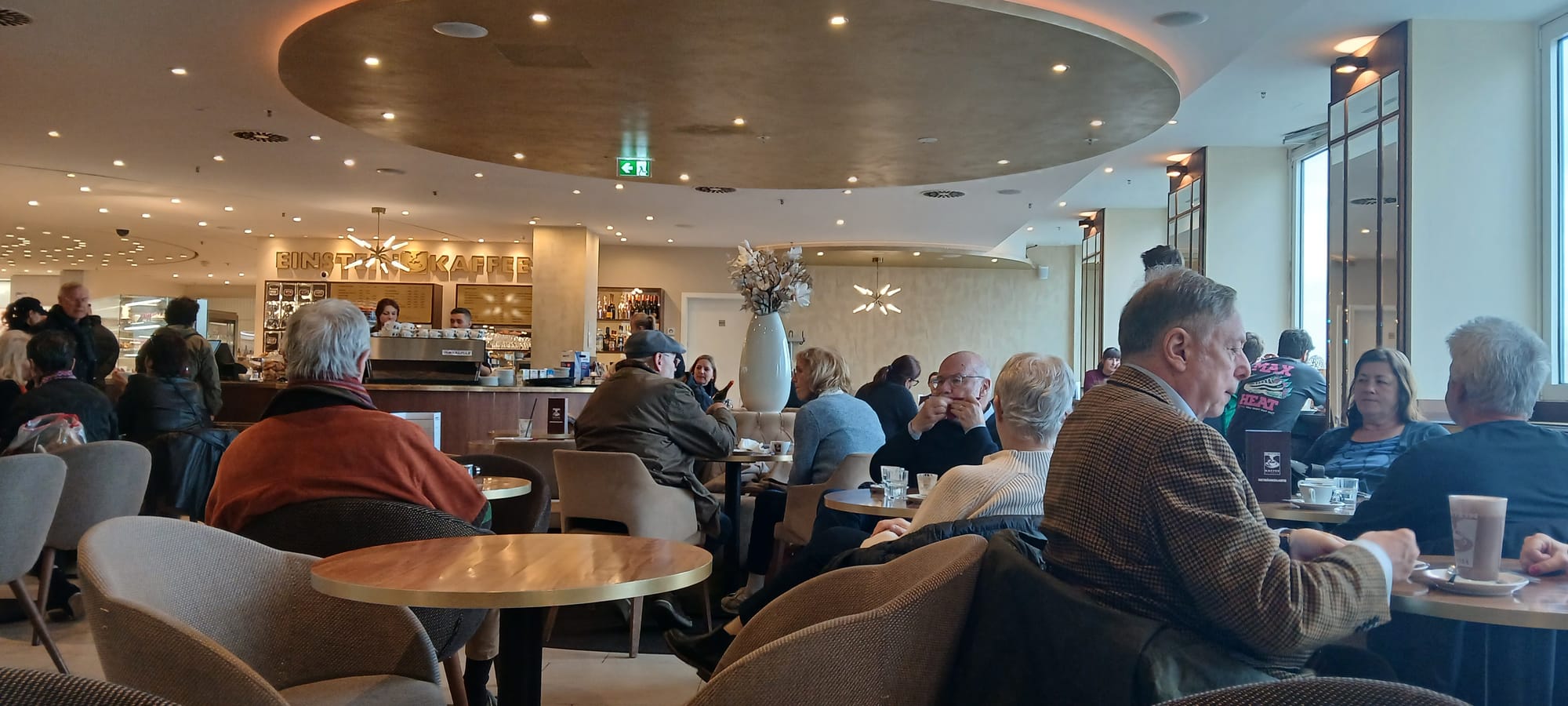
- slogans: Chaos is welcome, since order failed; If you're angry, count to four, if that's no help, explode (but it rhymes); the payment rings were the least exciting in the surprisingly so tech department of KaDeWe, the Smart Glasses really suited me, I was smart for a moment, and the drink bottles which measured bodily hydration were also snazz; the two buns our lunch, a Bismarckbrötchen (with Bismarck herring) and a salmon, so packed with salmon, it was too much; the final snap our coffee stop, outside which:
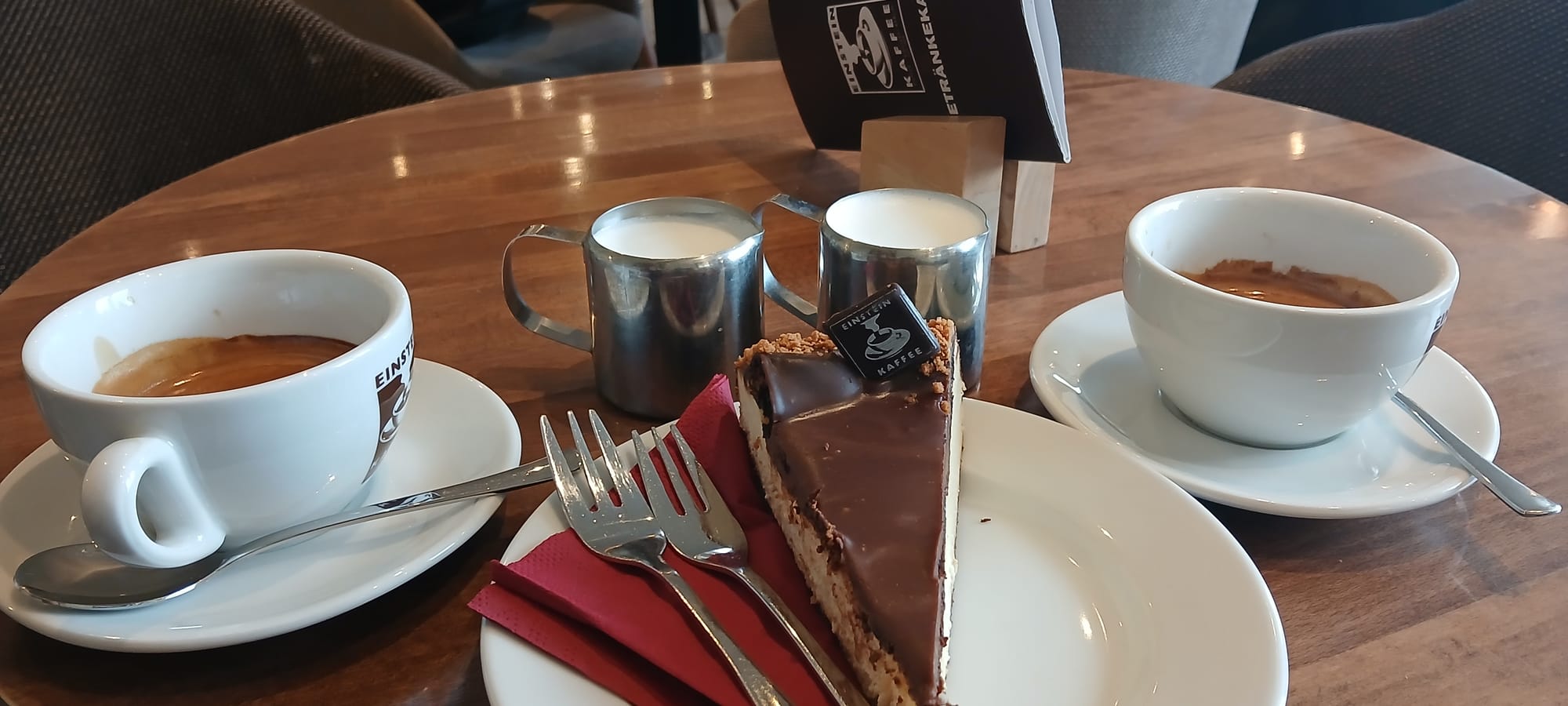
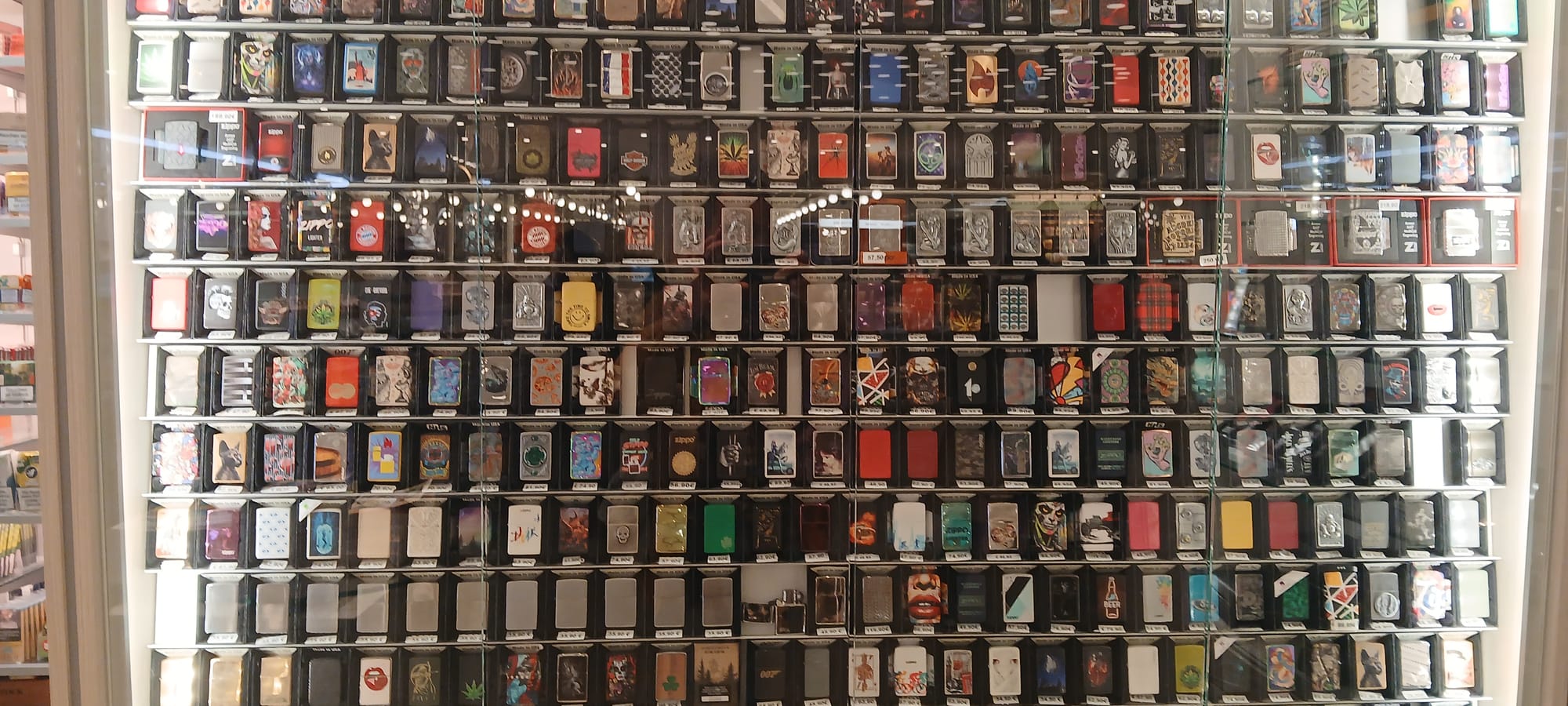
- the San Sebastian cheesecake which has been stalking us is finally captured above; Einstein one of the better coffees, a city which used to be famous for the quality of its coffee disappointing in that department
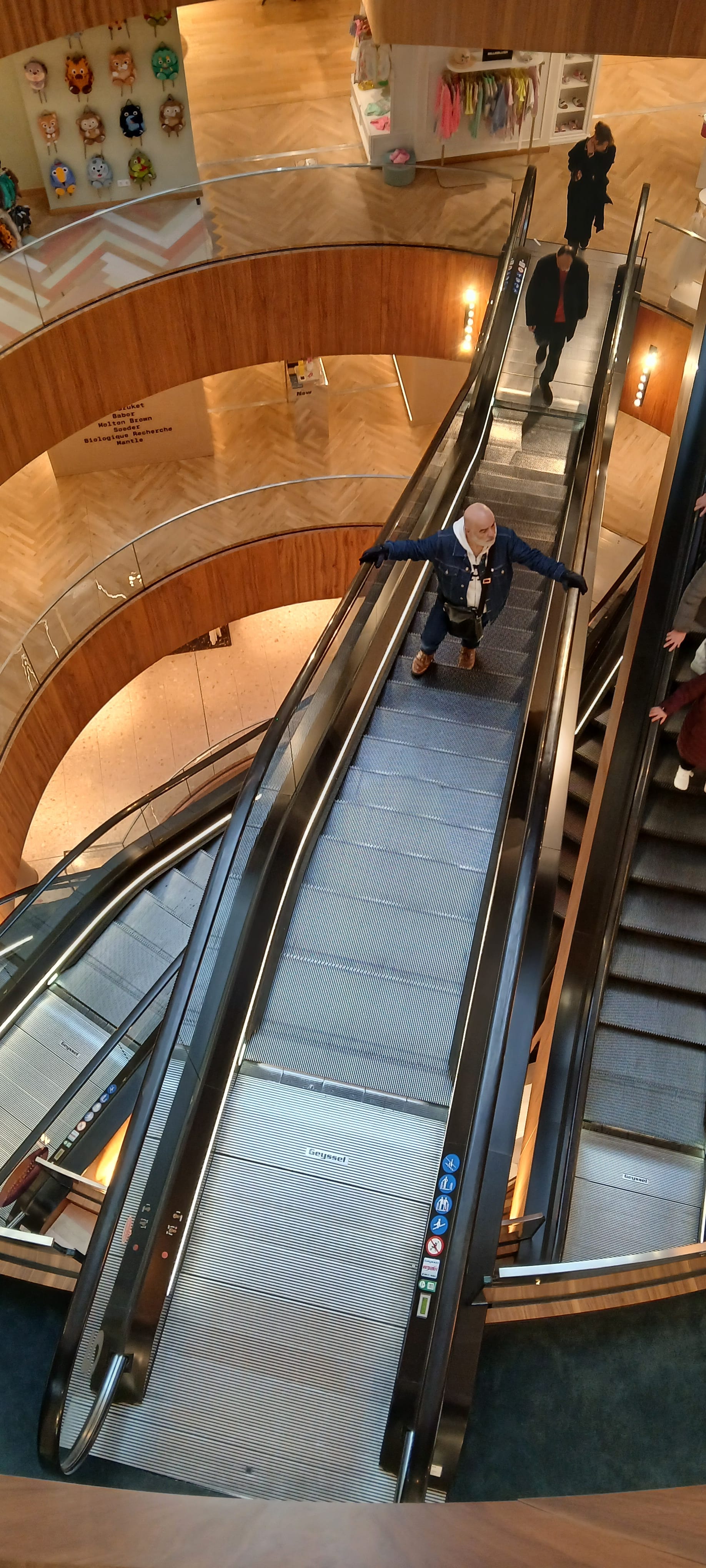
- Up we go
a message from our sponsors:
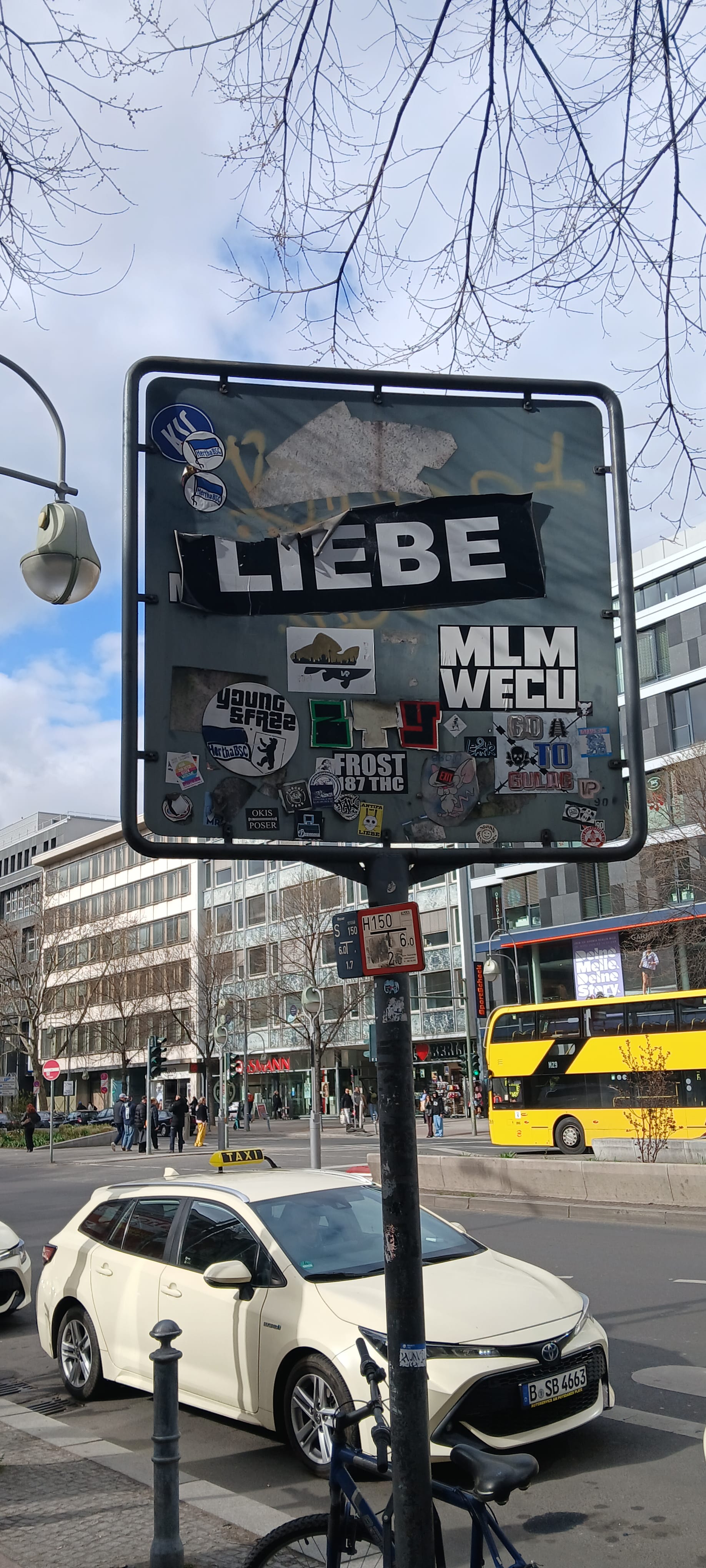
Benz
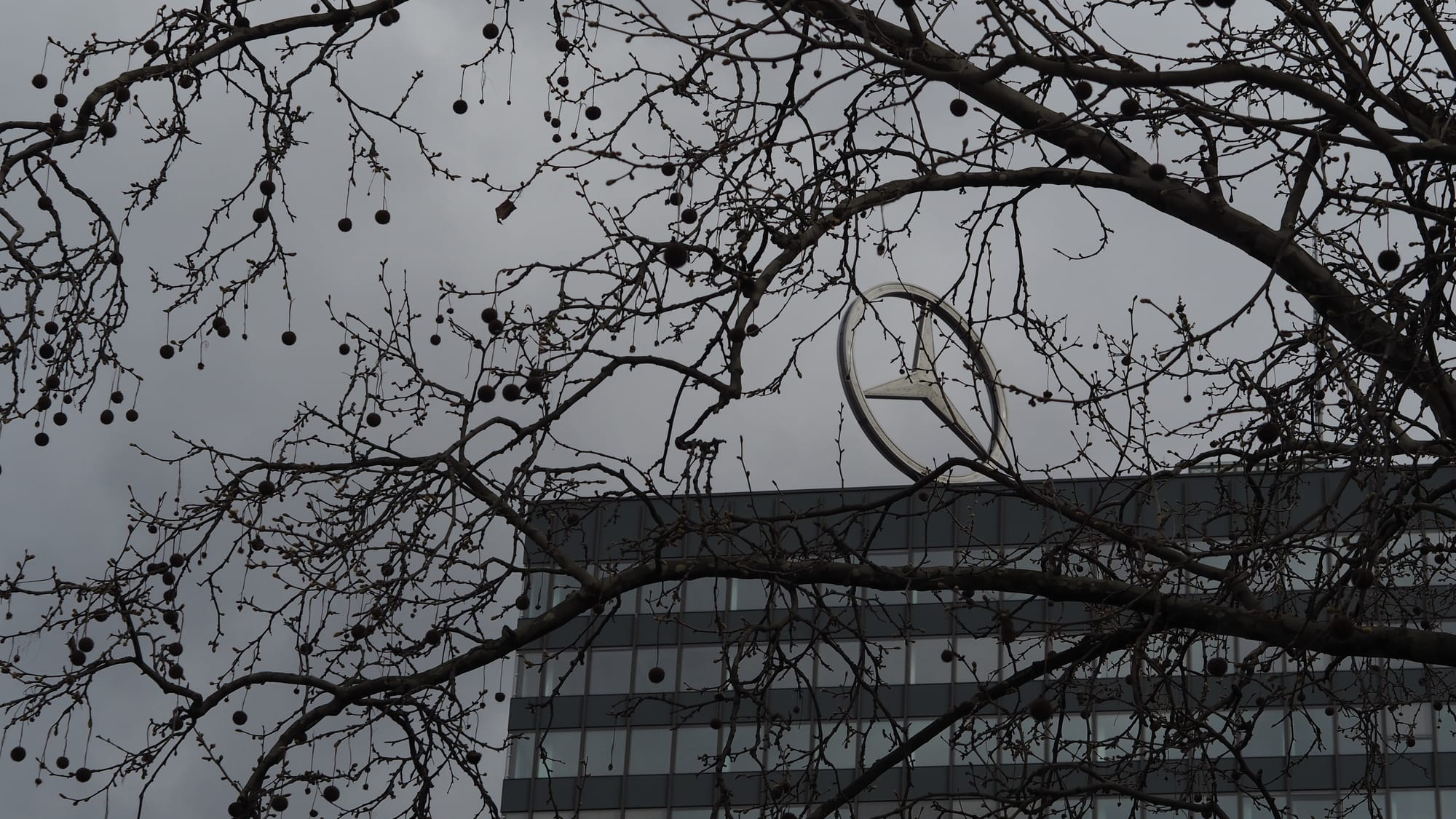
Gedächtniskirche
while we're in the West, let's visit one Berlin's most famous landmarks:
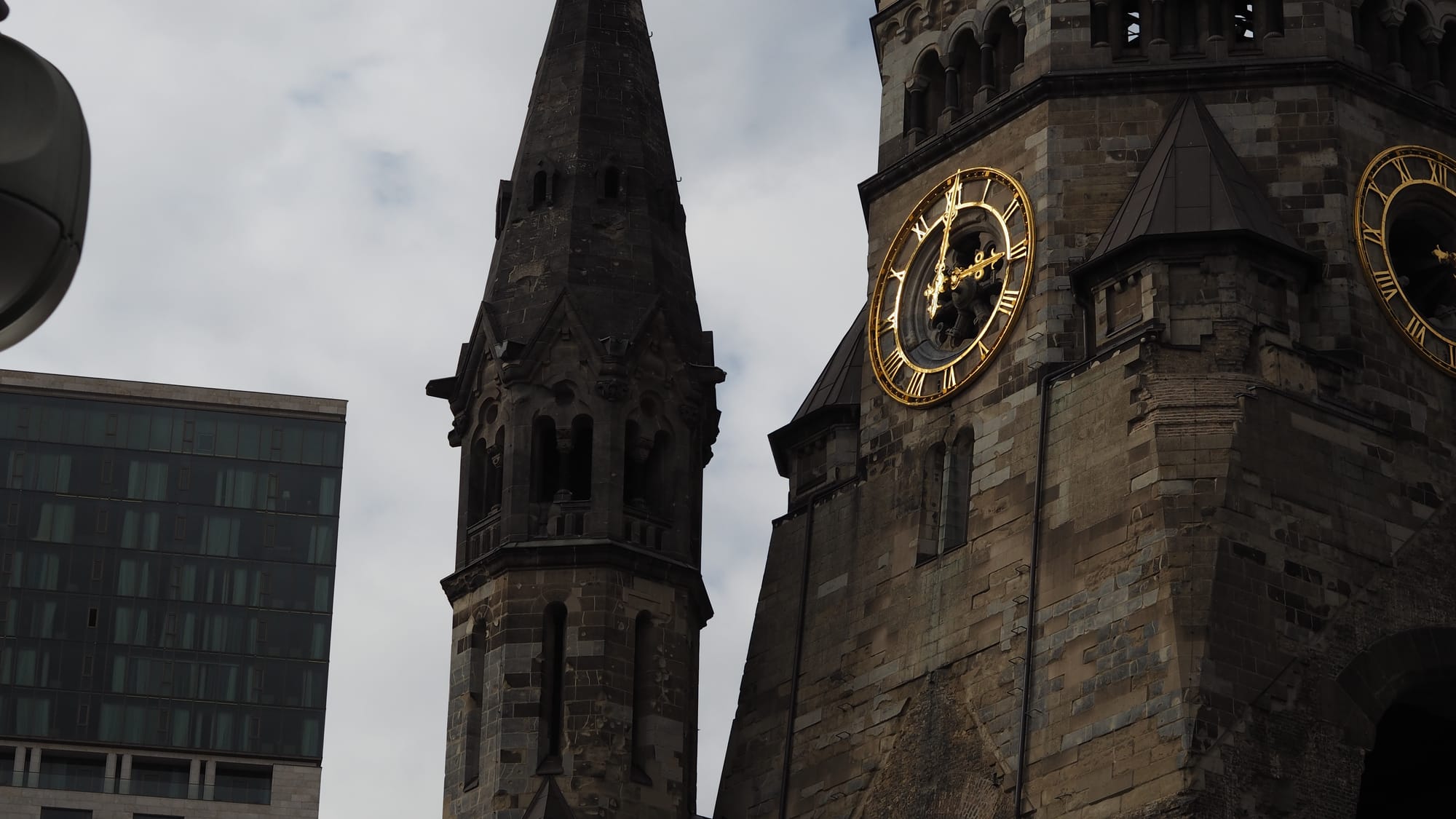
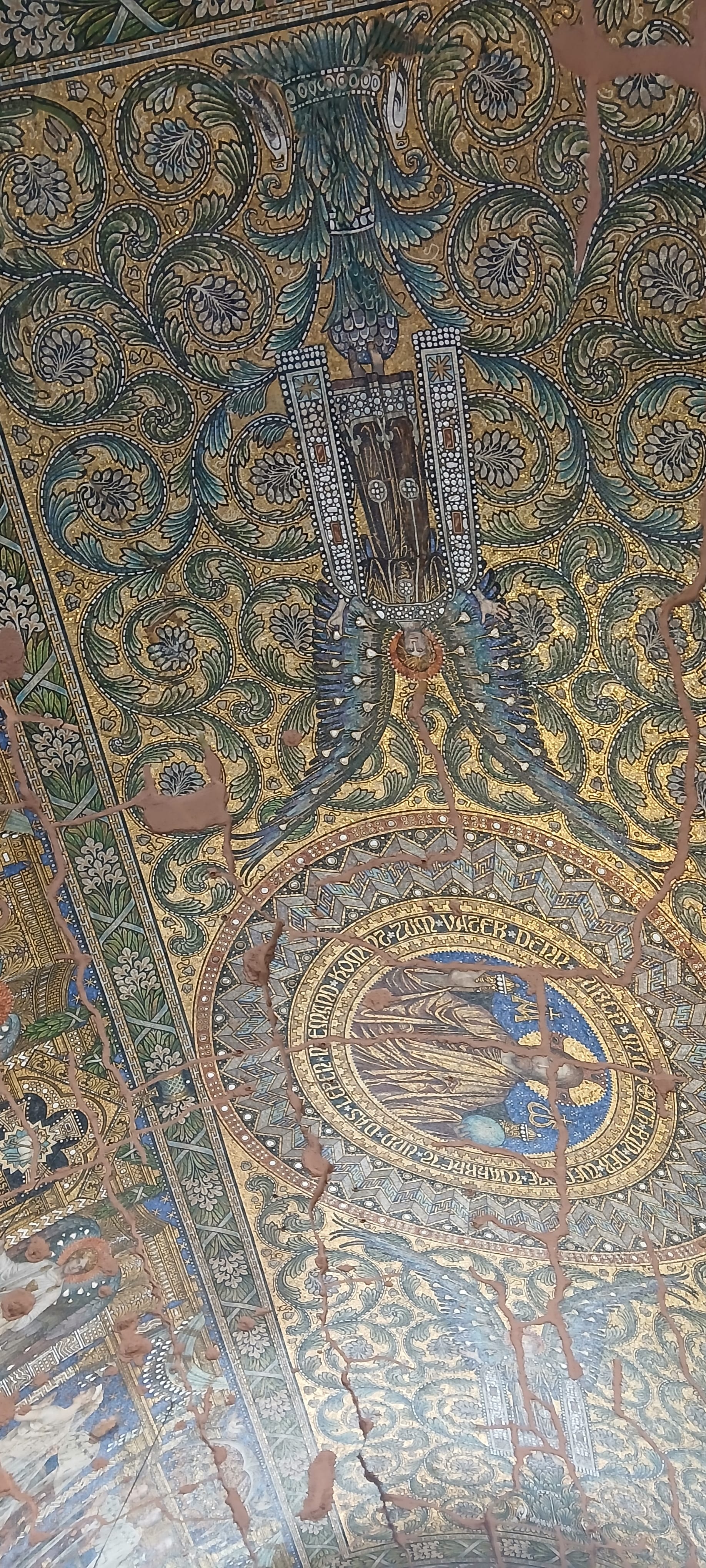
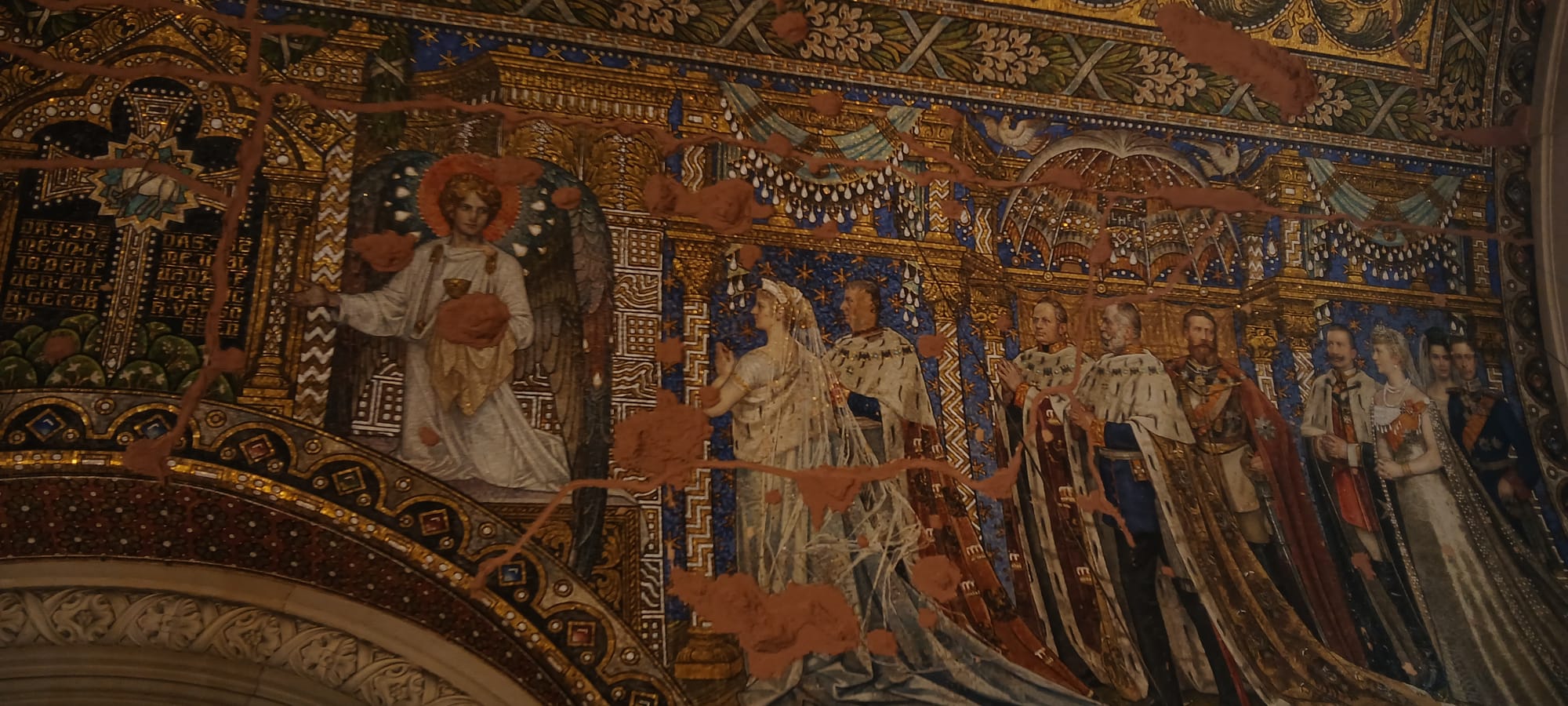
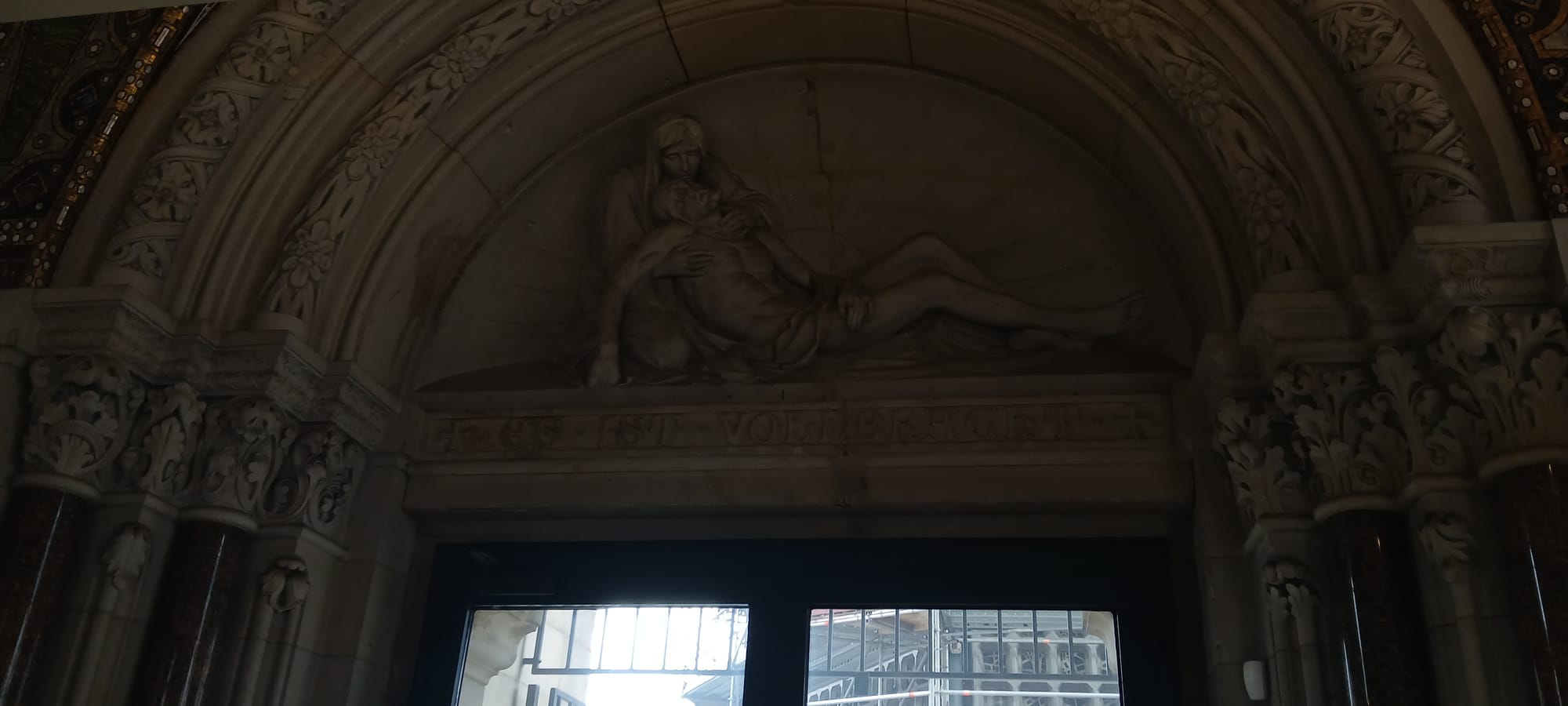
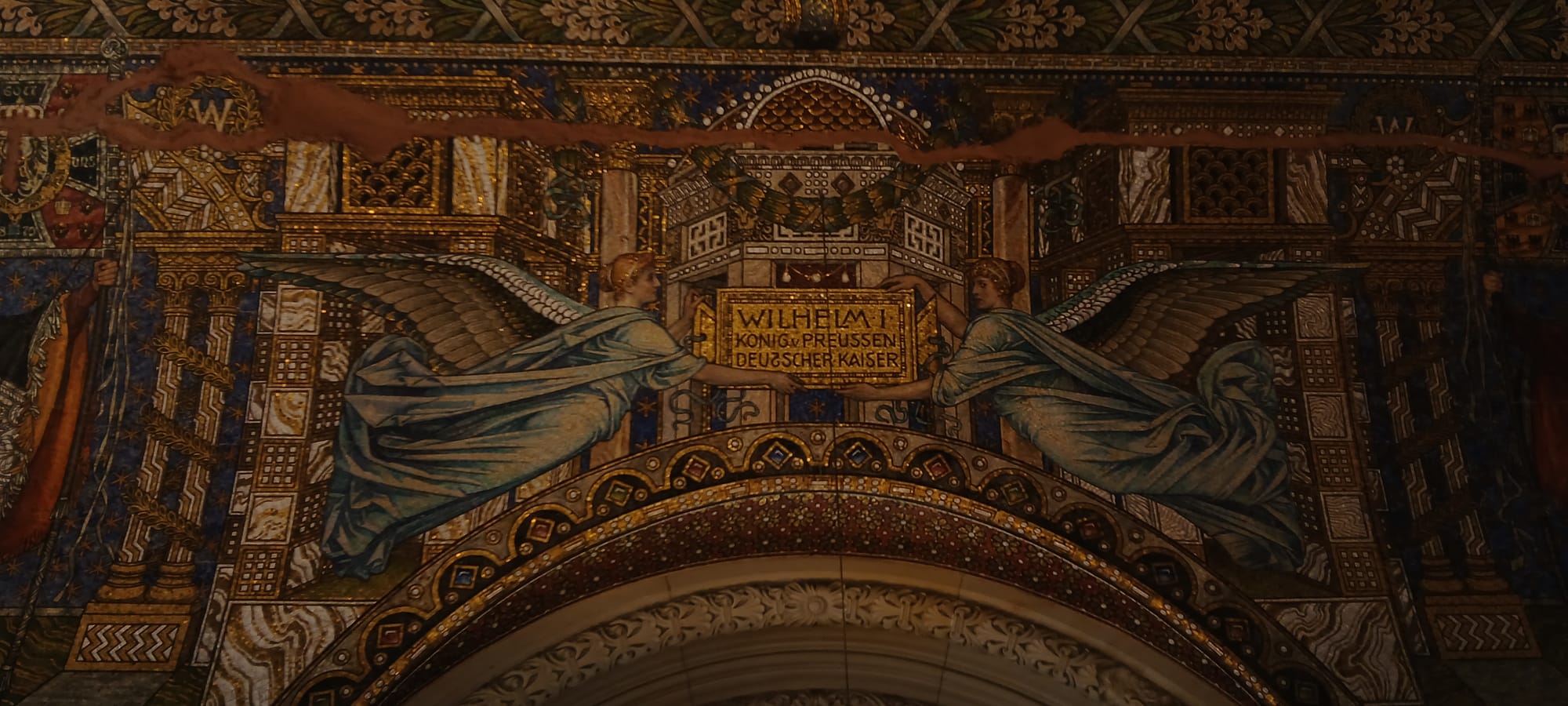
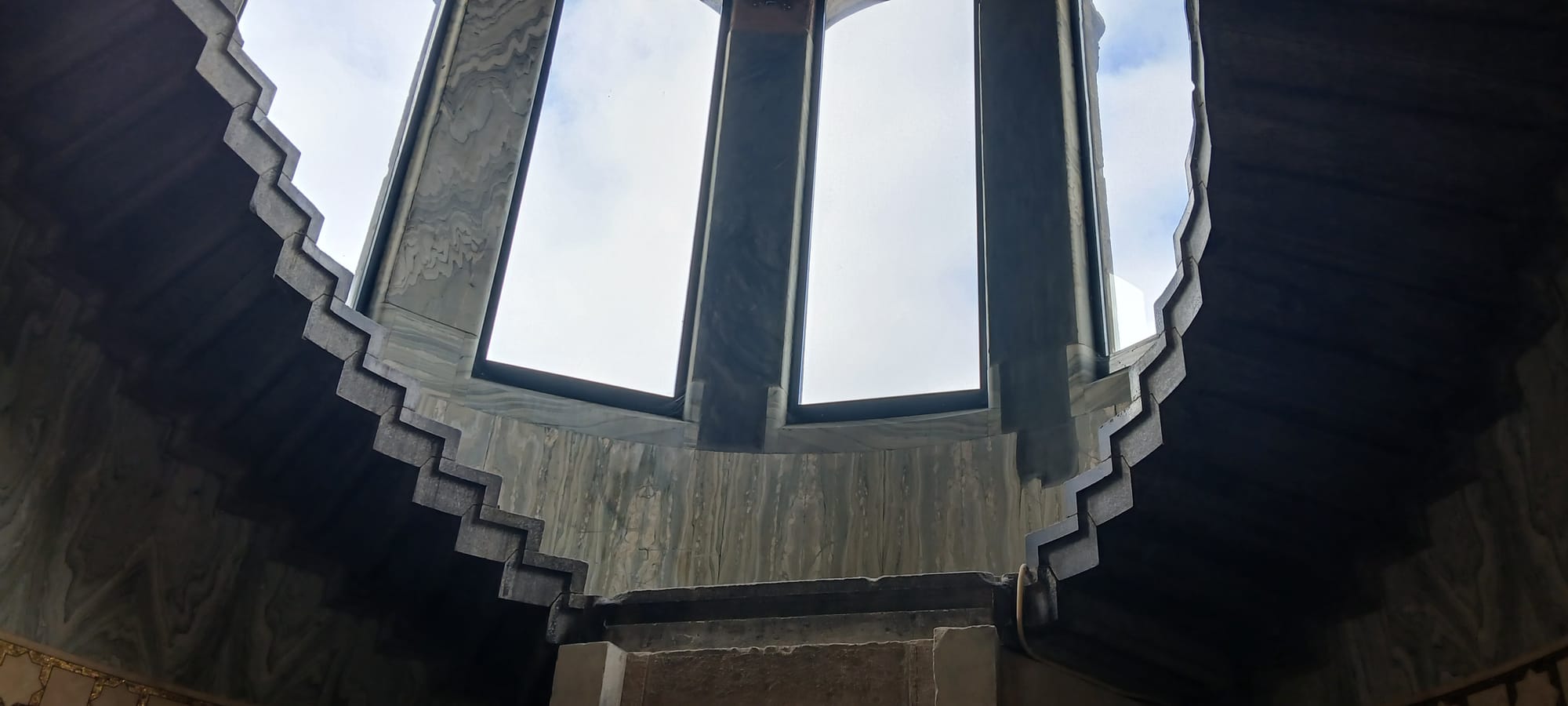
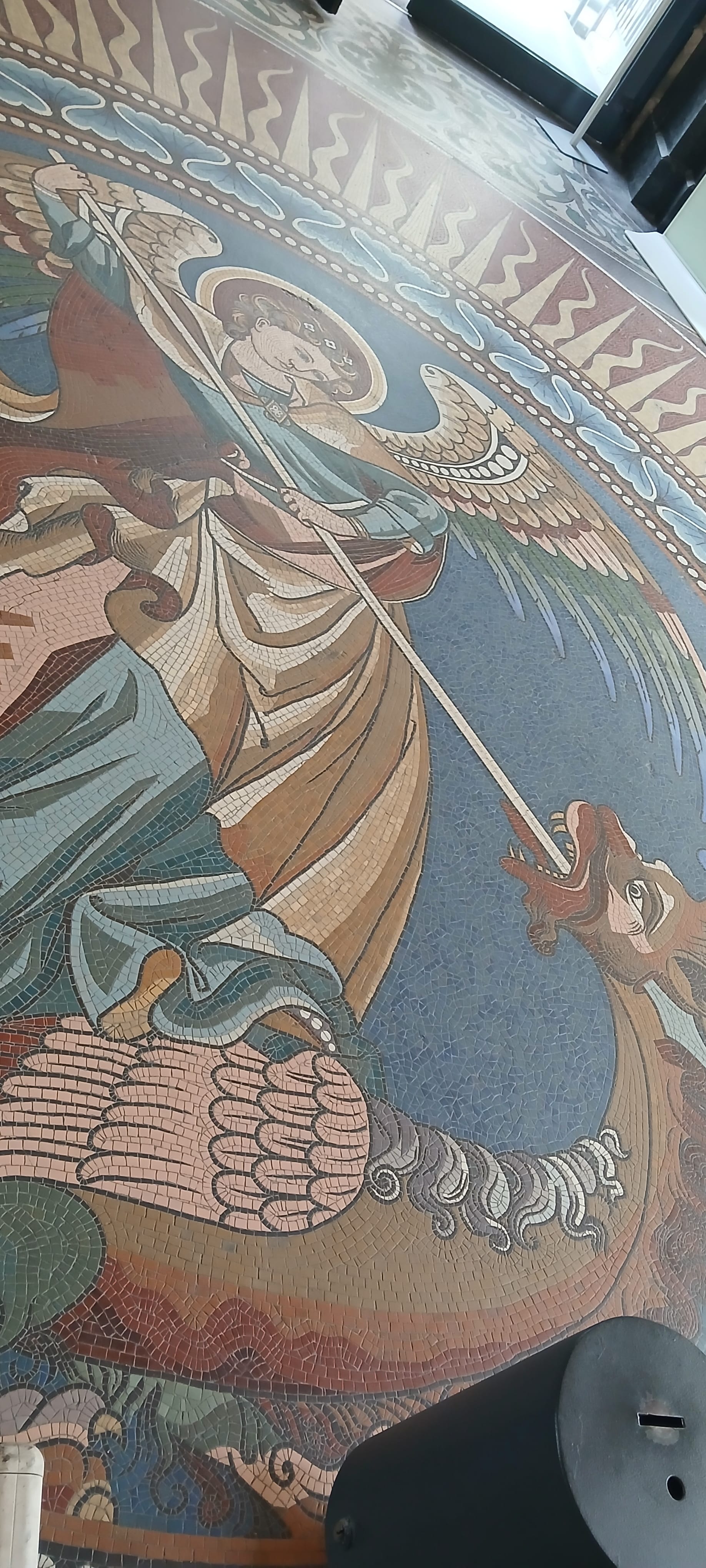
- St. George has also been following us around, he gets his dragon; note that this is Kaiser Wilhelm's Evangelical Church, the evangelical brand usually eschews showy froufrou
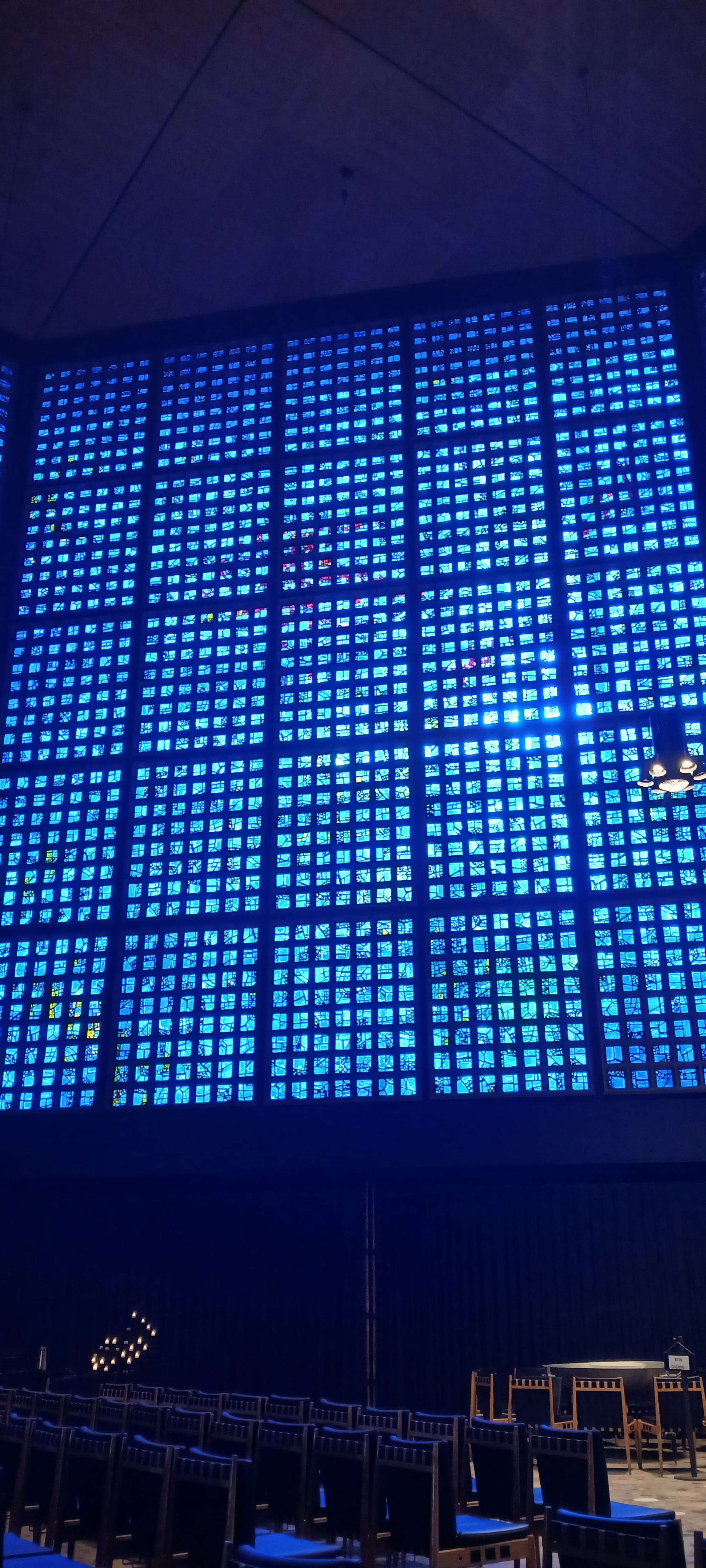
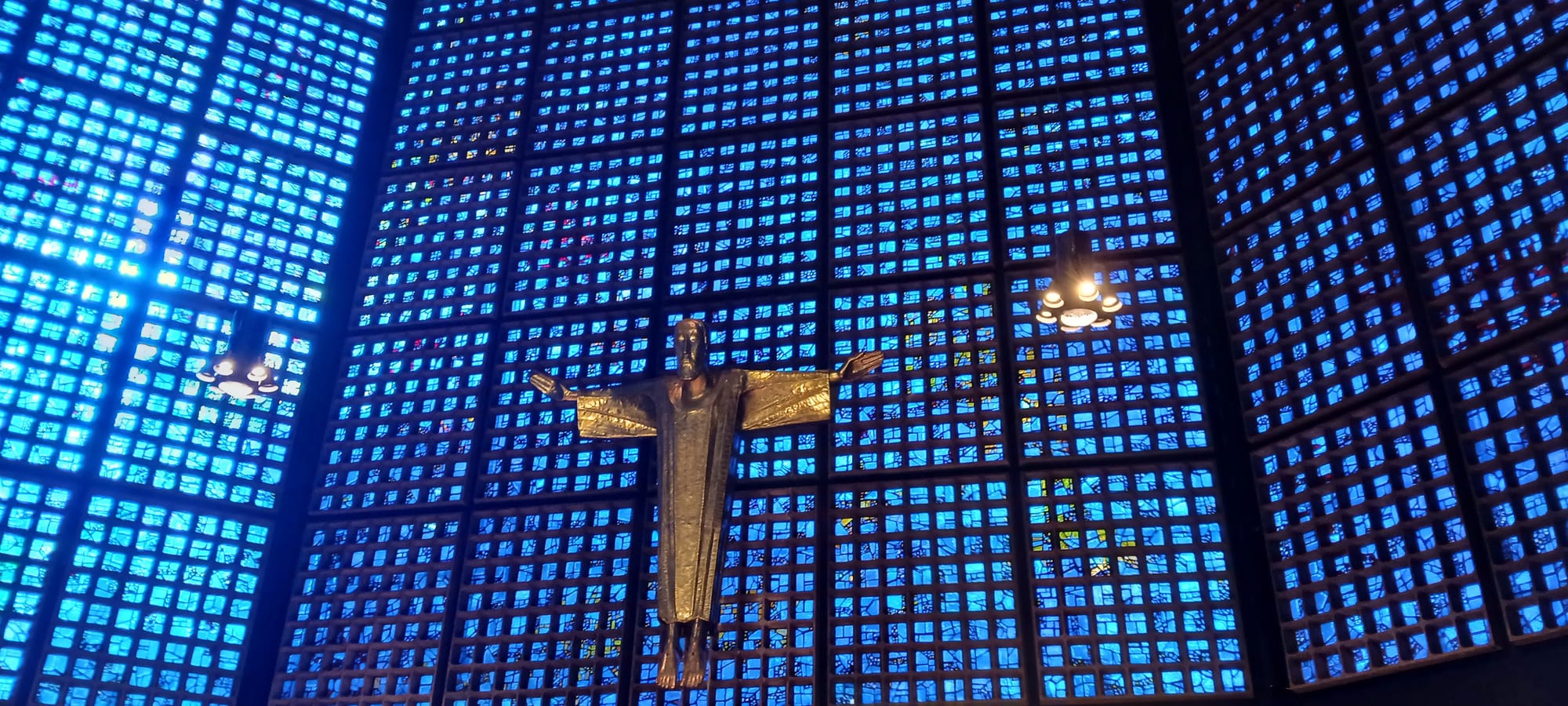
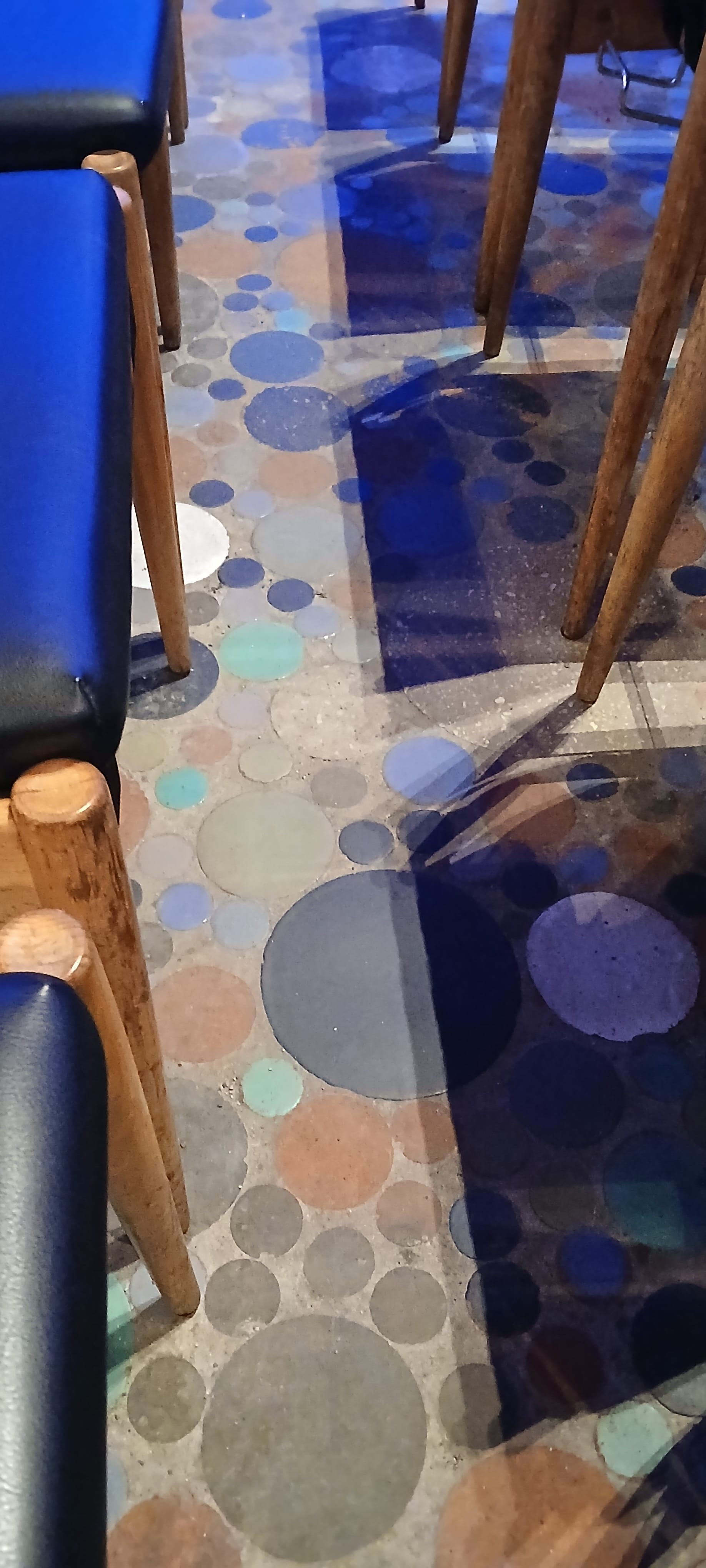
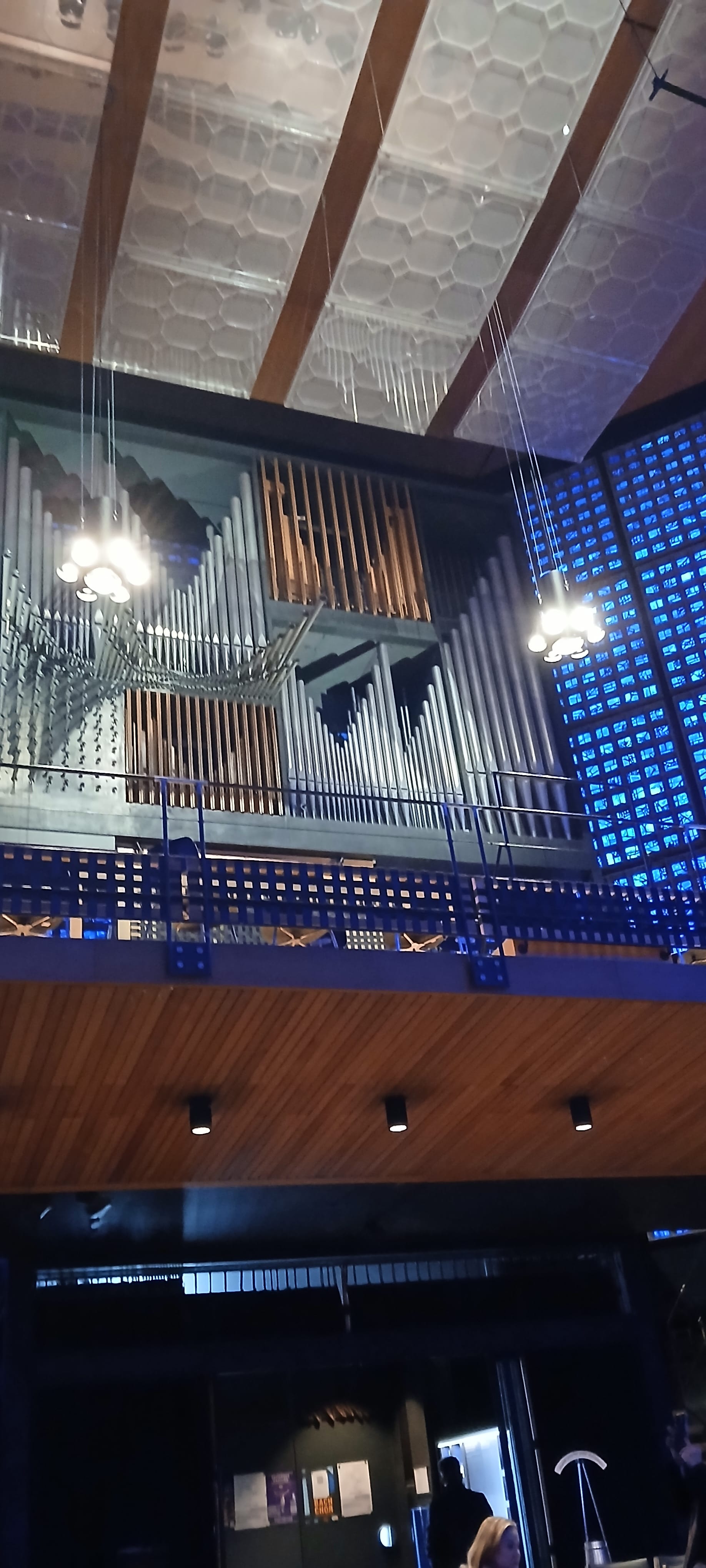
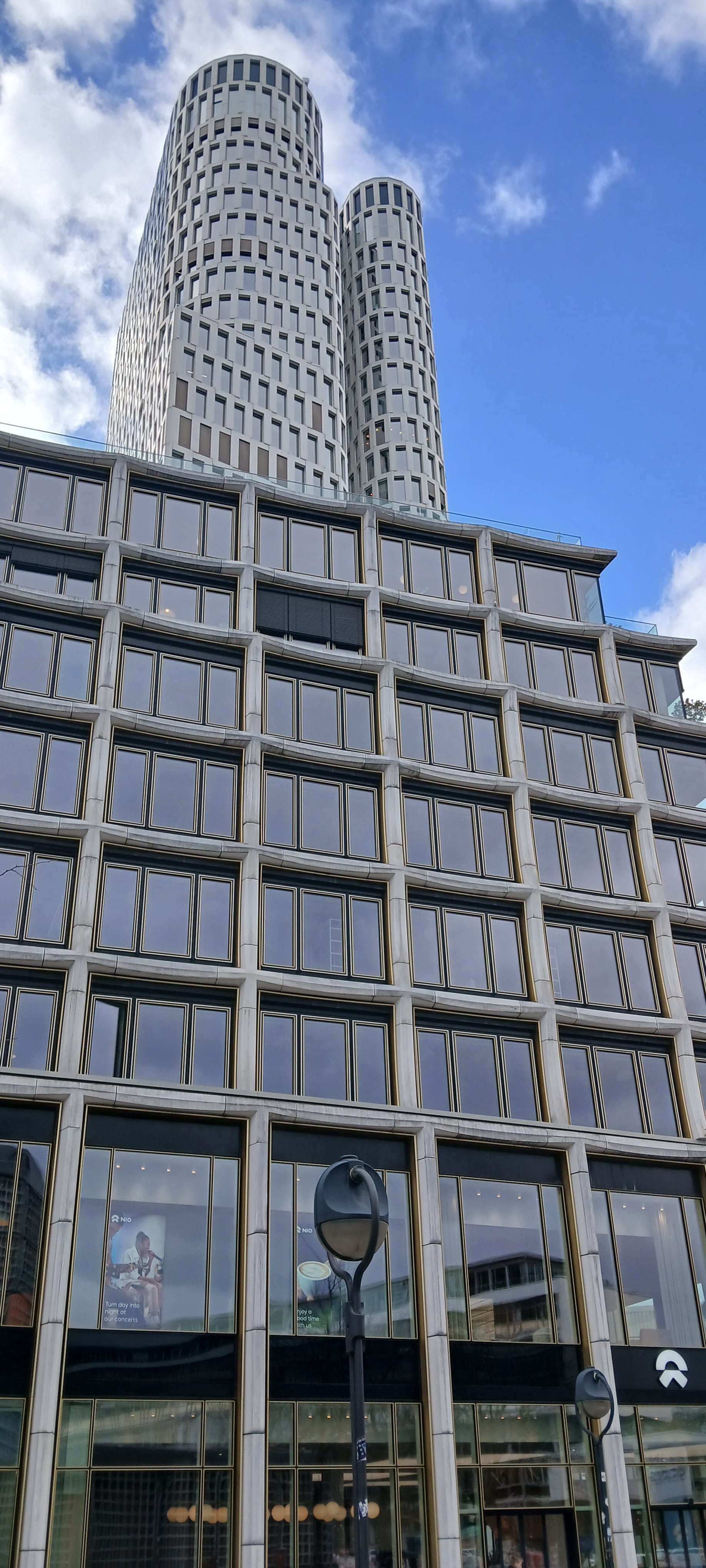
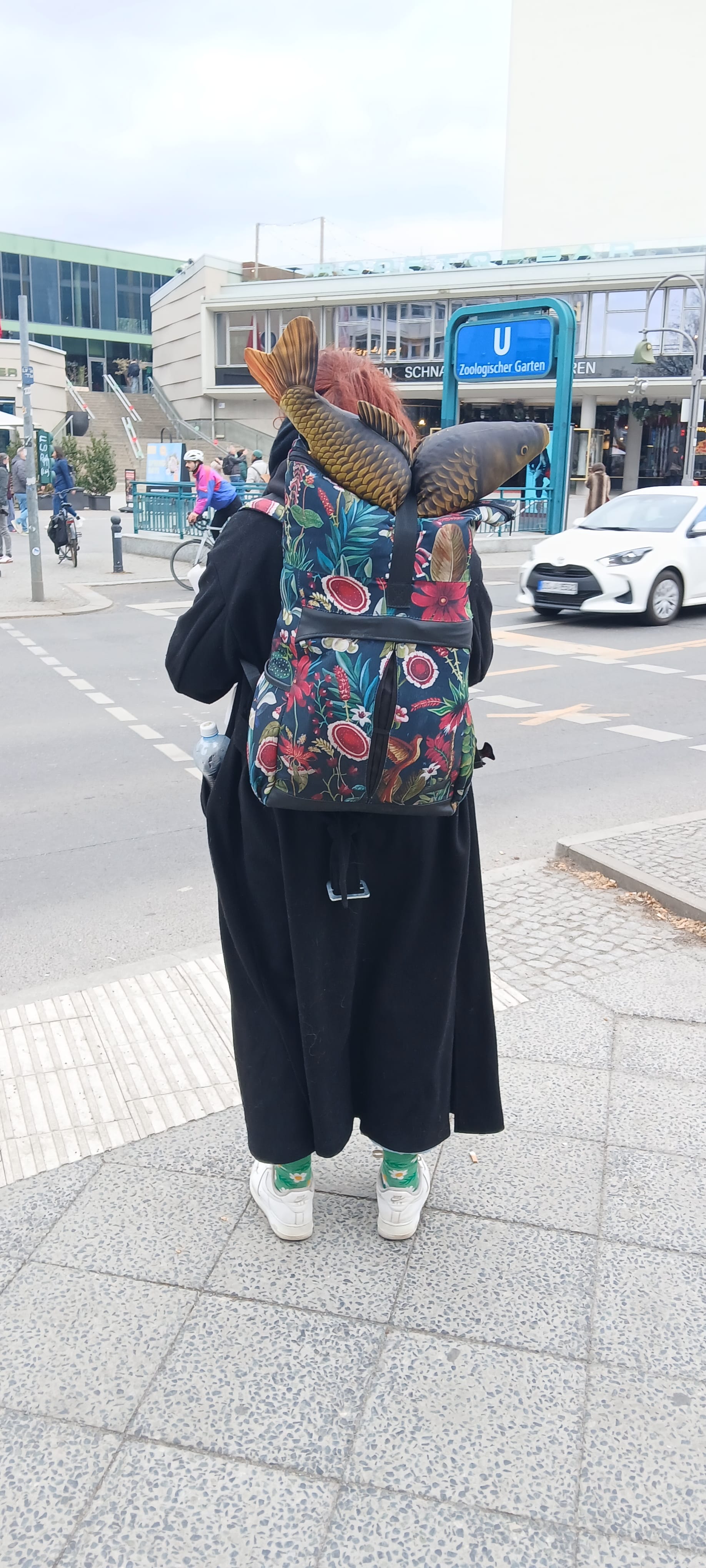
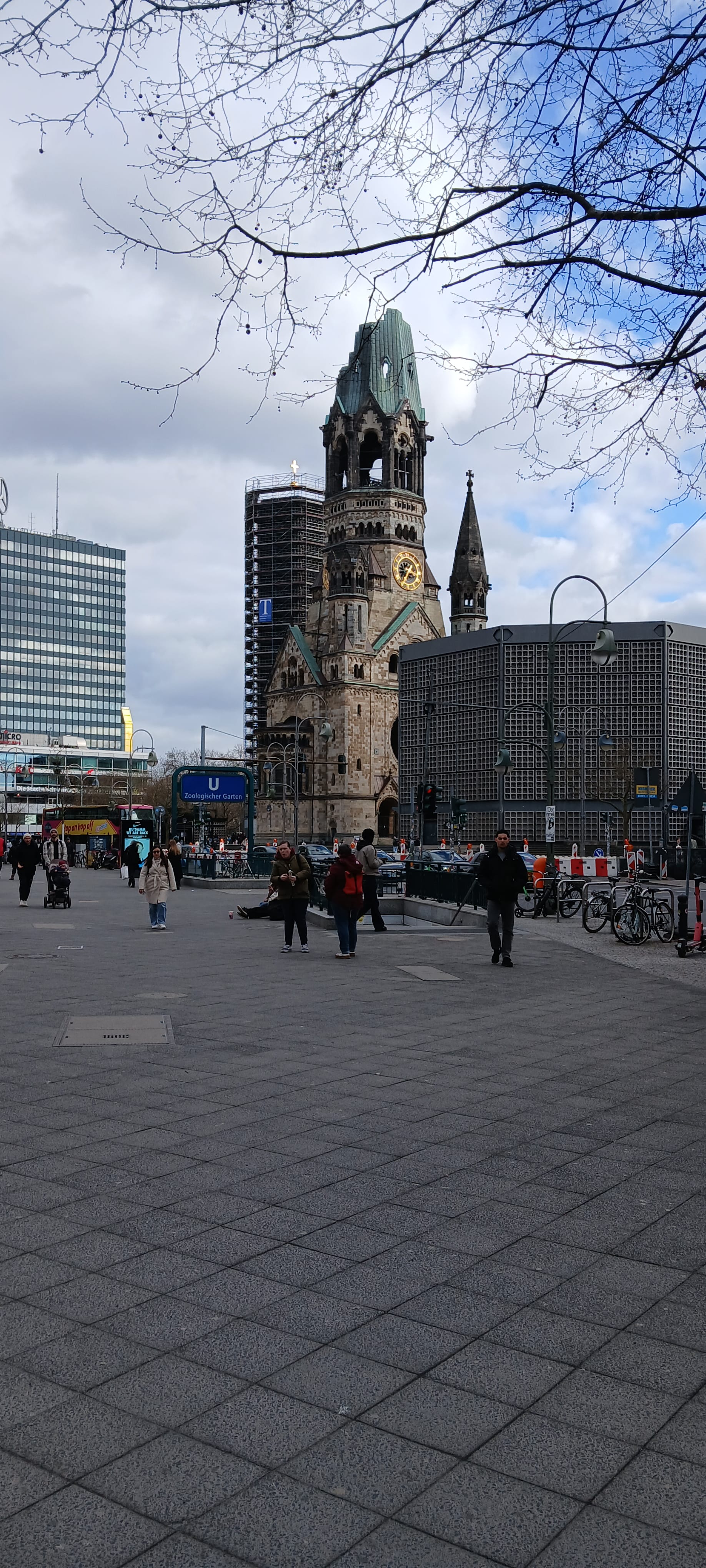
- glass by Gabriel Loire, 20,000 blue bricks, inside the new church nave; note the crazy paving; captive salmon and looking back to the nave and church, behind that, the bell-tower under restoration
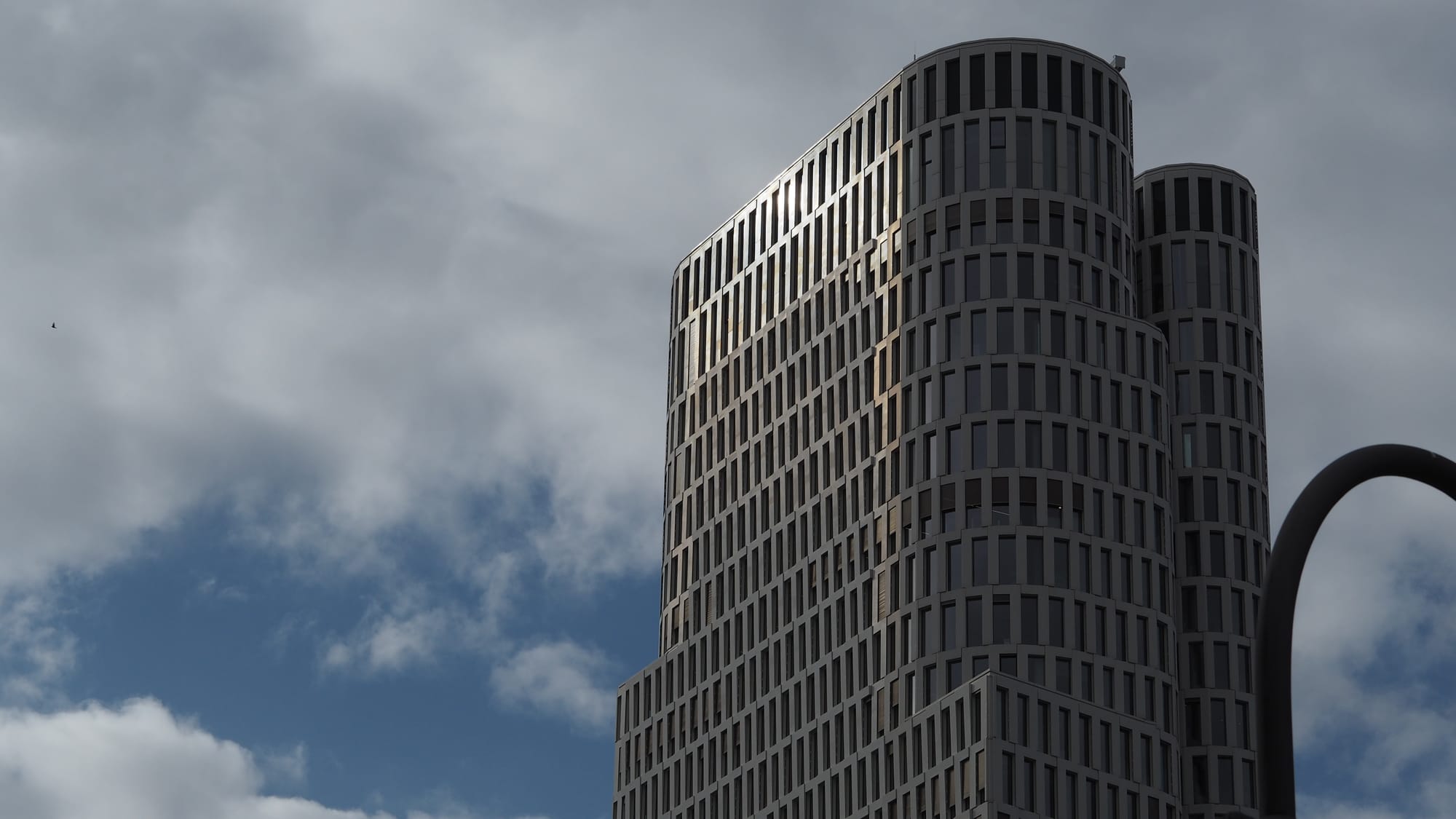
Bikini Berlin
... beside the zoo, the funky "Bikini Haus," where in 1982 I'm sure I bought the best bondage pants I've ever owned. On the return trip I wore them all over Singapore. They were white and right for the tropics, practical and fashionable.
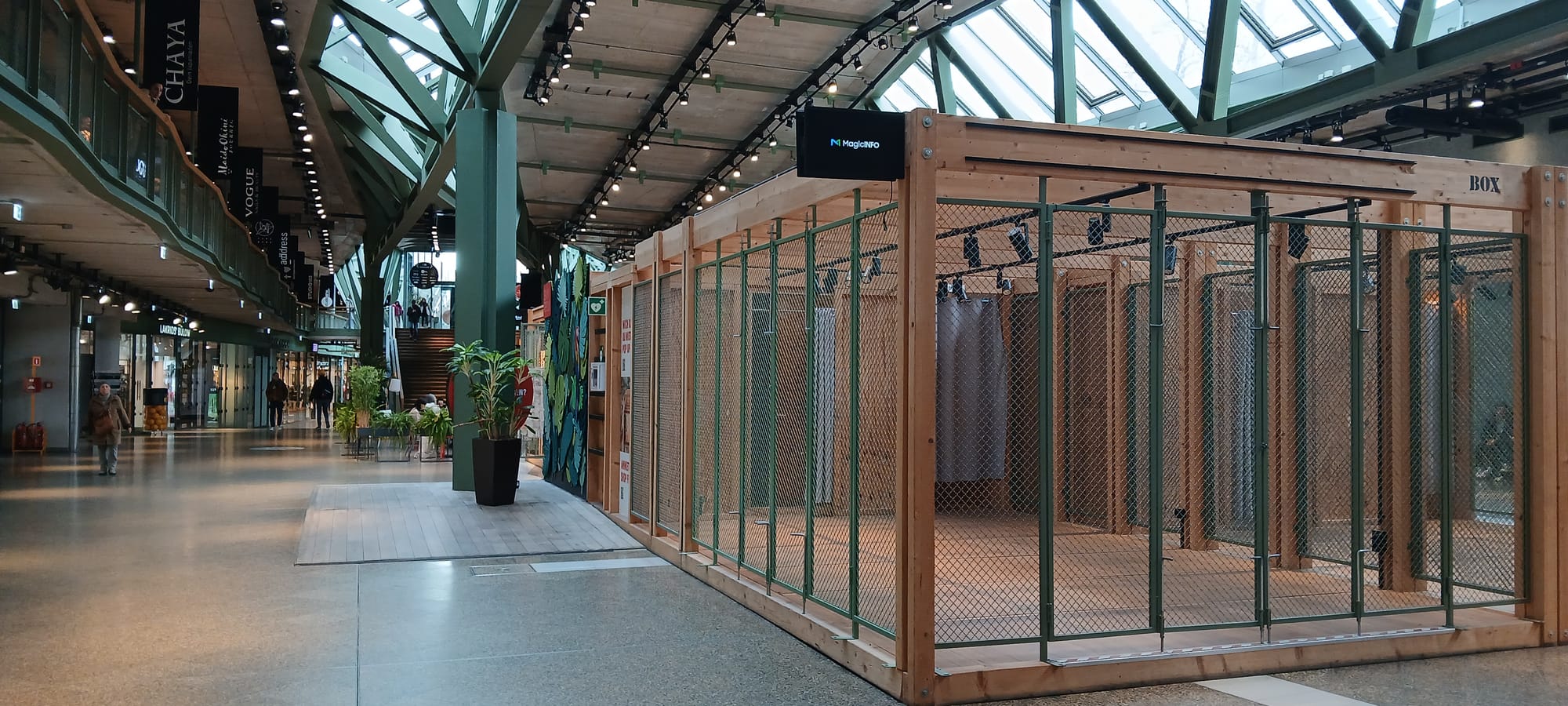
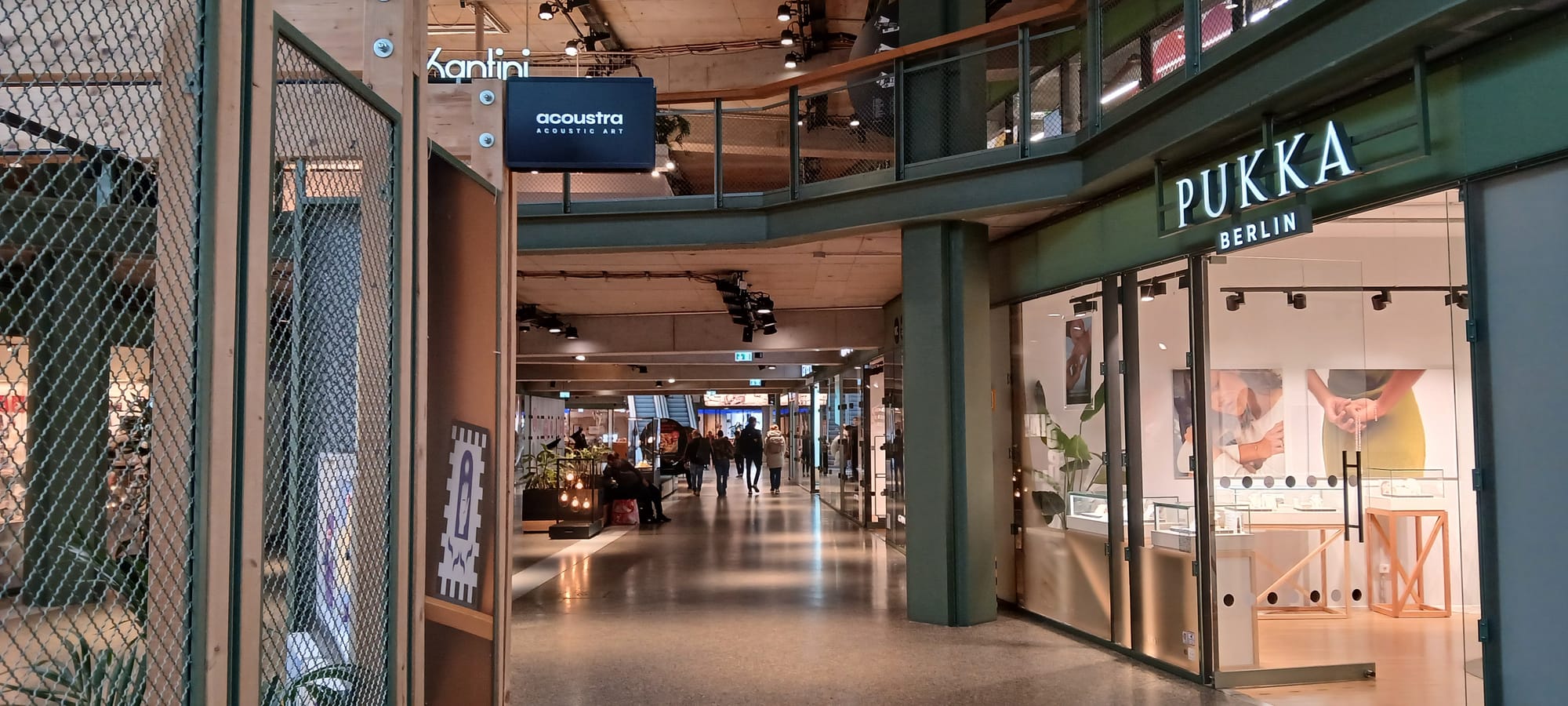
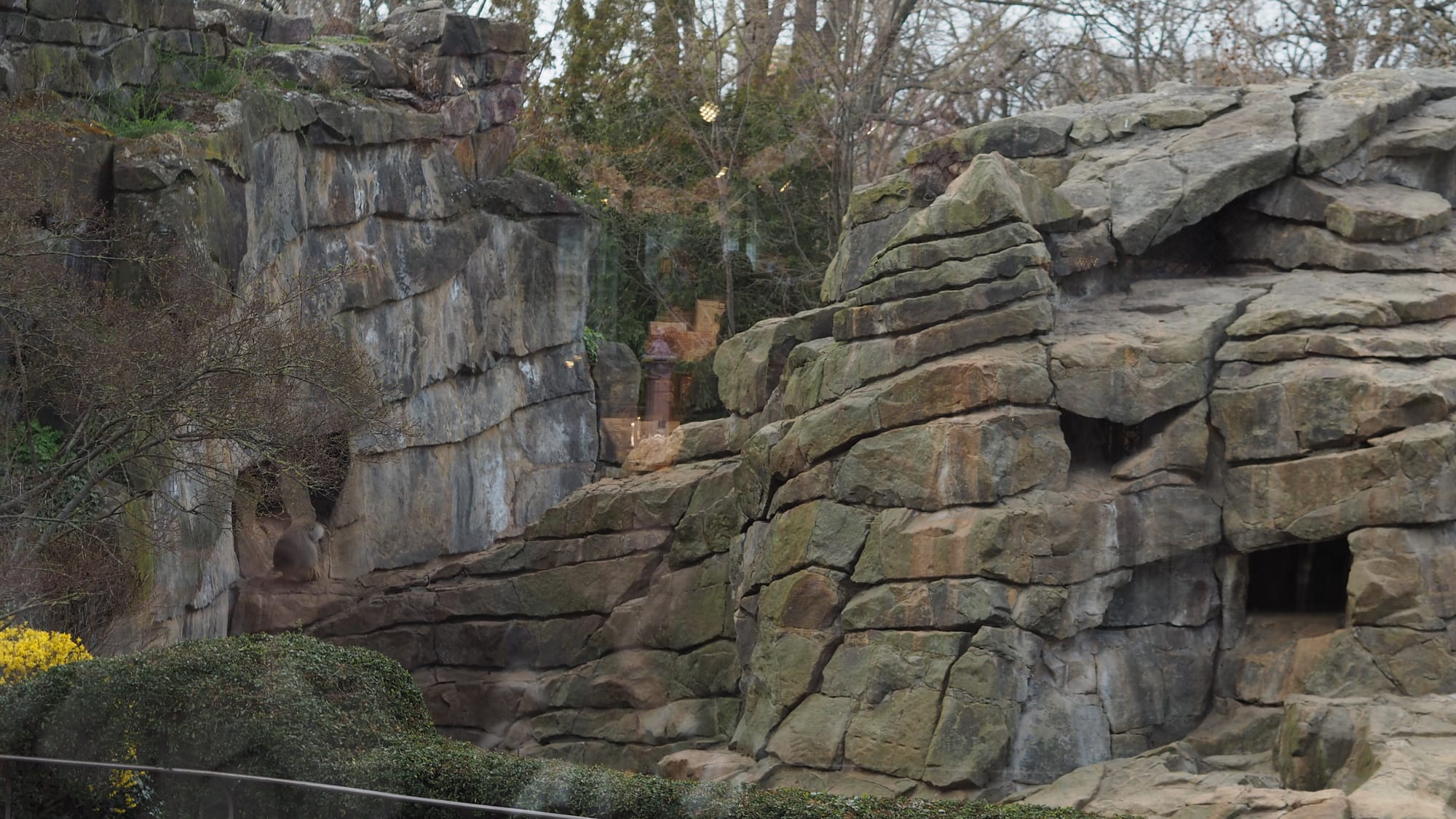
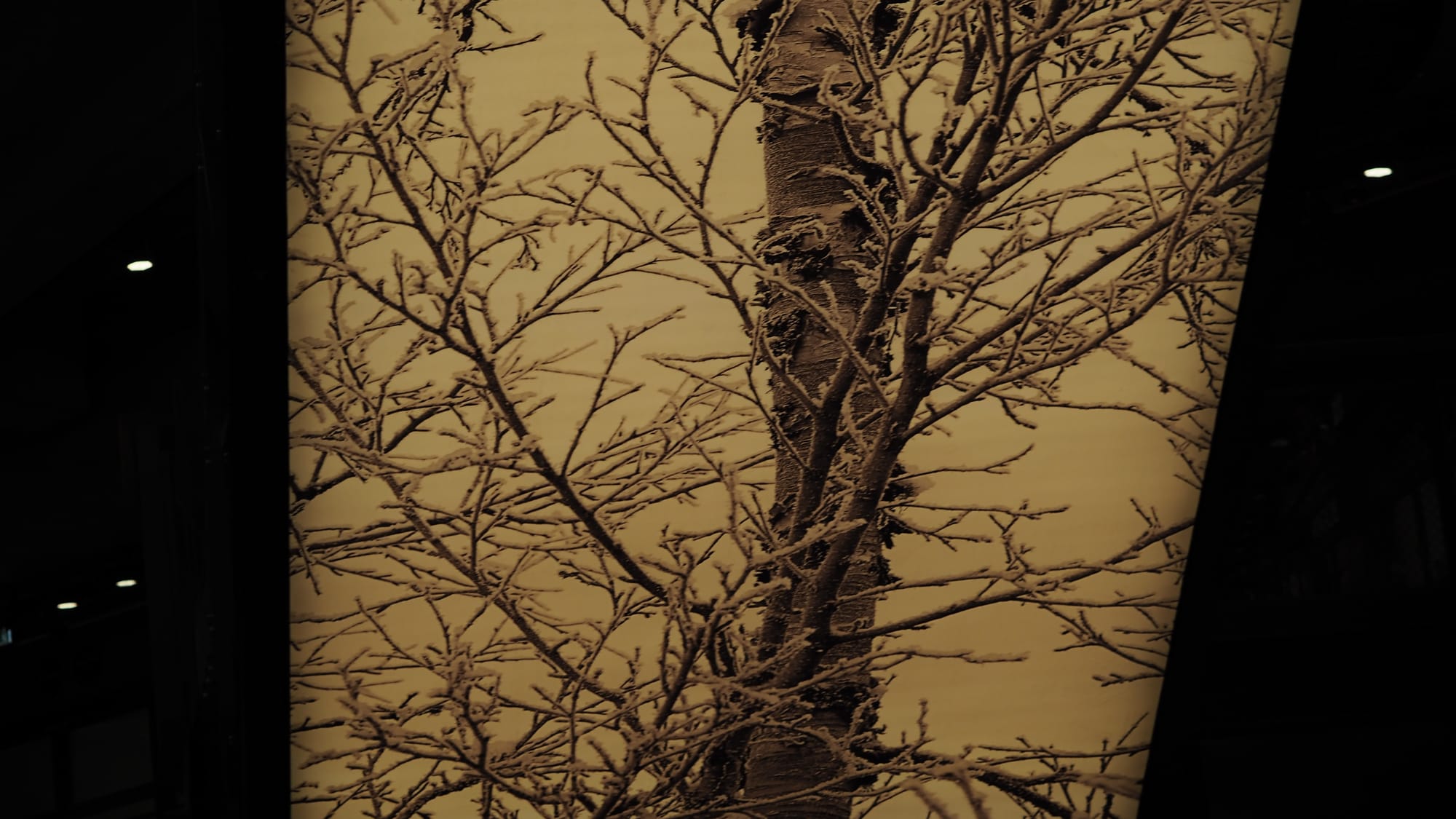
- to far left, a baboon, this shot through the picture window of a café in Bikini Haus, looking into the zoo
Two branches of fashion represented therein, Japanese punky-manga and repurposed retro punk, except for the Japanese influence, not inconsistent with the fashion of 1982. The repurposed stuff is sometimes too try-hard, one suit-pant leg removed, jackets chopped and torn, or spray-painted.
A reminder:
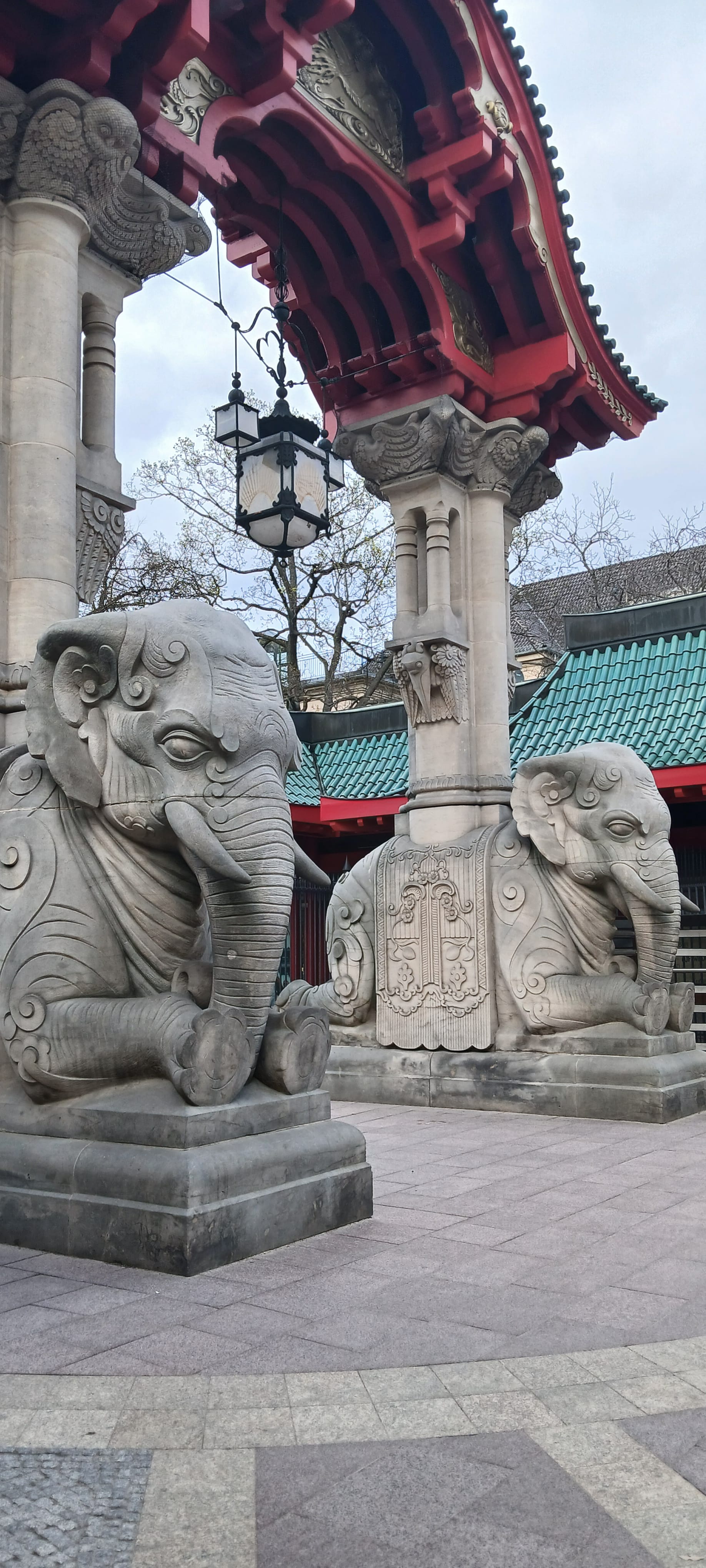
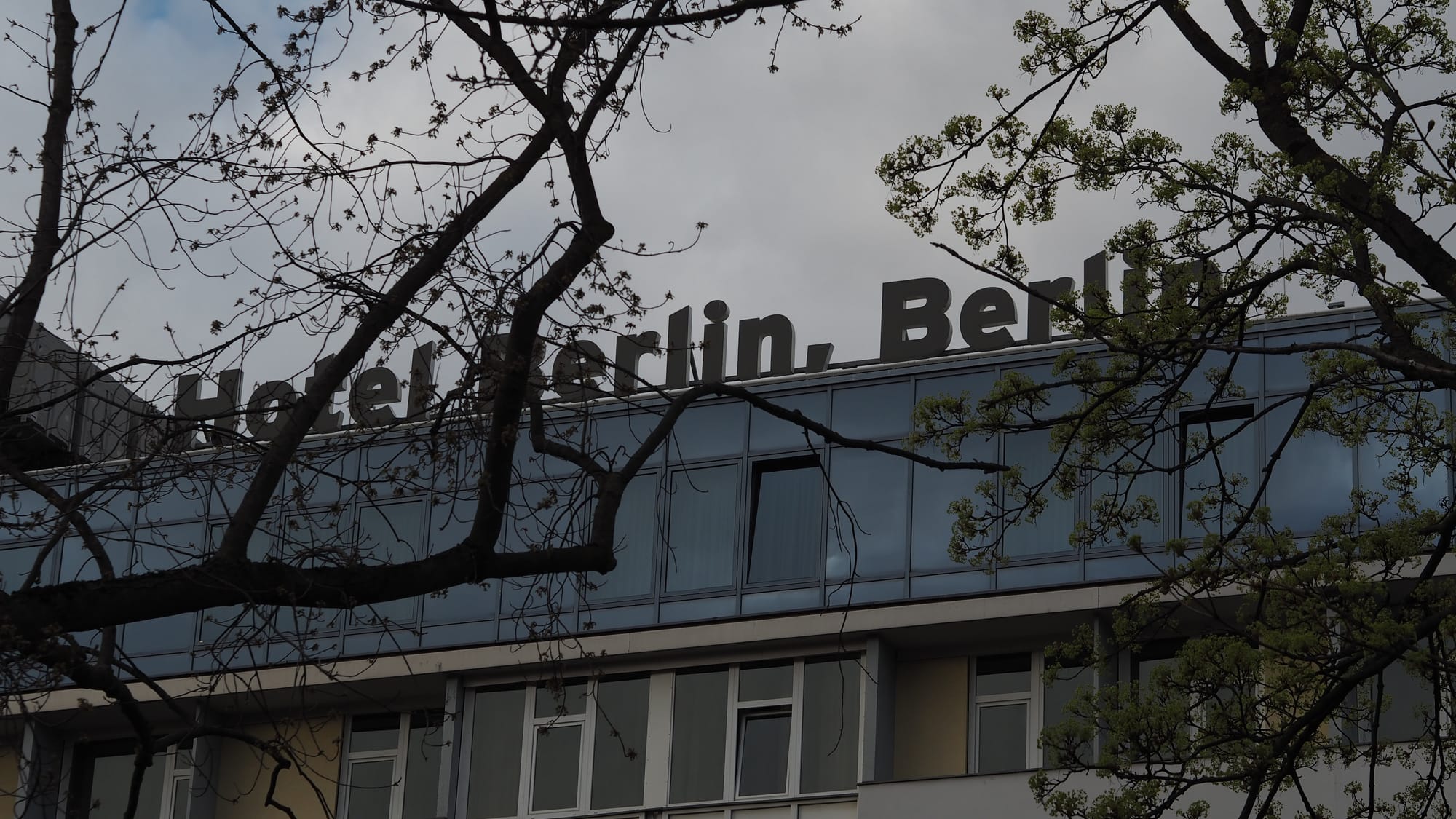
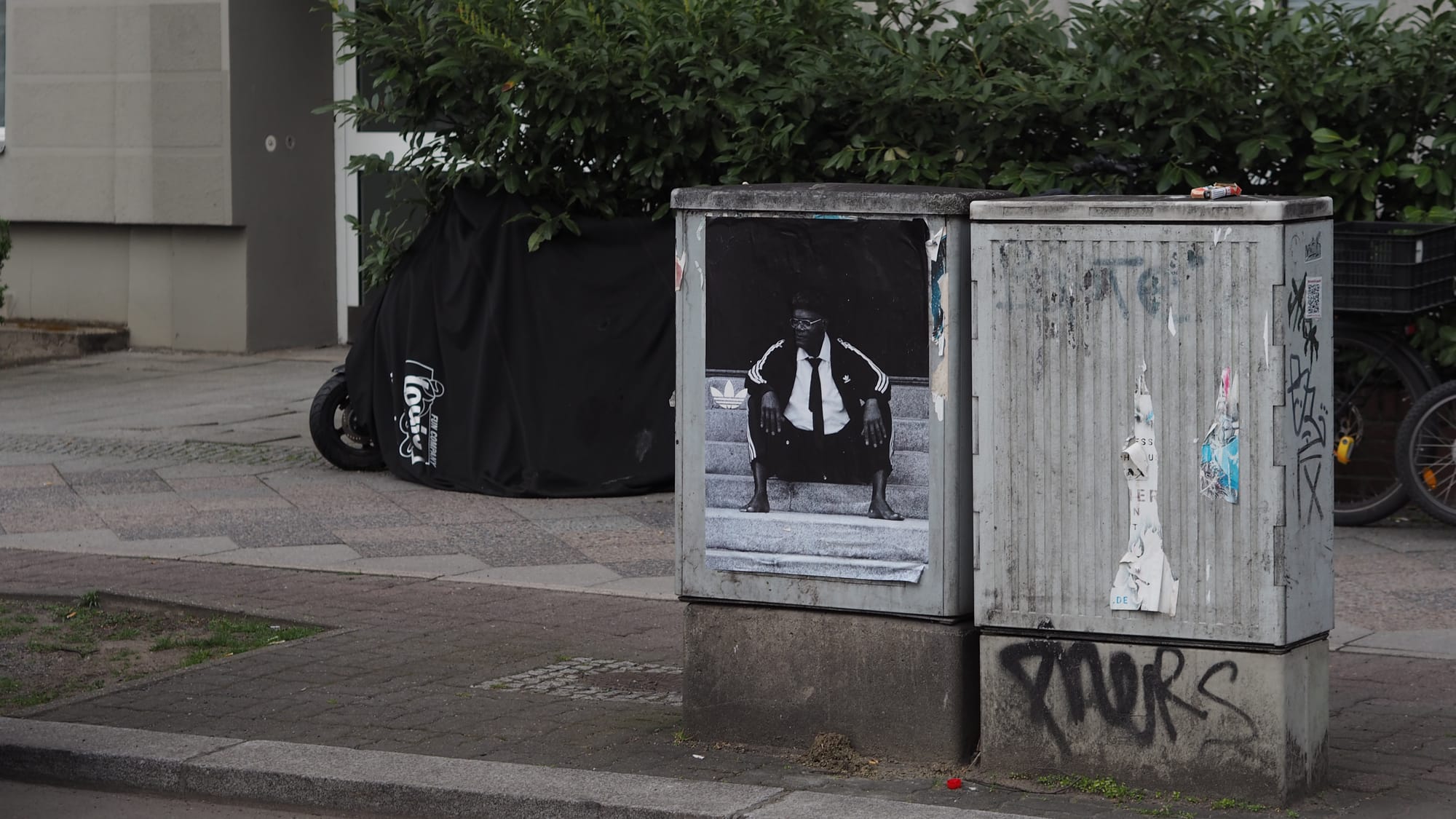
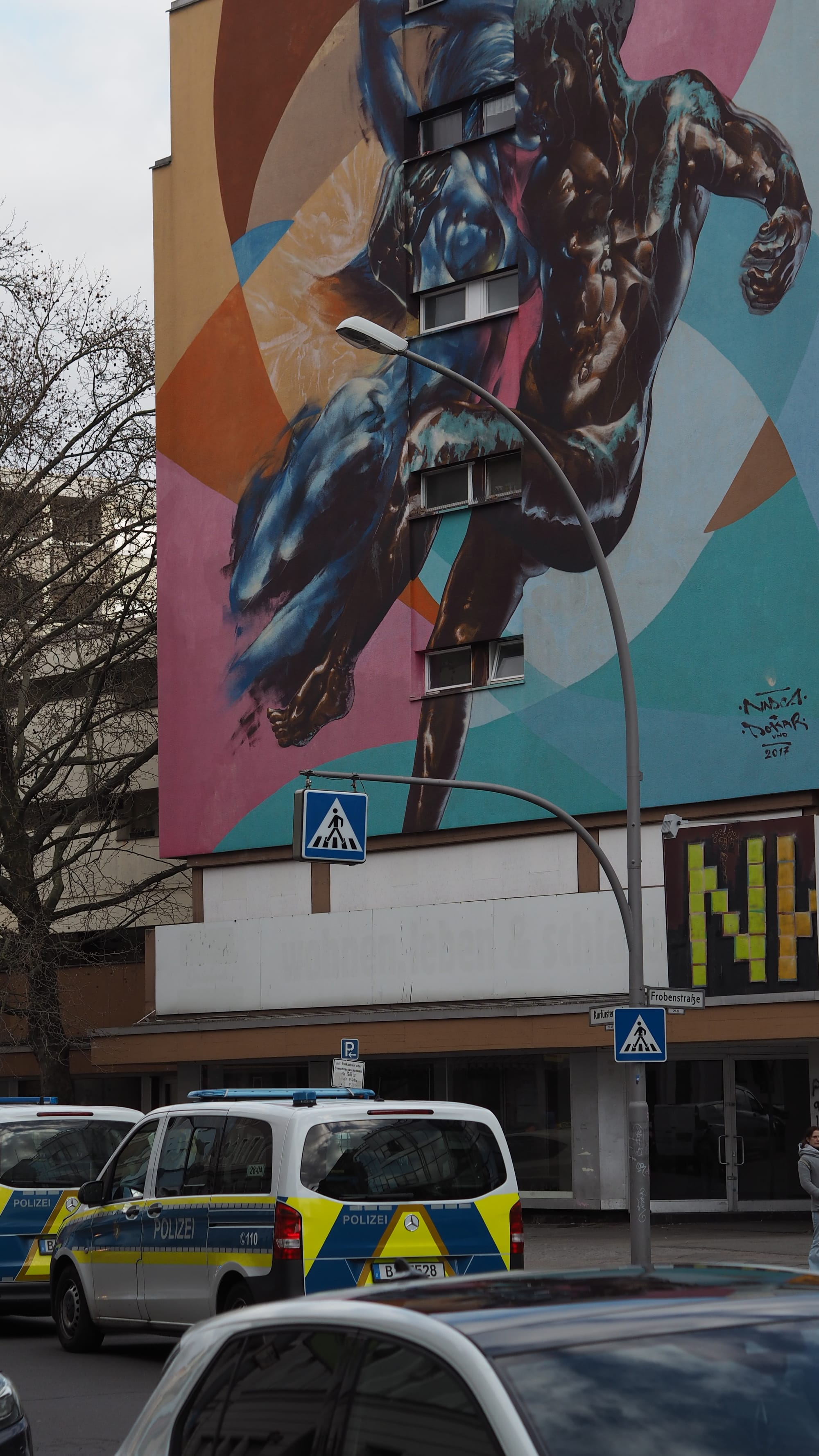
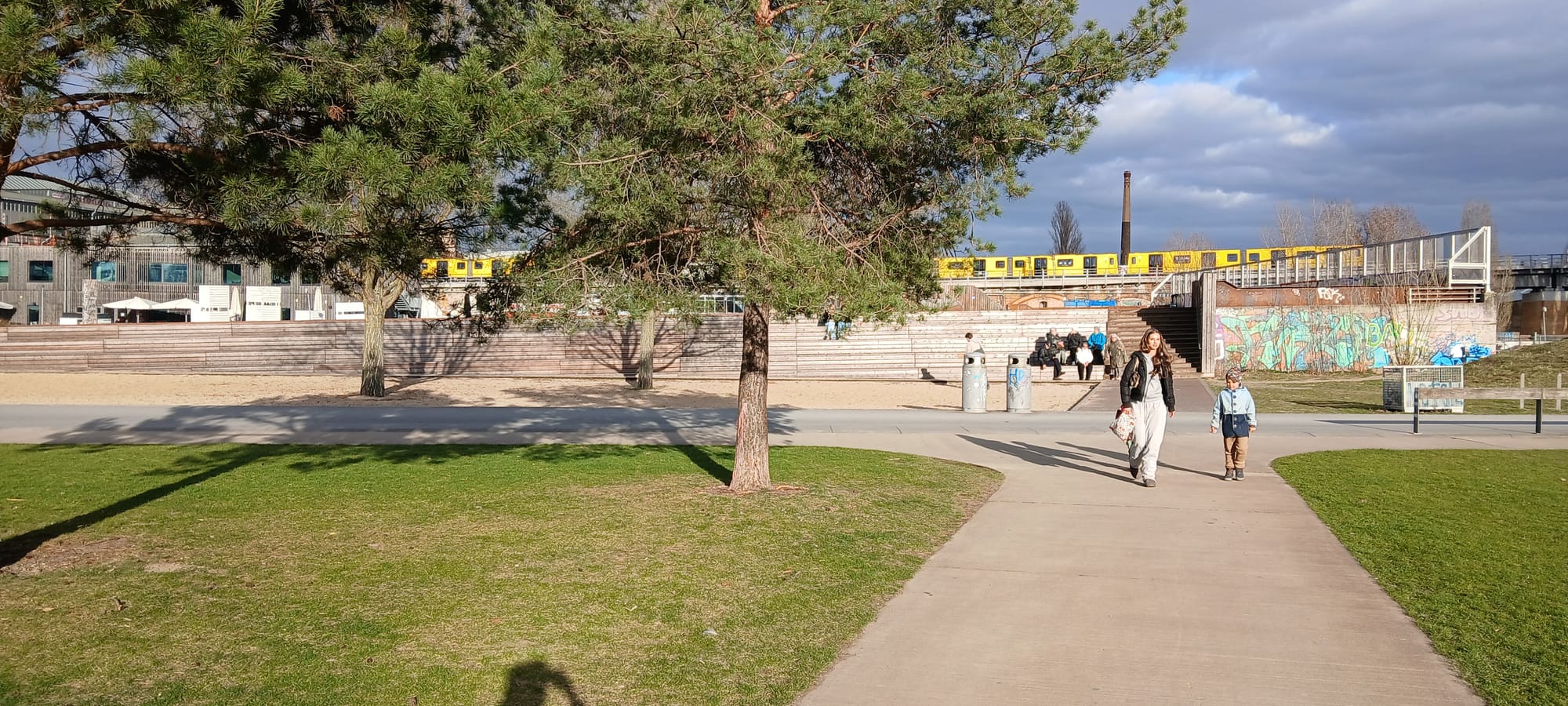
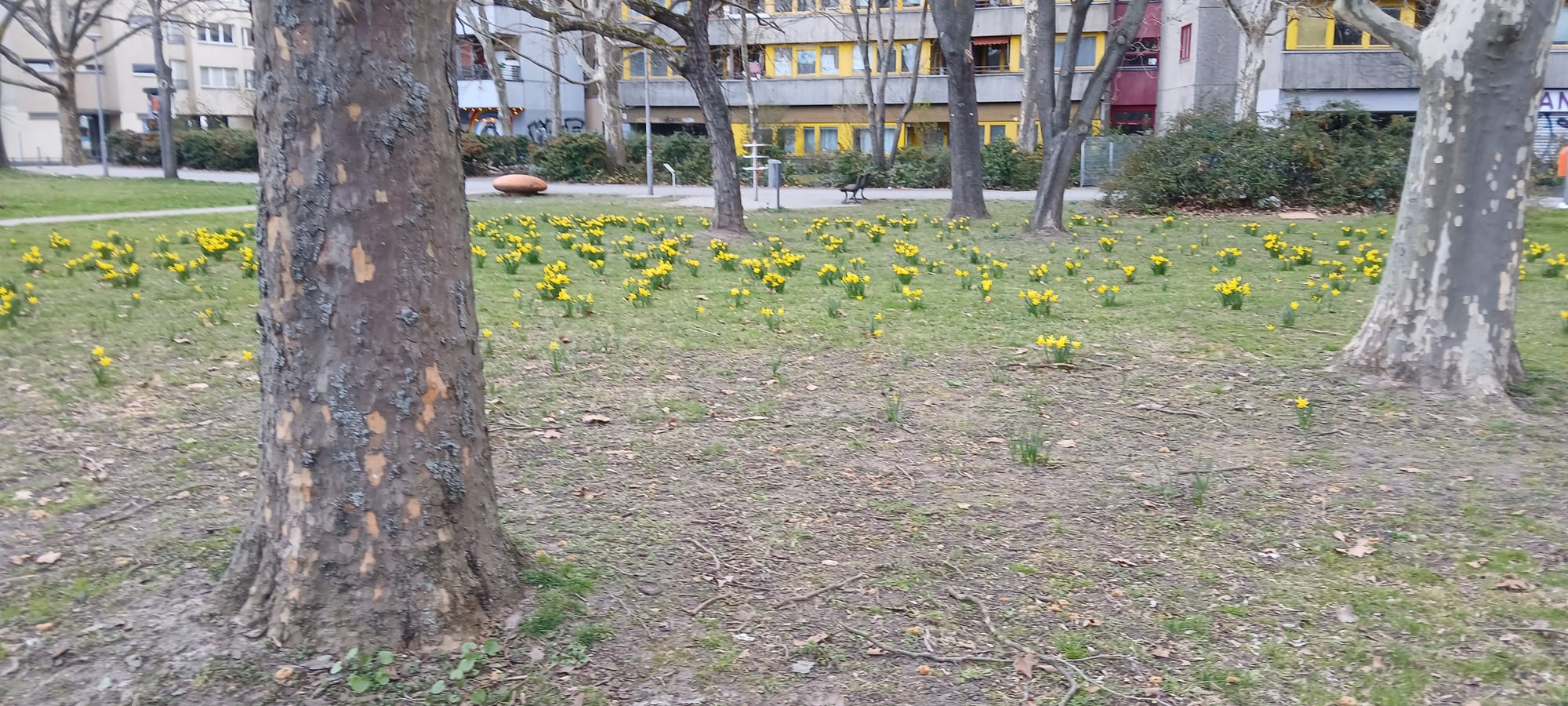

- the actual entrance to the actual zoo; followed by snaps along the route home; Berlin so good they didn't name you twice, which we'd passed on the way into the midst-of, and, at the time dying for a pee, approached a kindly motel concierge who gave us leave to descend to the basement. The basins had India-derived patterns projected onto them; and a sweet-potato who has had some work done
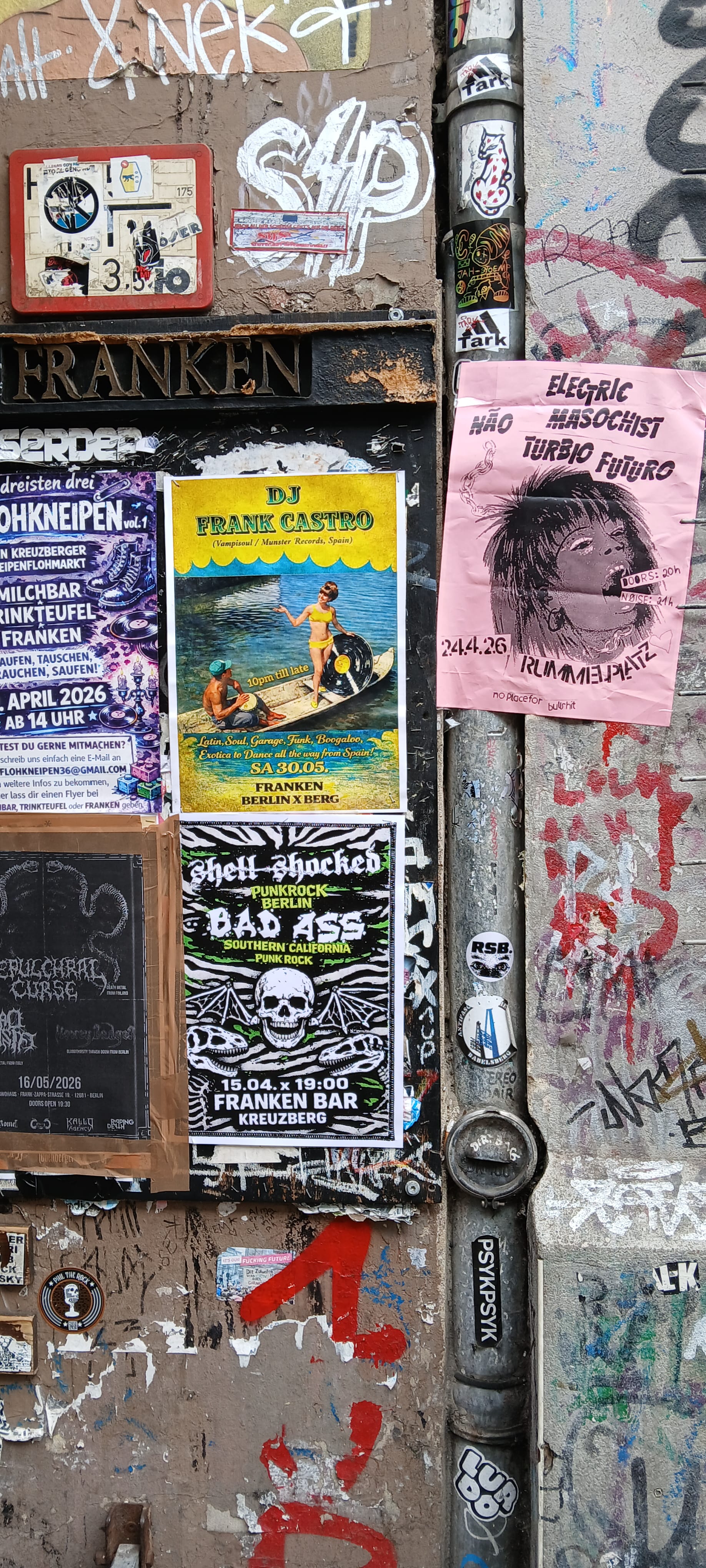
Punk & Woke
might be the definition of Berlin. They seem strange bed-fellows. '79 to '82 the scene in UK went from pimples, self-abuse by raspberry-bun, to self-destructive impulses played out by razor-blade; absolutely not acted out. I have harboured since that time a horror of the performative. I find Judith Butler's line on gender performativity an offence against bad taste.
The German scene differed, even then. The guys with the sharpest foot-high mohawks, entering class late, apologised. They needed the time to set their hair with soap. Sex, I think it's The Young Ones, was boring hippy bullshit. The smack made it difficult. I met the cutest lesbians and they led me to their big brass bed in a Berlin squat. They laughed and shut me out. Marijuana for me still has the scent of nostalgia. Today the scene is politically performative. It seems to be permissive and is at the same time judgemental.
Times differ in their knowingness. Politics has an historical element it's hard, through internet and social platform exposure, to dissimulate. History can be taught. Political engagement, through the historical engagement of the young, is always to be encouraged and commended.
Hamburger Bahnhof
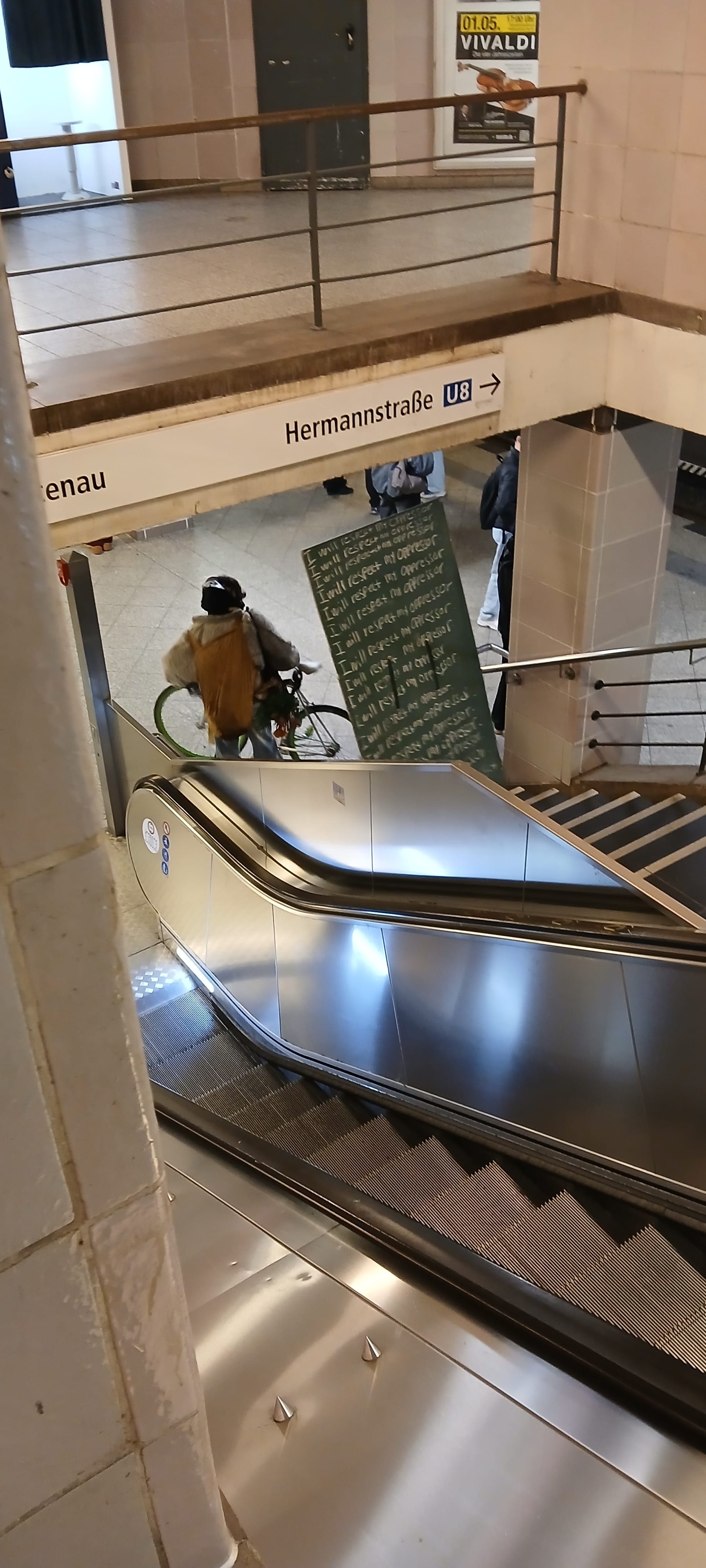
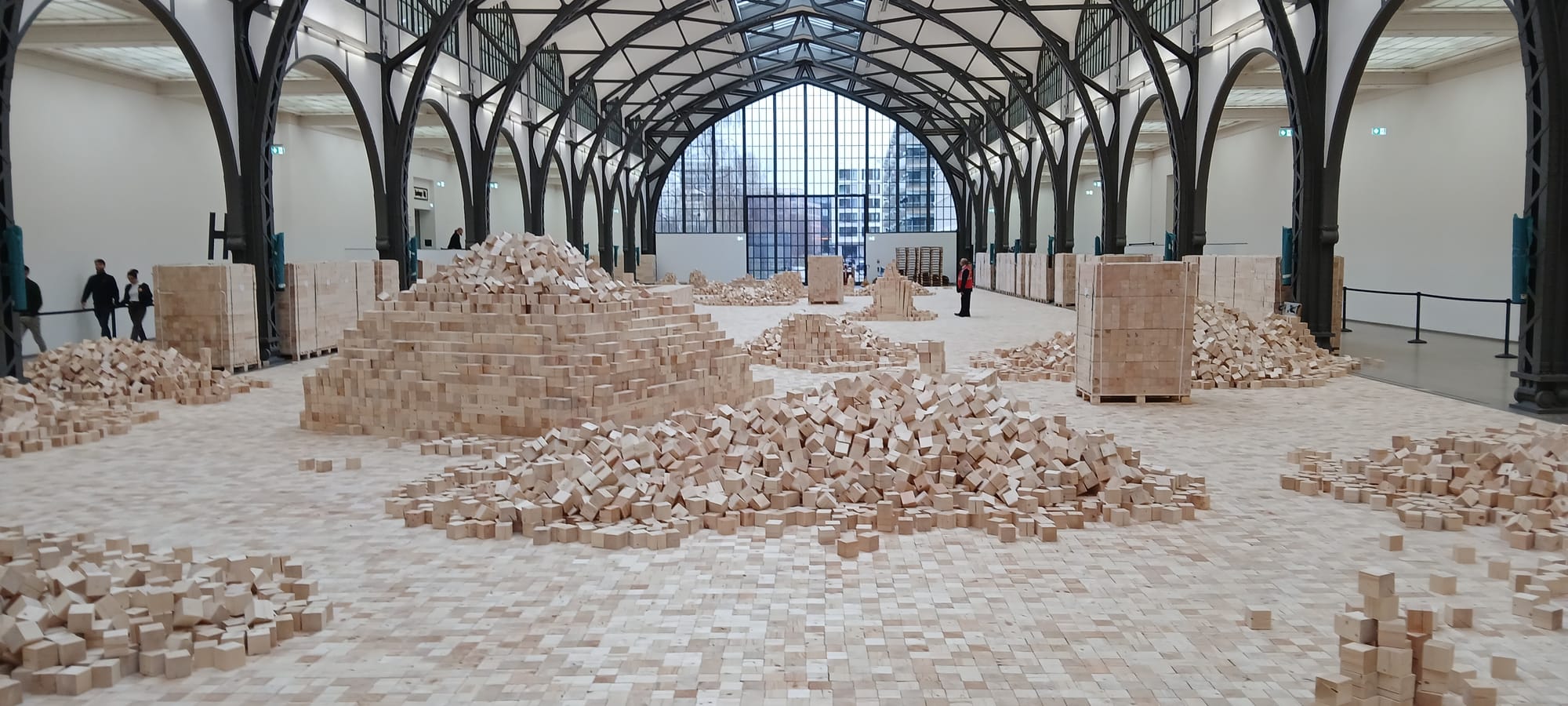
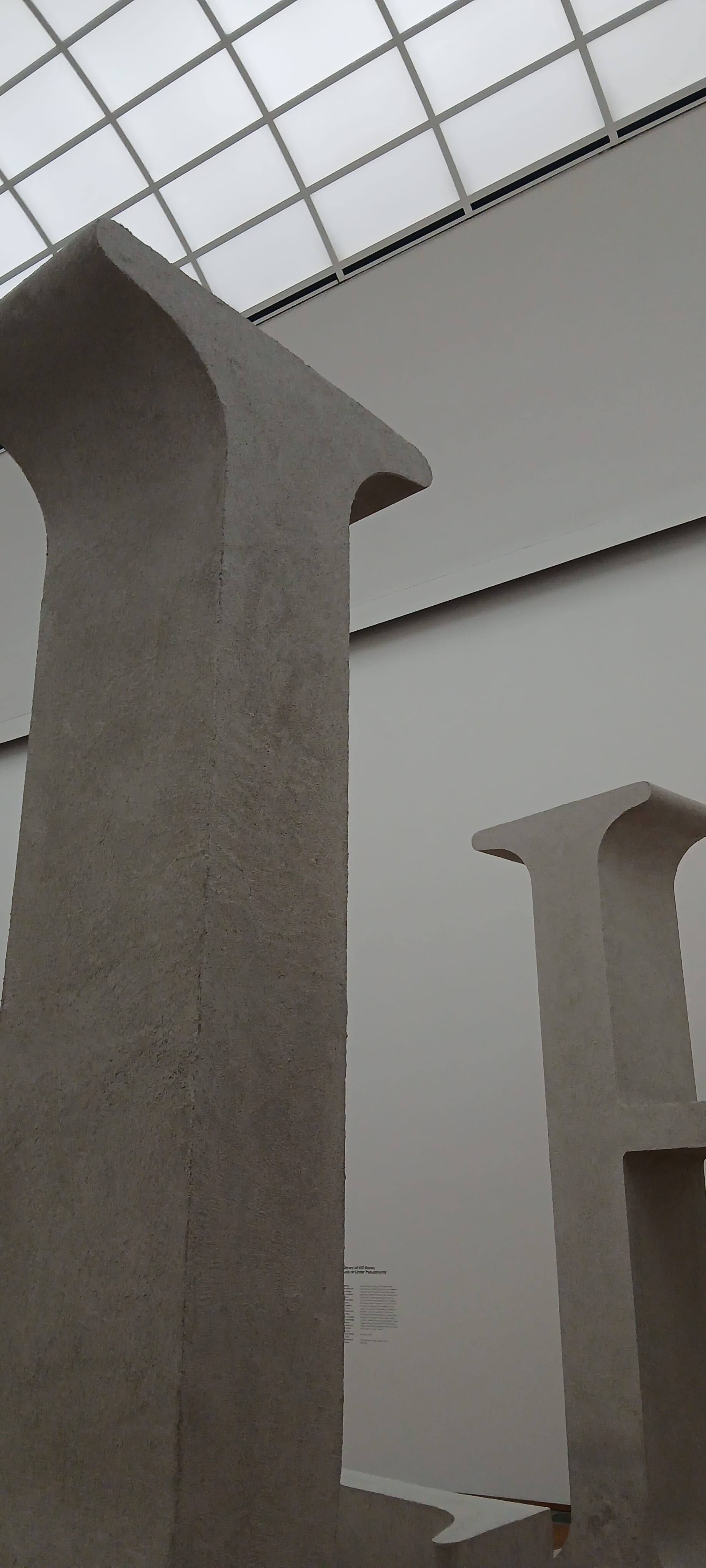
A favourite gallery, here featuring the work of Petrit Halilaj, the theatrical installation, who the blocks are done by, for and what, at this point unknown, but the mirror with neon is by Monica Bonvicini, the Jeremy Shaw piece, Phase Shifting Index, 2020, is a phenomenon we are revisiting (soundtrack available bandcamp), Shilpa Gupta for the giant text and pseudonym works, and Giulia Andreani's wonderful monochromes and blown glass pieces:
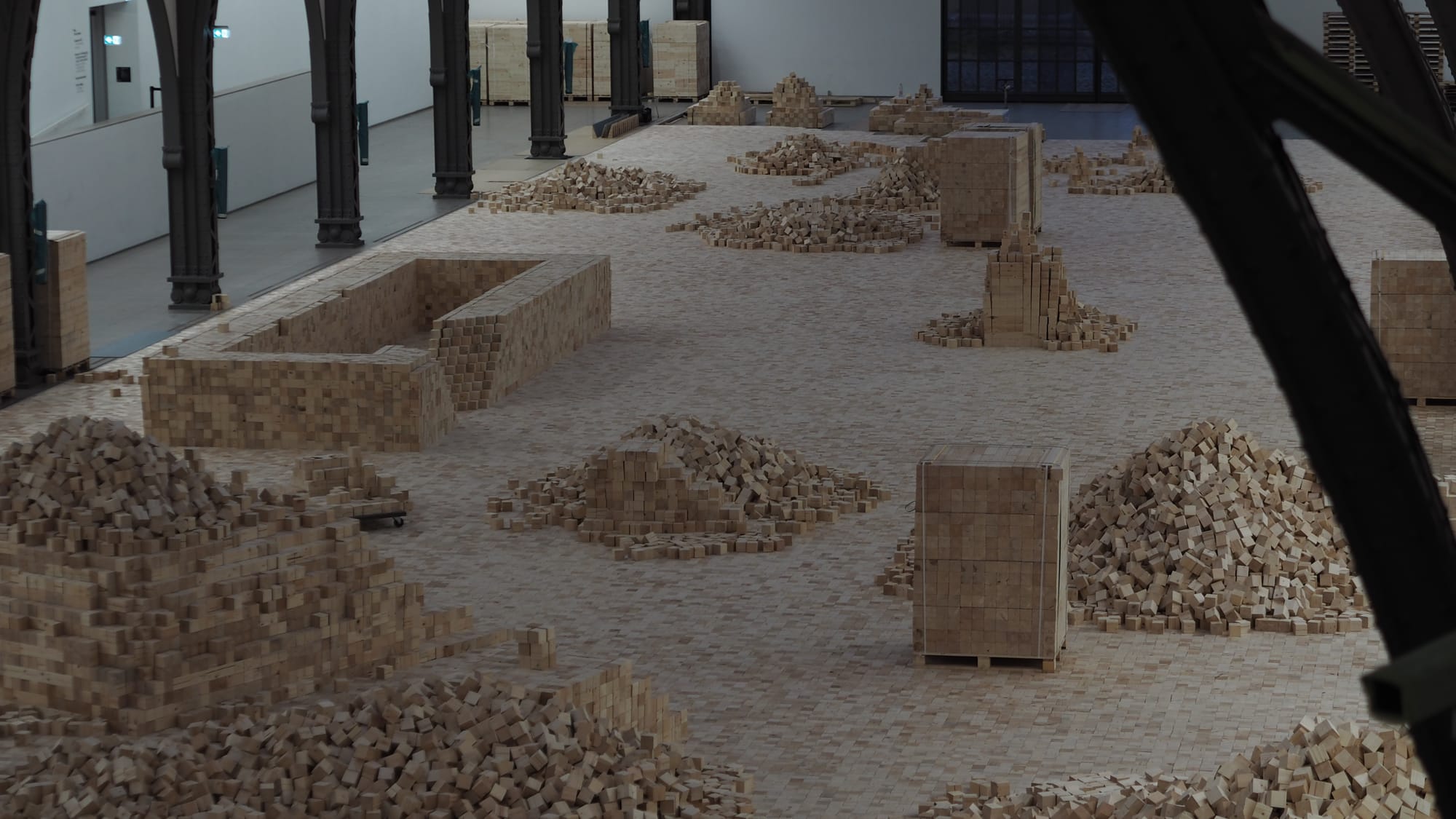
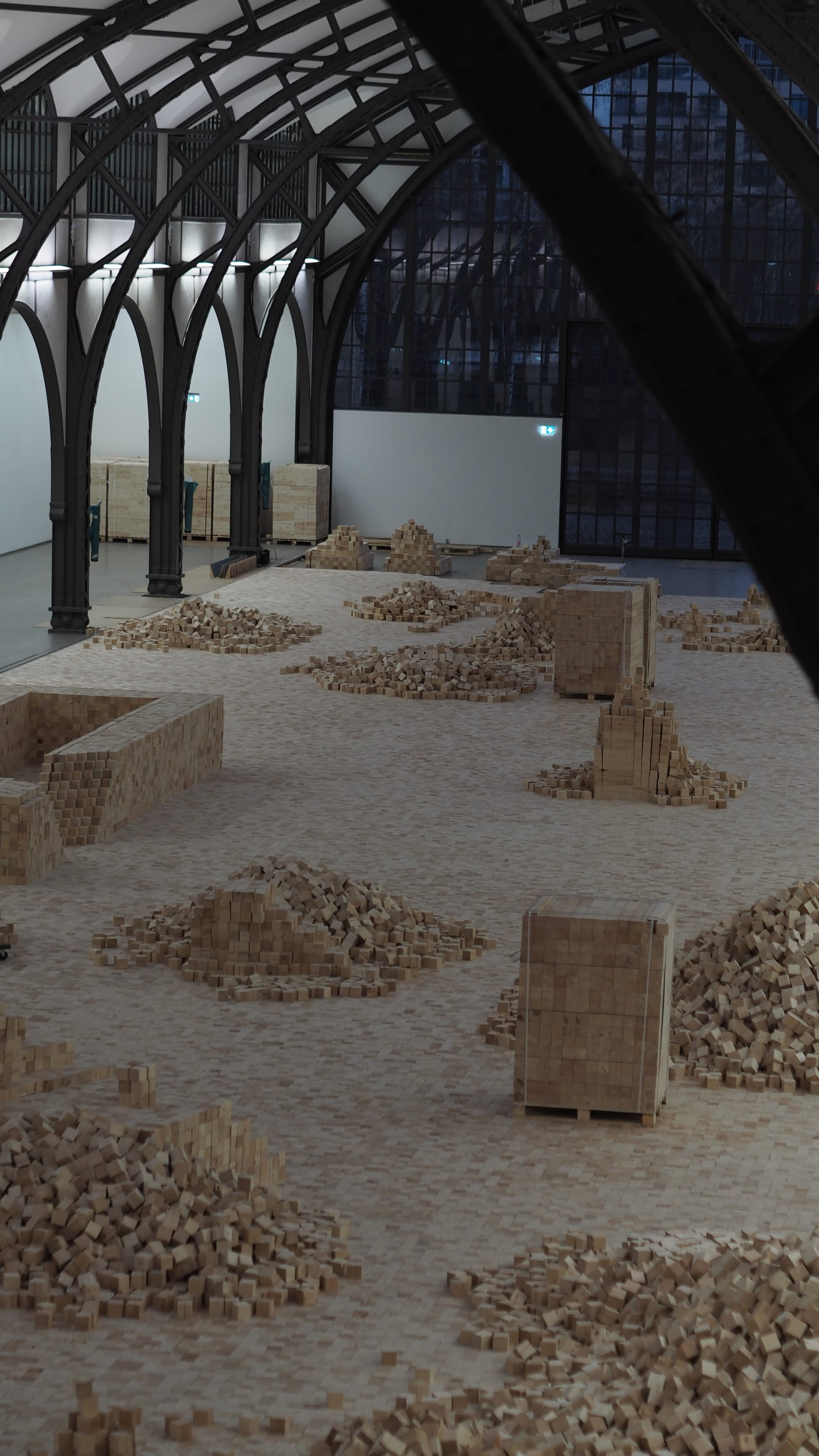
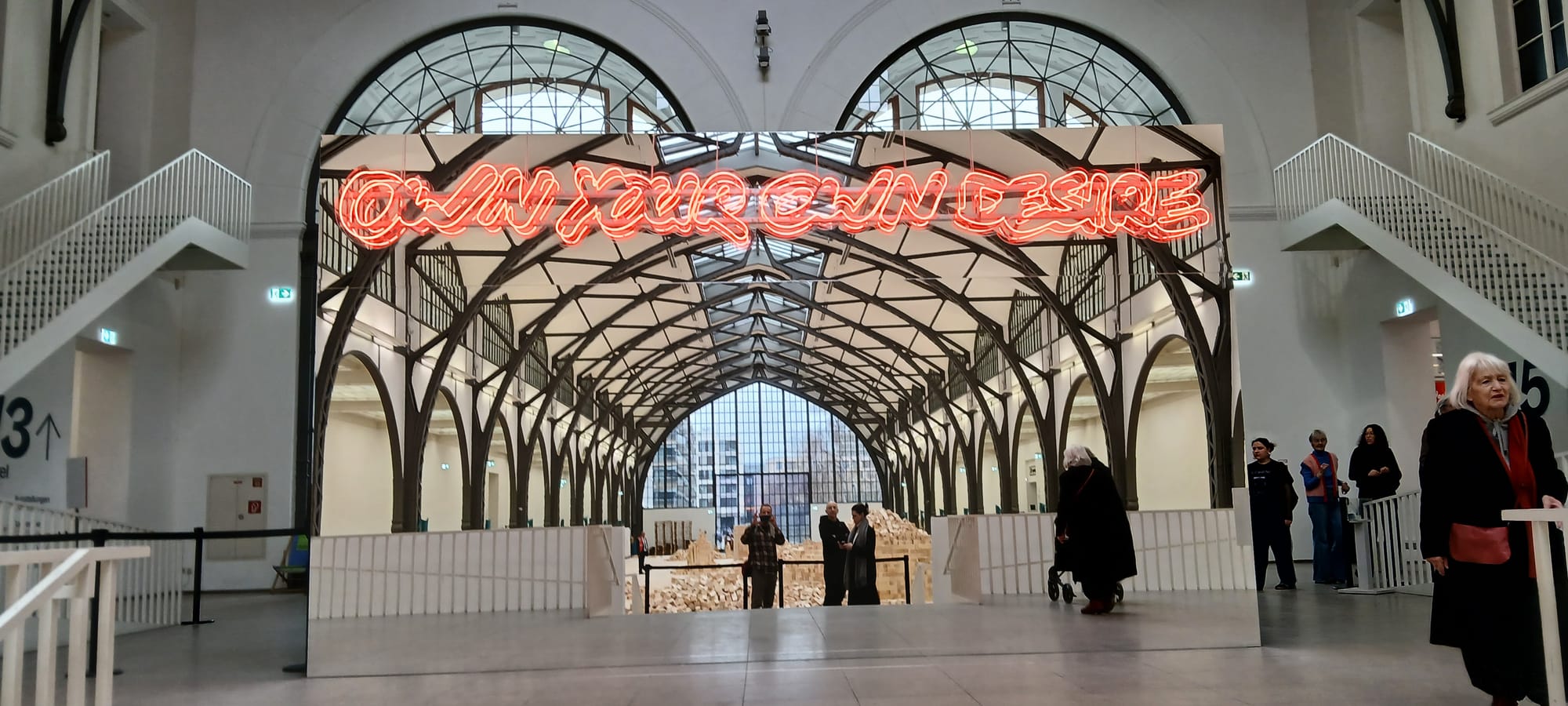
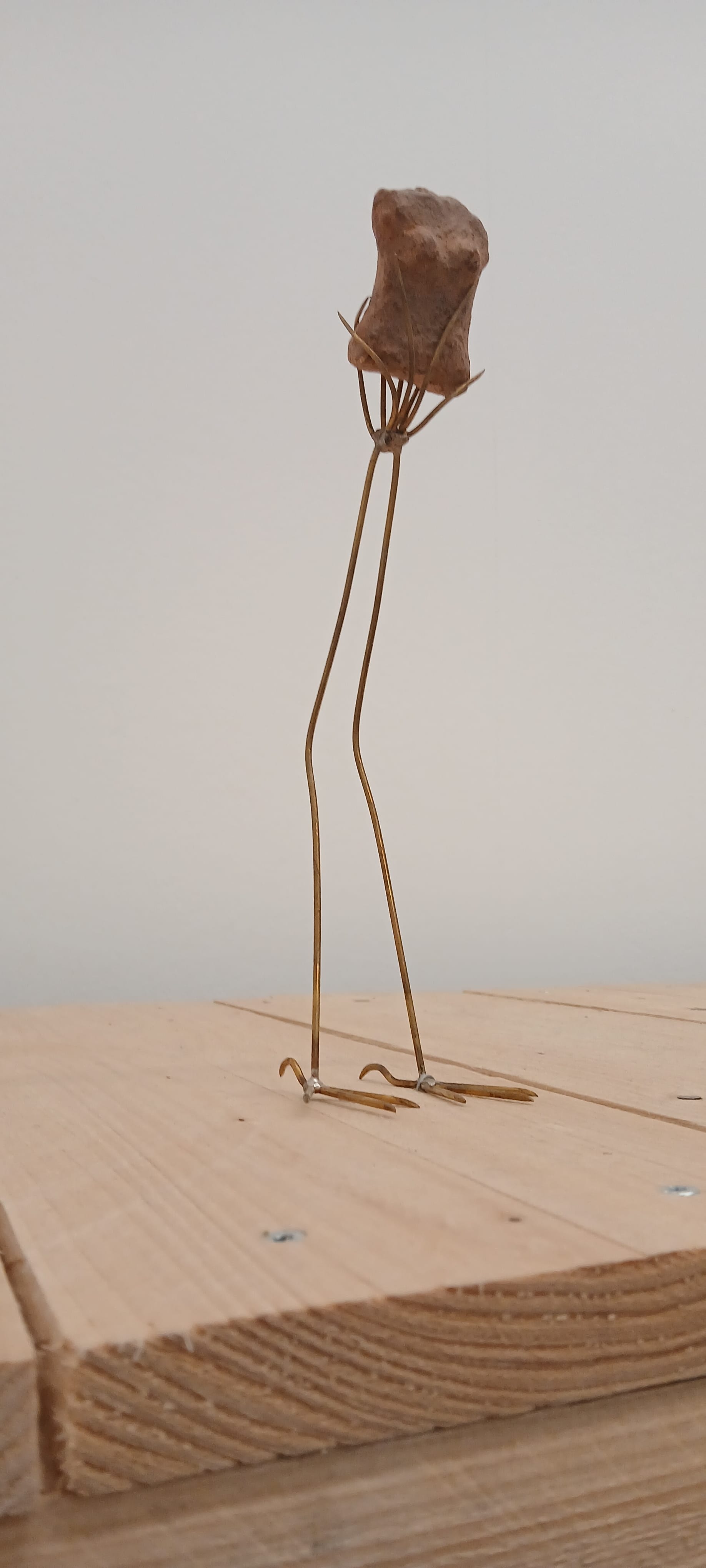
- how to gain traction for a work: once as opera, twice as installation
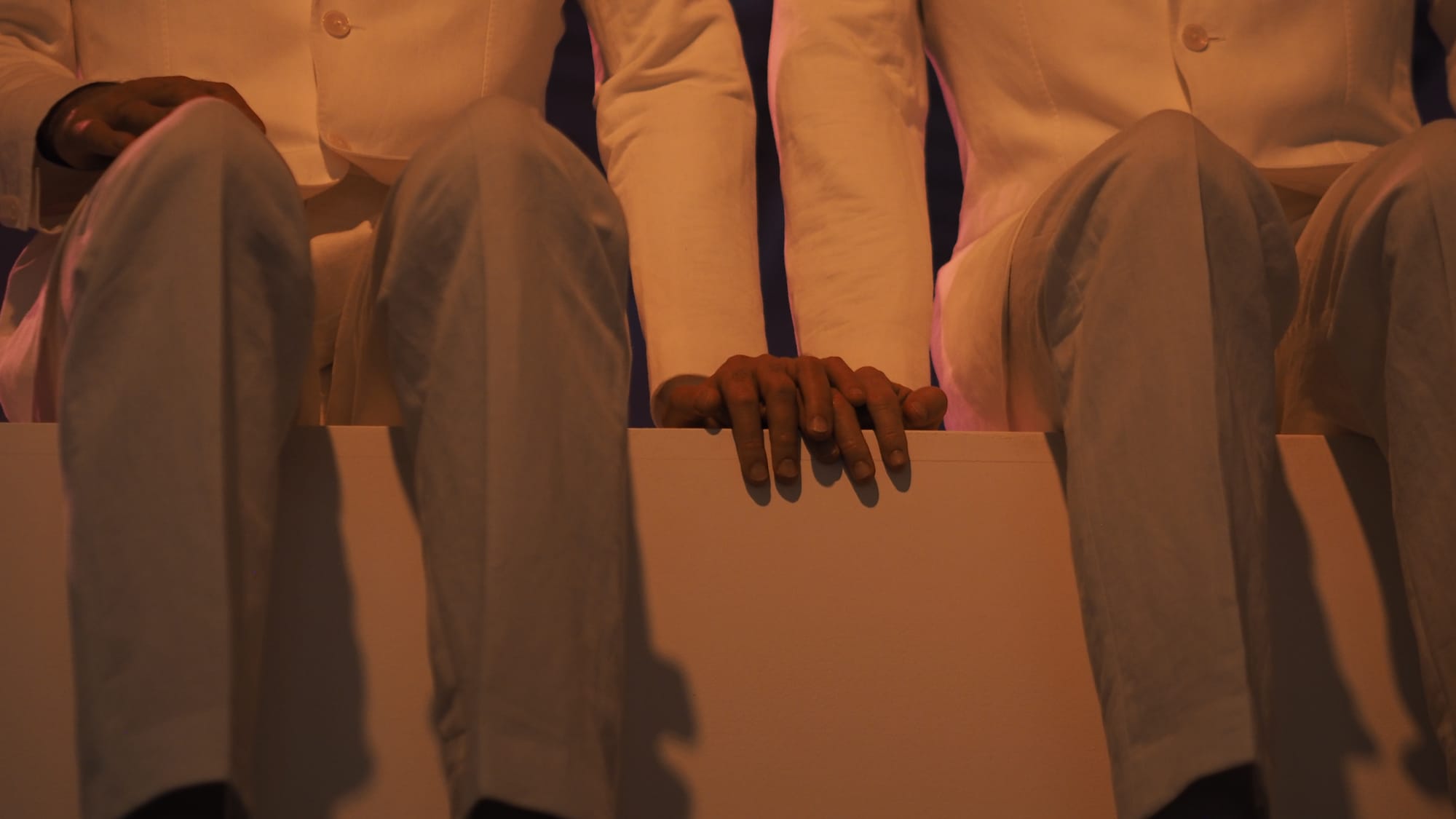
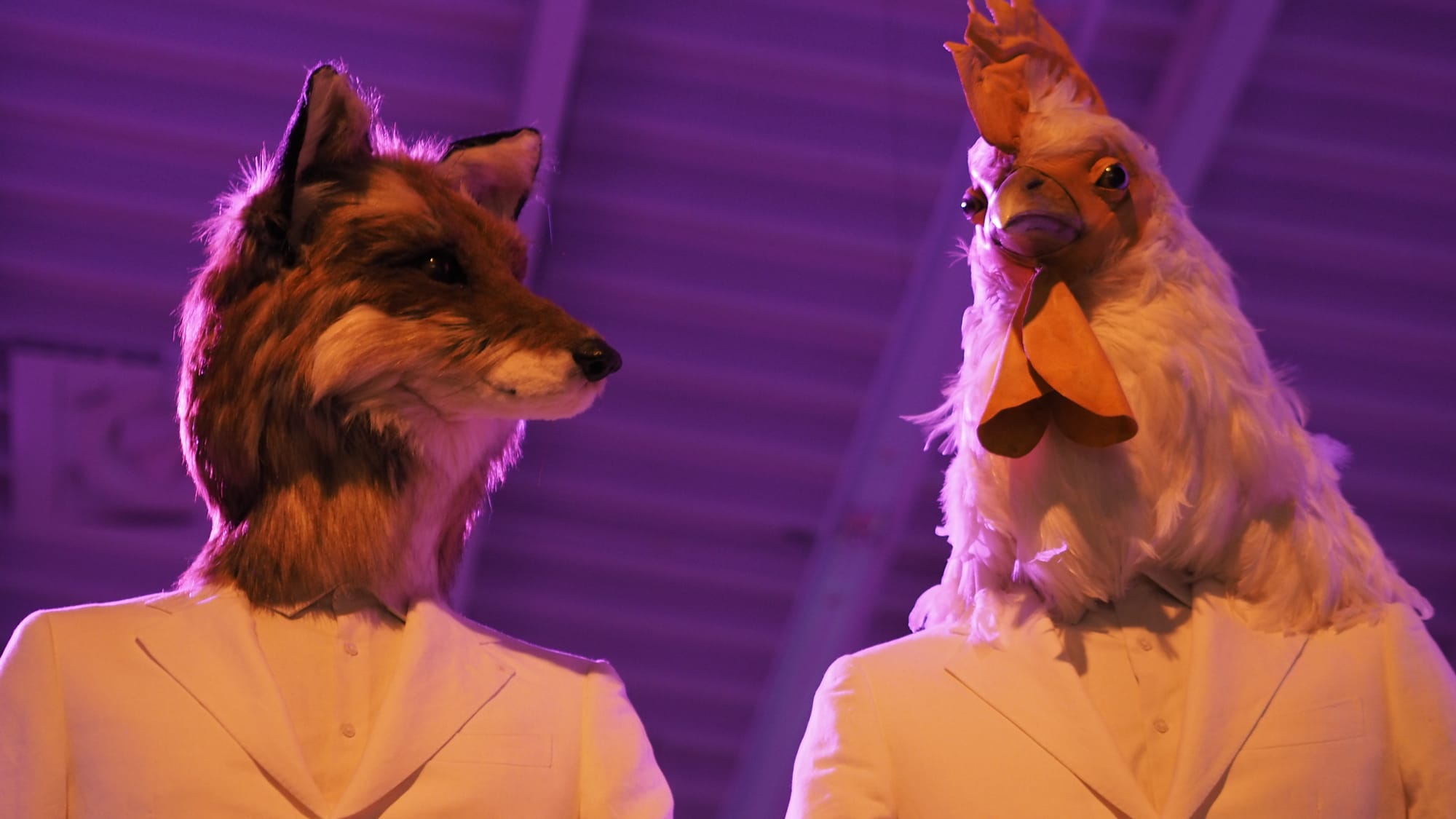
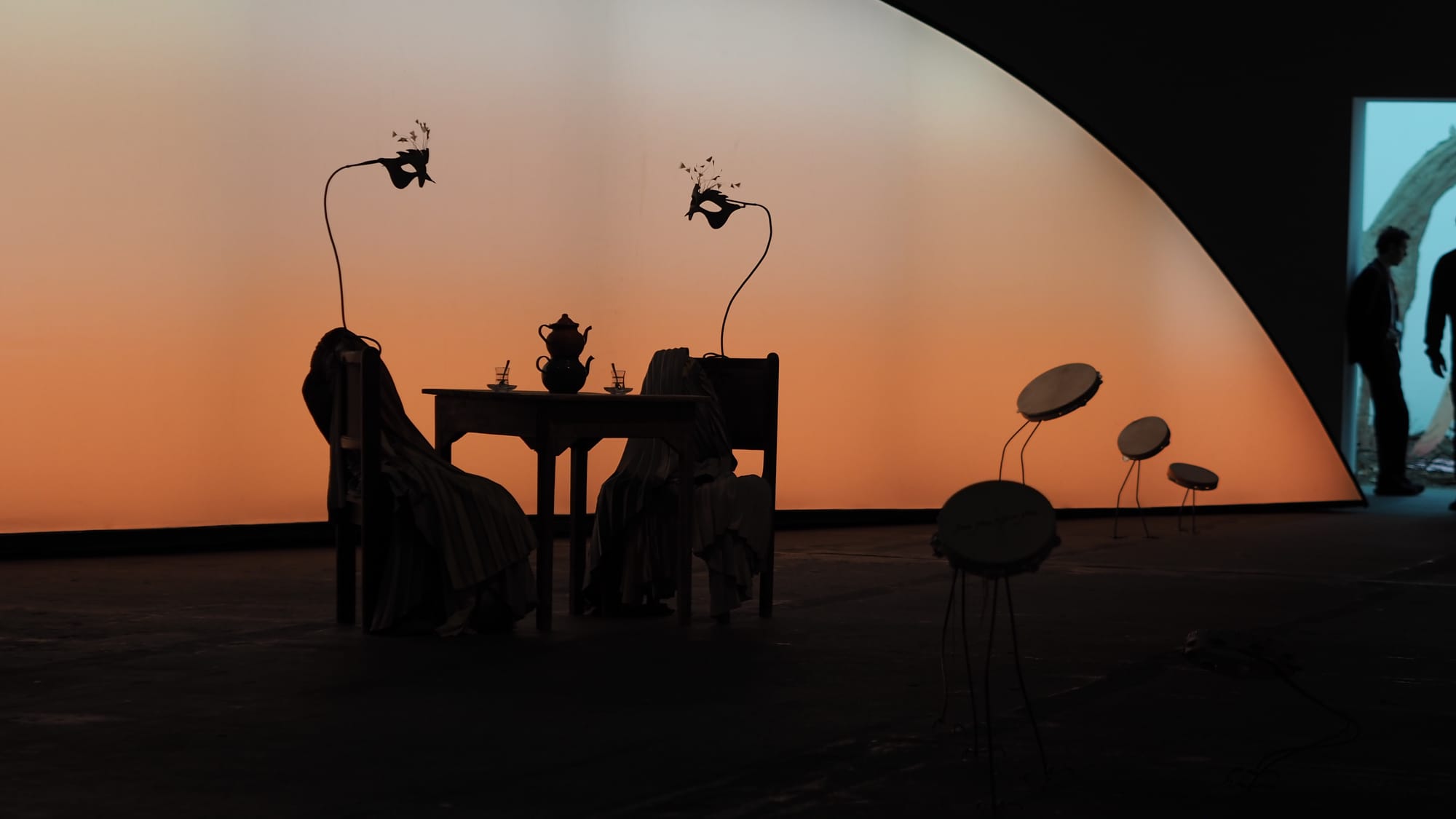
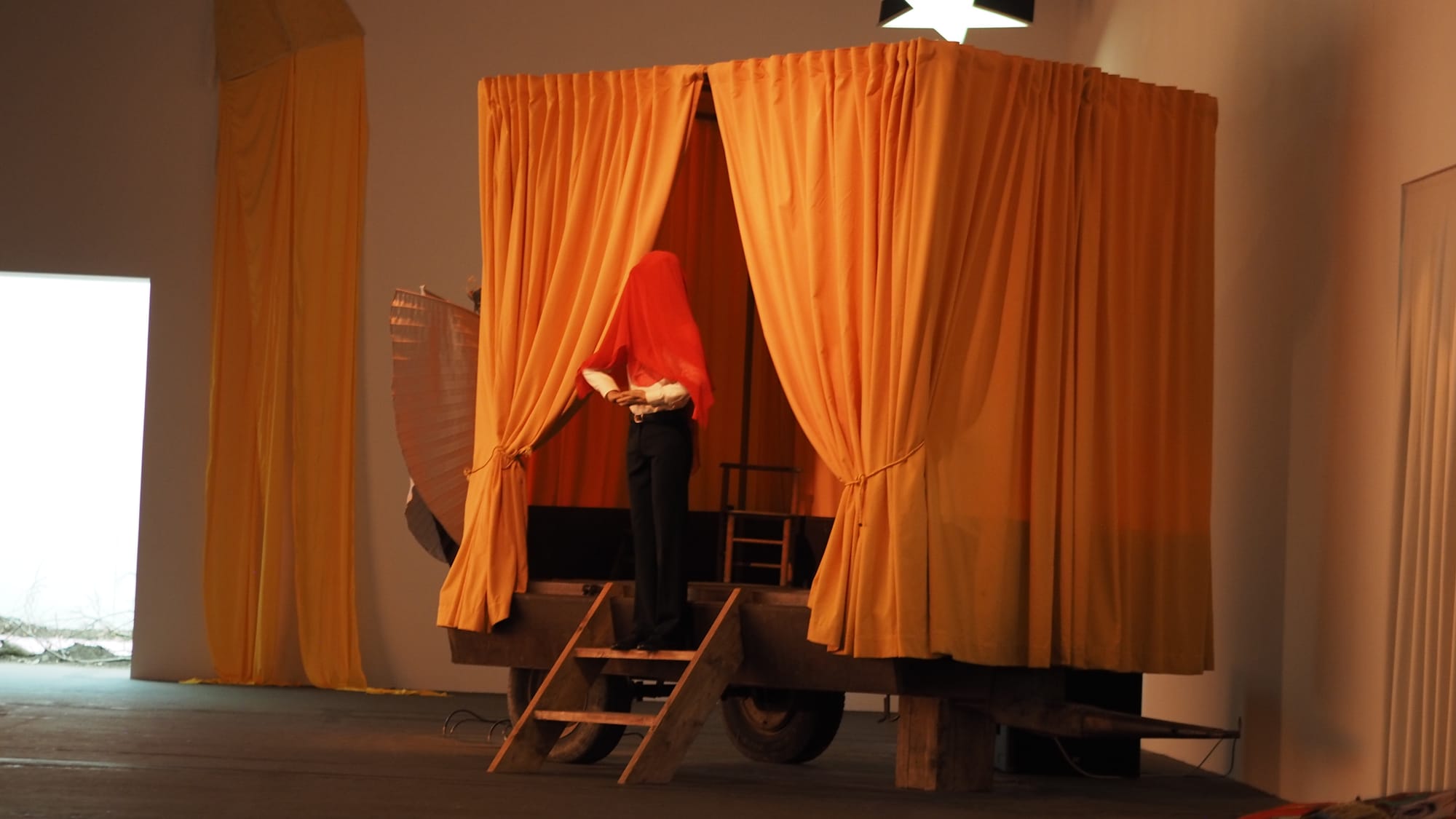
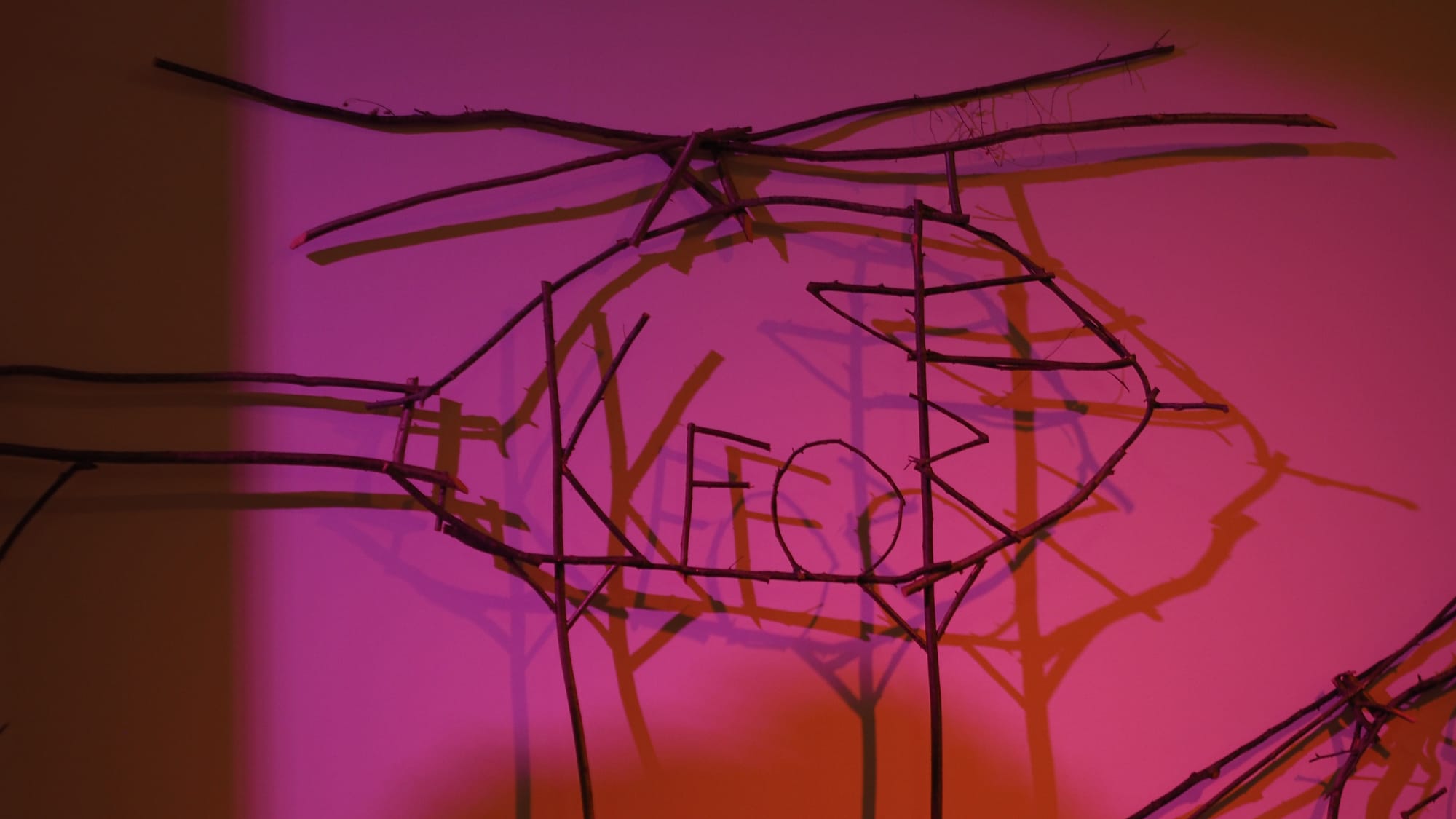
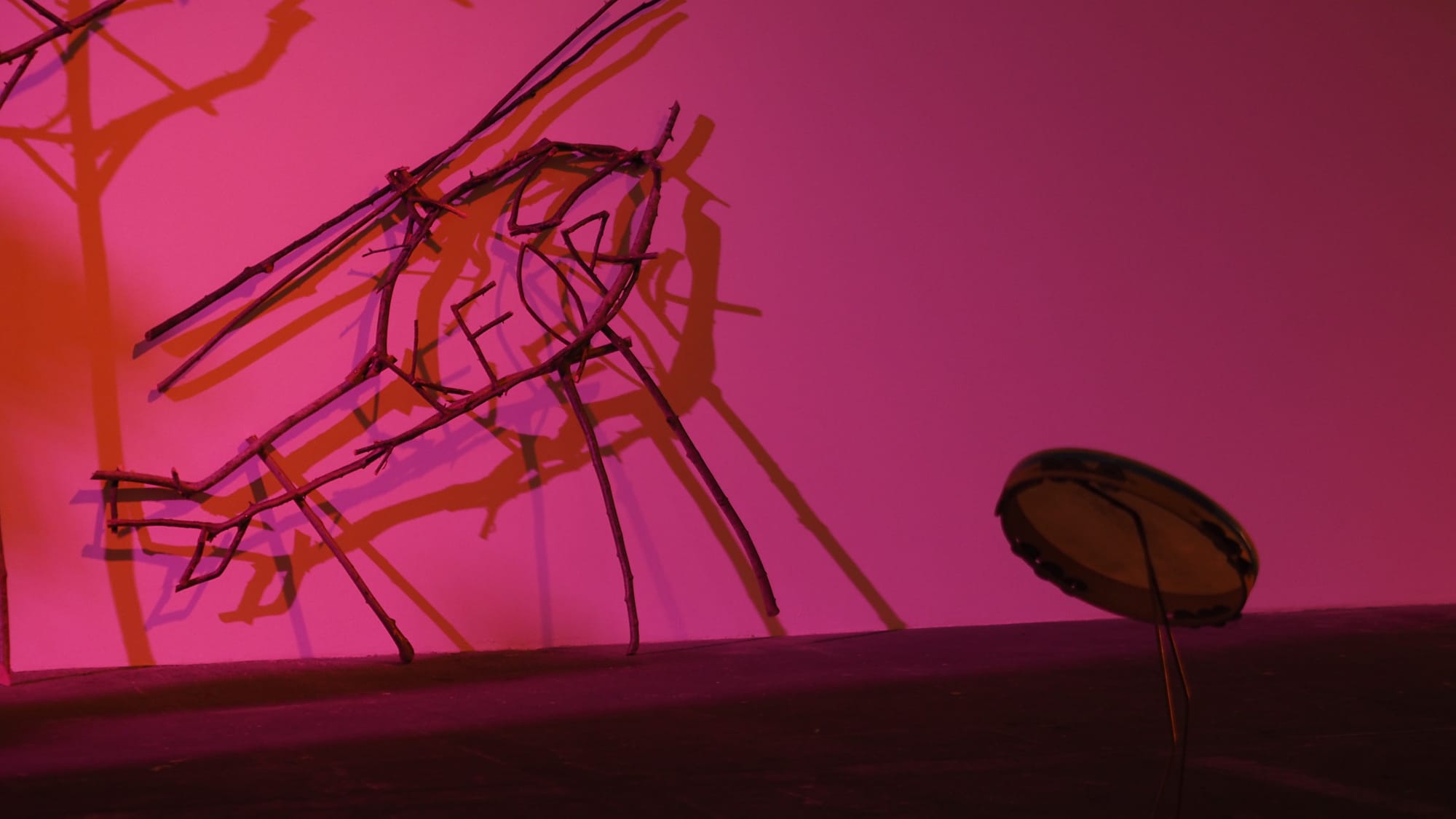
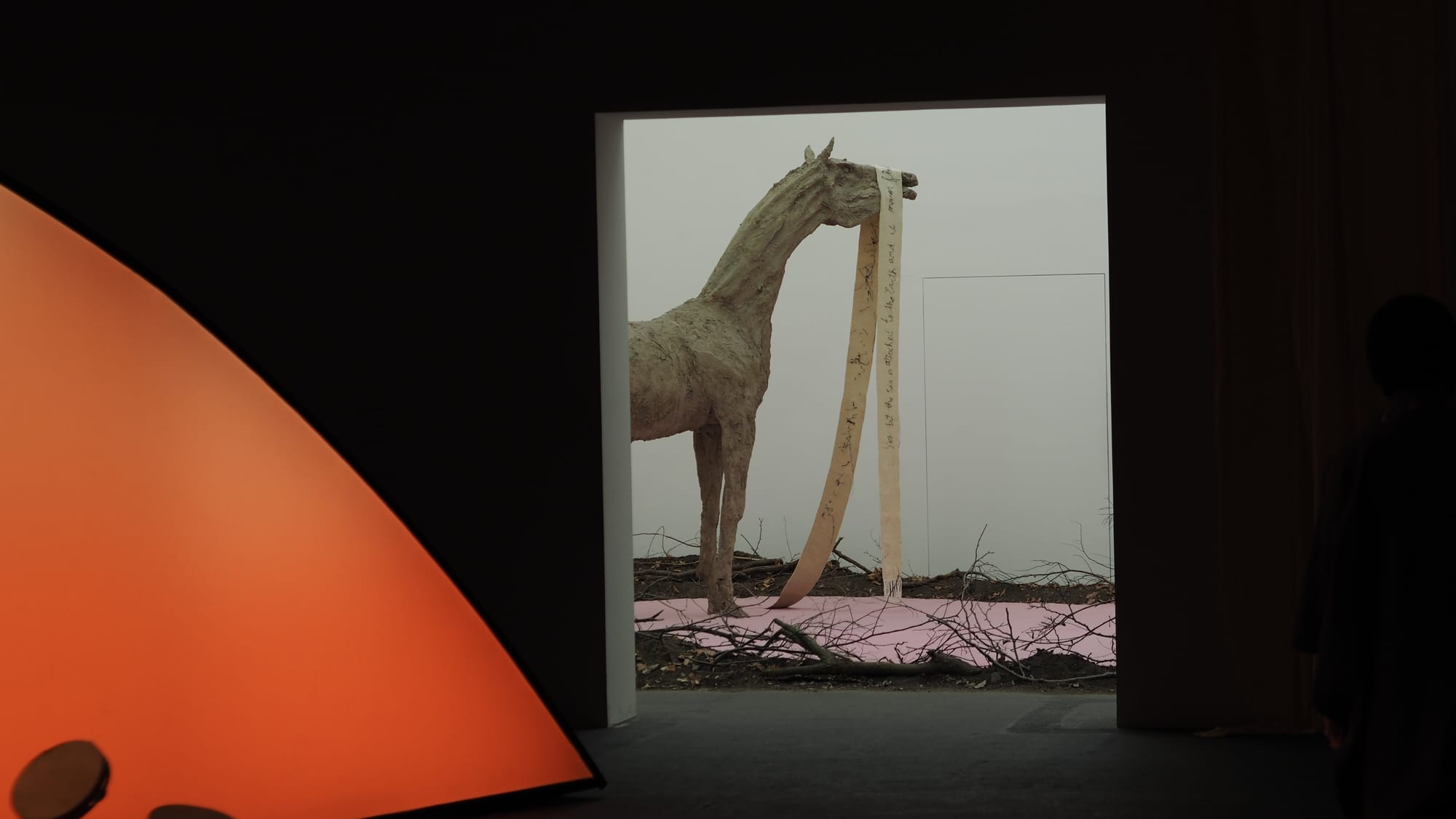
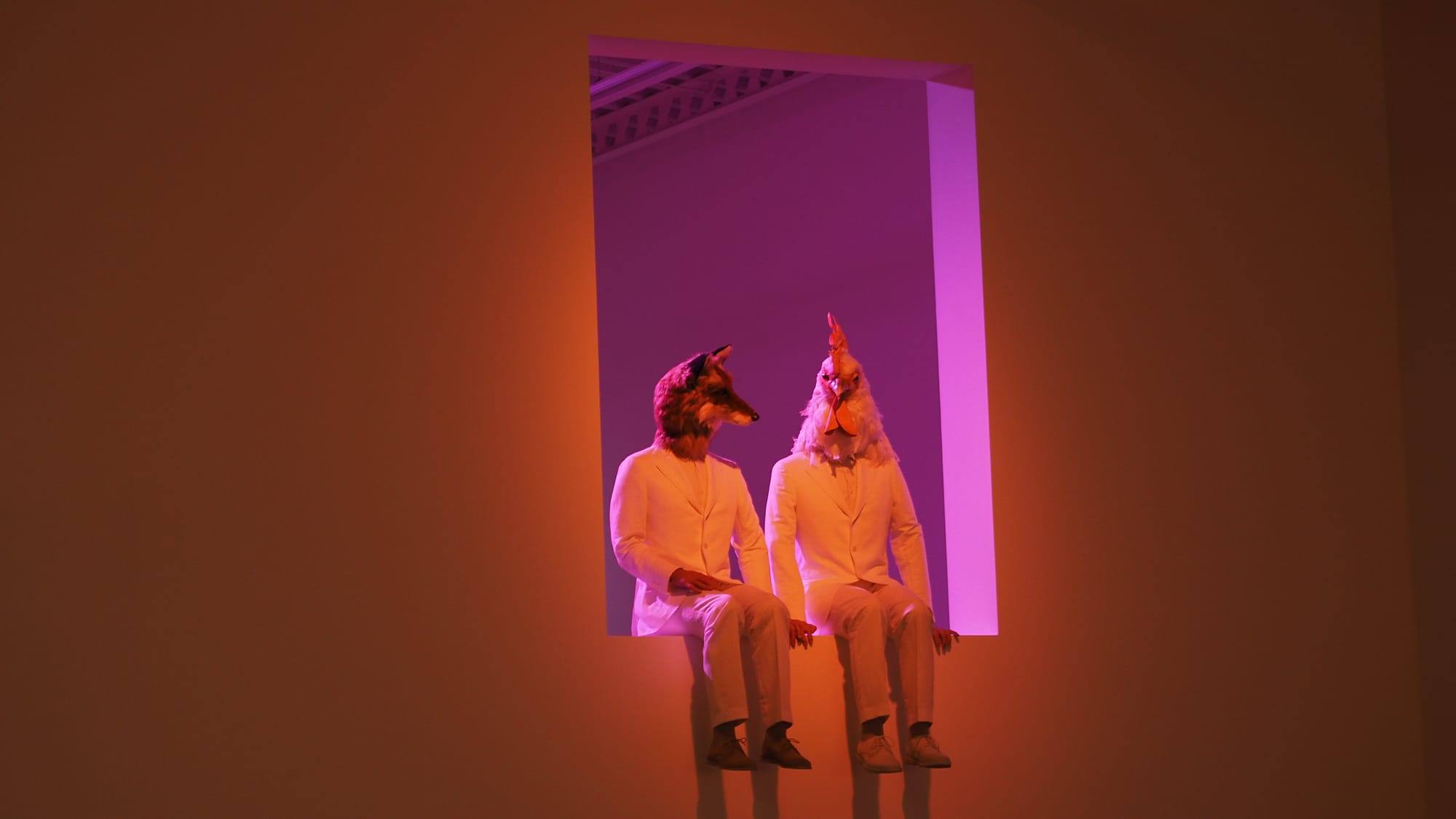
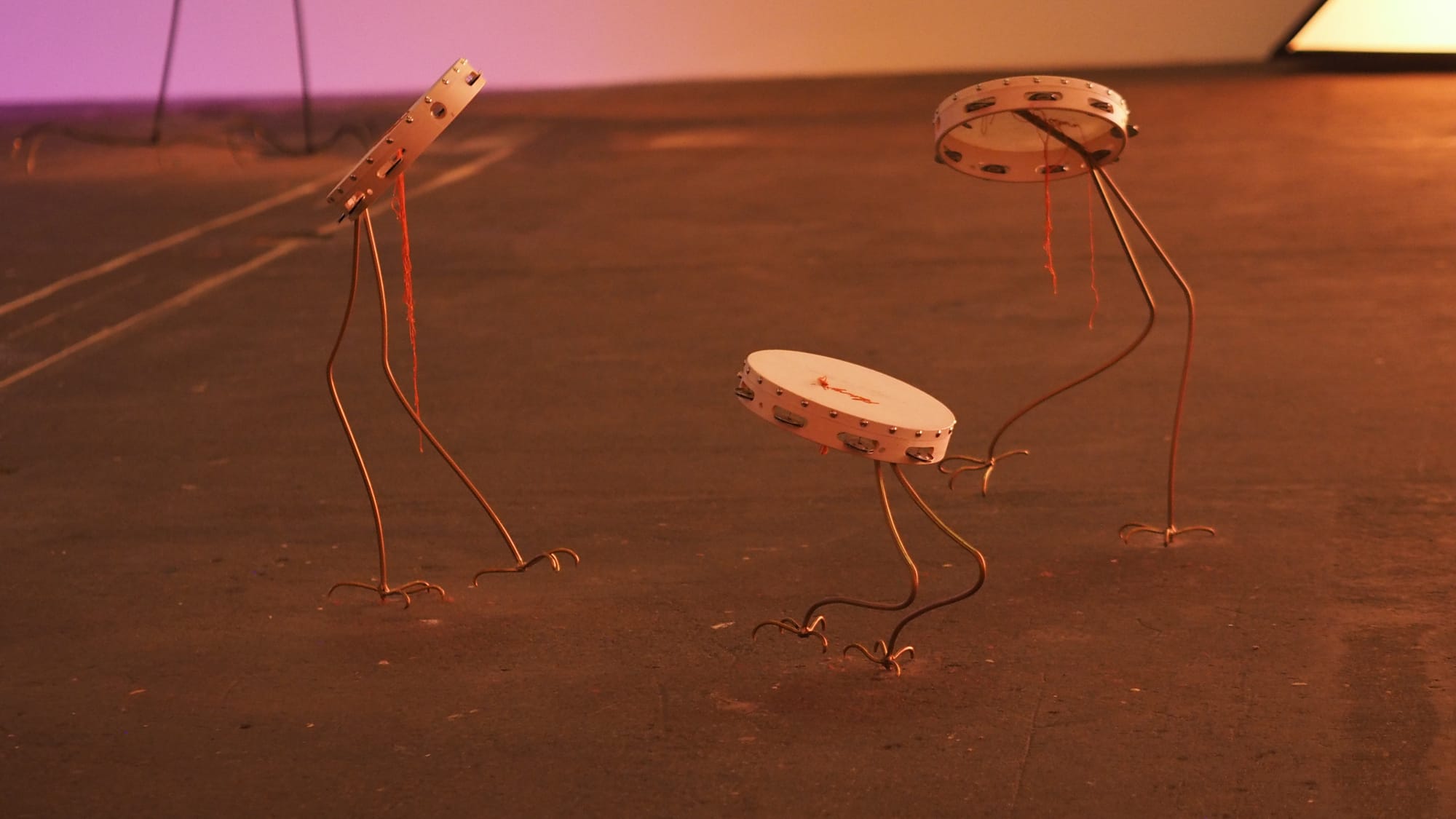
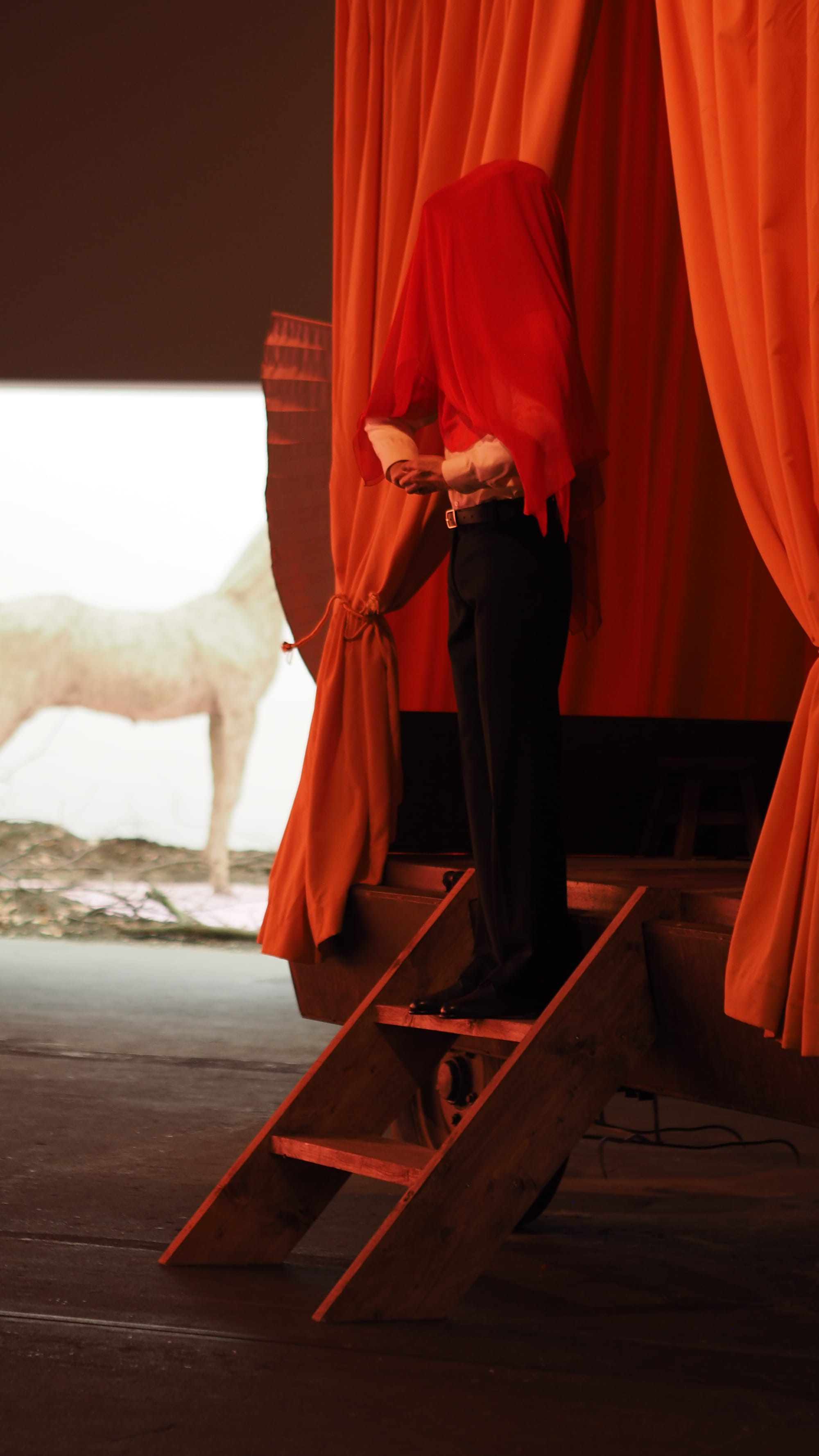
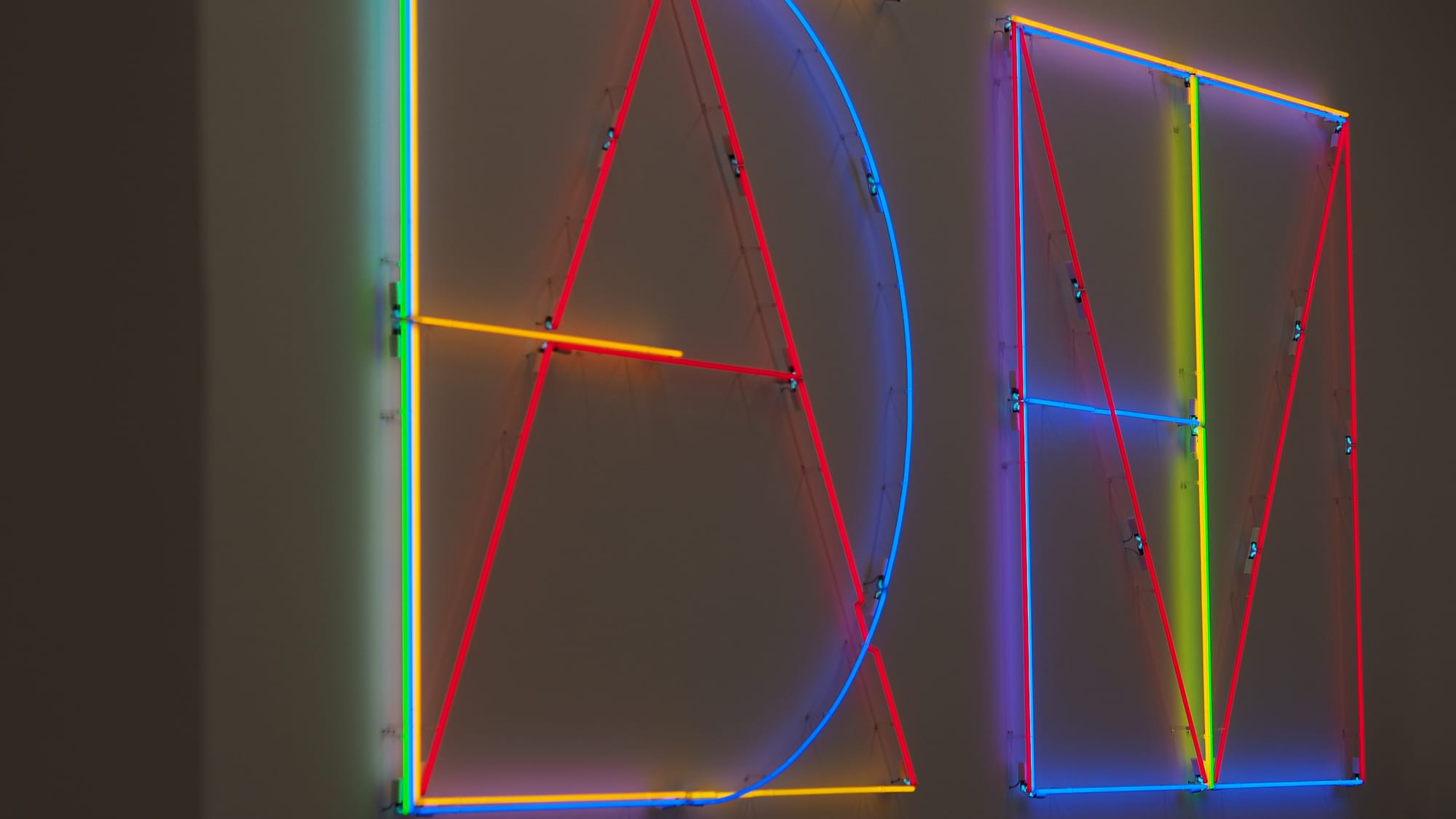
... before making our exit, ecstasy: it shows how it was done as well as doing it; how it was done in each of the seven videos different ways; each has a different method and a different explanation, is from a different era and artistic milieu, even to being shot on different media format (note also language shifts in video, between languages and inside the same language), for arriving at the point of communal phase-shift. It is the most ecstatic work of art I know.
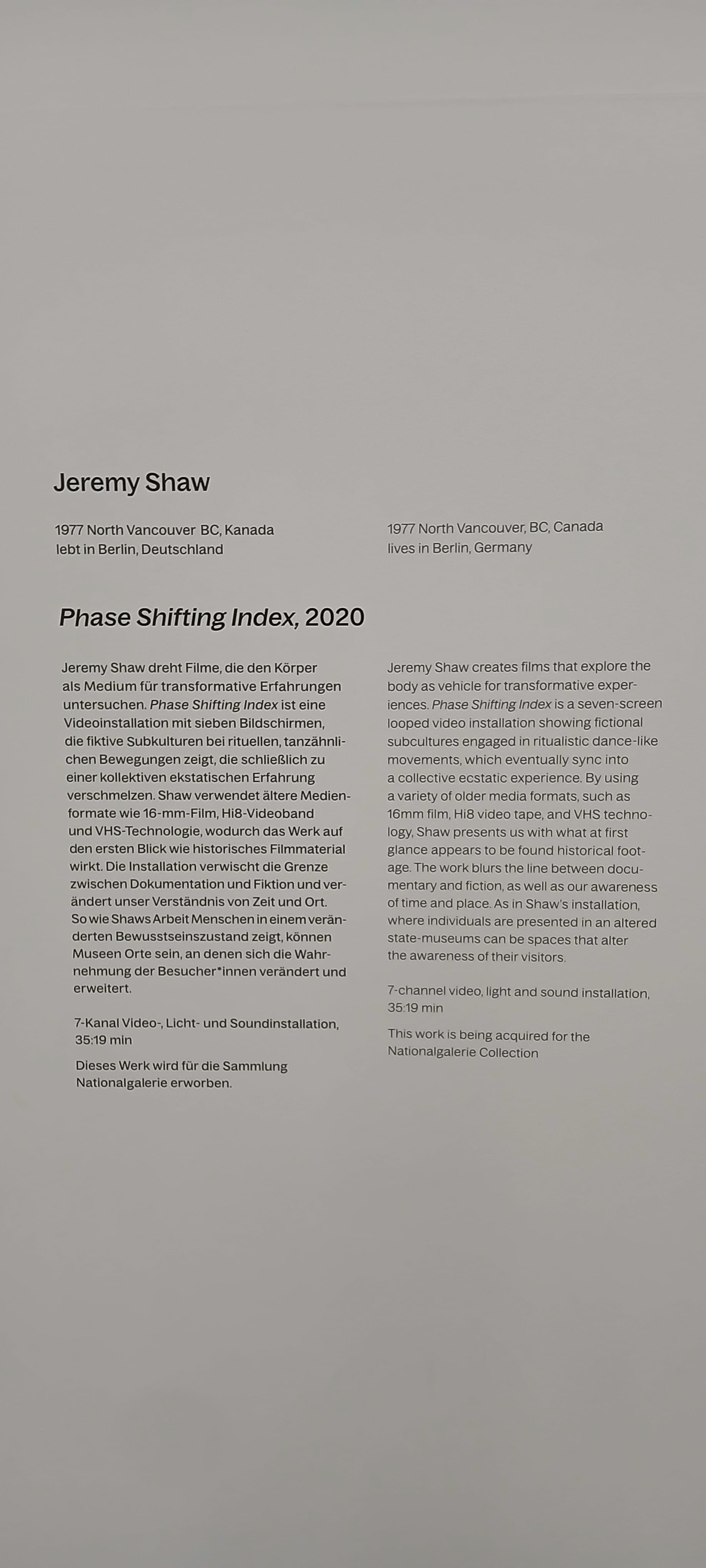
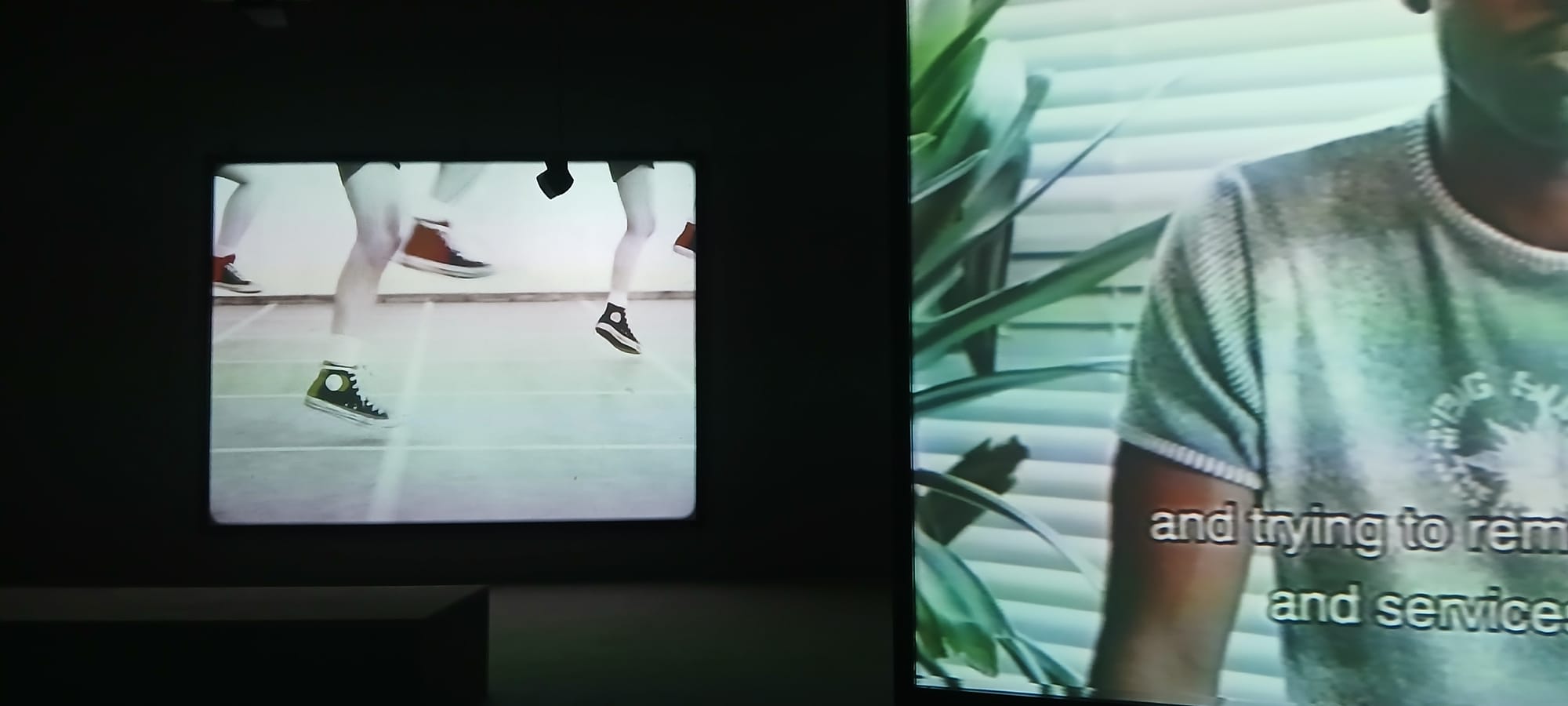
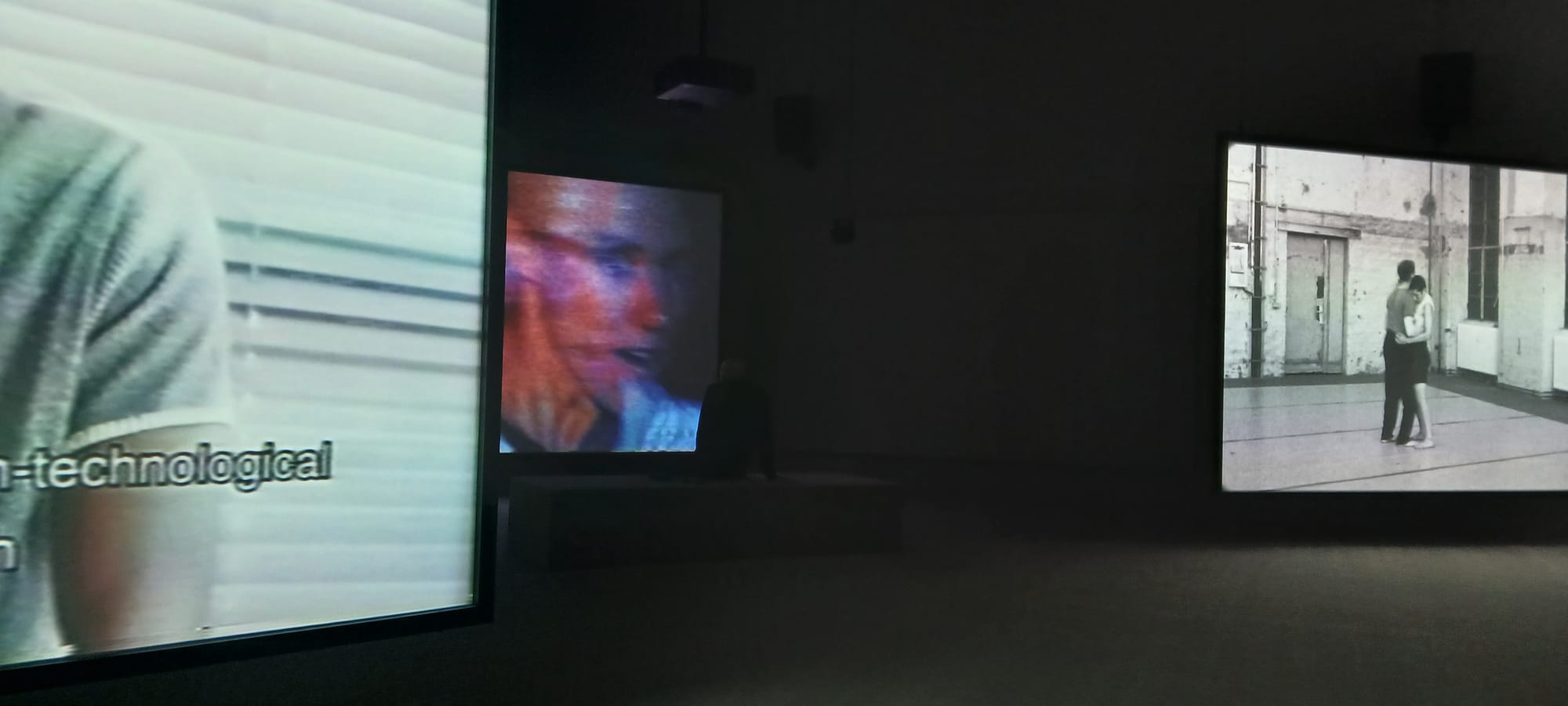
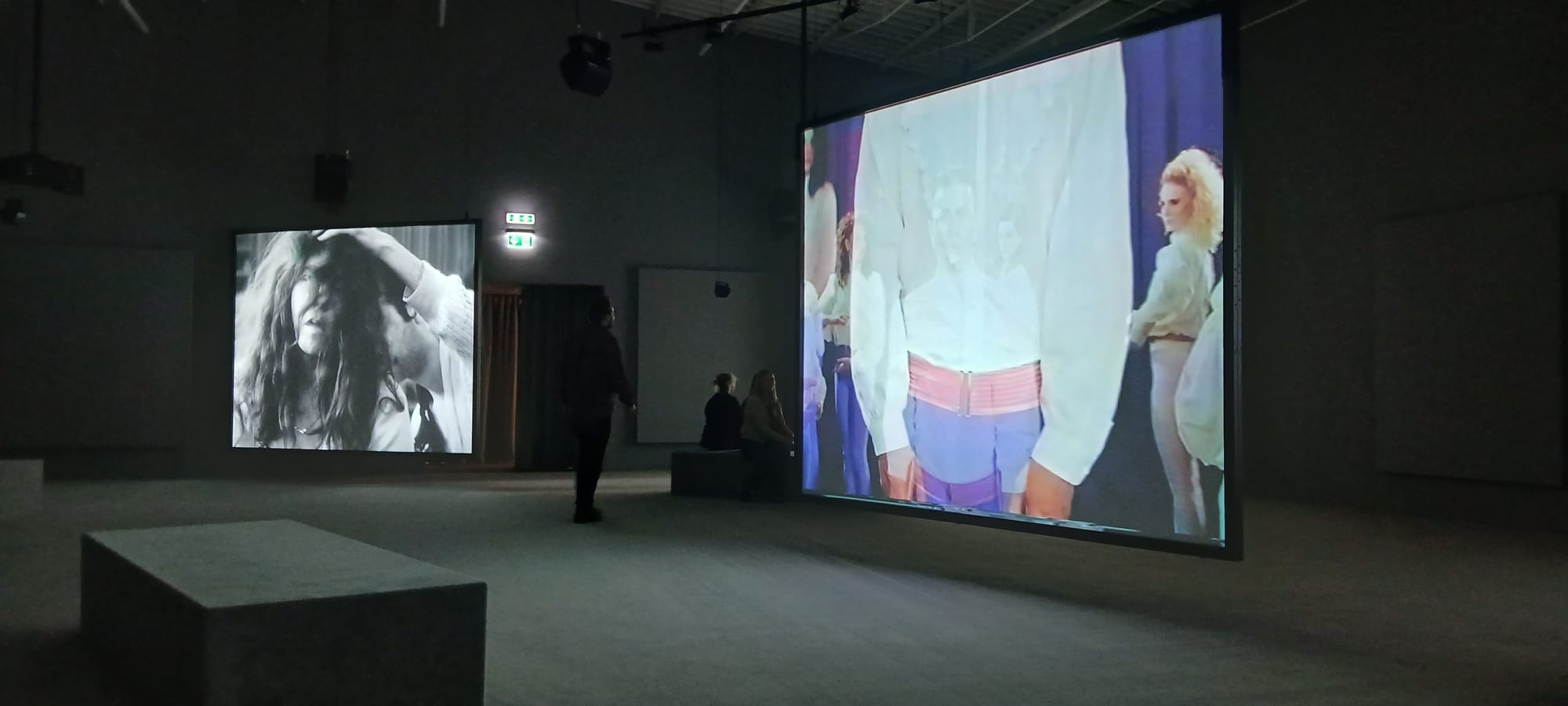
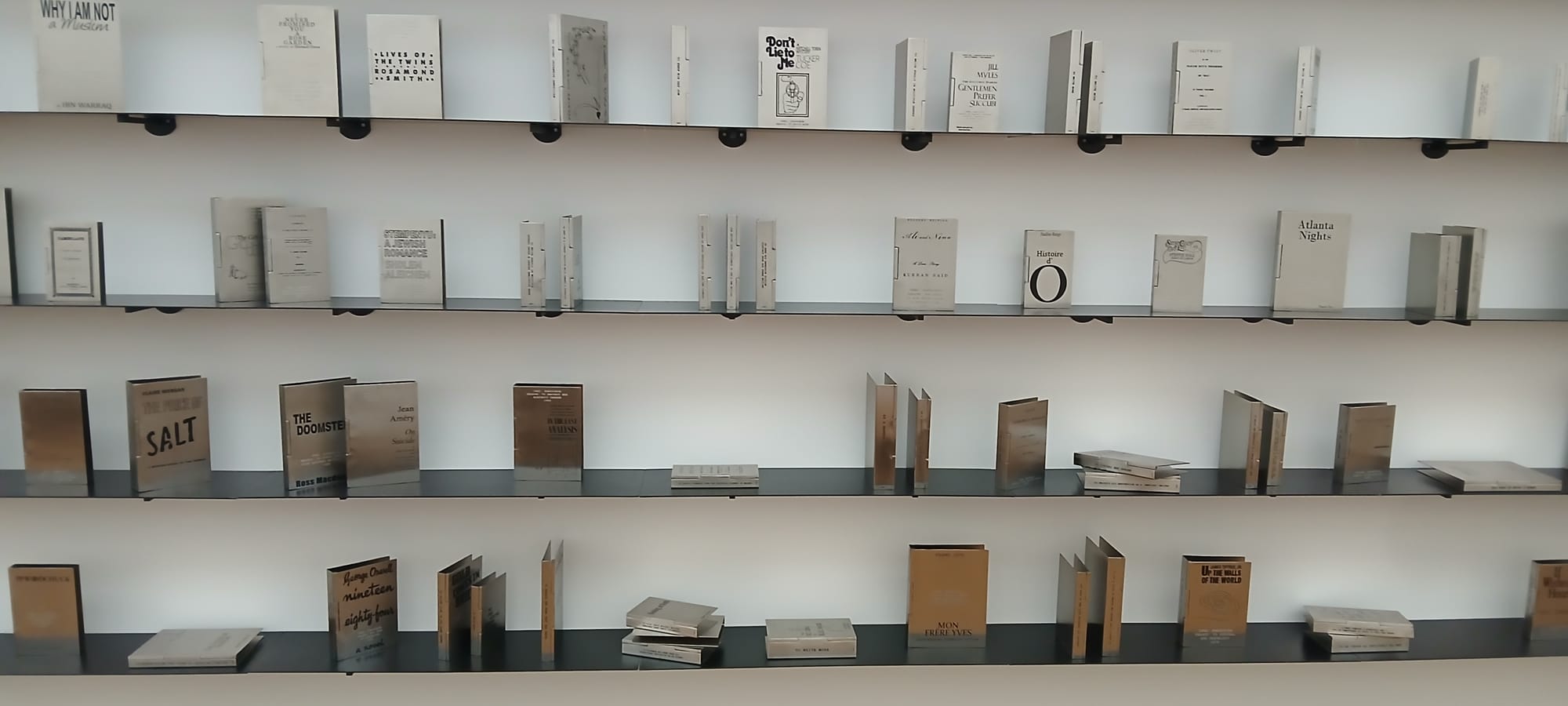
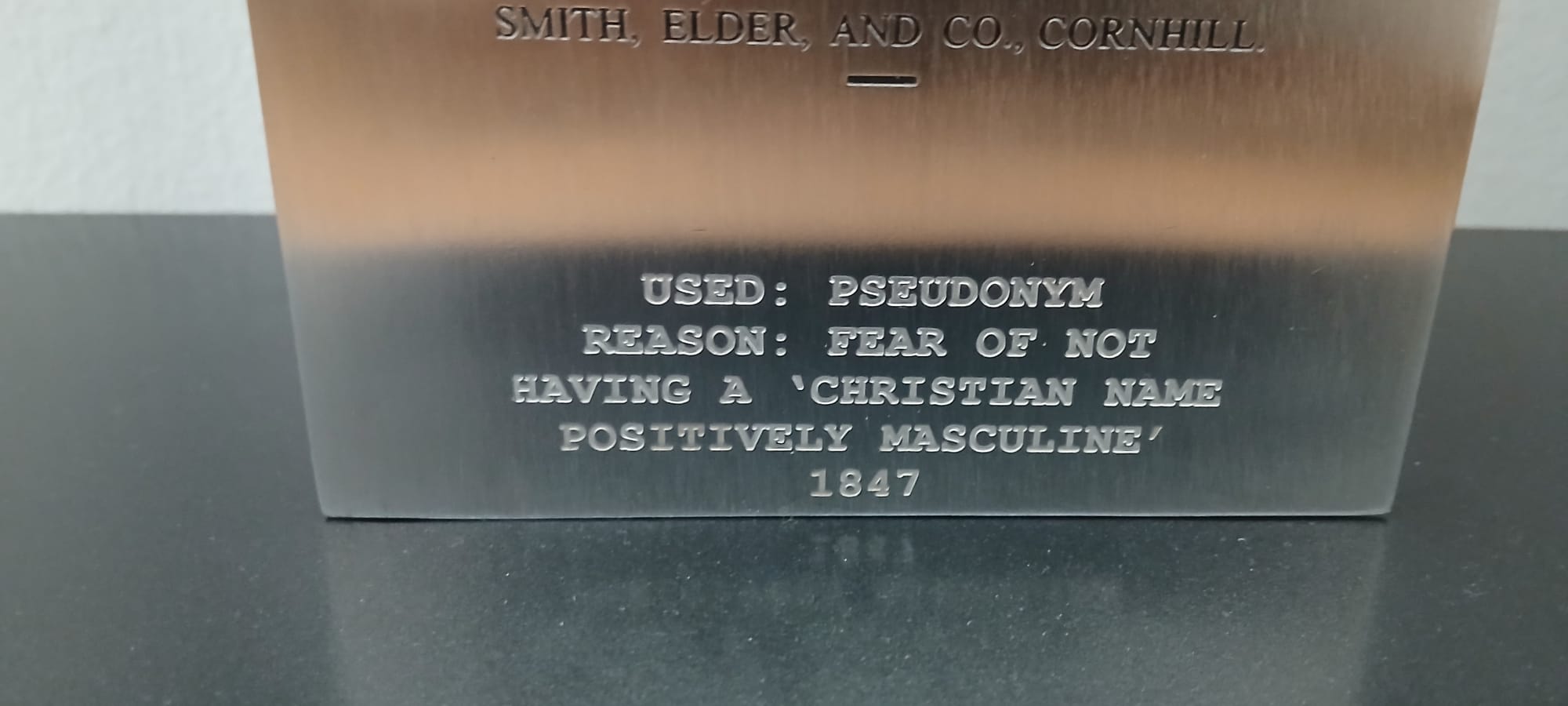
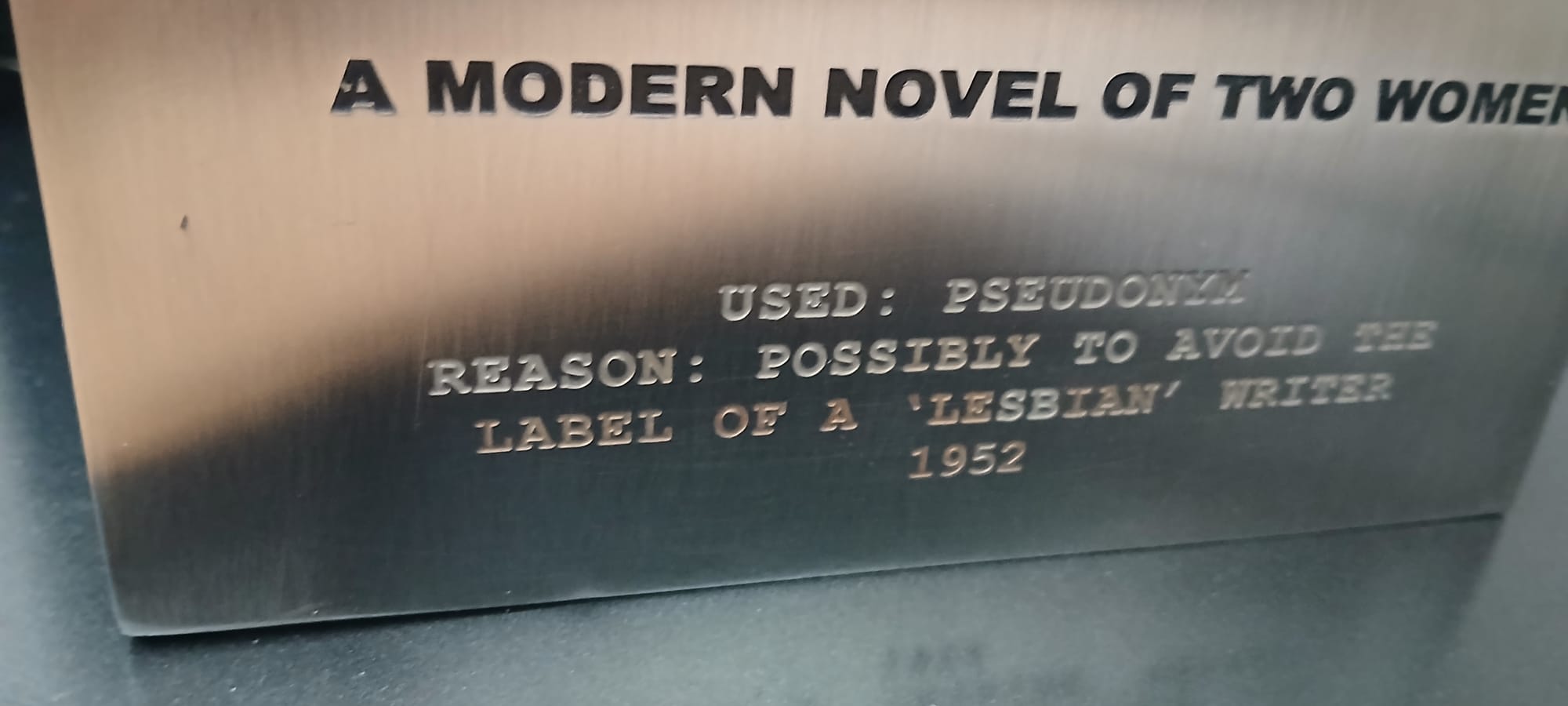
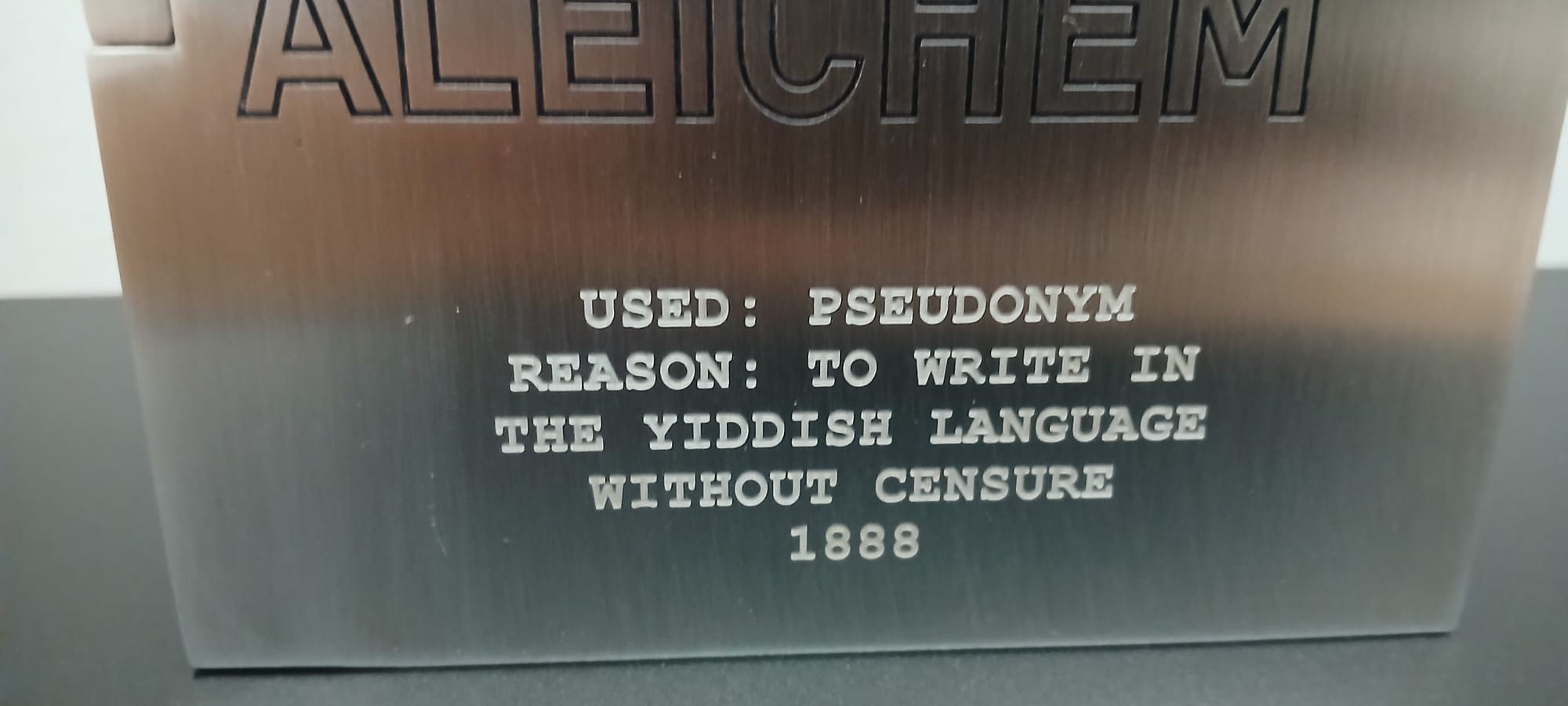
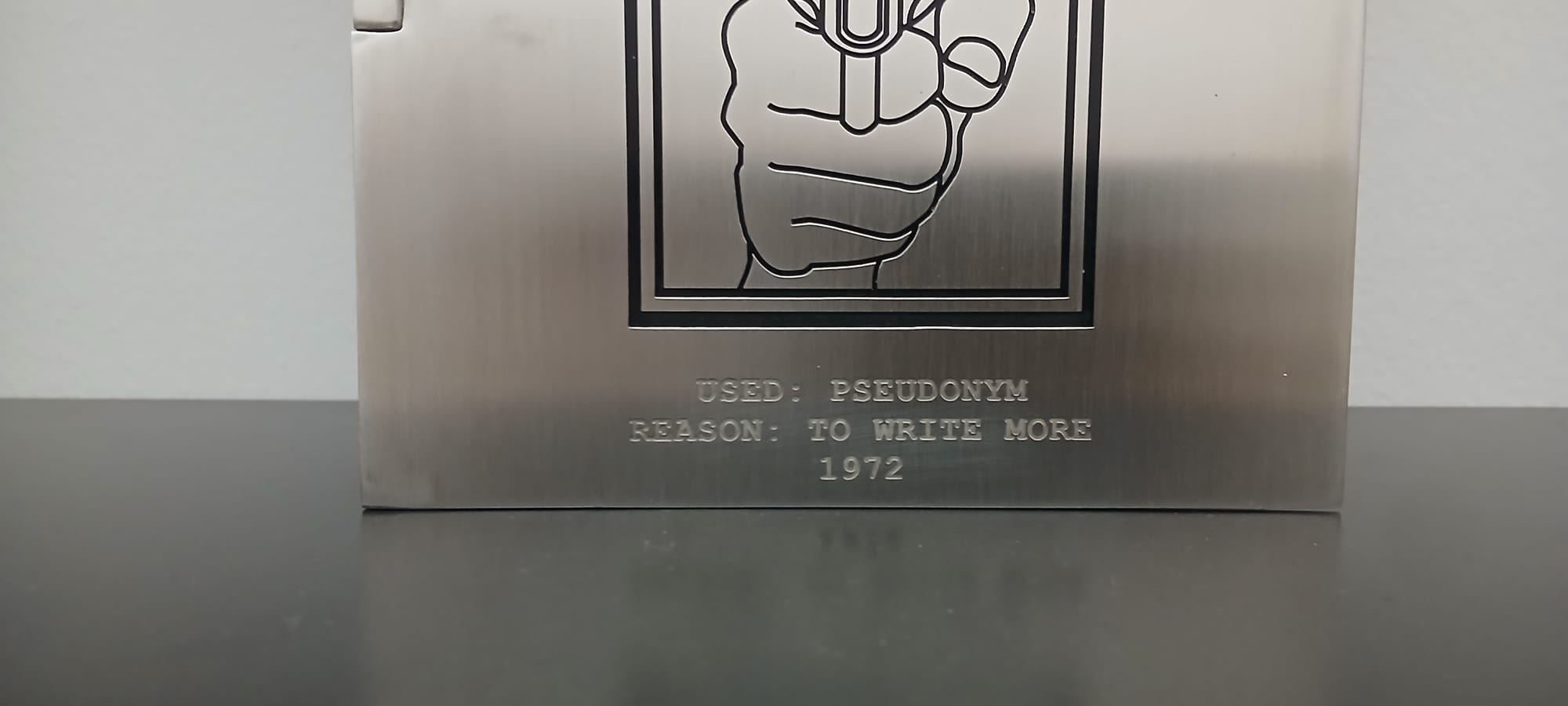
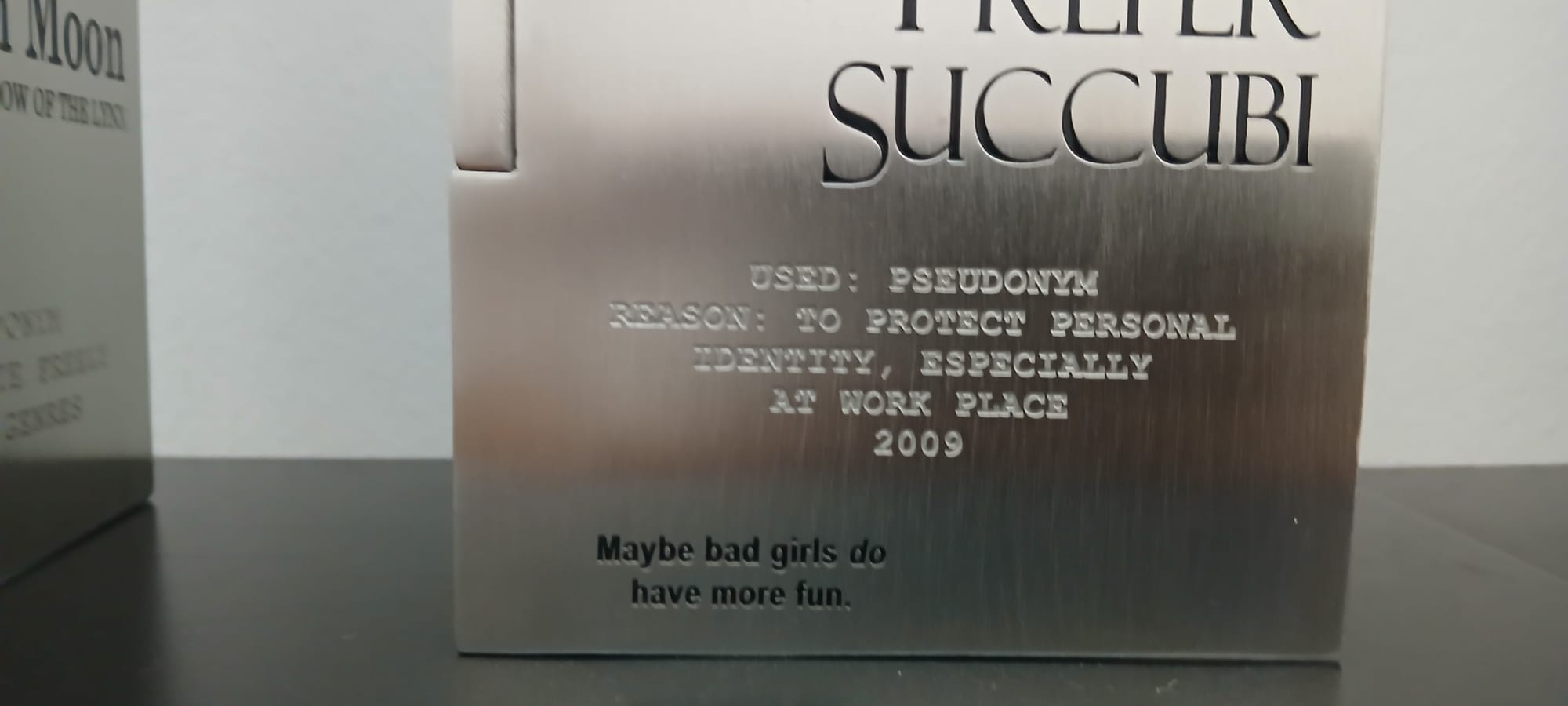
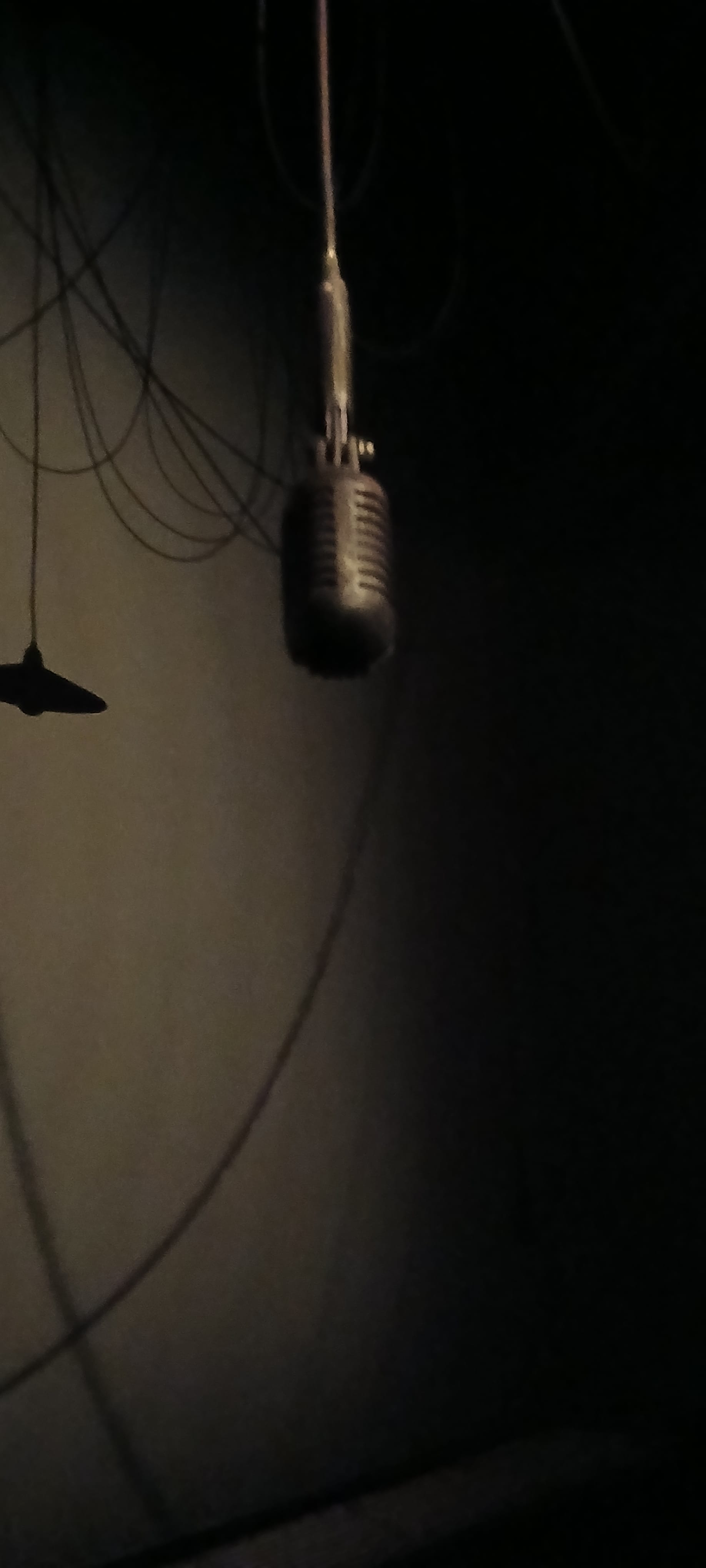
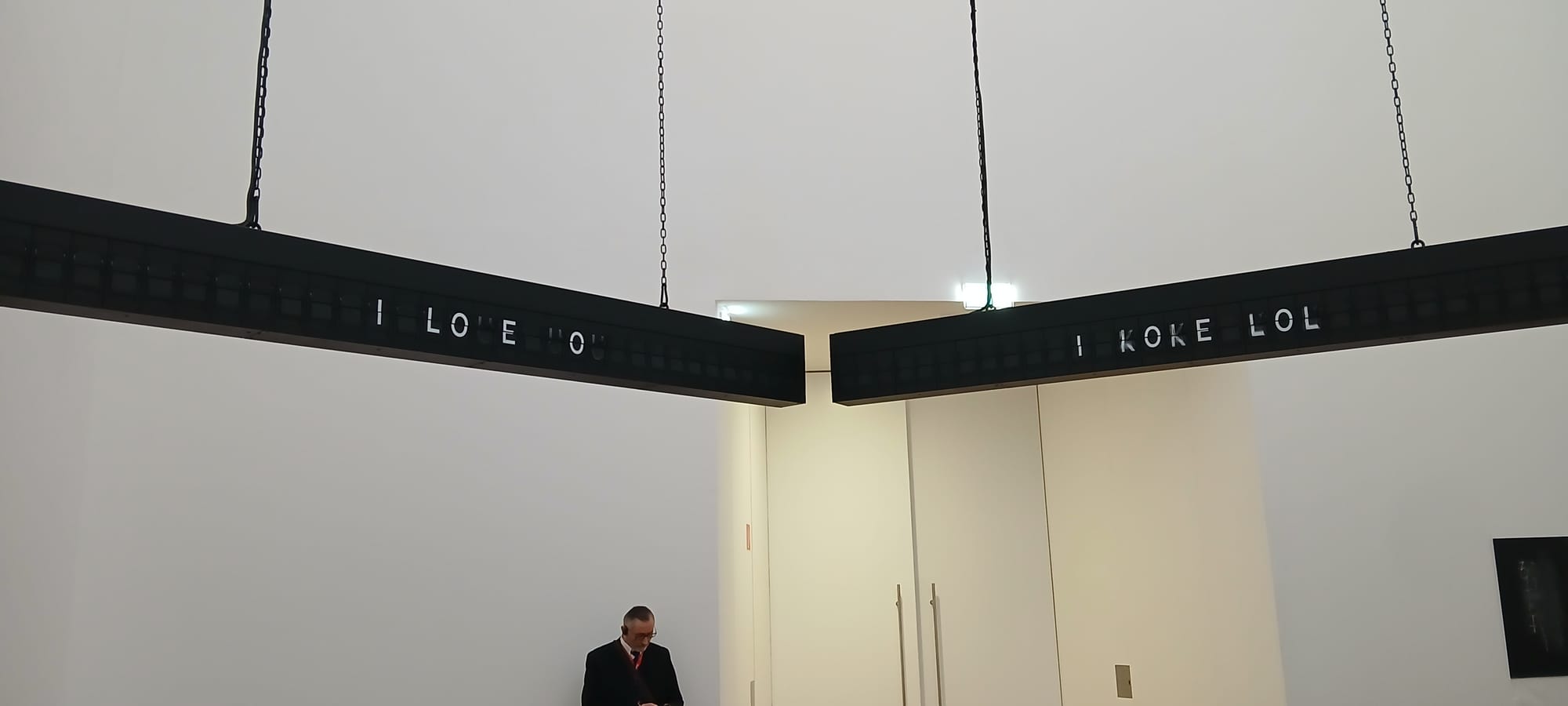
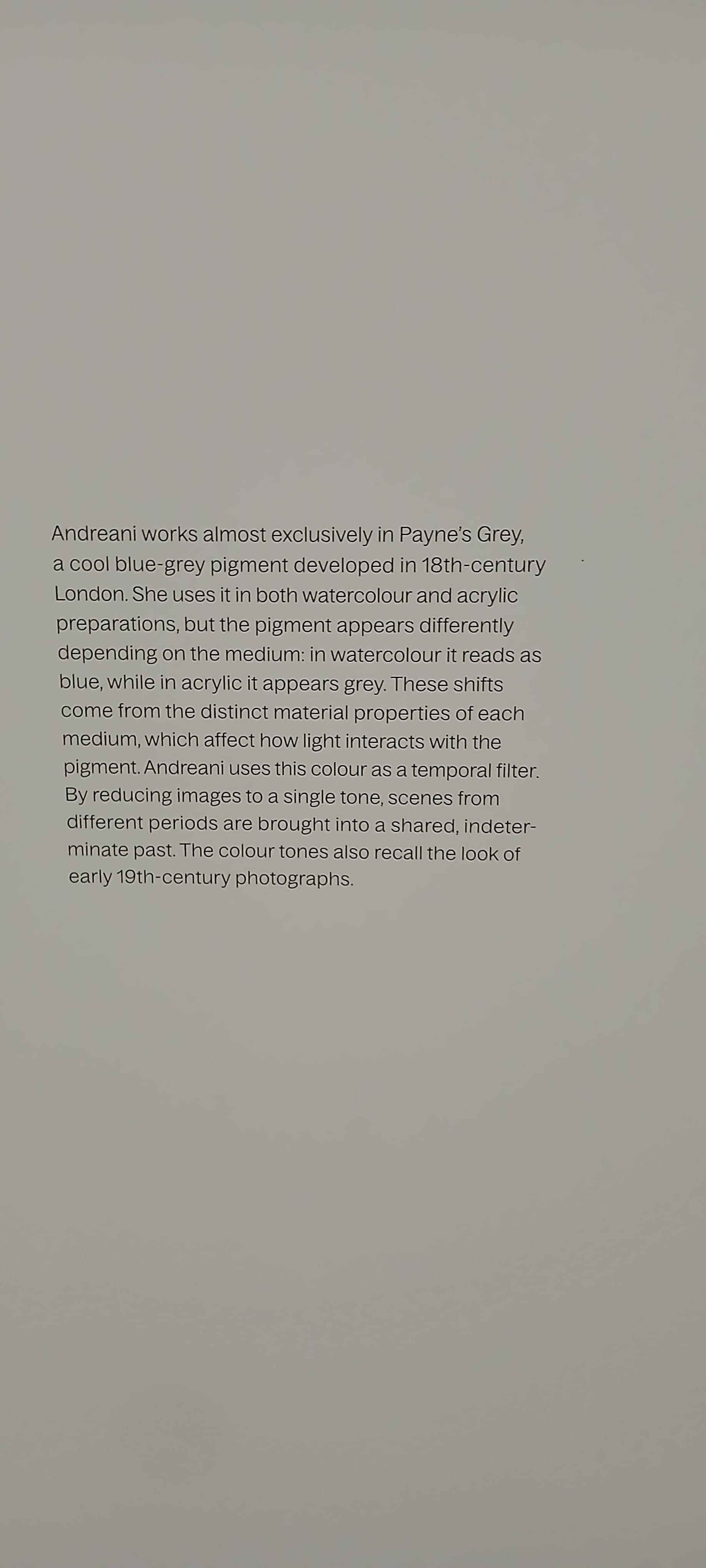
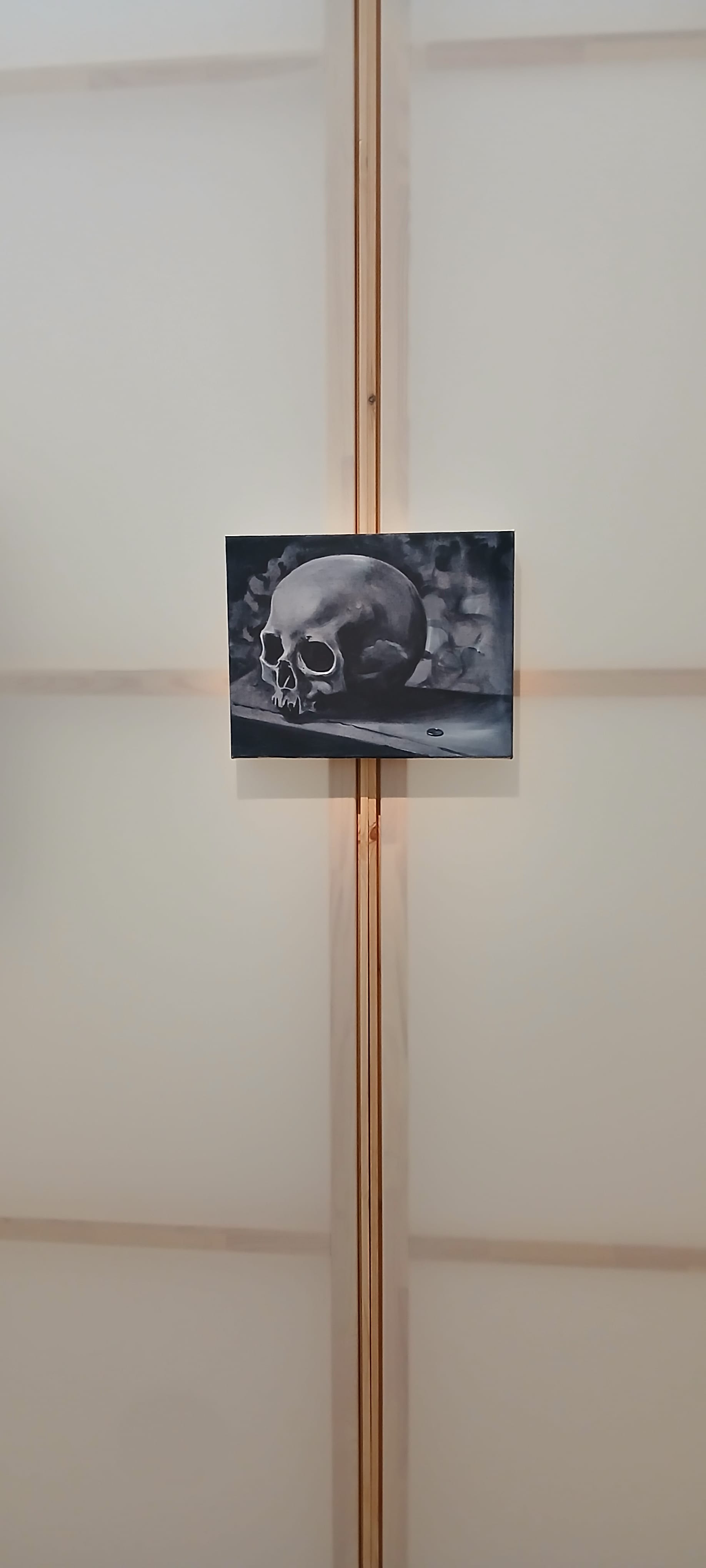
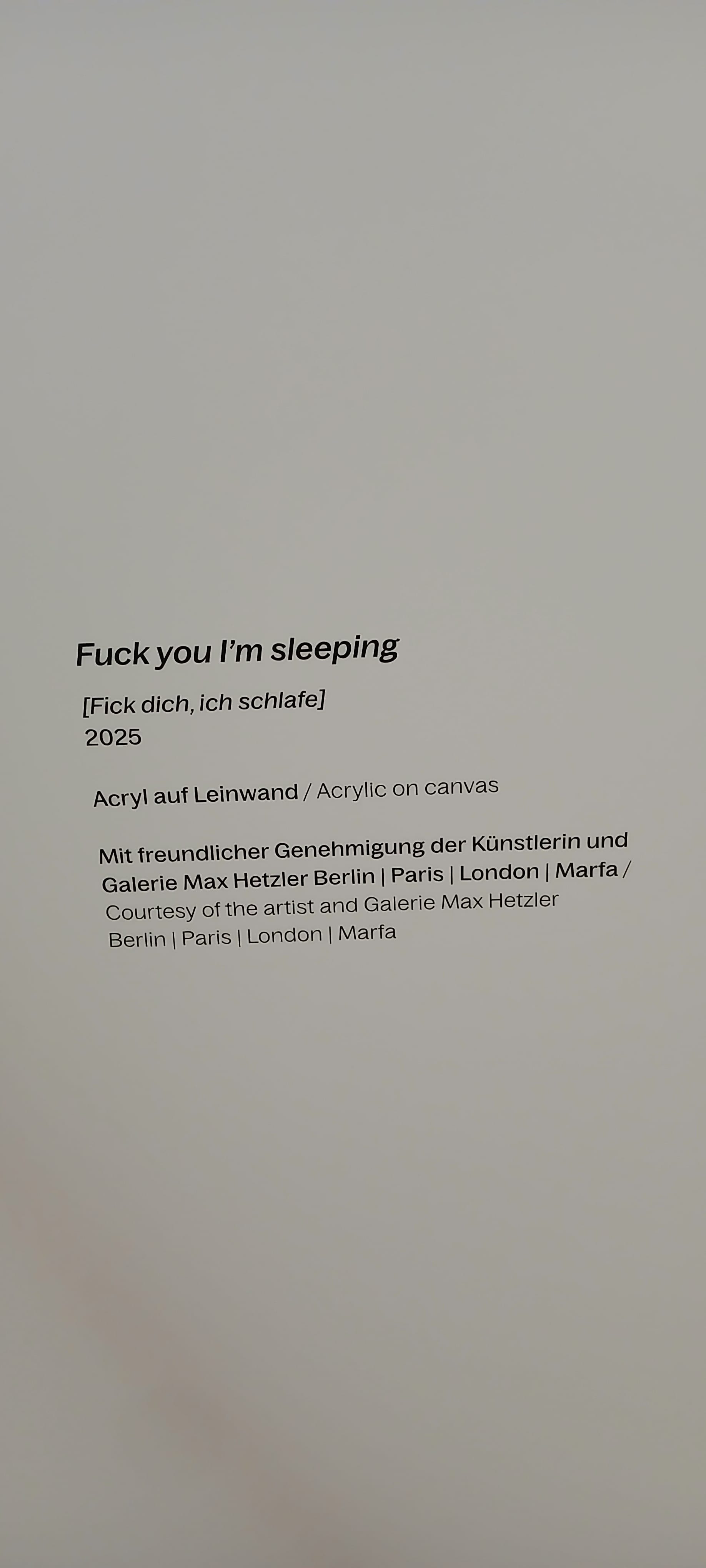
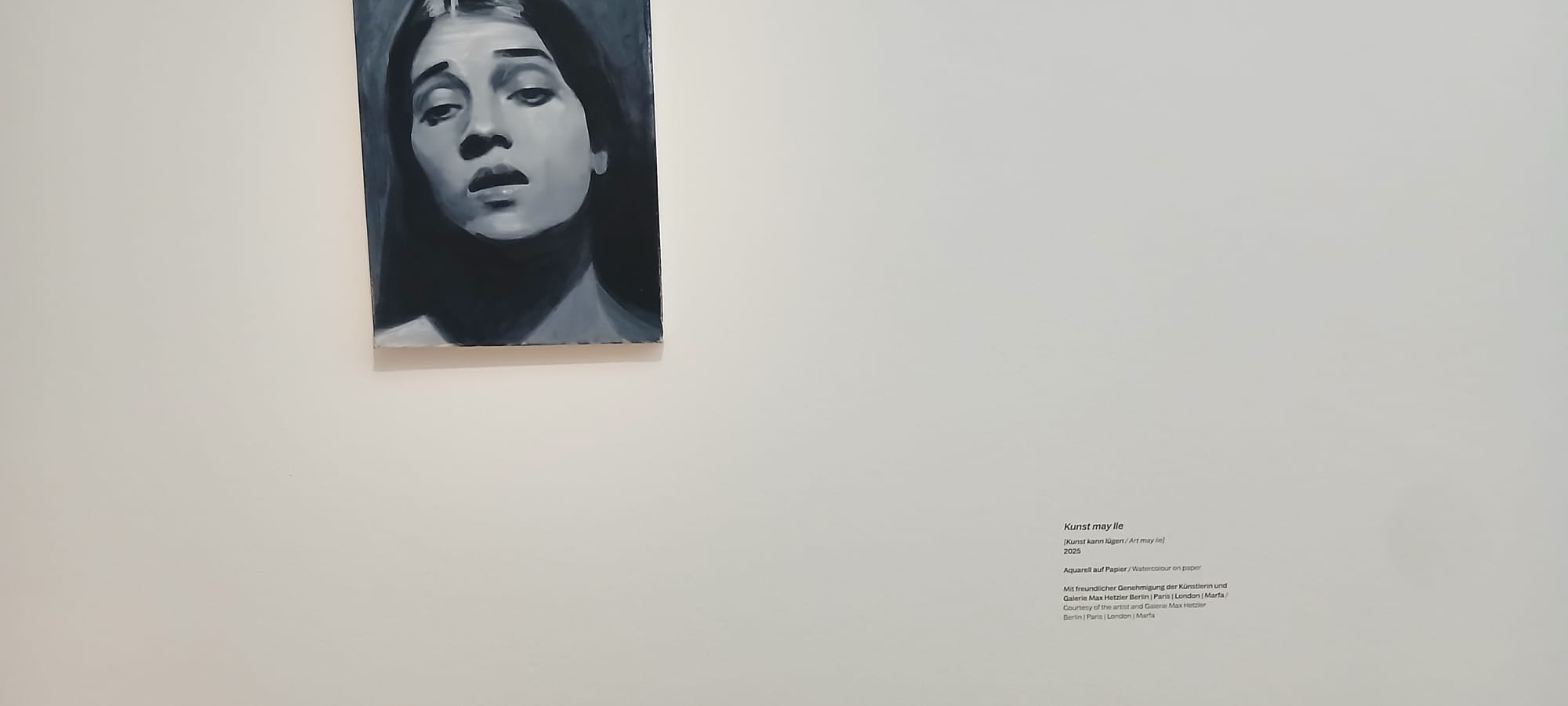
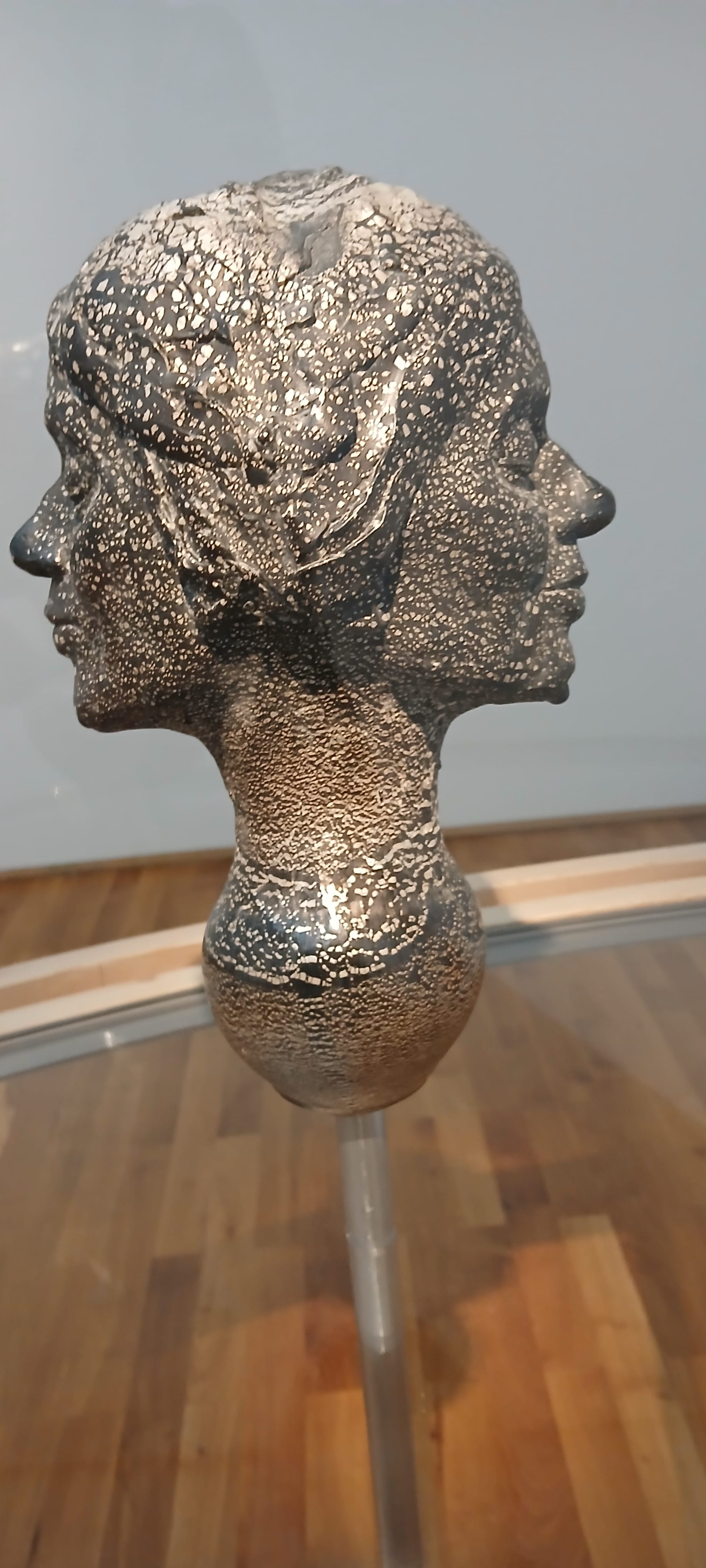
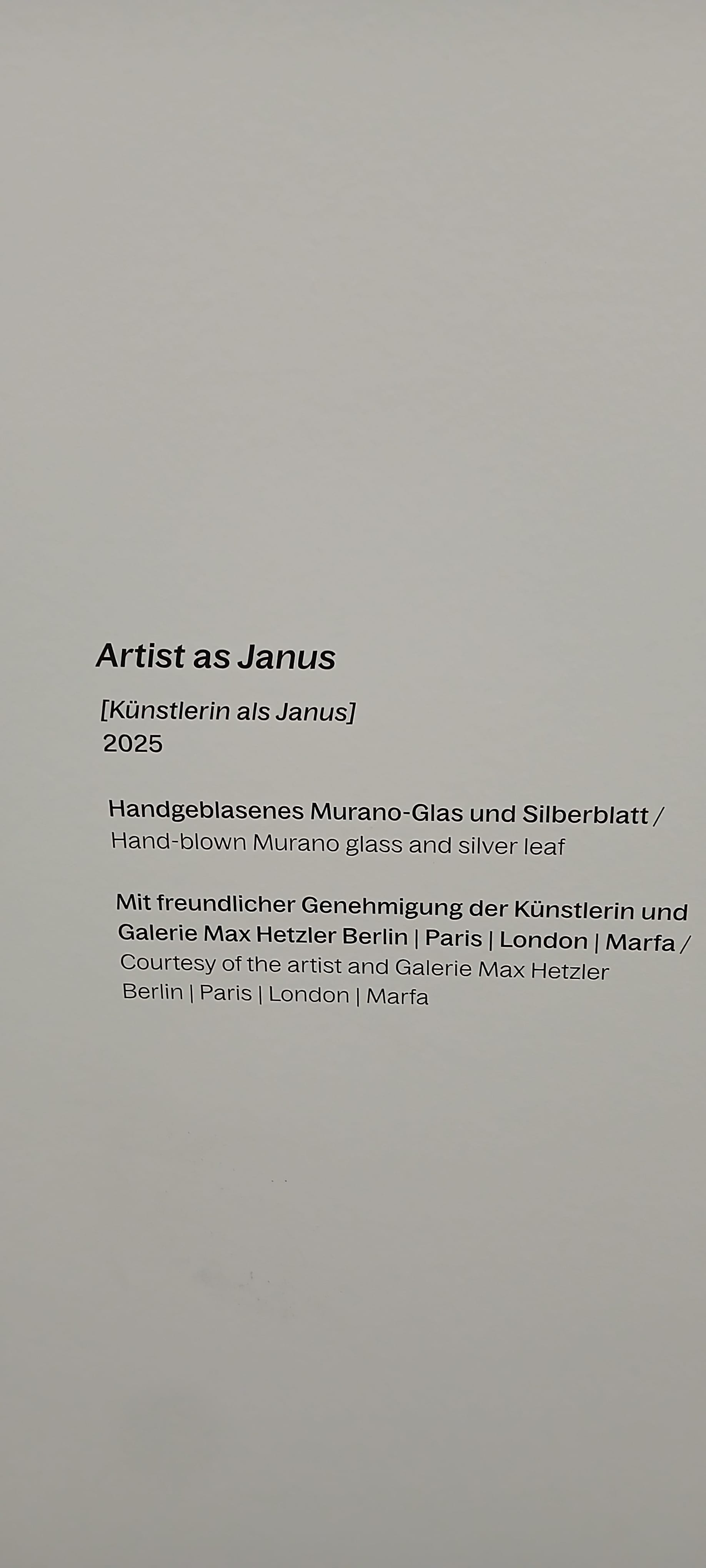
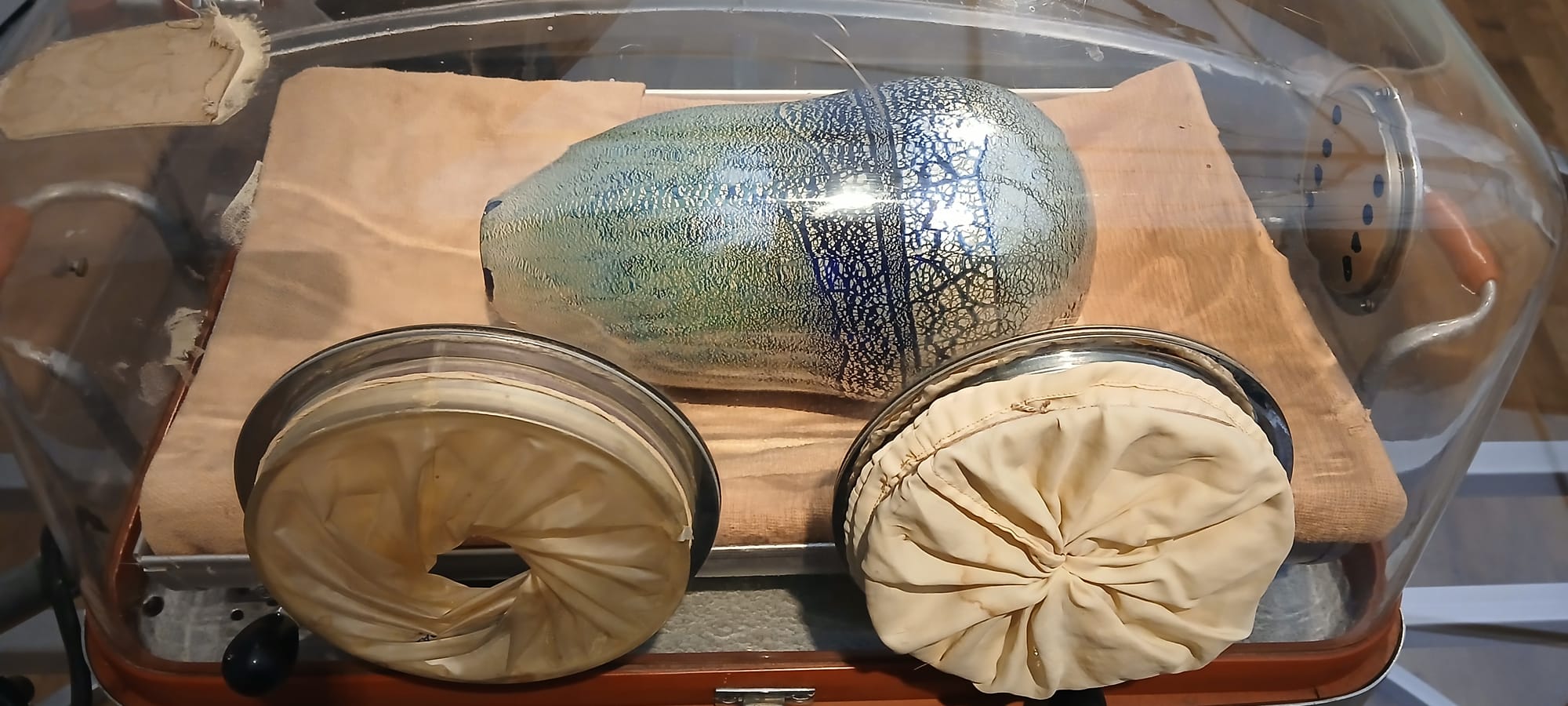
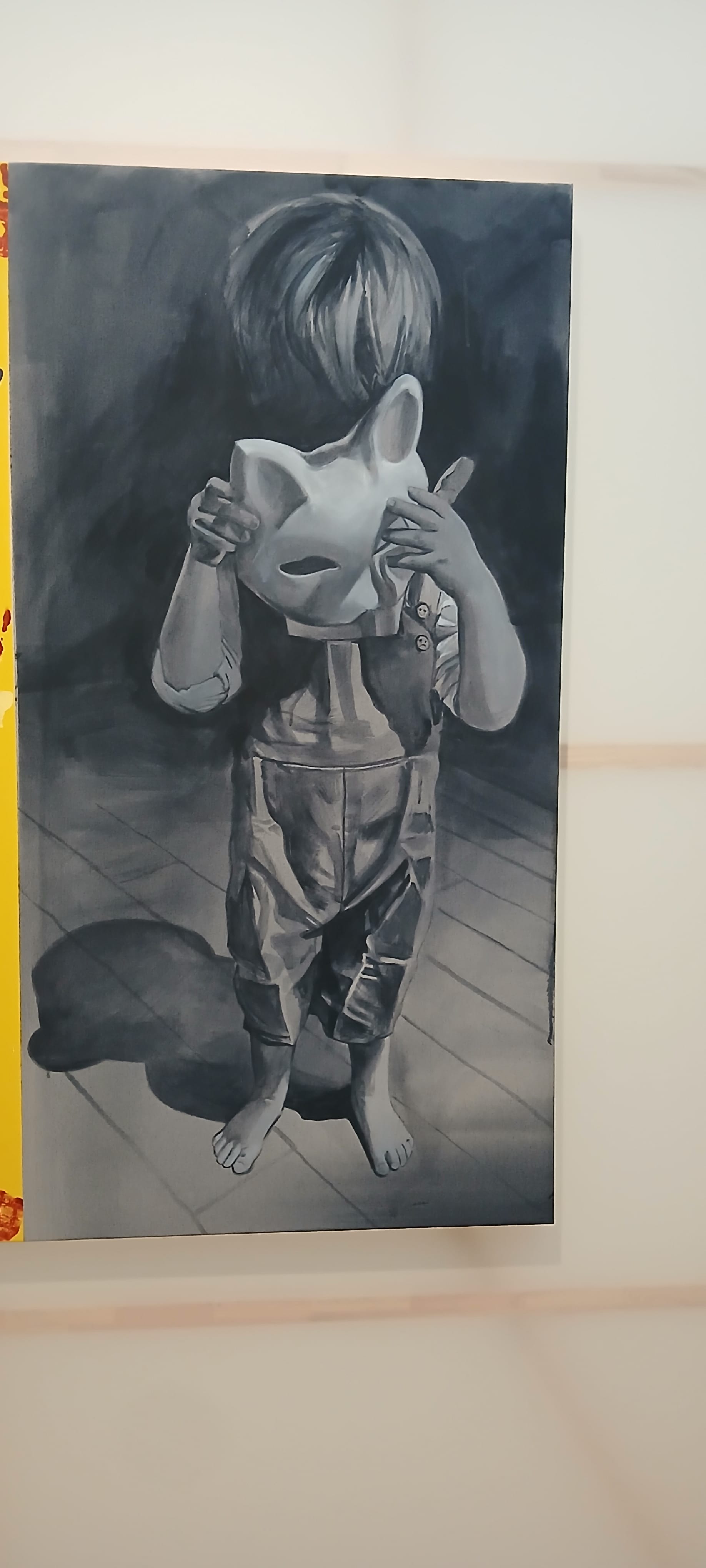
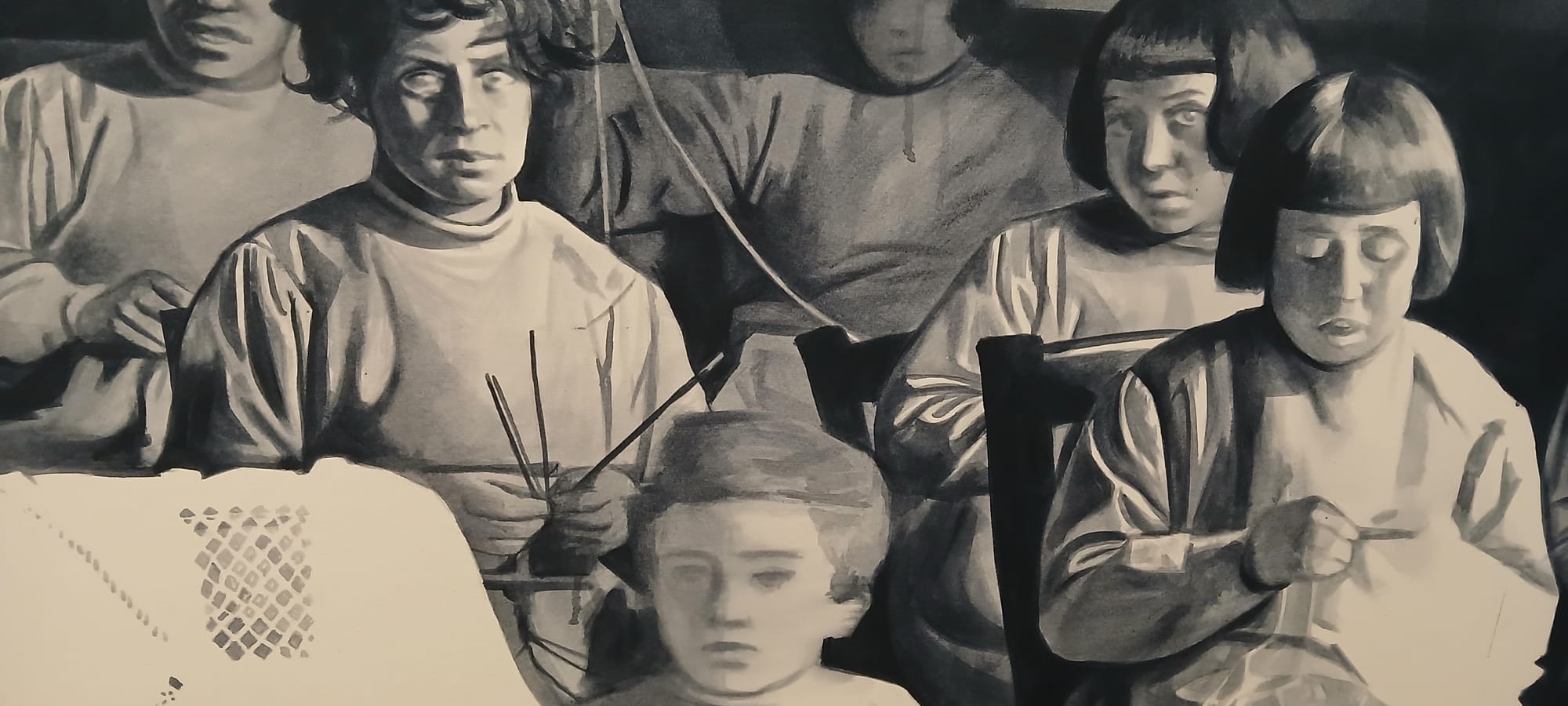
- note the medium for the Janus-autoportrait and premmy self-egg, blown glass
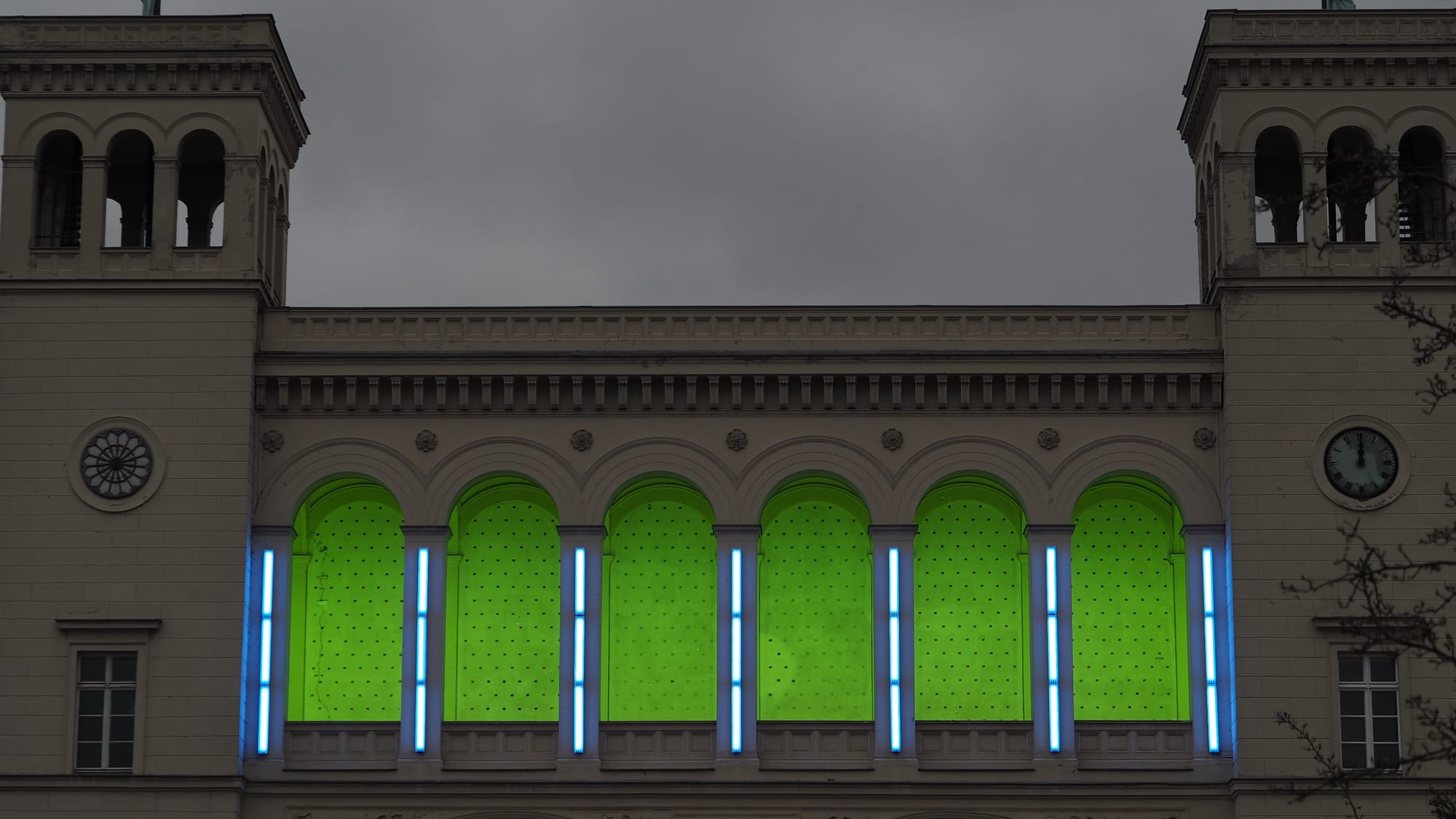
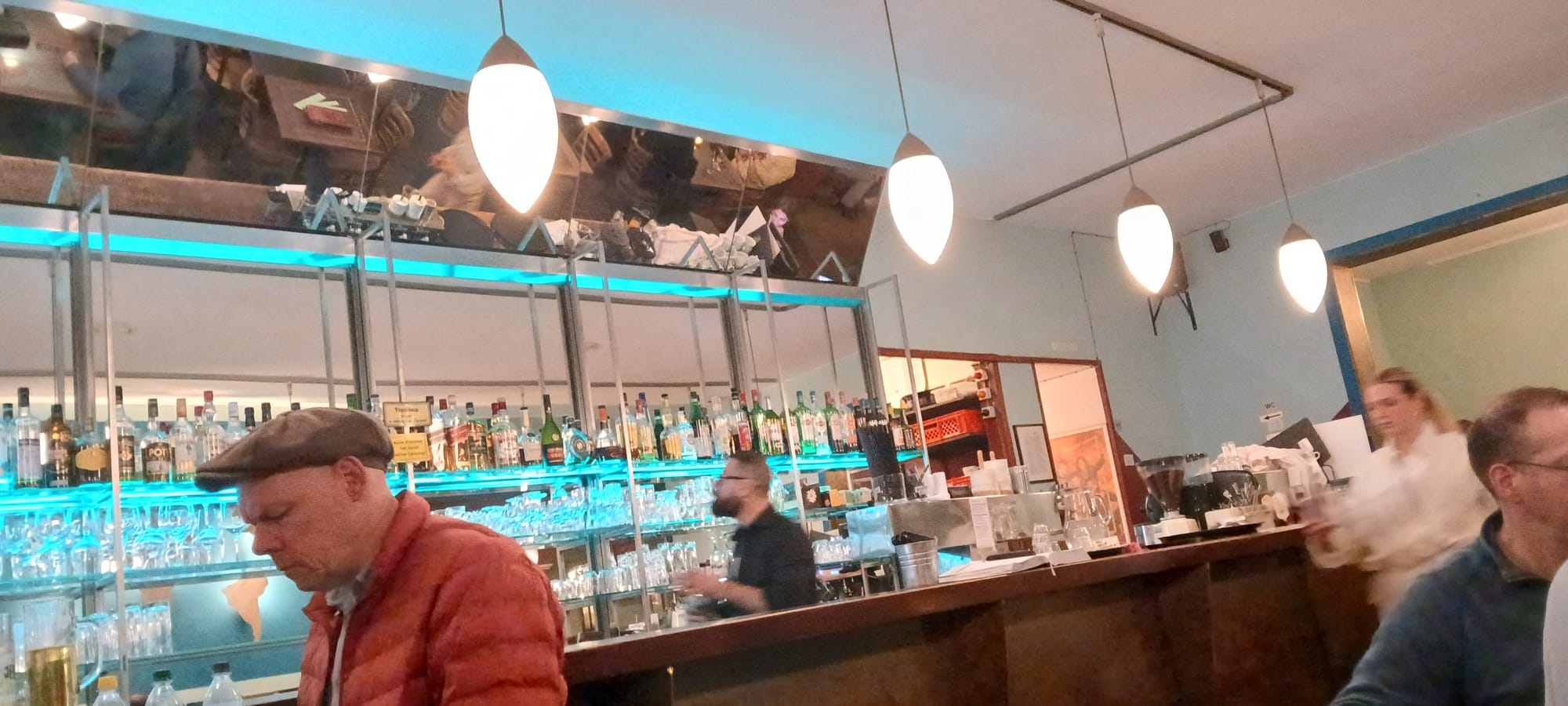
- a delicious Good Morning Vietnam meal, before the bar
Box and beyond
= der Floh[flea]mark[e]t am Boxhagener Platz
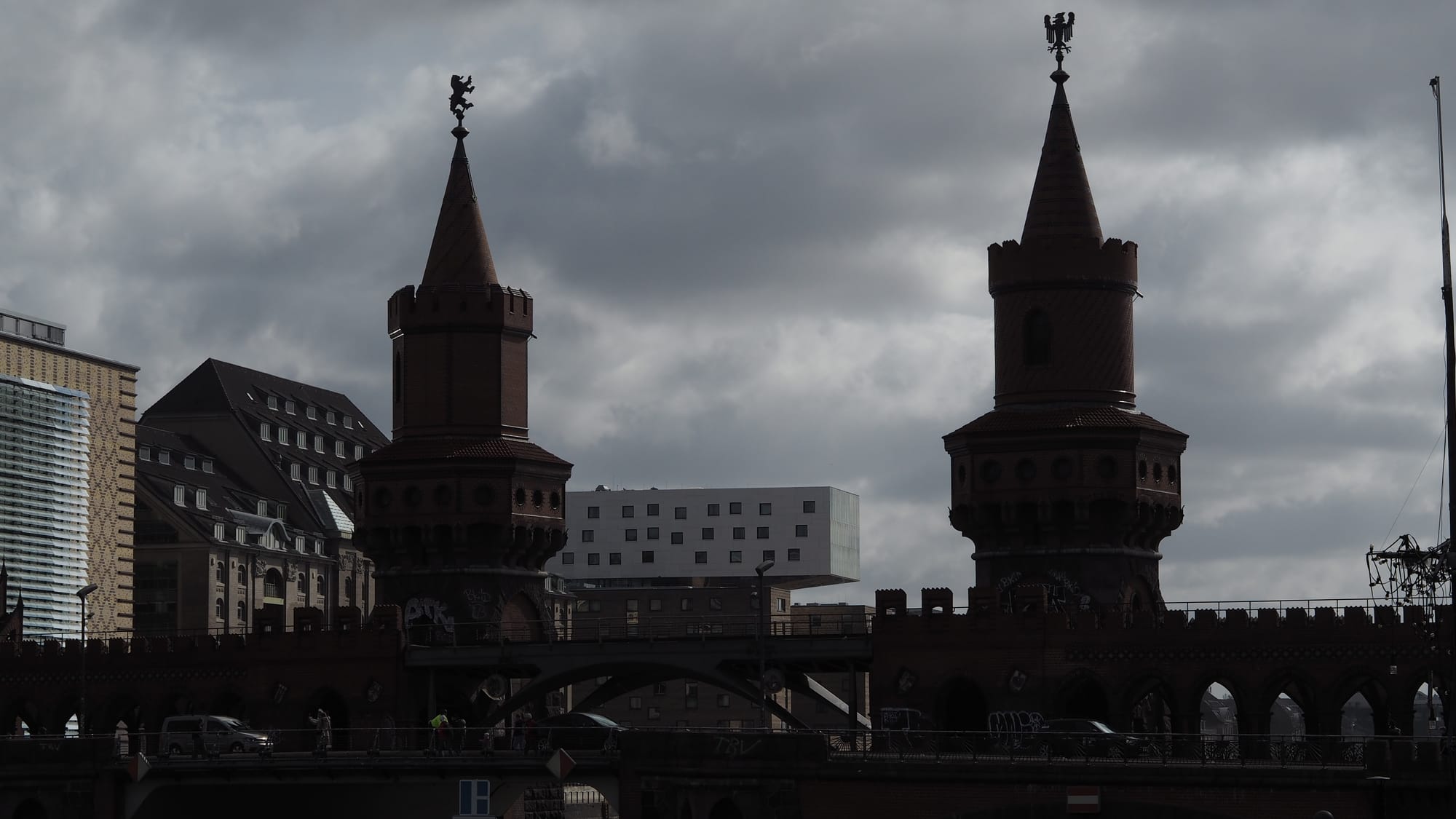
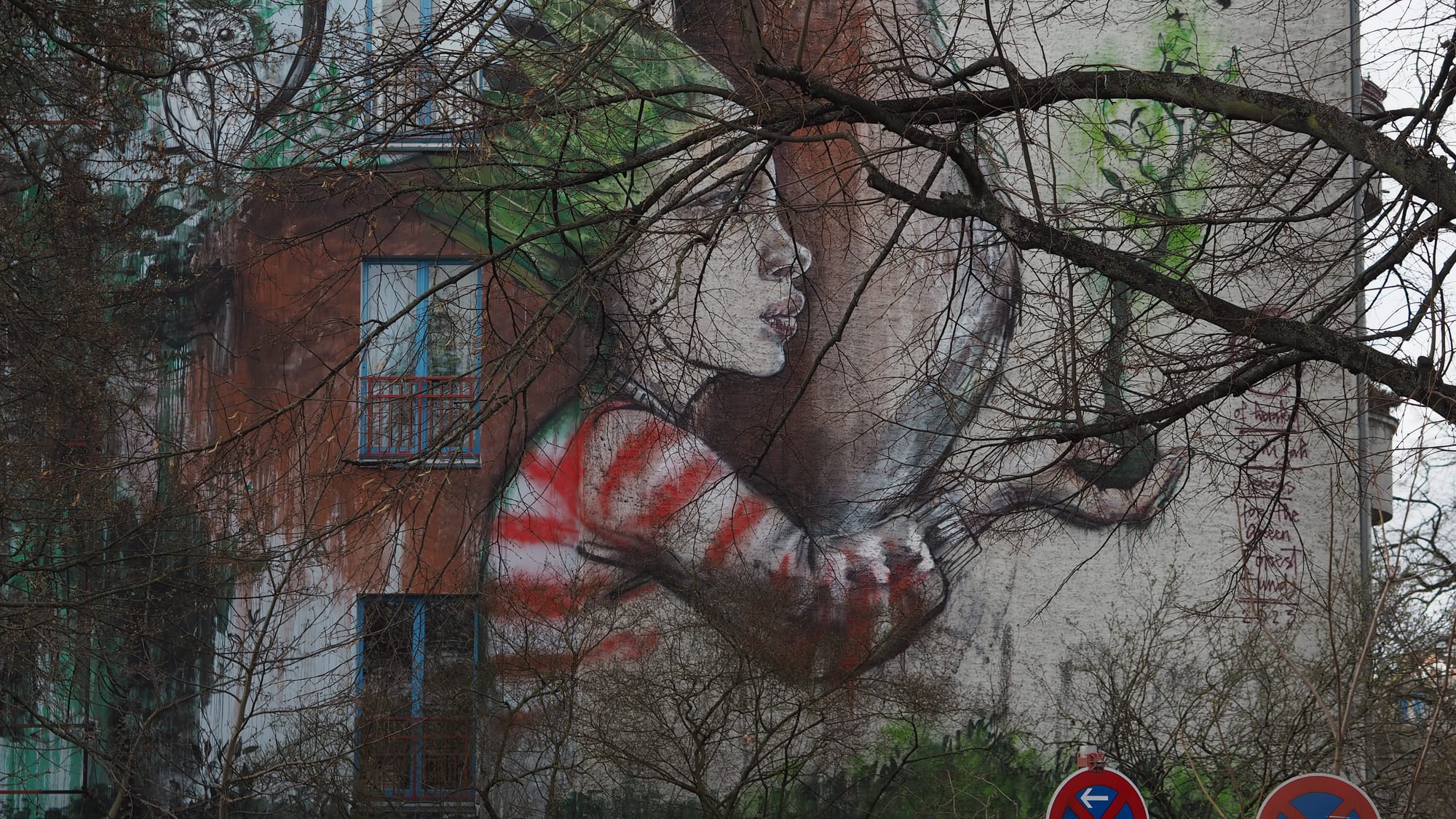
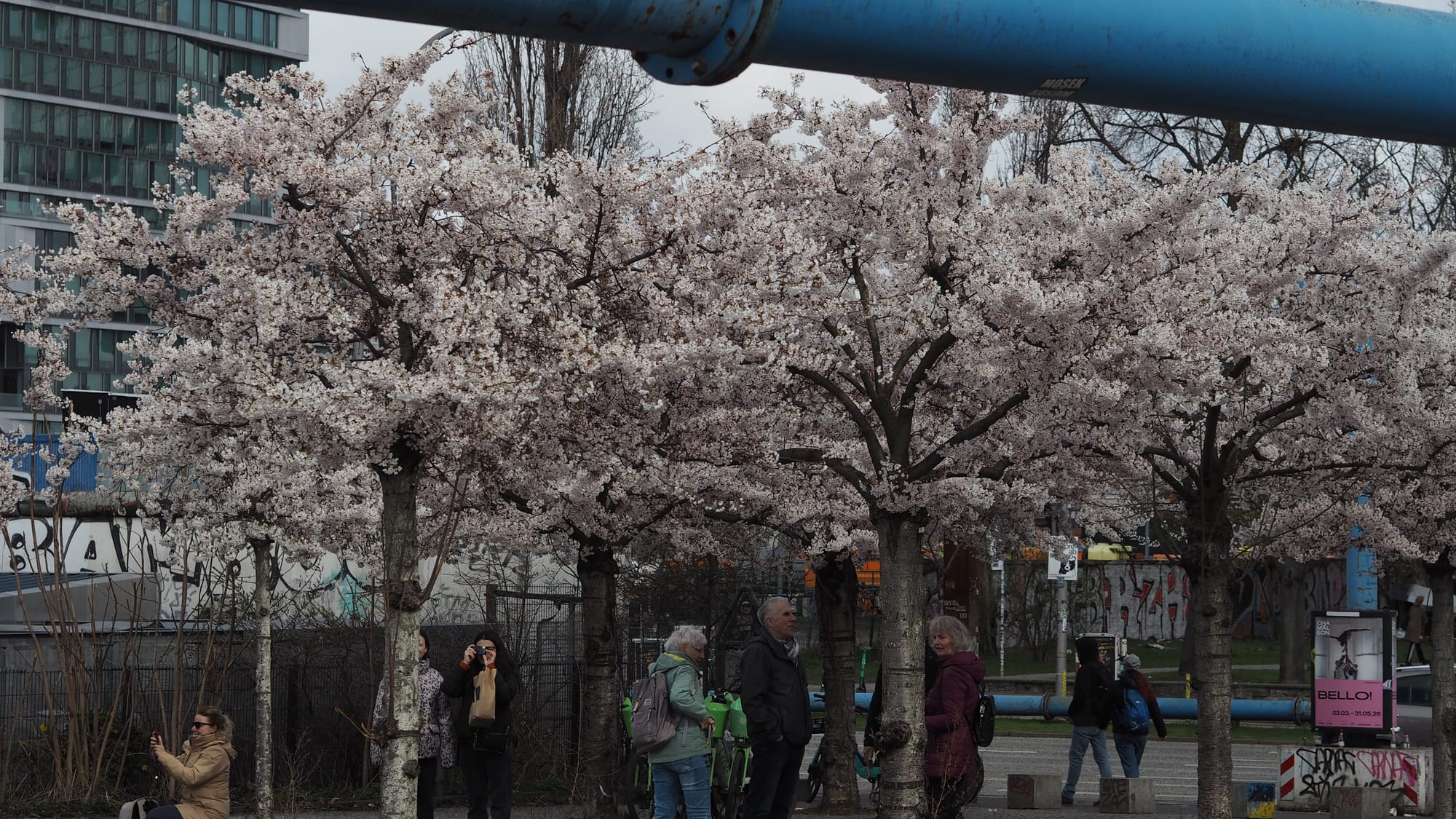
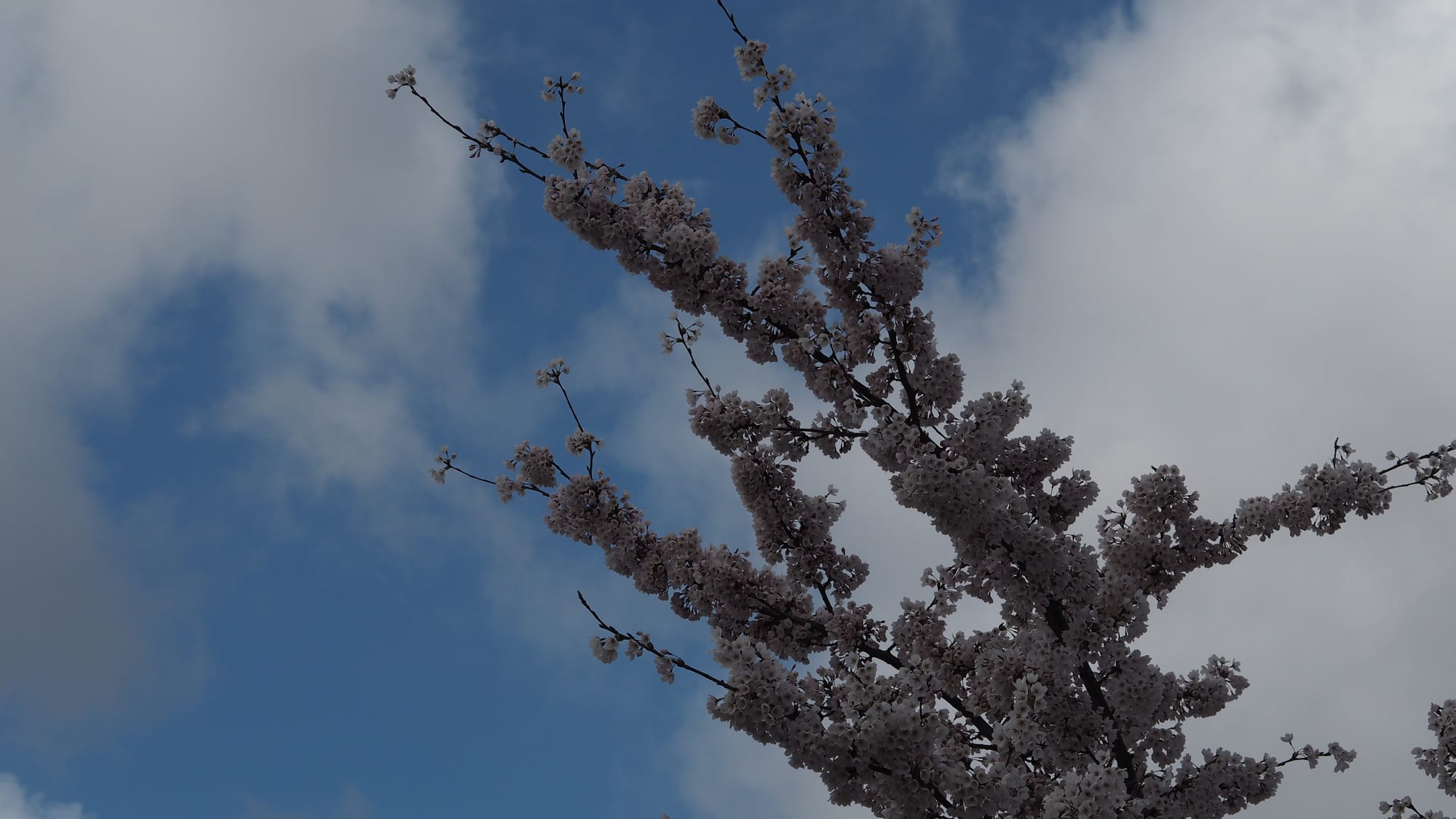
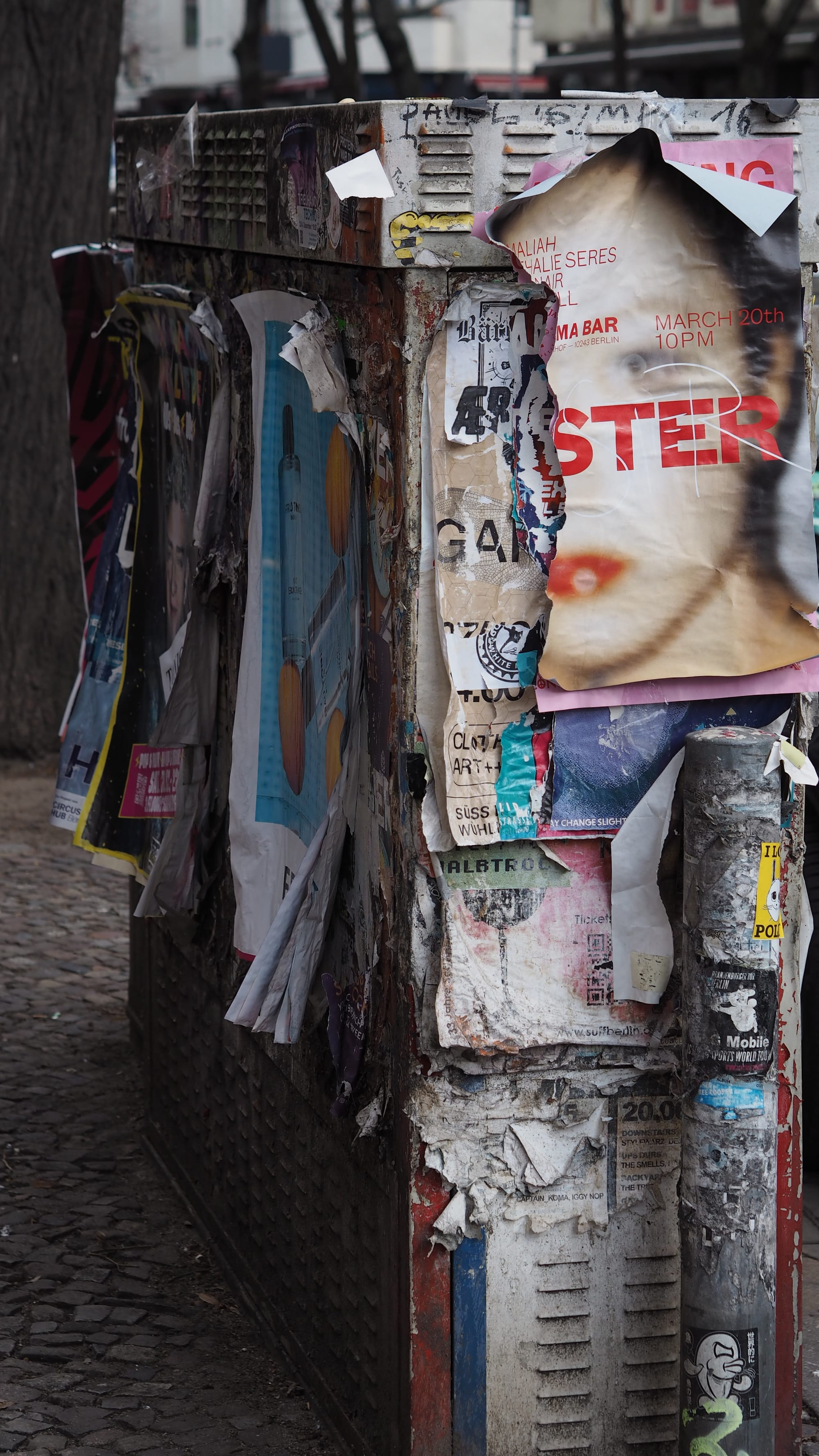
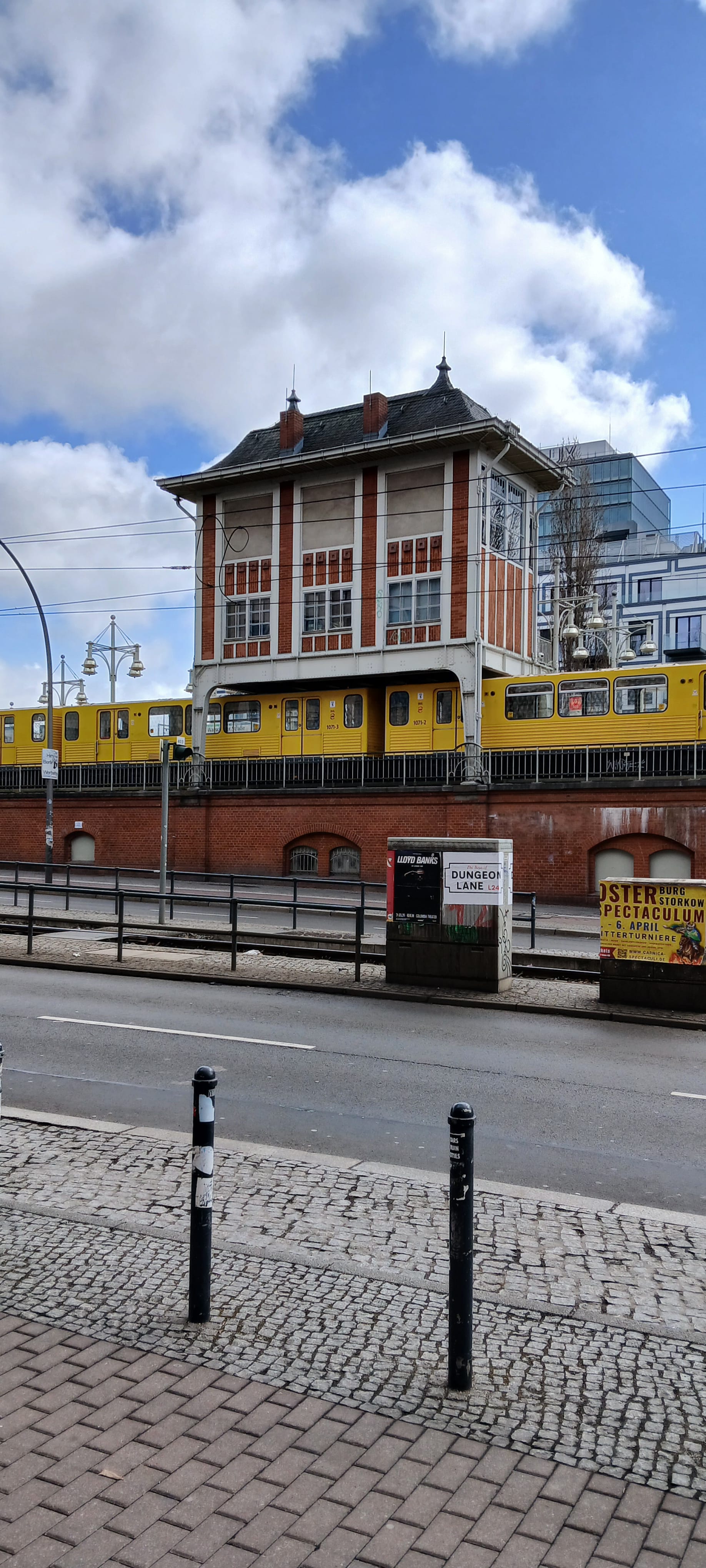
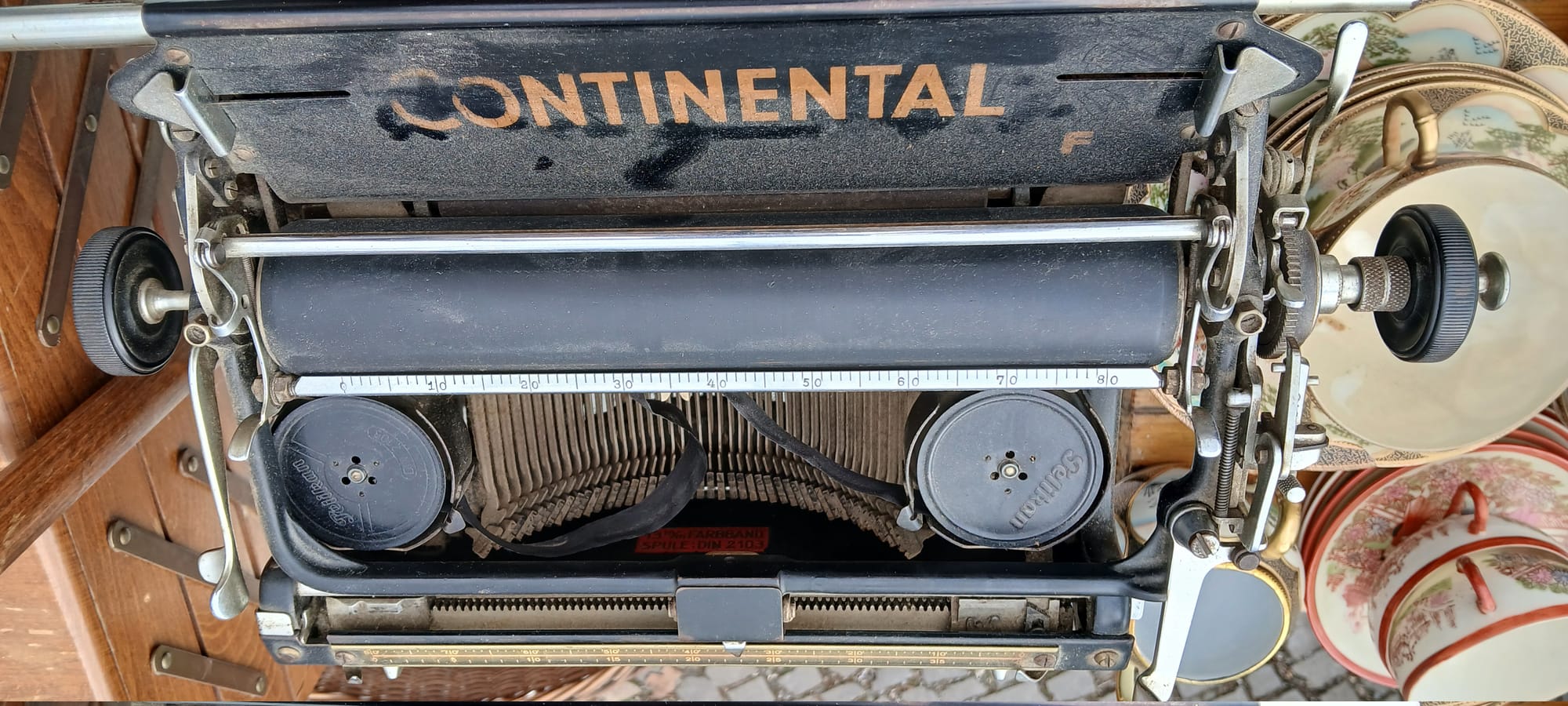
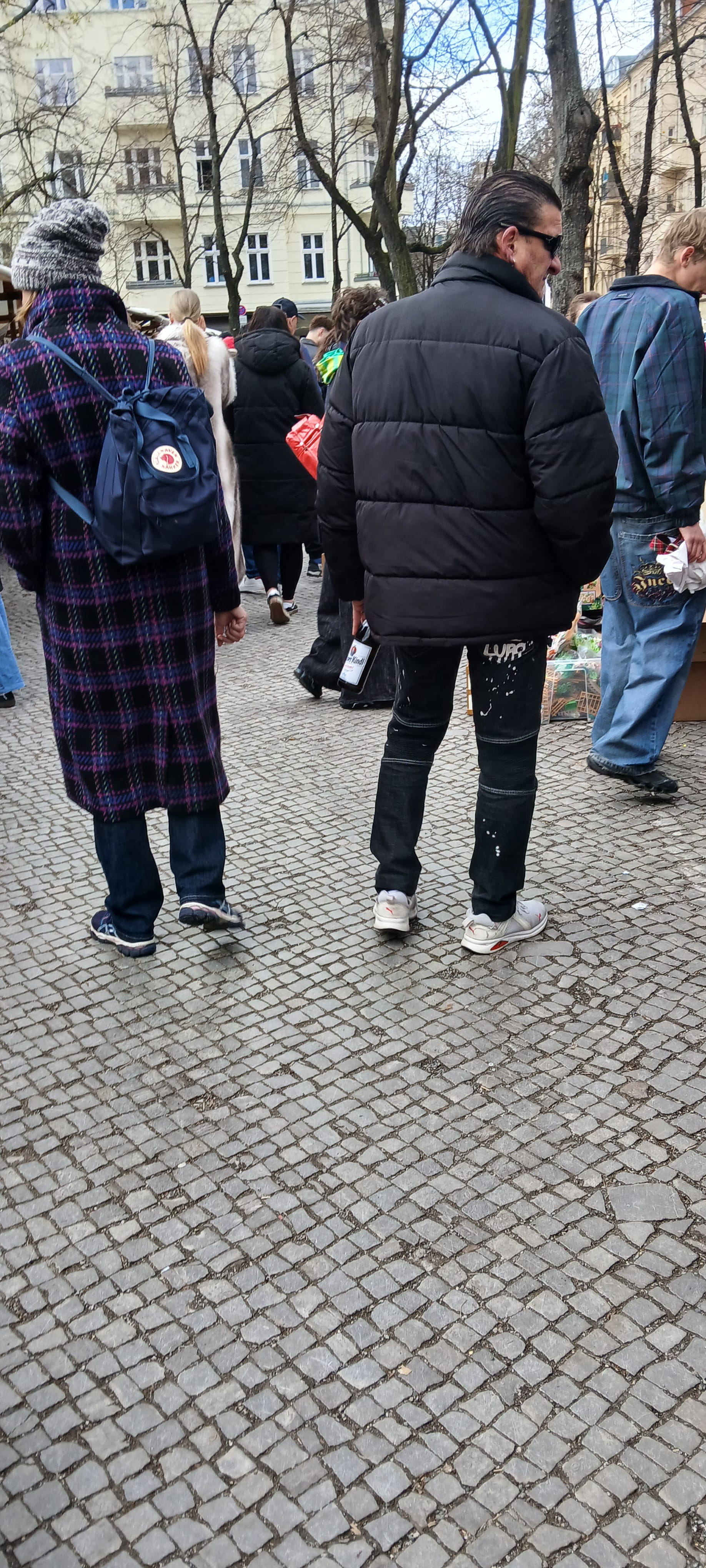
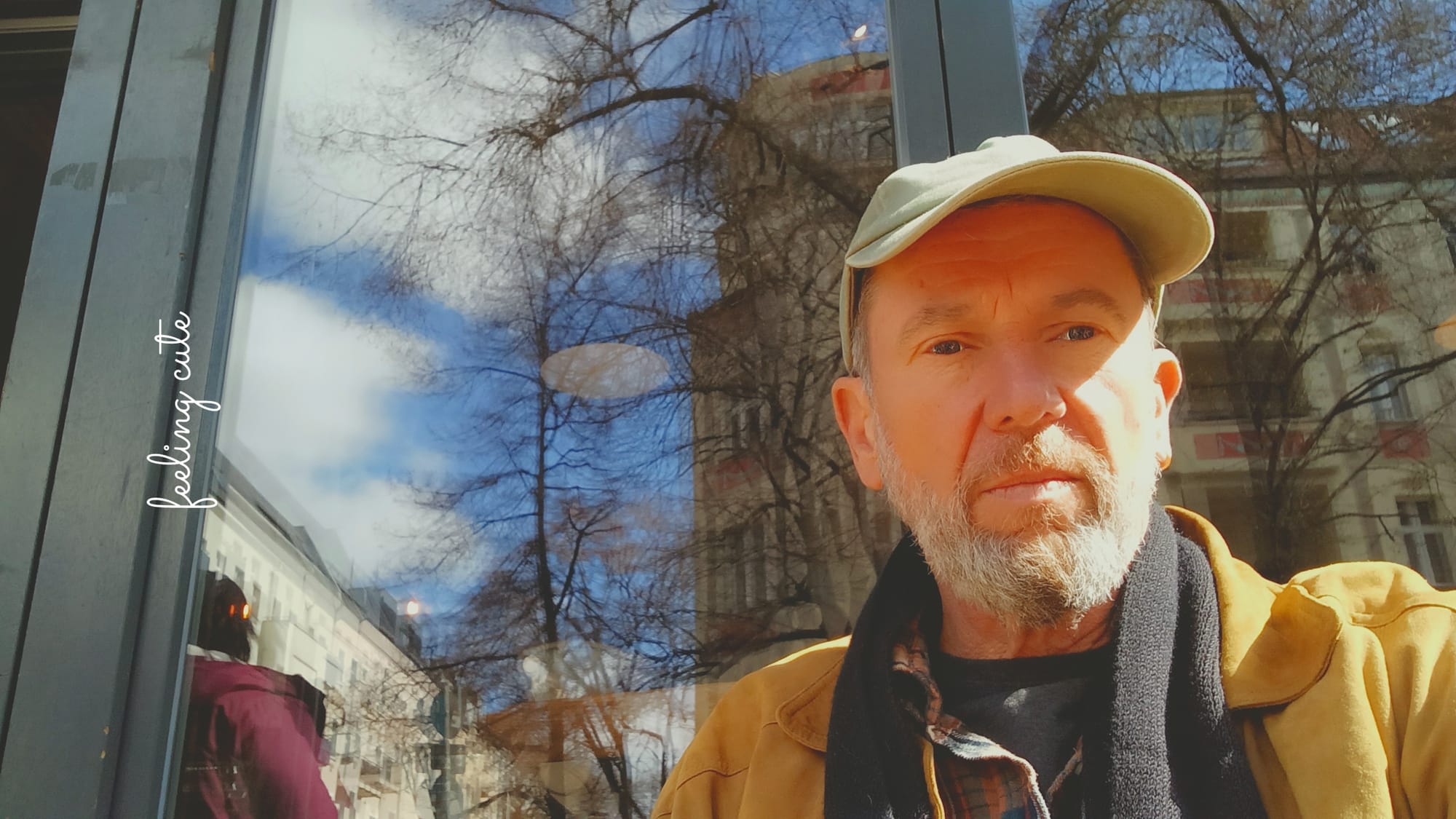
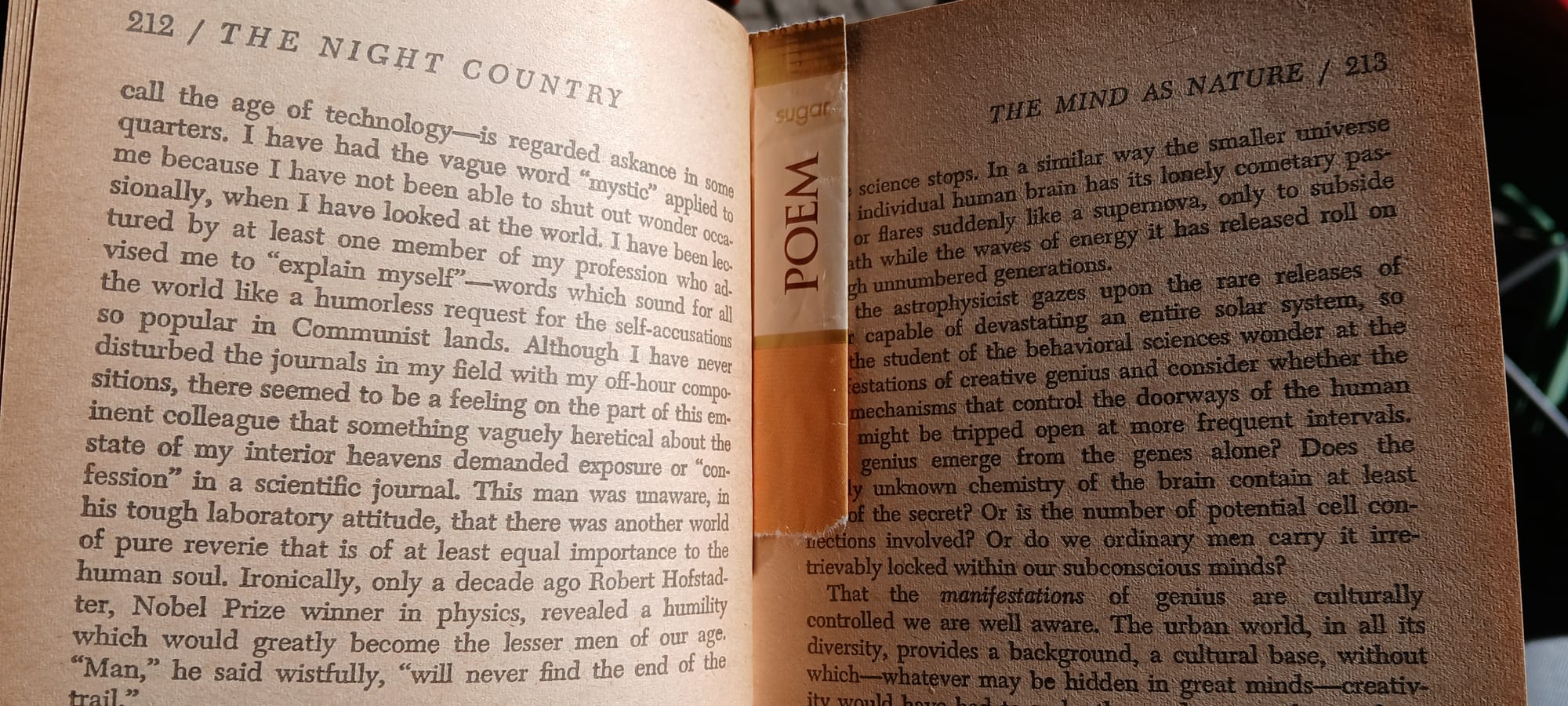
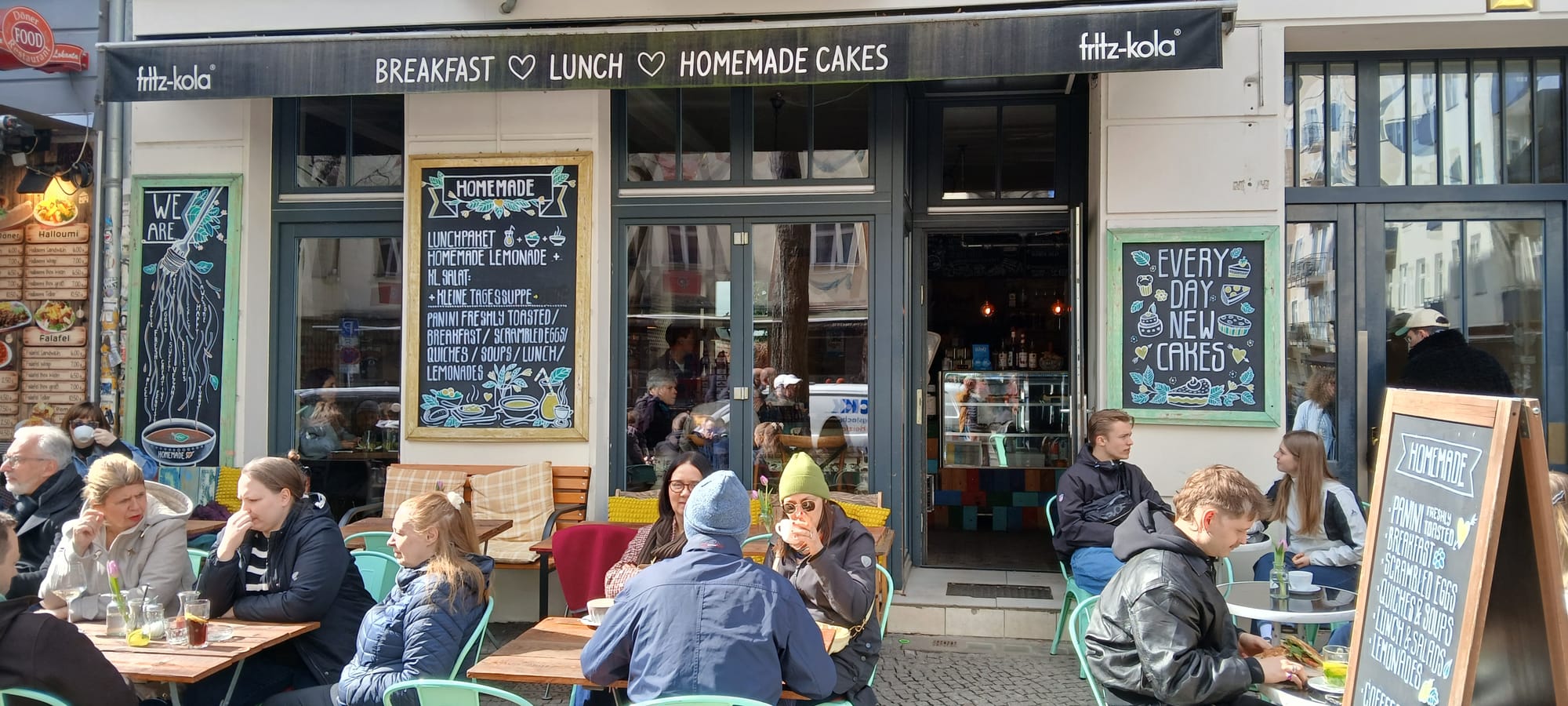
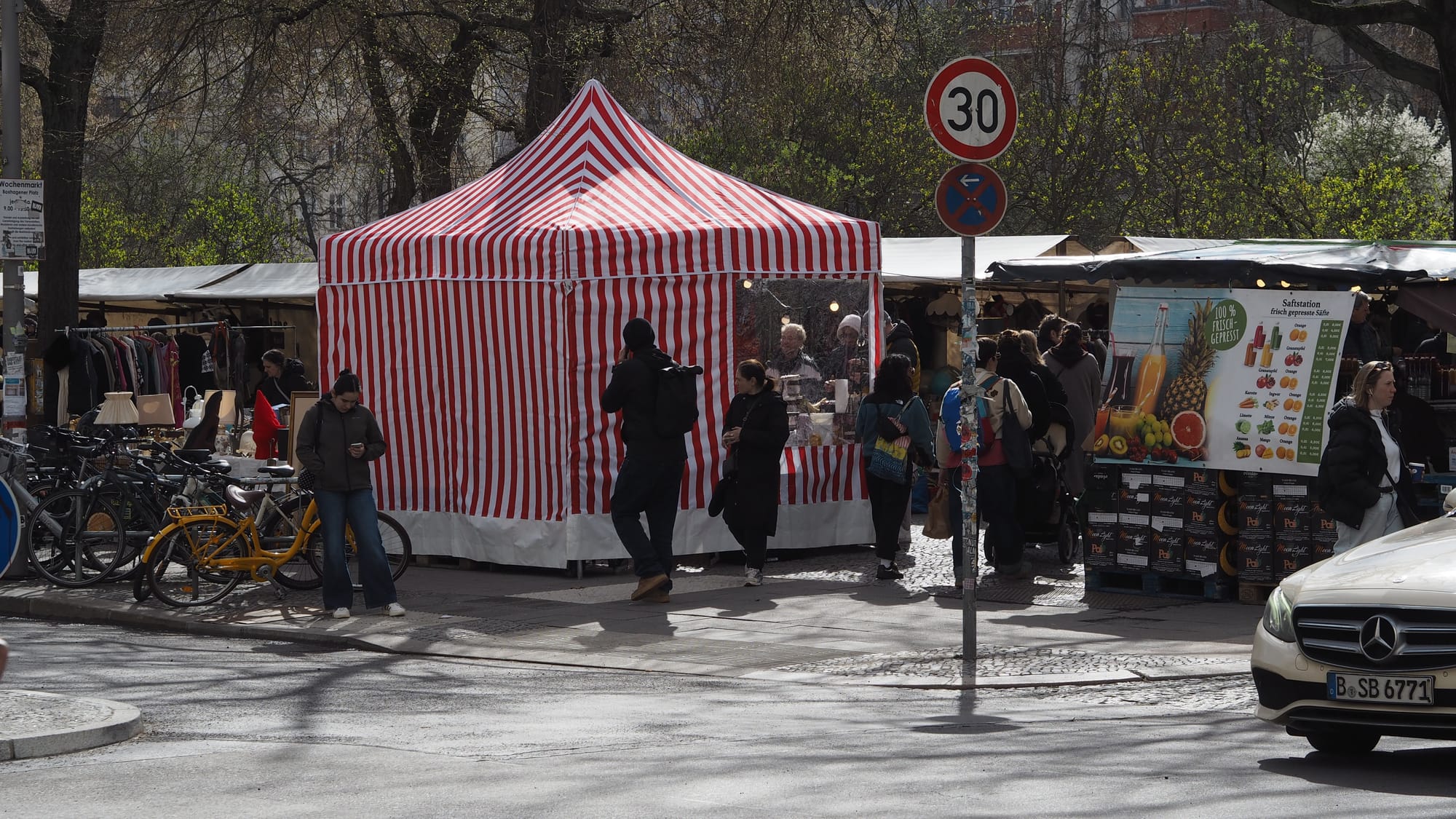
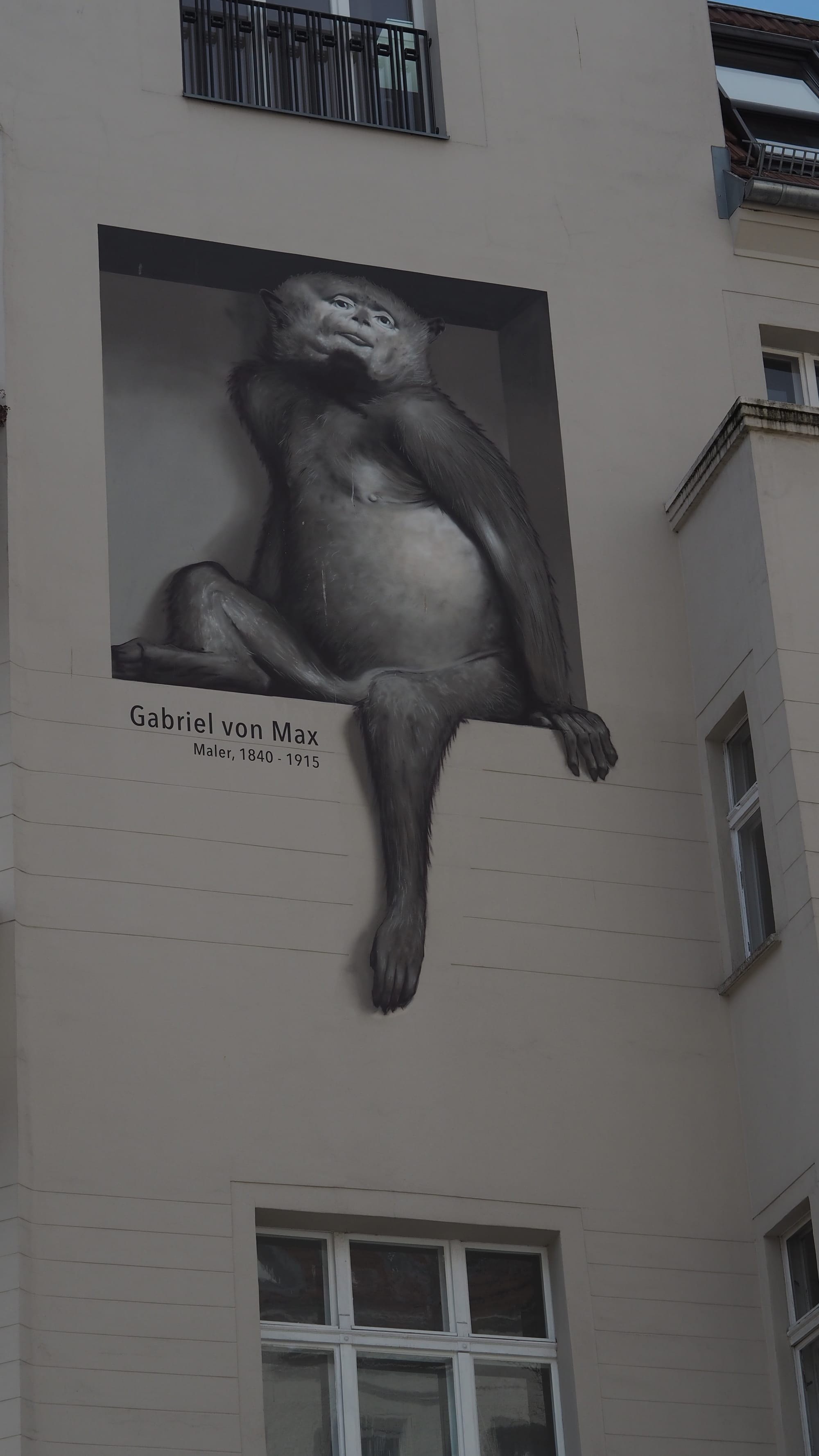
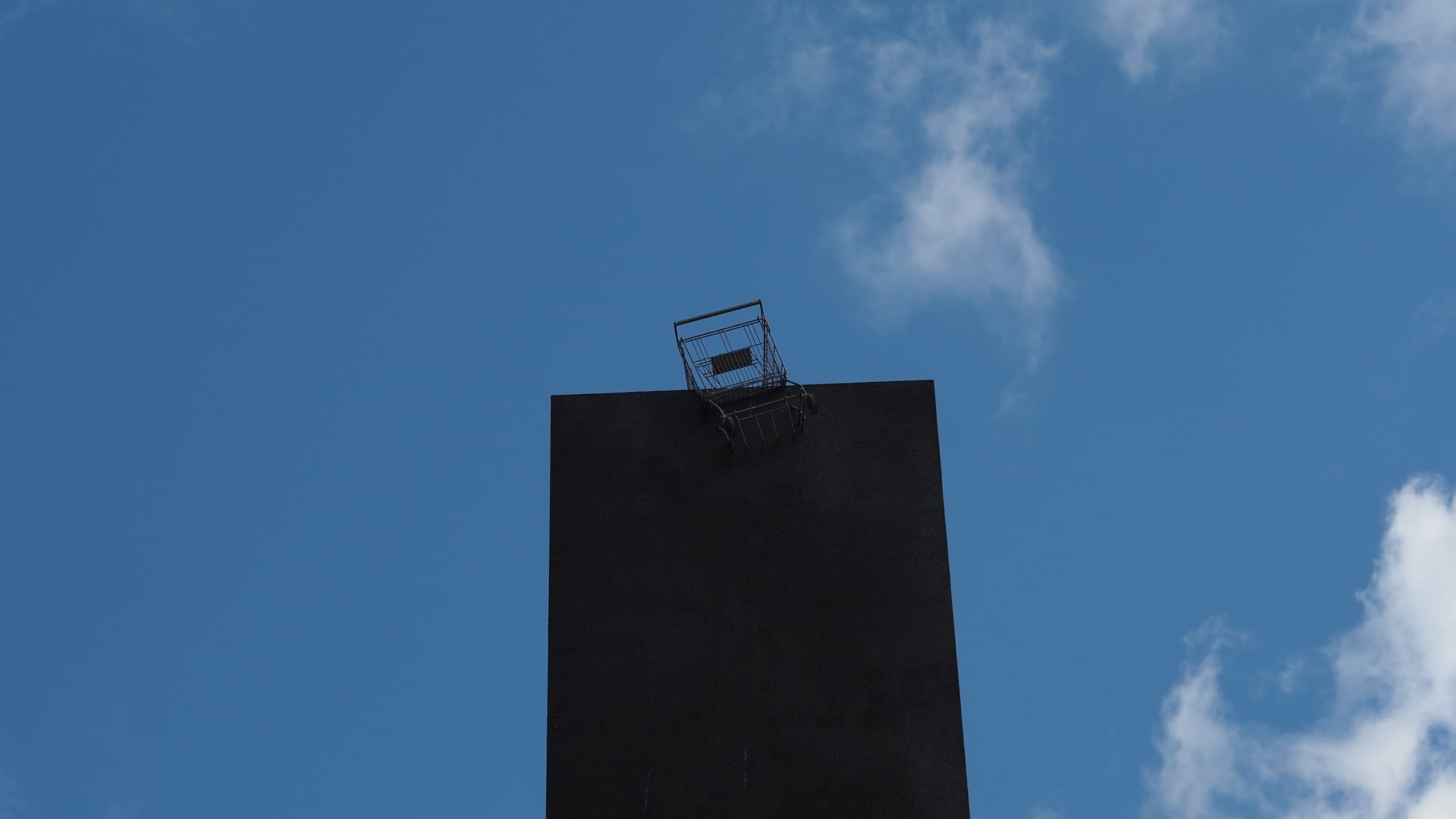
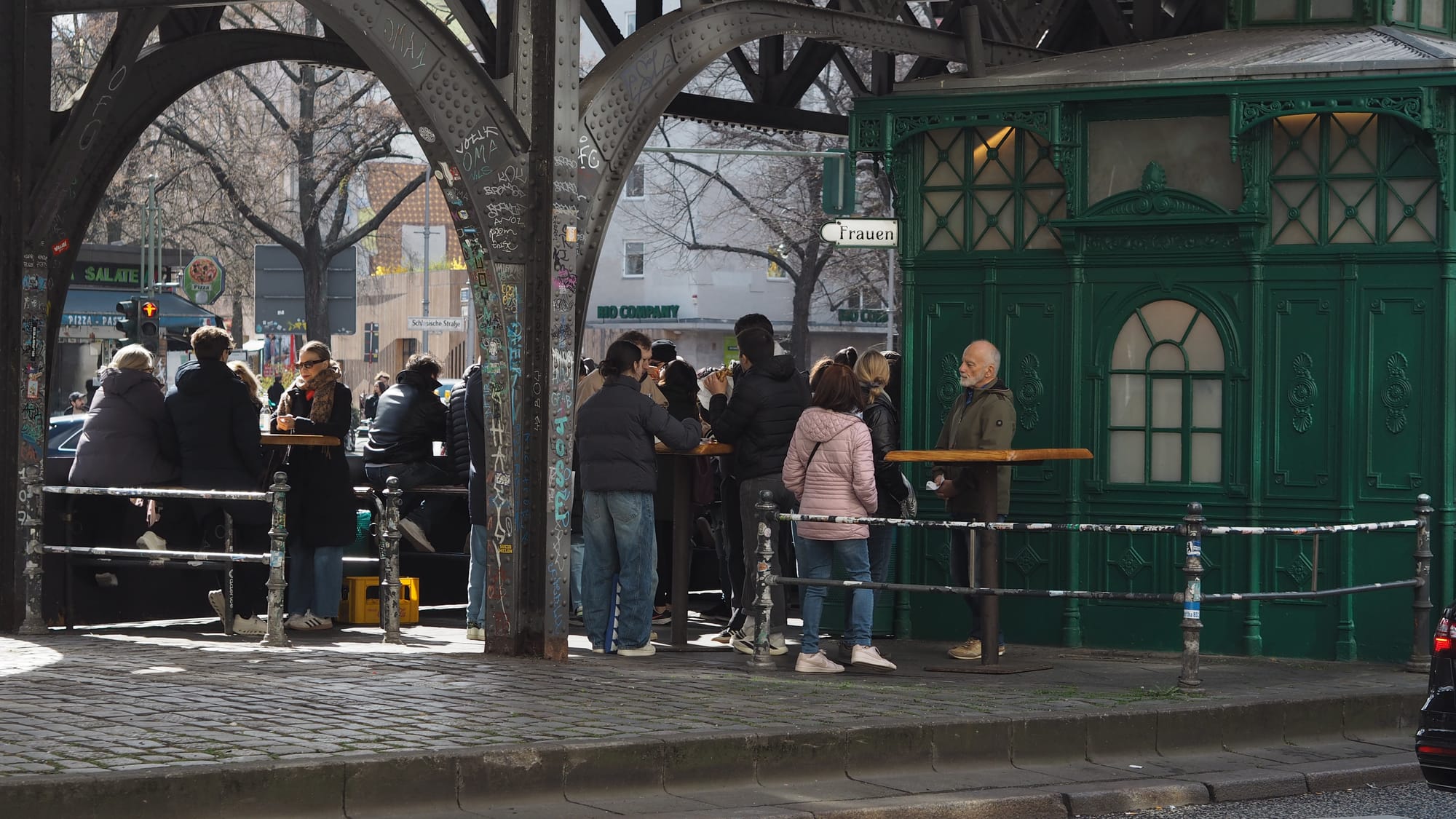
- a public toilet, the birthplace of Burger Meister
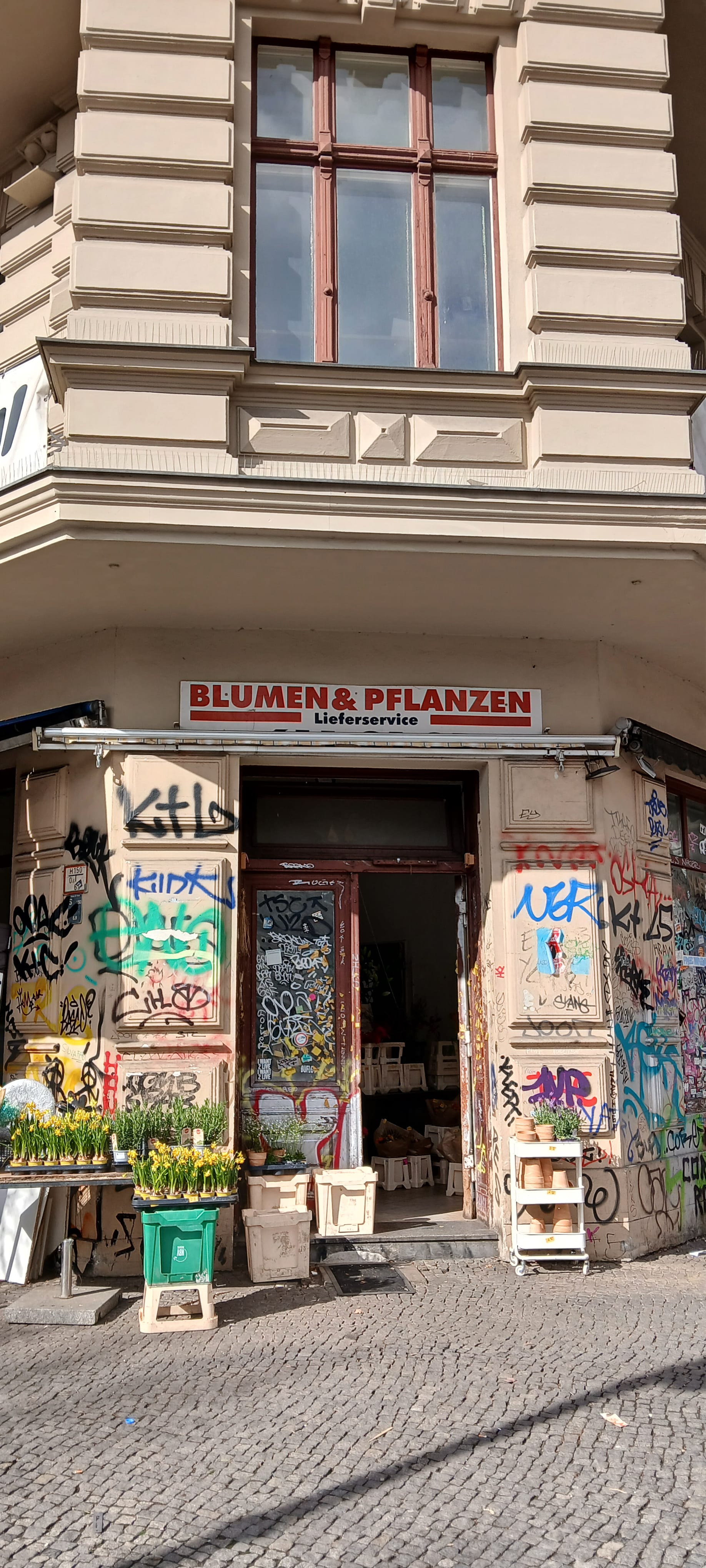
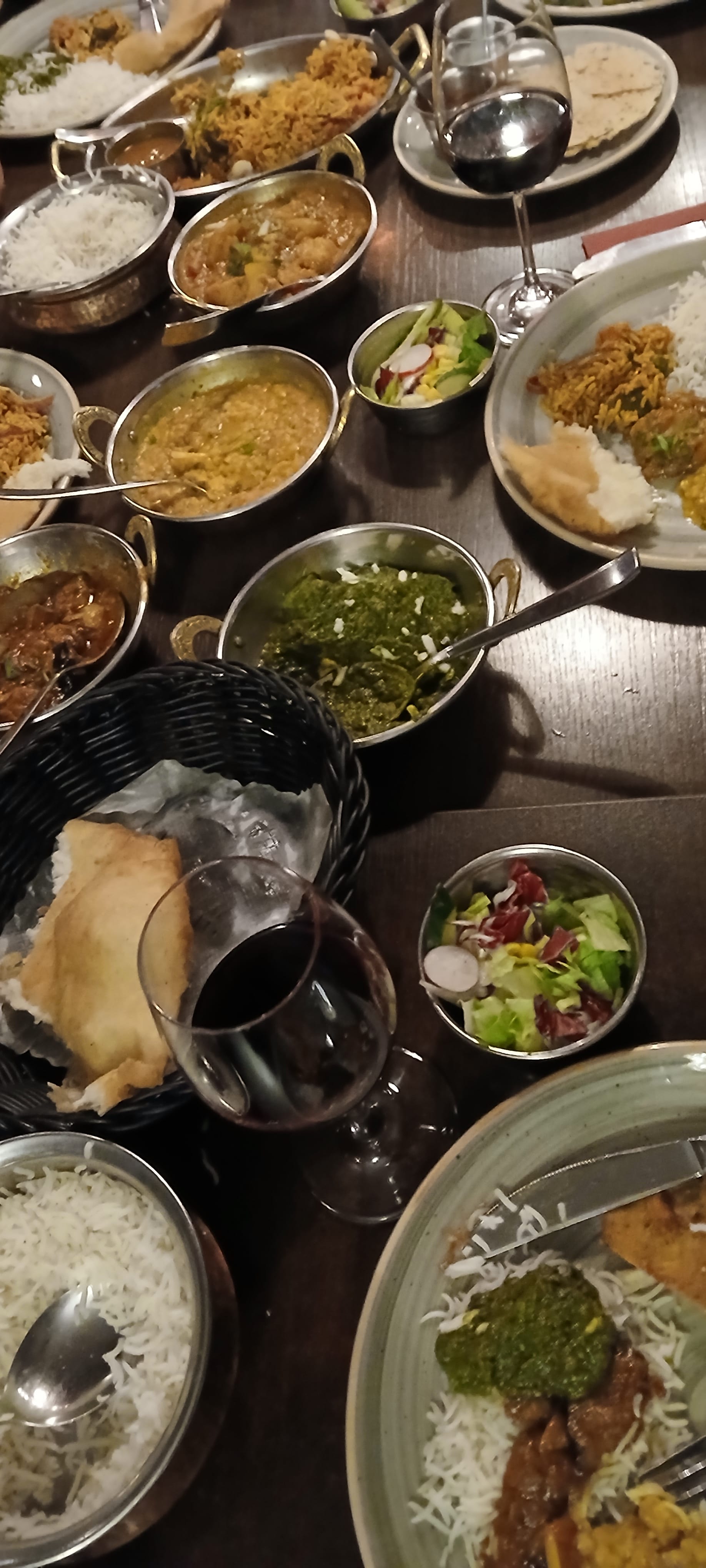
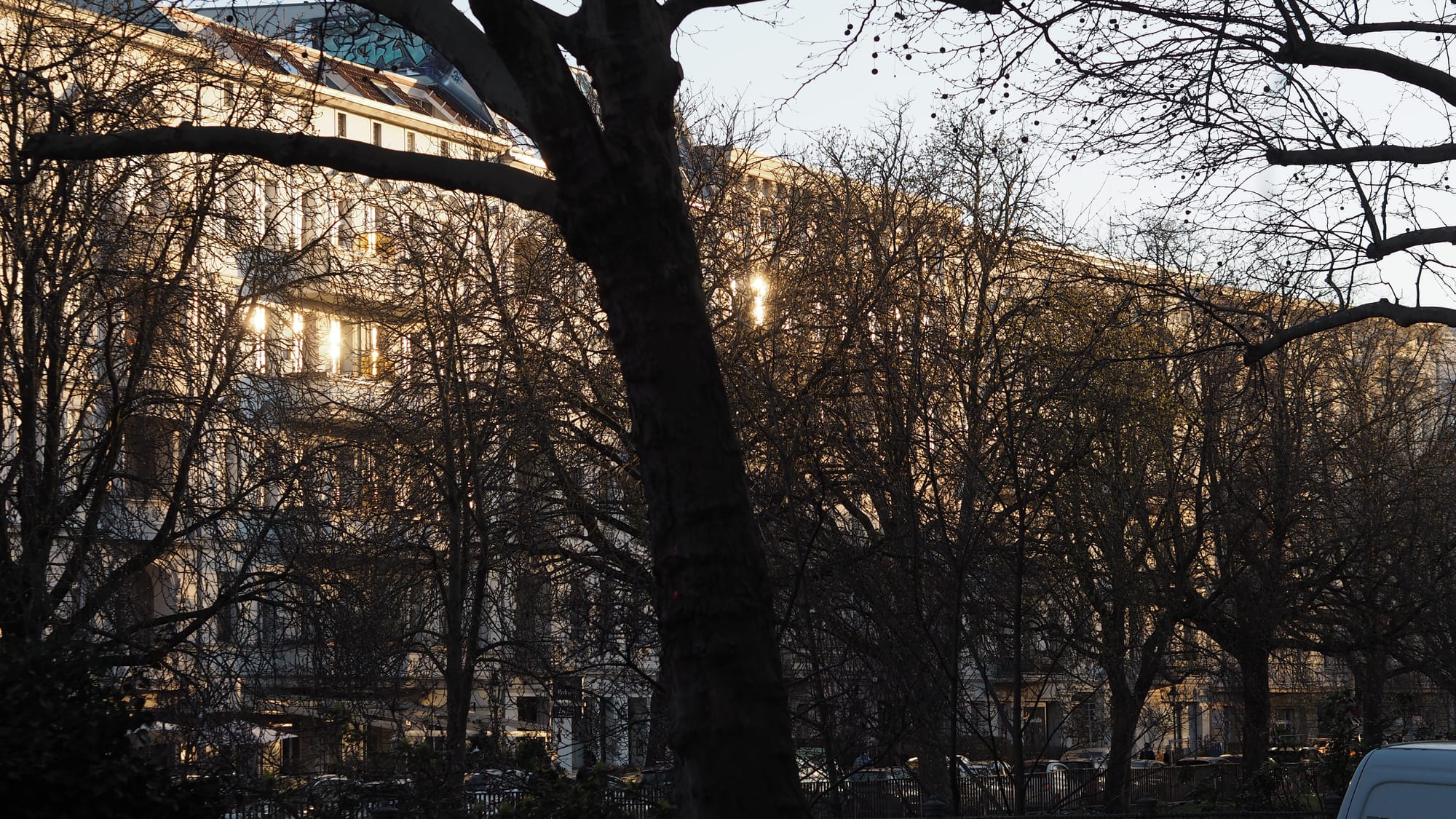
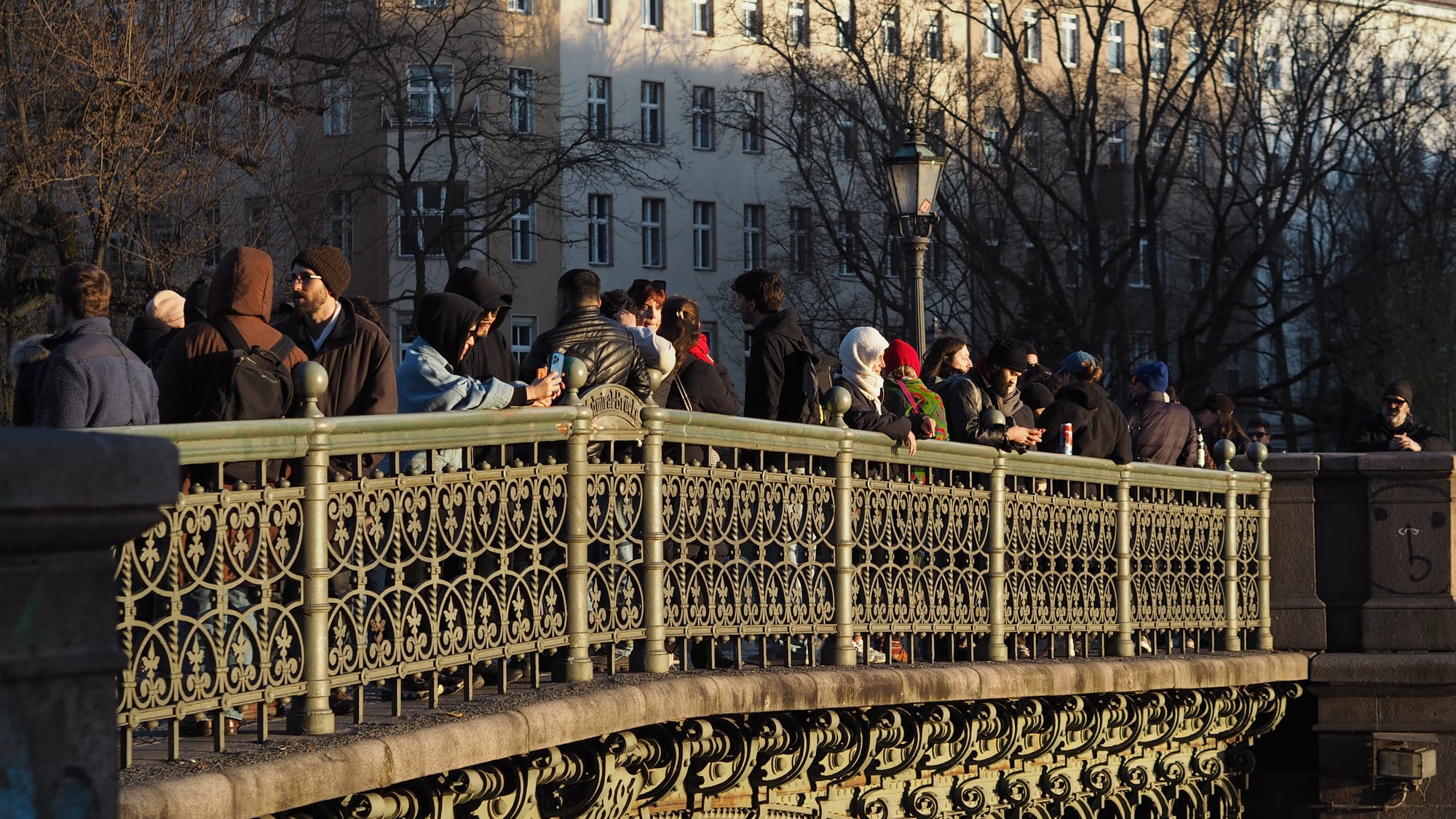
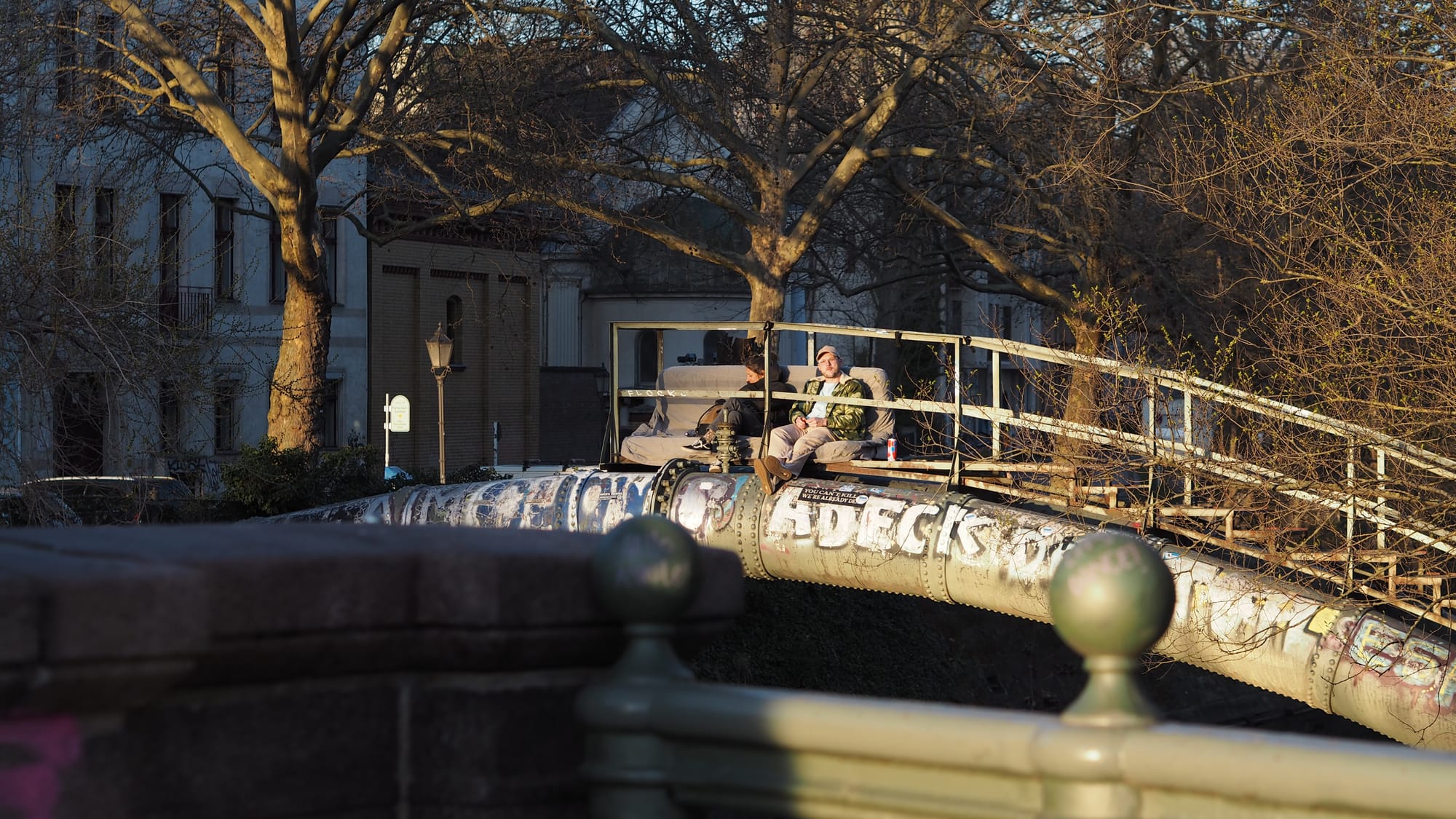
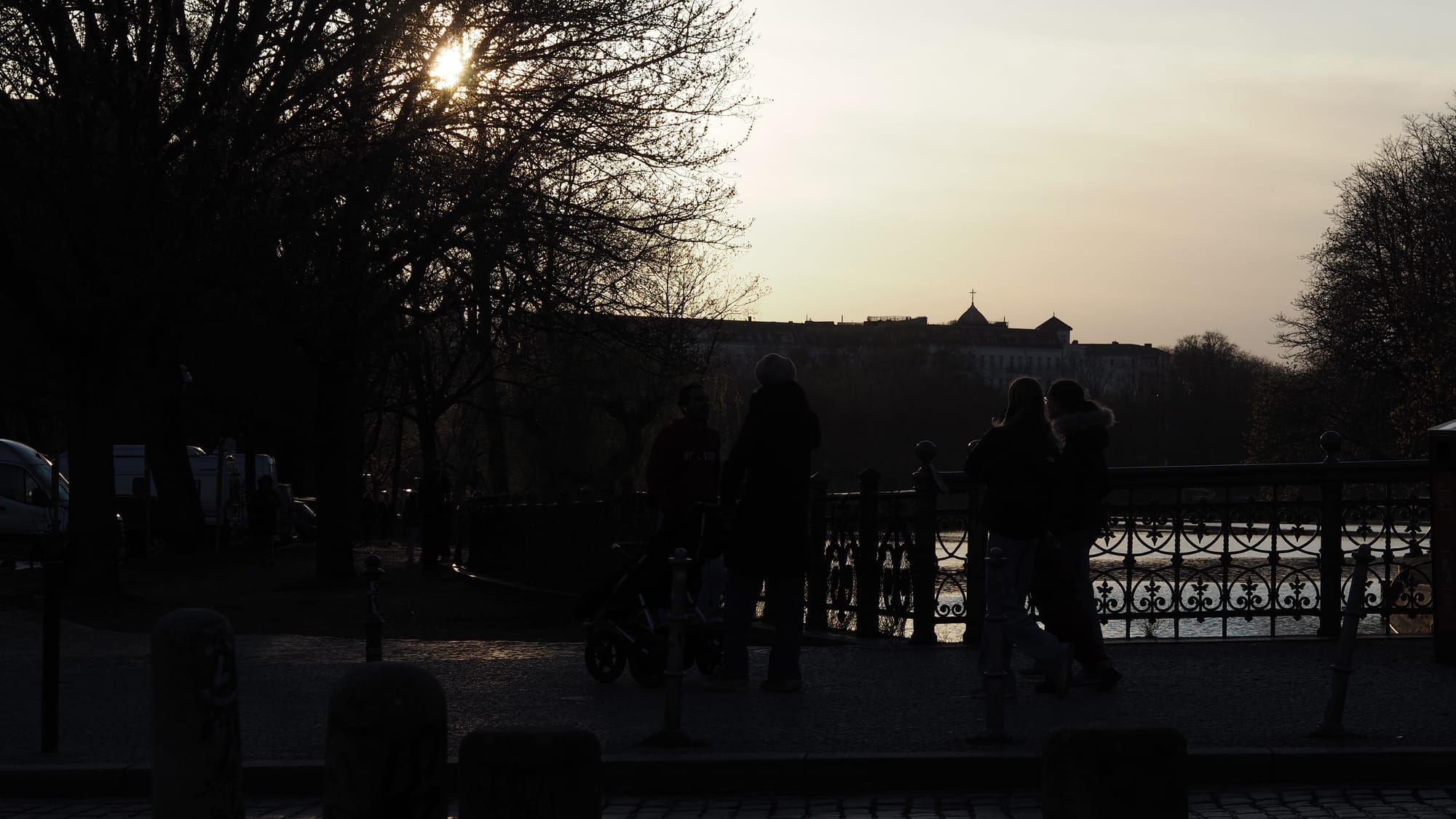
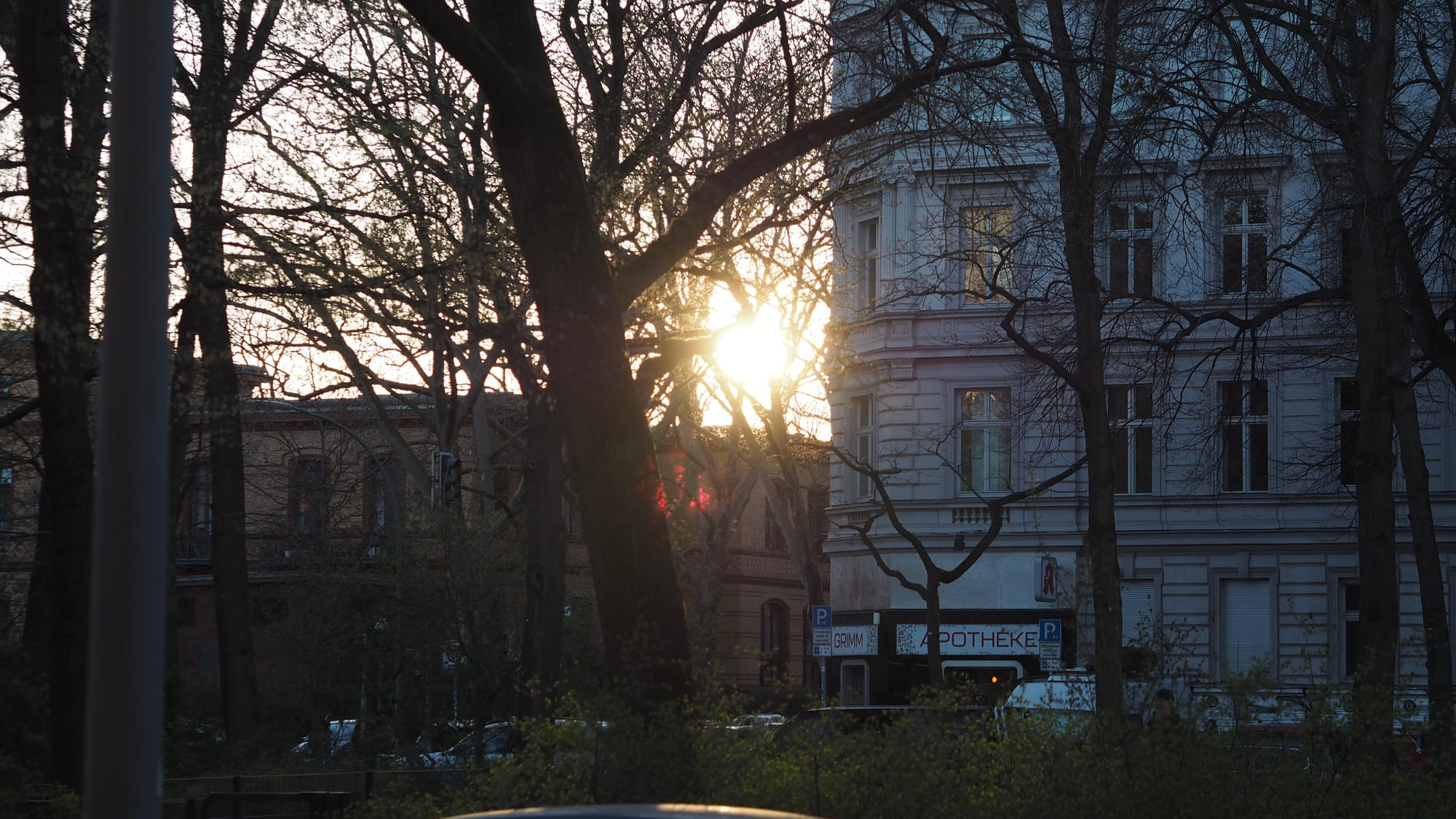
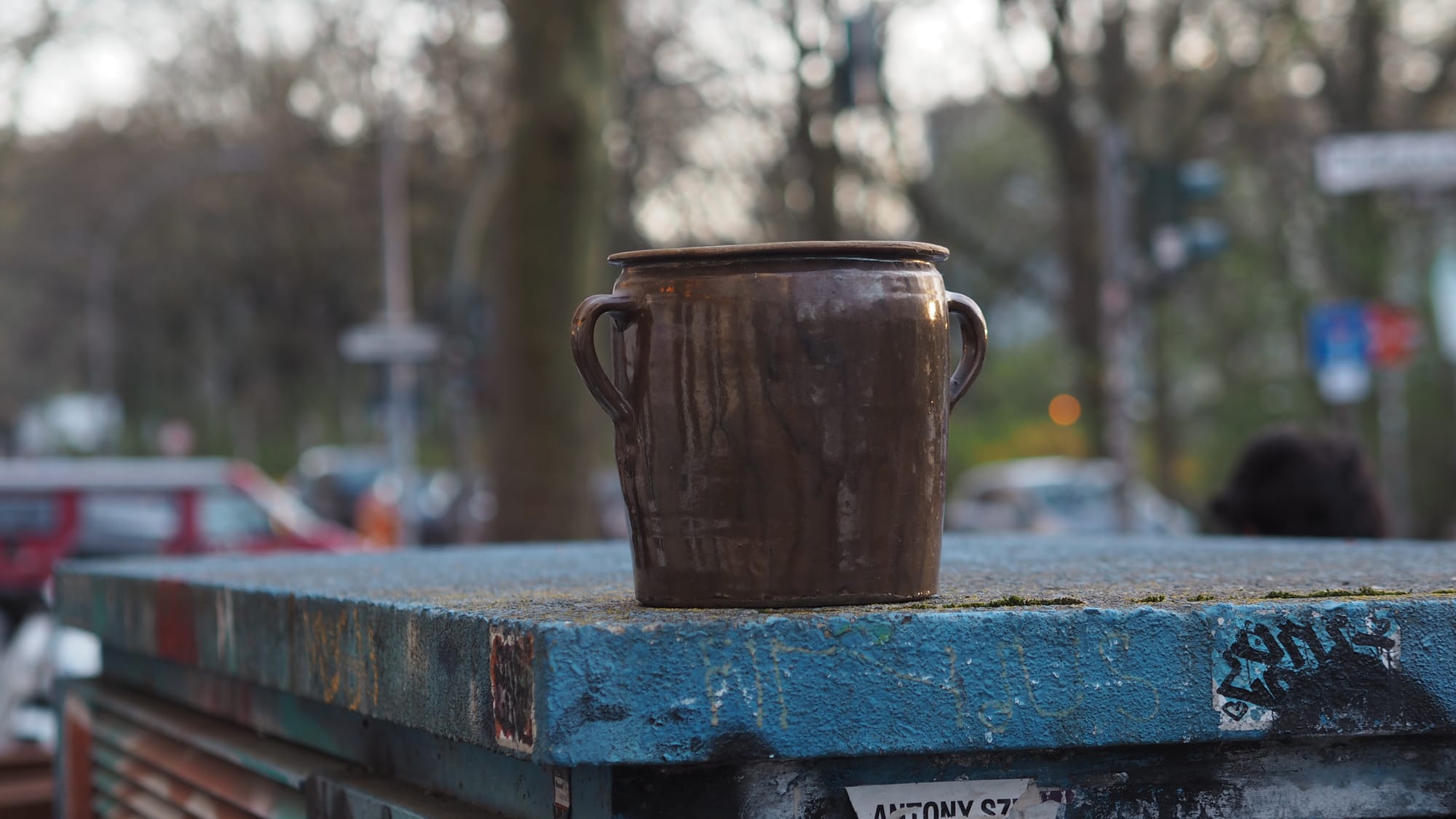
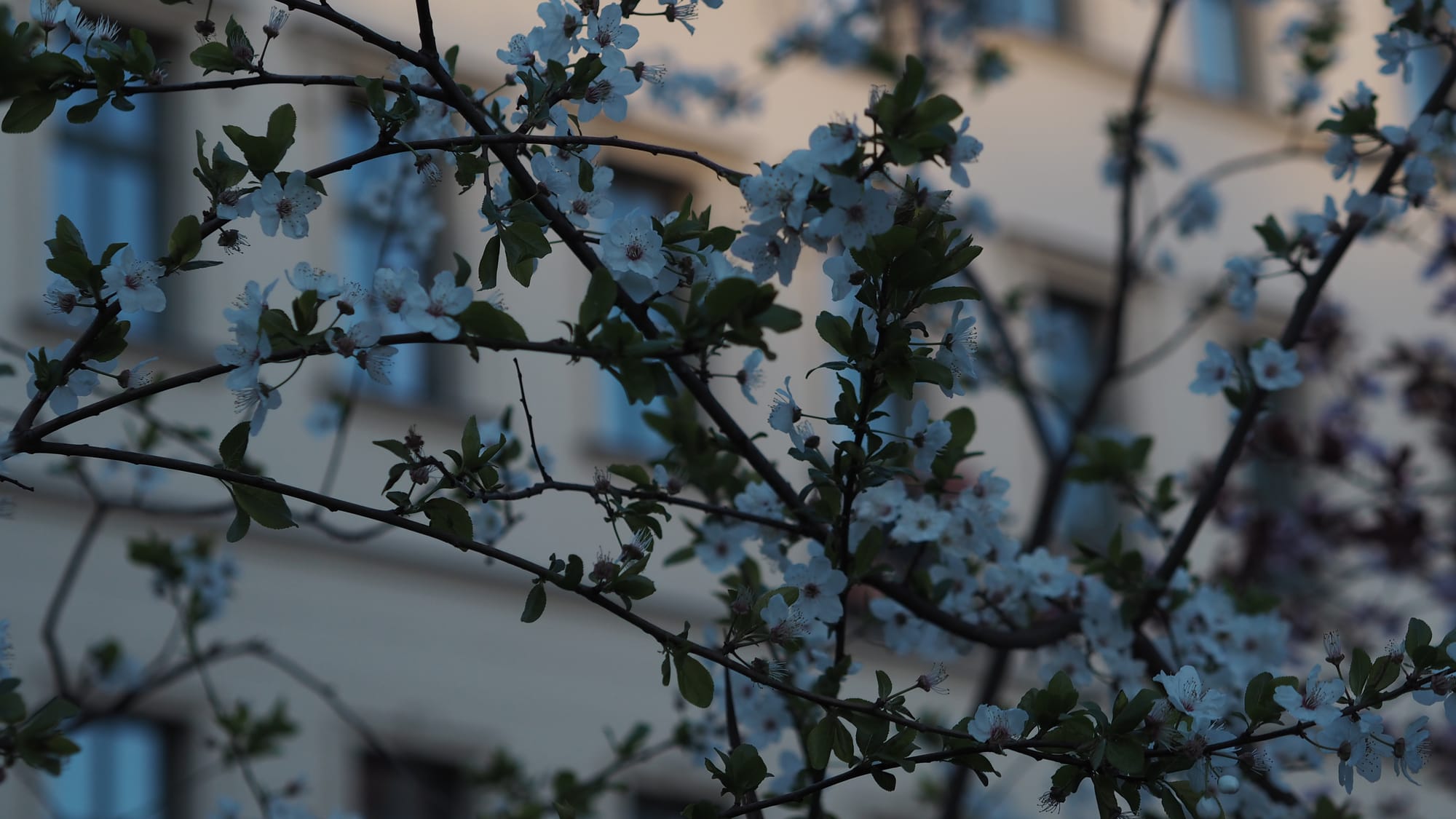
a series of photographs documenting our route at sunset to the Indian restaurant:
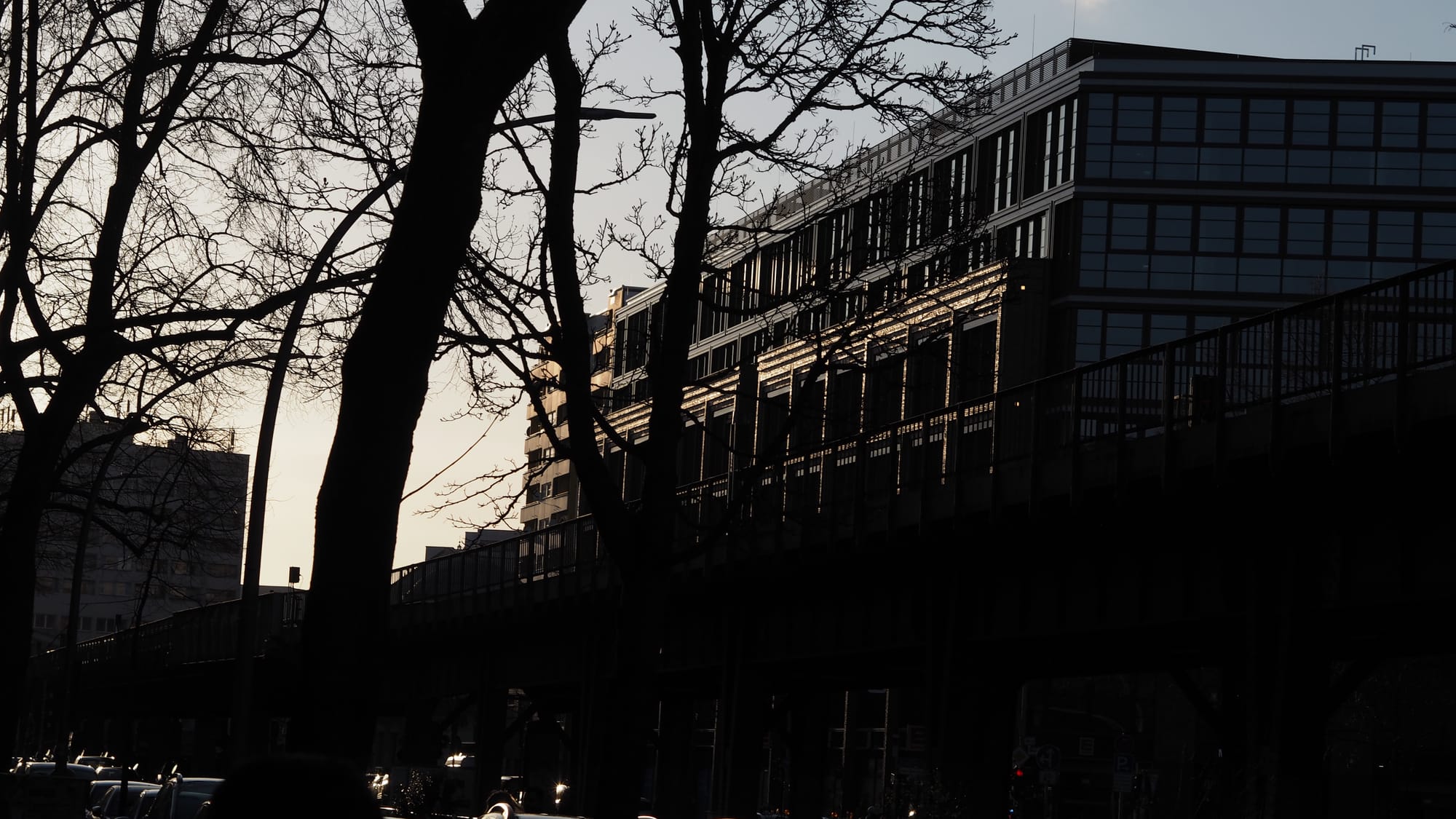
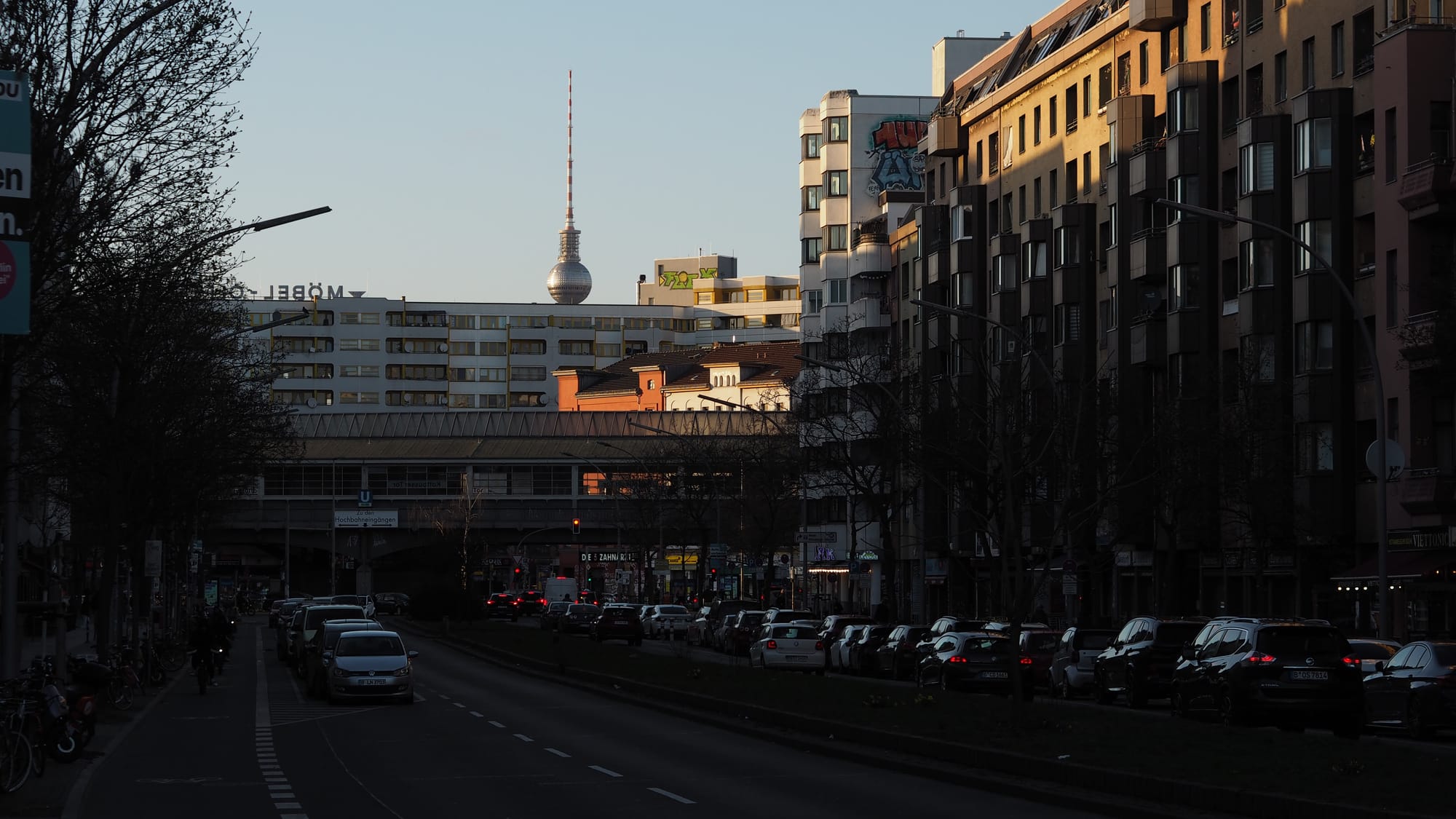
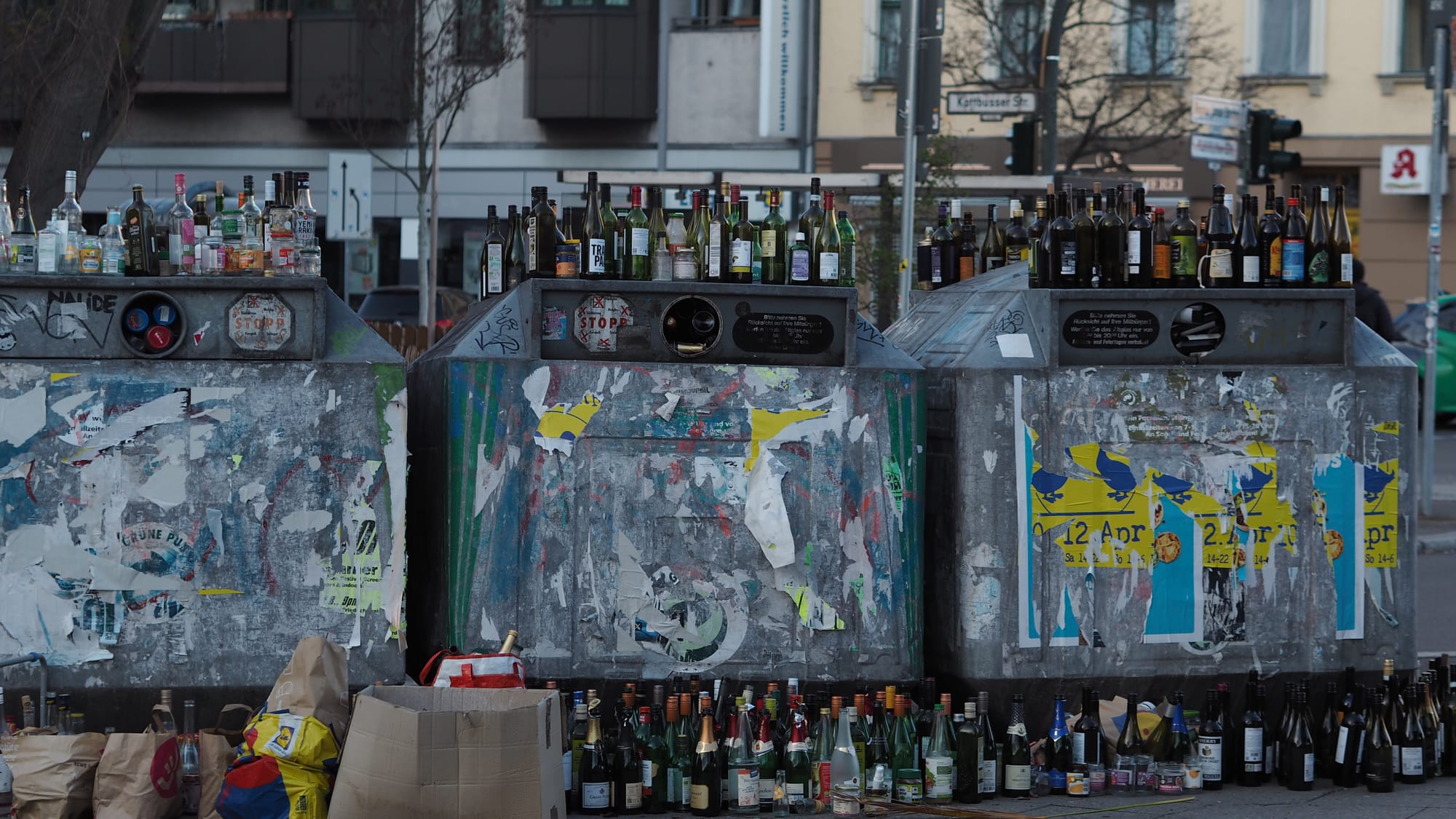
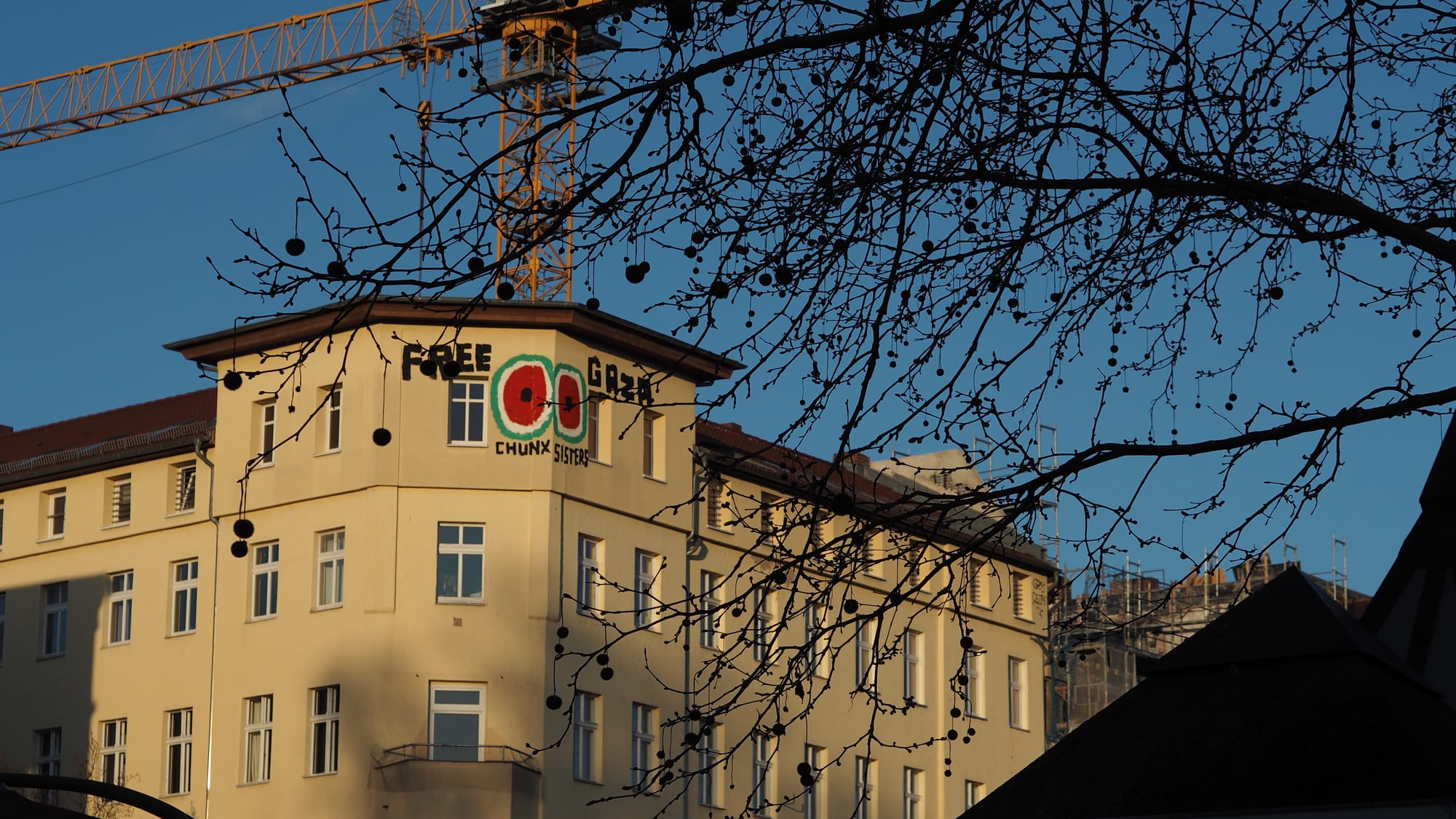
Keramik-Museum Spandau
Spandau Prison, we drove past several times hoping to get a glimpse of Rudolf Hess, its only inmate. It was unimaginable, cruel said some; he had gone crazy, you could hear him outside the prison walls screaming at night. There were seven, including Speer, 1947–1966. Only Hess was left. In 1987, he hanged himself in his 'summer house' in the prison garden, it resembled a shipping container with windows down one side; then, the prison resembled a castle. He was 93.
He had allegedly flown to Scotland, in 1941, to negotiate a peace deal. Hitler thought he was mad, ahead of the trend. Deserves a play. The Madness of Rudolf Hess.
Spandau Citadel was built as a prison. It only became known as such with the post-war incarceration of the Spandau Seven.
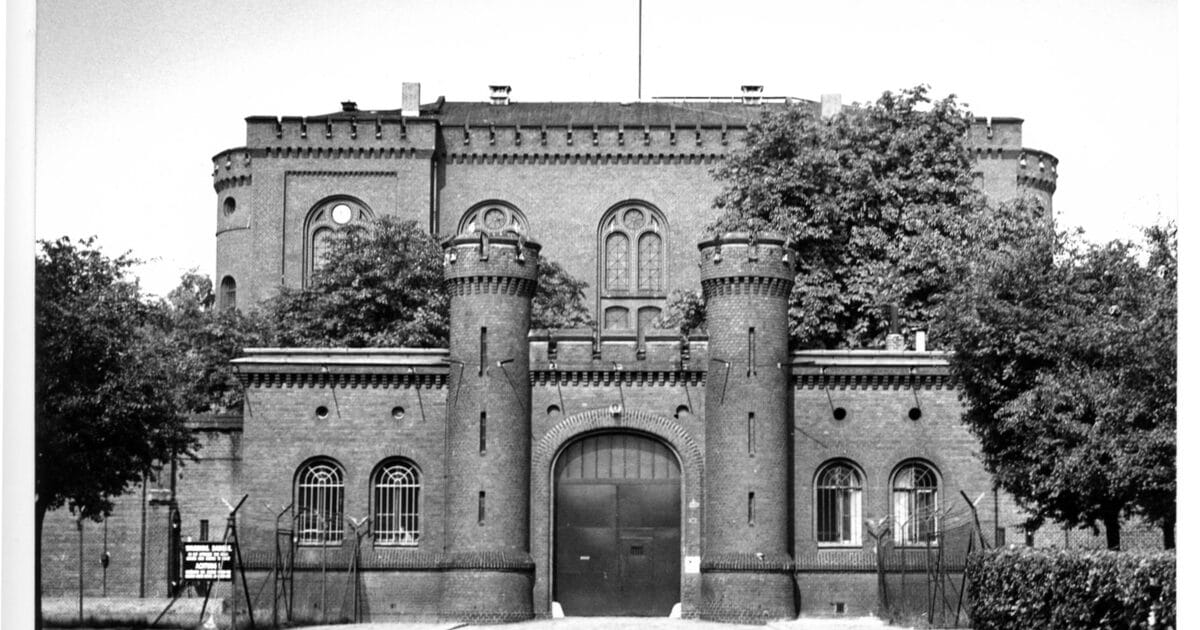
Demolished, its rubble ground to dust, the dust dumped in the sea, lest it become a site of veneration for neo-Nazis. It's all right. The Reichstag, the AfD holding 20.8% of the vote, is that now.
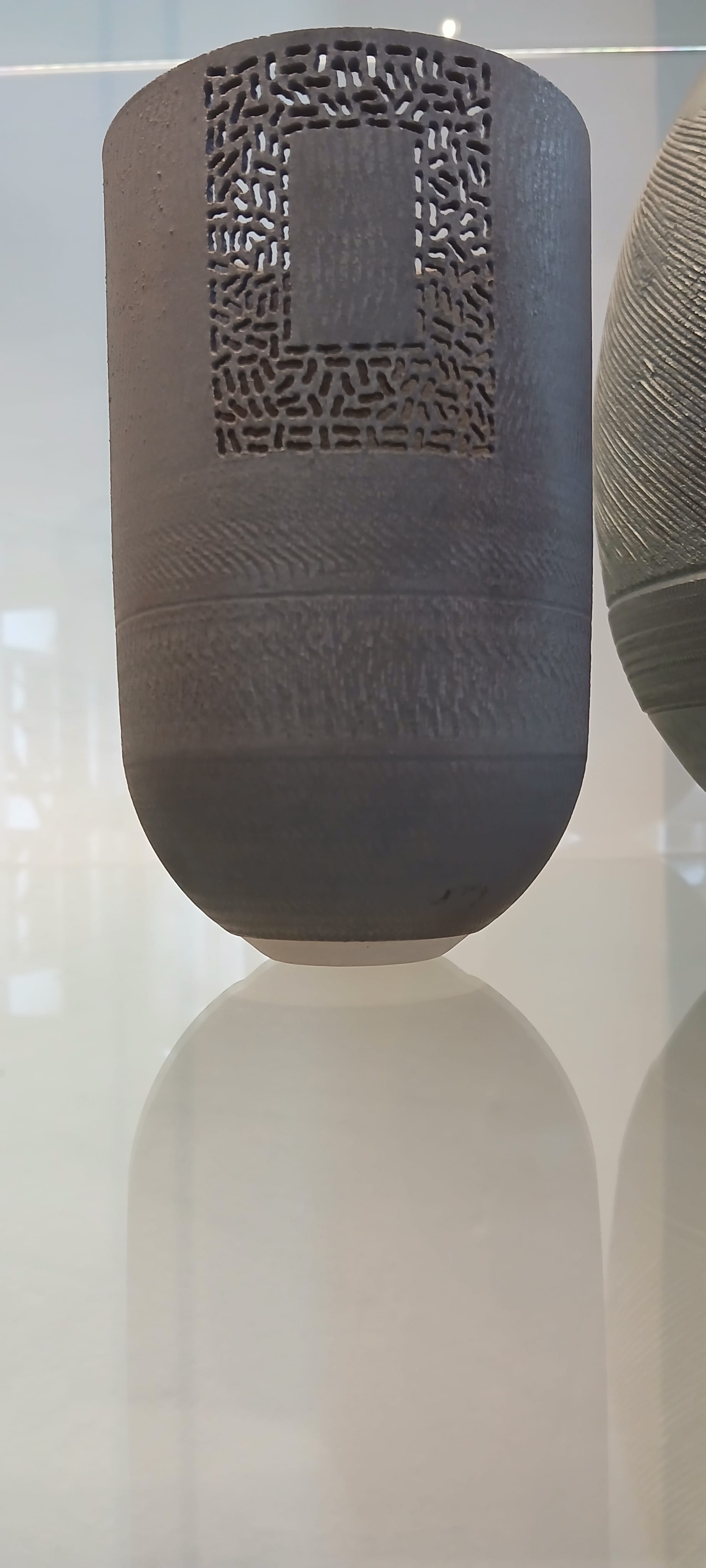
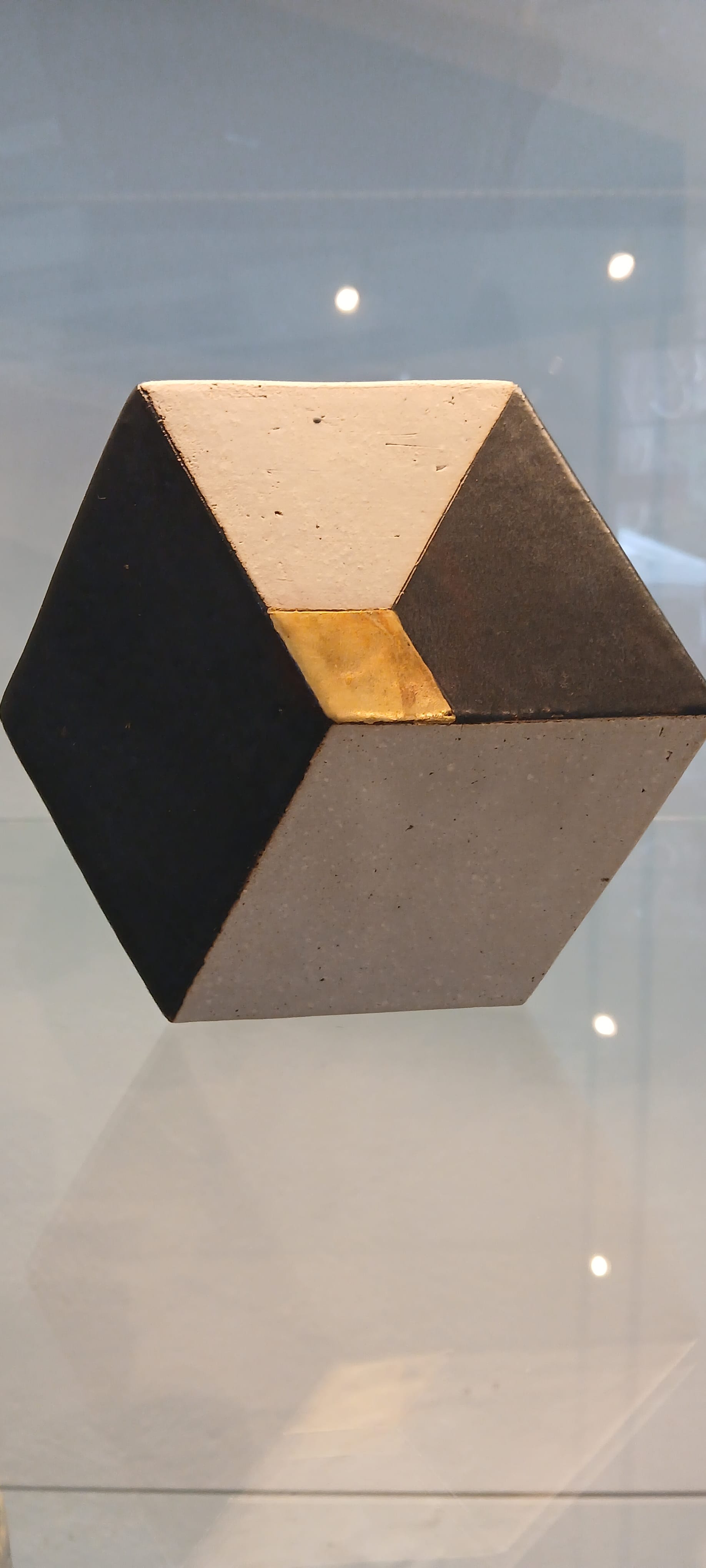
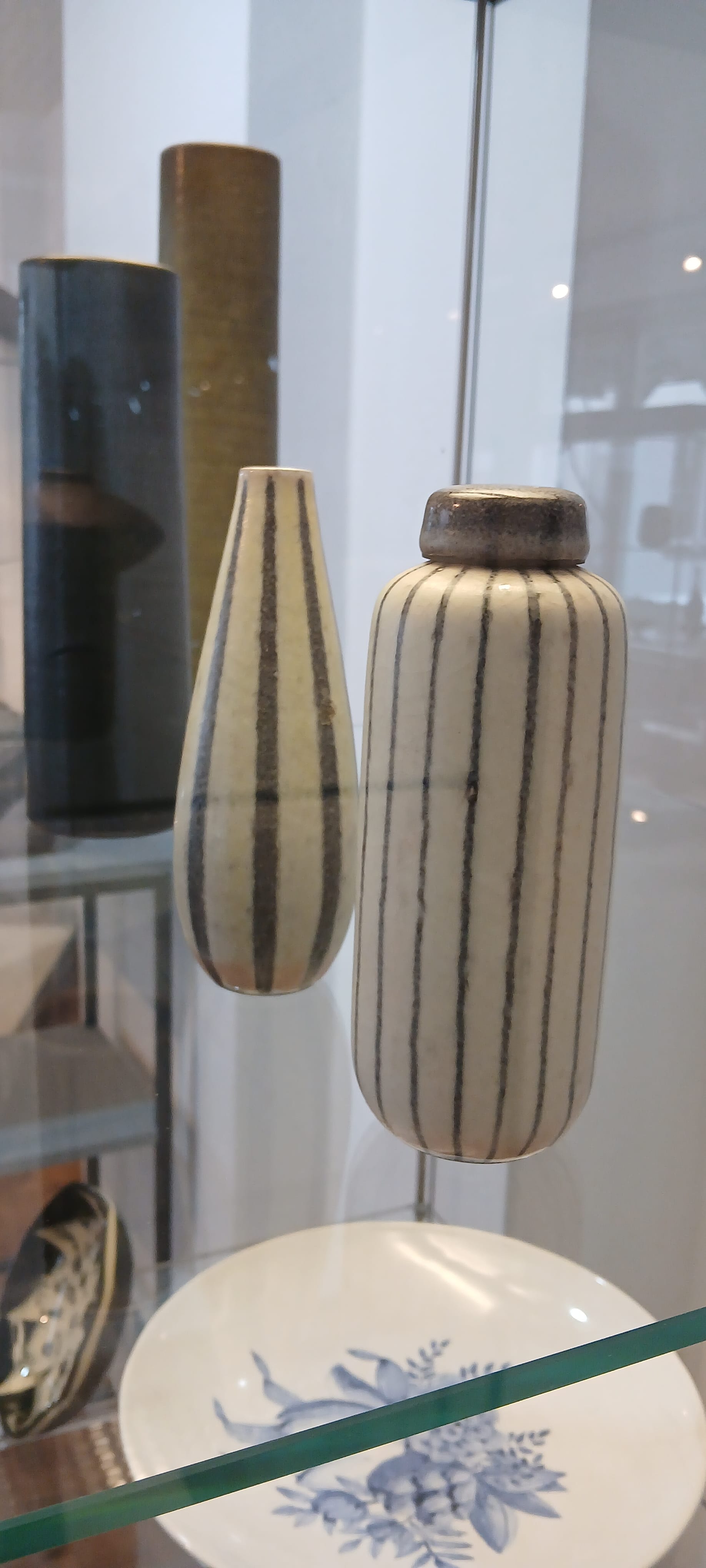
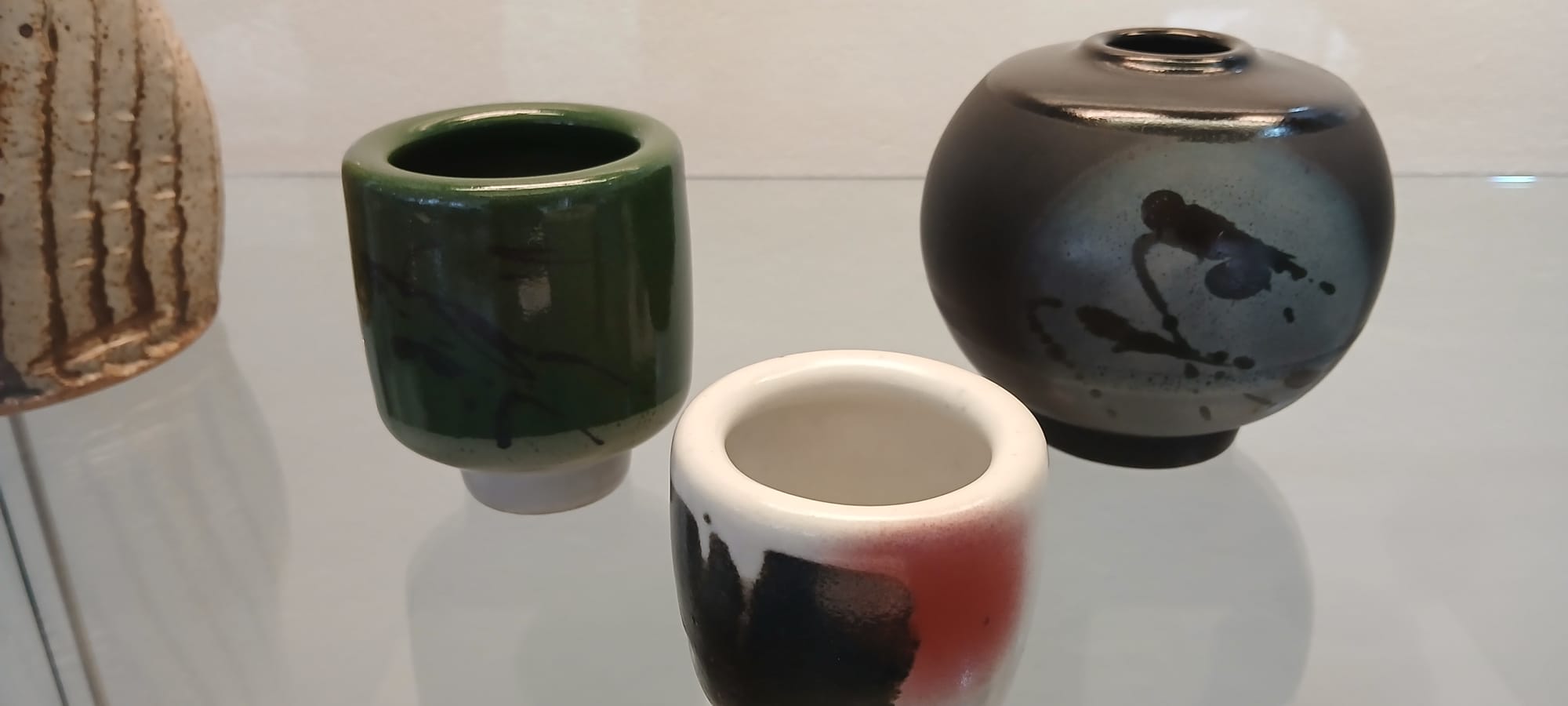
Hitler's bunker the same. Both locations under carparks. We didn't go there but to the Ceramic Museum. Housed in one of the oldest remaining houses, dating to the 1750s, it was wonderful.
On the way:
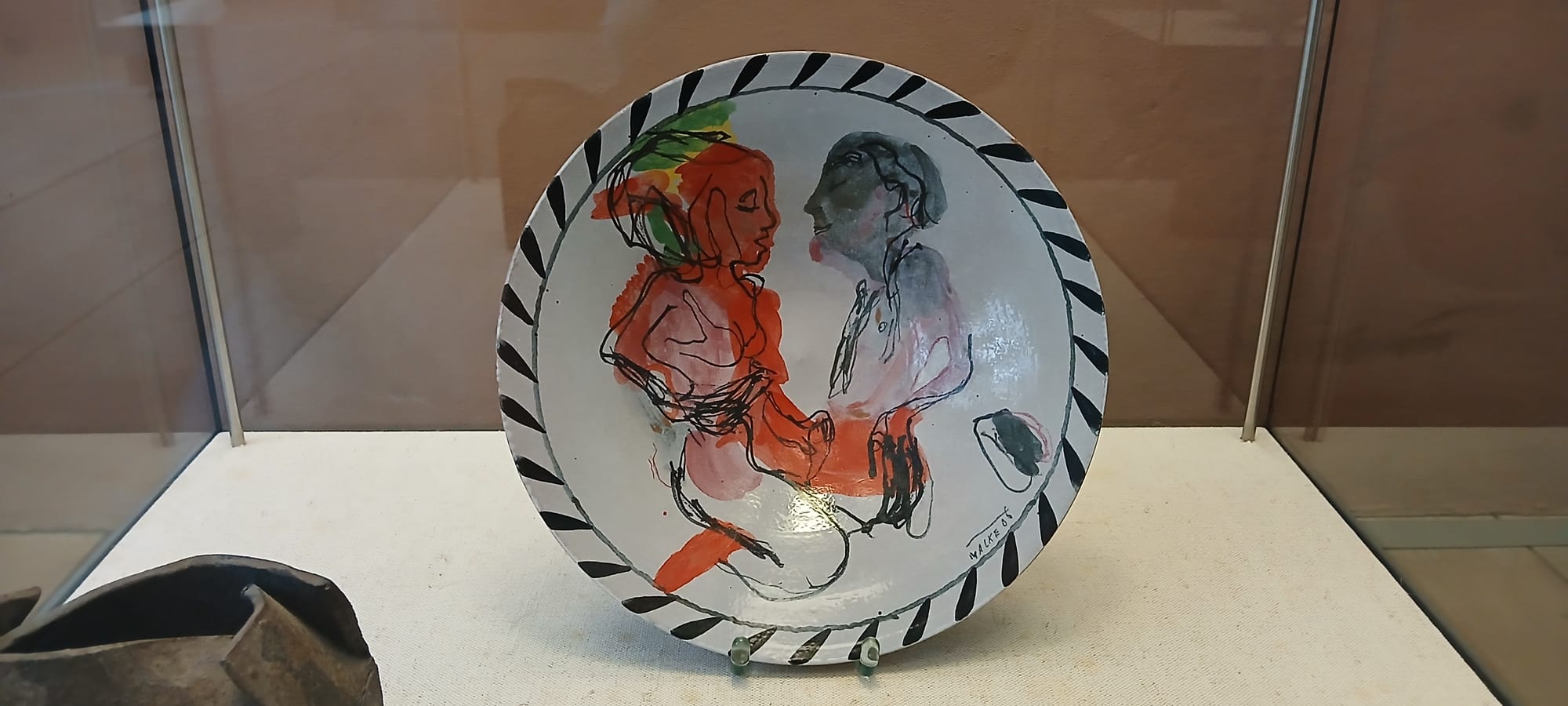
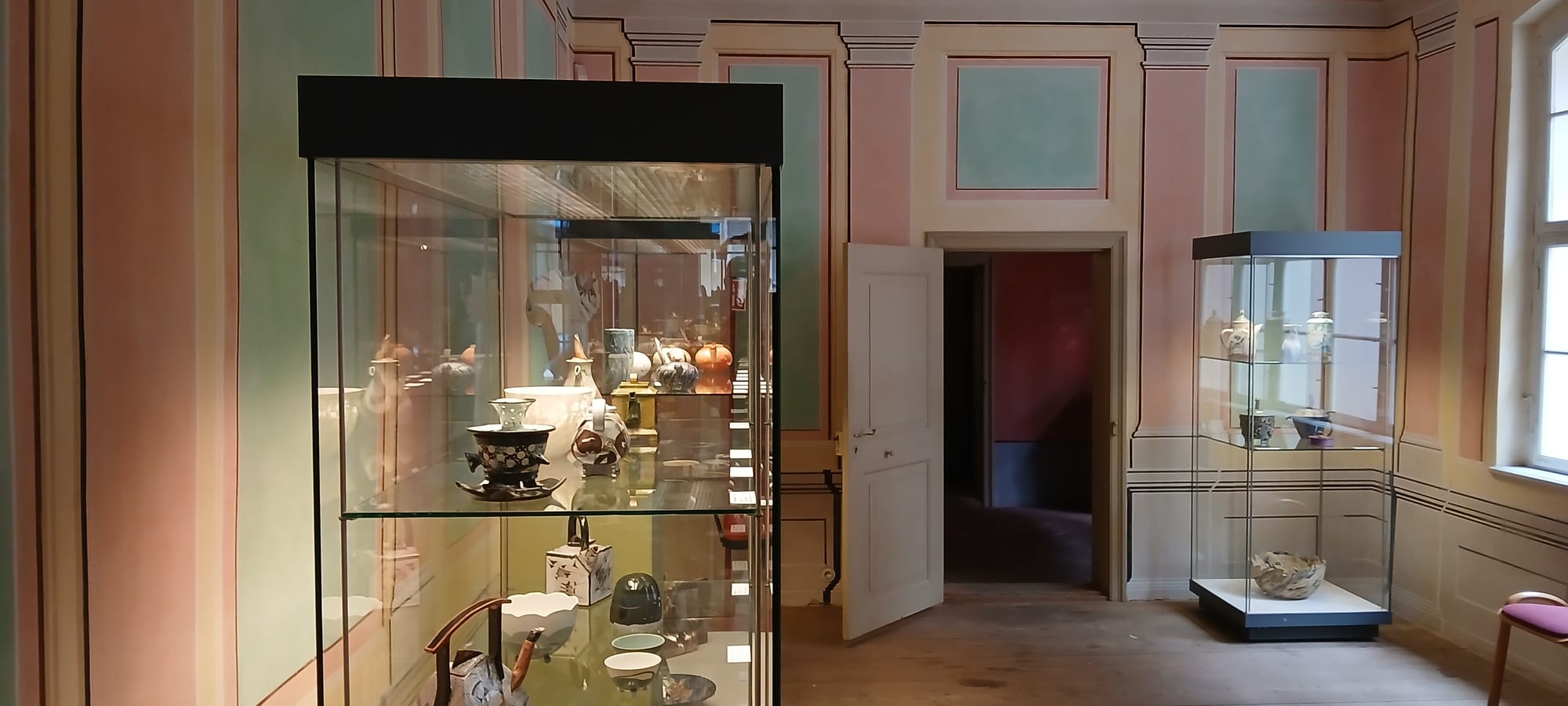
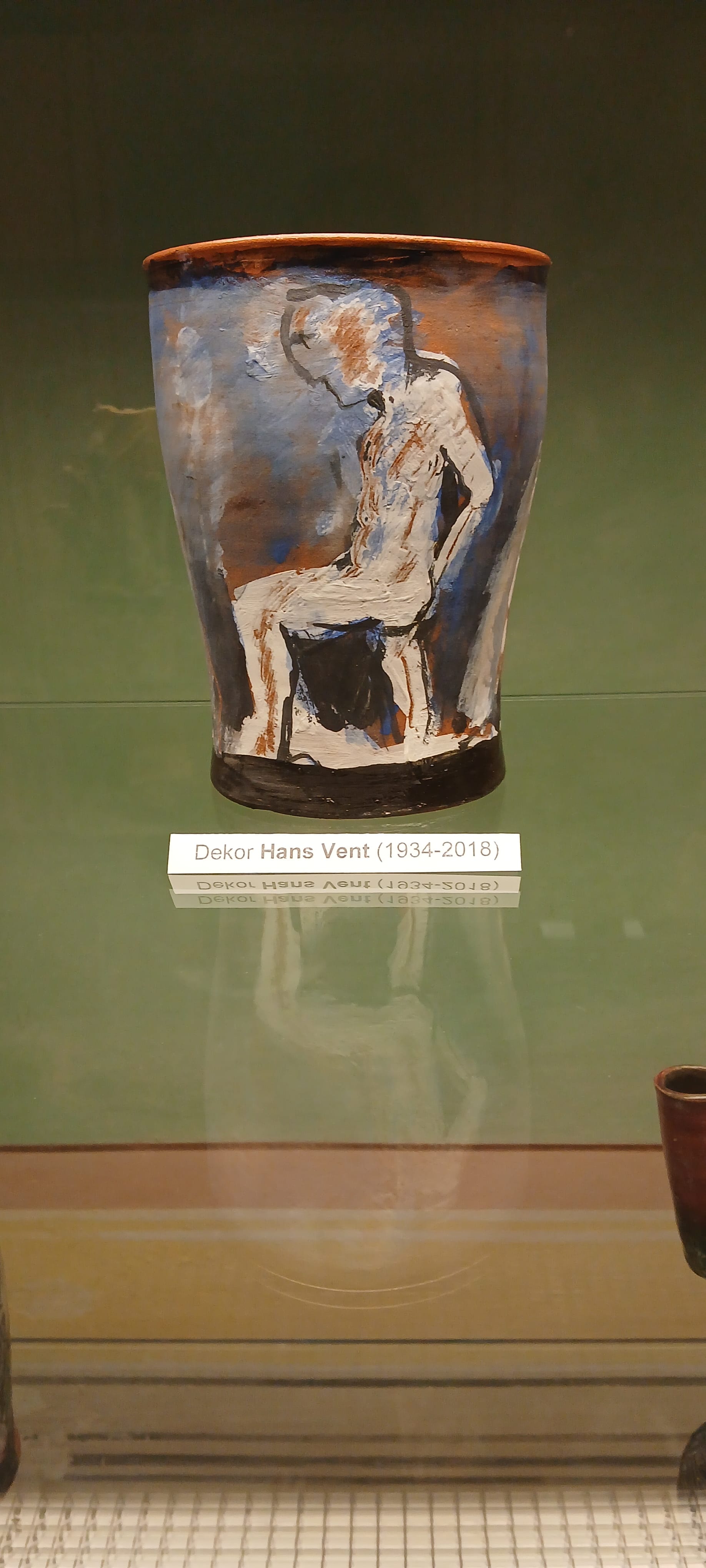
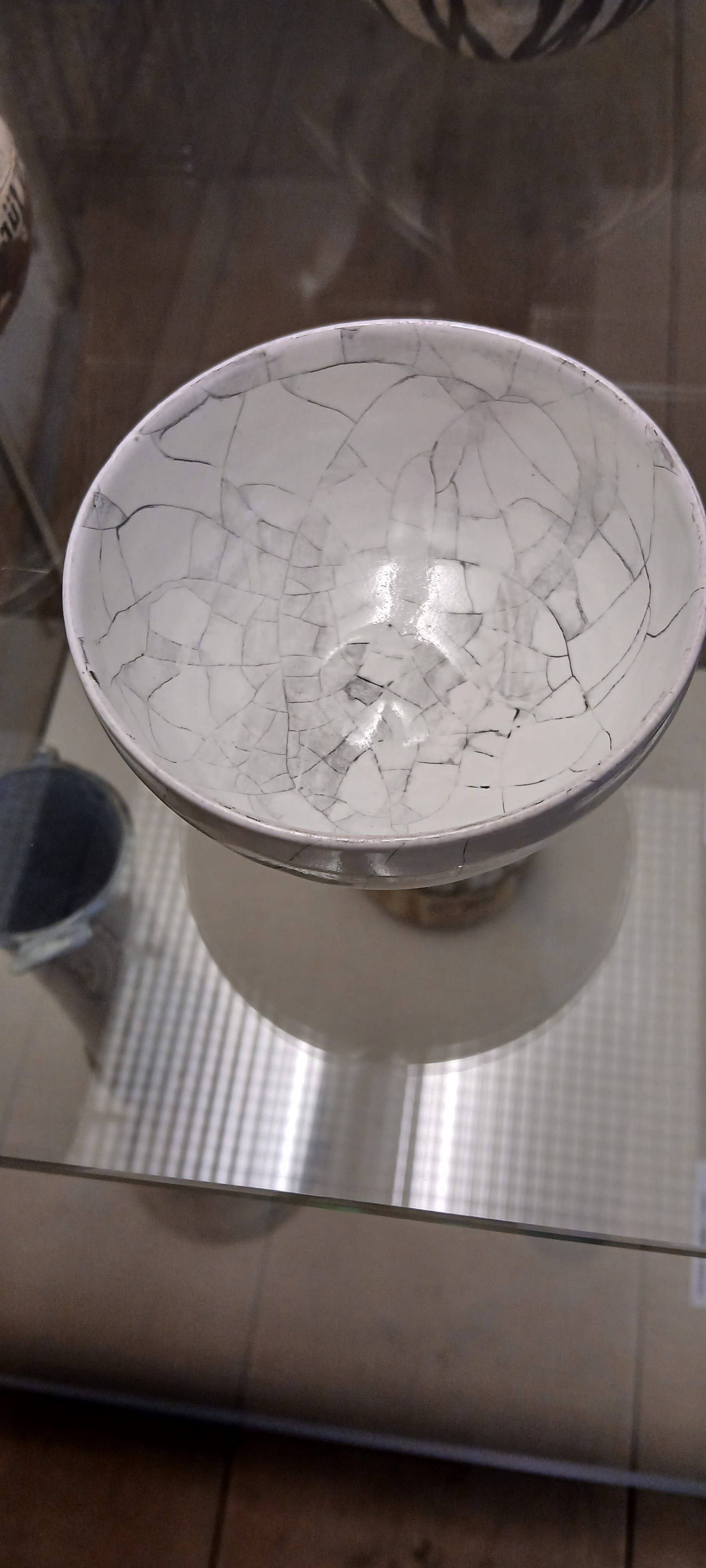
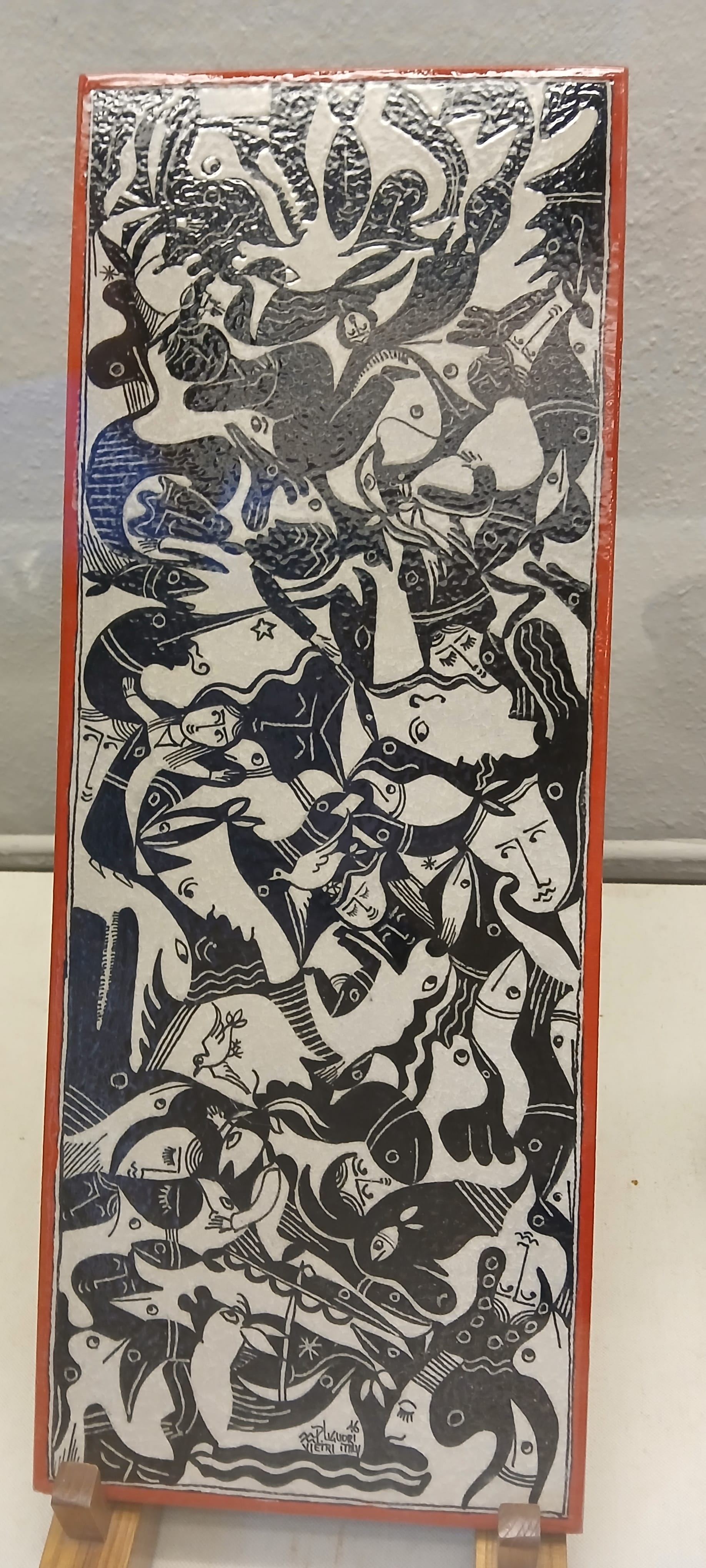
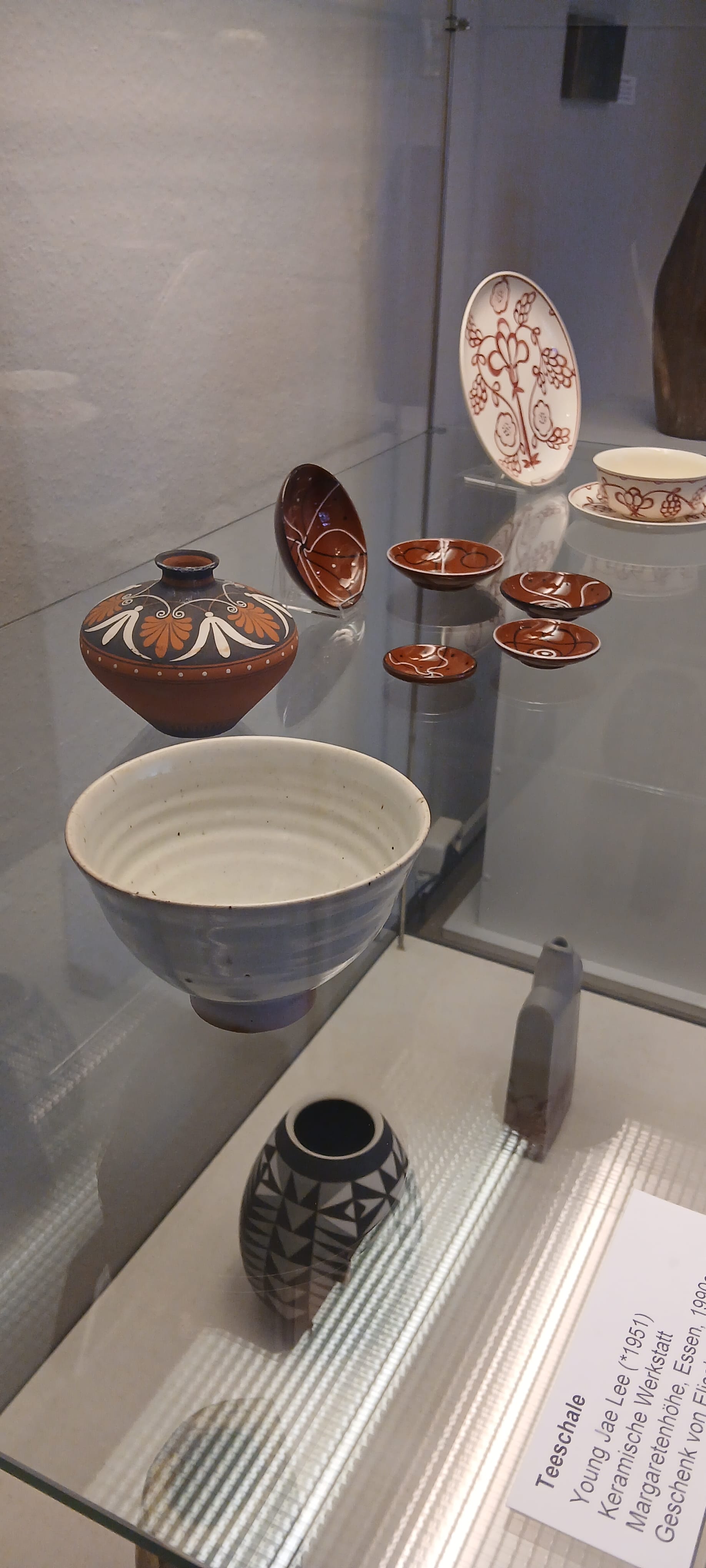
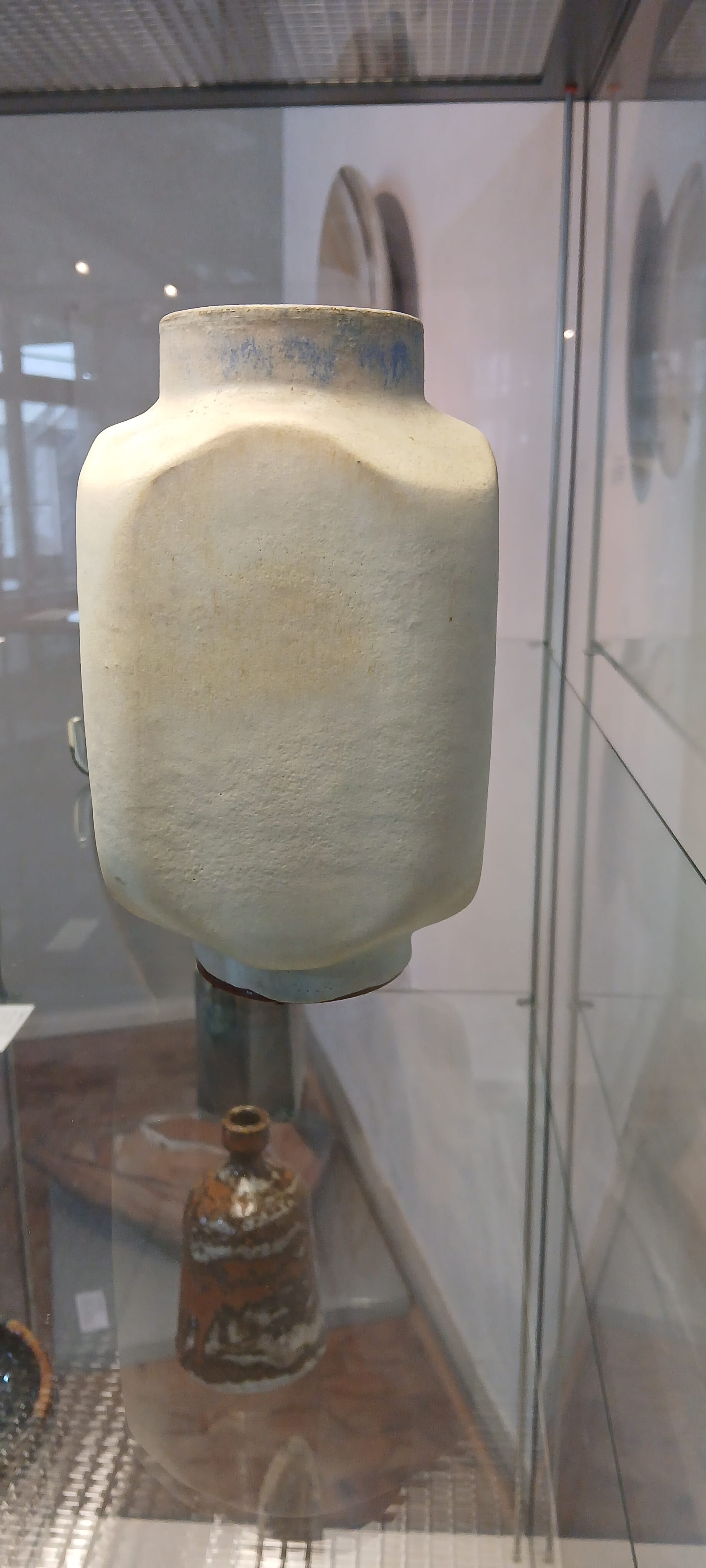
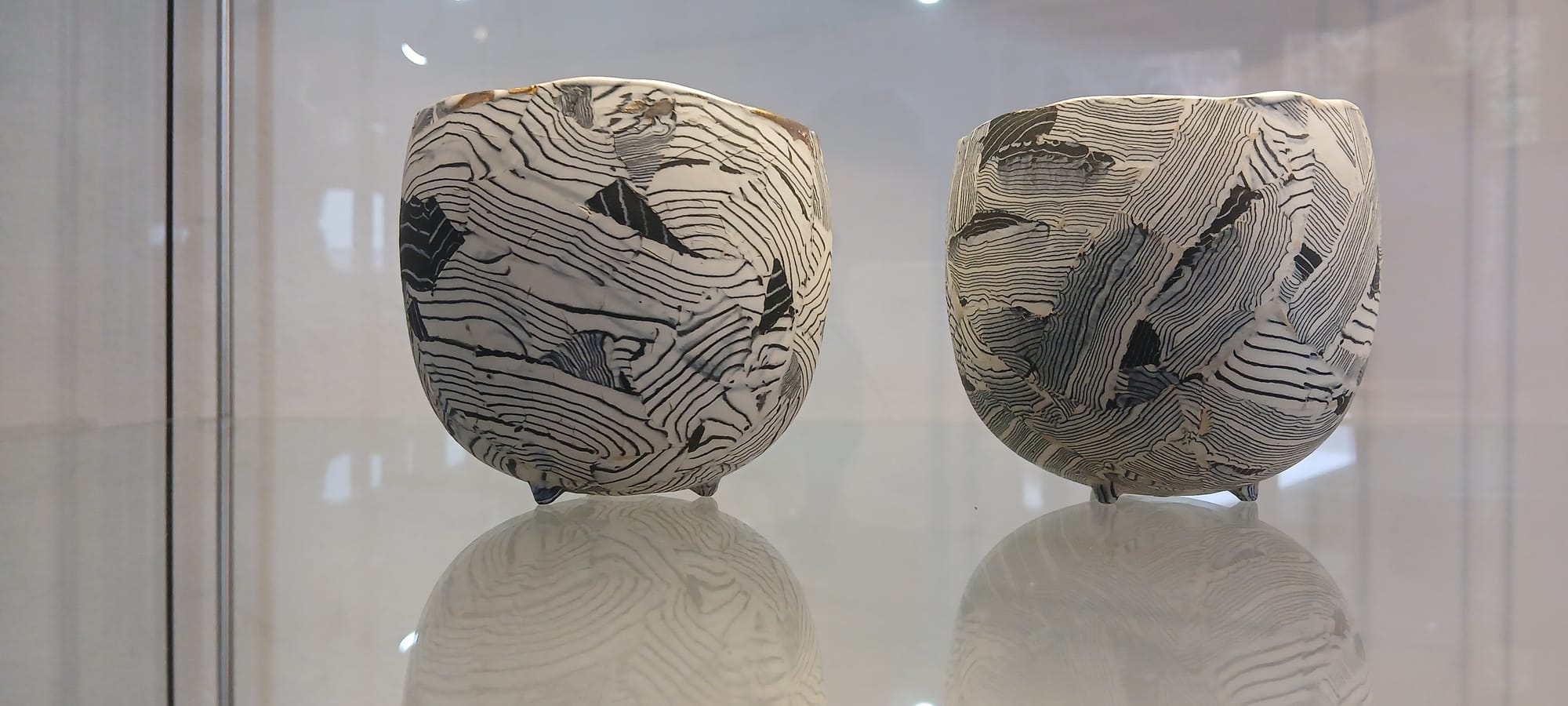
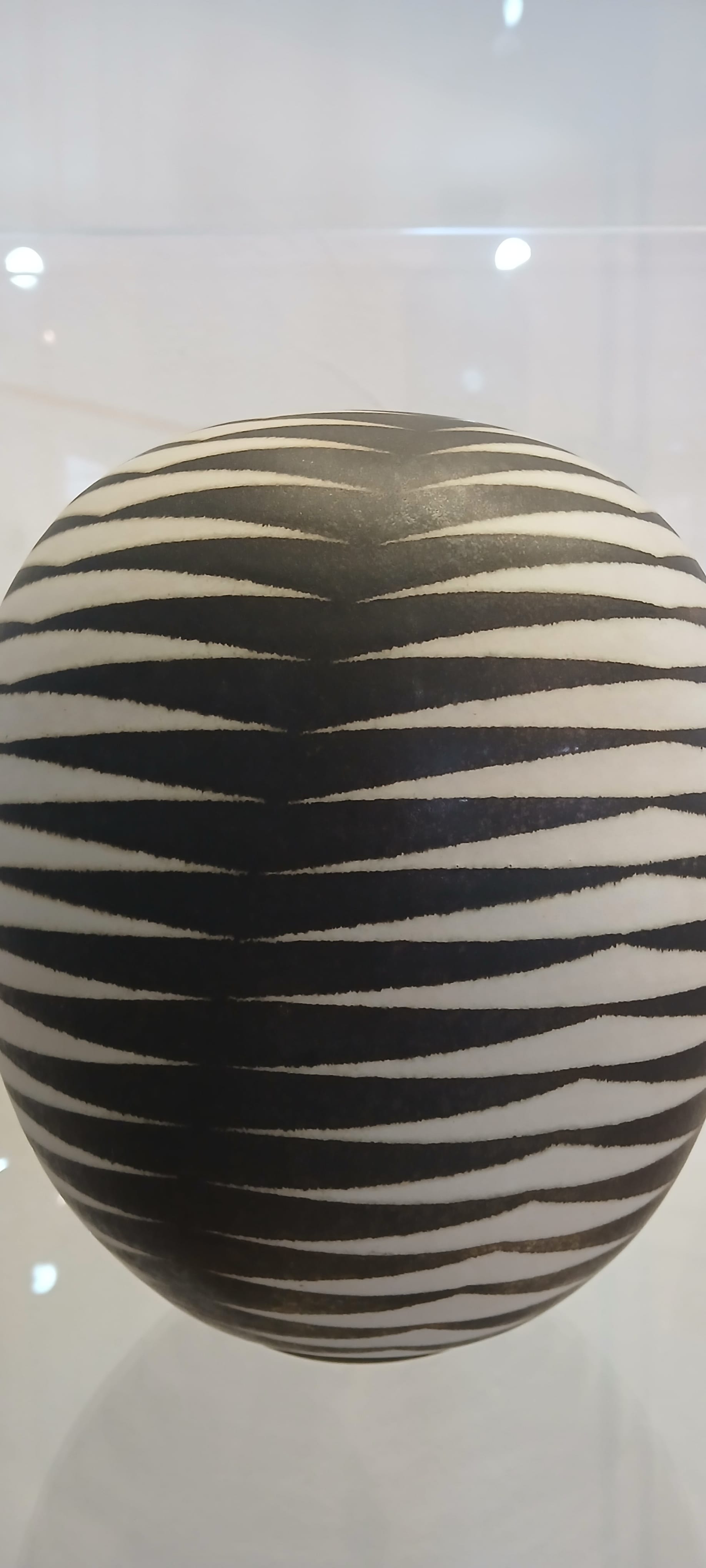
- most of the collection is from the DDR where high-temperature firing was impossible, a lot of it is faience, a low-temp tin-glaze, originating with the Egyptians
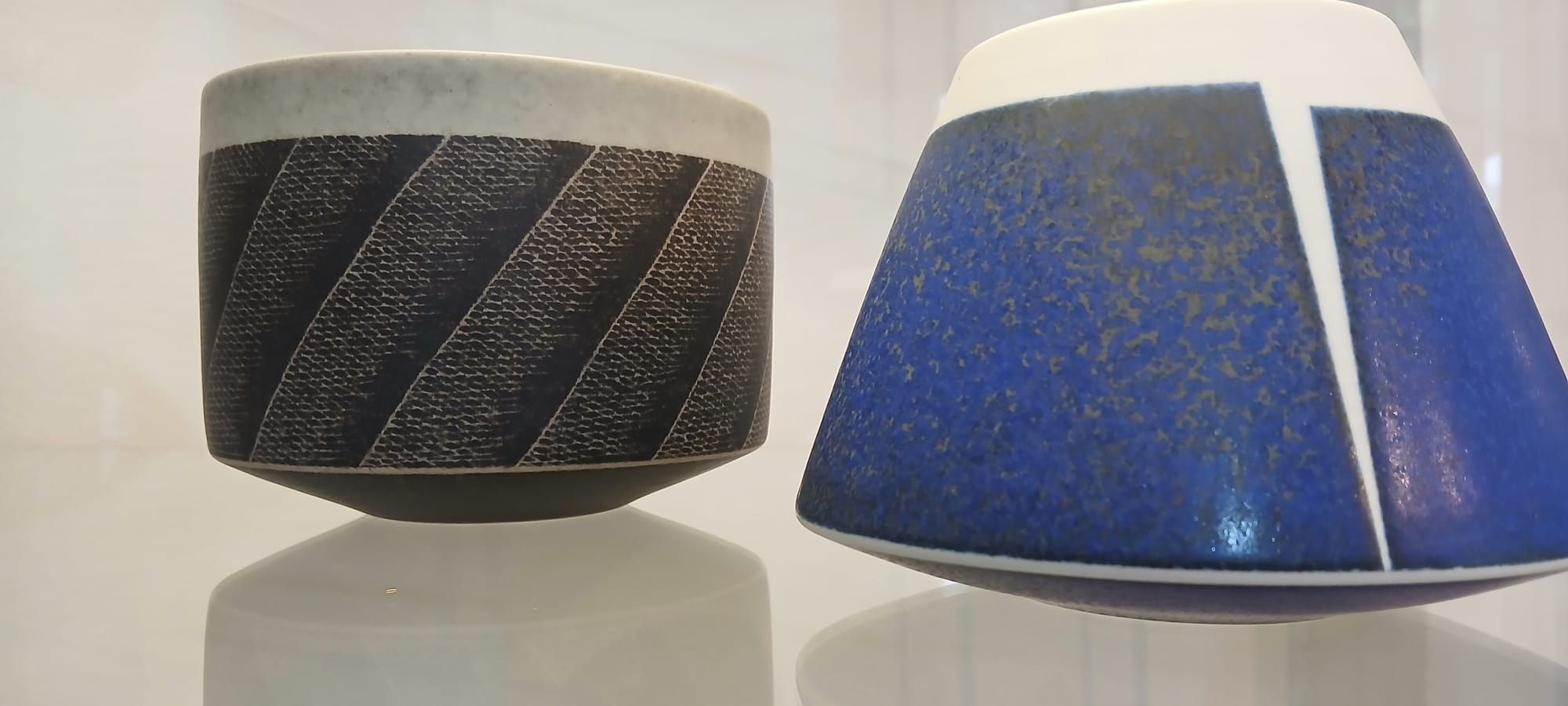
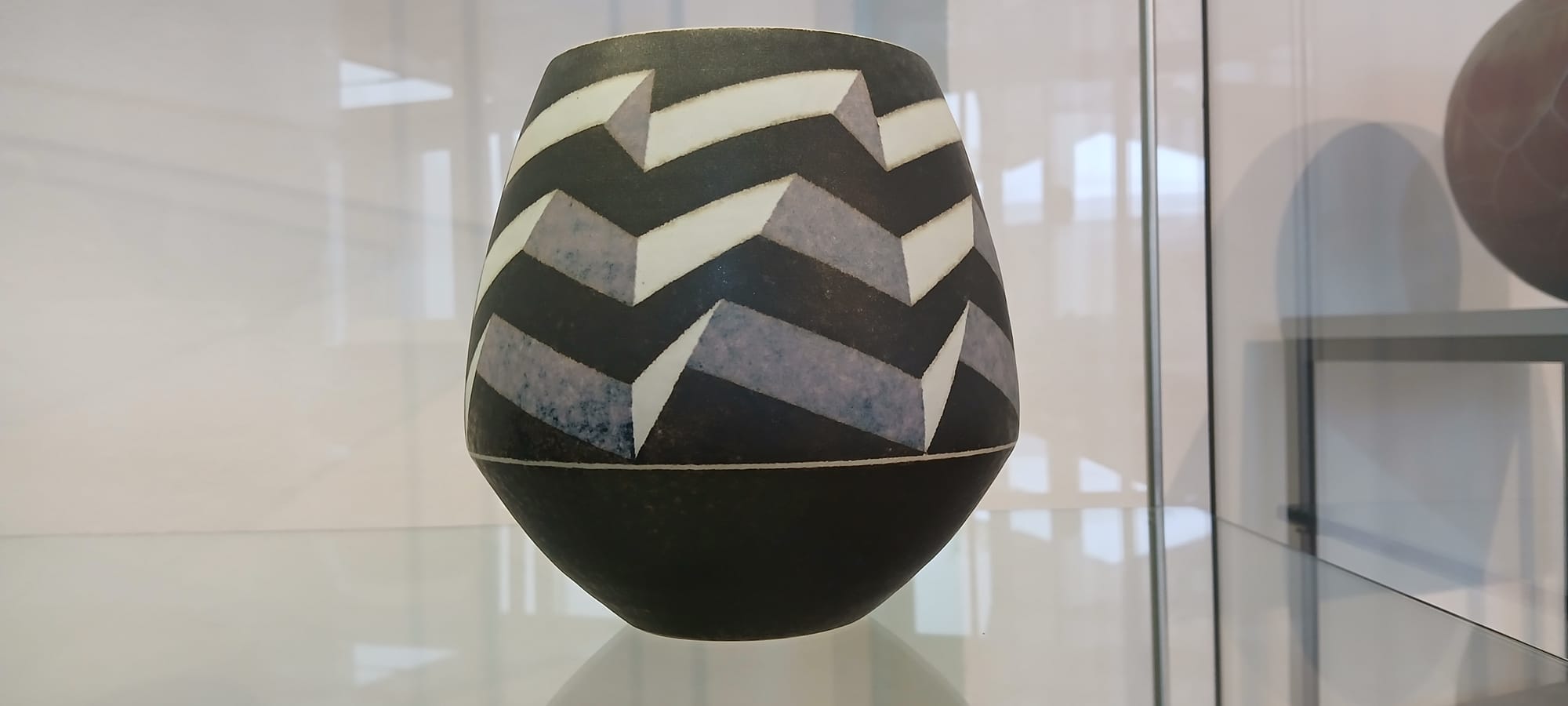

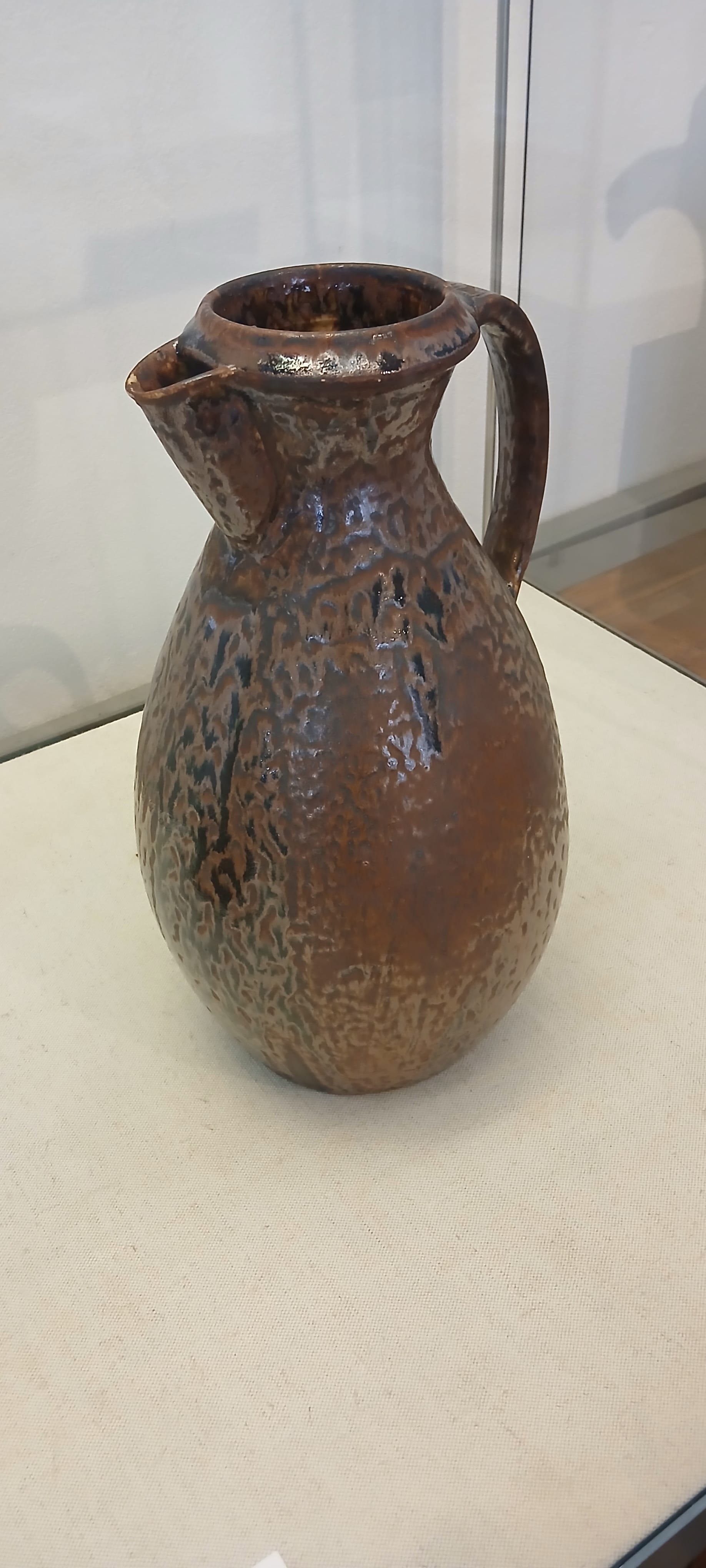
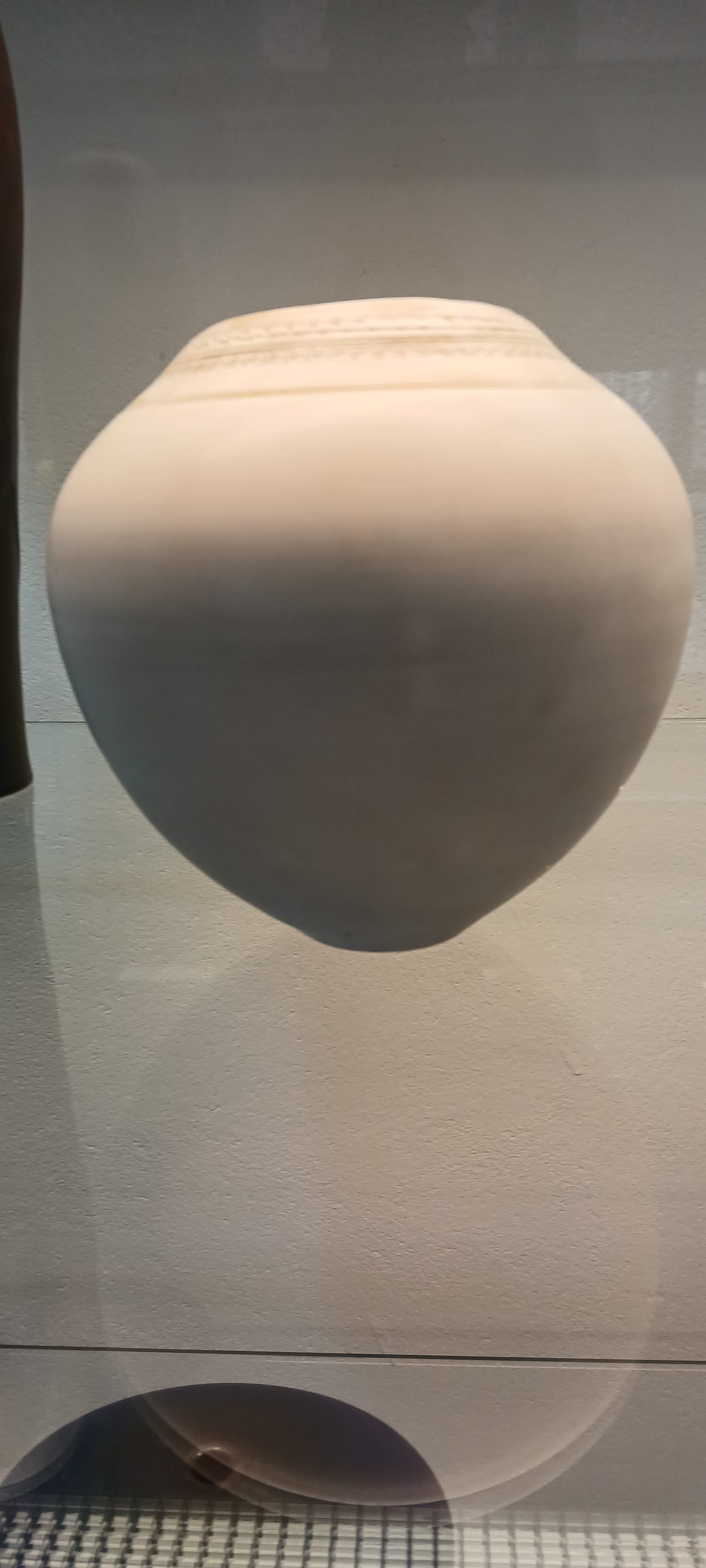
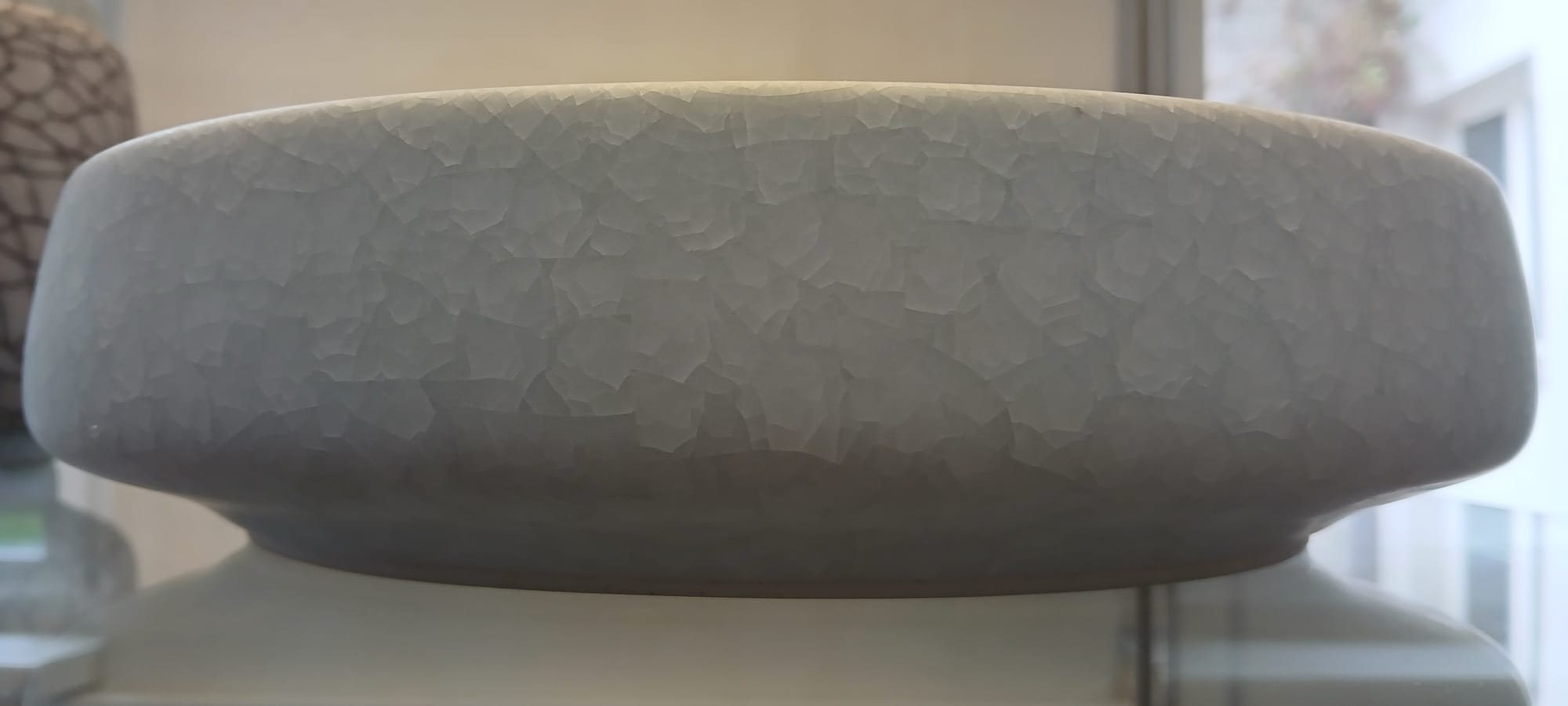
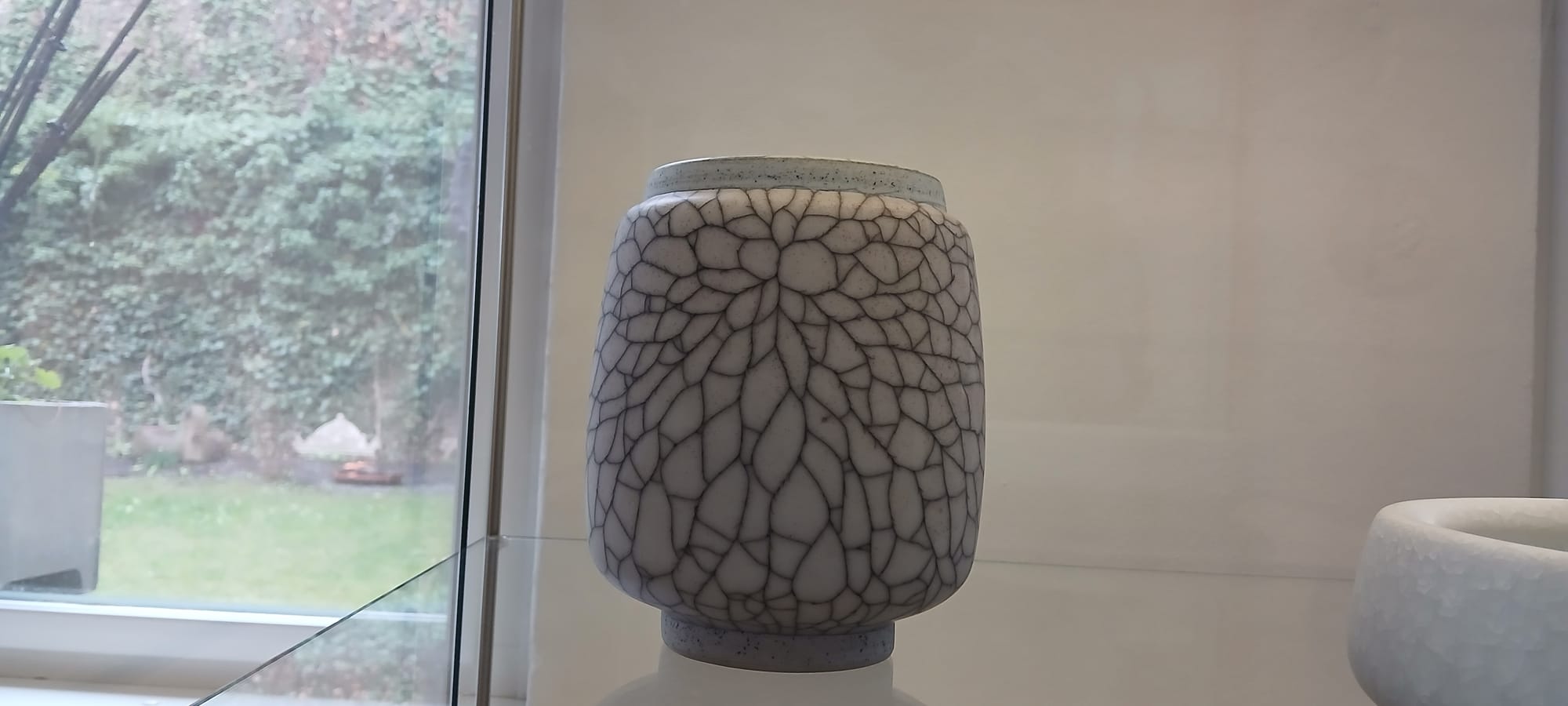
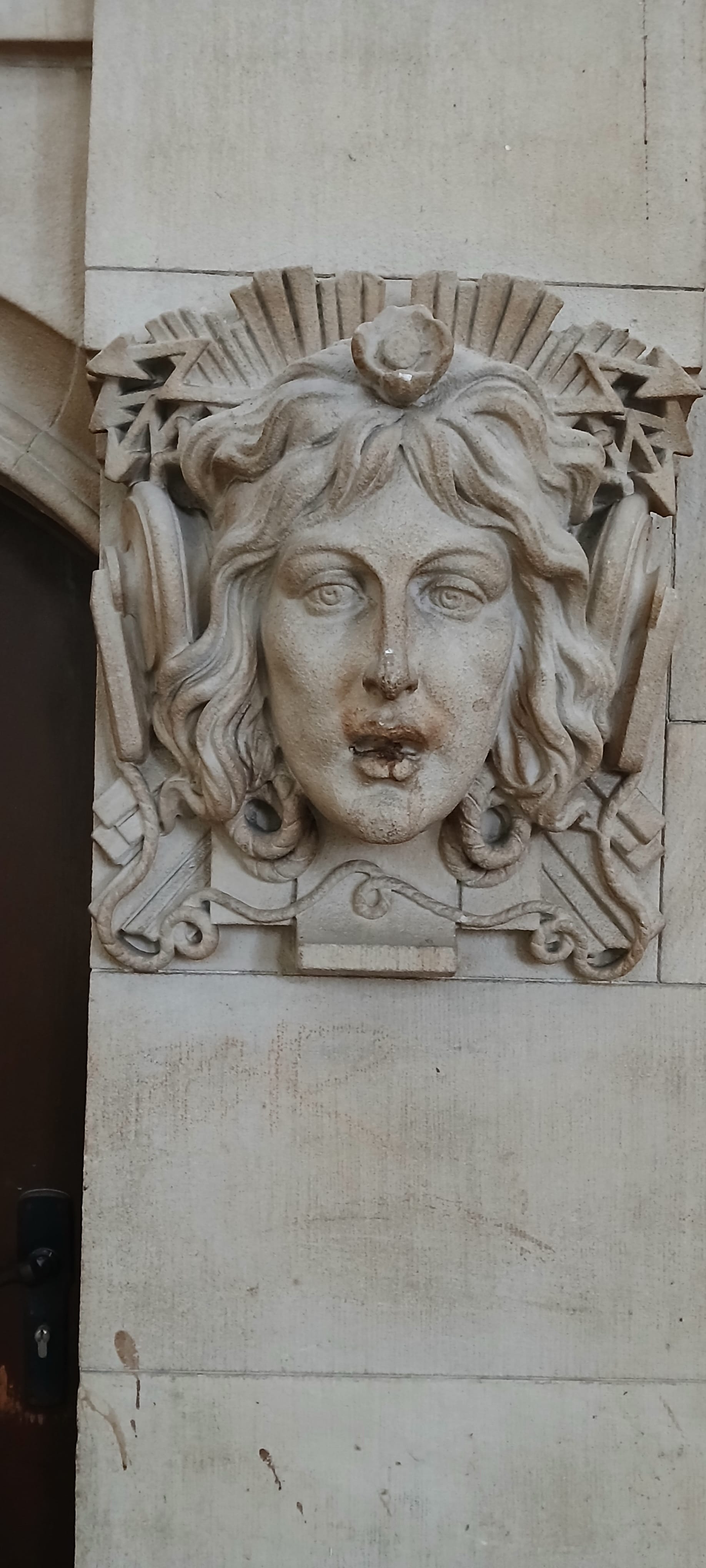
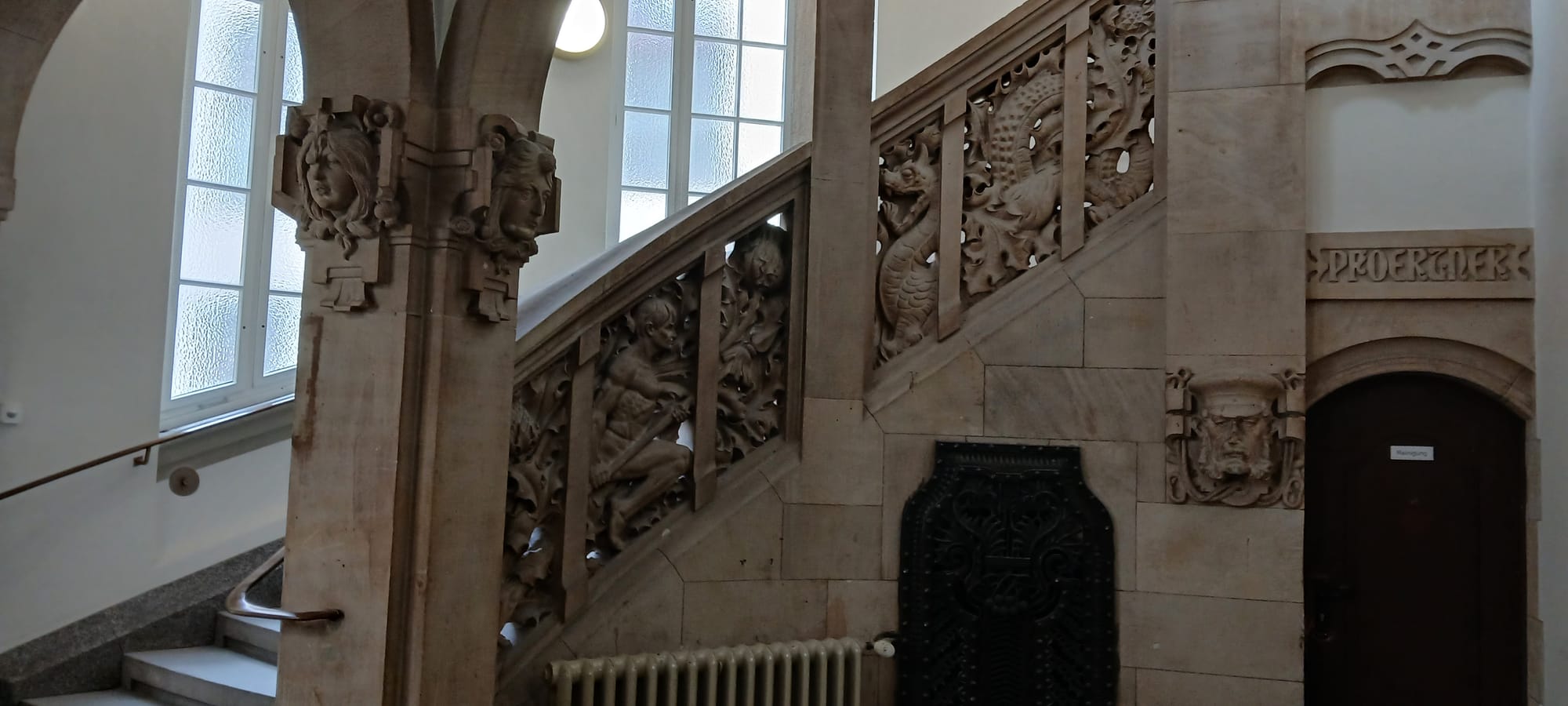
We did however visit the Rathaus, Town Hall, which had the gloom:
At home that night, this in a book about a dance project:
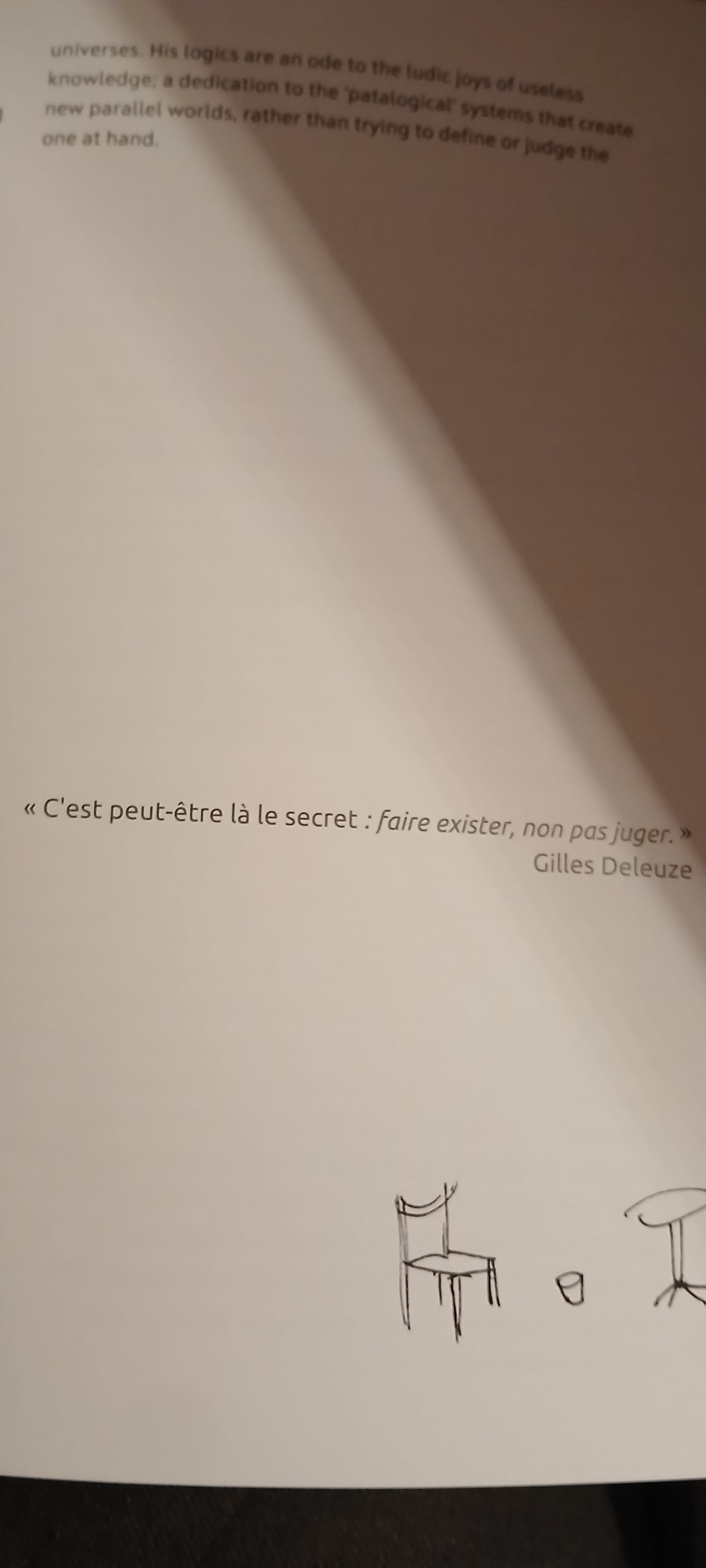
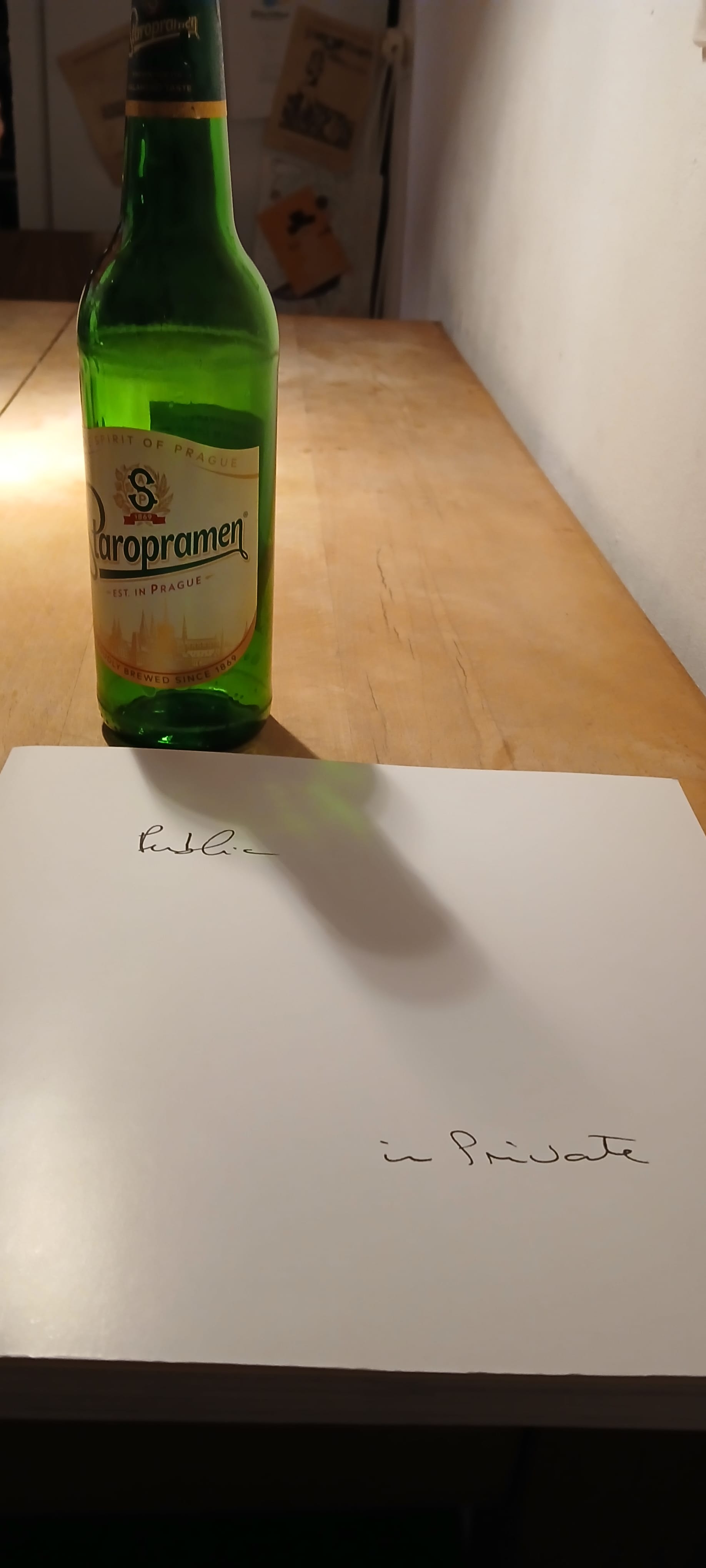
walkabout
Project Hail Mary
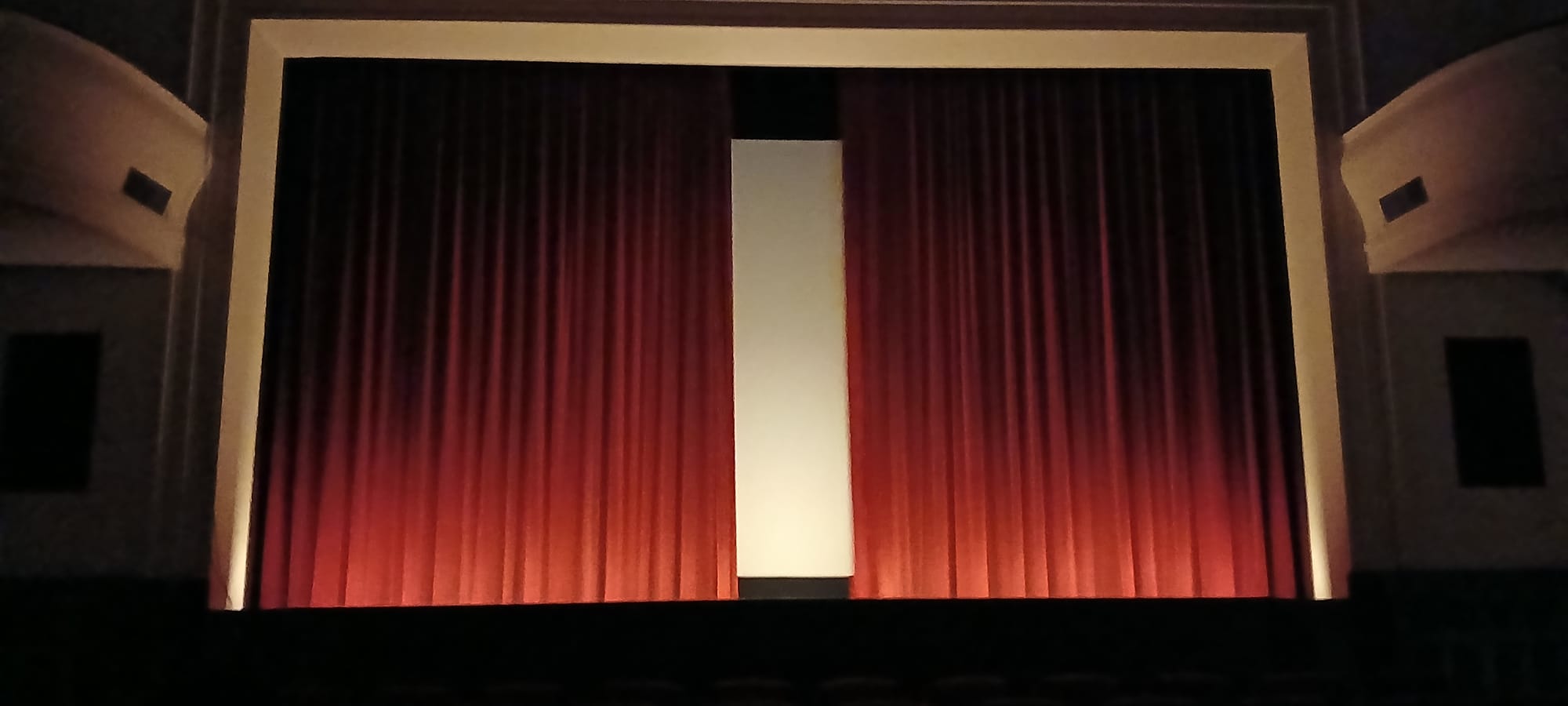
- it was good
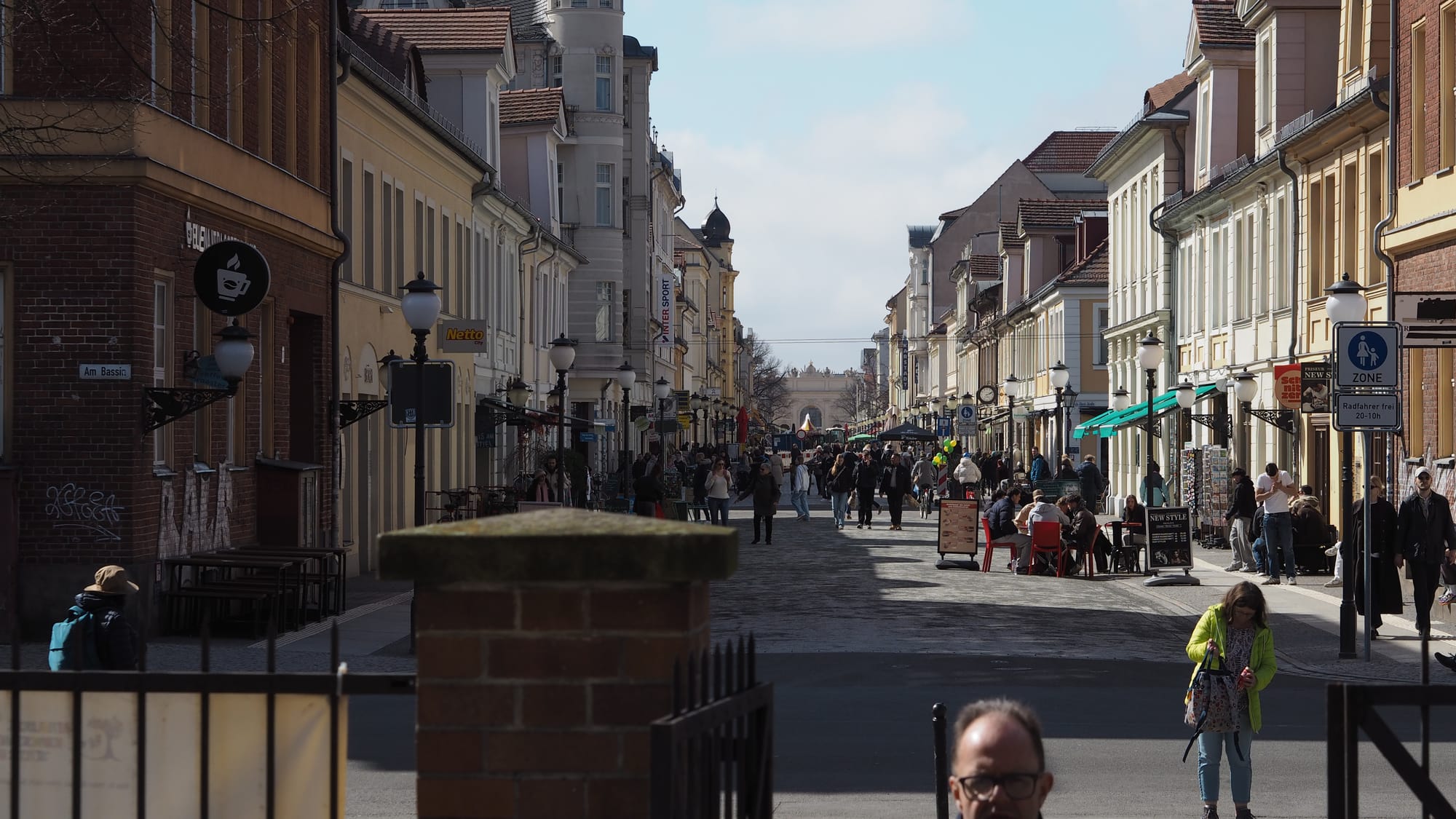
Potsdam
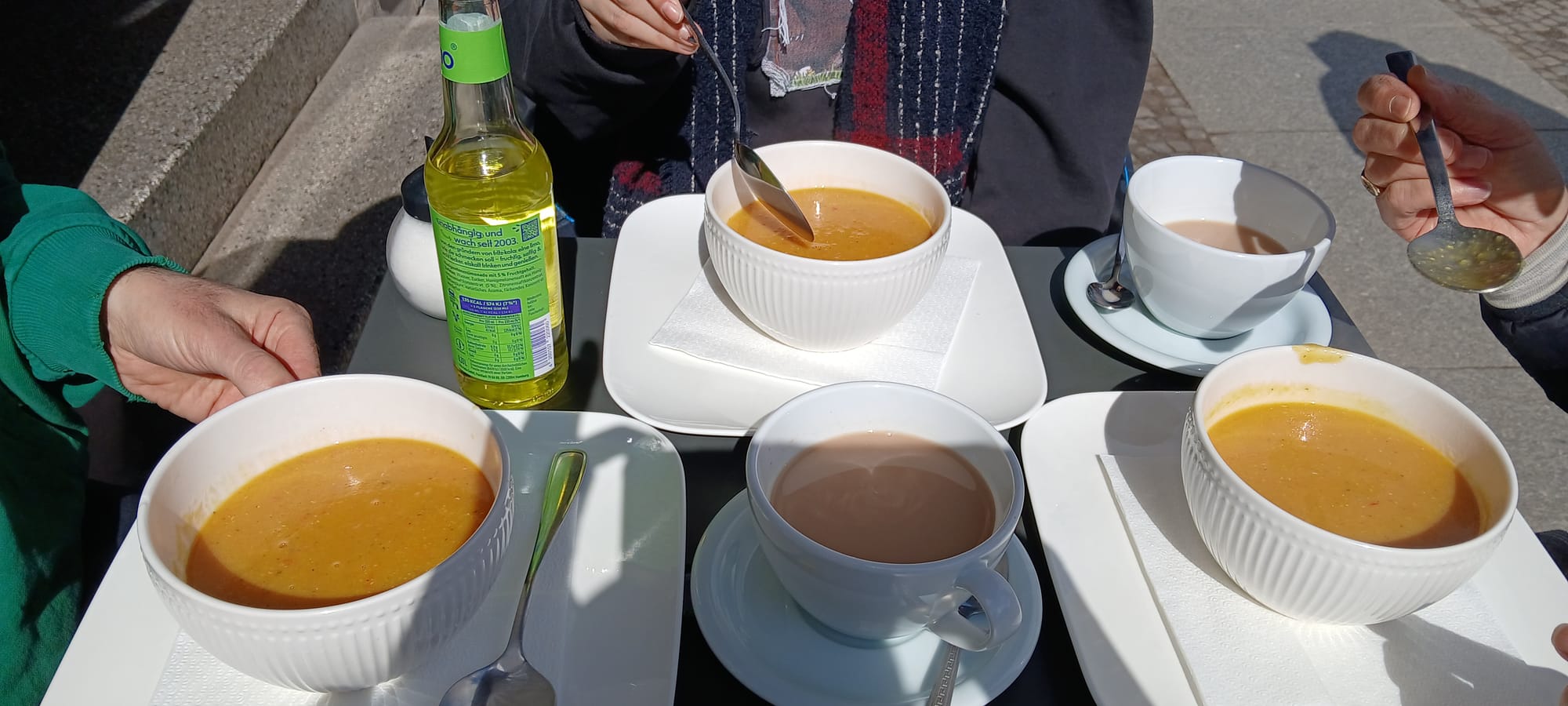
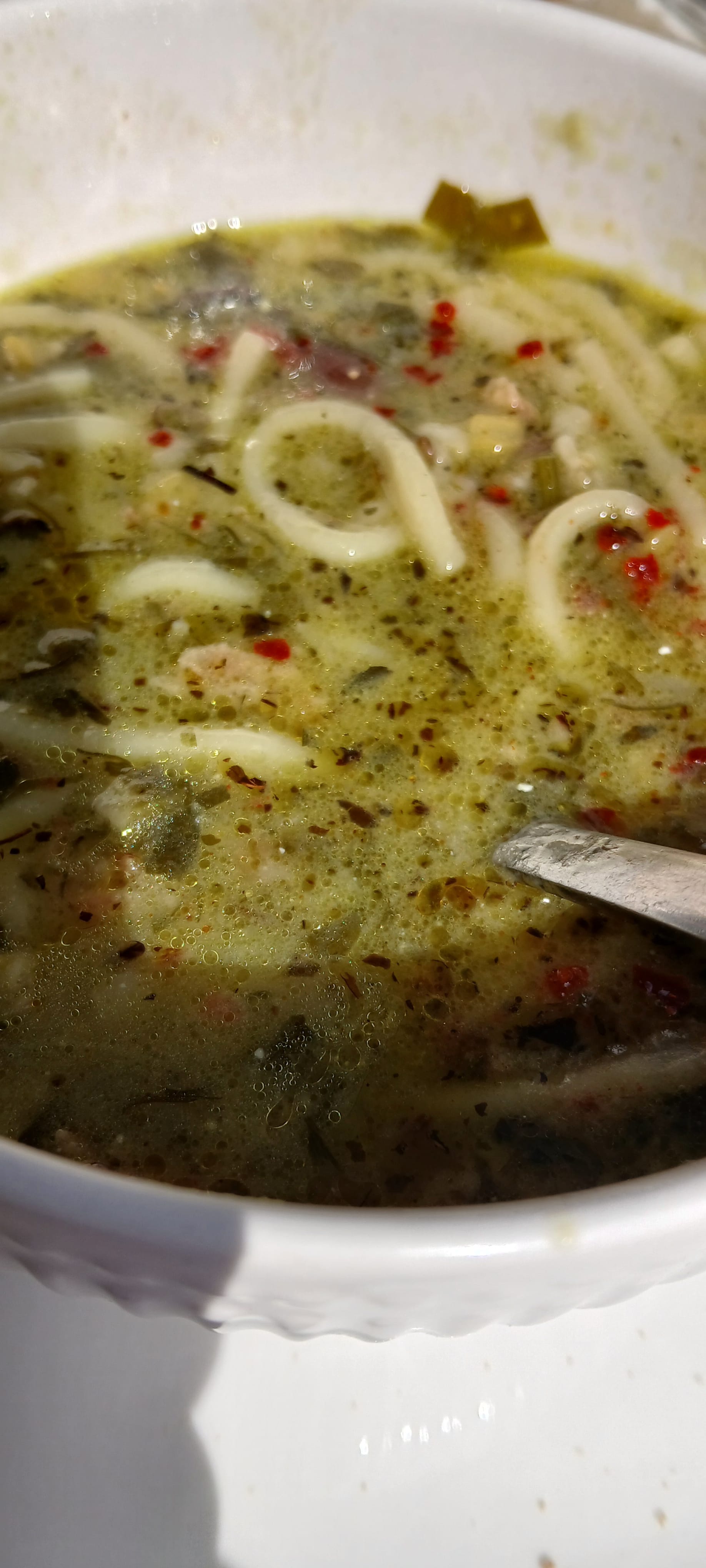
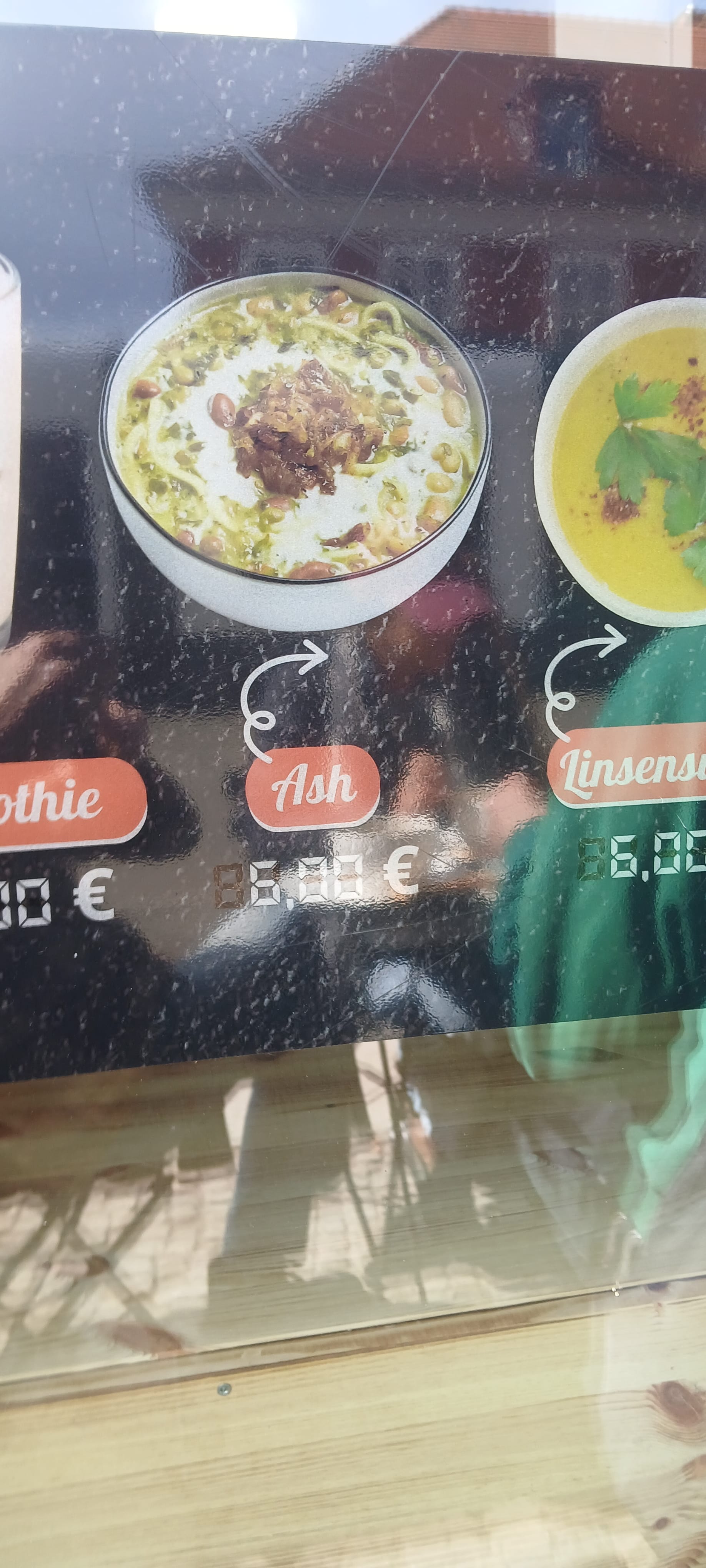
- first things first, Ash soup, Linsen [lentil] for the others
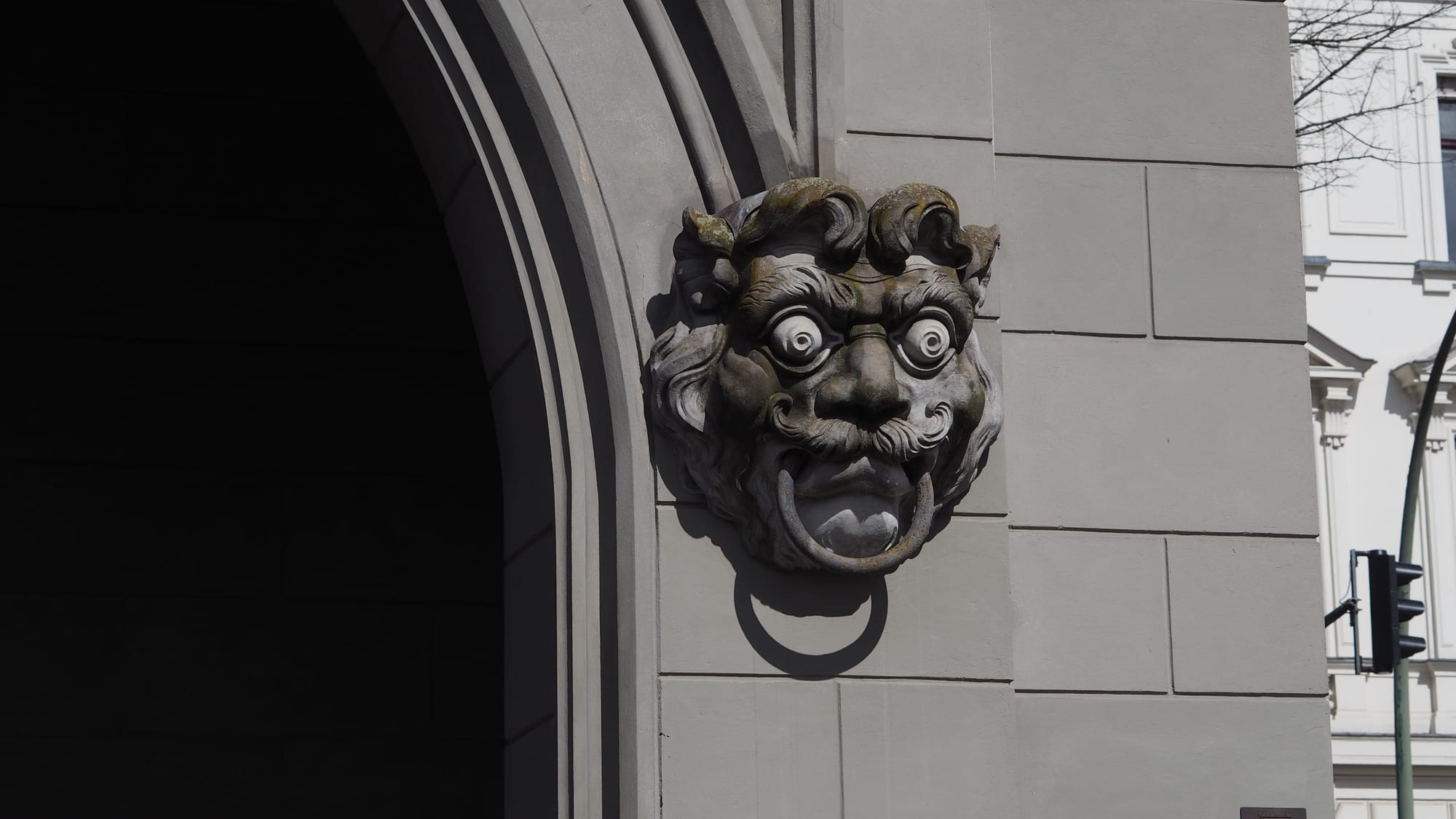
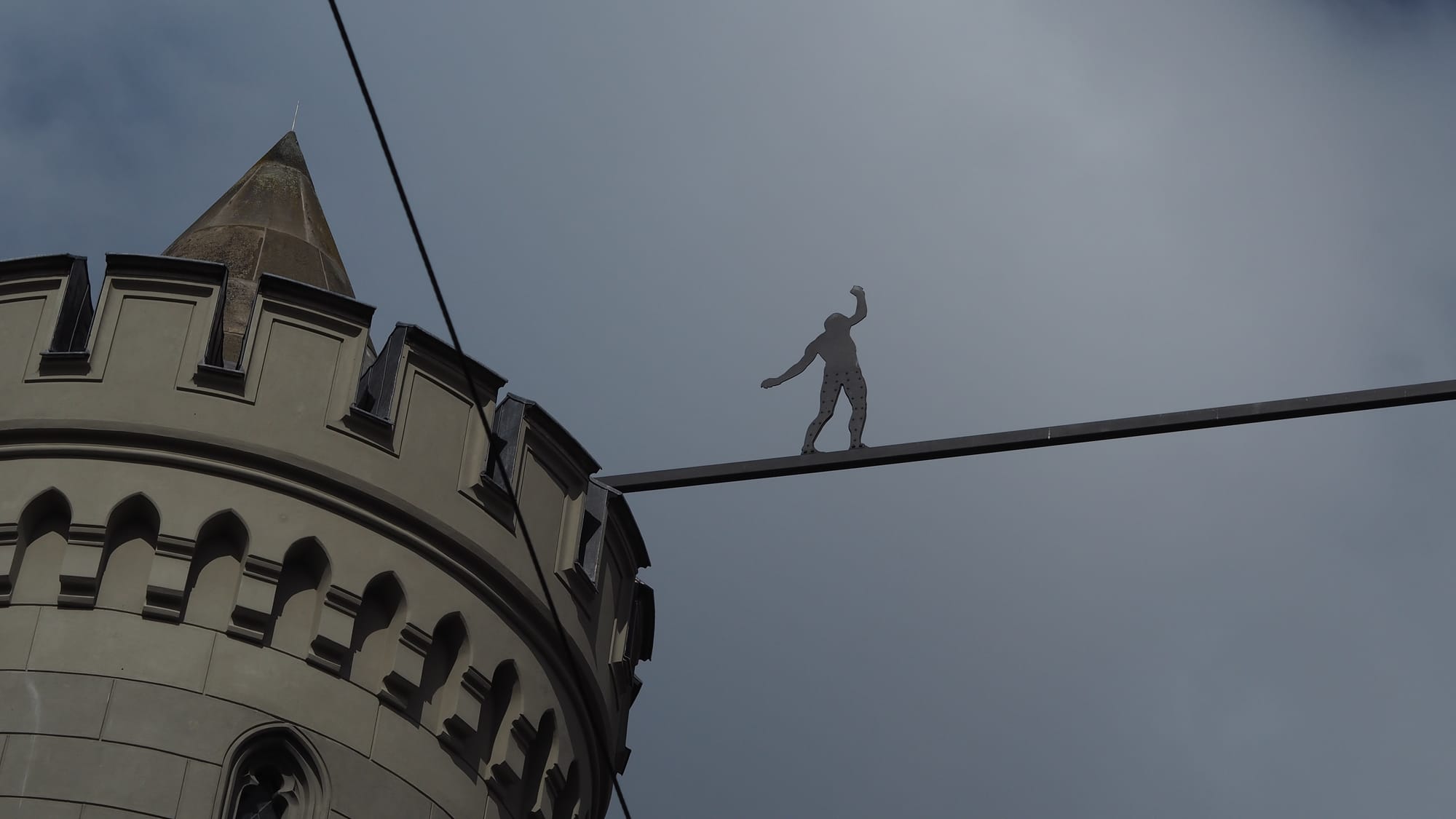
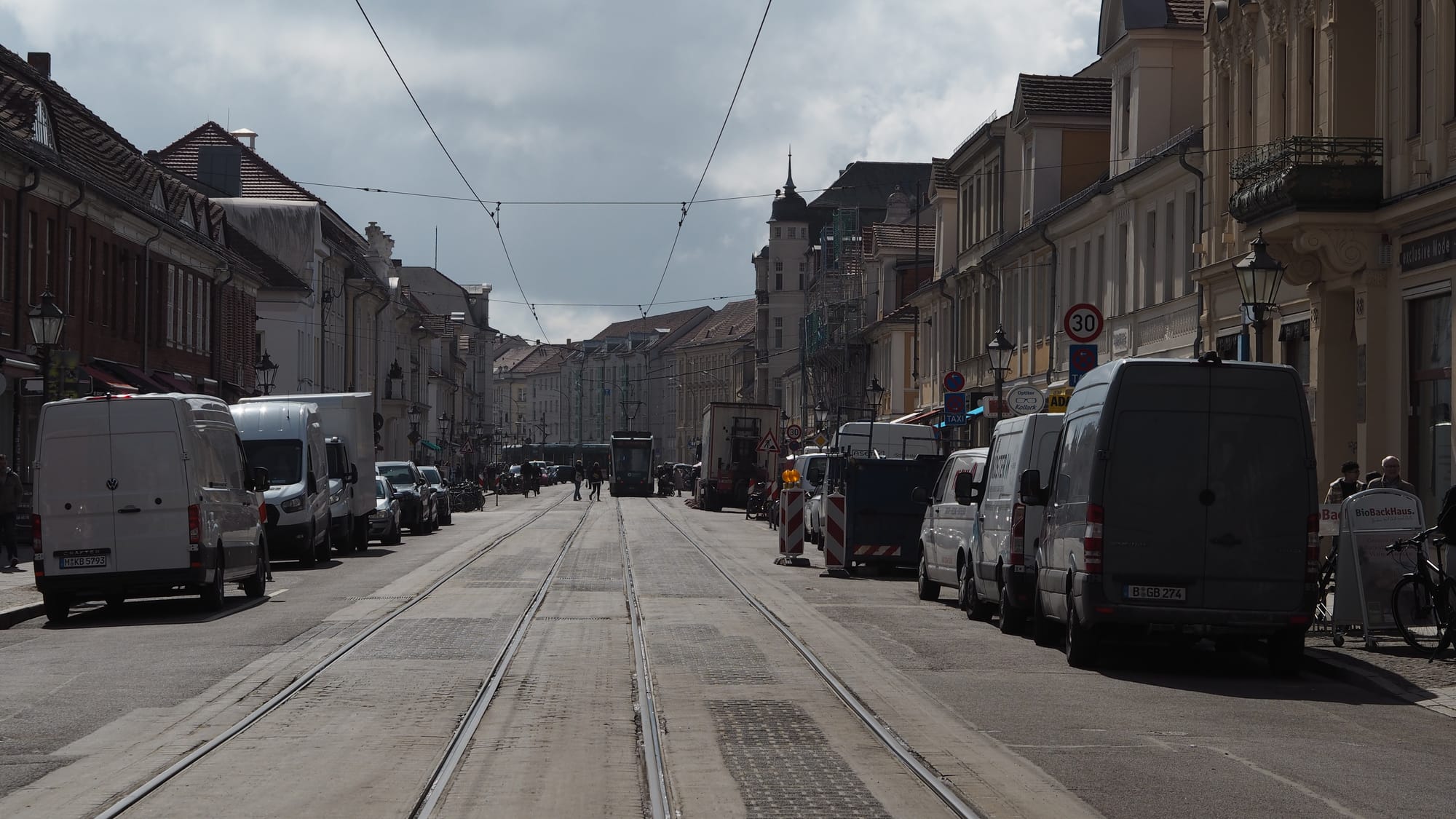
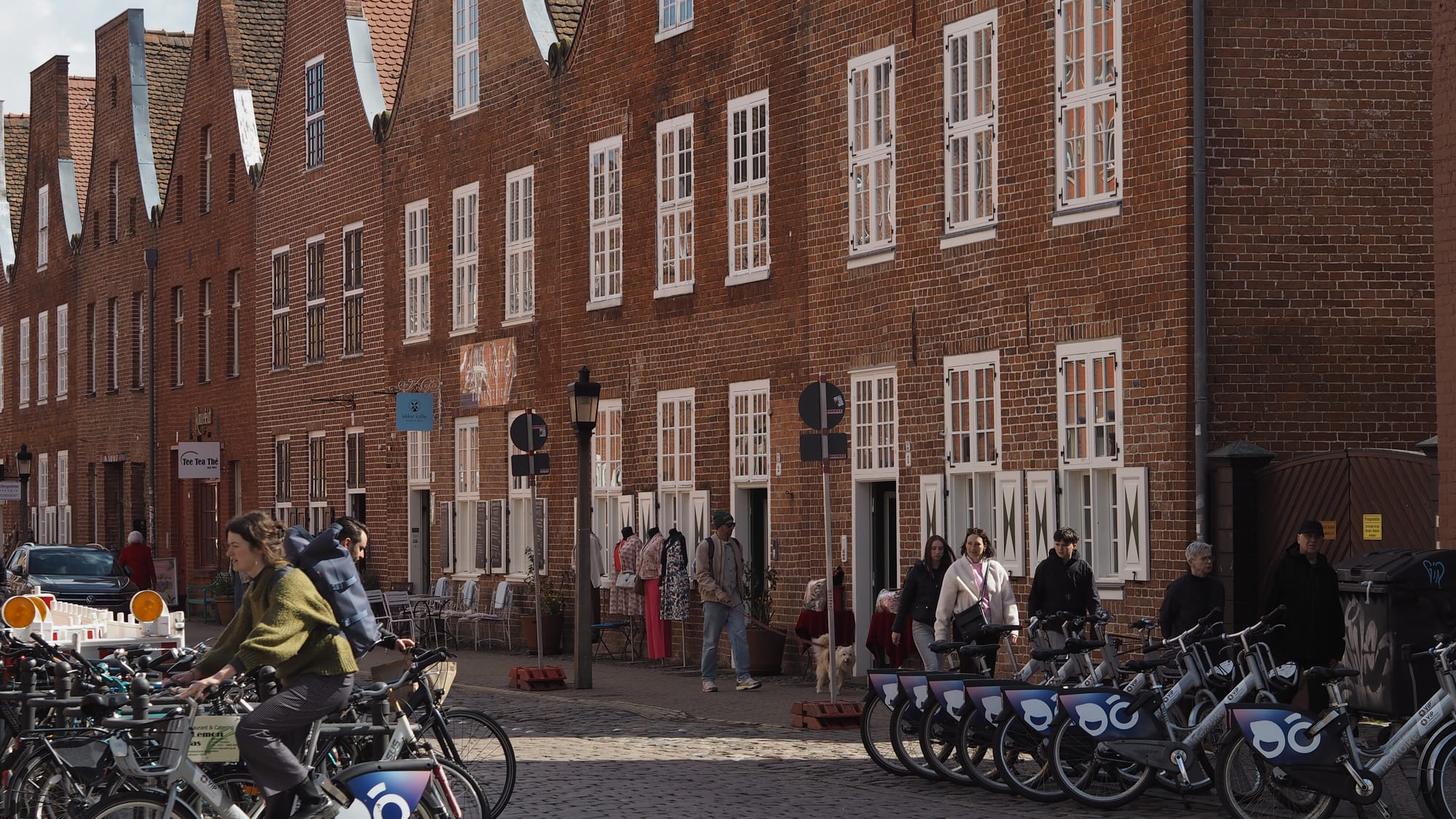
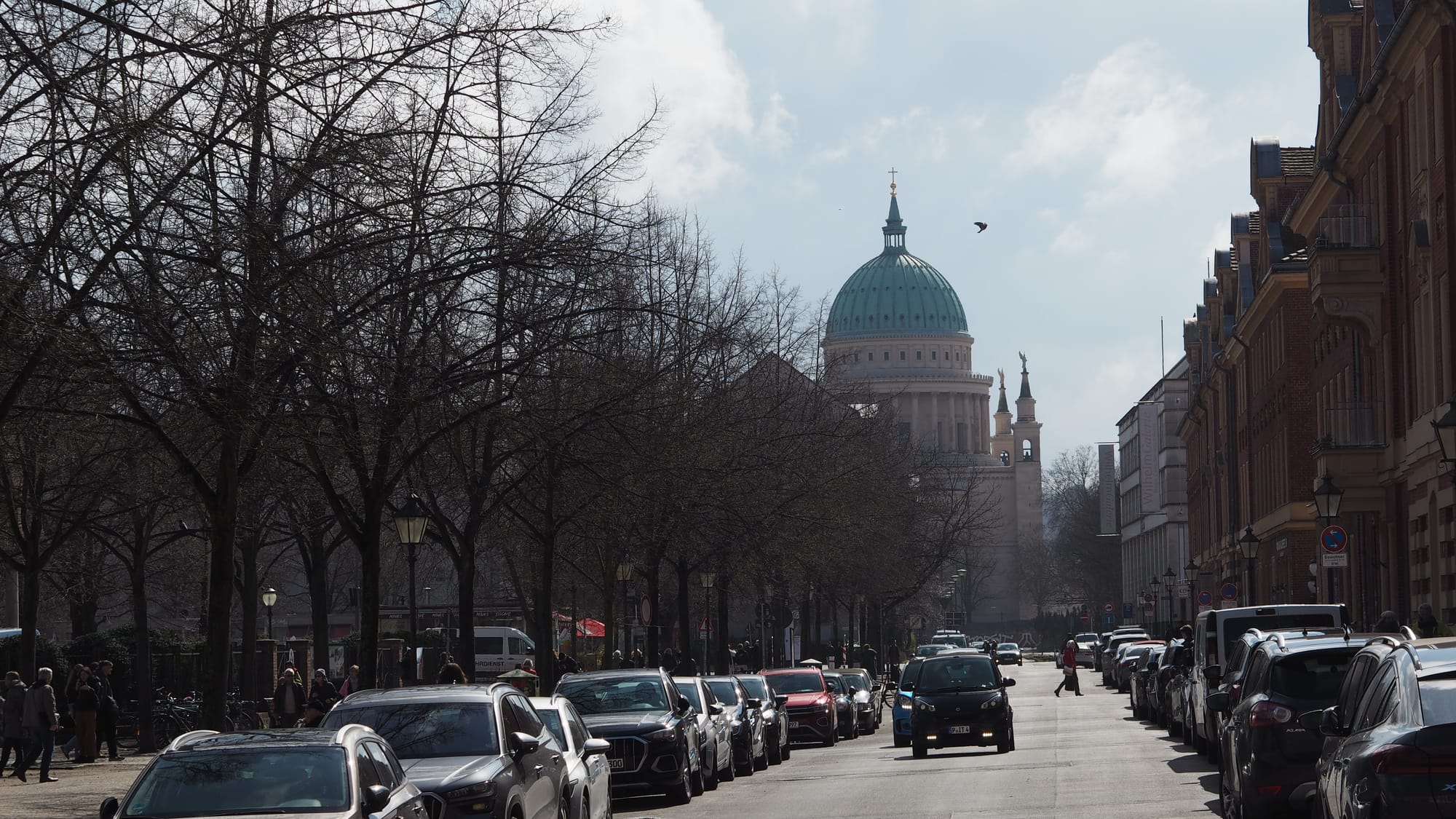
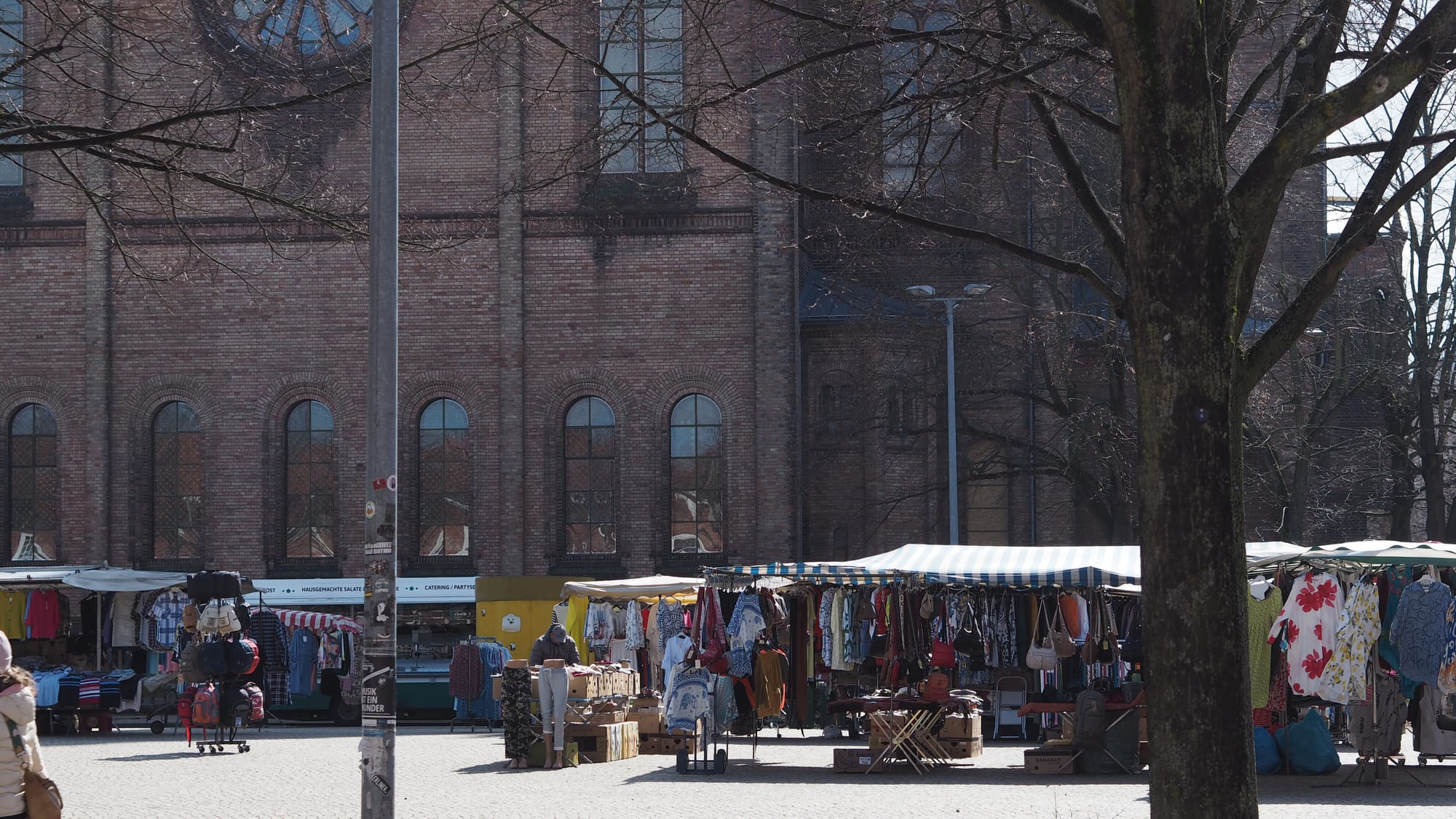
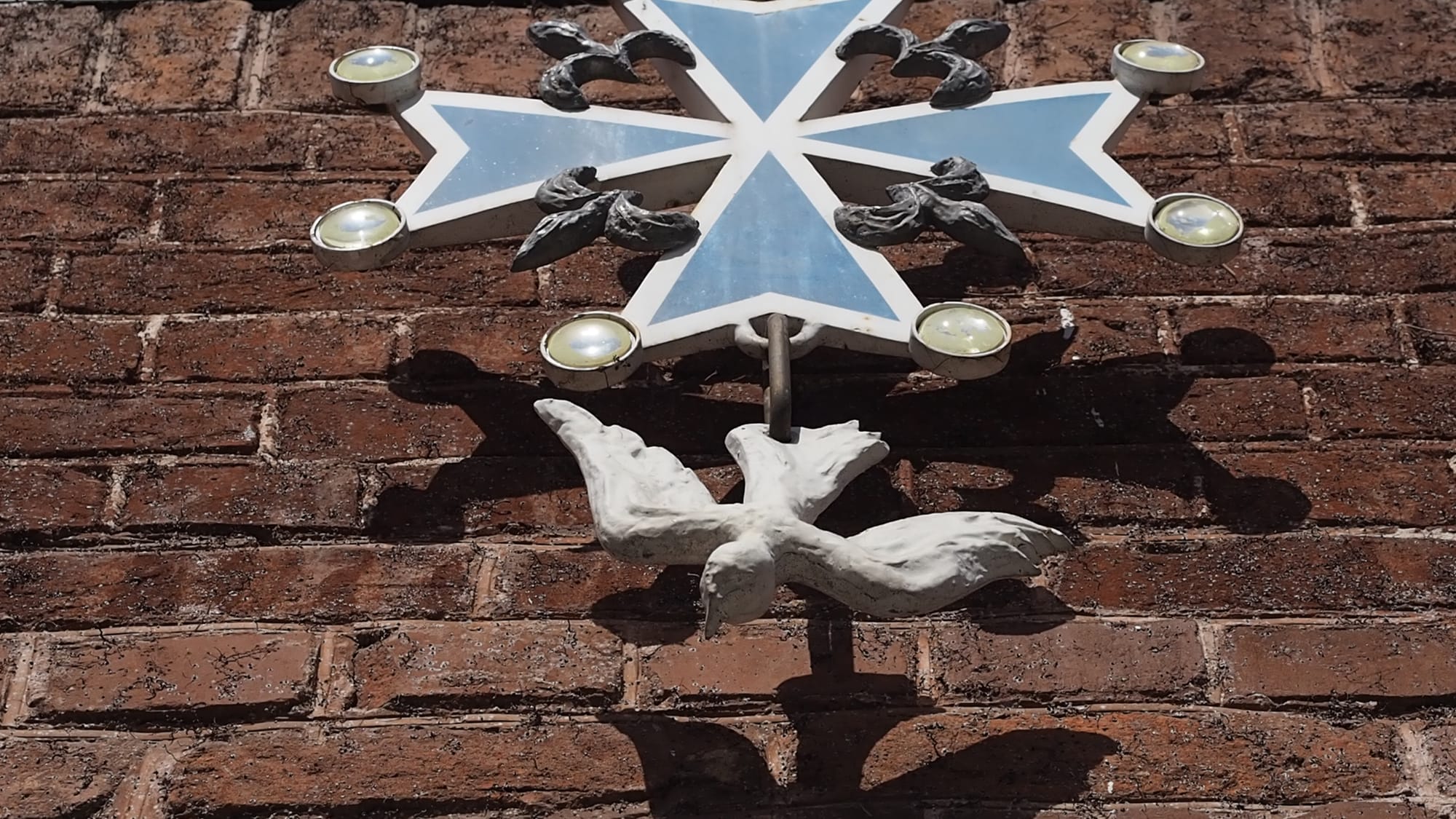
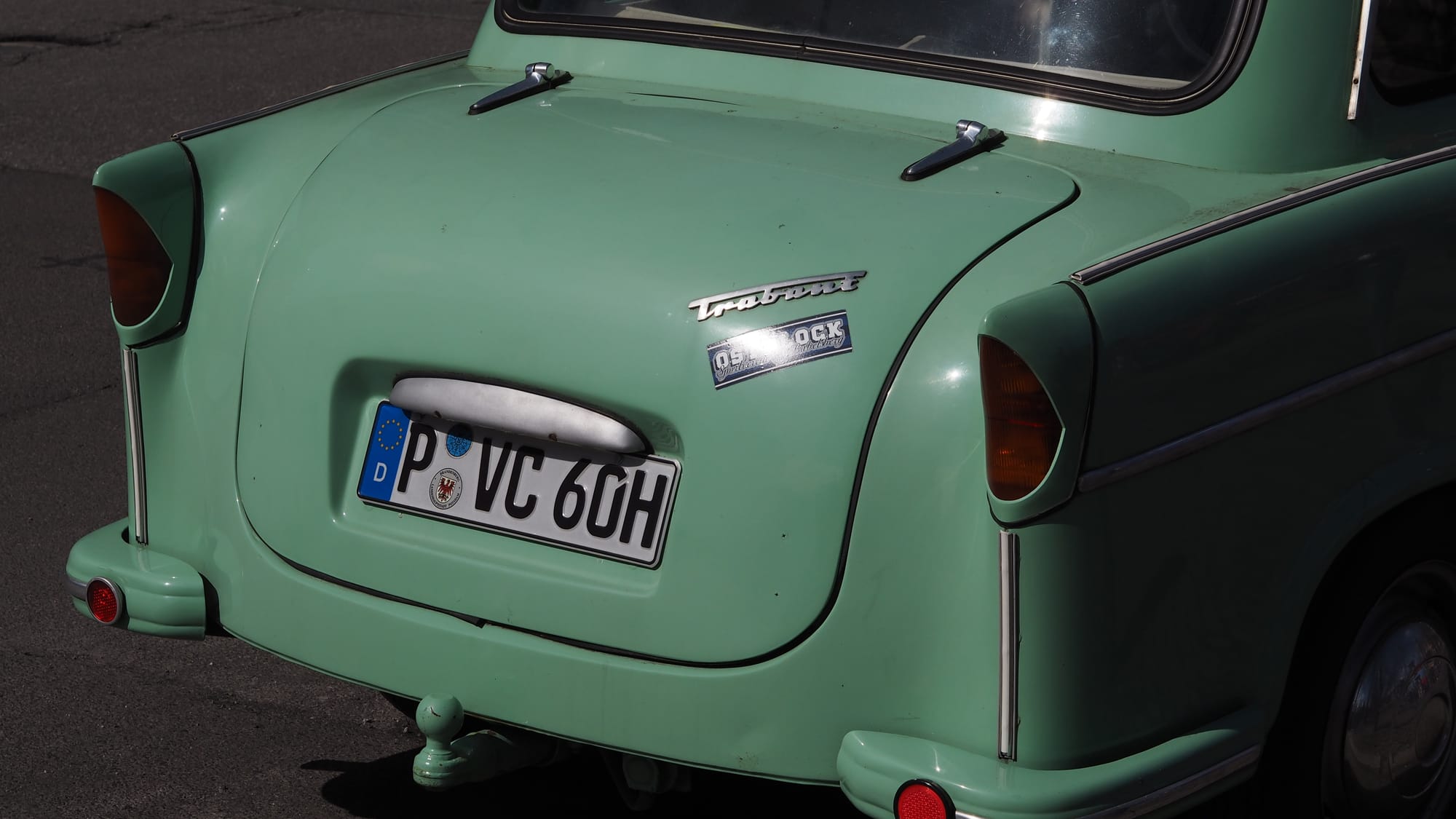
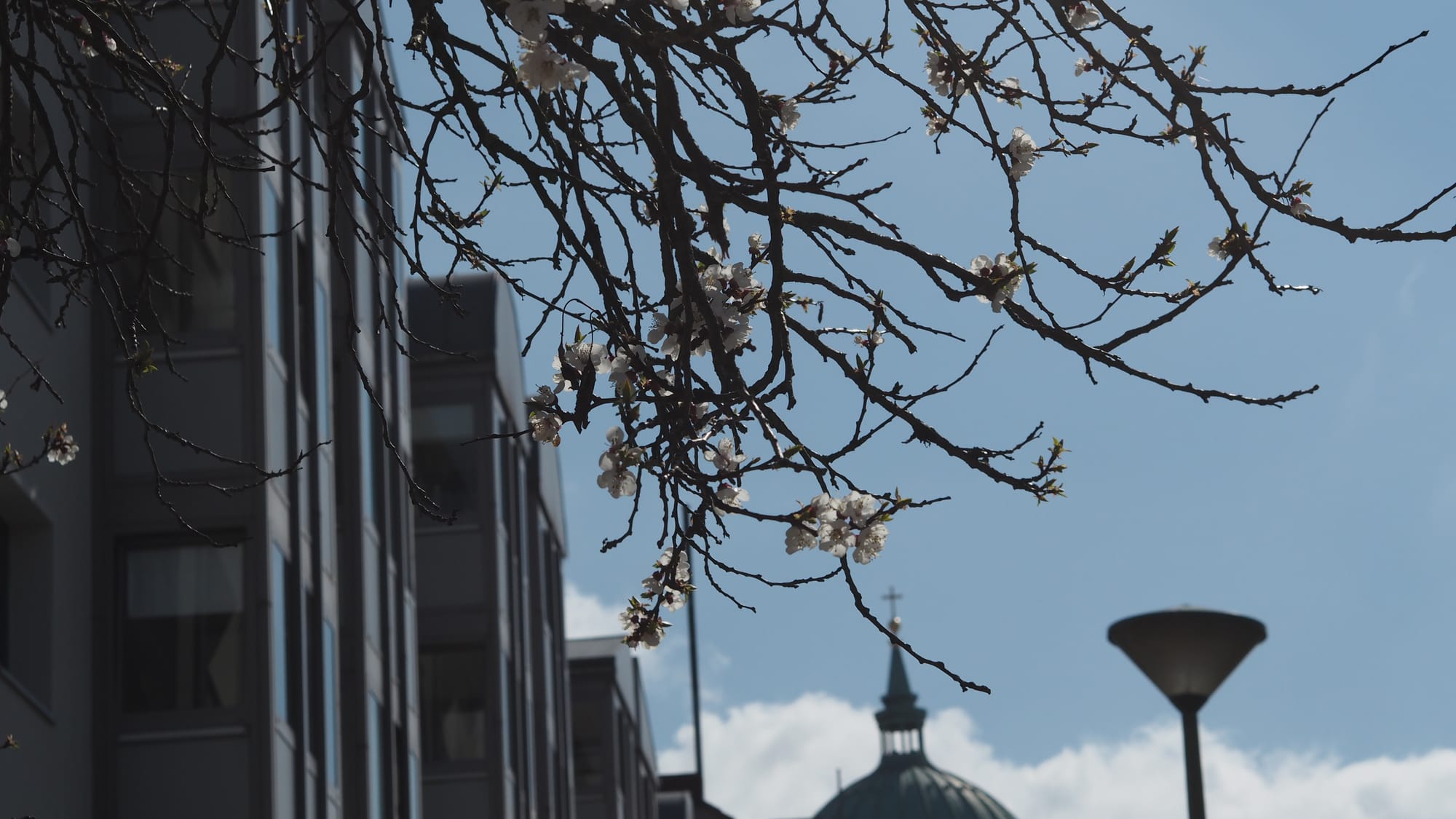
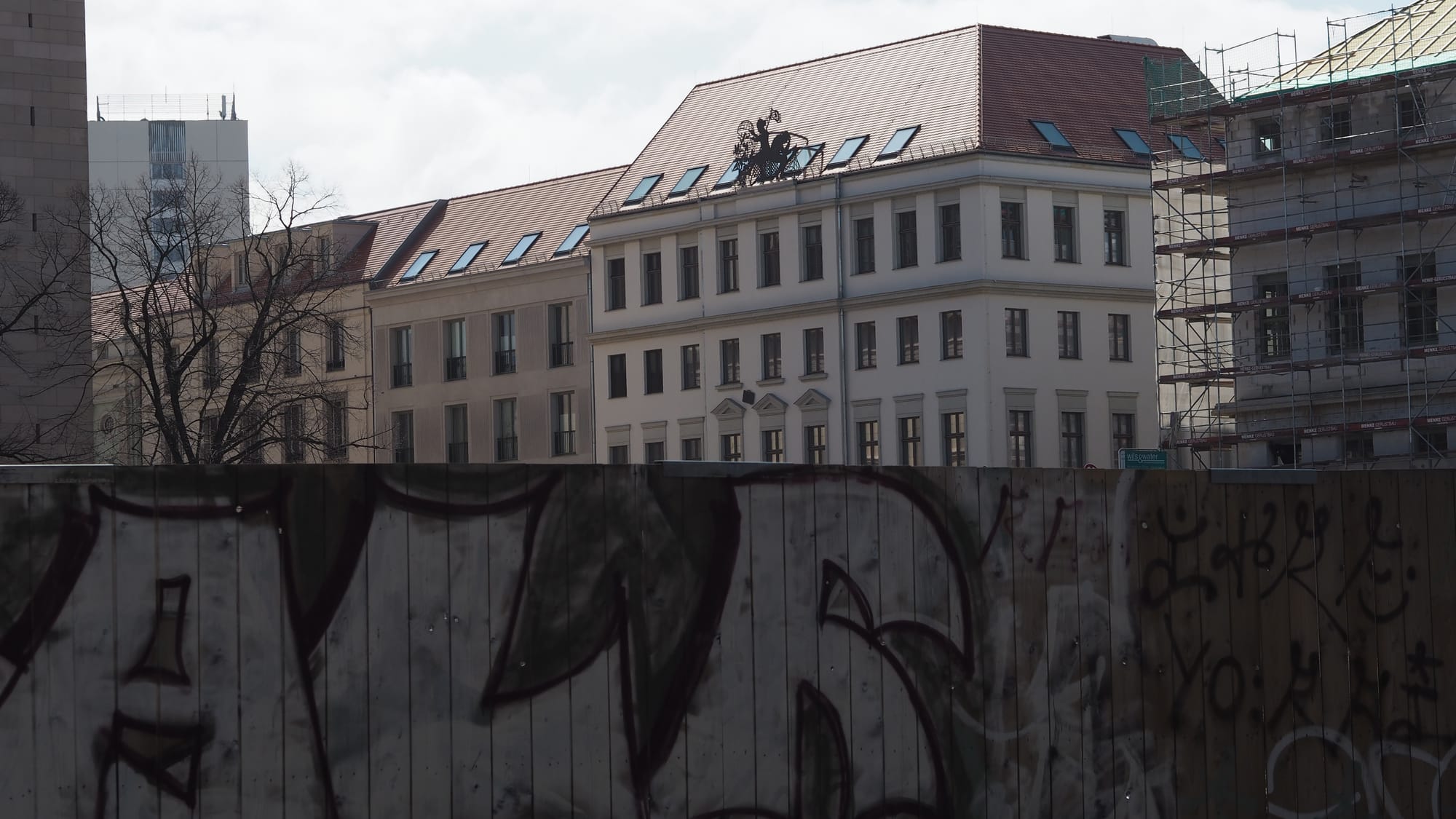
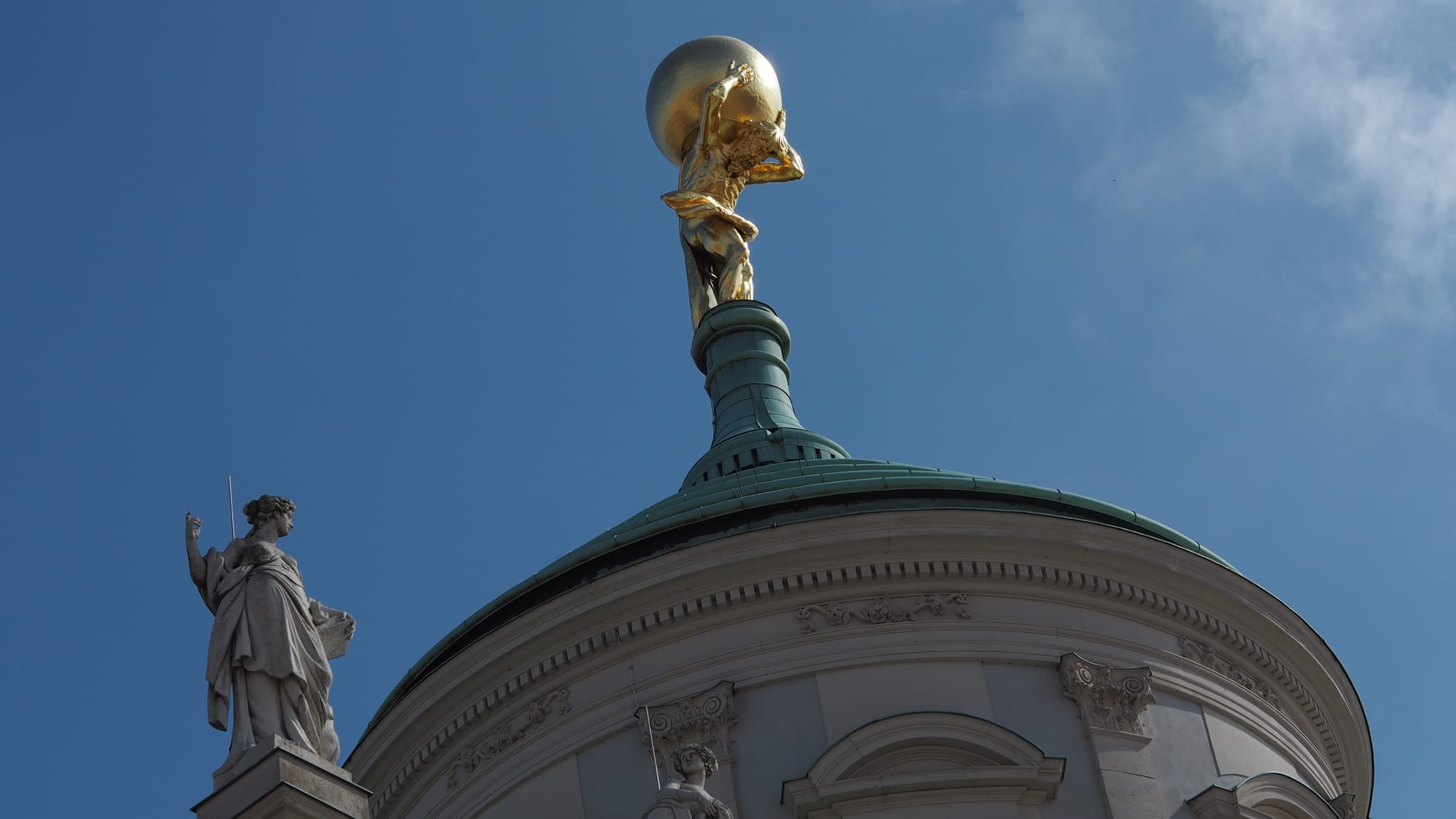
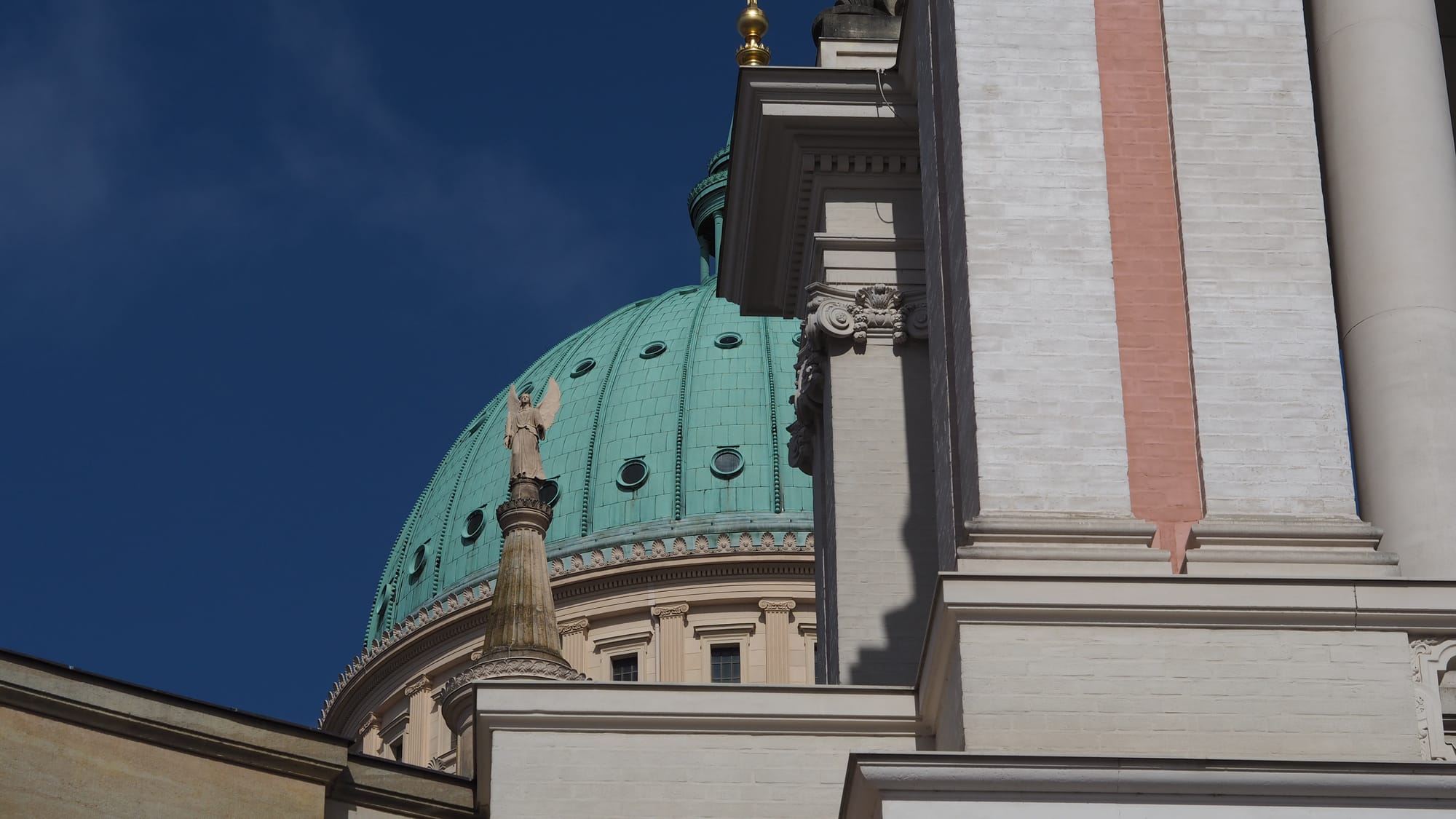
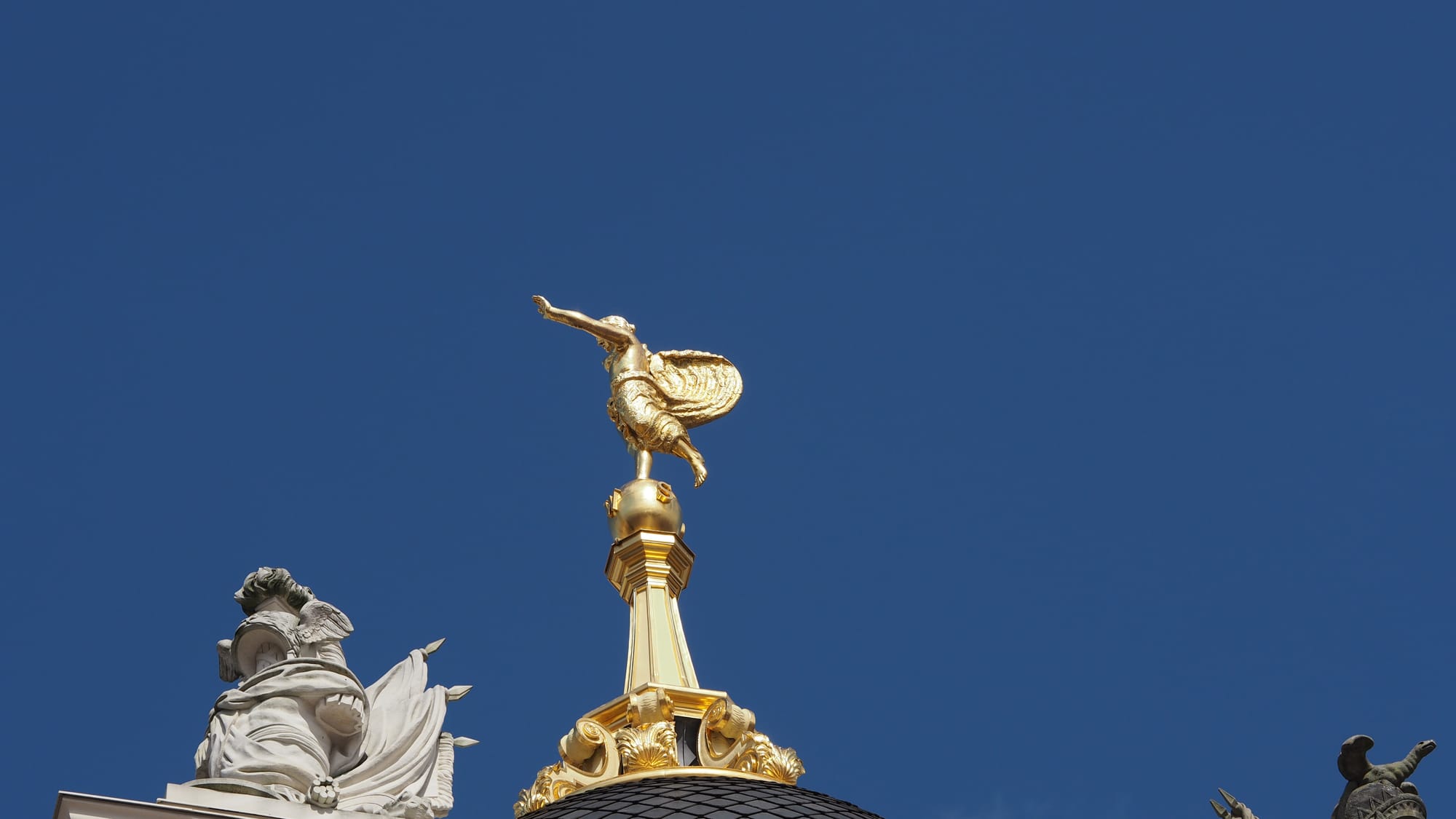
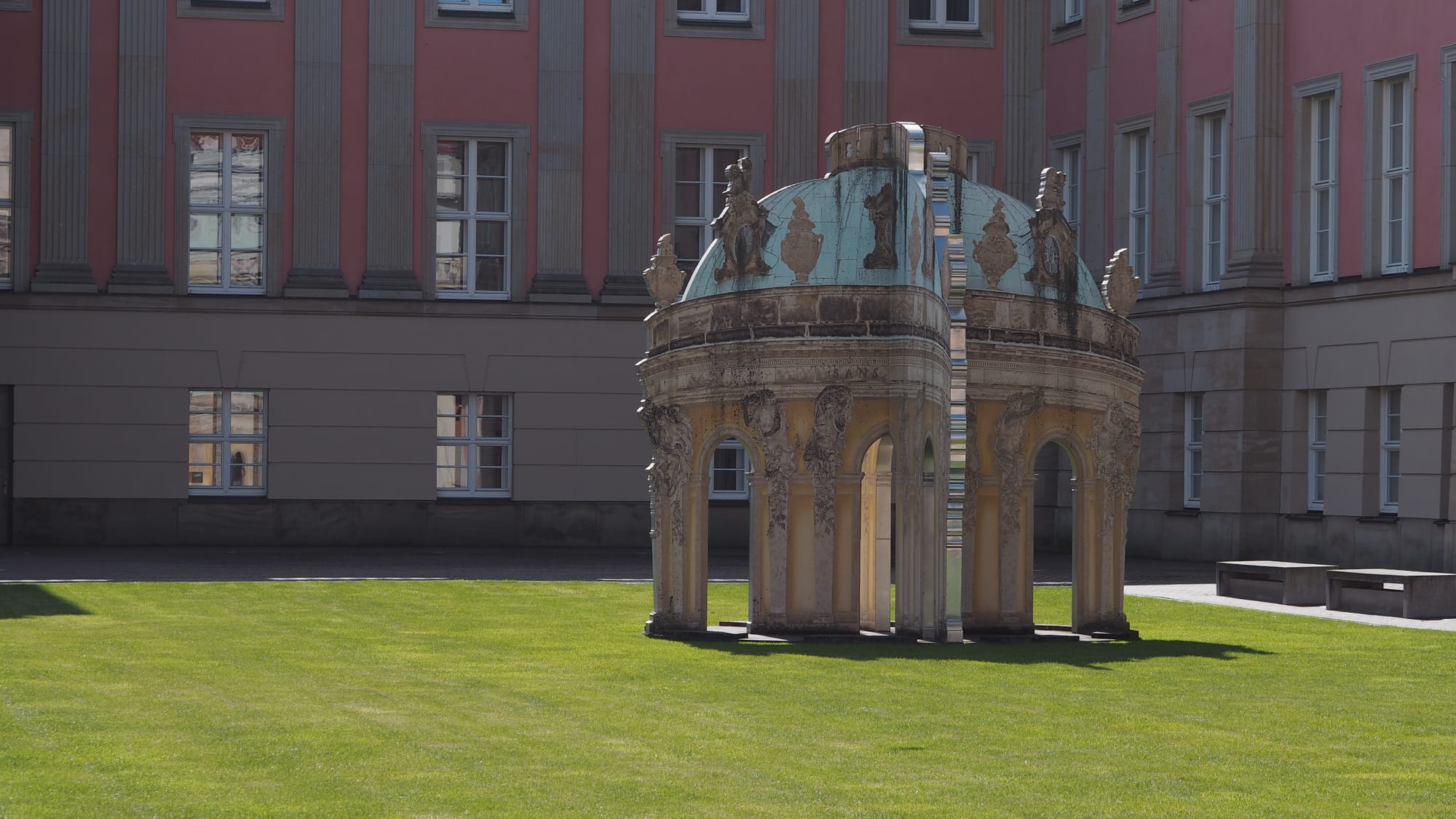
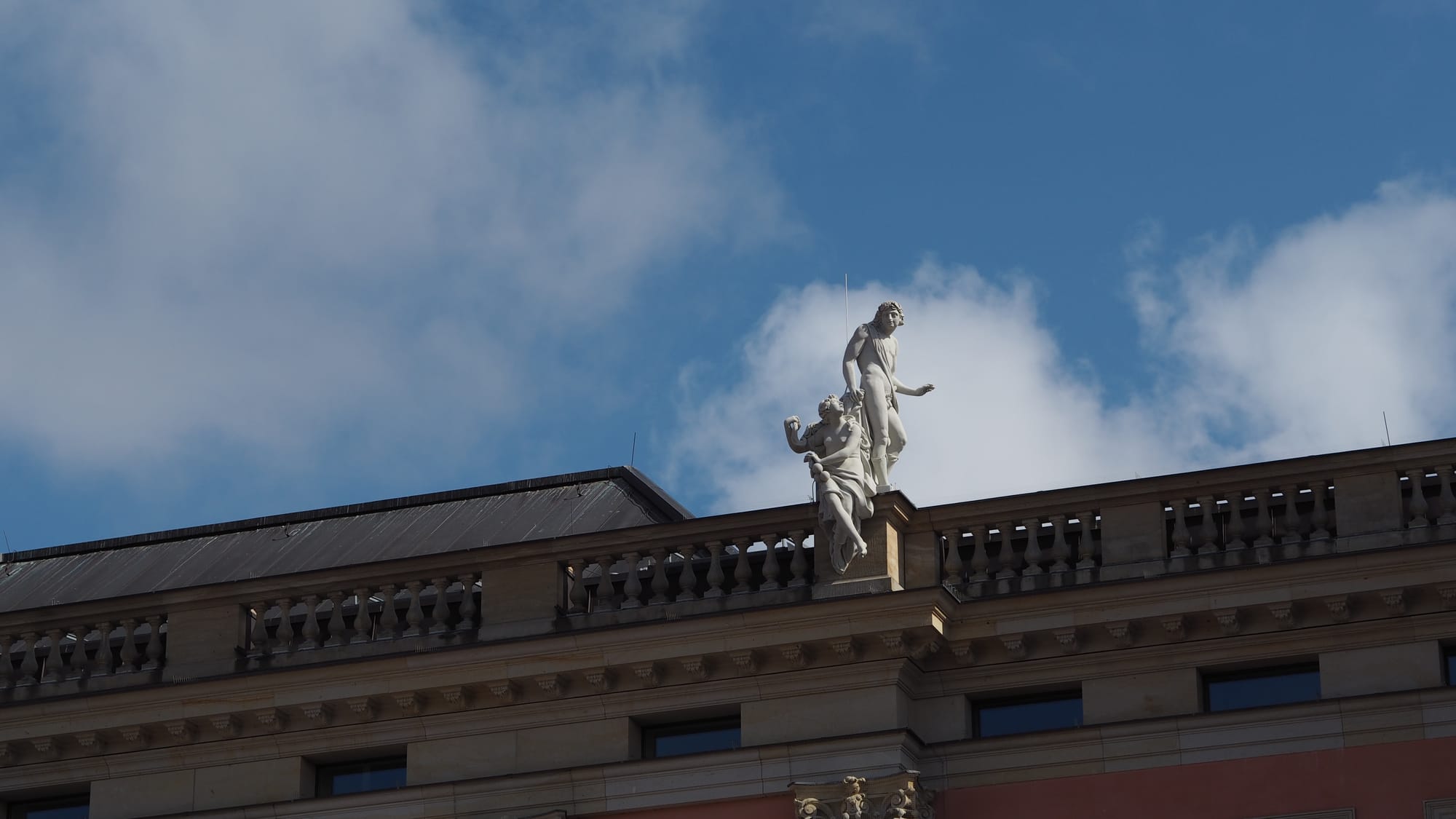
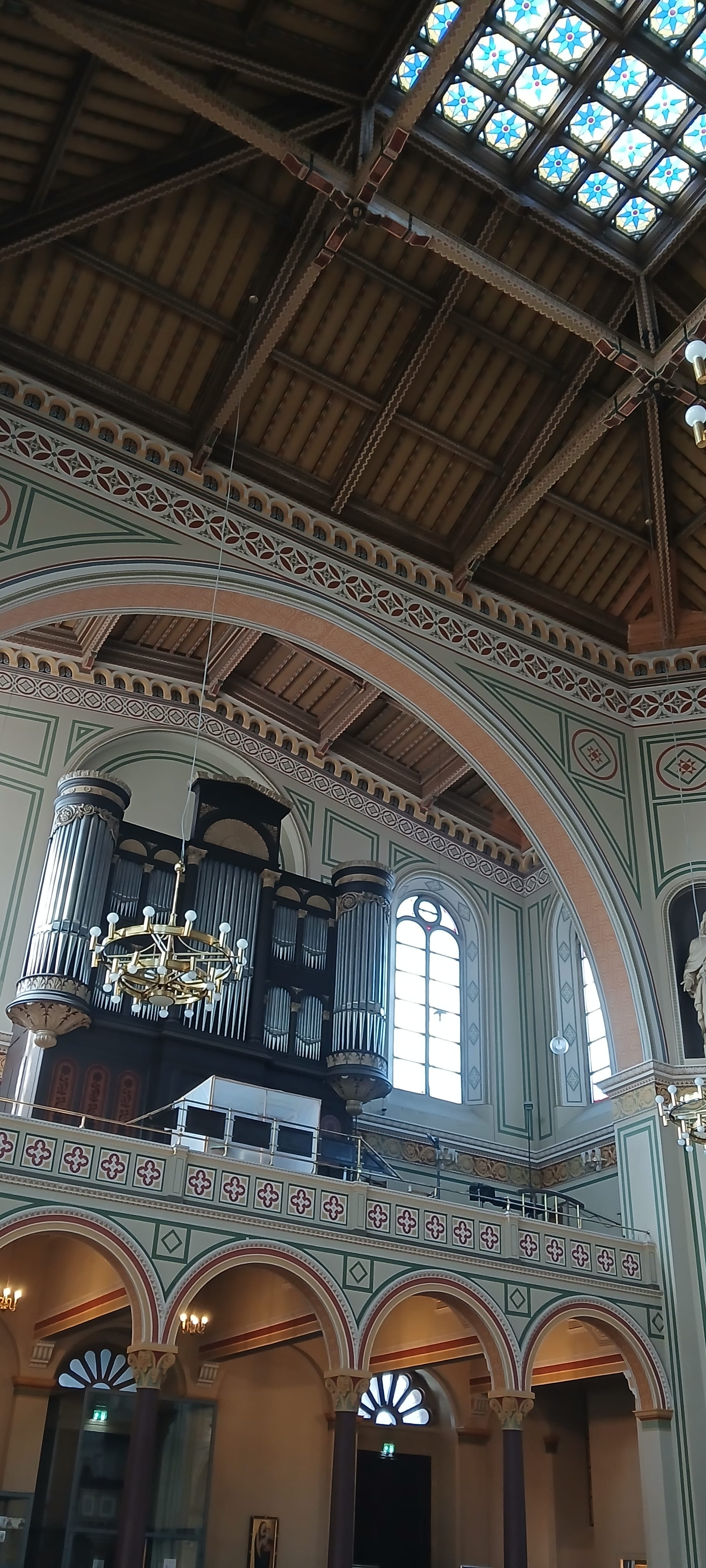
- tuner of the evangelical
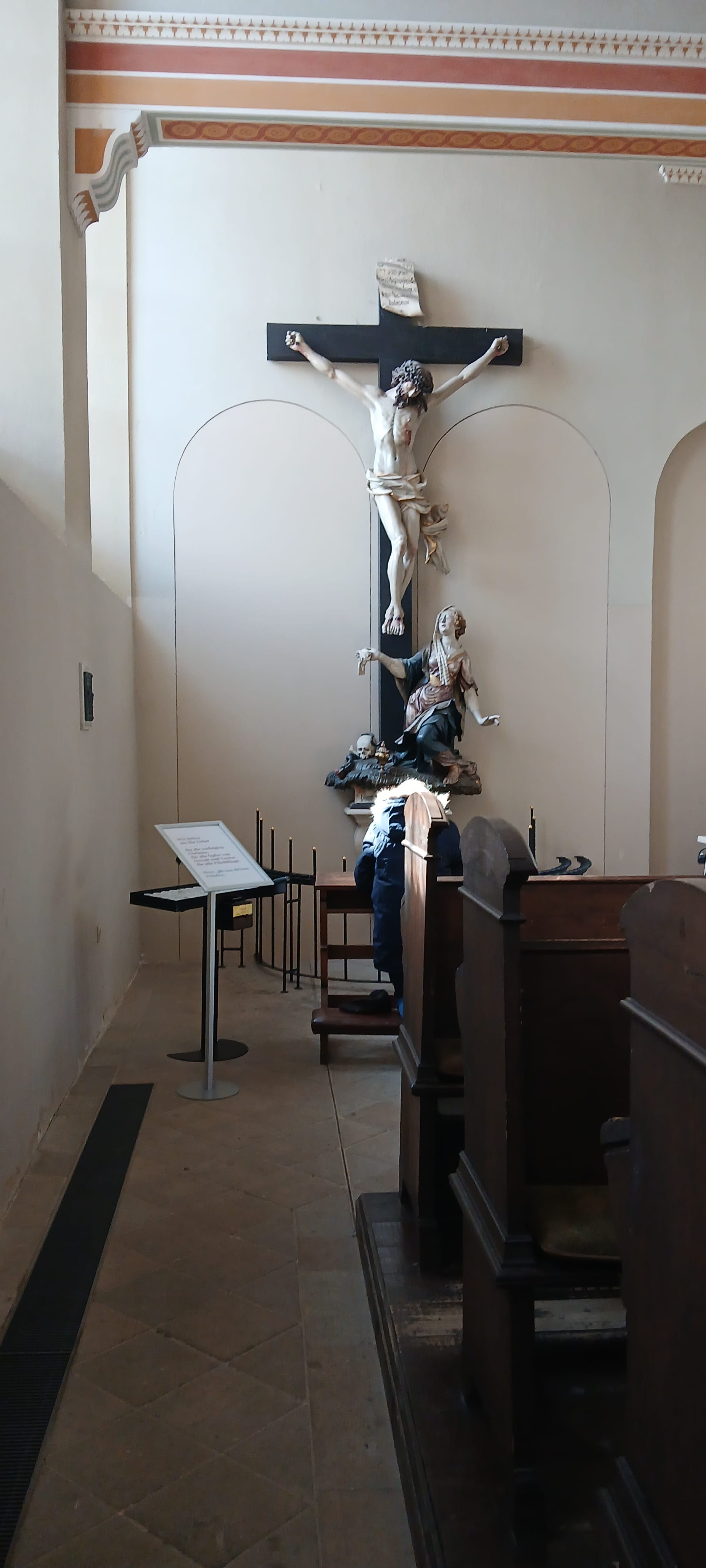
Sanssouci
no worries
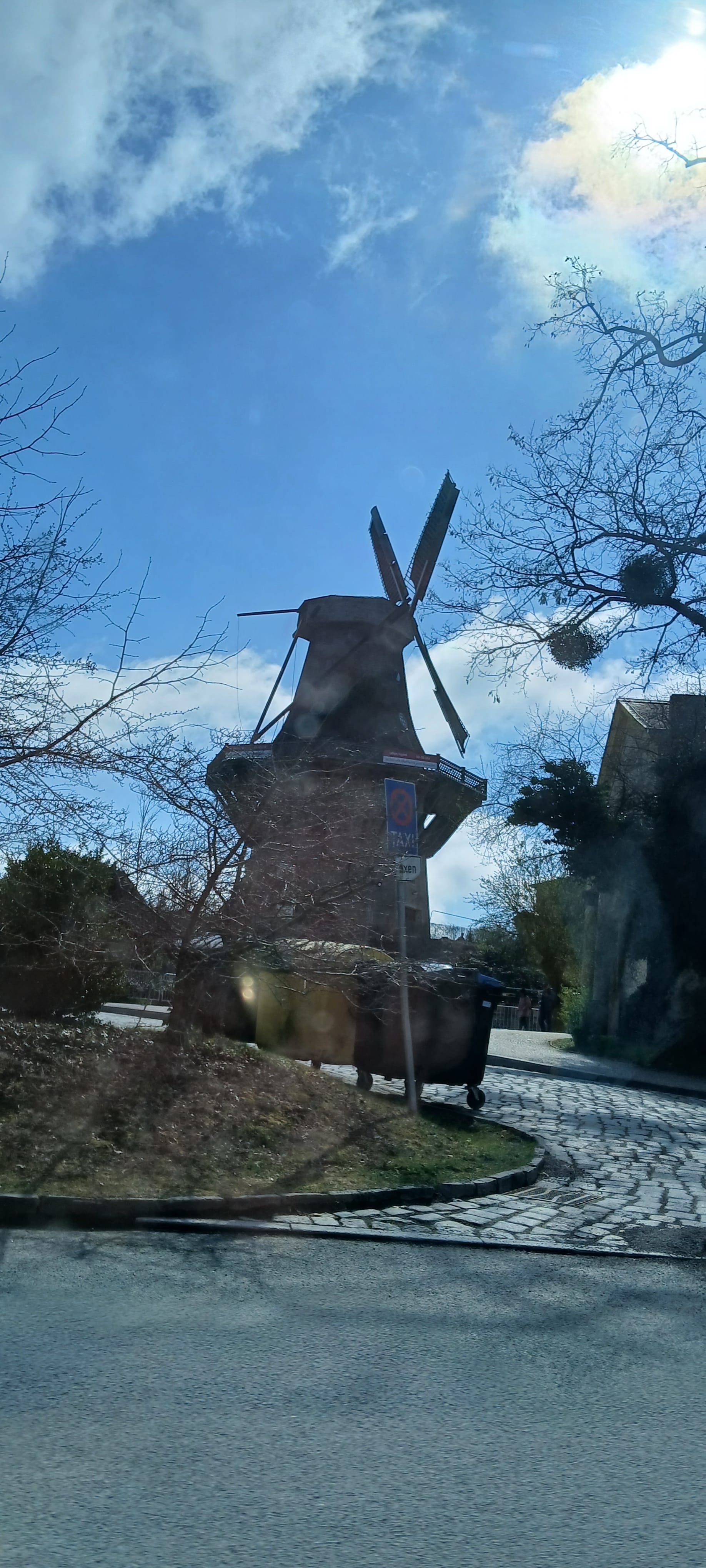
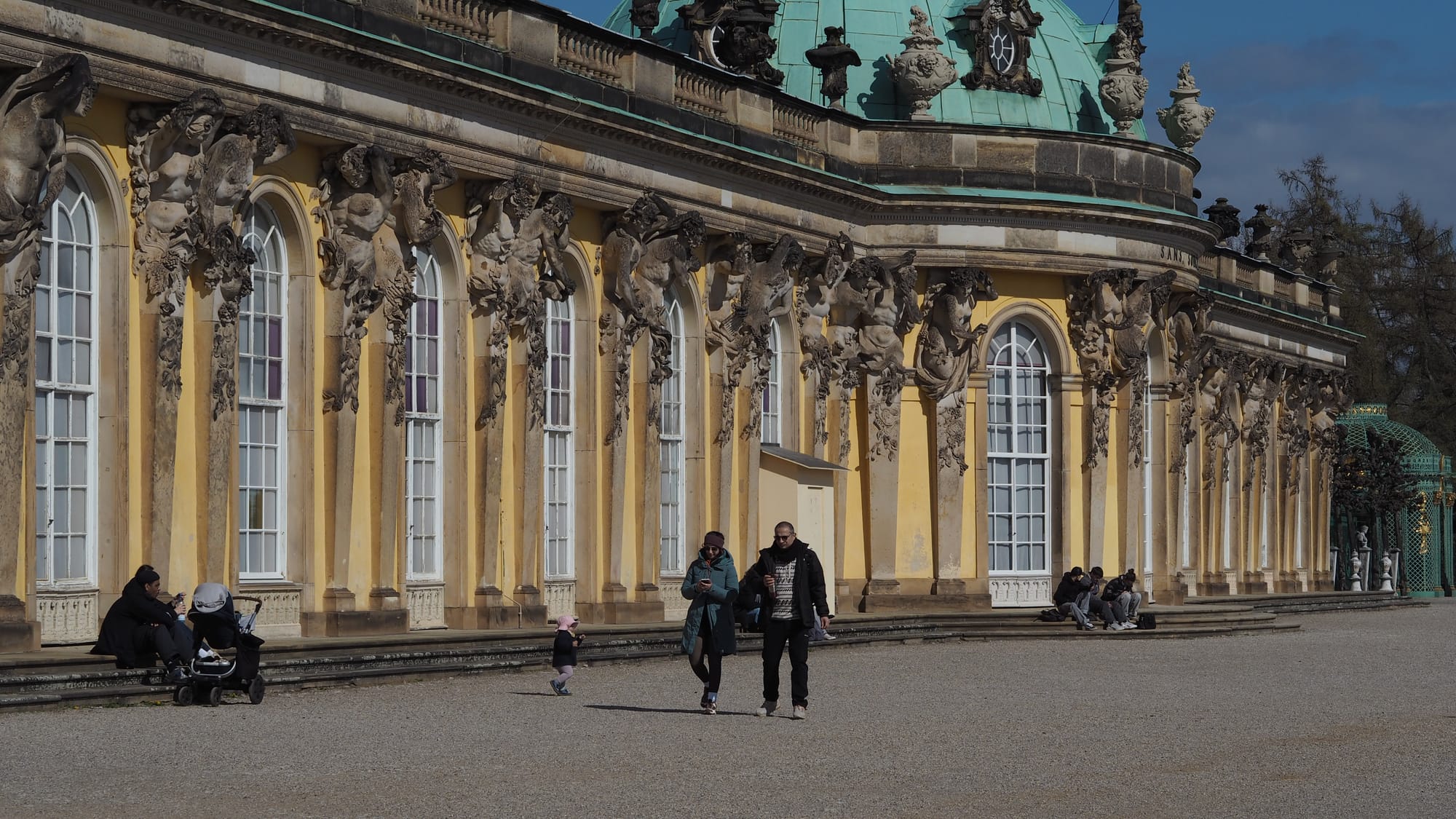
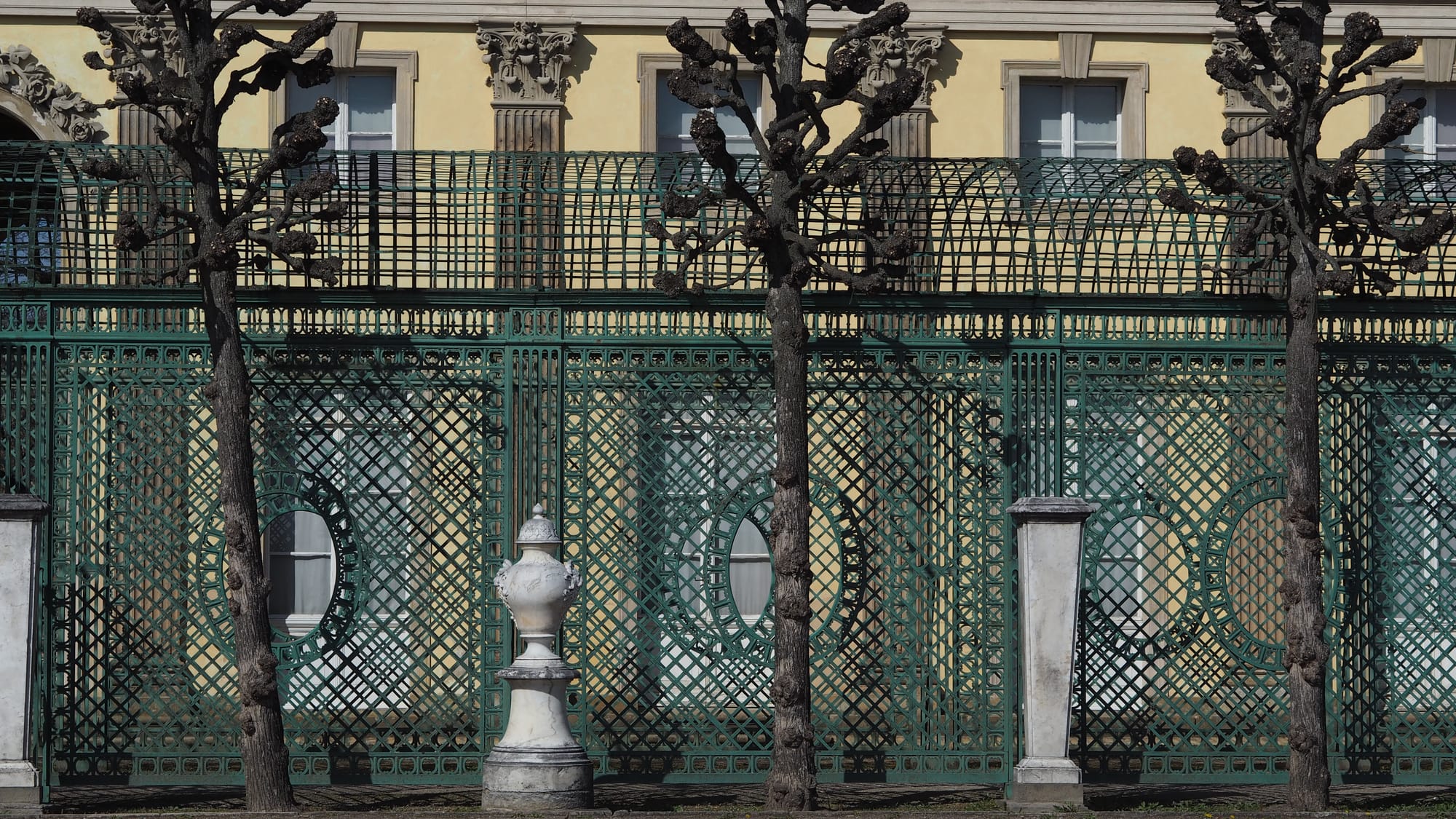
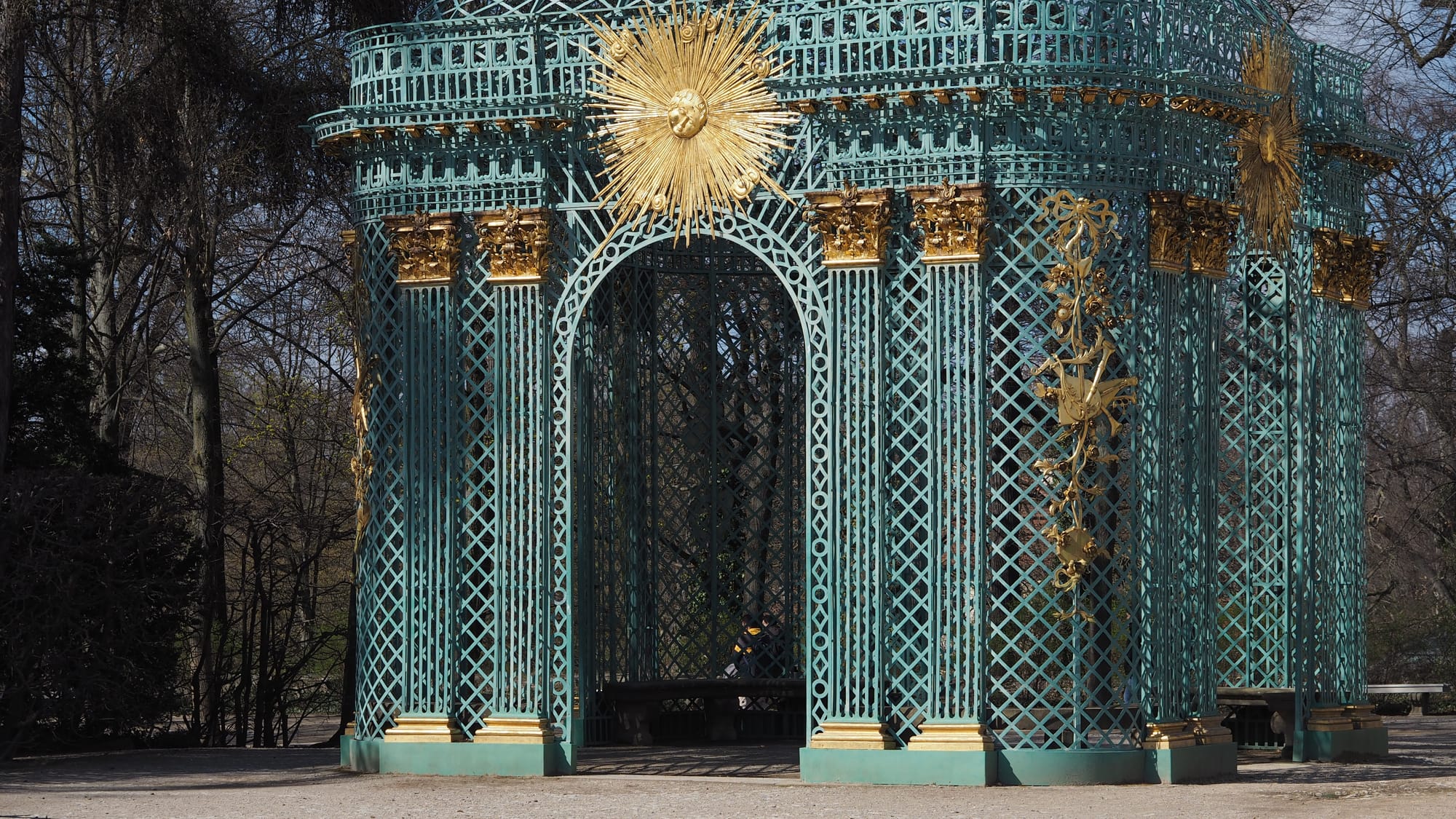
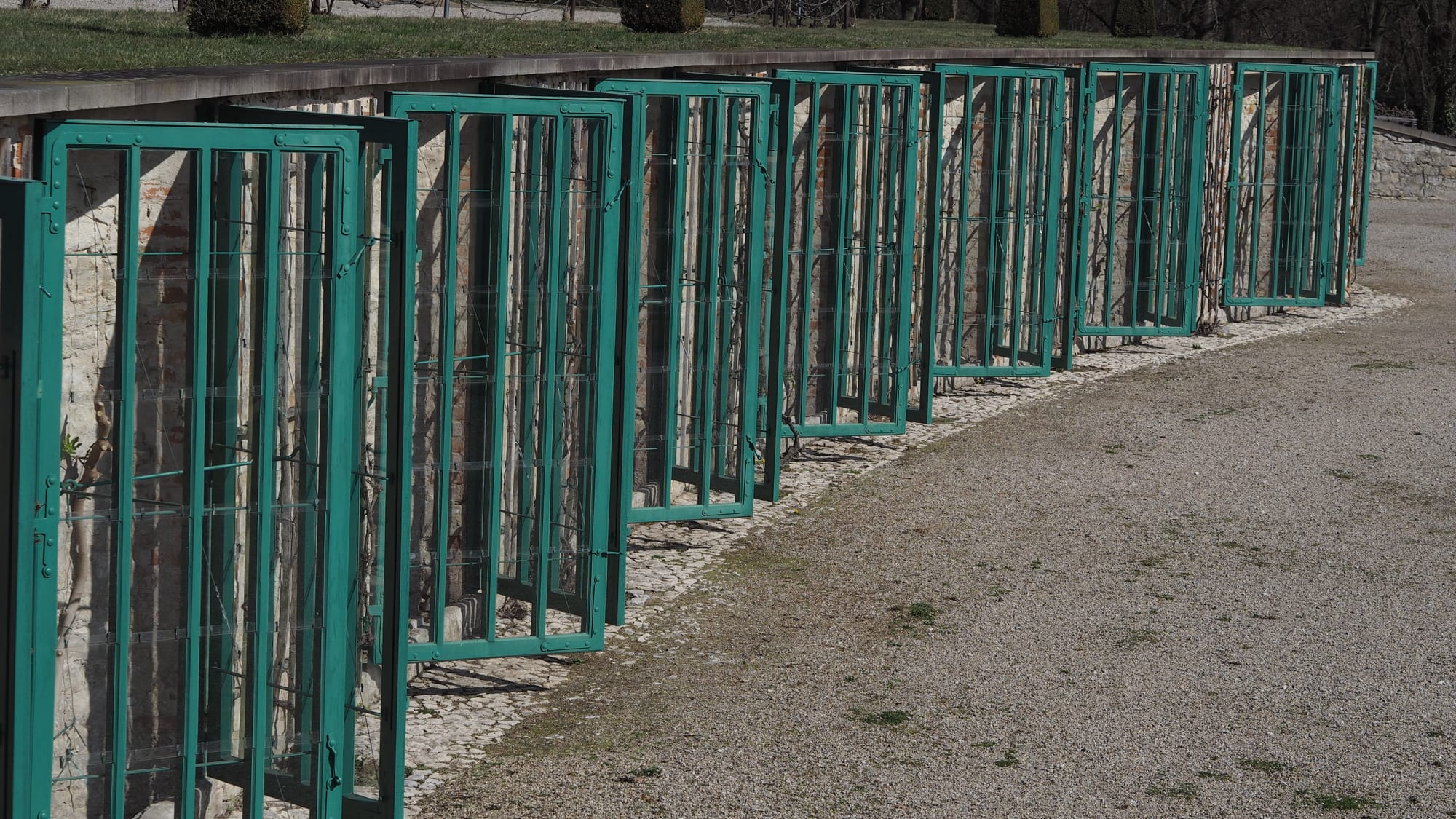
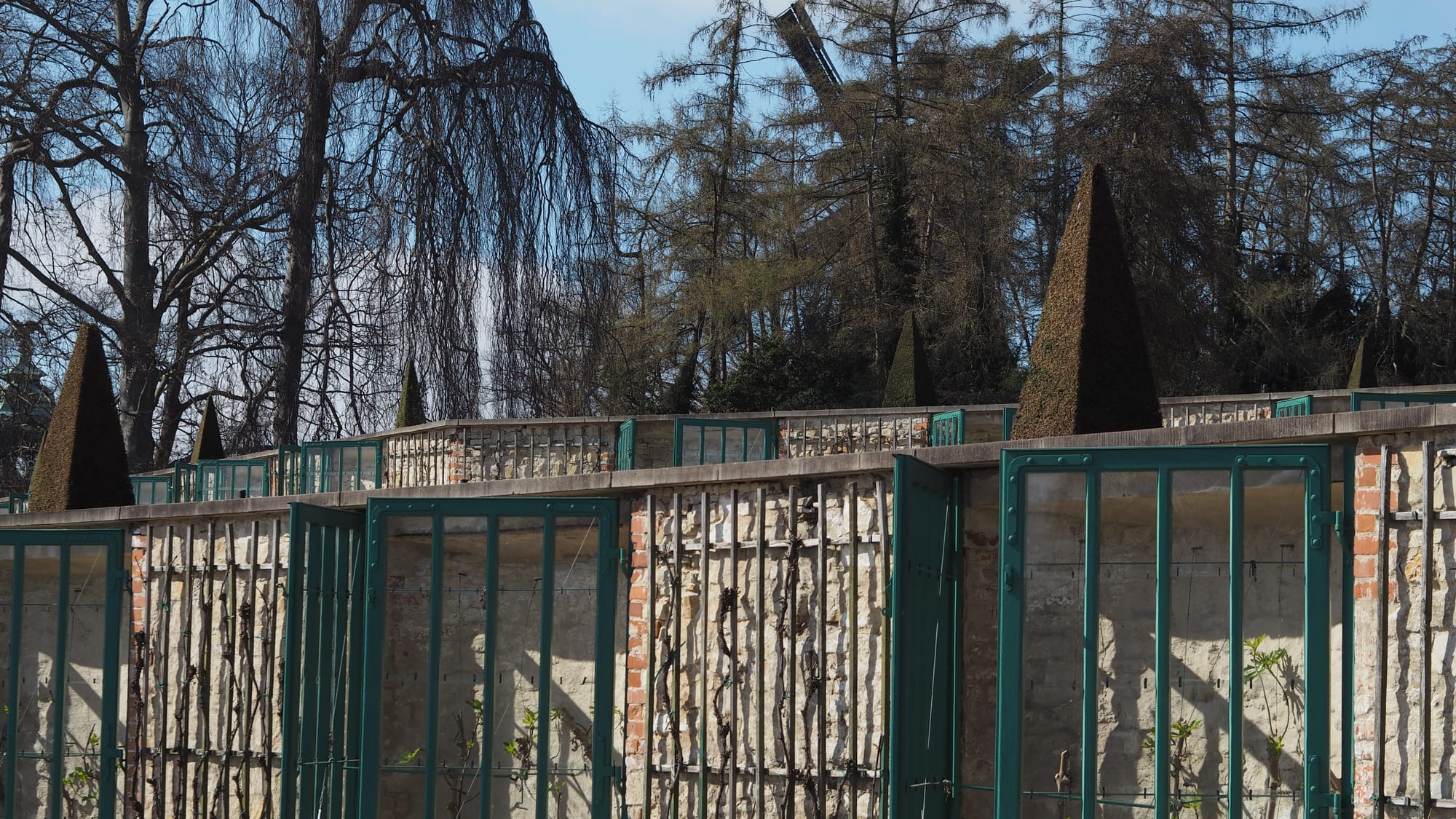
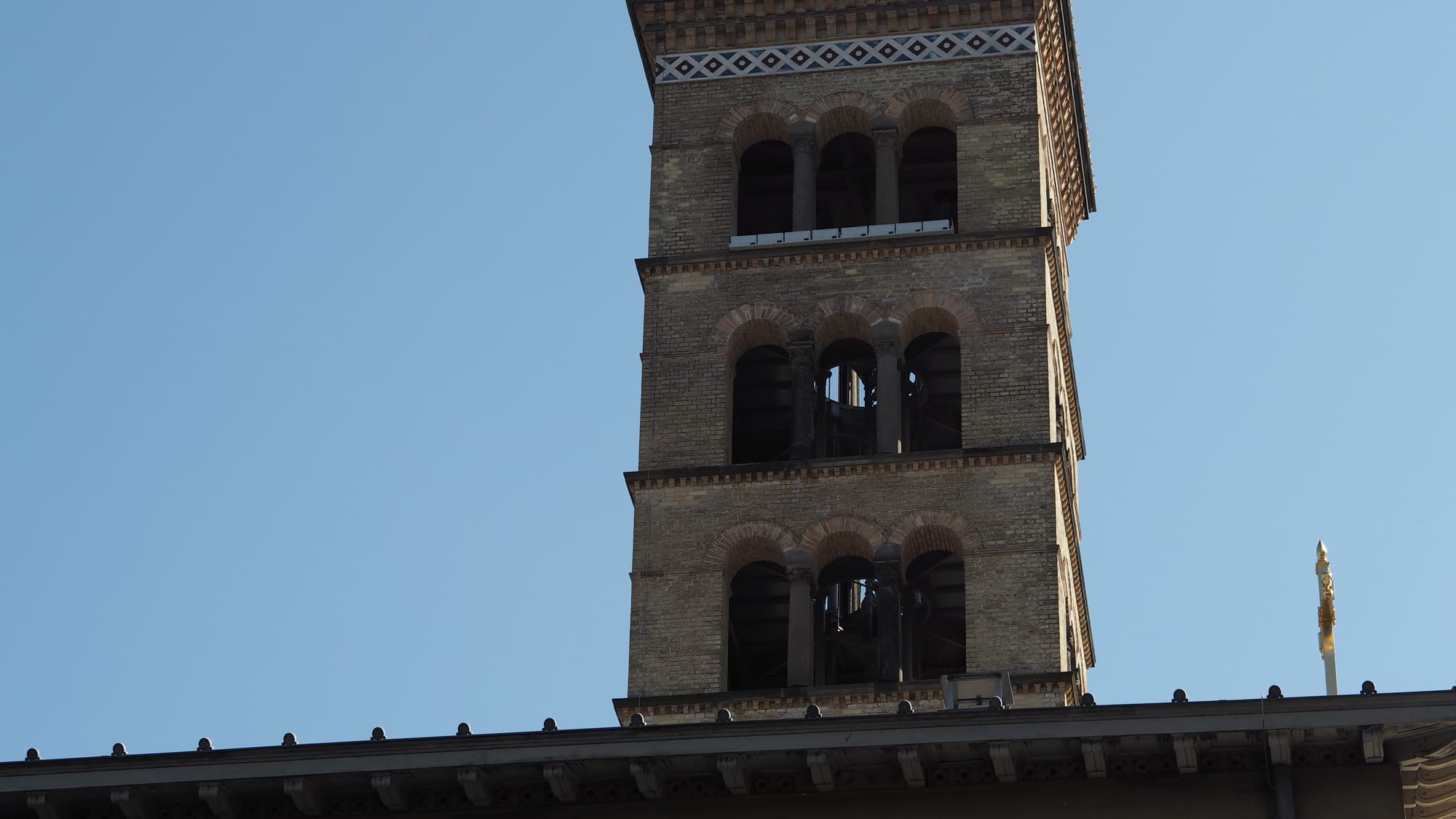
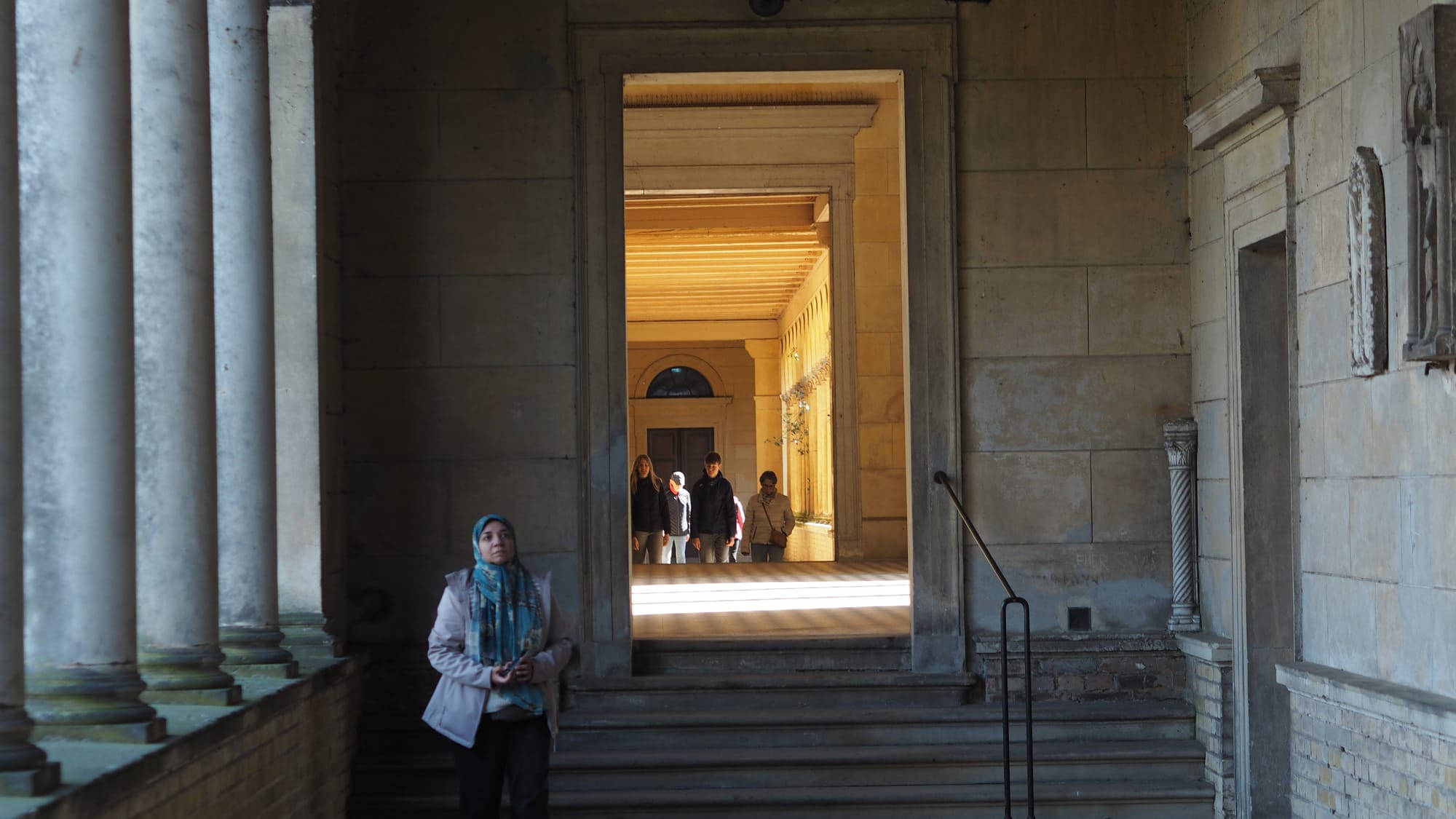
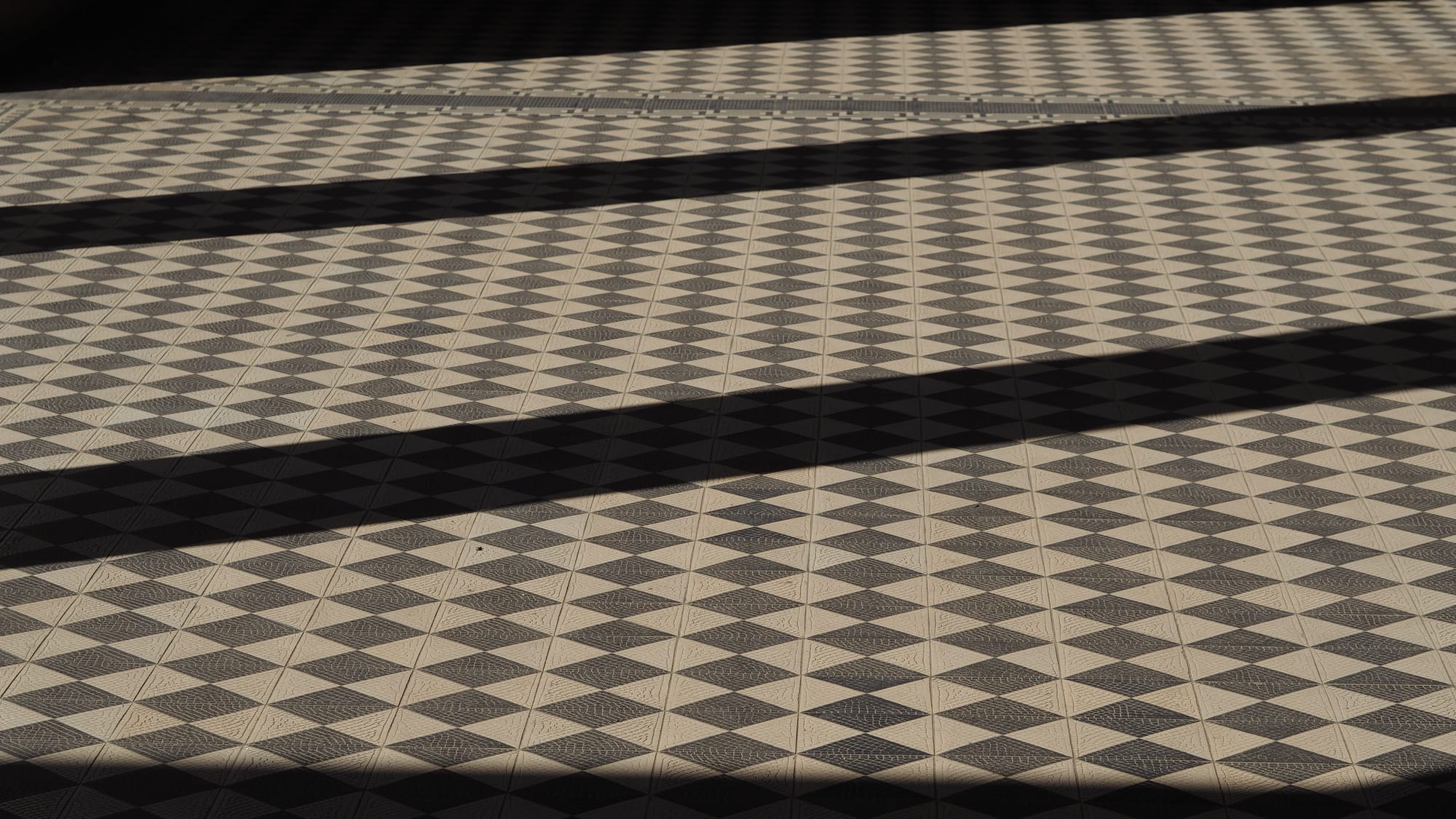
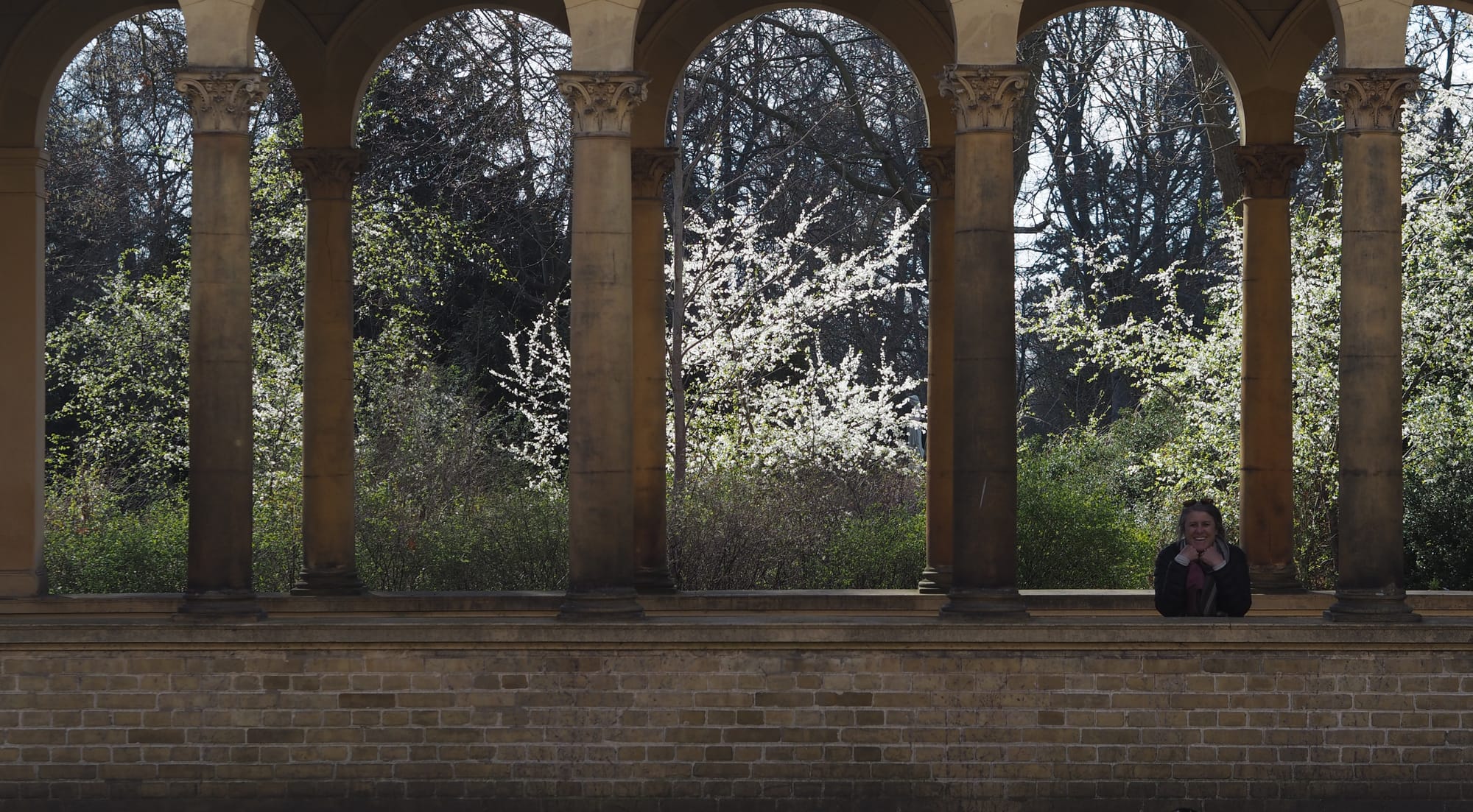
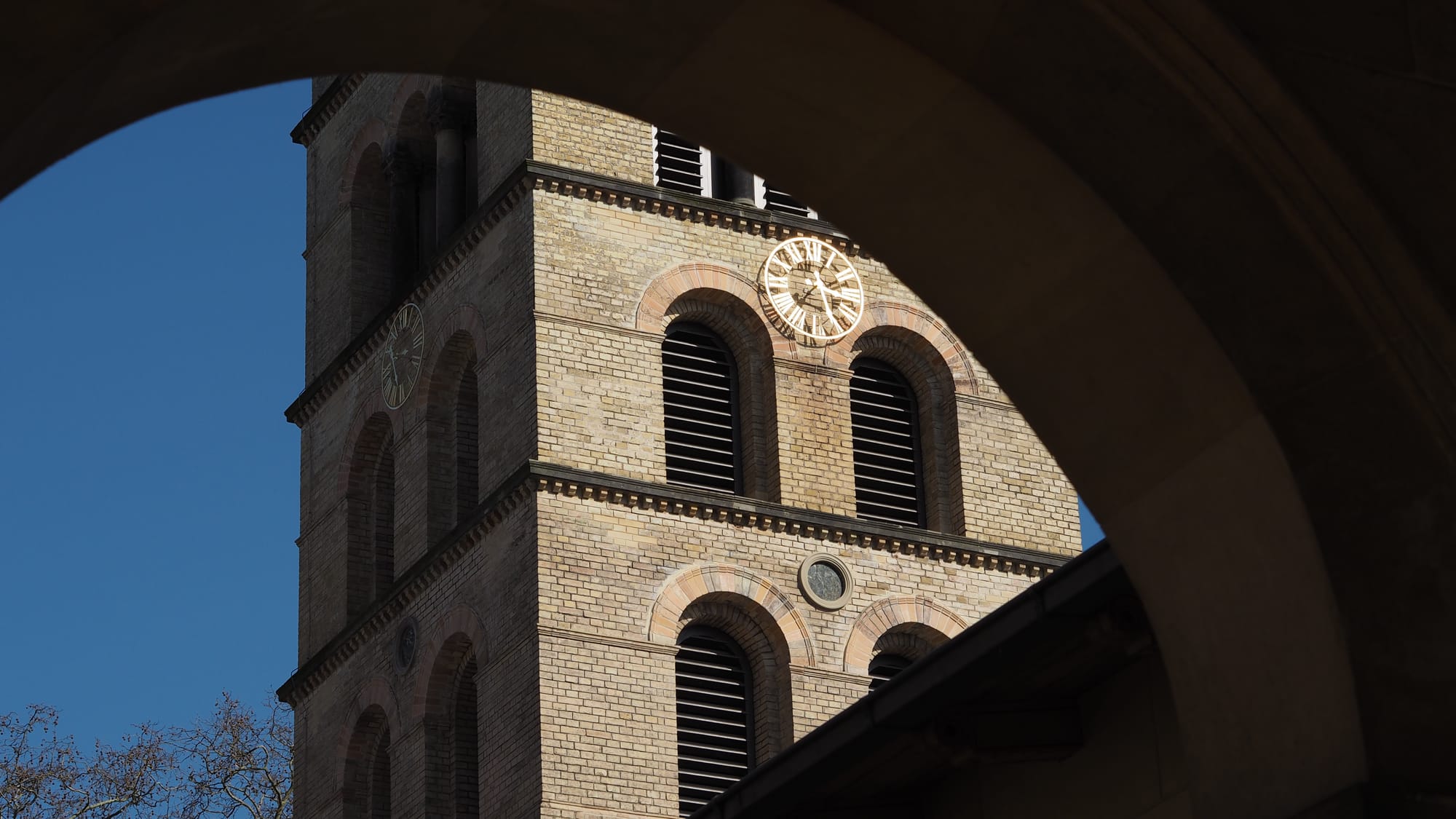
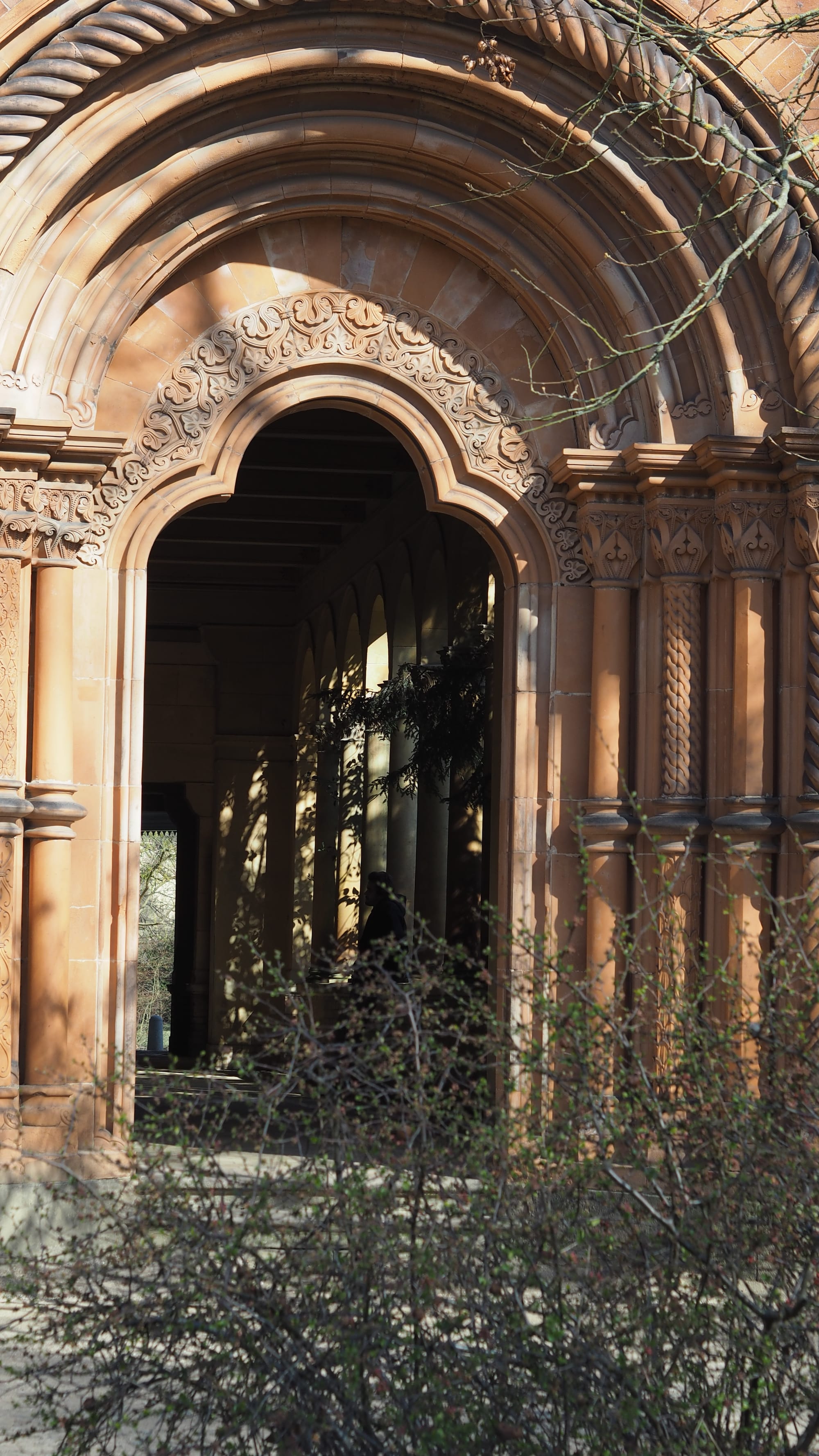
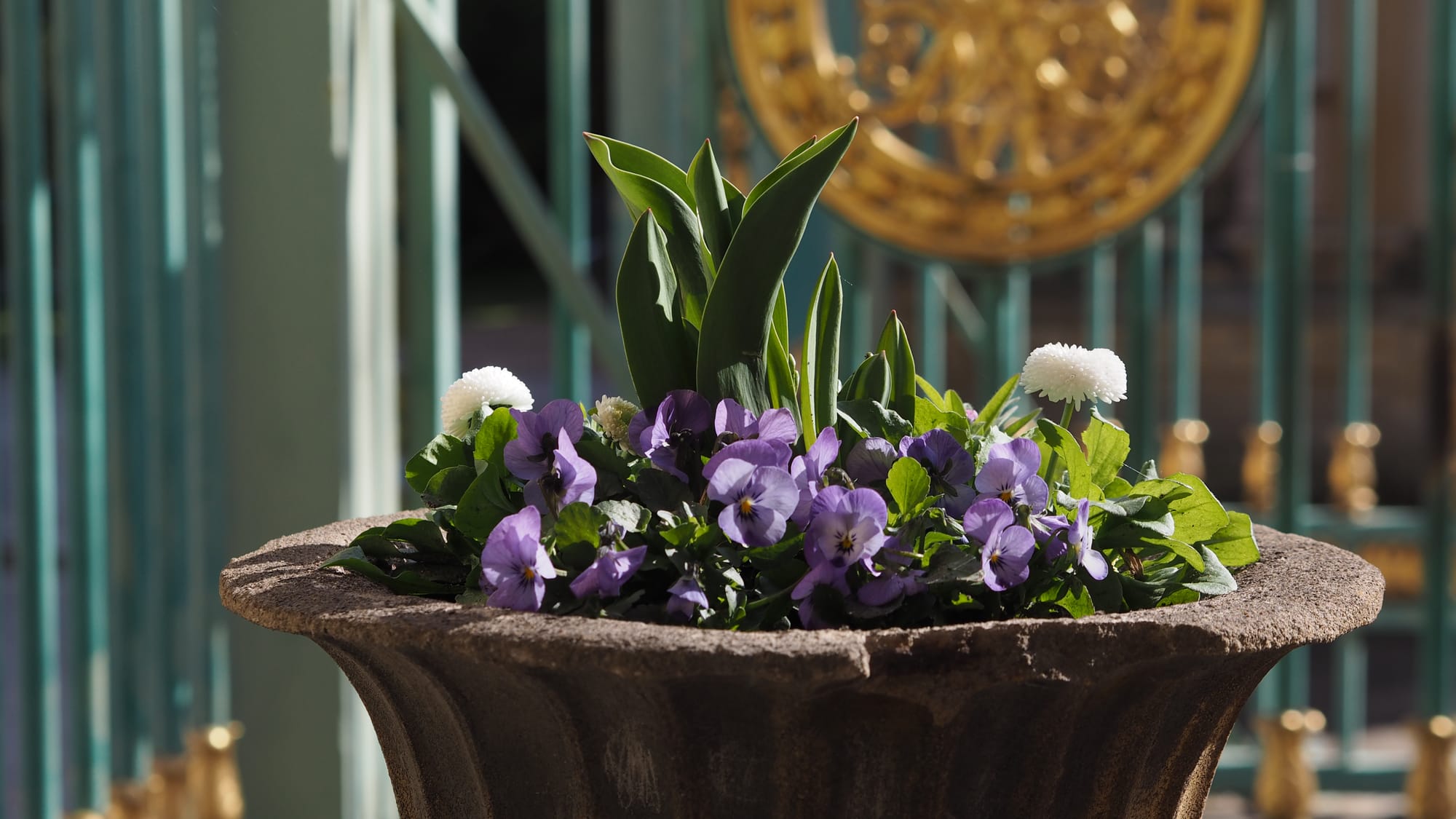
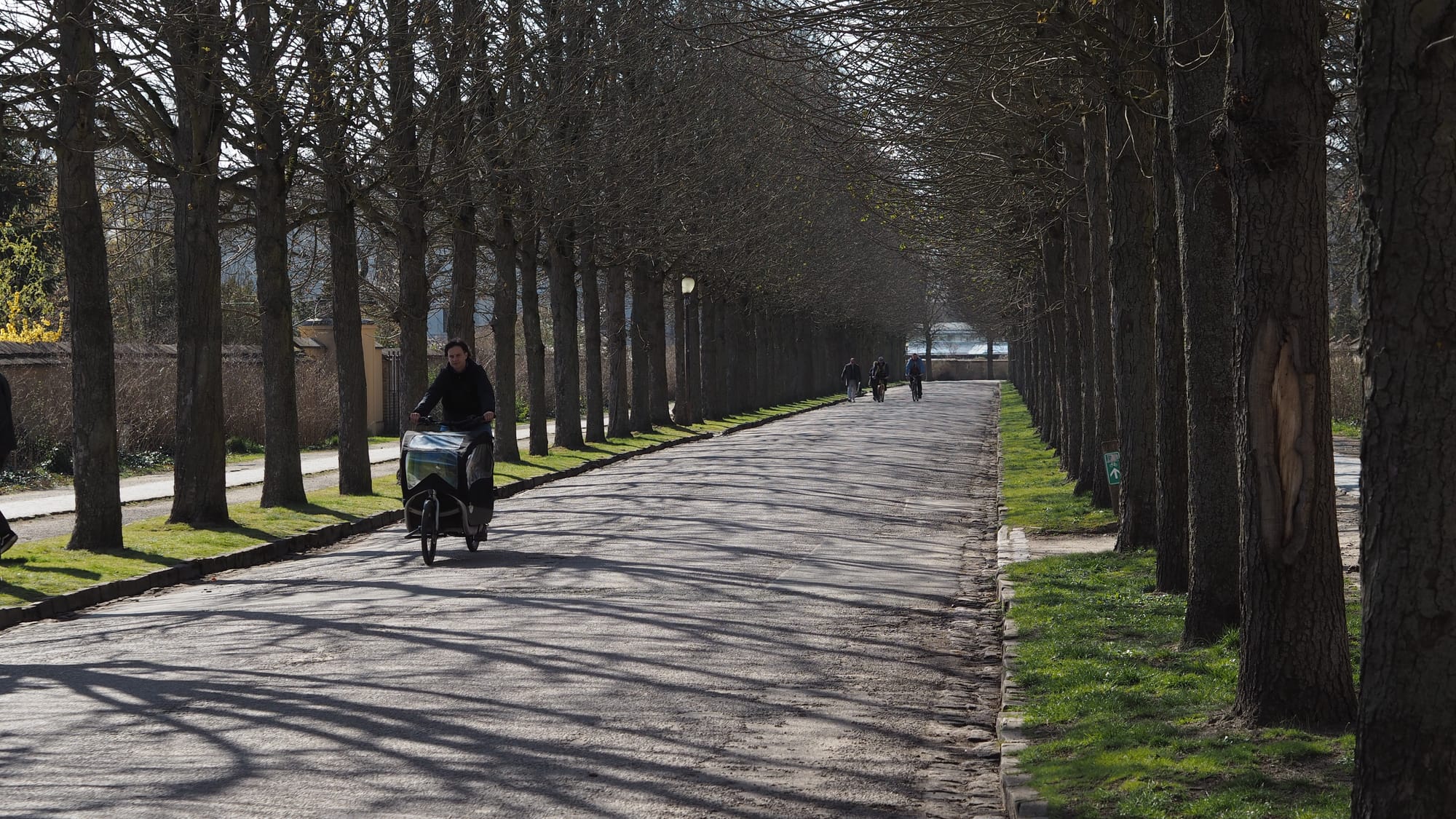
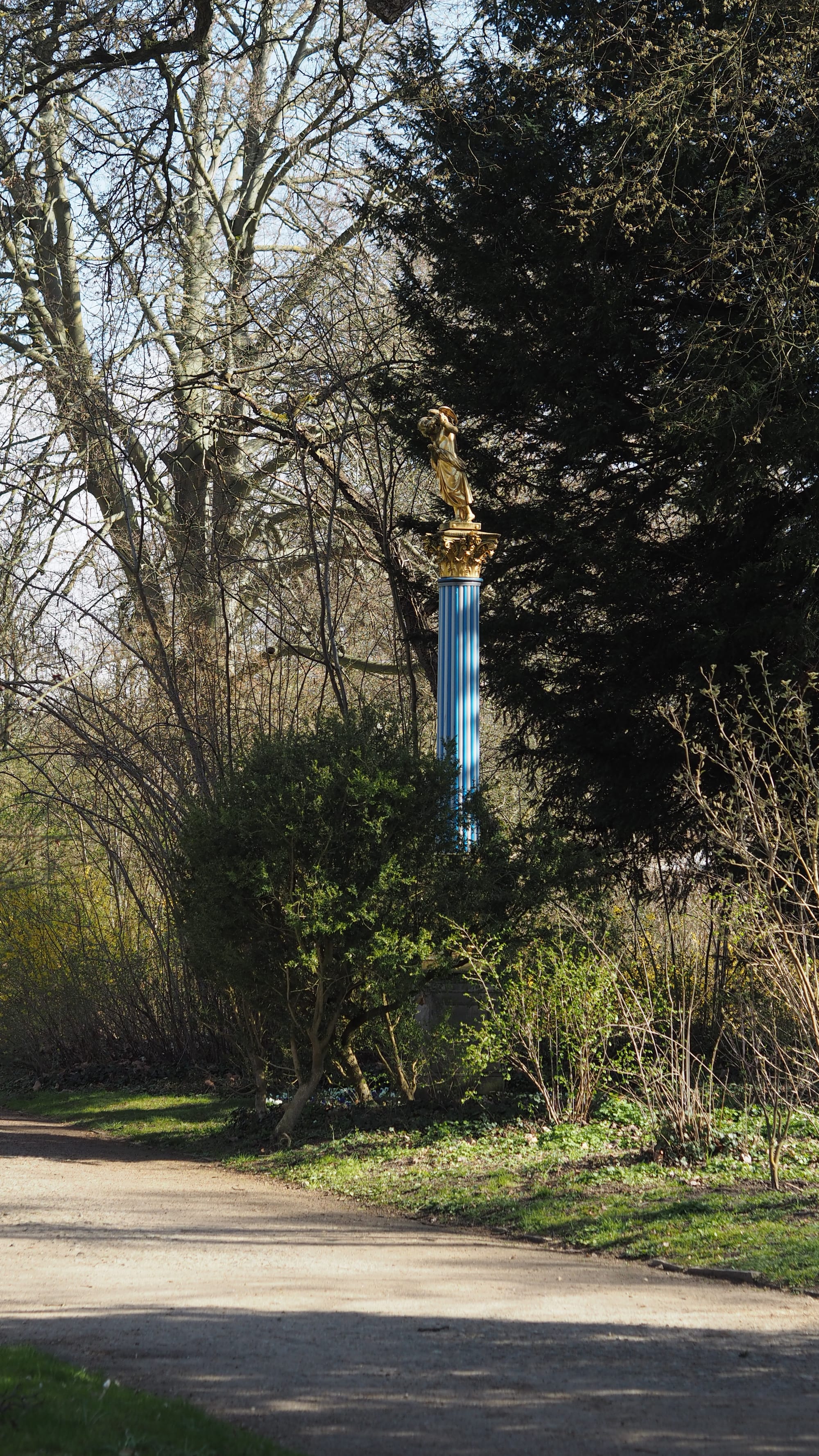
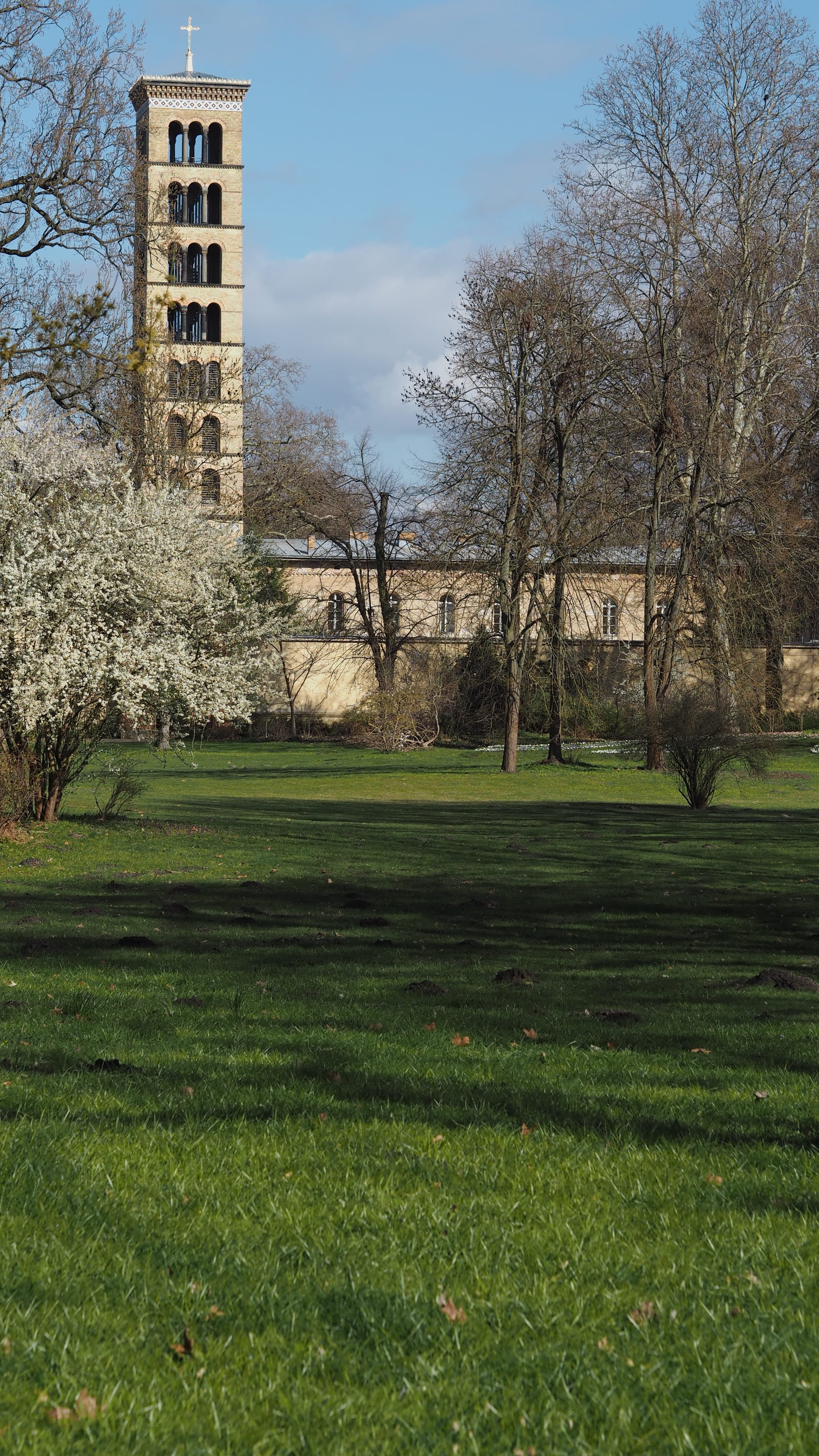
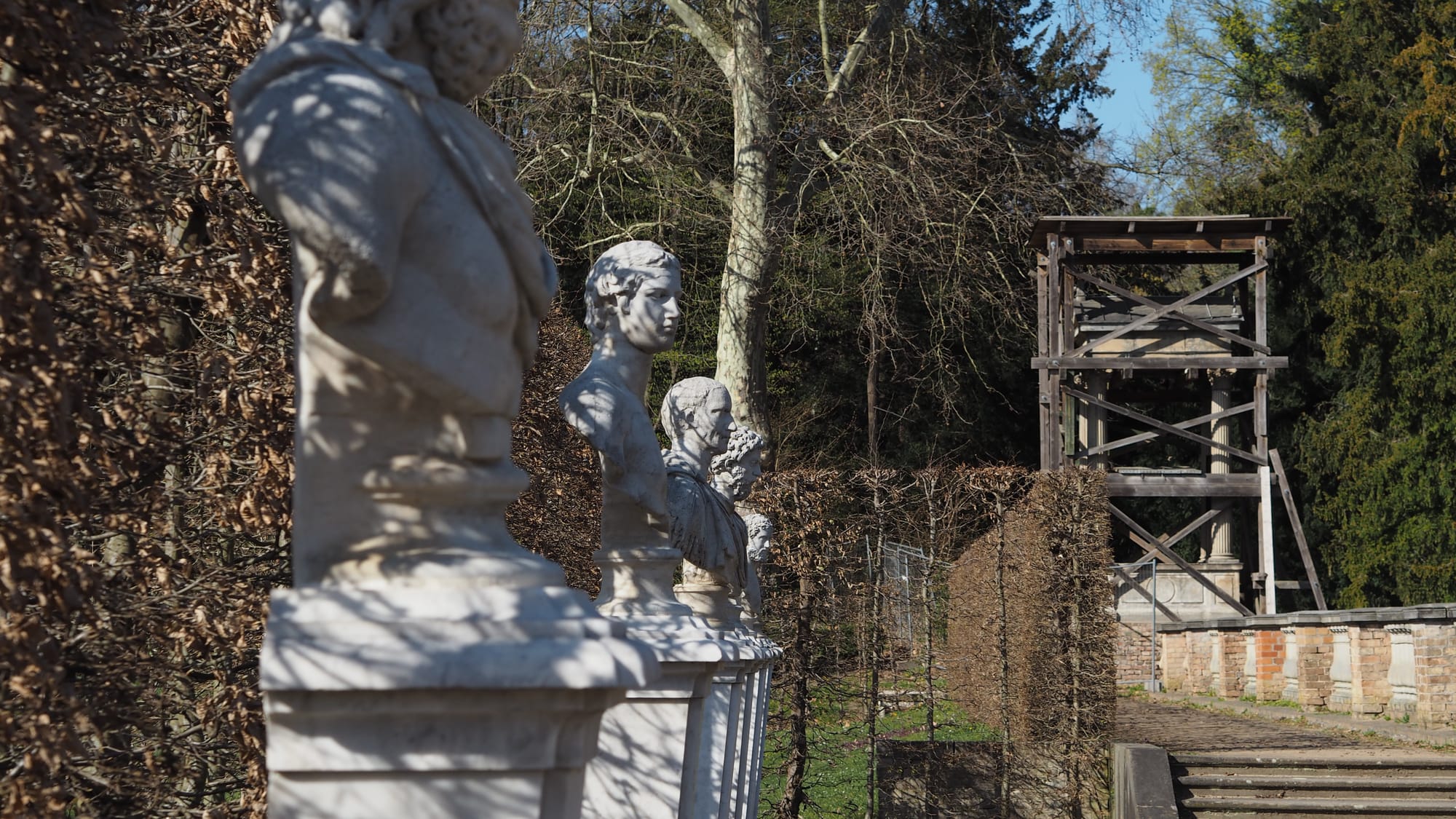
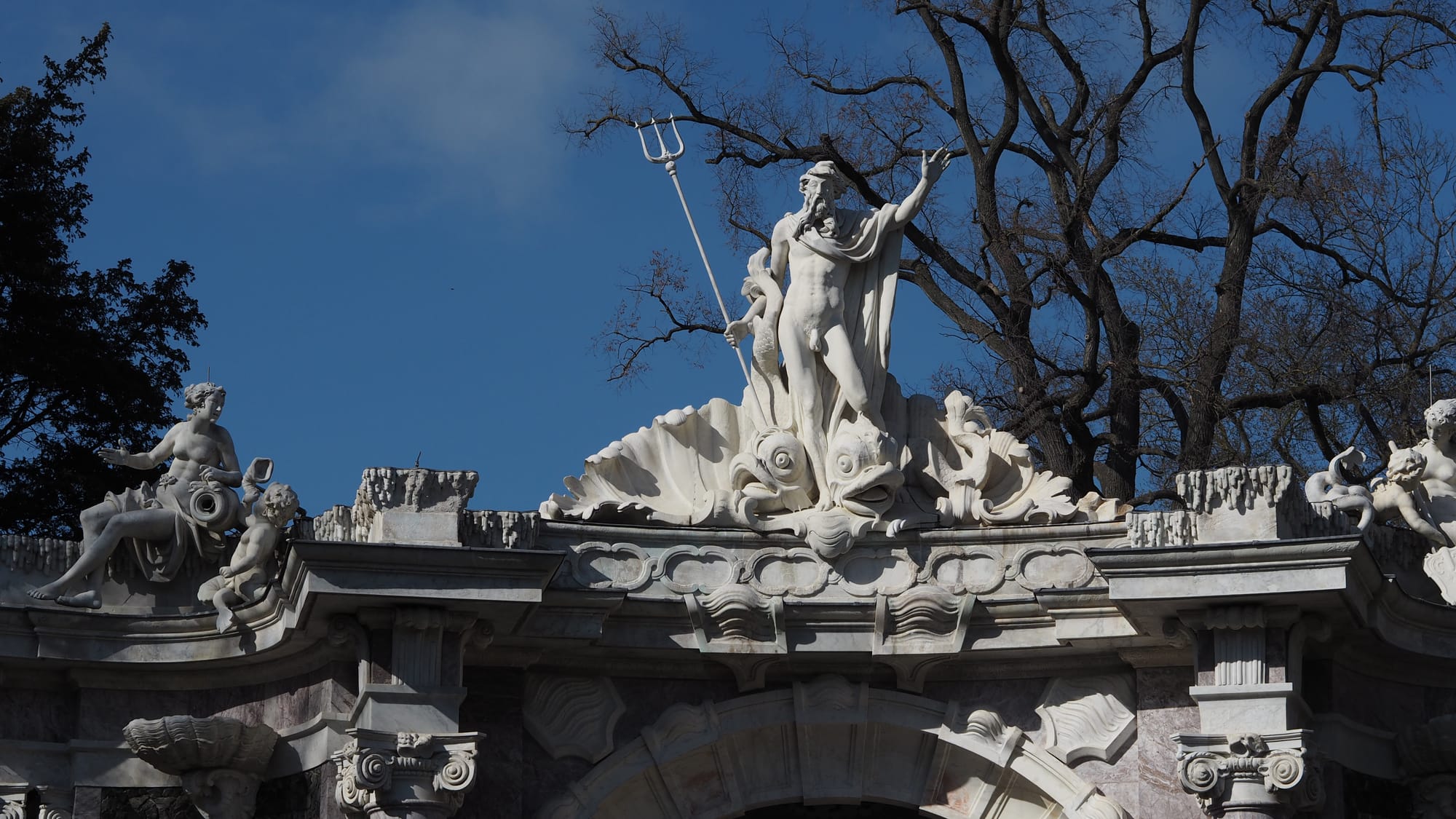
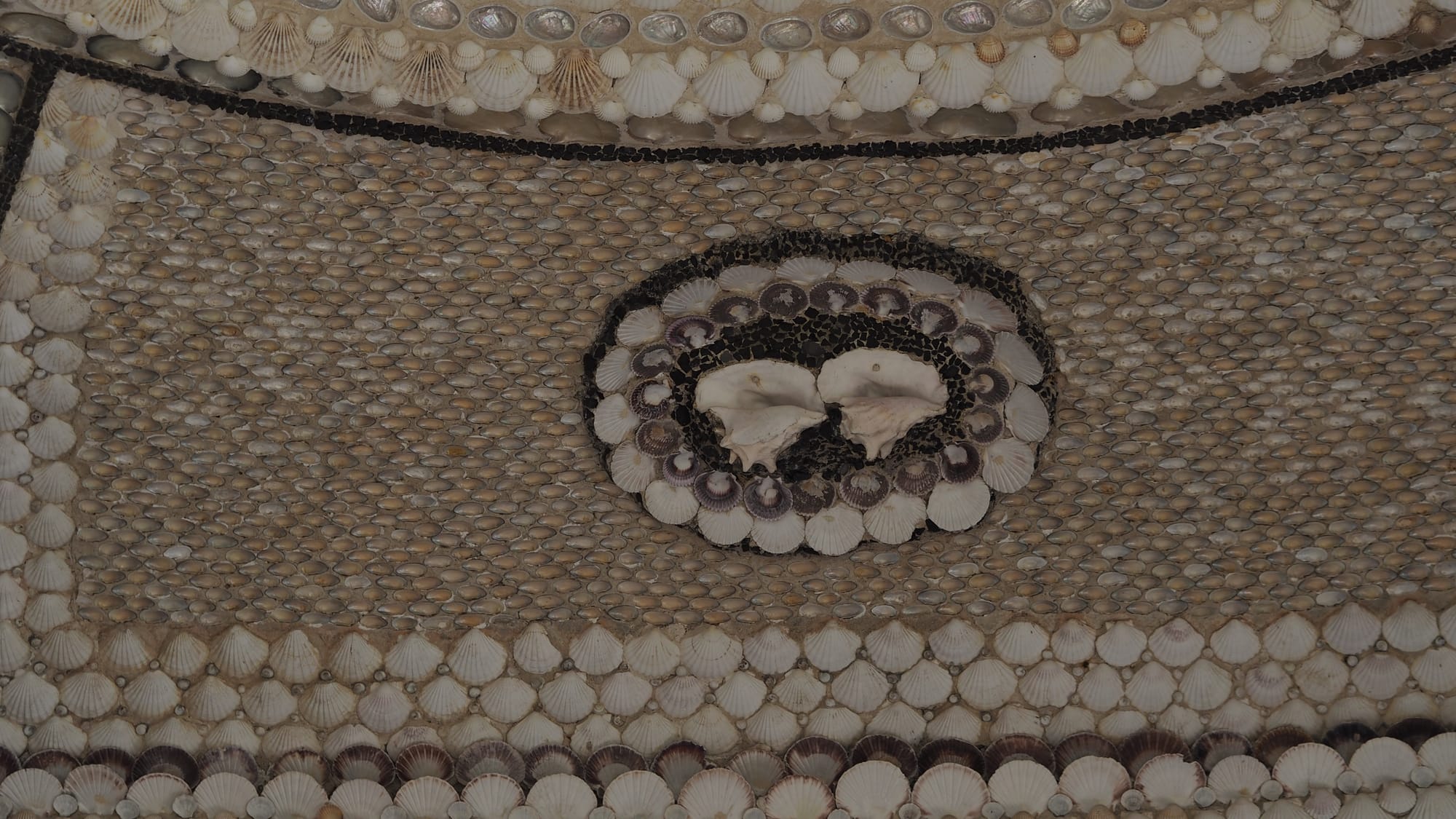
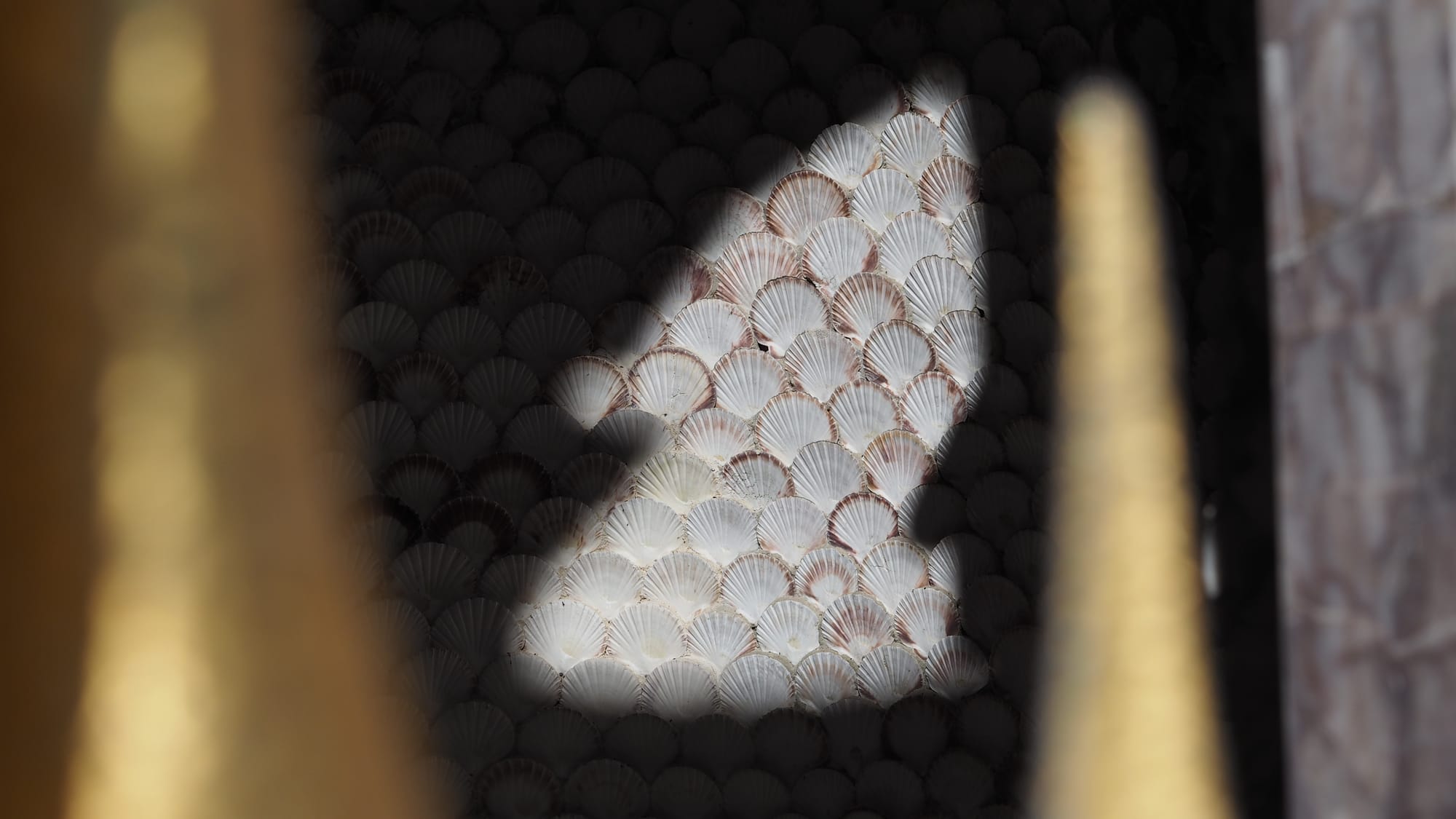
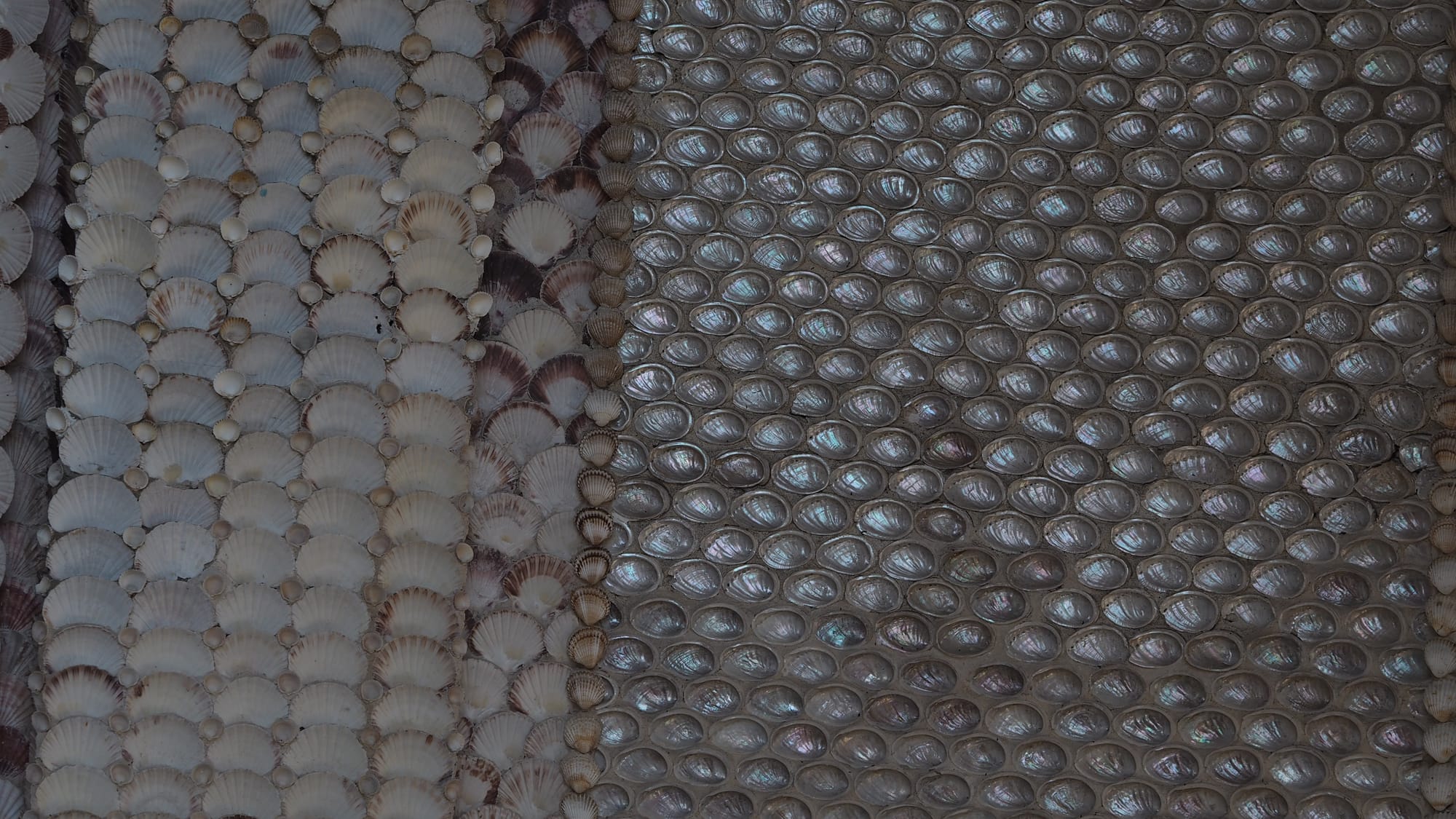
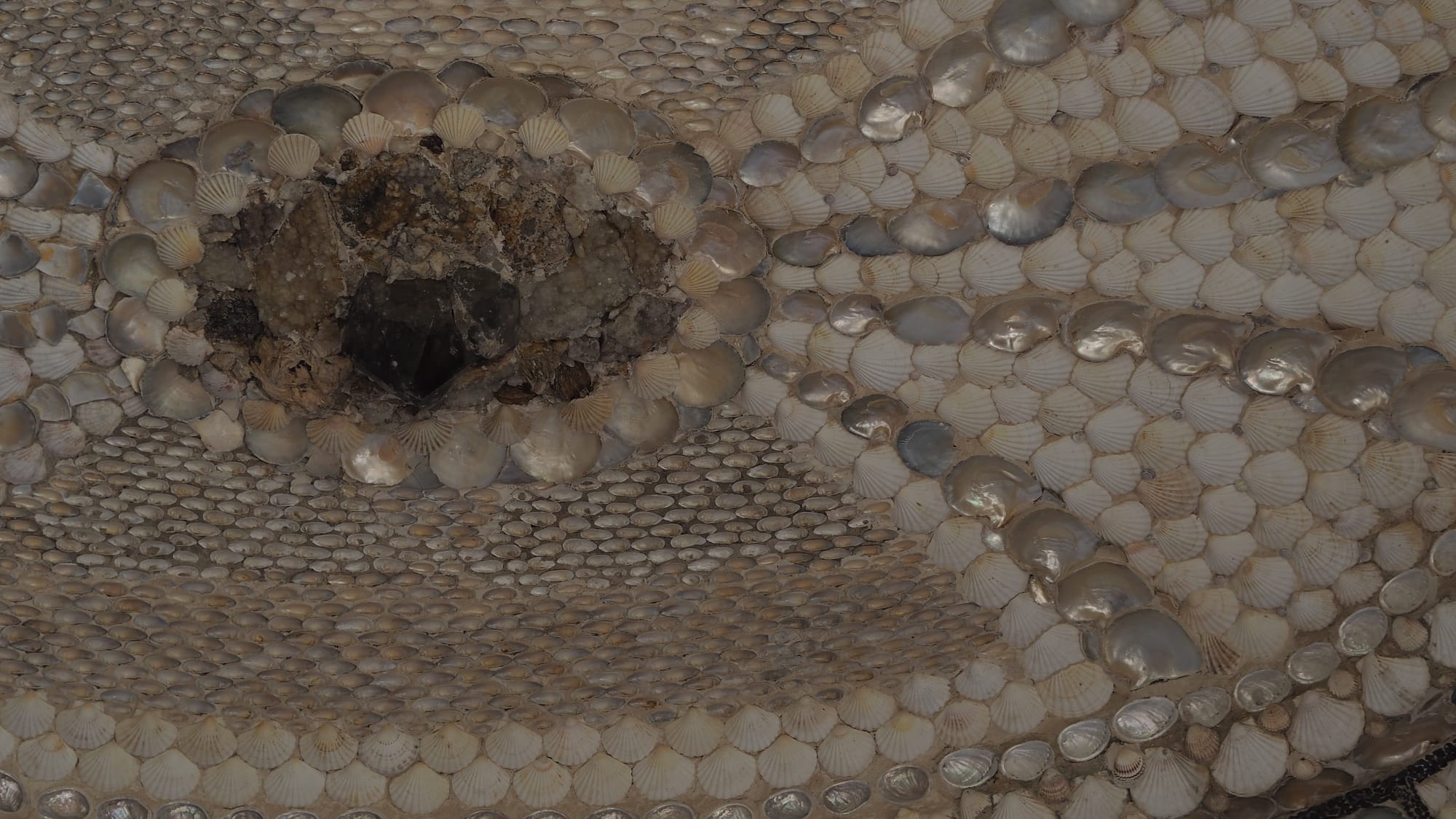
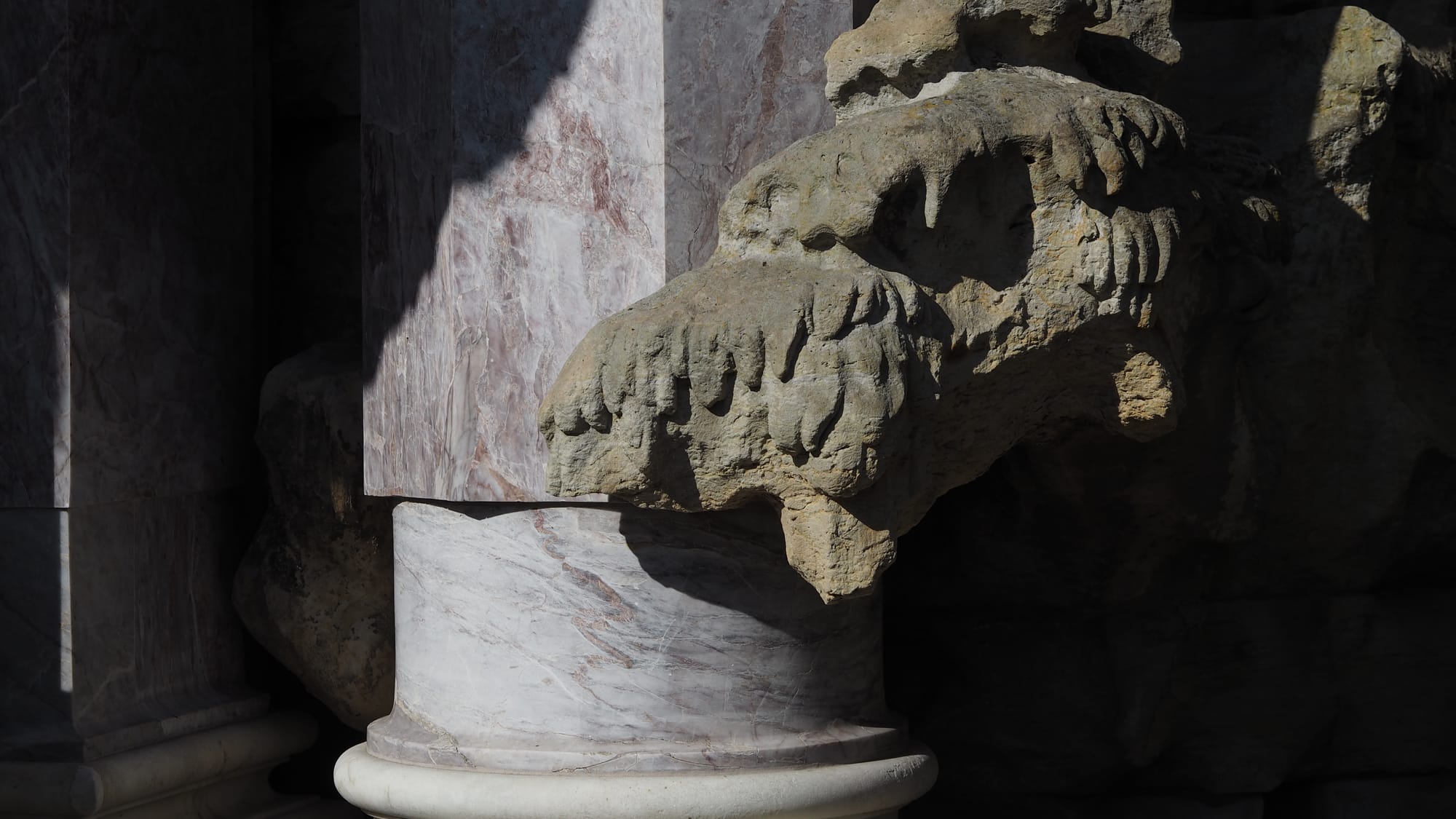
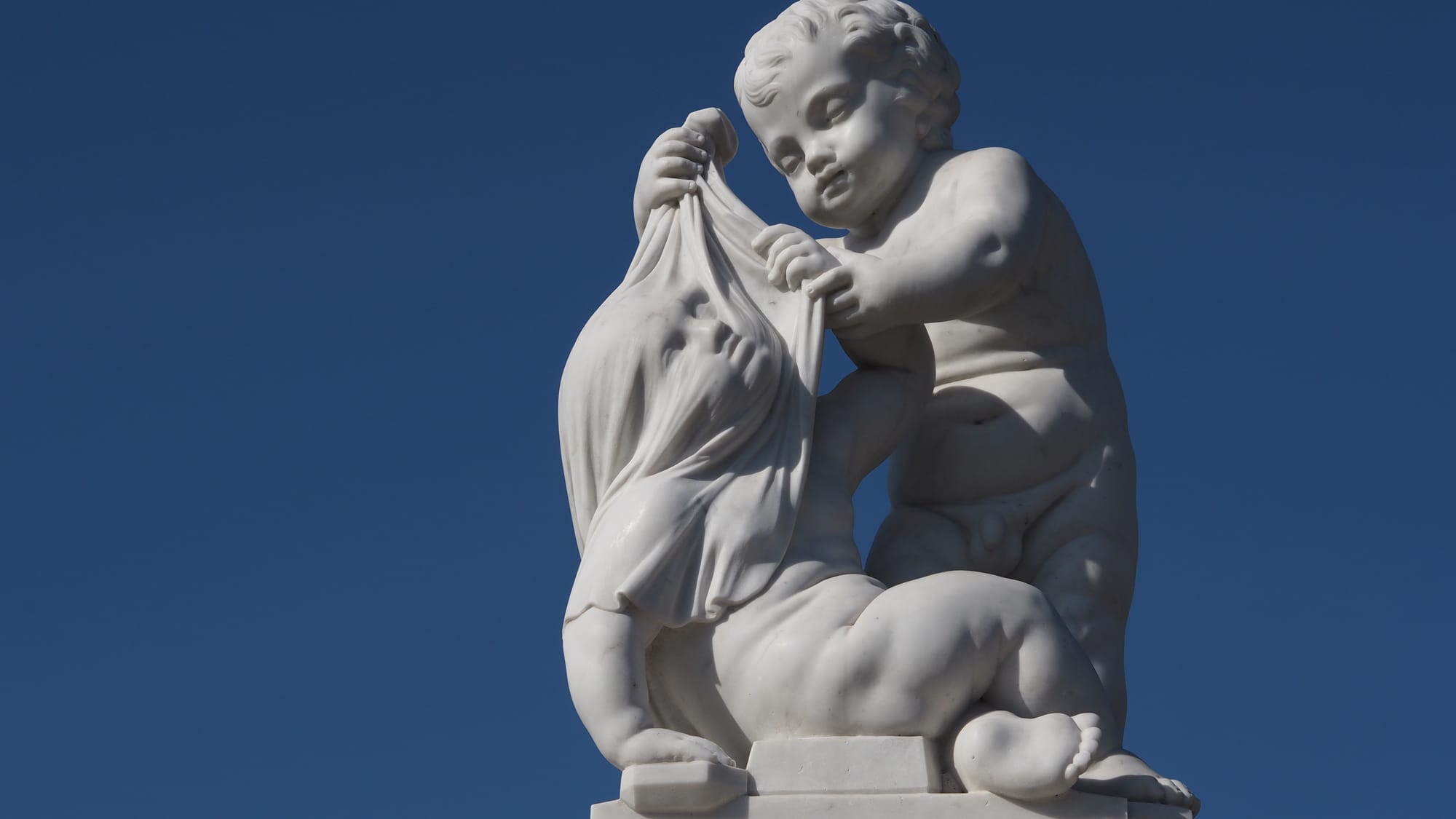
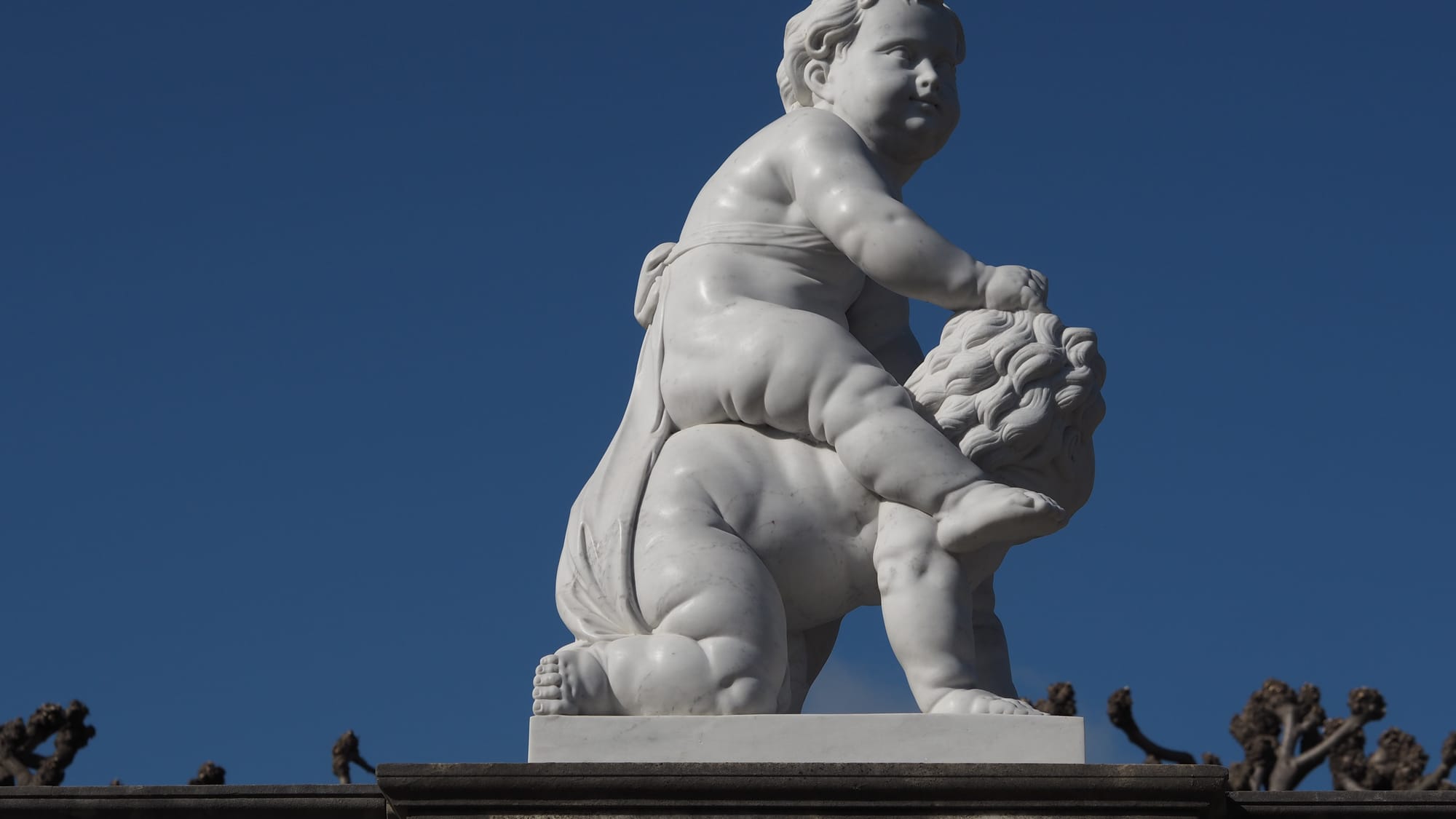
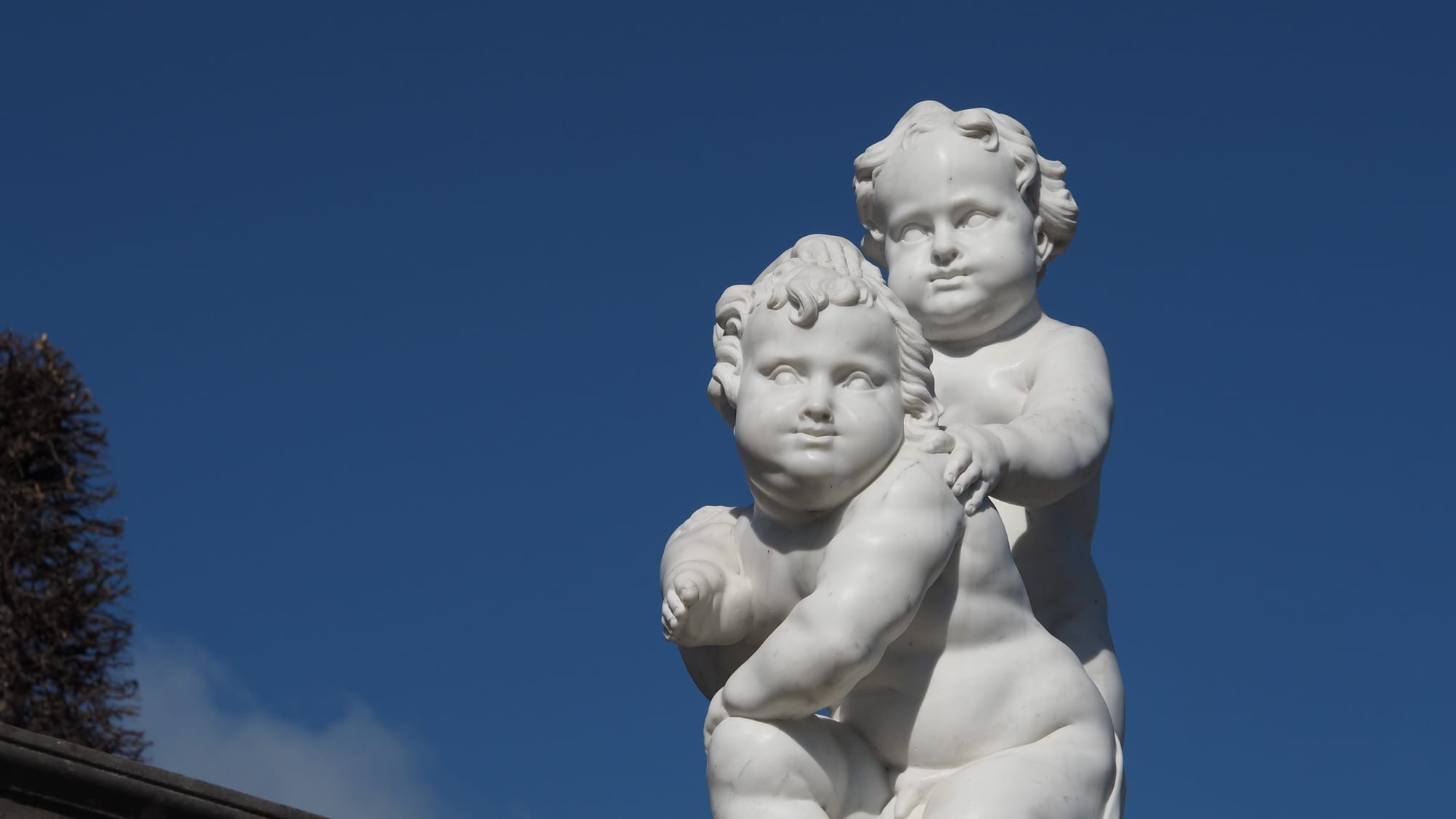
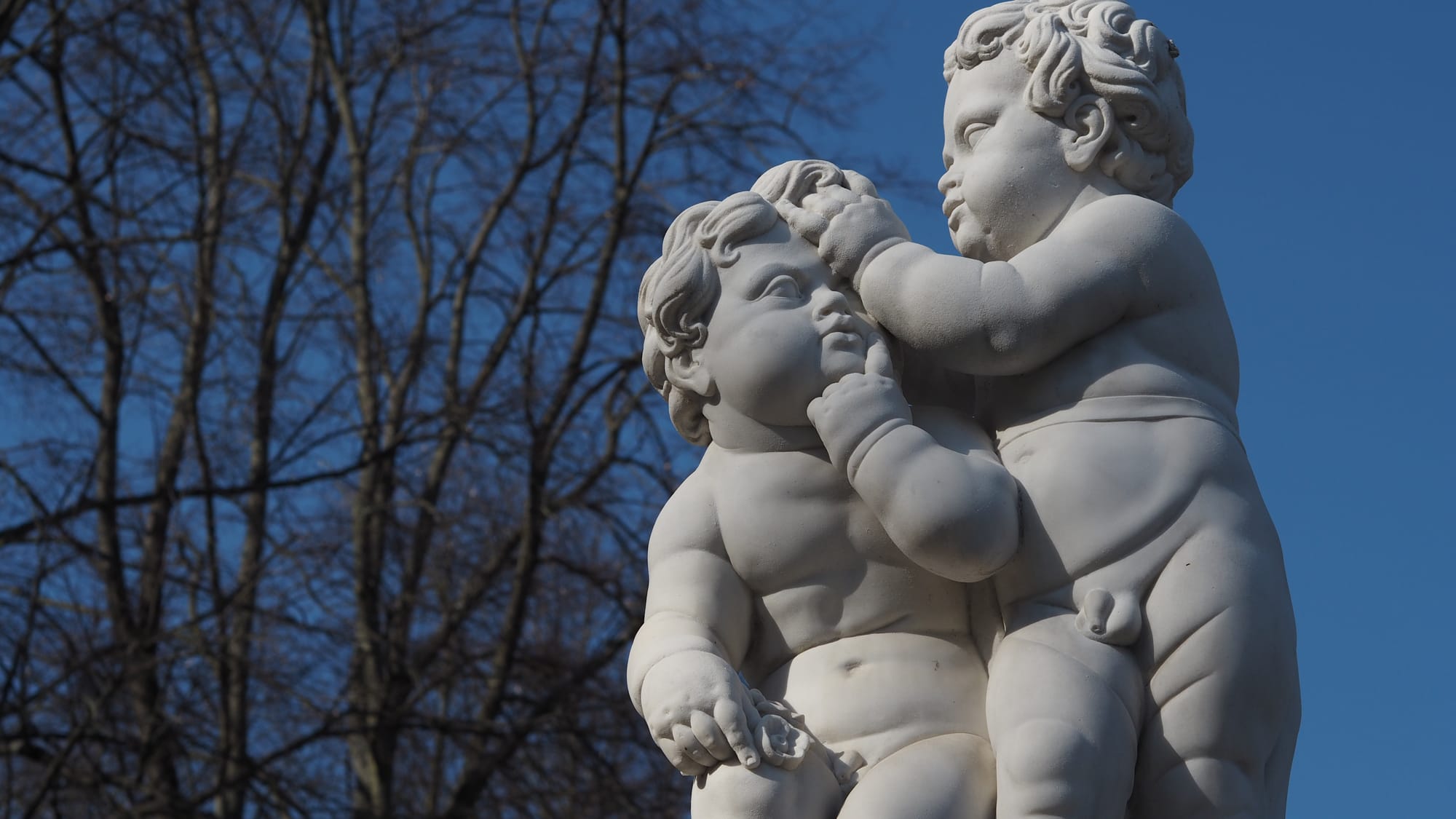
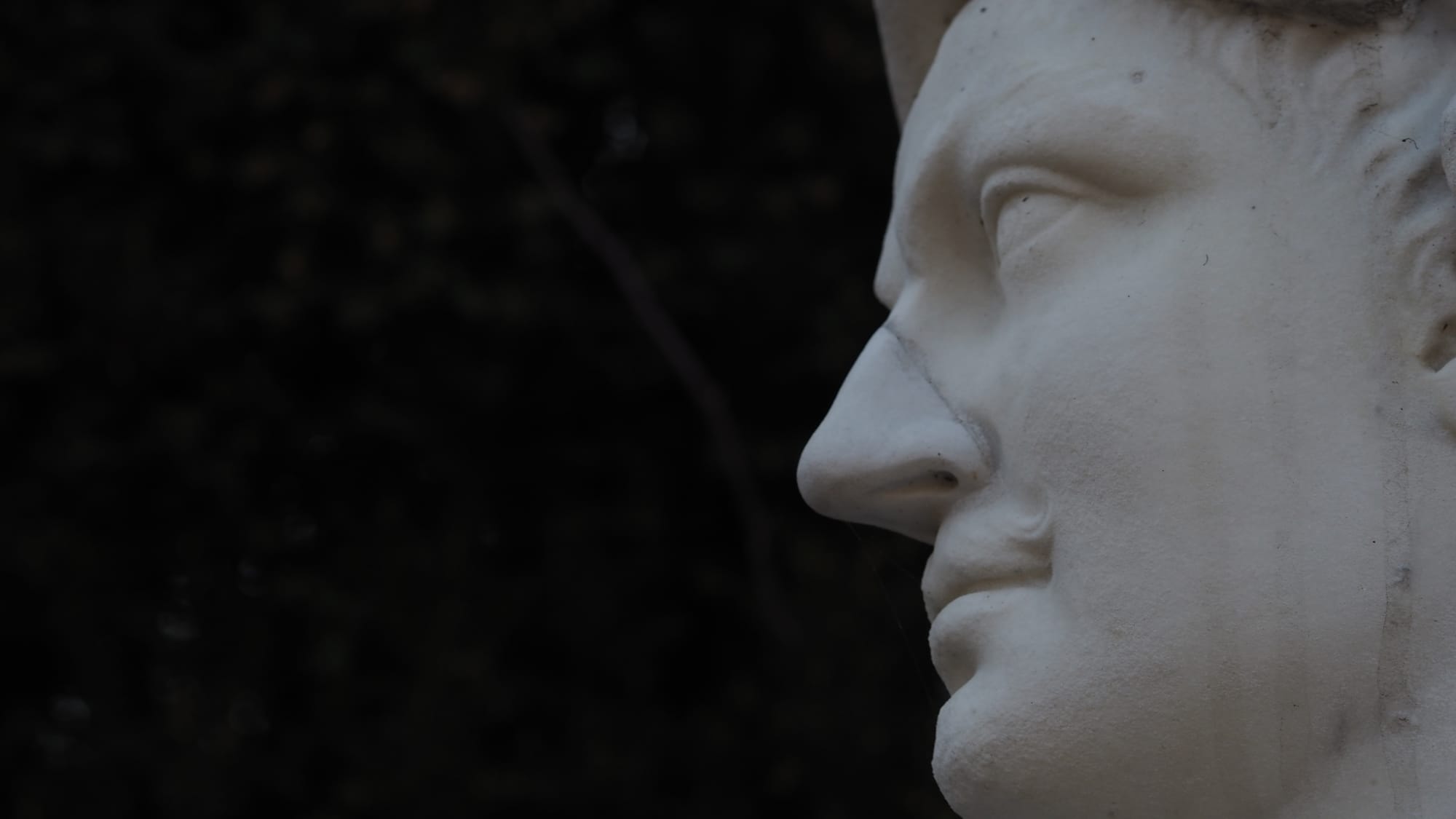
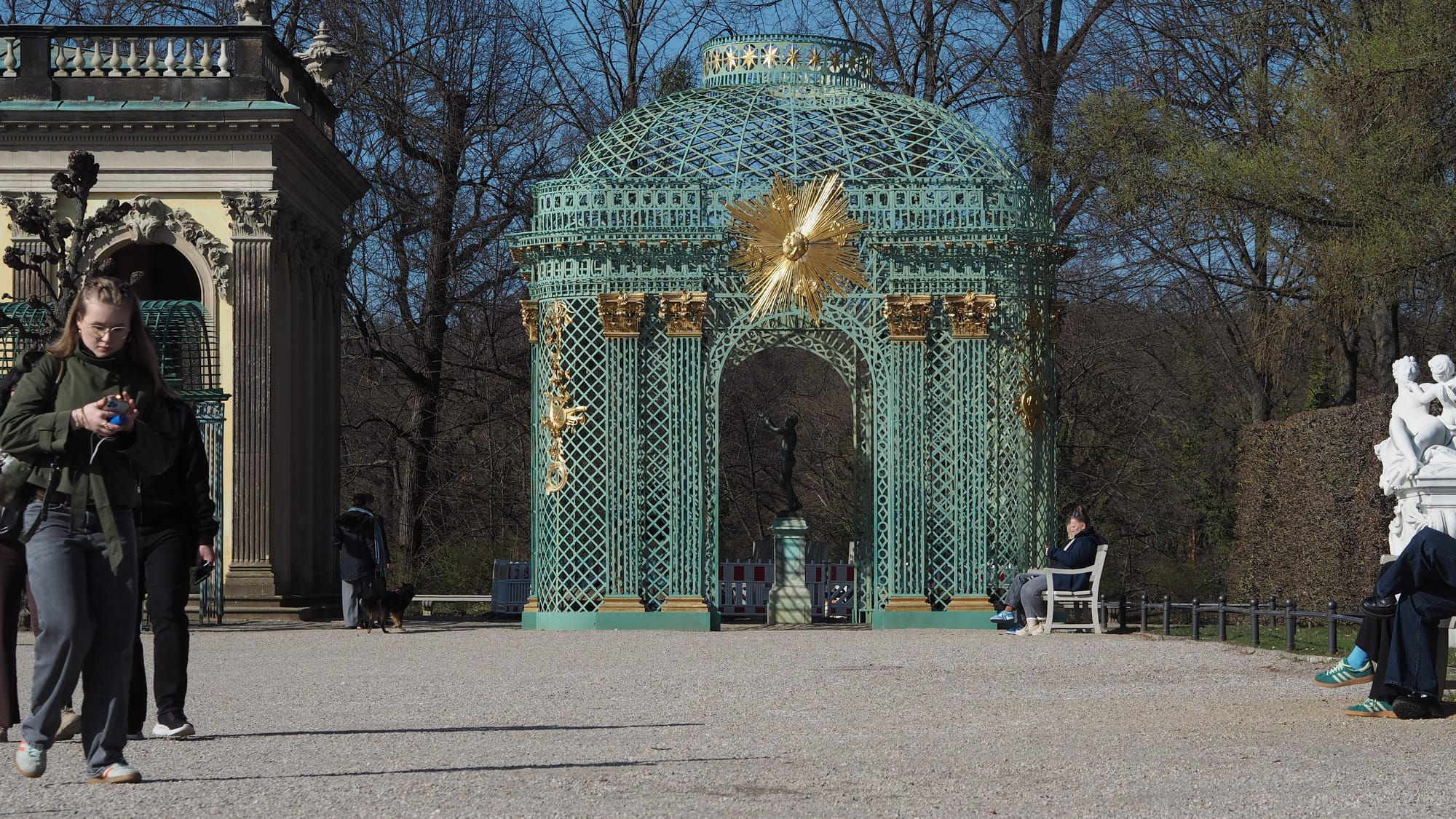
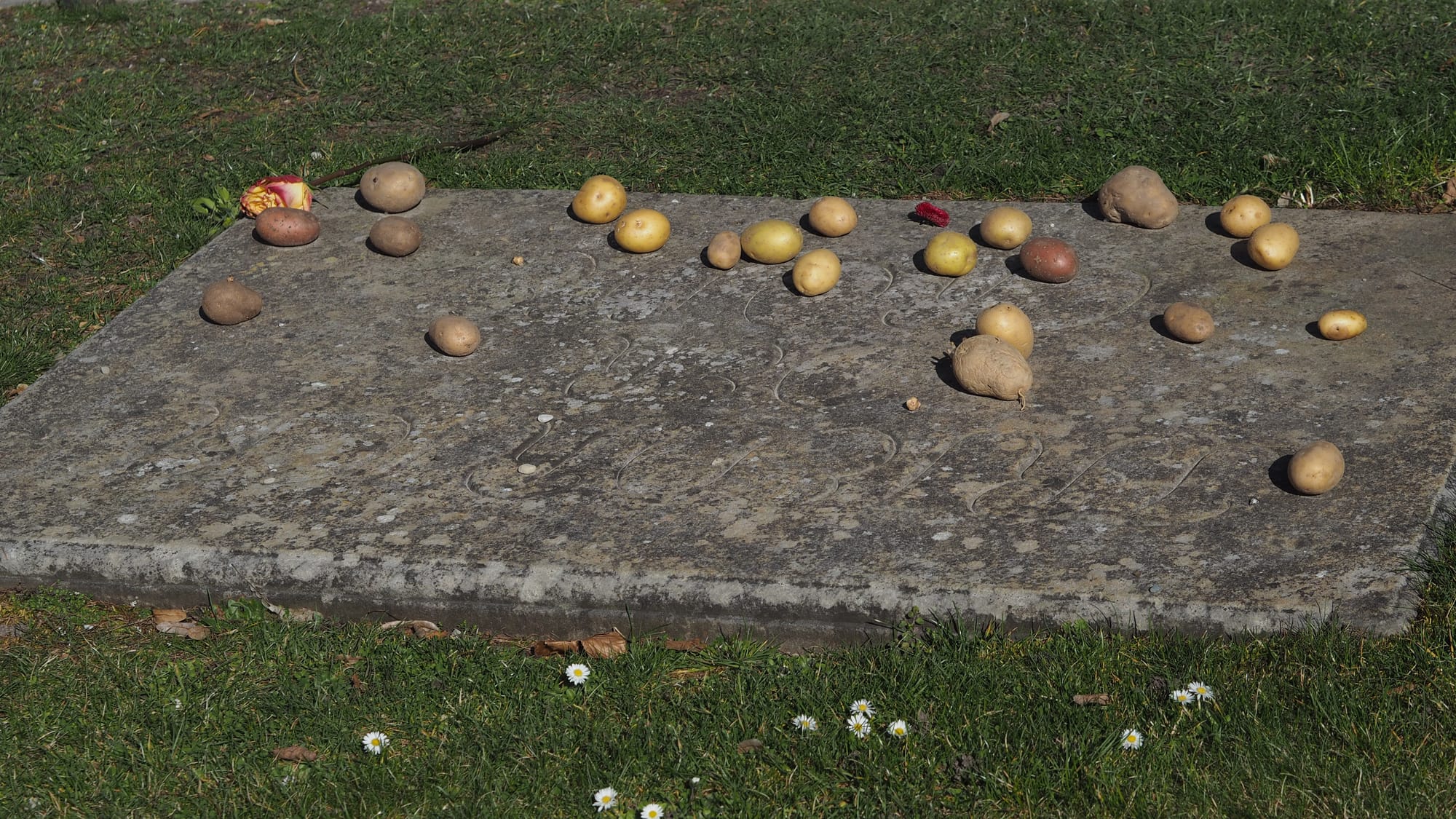
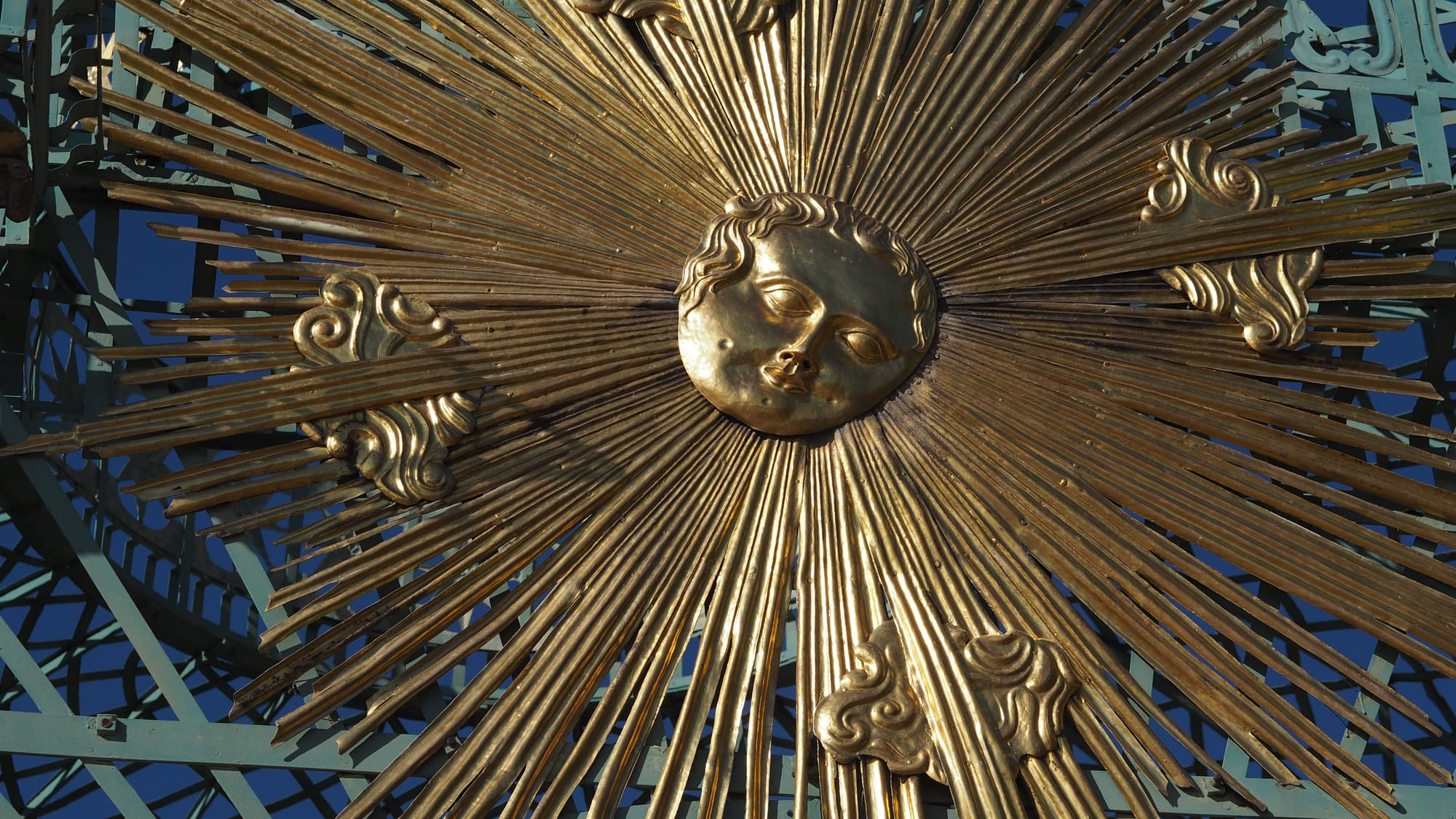
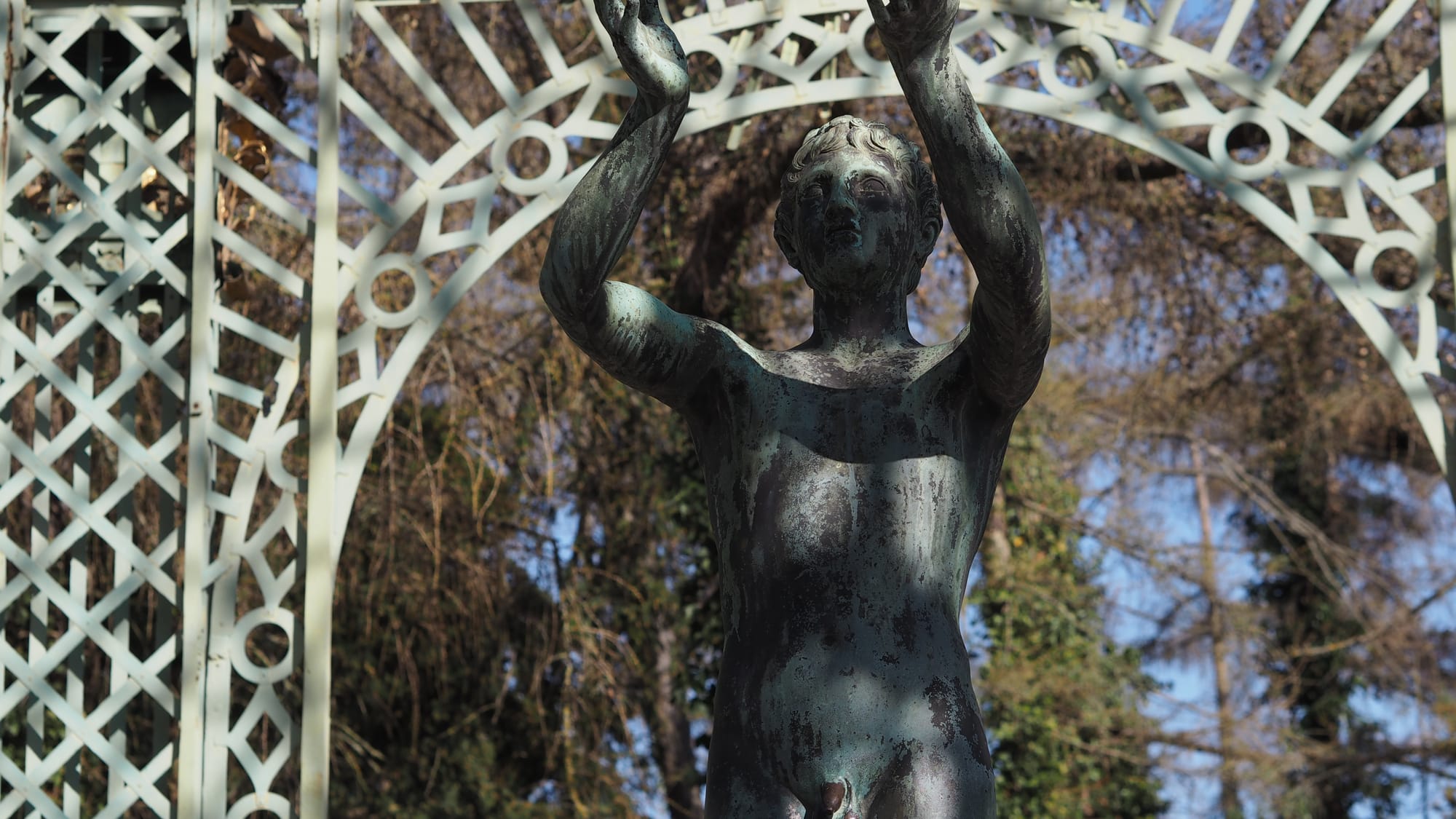
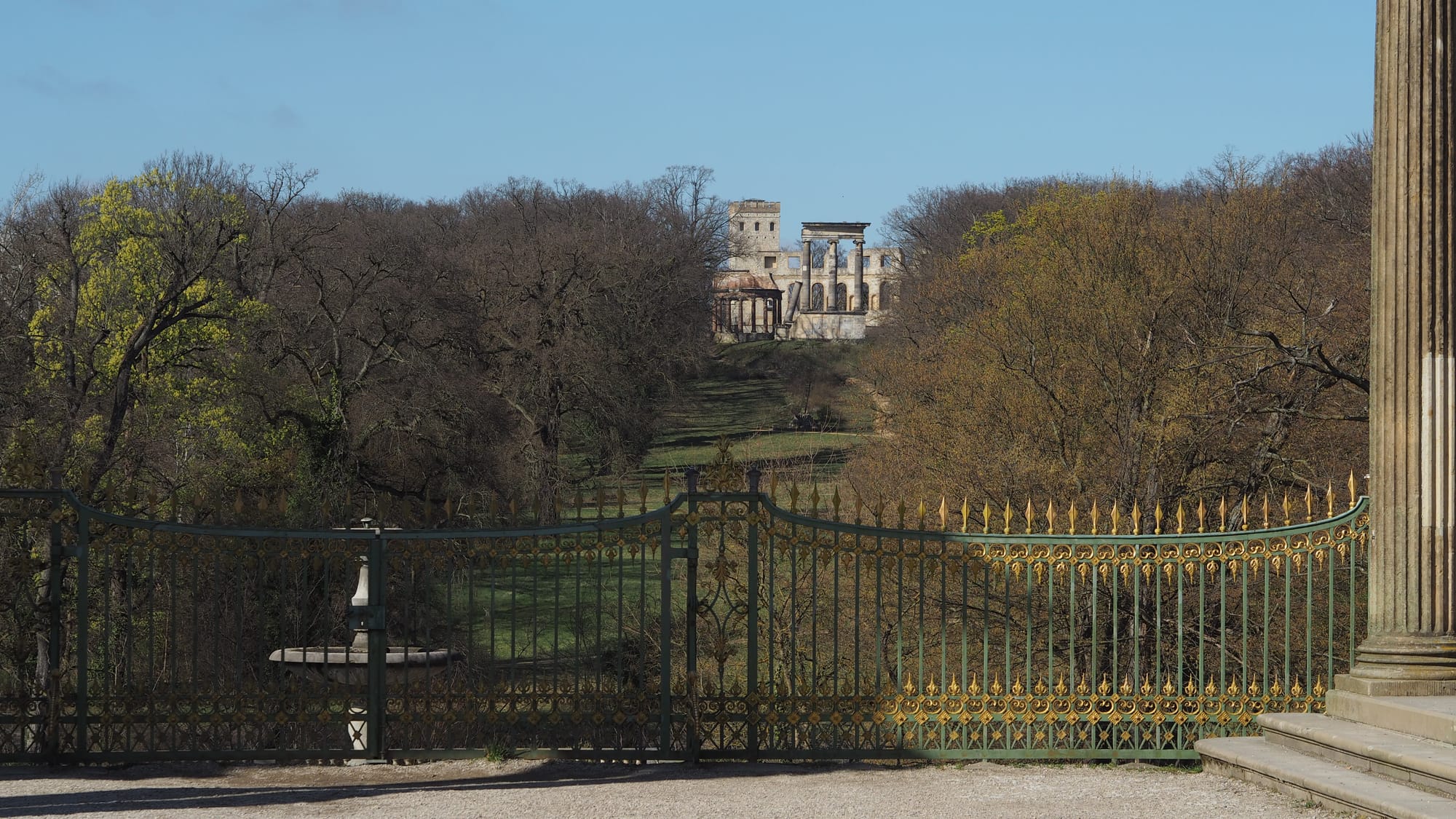
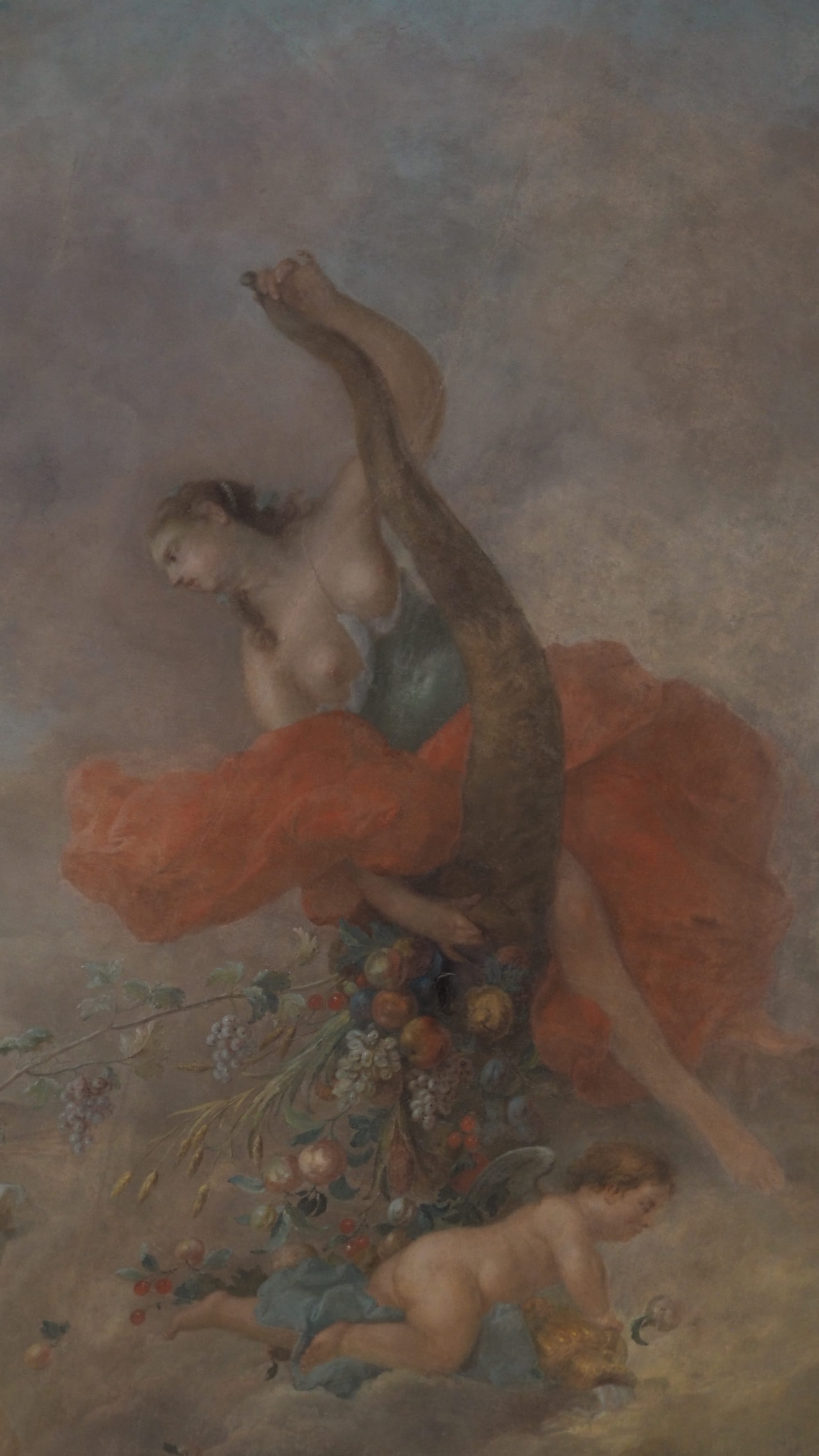
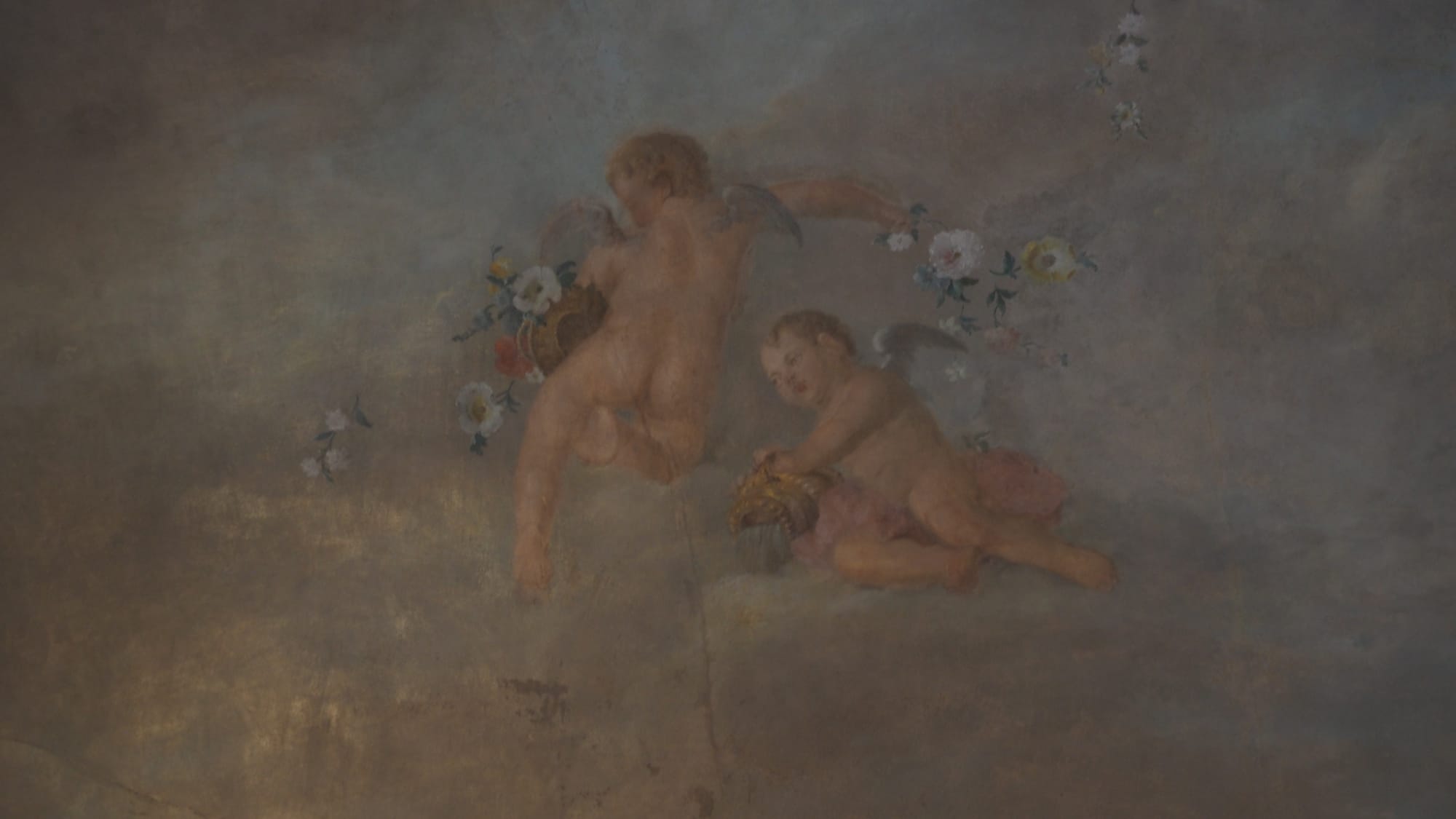
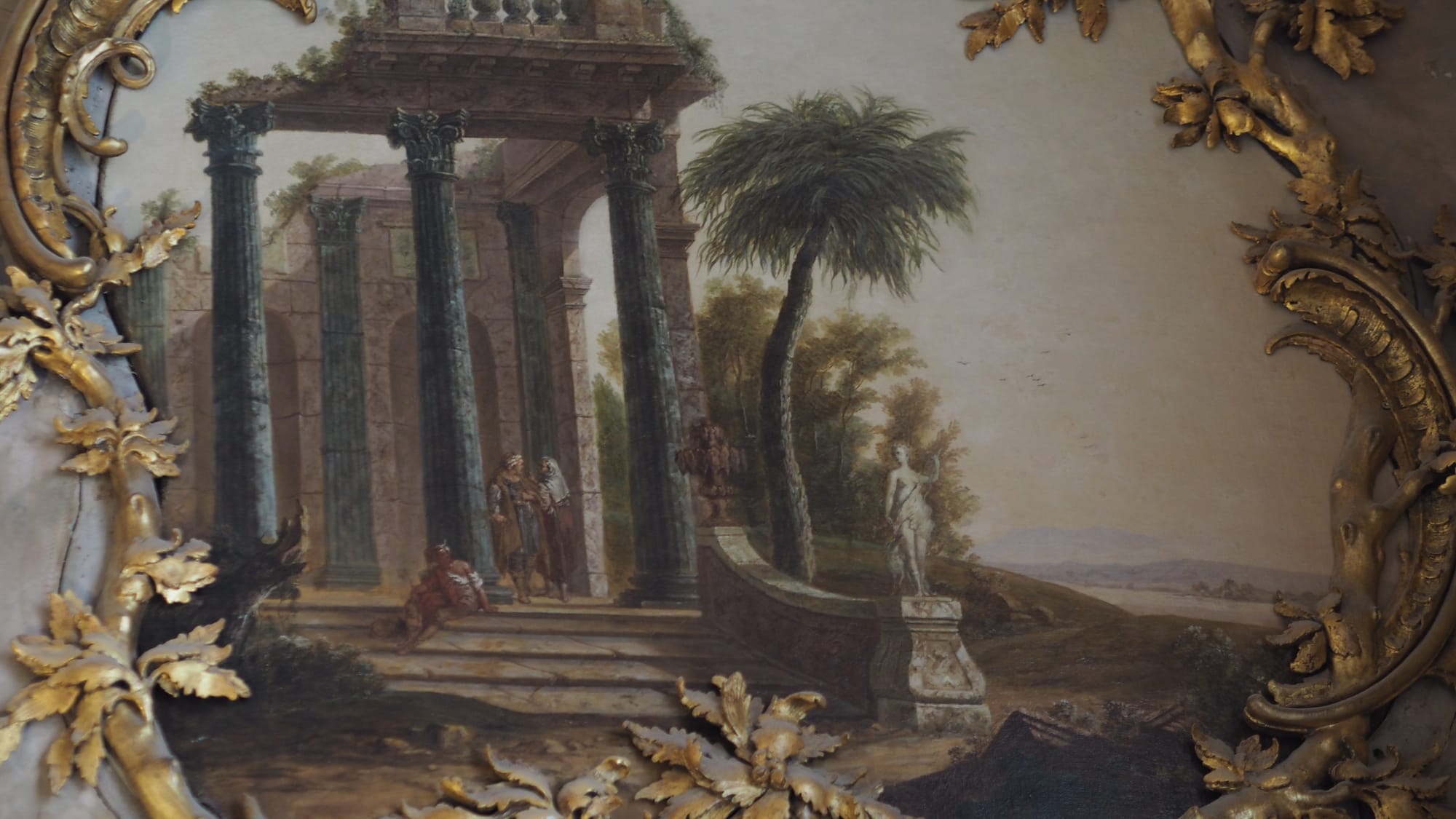
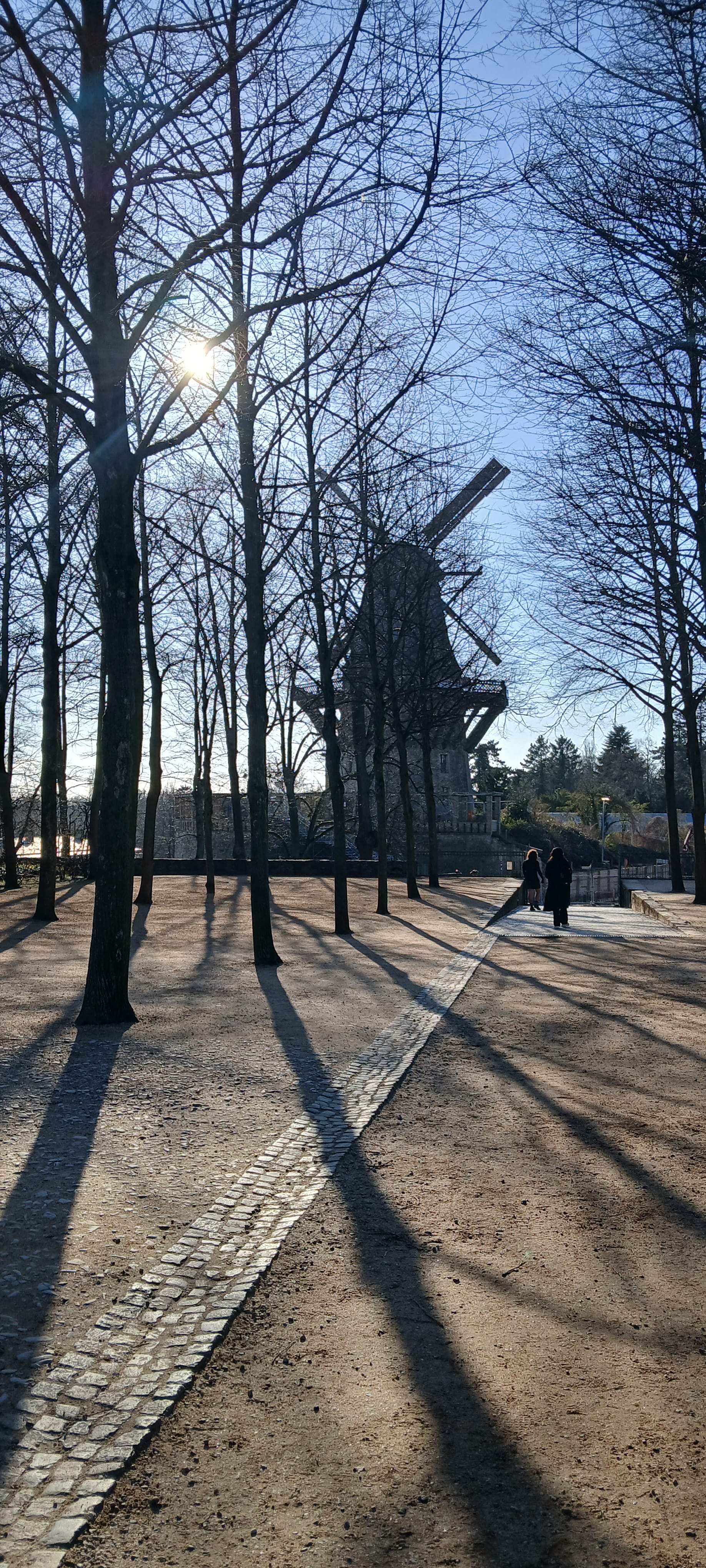
- potatoes on the grave, traditional; ruins across the vista, fake; into the interior of another 'summer house'
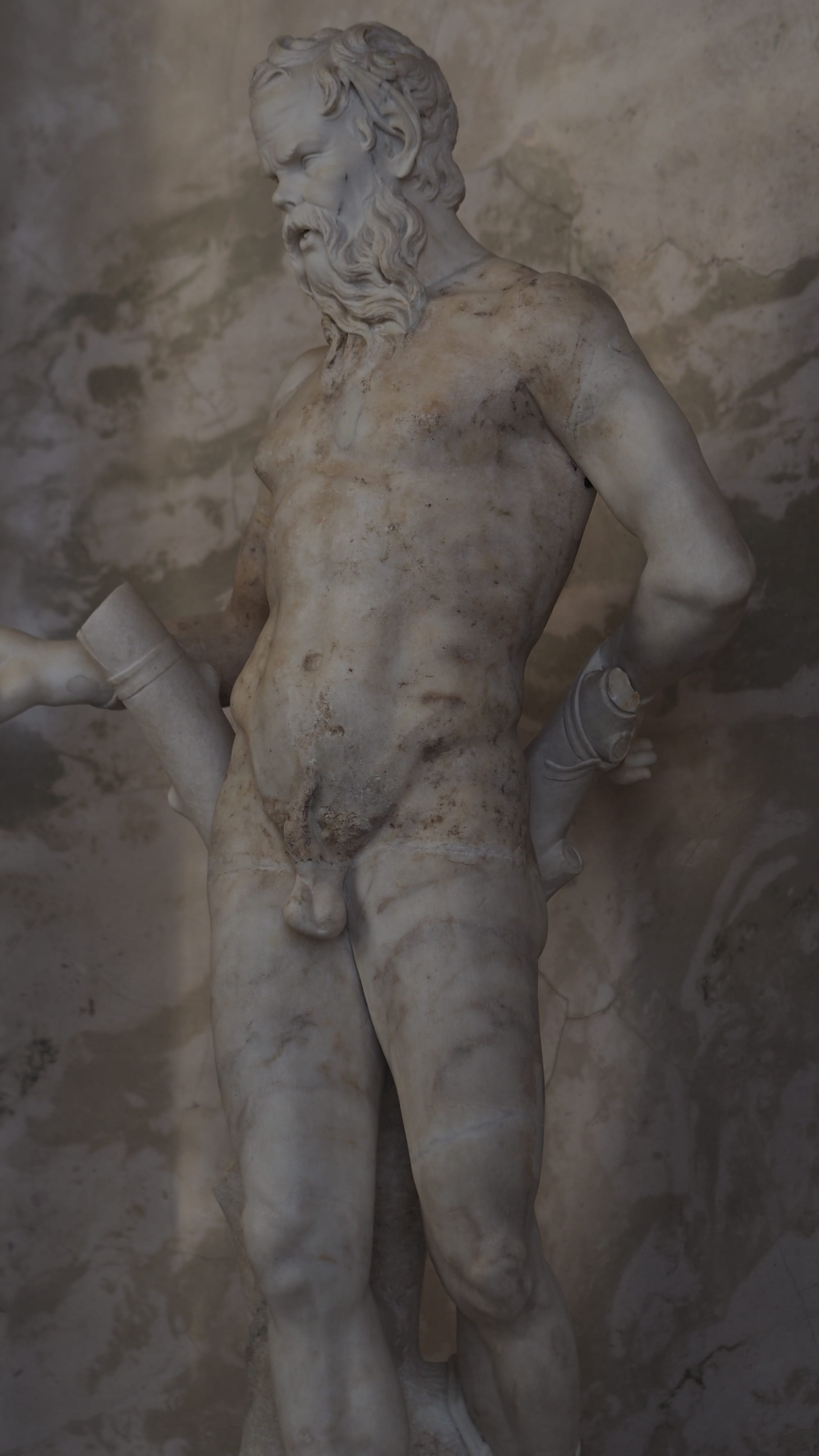
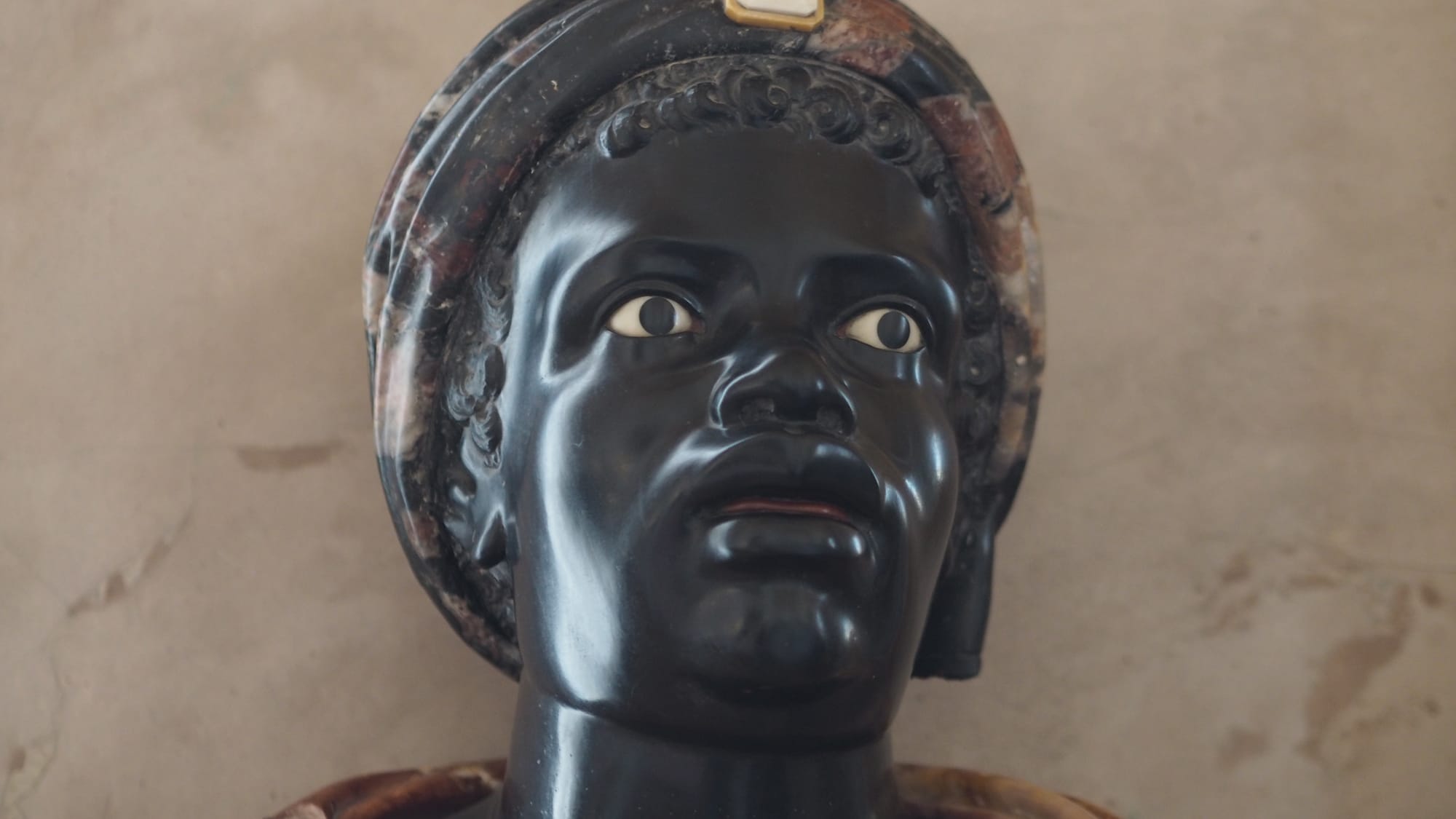
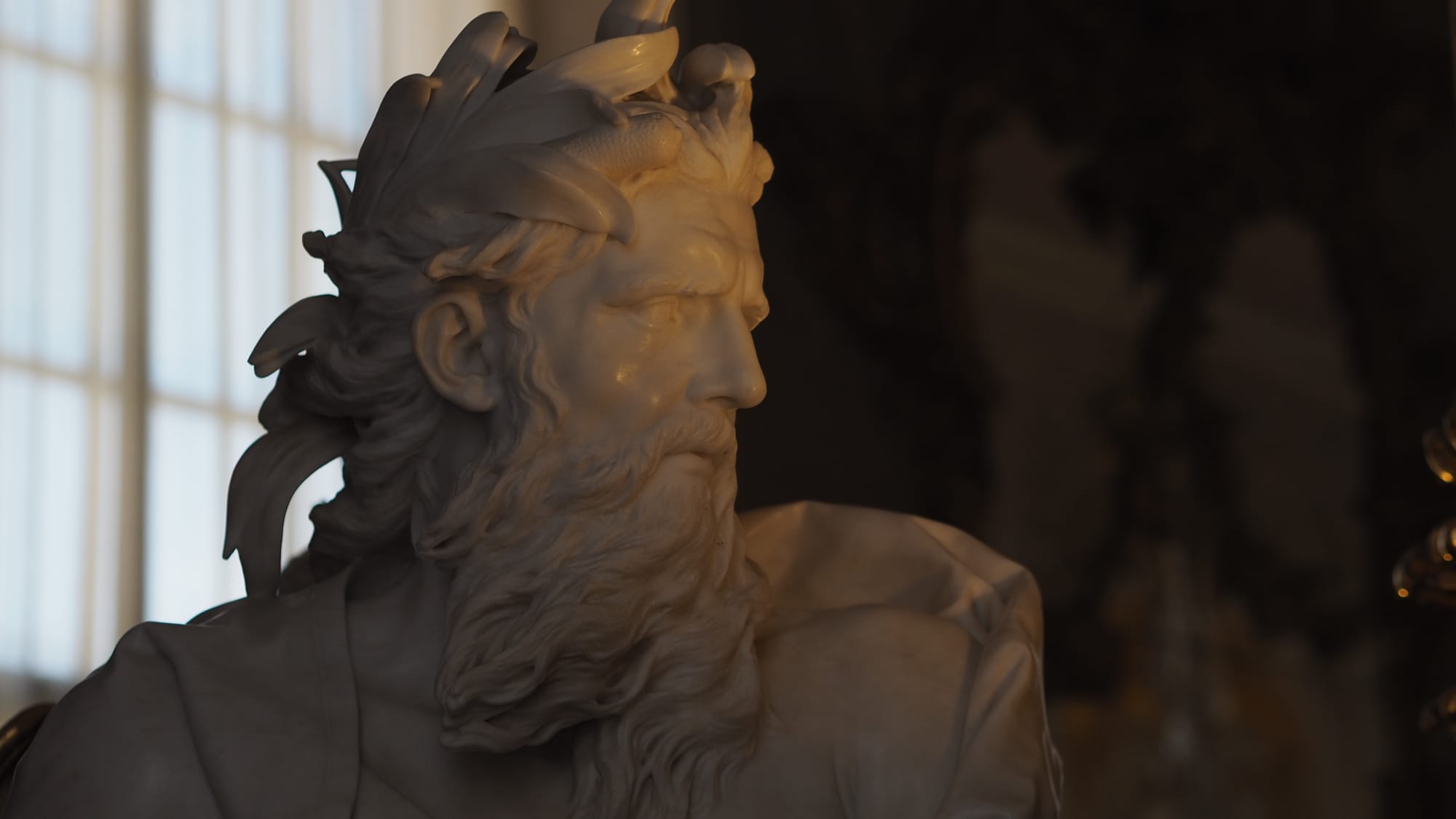
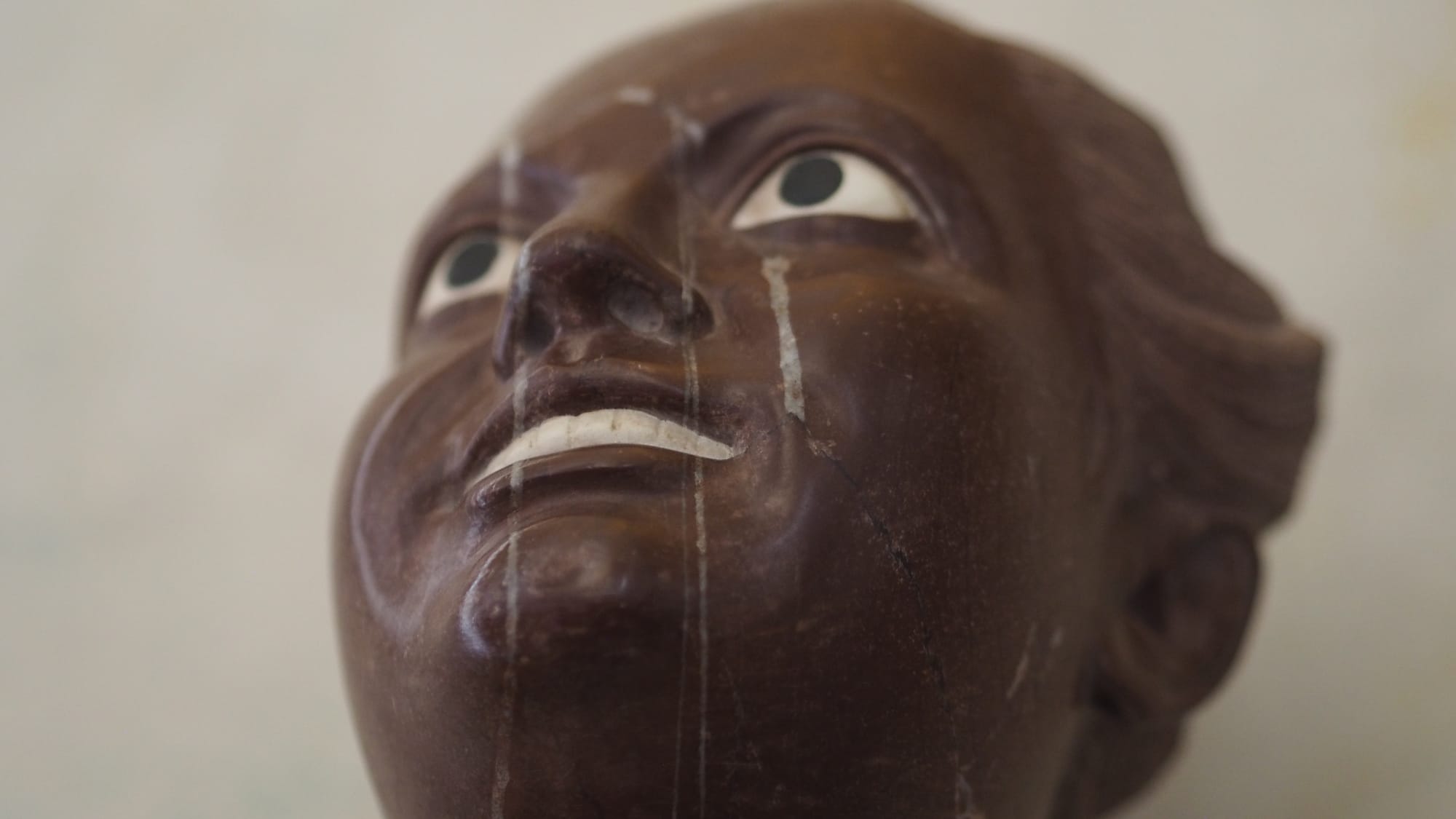
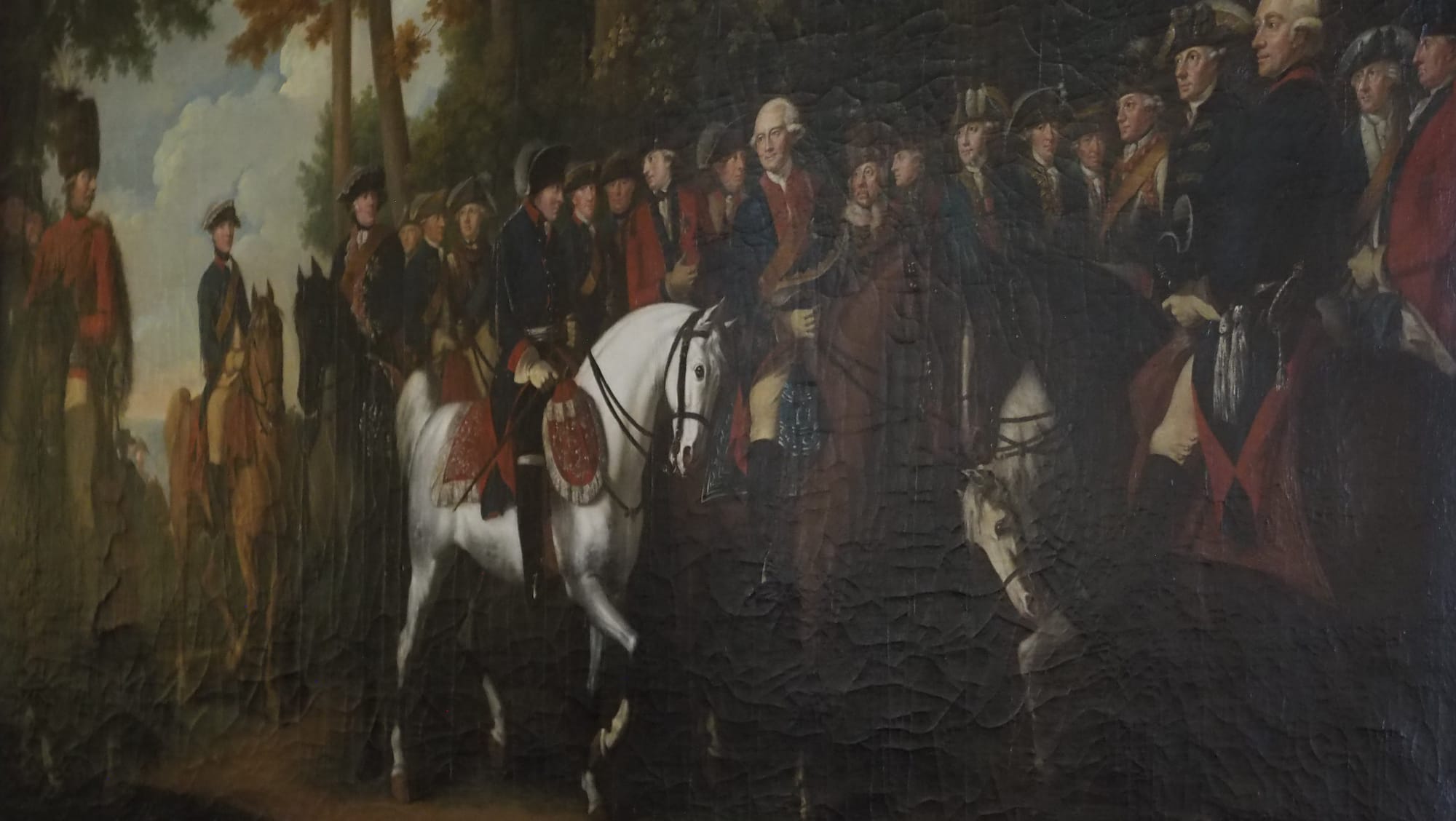
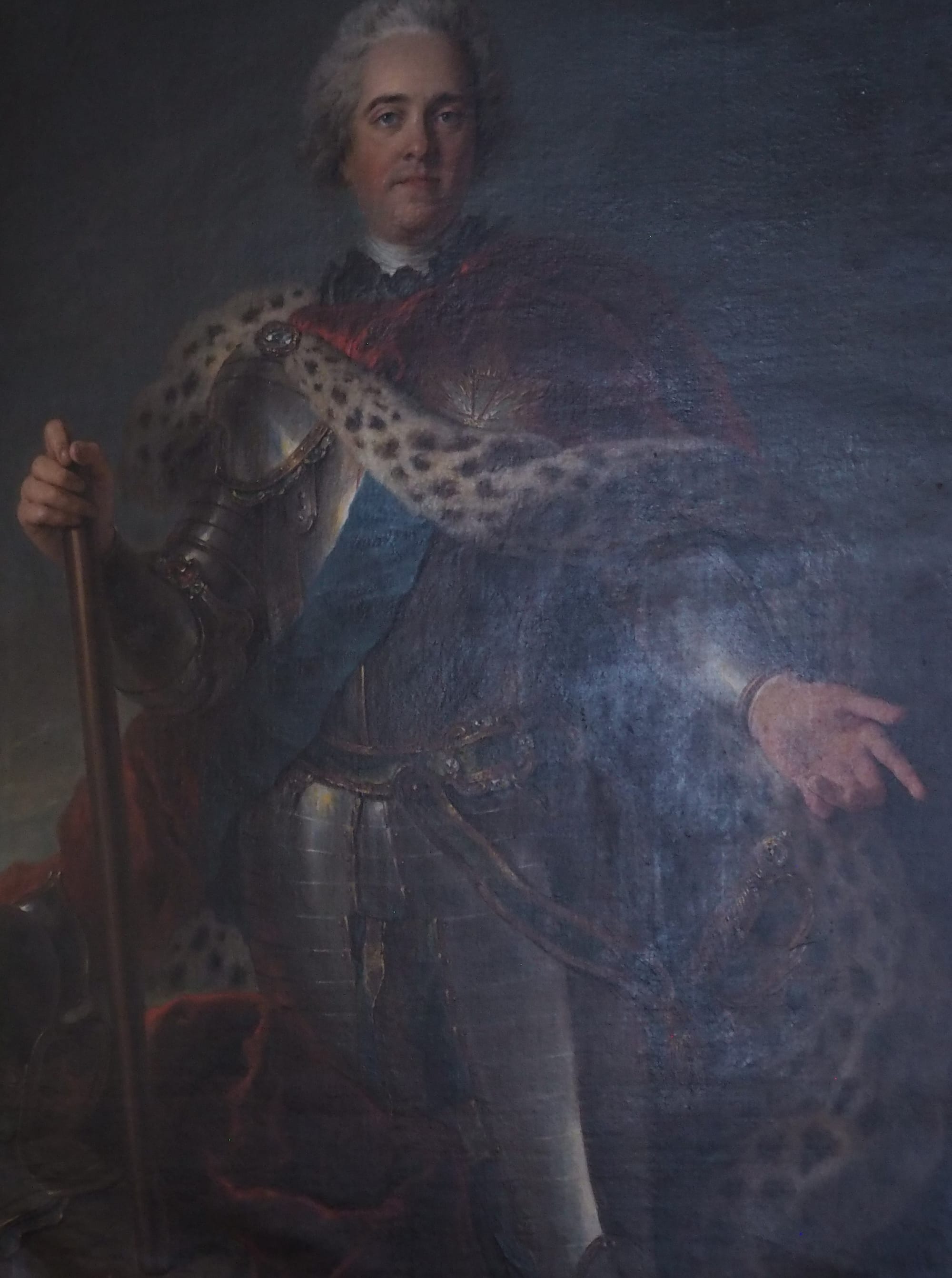
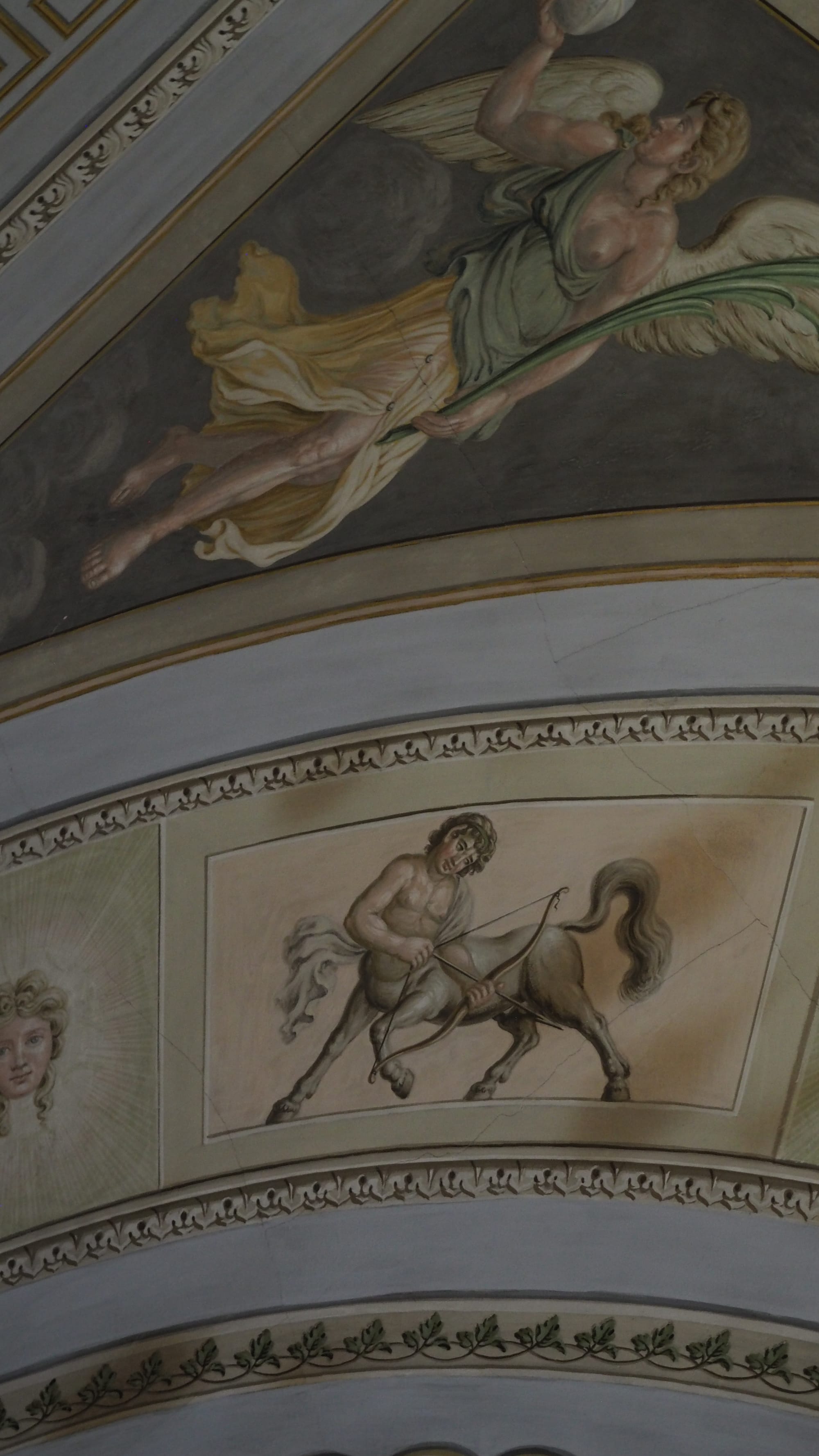
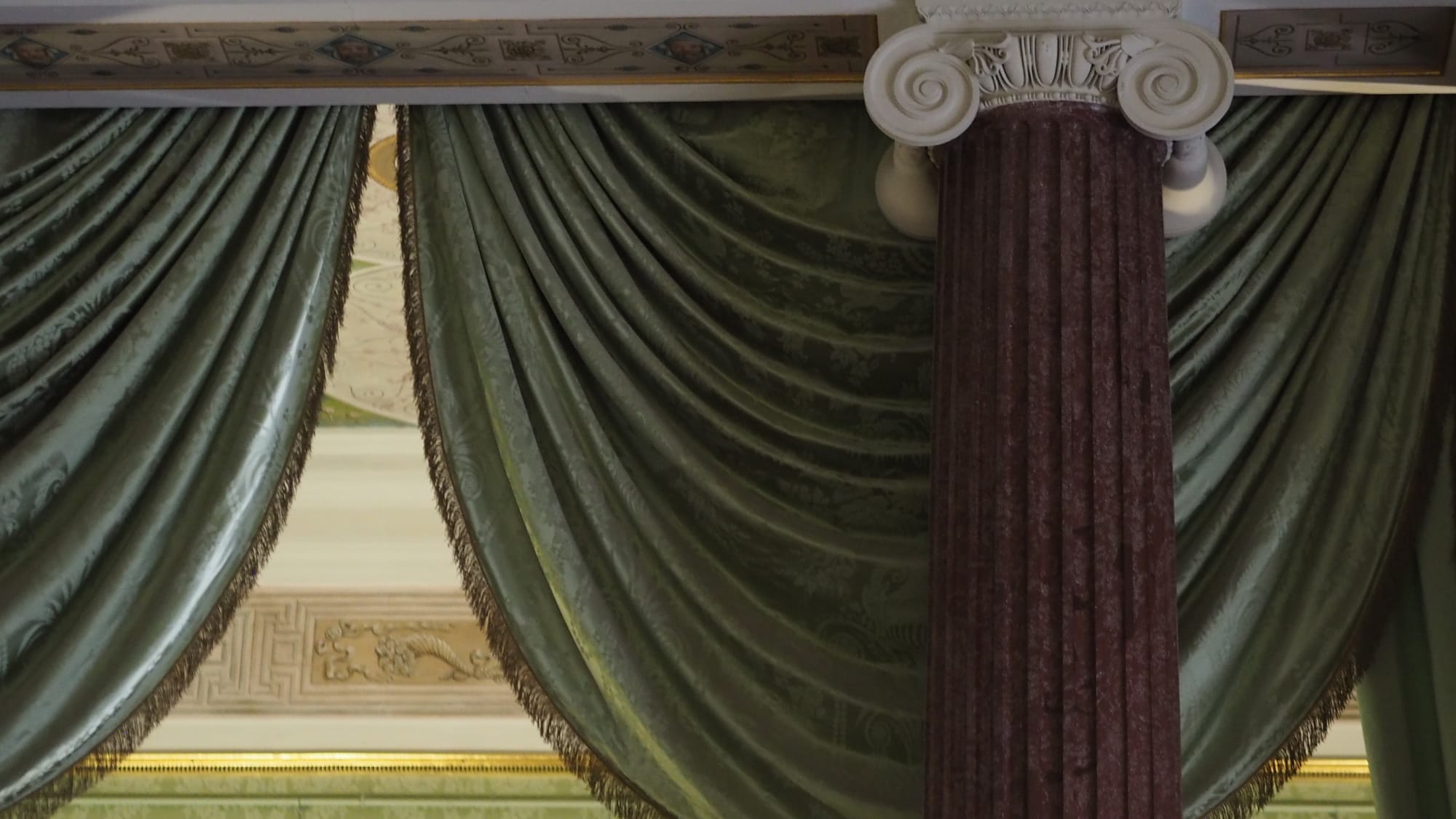
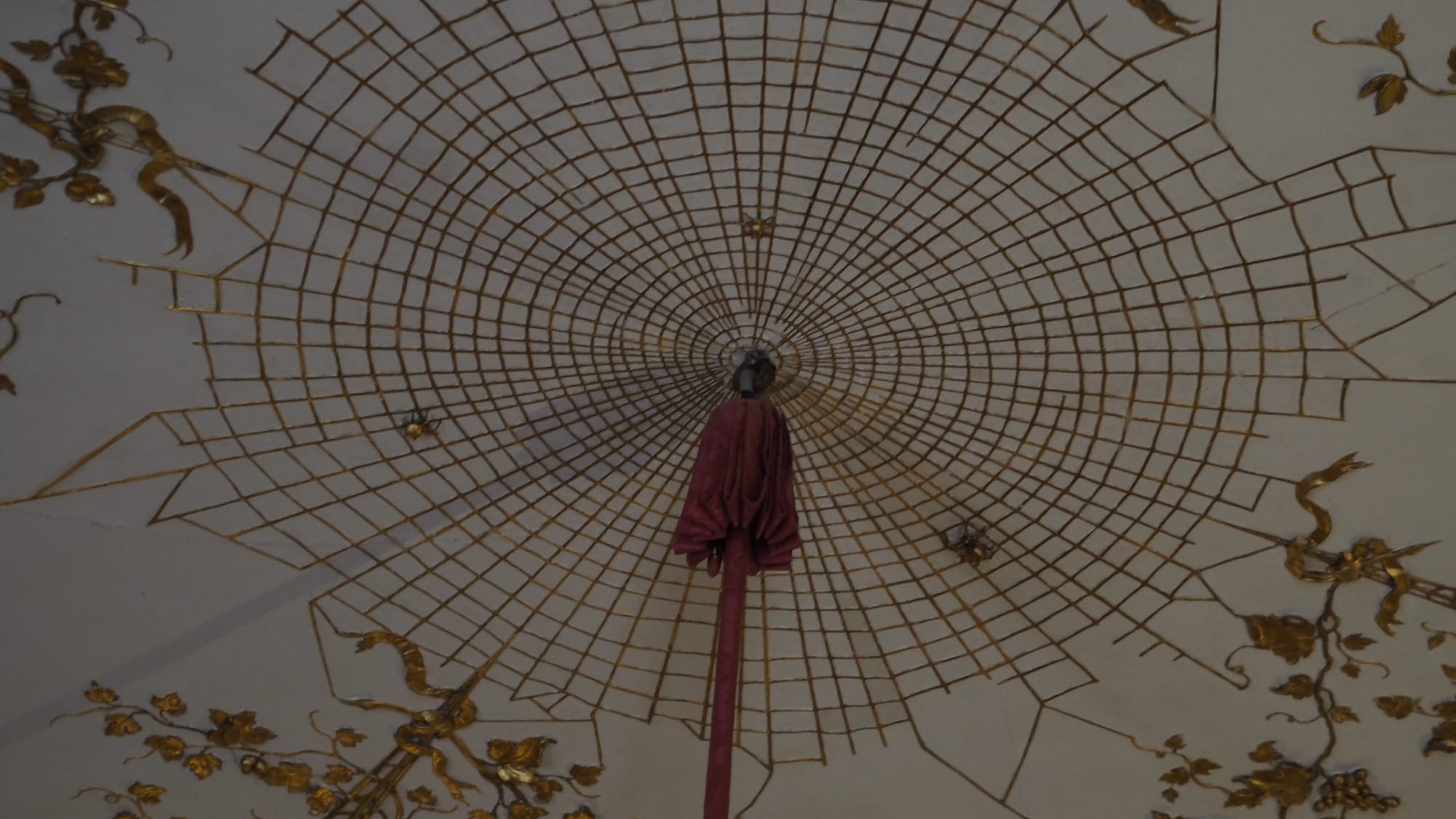
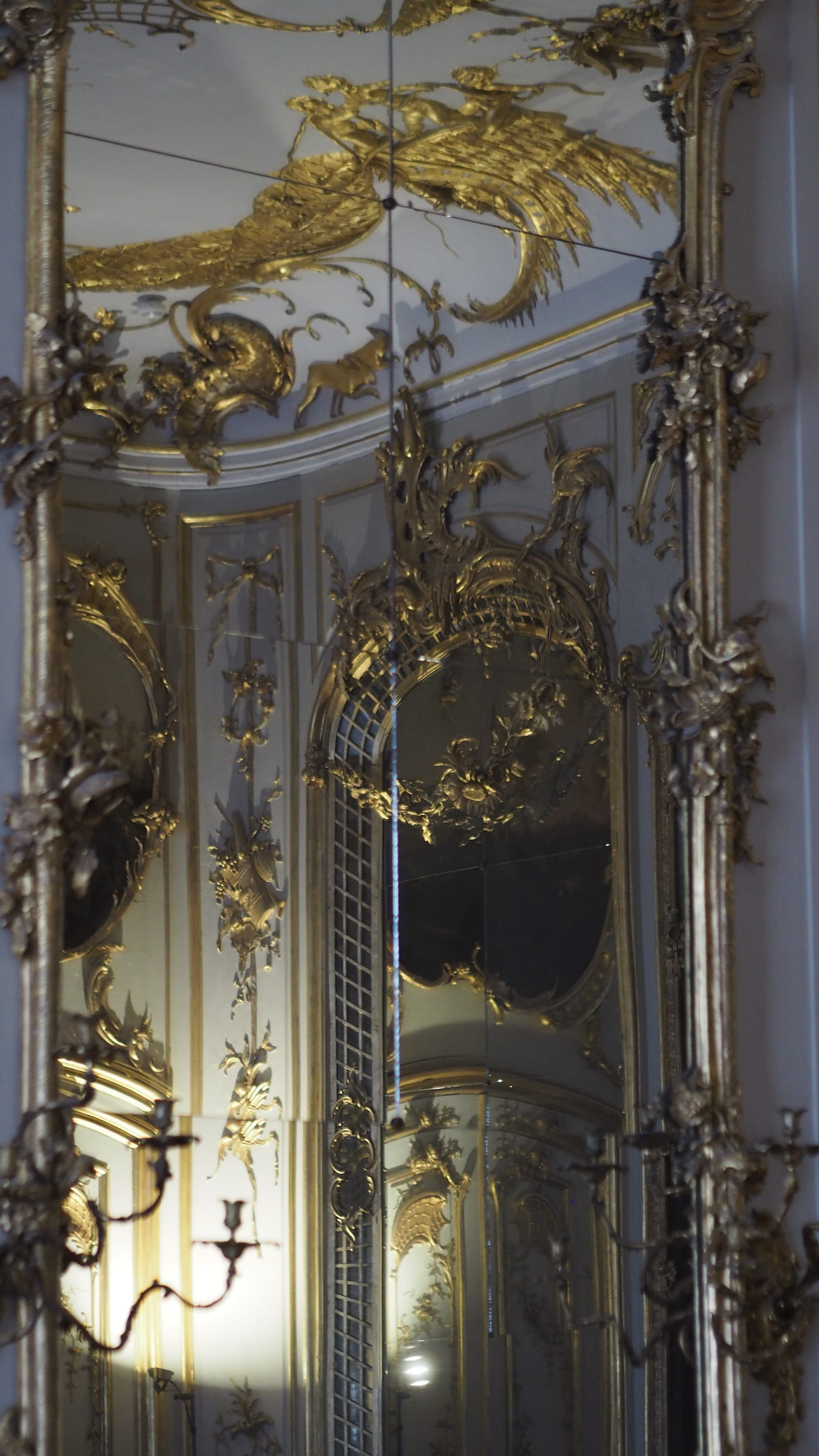
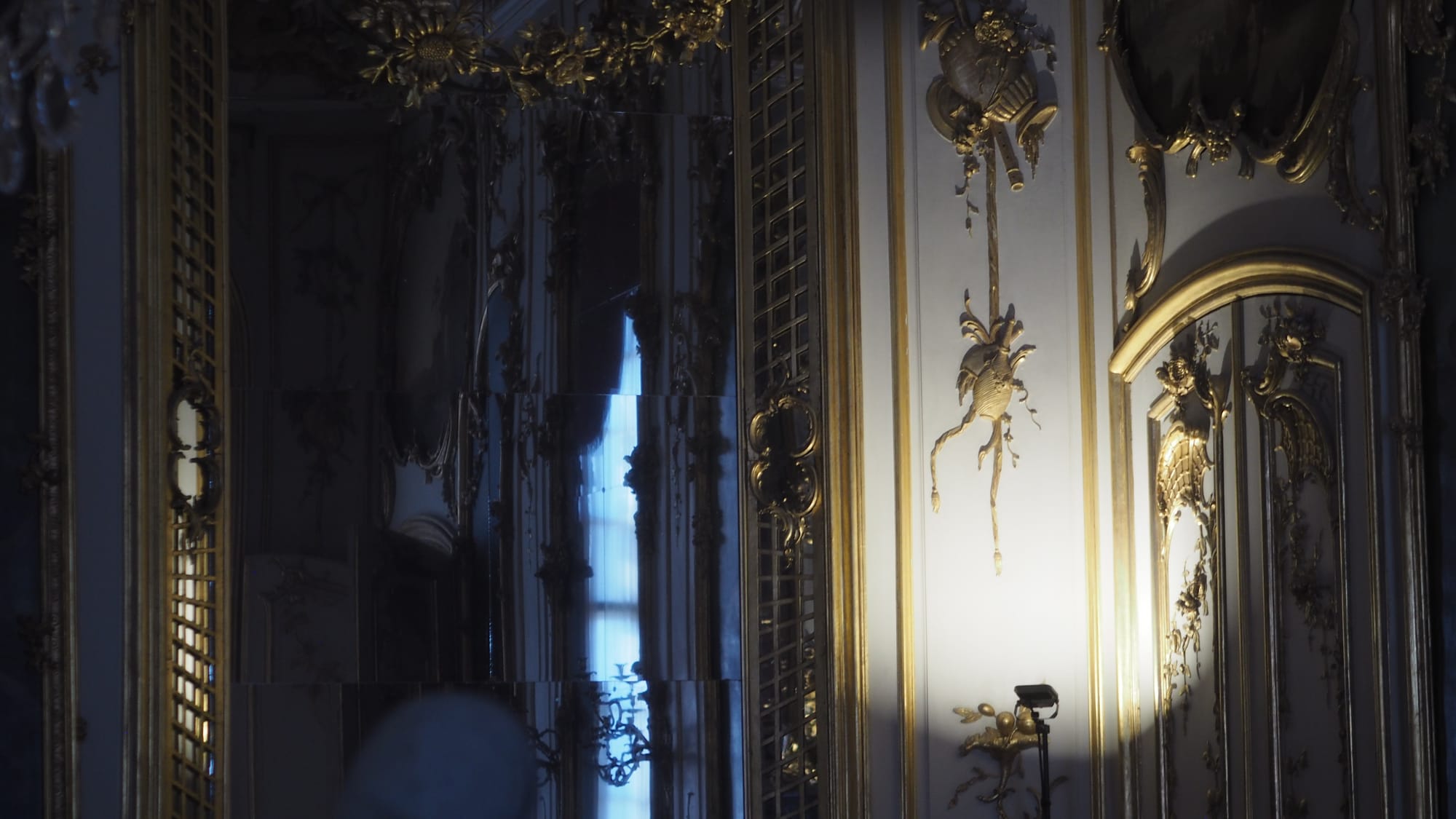
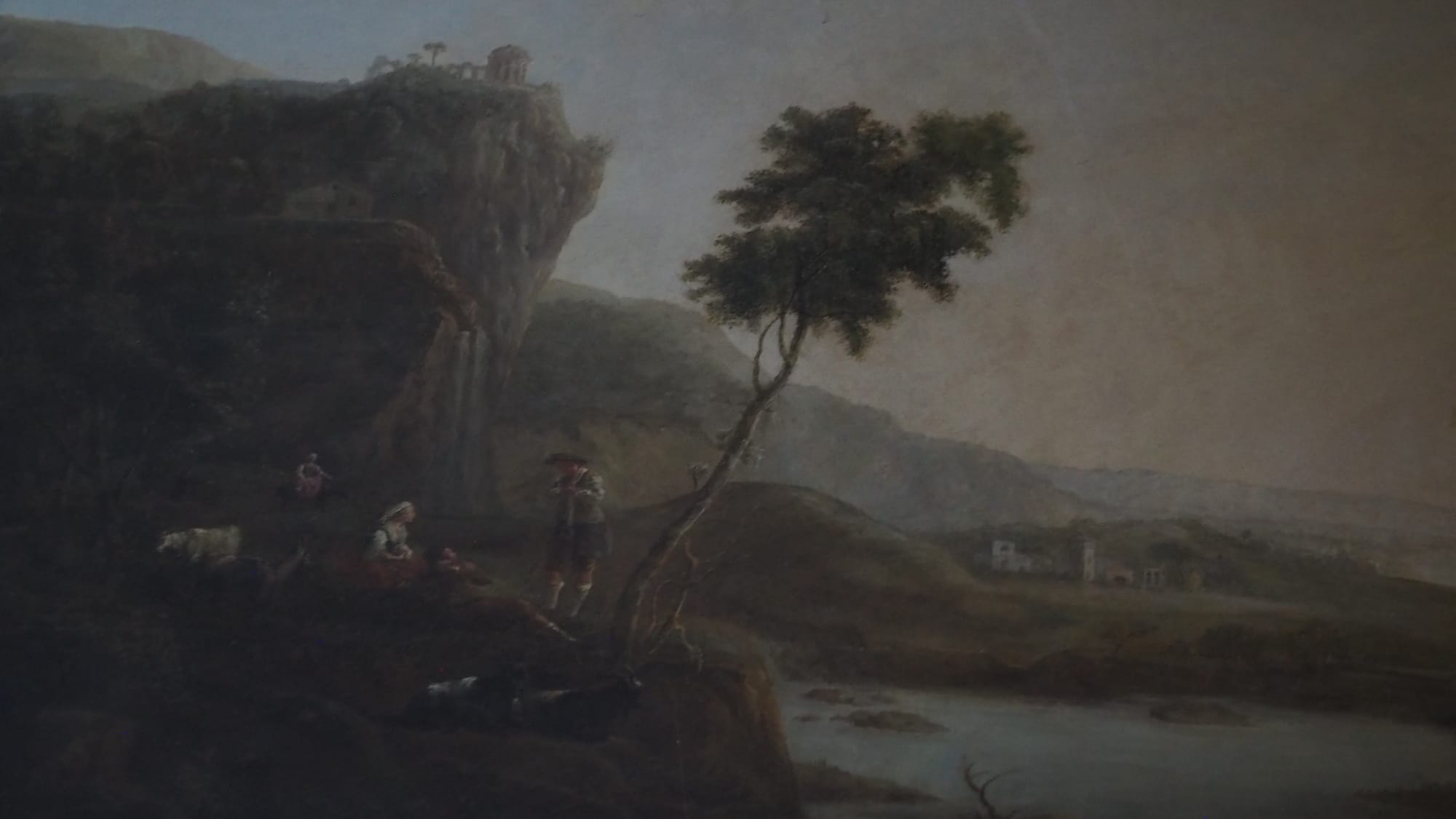
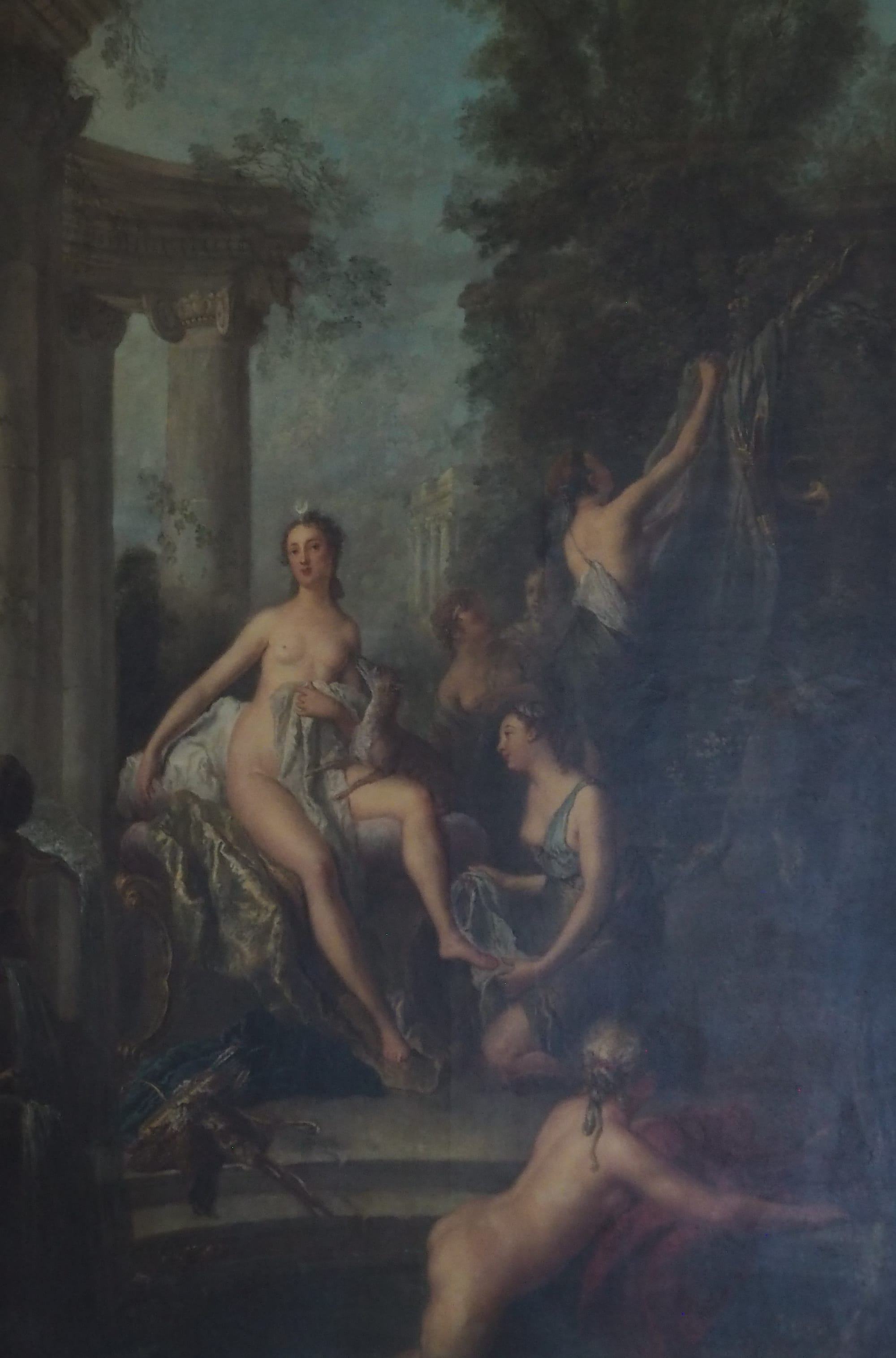
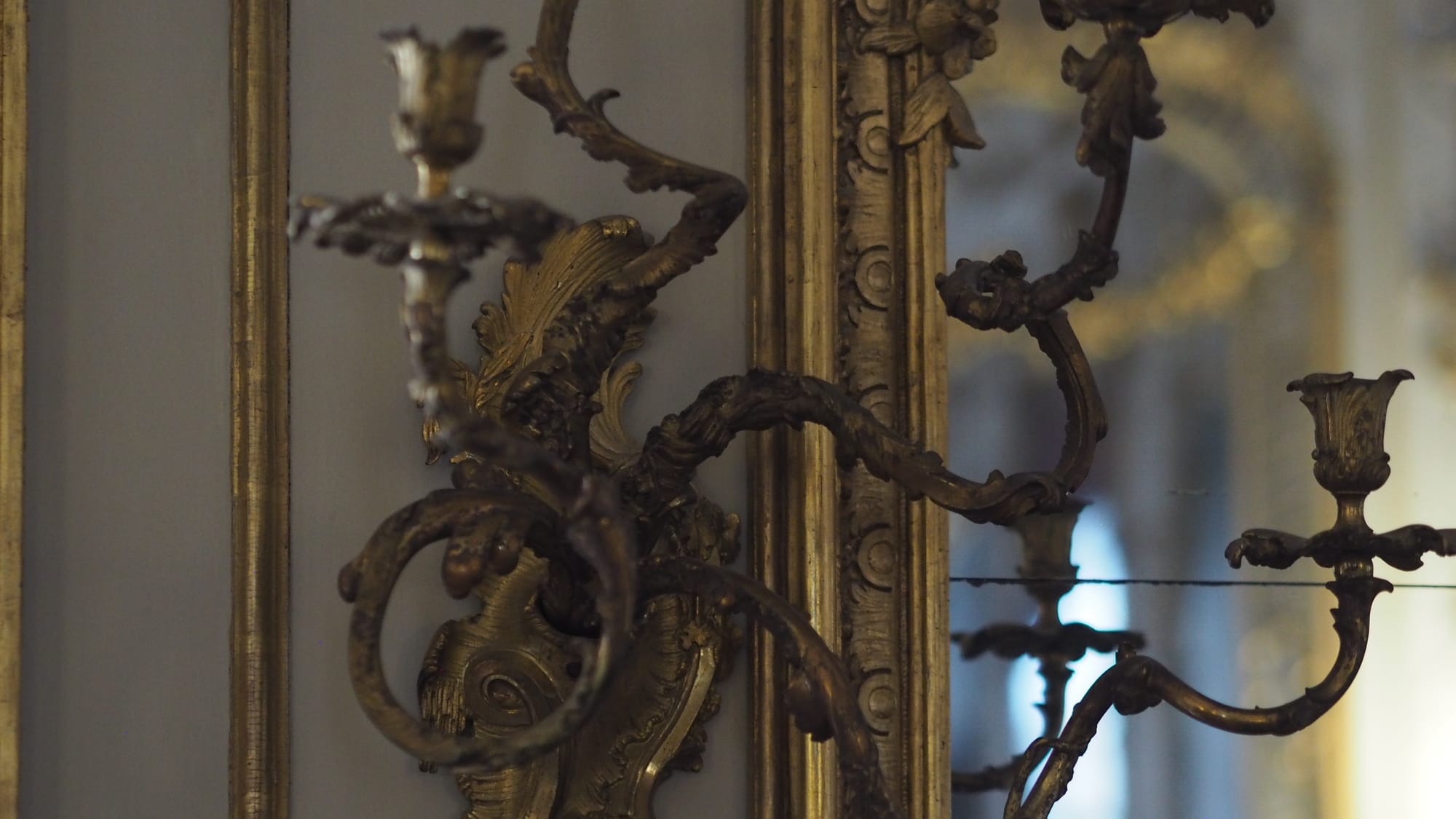
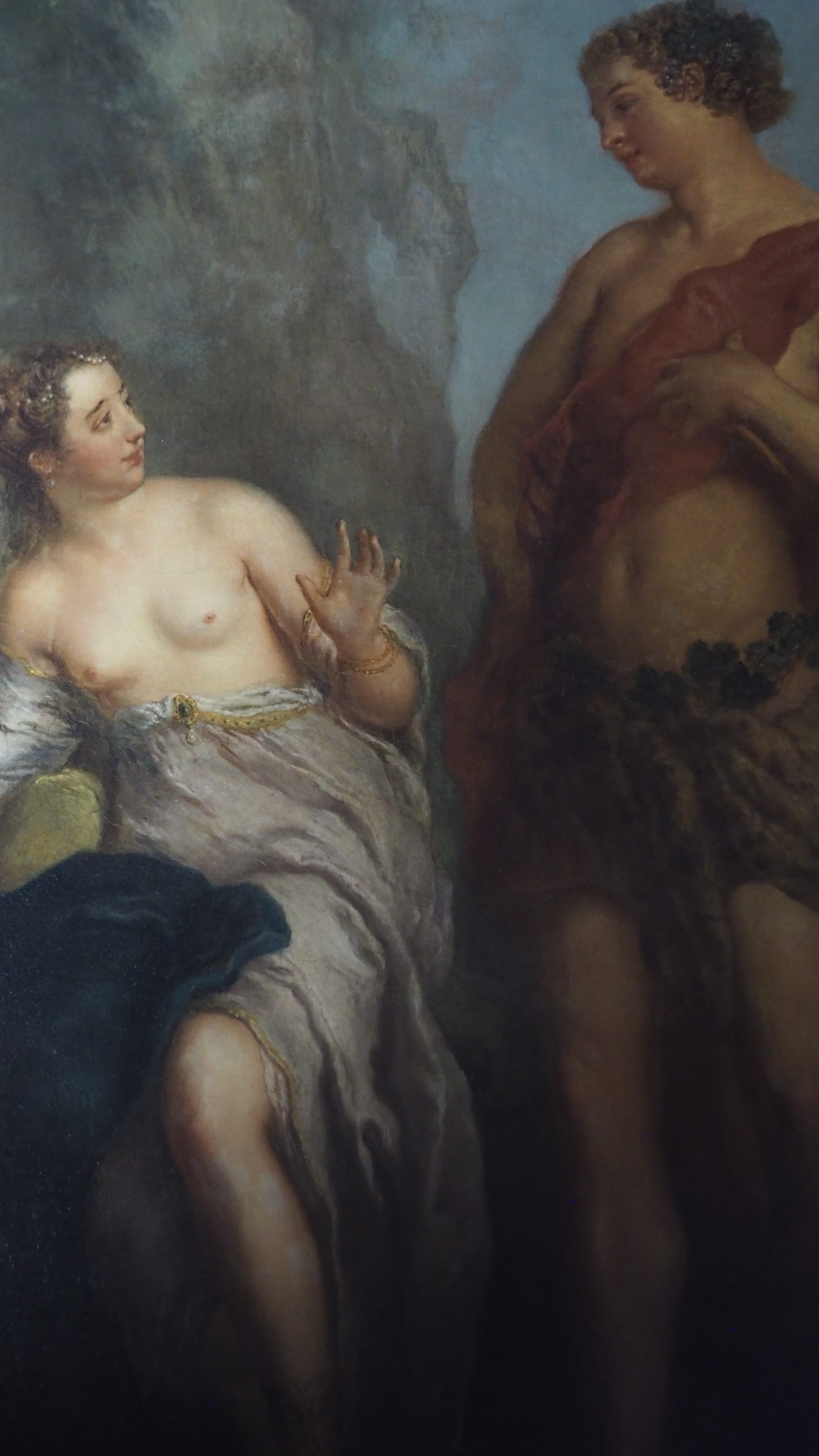
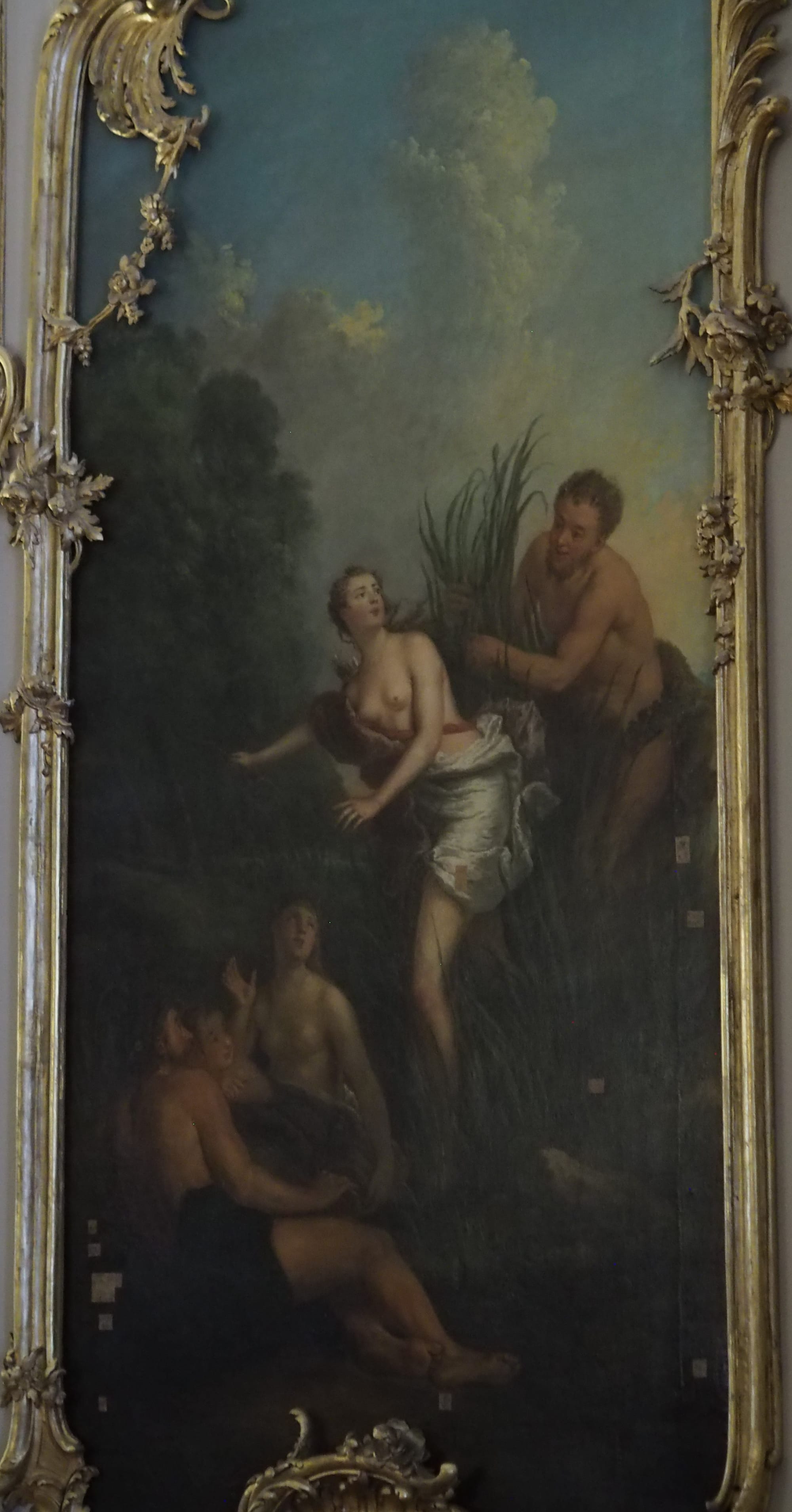
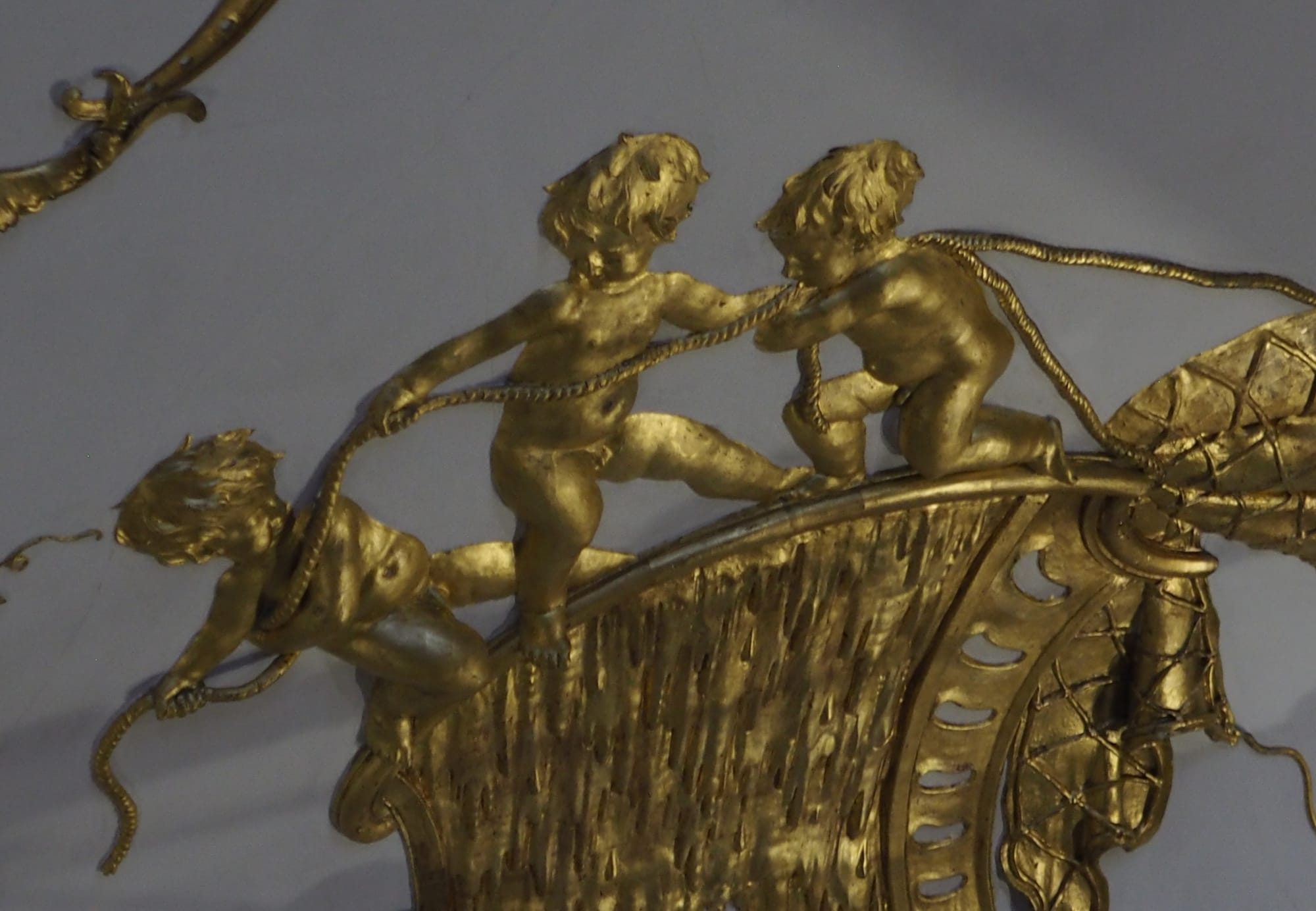
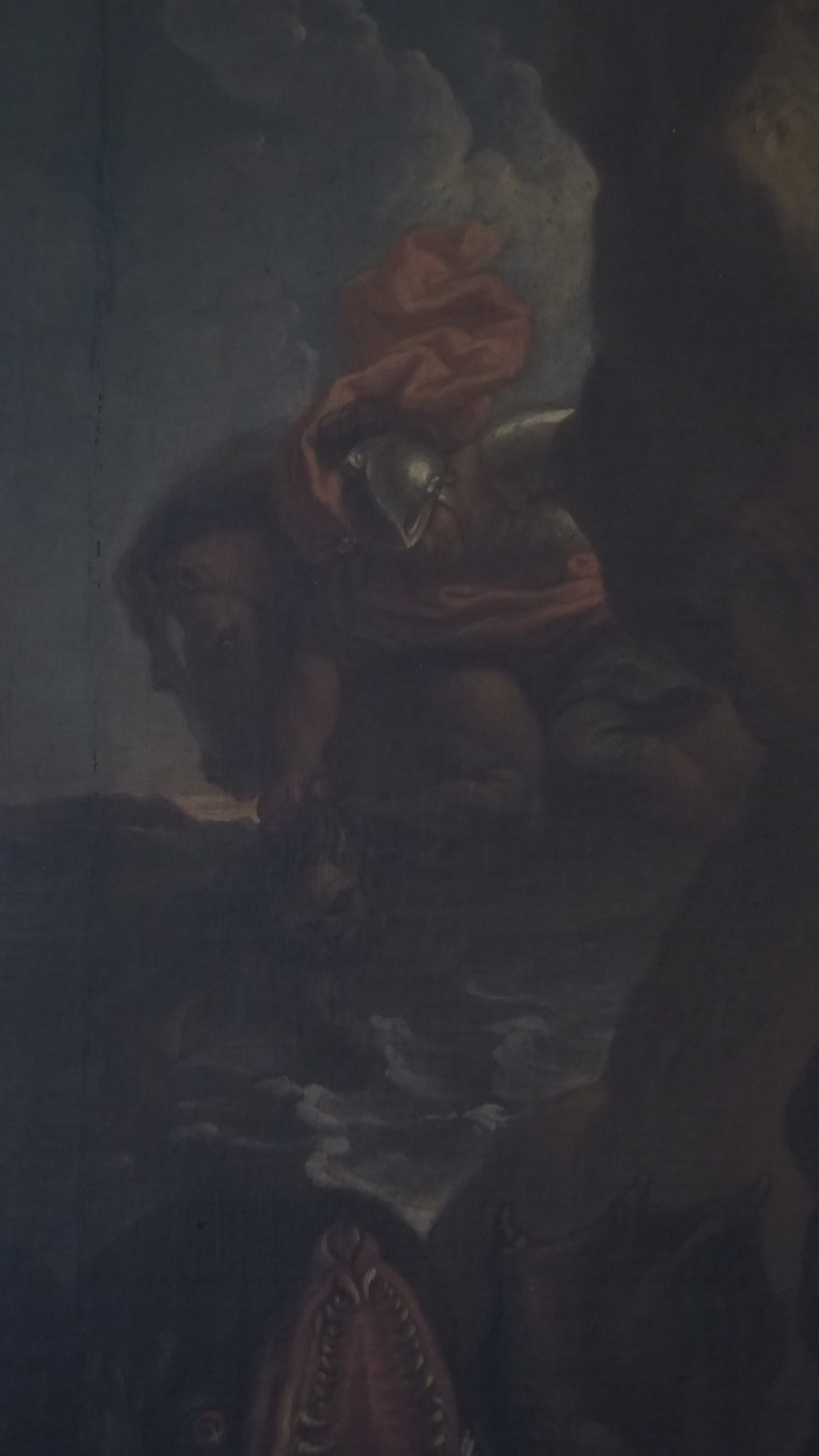
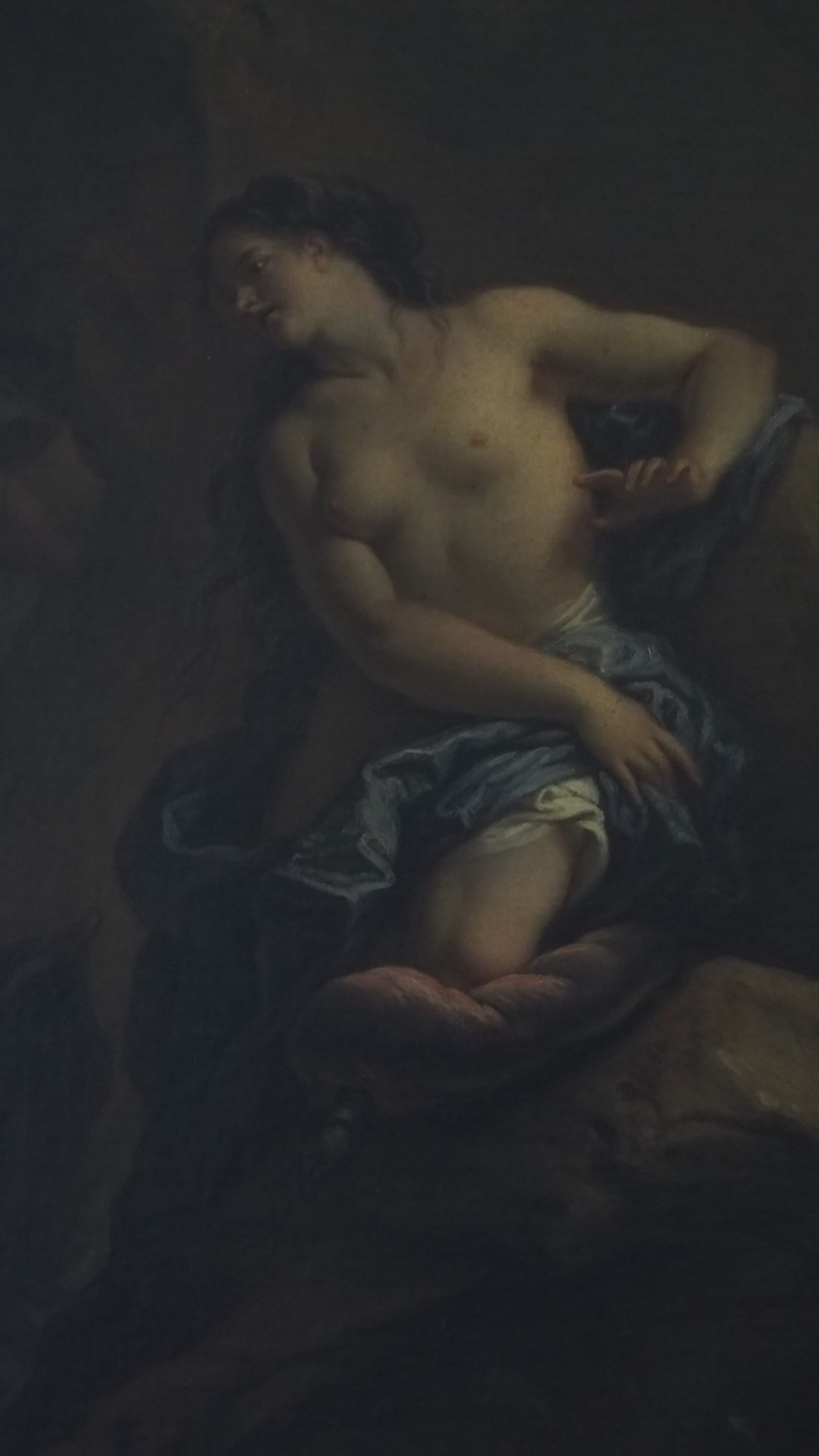
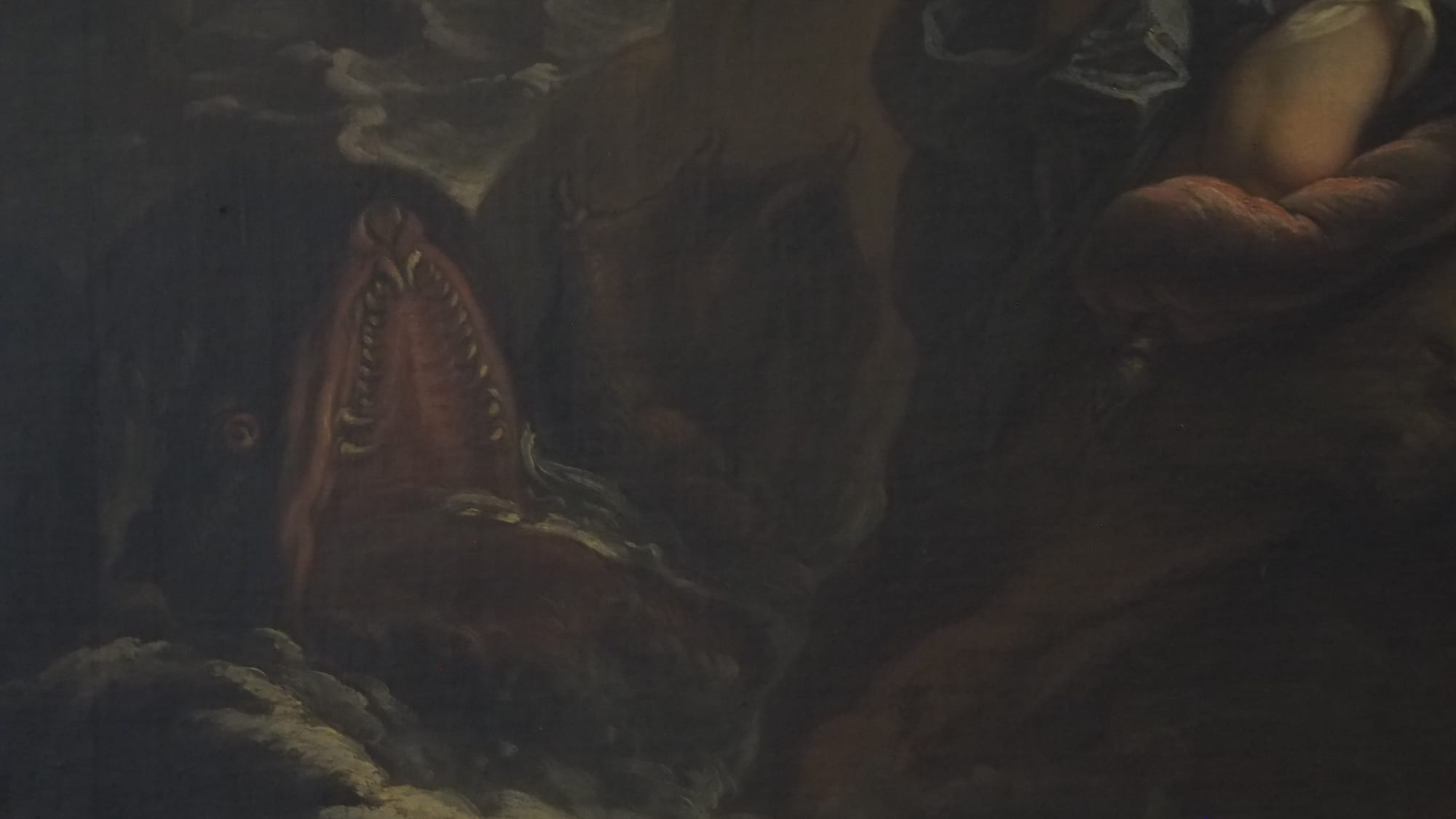
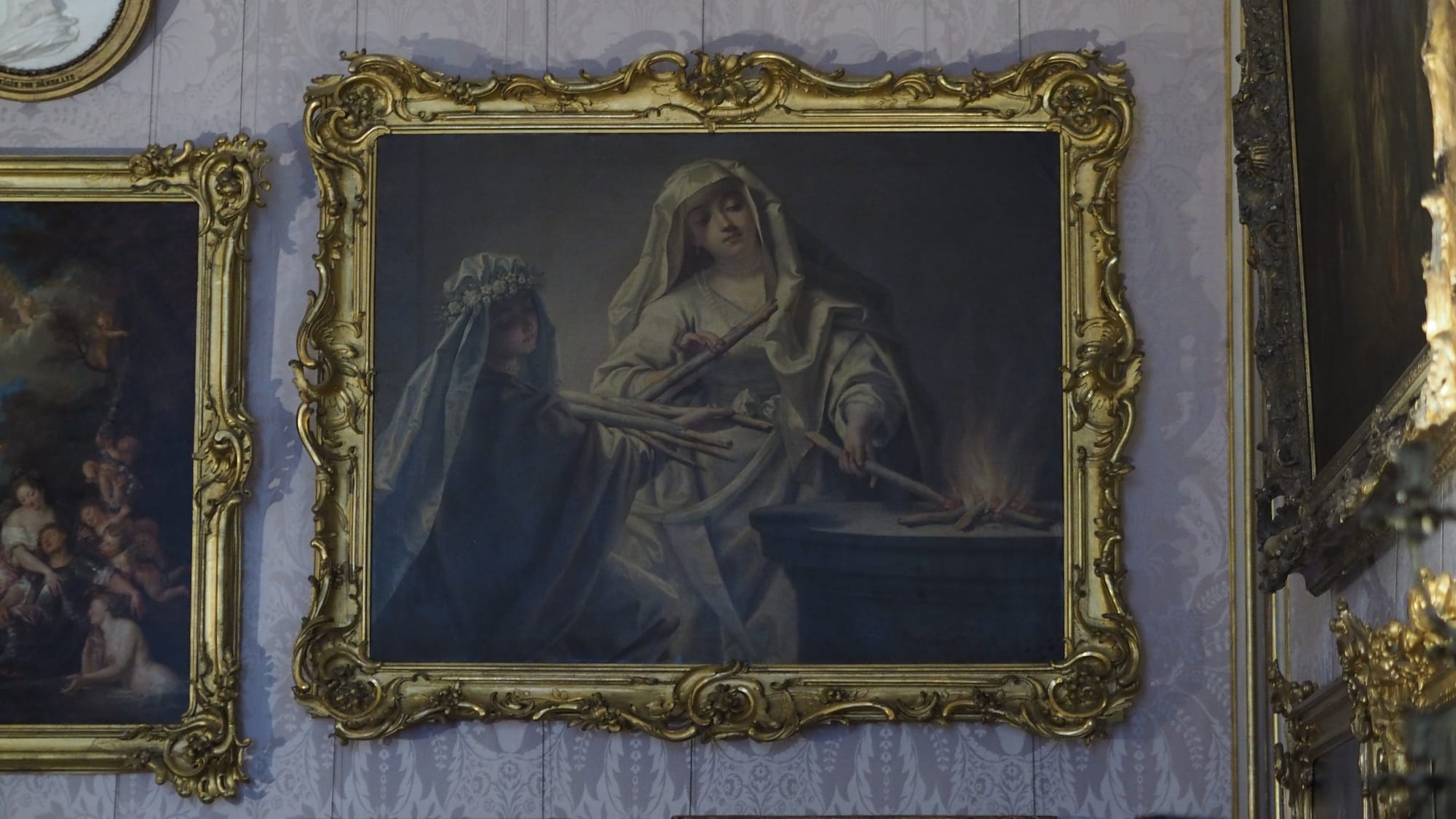
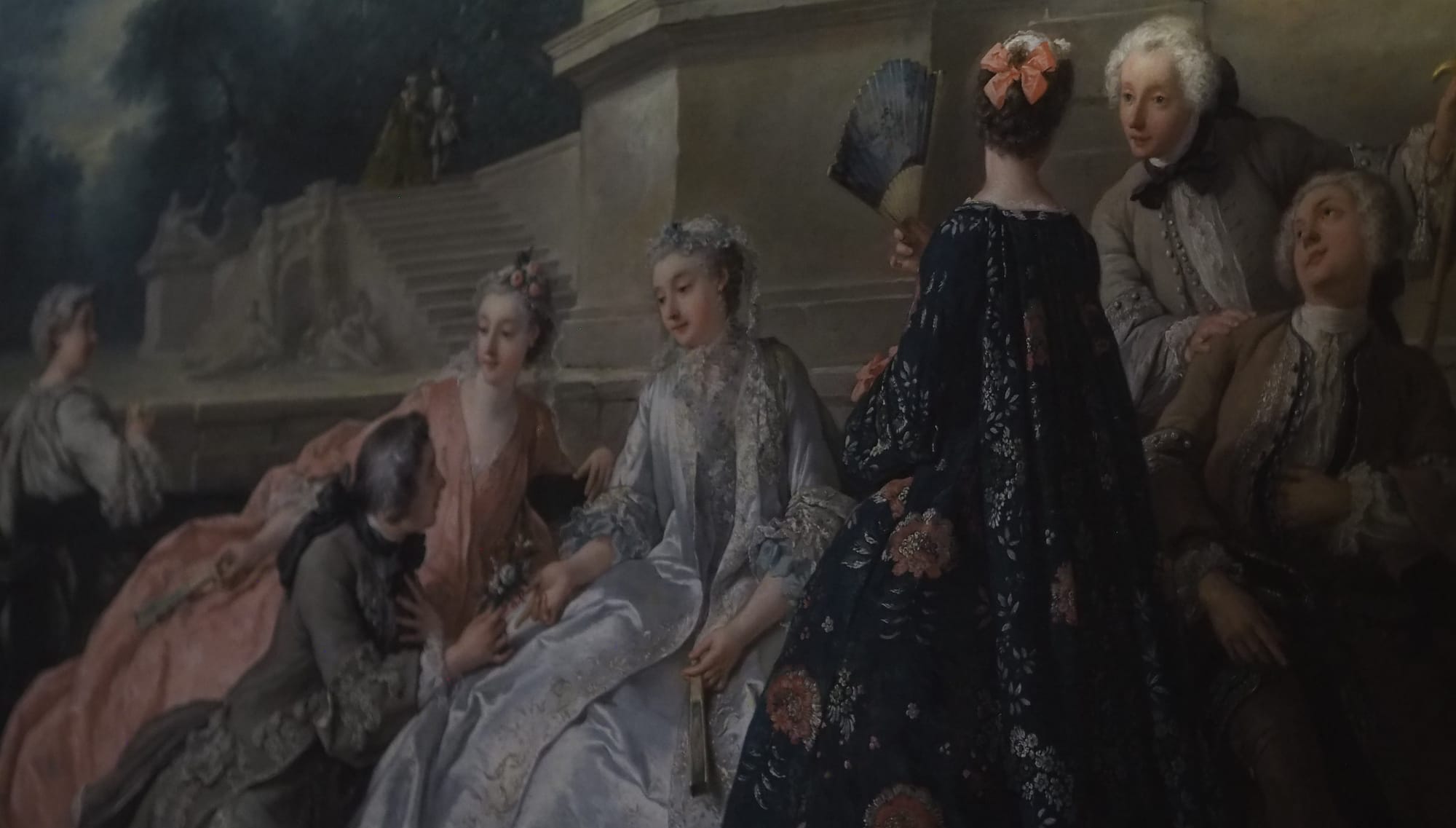
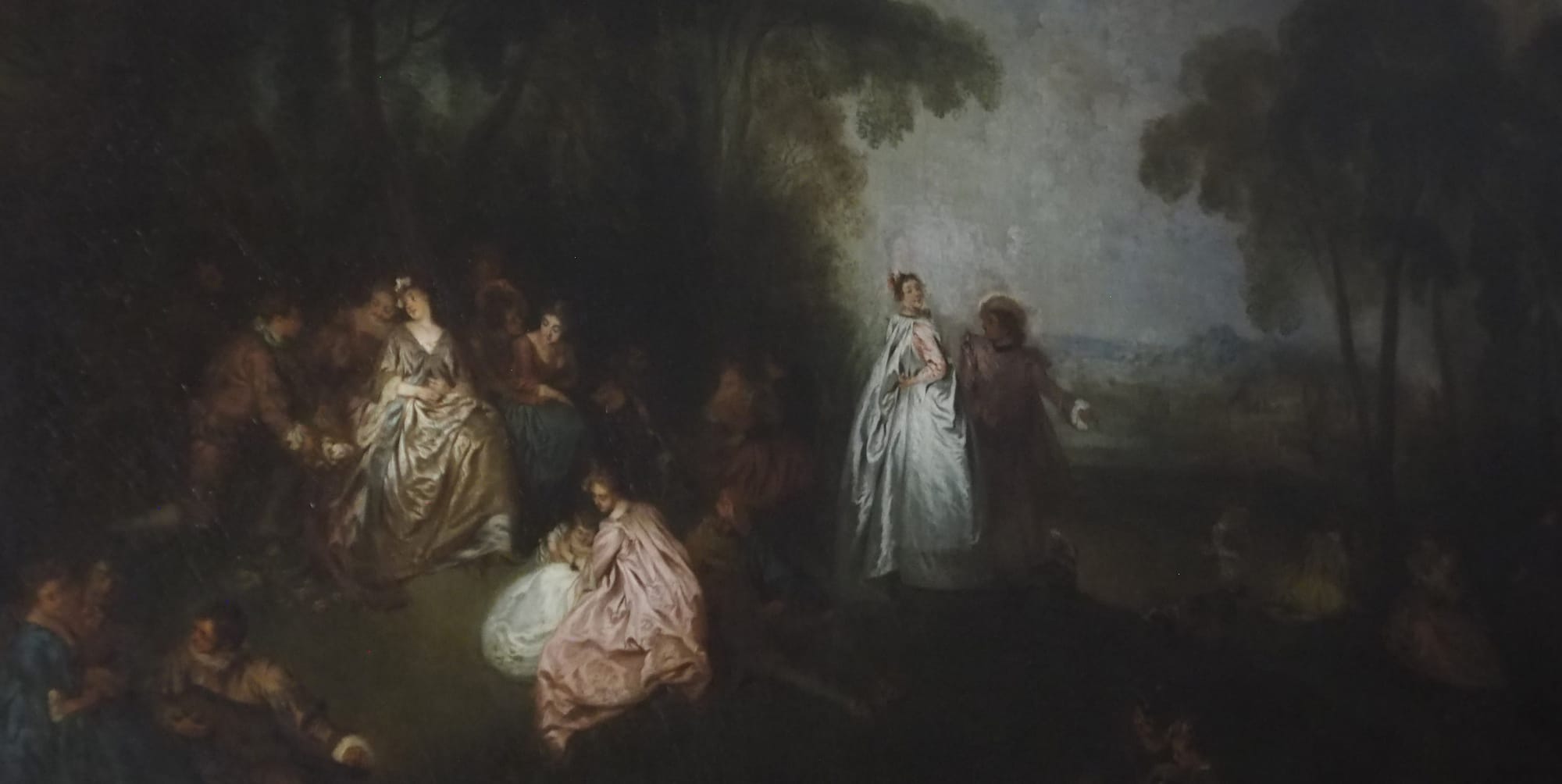
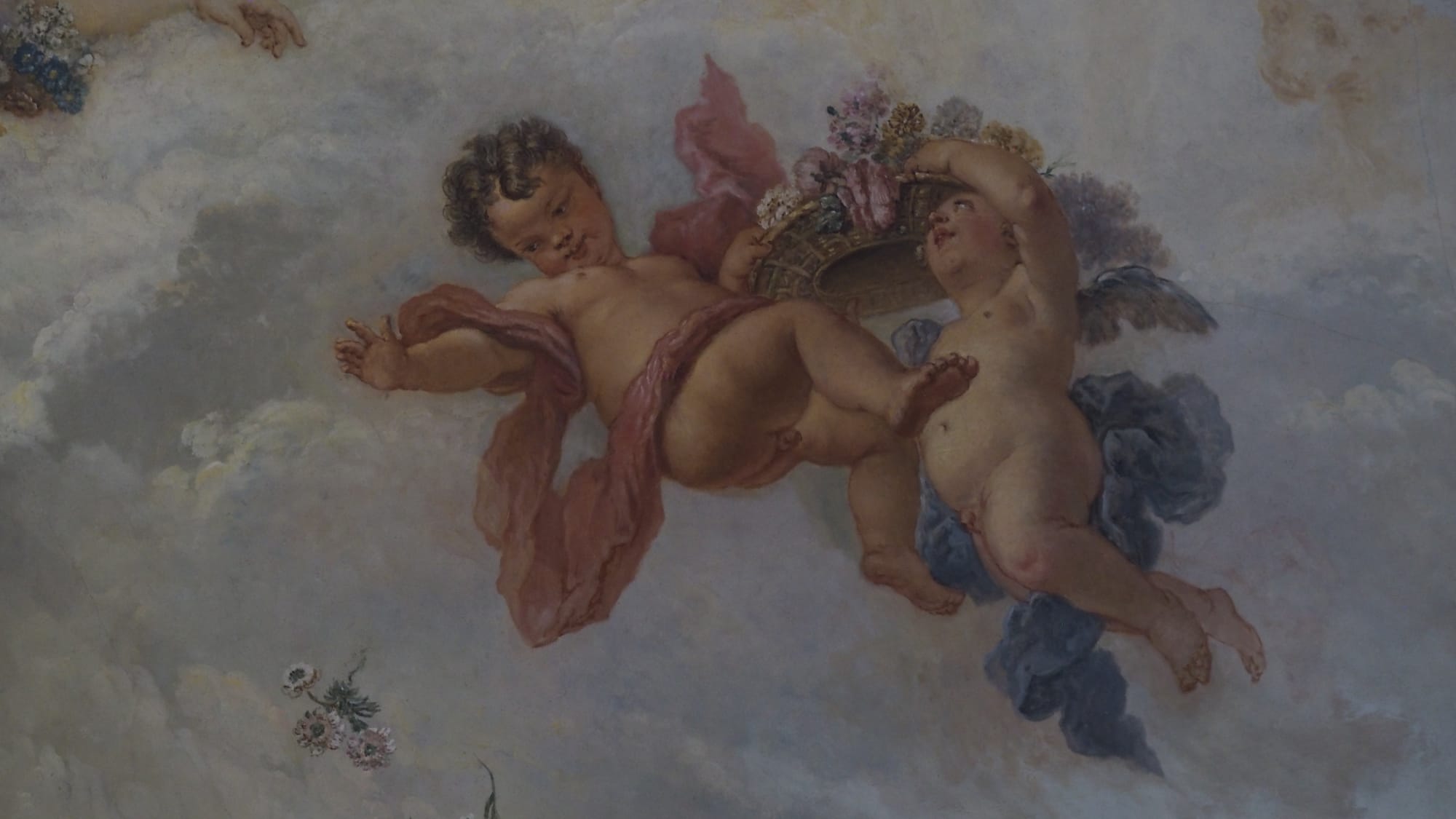
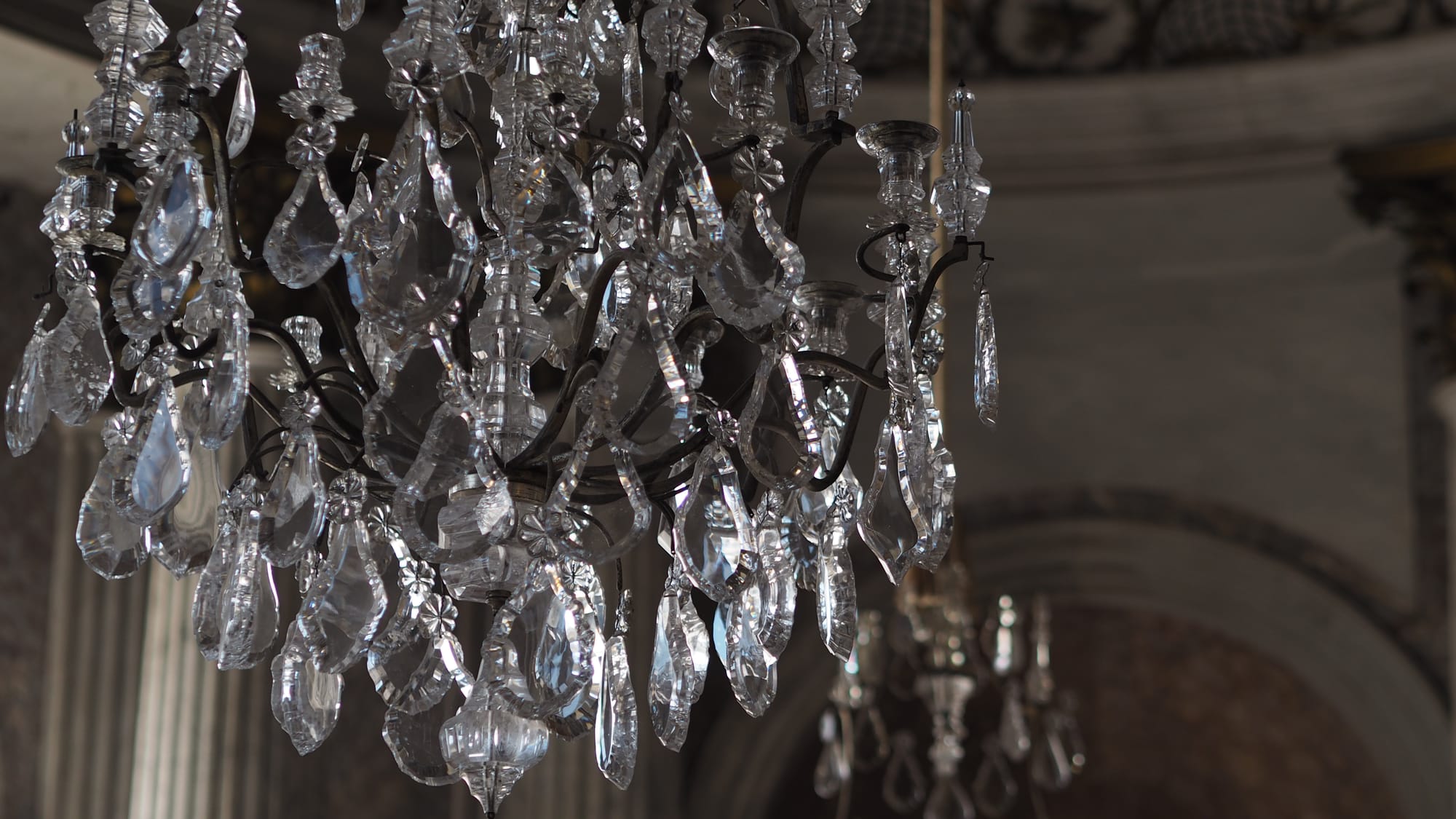
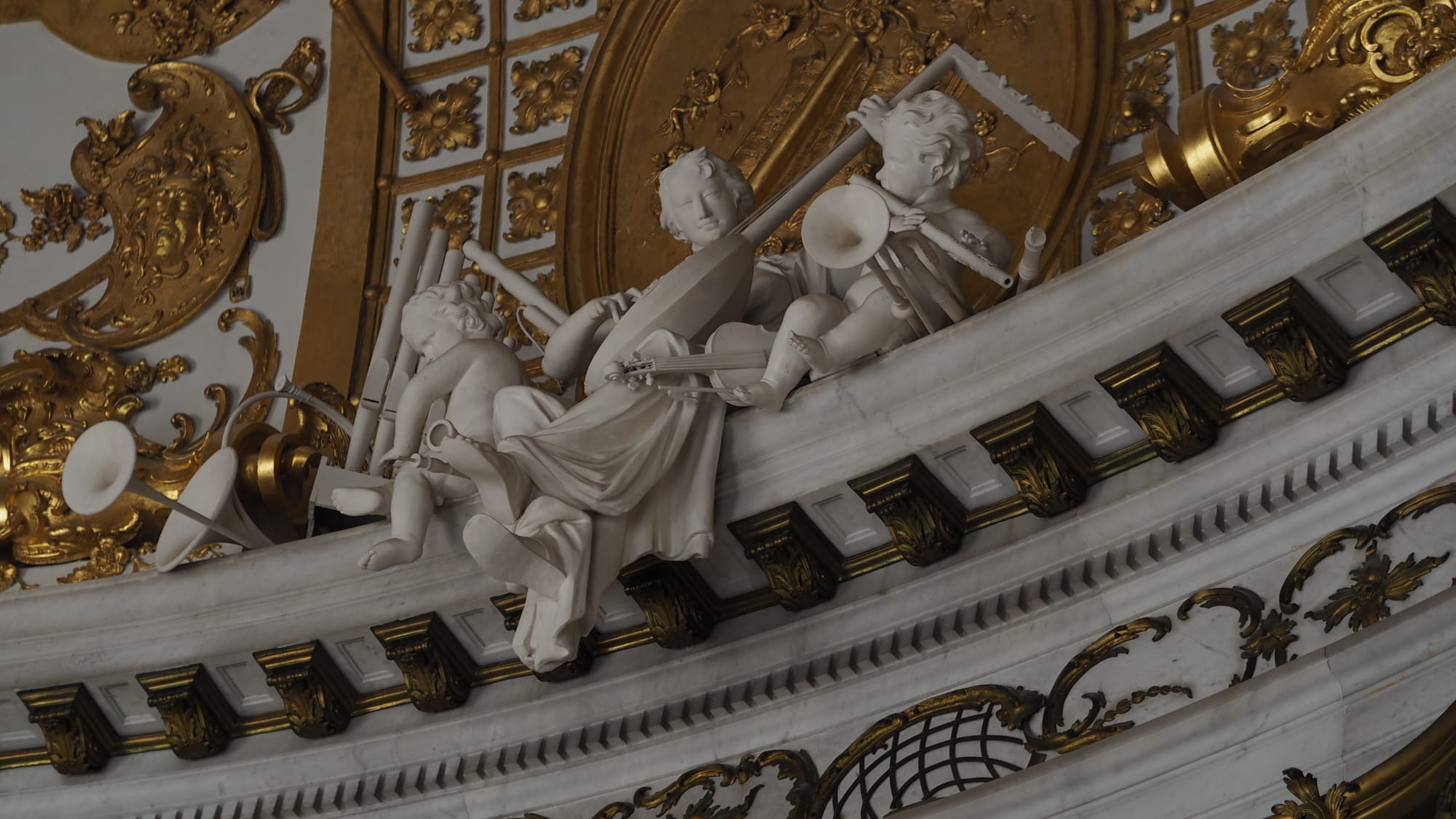
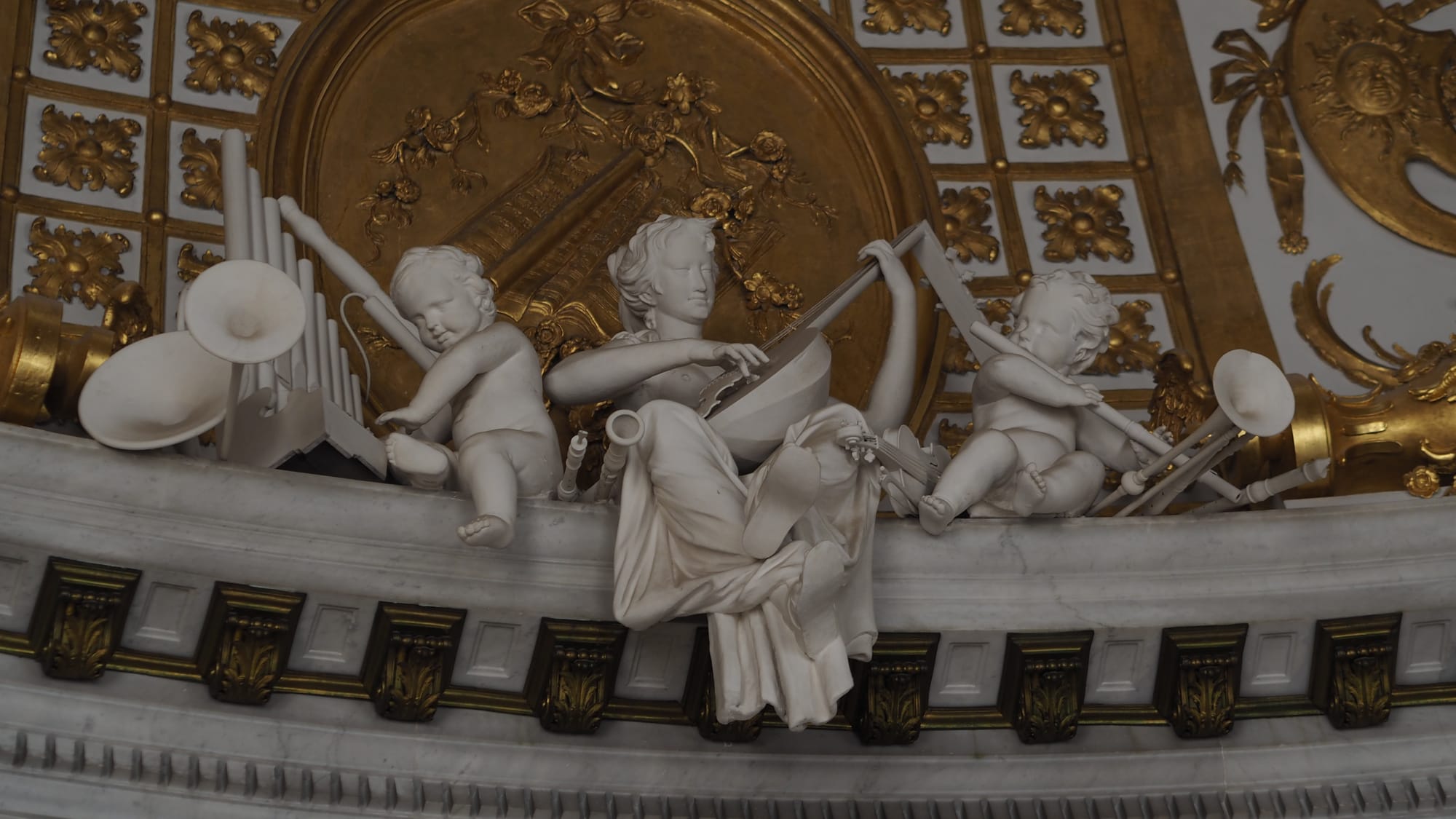
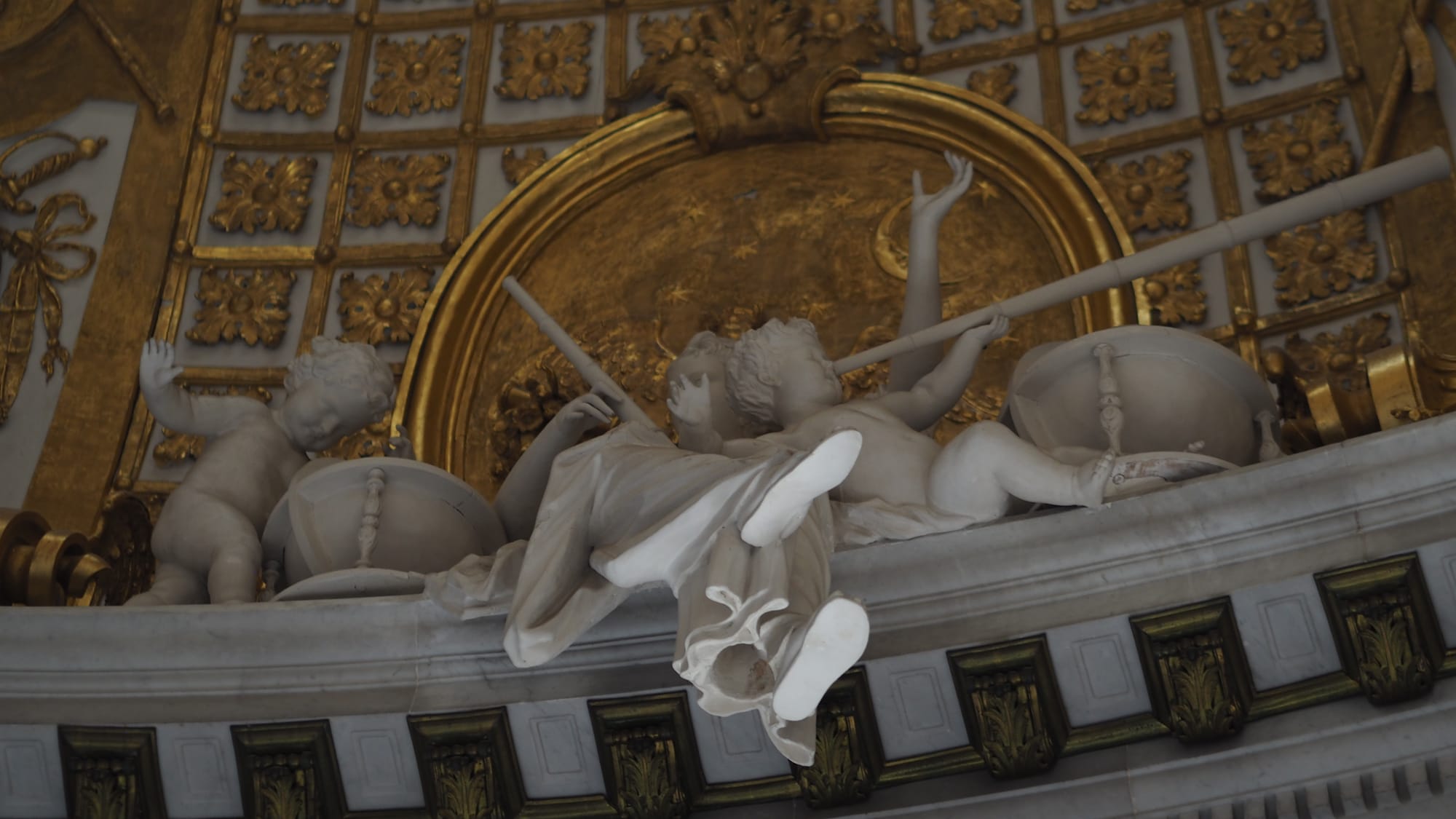
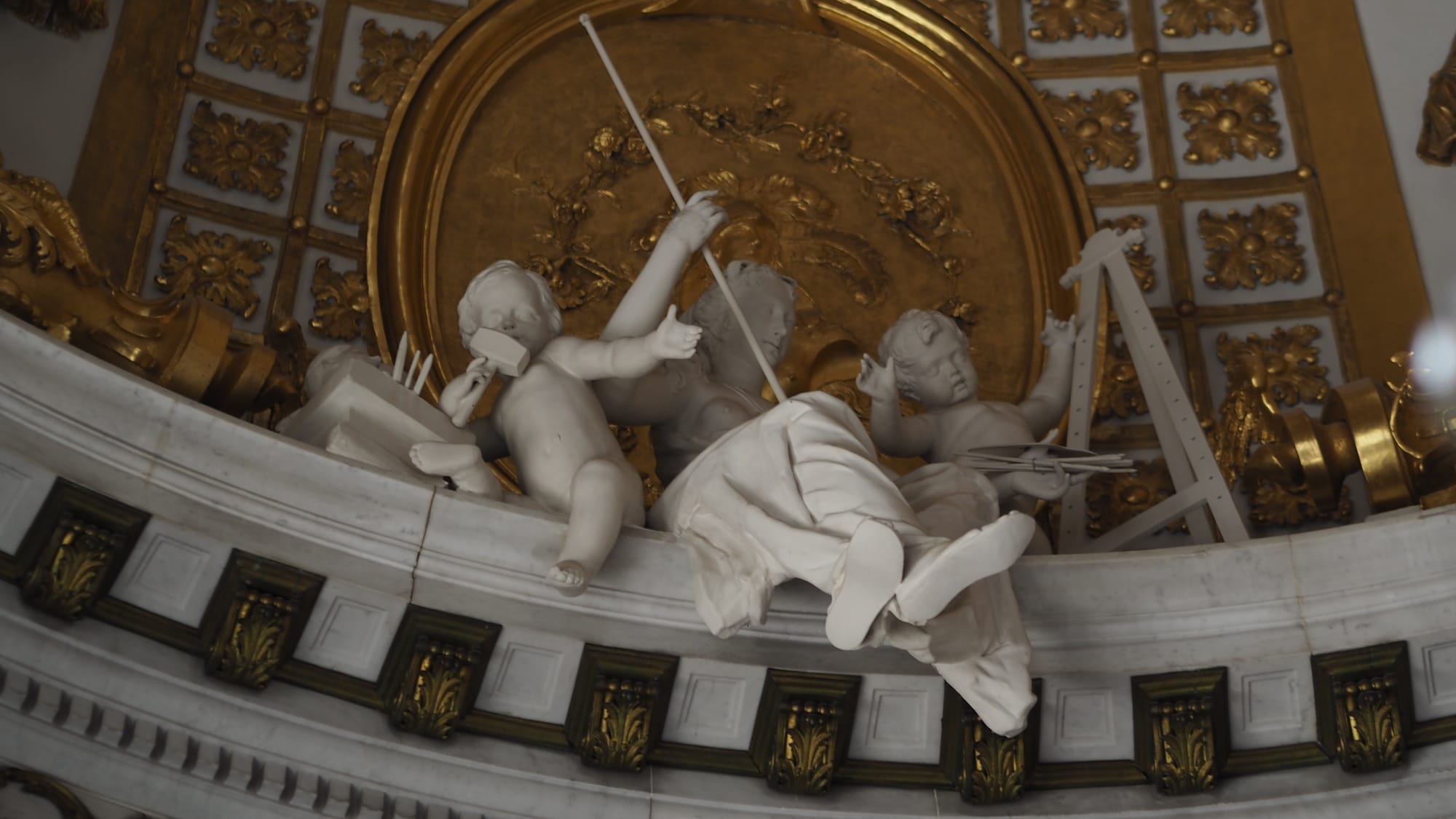
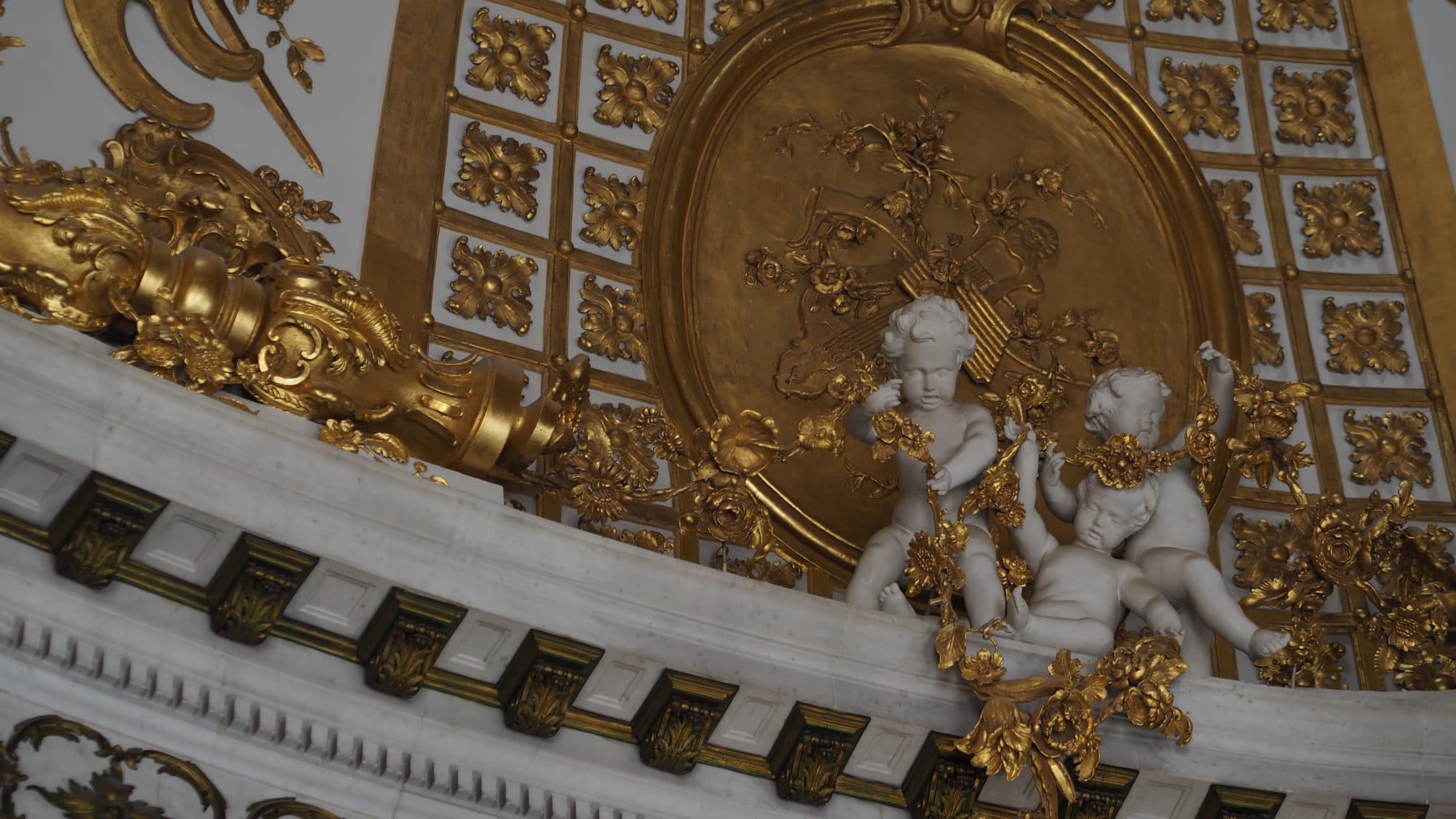
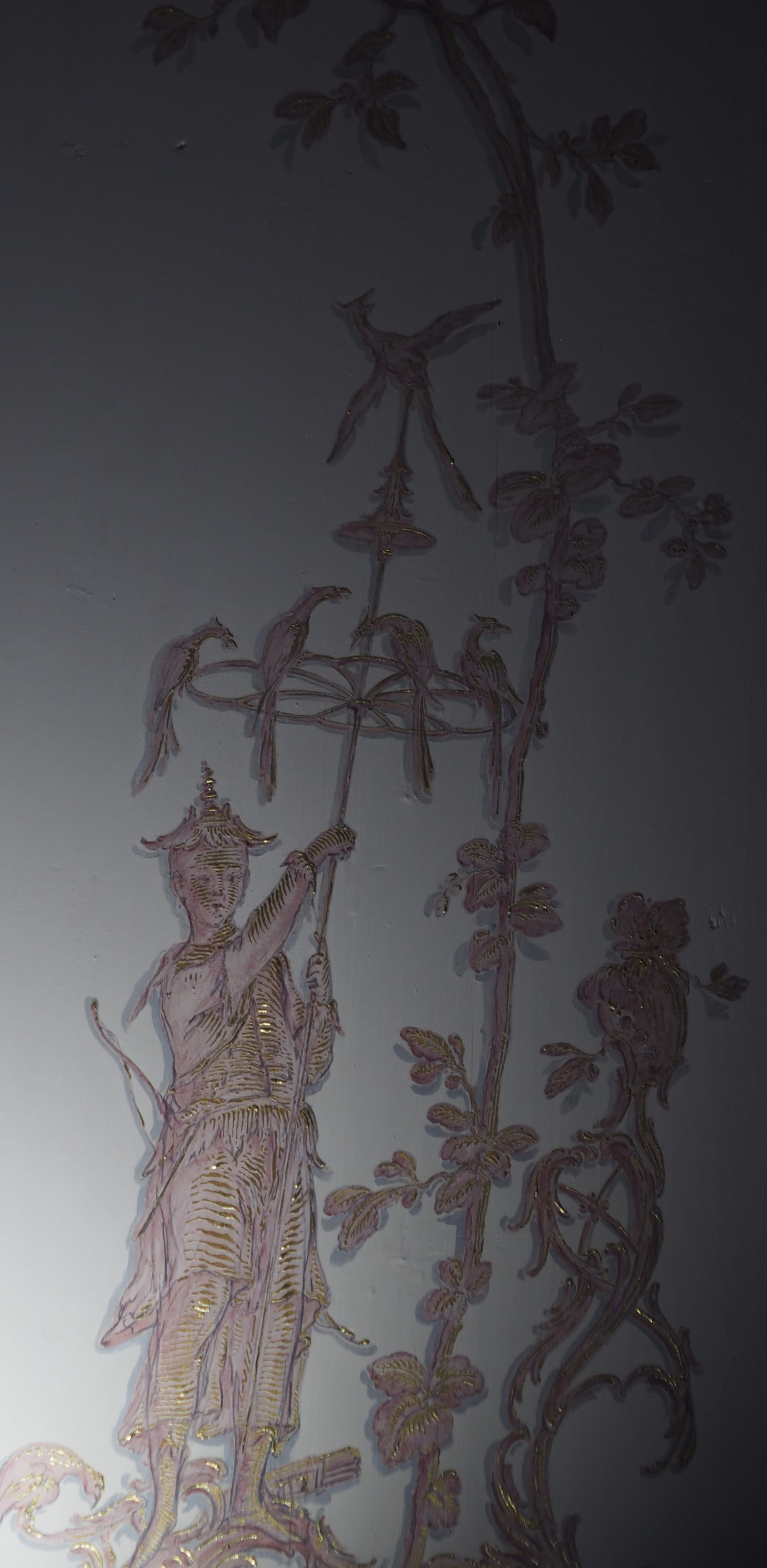
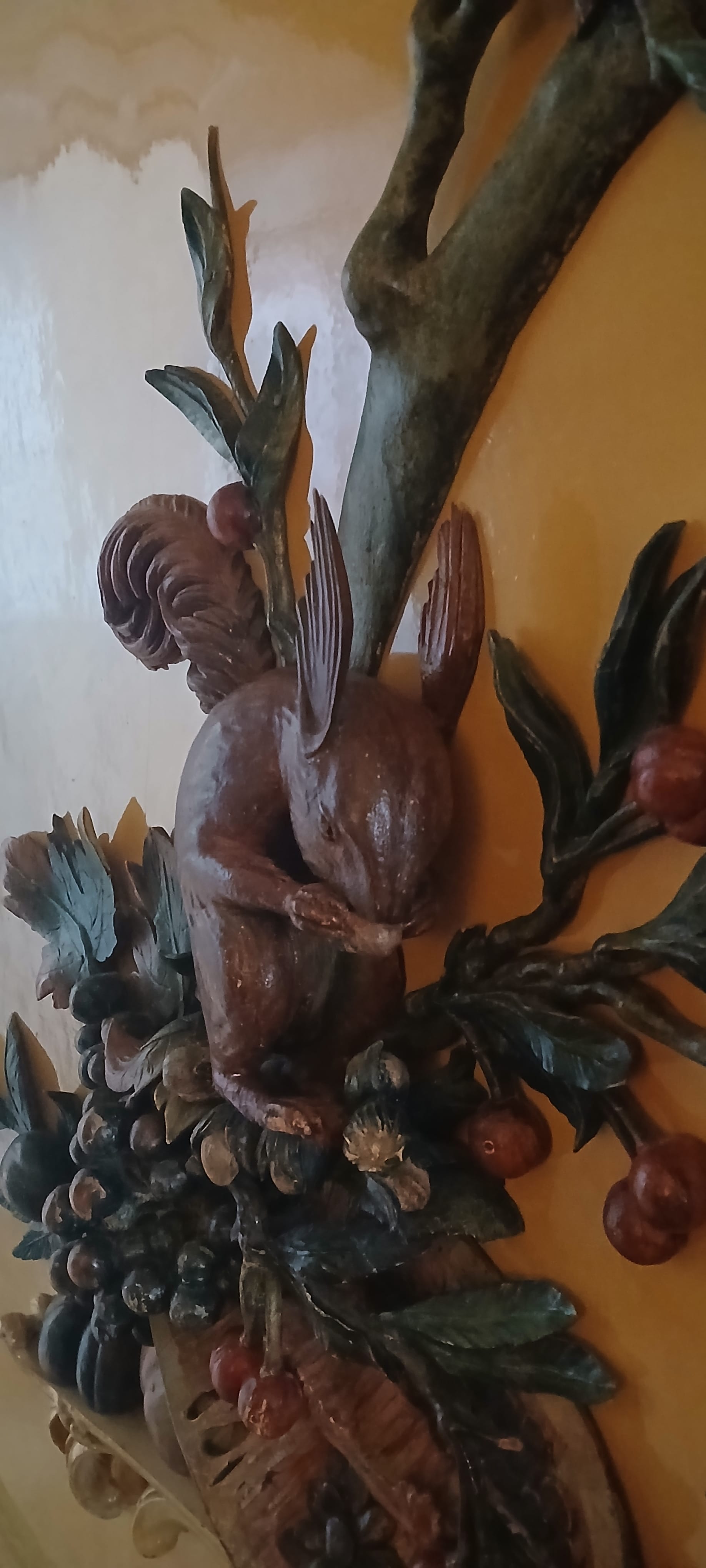
- putti just want to have fun
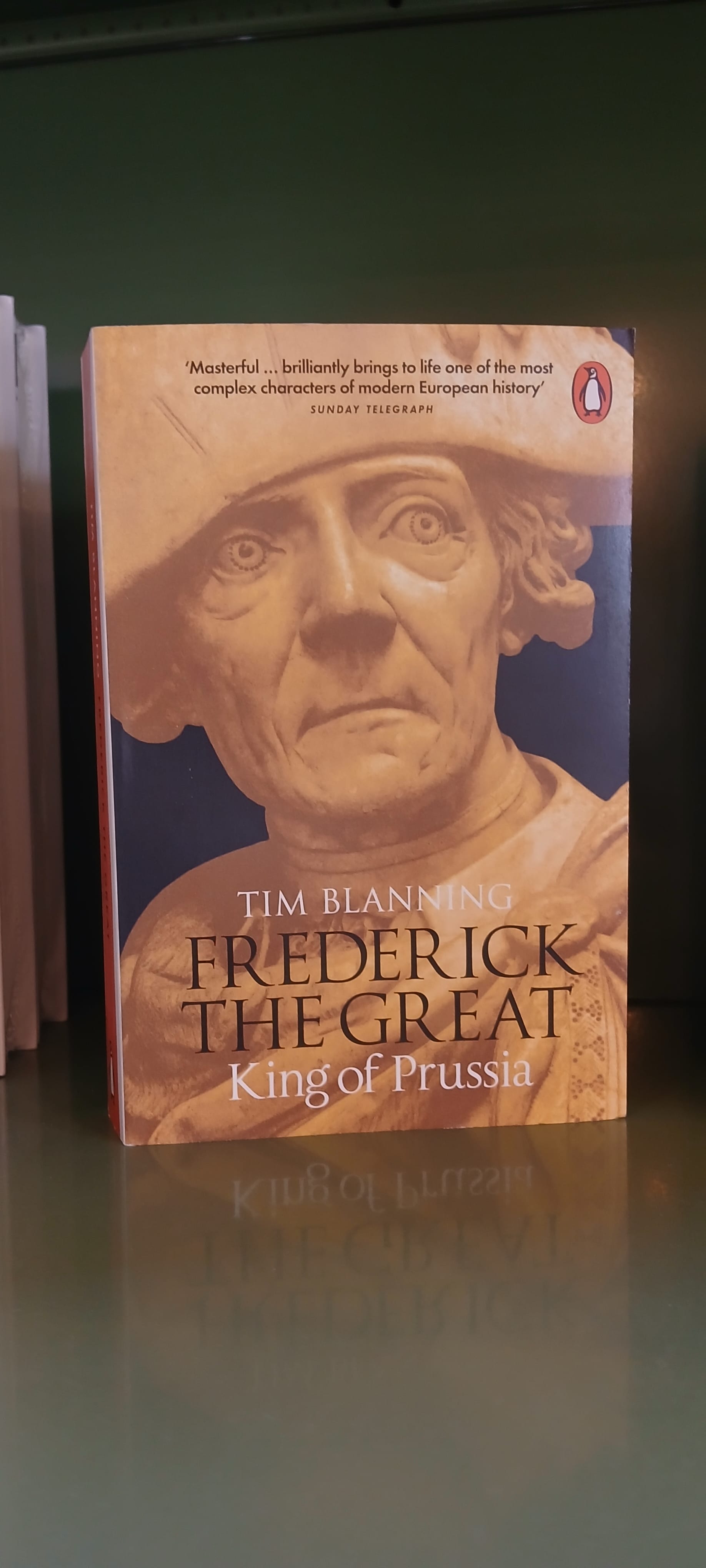
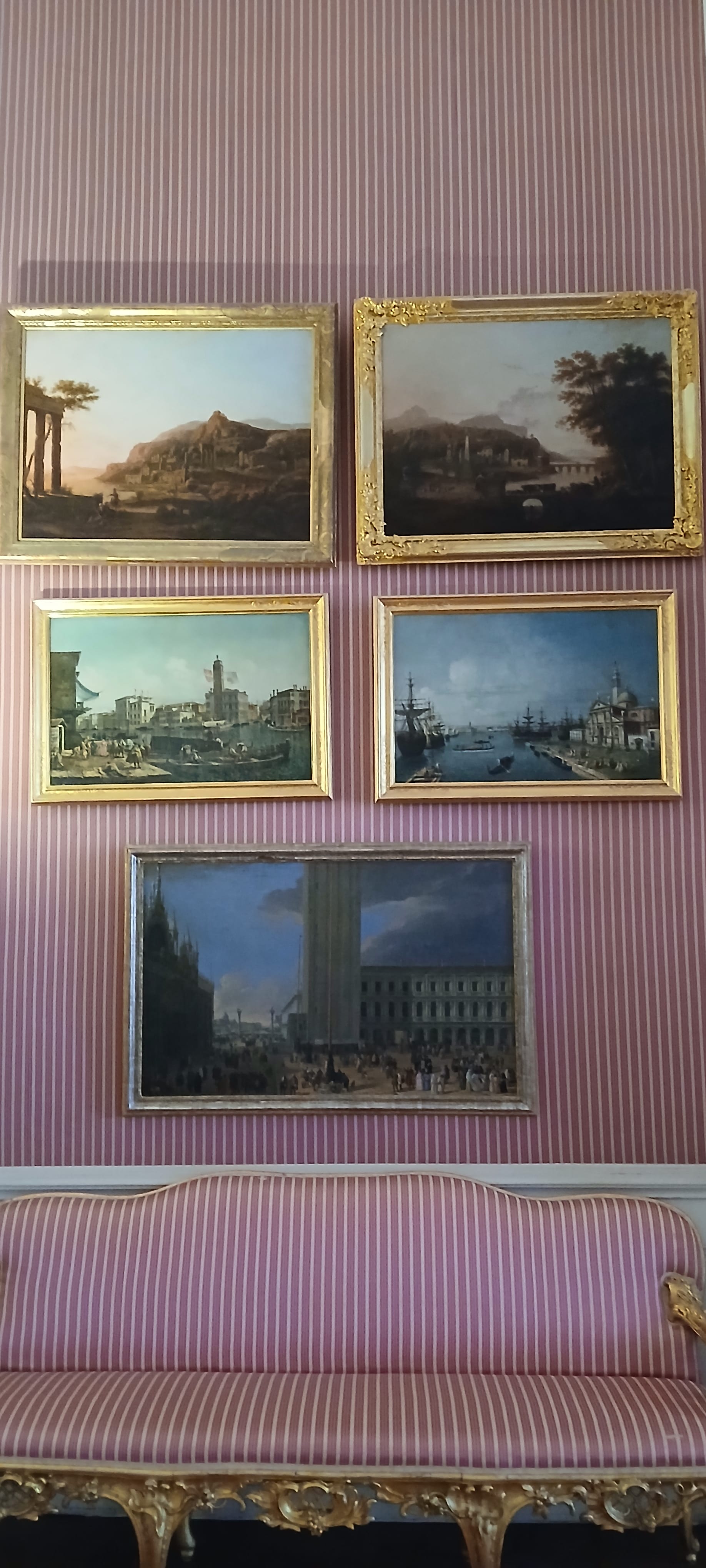
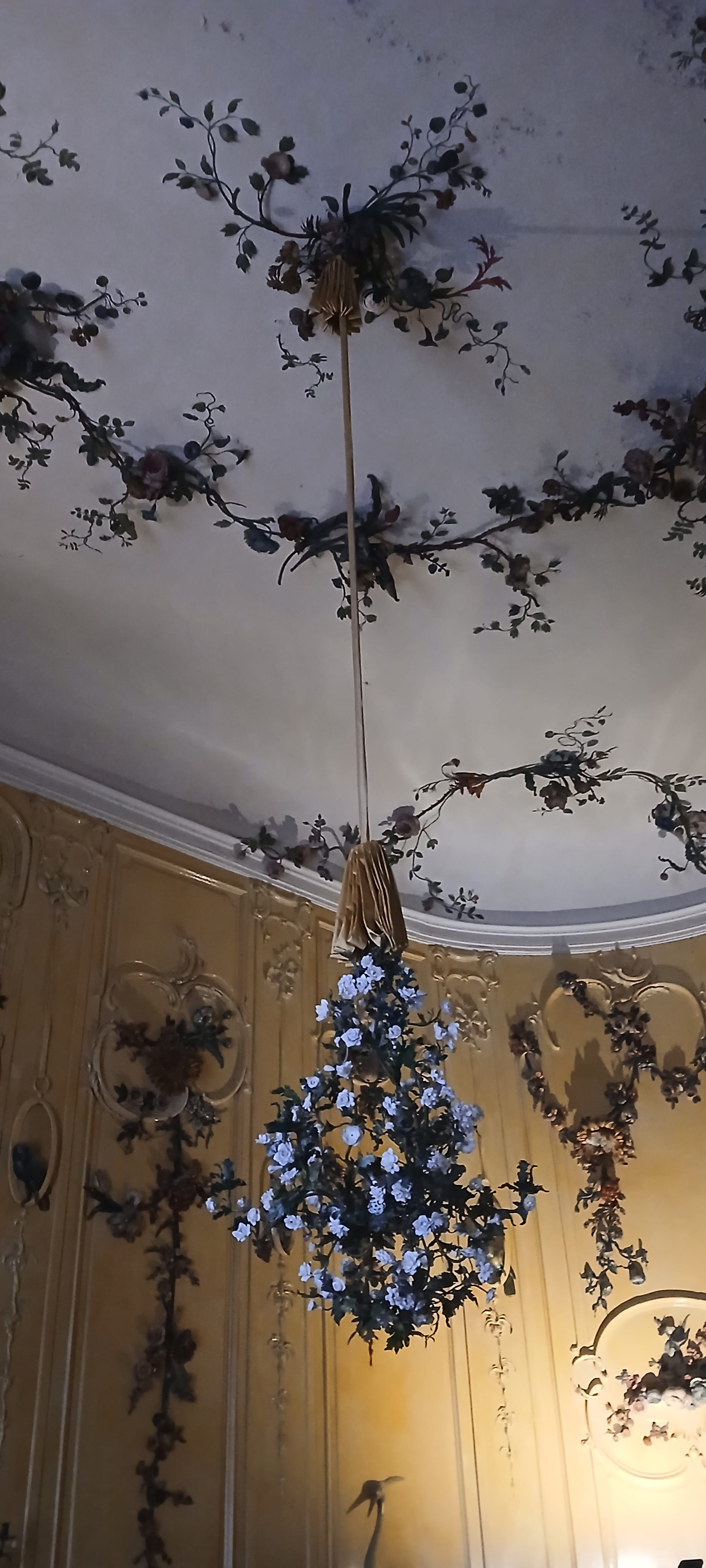
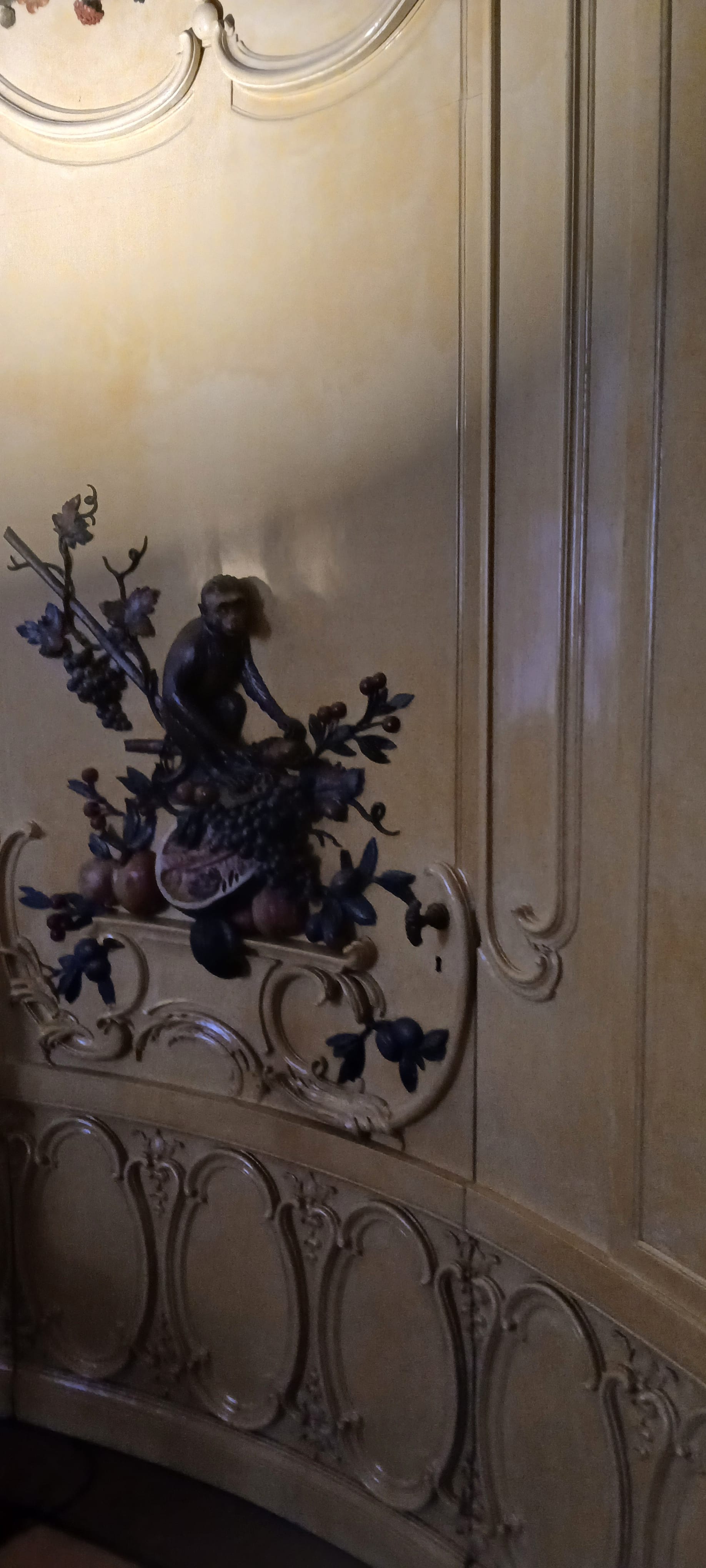
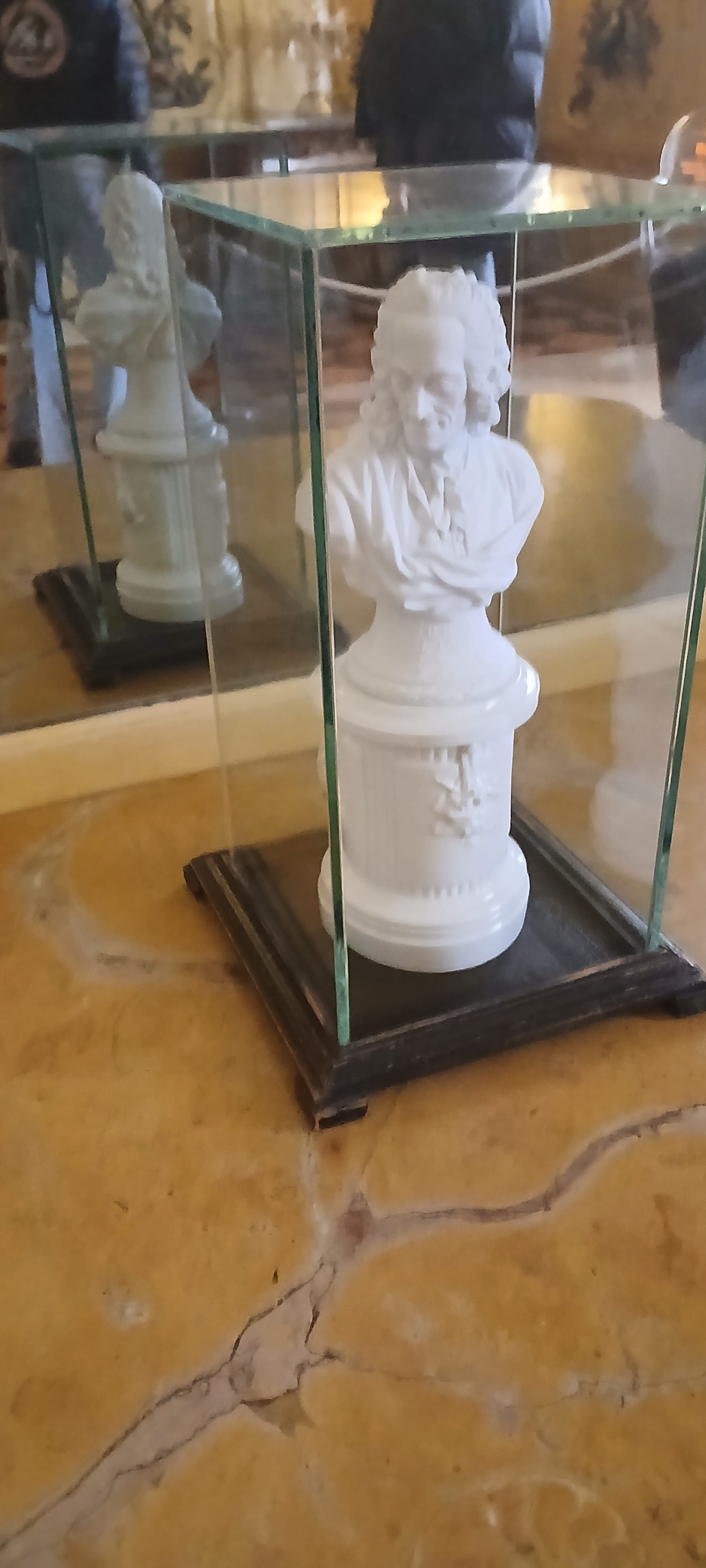
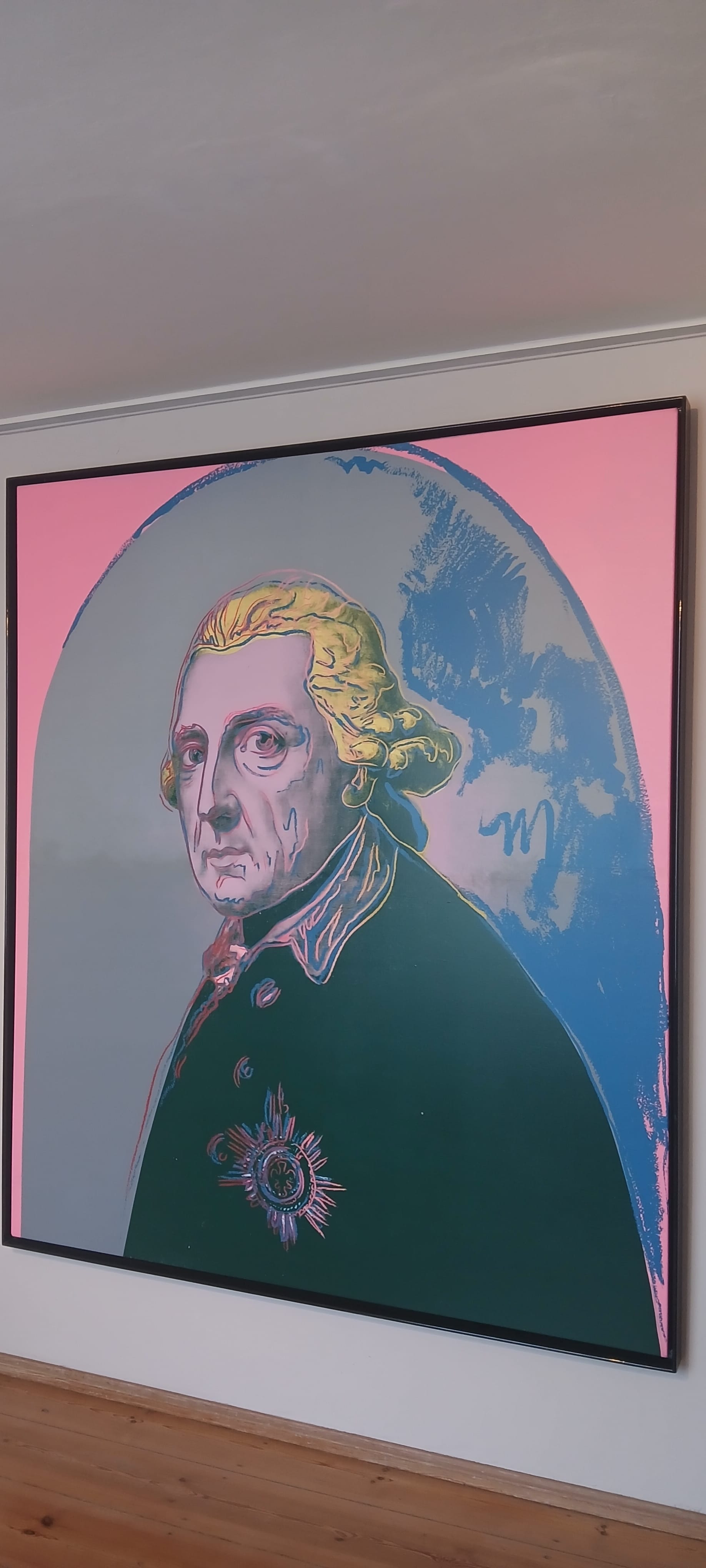
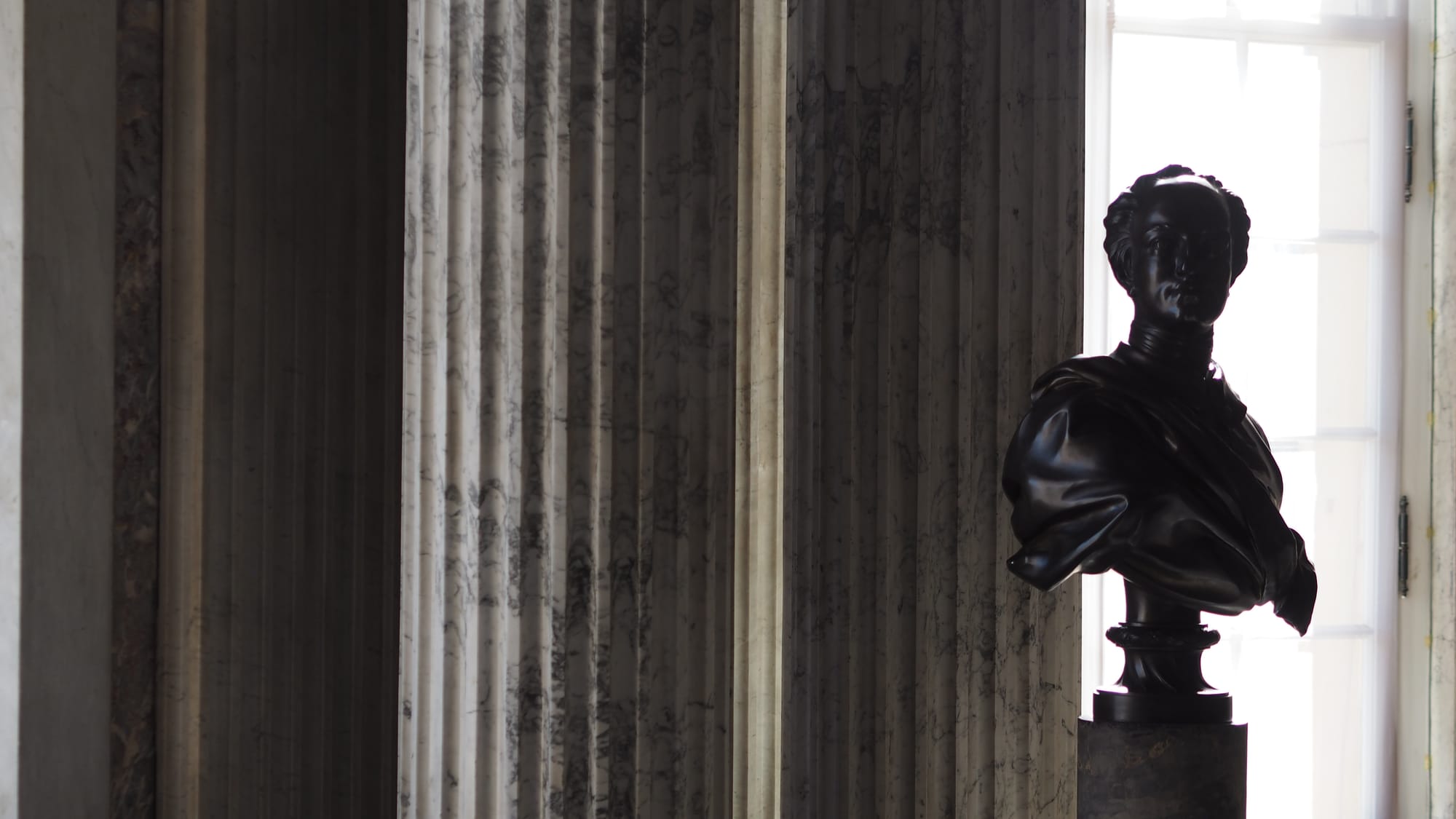
- Voltaire, the small white bust; the portrait by Warhol
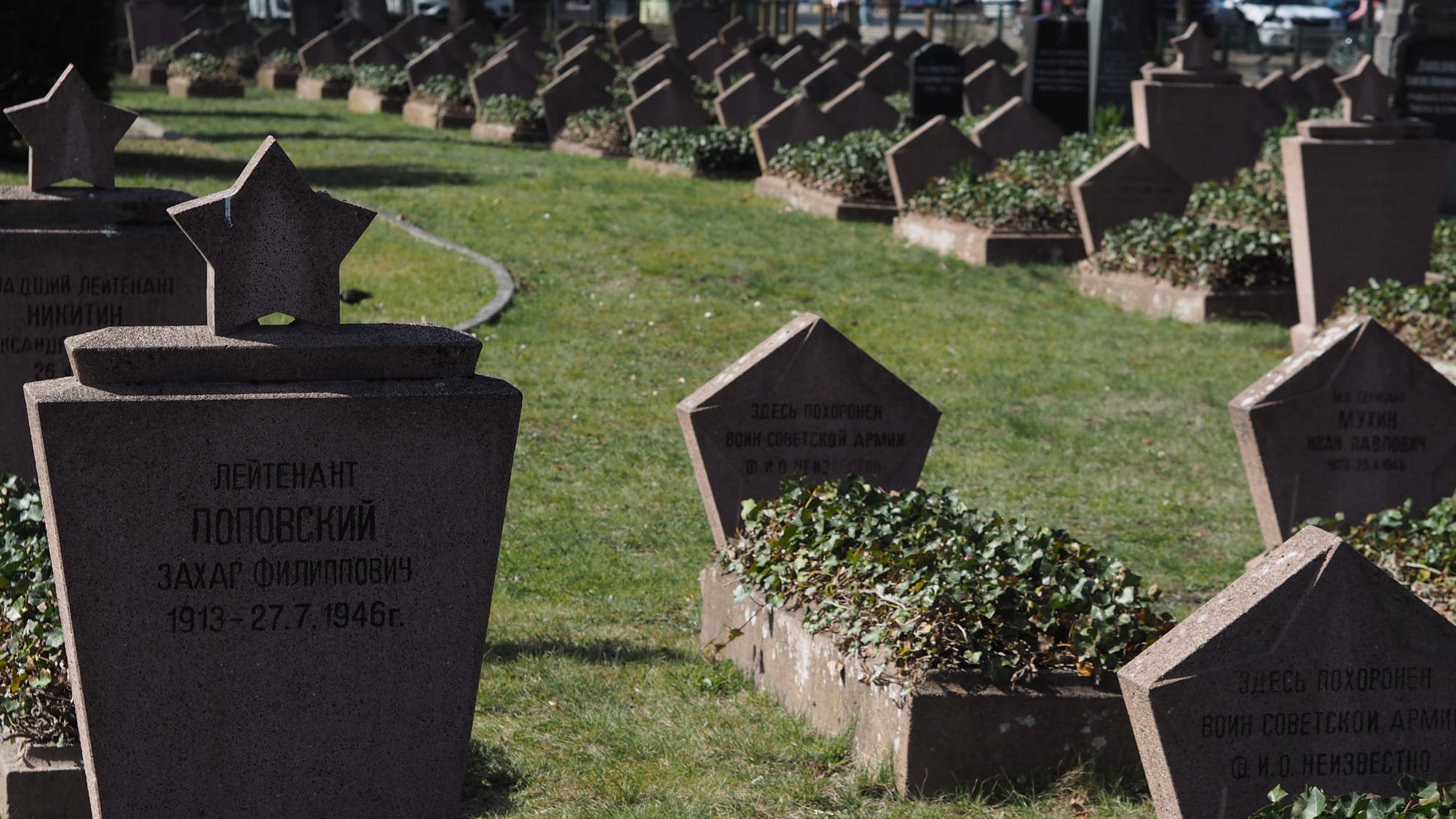
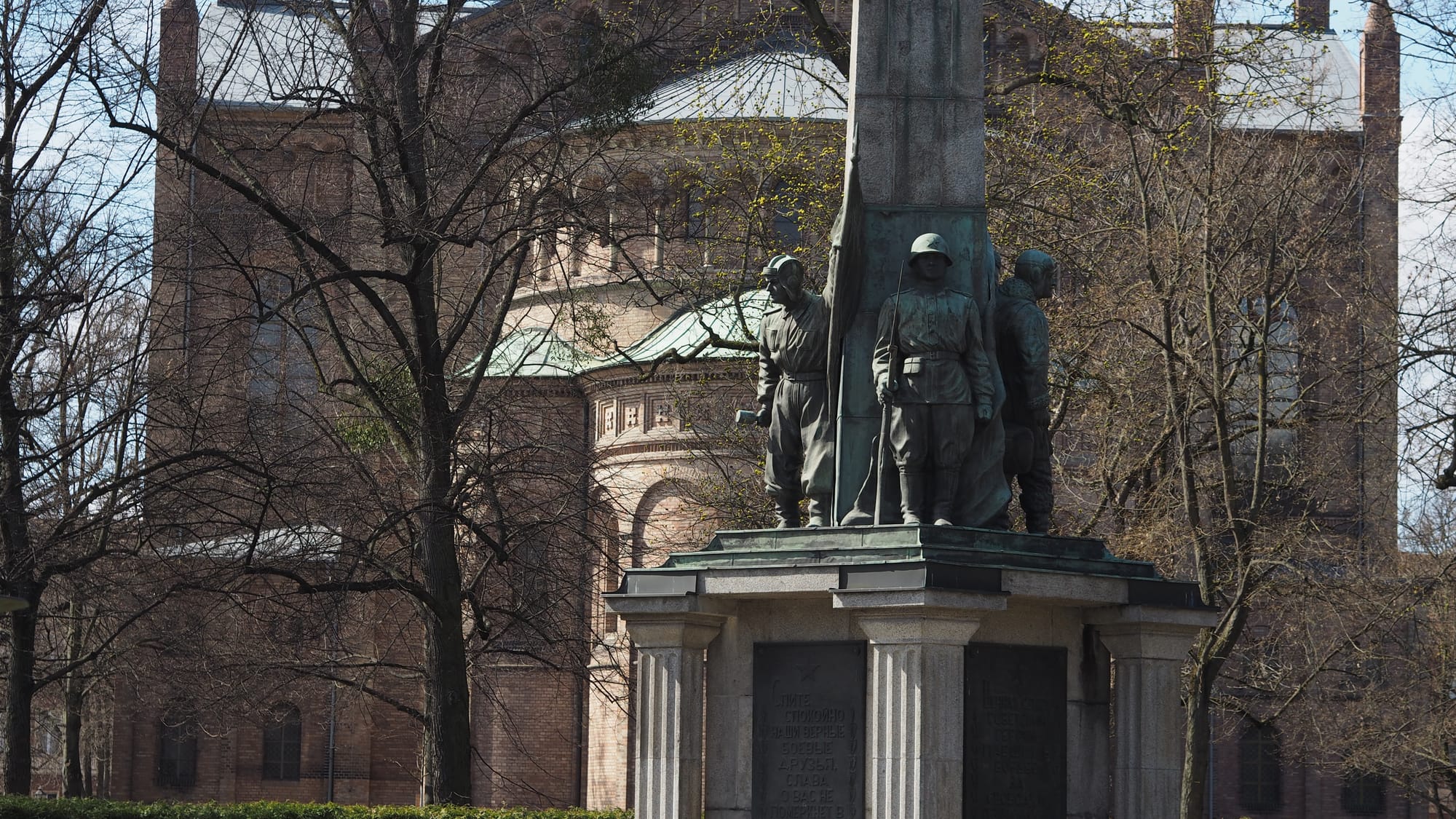
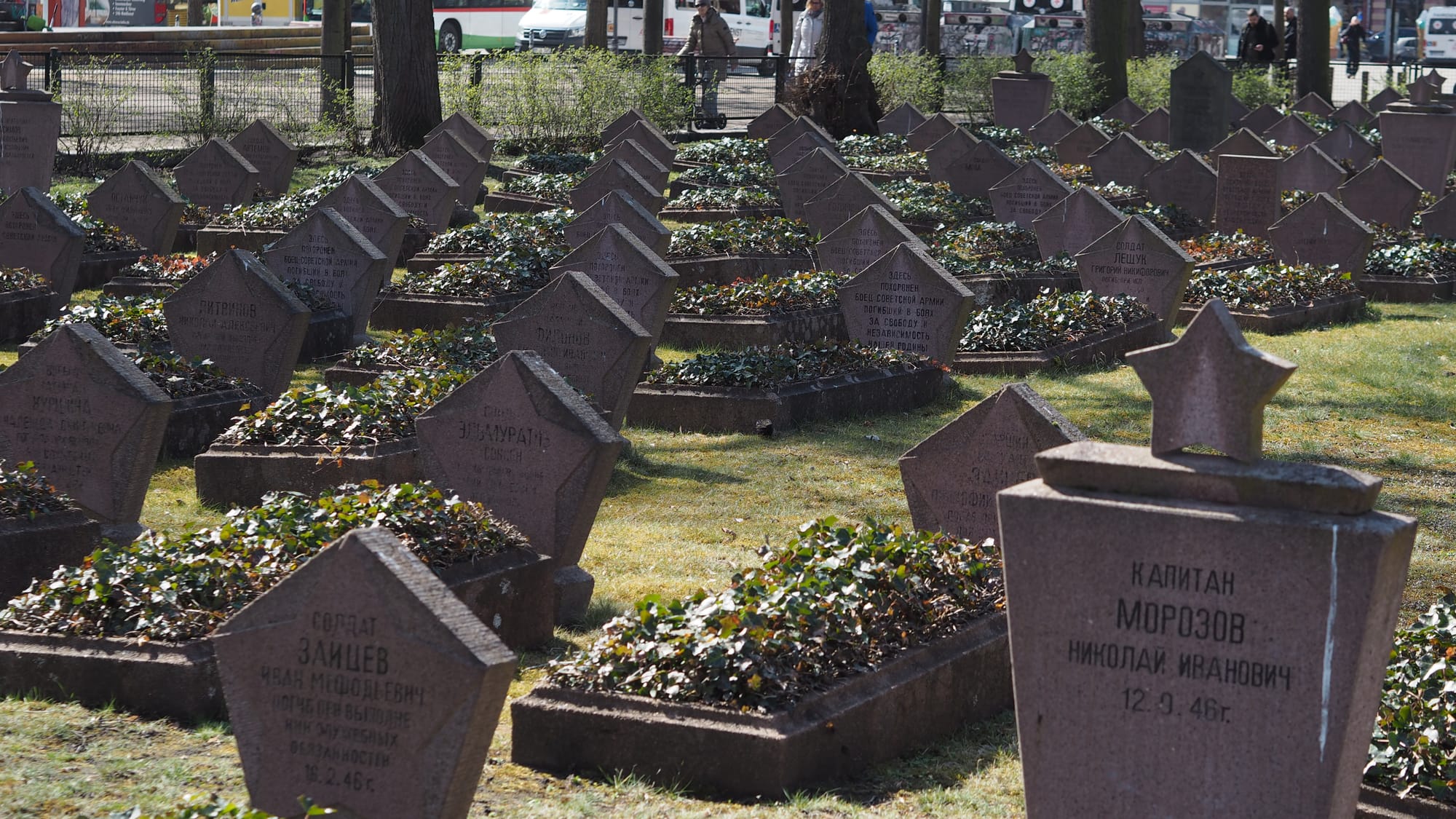
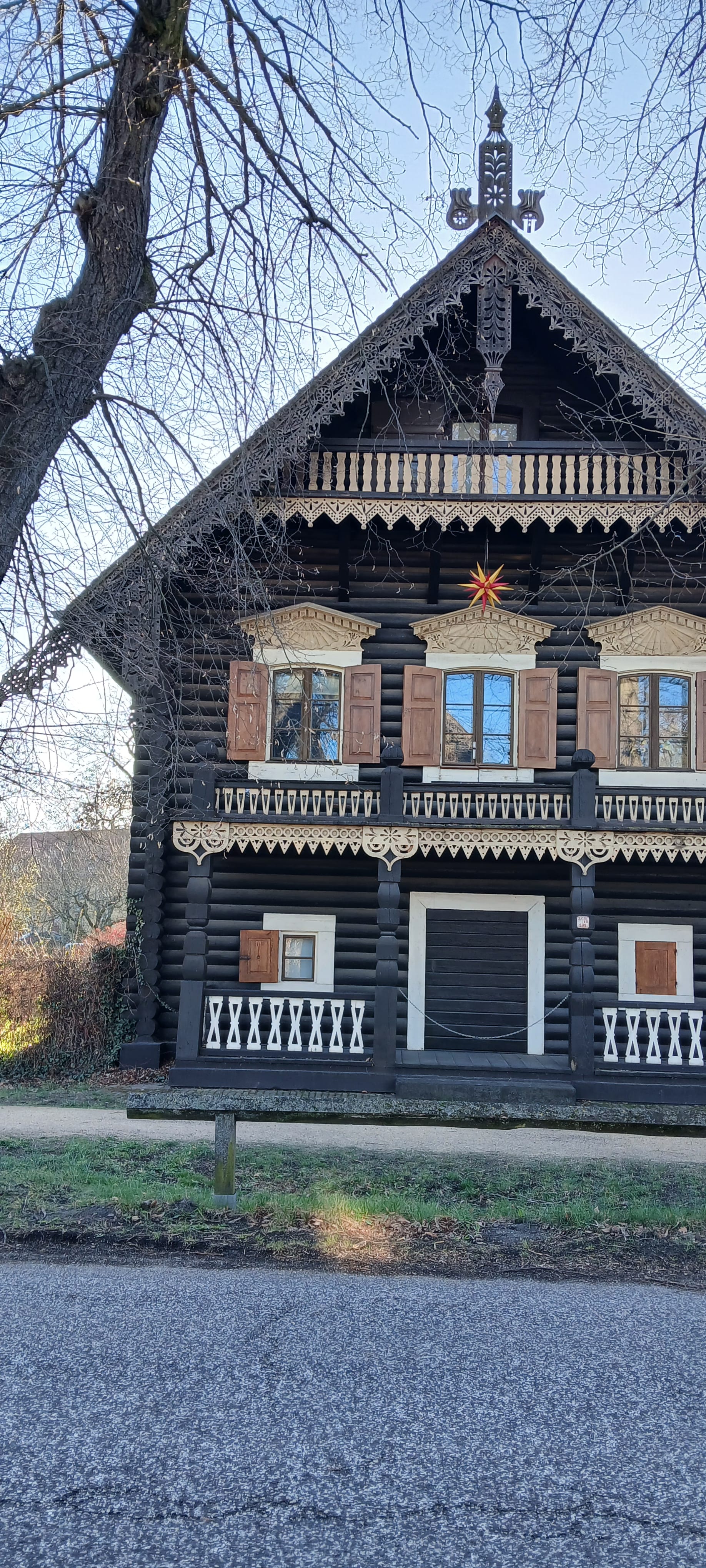
You see those Russian graves above? these are the houses that were built by their occupants, Russian prisoners of war. Members of a choir 62 strong, the last 12 were given houses, gardens and cattle, by Wilhelm III of Prussia and the quarter was called Alexandrowka.
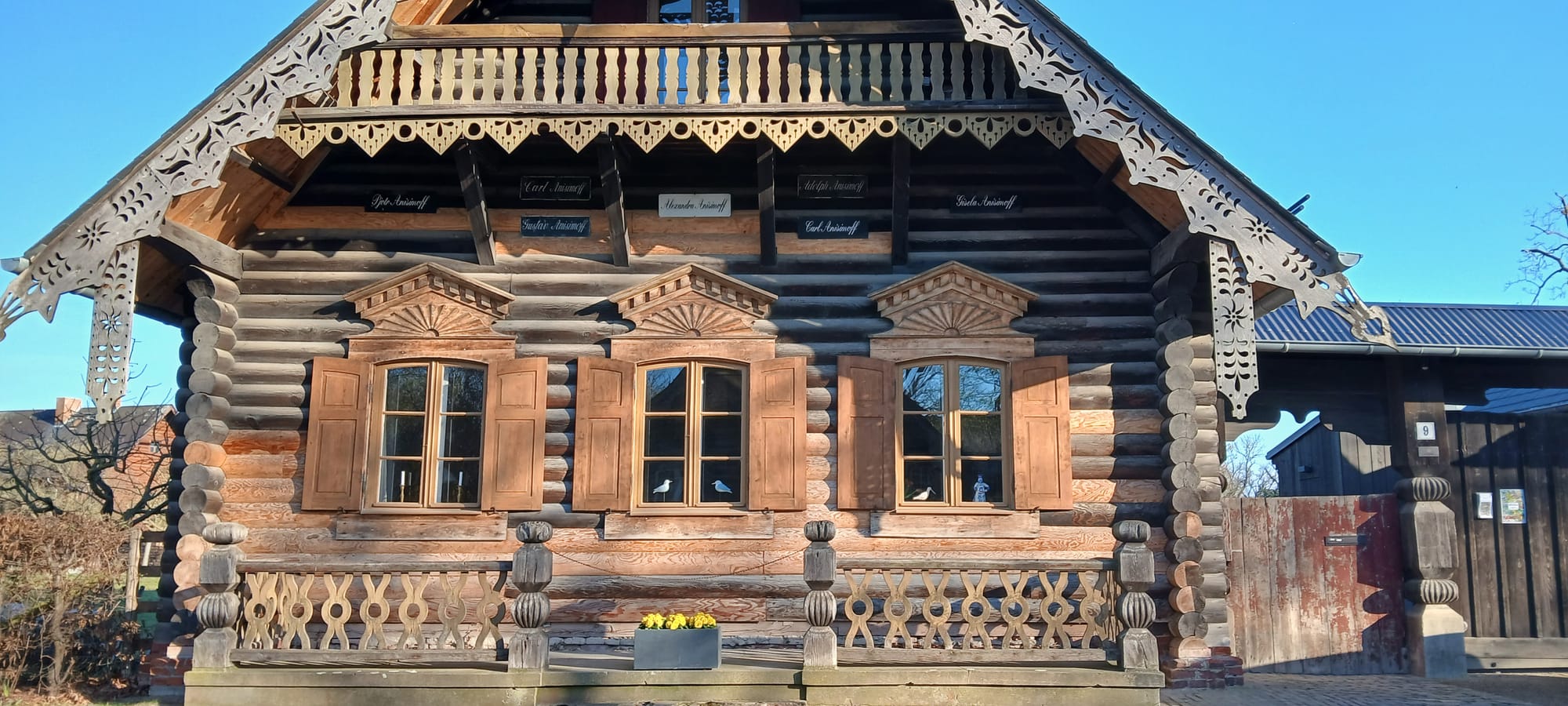
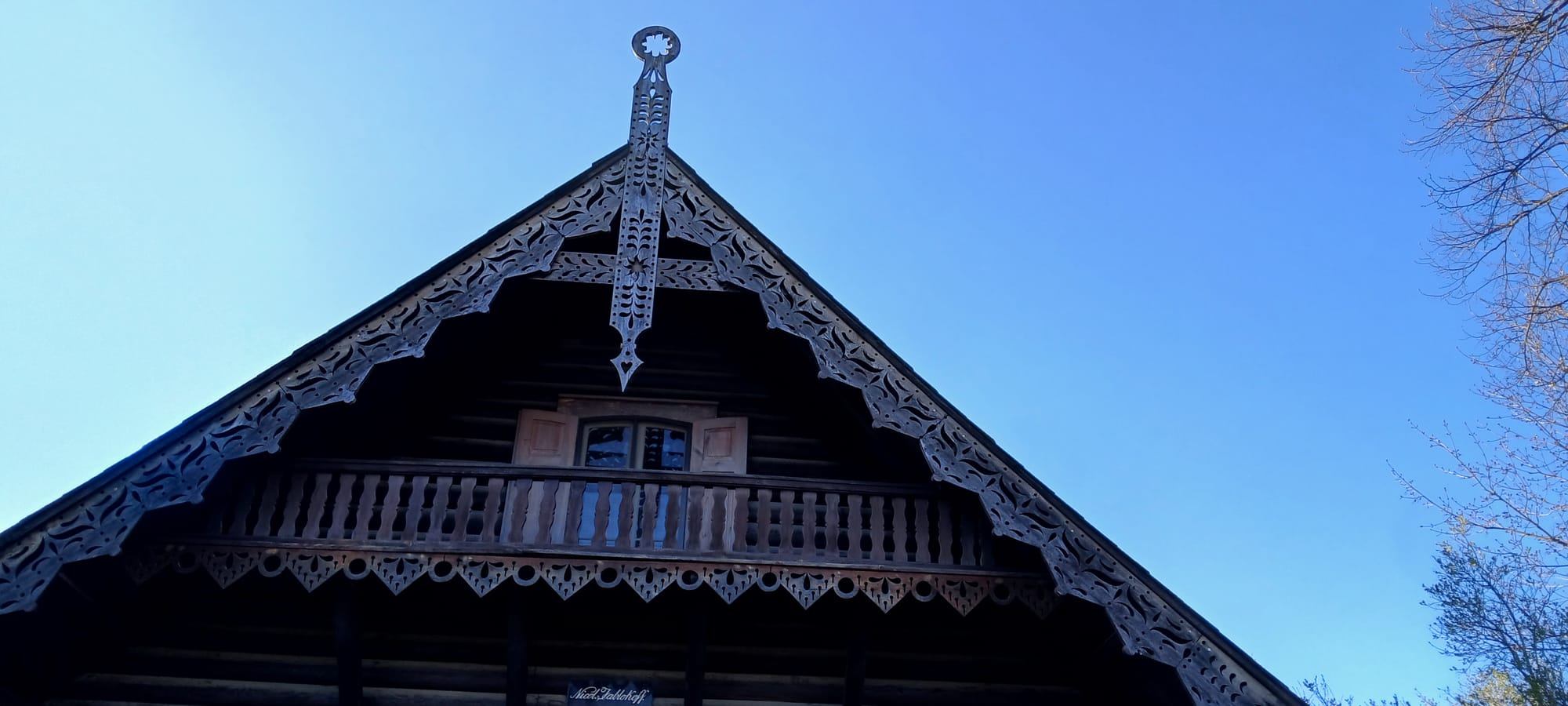

Gropius Bau
Martin, not Walter Gropius but his great uncle. Walter founded the Bauhaus. The Bau has always confused me for this reason, since its style is neo-renaissance. We used to walk around to it in the evenings as the Wall was right on its front doorstep. It was empty then, now it is a gallery, and until today I've never been inside.
In those days, we admired it from the outside, and would climb the viewing platform beside it to look the Eastern guard, on his own watch-tower over in No-Man's Land, in the eye. He would playfully train his gun on us. We would be reminded of the nights when we heard gunfire and on other evenings in Kreuzberg see the blue lights over the Asyl signs dotted around the place. If any made it that far, they would be safe. One night, we heard later, a bolt from a crossbow successfully shot from the East embedded one end of a wire into a building opposite and they made their escape by flying-fox. We imagined them being shot at, arriving, hurrying to the nearest asylum point. There were many tales of escape. Over Checkpoint Charlie in a specially built cavity camouflaged under a car: the guards had mirrors on long sticks like giant dentist's mirrors for inspecting rear molars. We saw them again. When (a different we then) President Erdoğan was visiting the Hilton in İstanbul every car undercarriage and van was checked in the same way. There was also the time we shared (back to the we of my parents) a train compartment with a lady who told us in gestures, we were surprised she had no passport but produced on request, as the train entered the corridor to change engines between East and West, and the mirrors came out and the sniffer dogs went along under the carriages, an official paper, who explained that once upon a time that had been her, hidden under there, who the dogs had failed to sniff out and mirrors had missed.
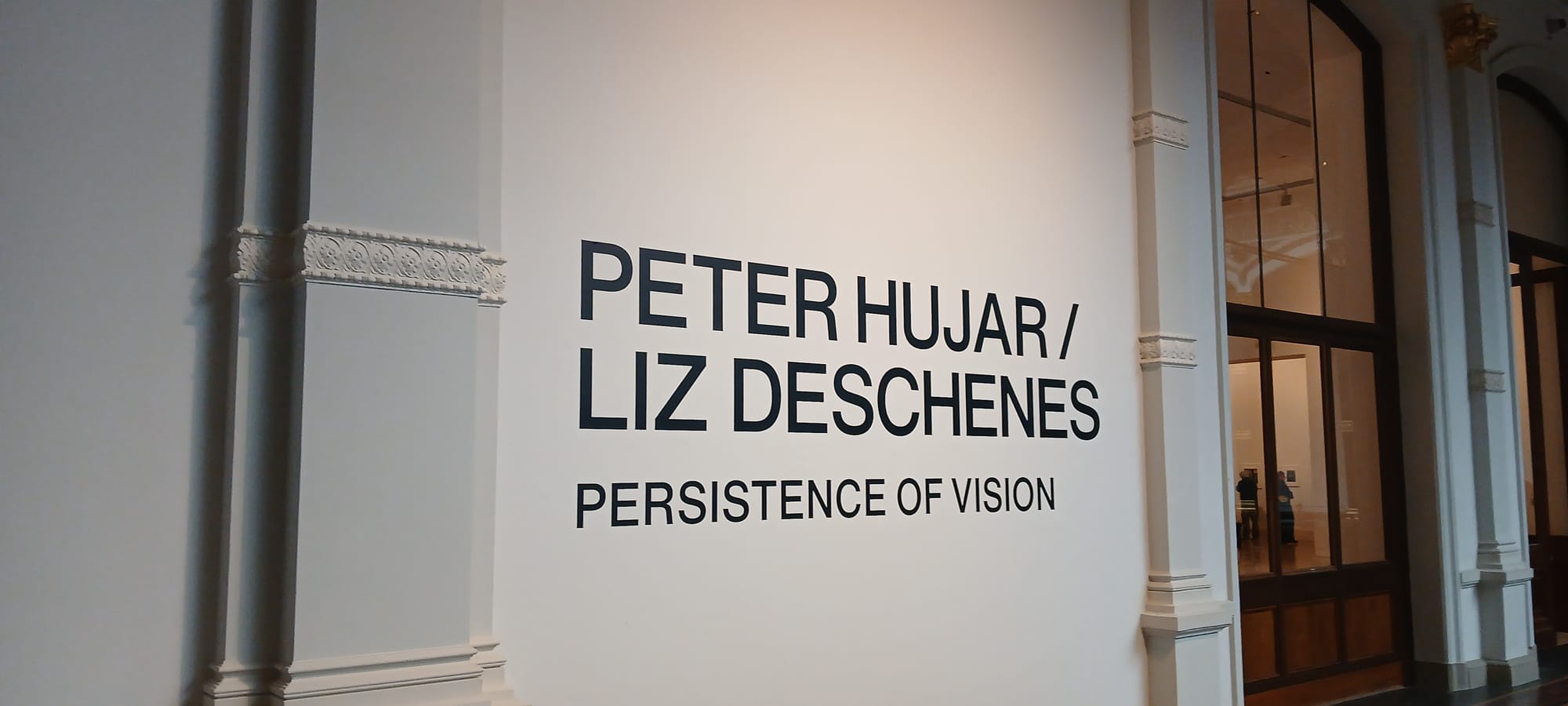
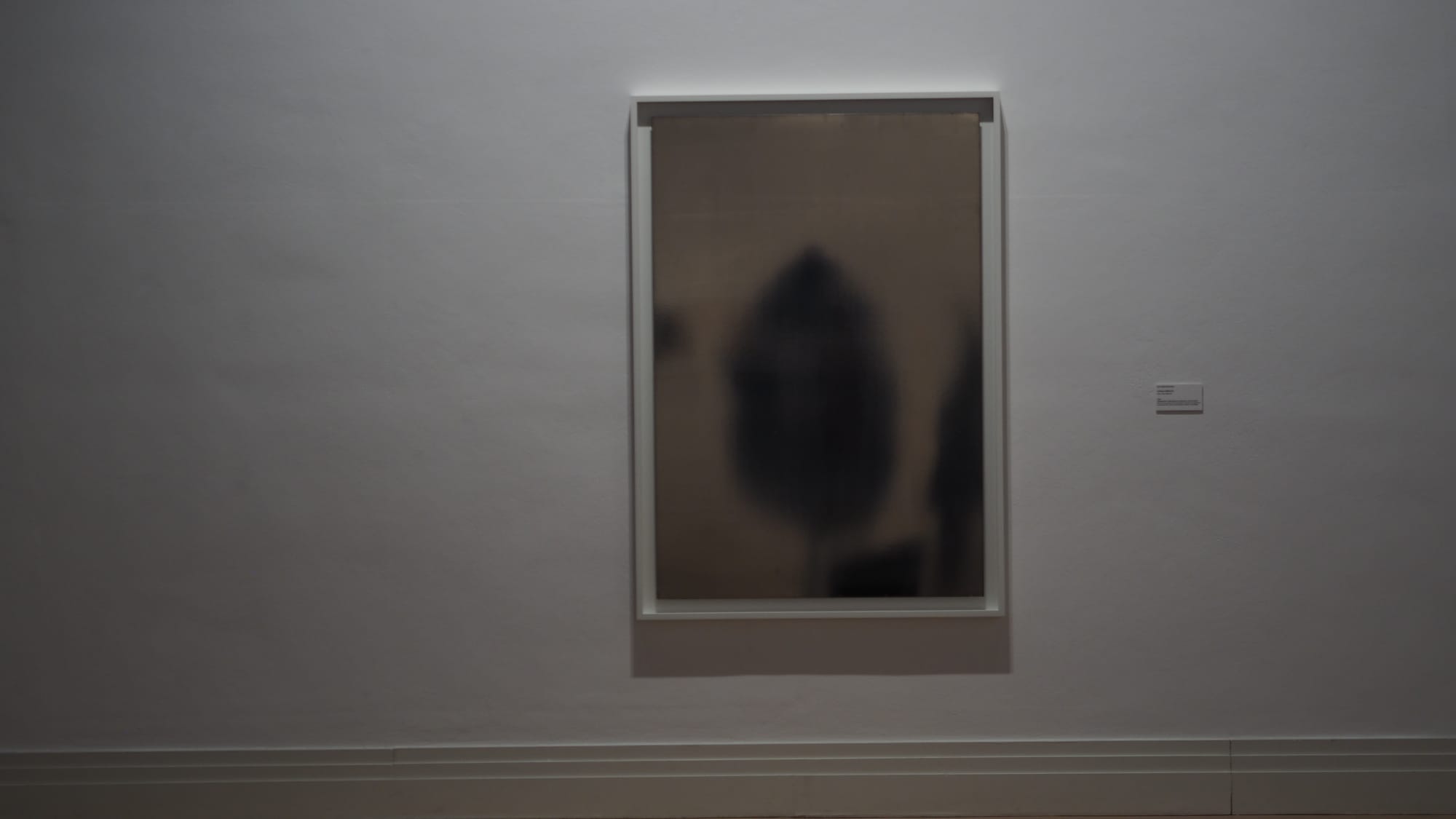
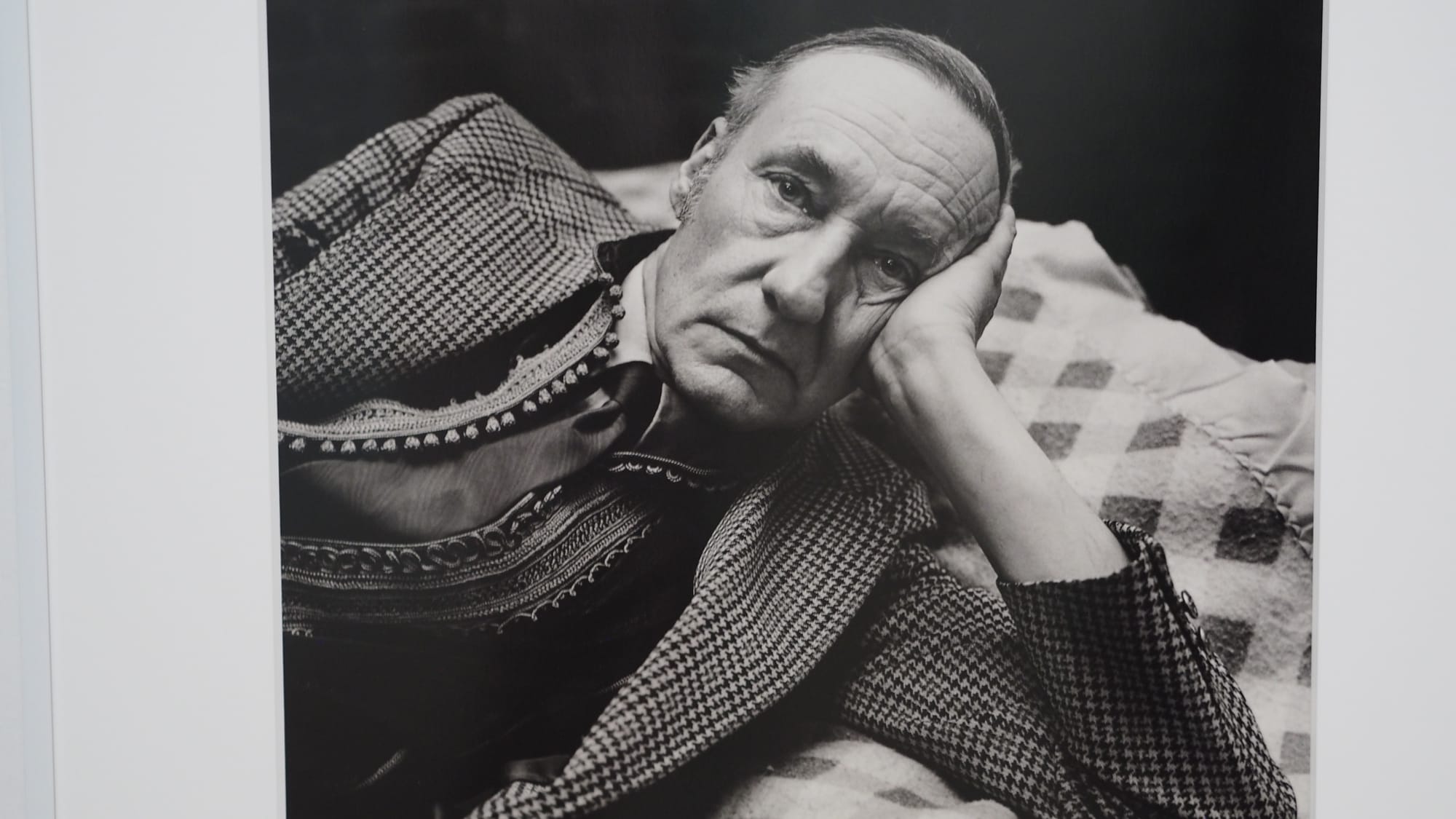
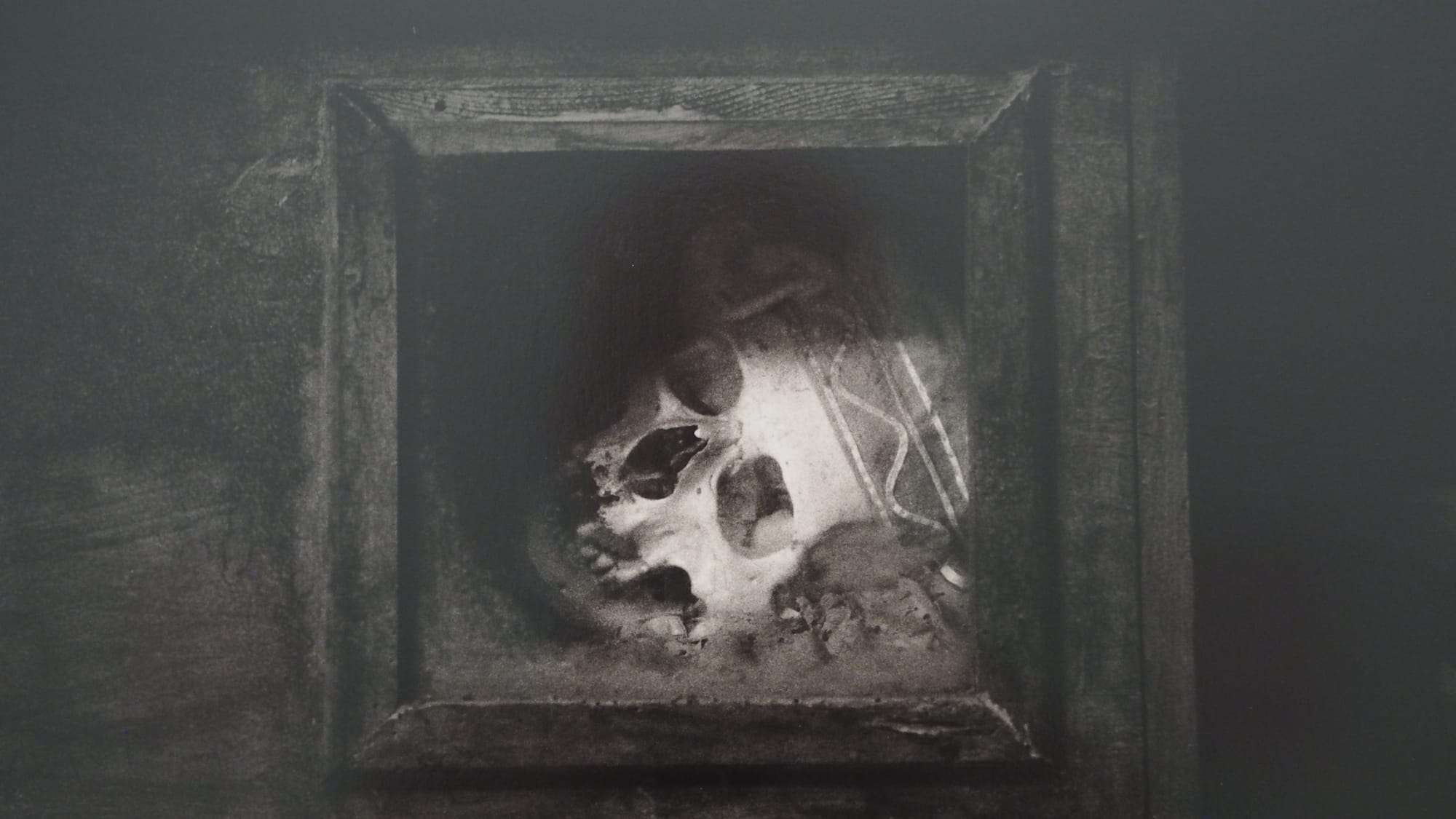
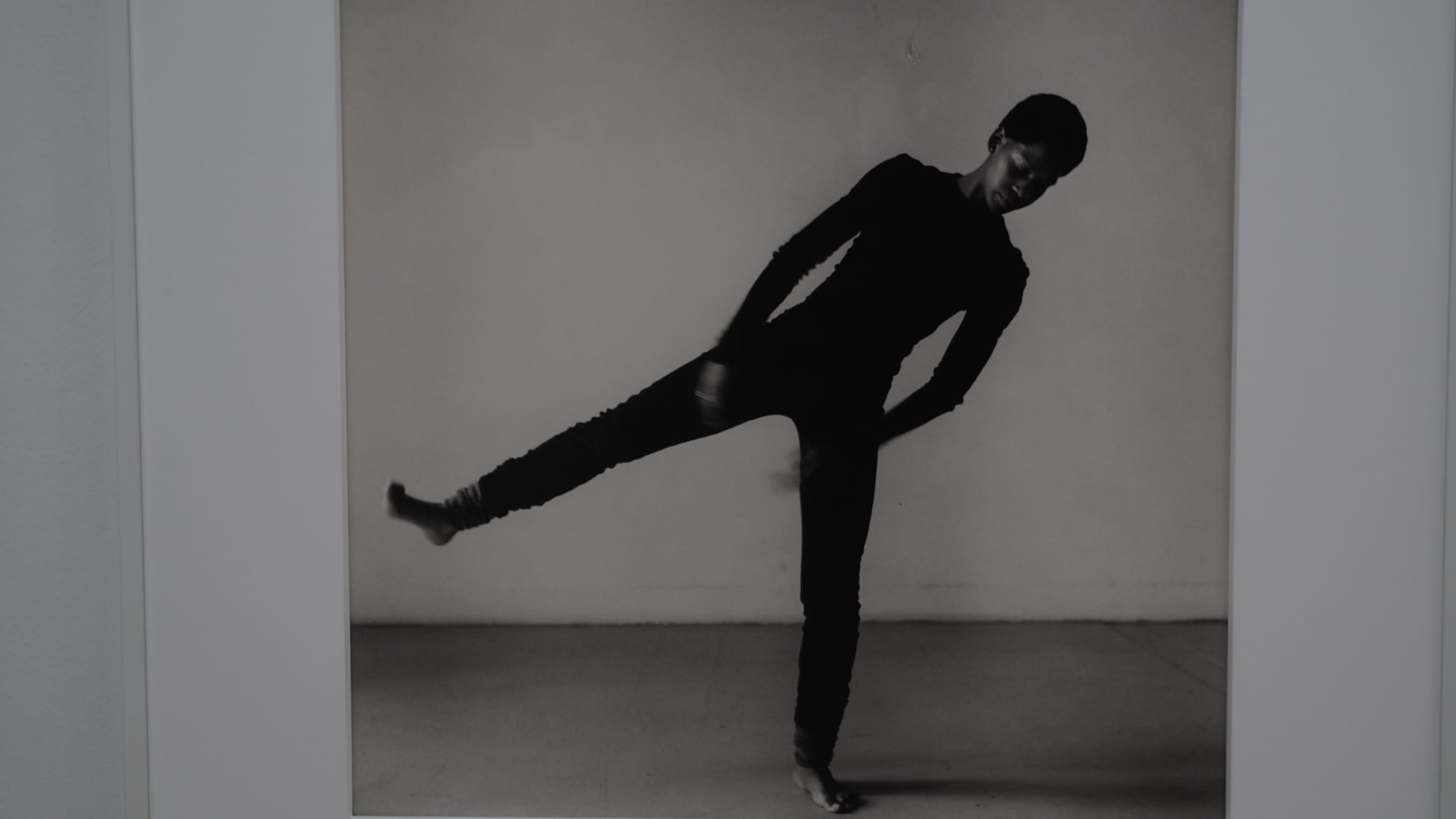
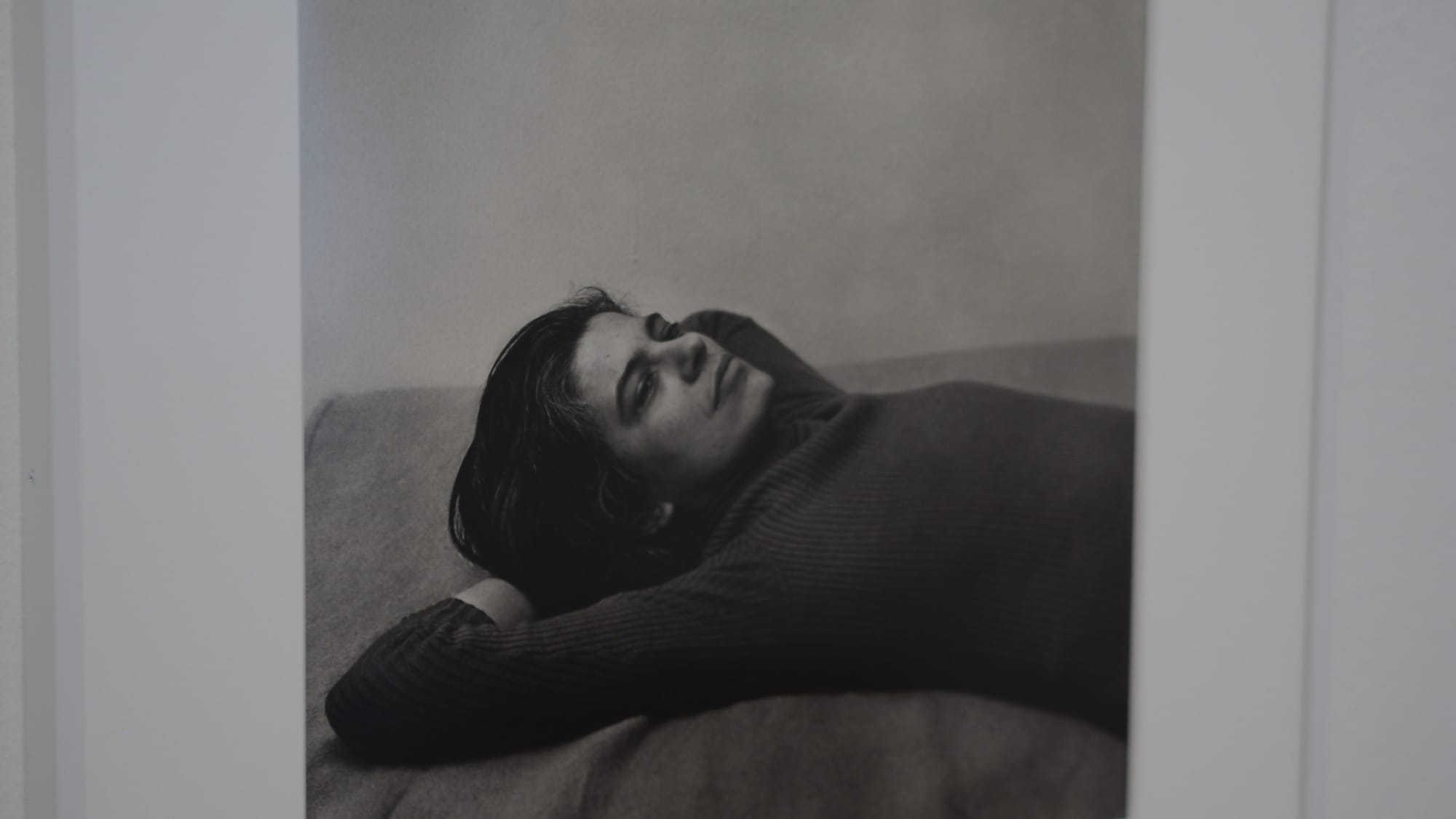
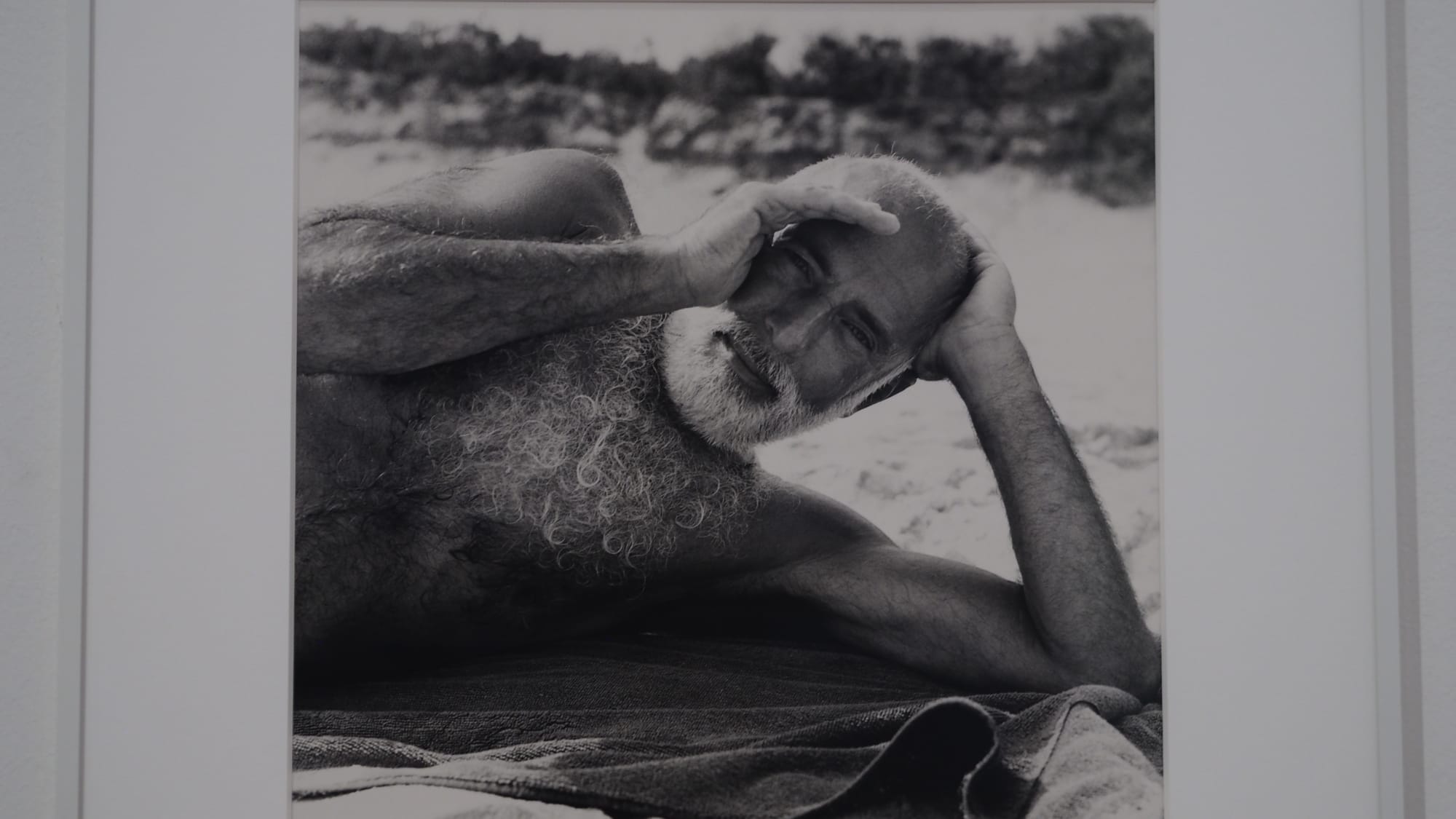
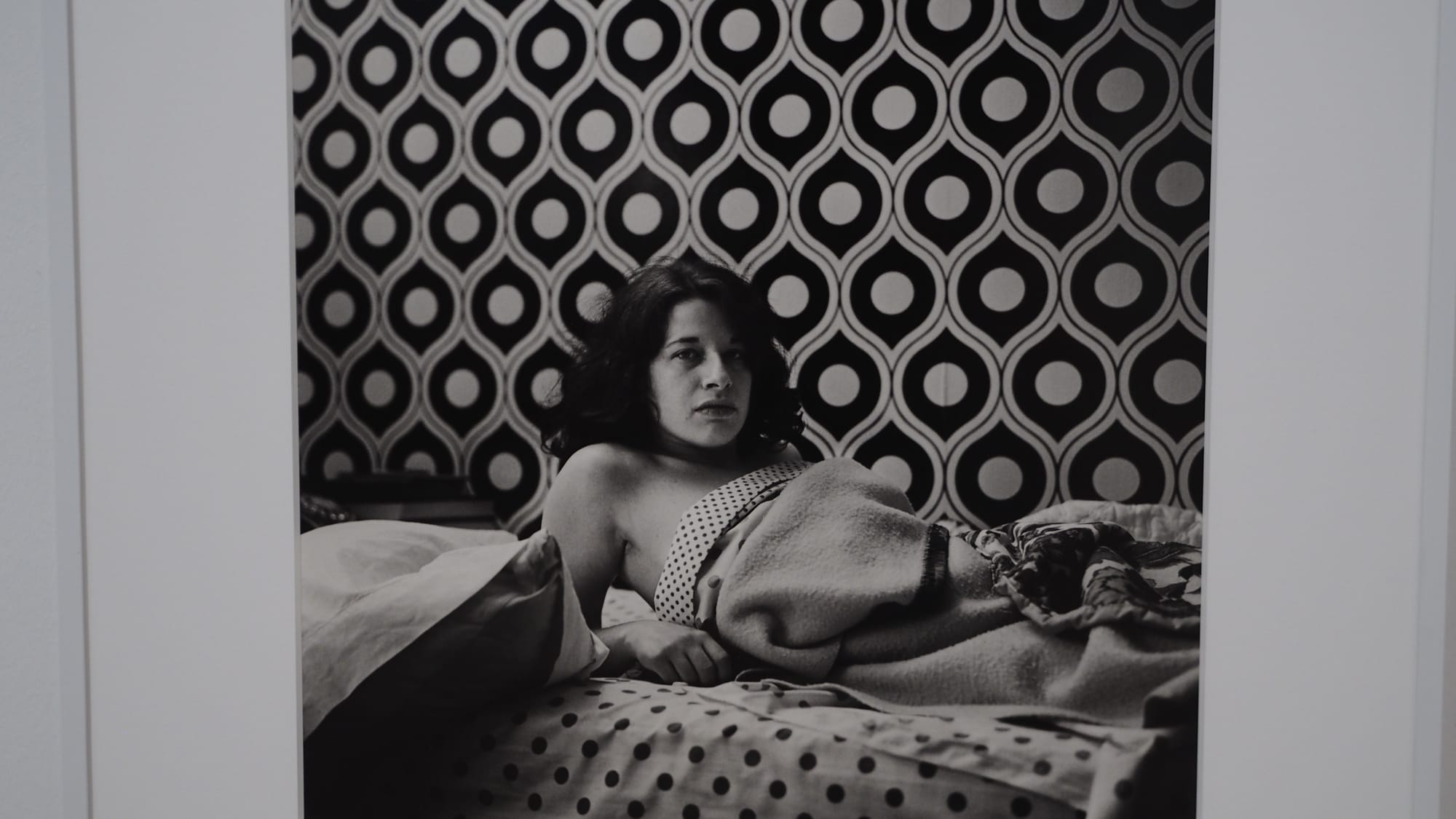
- Raymond Andrews (who worked with Robert Wilson); Susan Sontag; Jerome Robbins, whom Dad met when he stayed at the Algonquin and visited Fire Island with Robert Lord; Annie Leibovitz, up against wallpaper, like Oscar Wilde
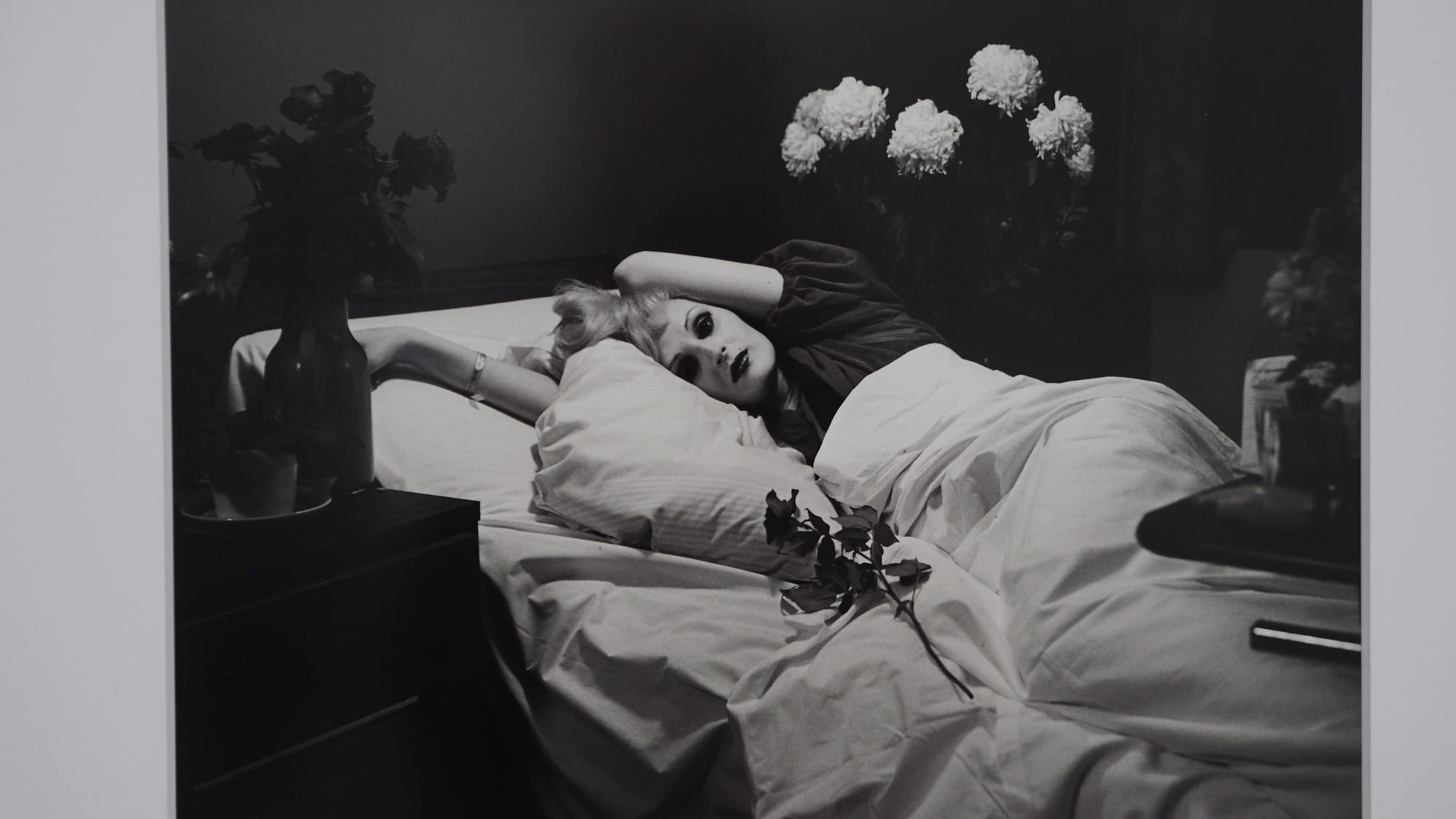
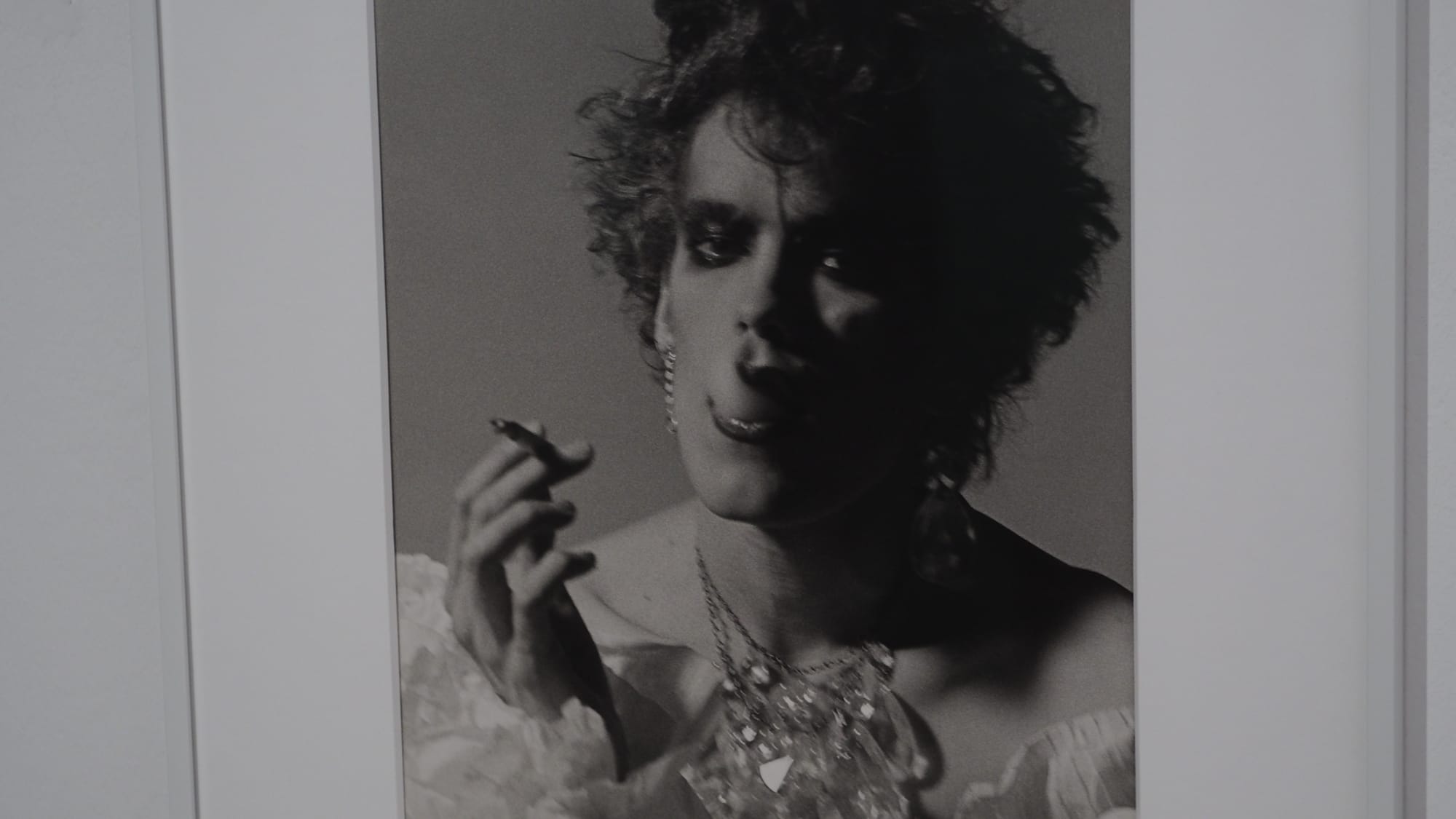
- Candy Darling; Peter Hujar, whose self-portraits in the exhibition were dancer-like, full of the life of the body and wonderfully human, sad and funny
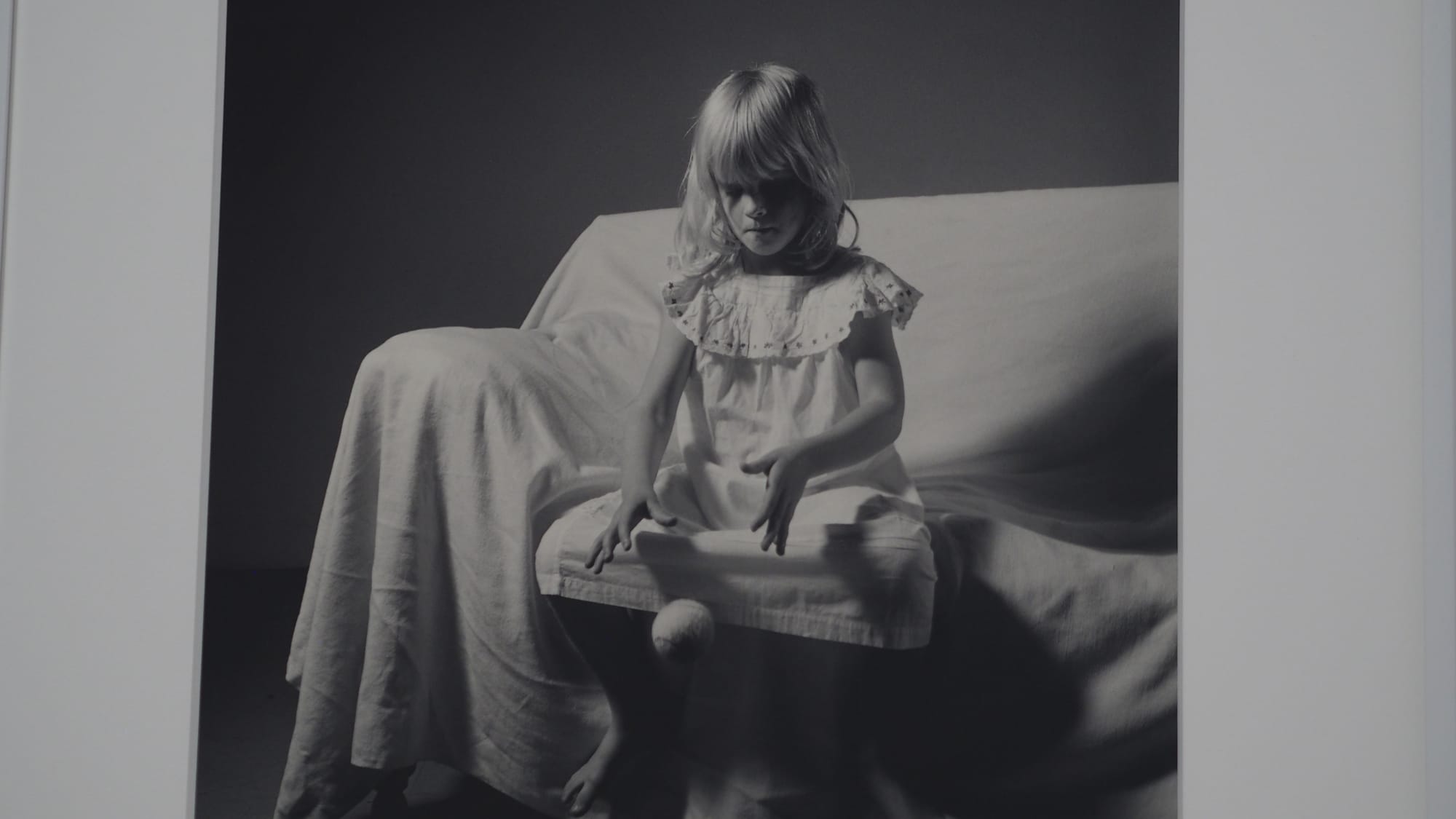
Throughout the exhibition, which was an unexpected artistic highlight, we wondered about the arbitrariness of the curatorial decision to show Liz Deschenes's empty work against these photos so full of a history, and of people, even if second- or third-hand, we remember, AIDS a part of our lives.
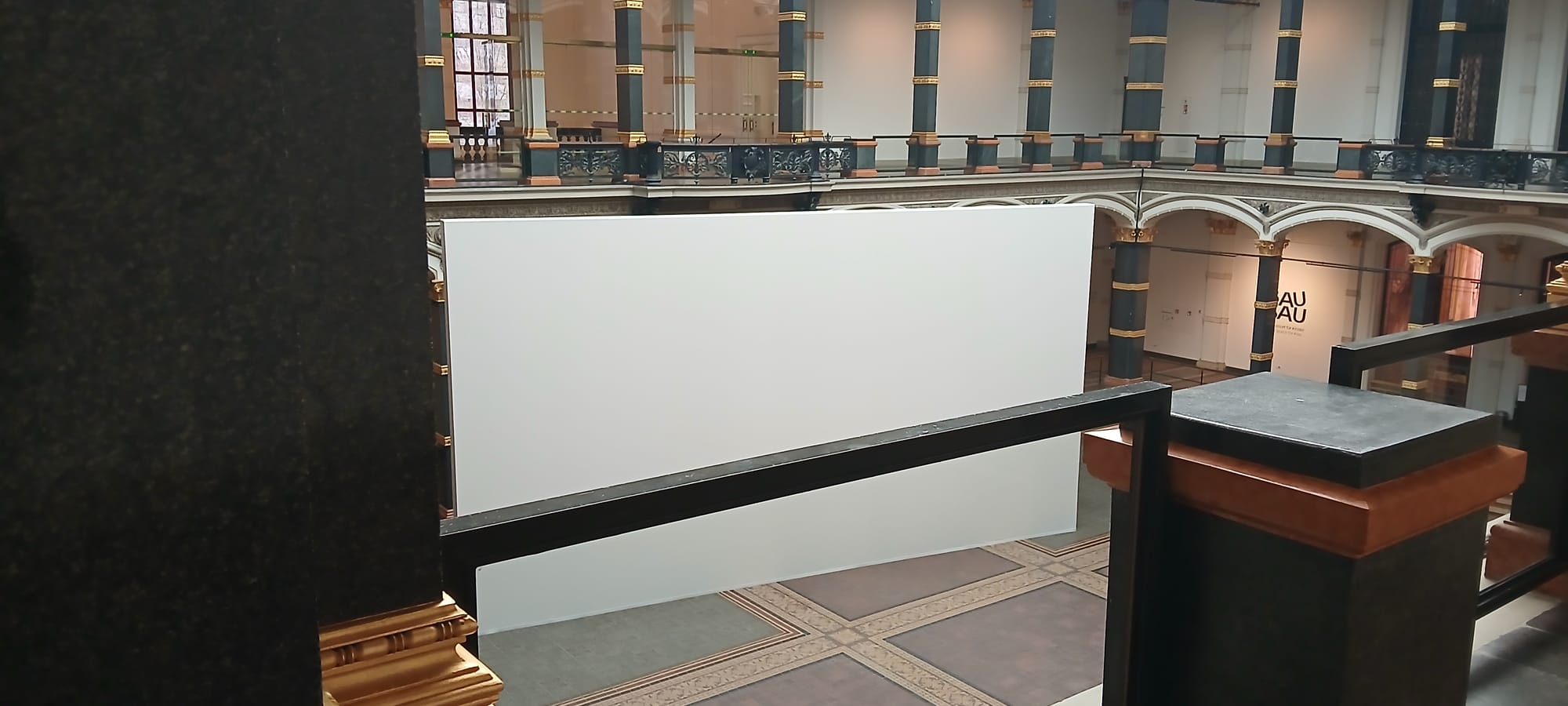
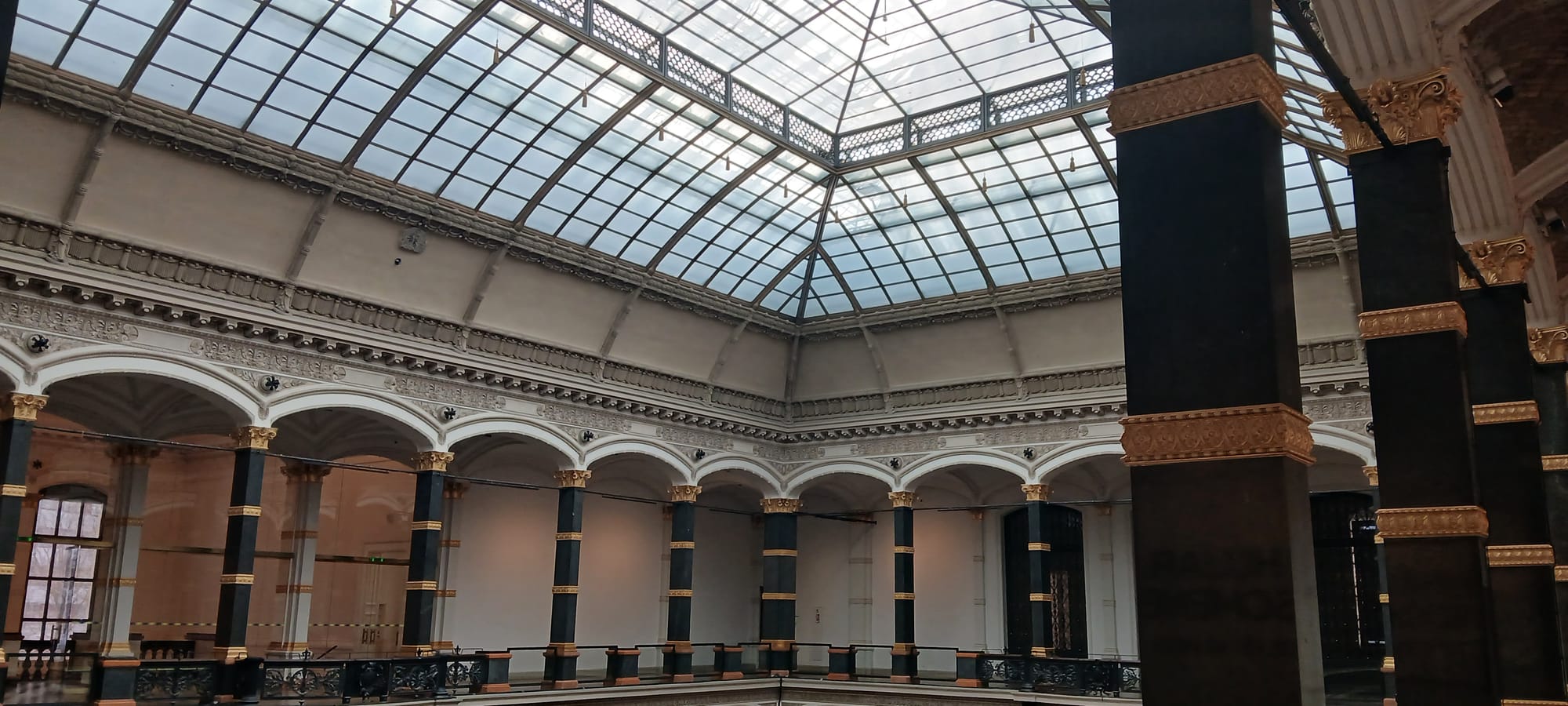
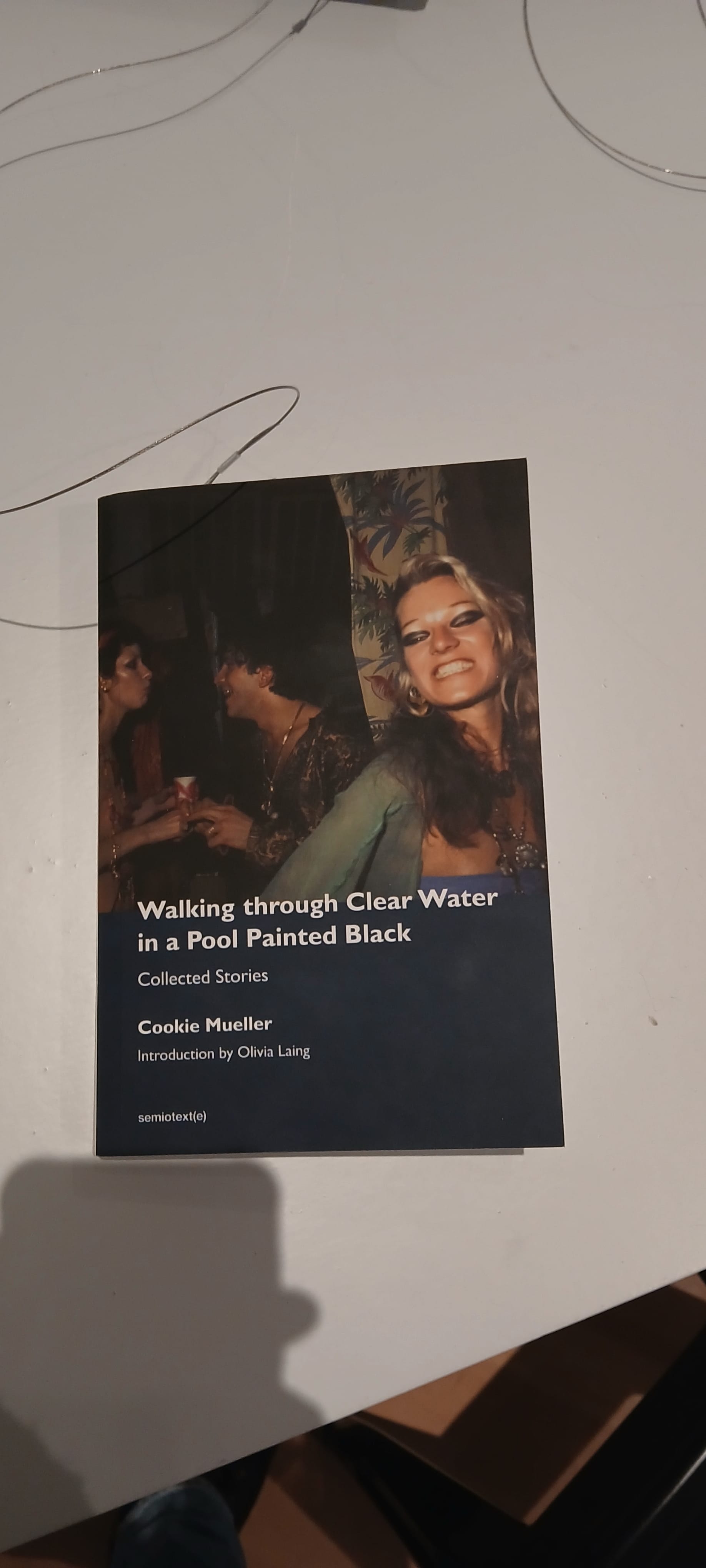
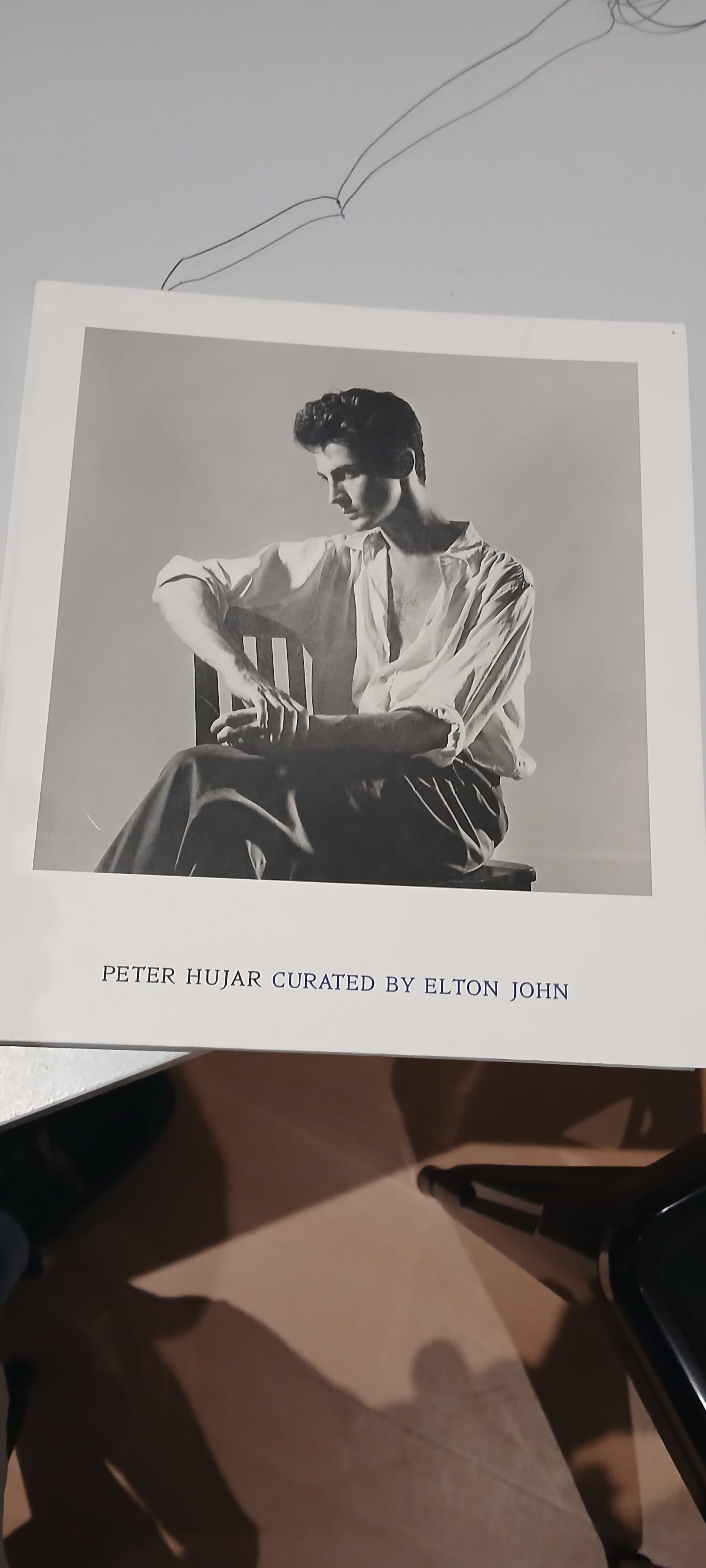
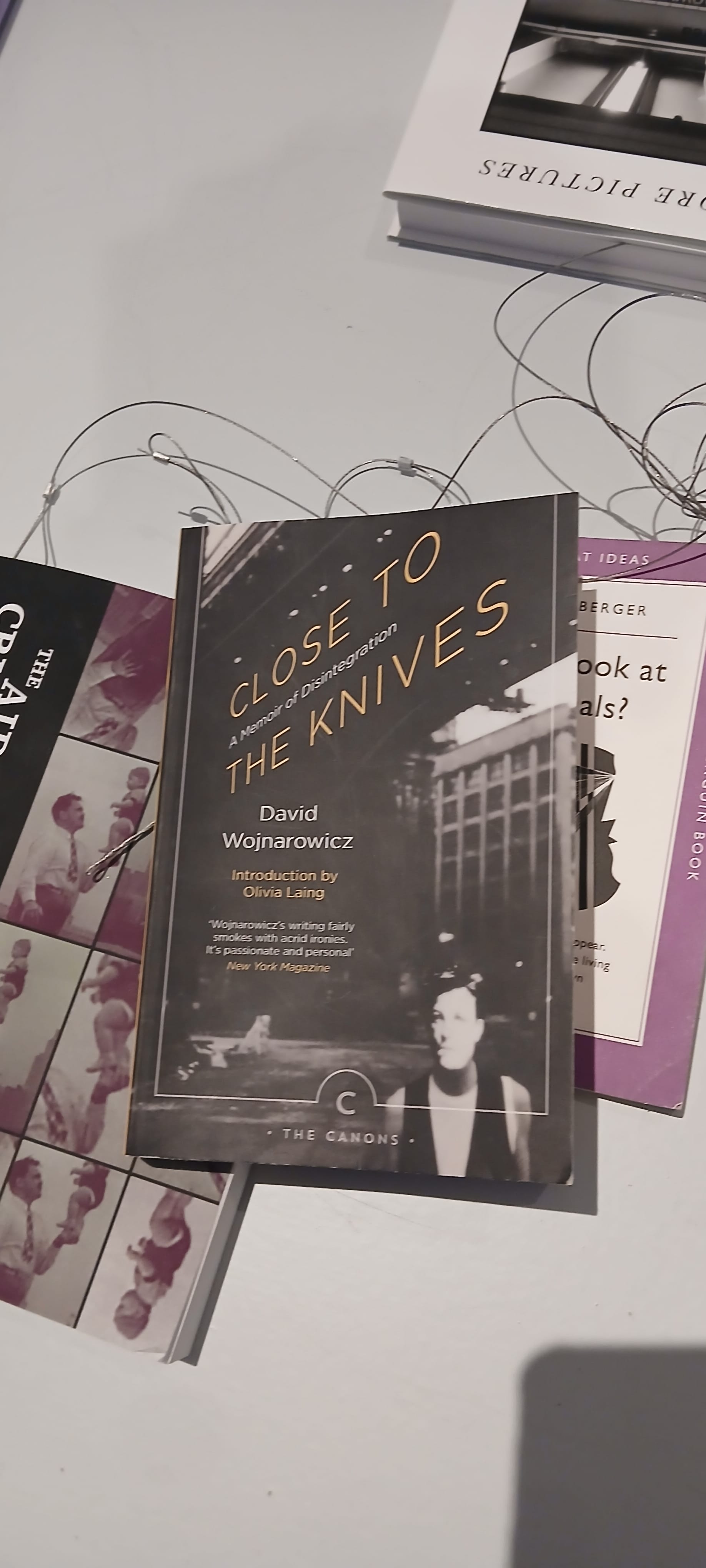
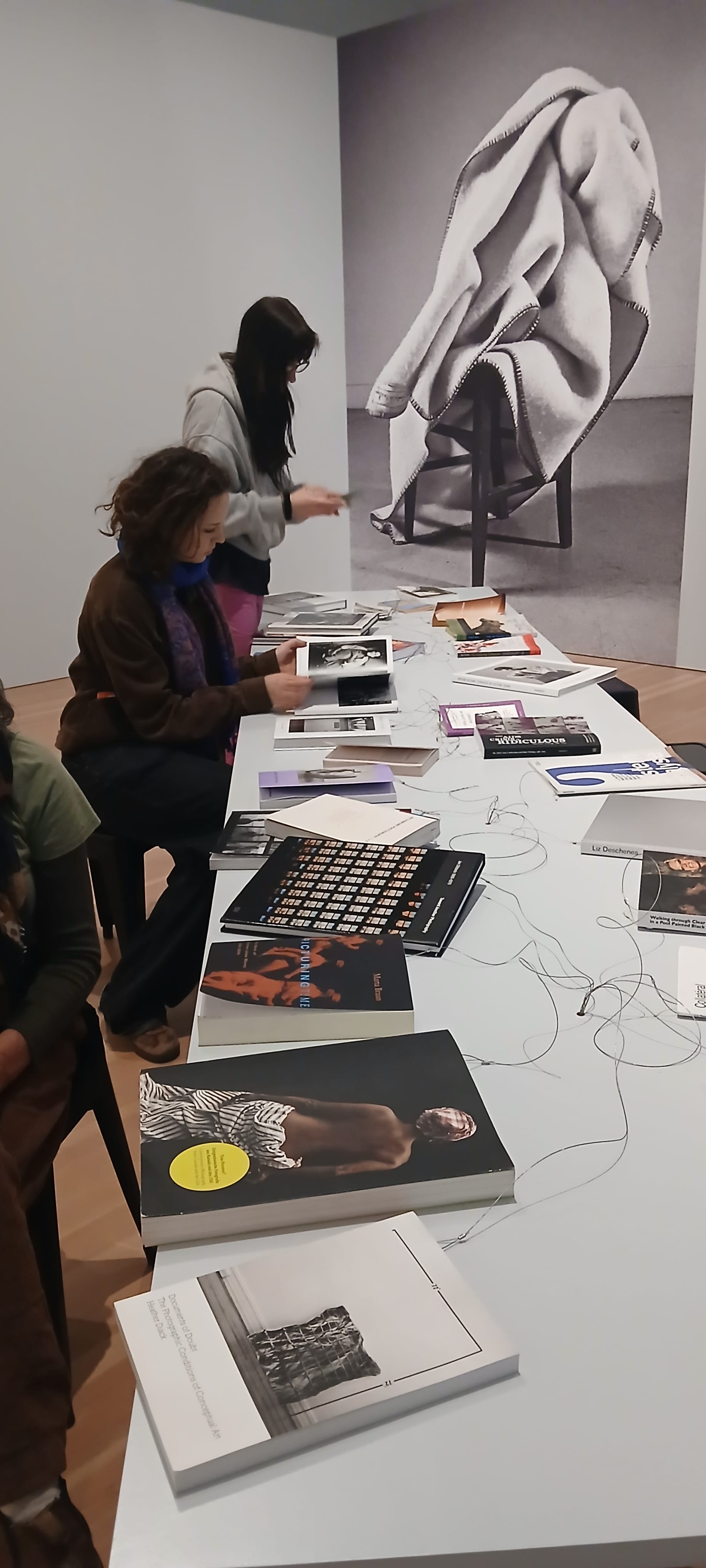
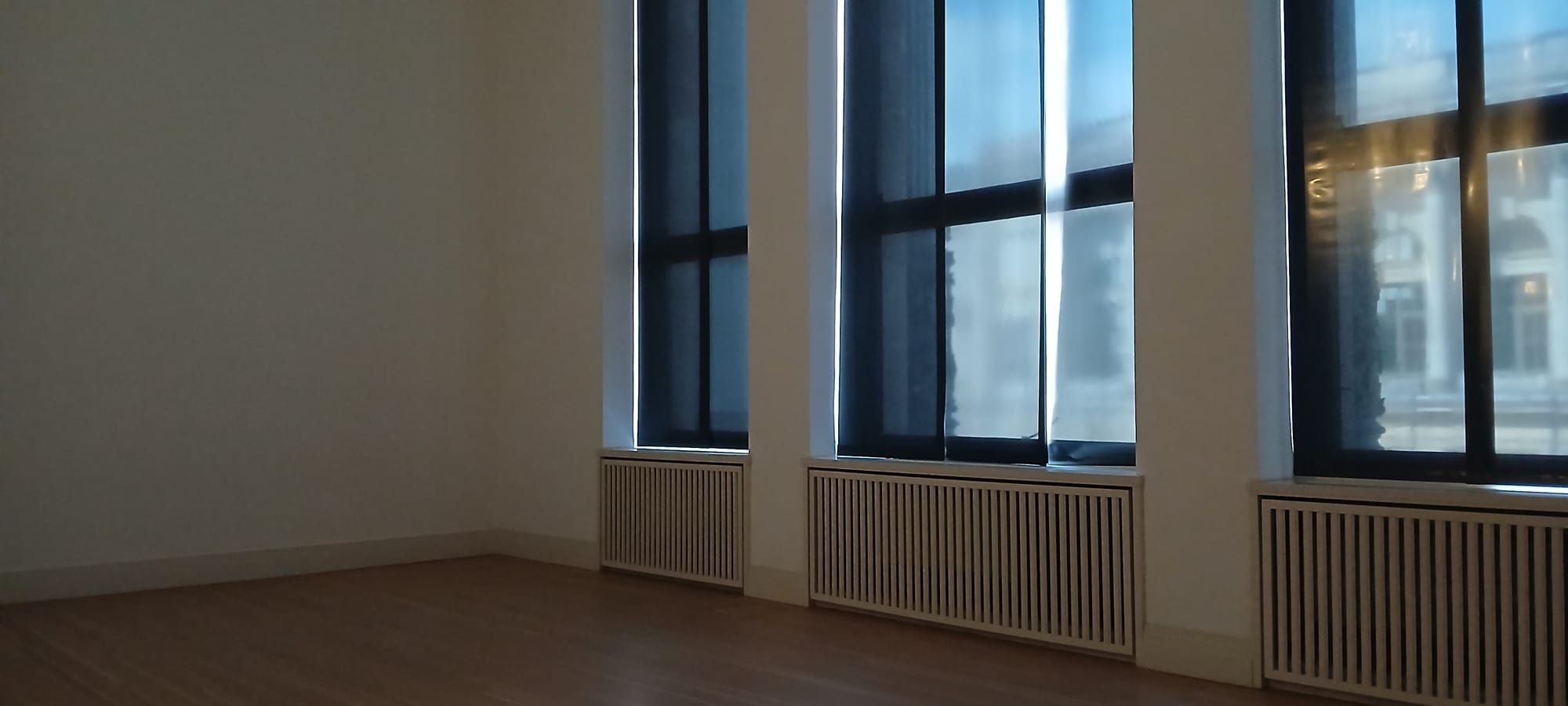
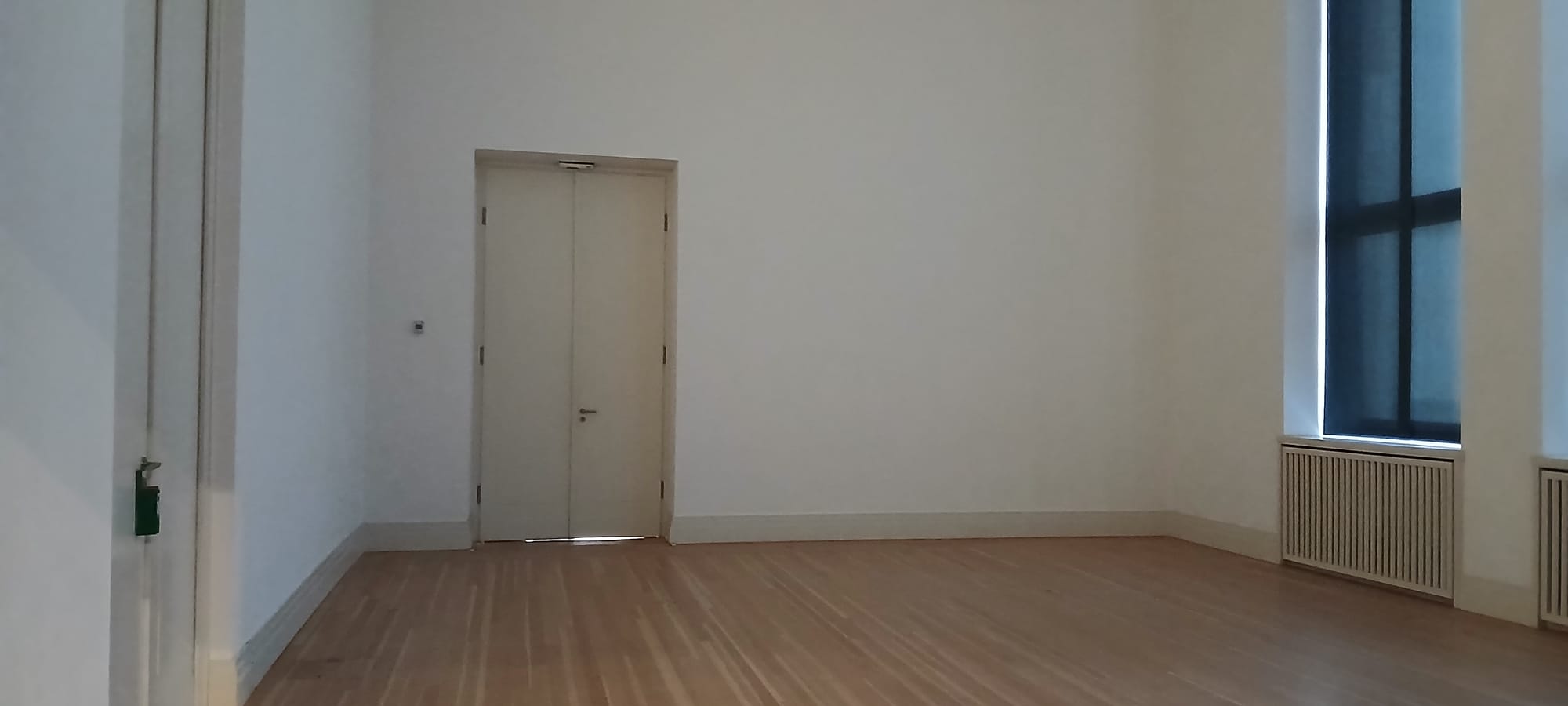
Other parts of the Bau:
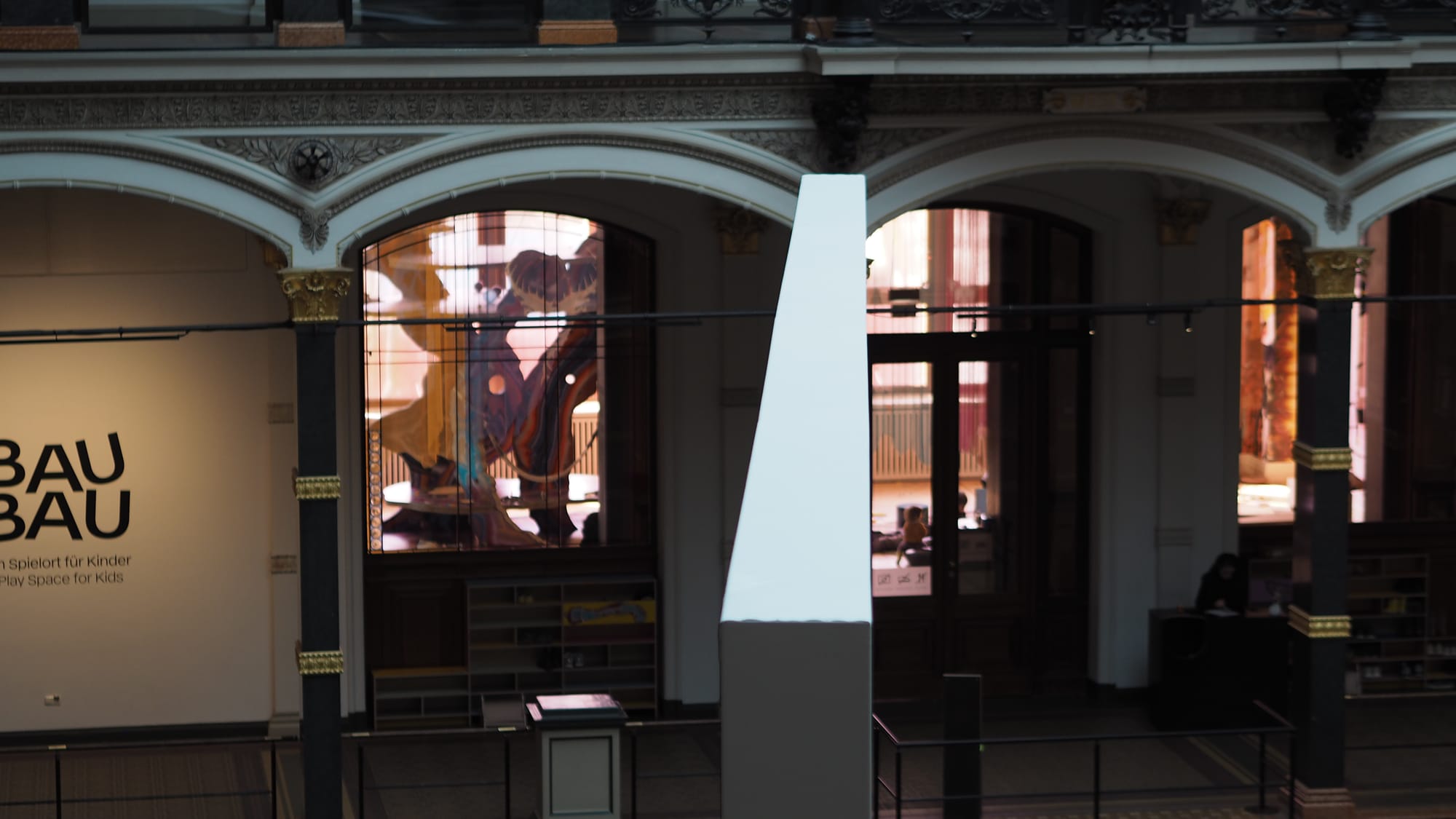
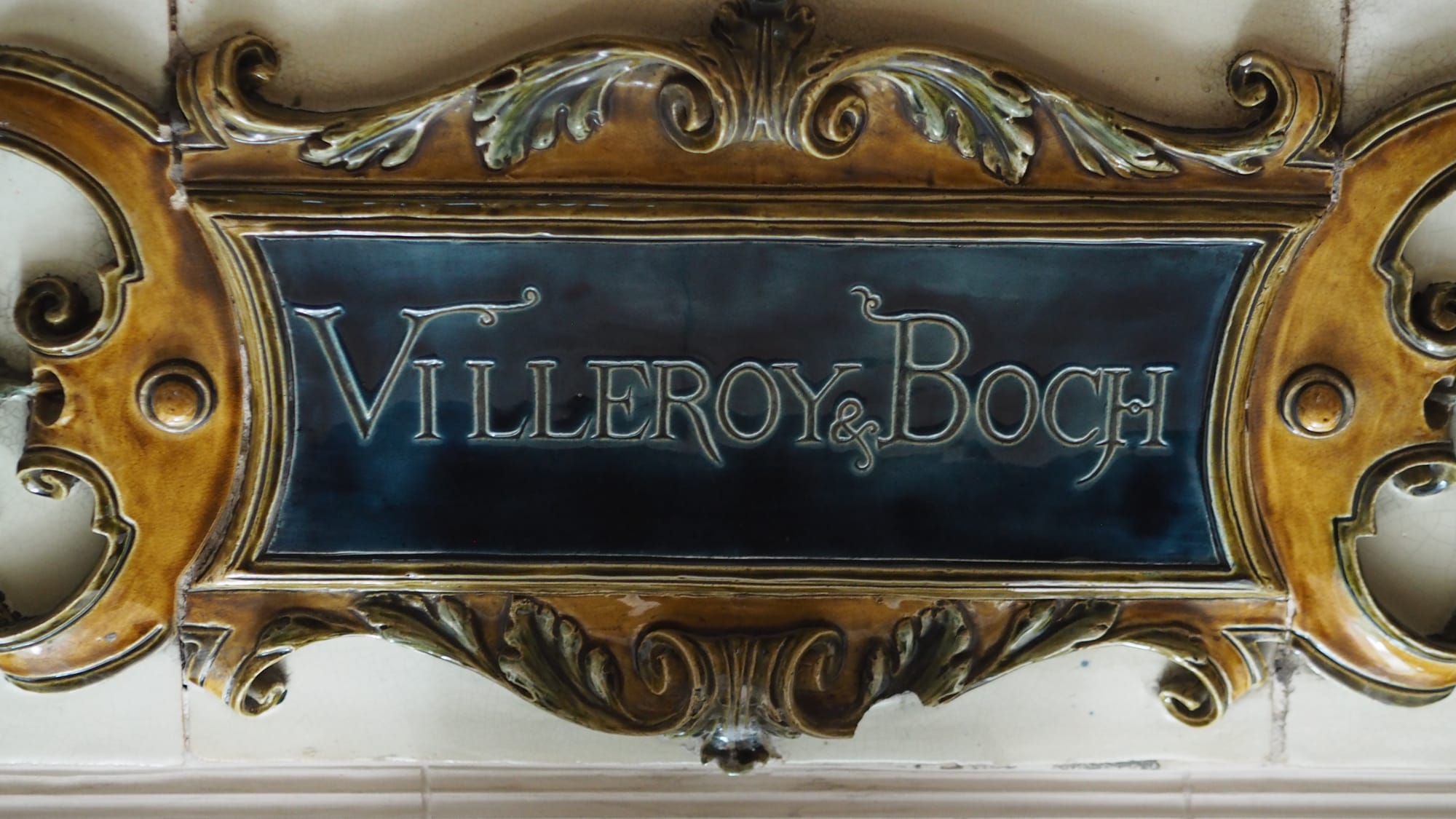
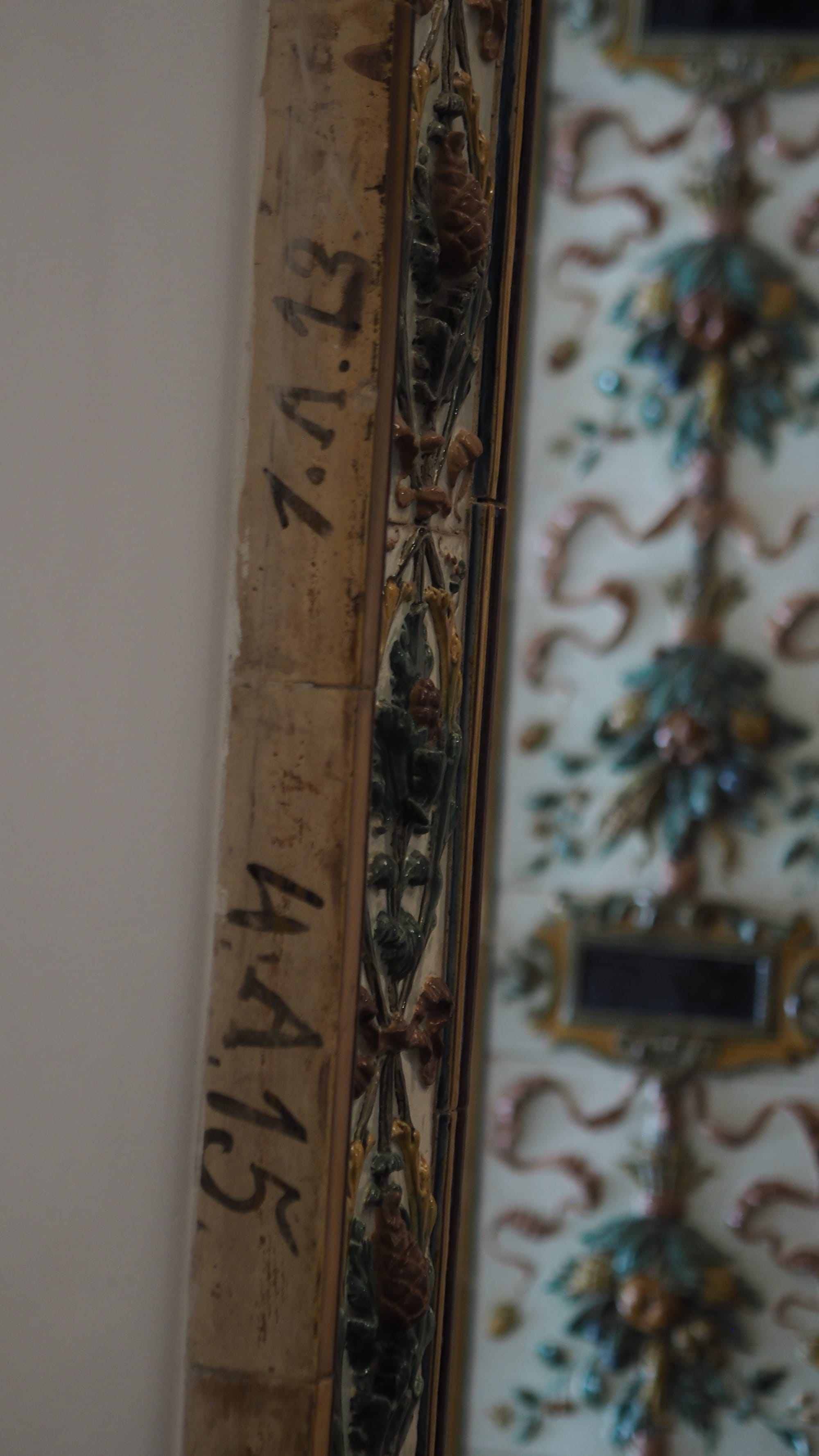
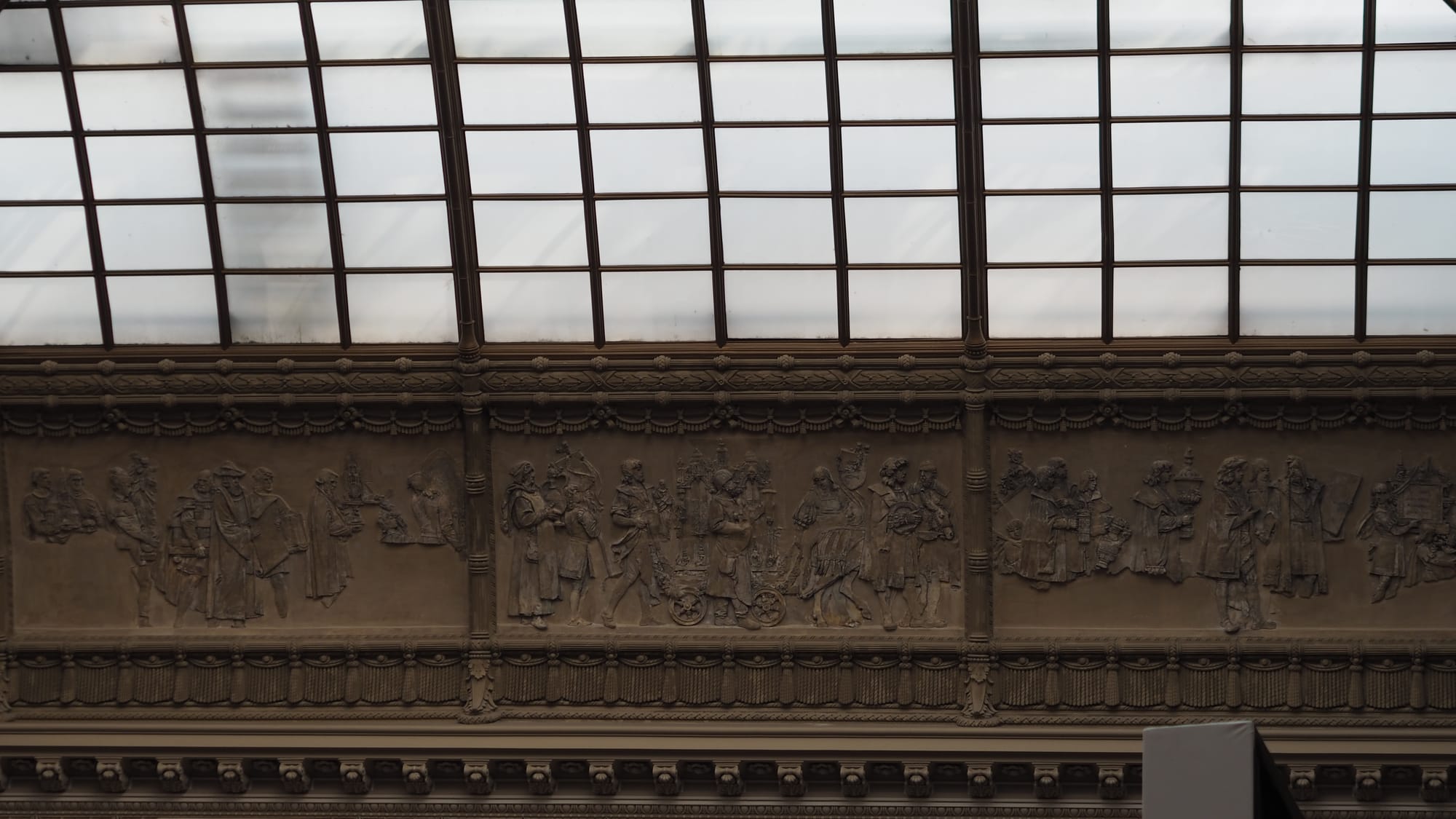
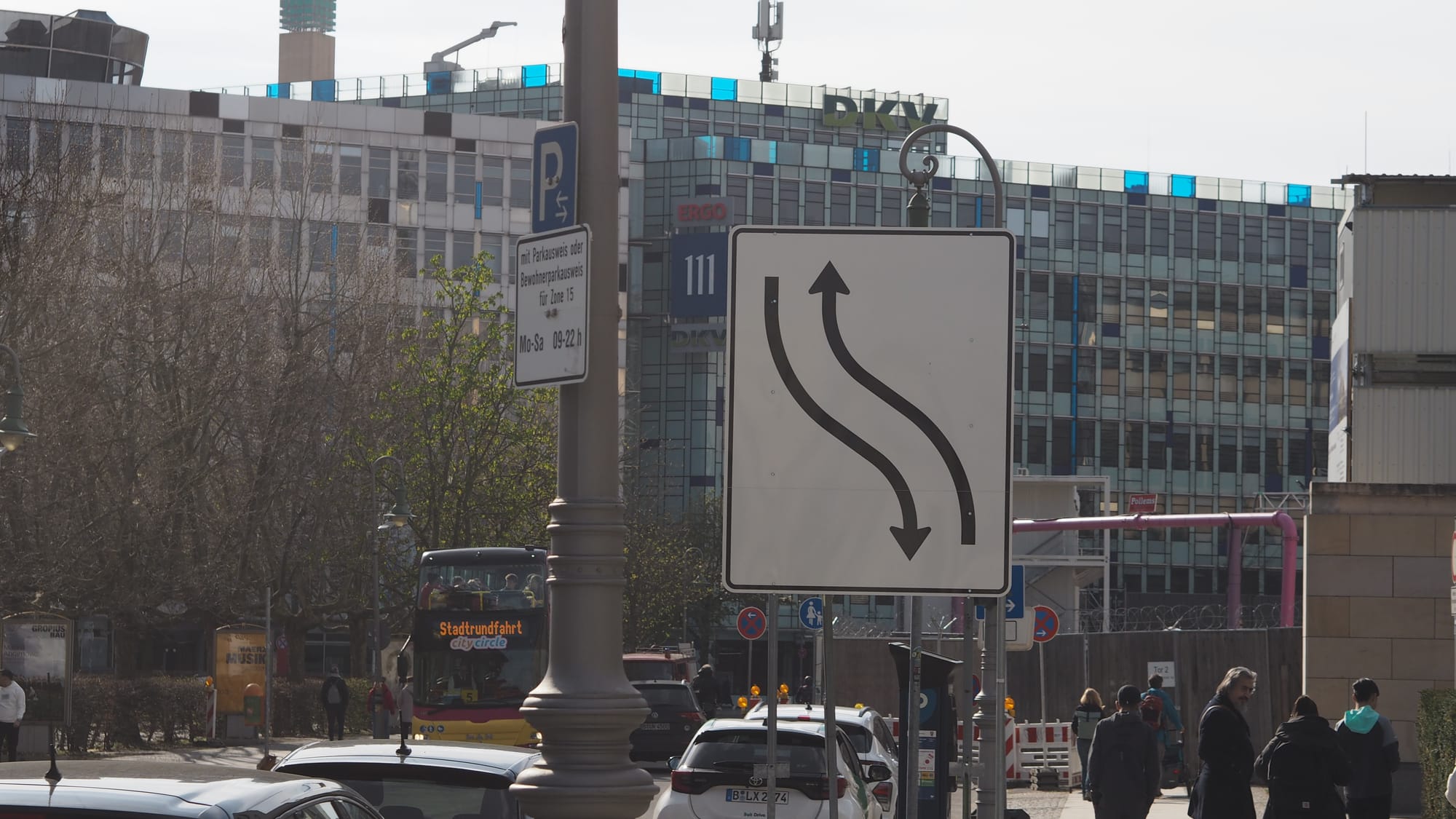
Outside the front, the Wall side:
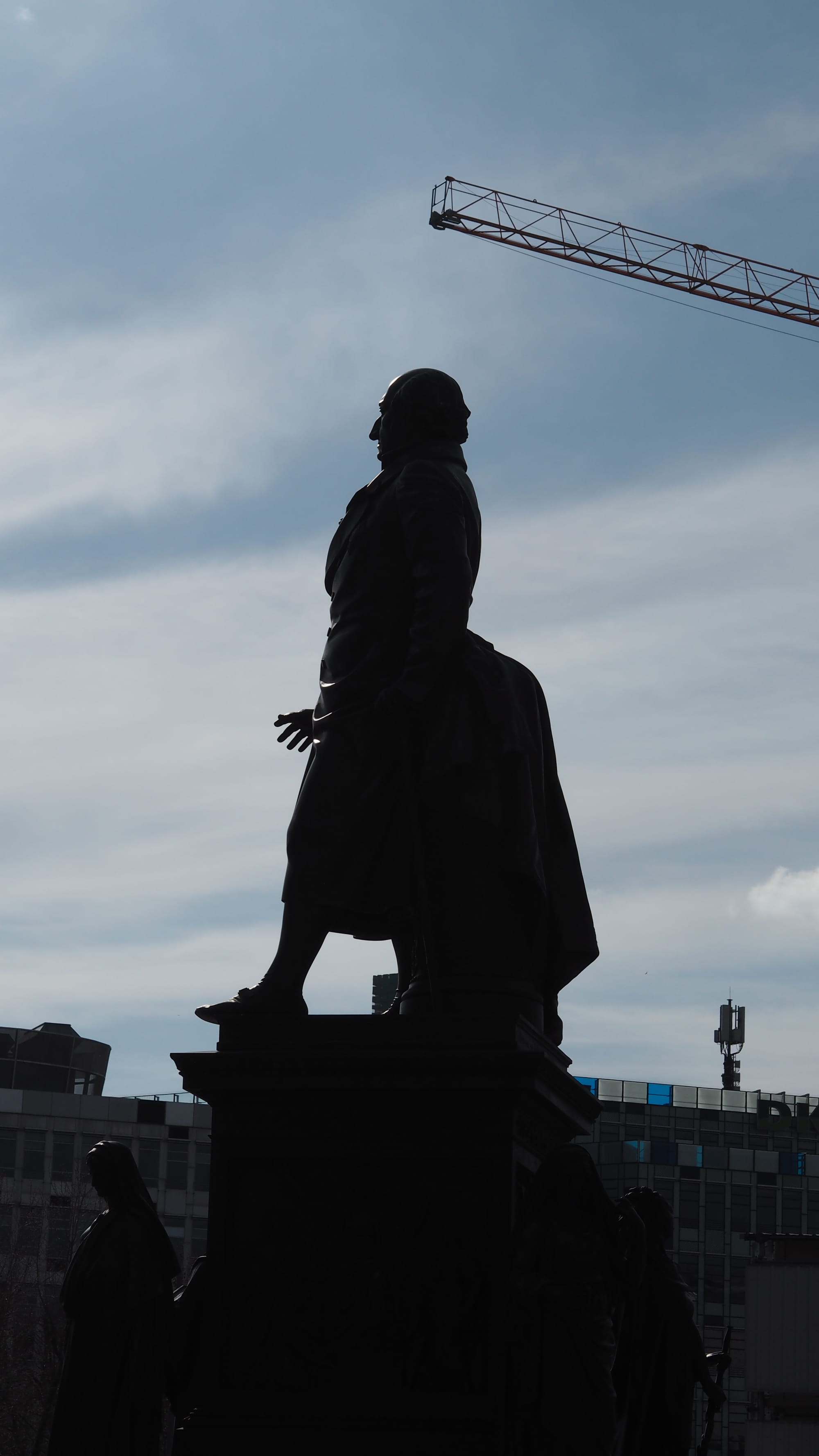
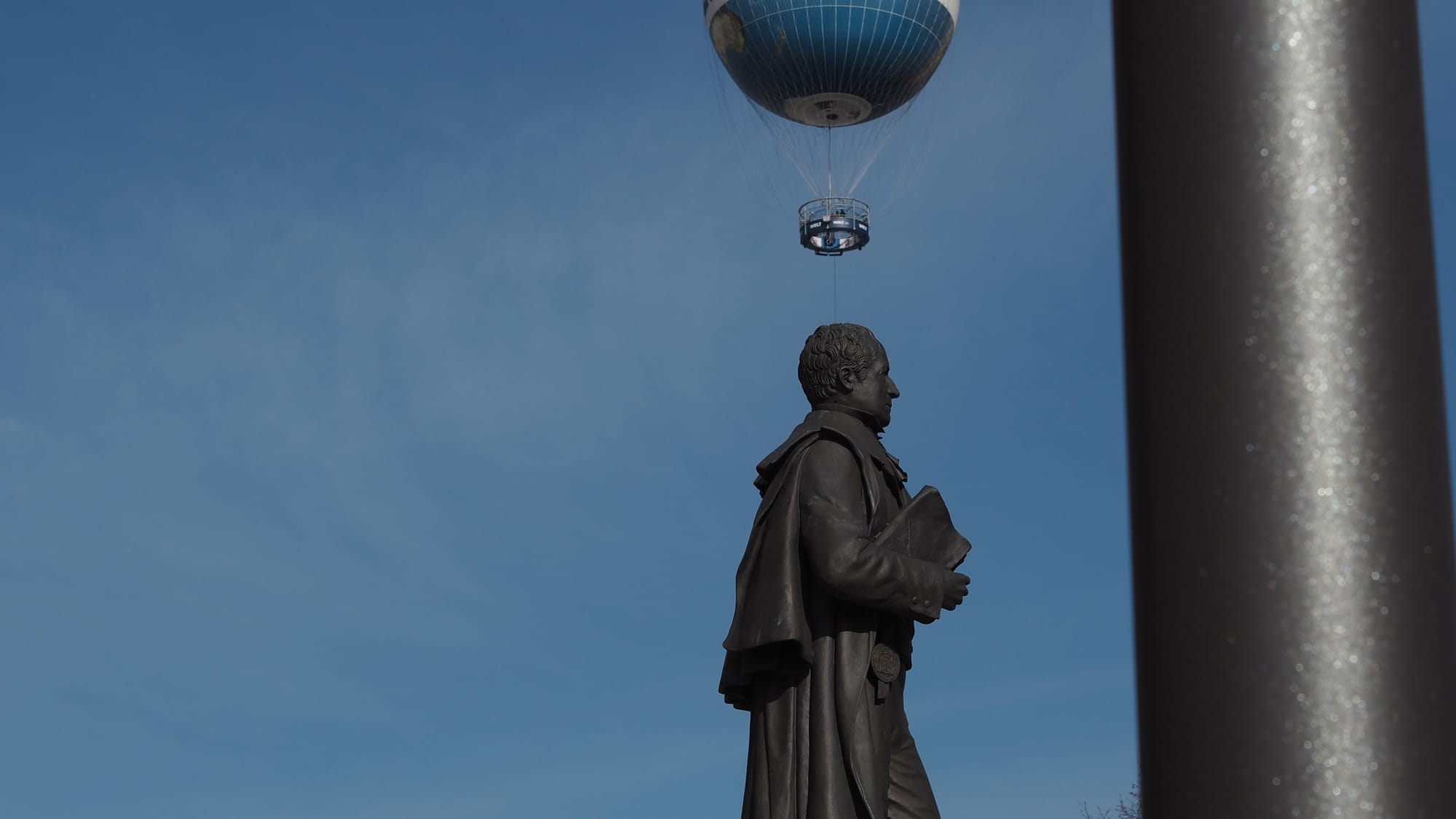
And,
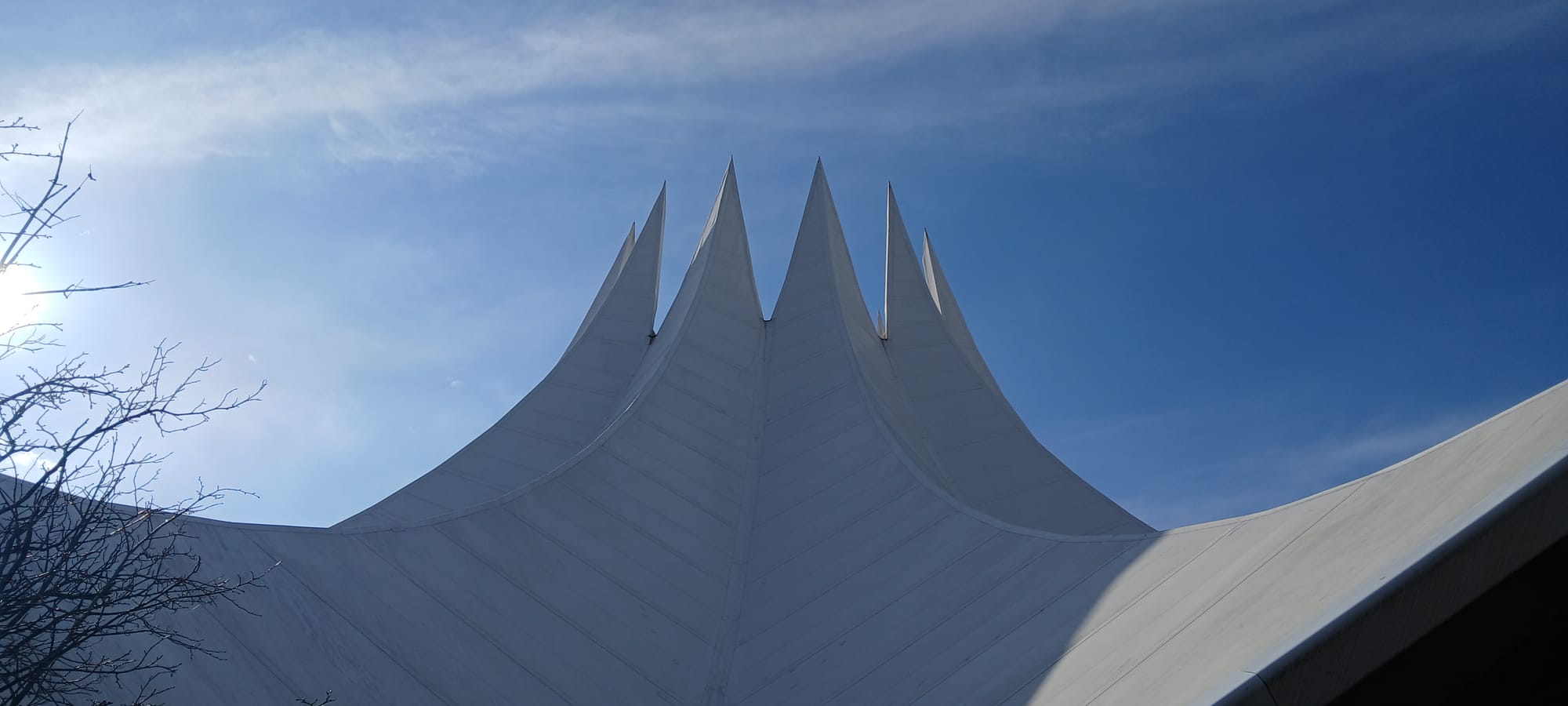
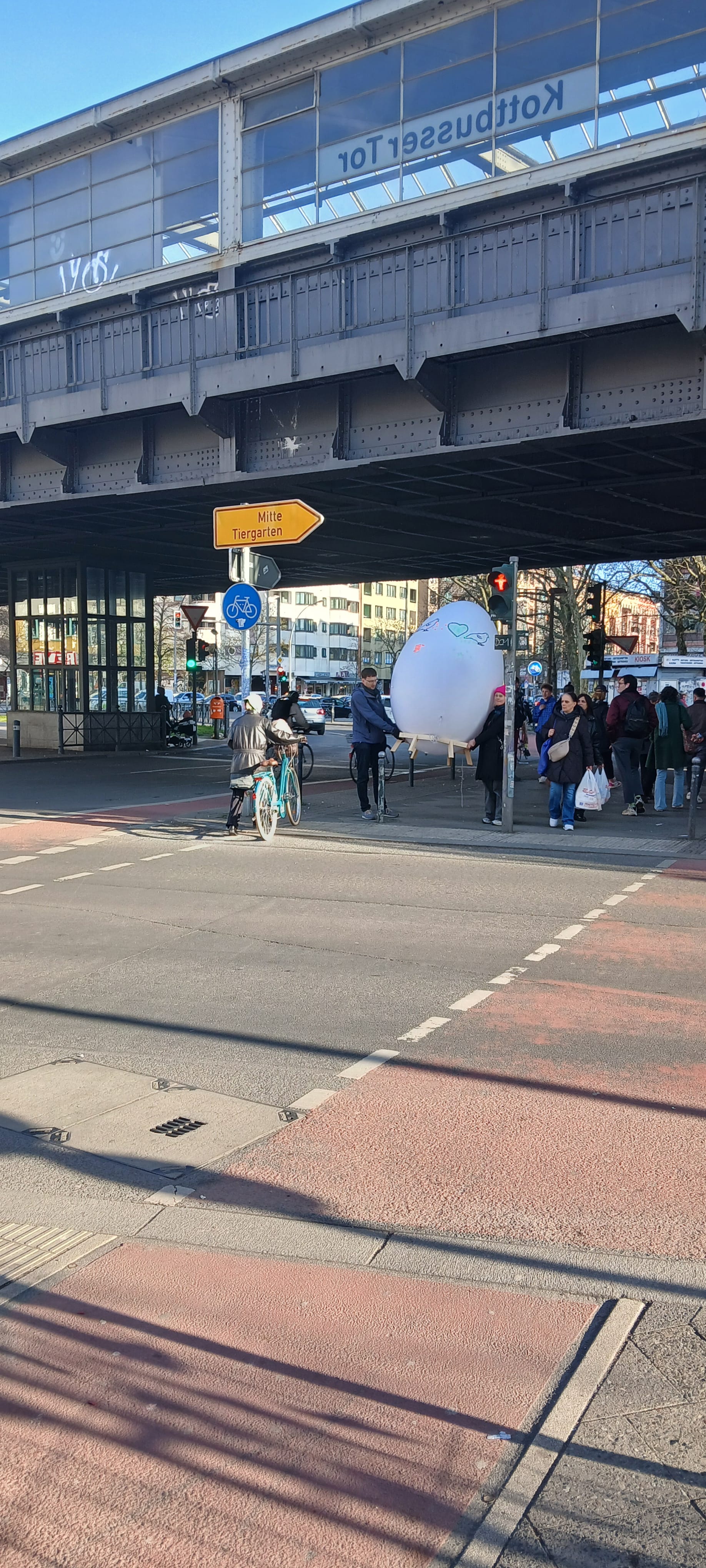
- yes, it was Easter, so at 11am the next day we went to:
Jesus Christ Superstar
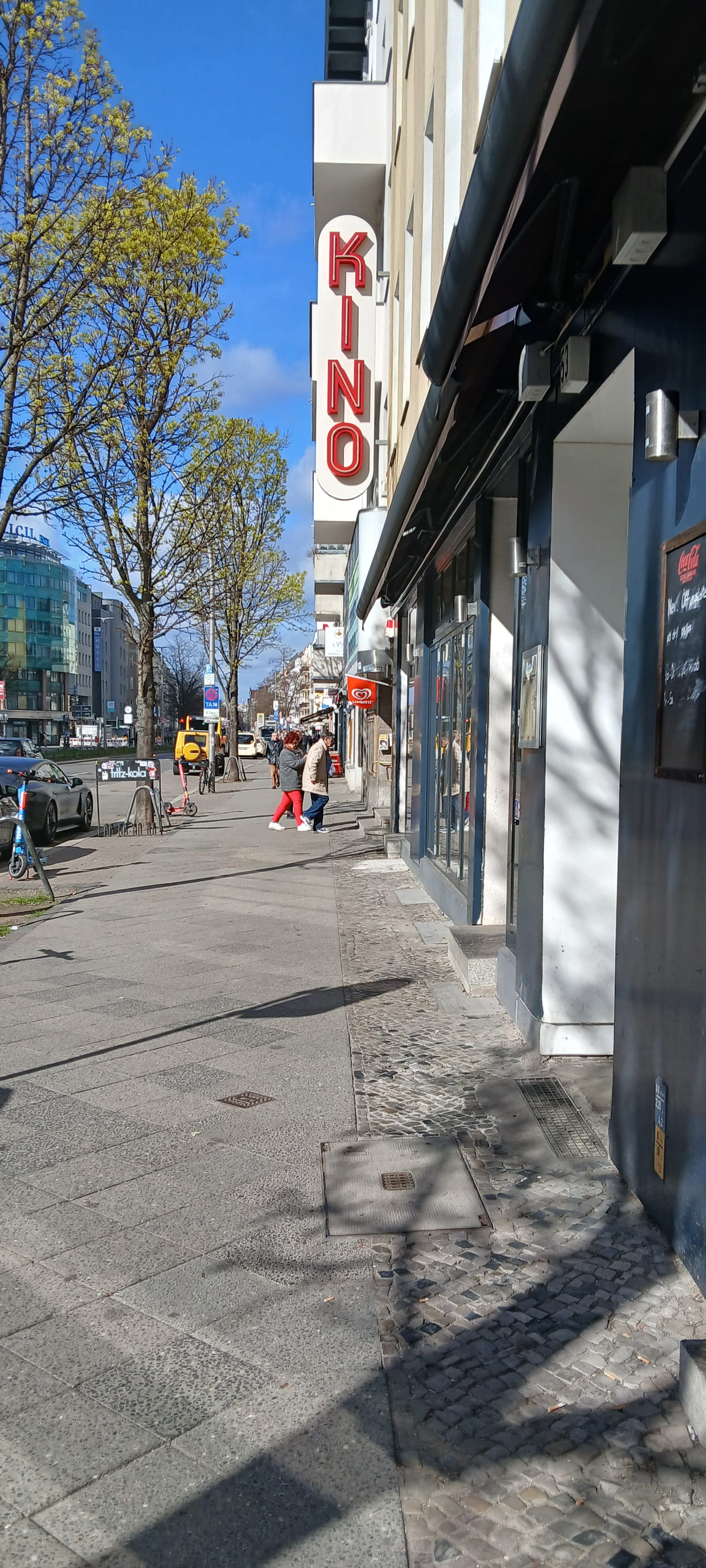
And it was everything I remembered from when I saw it aged 7.
We realised how short-changed we are by movies, how lacking in life they are; does presenting one's exhaustion ever have any other effect than making us feel exhausted? I suppose through punk and Peter Hujar's photos this has been a theme: woke is sad, it takes not adds to our powers of acting and of being affected. In JCS there is dancing which approaches and is supposed to show the kind of ecstasy that is in Jeremy Shaw's Phase Shifting Index. The writing, for which Melvyn Bragg is also credited, with Norman Jewison, is brilliant, hard, succinct and witty. The music hasn't dated. And it is a true sung-through musical or rock opera. No dialogue. The narrative exposition is entirely in the songs.
Sirāt
film, 2025, director Óliver Laxe, watched on the big screen of an interior wall, courtesy Dom & Mubi & a cool little digital projector:
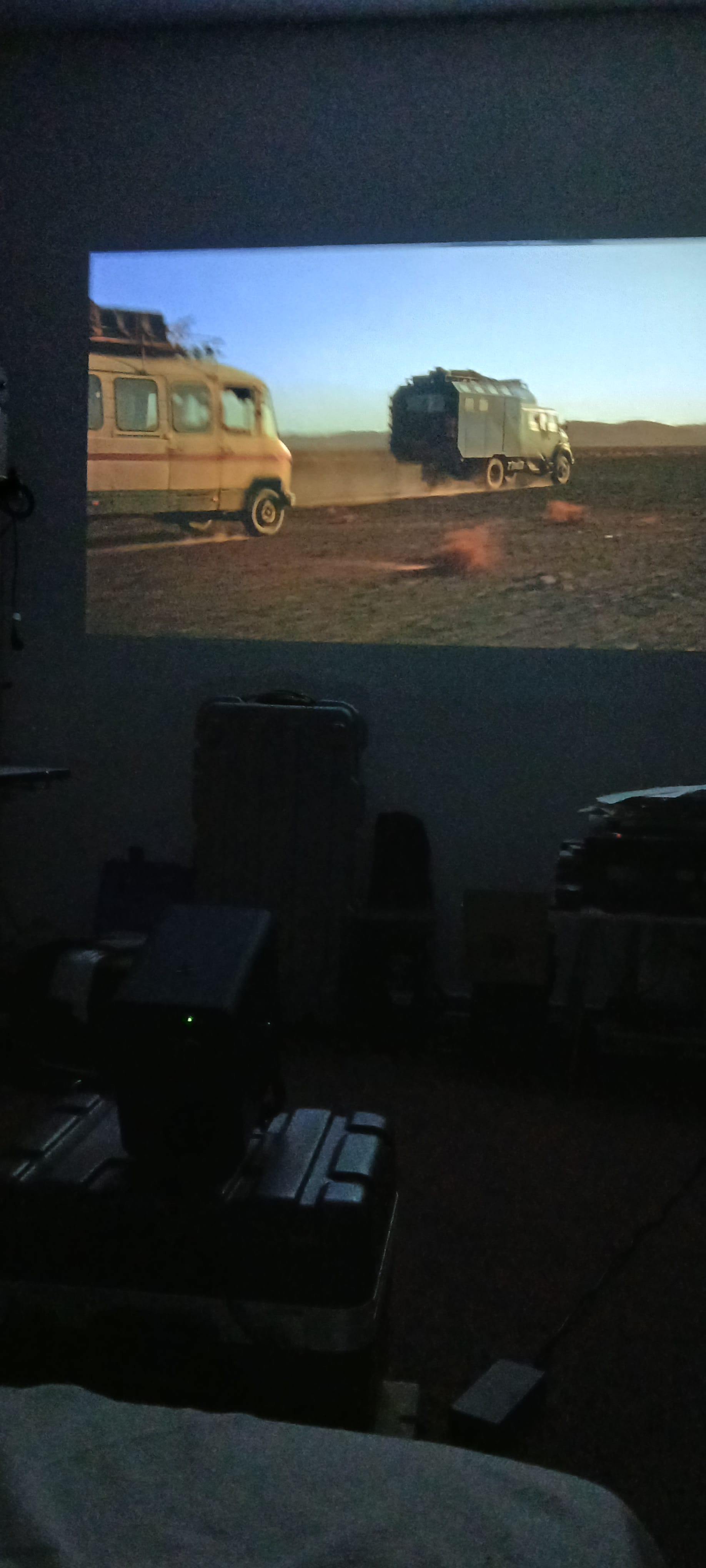
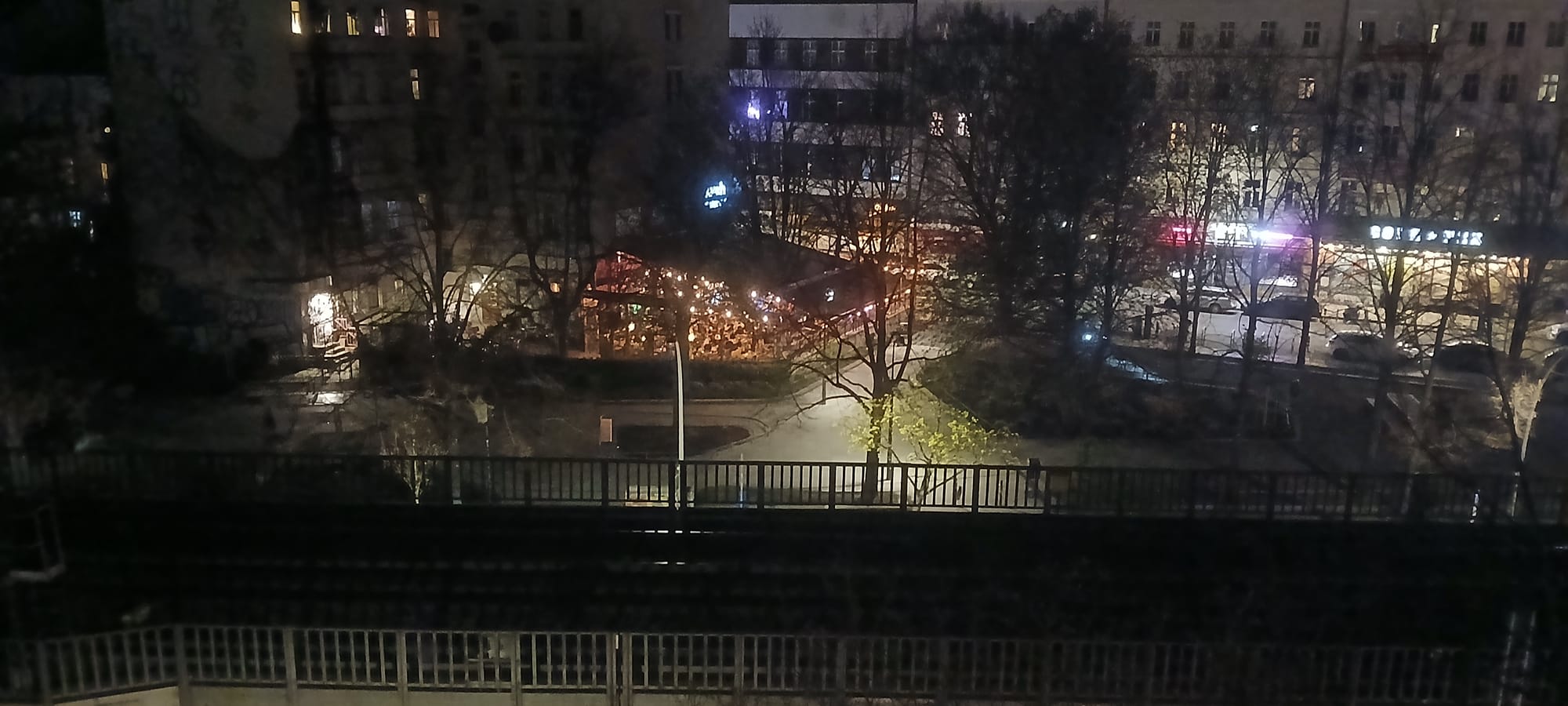
Out on the street:
Inside:
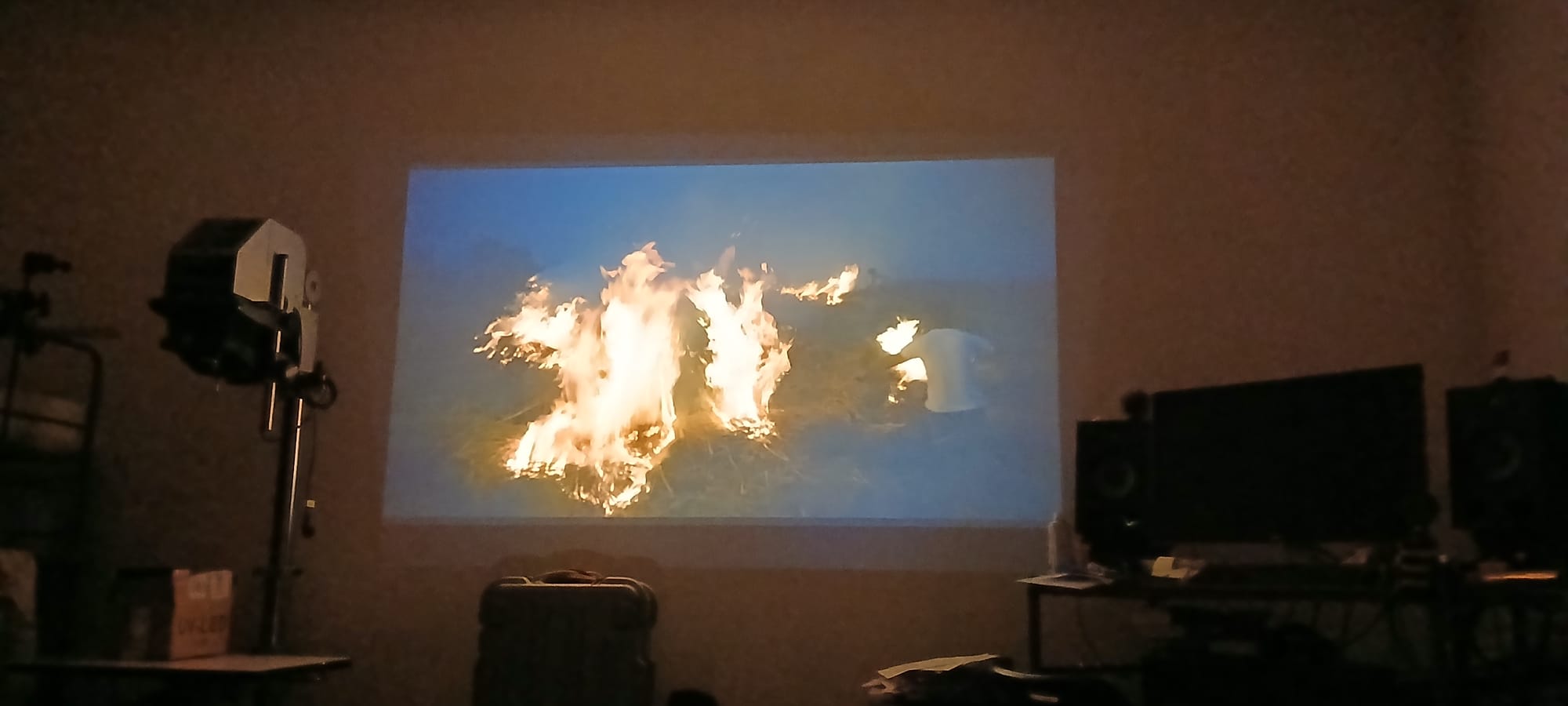
A film about things happening but does that make for an existential film? Oddly unmotivated, except for the locations, around which the story trailed a handful of loose ends.
Britzer Garten
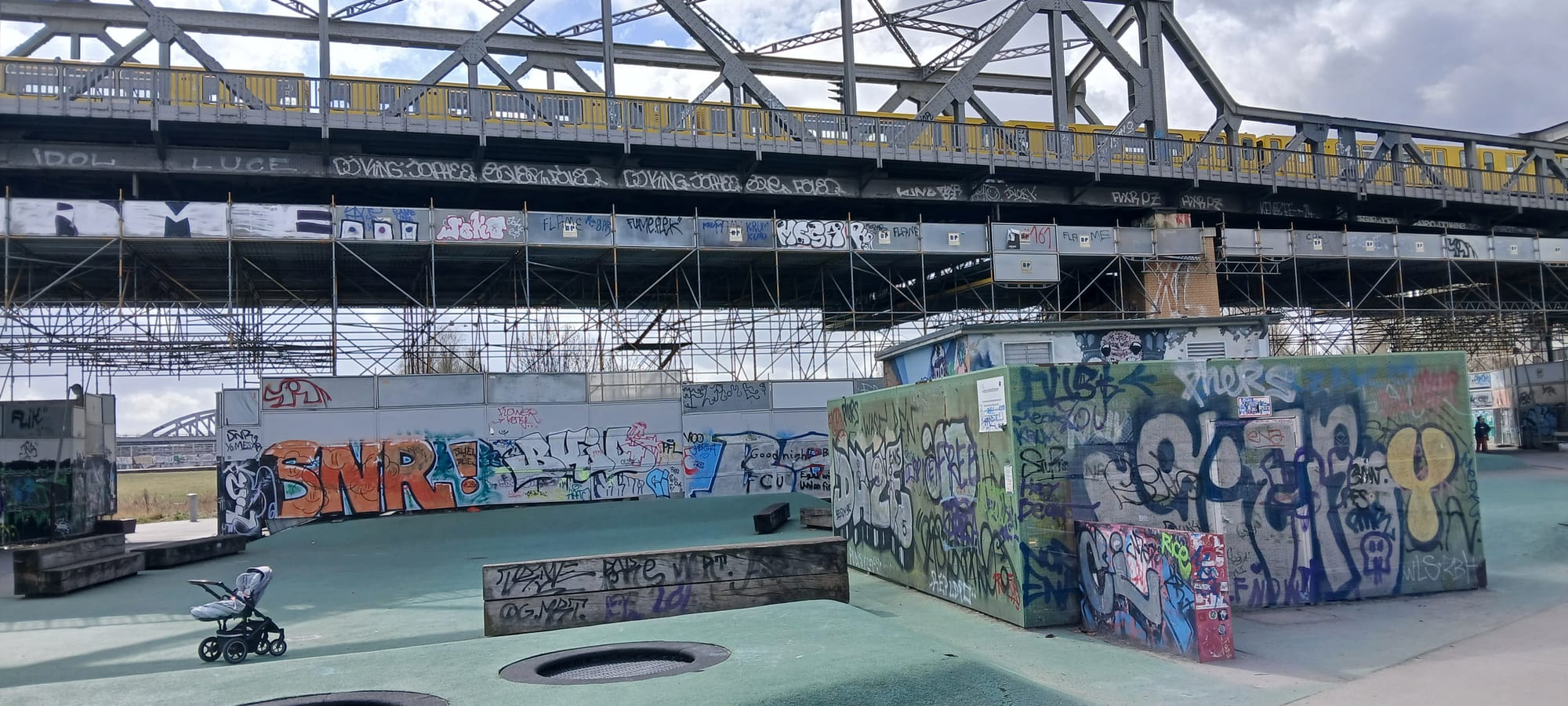
There comes the day you walk to Poland to see tulips. At times it felt this was it. When the streets emptied out, when even if we'd wanted bikes there were none to be had, we'd passed the last drop-off point for Next bikes or for DB, Deutsche Bahn, both push not battery, though there were none of those either, 20 minutes ealier, where we'd seen the last of the graffiti, if only, tagging more common, and pictorial street art after that, with witty slogans and one-liners reserved for social platforms, not a lot of wit to be had, Free Gaza, Free Palestine, followed us through Greece to here, the single answer seen in Chania, Go and do it then!, more like exhortations in defense of the rights of women, against advertising, without irony, against the law requiring Germany's eligible men, aged 18 to 45, to gain military approval before going abroad (Guardian), and against conscription, which would be the next logical step; checking google-map we'd overshot the turn-off and painfully retraced our steps, to the paygate for the Britzer Garten, where we entertained thoughts of there being on the inside no place to sit and have a hot drink. There was one, and a good yeast-plum-cake (here's Sandra's recipe).
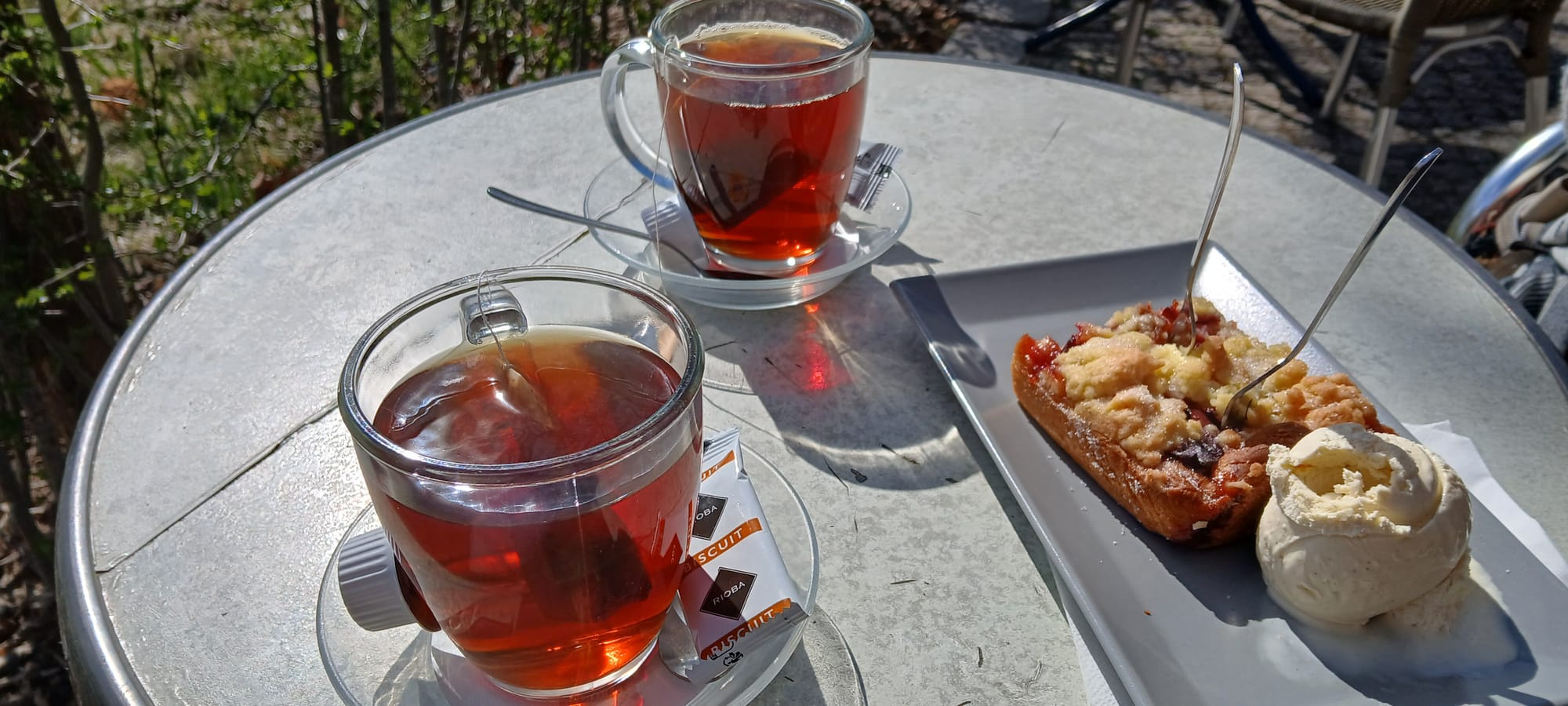
We asked for tea with milk, Mit milch!? came the reply, as if to say I am no friend to milk. Tea with milk has apparently passed from fashion. Cake with ice-cream met with warm approval. And, under a criss-crossed sky, got on with it.
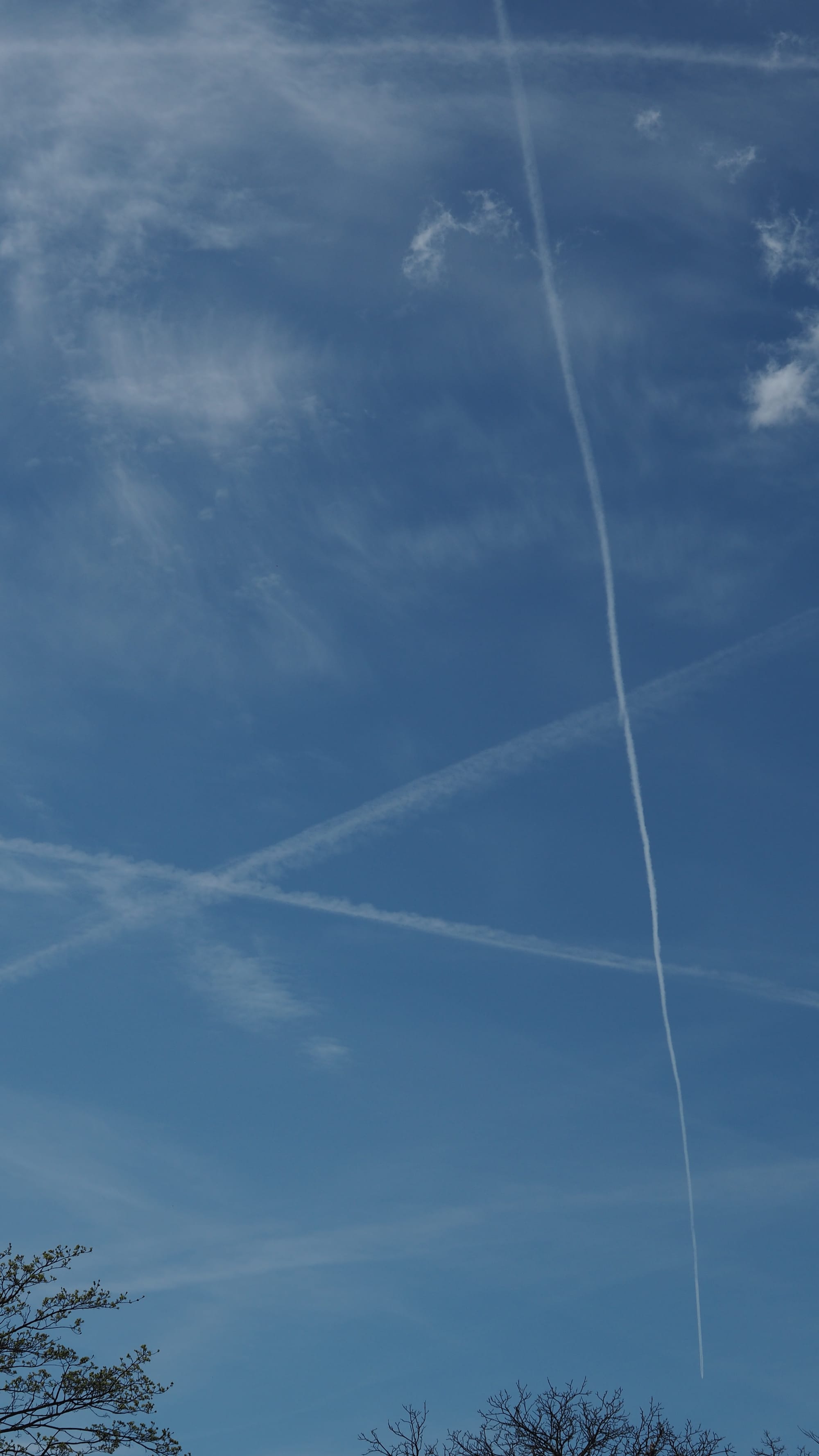
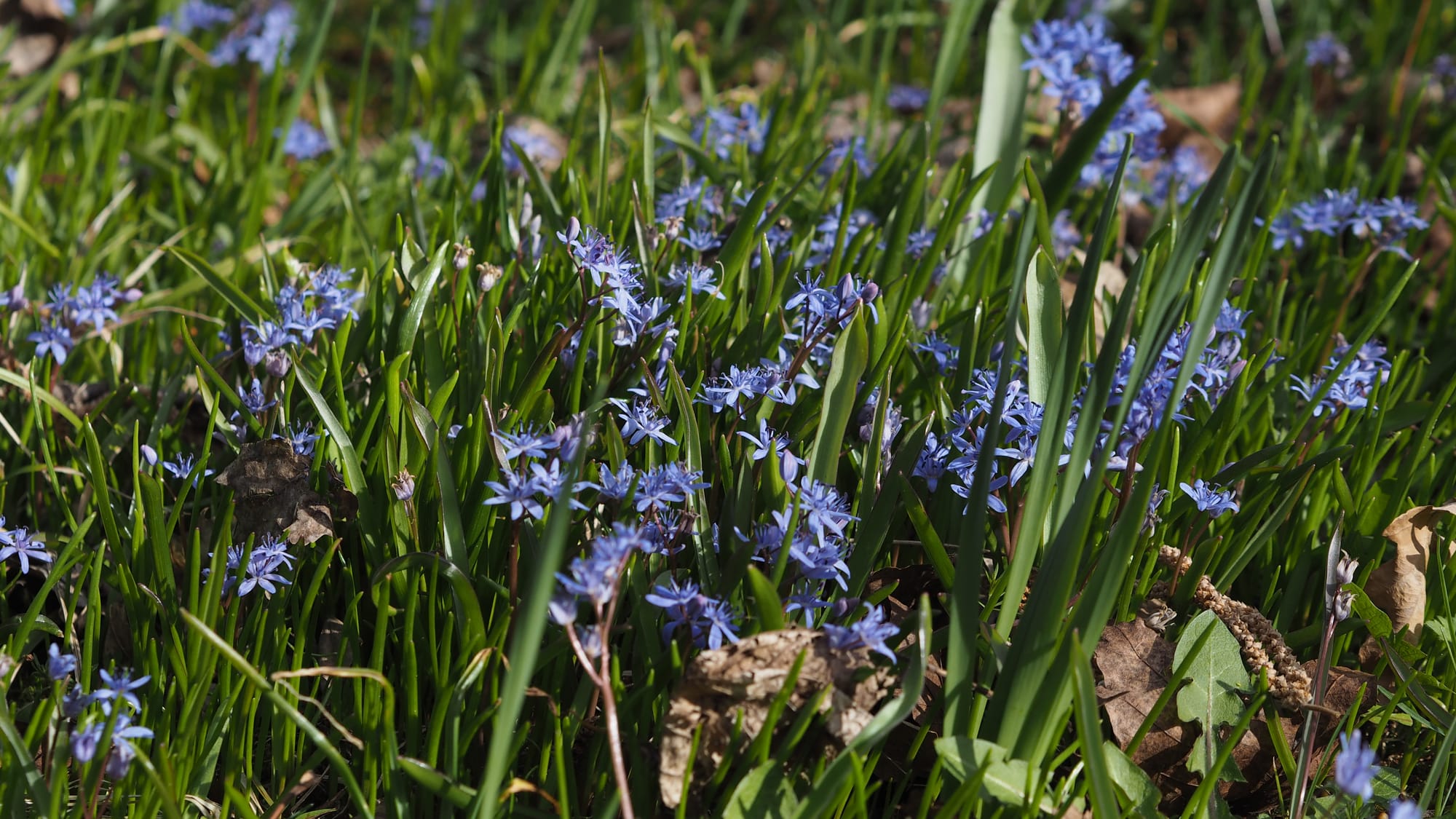
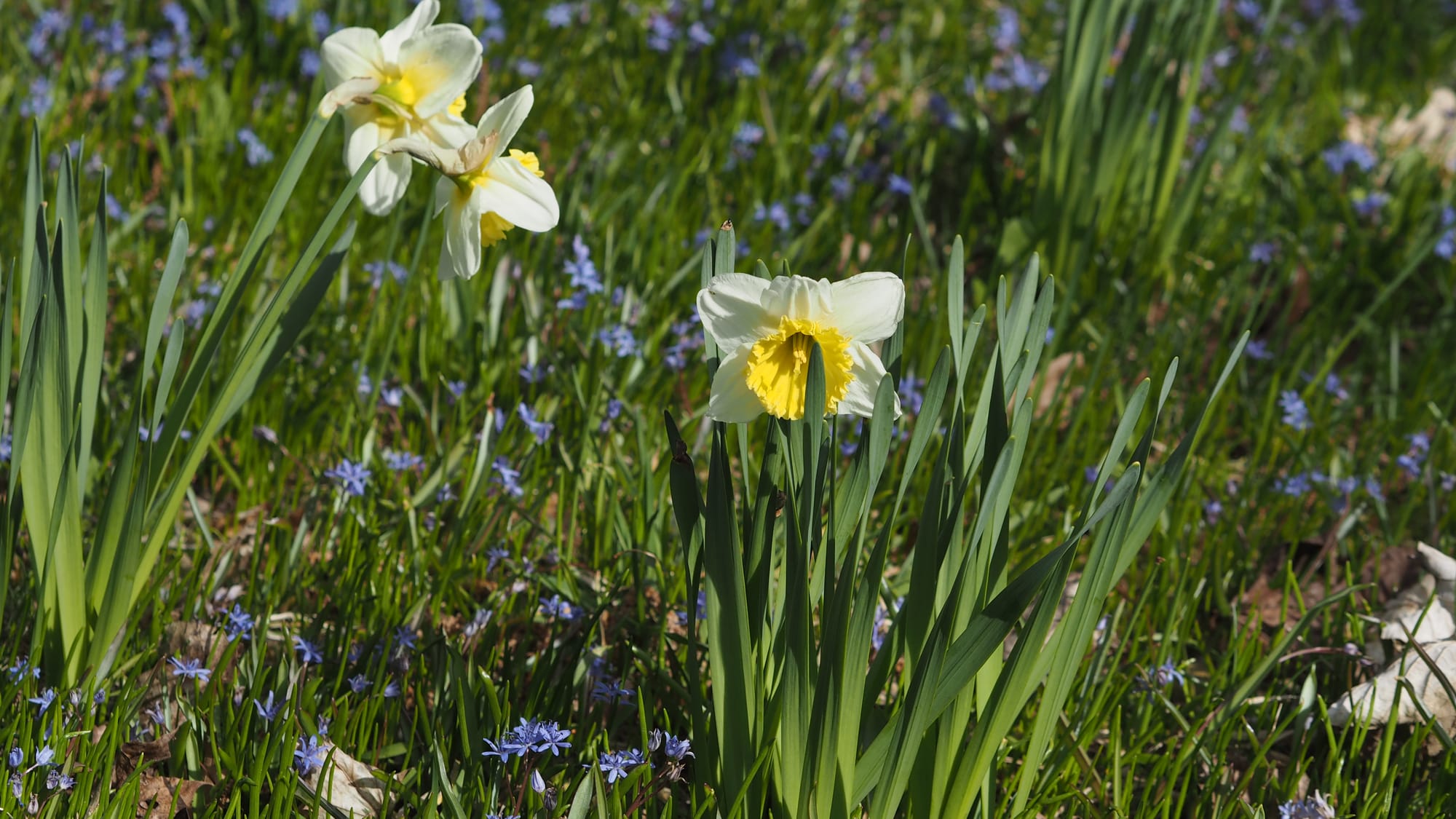
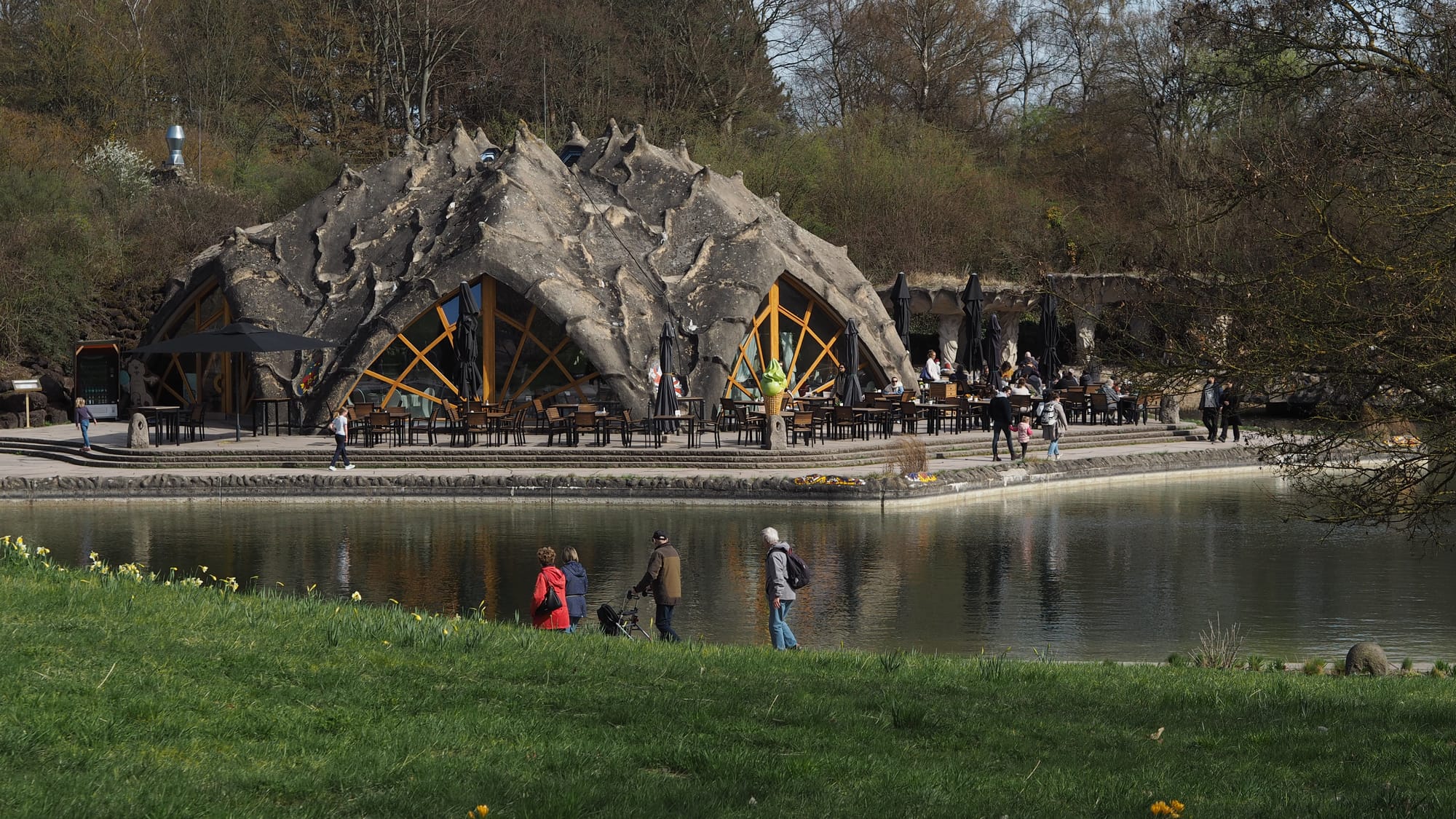
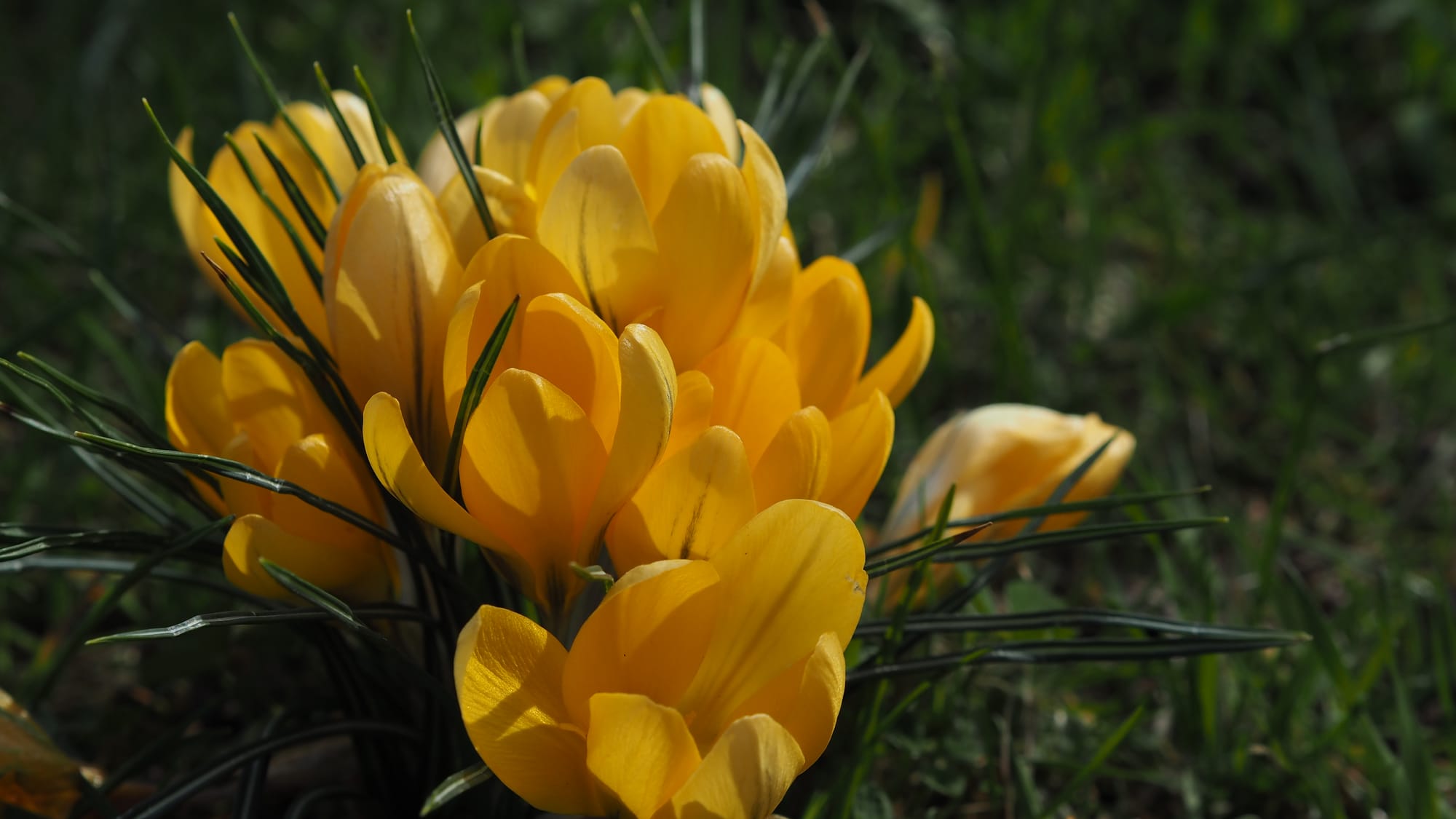
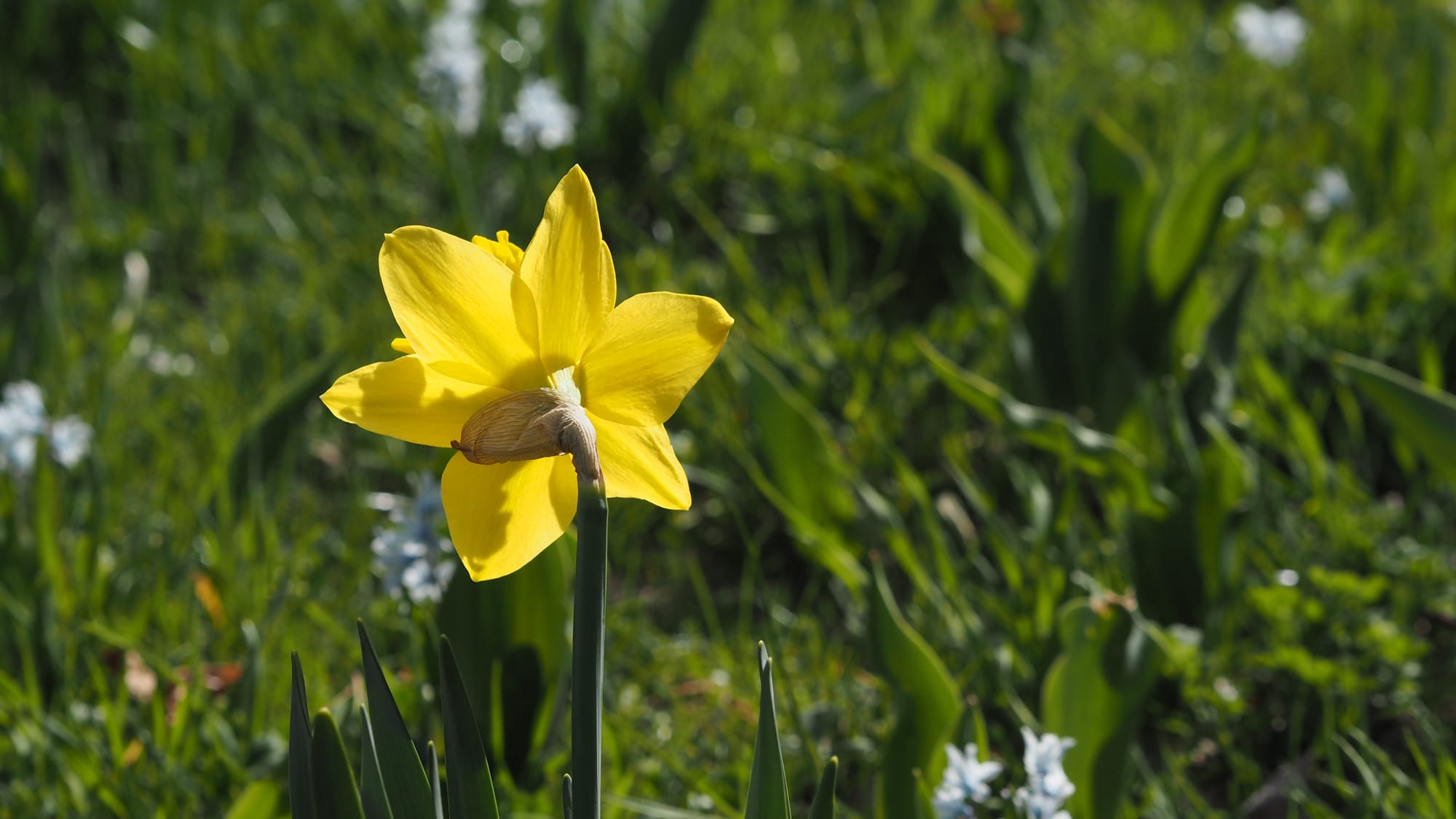
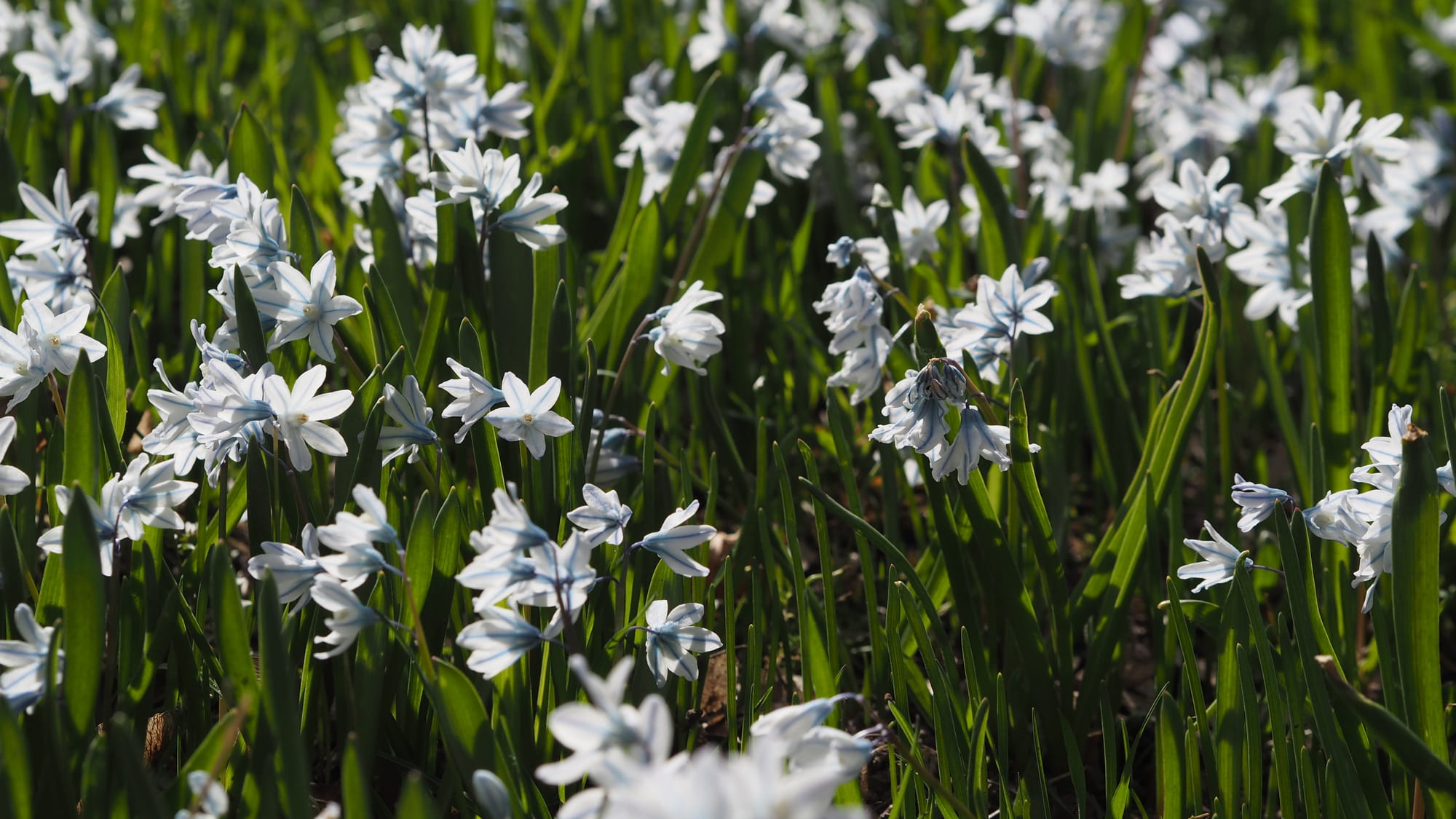
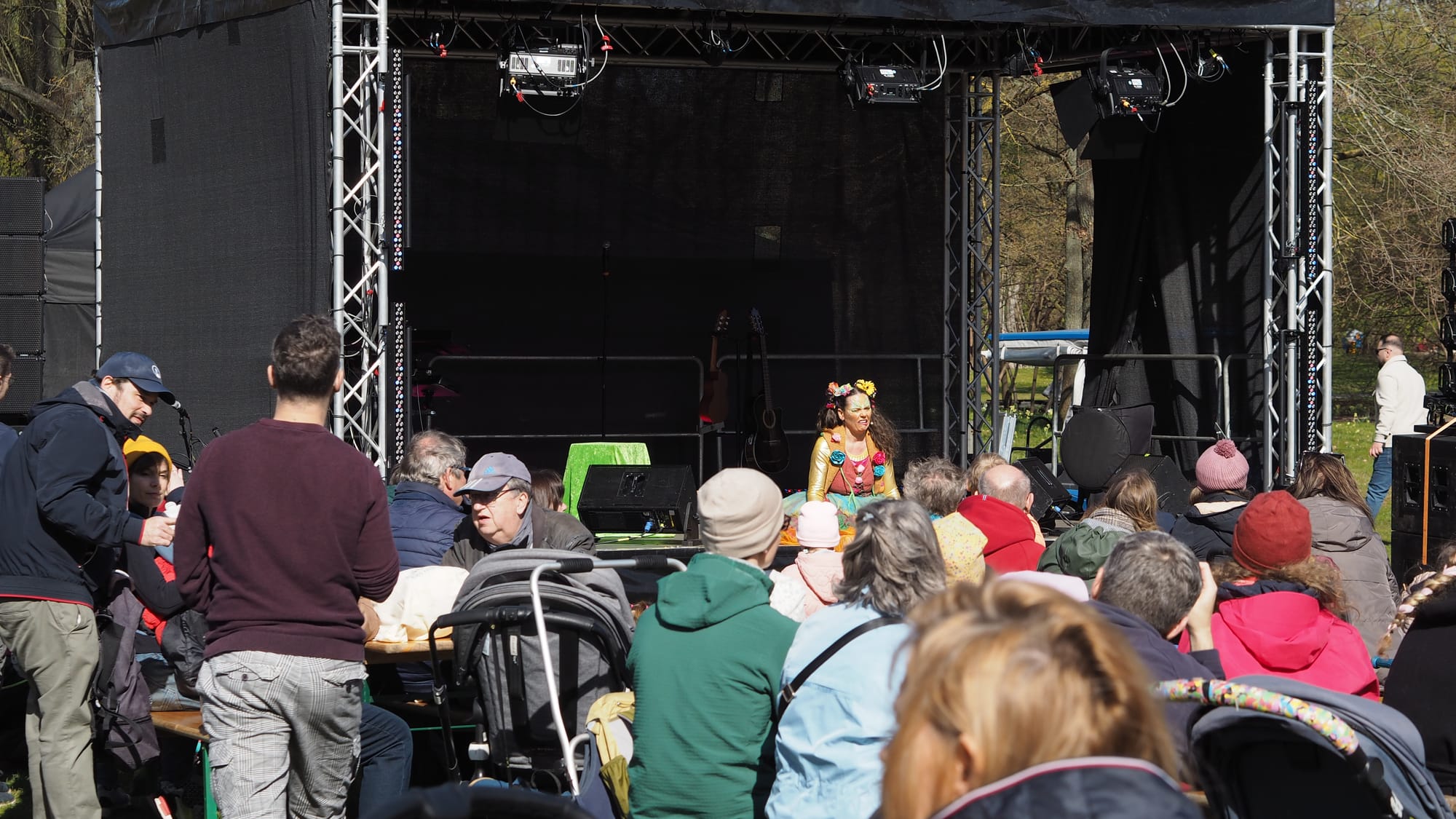
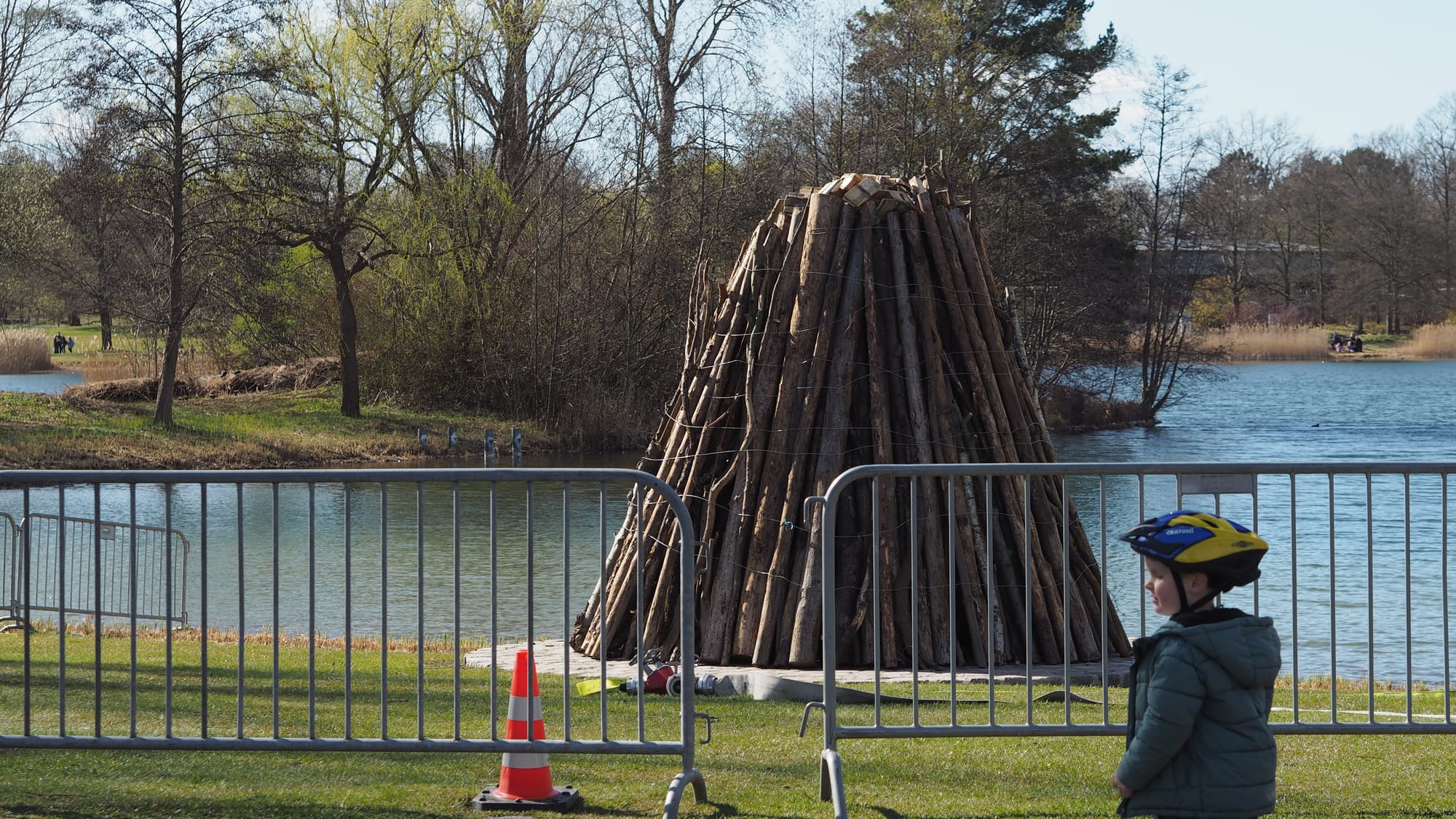
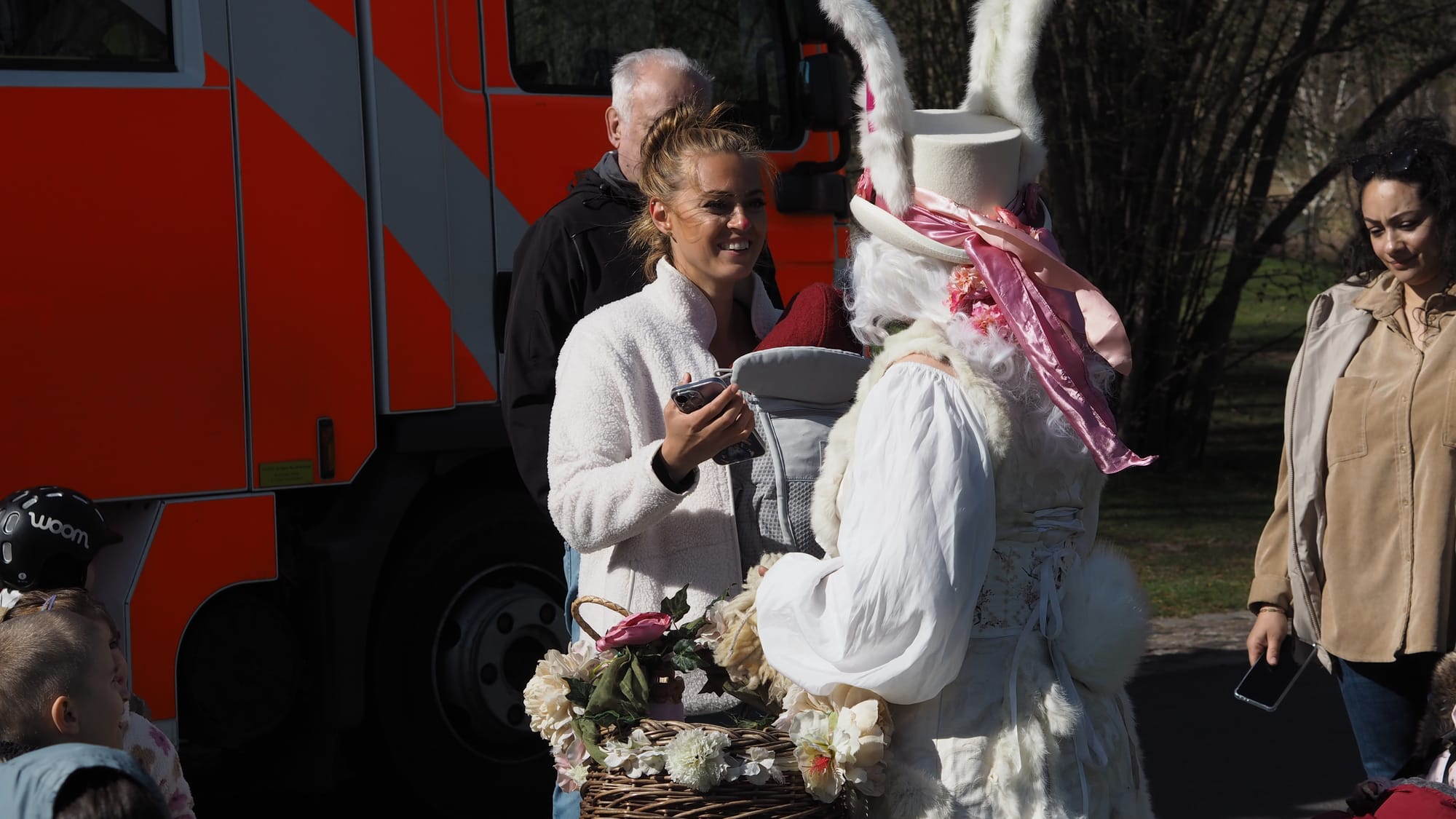
- Easter performances, and the bonfire set; please note the startling architecture, such features inflicted on the garden in the '80s include sculptural pieces resembling tank stops
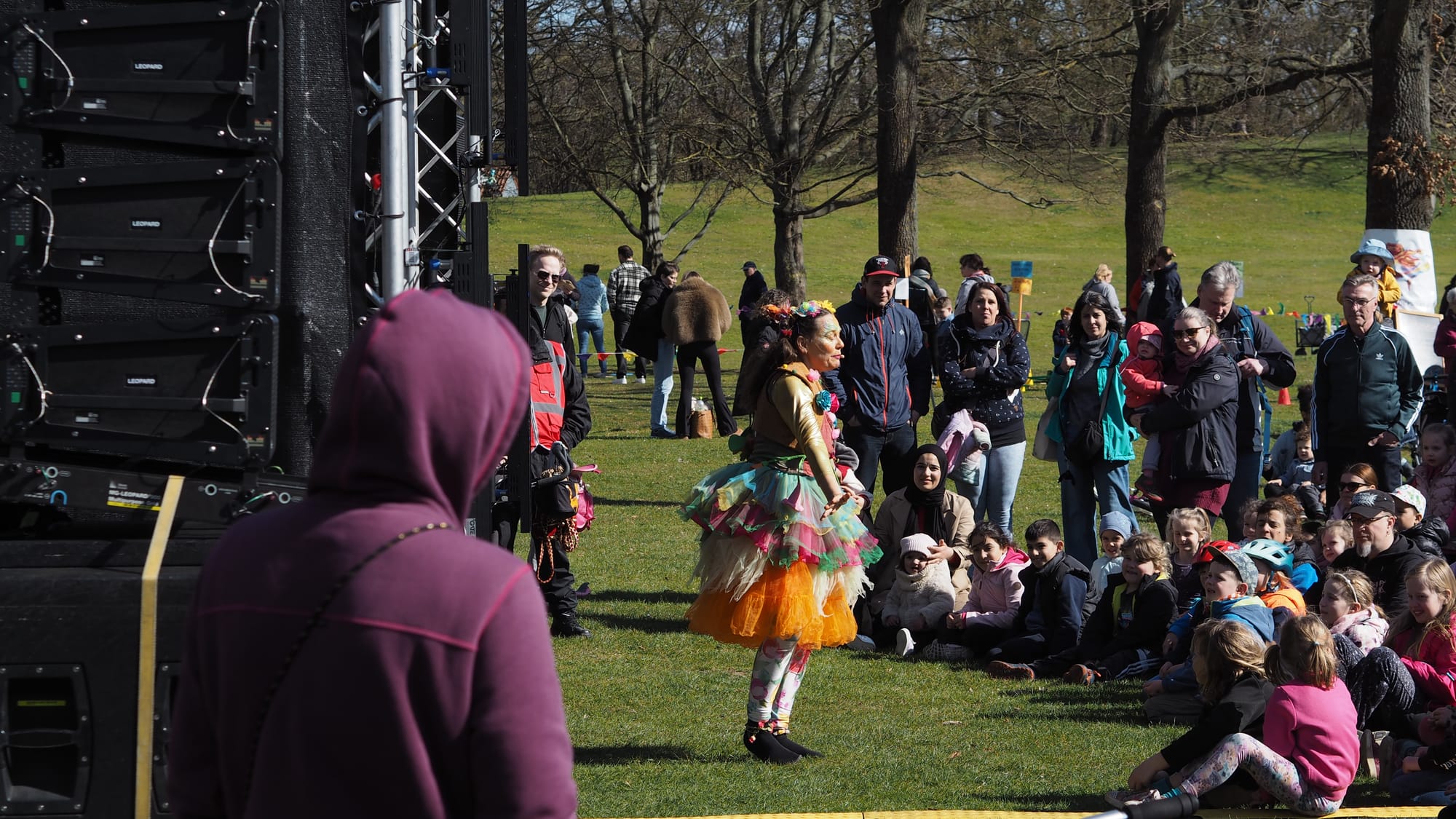
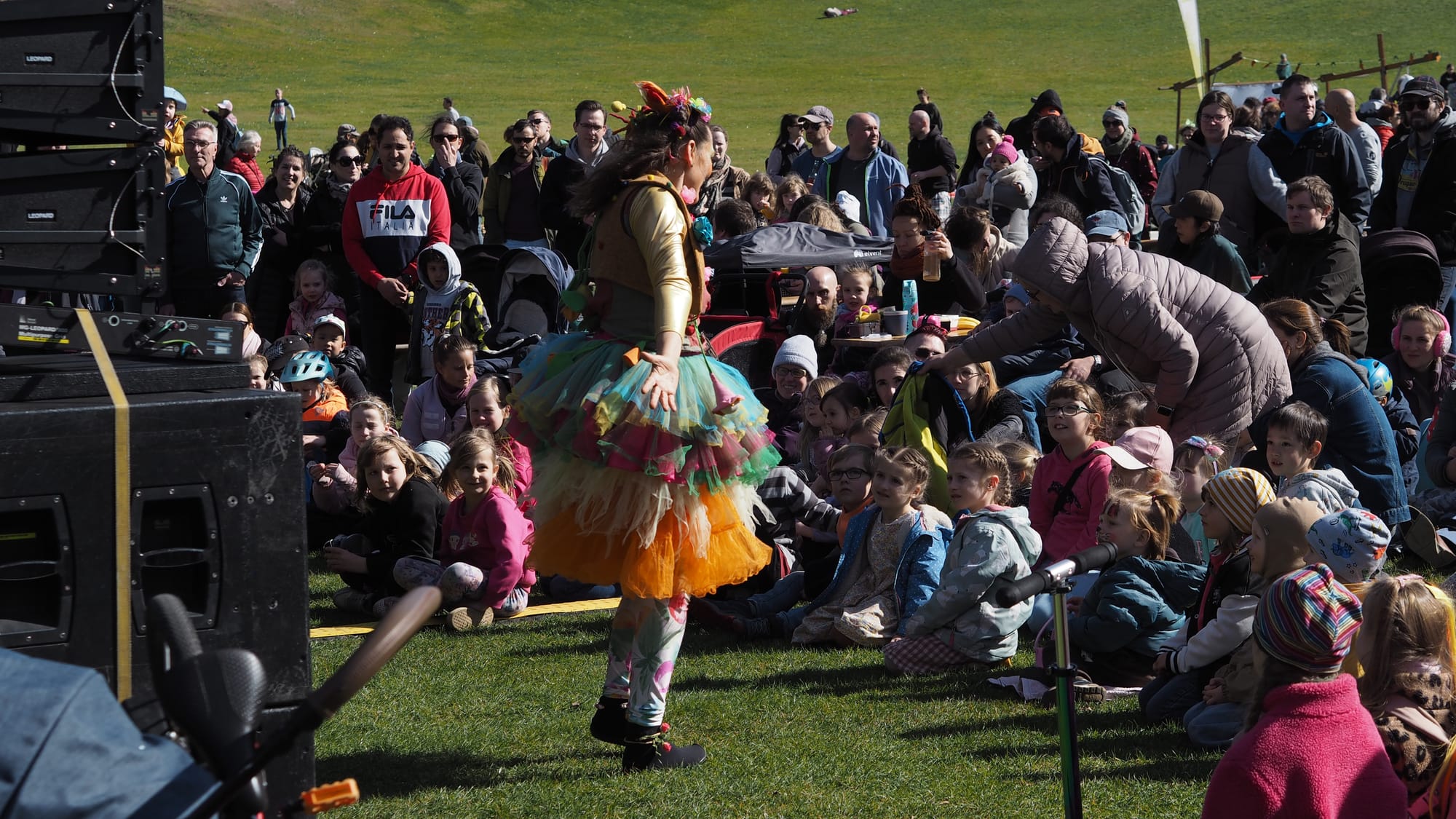
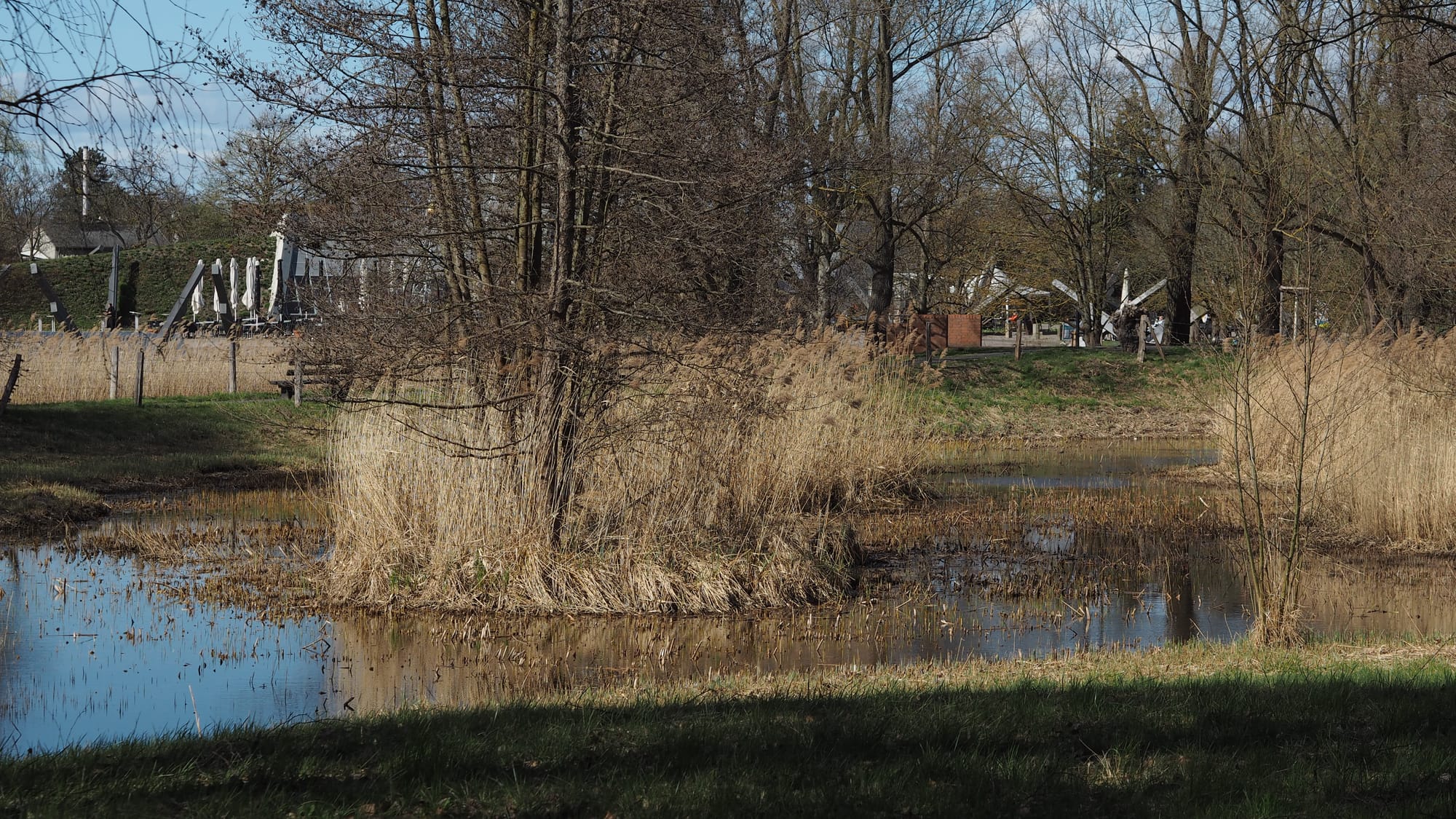
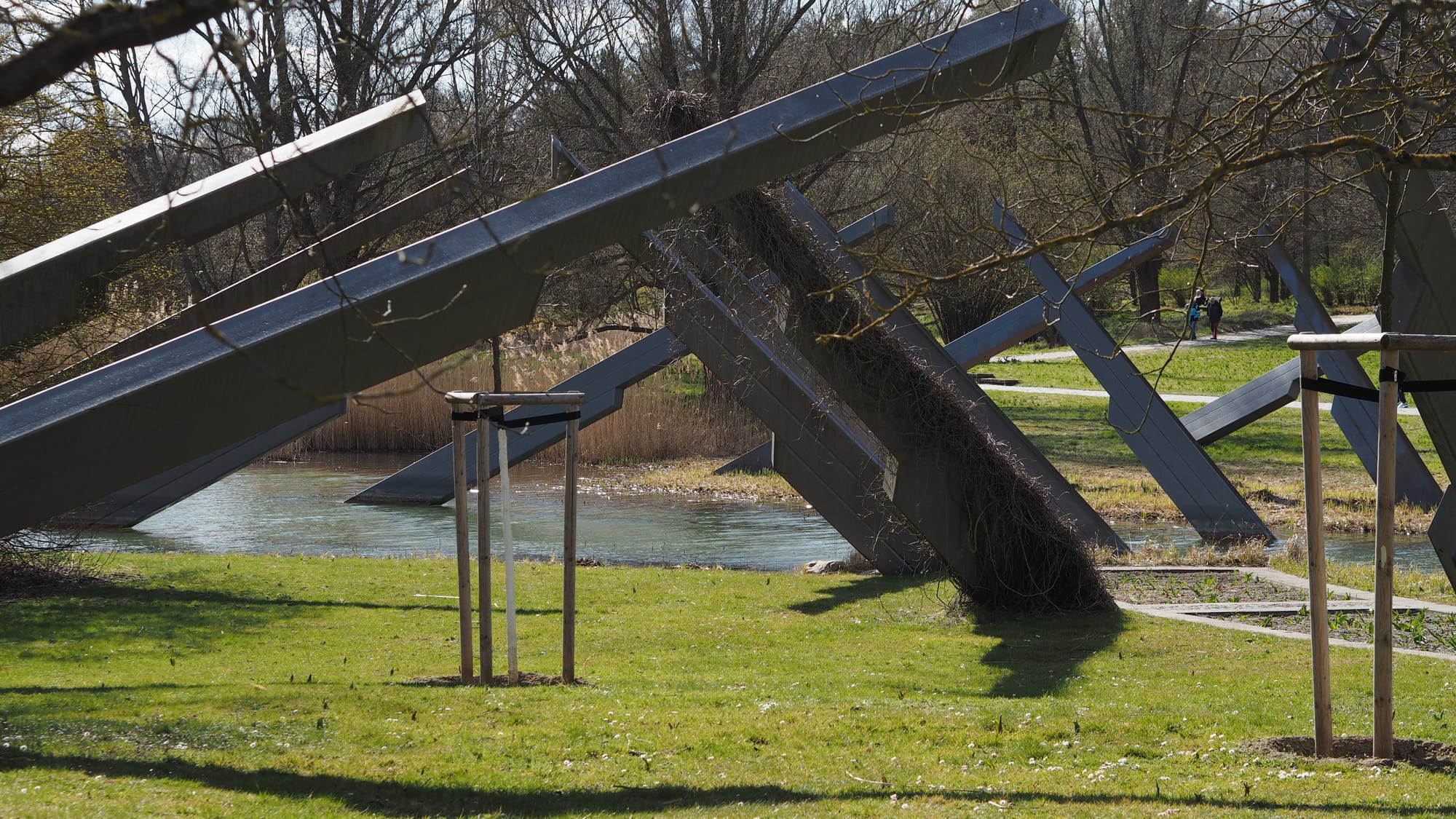
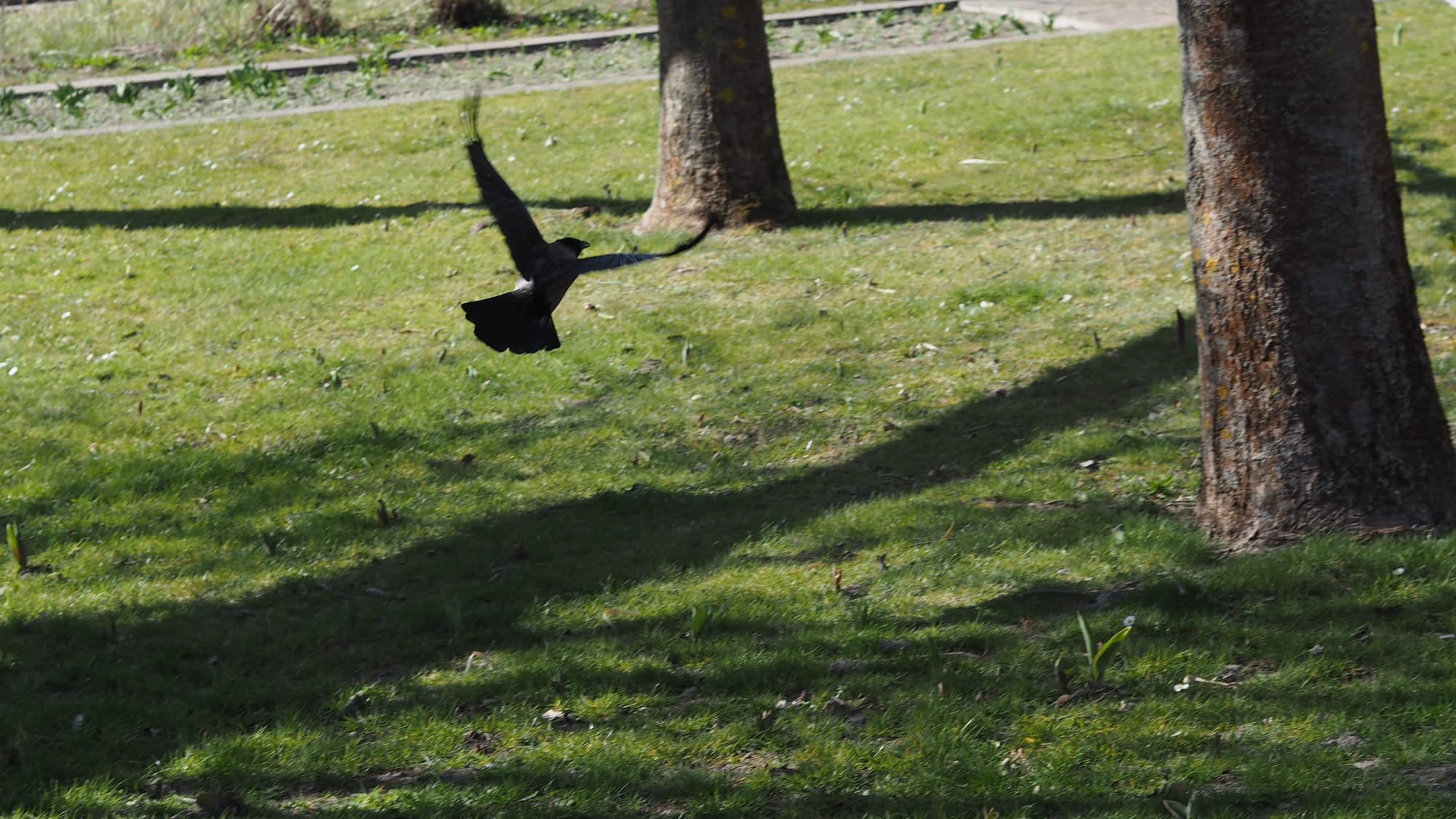
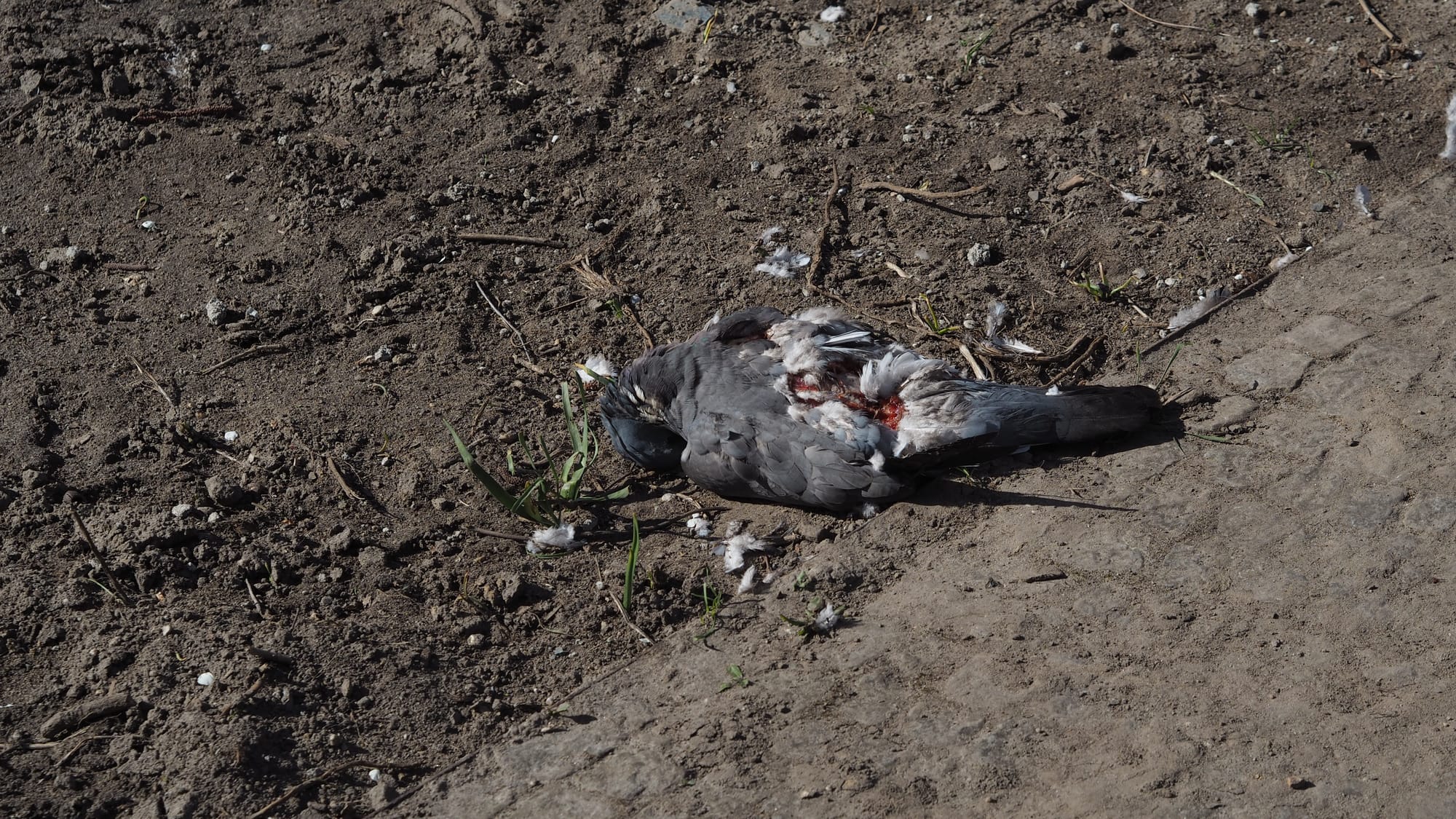
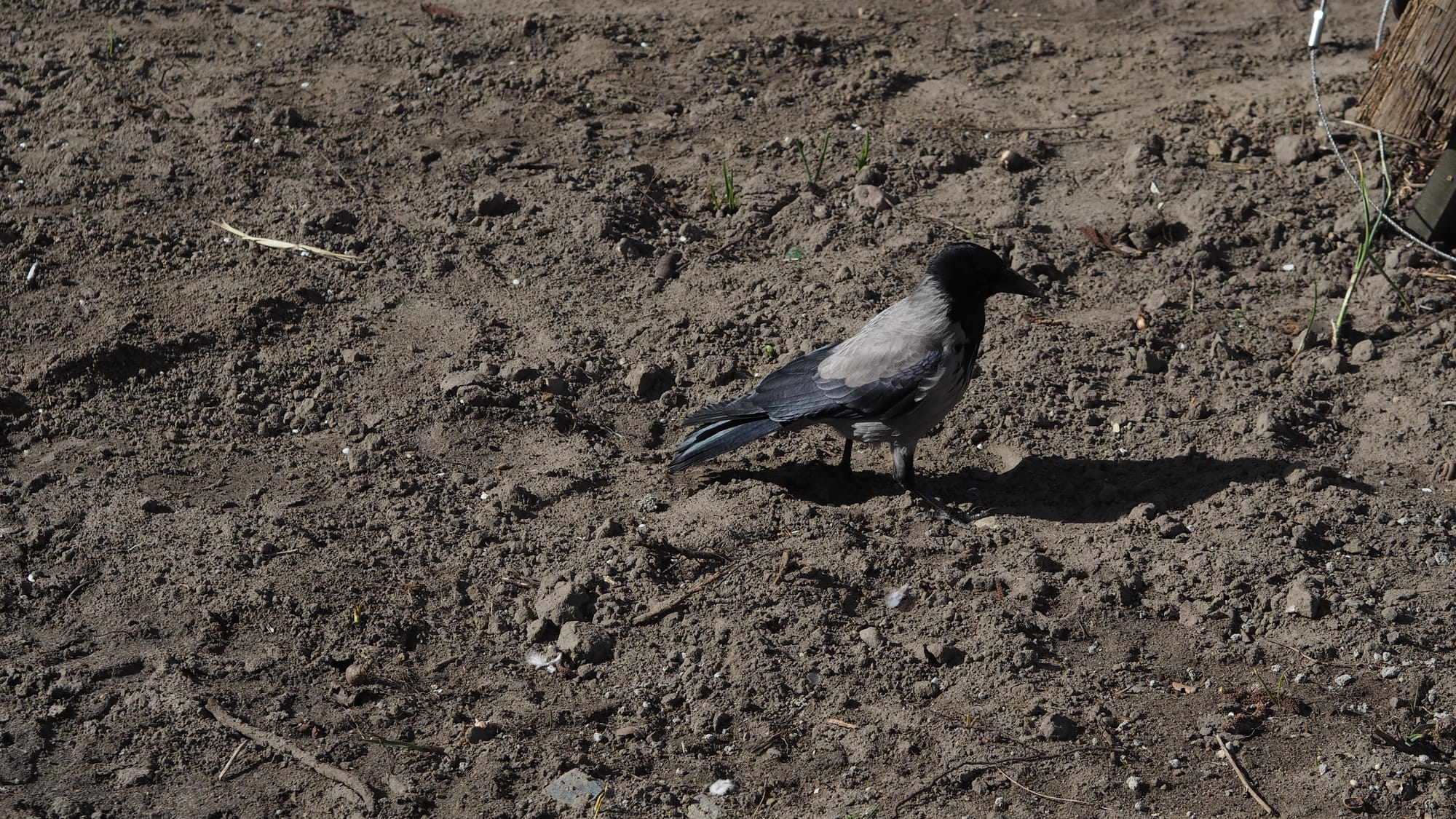
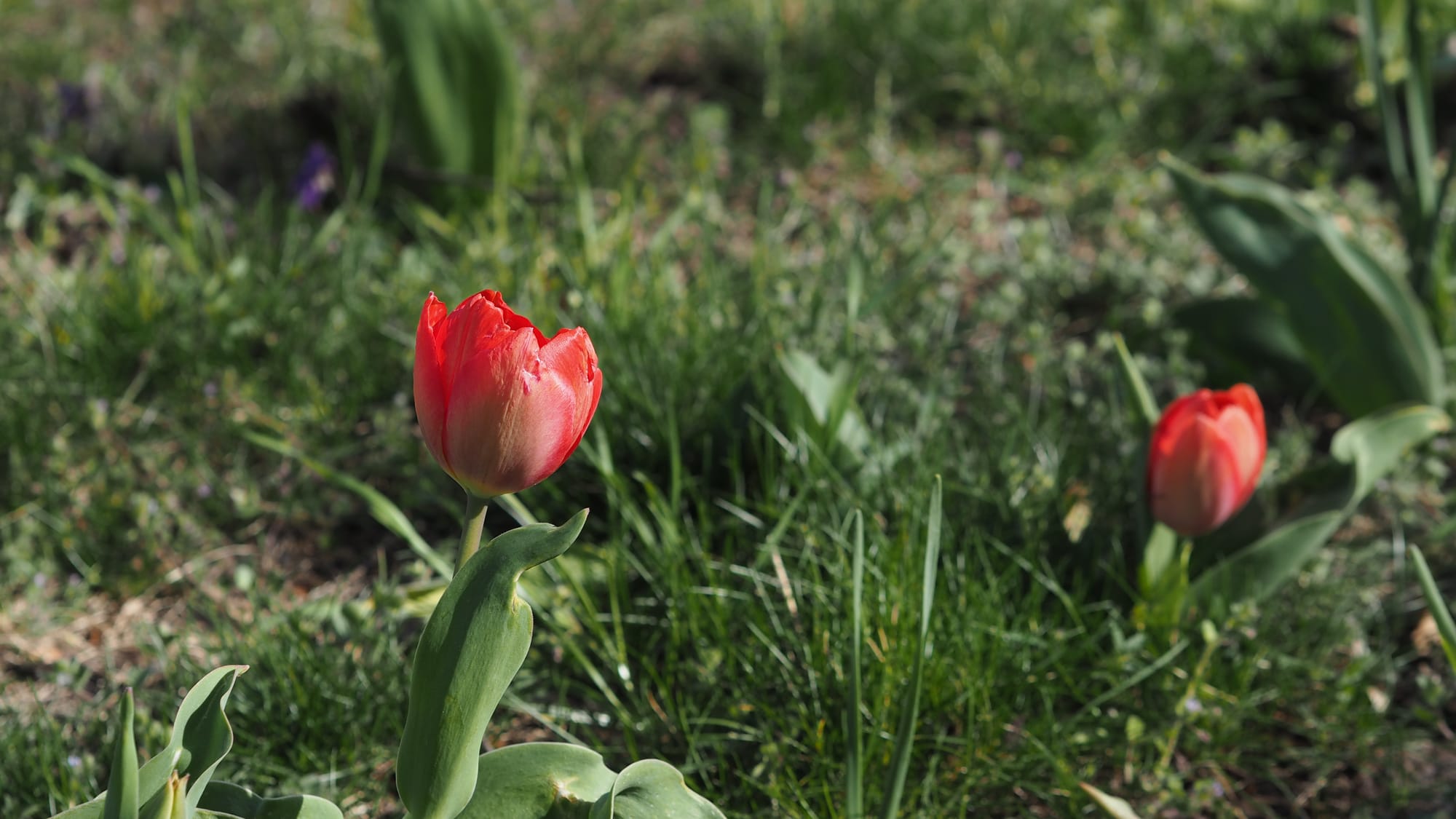
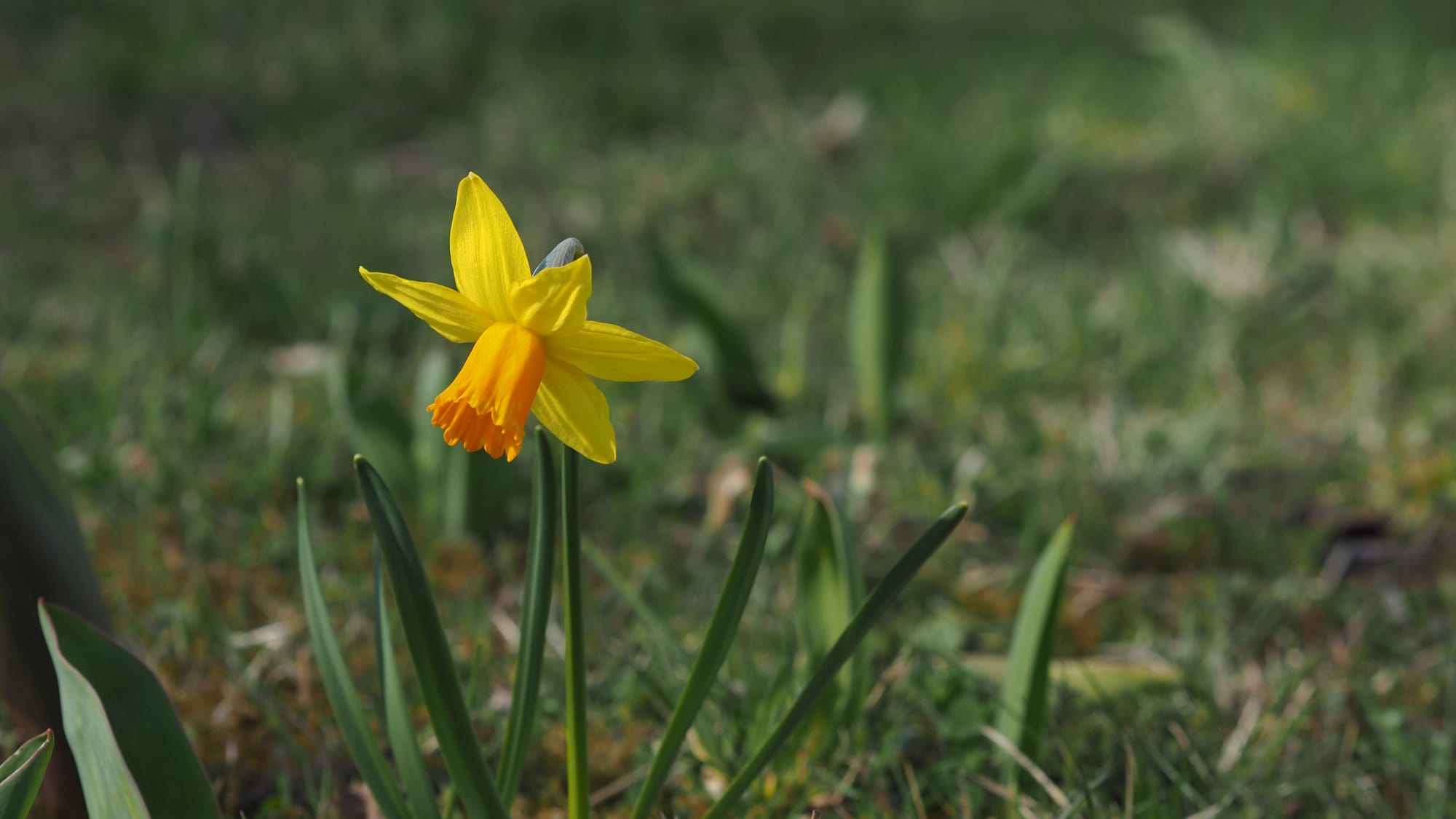
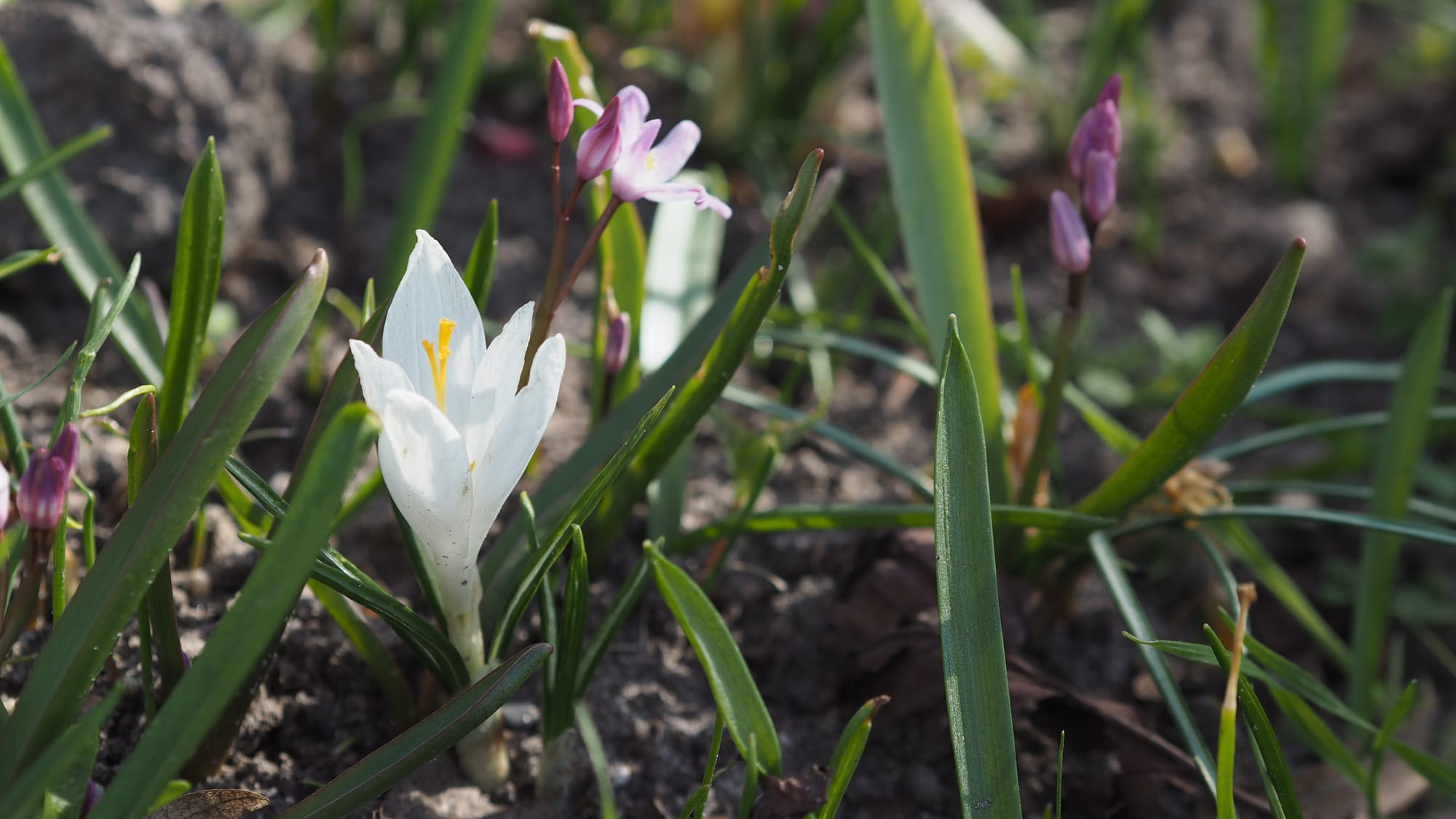
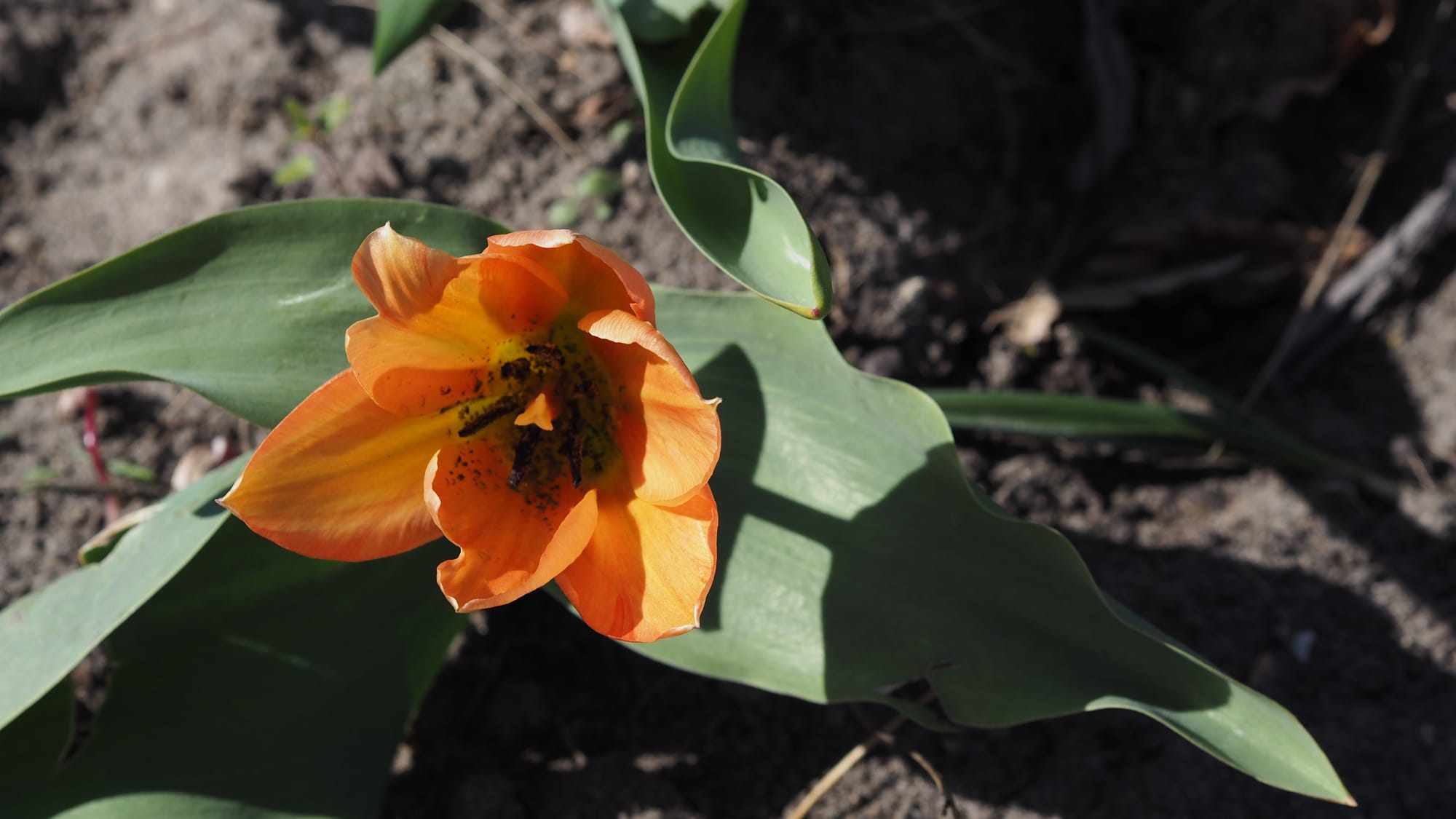
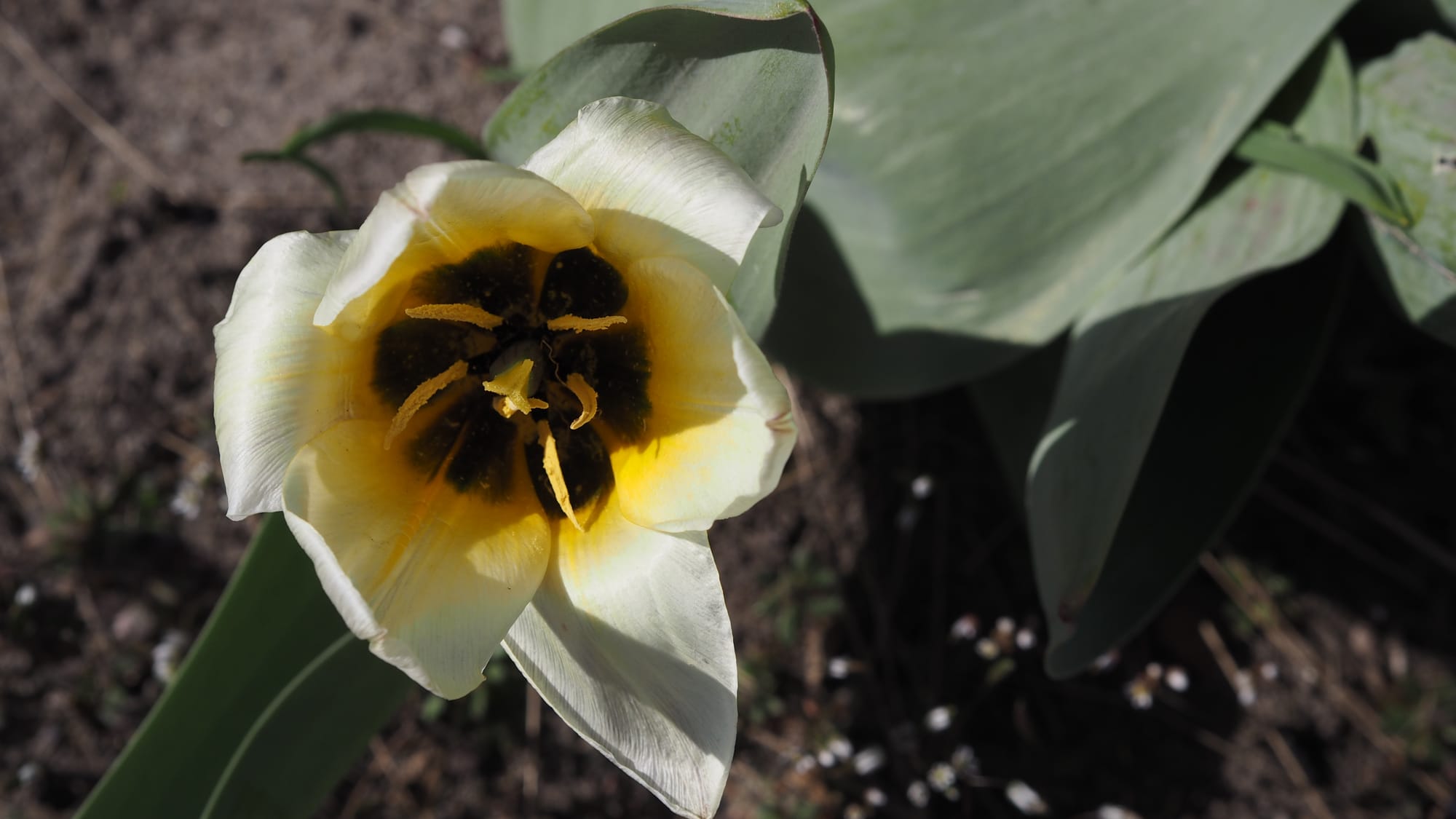

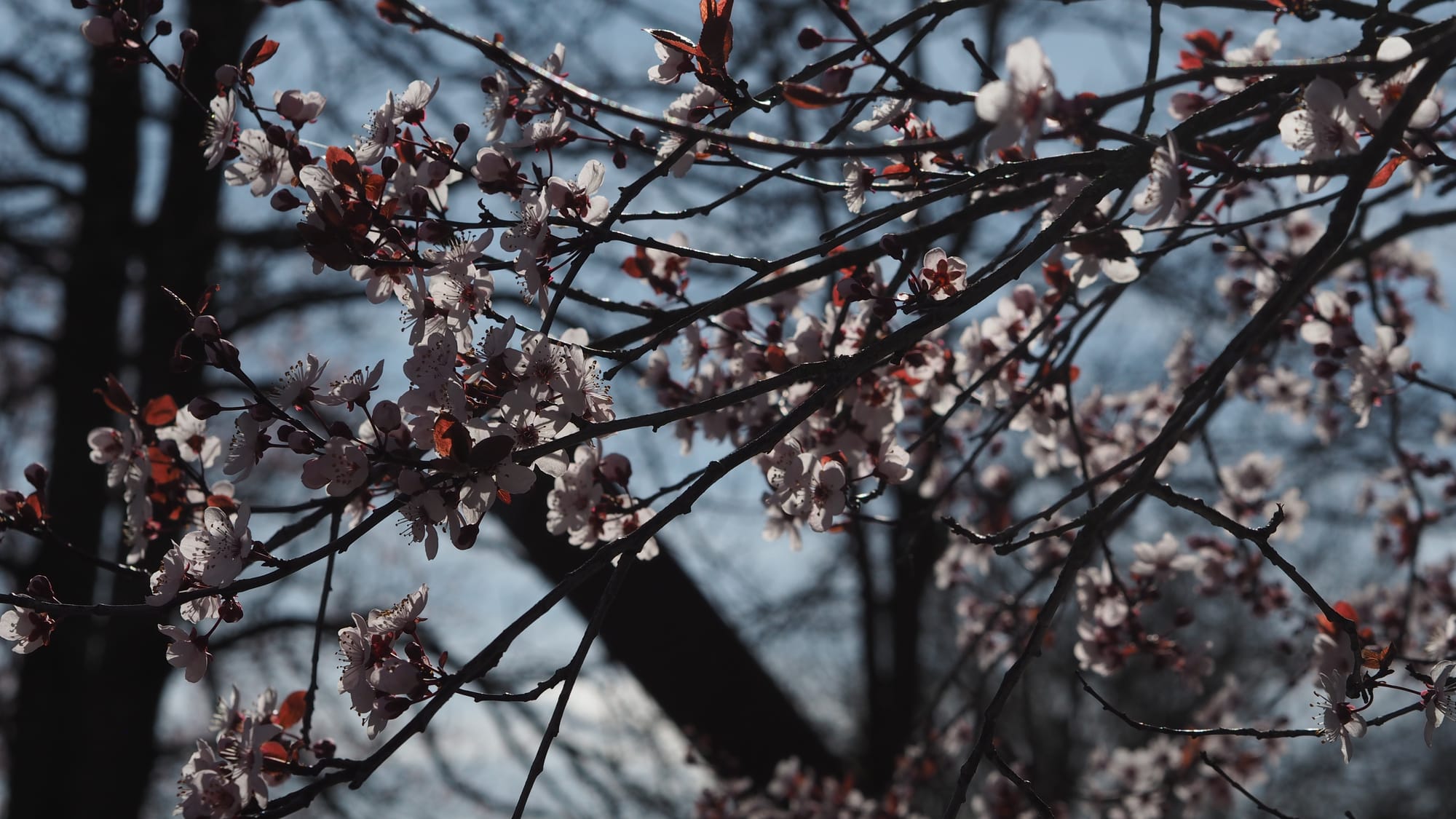
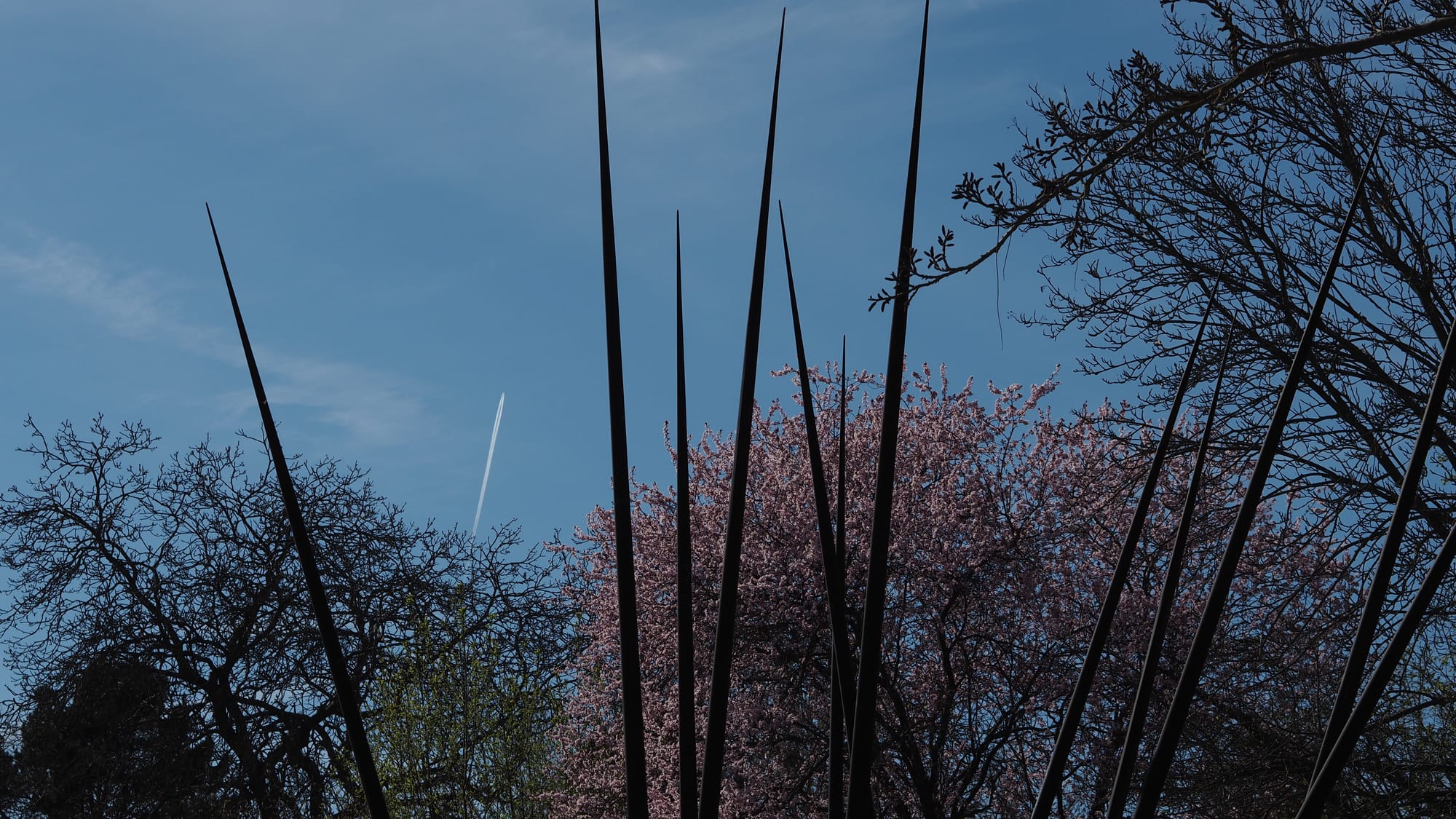
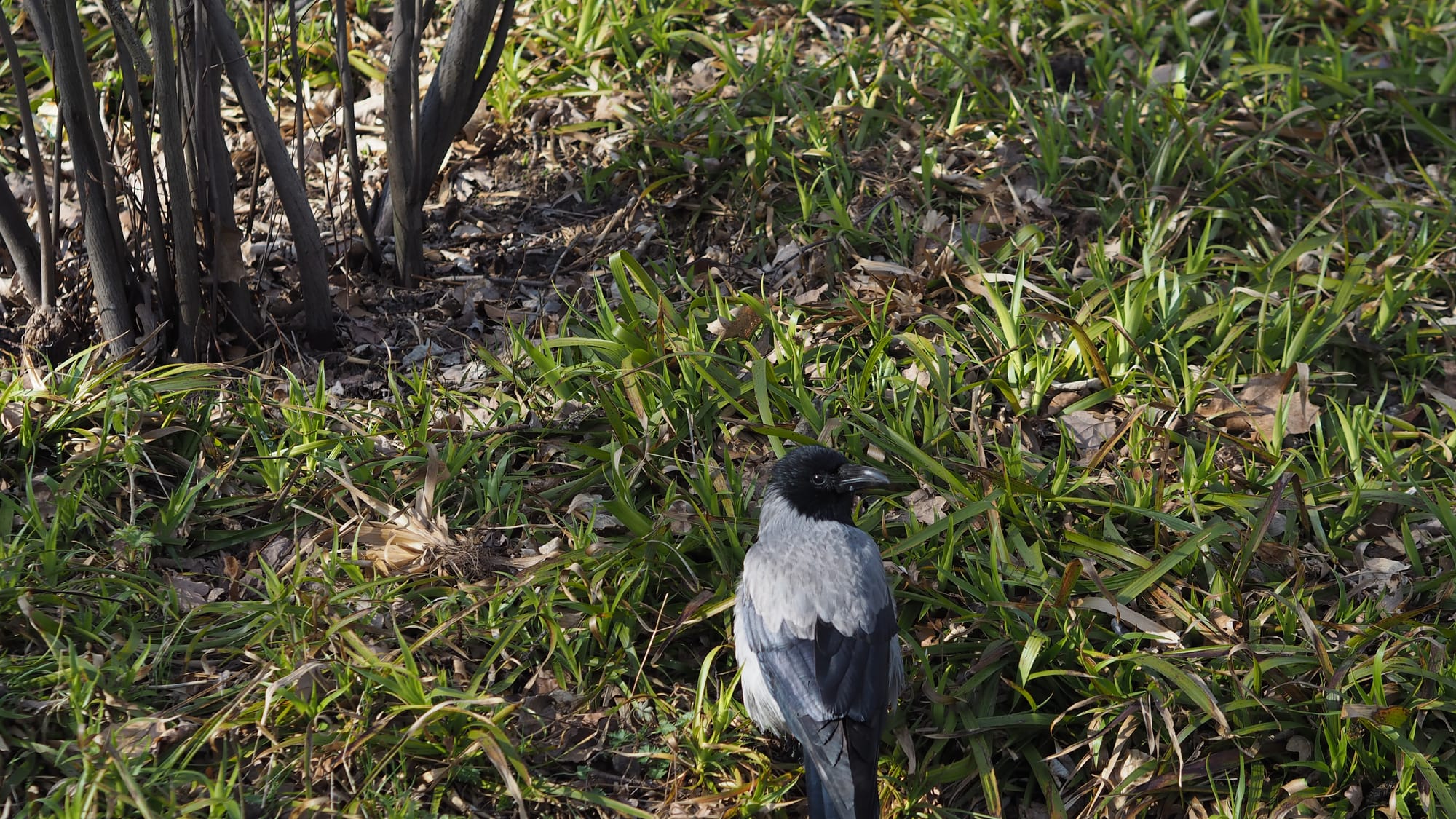
- in keeping with the shape of the day, we went the wrong way and, thinking of nothing we wanted to do more, had to go around the entire garden before discovering the tulips, except for one or two, weren't yet out
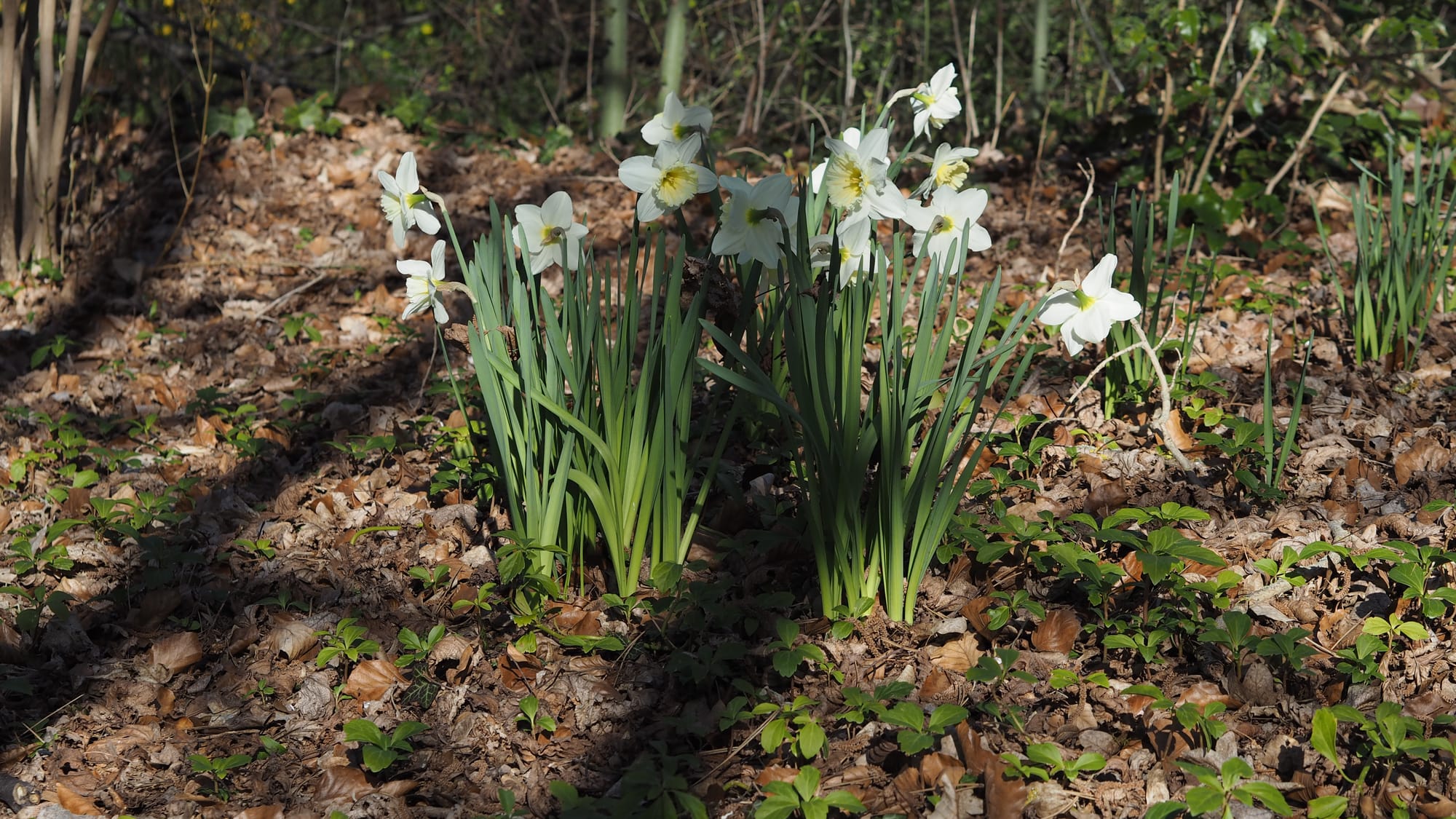
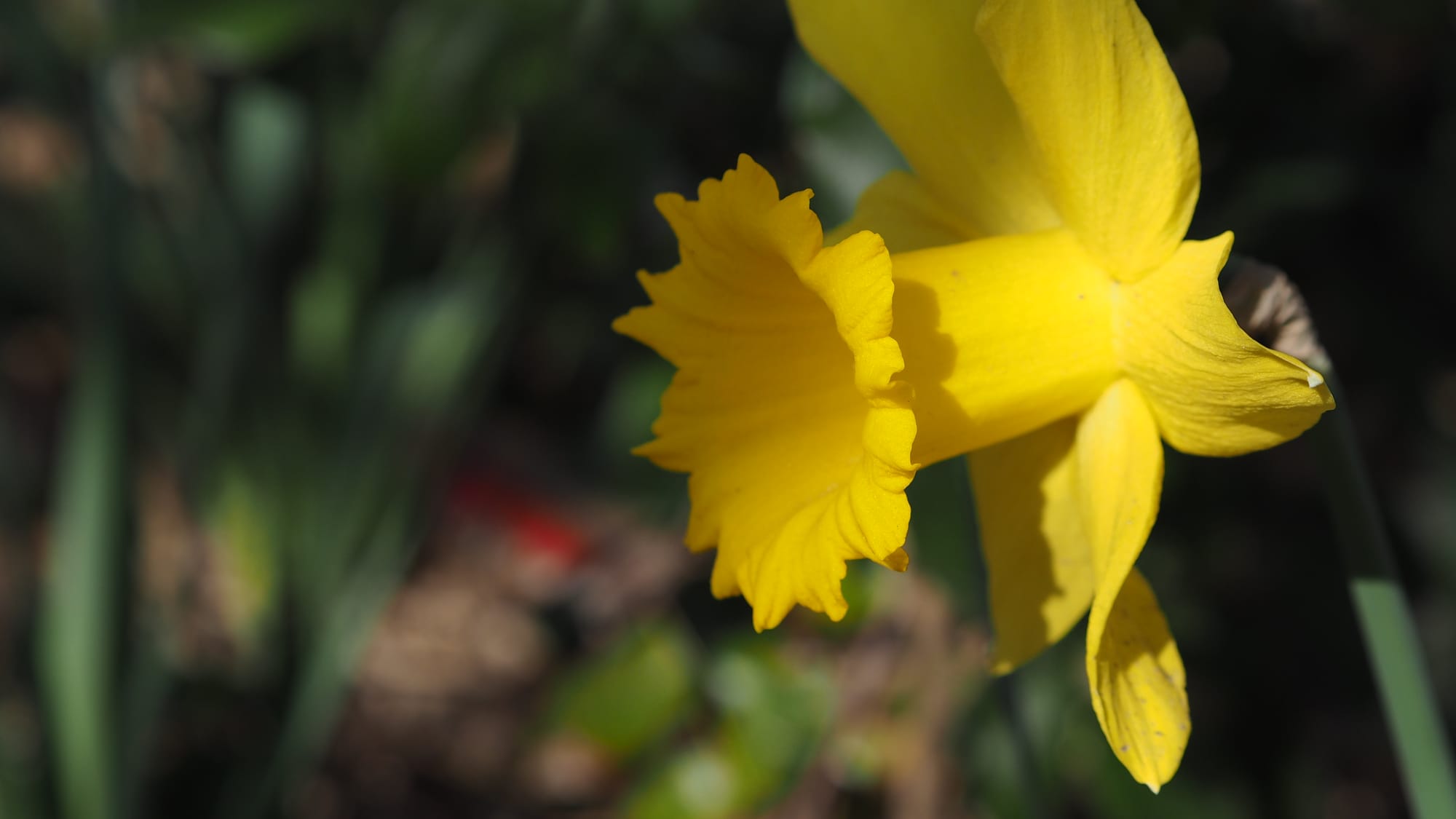
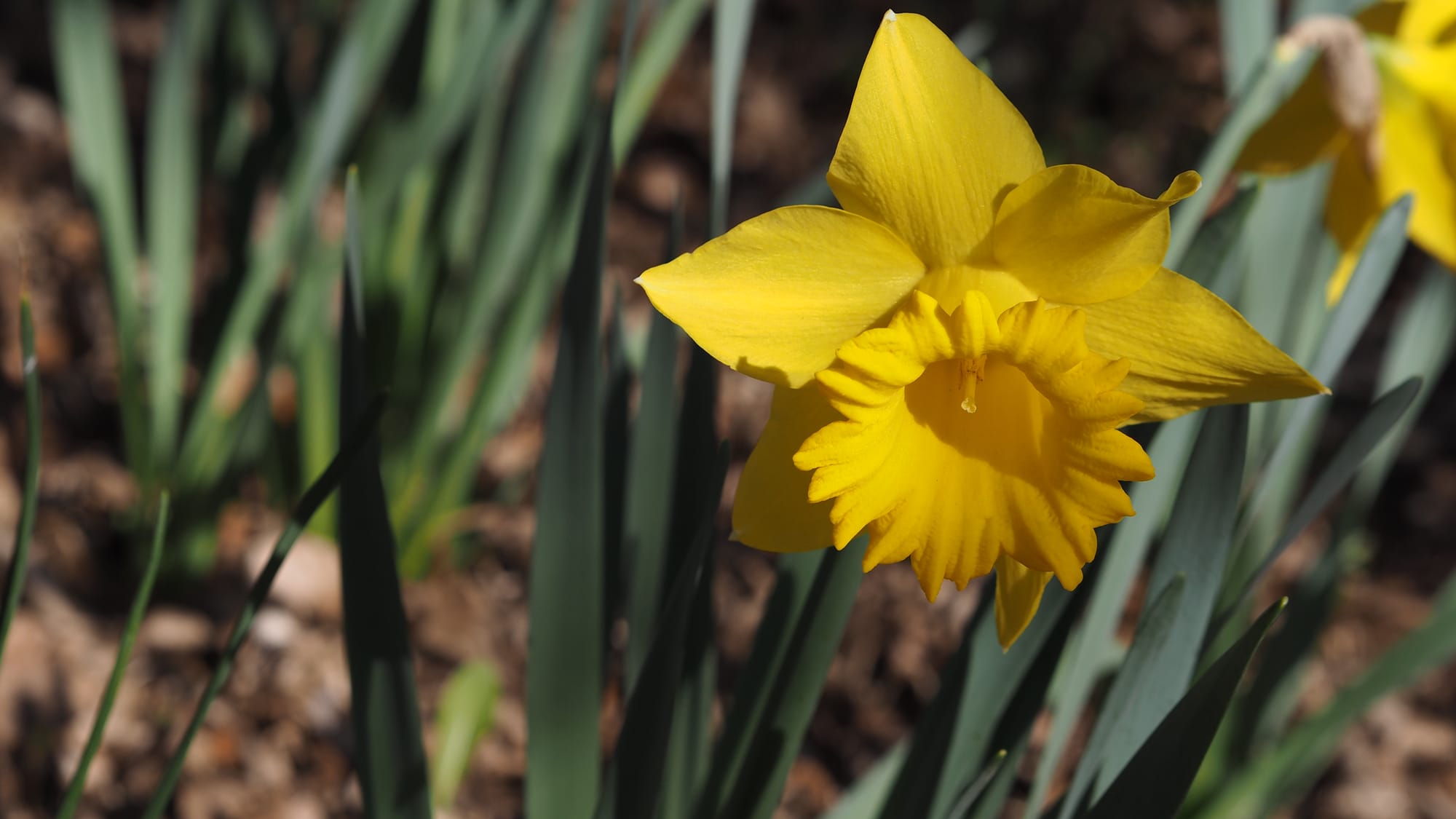

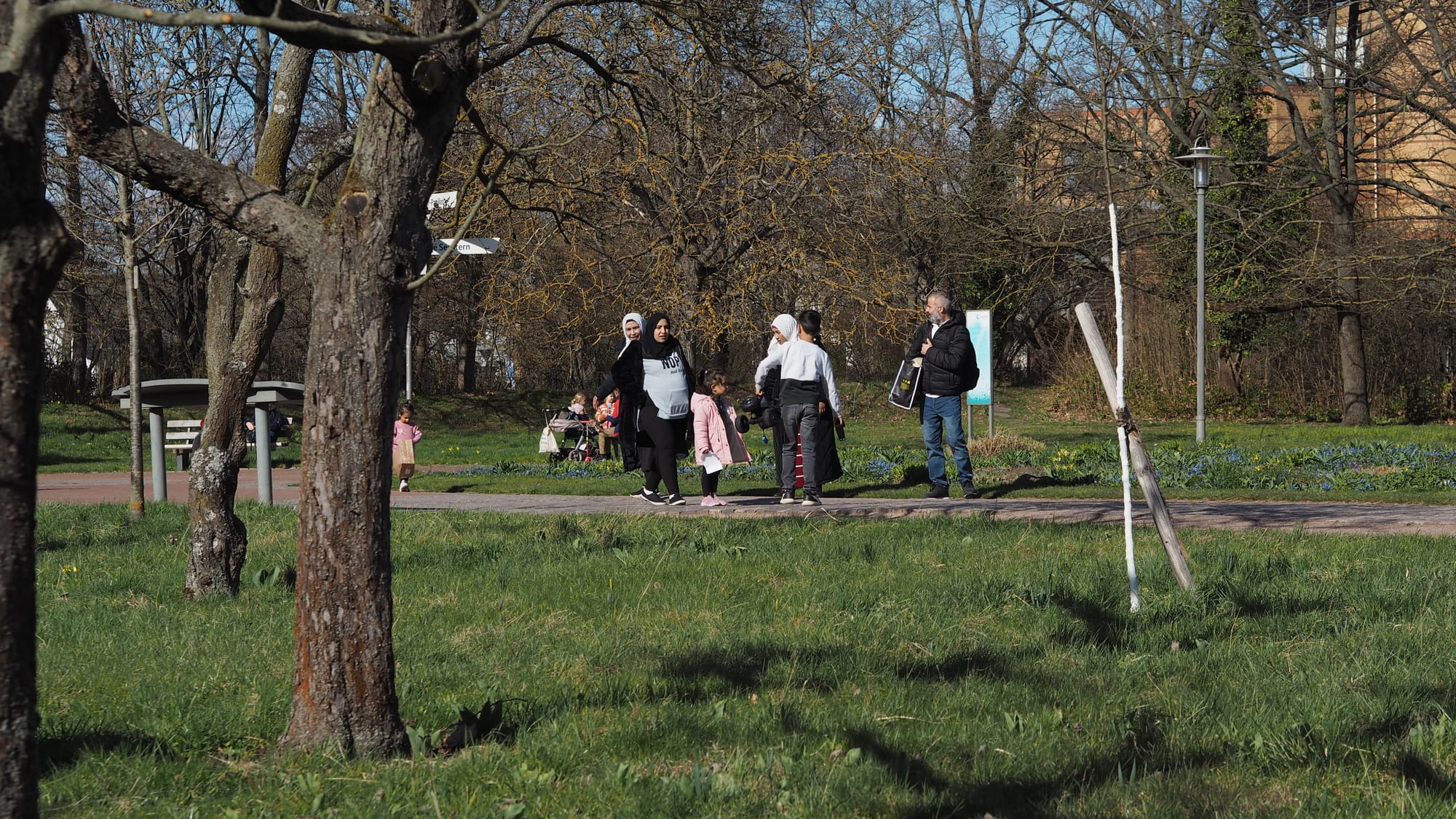
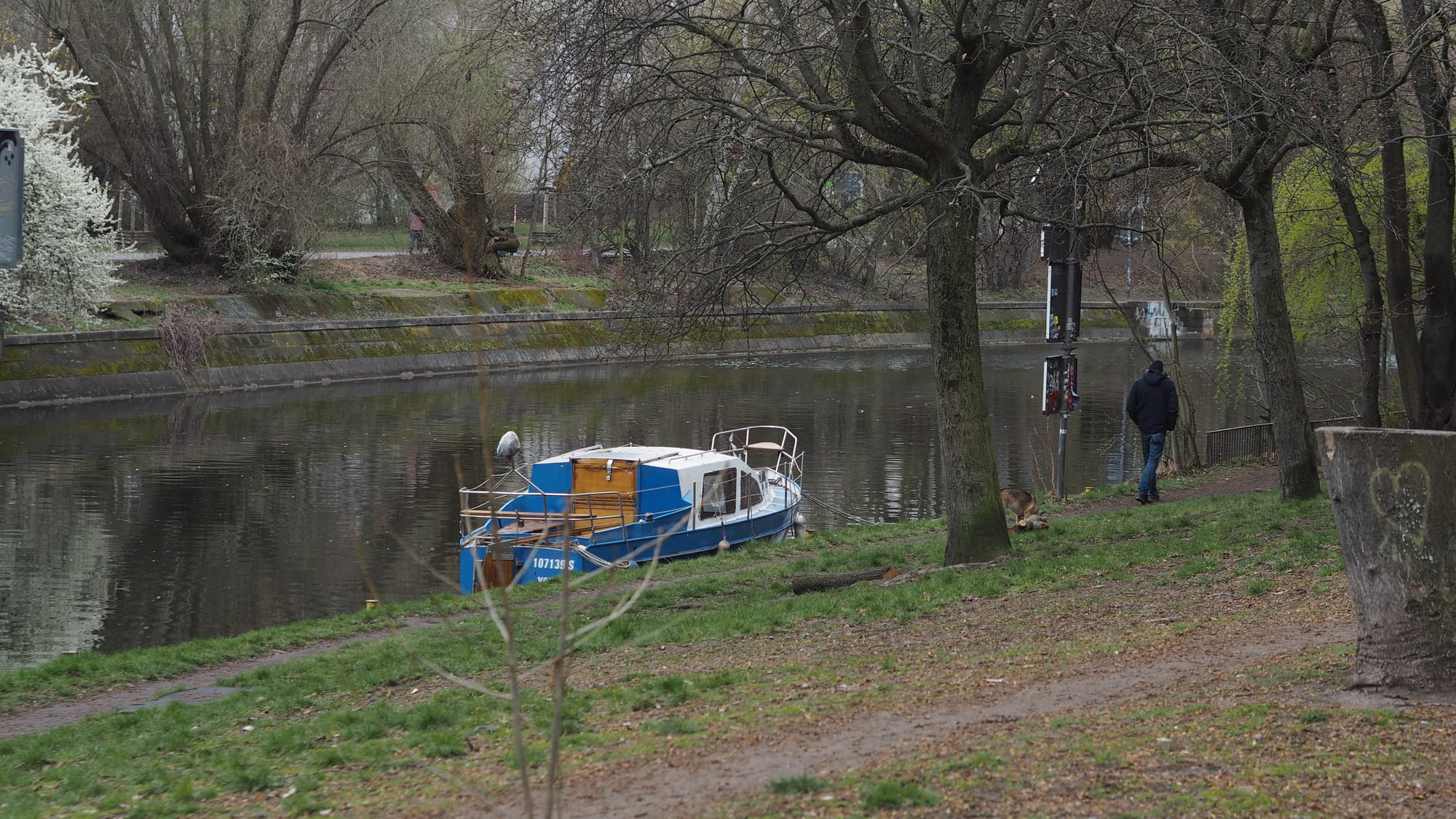
Ufer action & at home
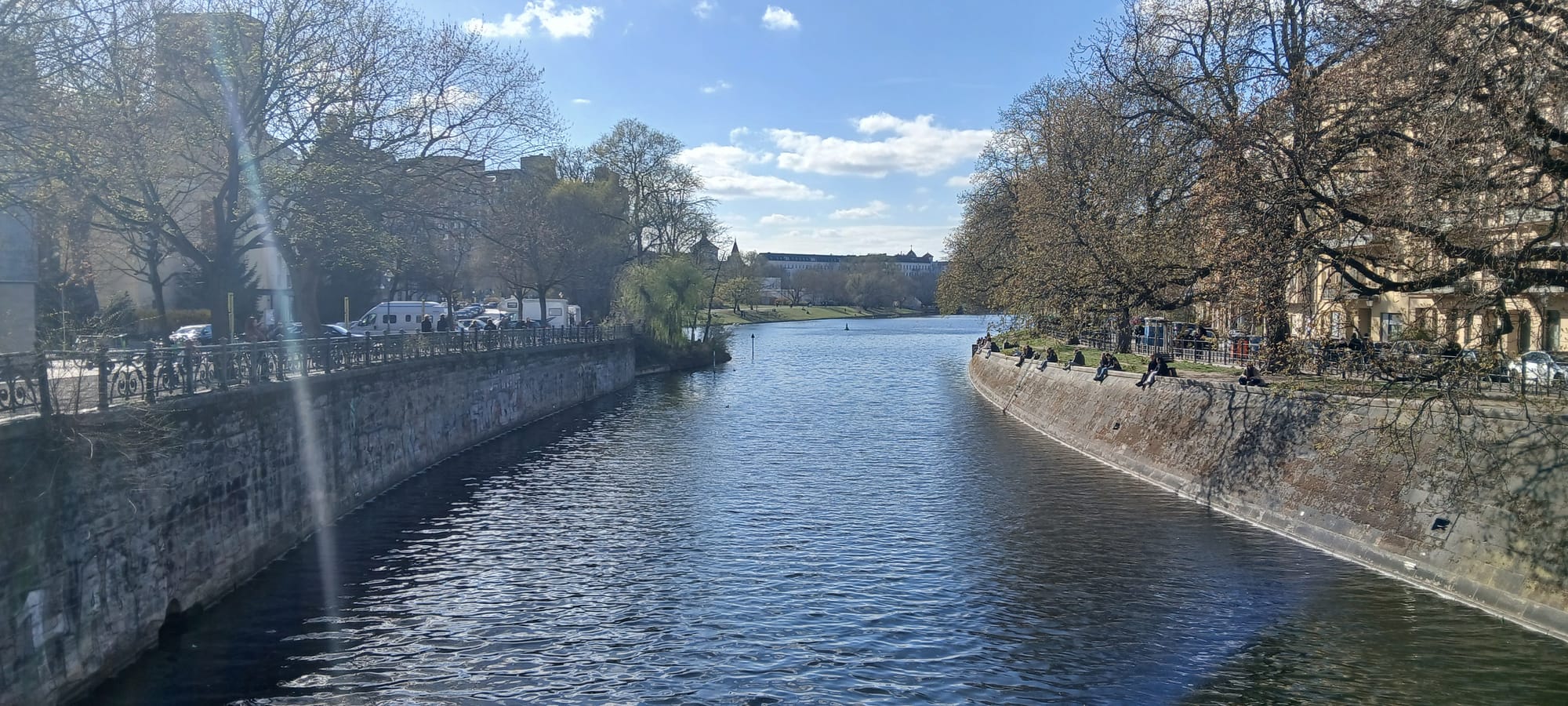
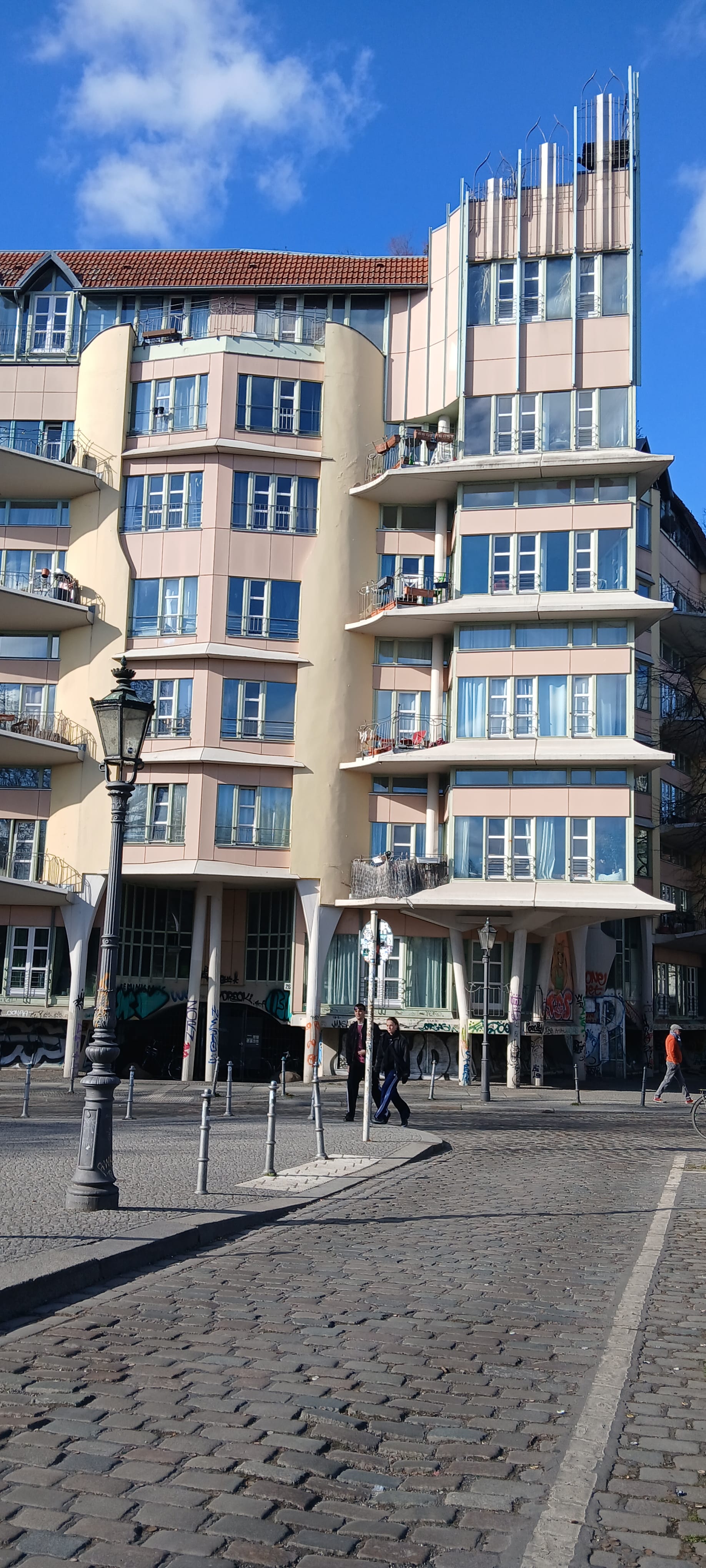
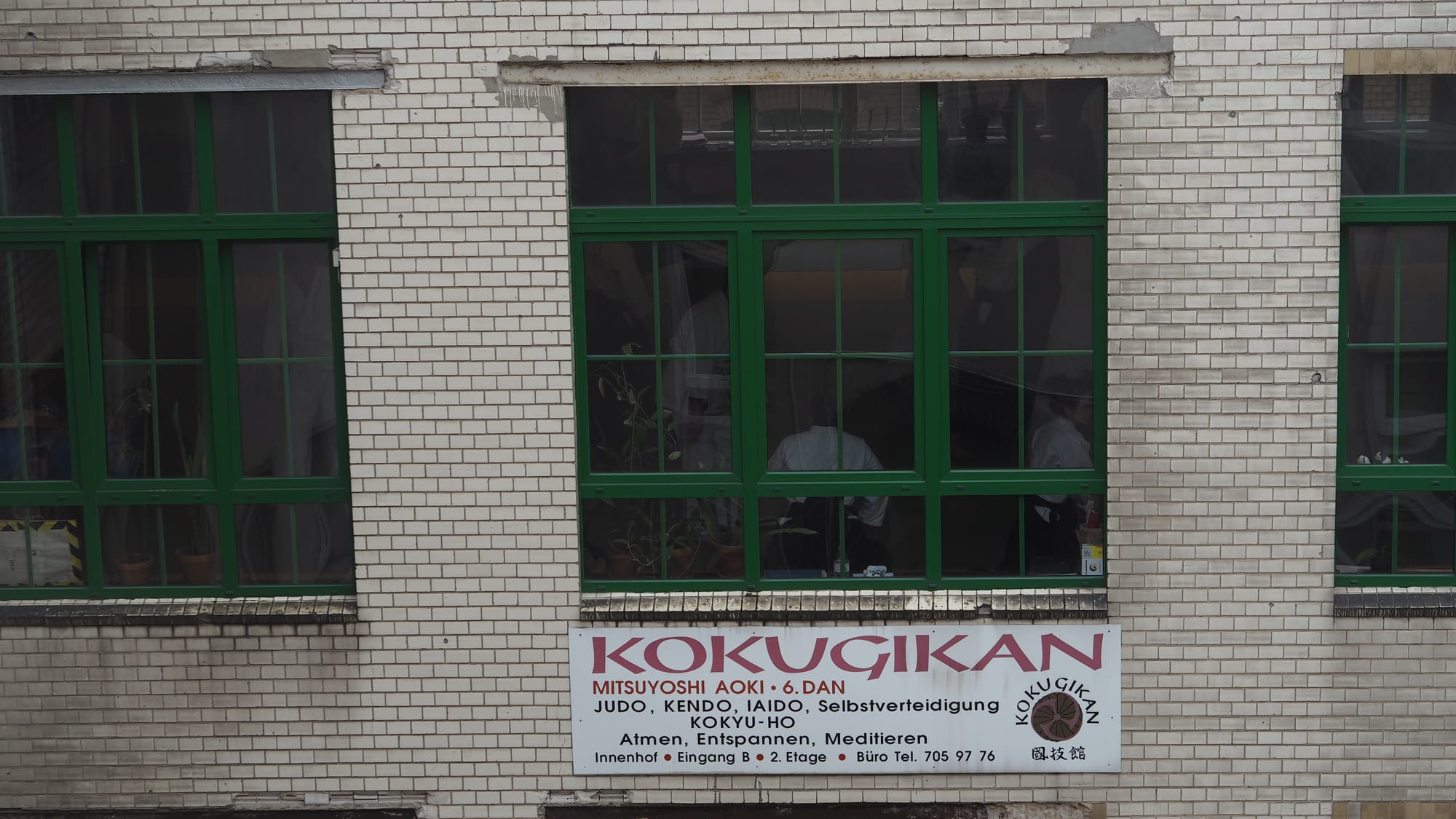
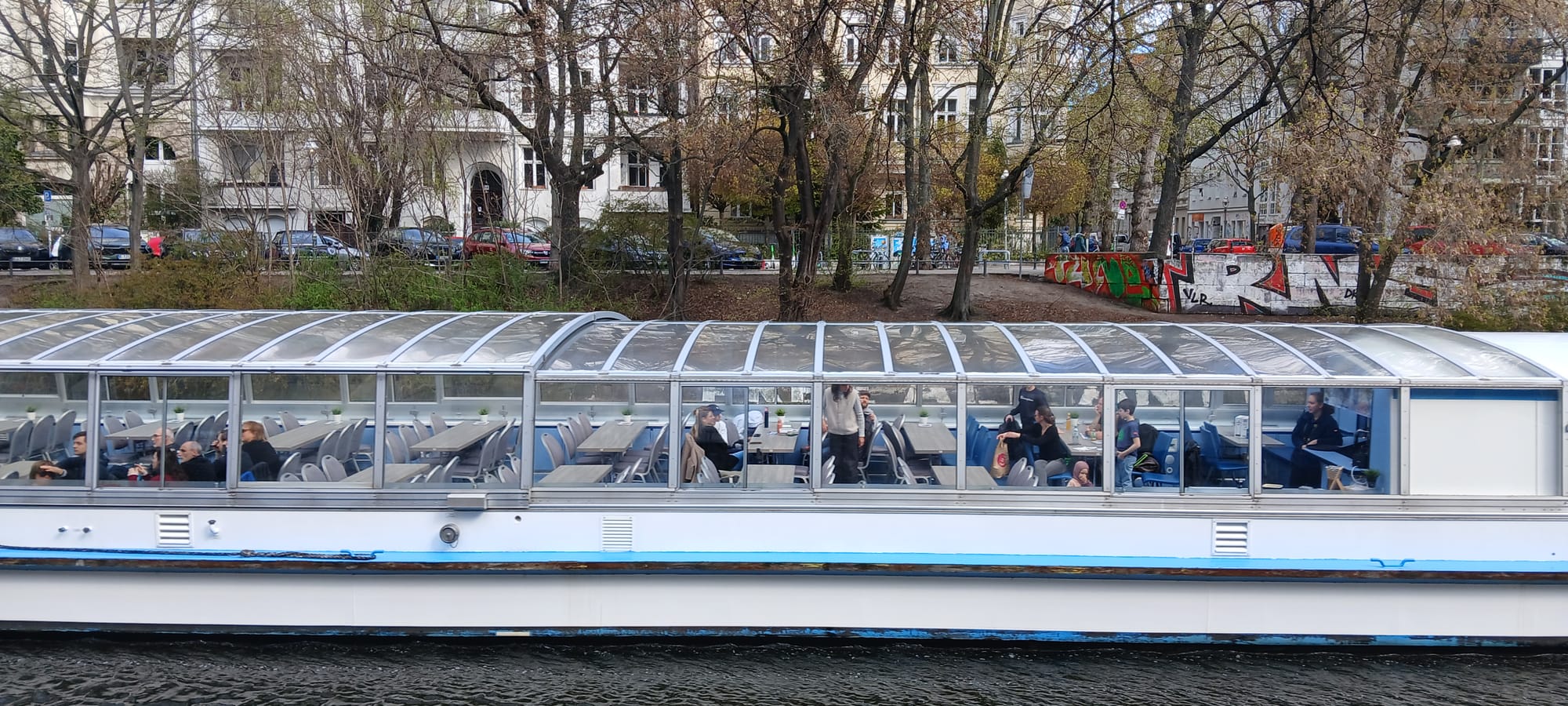
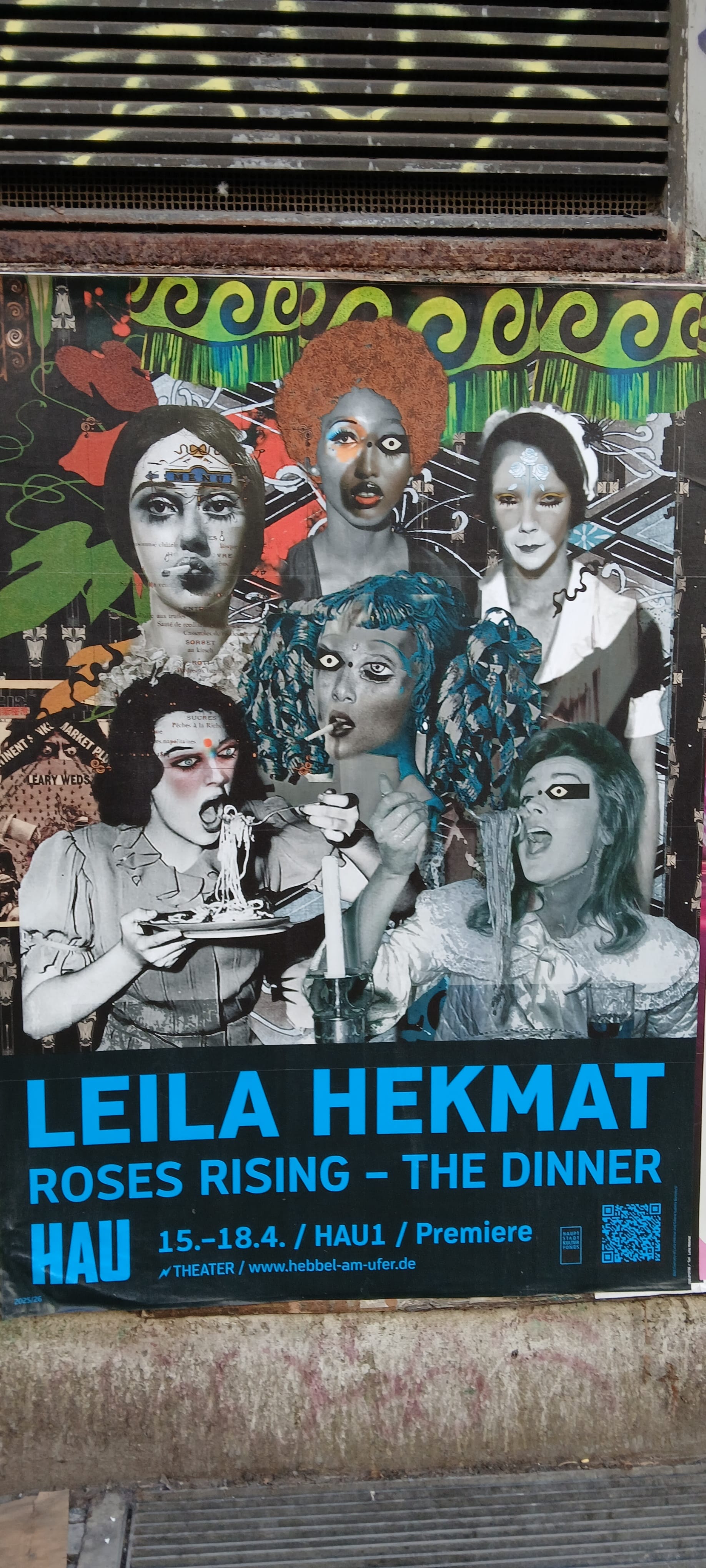
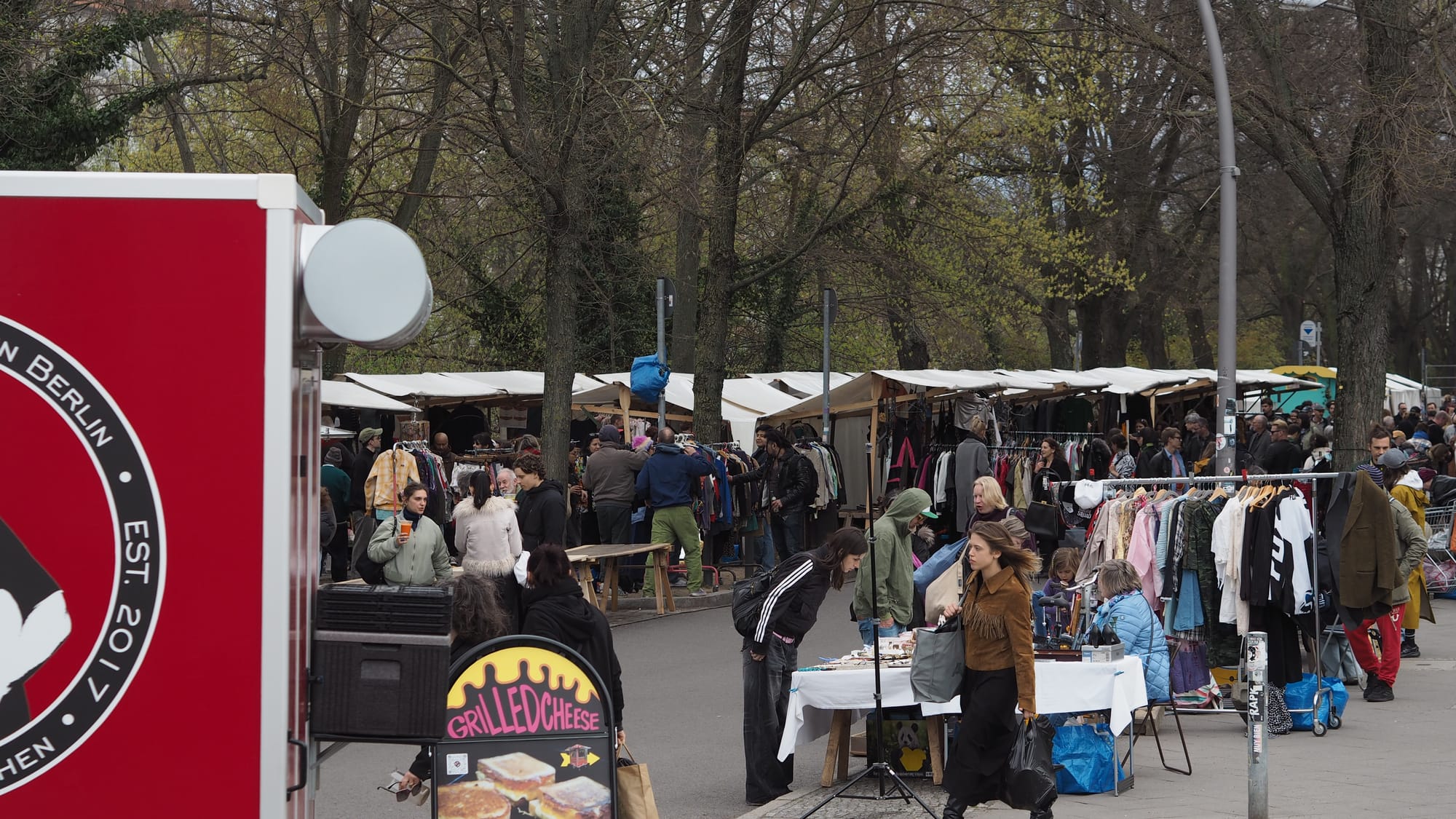
Maybachufer Markt
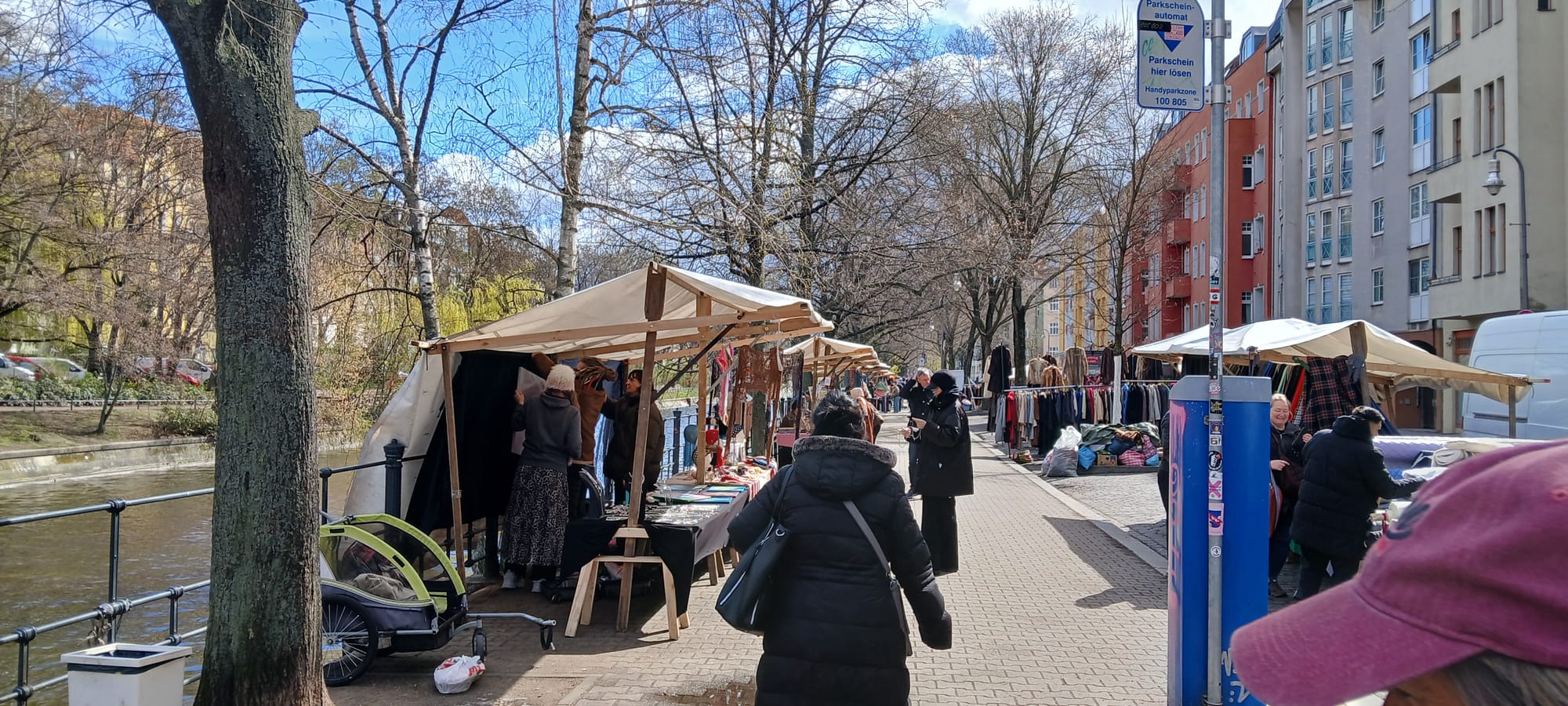
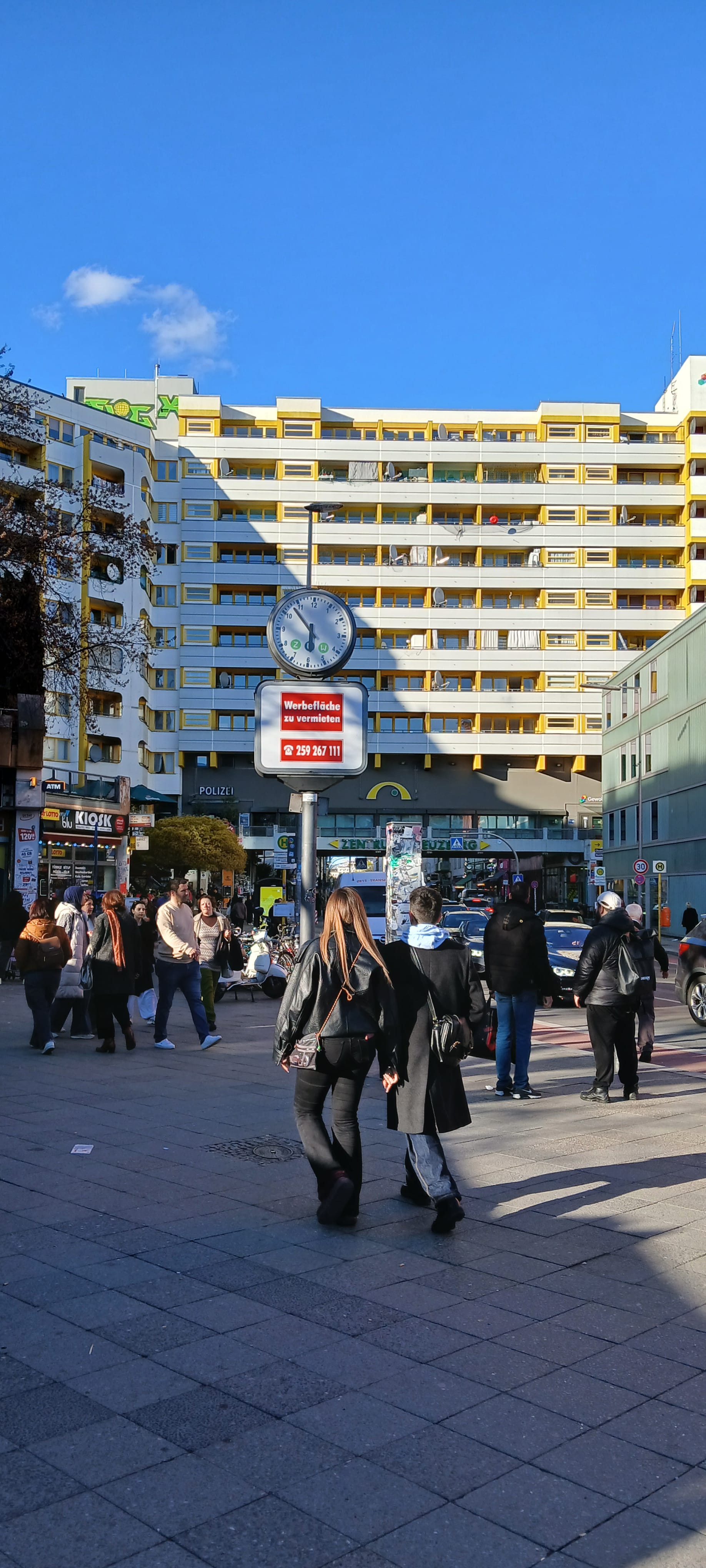
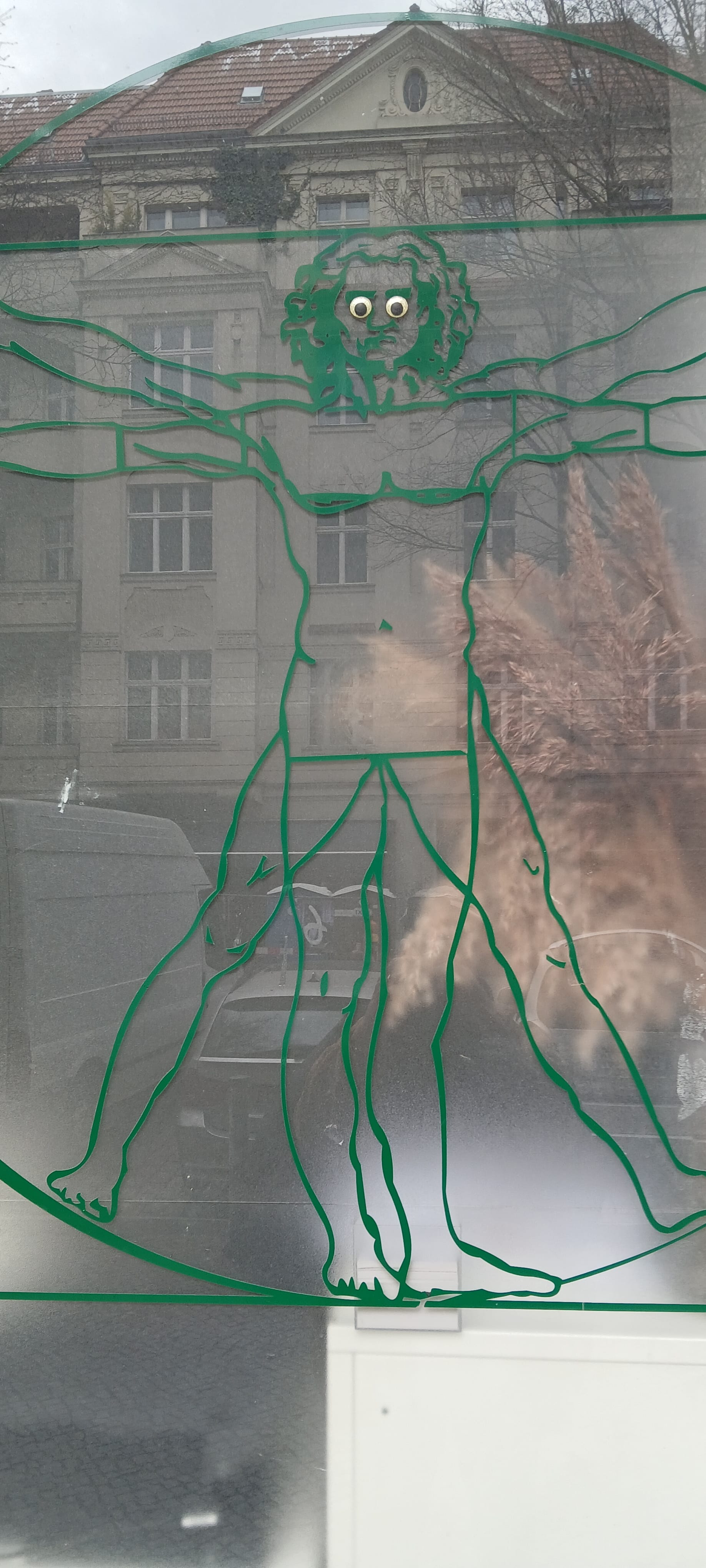
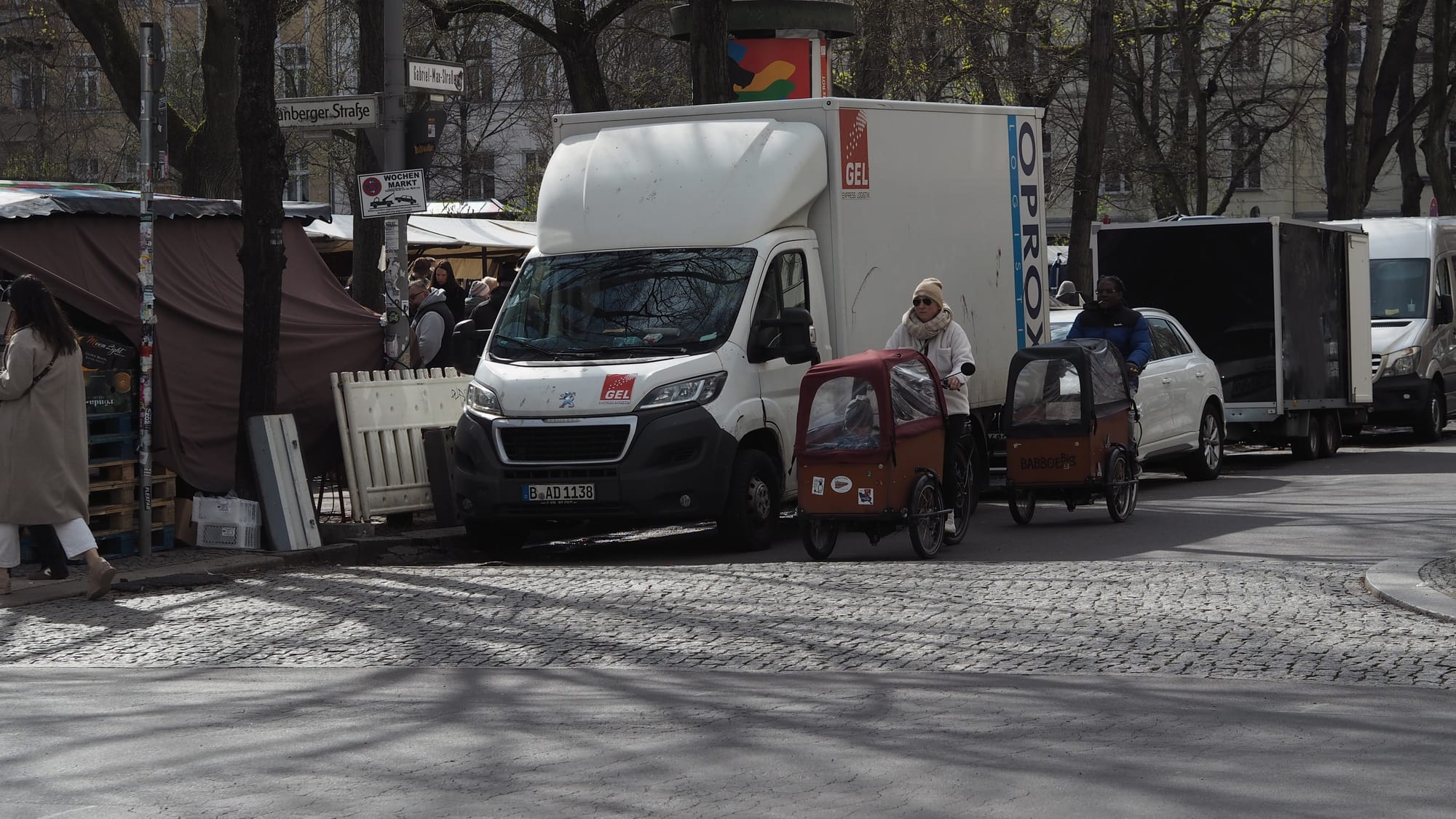
back to the Ufer for the funnest market experience, you see we'd had a taste of the market the day before on the way to Poland.
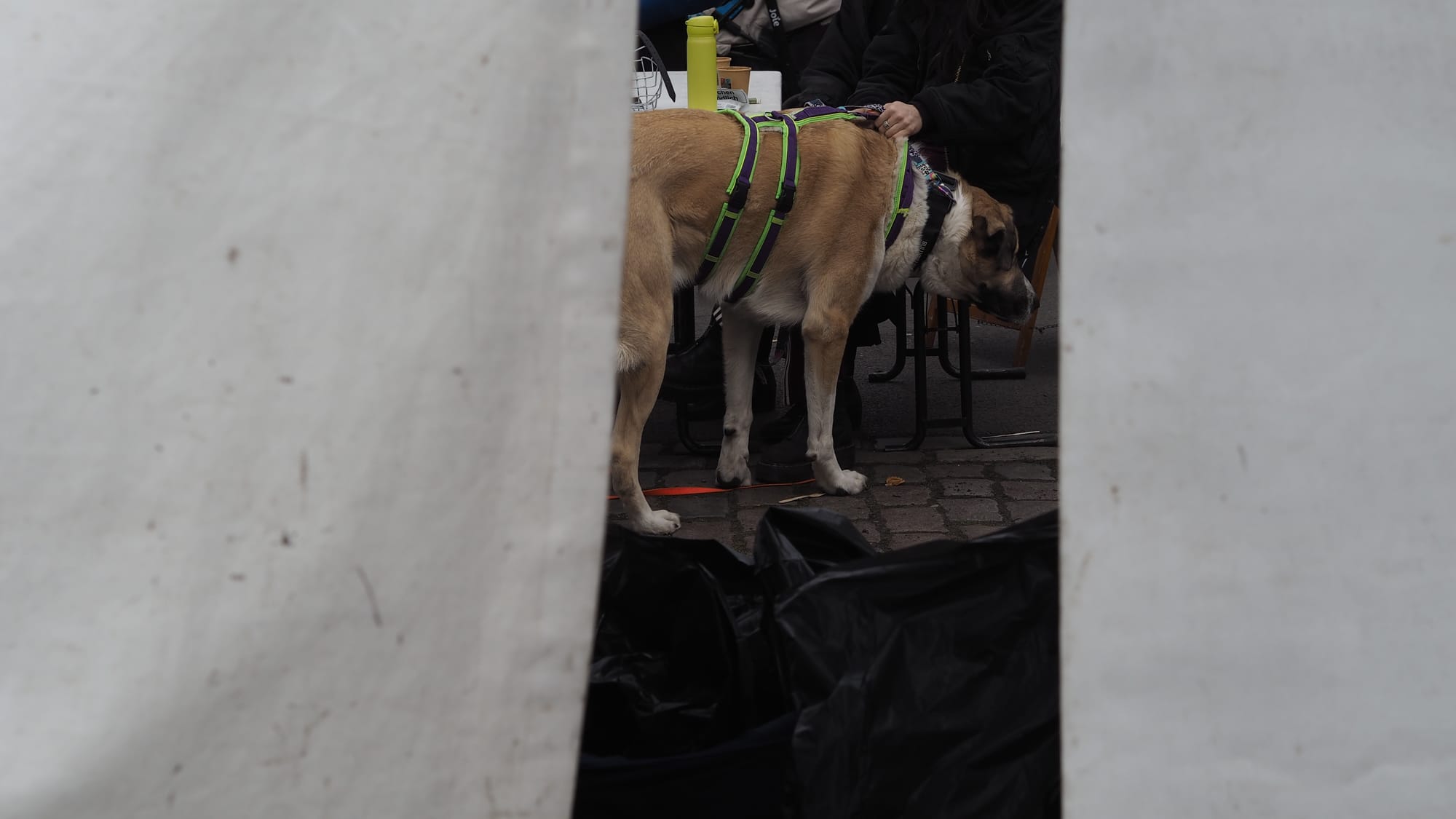
Some final words:
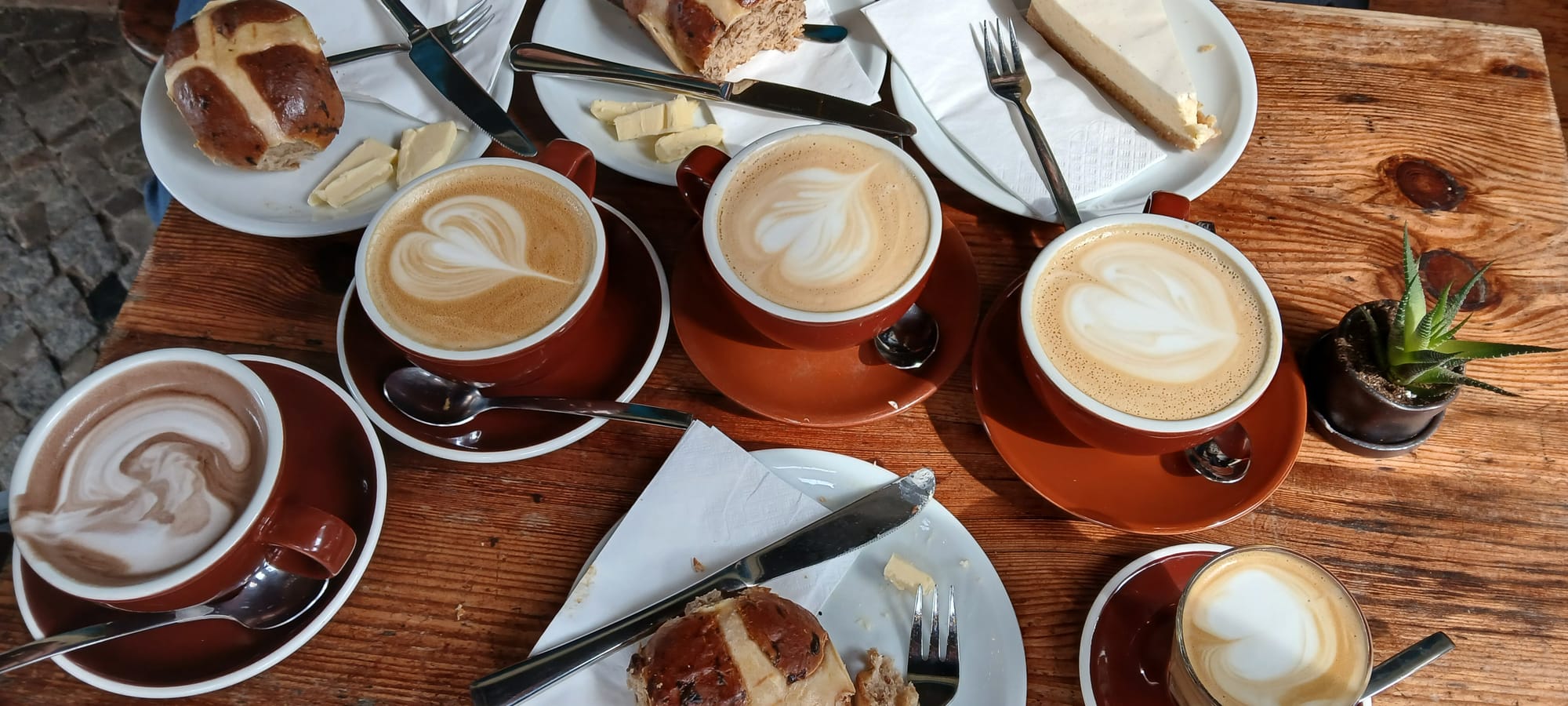
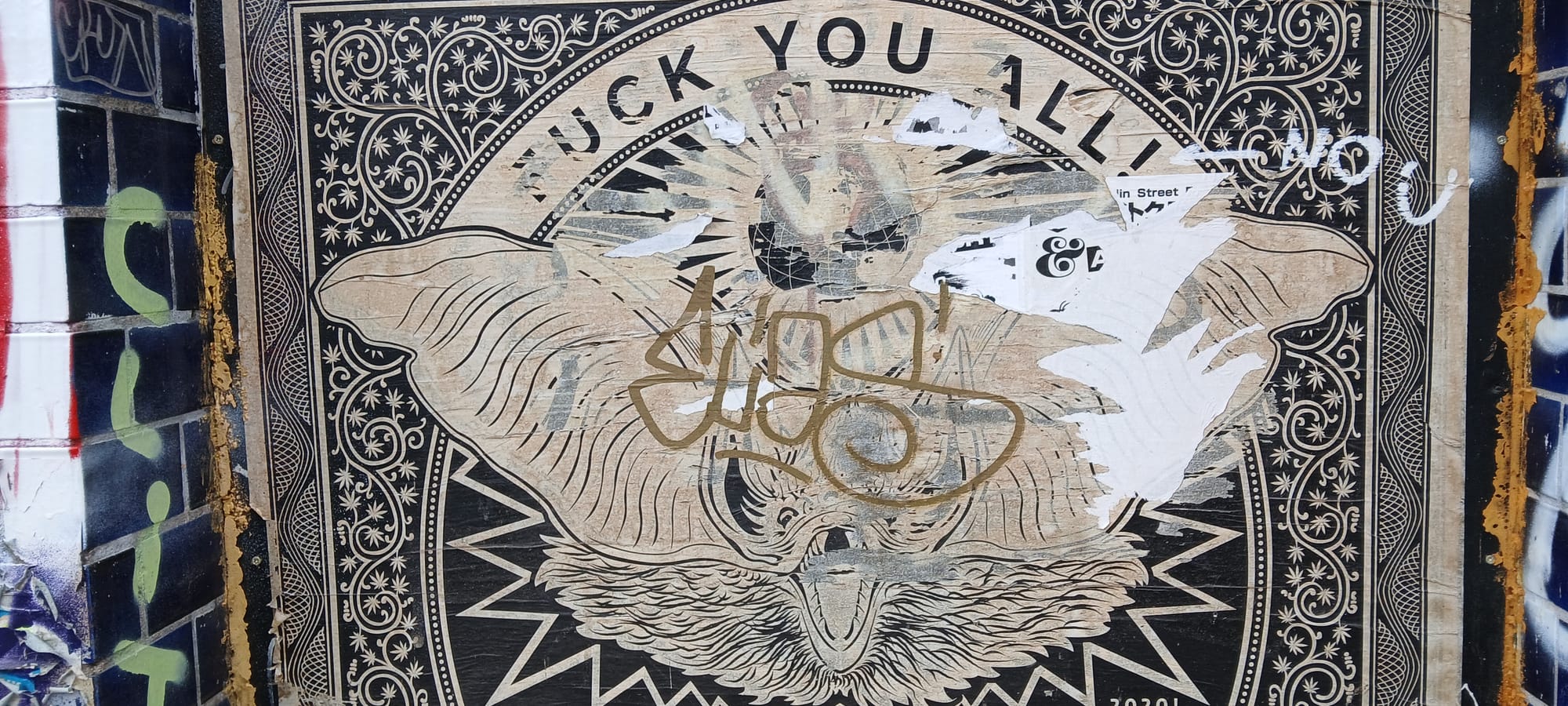
A final bikeride down Karl-Marx-Allee in the rain and hail, a final tally, and a last but not final coffee, thanks to Andy: