Büyükada, Princes' Islands Sea of Marama
Although called the Princes' Islands, named as being a place of exile for unwanted heirs apparent, I know it for the exile of Byzantine queens and empresses who are favoured in John Ash's account (cf. After Ash). The great English poet who lived and drank in İstanbul for years, being called one of the best of his generation he asked, why one?
Empress Euphrosyne c.1155–1211 the Eva Perón of Byzantium who was behind her husband Alexios Angelos taking the throne in 1195, and recognised so to be, her brother- and son-in-law accused her of adultery, engineering to have her banished. She returned in six months, Alexios resuming his sybaritic lifestyle and she the reigns of power.
Empress Theophano c.941–post-978 twice empress, marrying first Romanos II and second Nikephoros II, it seems that Nikephoros was displaced both in Theophano's bed by his nephew, John I Tzimiskes, and, by assassination, on the throne. Whence the Patriarch refused to let Theophano and John marry and she was placed in exile on Prinkipo, Büyükada. It would also seem from this that the derivation of Princes' Islands is not as has been claimed from princes but from this island being principal, the biggest, or in Turkish, büyük. Ash has a thing about the formidable Theophano.
Anna Dalassena c. 1025–1105 was daughter of Alexius "Charon" Dalassenus who is named as Byzantine governor of Italy, more research required to ascertain the details of the governorship. She bore 8 children, among them founder of the Comnenid dynasty Isaac I Comnenus. Isaac grew ill, wanted to abdicate and chose an unworthy successor in Anna's eyes, but thanks to her tenacity the dynastic rule was resumed. Alexius I succeeded Isaac, who wrote of his mum, "We were two bodies with one soul." With her too the exile was temporary. The result of a political wager that went wrong and then came right, with all her sons, between the abdication of Isaac and the ascent of Alexius, she was banished to the Princes'. Then again, perhaps it's these princes Comnenus the name refers to.
Zoe Porphyrogenita briefly reigned as empress, alongside her sister Theodora, both Macedonian. Her dates c.978–1050, her trajectory has the byzantine complexity of Theophano's. She married late and unhappily and may have killed Romanos III with her lover Michael, who as Michael IV ascended the throne the day after. Another nephew, Michael V had her exiled you know where. A popular revolt followed leading to her reign with Theodora. To secure her position she married a former lover, transferring power to him as Constantine IX.
Empress Irene of Athens 750/756–803 started as empress consort and became sole ruler of the Eastern Roman, Byzantine Empire 797–802. It seems her exile was to Lesbos not the Princes', so she doesn't really belong but she's worth looking up, all to do with iconophilia and iconoclasm.
And who can forget Leon Trotsky also placed in exile as a prince and a principal player in Leonardo Padura's beautiful novel The Man Who Loved Dogs. I see the title is foreshortened, but I posted some excerpts and illustrated them here.
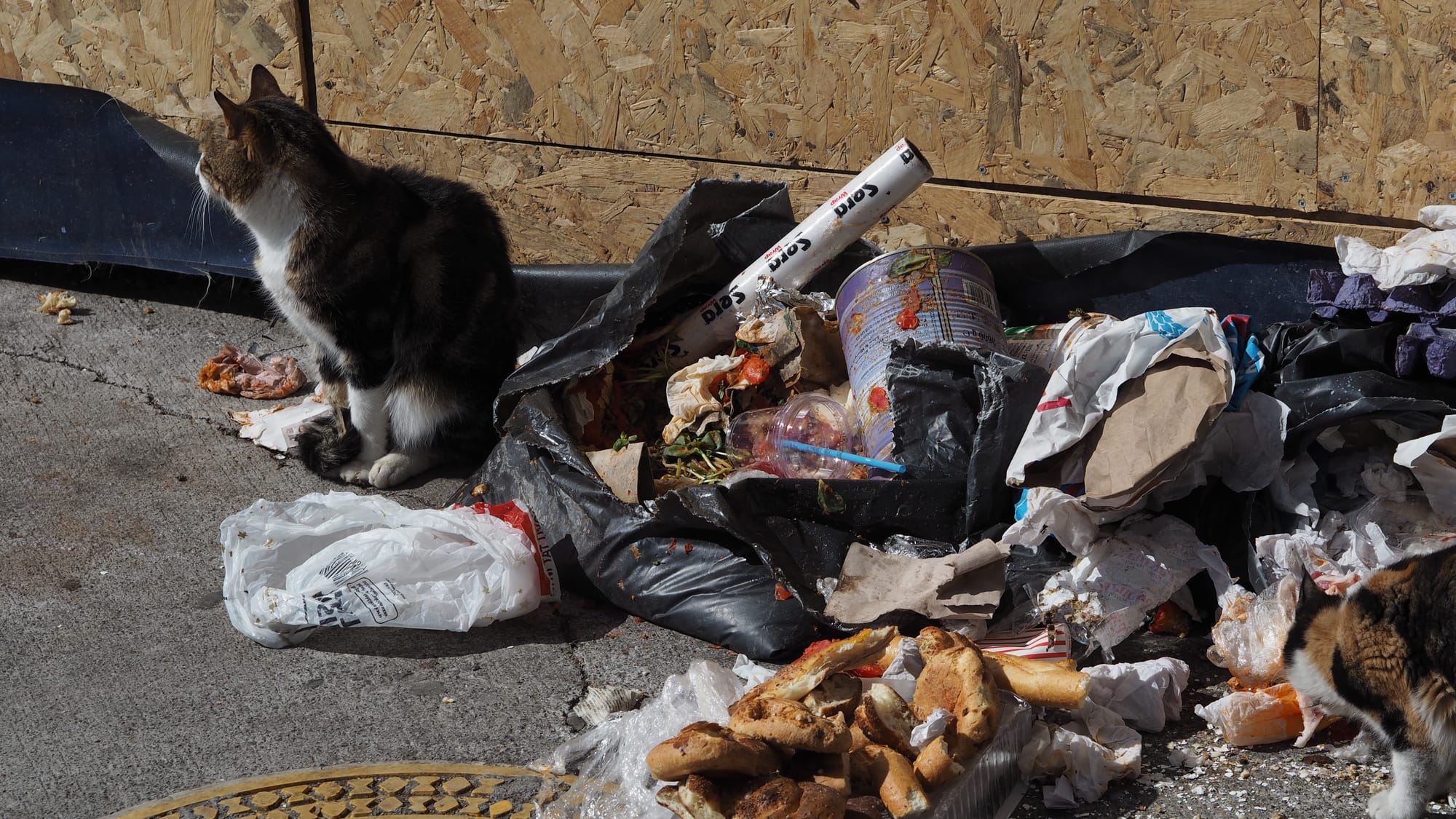
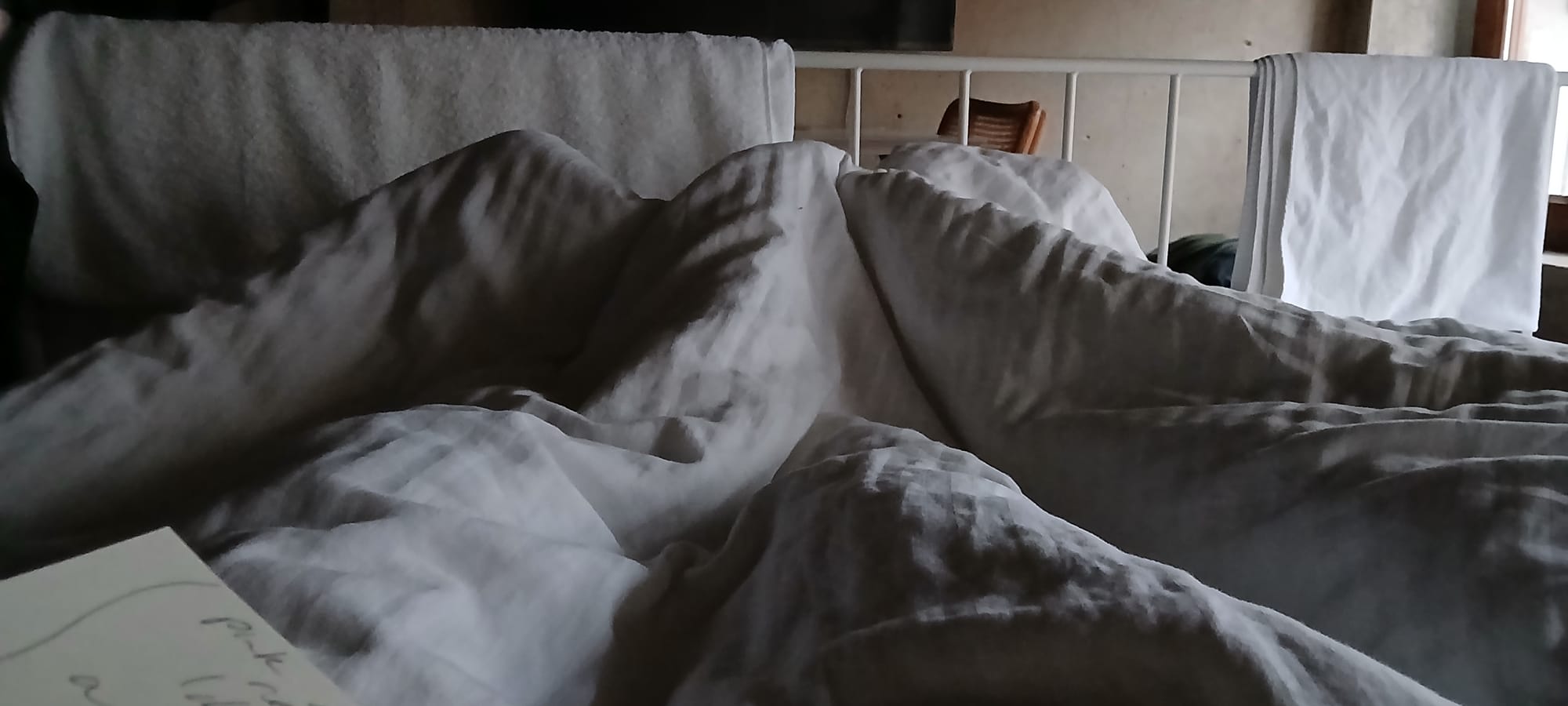
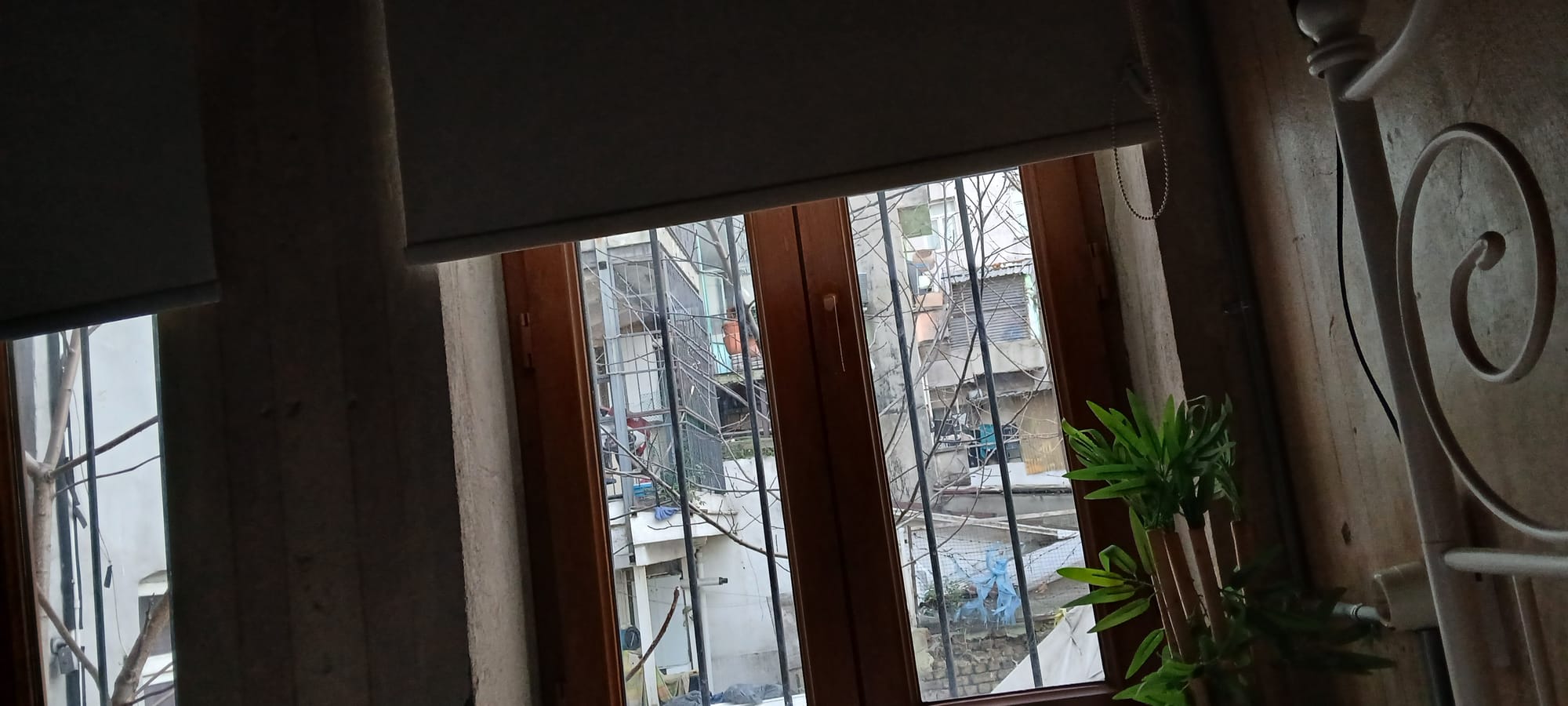
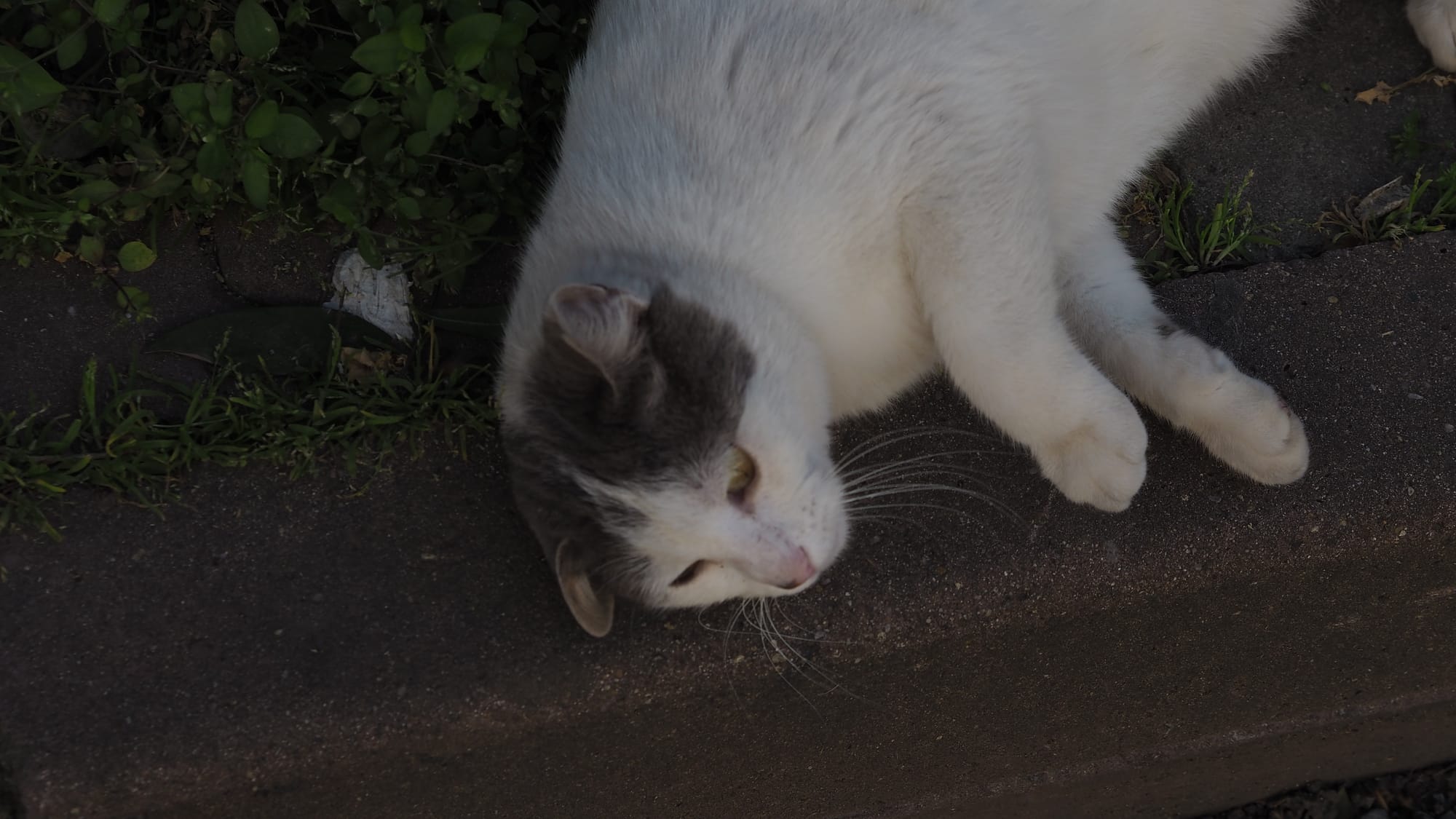
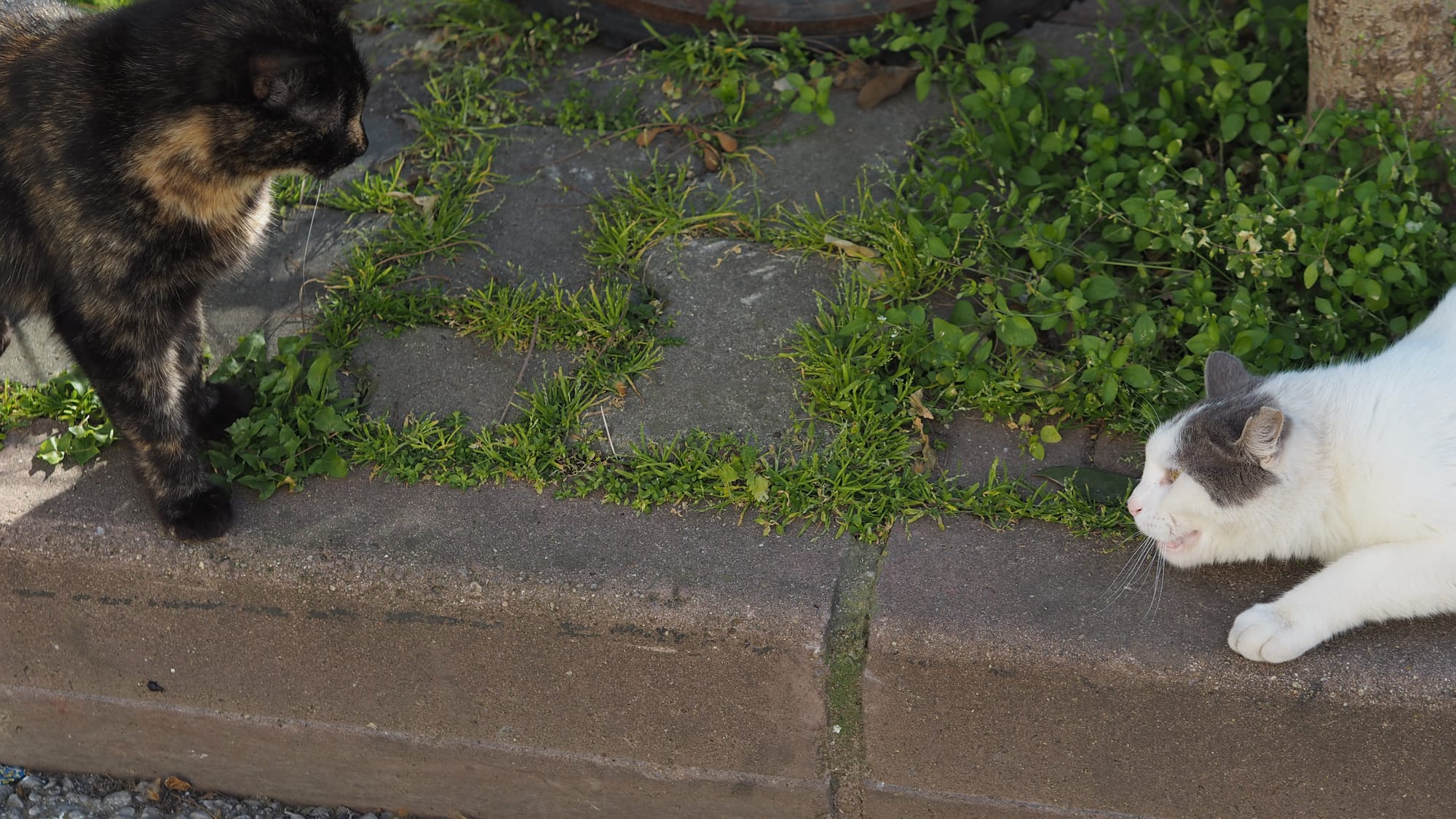
. . . before we get there, some shots of things, including party cats in Karaköy and our warm ideal room in Beyoğlu.
(Before I forget, I gave the reasons for the Greeks deserting Fener but not for the Jews leaving Balat. Here's a clue:
The Hebrews and Rums who were residing in the Fener-Balat area before the Ottoman times sustained their existence during the Ottoman period as well. A decrease in commercial life on the shores of Haliç after the 19th century as well as fires caused Balat to fall from grace. With the French city planner Henry Prost’s plan to bring industry to the area in the 1930s, Balat changed its face after the state established factories and manufacturing shops there.
(Of note is that Romani people moved into the vacated areas of Fener-Balat. It became Kübra said a place even the police wouldn't enter. Until the 1980s, when it can be imagined one of those clean-ups happened that came with the 1980s, when gentrification entered common parlance. Why not trade the illegal trade of drugs for the legal trade of coffee? and that of cultural authenticity for that authorised by the state? Let's have more colourful steps! and promote painting the area as if it were the Cinque Terre! (see here and here))
We move on to the islands:
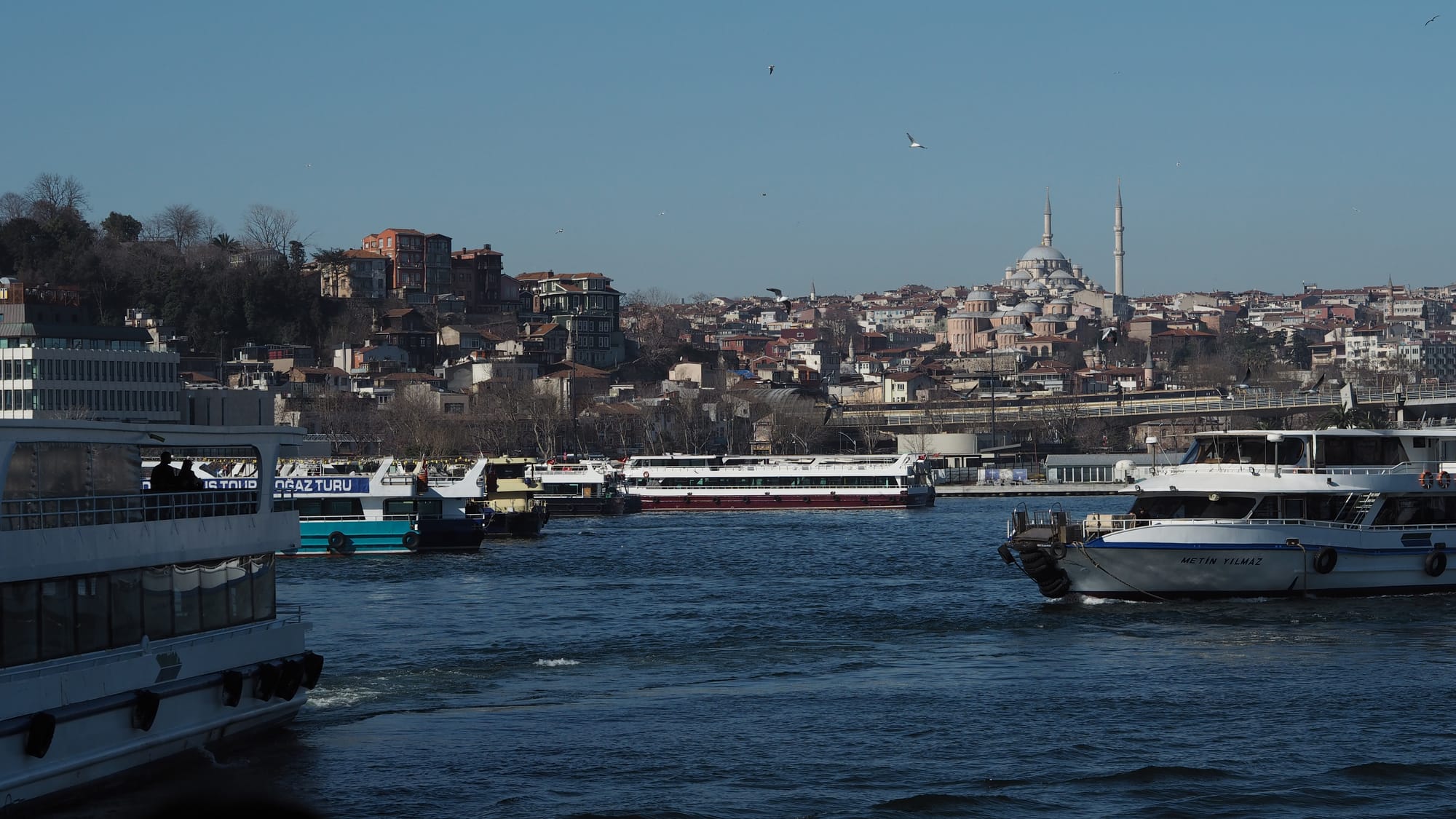
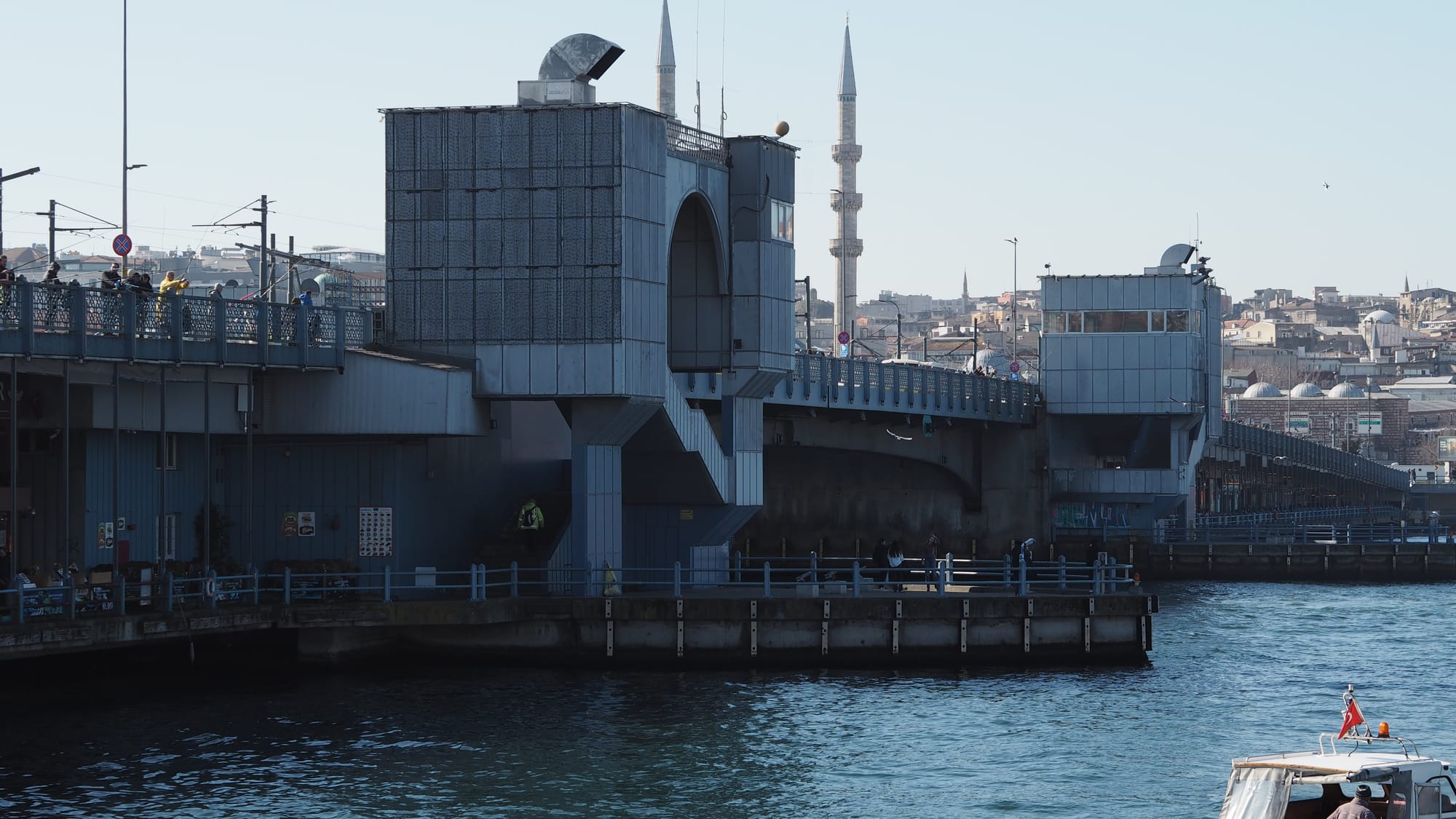
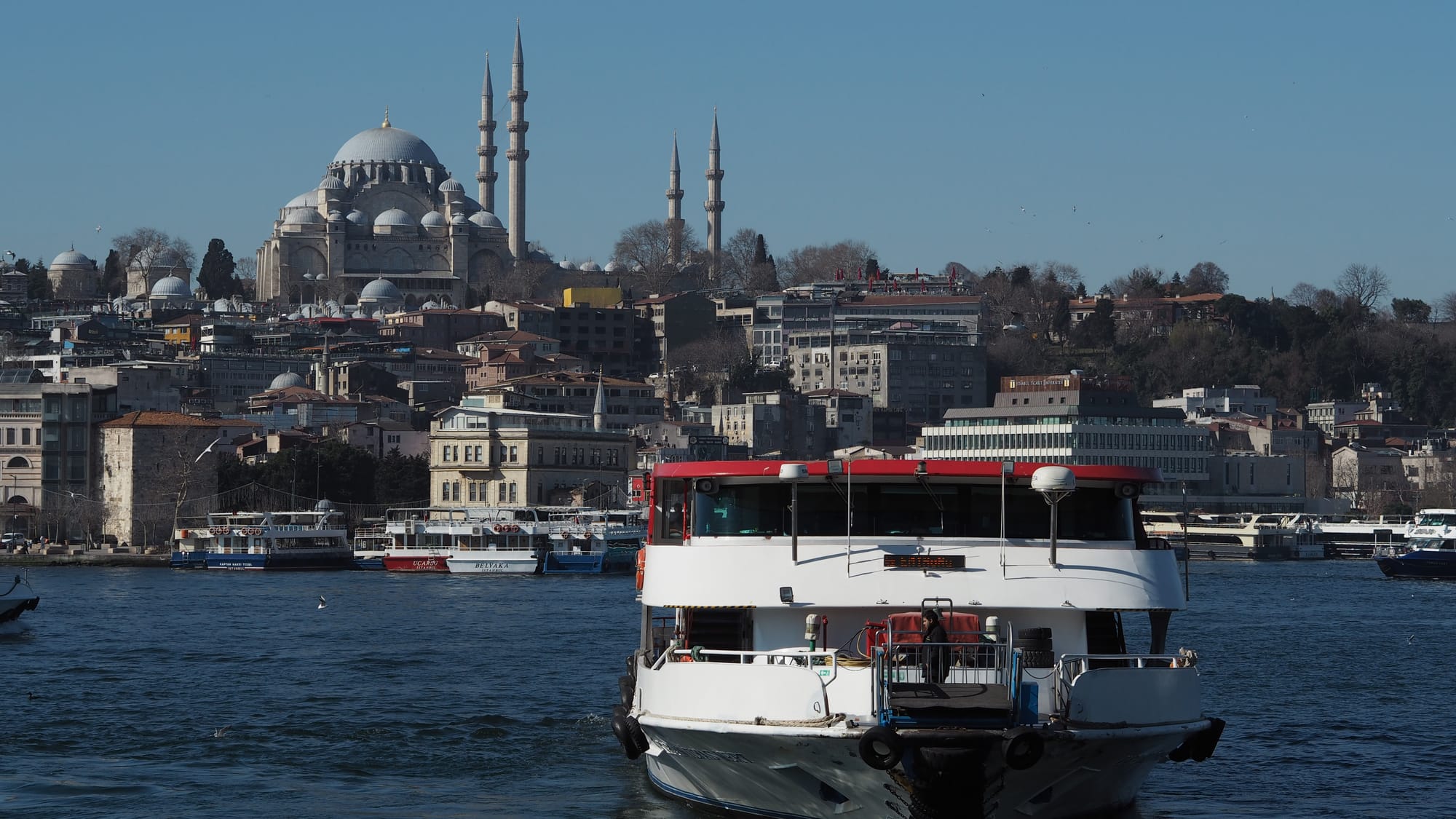
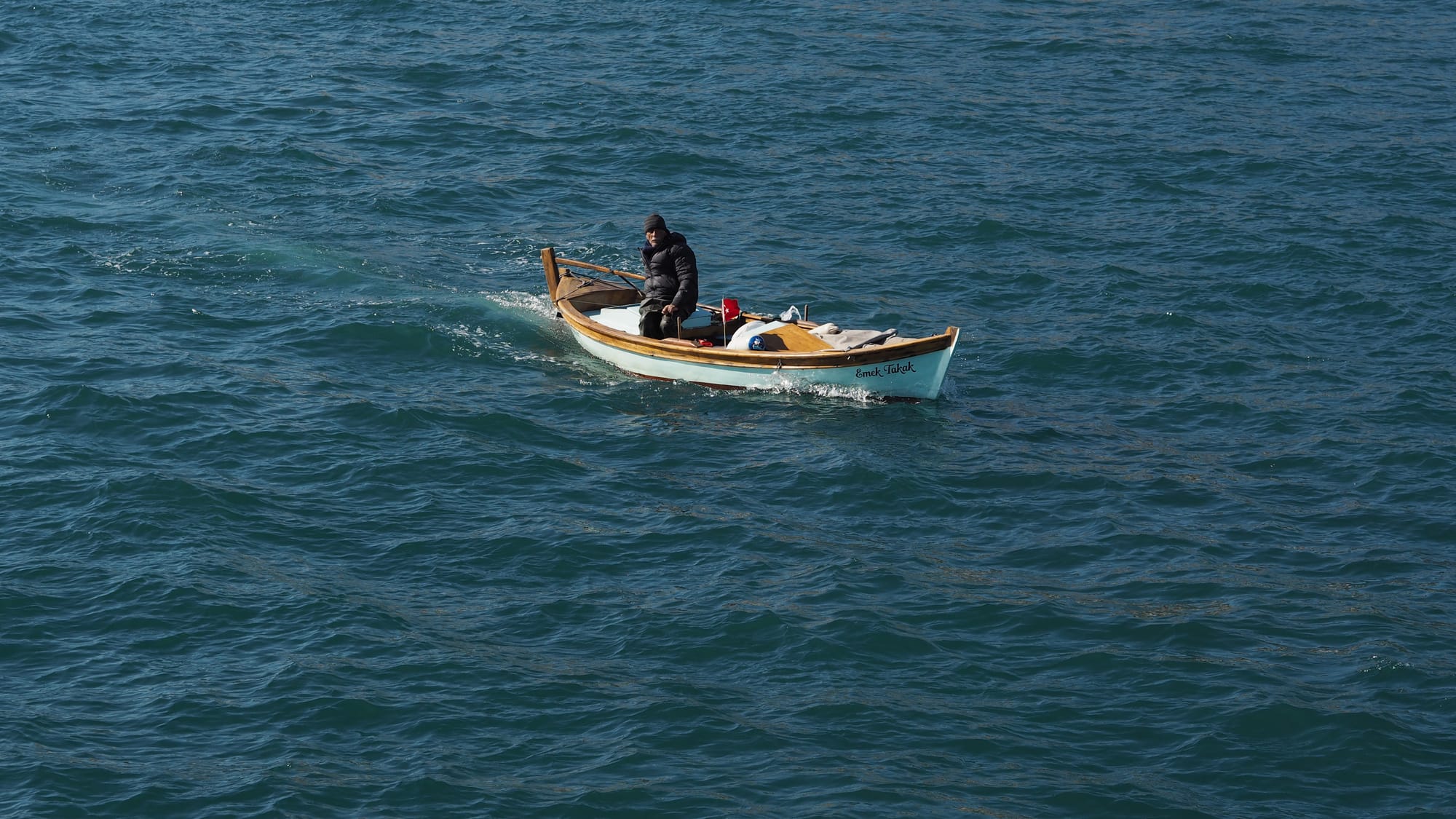
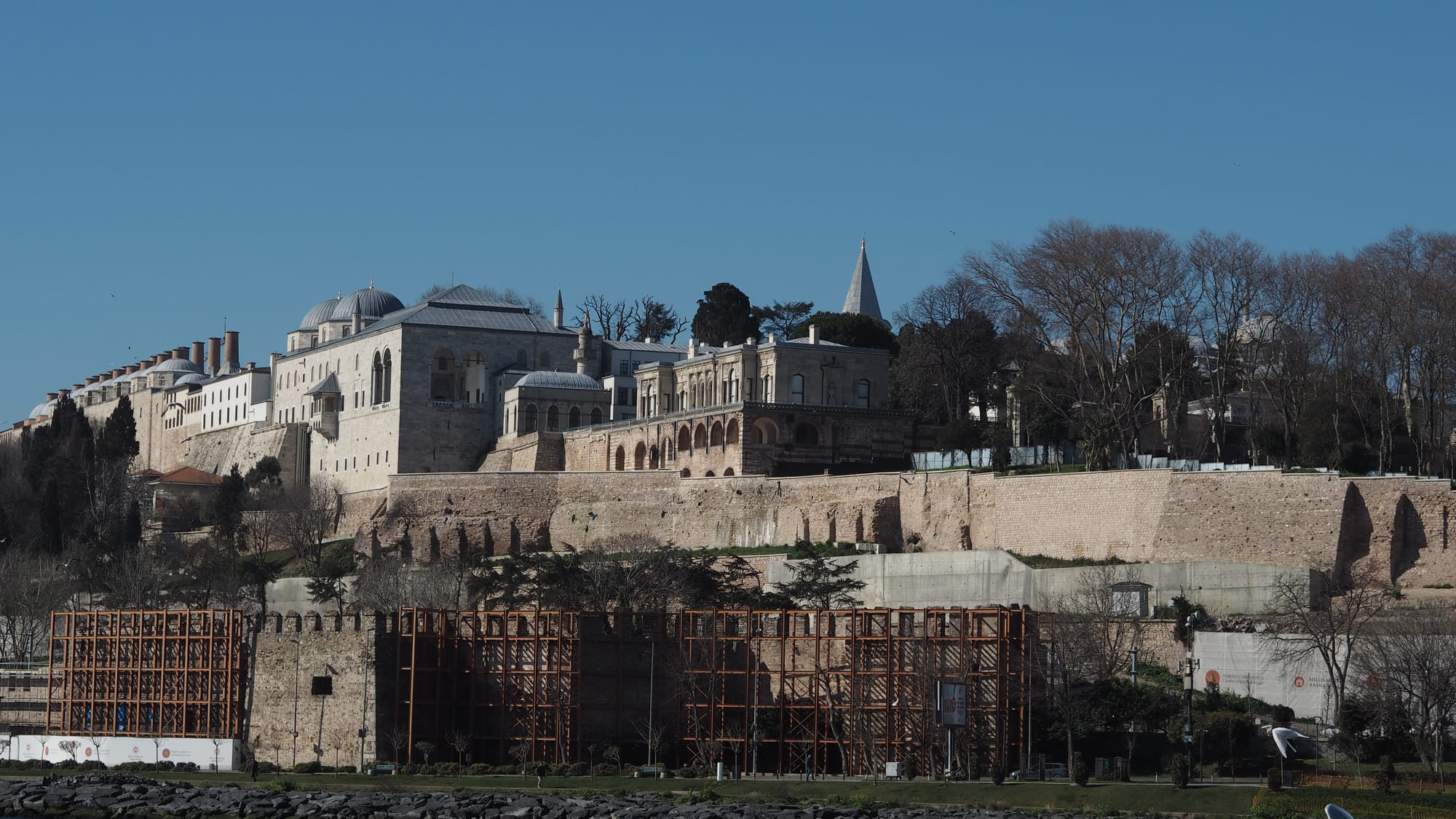
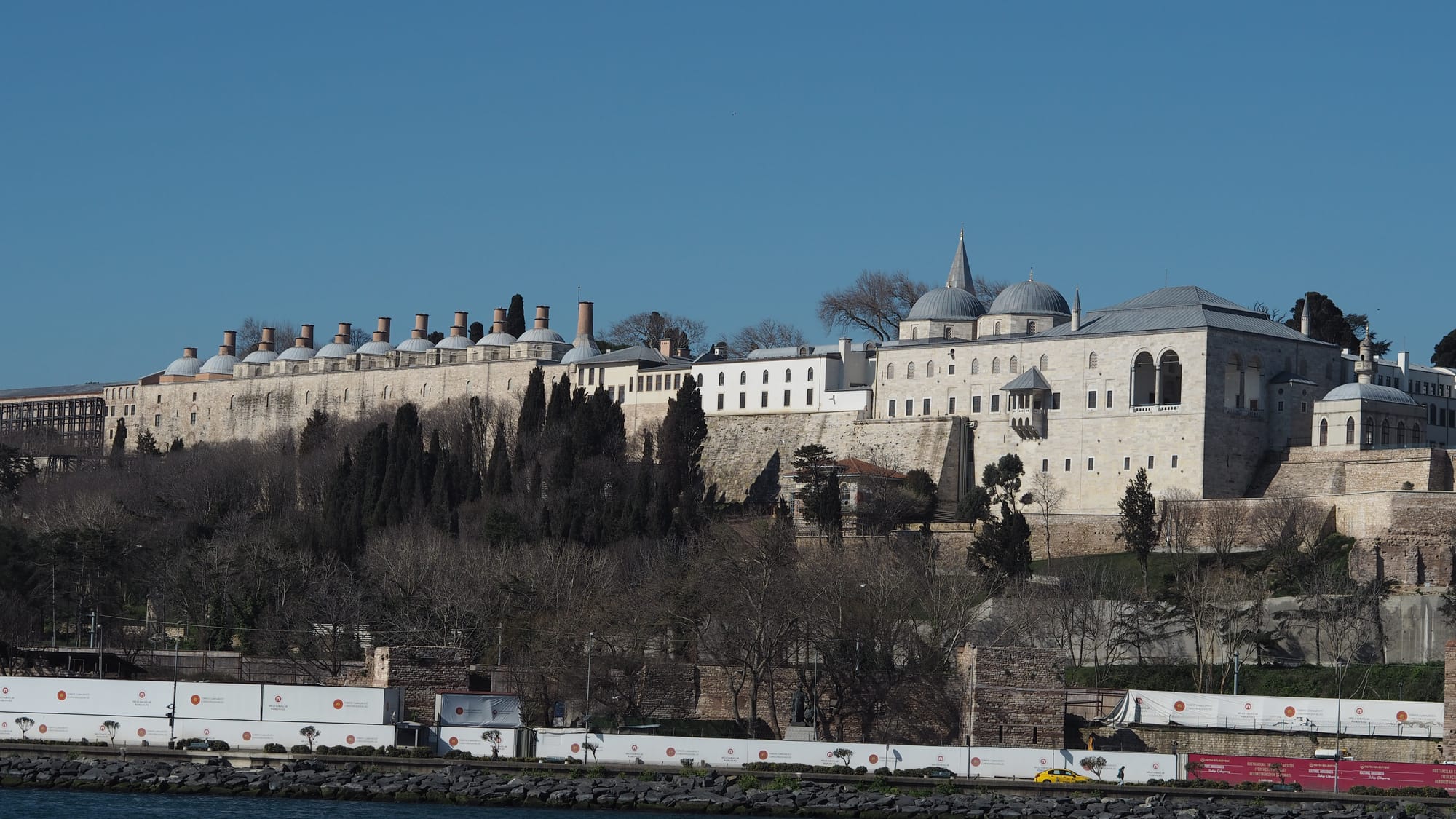
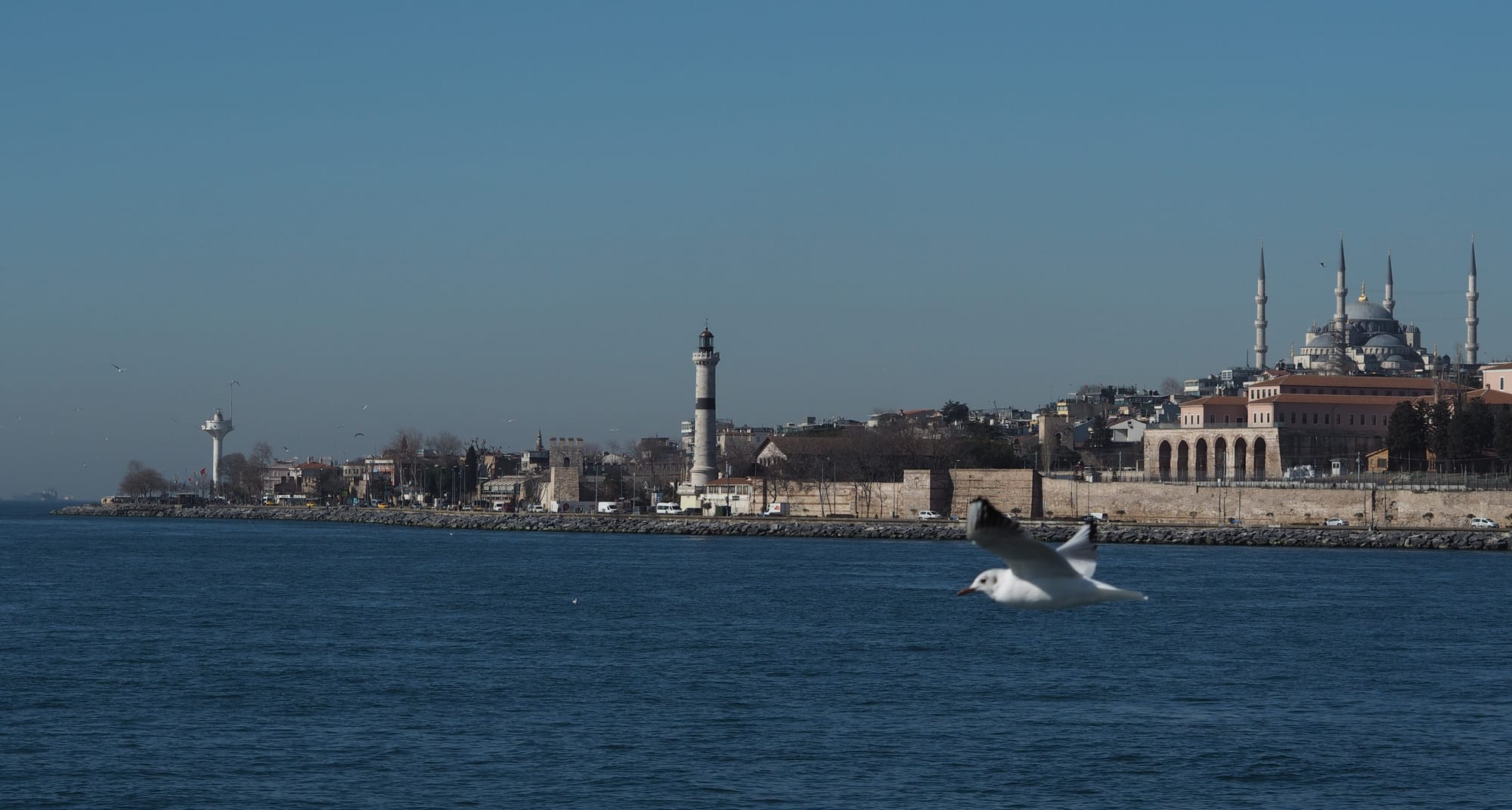
₺200 the trip there; the trip back. What's that? NZ$7.84 today 14 March 2026.
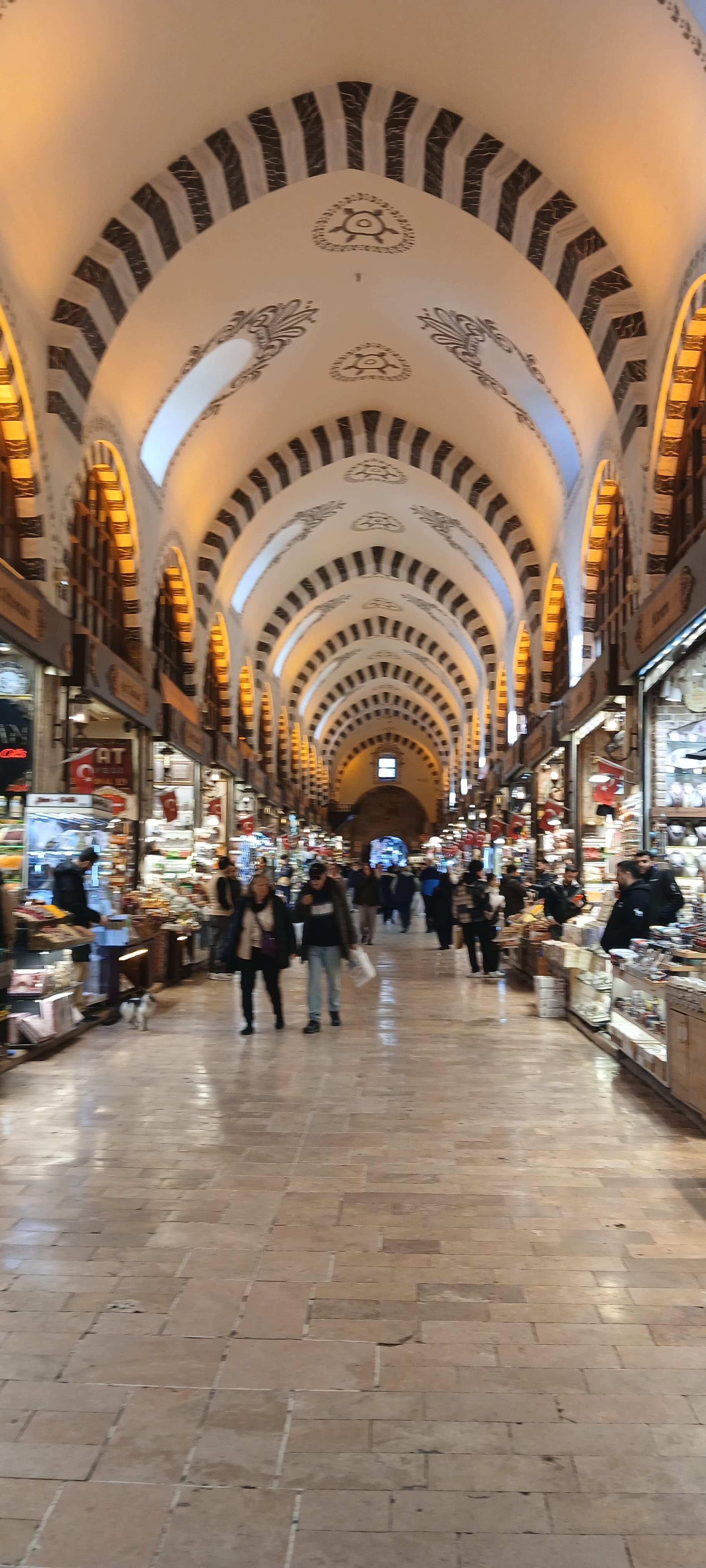
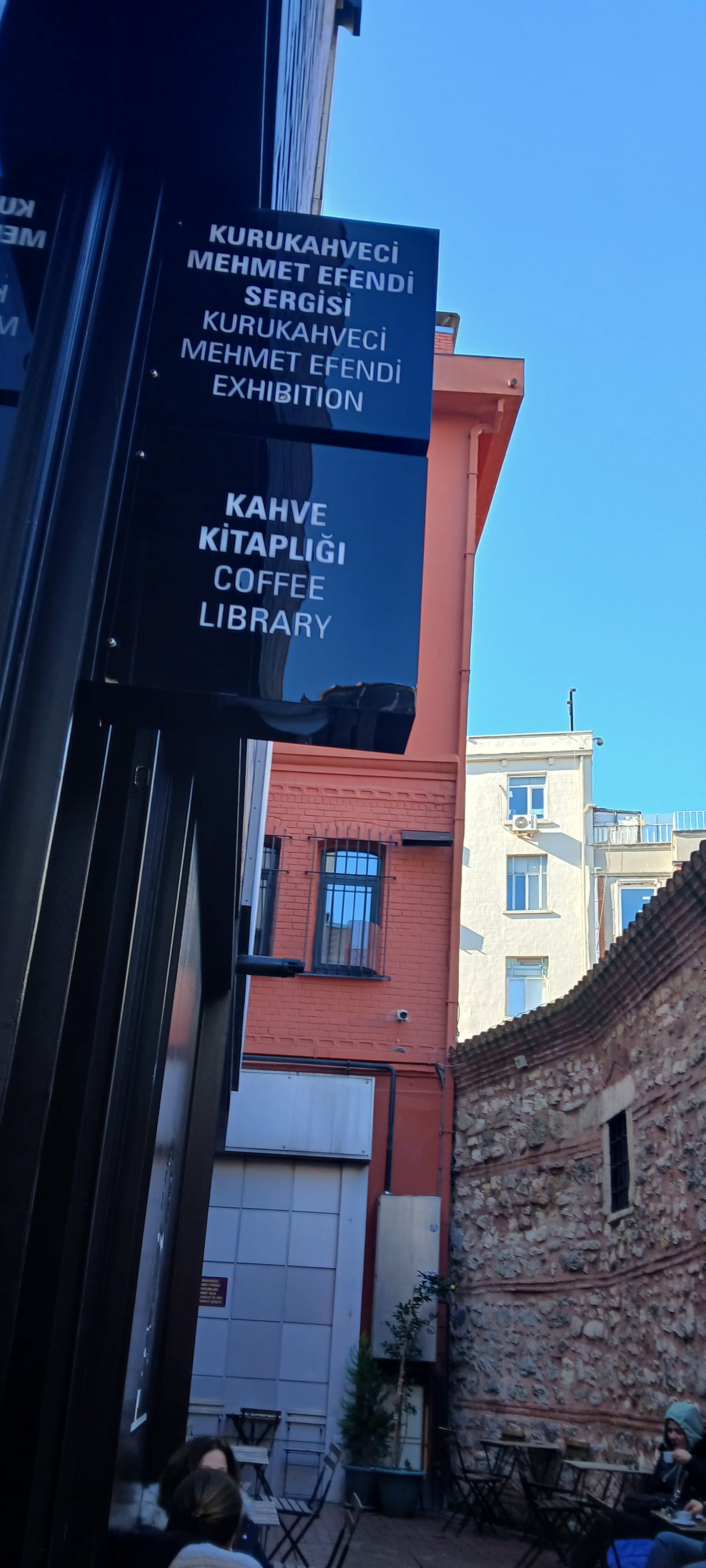
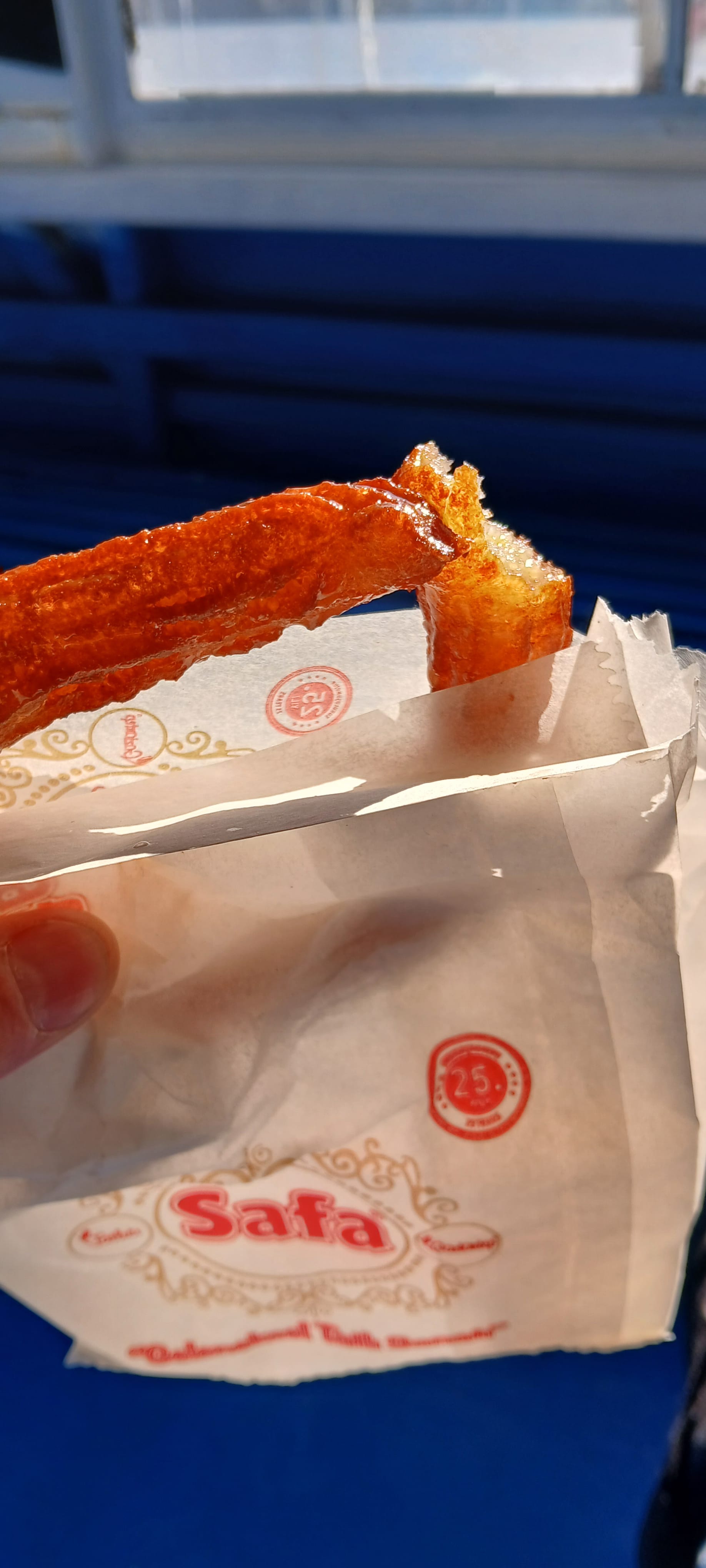
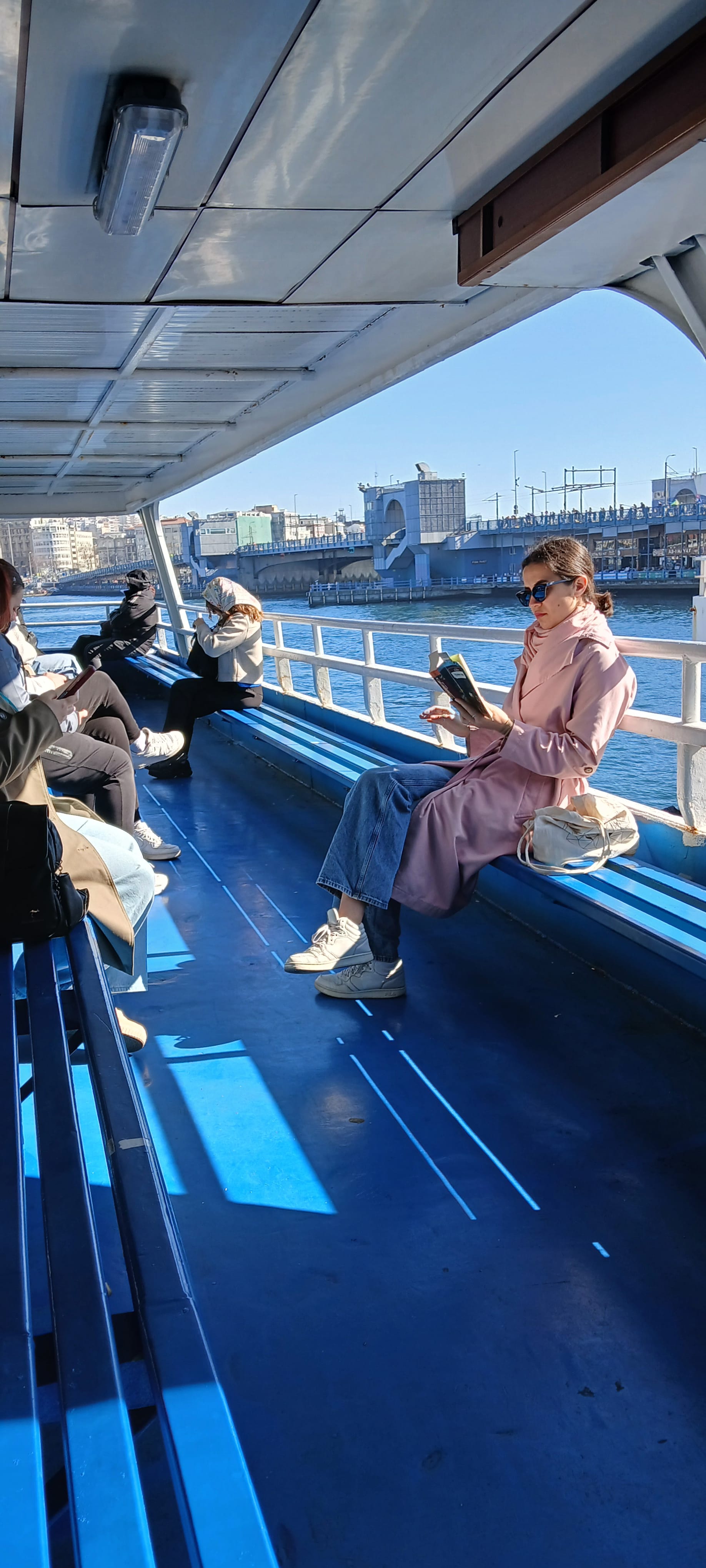
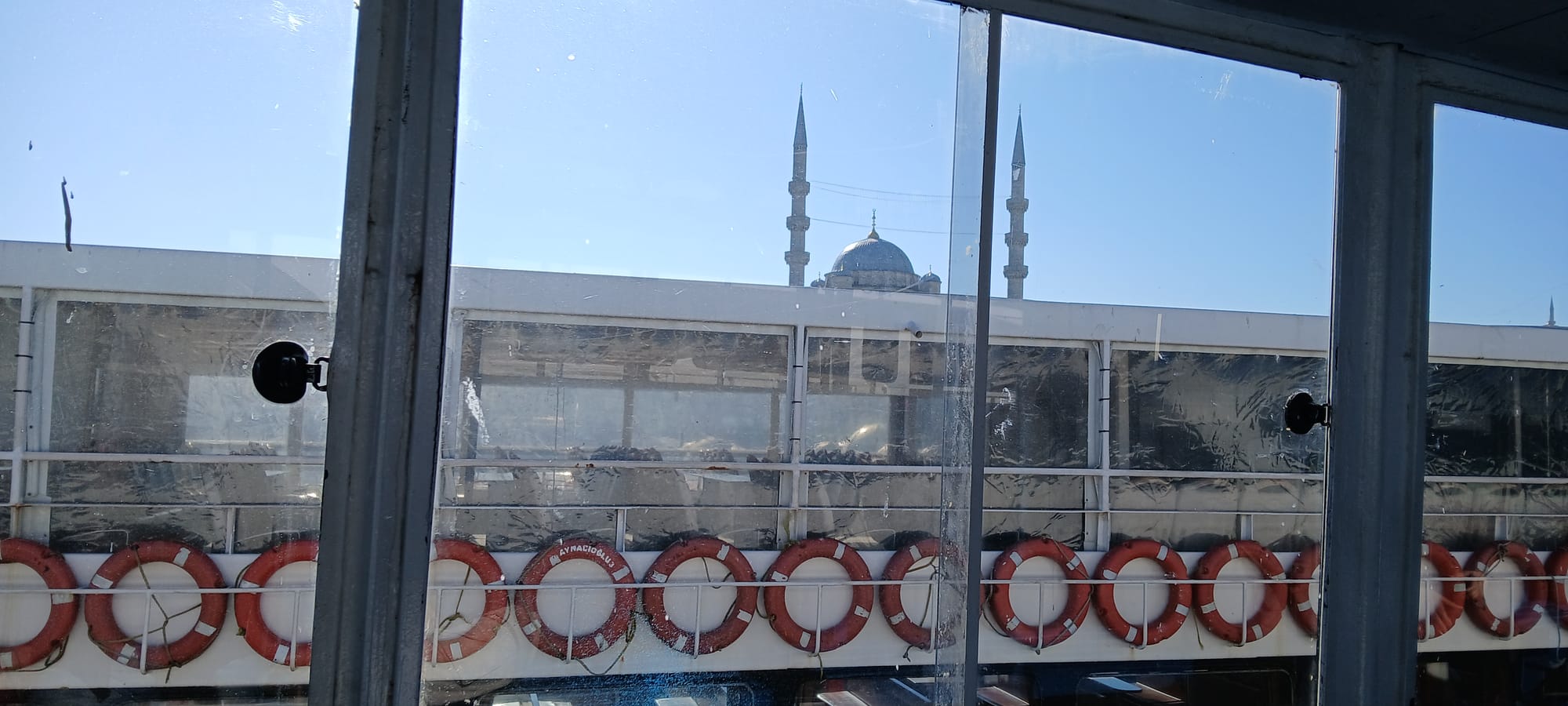
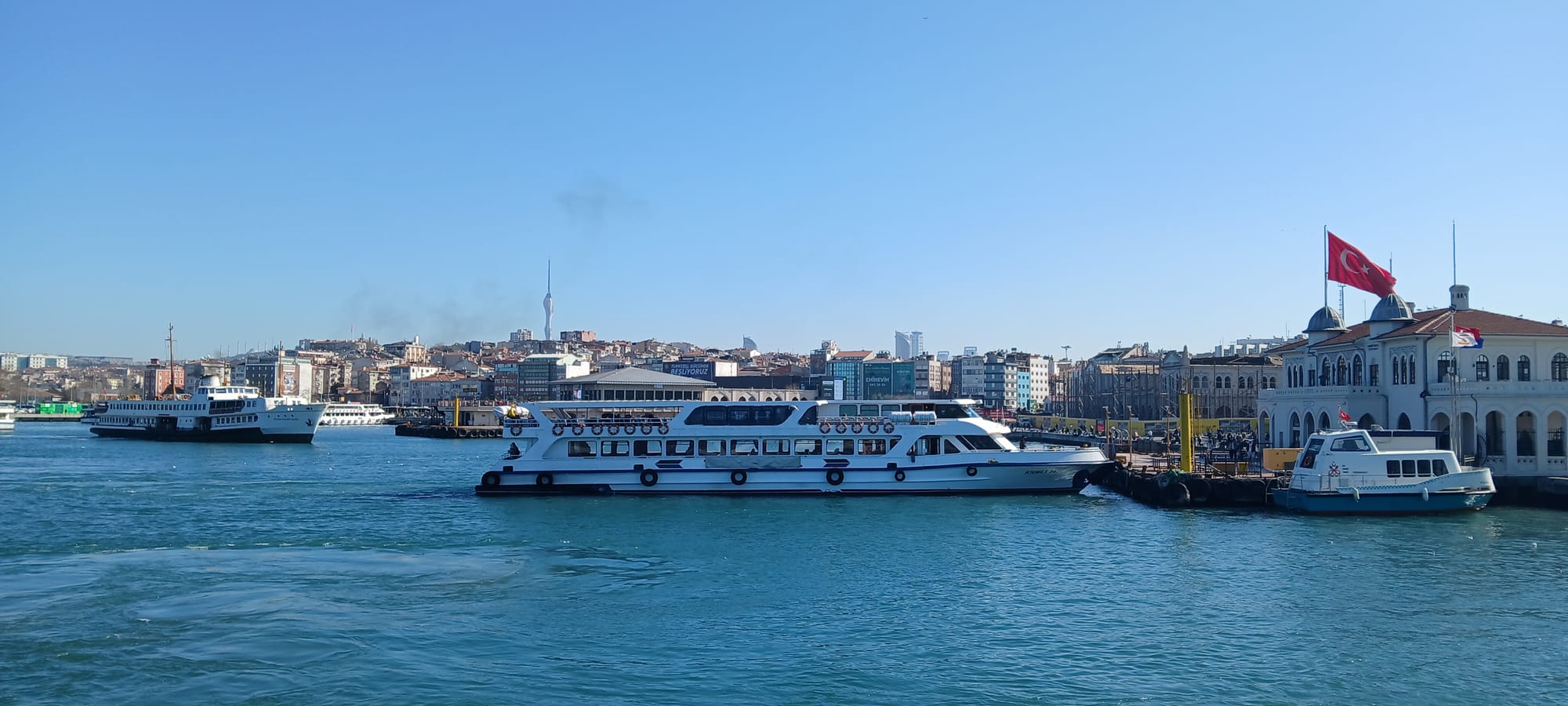
- via the Spice or Egyptian Bazaar for coffee, then ferry
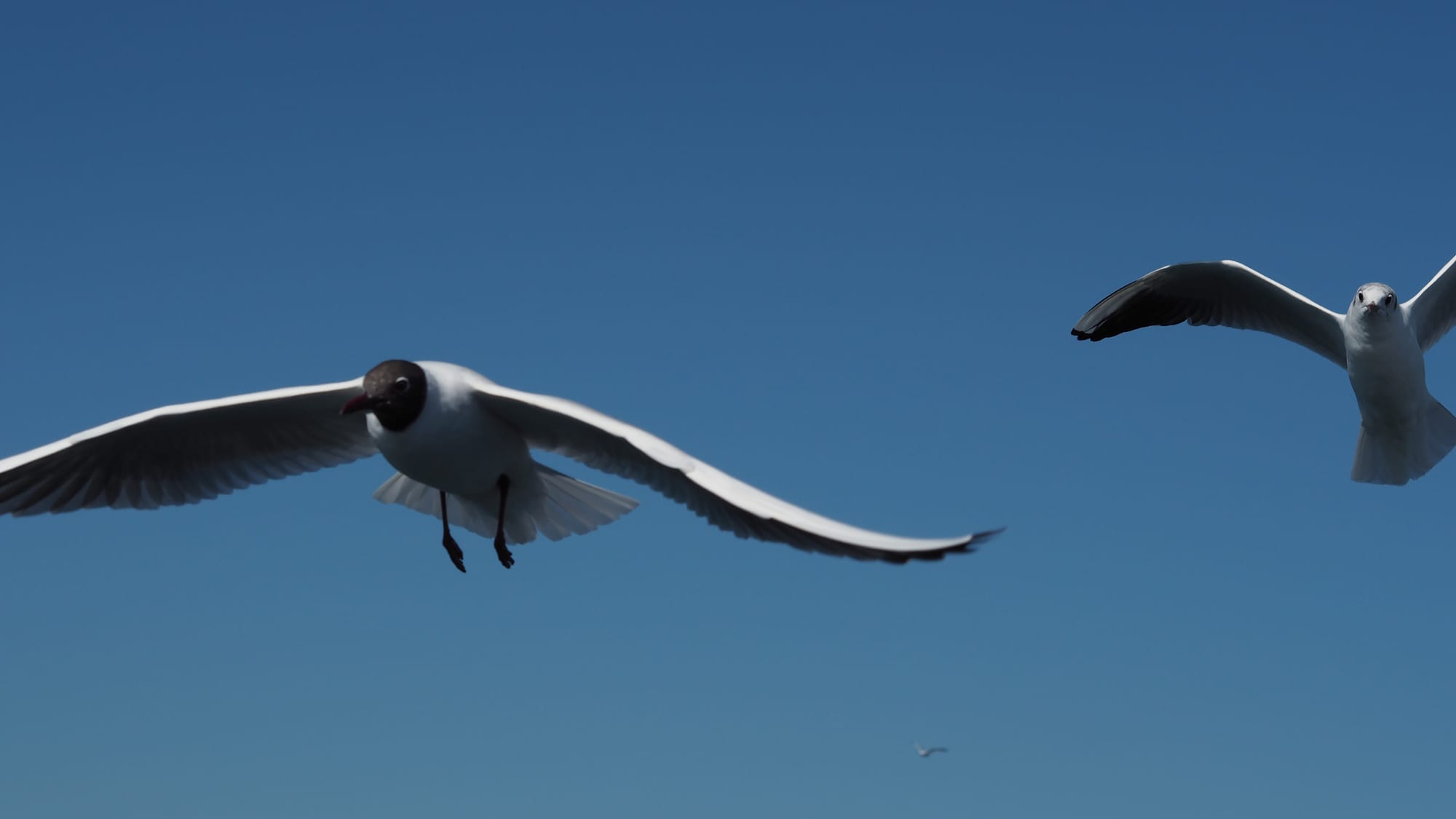
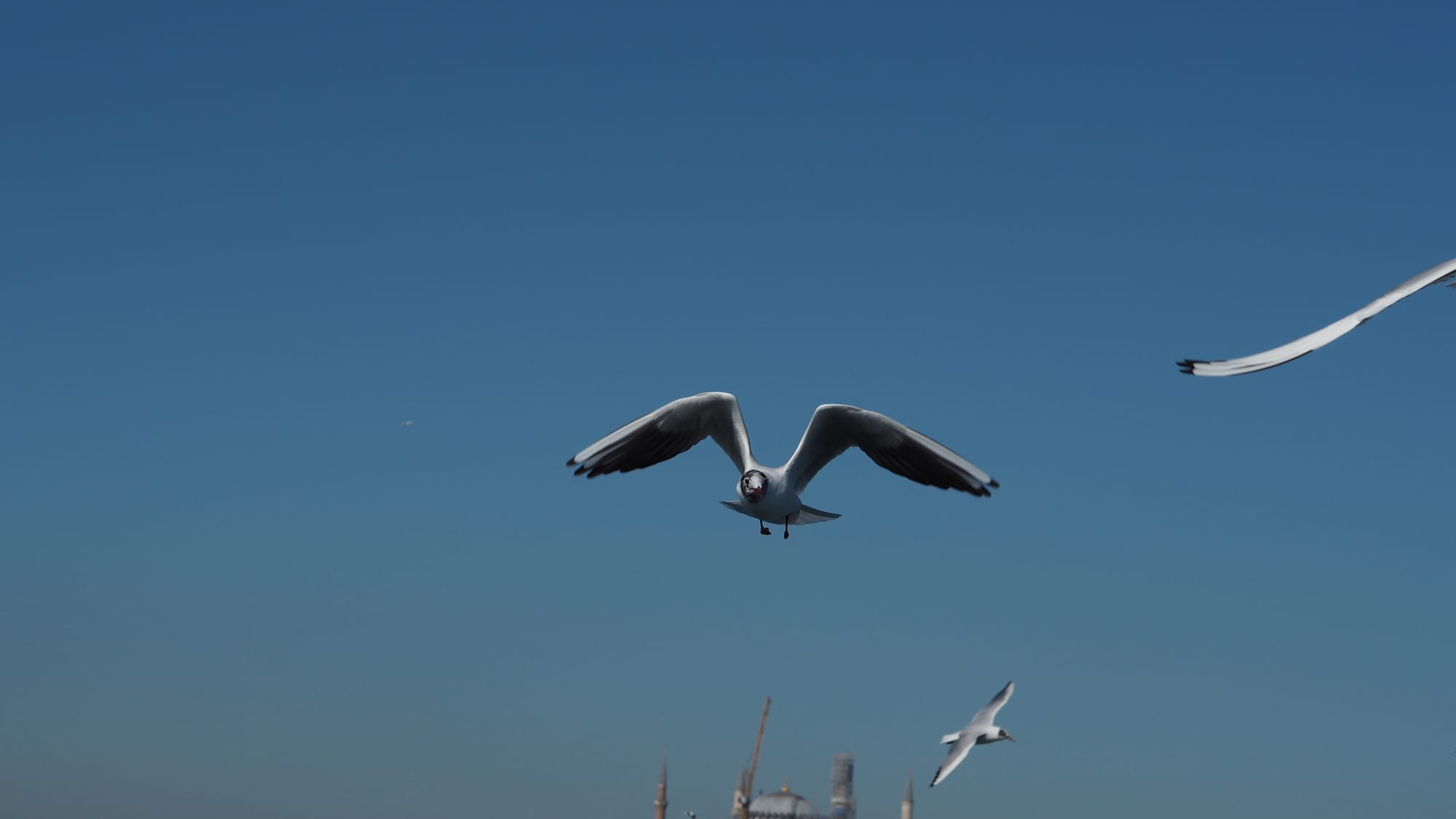
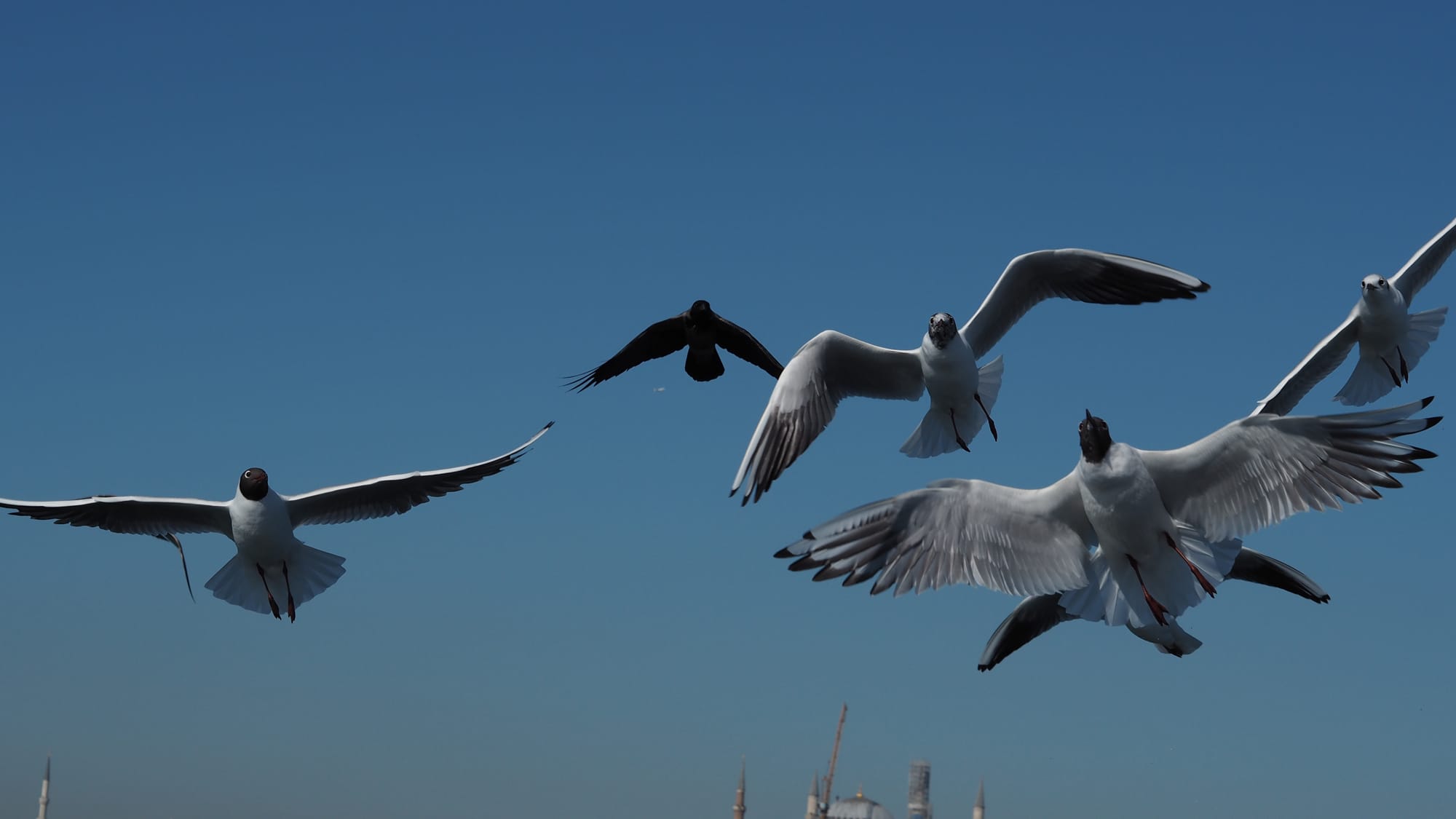
Young Russian women were tempting the birds with ekmek, bread, hoping to get that gram shot of the gull taking from the hand (that you always want to rip off a finger). I, enjoying snapping them with my camera, the birds, was asked by the young Russian women to video them. Here a note about International Girl might be apropos.
- They have straightened their hair;
- They have plumped their lips;
- (plumped their lips understates the phenomenon: they have turned their faces into the human versions of ducks' bills. And some, so extreme is the drug of conformity, can't even close their mouths.)
- They move in groups;
- (and even when not moving physically in groups they move virtually in groups.)
- They are not Kardashians;
- *They are Kardashians.
*let's not forget Paris Hilton, not Paris, Texas, or even Nicole Richie; let's not forget Tiqqun's Preliminary Materials for a Theory of the Young-Girl; or Michel Houellebecq's Atomised with which in my reminiscence it is aligned.
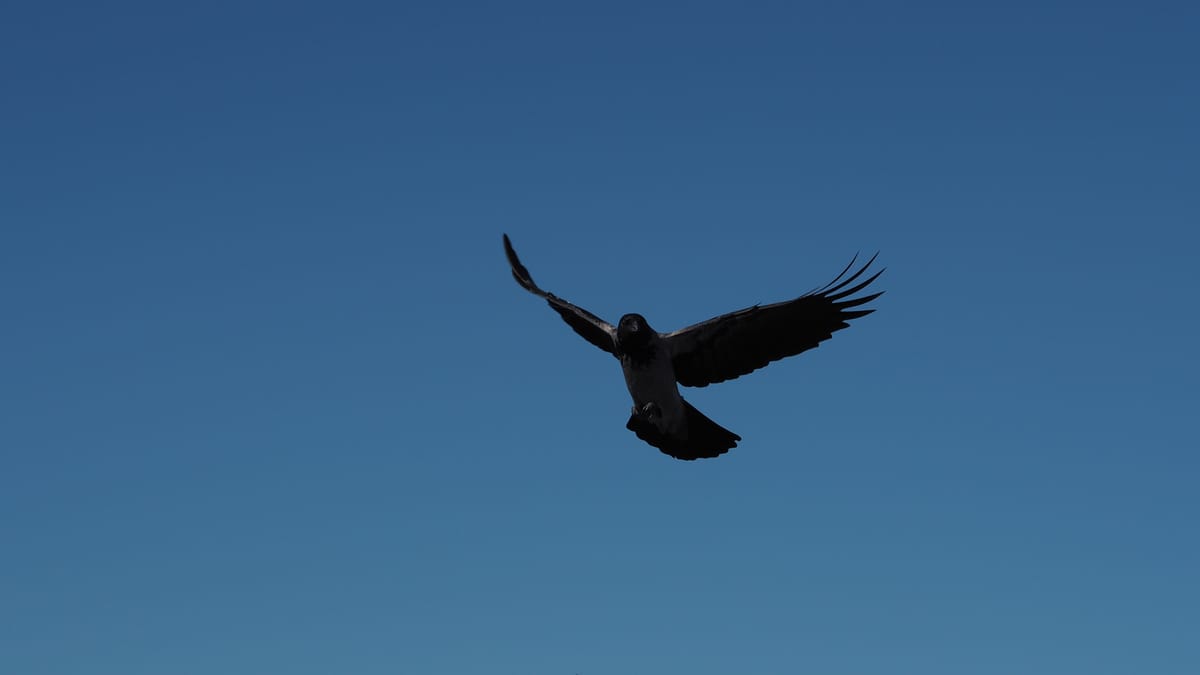
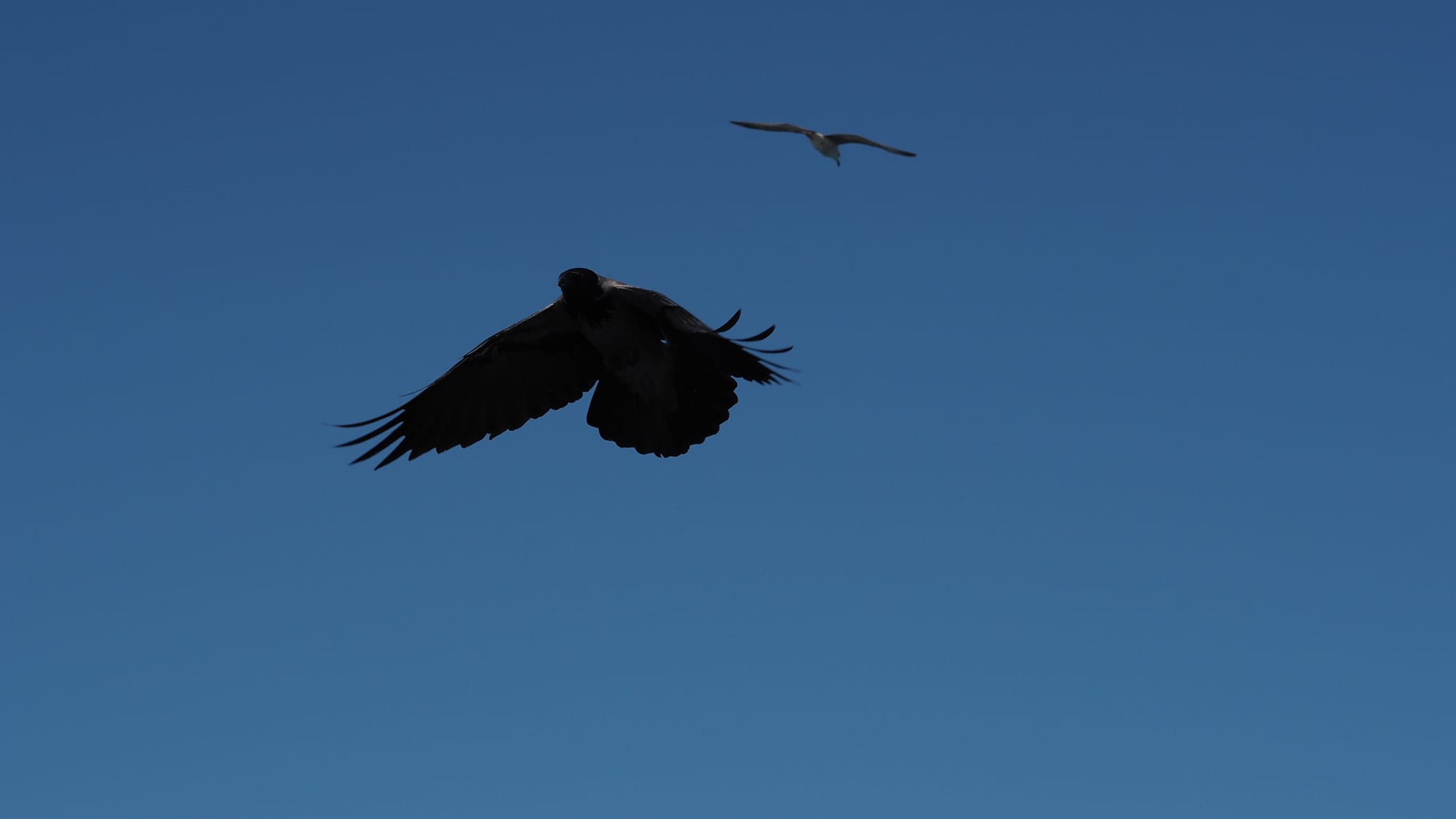
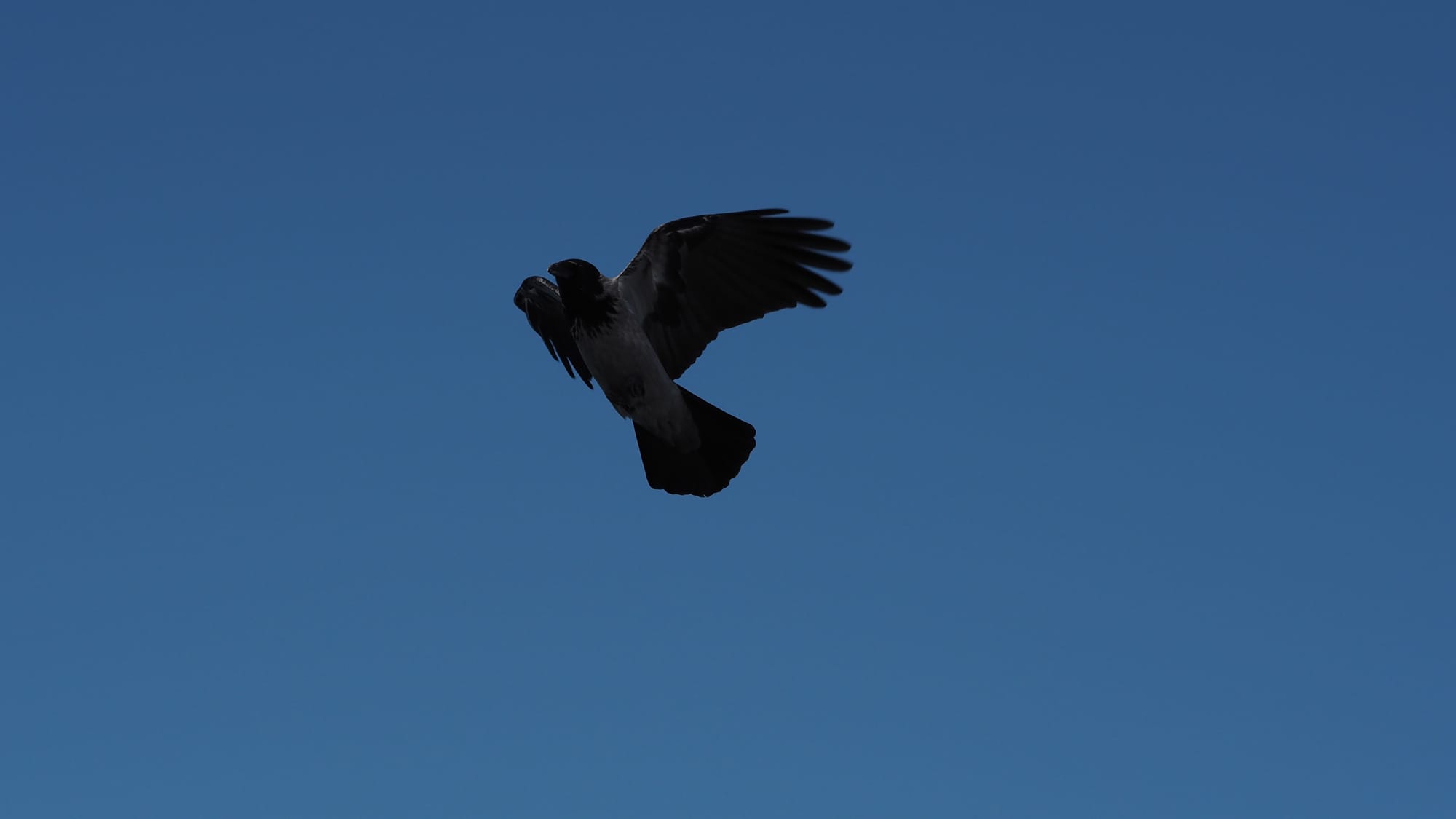
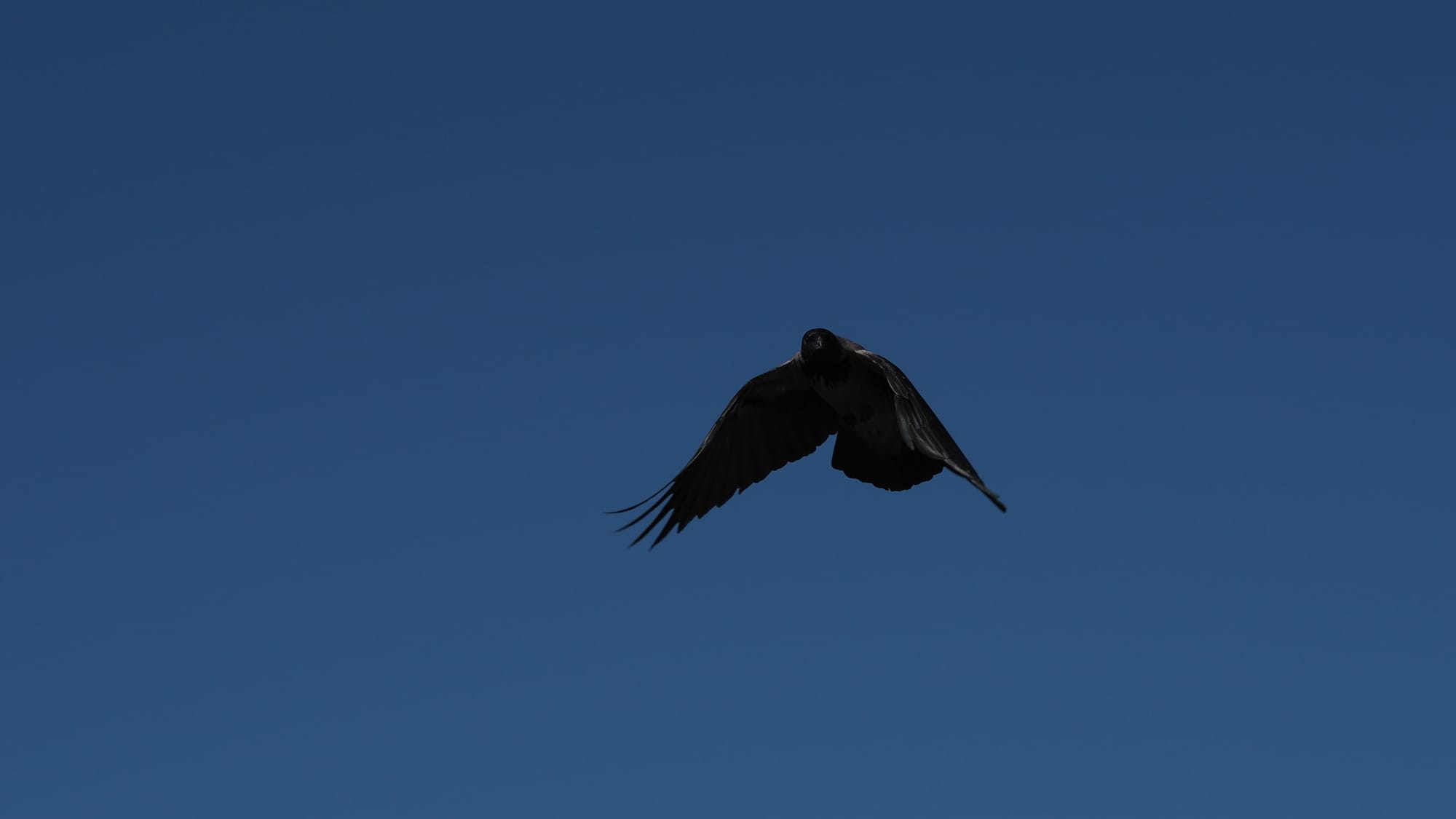
Among the birds was a crow (see above). It sat on the roof of the ferry, cadging a ride, coming out when the food was on offer and competing with the gulls, huge, Pacific-sized, and what I thought of as tern-analogues, which are in fact Common Terns.
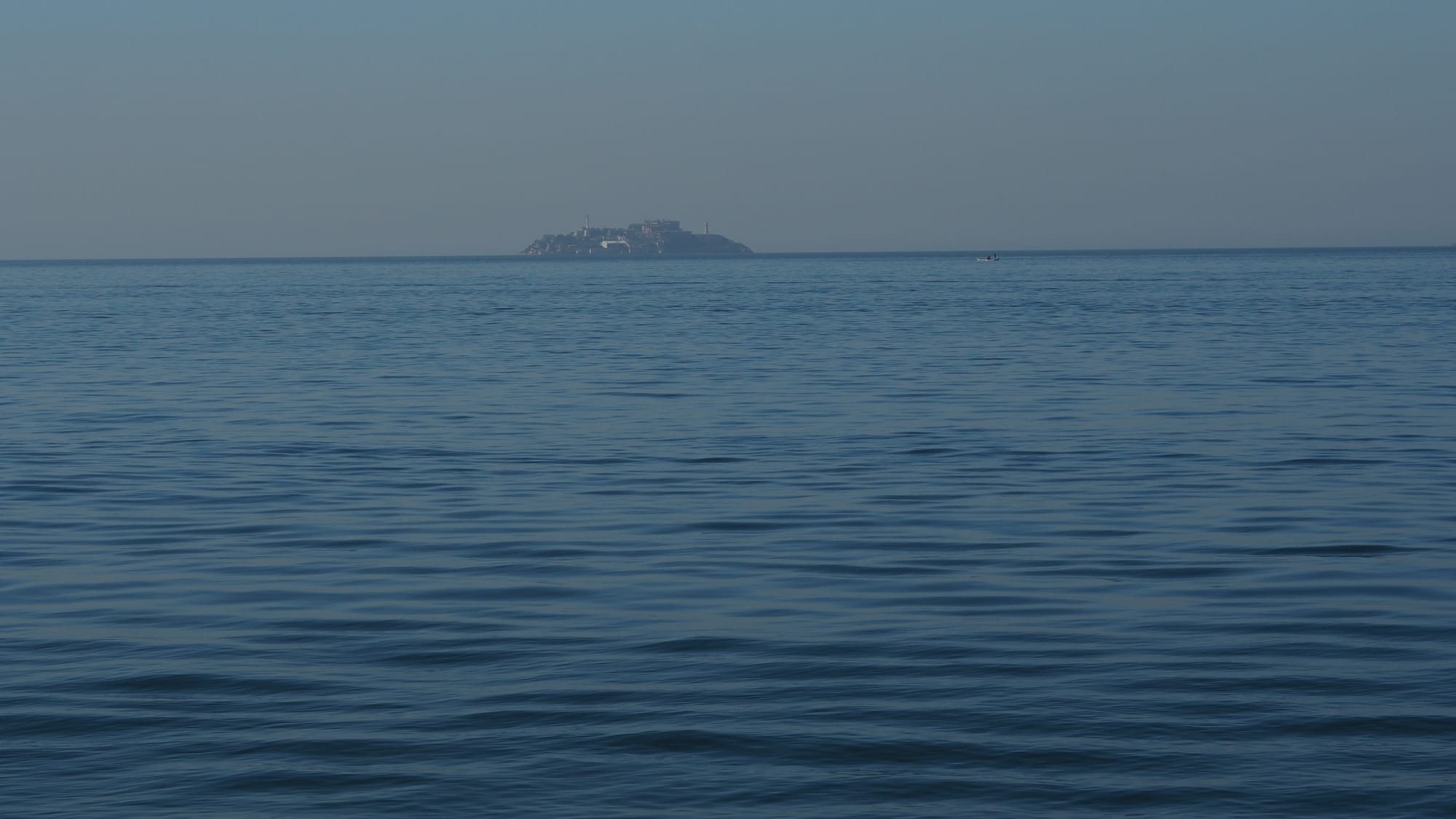
Now let's, by way of the birds and a smaller island before Big Island, go to Trotsky's house, allegedly a ruin and not even picturesque, and which we didn't after all visit.
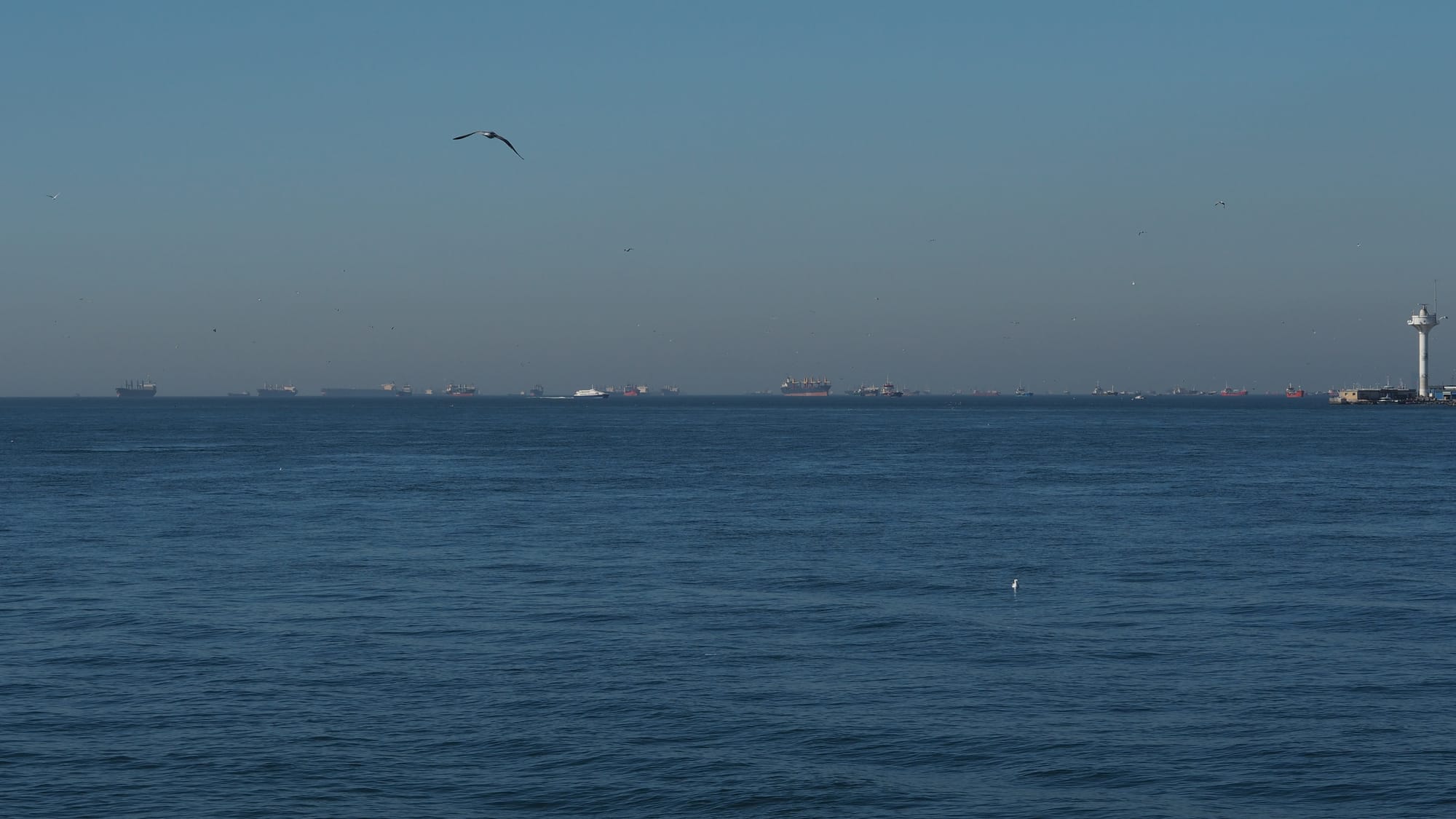
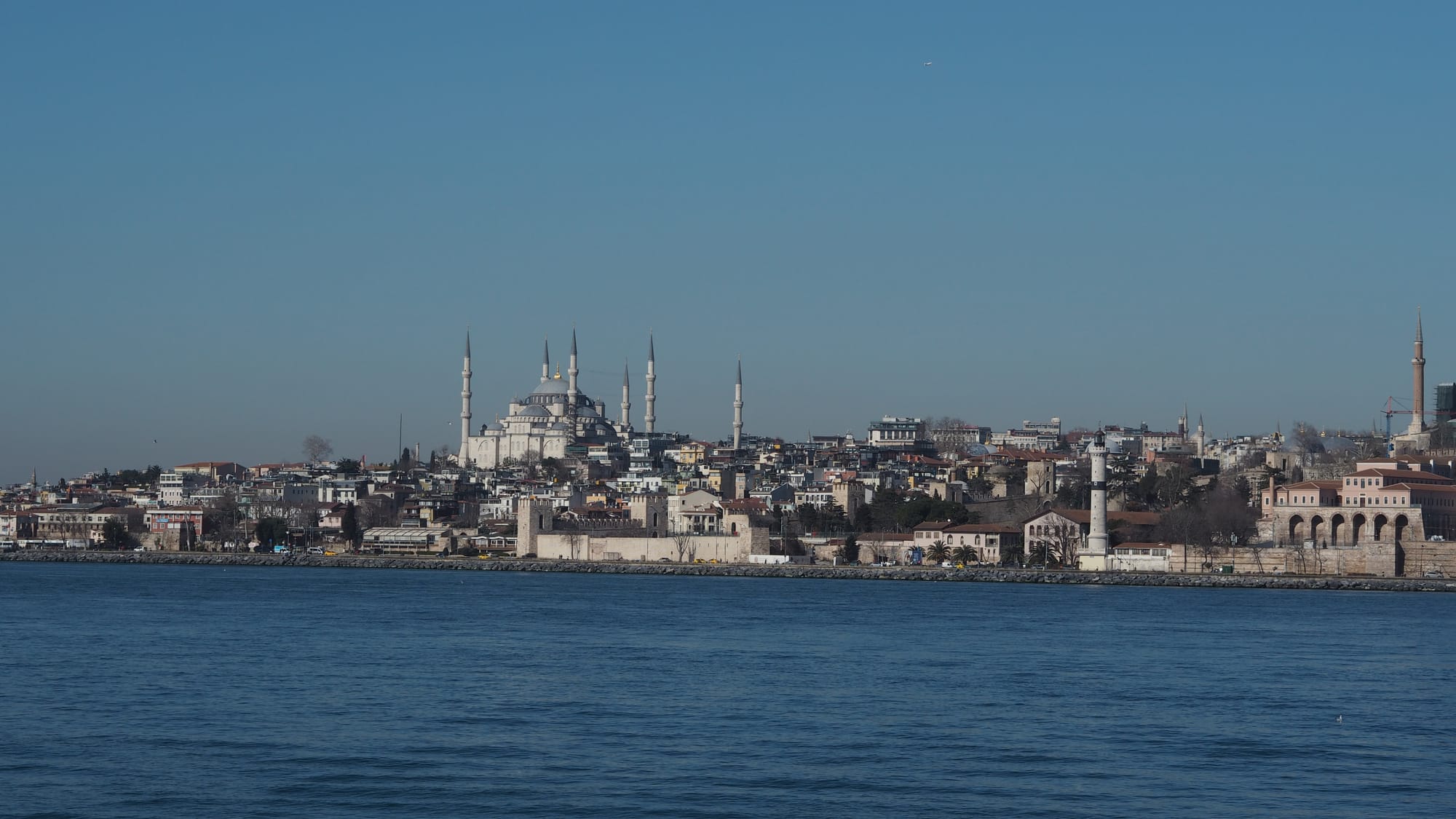
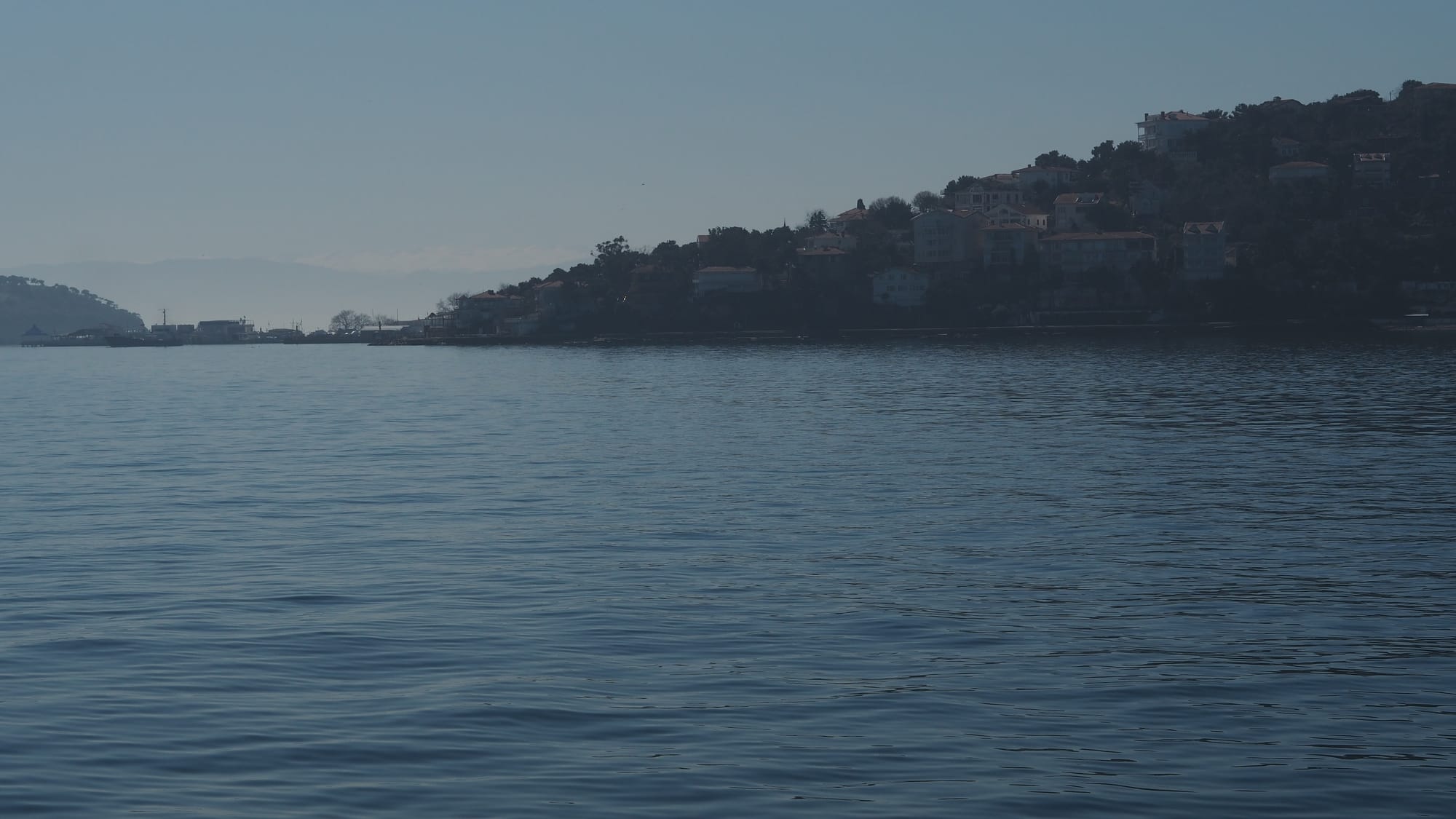
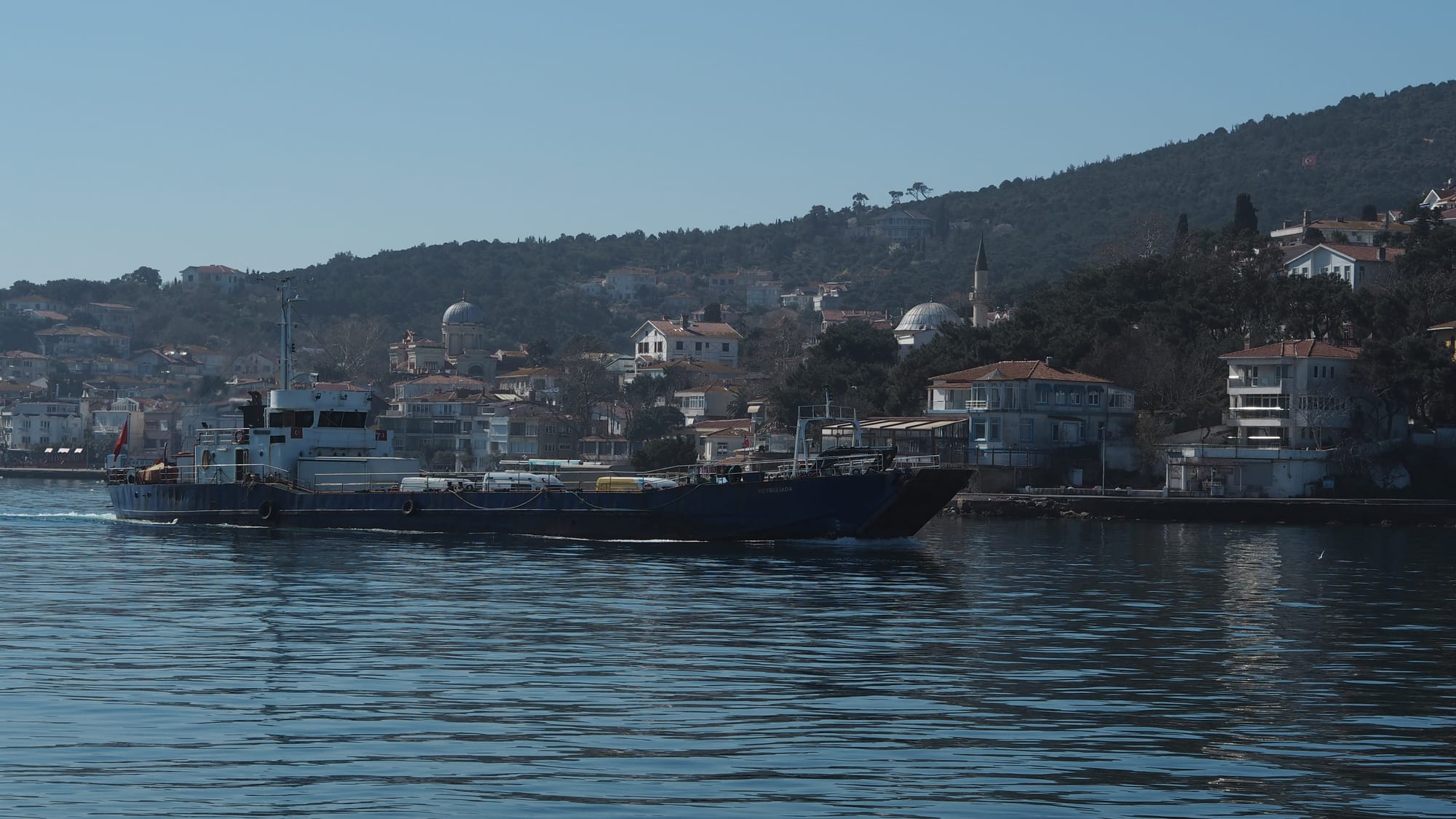
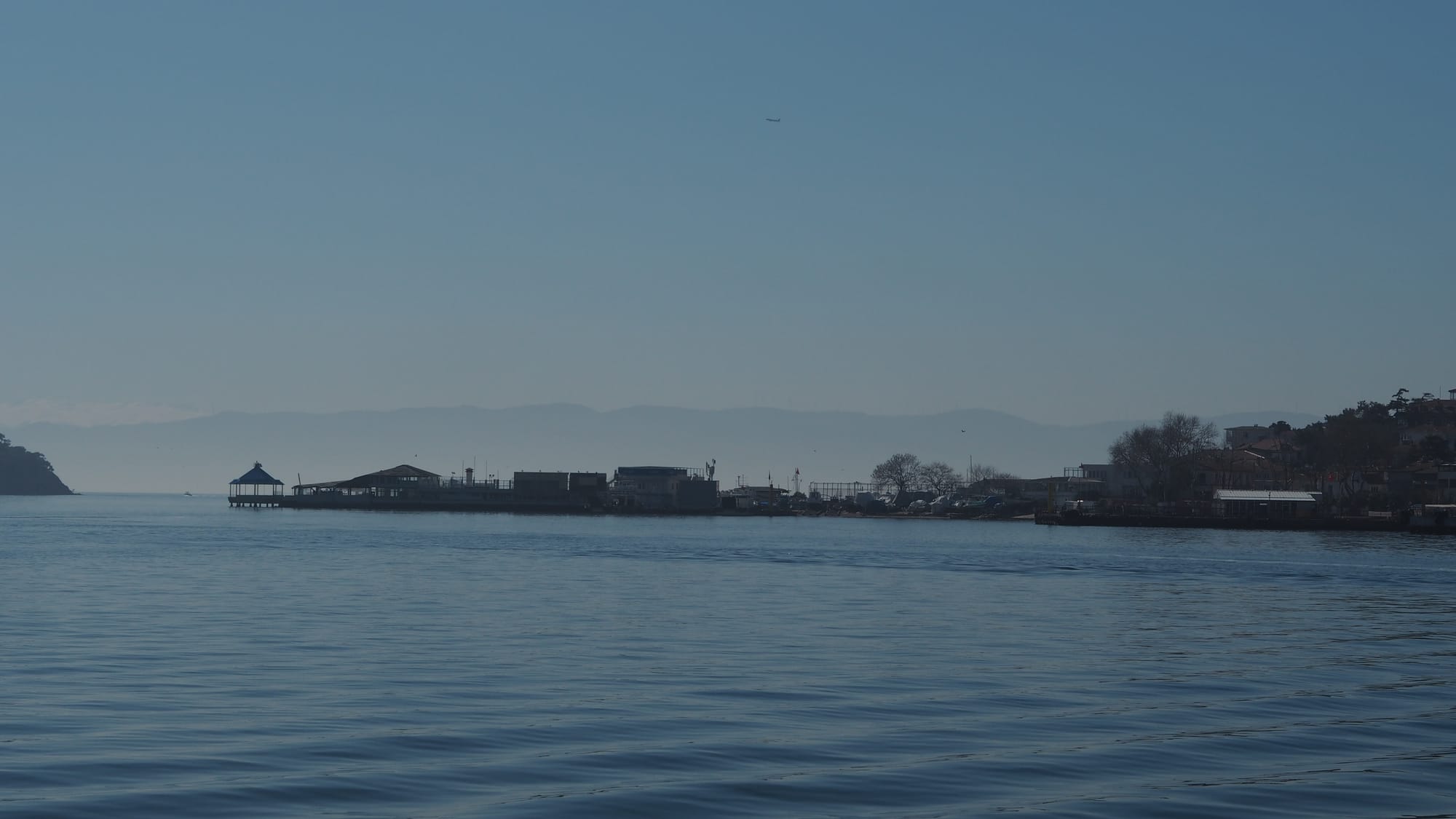
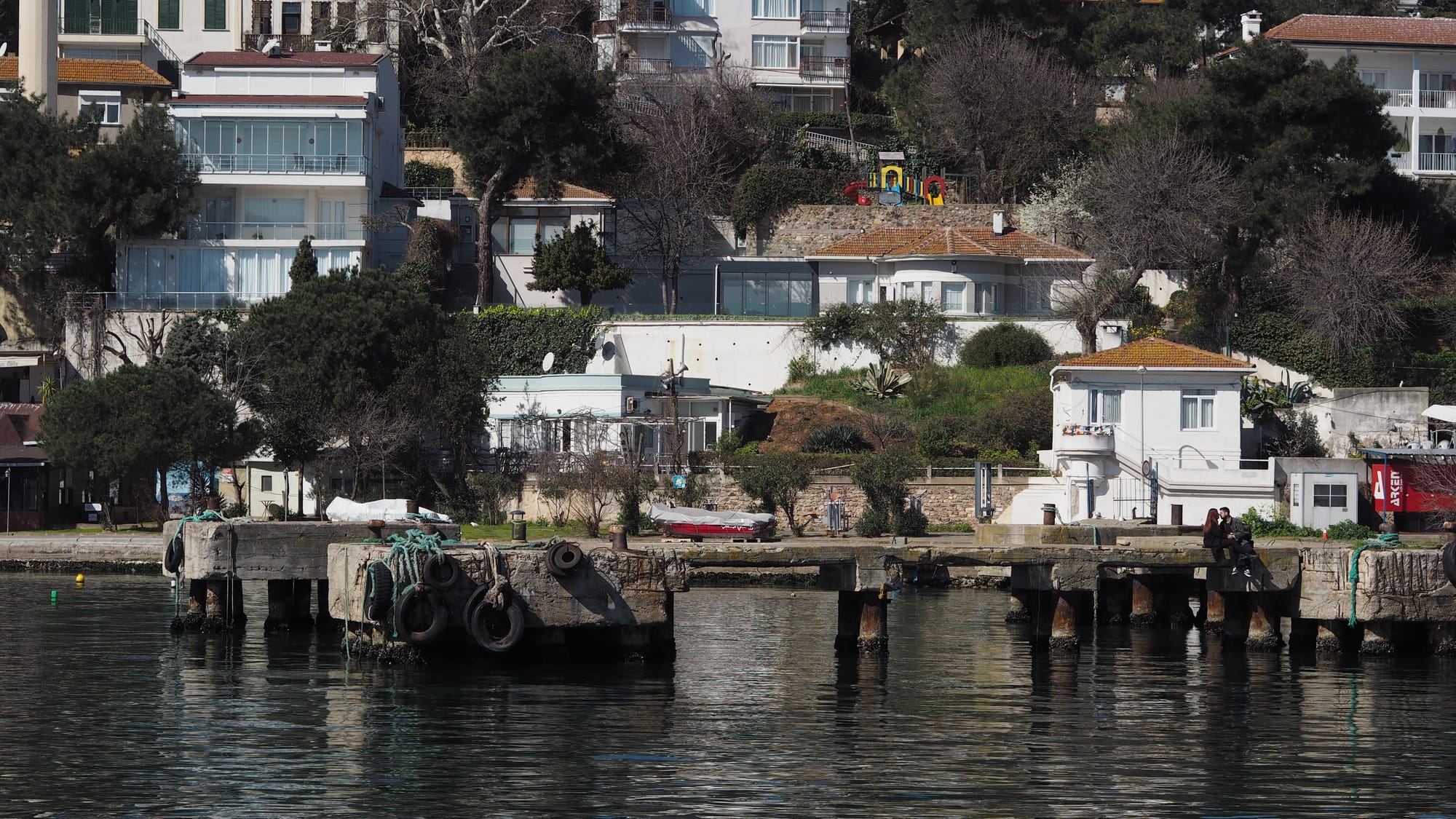
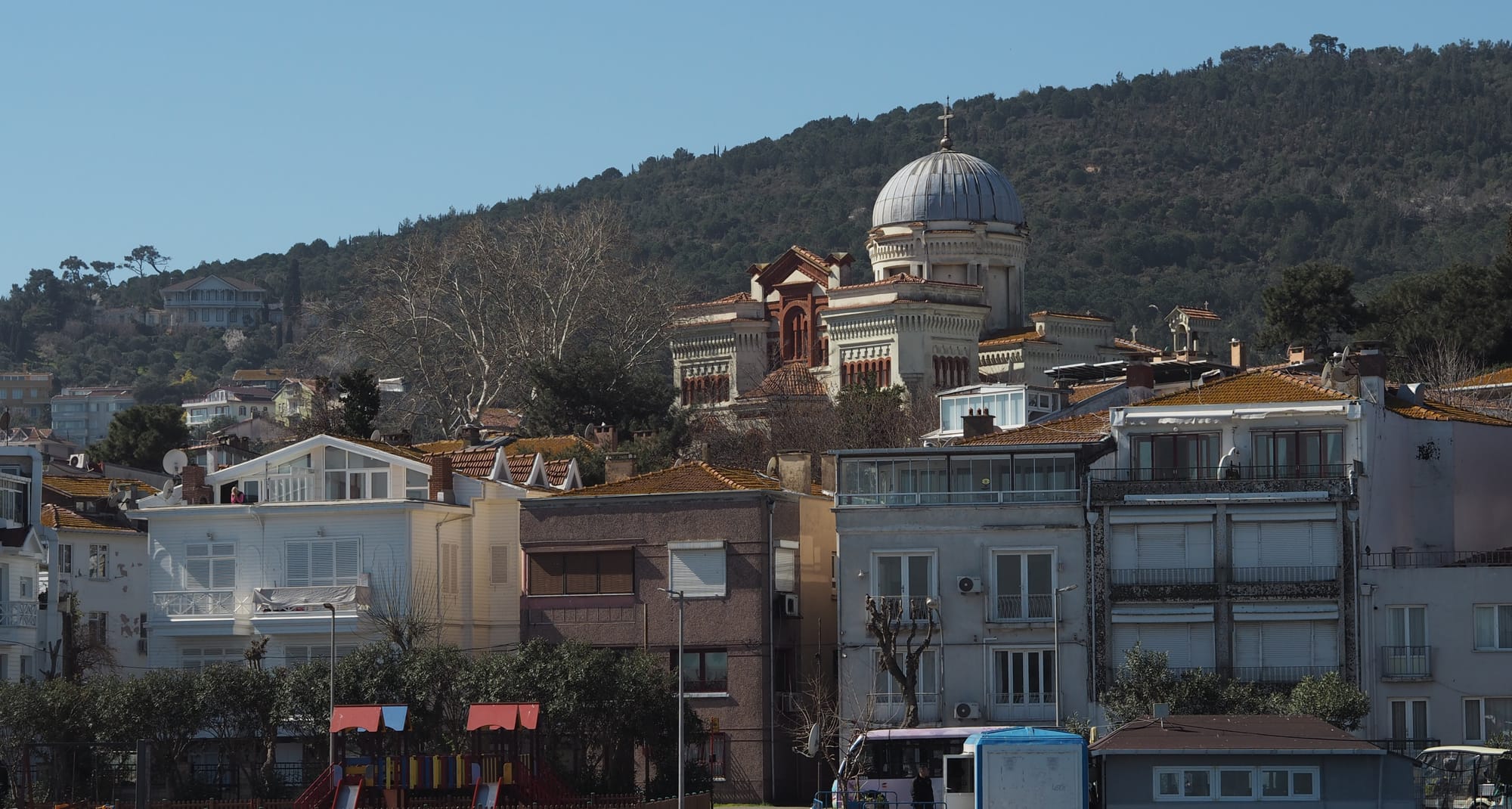
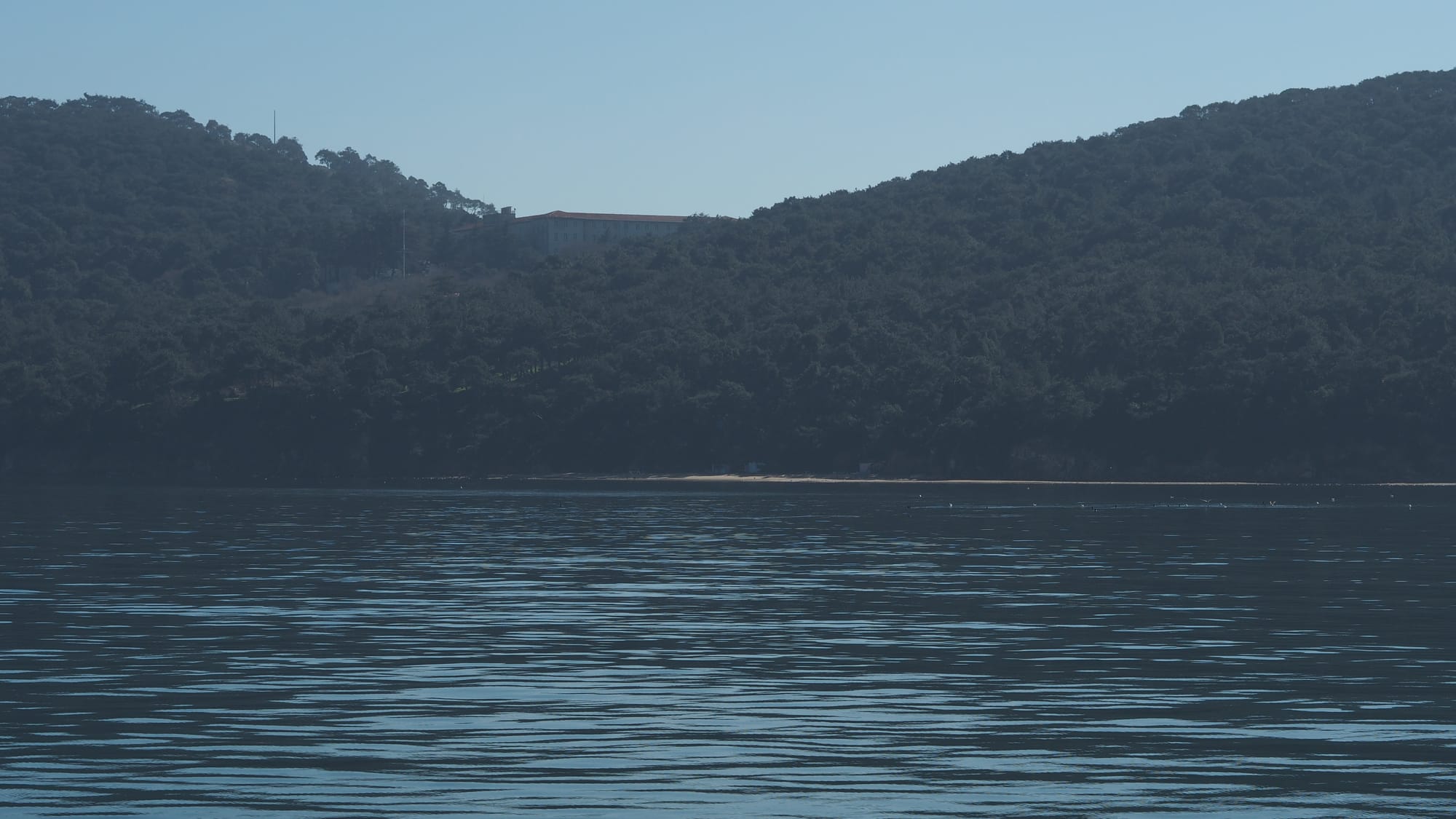
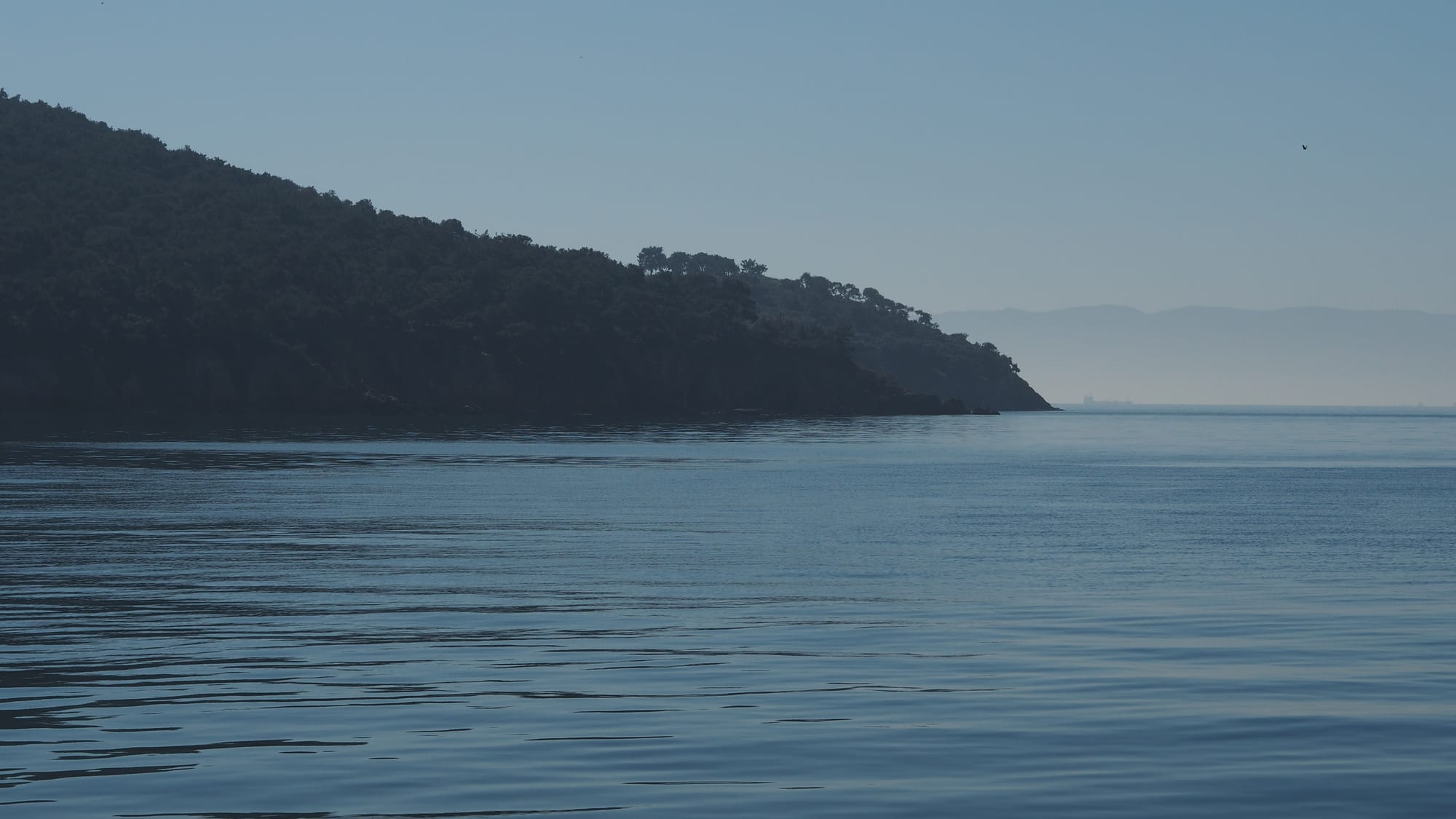
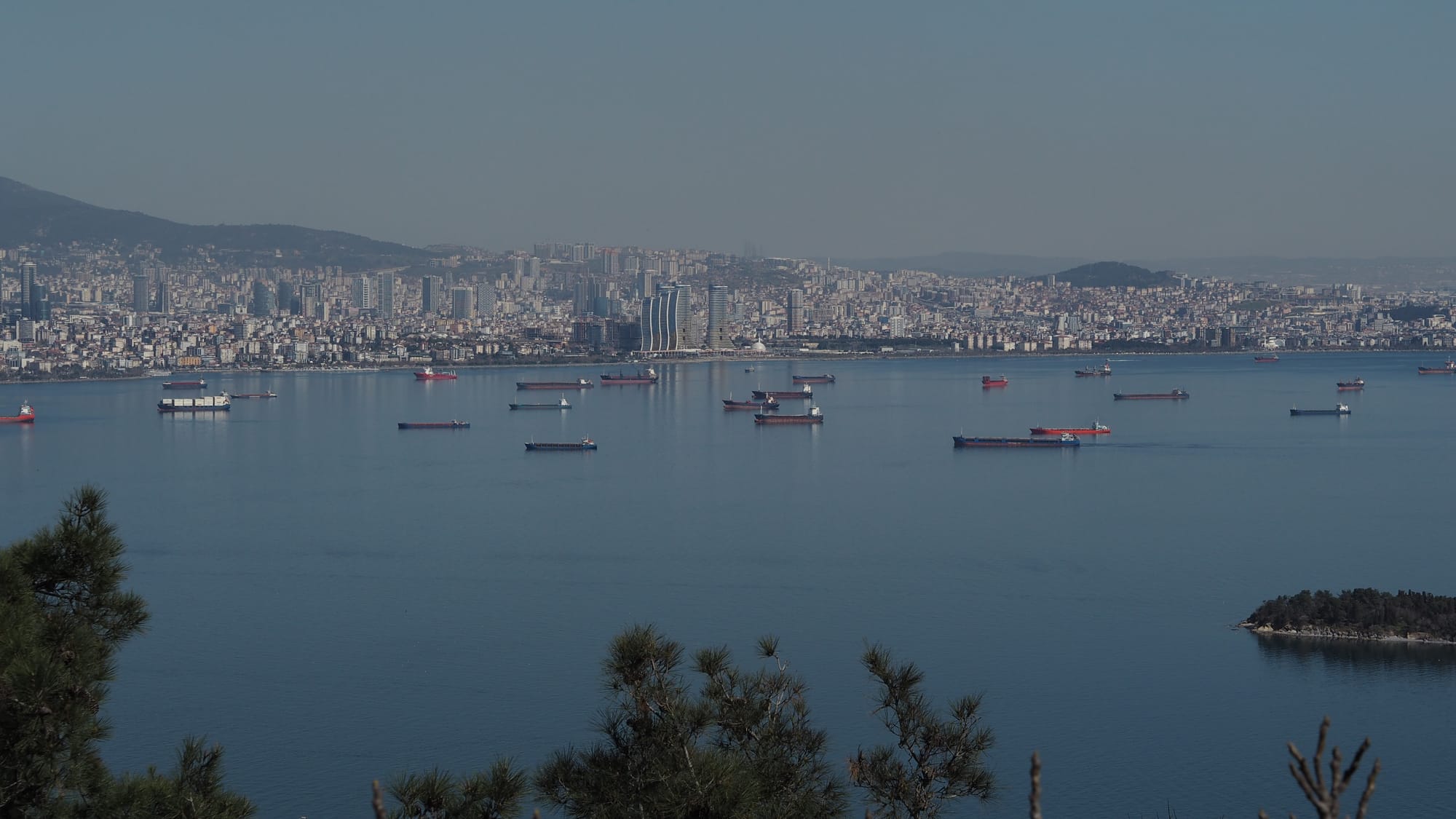
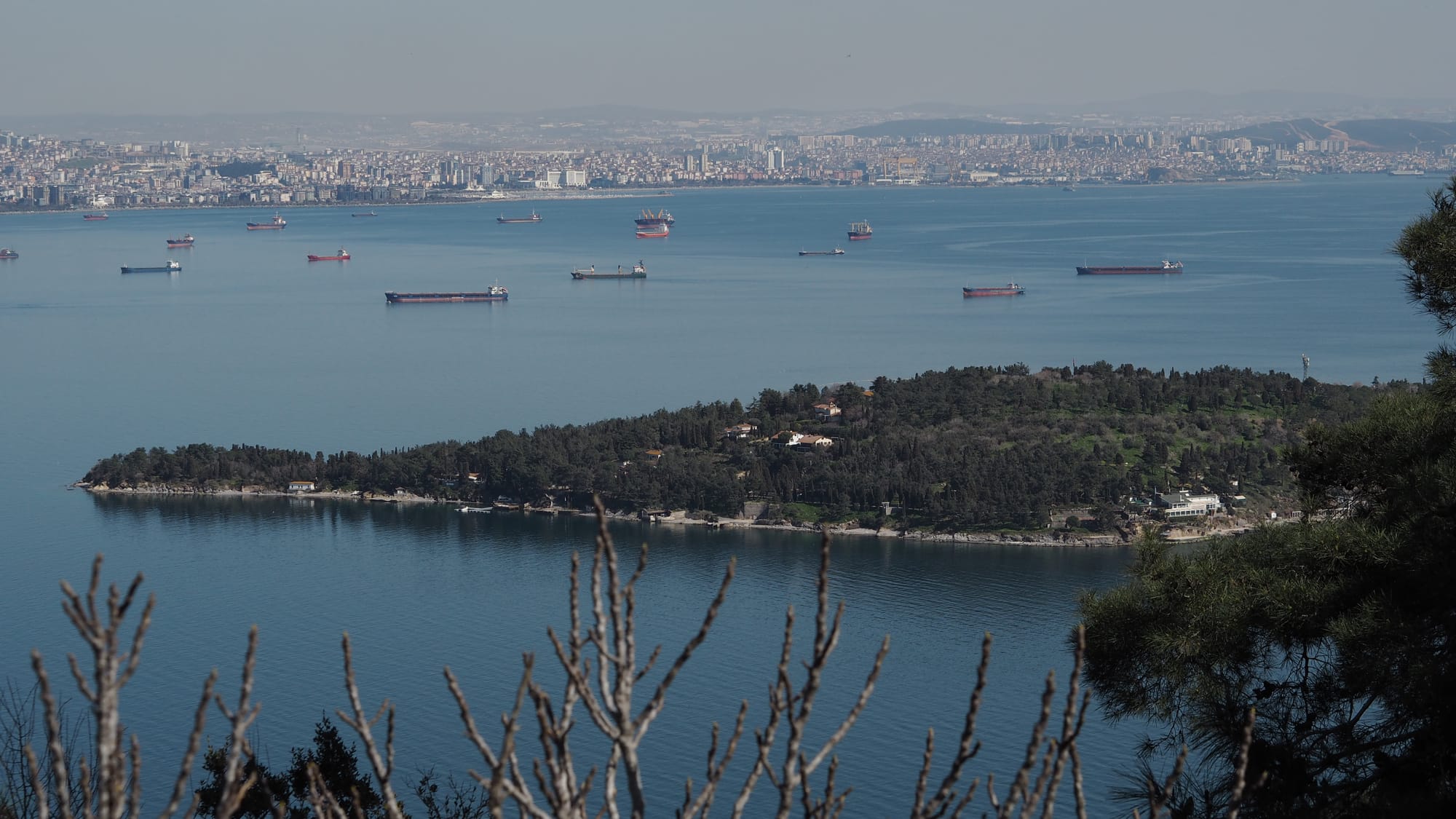
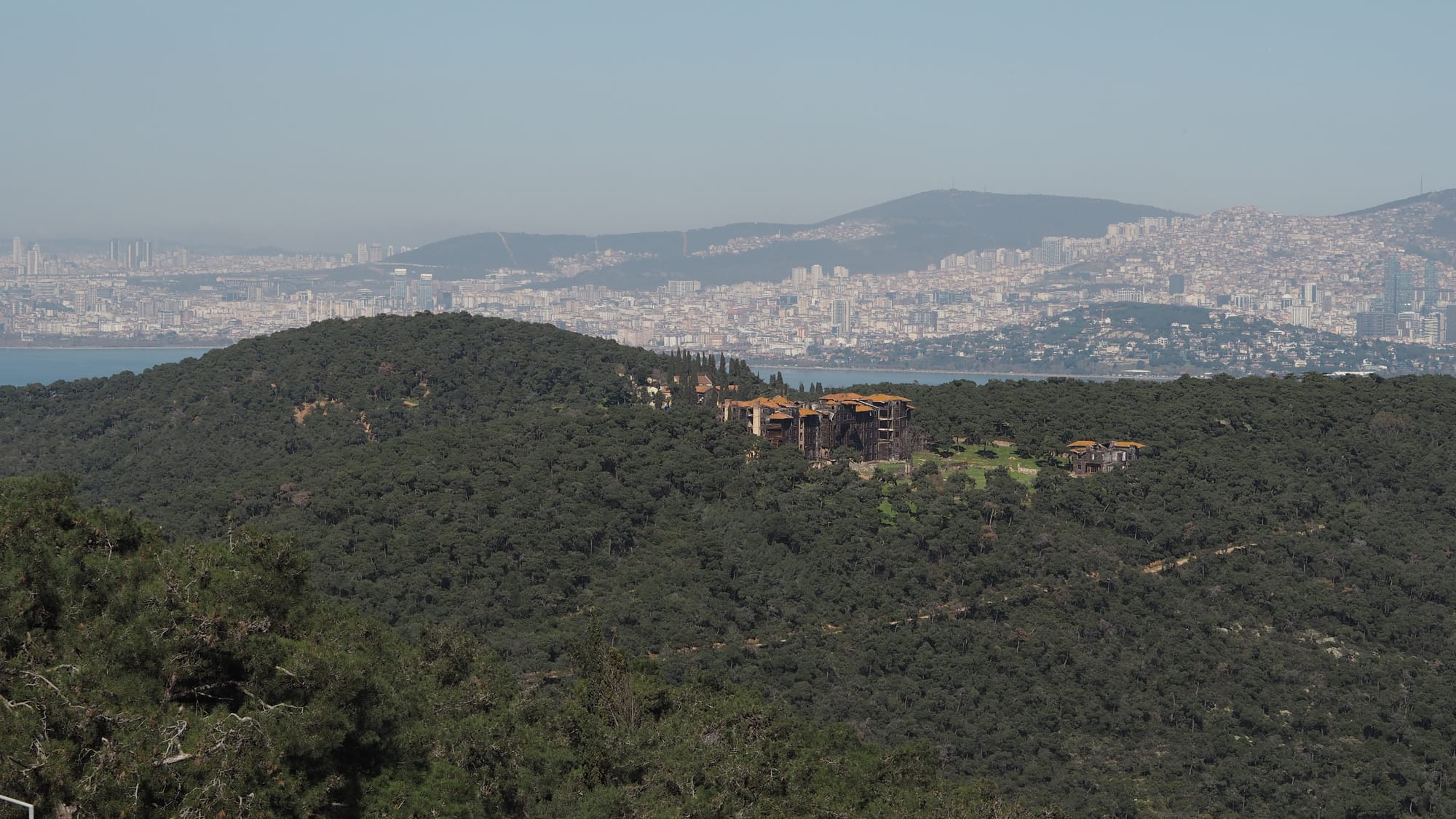
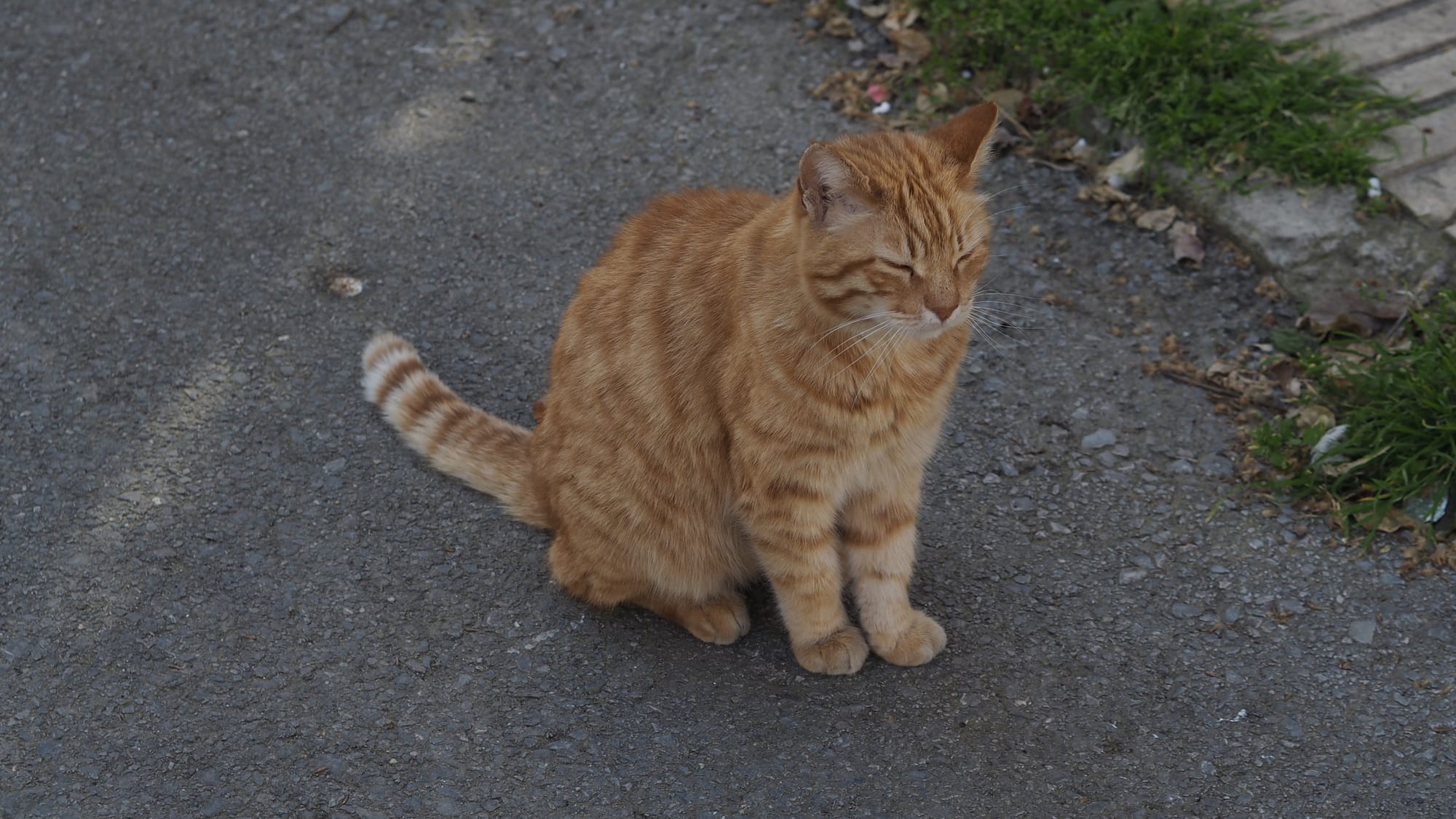
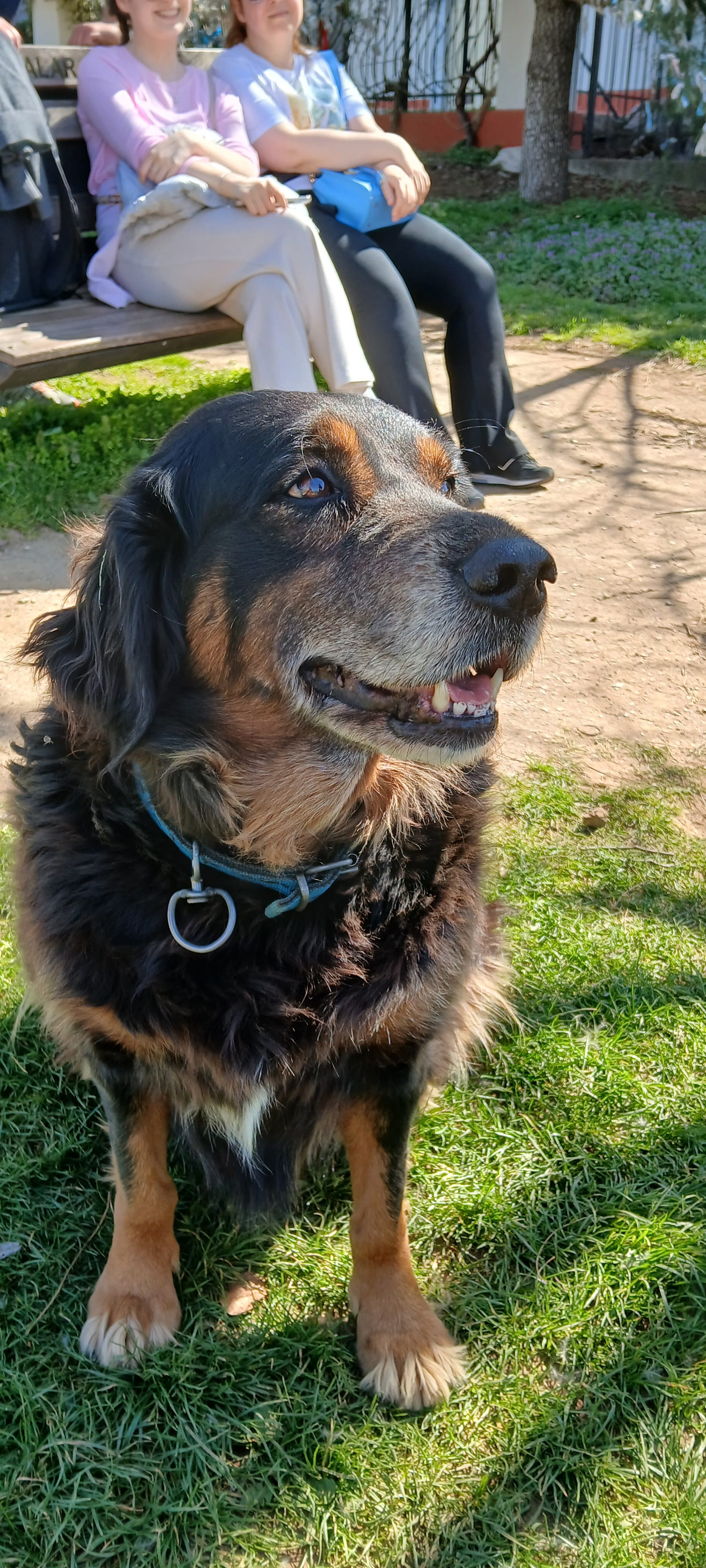
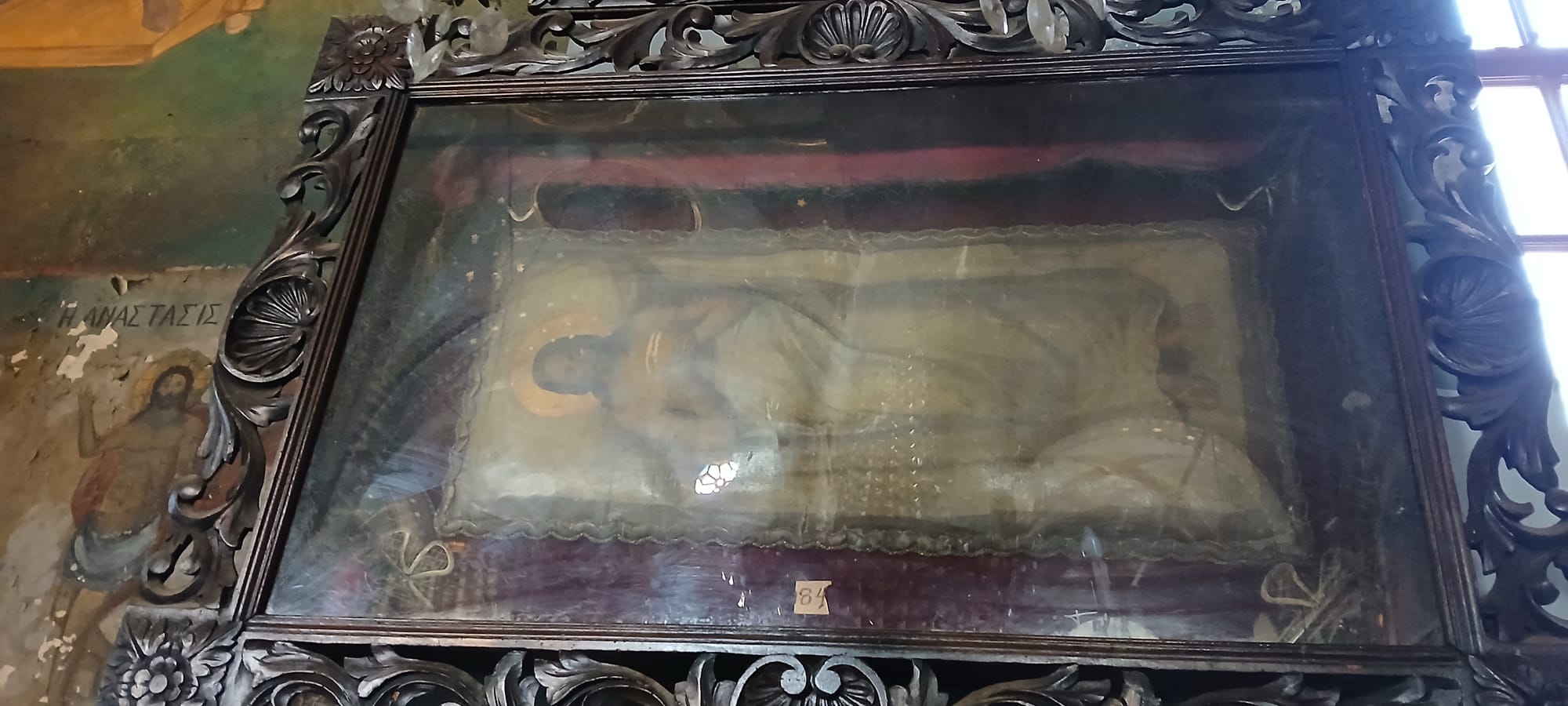
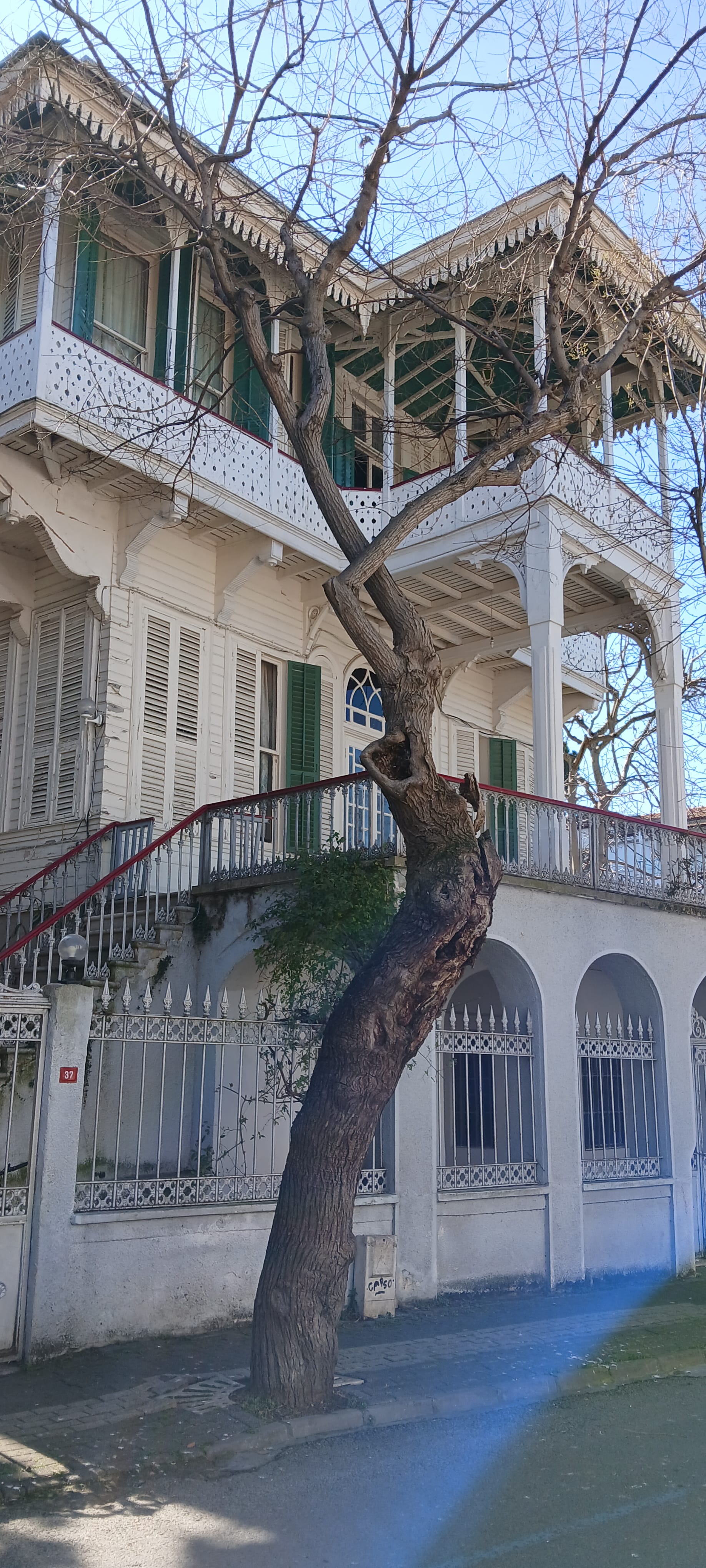
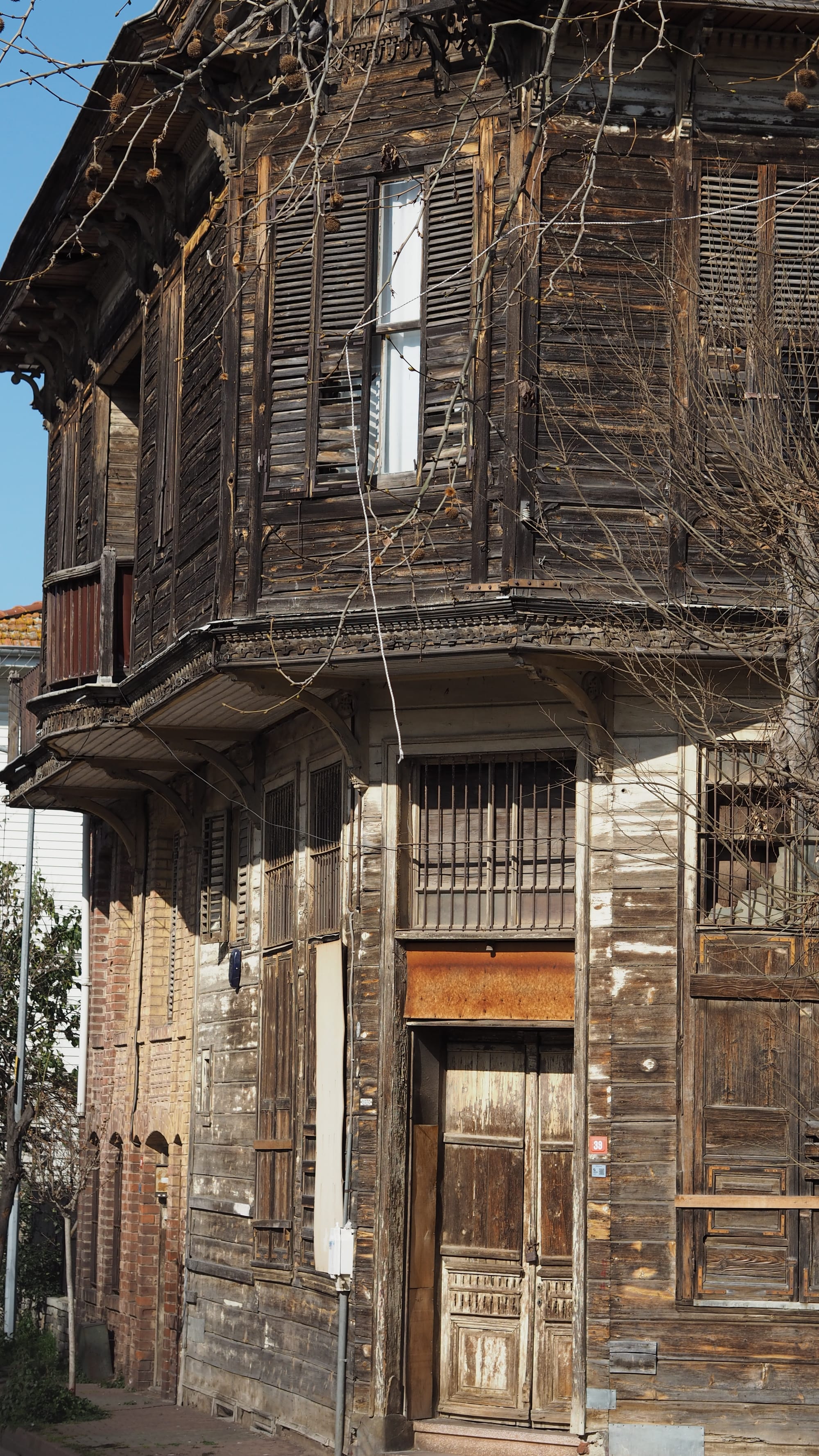
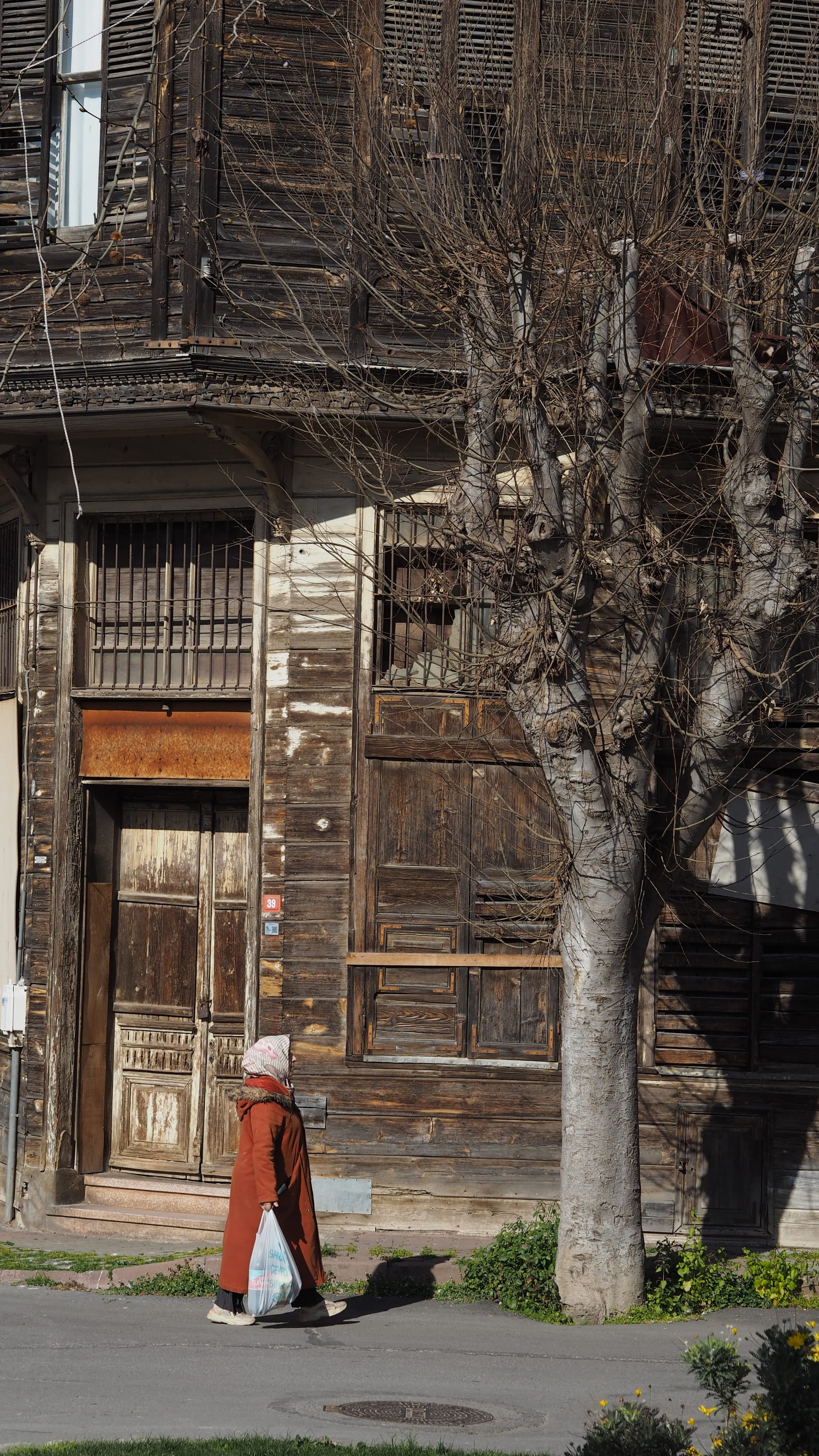
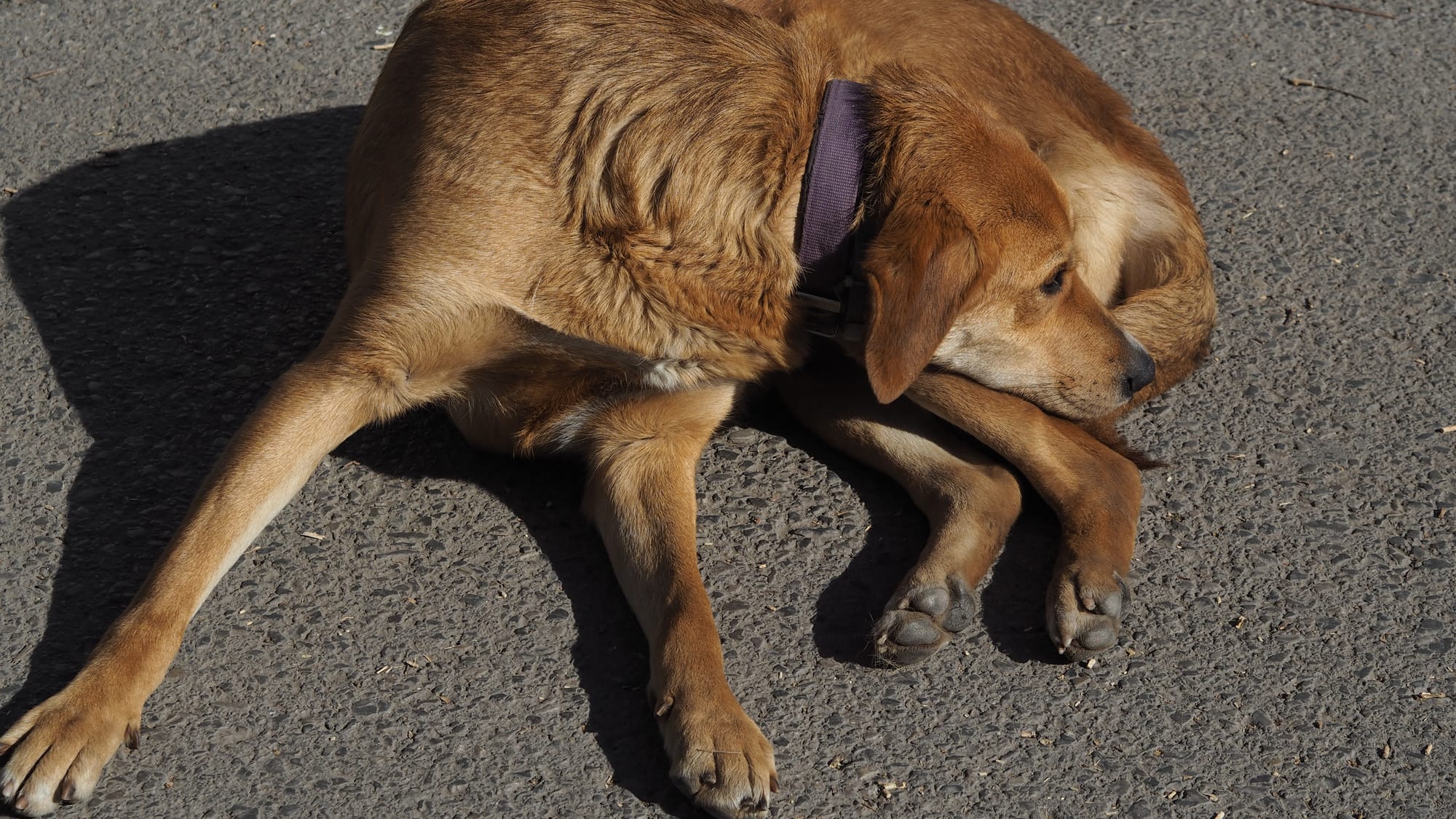
Neither did we get to the orphanage, pictured above. Reputed to be the second largest wooden structure in the world, it's in a state of collapse and sits . . . on the second highest hill in Prinkipo or Büyükada, because we climbed the highest, whence the photos of the endless arm of the city and the boats, the ginger cat and the dog, and Christ recumbent painted on his pillow, below, were taken. Christ, because on the top of the hill is the Monastery of St. George, Greek Orthodox, or Aya Yorgi Kilisesi, built there legend has it because a shepherd boy heard bells from underground and found an icon of St. George (what explains his popularity and his cultural reach?); and we went in . . . but that was after the struggle up the hill pushing bikes because the bikes we'd hired were, as I later impatiently explained to the hirer, pieces of shit.
My chain came off halfway up the hill. The lower bracket sounded like the bearings were toast. The left pedal crank was bent. Jo's would not change down to lowest gear. . . yet, initially full of good will, towards all creatures and machines, we pedalled. Past the big houses. A great place if you like big houses. Past the cows. Past some mangy sheep with bells. Past hippy coffee stops done up with picturesque garbage. A great place if you like hippy picturesque garbage. To the bottom of a steep cobbled street, where we dismounted and pushed and pushed and pushed. . . towards a nice view and a cosy church, with Christ who all this time had been recumbent on his painted pillow.
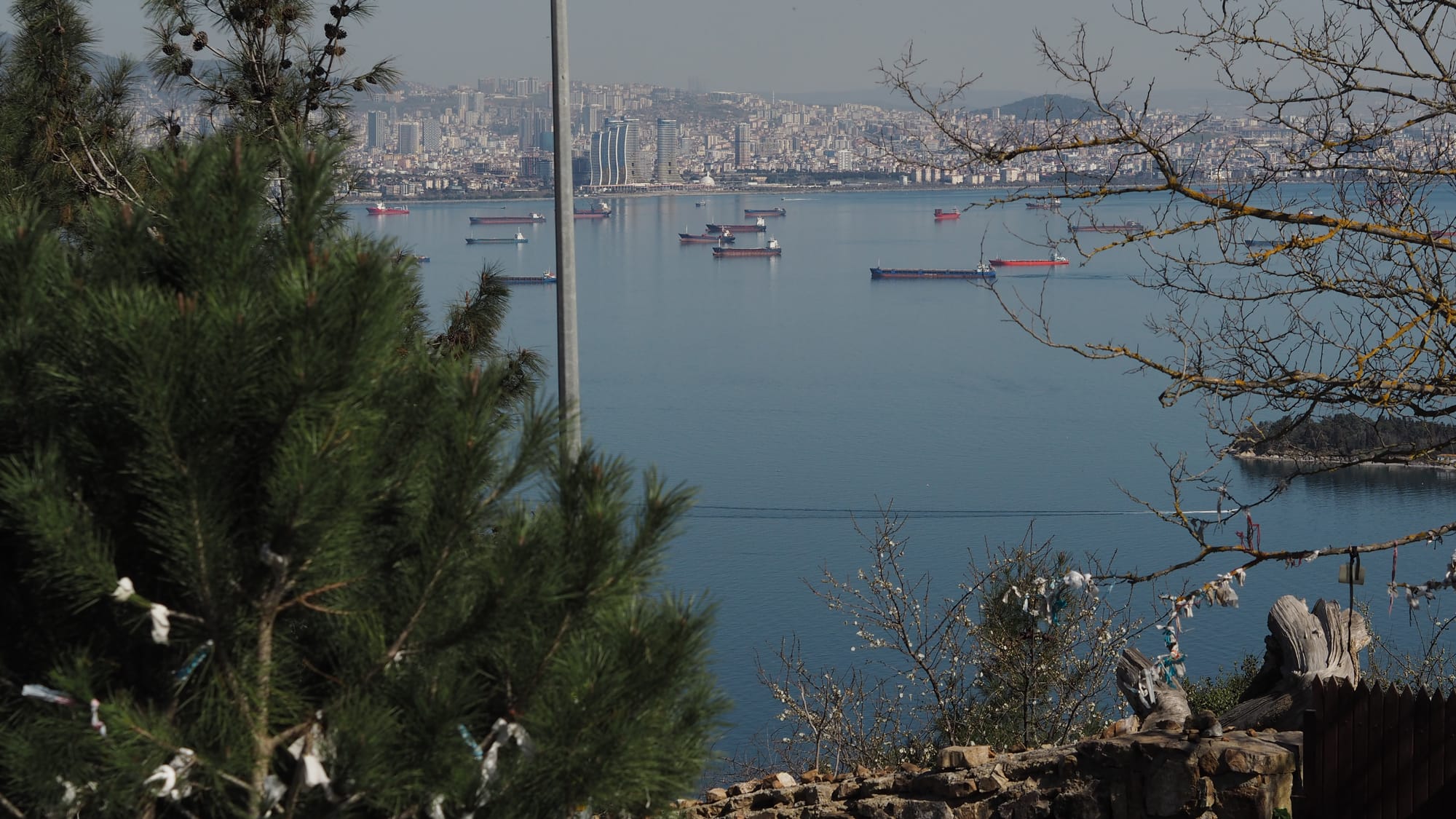
There we ate sandwiches we'd brought. Descended the cobbled lane. Did I mention the trees with votive plasticbags on the branches or what looked like them but was synthetic rags? Down to the bottom of the hill, taking the right at the bottom . . . which took us around the most boring part of the island, originally circumambulated by phaeton, and there on the boring side we saw many horses on a mud slope, without a blade of grass. They were happy in their herd and looked unharmed. We pedalled past them thinking how much nicer it would have been to be pulled by a pony listening to the clip-clop-clip and not the creak-creak of the pedal crank. . . By the time we got to the turn-off to the monastery we'd had enough and turned down towards the main town. It had some pretty big houses too and a decent ferry building.
The bike guy would not believe me. What is wrong with bike? I said, You jump on and ride it around the island!
He hopped on. Rode it 20 feet or so. Nothing wrong with bike!
We had prepaid and I'd left my driver's license with him. He went into the shop. I thought he might, but he didn't, so I asked. Are you not going to offer us a discount? What for?
For a start we had paid for a day and returned the bikes after two hours. He said. What for discount?
I gently told him, because his bikes were pieces of shit, I thought. Neighbouring shopkeepers came out, perhaps in solidarity? drawn by the shouting. It occurred to me I had been.
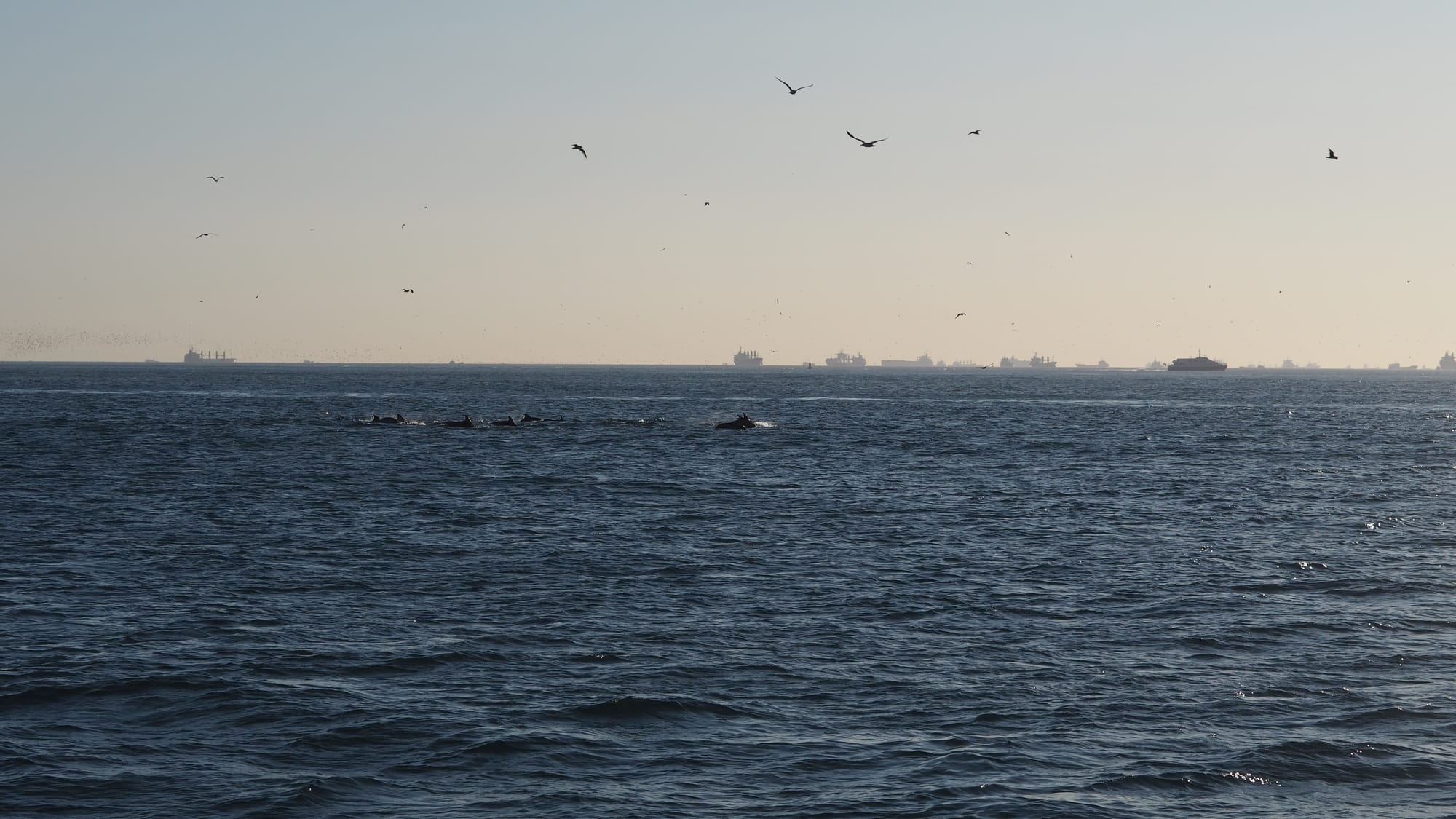
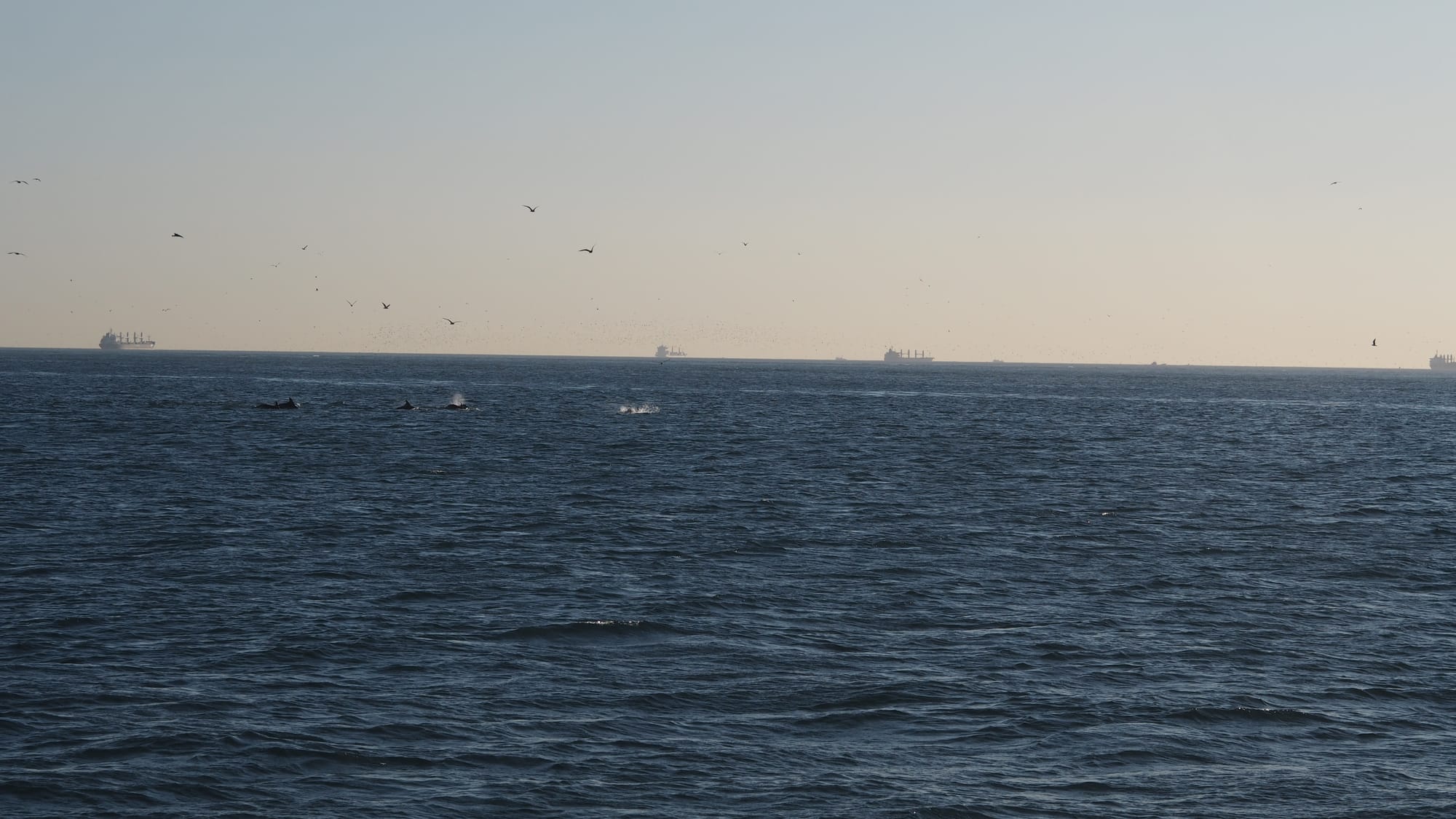
Dolphins on the Bosphorus before the Golden Horn:
Back to Beyoğlu:
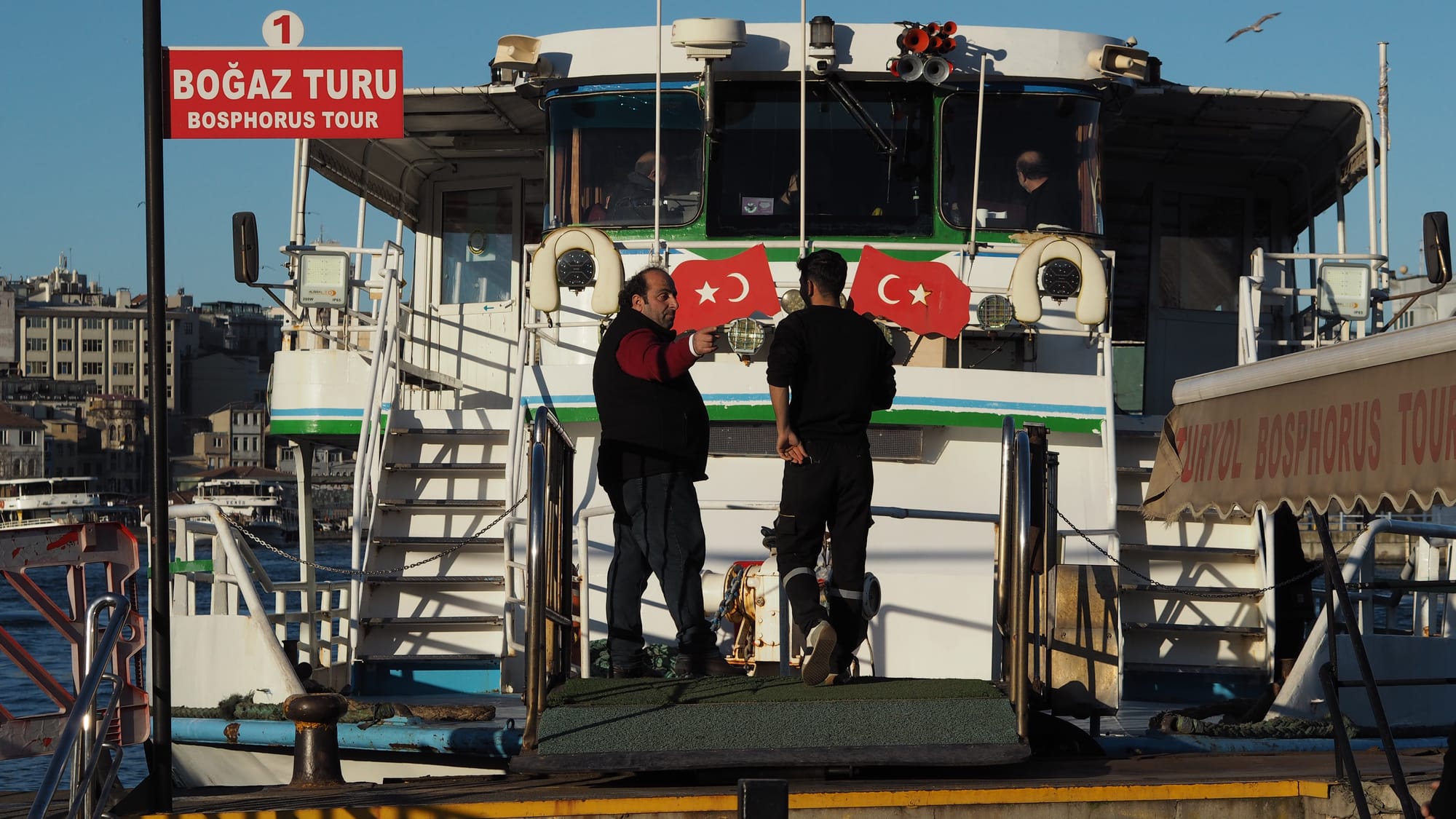
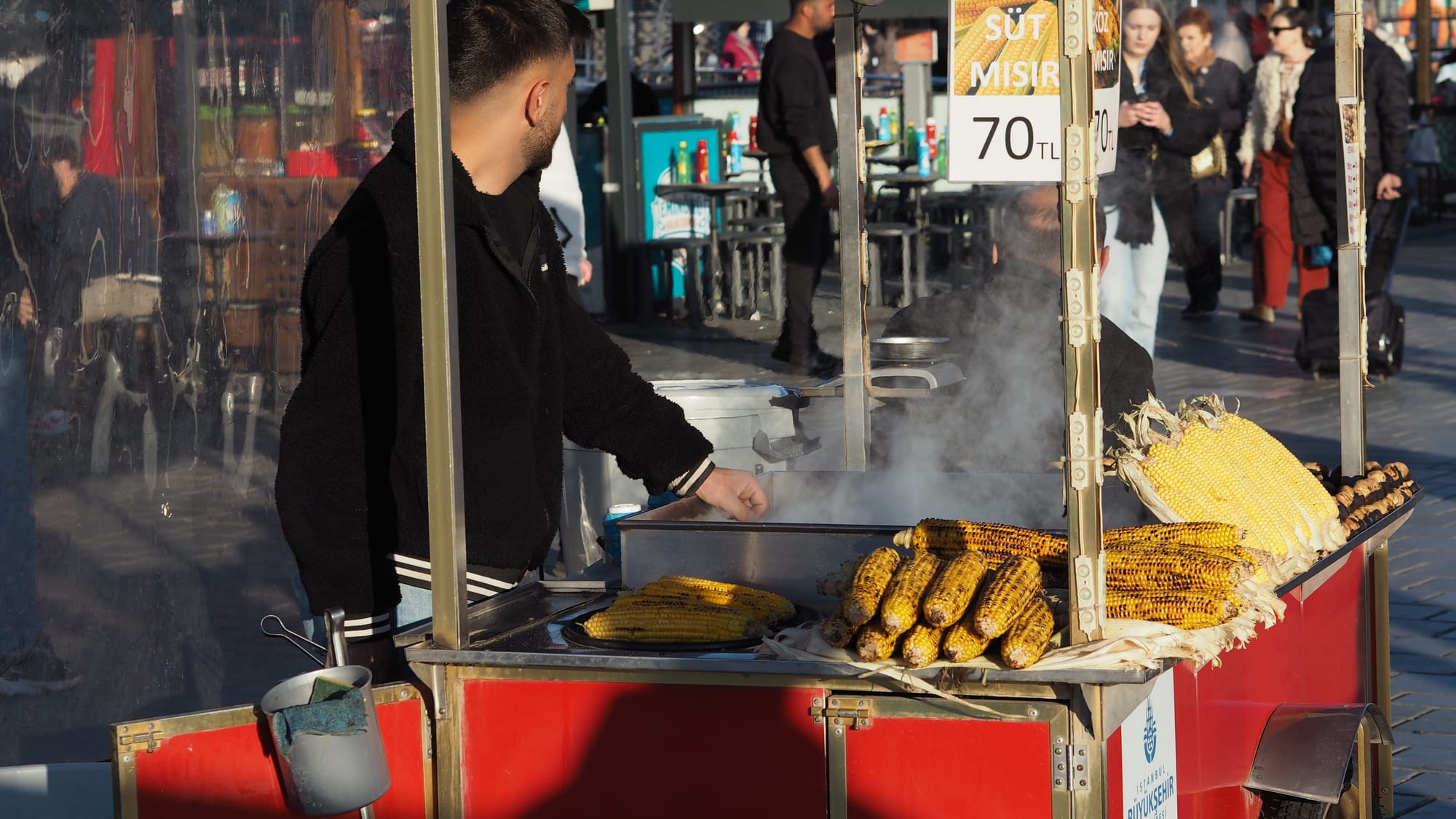
- not our ferry, happy fellows; never saw anyone eating the corn, the chestnuts, yes
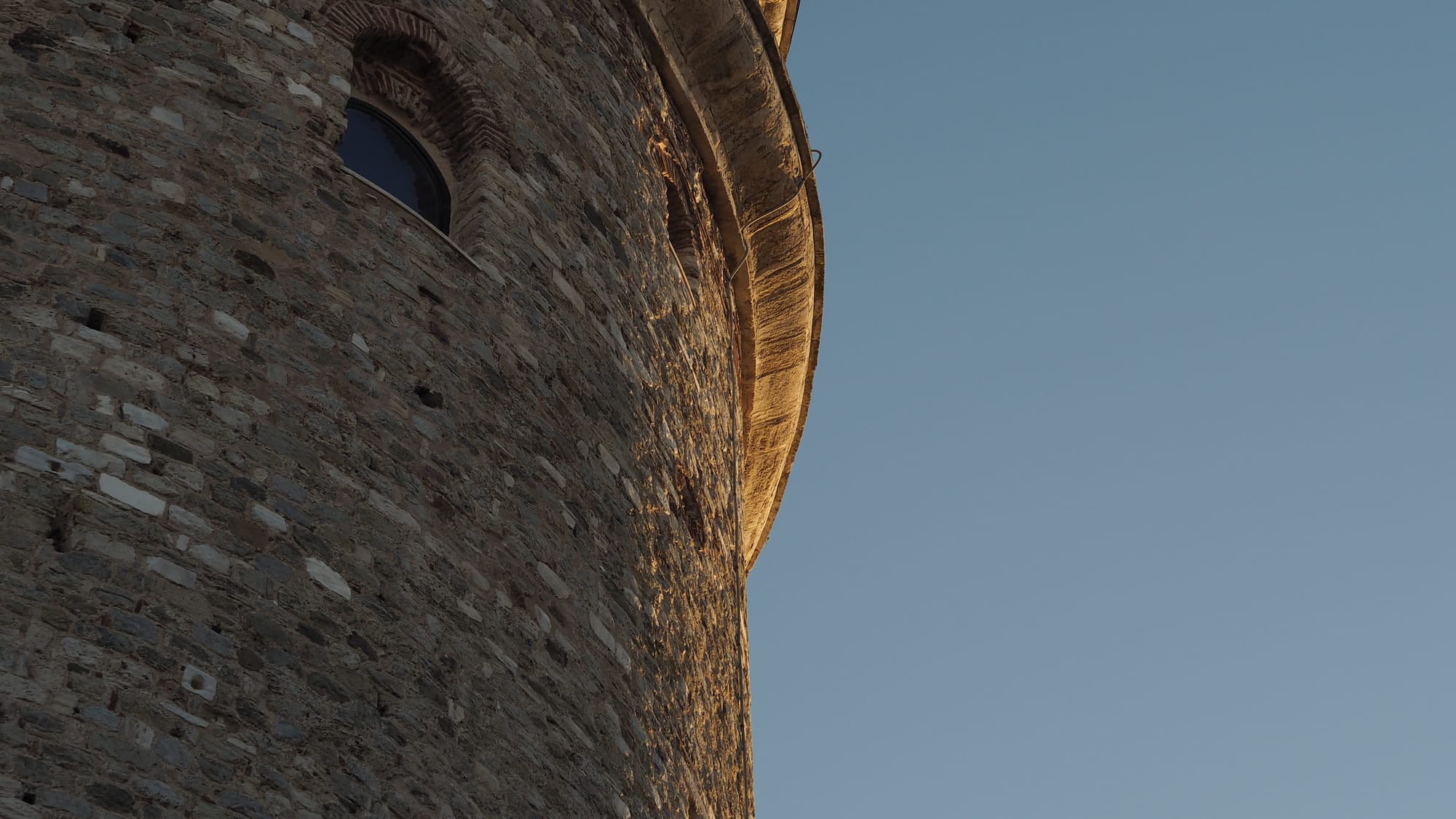
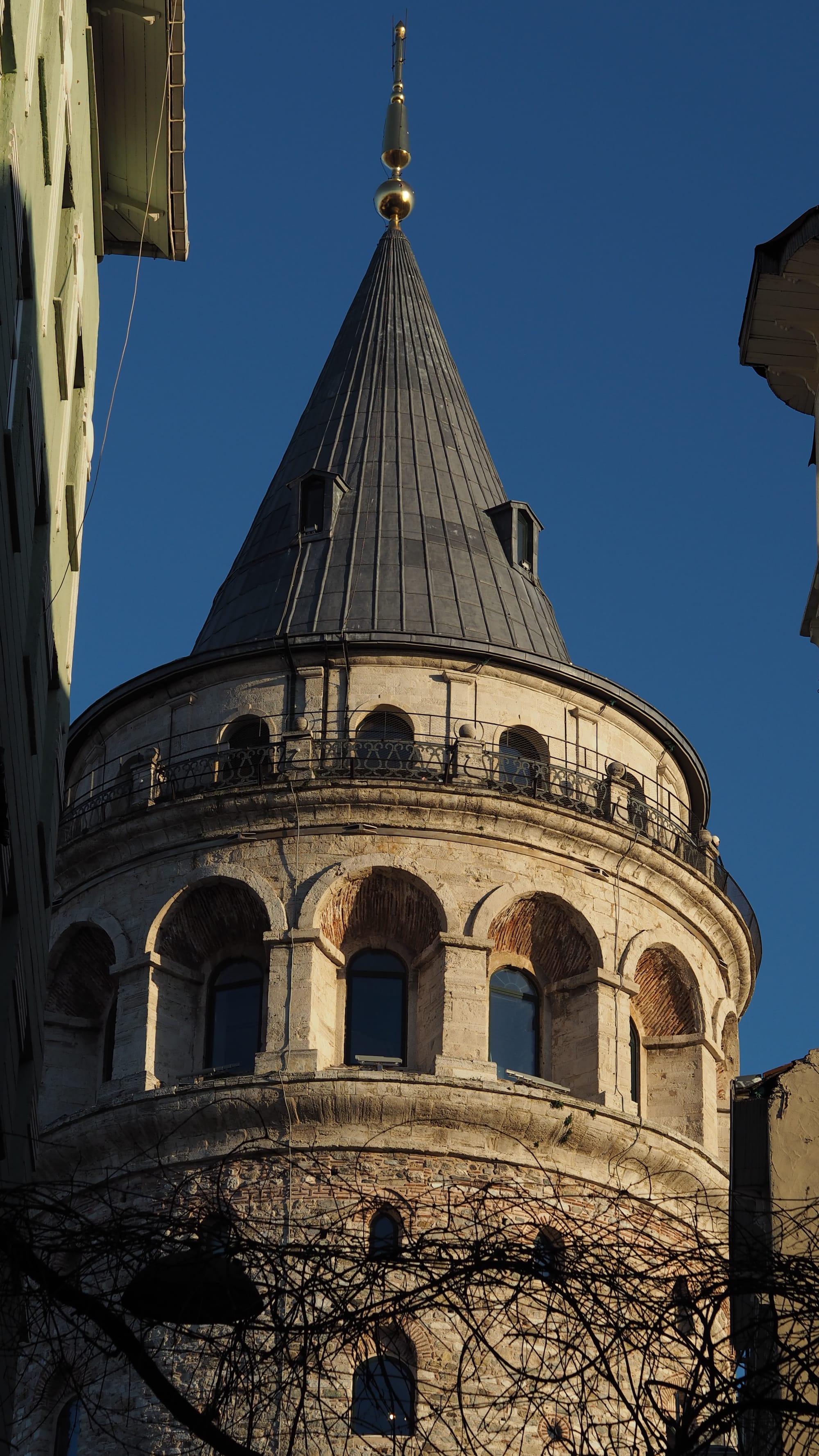
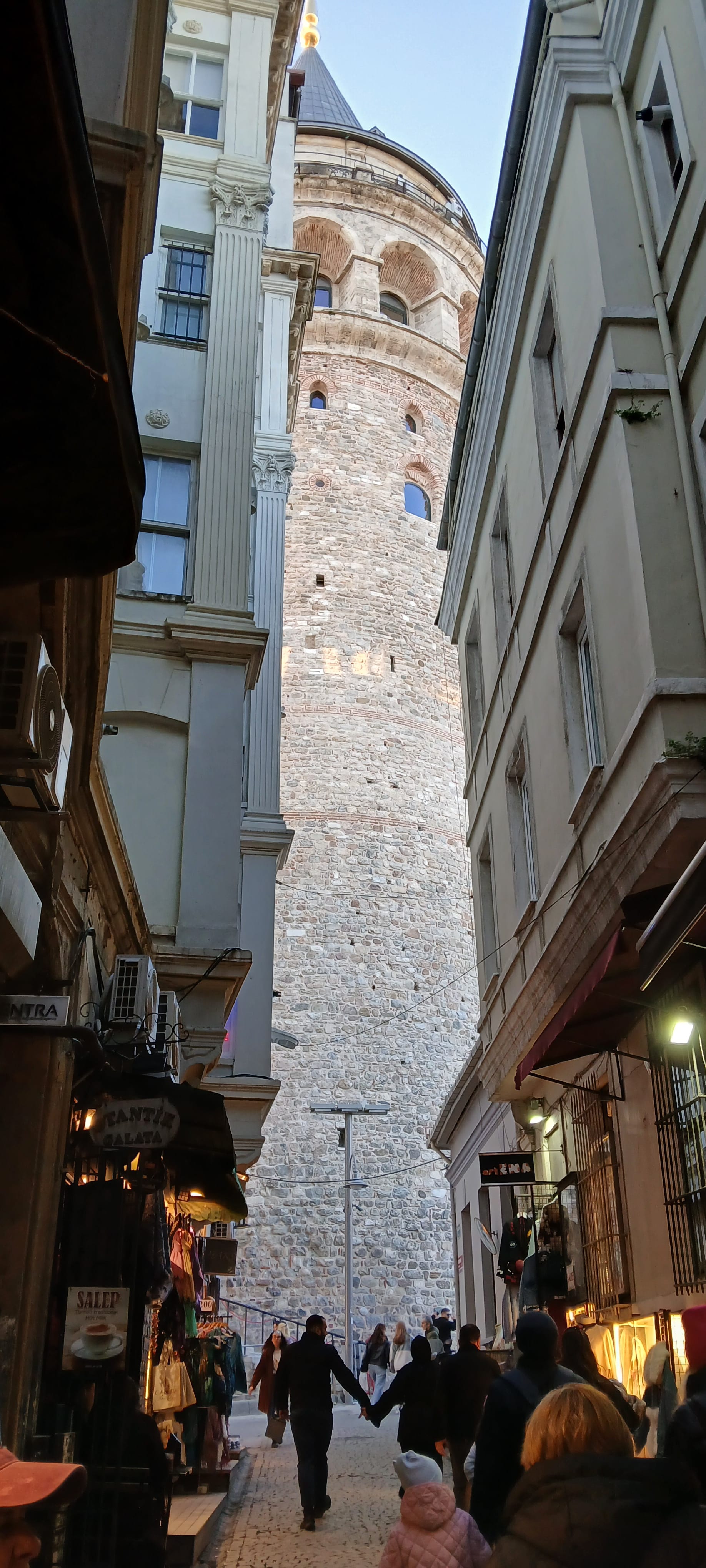
We've passed by many times, have not climbed at €30 (₺1,516.09; NZ$59.05), knowing the price but not the value, Galata Tower; and on the briefest refresher, the info is: It's Genoese!
Between 1267 and 1453, before the Ottomans took it, the Galata district was under control of the Genoese city-state; now this marries well with the surprising-to-us-now, used to the territorial designs of nations, sacking of İstanbul, Constantinople by the Venetians. The Republic of Venice at its height:
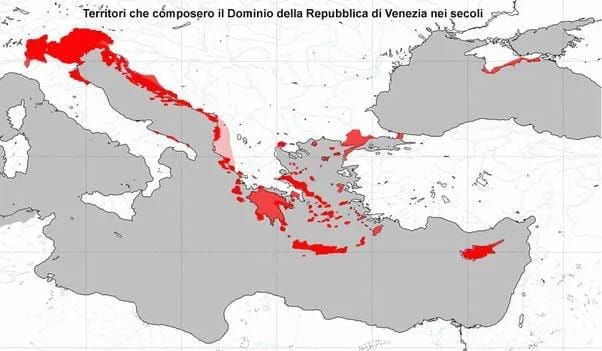
Late 1400s. The sacking preceded it. 1204 Crusaders of the 4th Crusade (interesting the United States Secretary of War calls what's happening in Iran a crusade; then Pete Hegsheth wears the Crusaders' or Jerusalem Cross tattooed:

) joined forces. By John Ash's reckoning a quarter of the patrimony of Europe was destroyed or taken, the statues on every crossroads, of Roman origin, were beheaded and a sort of Christian iconoclasm took place; a major part of the loot ended up not simply in Venice but as the most recognisable part of Venice, in San Marco, its style Byzantine, and the Doge's Palace.
Granted full autonomy, Galata, with Galata Tower at its centre, was a trading colony of Genoa. It served also as the administrative hub for Genoa's colonies in the Black Sea.
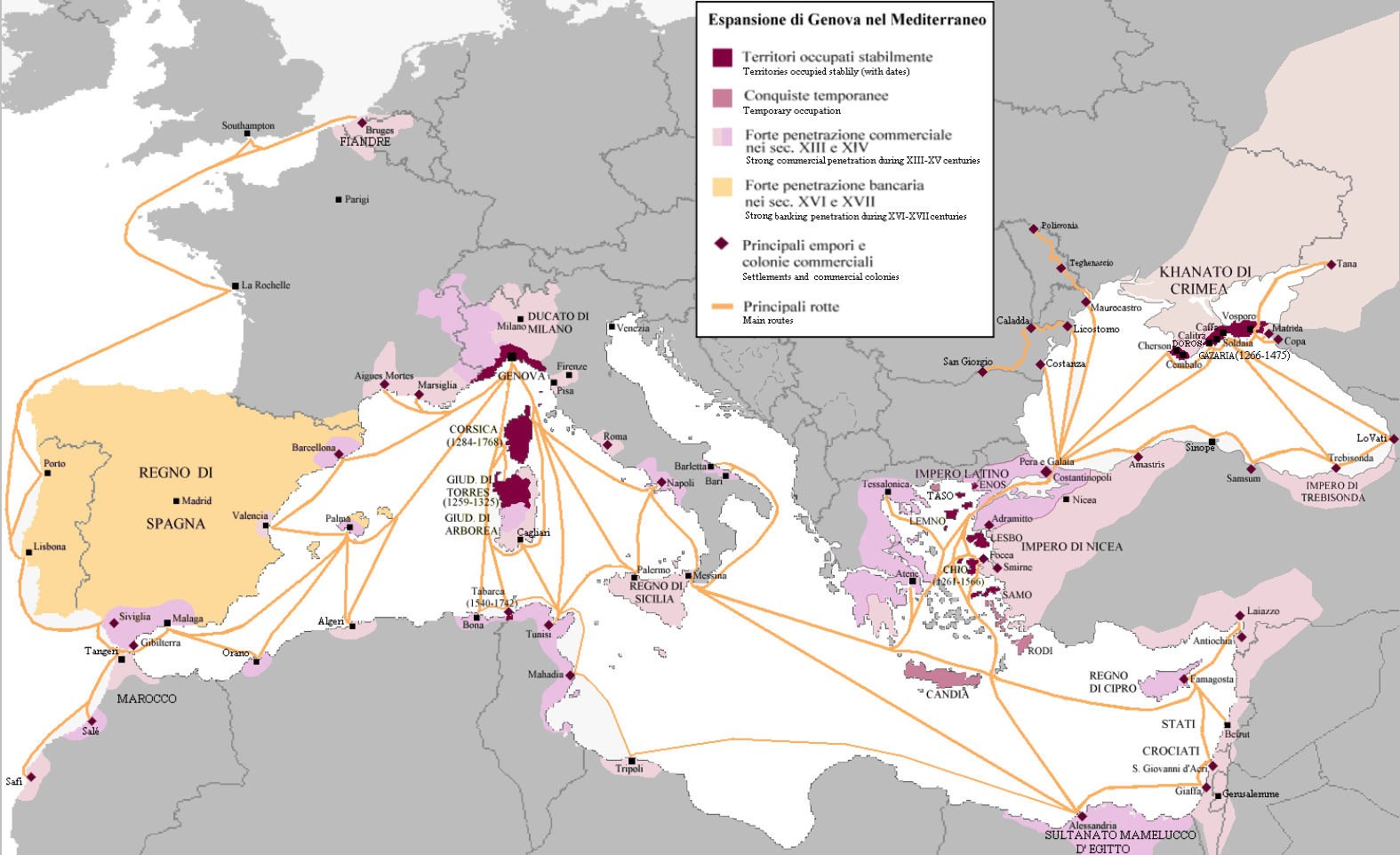
A thalassocracy: a state ruling over the sea rather than the land, controlling the sealanes (as Iran might be seen to be doing with Hormuz Strait) and therefore trade.
These thoughts come to me from consideration of the Genoese presence in Crete, where I am finishing this post. Genoa and Venice contested the possession of Crete at the time of the 4th Crusade. Following its Byzantine rule, the Republic of Genoa occupied Crete from 1204, until Venice, proclaiming it the Kingdom of Crete, Regno di Candia, seized it in 1211.
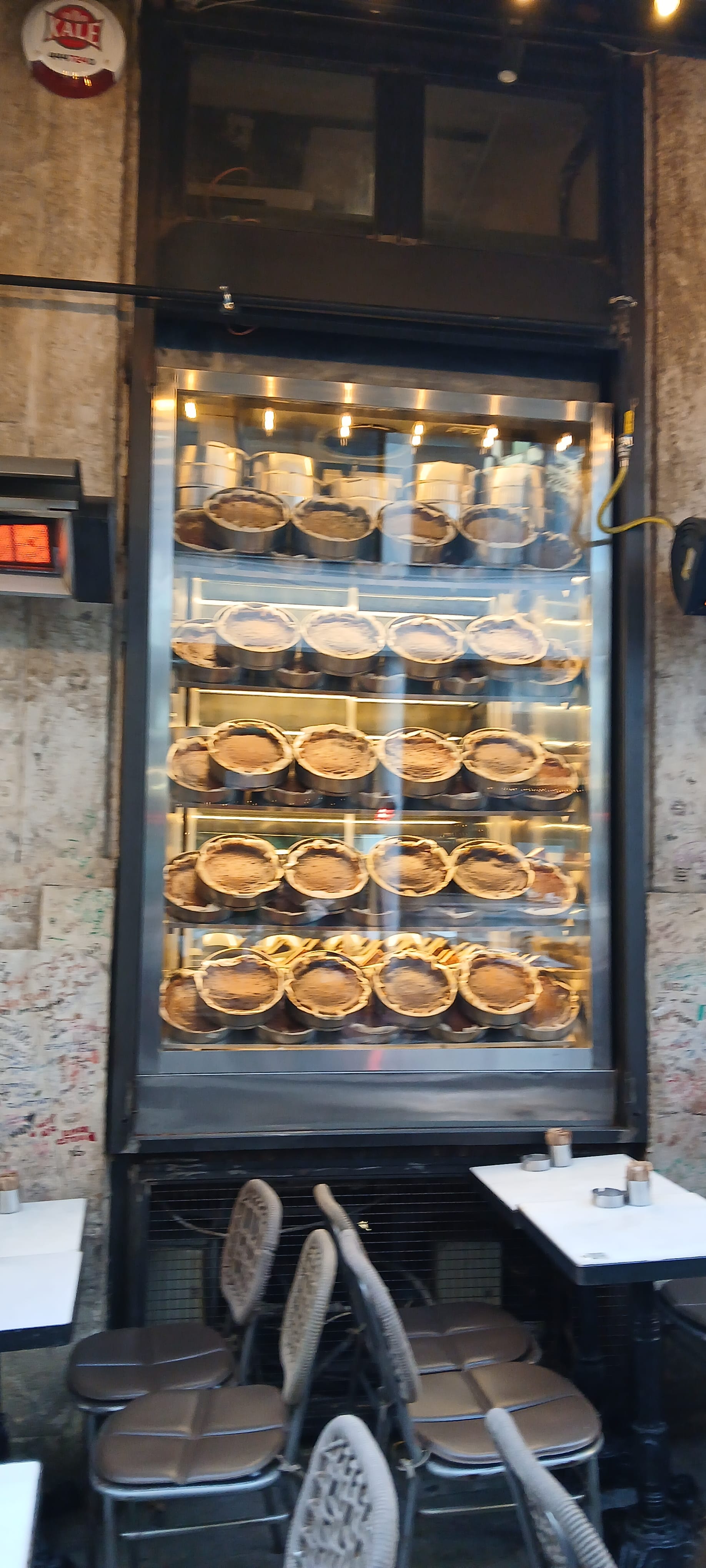
The cheesecake above, not the US Secretary of War but those pictured in a glass cabinet, are the famed San Sebastián cheesecakes, of Basque origin.
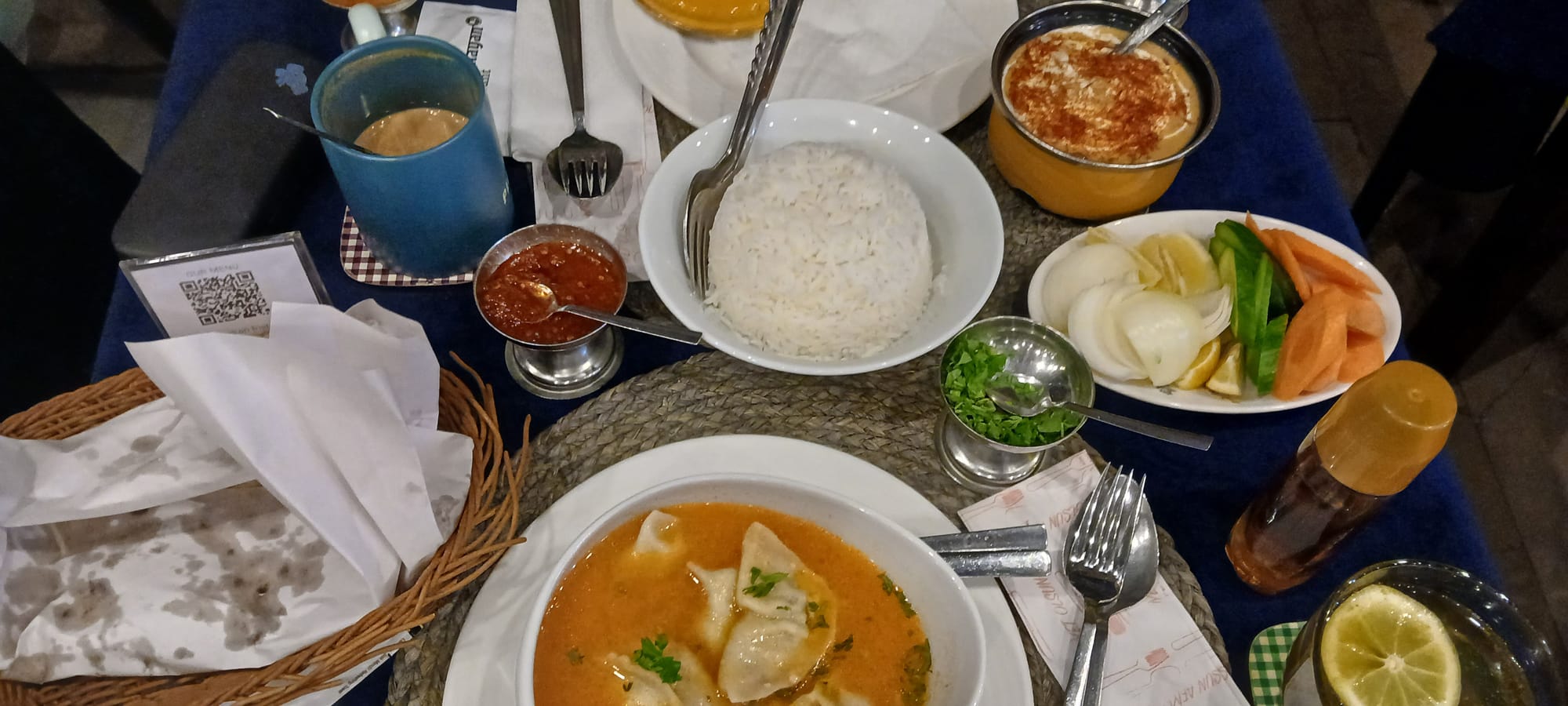
We'd promised ourselves dinner at the local Himalayan. This proved not to be the budget-friendly option we'd expected. Ordering only momos soup and dahl, preceded by freeby clear broth, the tastiest ever, followed by freeby sweet assortment, we still paid €56. Can't even blame the drinks, although the masala tea in the blue vessel and my mint-packed lemon-garnished beverage were a little overpriced; then, what price our Tibetan memories of İstanbul?