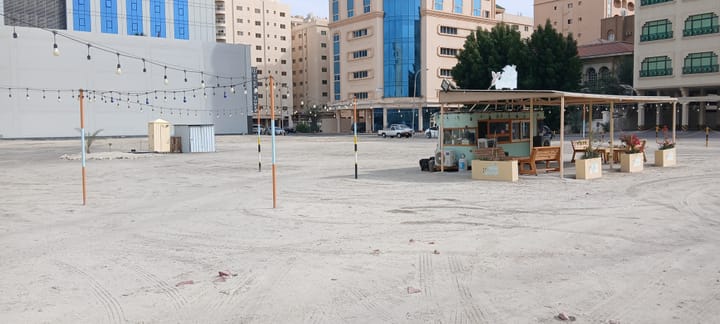
fleas from the Hilton, Fener, Balat & spud
good morning İstanbul! Günaydın!
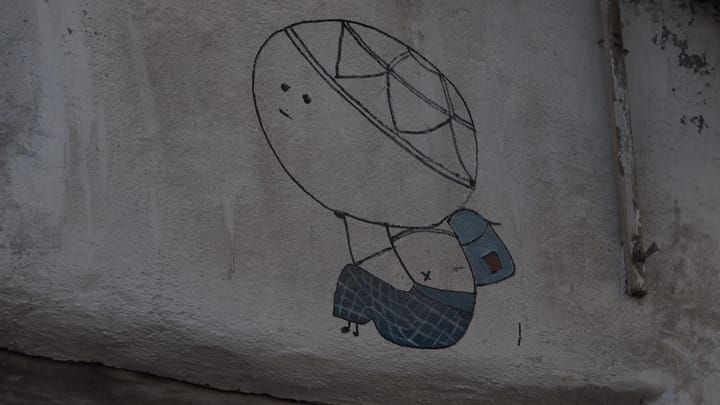
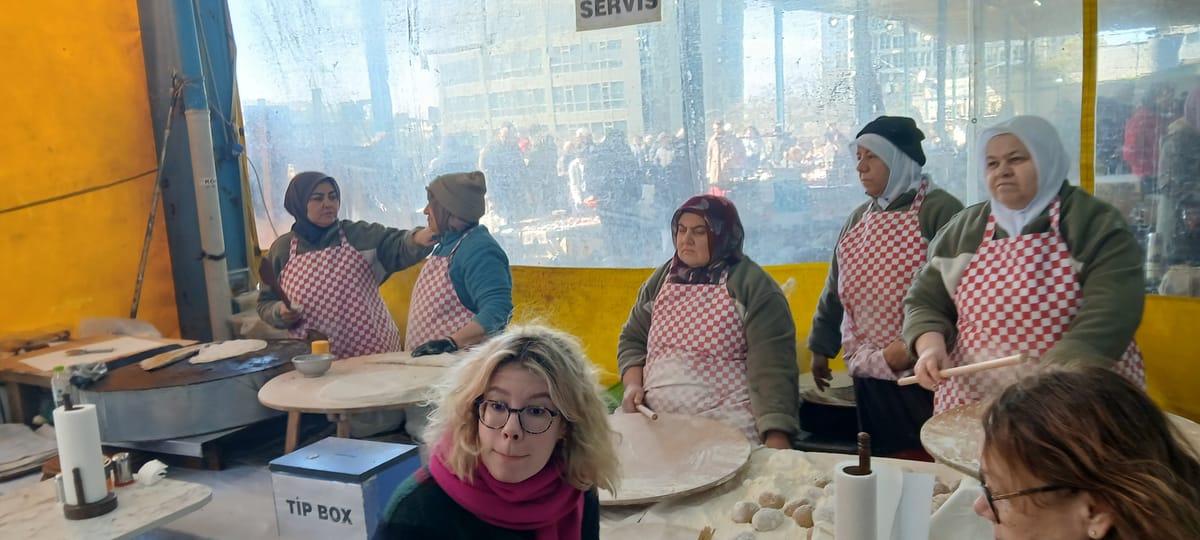
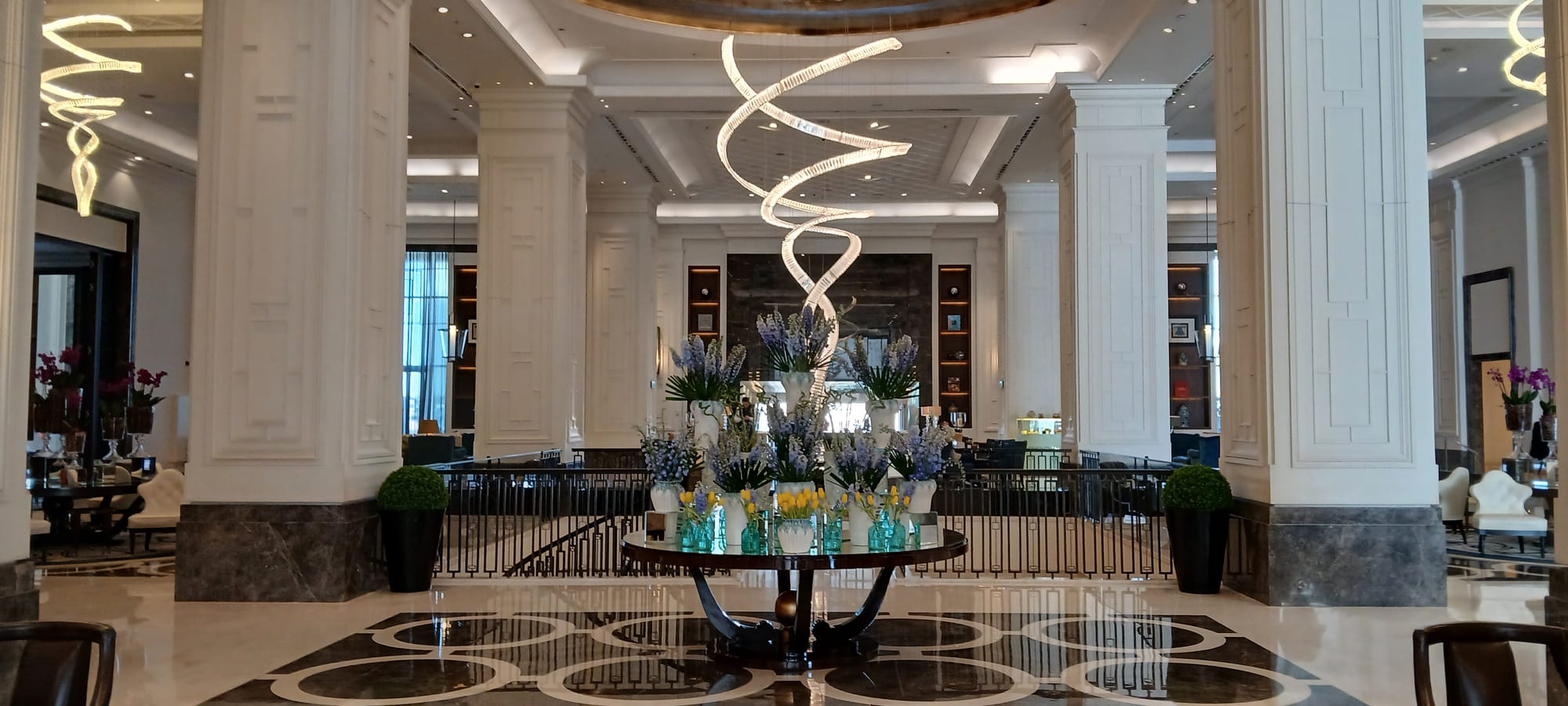
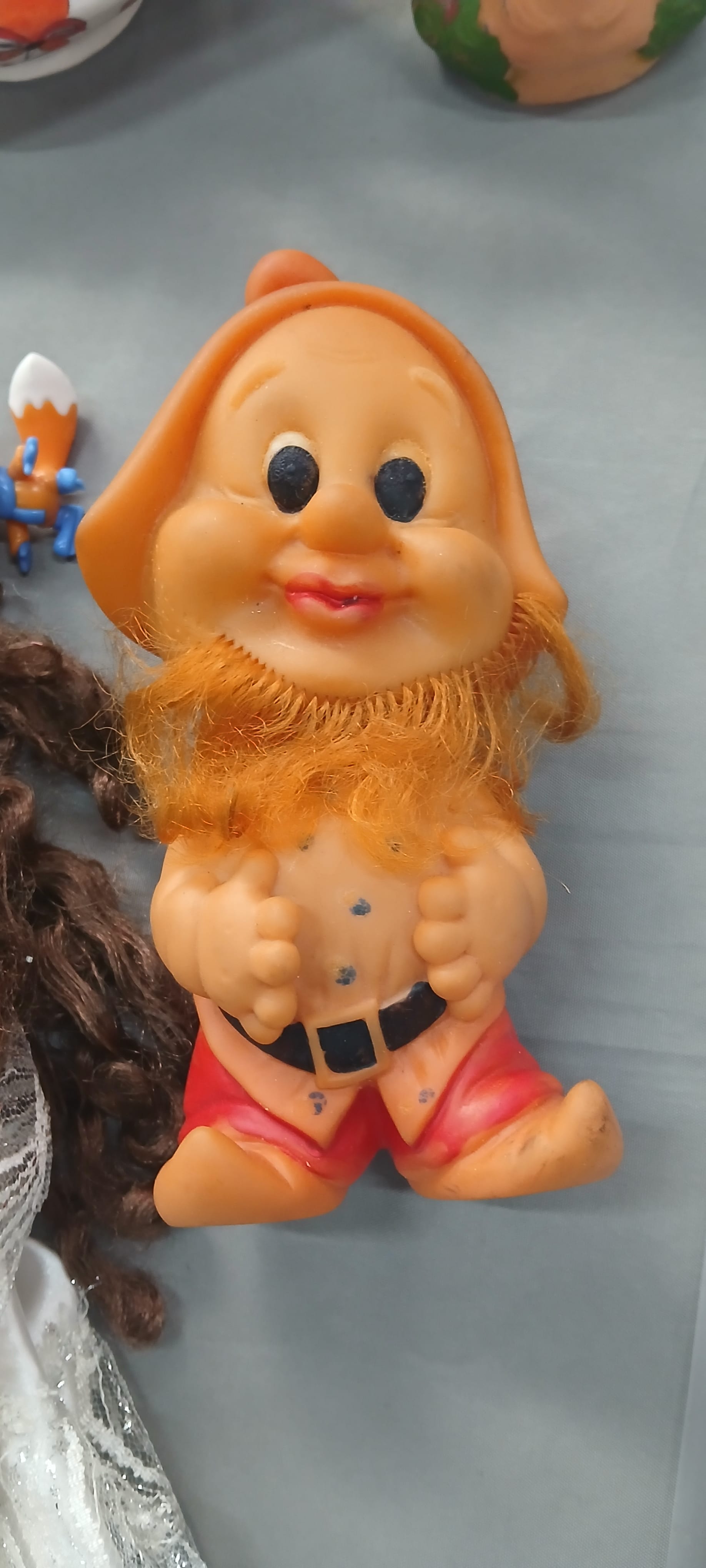
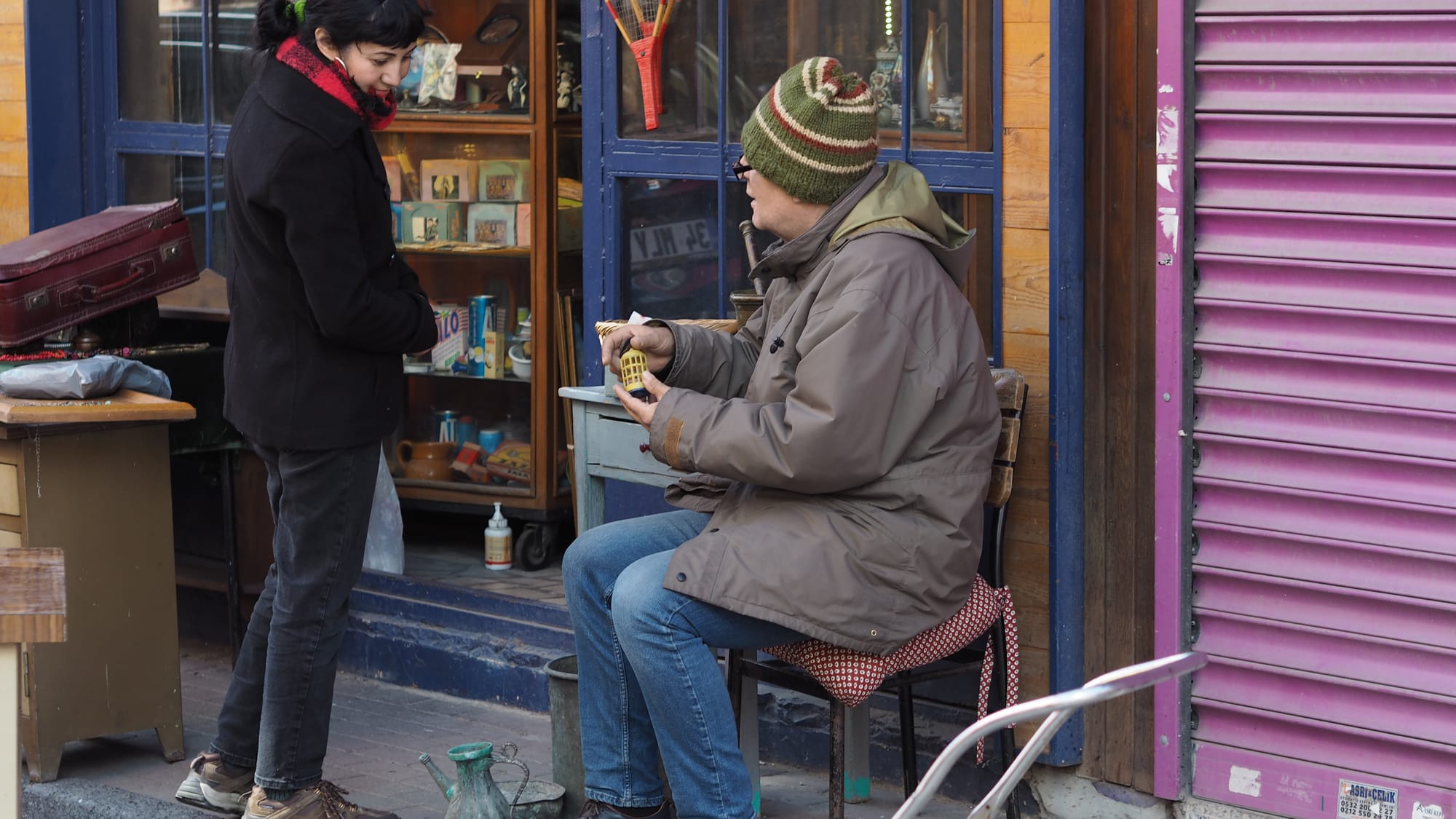
stashed our luggage at the Hilton and headed out to the flea market minutes from it. The ladies, by Maurice Sendak, pictured above prepared gözleme with spinach and feta. Inspired, I contemplated restarting my typewriter collection and other aberrations, like a good flea market should.
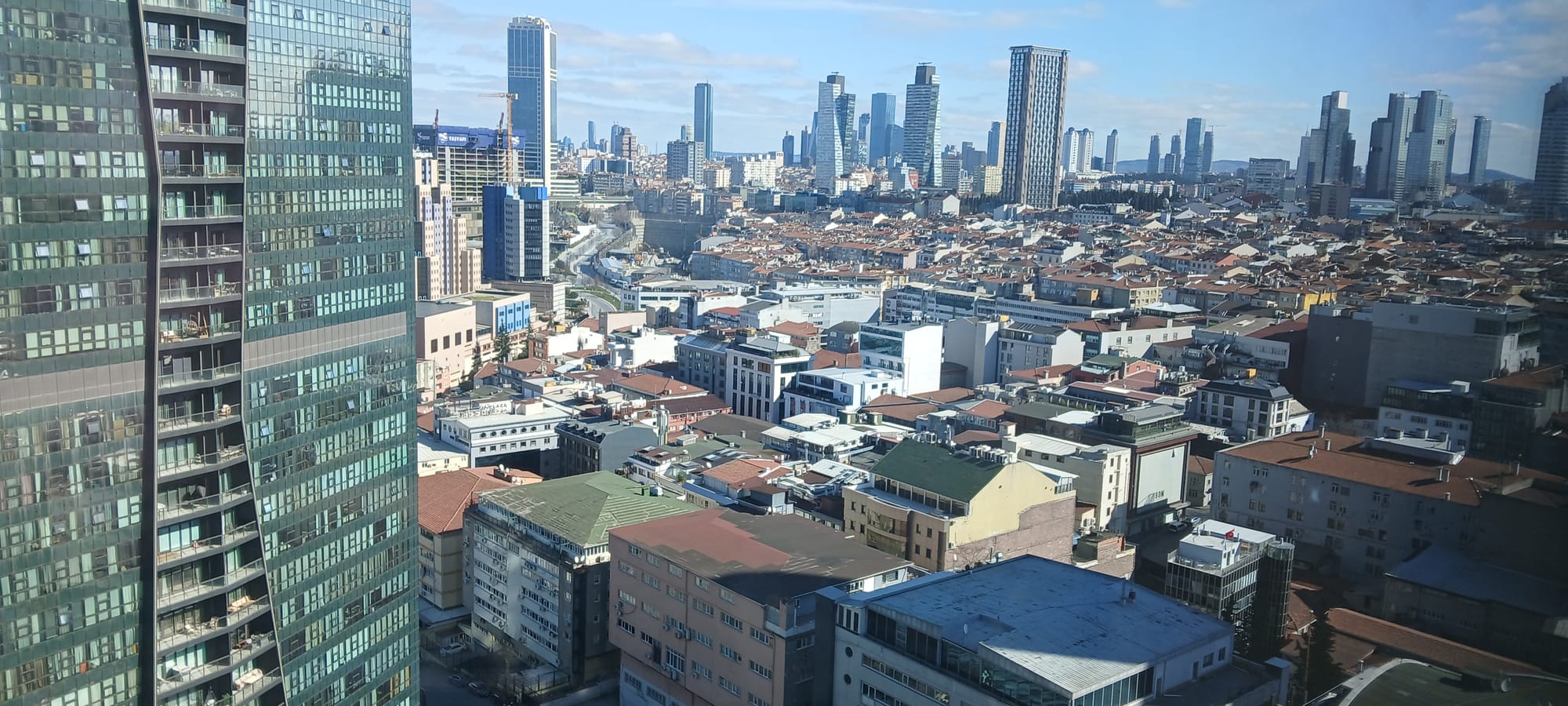
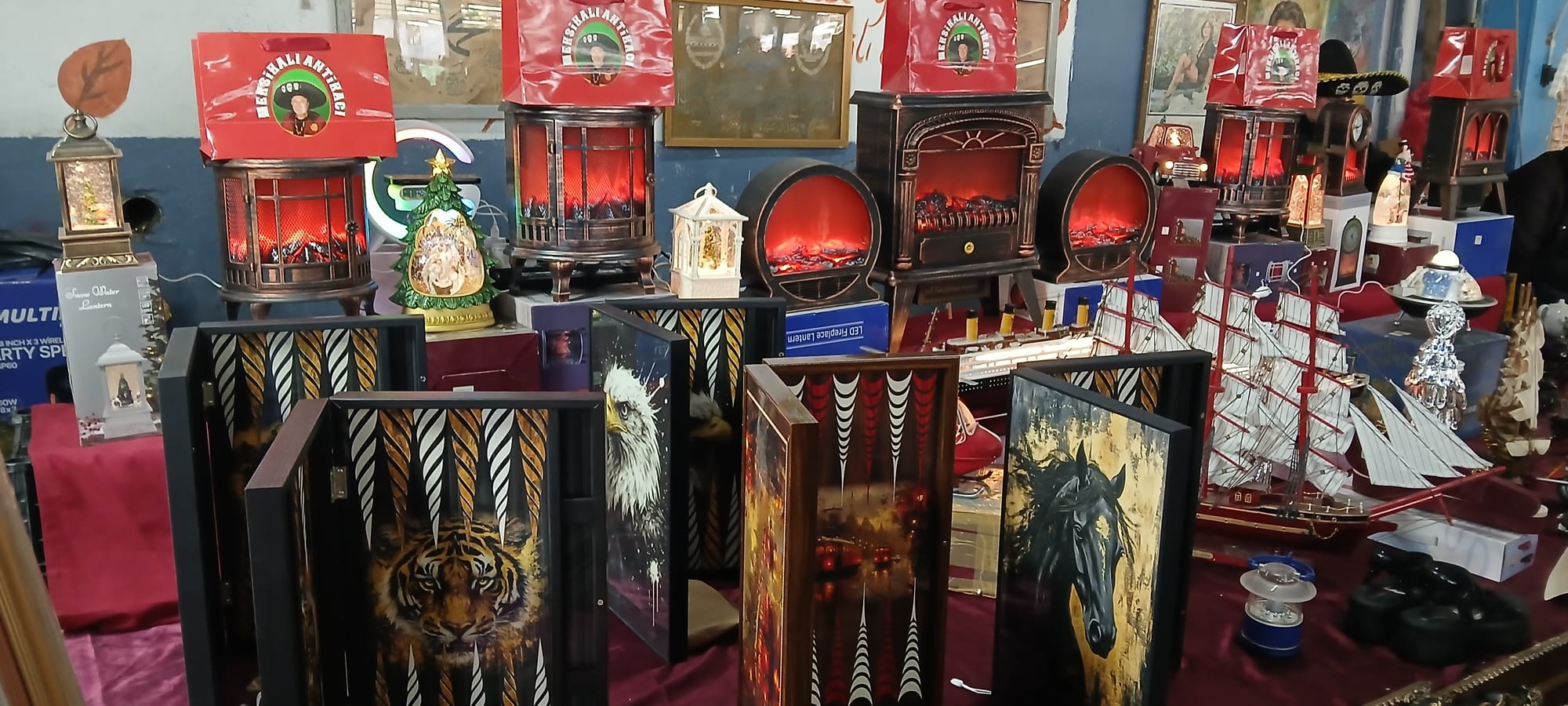
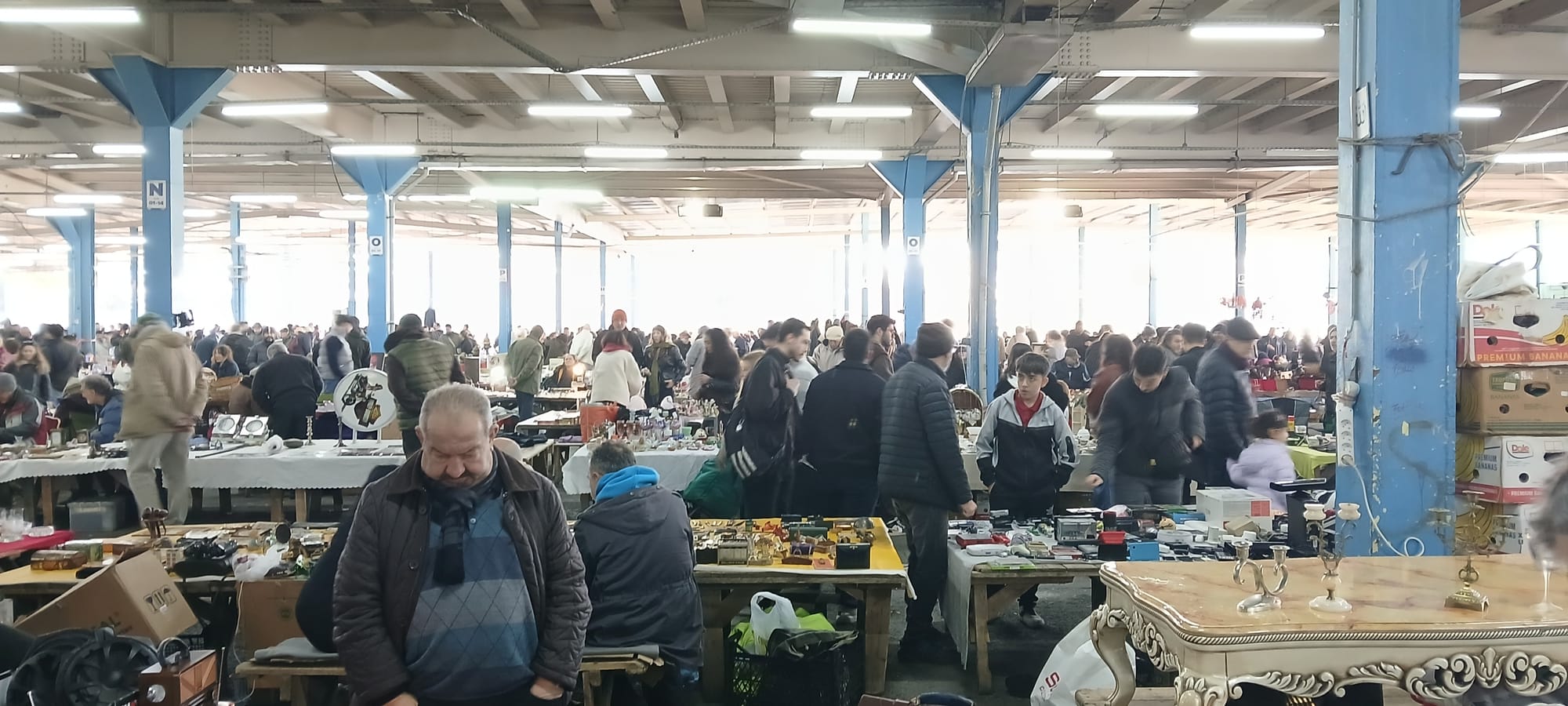
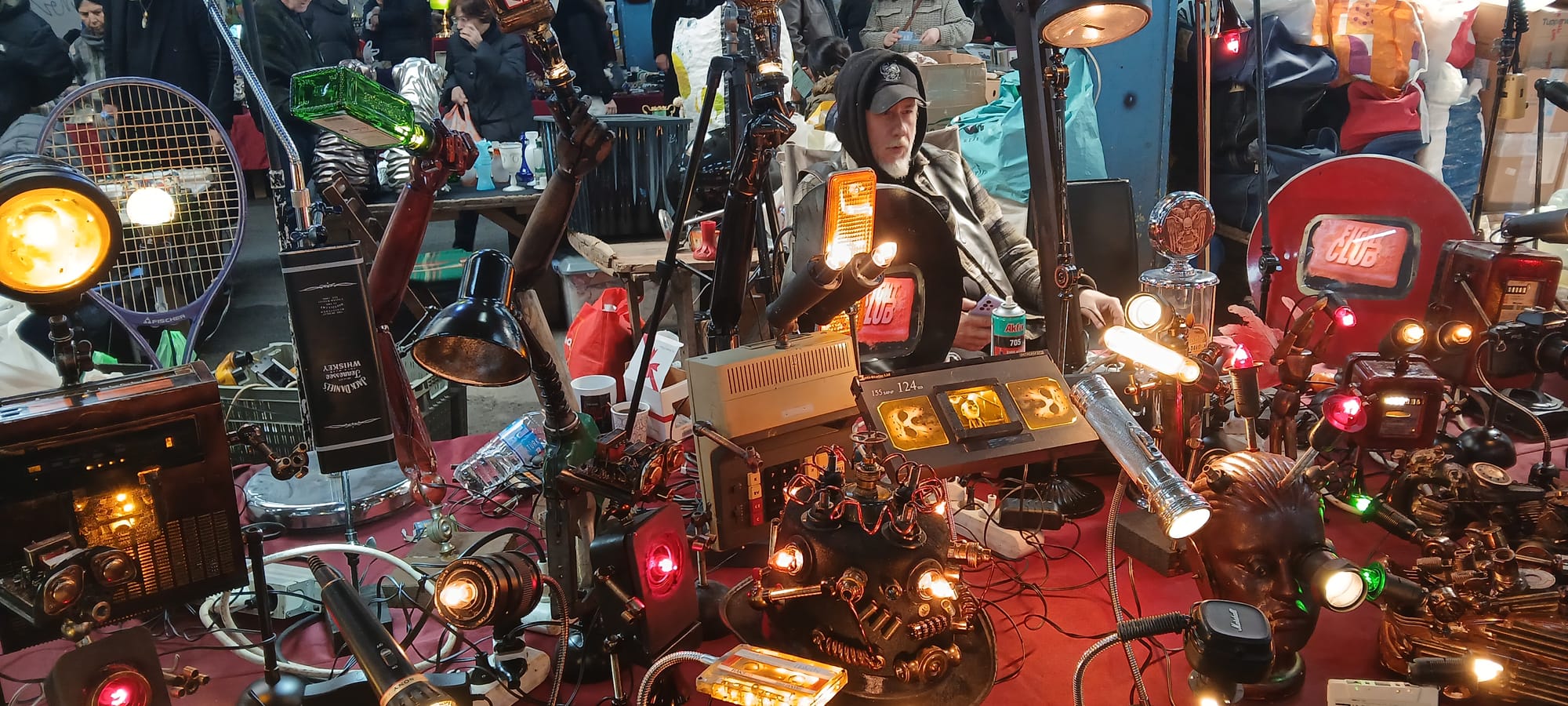
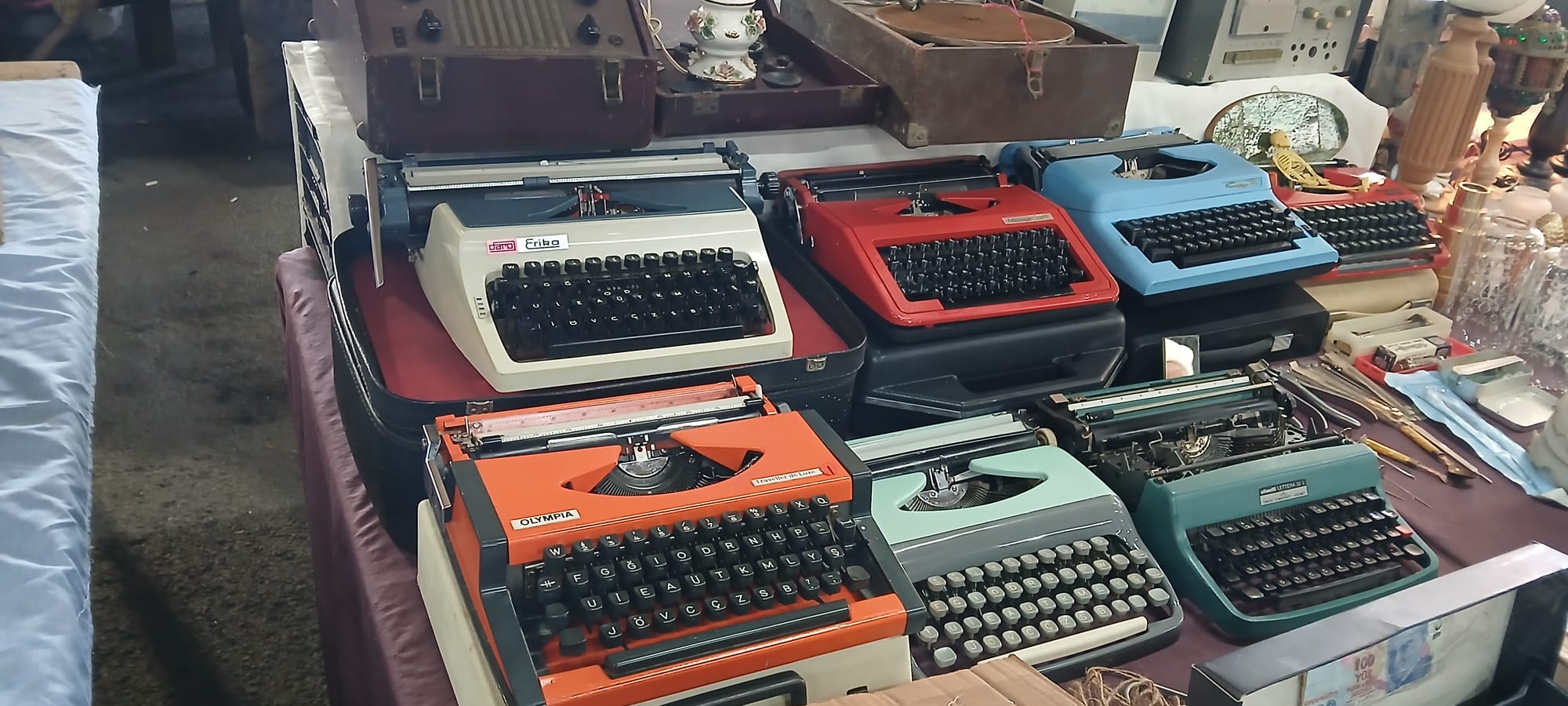
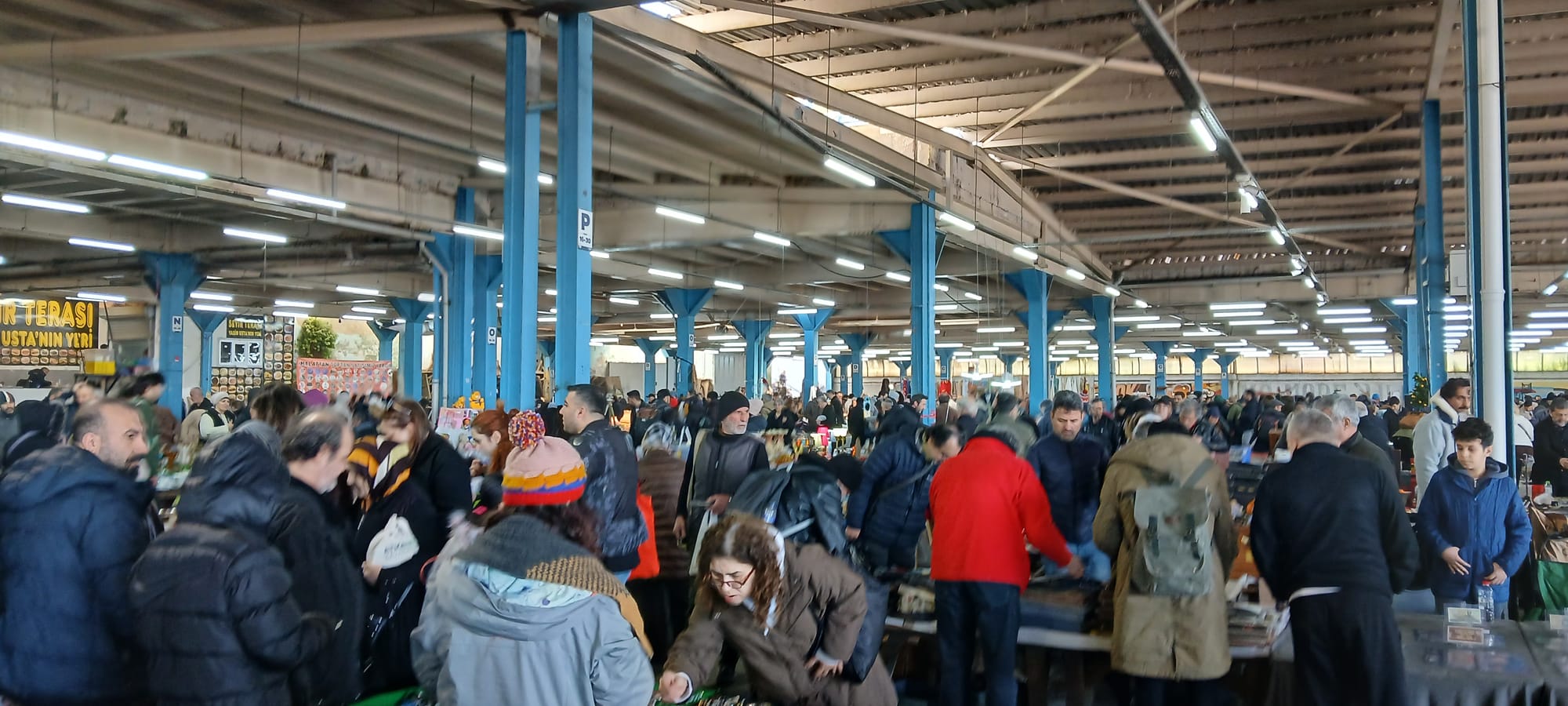
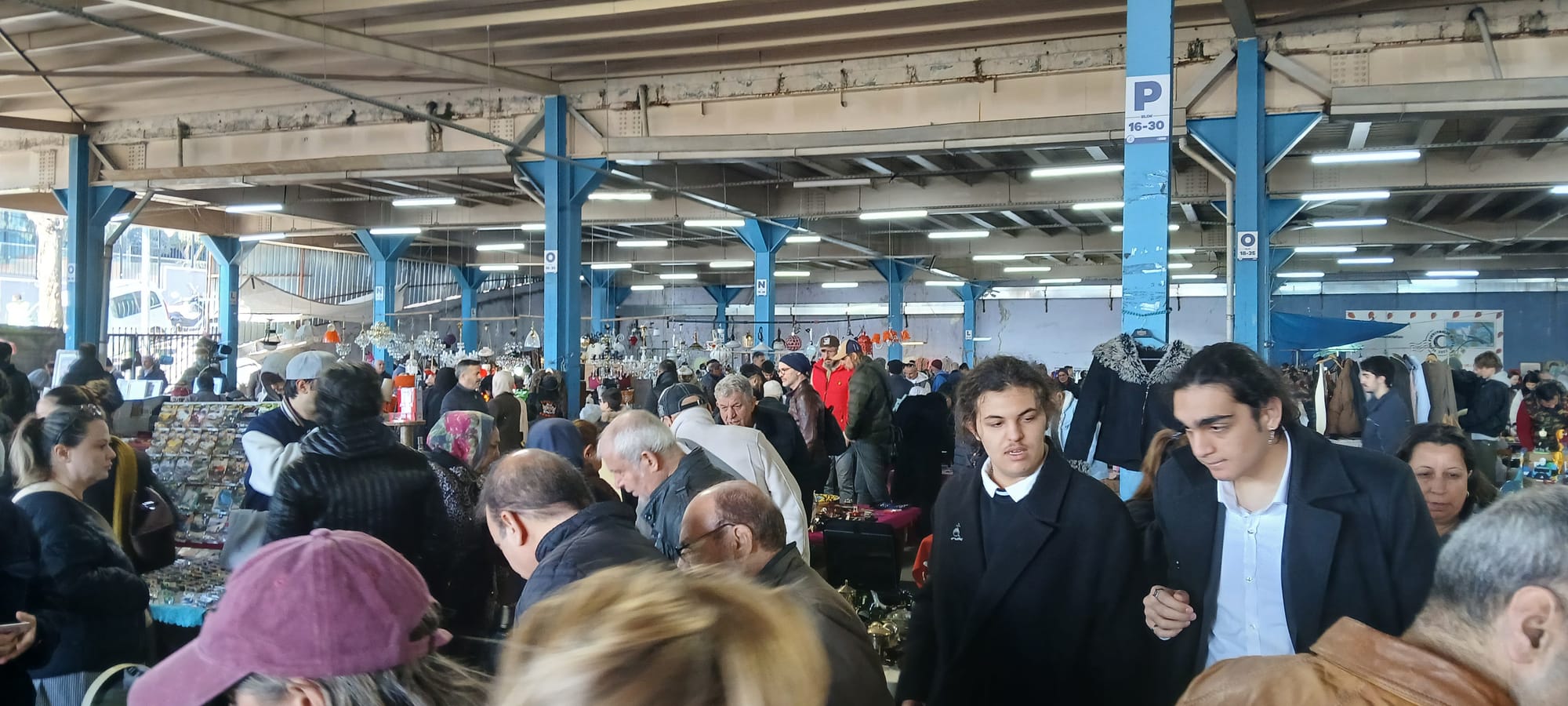
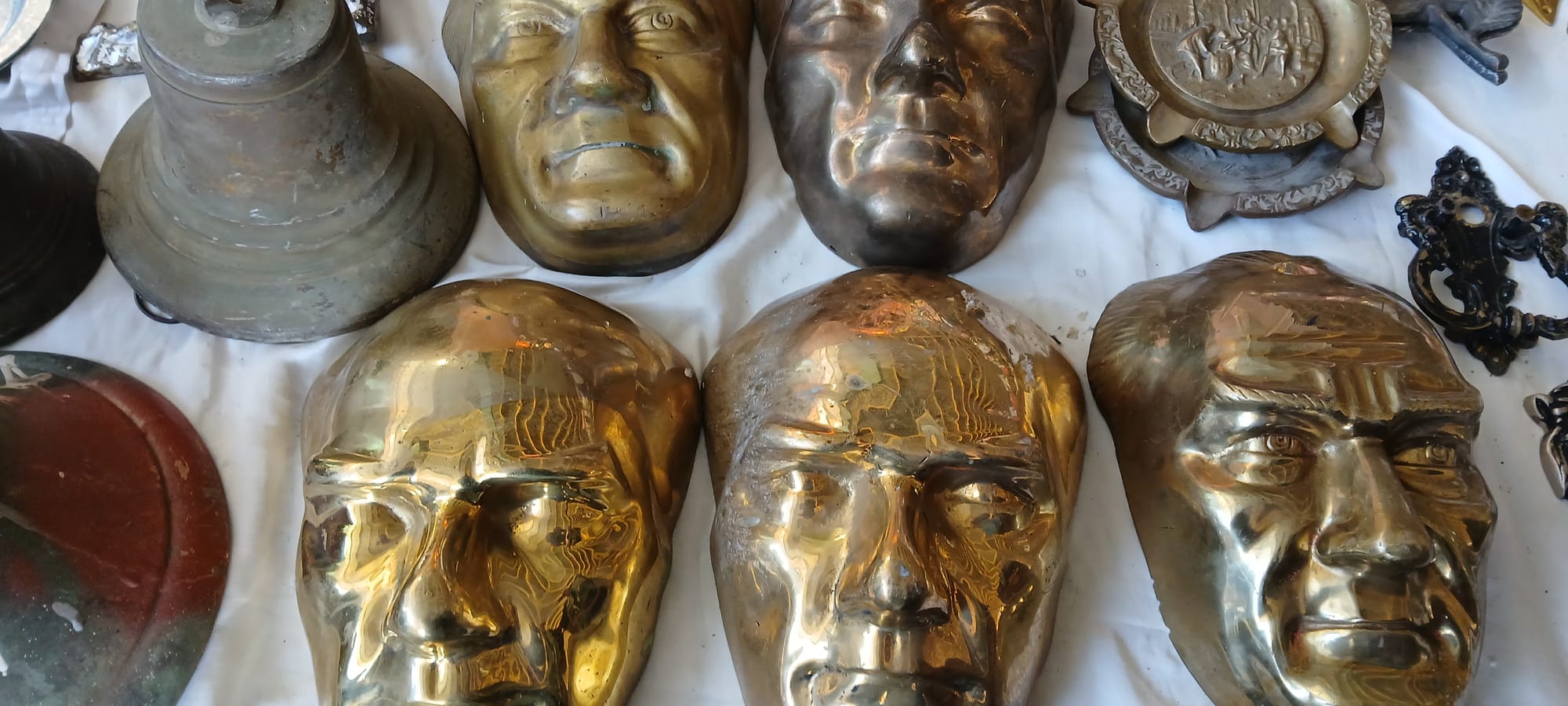
I bought a serious corkscrew with a solid bottle-opener; Jo, a brass camel. Sorely tempted by icon of saint being sorely tempted while addressed by talking bird, but ₺1,500, repro and better thought on than purchased and possessed.
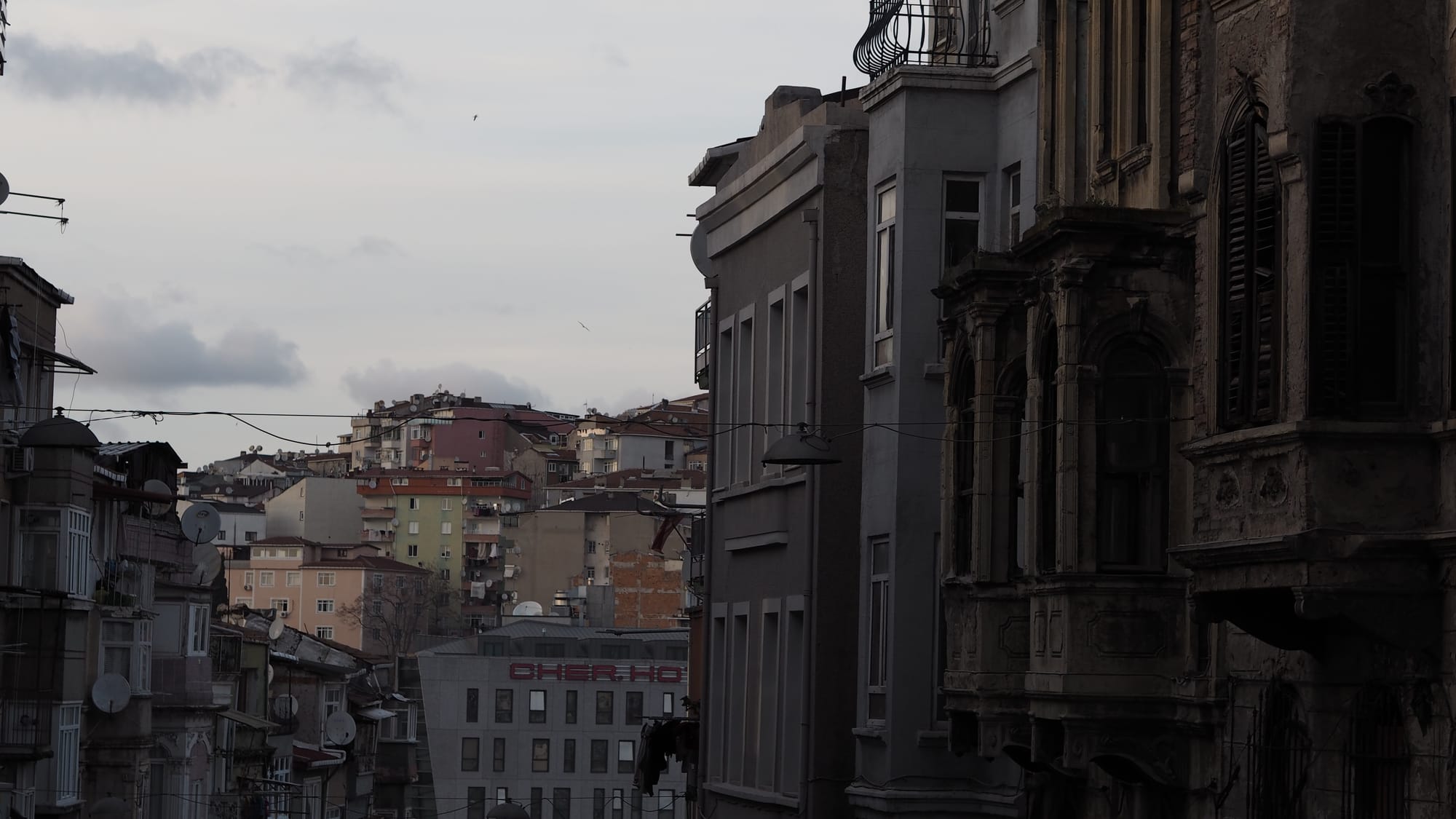
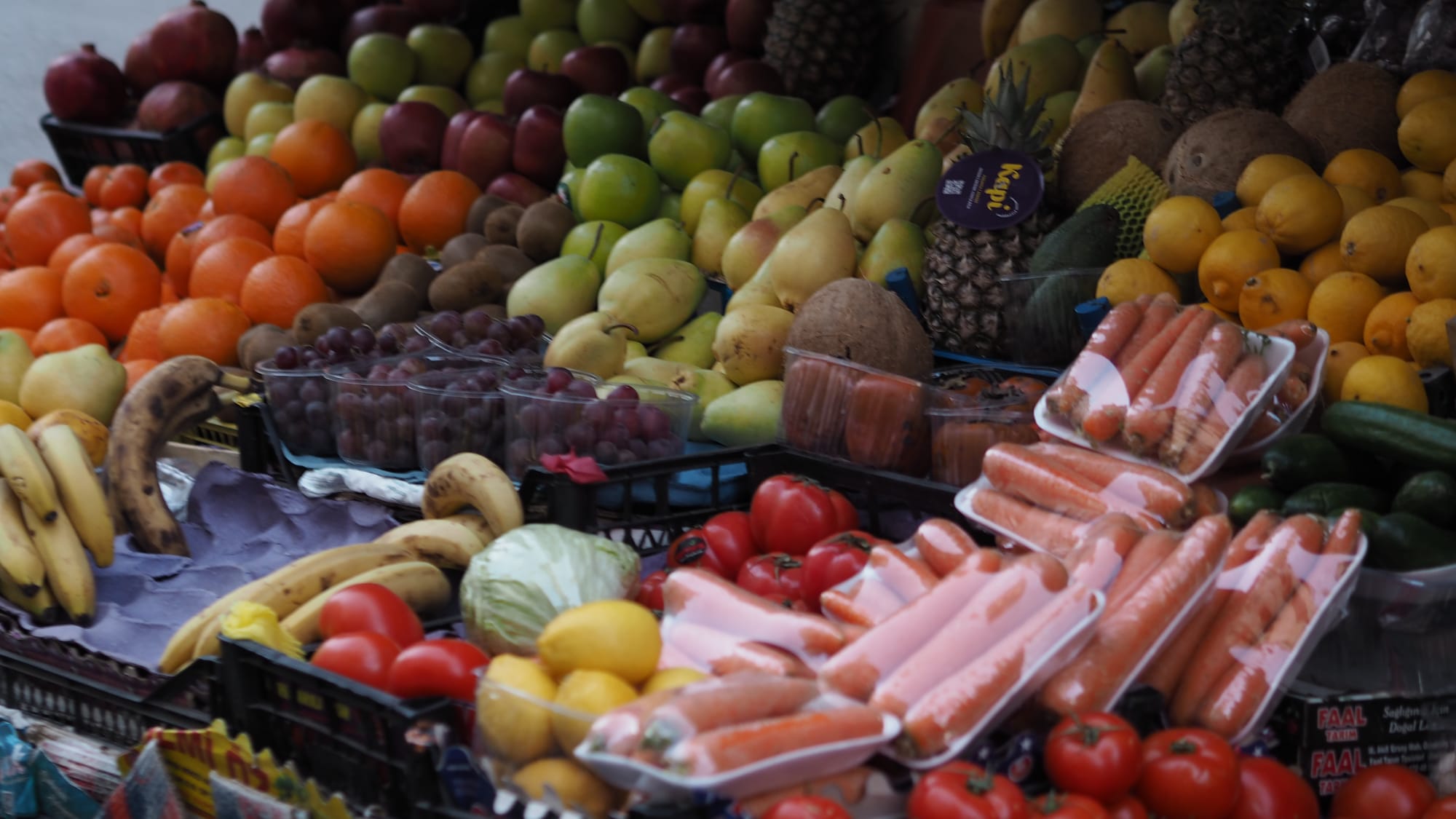
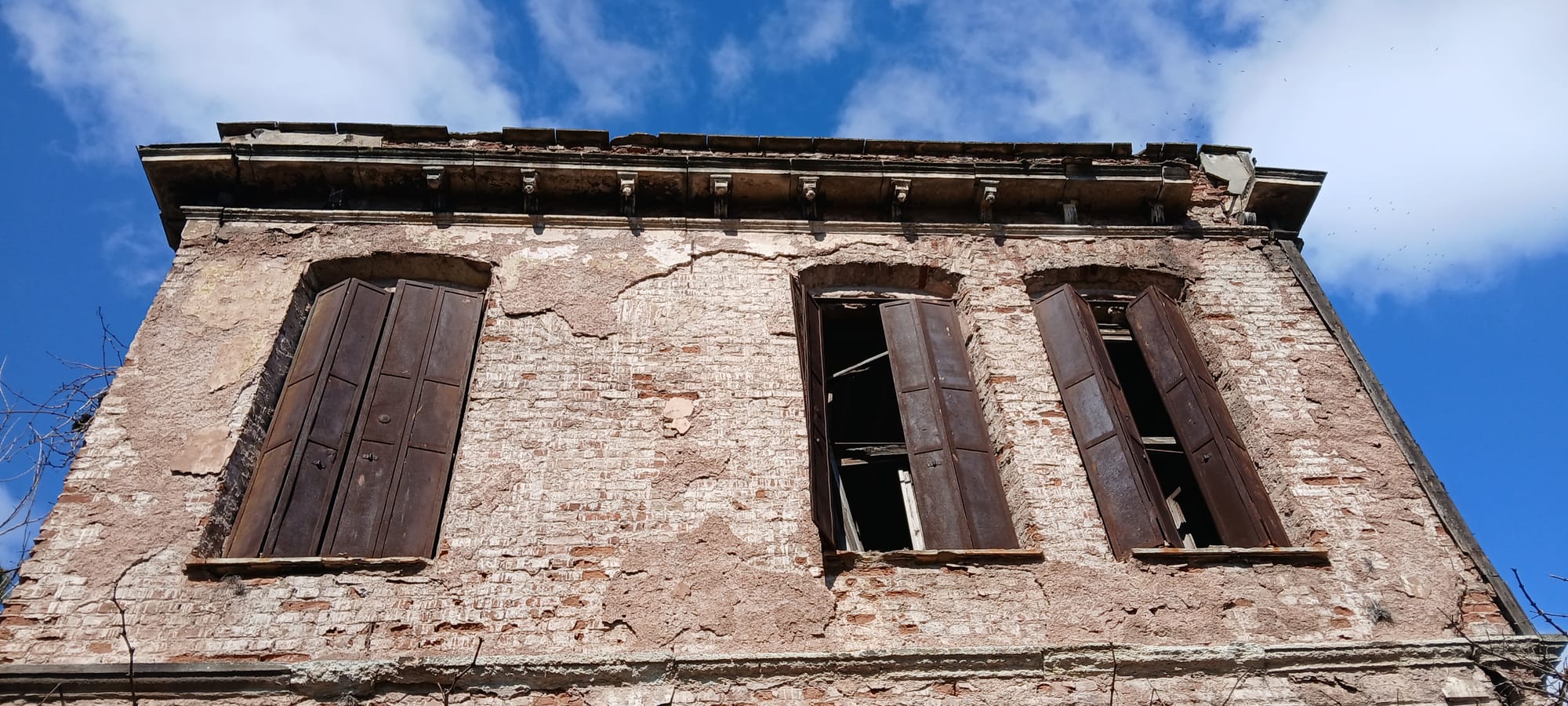
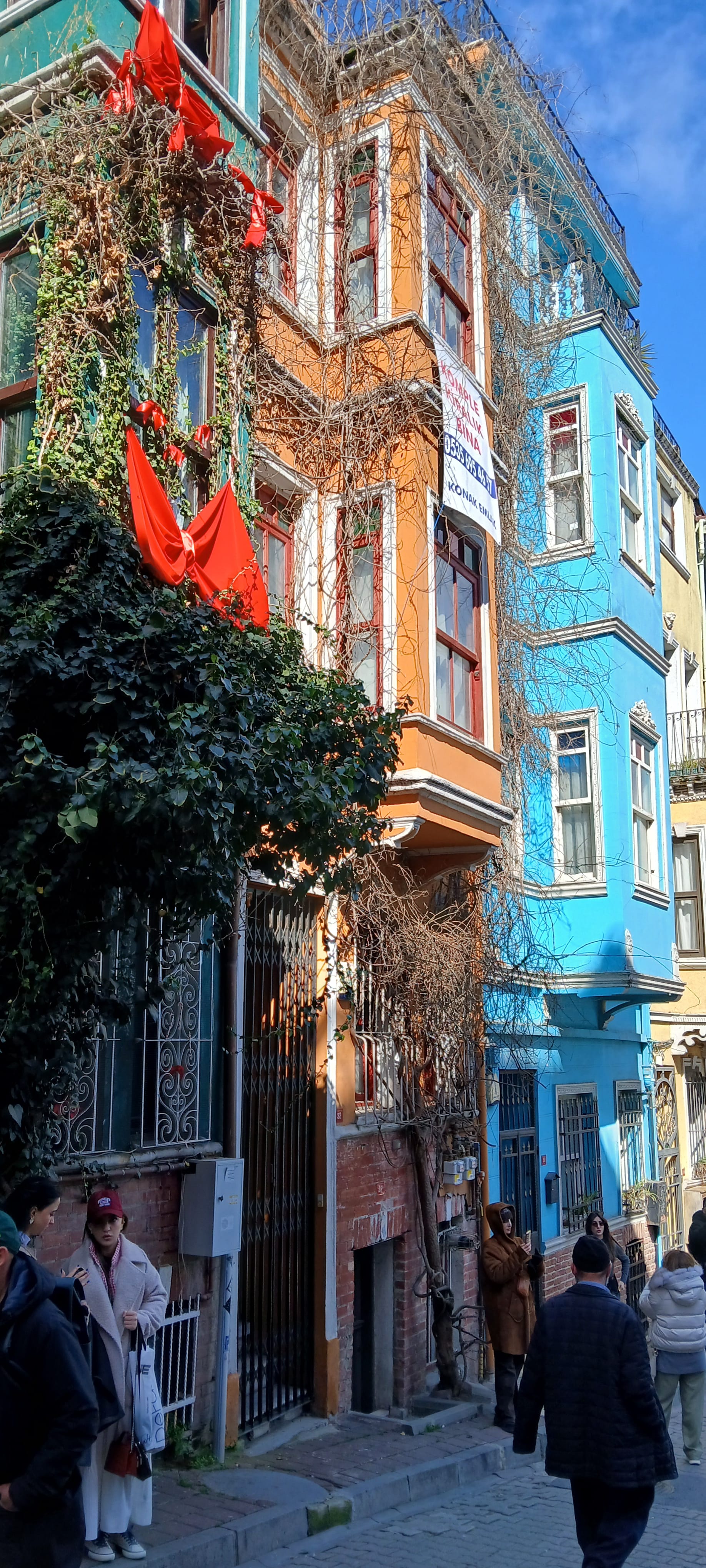
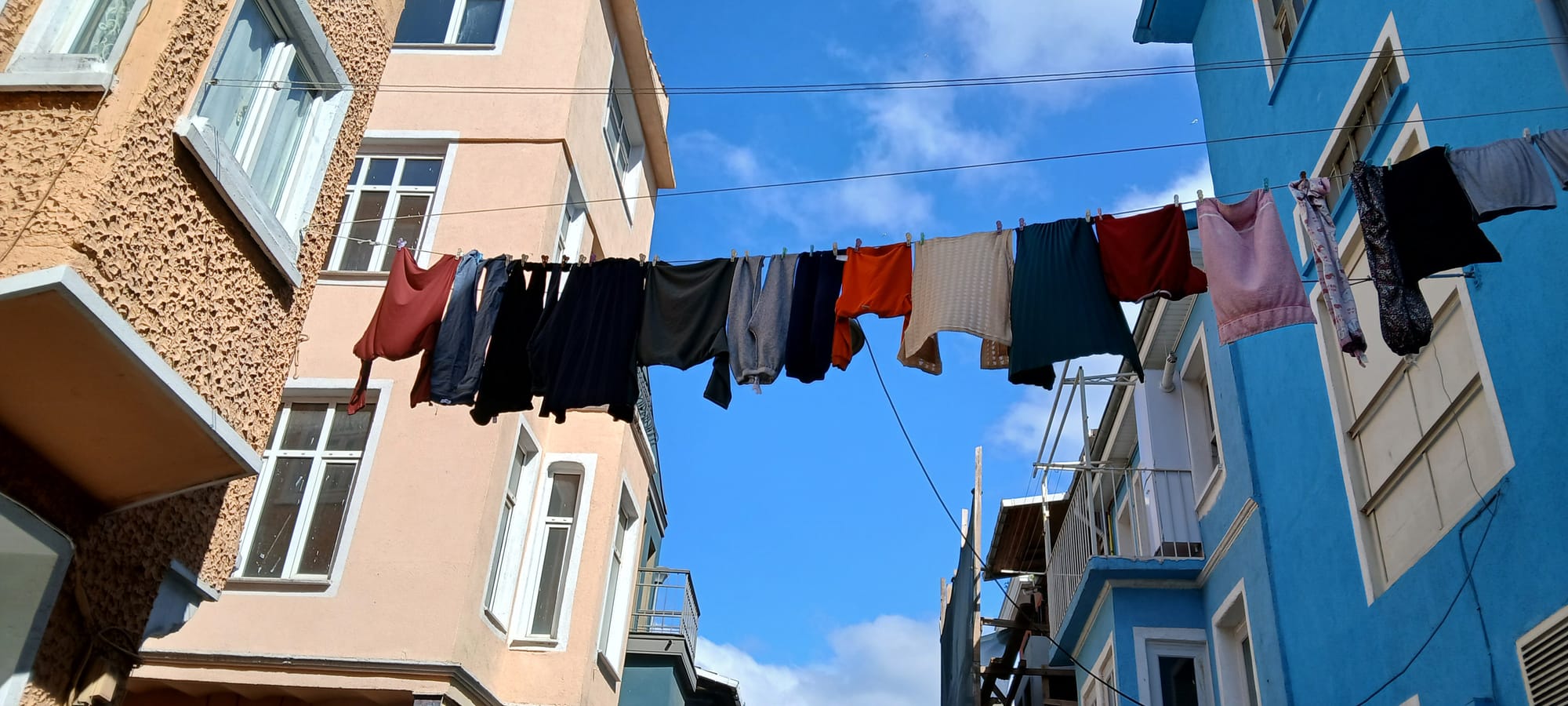
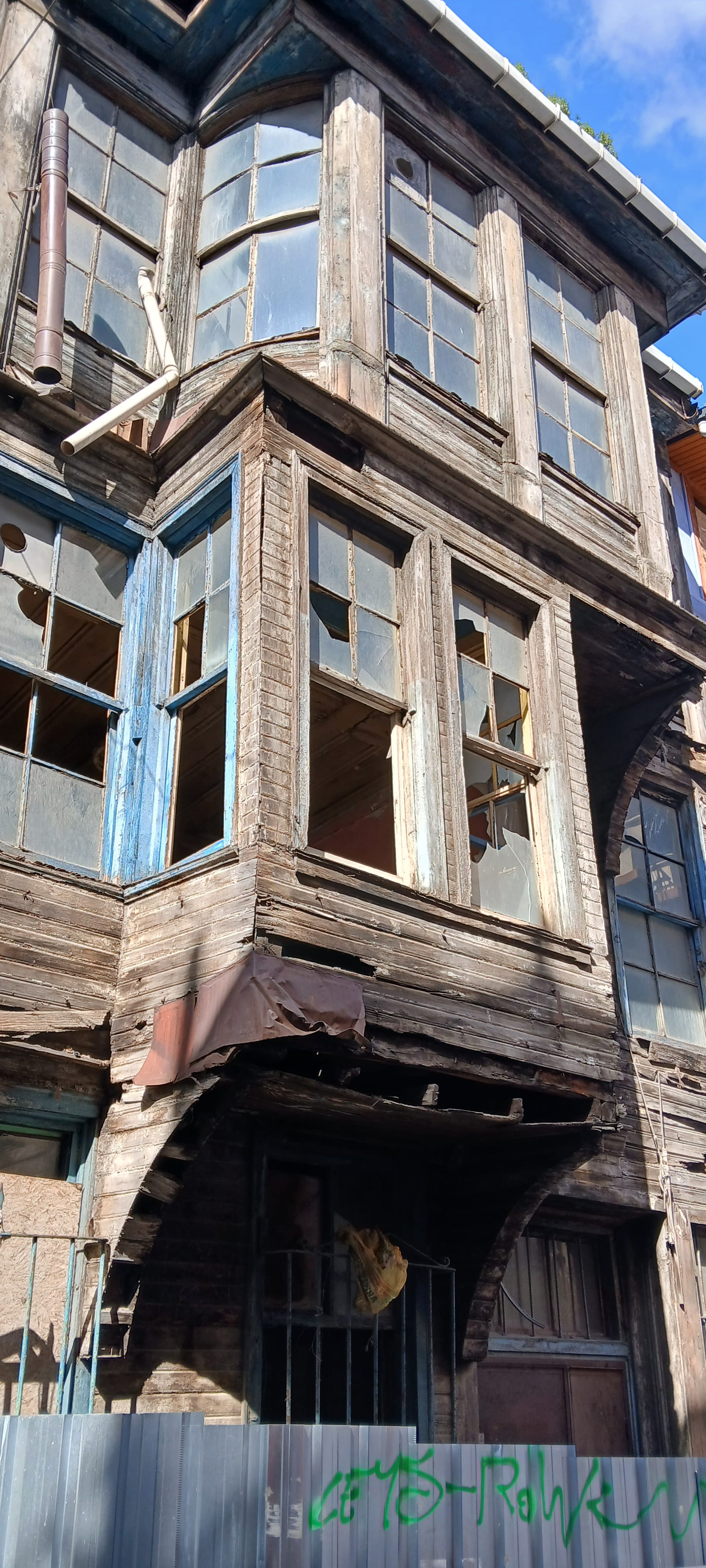
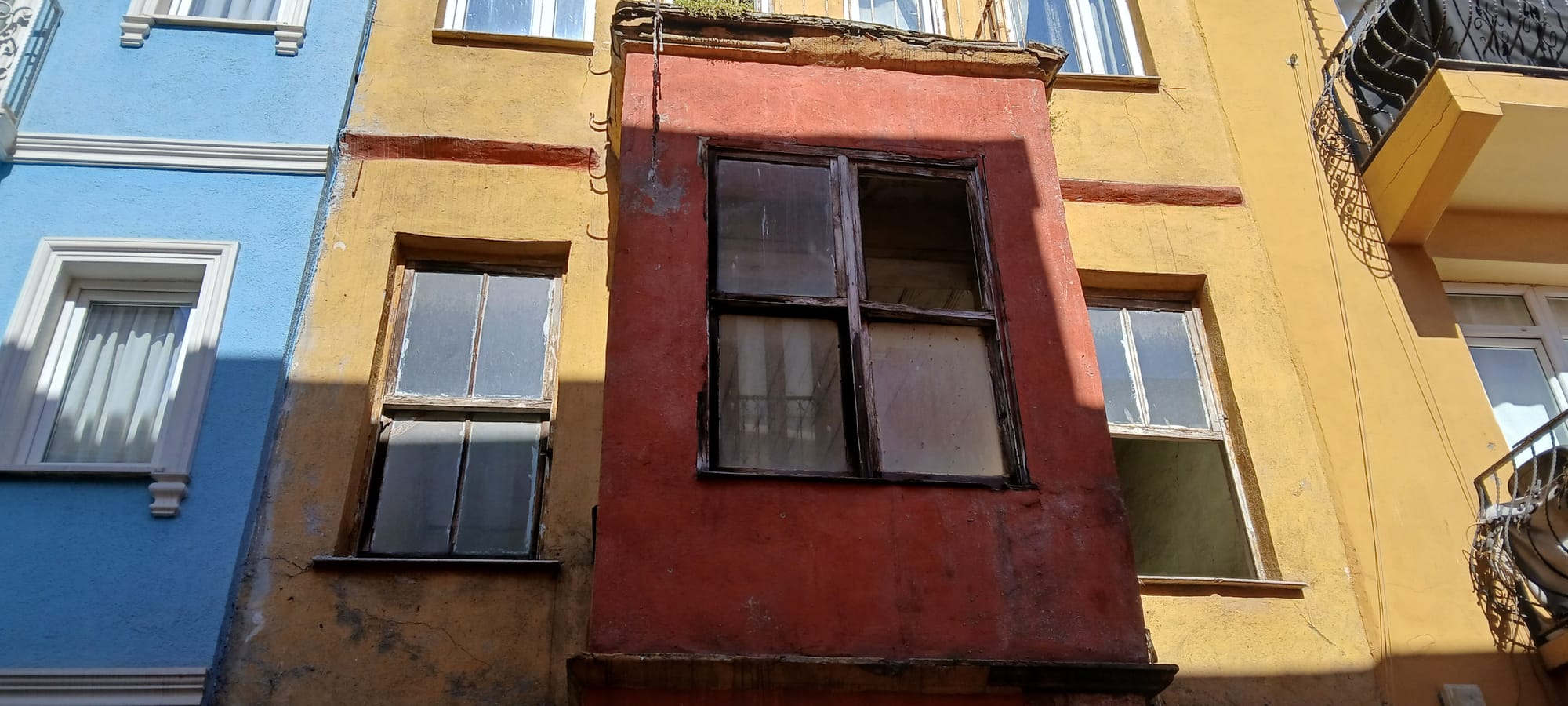
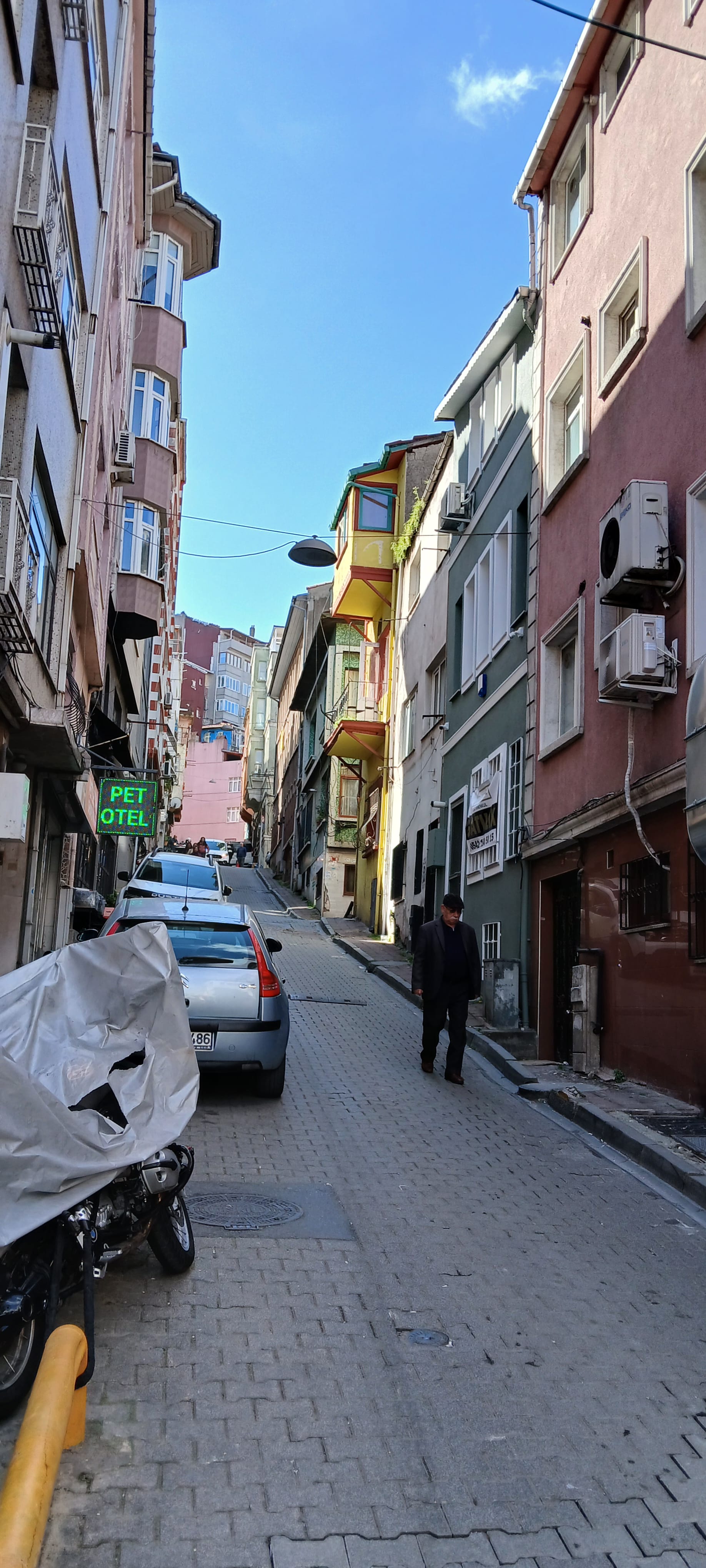
Taxi to our air bnb had to drop us off, the streets blocked by a produce market, good looking veges in tidy stalls on the steep streets, which grew steeper, the low-rise apartment buildings leaning against one another, some on the point of giving up, others having already given up and yet others staring vacantly, the ice wind whistling through.
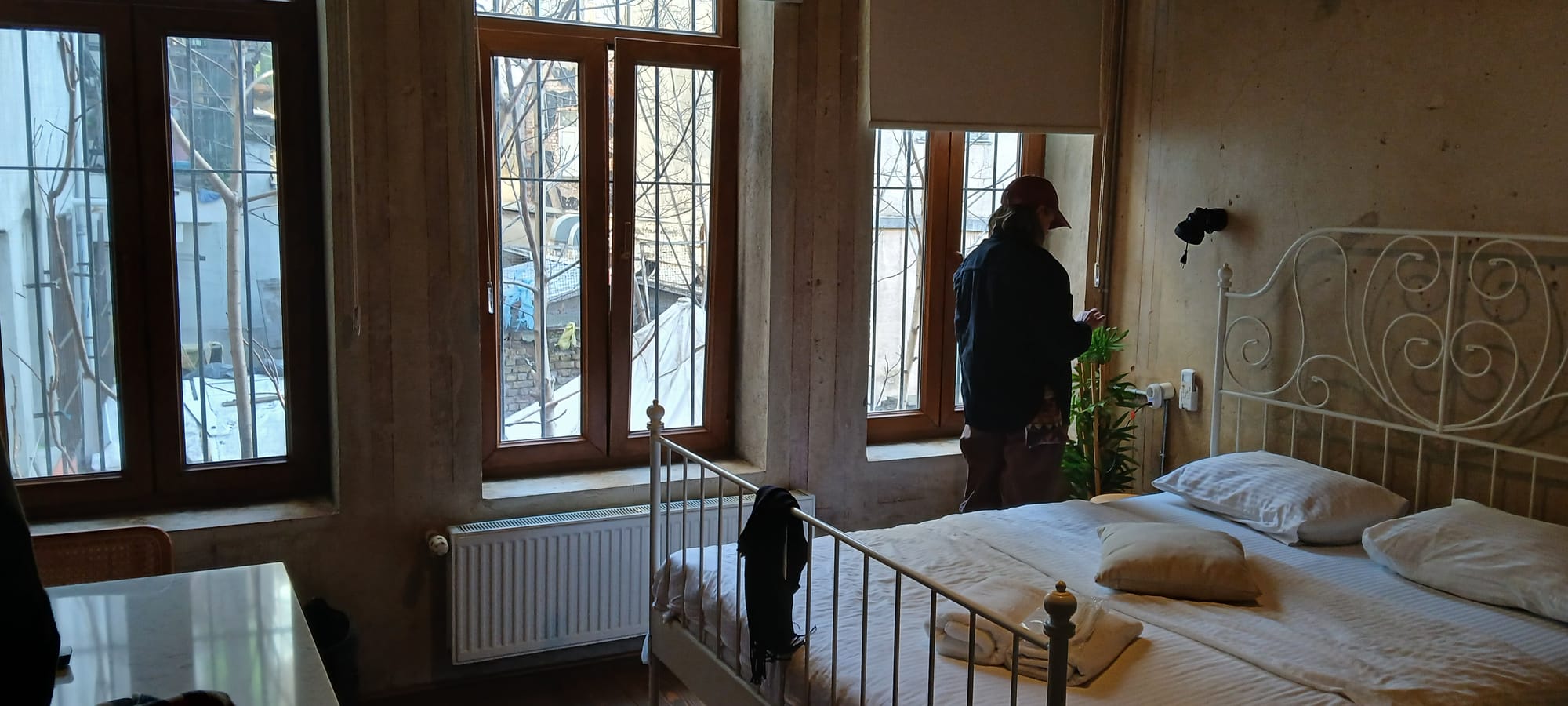
Arrived, our host quick to help at the door, a do-up not dissimilar to a place we stayed in in Barcelonetta, the bricks done in waves holding up the floor above for the ceiling, the wood floors cut back to show the grain, here the walls poly-ed to preserve legit authenticity, cracks and pock-marks and long-ago painted motifs. We asked him, anything to know about the area?
Go right out the door, and right again. Don't go left. Everything touristic is right. Left, good people, but poverty.
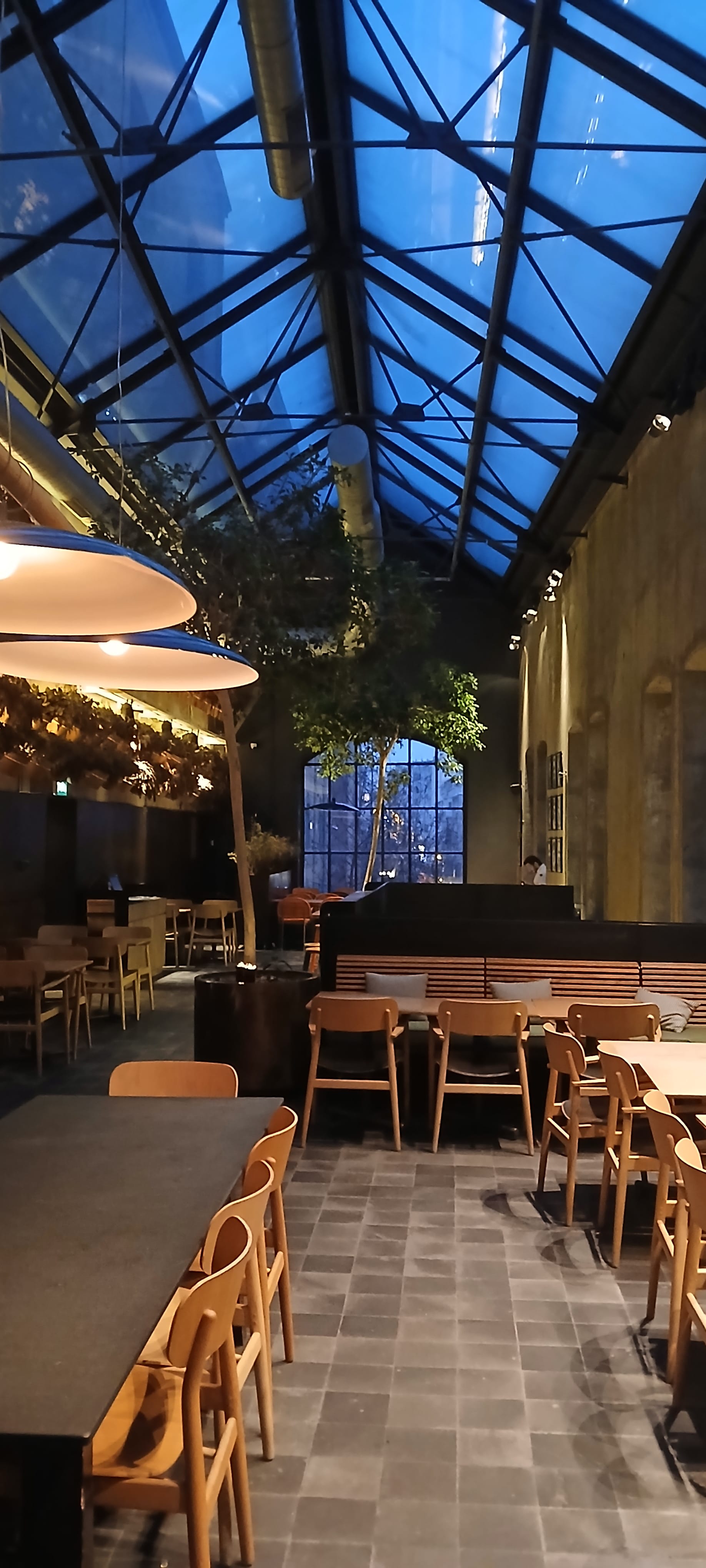
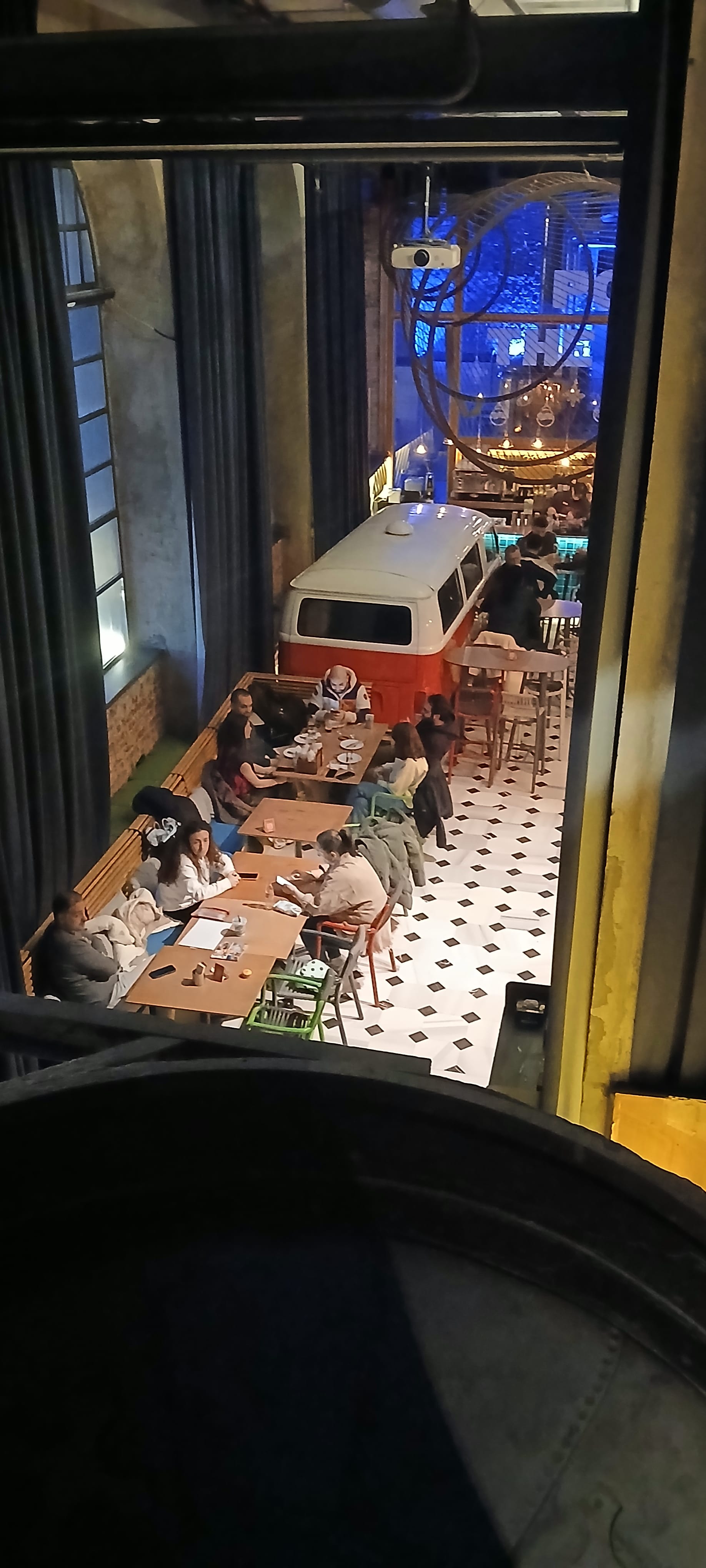
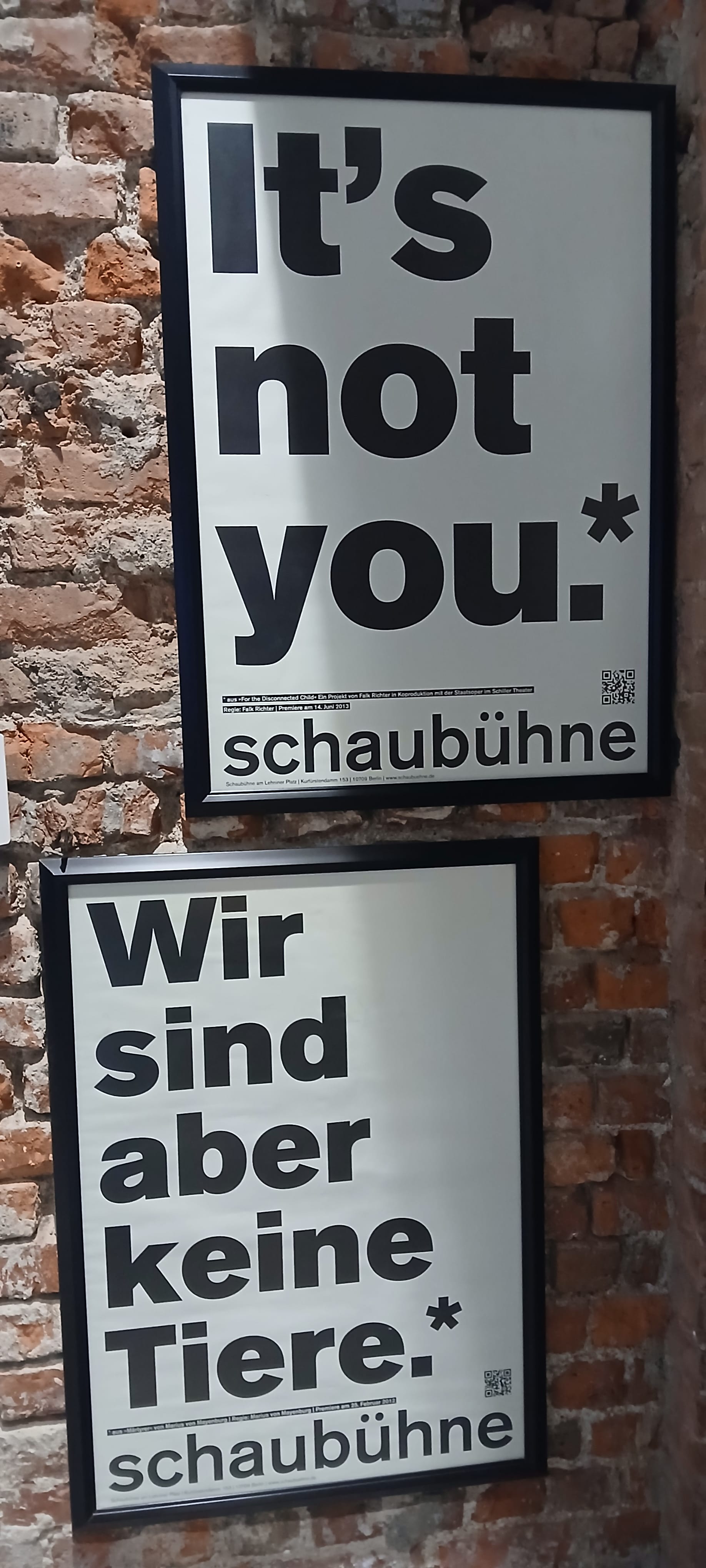
Apart from feeling as though we've ventured into a Turkish favela, ... and the venturesomeness of Taksim nearby, with the armoured vehicles on every block, soldiered up, the police-station on the corner, required for vibrations of authenticity ... ideal! as you can see, hereunder, before we went back out to the brewery beside the Hilton to meet with friends for burgers and chips, The Populist. From The Ordinary to ... a real Berlin feel there, vibration supported by echt theatre posters.

another day dawned cold and clear
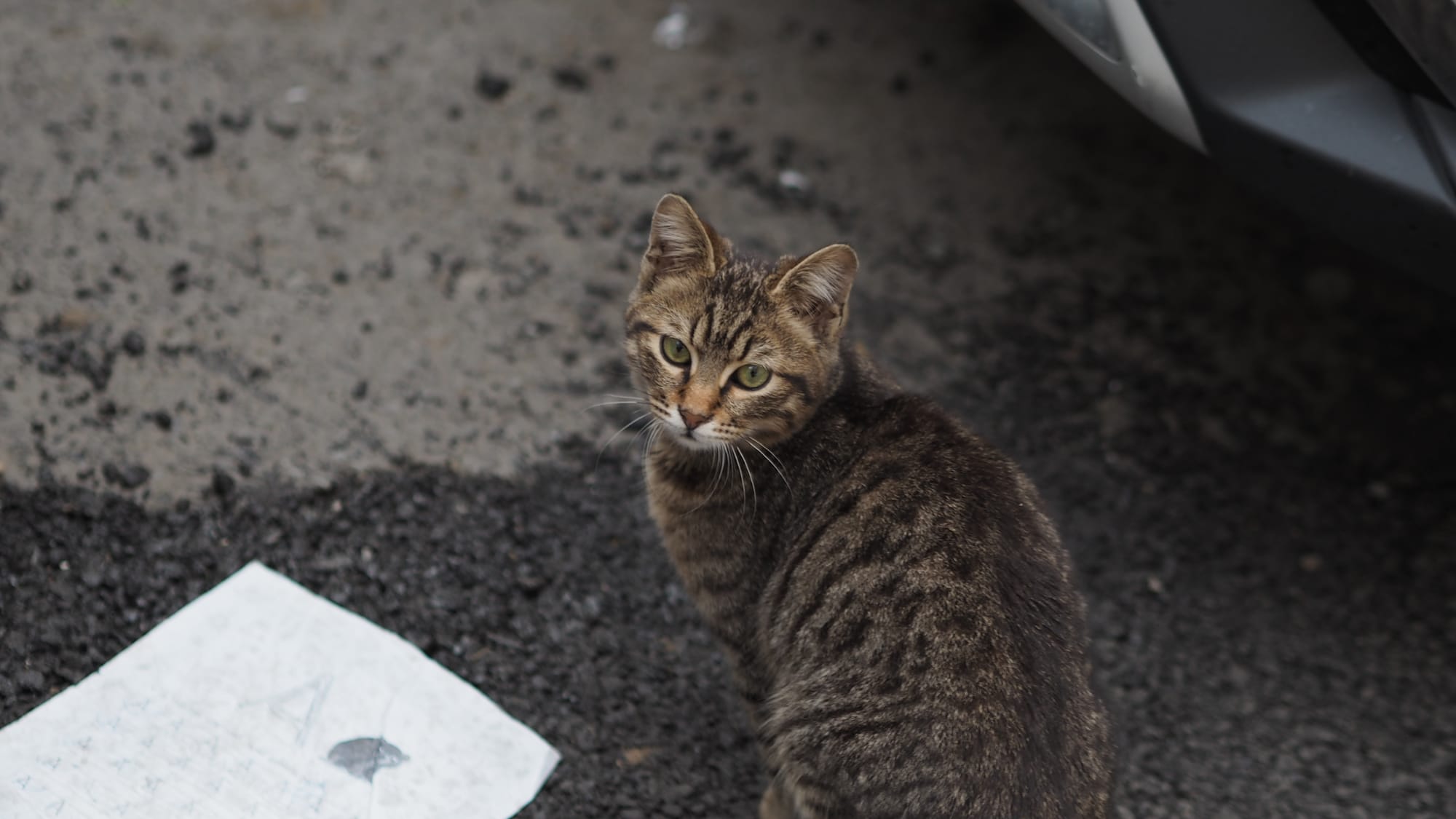
We left our neighbourhood and caught the bus and then again a little more successfully because this one took us to where we wanted to end up, on the Golden Horn, to meet with the walking tour.
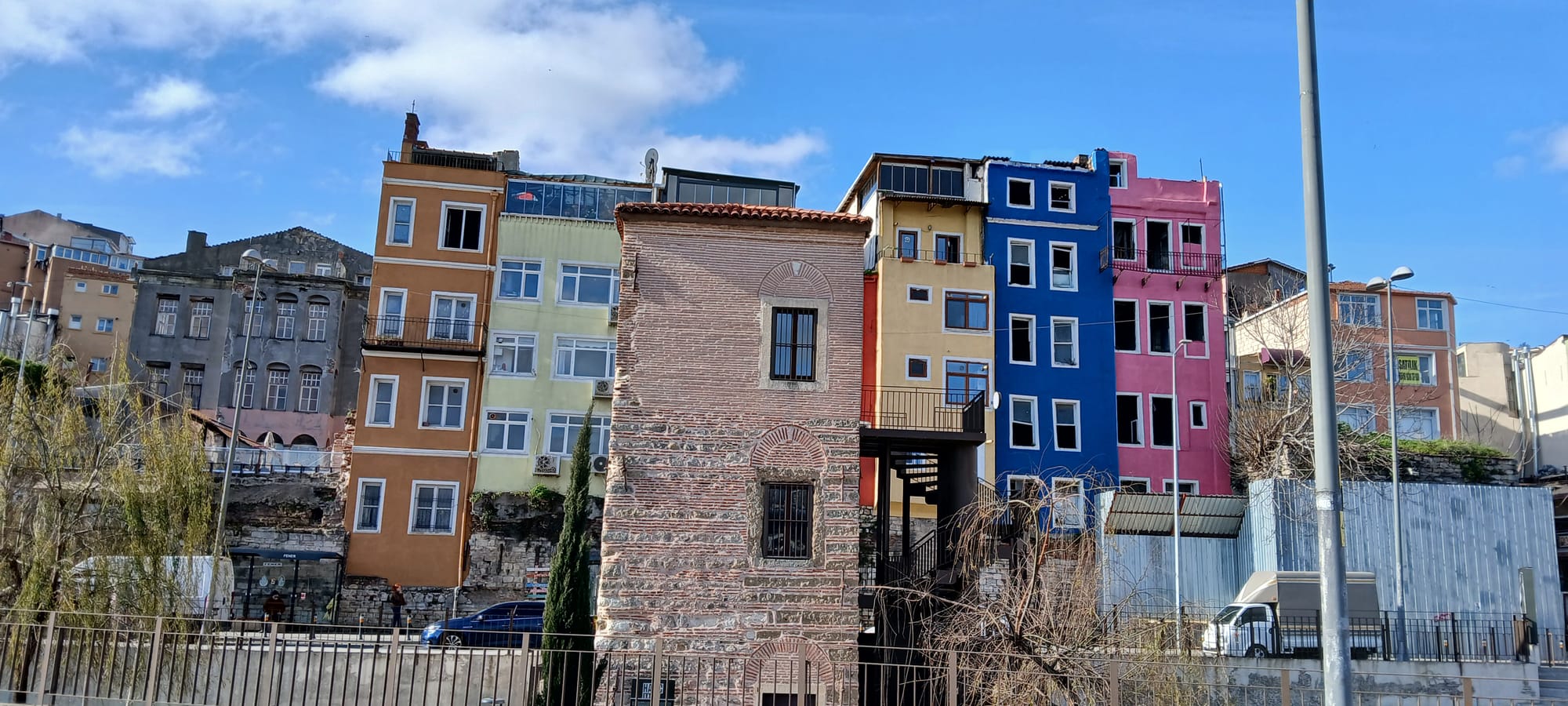
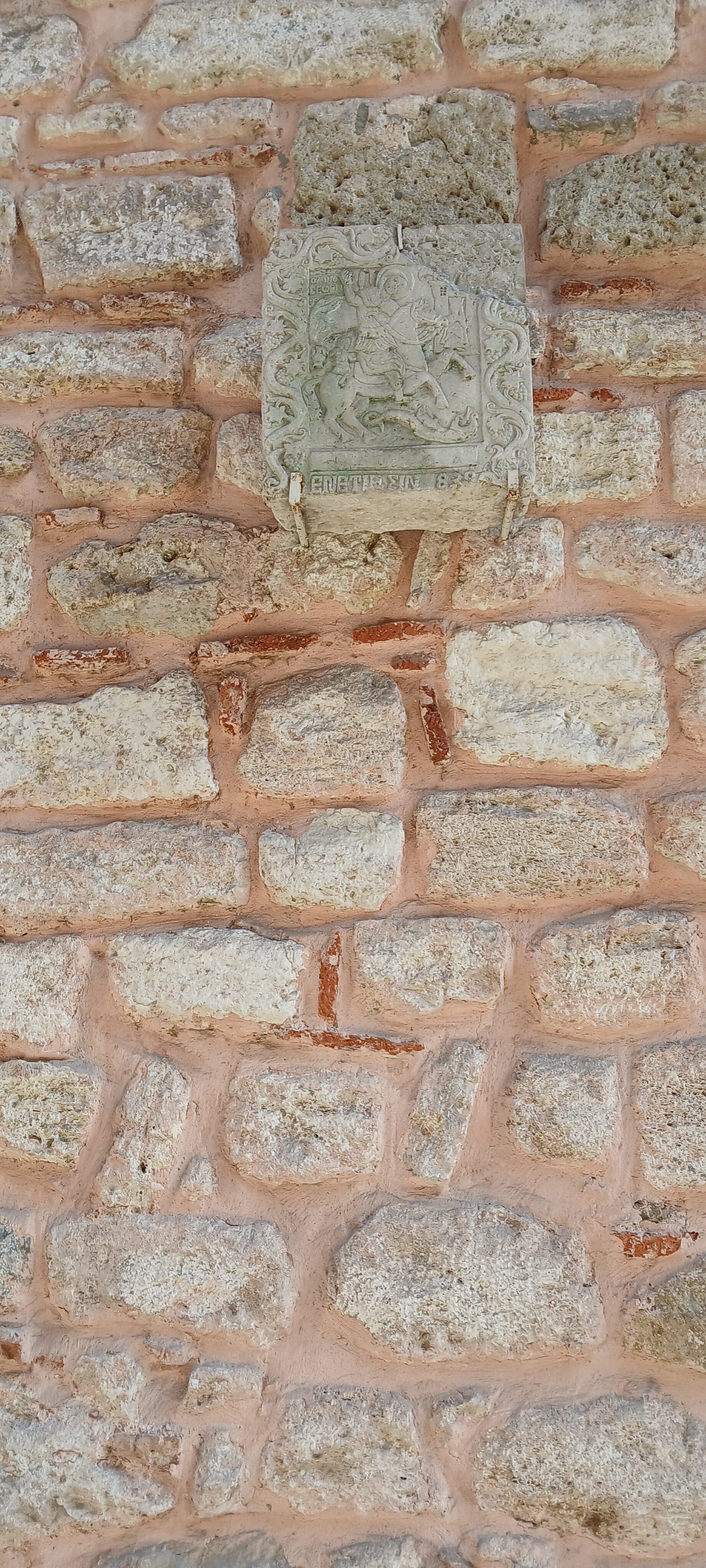
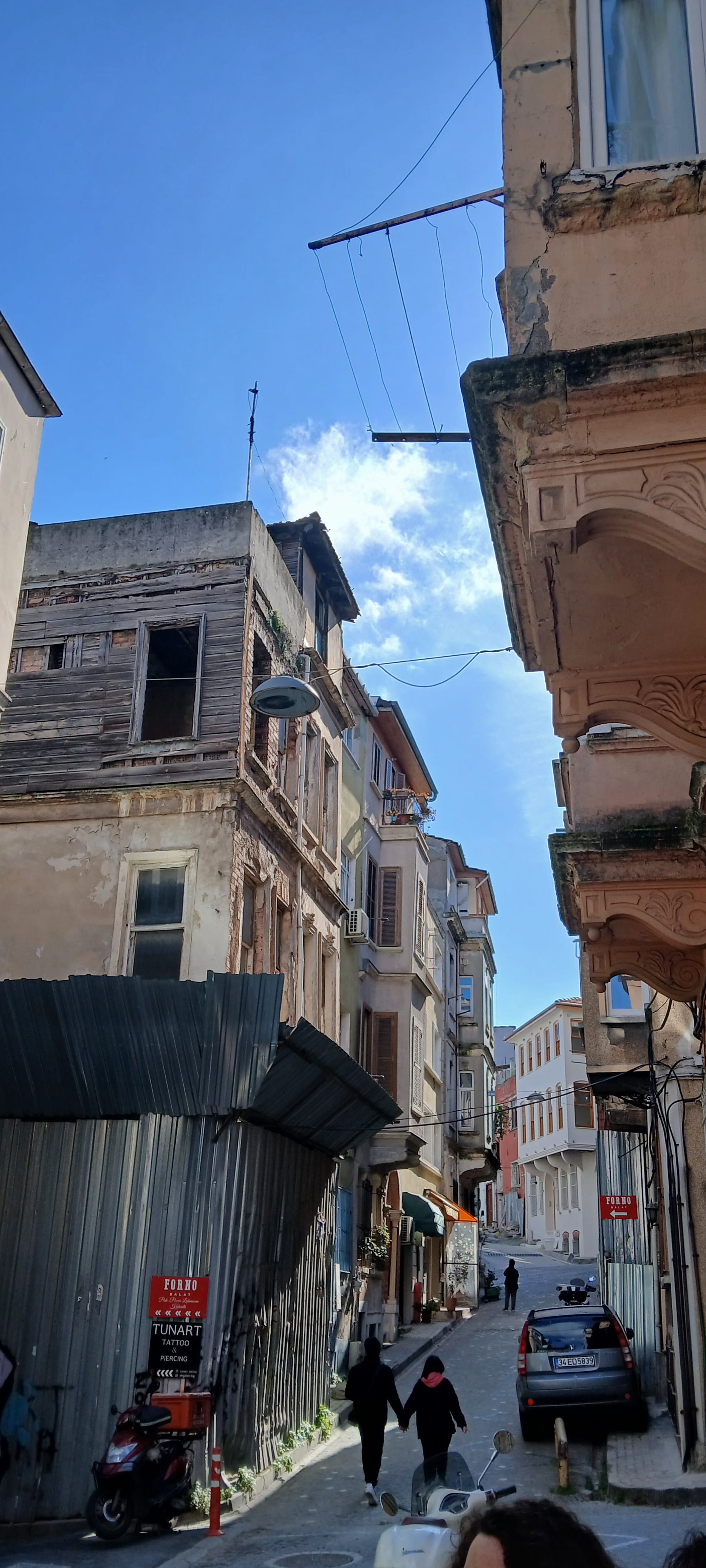
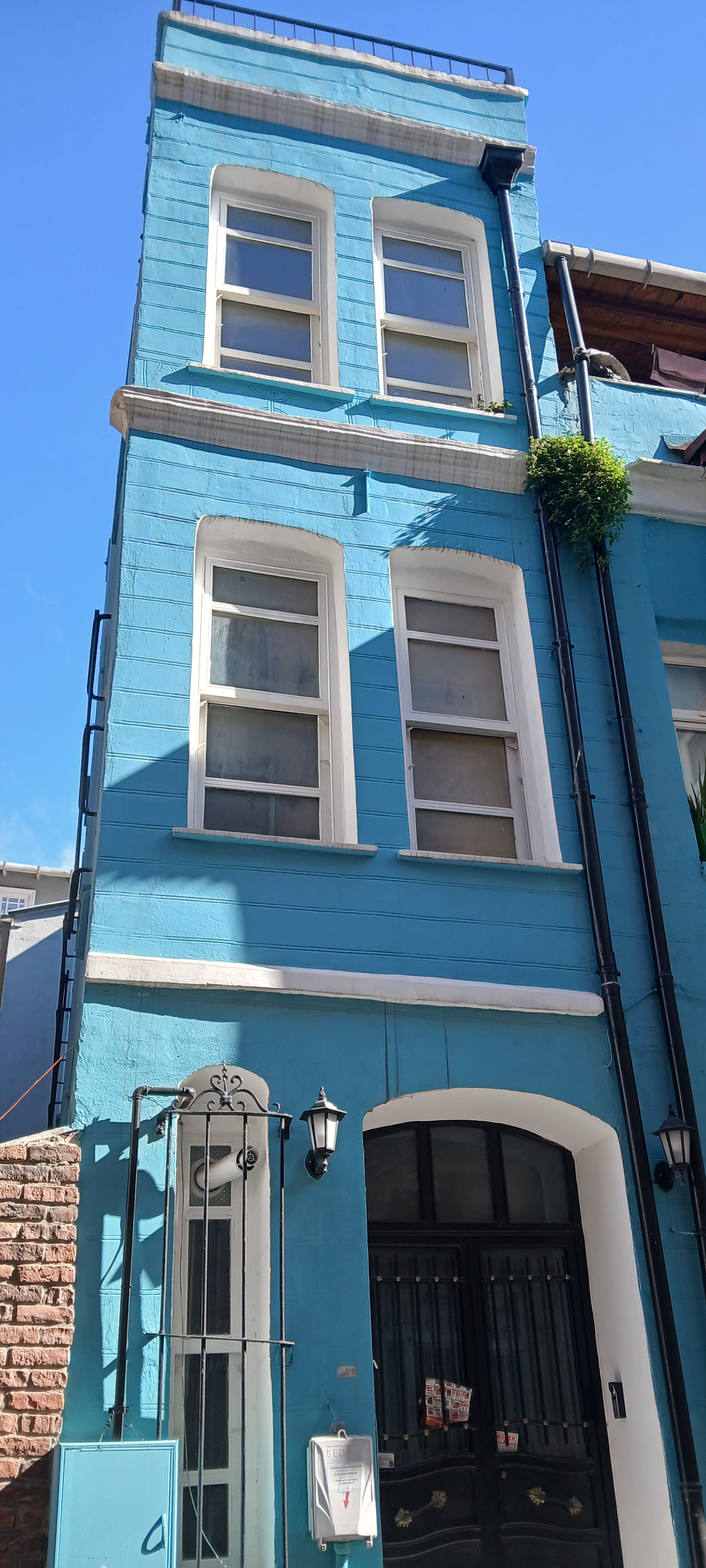
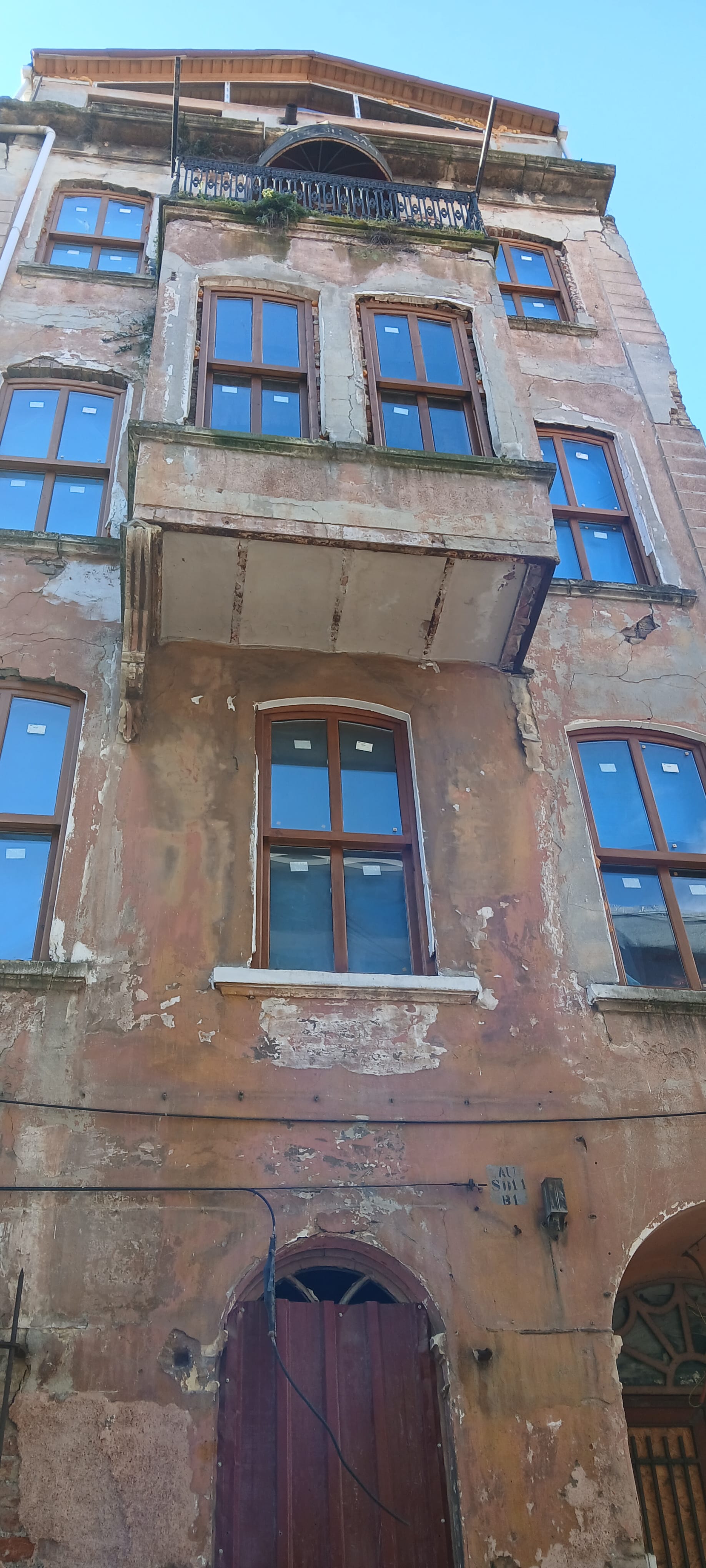
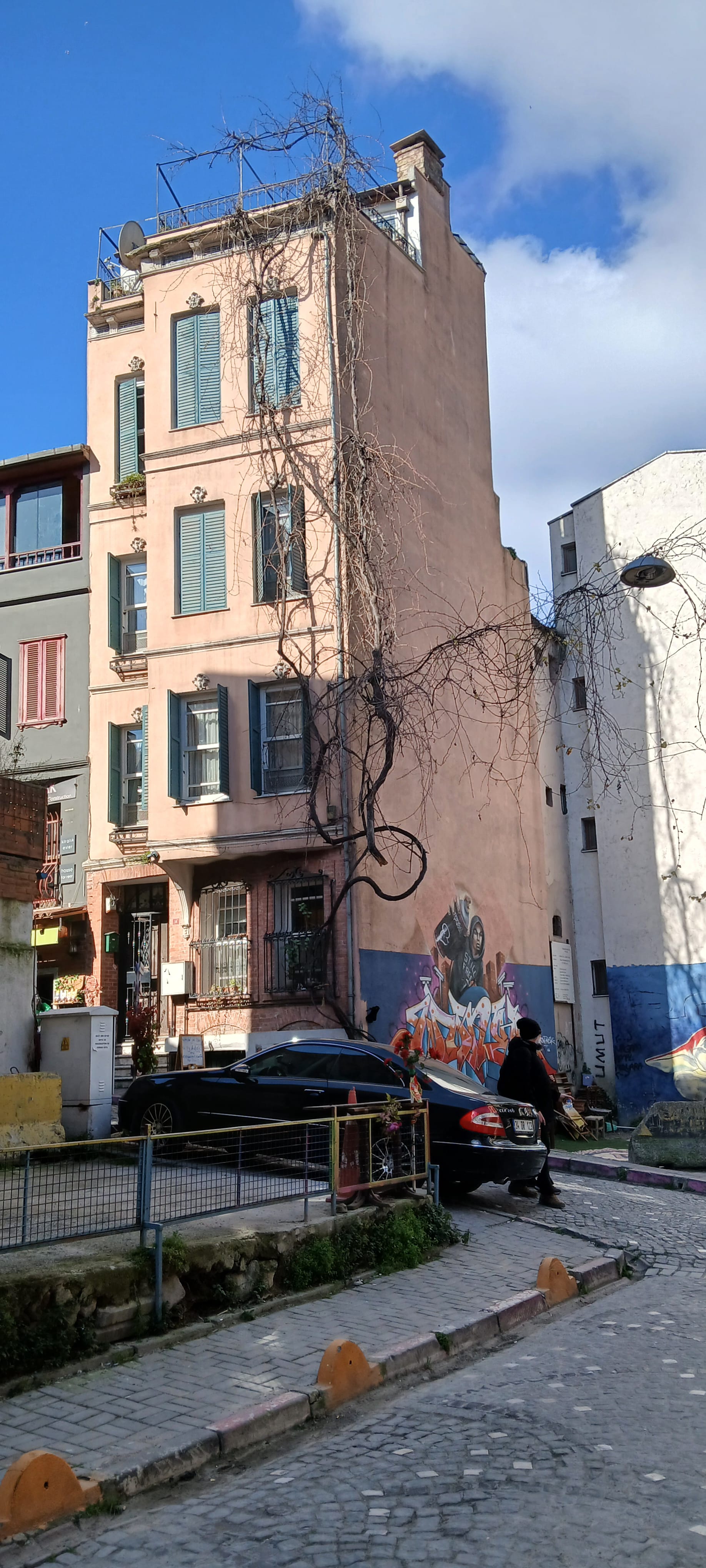
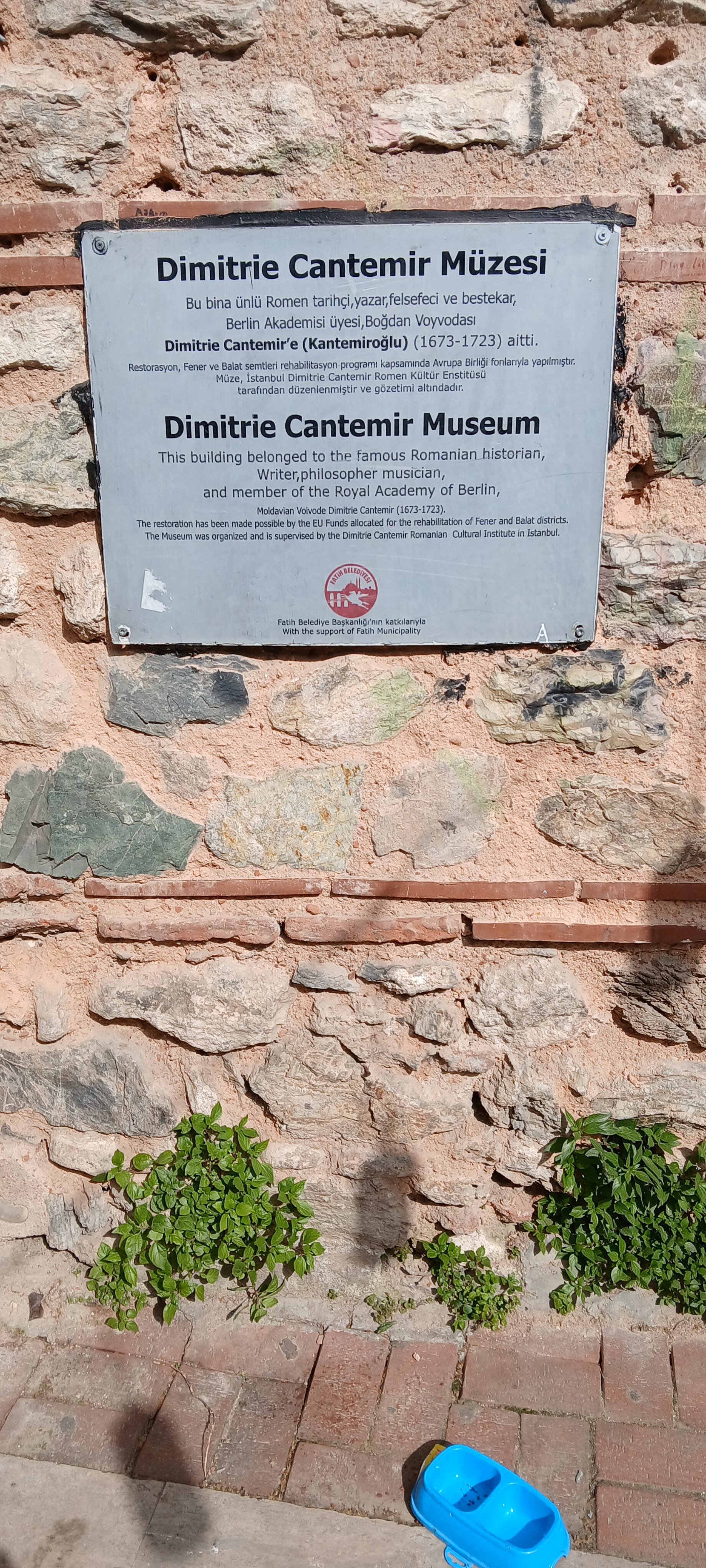
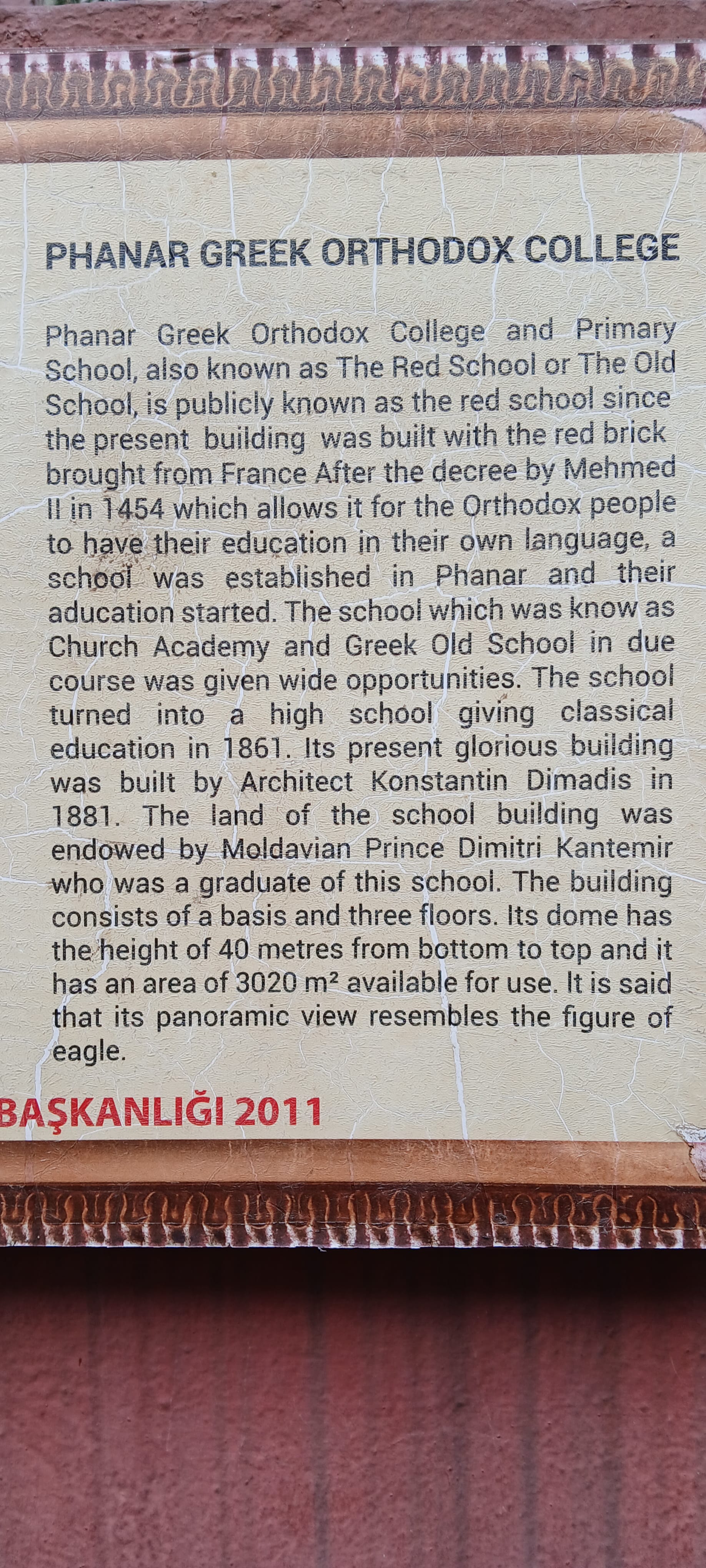
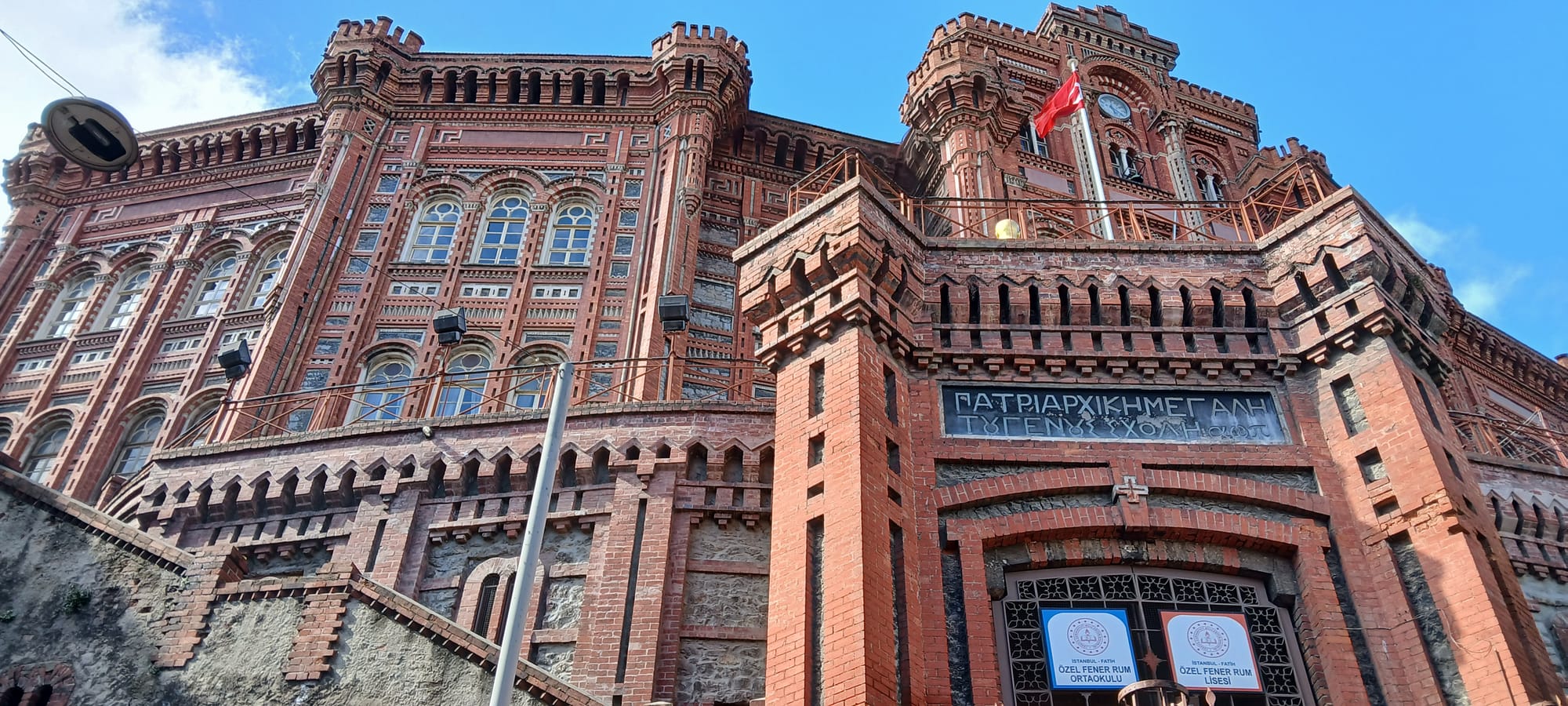
Led by Kübra, who you will see in a moment in a video, into Fener and Balat. Fener comes from Phanar, the lighthouse, in Greek, a Greek district then, which Kübra politely described as coming under a joint mandate, from Greece to return Turks to the Turkey, from Turkey to return Greeks to Greece. Neither however were being returned to their own country. The expulsion of Greeks was especially violent, under Atatürk, whose picture adorns the majority of homes and public buildings as a secular icon. It came at the end of the war between Turkey and Greece, and marked the end of the Ottoman Empire, following its bankruptcy, and the beginning of the Republic of Türkiye, the end also of the Anatolian Genocide, during which approximately 750,000 Greeks were killed. This has been called a Christian Genocide, since the Greek population, comprising Ionians, Pontians and Cappadocians, belonged to the Christian Eastern Roman or Byzantine Empire, the Roman Empire then that outlived the Western Roman Empire by 1,000 years.
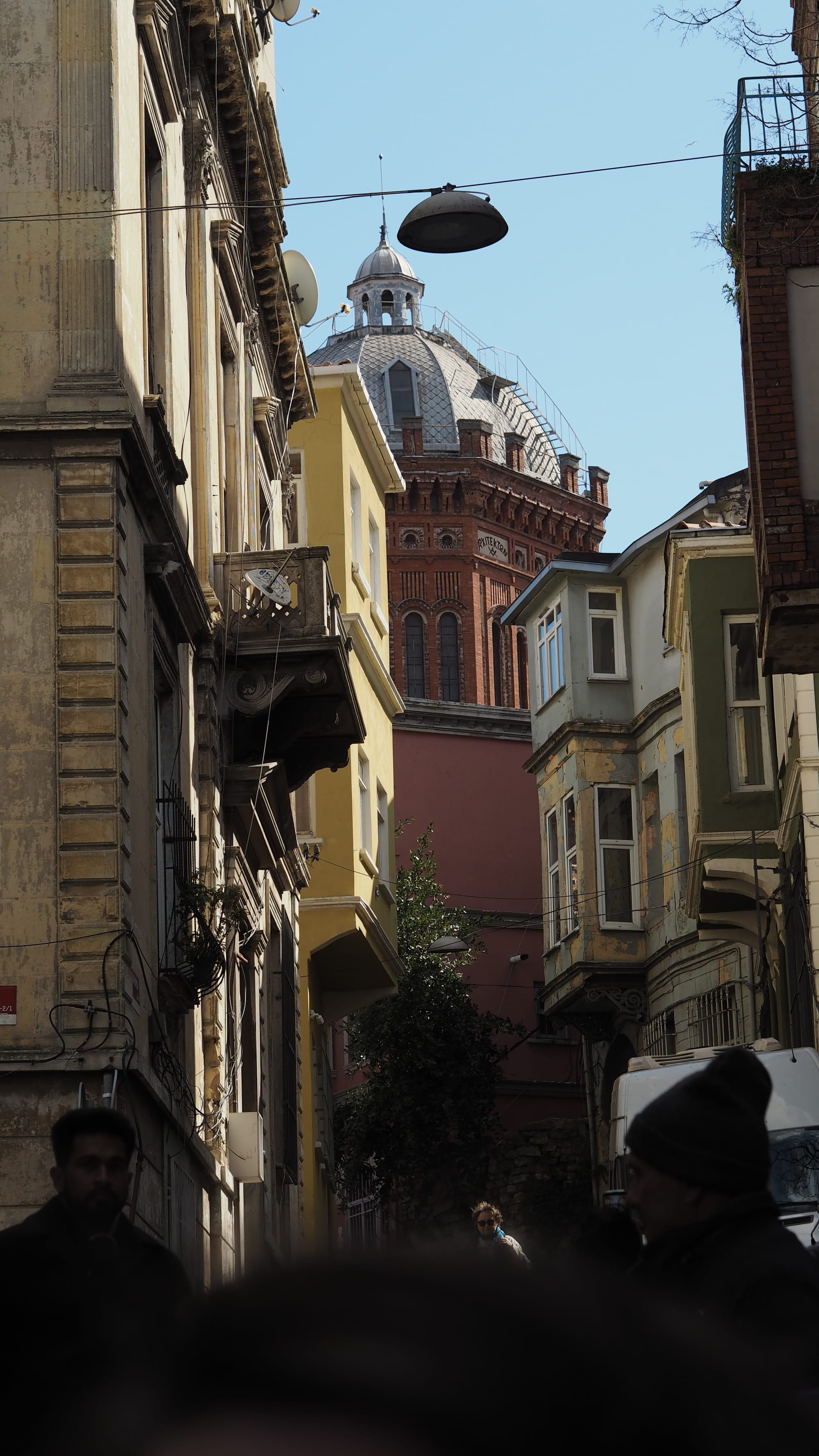
Those who weren't eliminated were expelled, at Smyrna, İzmir, pushed into the sea; all 1.2m left behind their homes and possessions. The figure of Muslim Turkish suffering forced repatriation is a quarter that. Fener was vacated by the Greeks, and the area we visited next to it, Balat, by the Jews; but first, note the Orthodox School above. Its roll had been above 2,000, now, said Kübra, how many?
28, because it is a private school you have to be an ethnic Greek to attend.
Our first stop in the area was at Greek Orthodox Basilica of St. George:
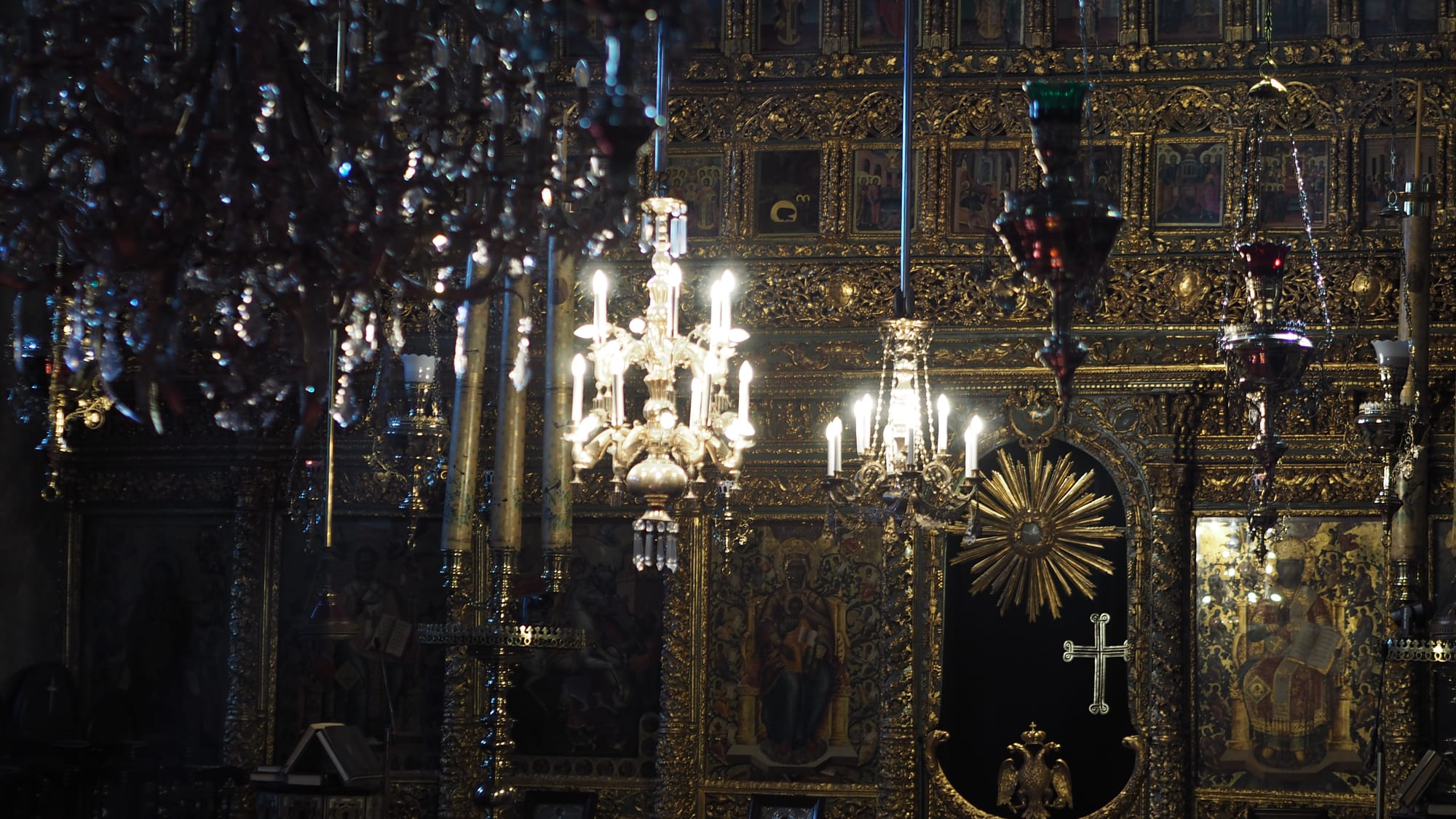
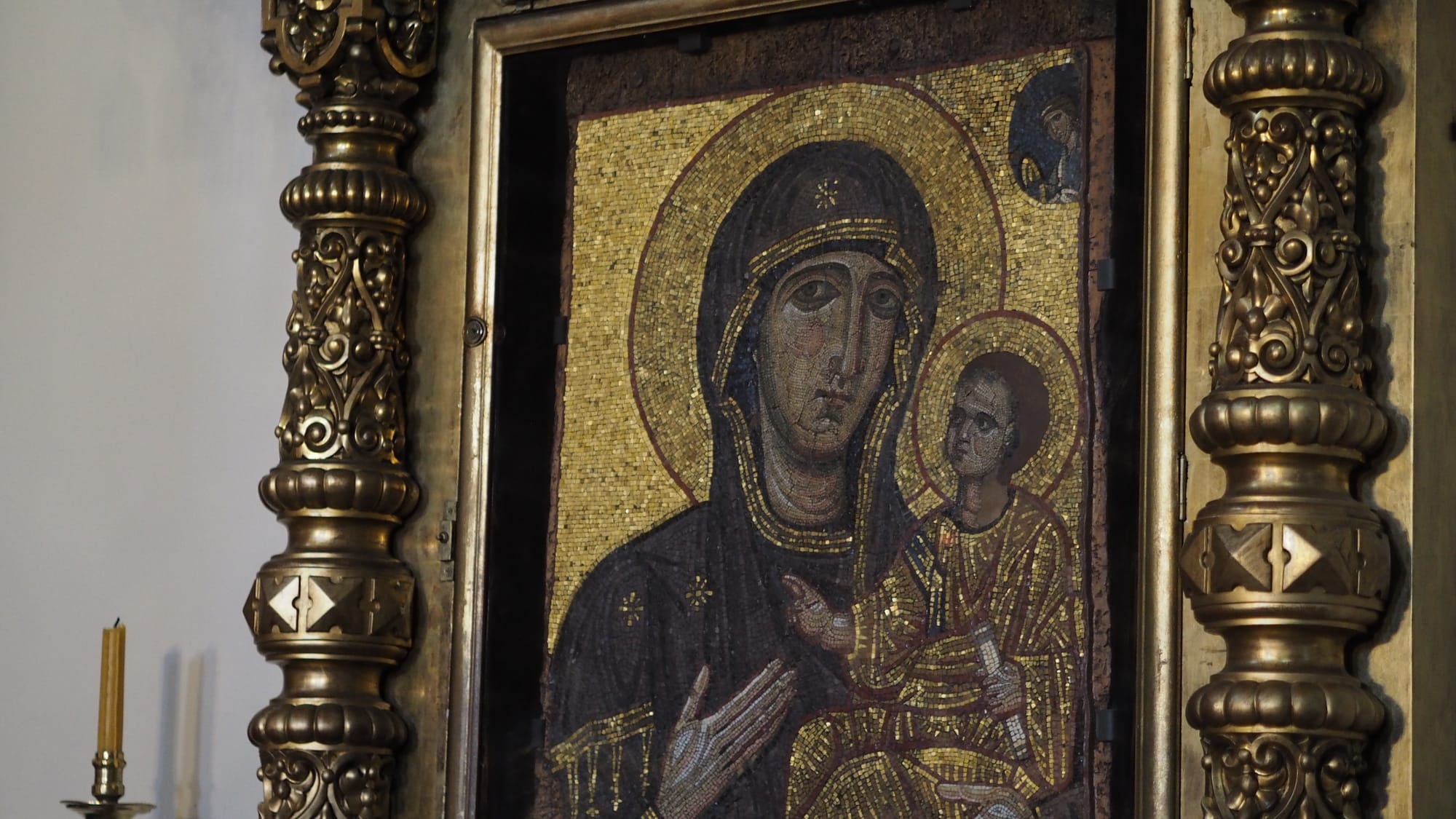
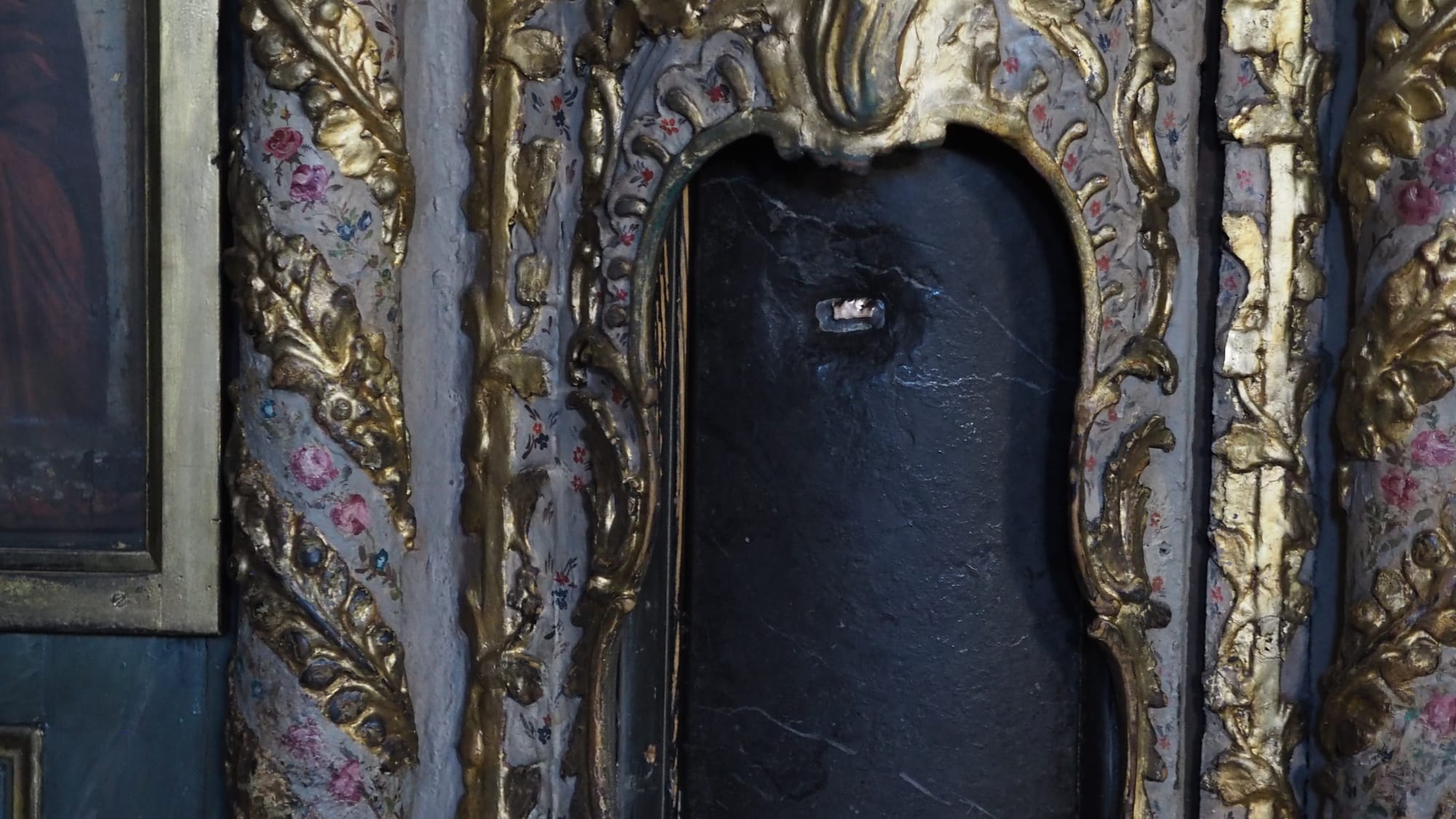
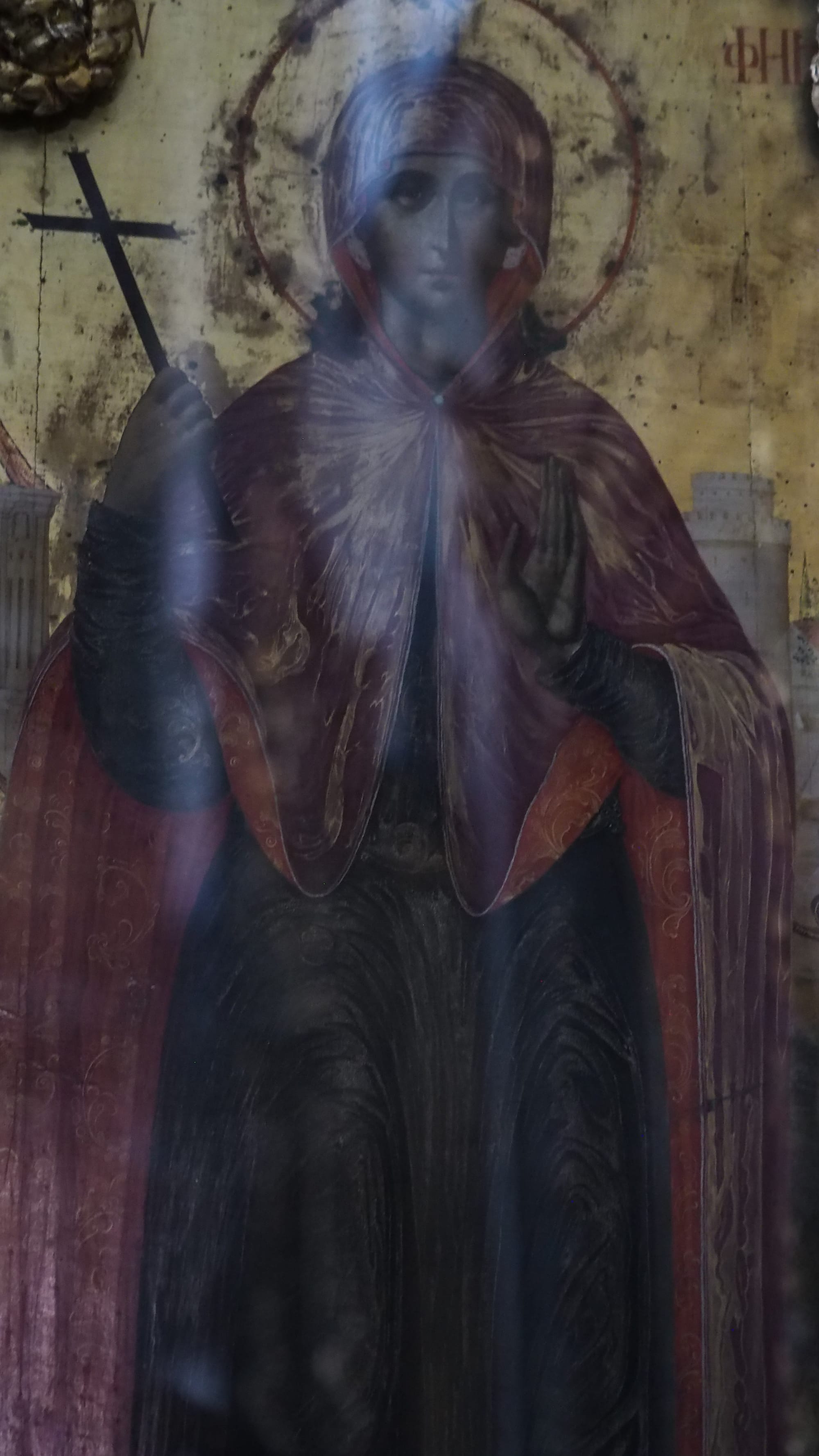
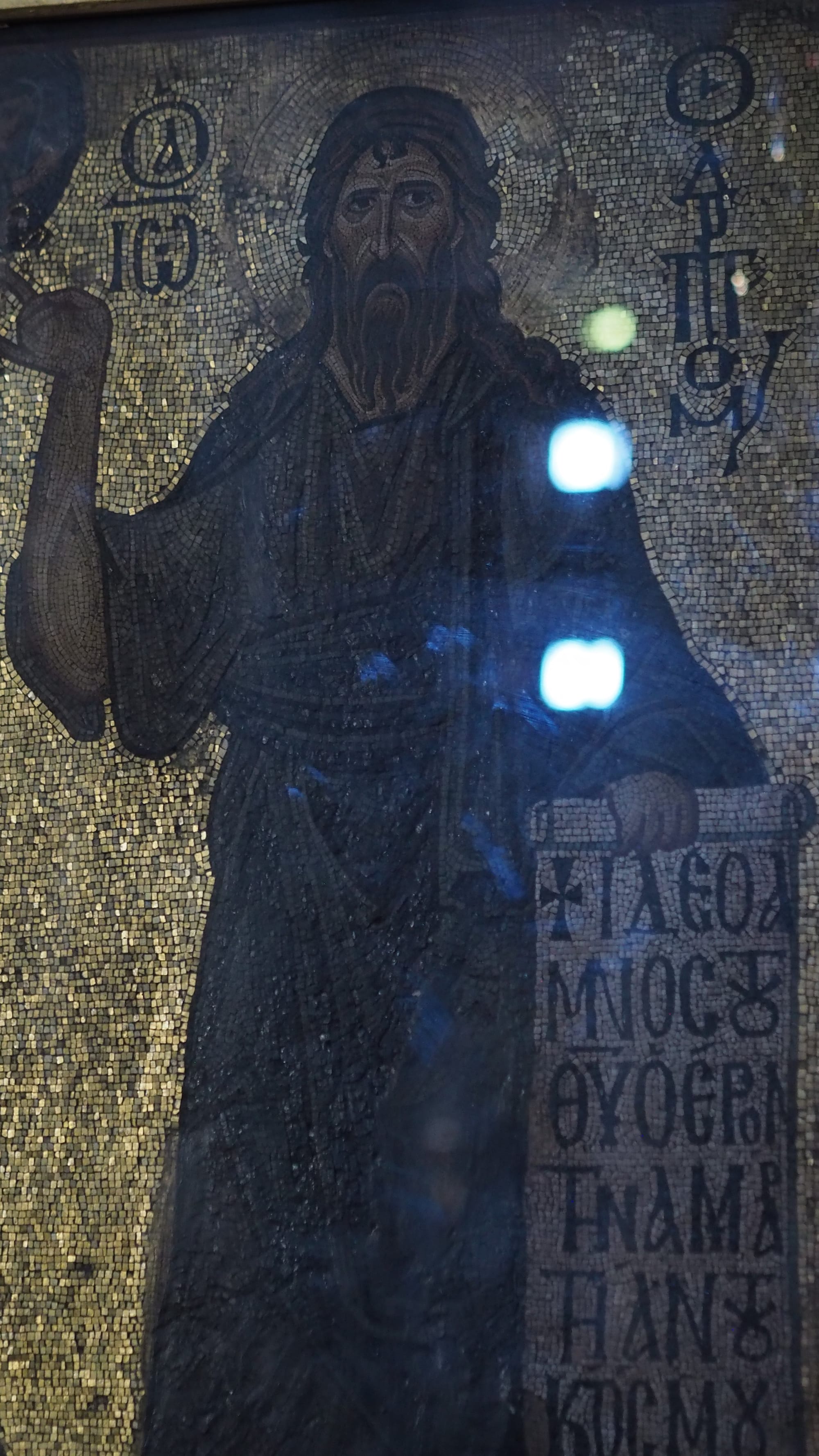
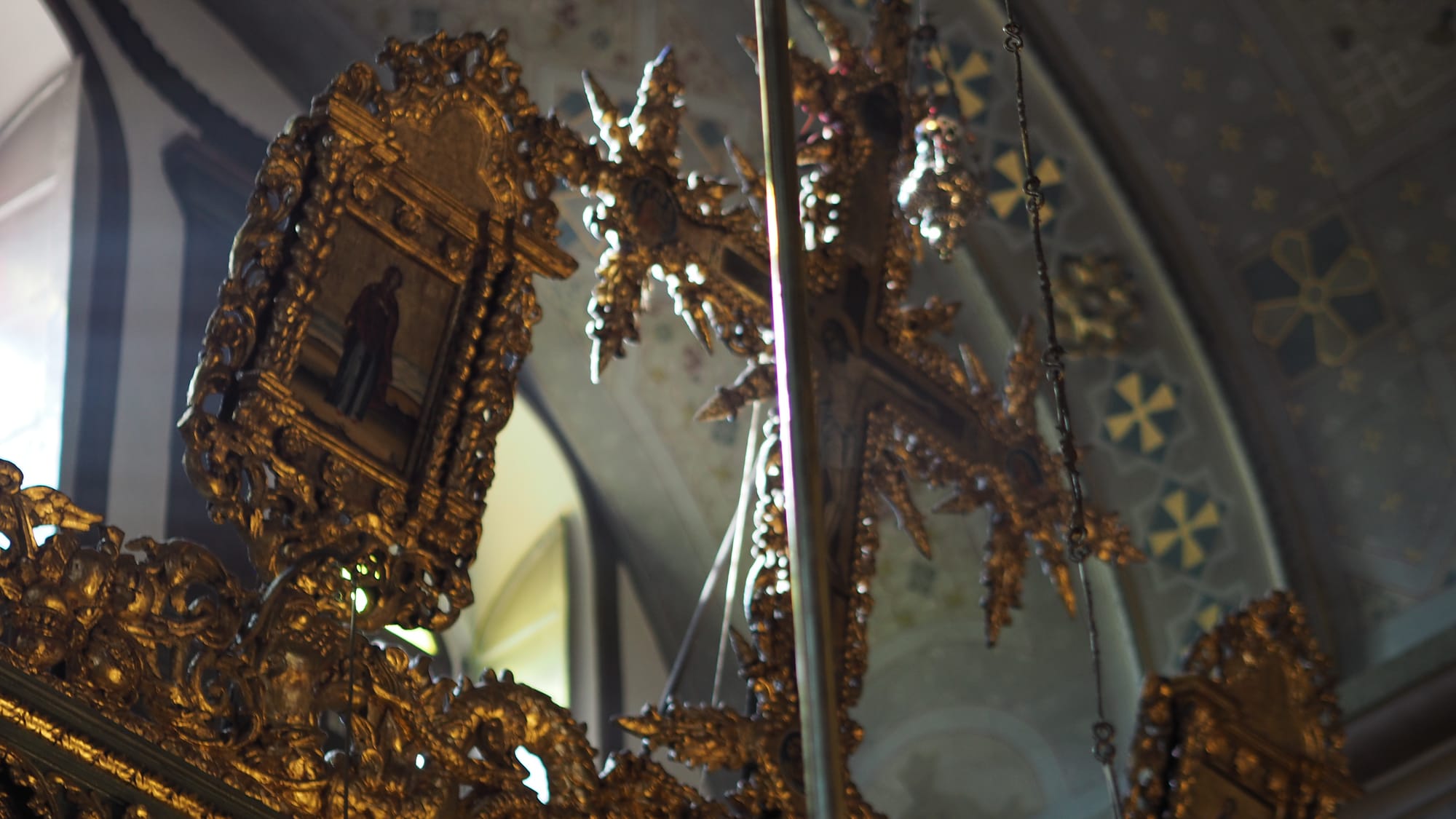
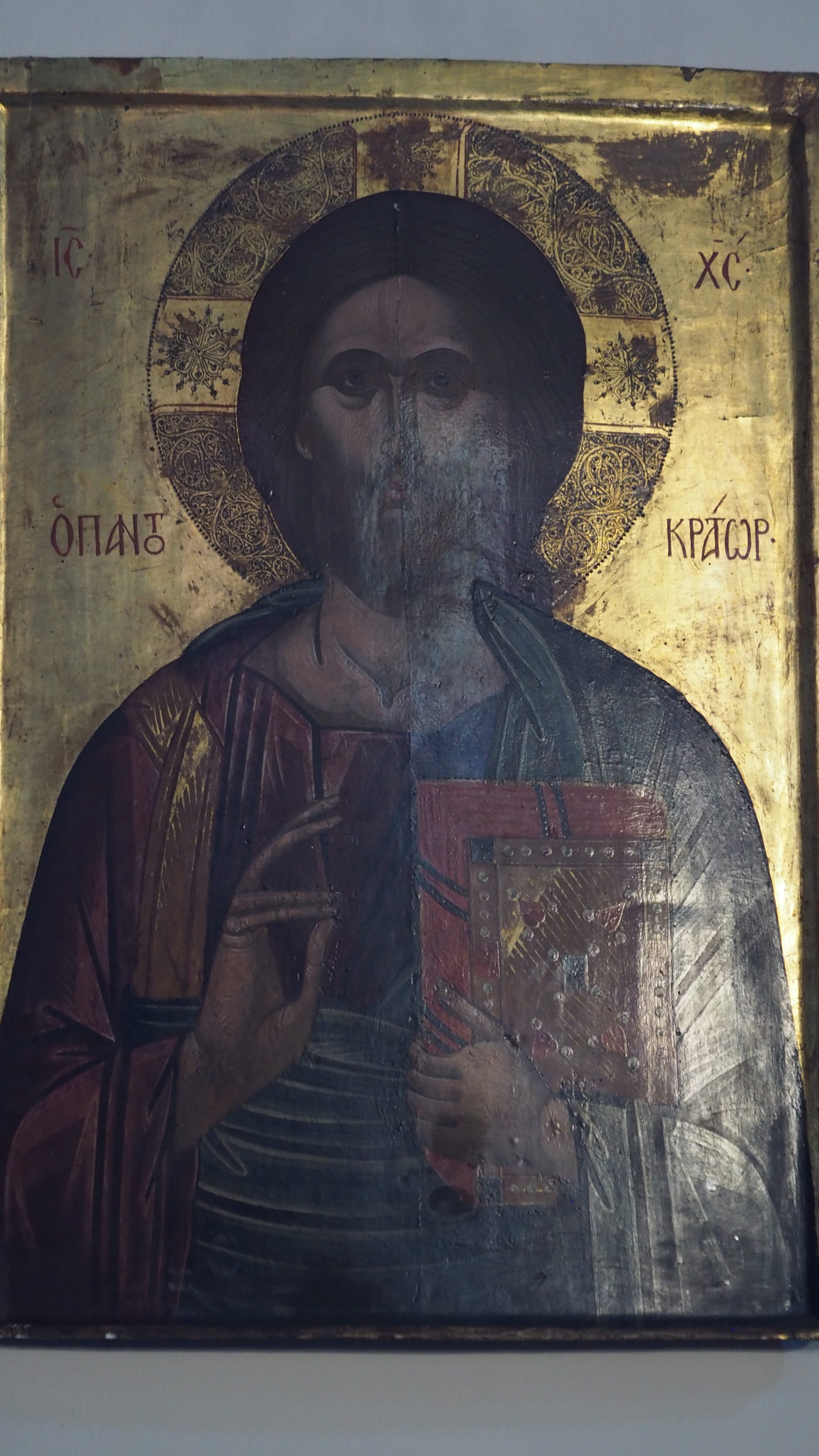
Kübra had pointed out that this was Constantine's city, Constantinople, Κωνσταντινούπολις, the first Roman Emperor to convert to Christianity, which became the official religion of the empire under Justinian. And it boasts, pictured above, a remarkable relic: the Flagellation or Scourging Post, where Christ was whipped. Here's the scene without the post:
When I touched the stone of the post, at the hole where Christ is said to have been tied, that strange spiritual warmth emanated from it I have previously experienced, most intensely at the tomb of St. Francis of Assissi. At the Blue Mosque I wondered whether Muslims experience from the places and buildings sacred to Islam a similar vibration, obviously at the Kaaba, but consider the stone machinery of a great mosque, its qualities as a landmark and spiritual centre; the difference is that from the period of iconoclasm, the removal of icons and graven images: these buildings do not represent the figures to whom devotion is given, upon whom peace is wished. . . and at the Scourging Post that is what I wished.
We climbed the streets behind the school and came to small and unimpressive round tower:
The Church of Saint Mary of the Mongols has the Turkish name Kanlı Kilise, bloody church. It is the only Byzantine church in İstanbul to have kept its function; the other intact church, Hagia Irene, Aya İrini, became an arsenal and is currently a museum and concert venue. I asked if we could go inside. No, since the events following 7 October 2023, synagogues throughout the city have been inaccessible and under guard by the police. We passed a synagogue lower down in Balat that Kübra said we couldn't even stand in front of, it had been a stop on the tour. This however was not the reason Saint Mary of the Mongols was closed to visitors. International Women's Day the day before, it had been a place of protest for women.
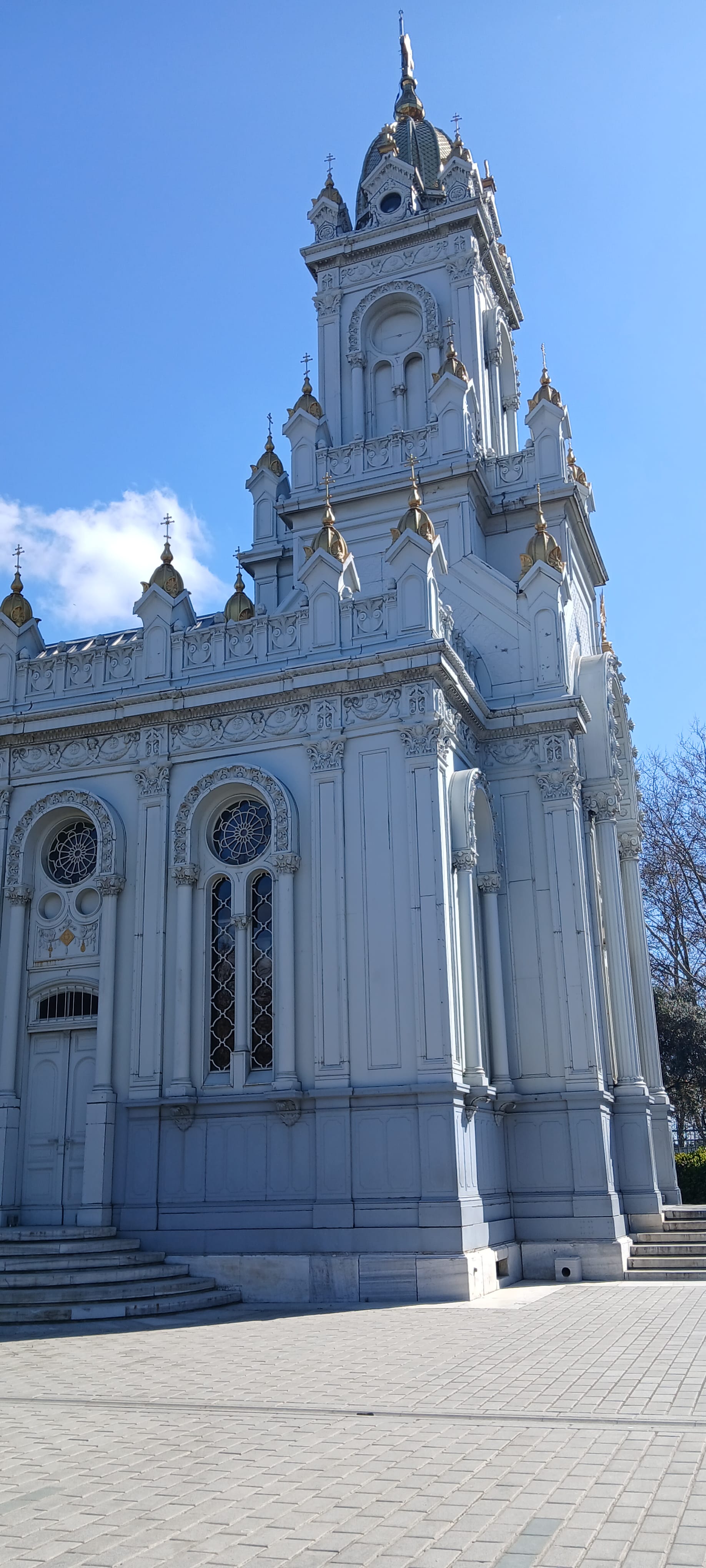
Then there is this odd confection of iron: a prefabricated iron church, St. Stephen's Bulgarian Orthodox Church.
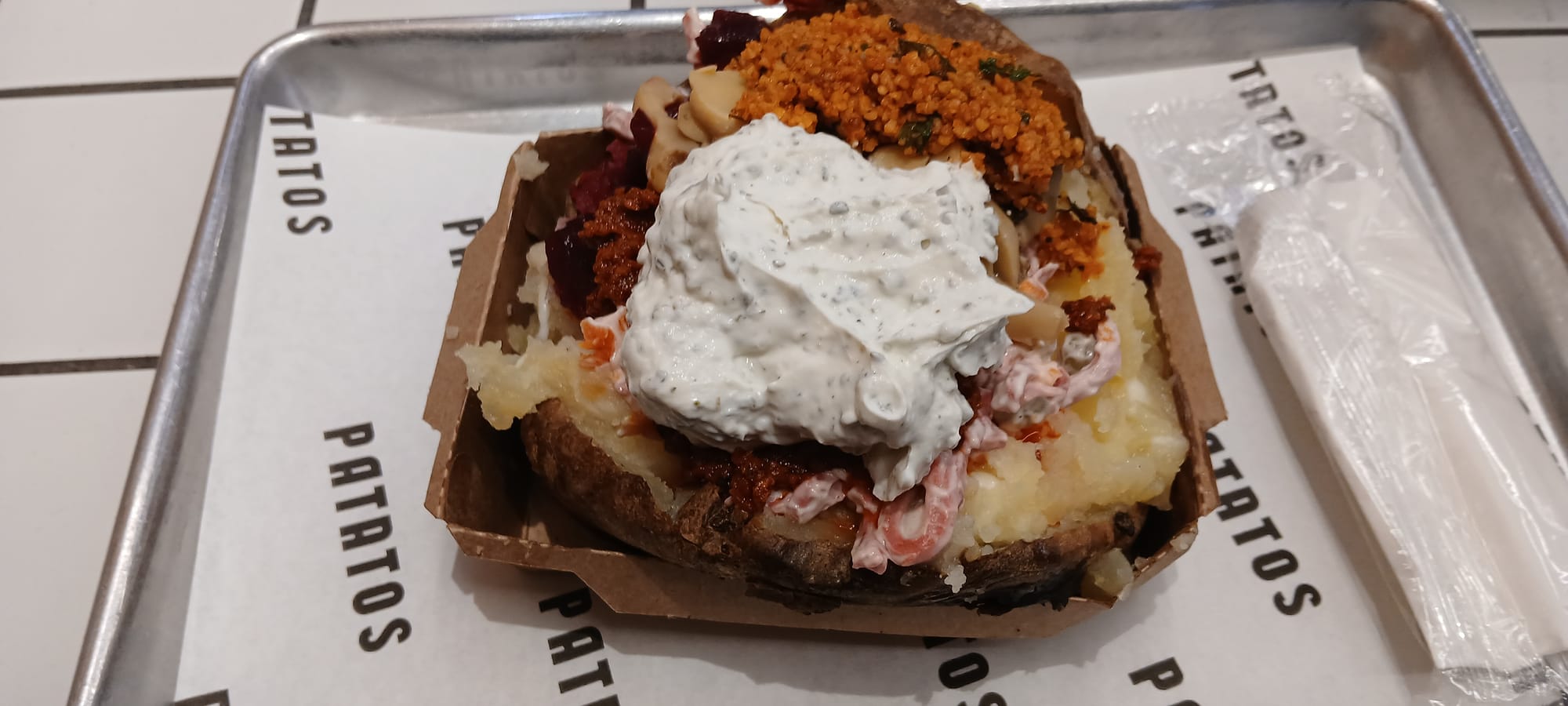
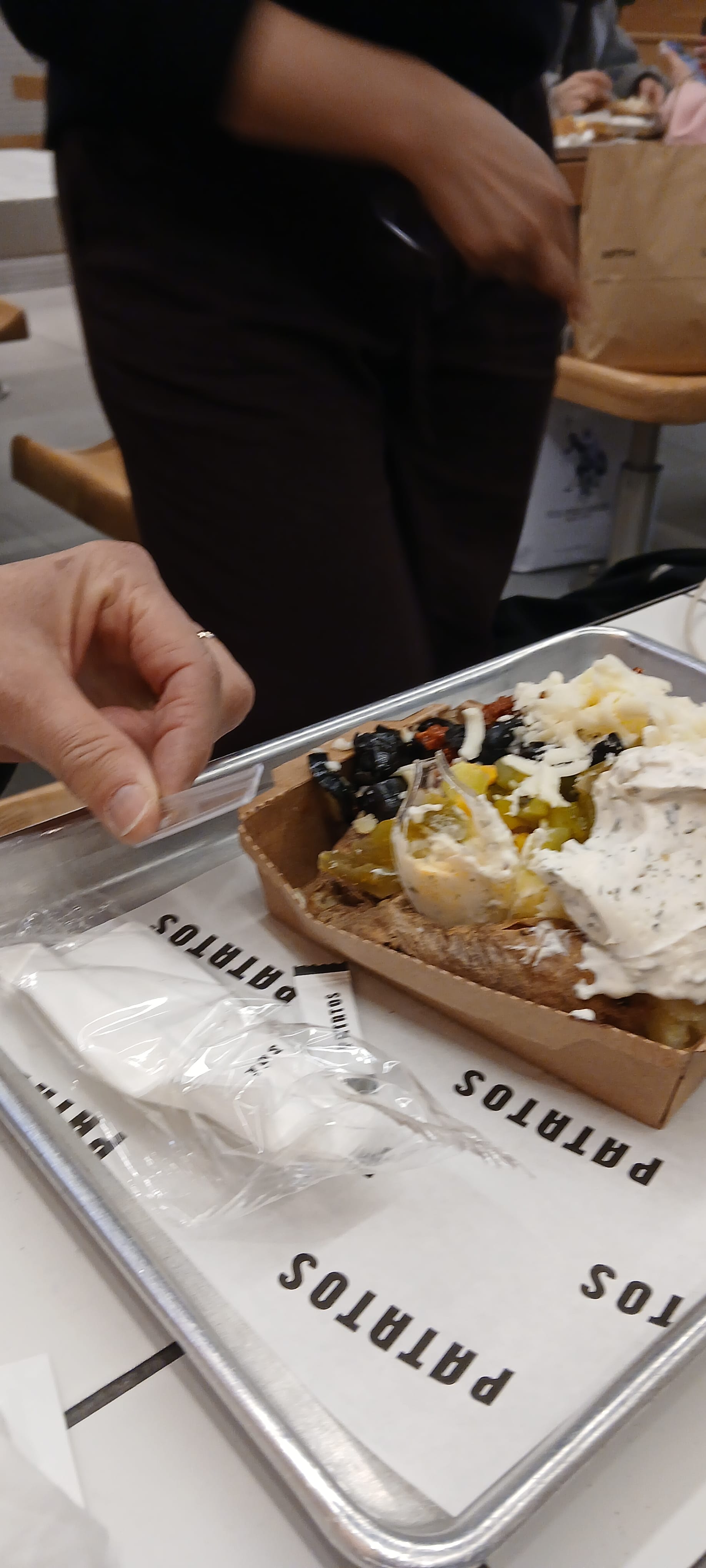
For dinner, spud: