Αθήνα
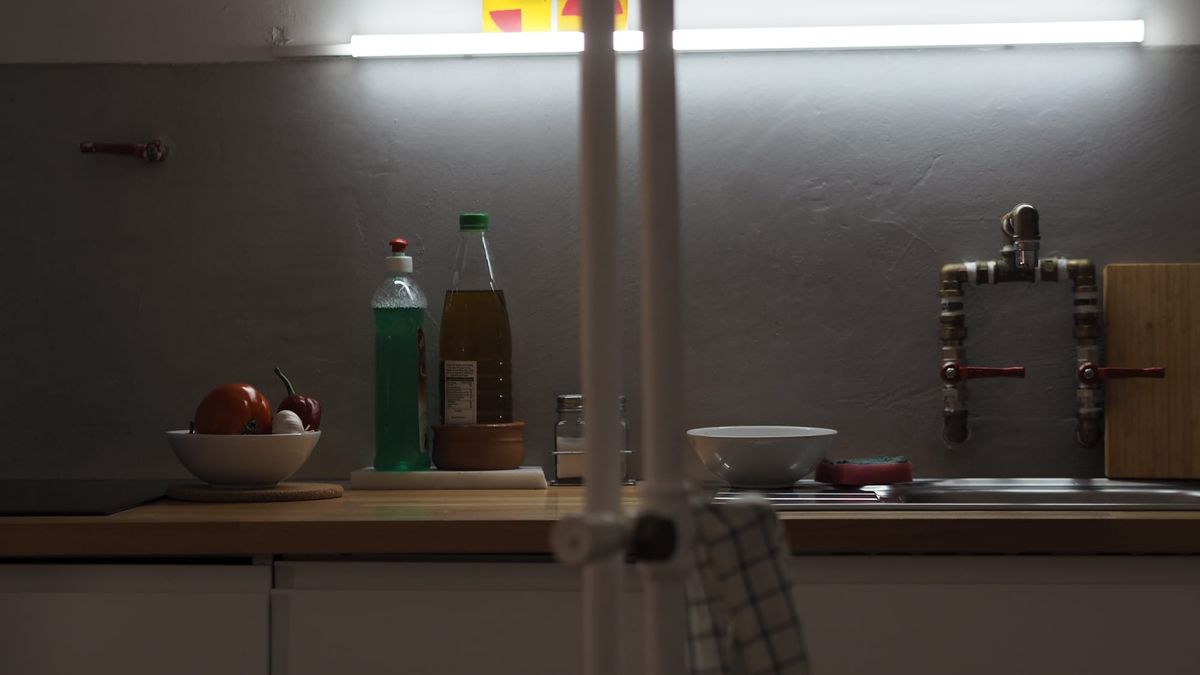
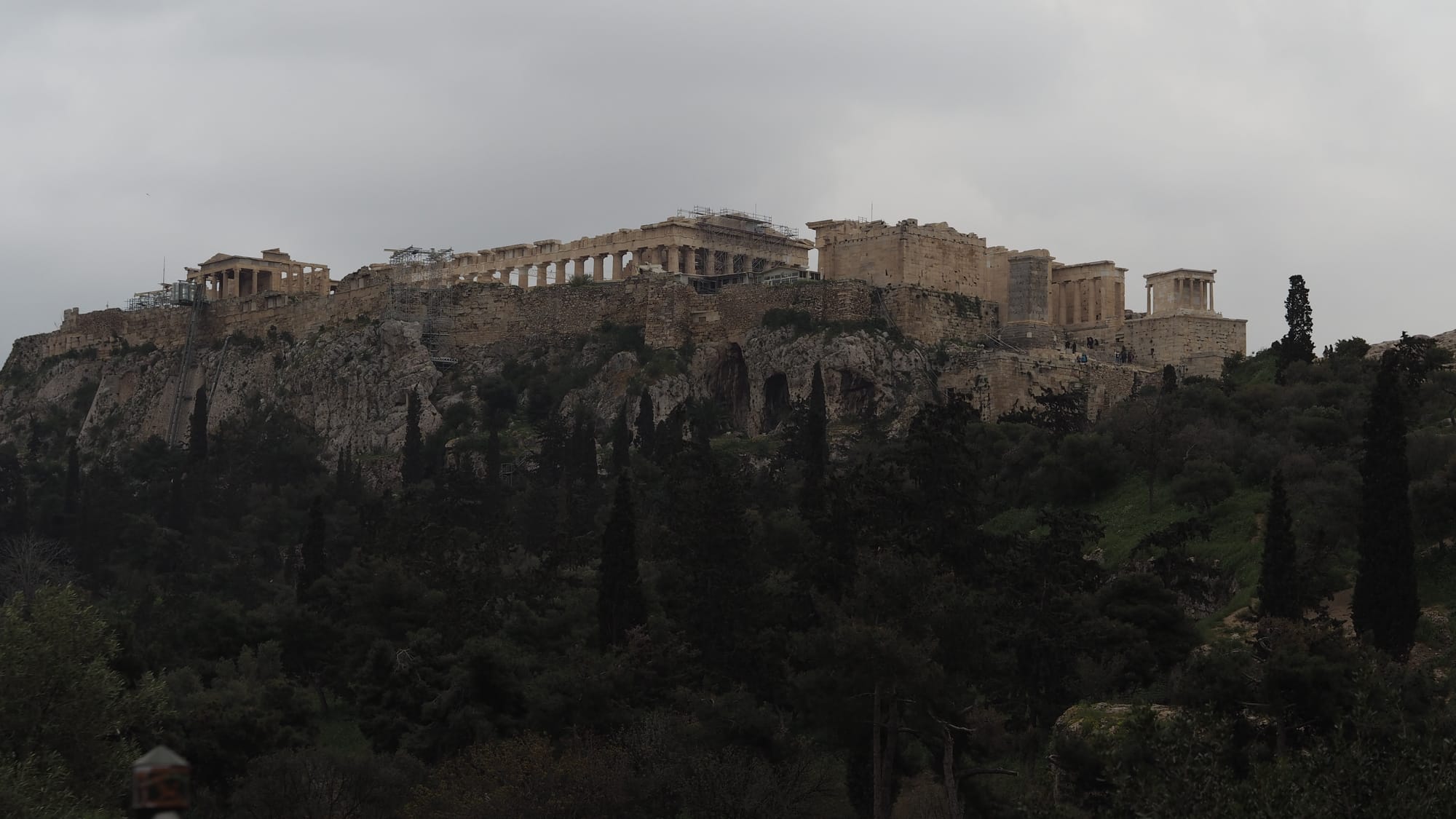
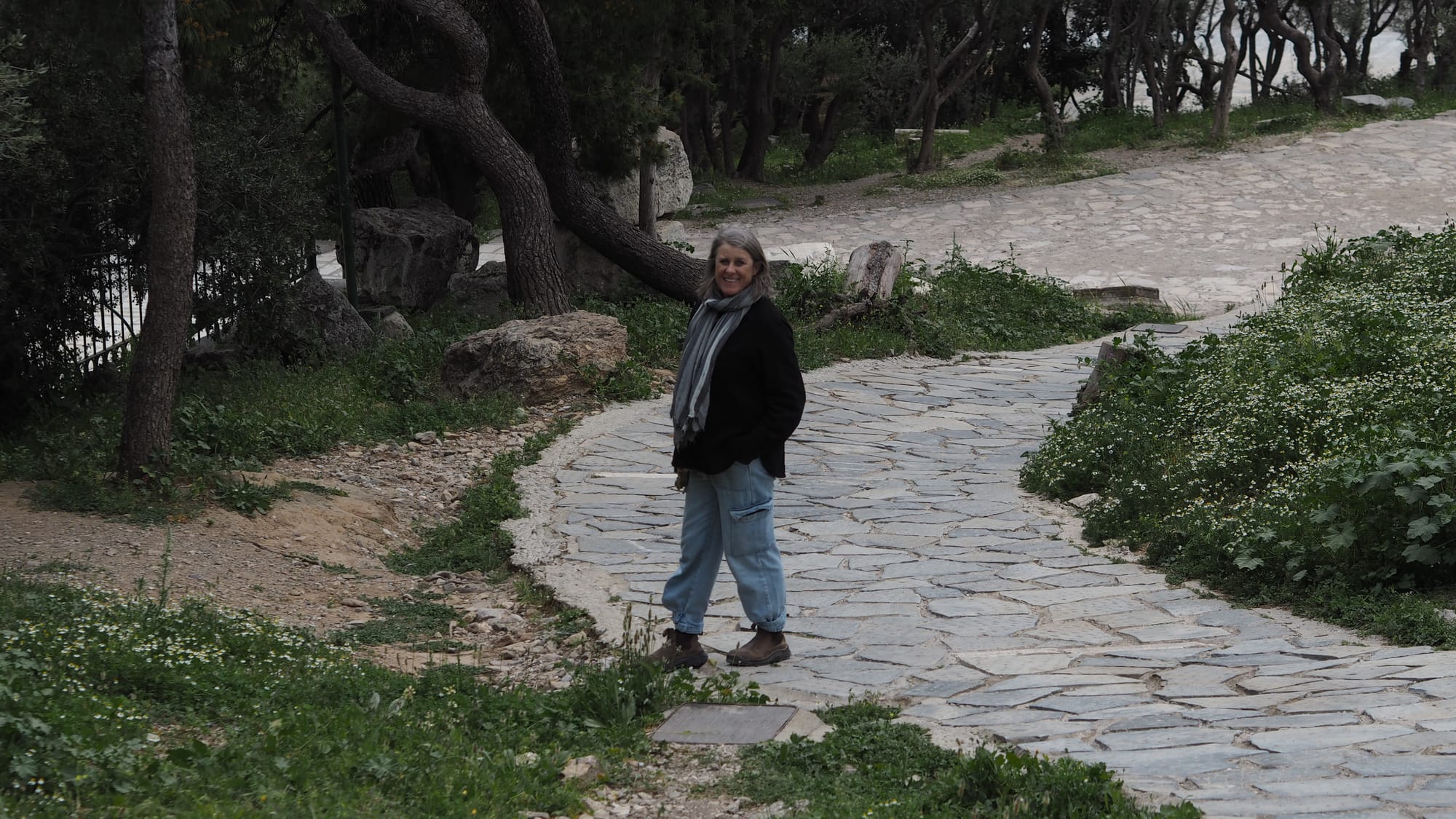
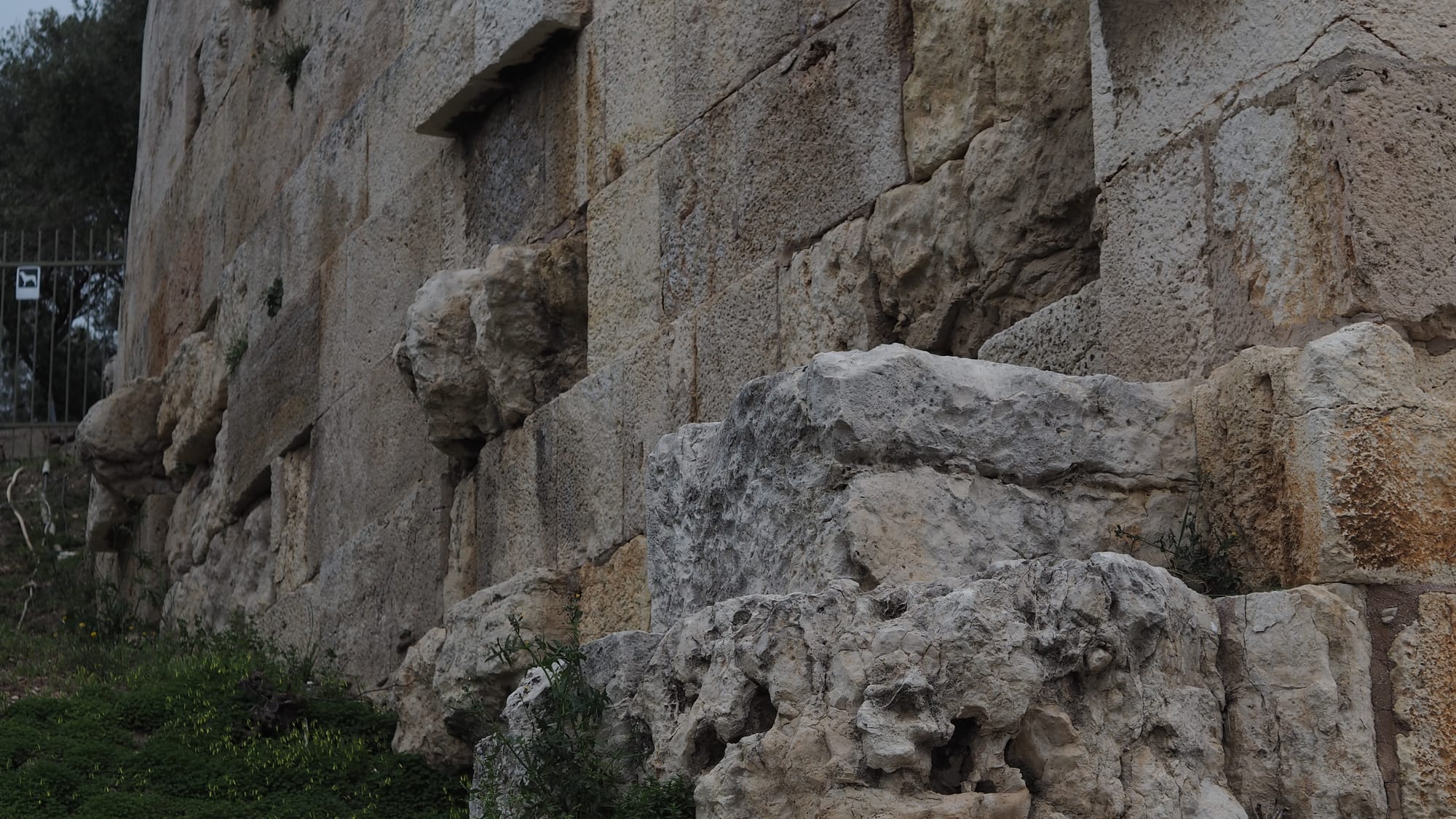
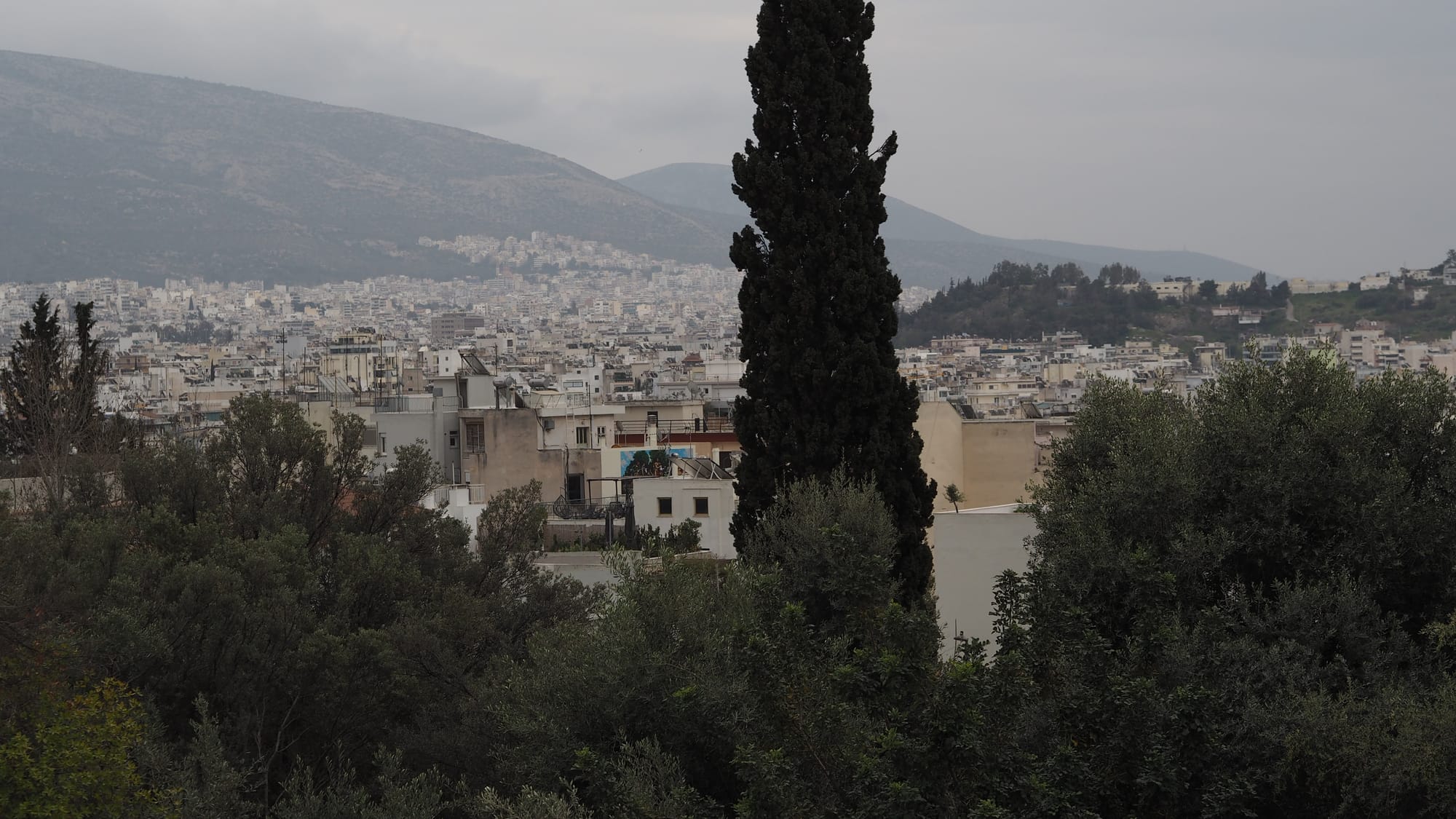
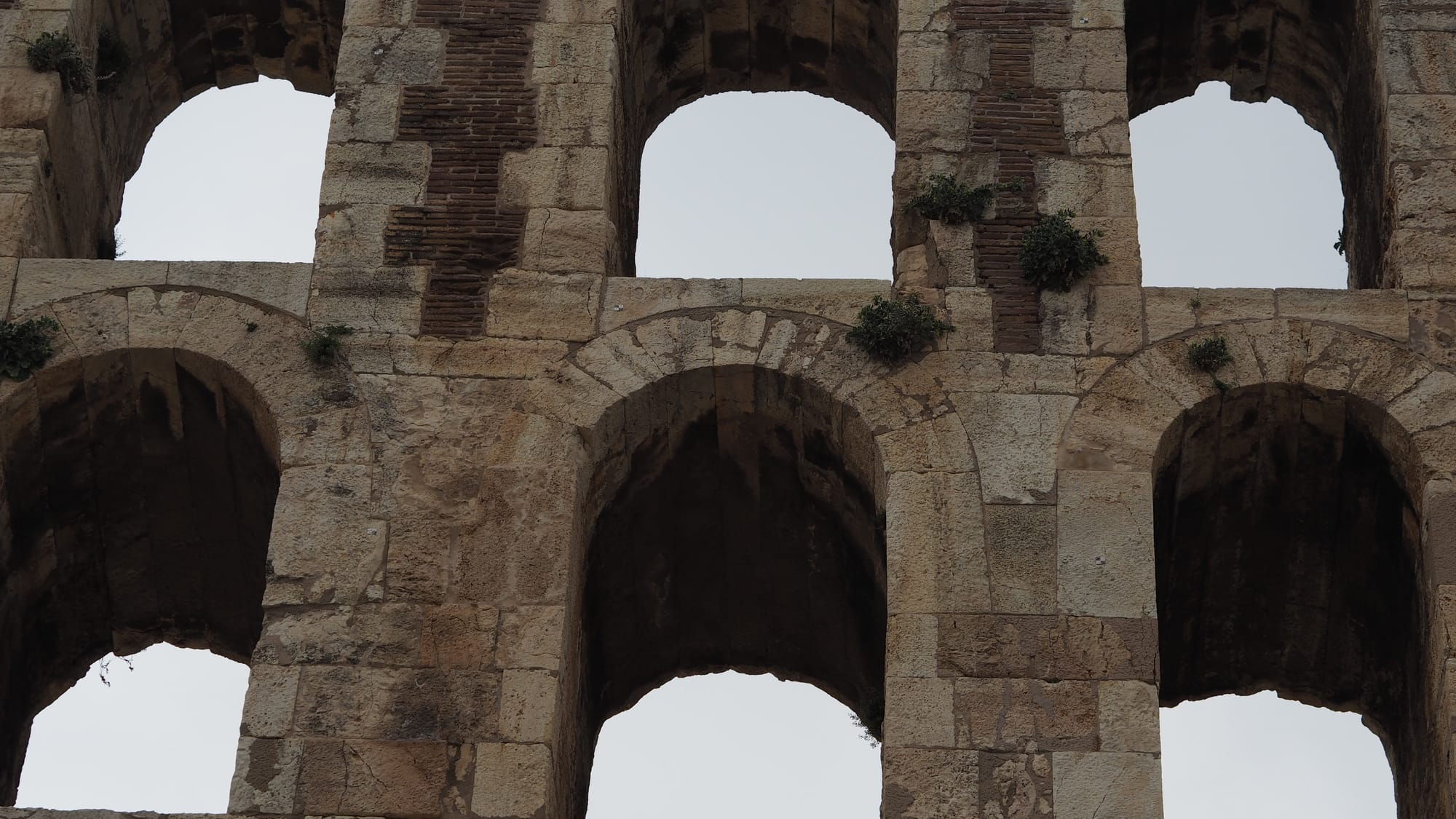
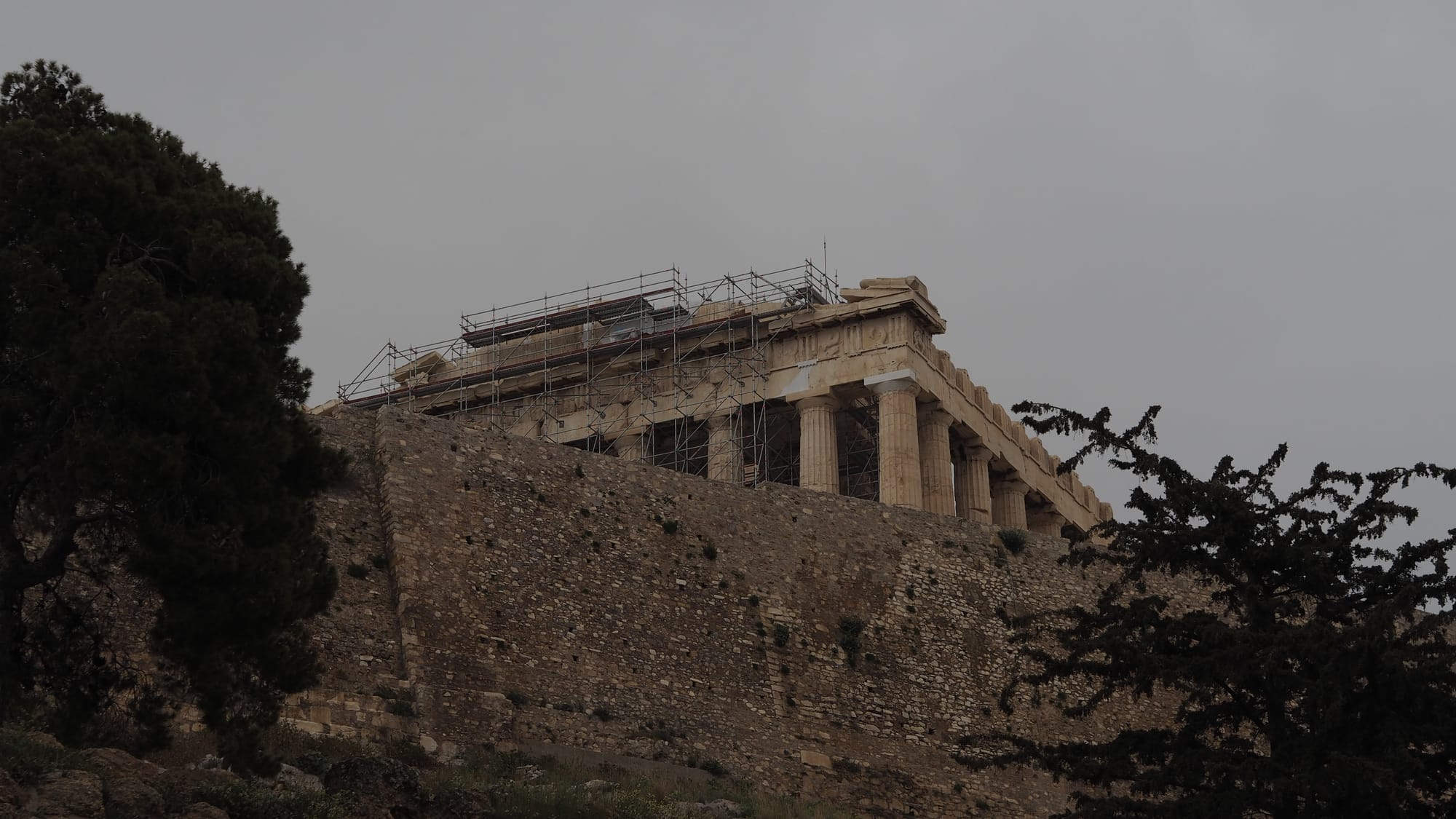
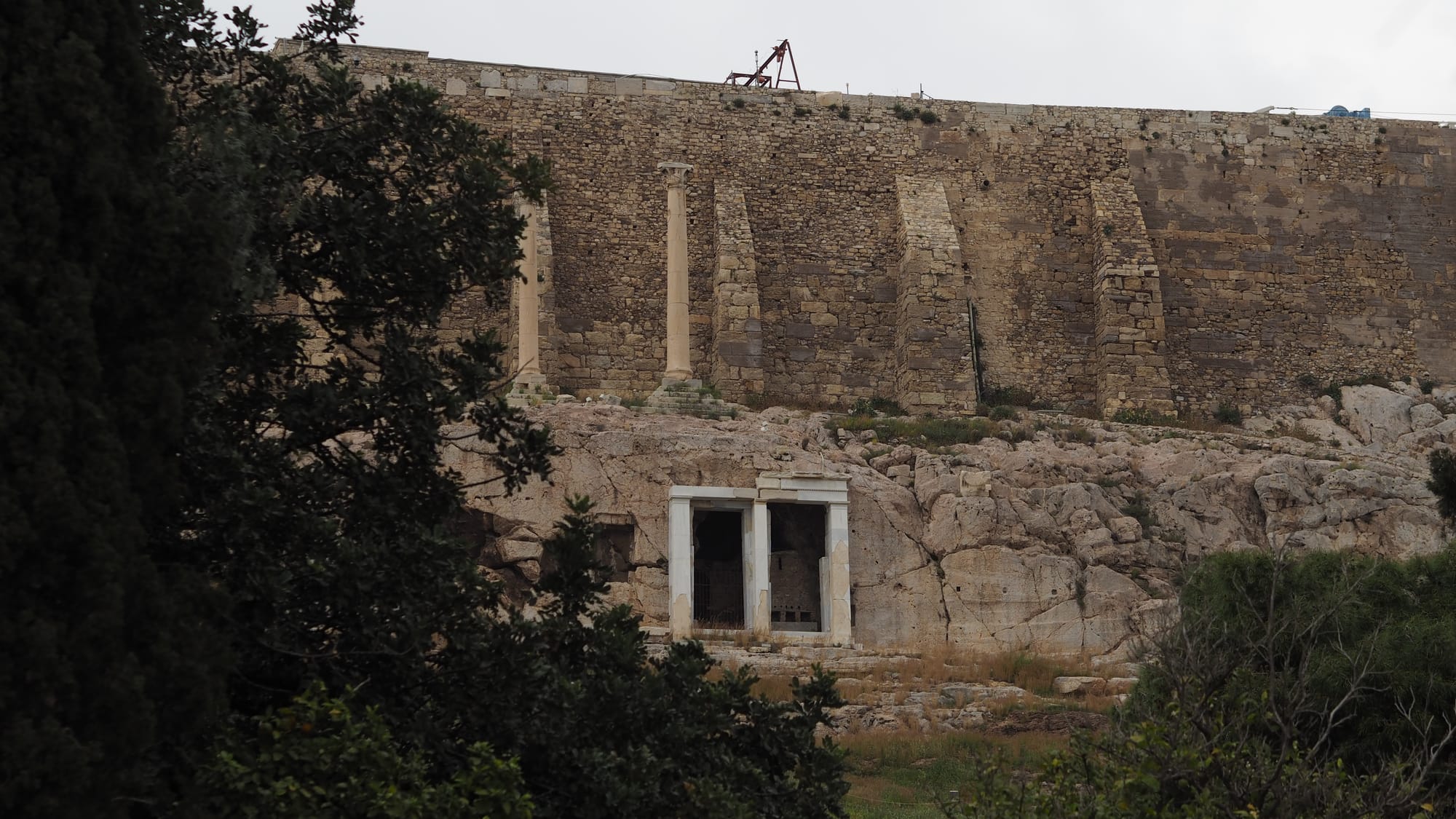
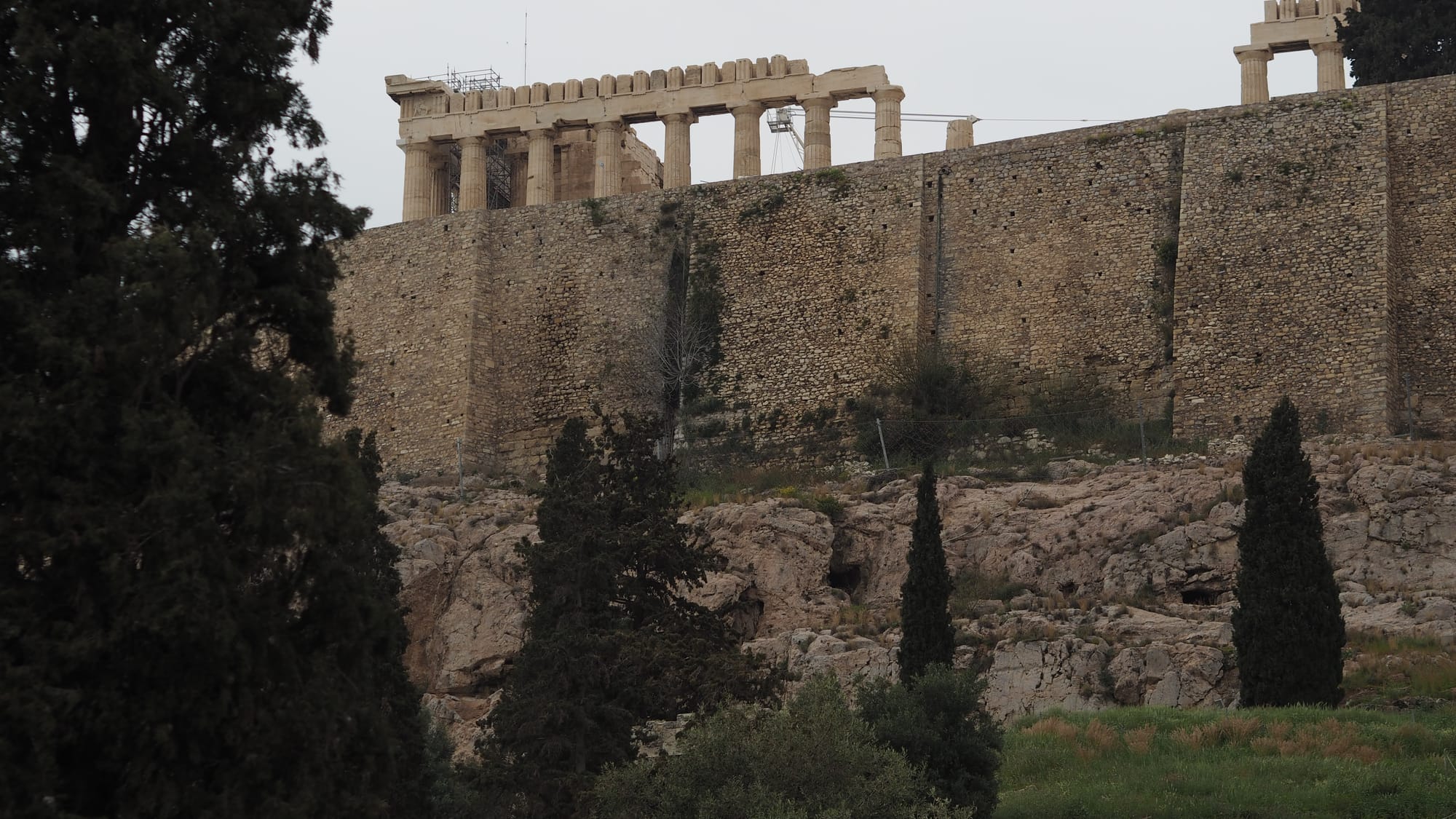
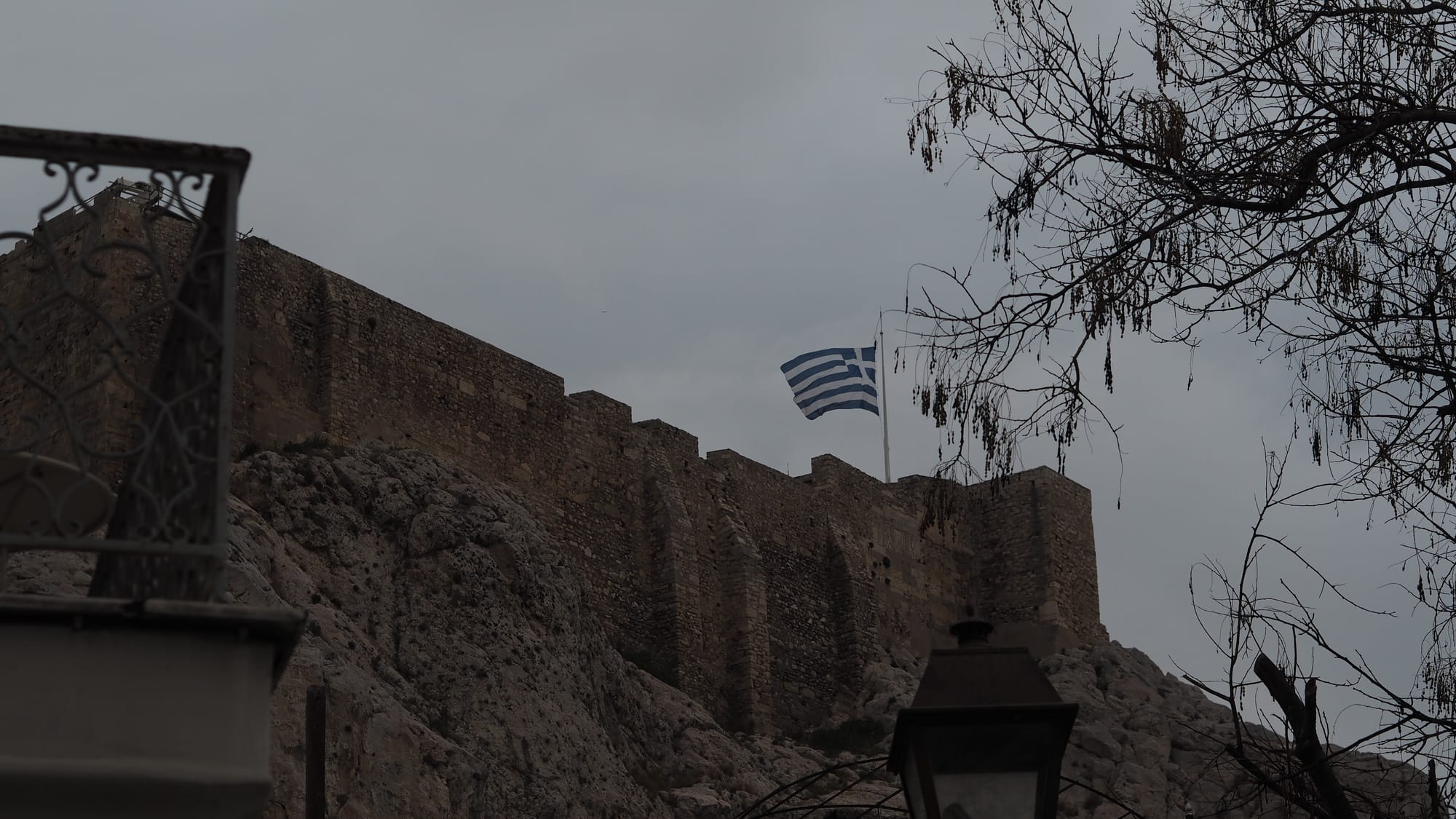
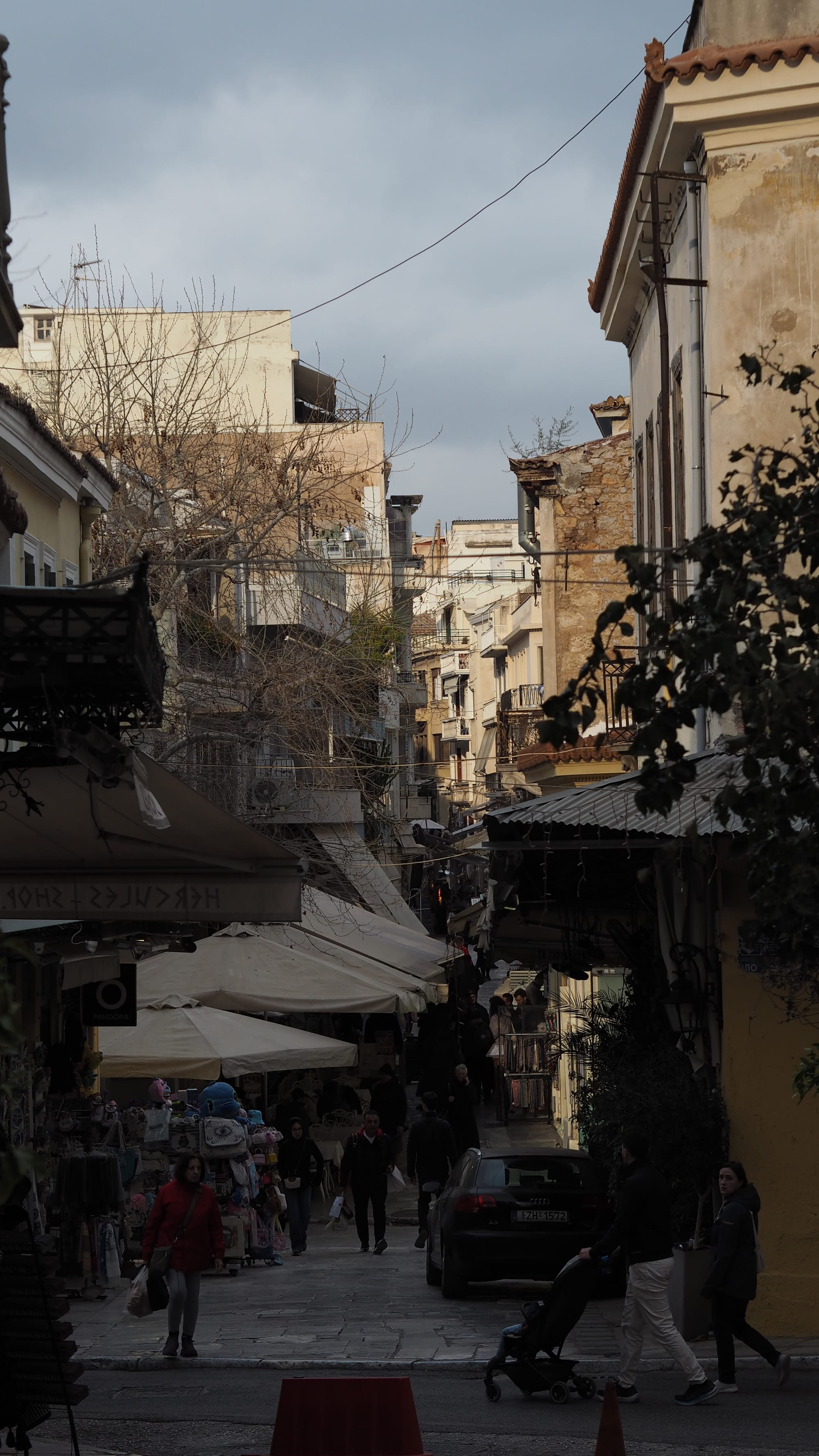
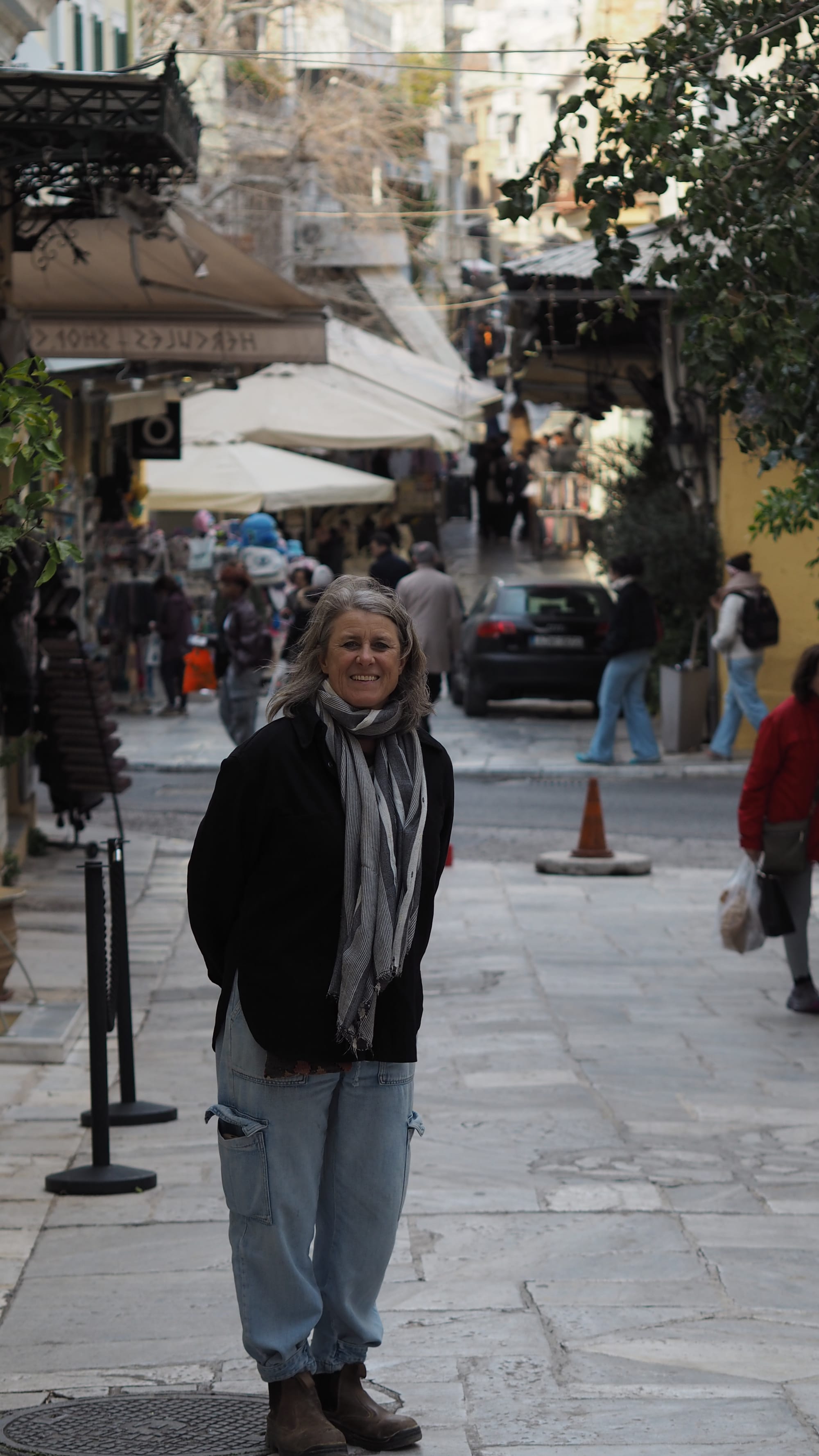
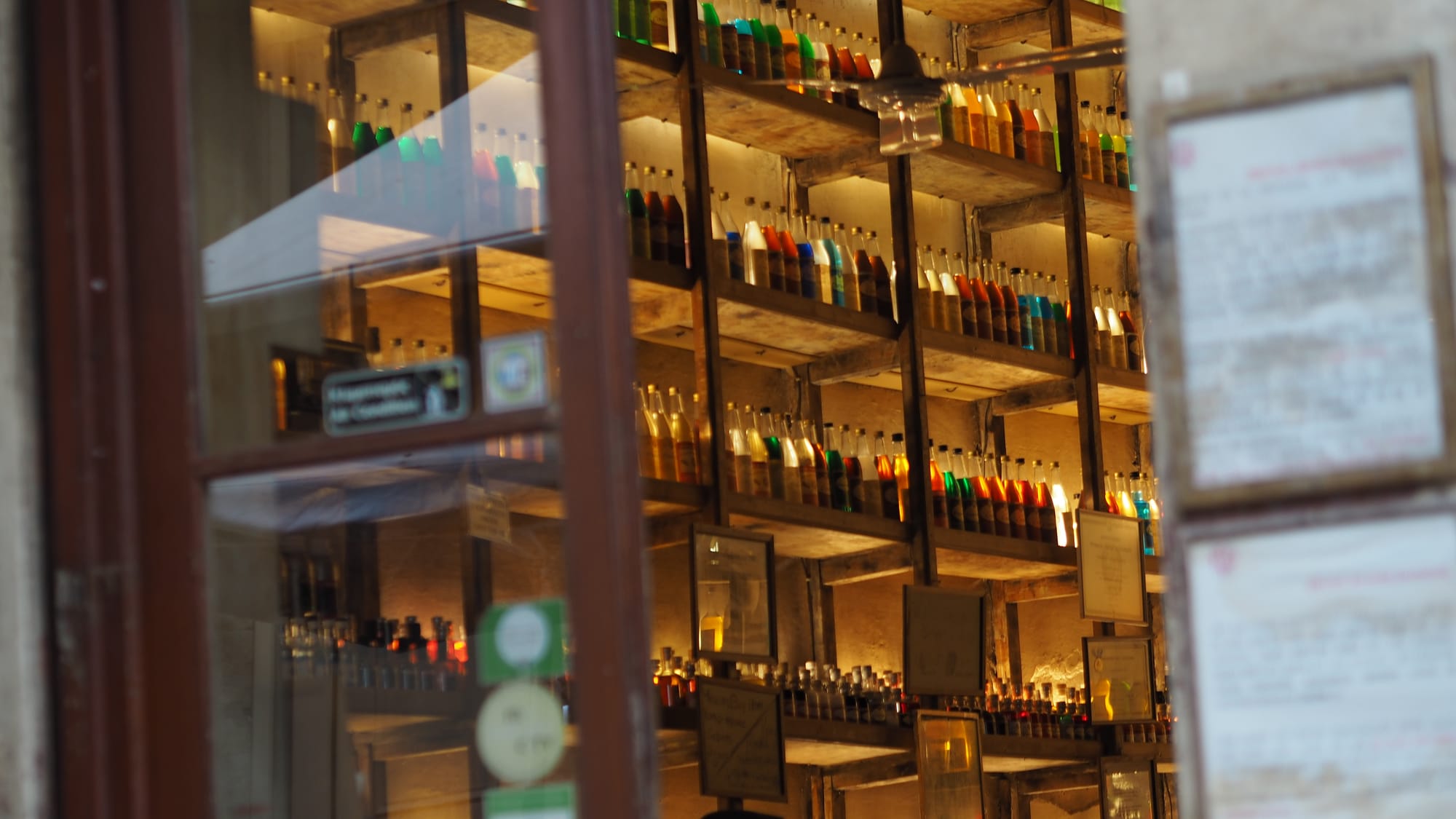
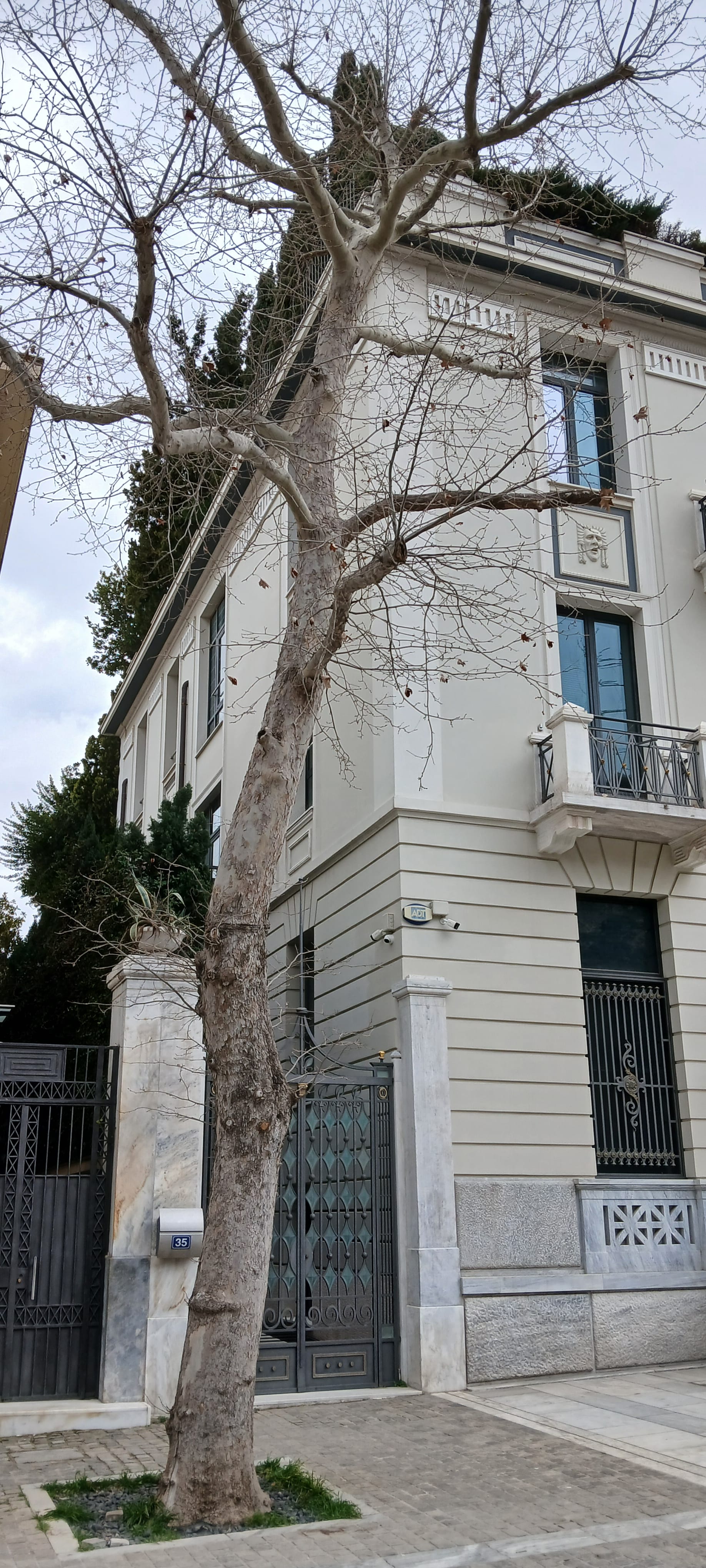
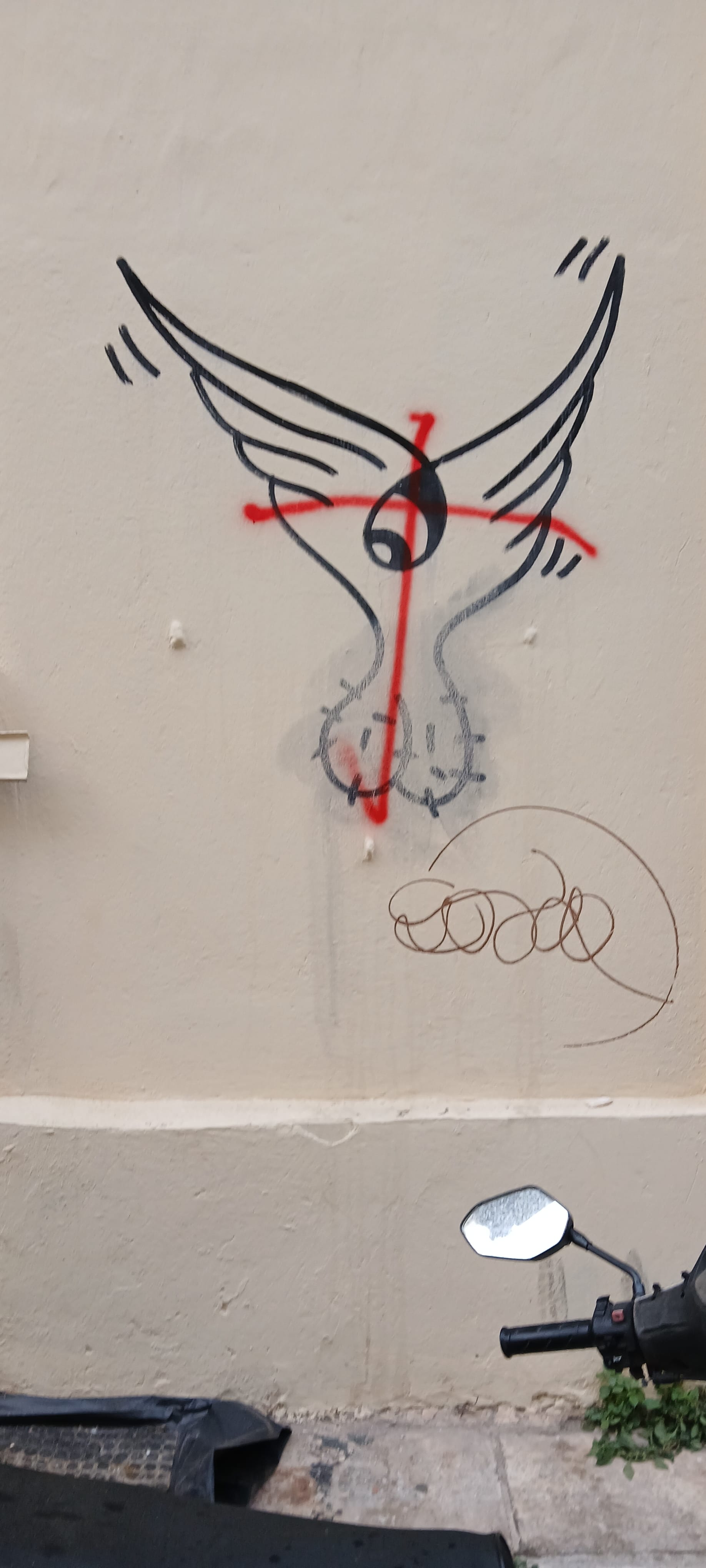
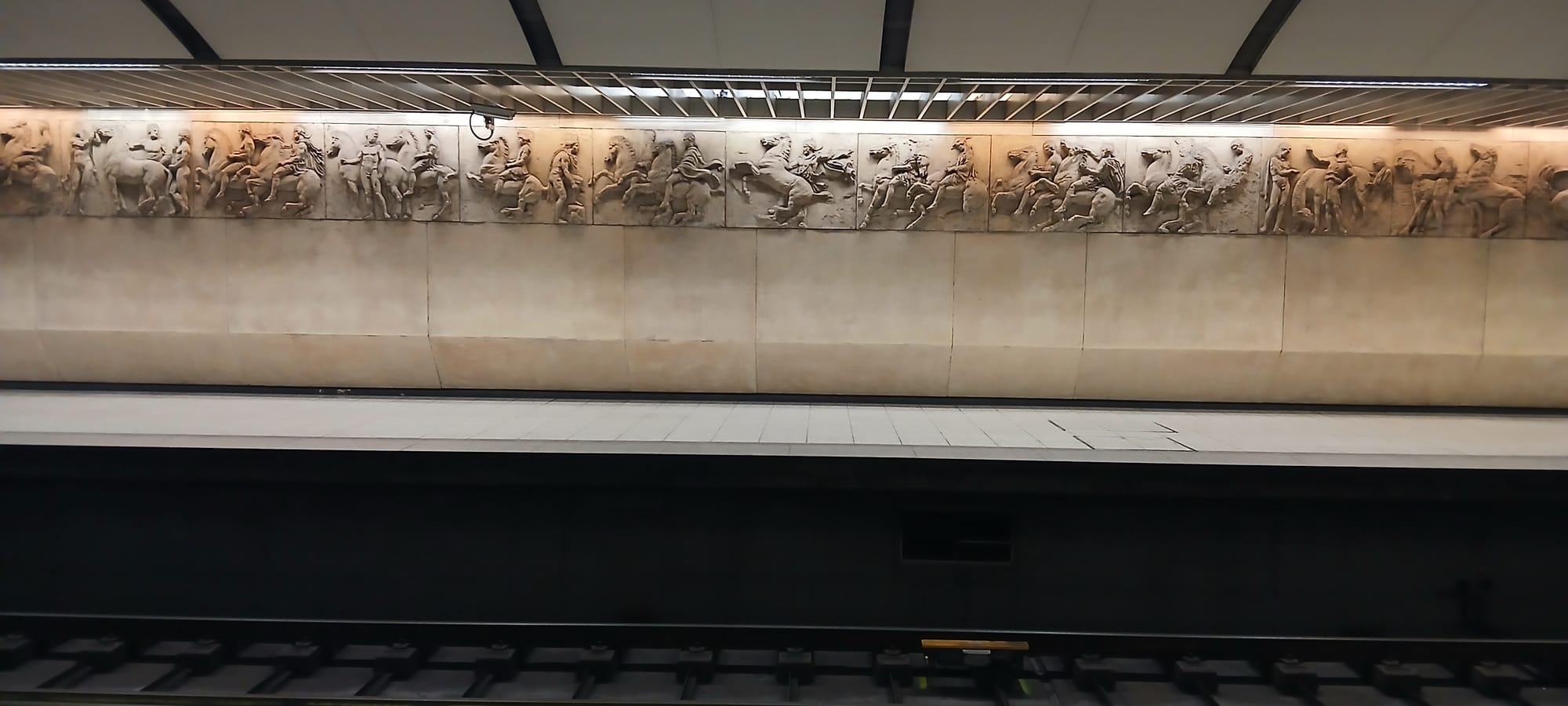
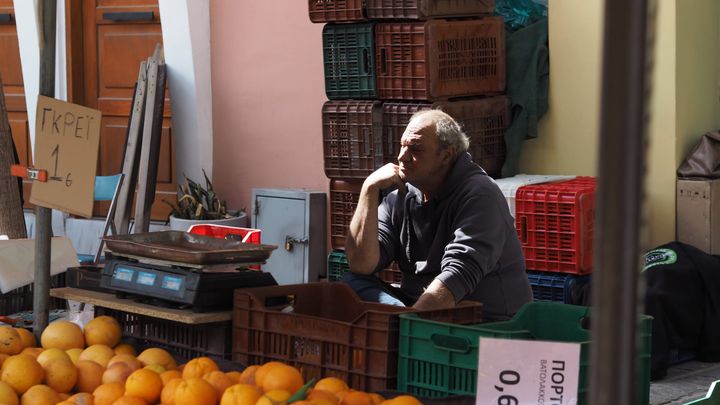
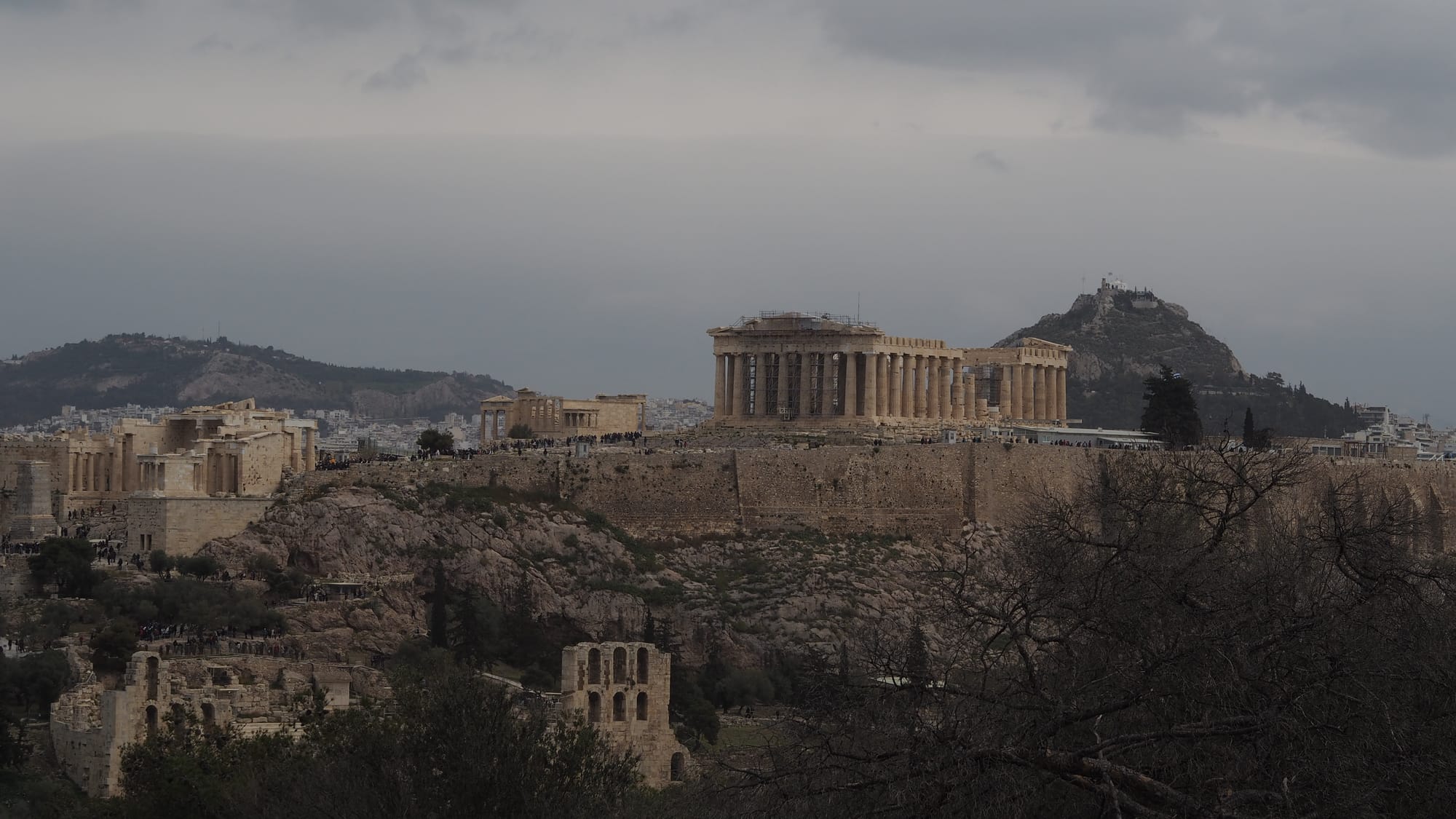
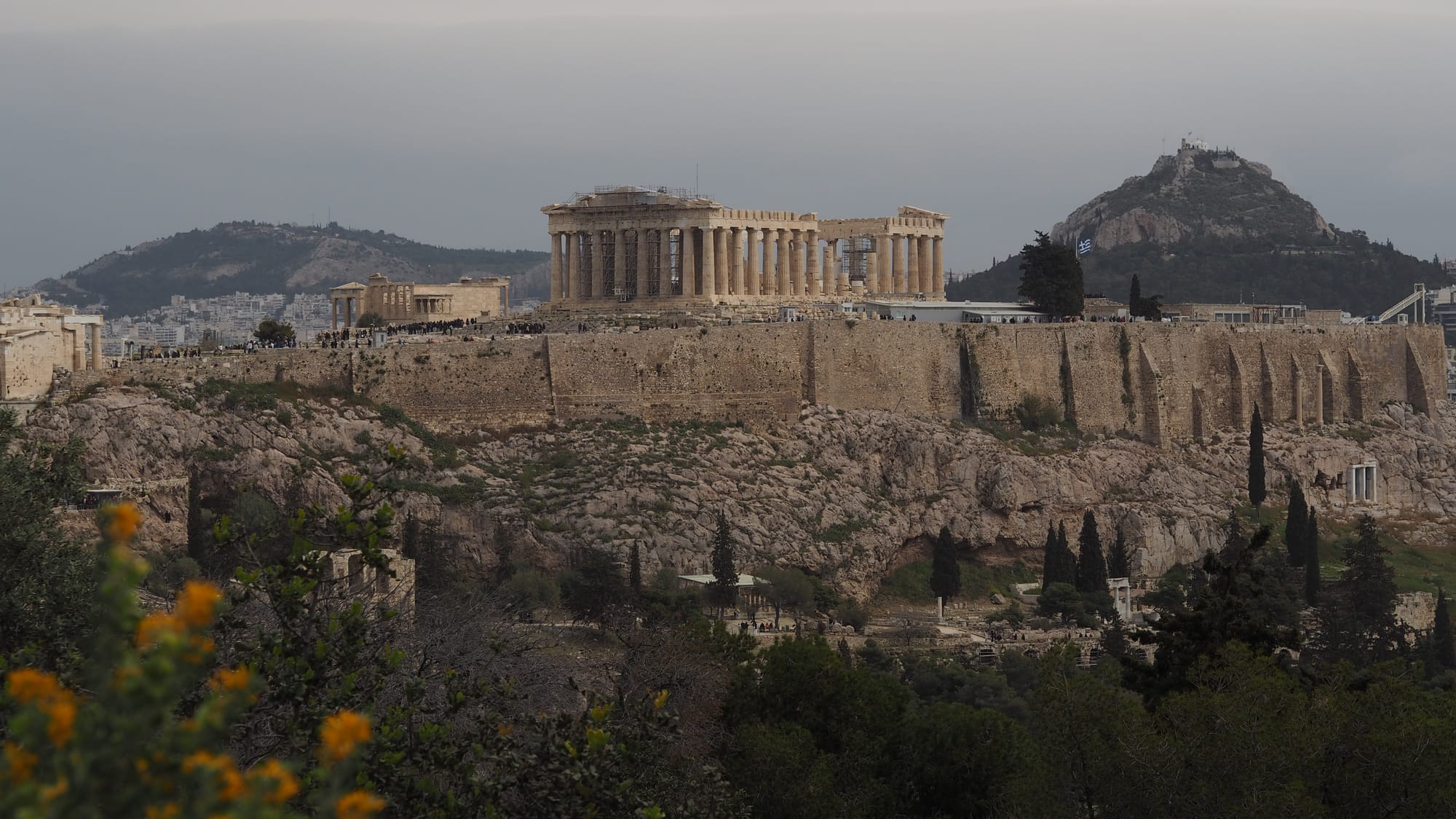
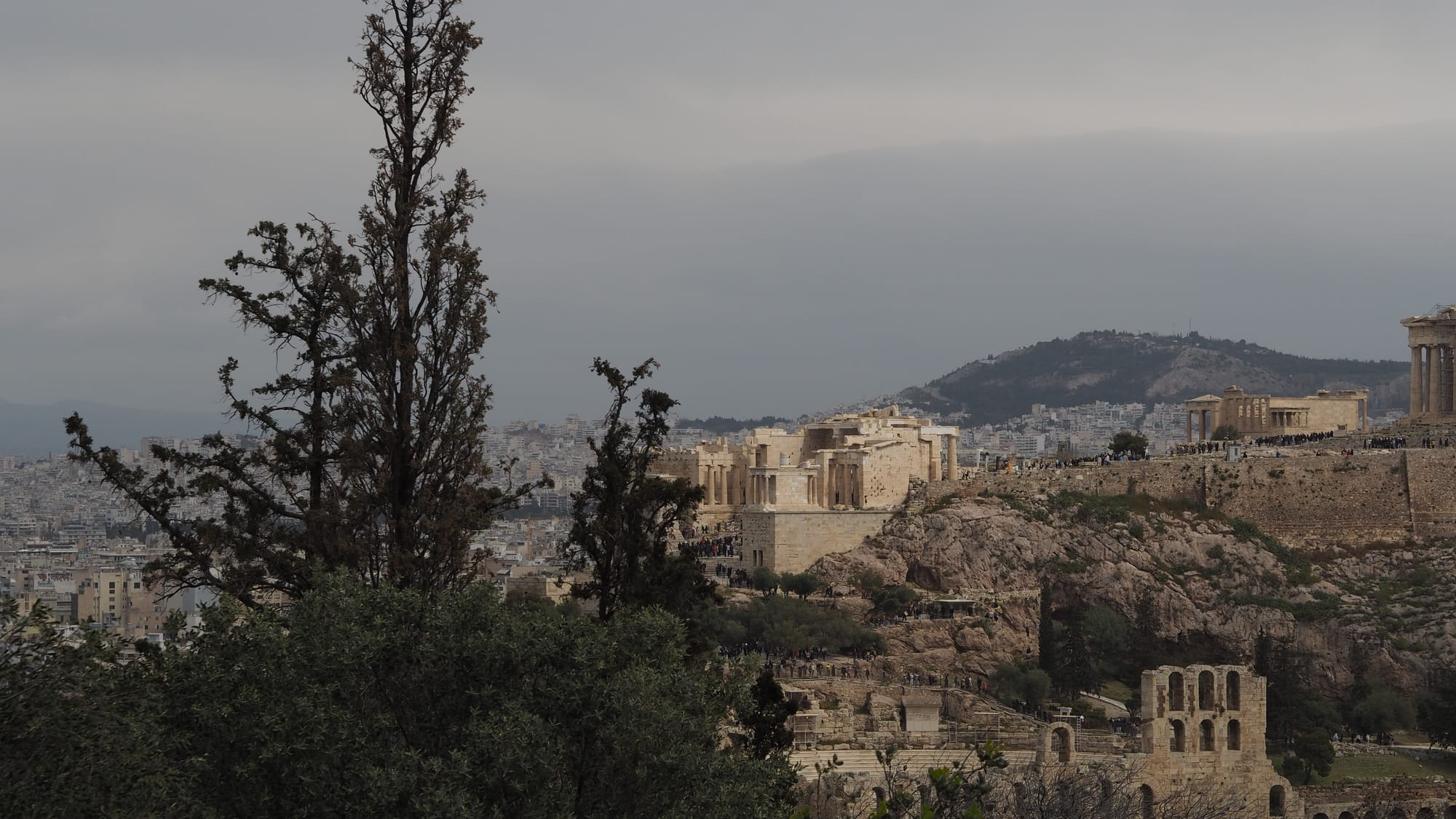
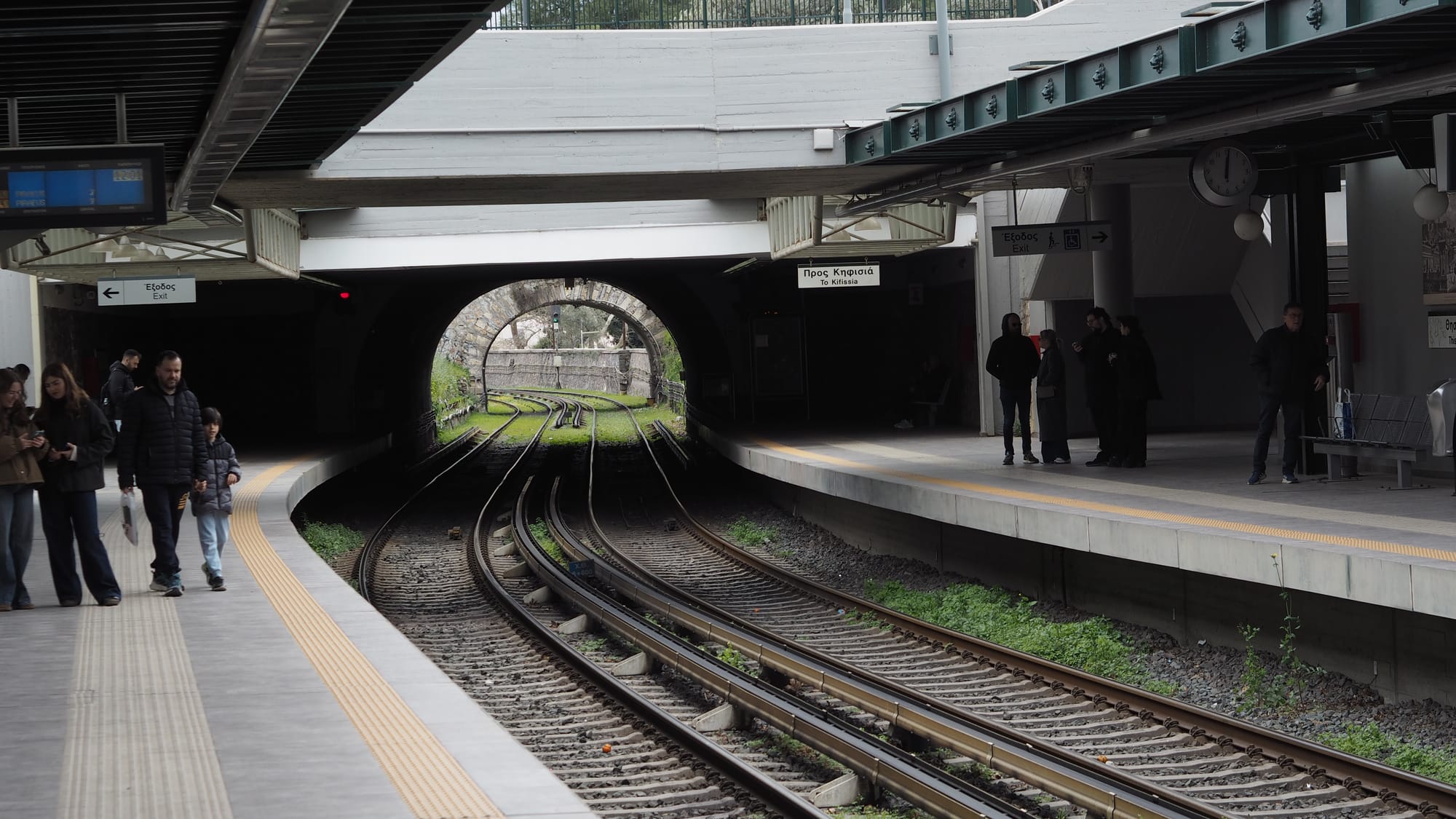
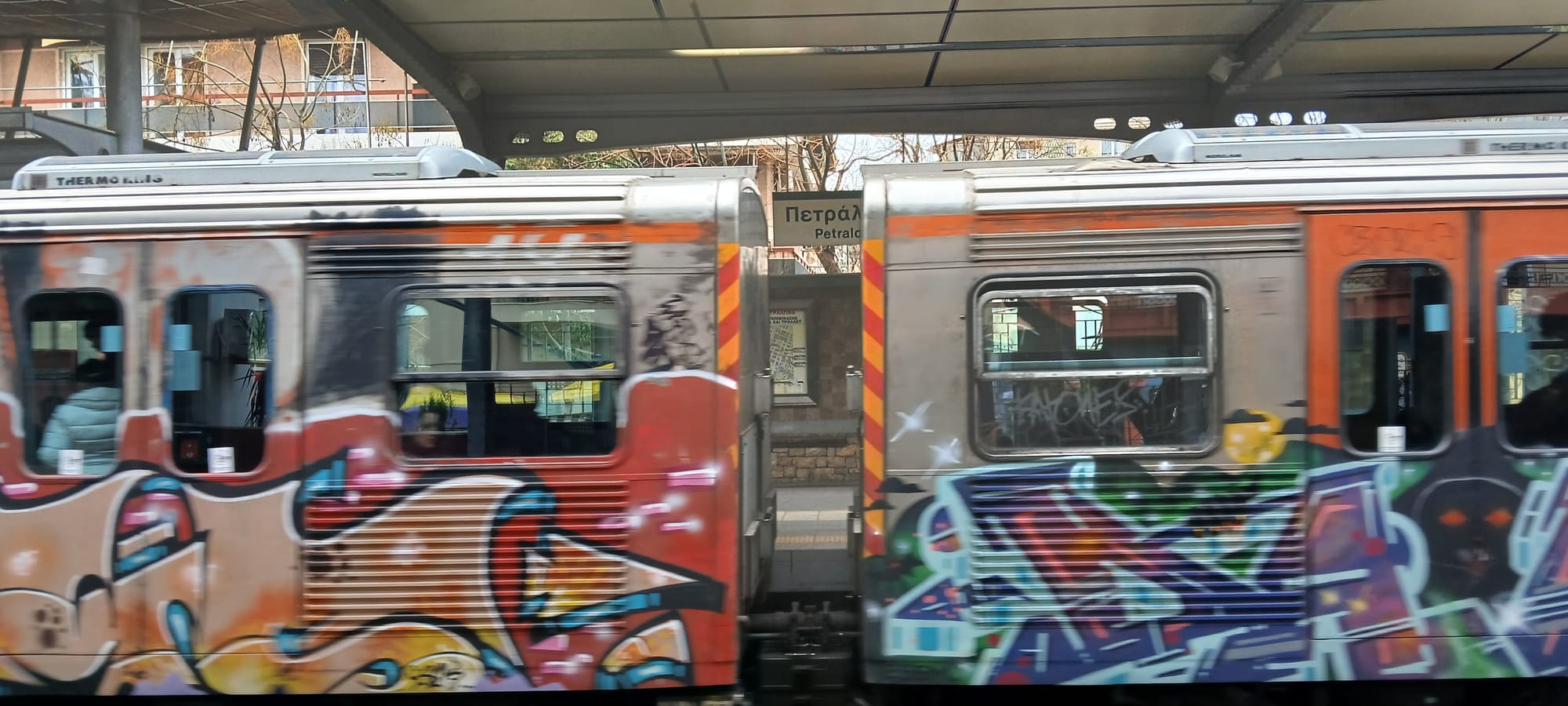
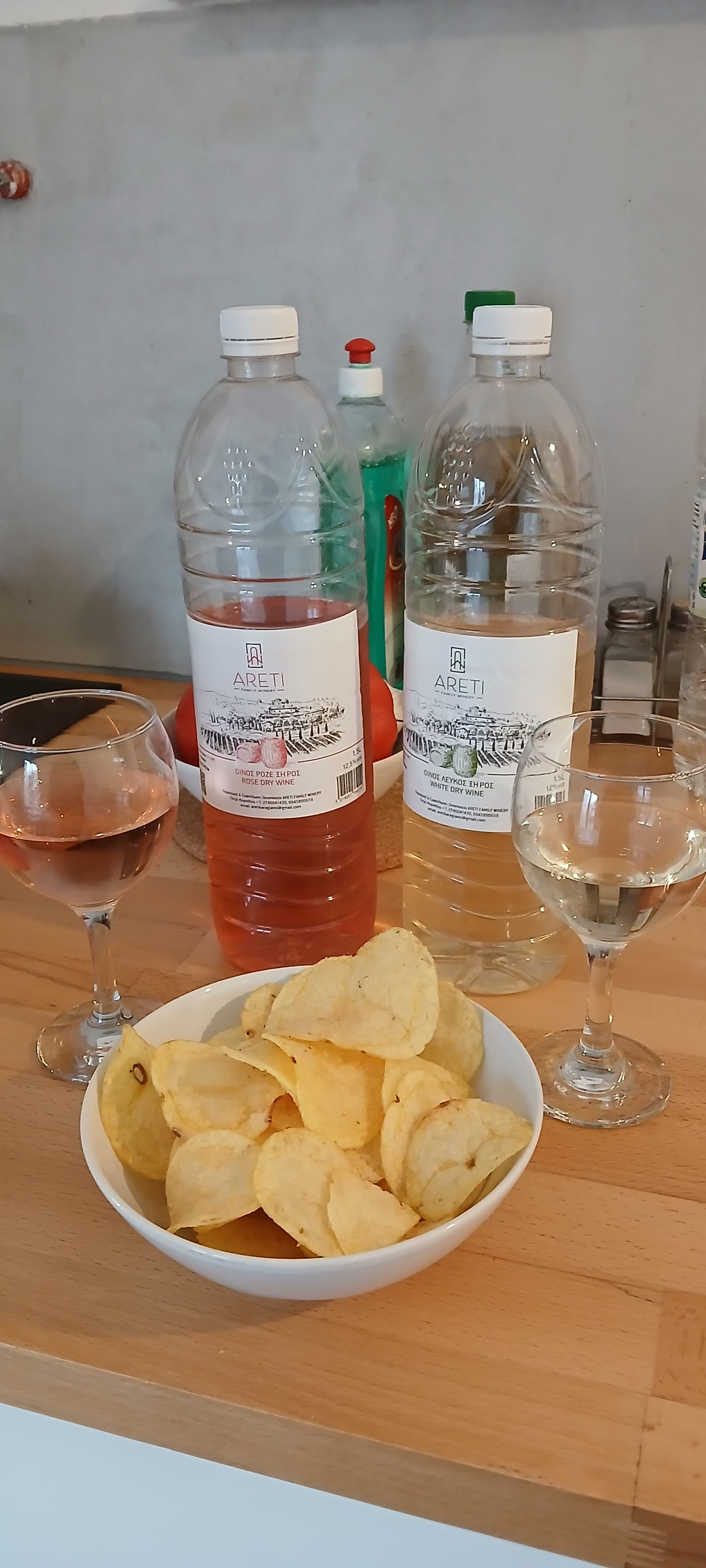
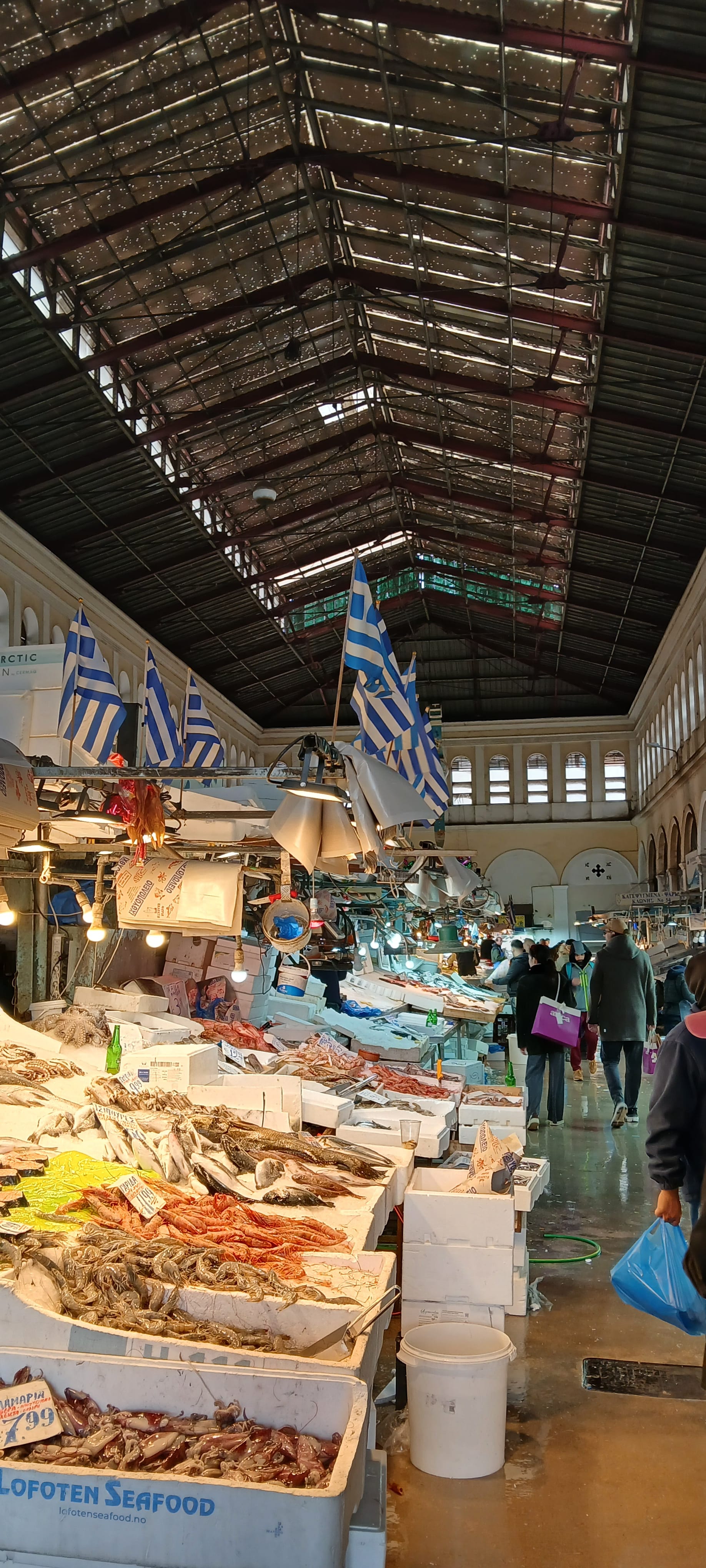
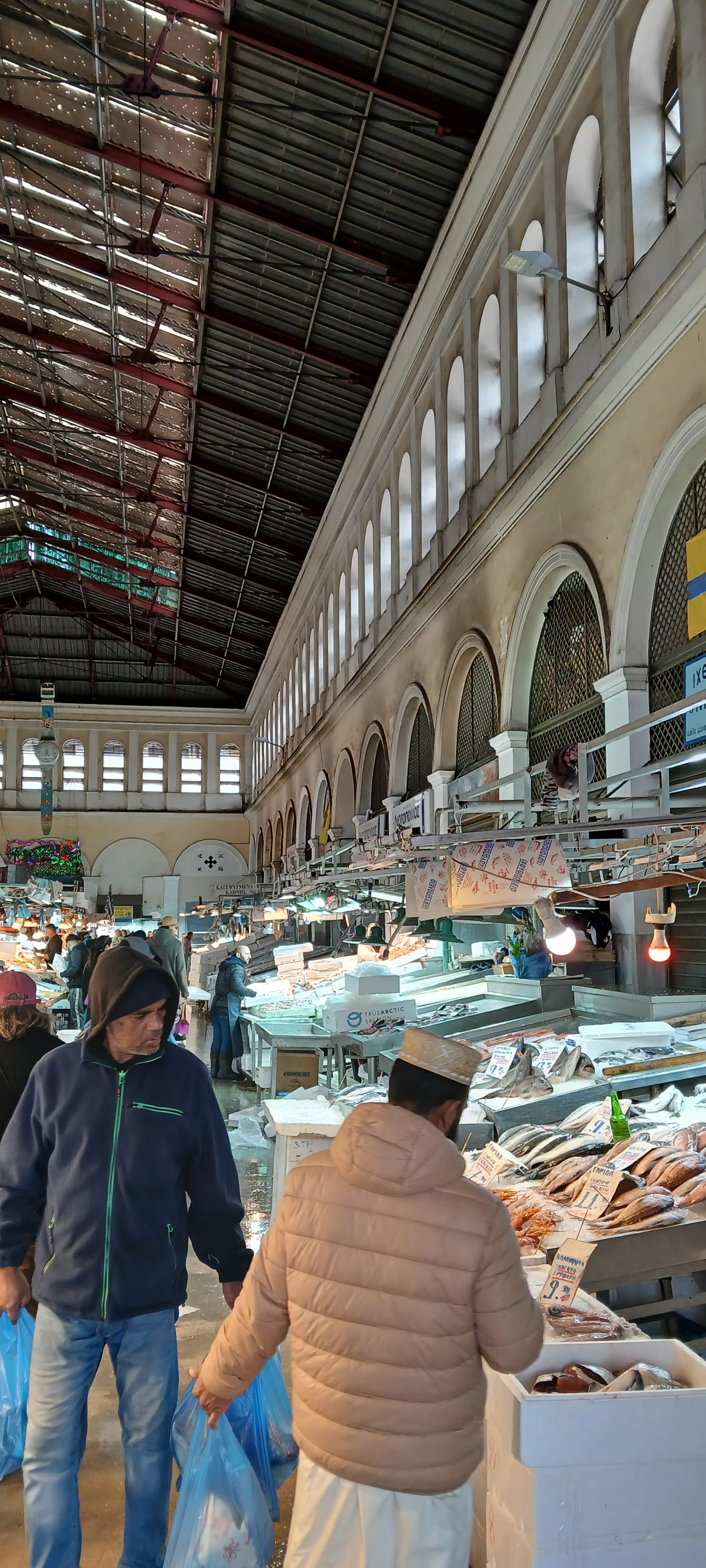
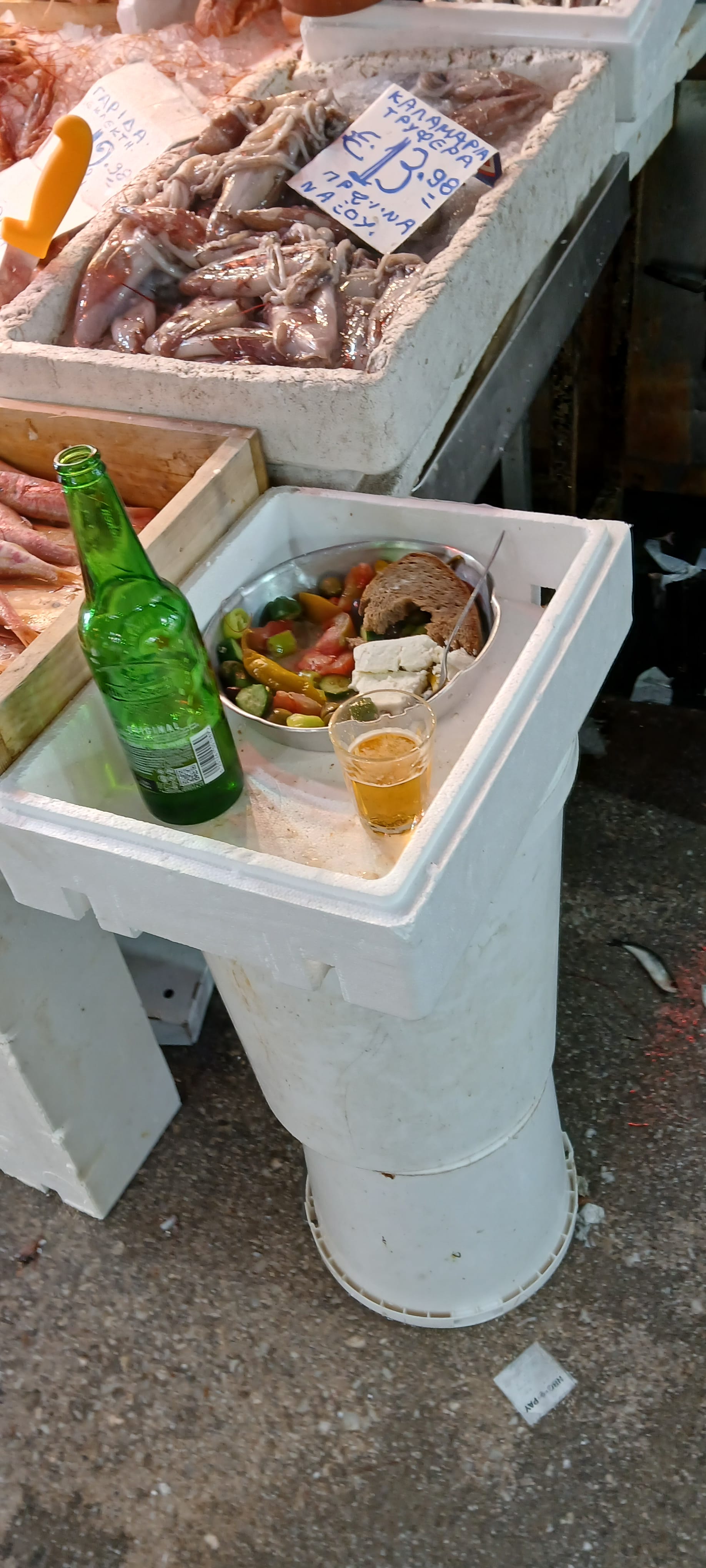
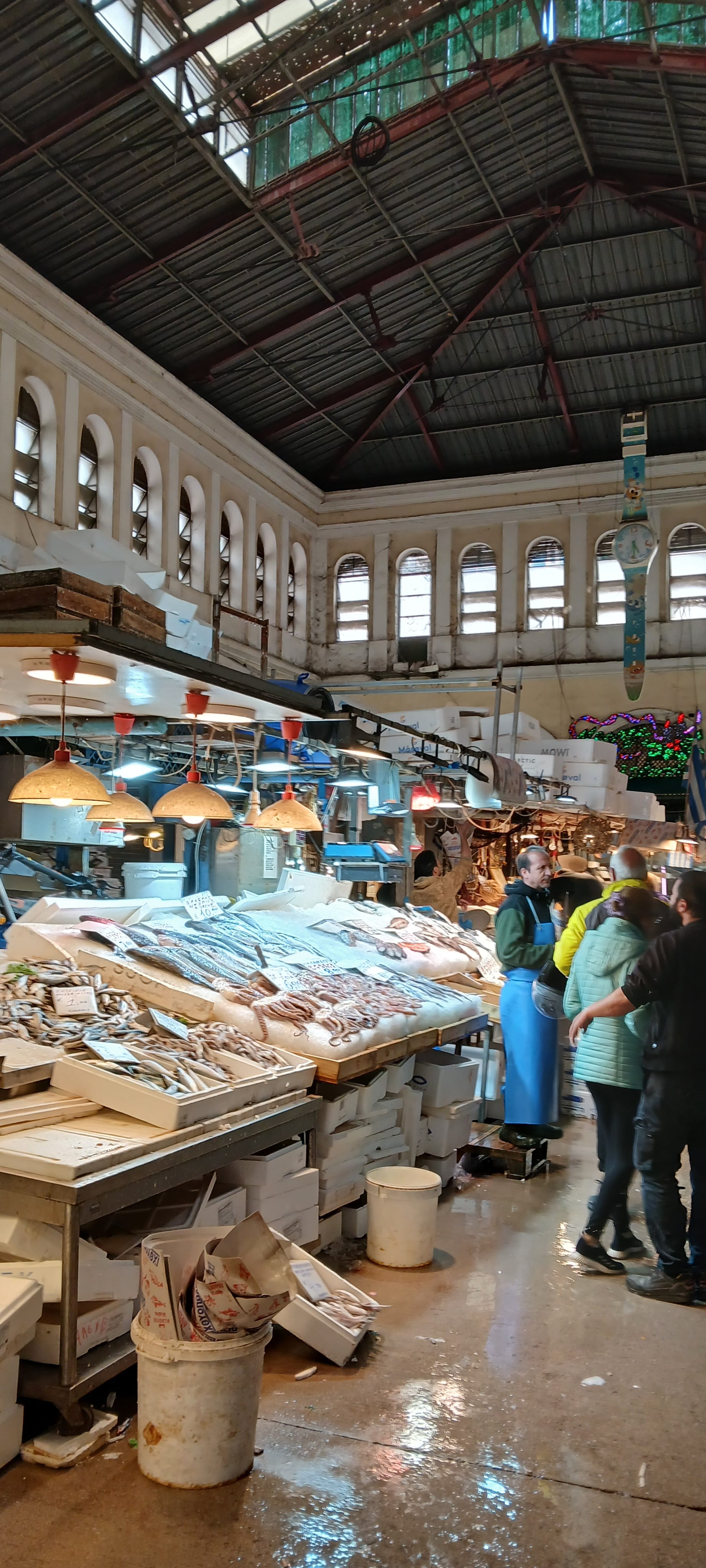
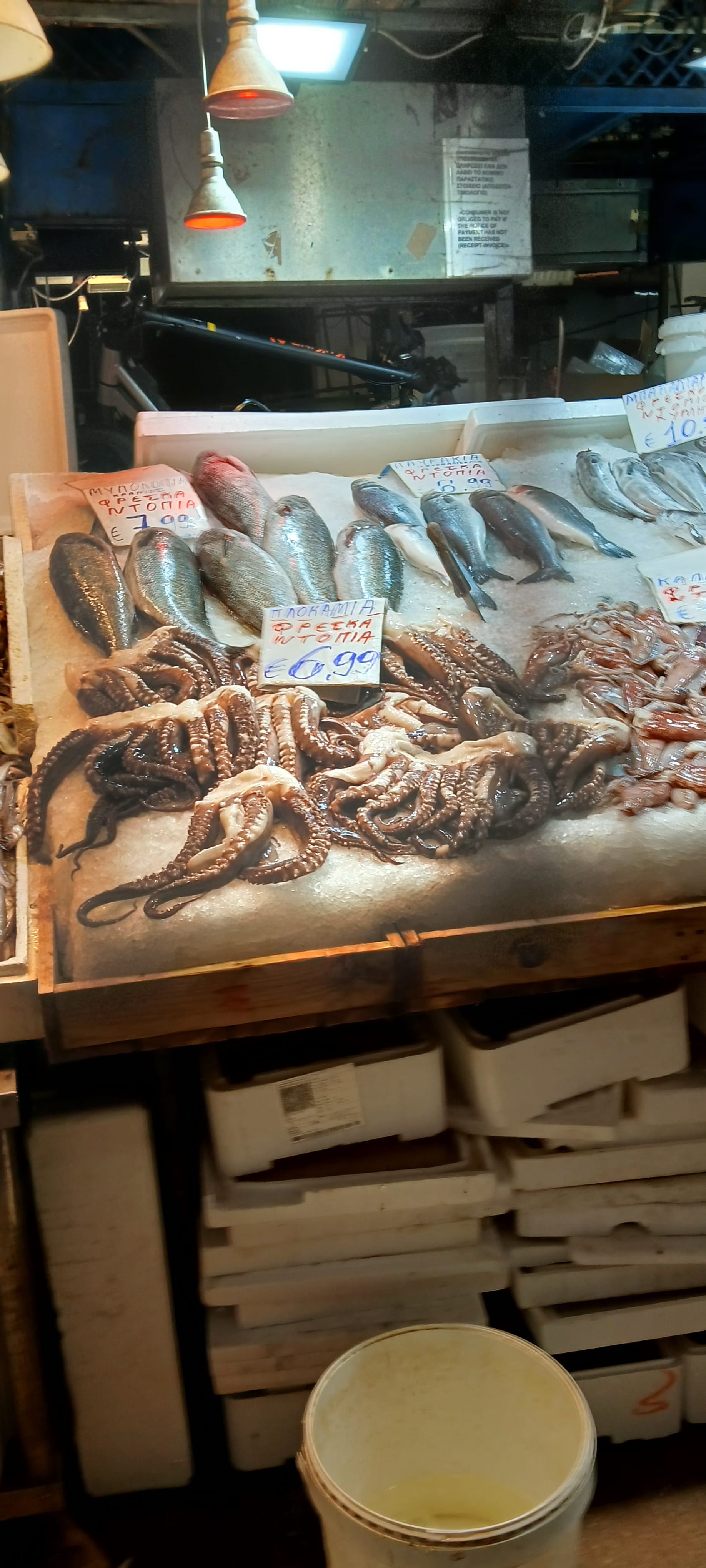
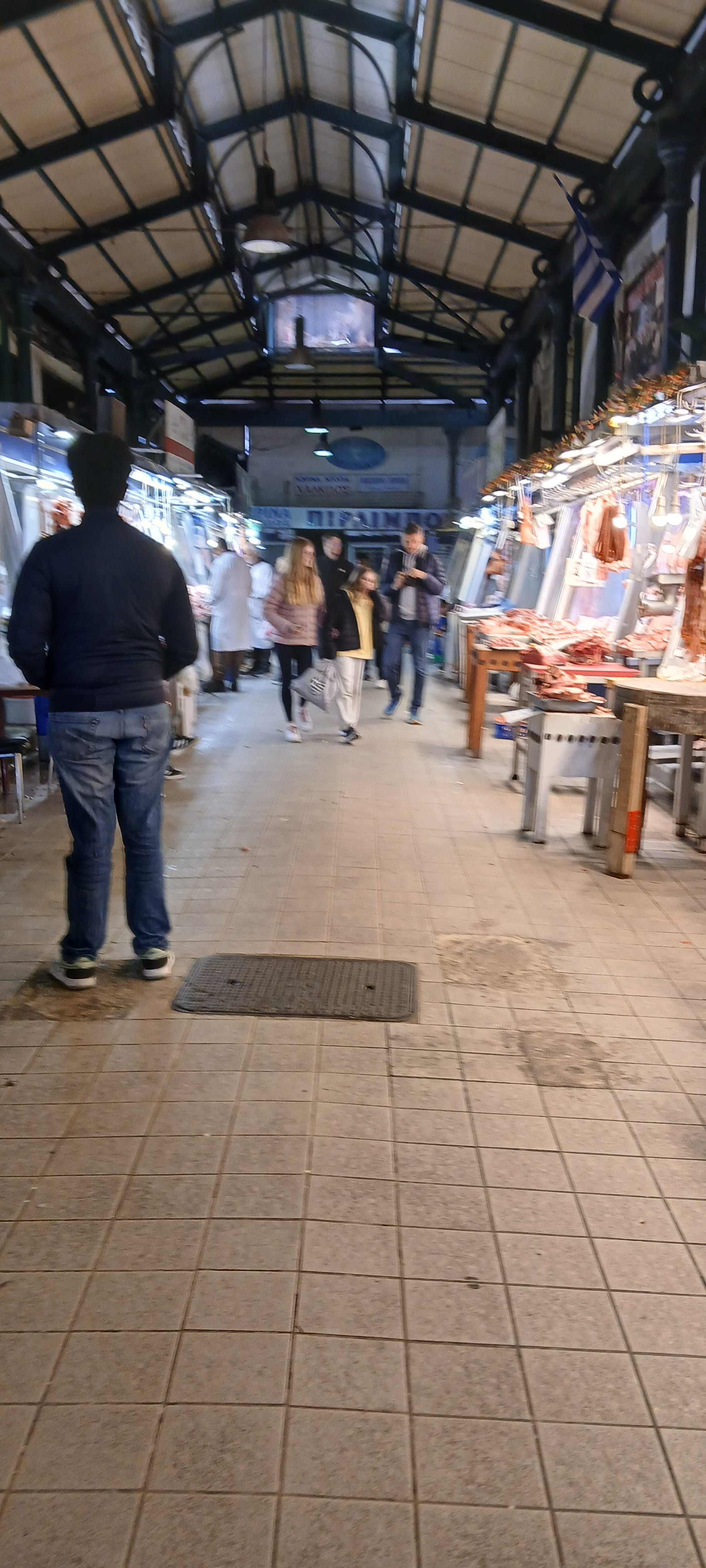
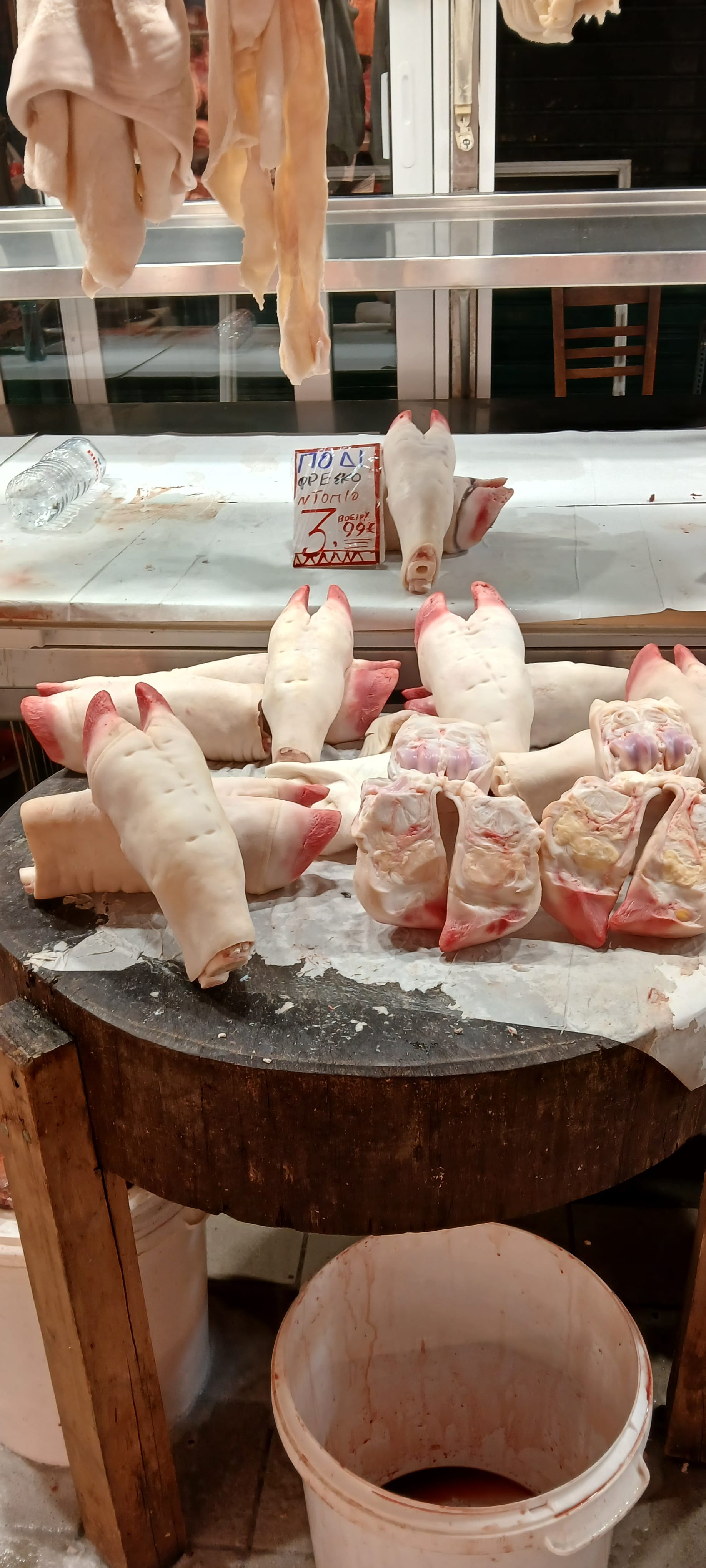
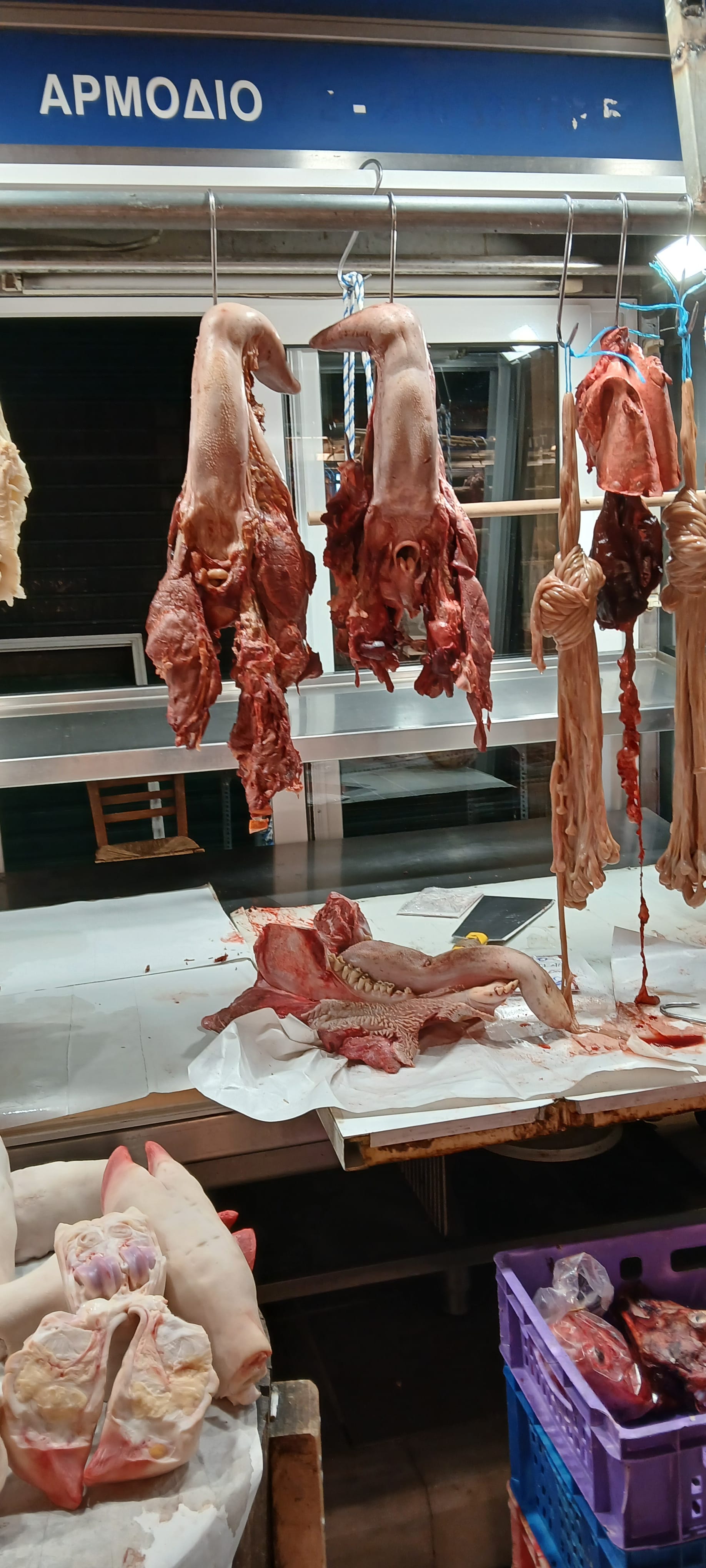
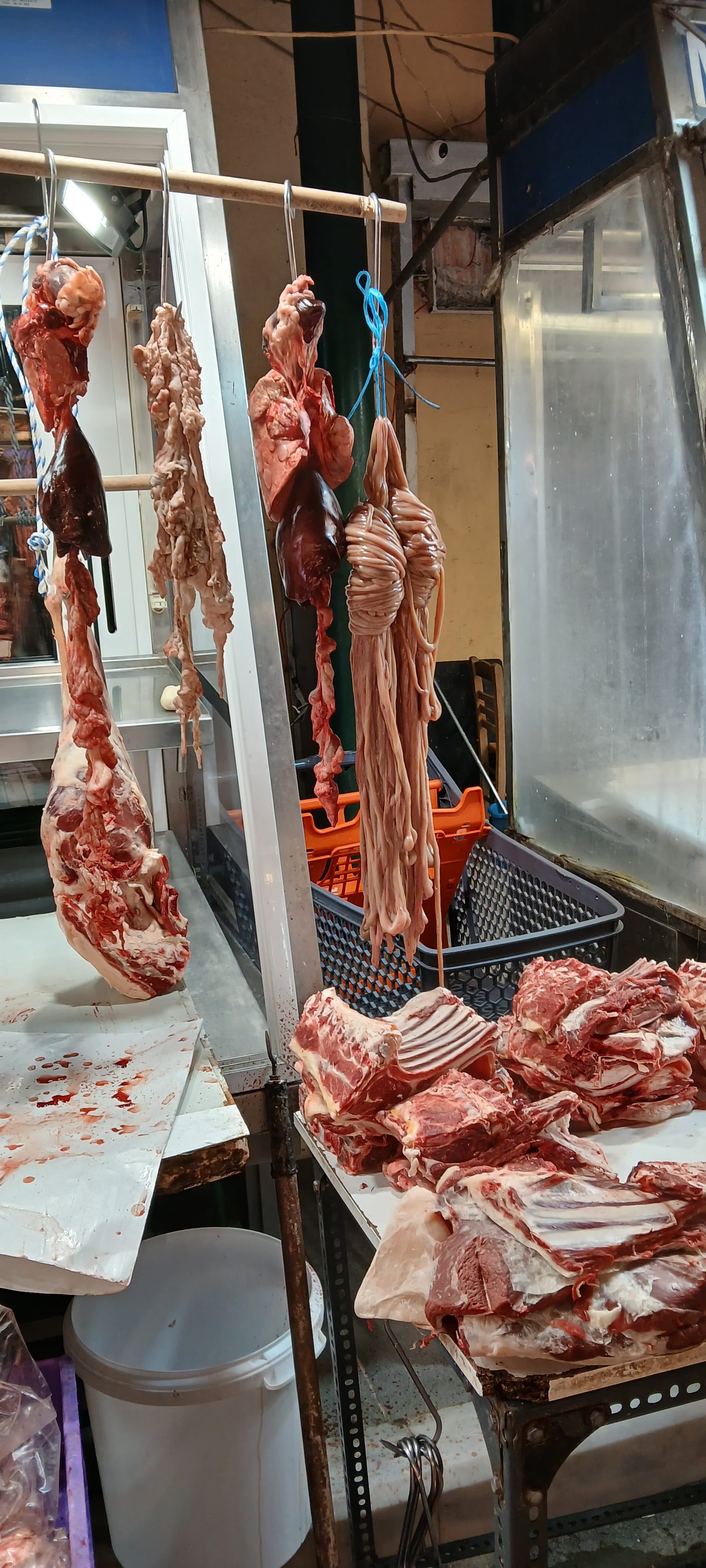
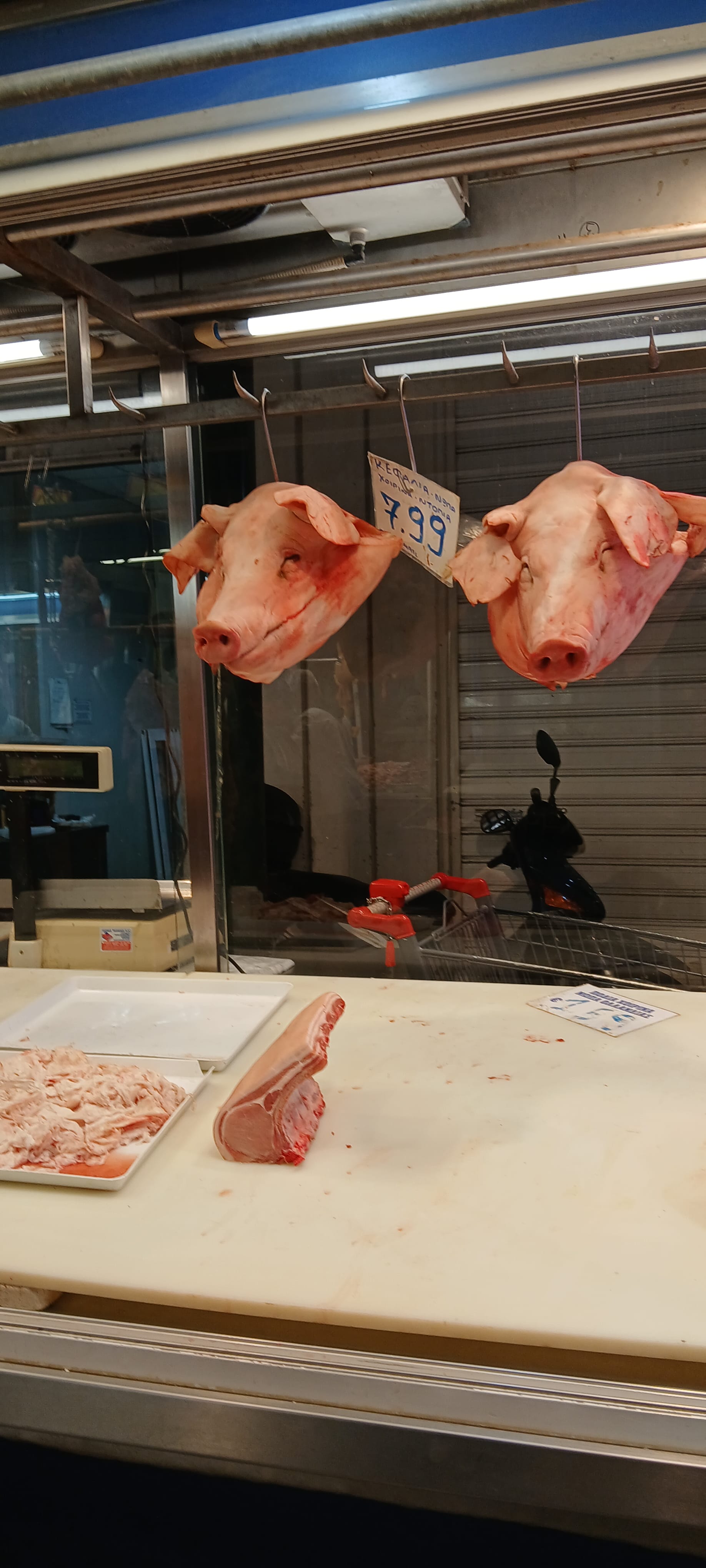
we arrived, entered the White Box, not so inviting a concept in these temperatures, the polar vortex throwing its arms and legs out of bed, and the wind frigid, with only a heat-pump for heating, missing the ambient heat of our room in İstanbul, yet again (a heat-pump was supposed to keep us warm in Chania), and because Petralona station on the metro was only one after Thissio, whence the pedestrian road over Filopappou Hill, we did it, dumped luggage and returned on 5-day metro tickets, cheaper than the €9 airport one-ways, at €8.20, clumped up the hill, the acropolis revealing itself, yet a wonder of the ancient in the modern world, going over into the neighbourhood of Plaka and having a hot chocolate, a coffee, opposite the technicolour bottles of ouzo above; we had however and I took no photos of it been at the local produce market inbetween and bought good wine in plastic bottles and good spinach and good and yummy things for our induction hobs at the White Cube, which surged with heat and were quite disconcerting but quick, covering for there being no electric jug.
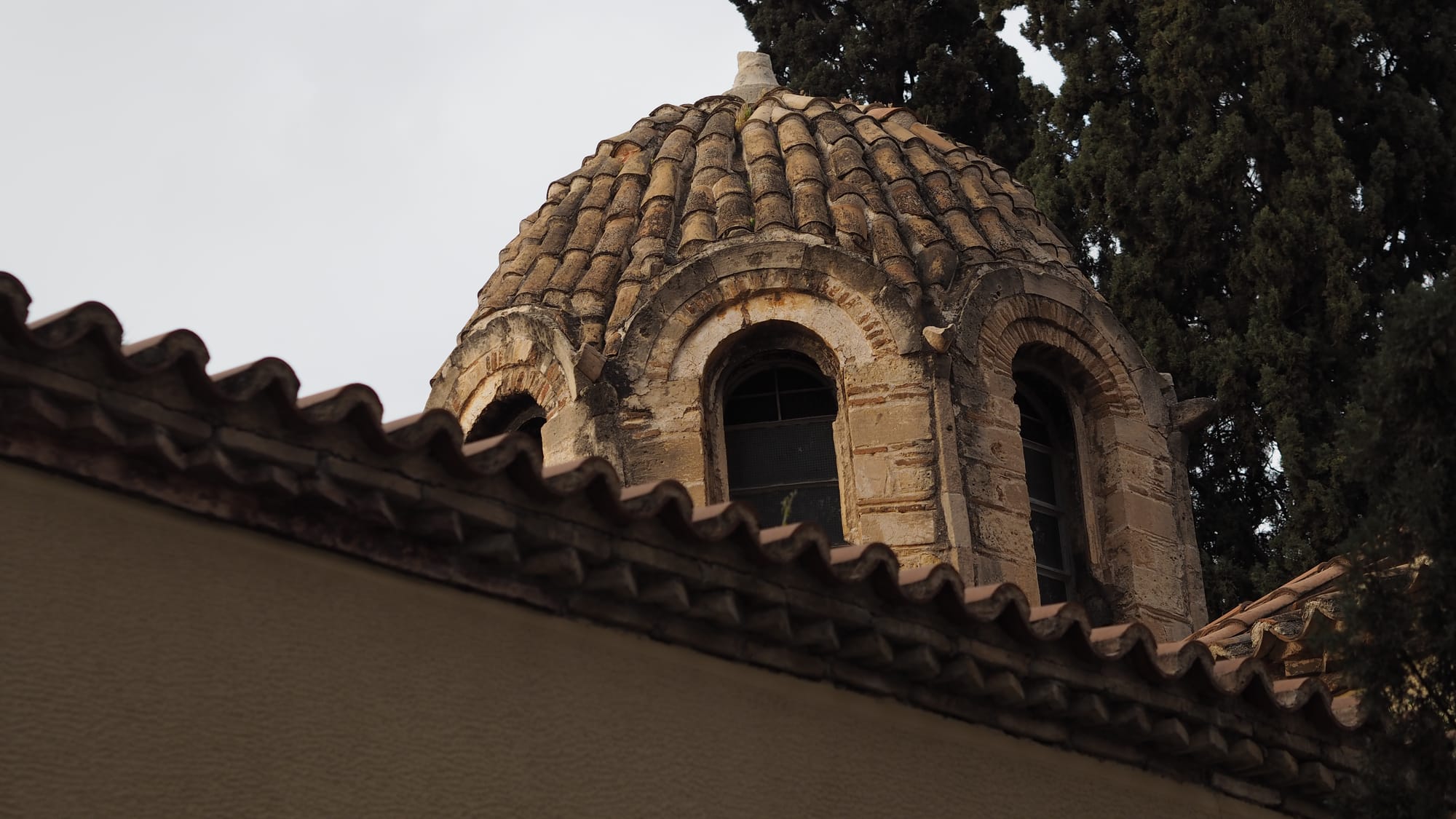
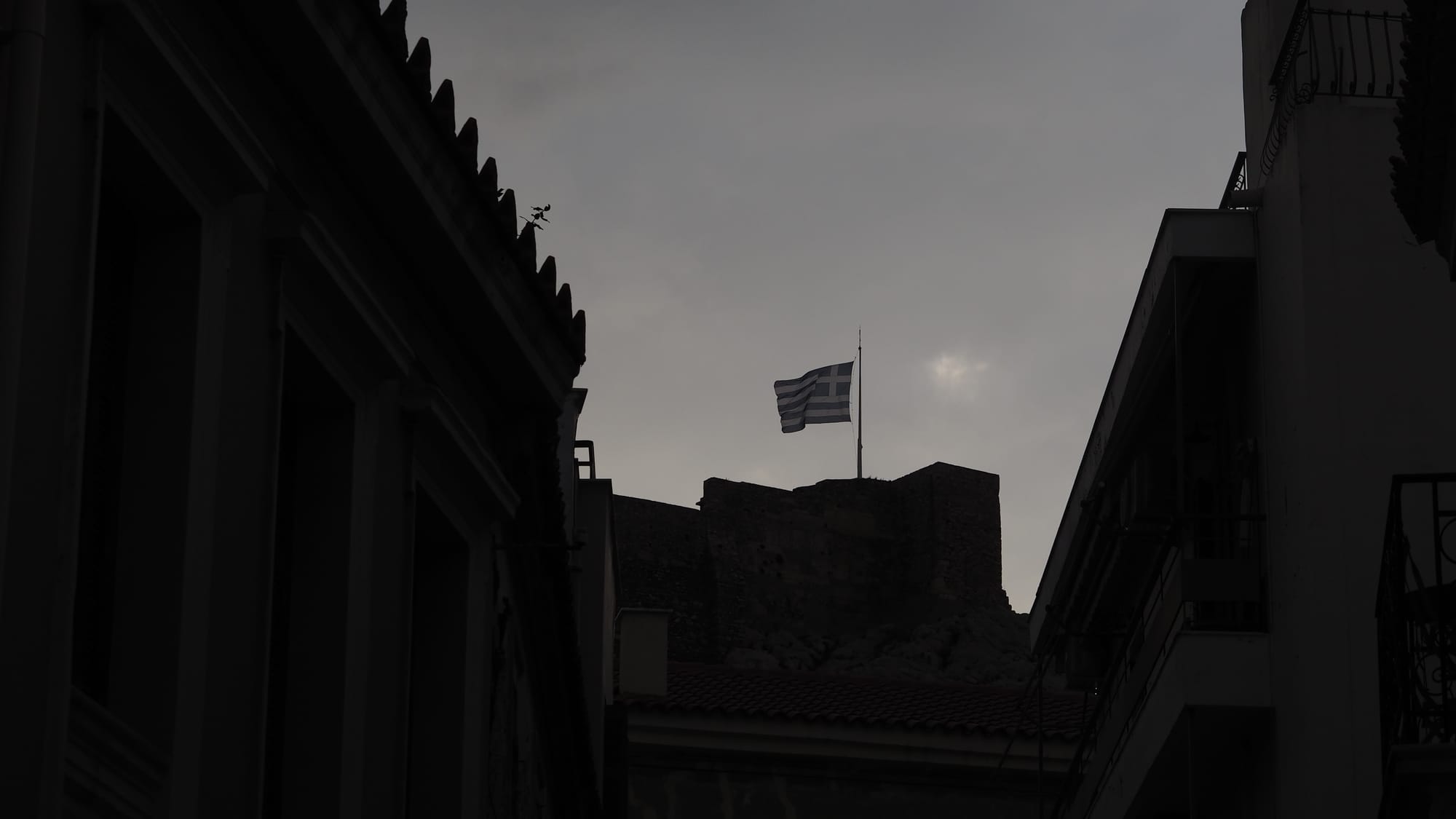
Climbed Λόφος Φιλοπάππου, Hill of the Muses, to the top:
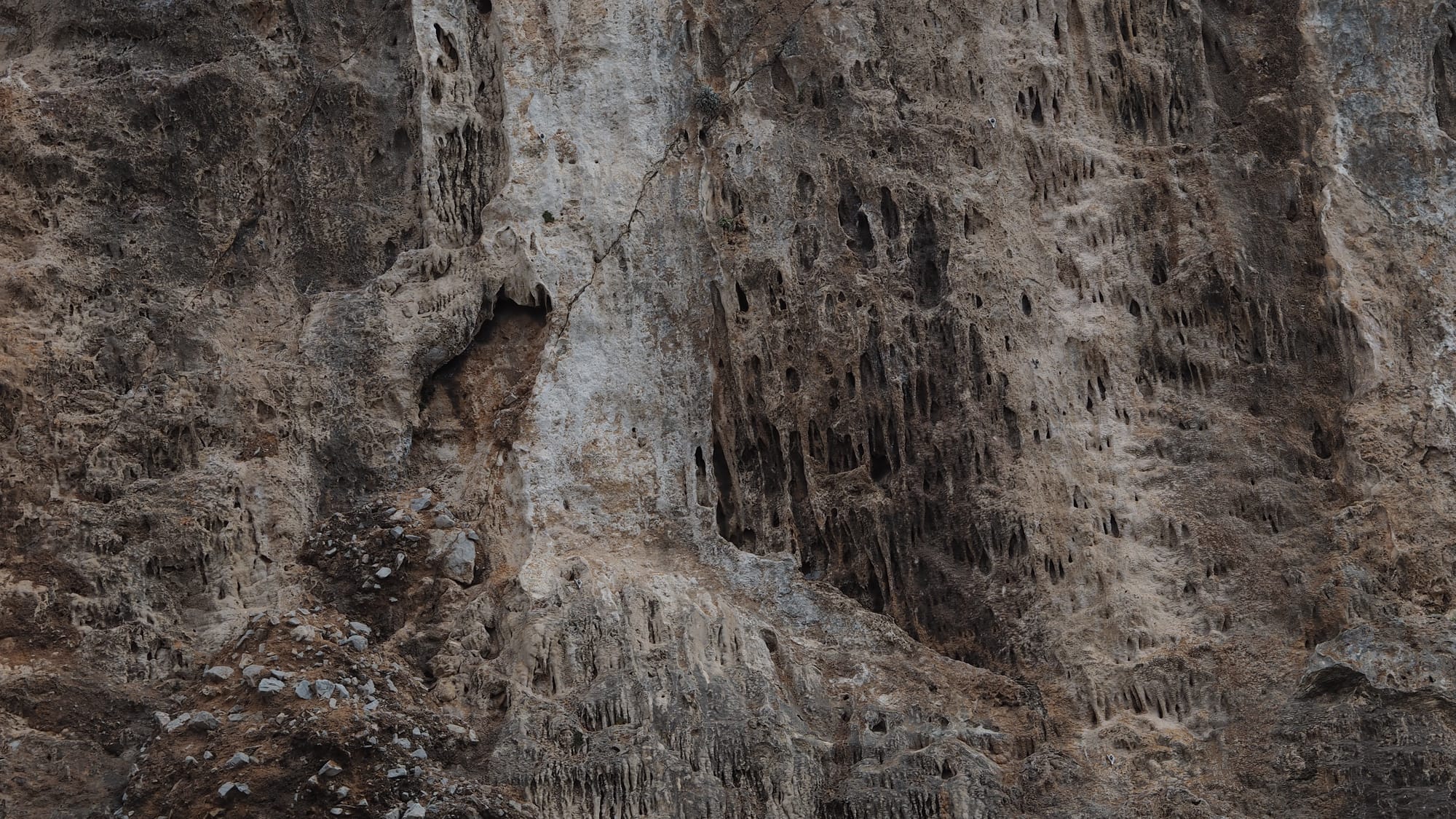
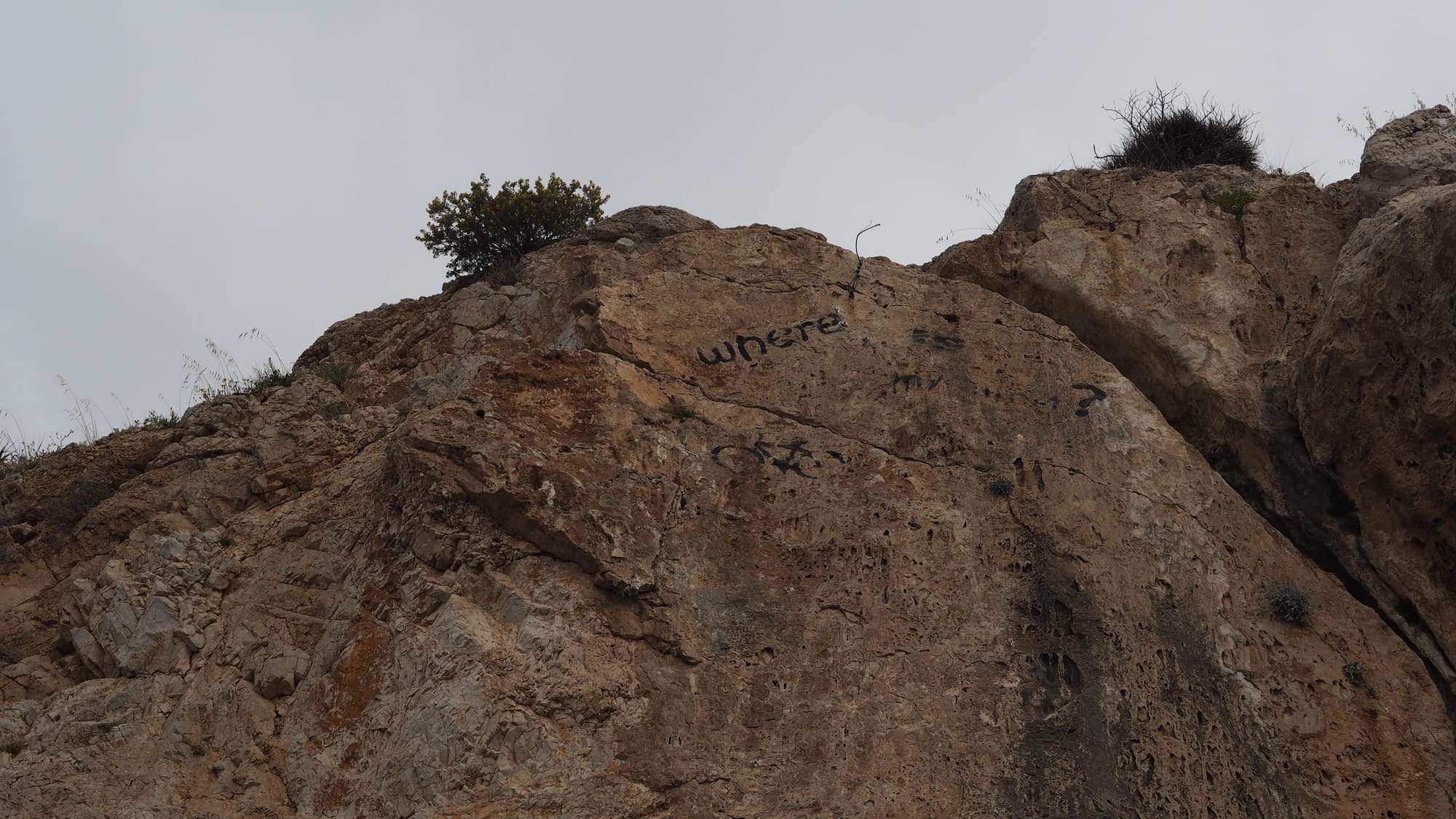
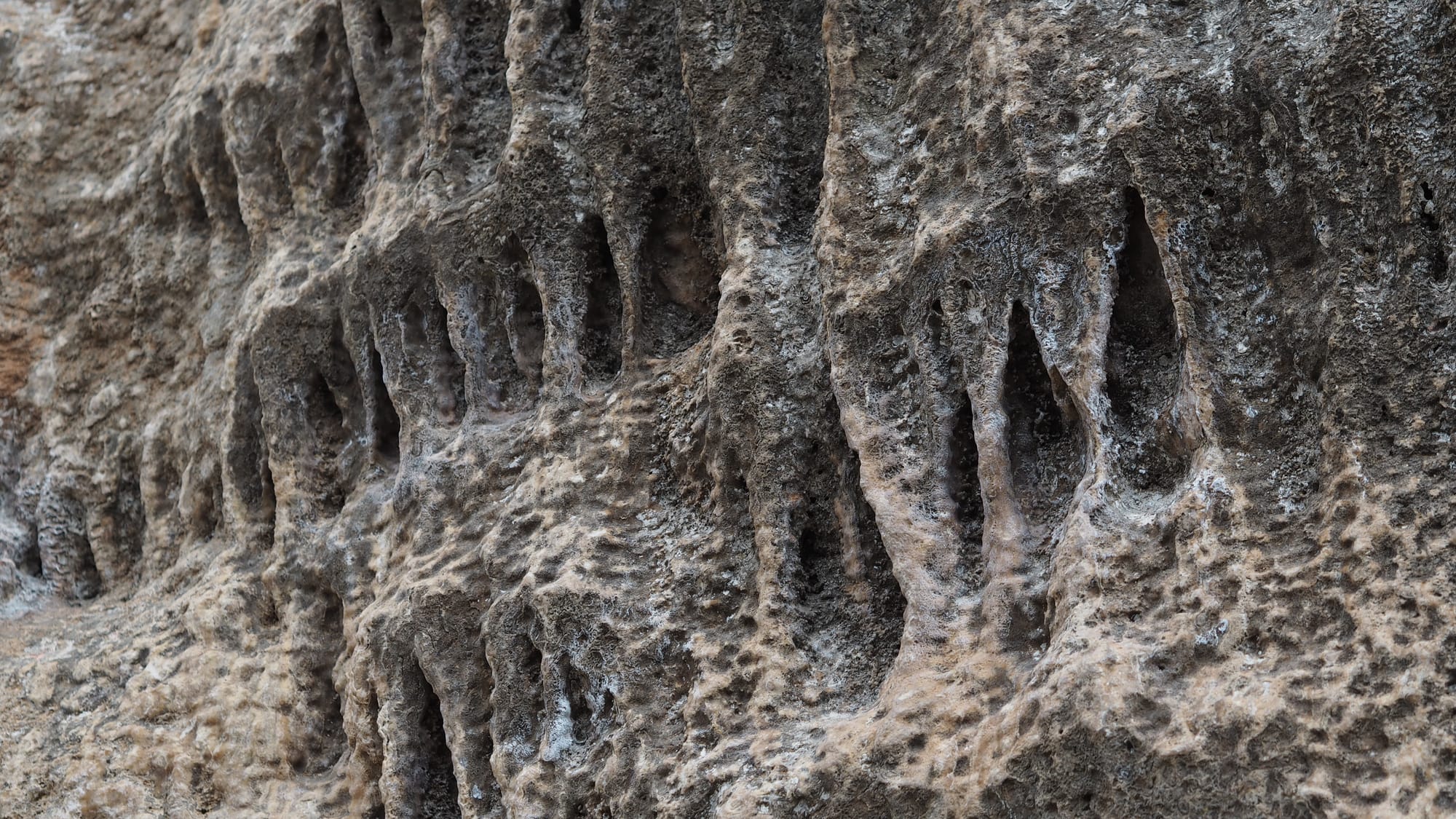
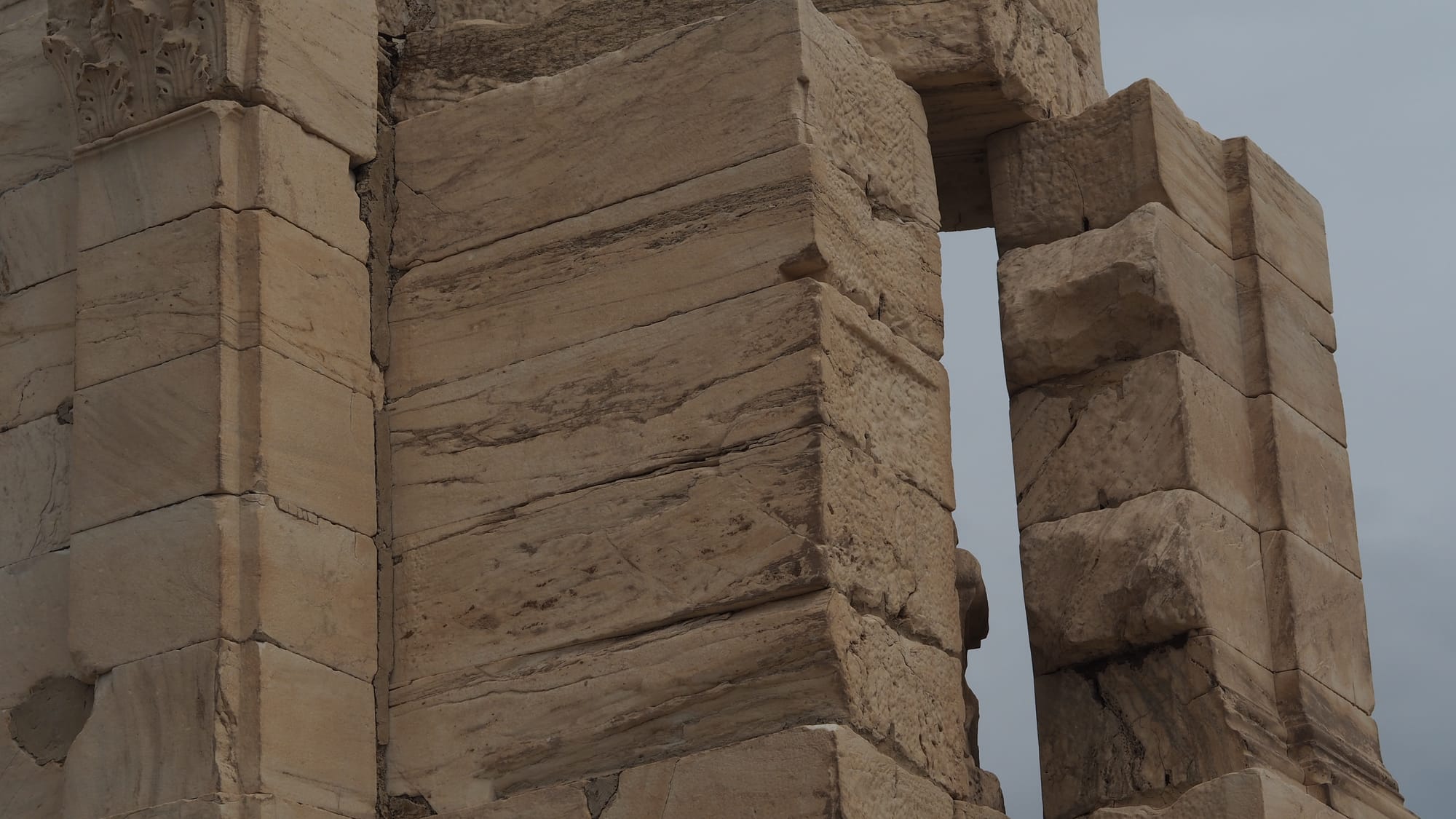
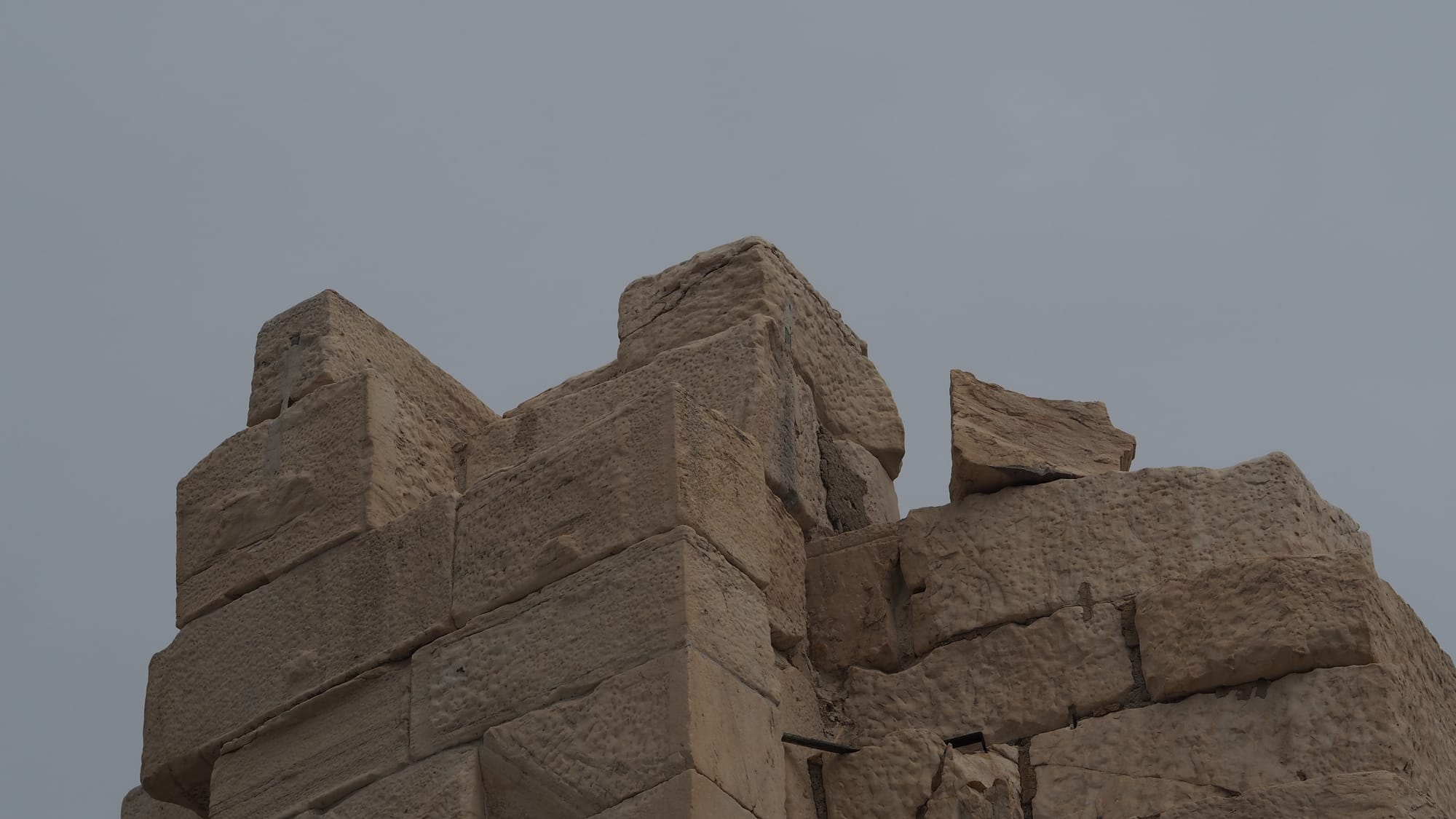
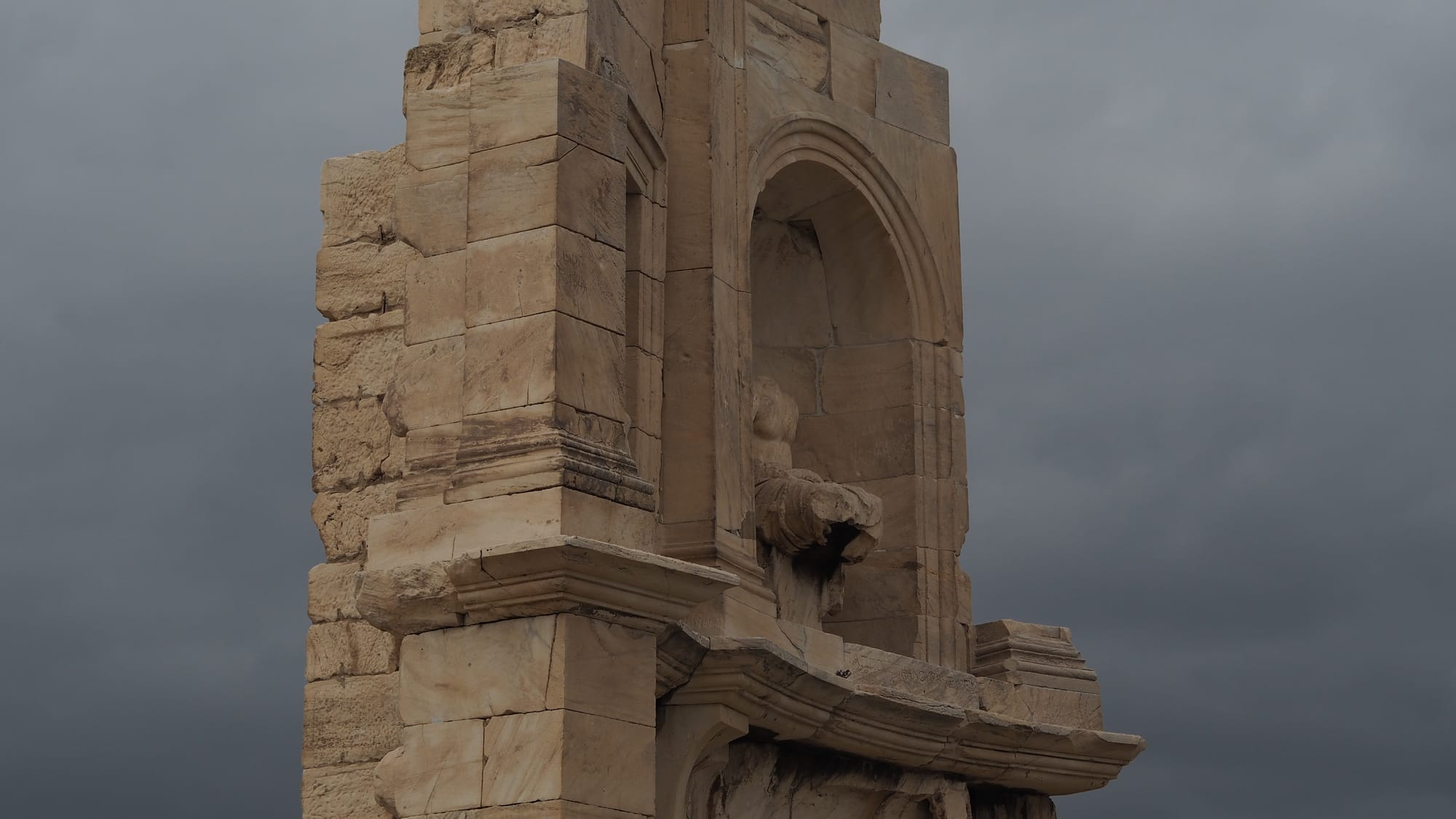
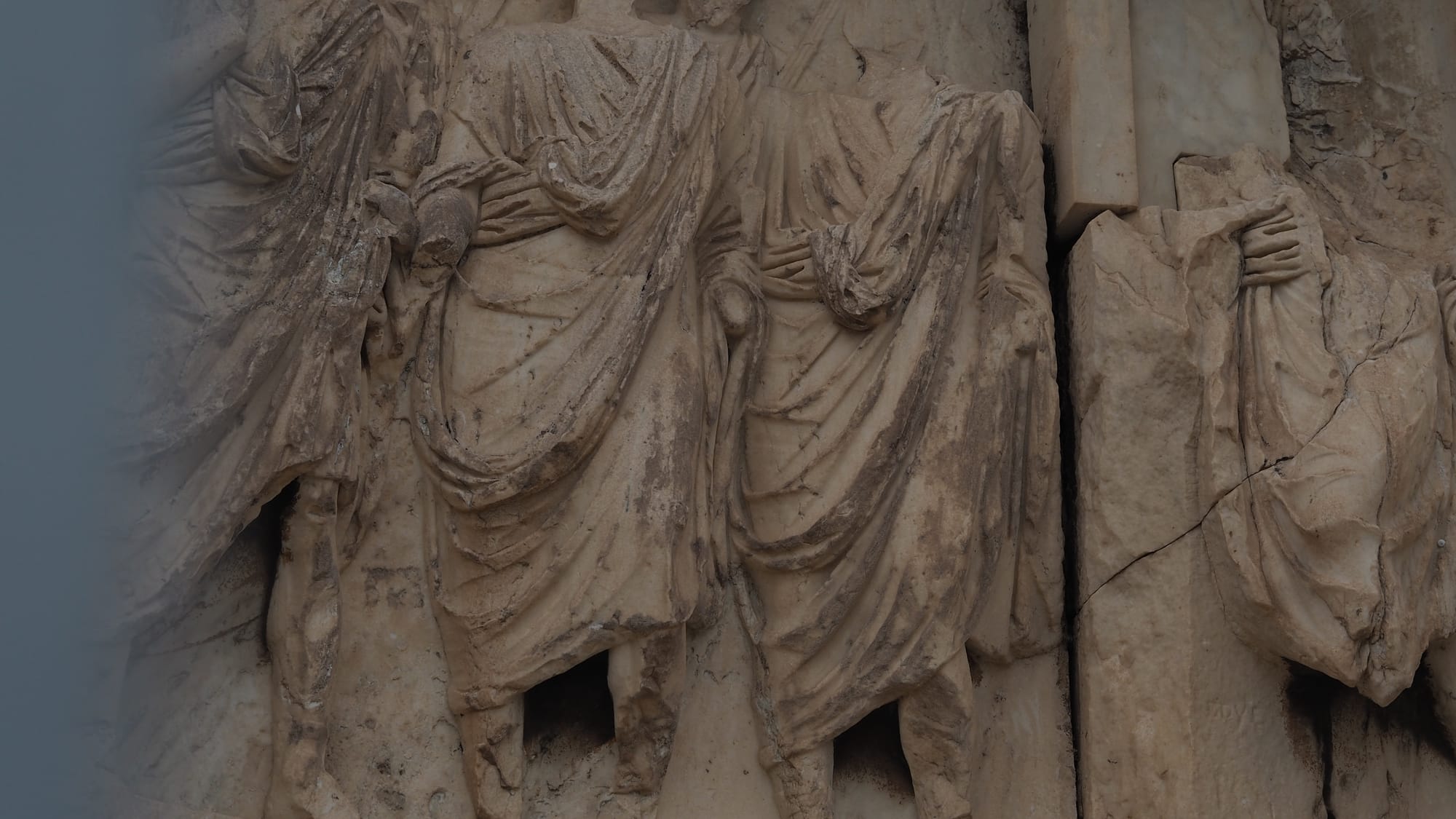
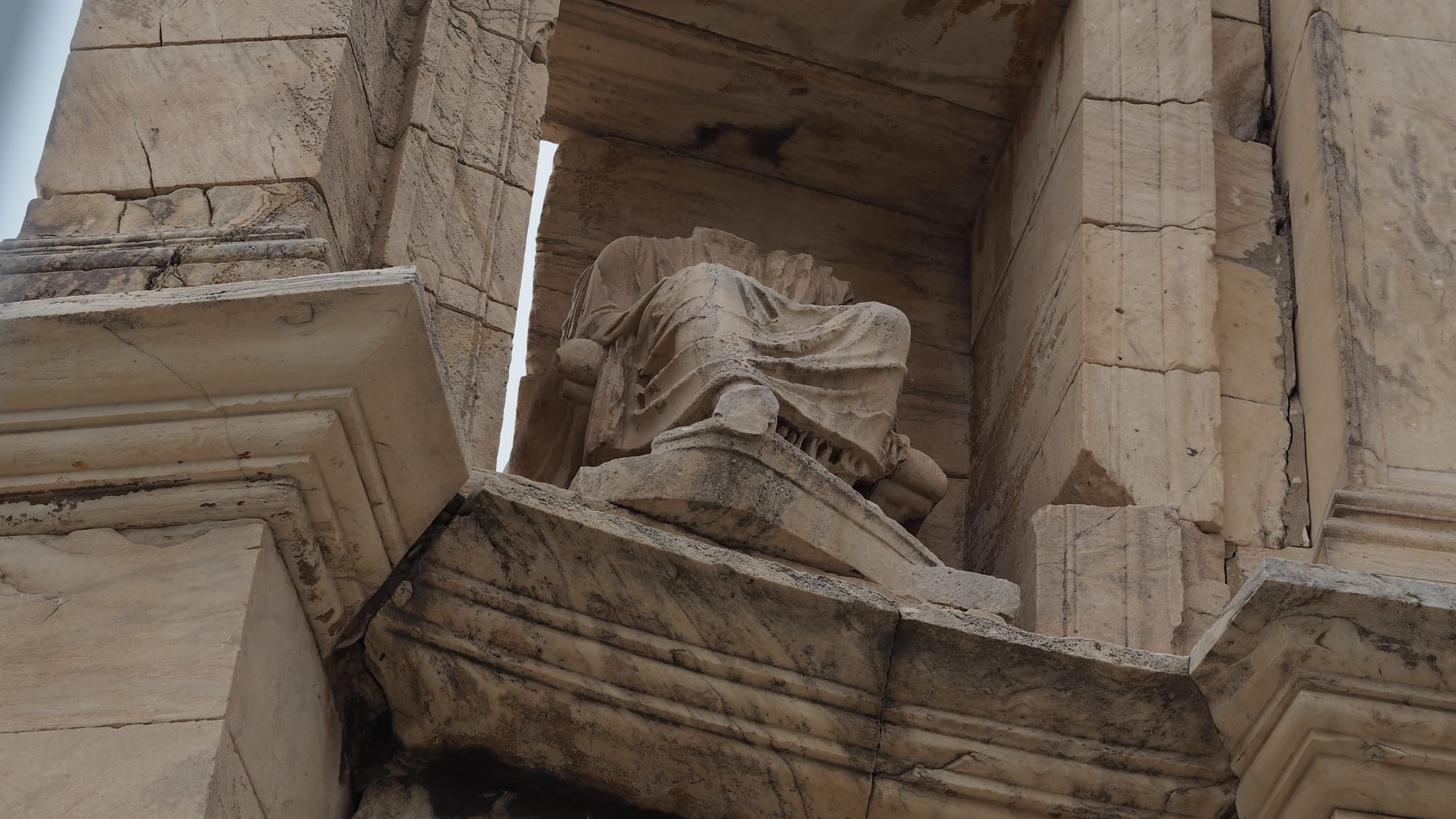
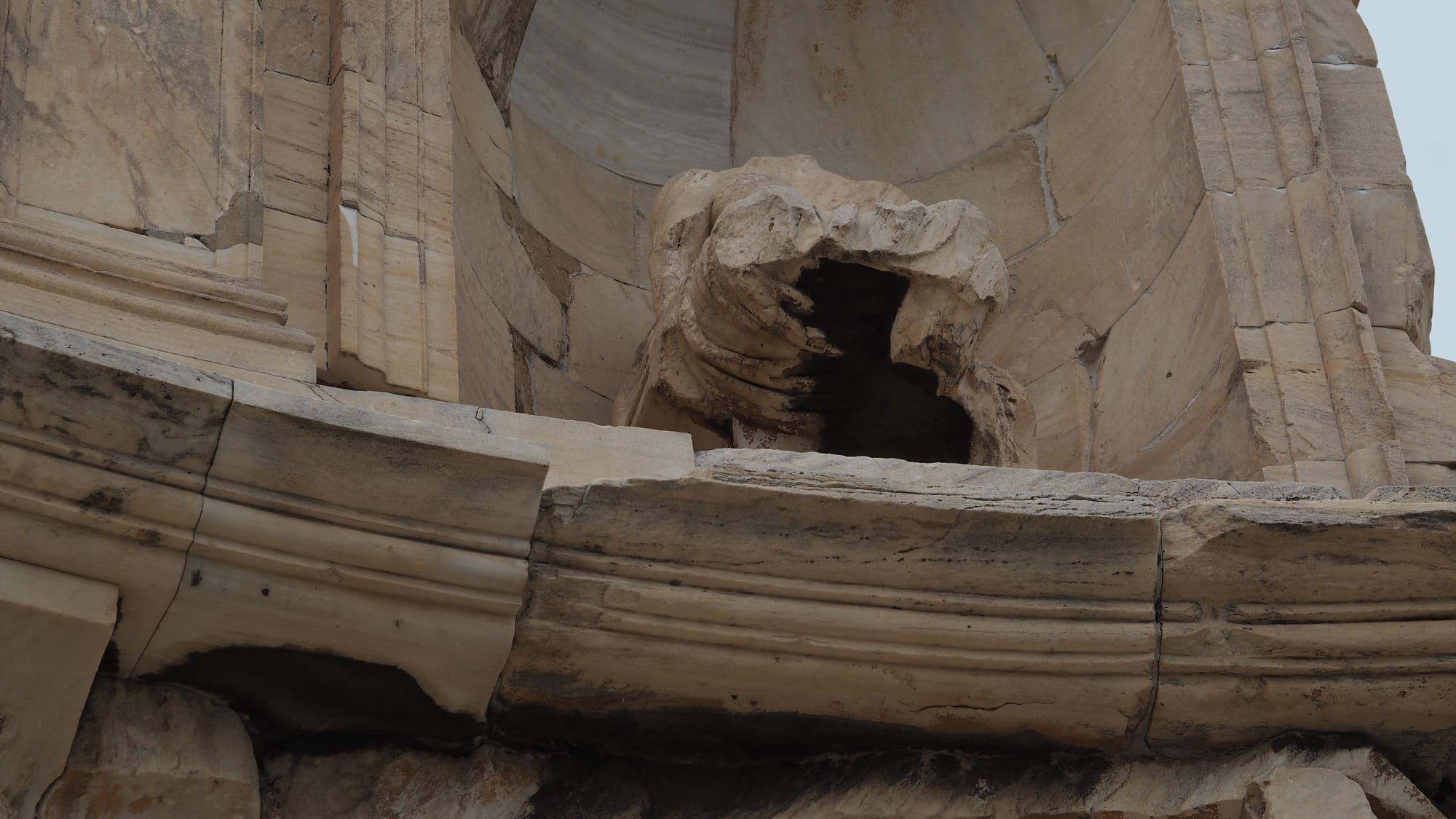
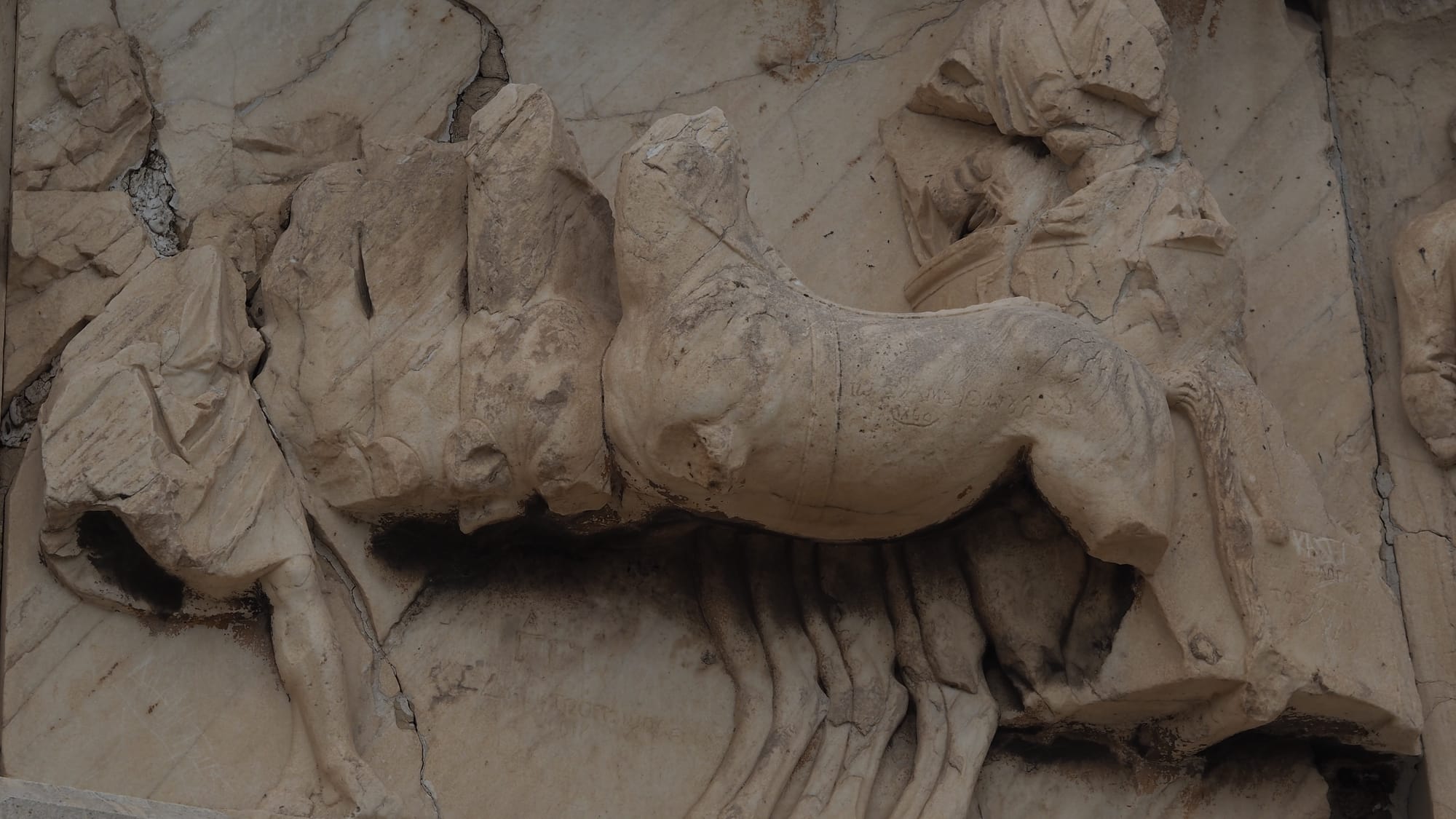
- mausoleum to the name behind the hill, Gaius Julius Antiochus Epiphanes Philopappos c.65–116CE
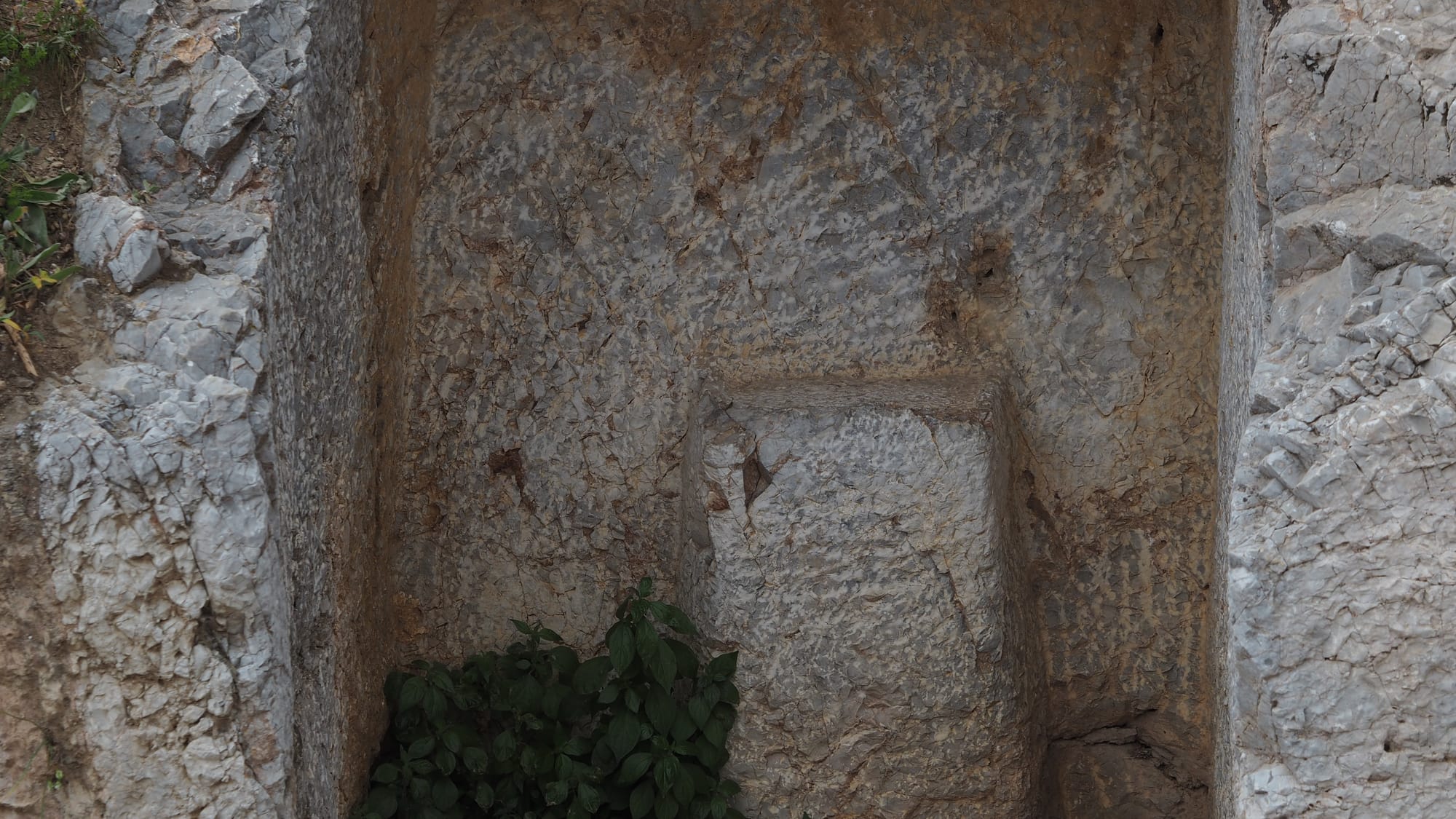
- the niche above for offerings to the muses where I made
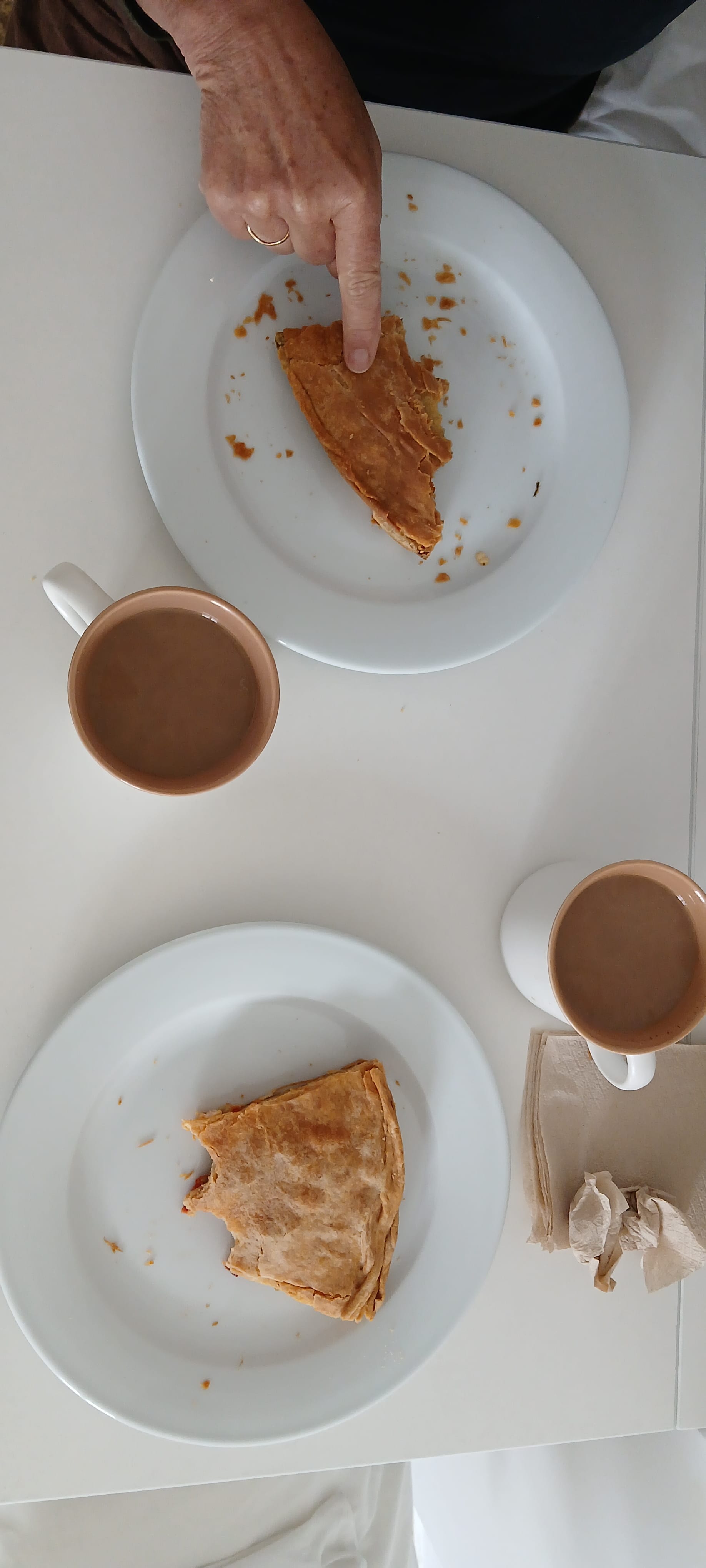
- our stop and our pies, τυρόπιτα, from down the road, mine with cheese trad. and delish, Jo's spinach-and
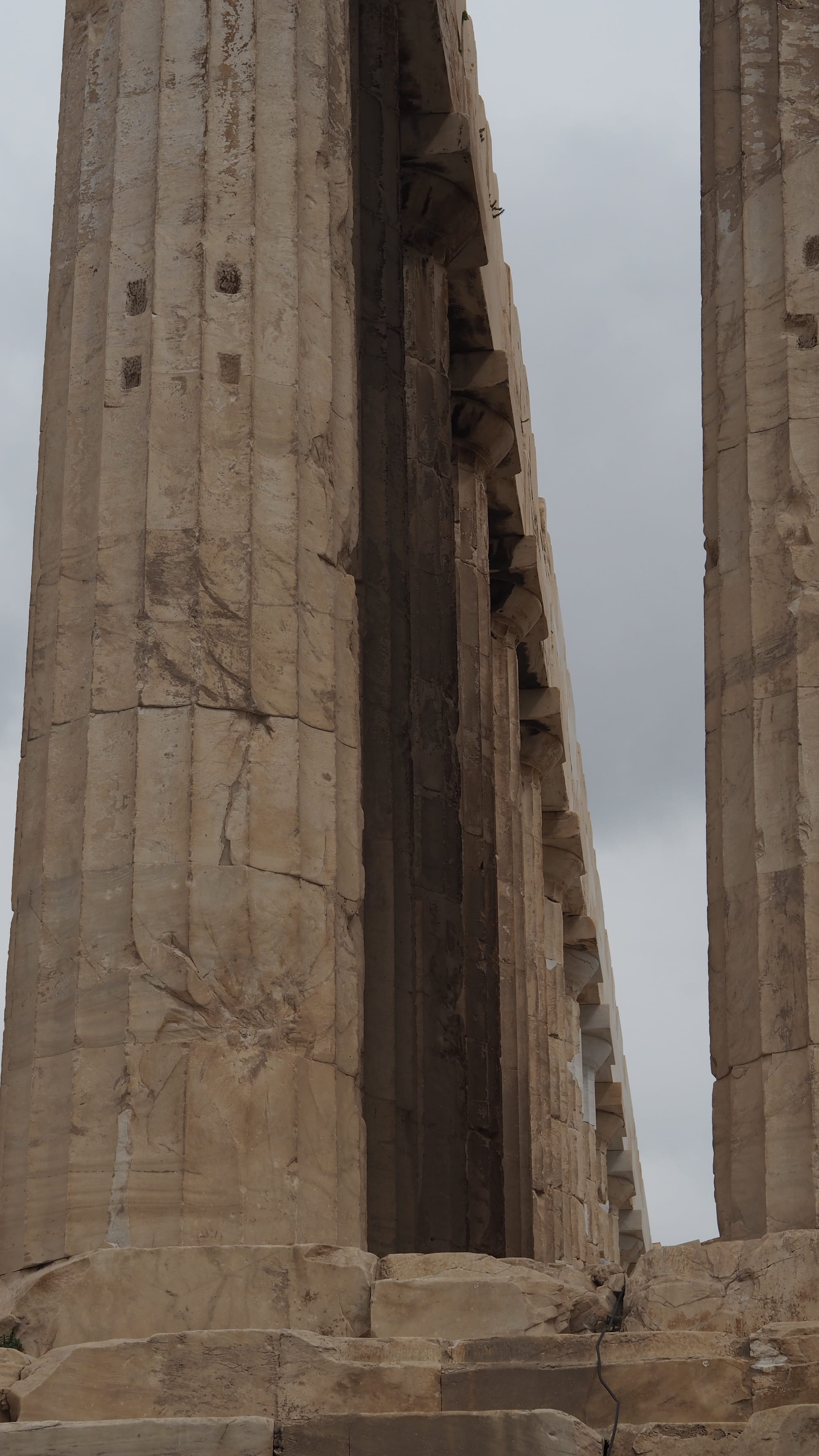
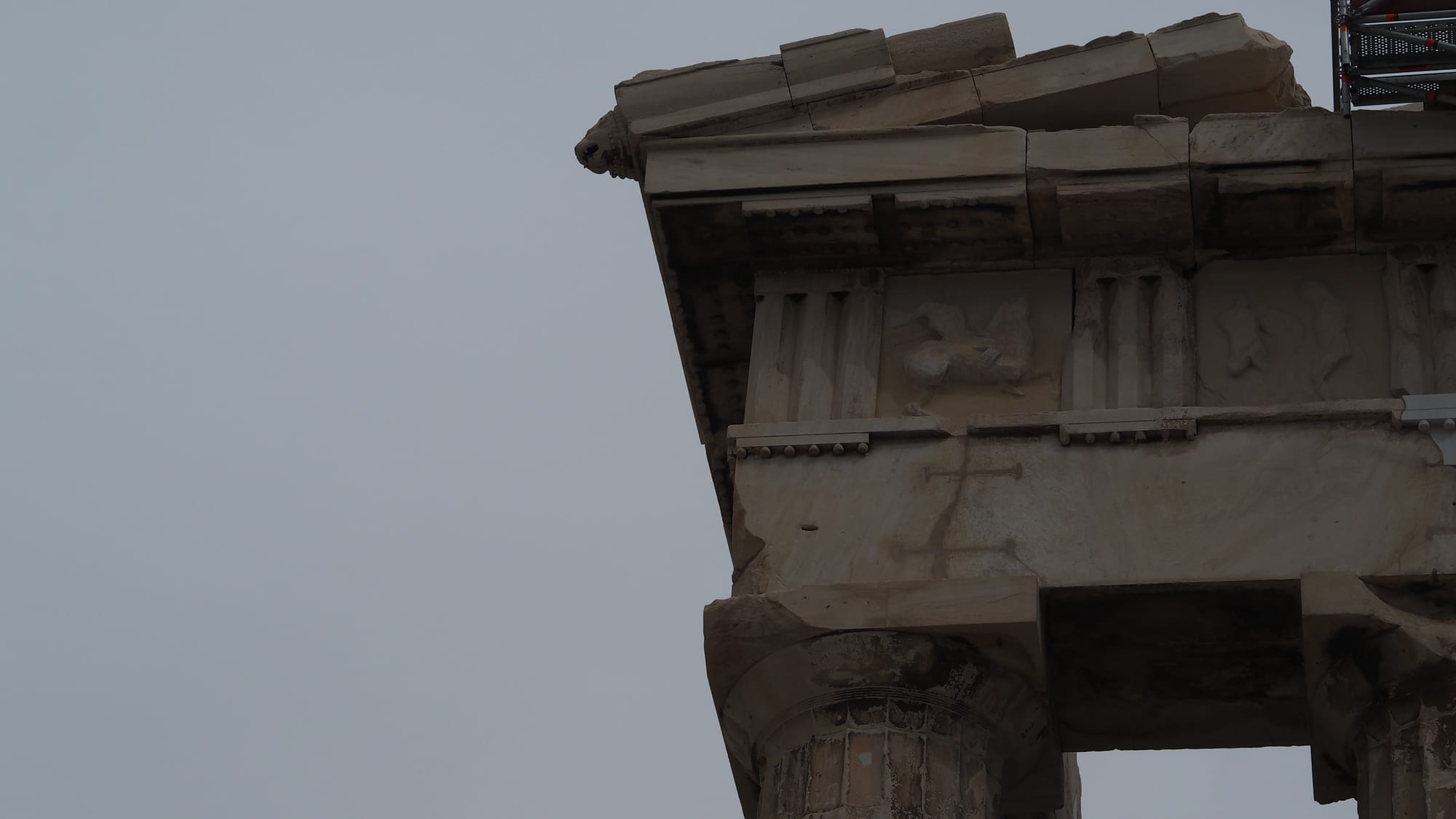
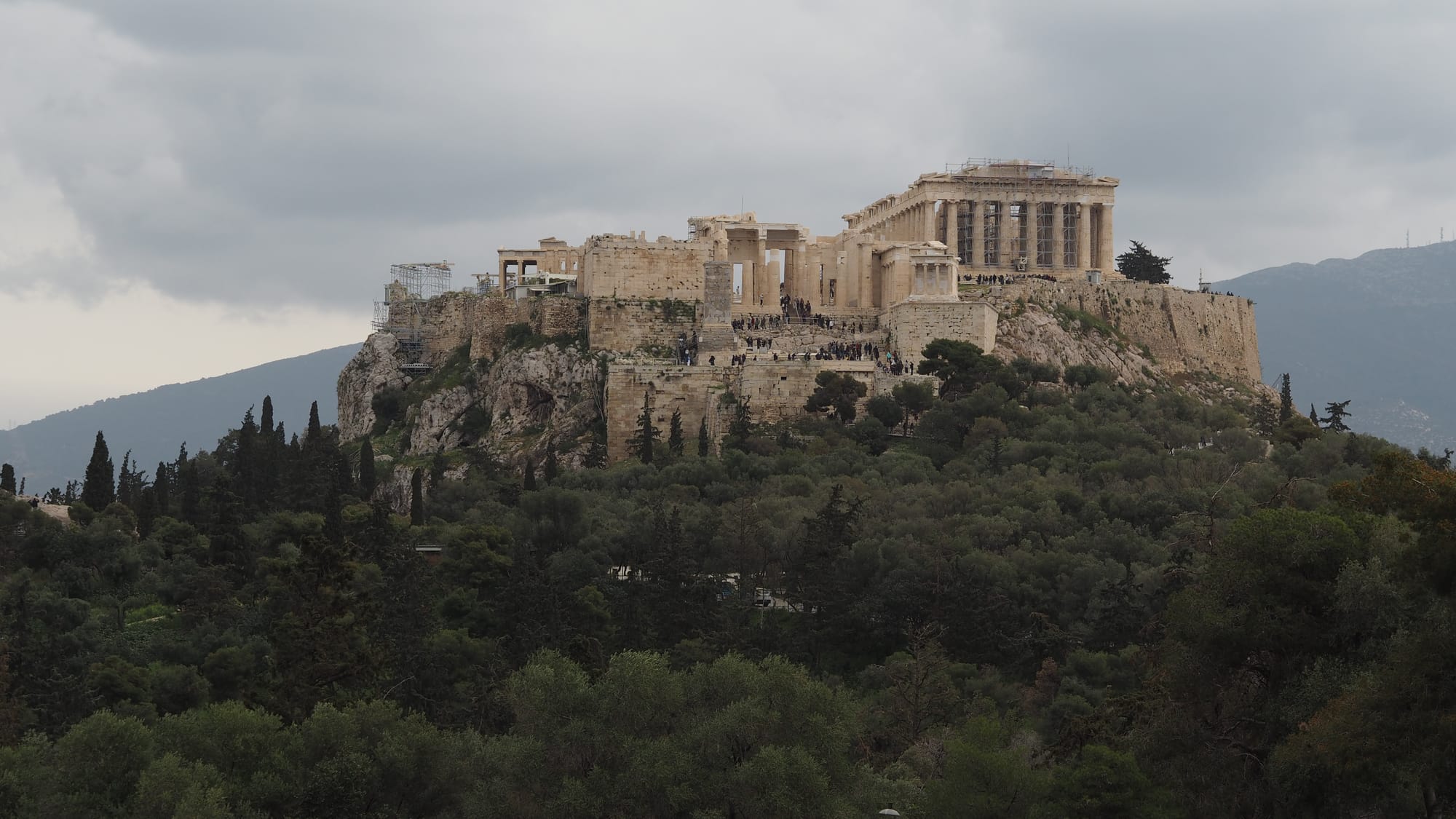
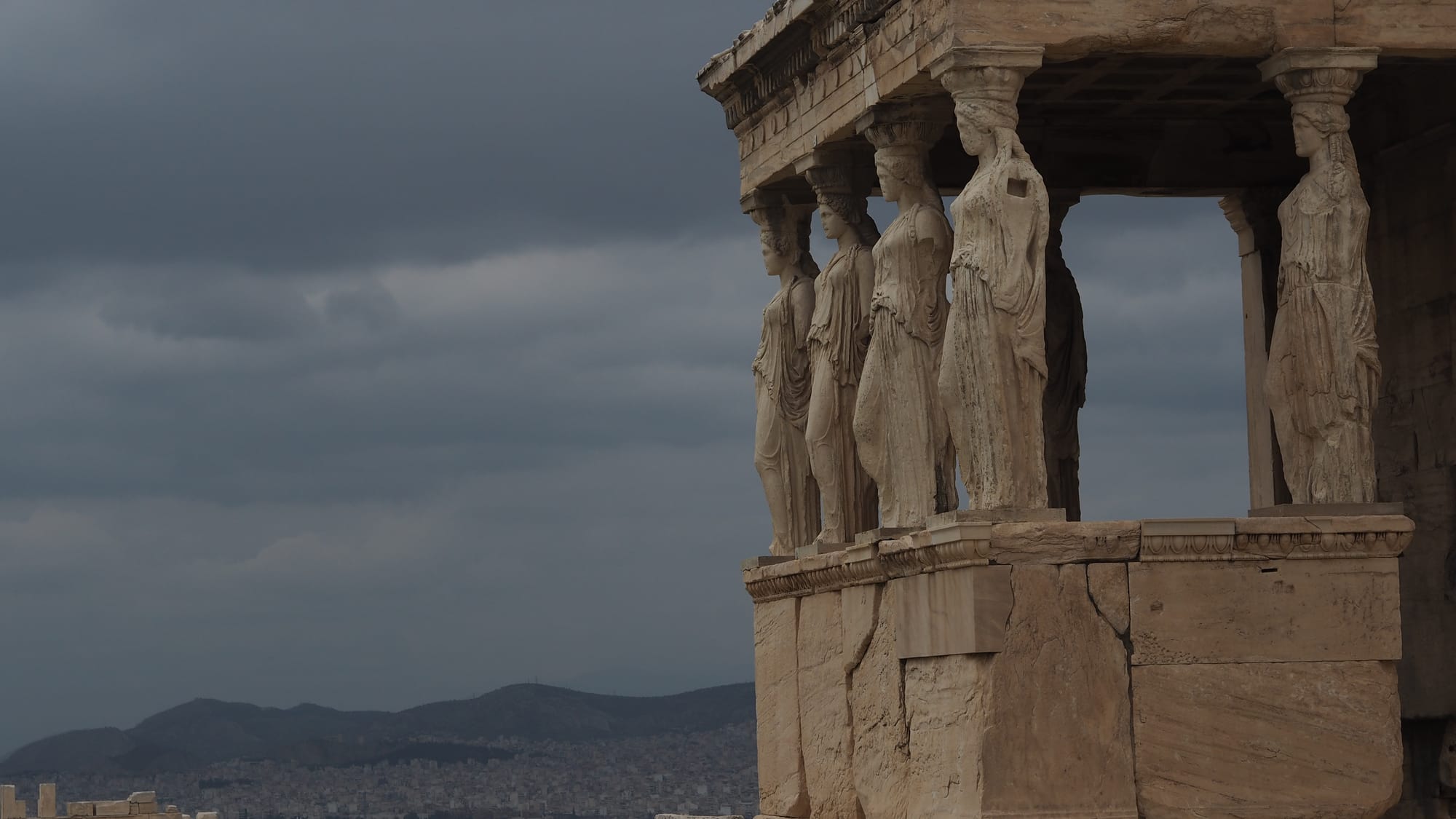
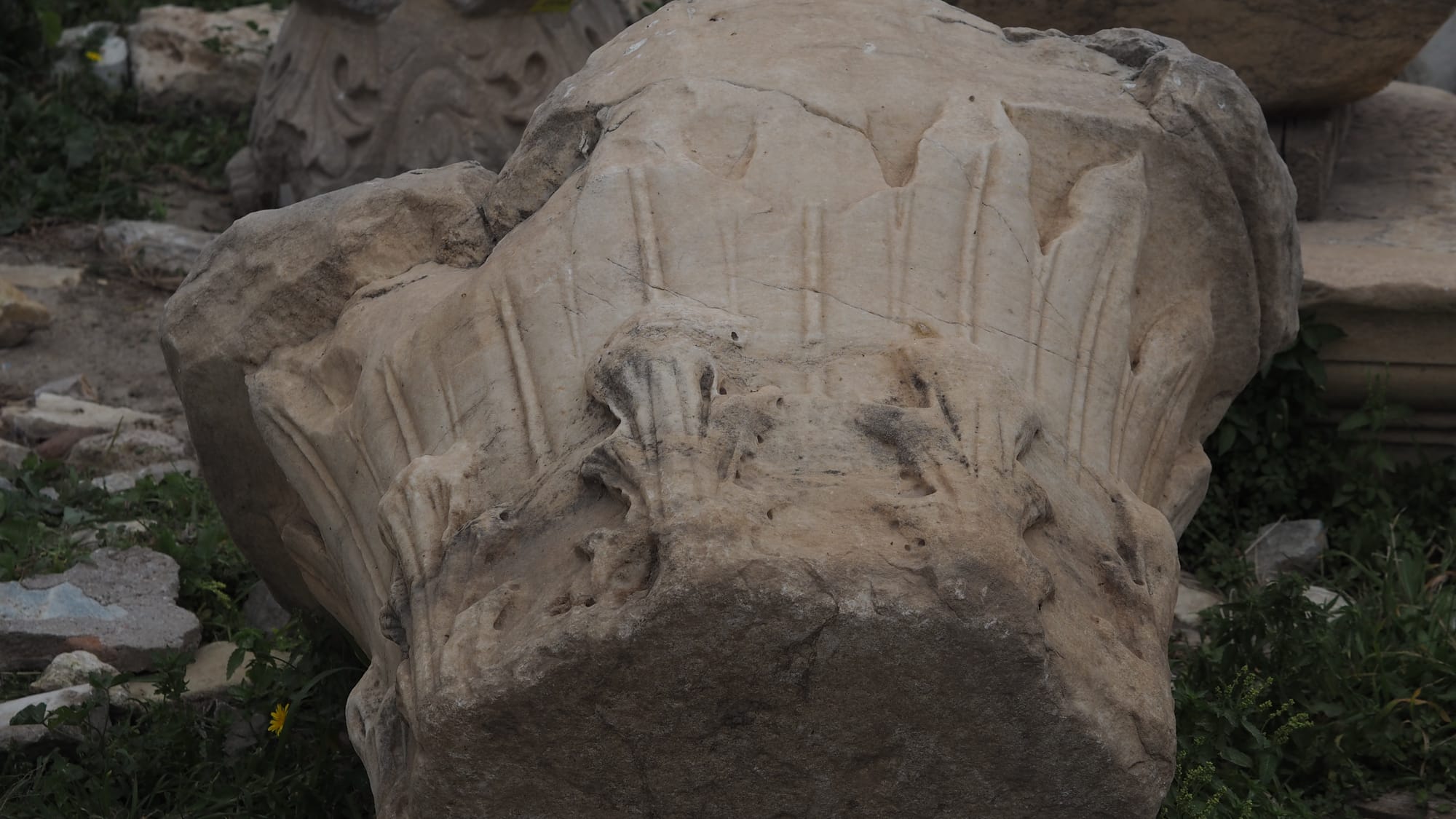
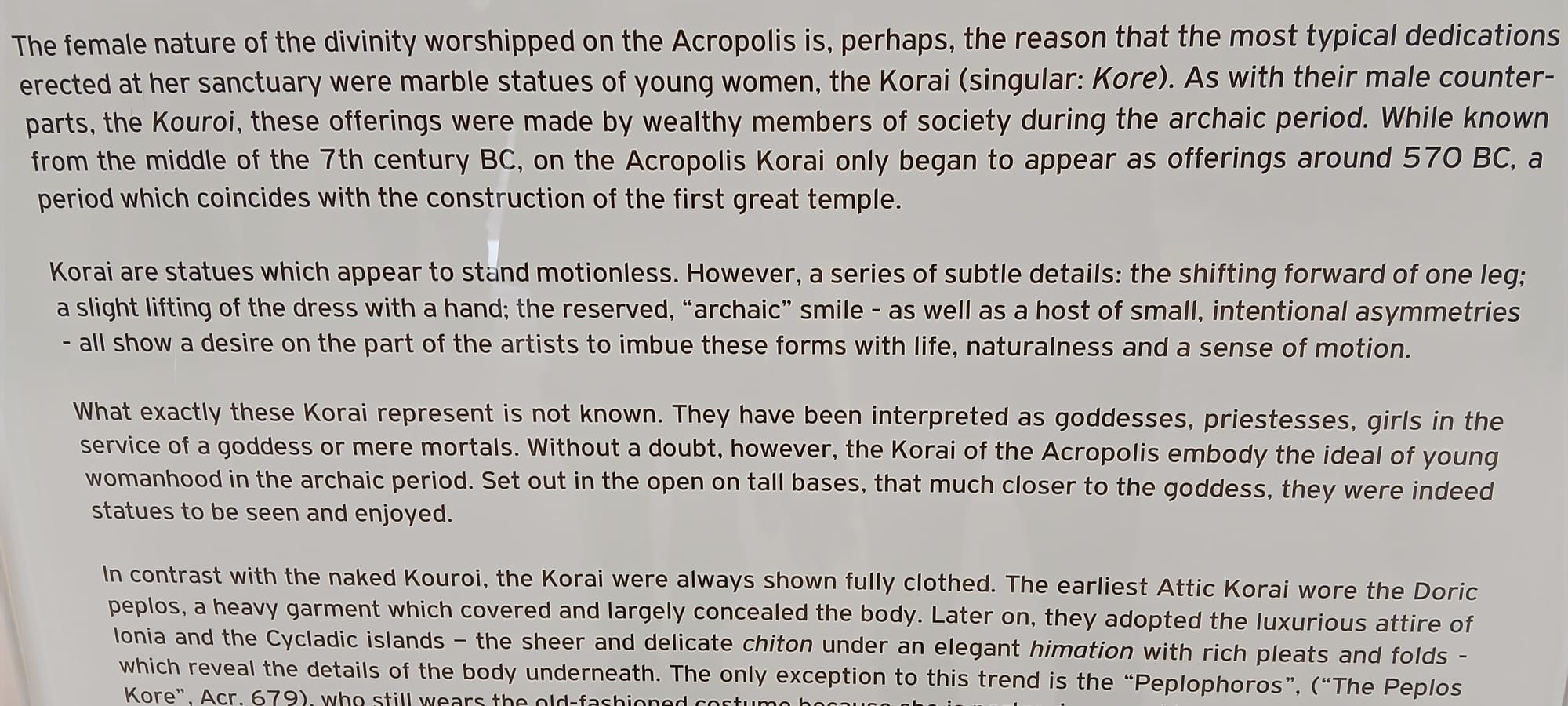
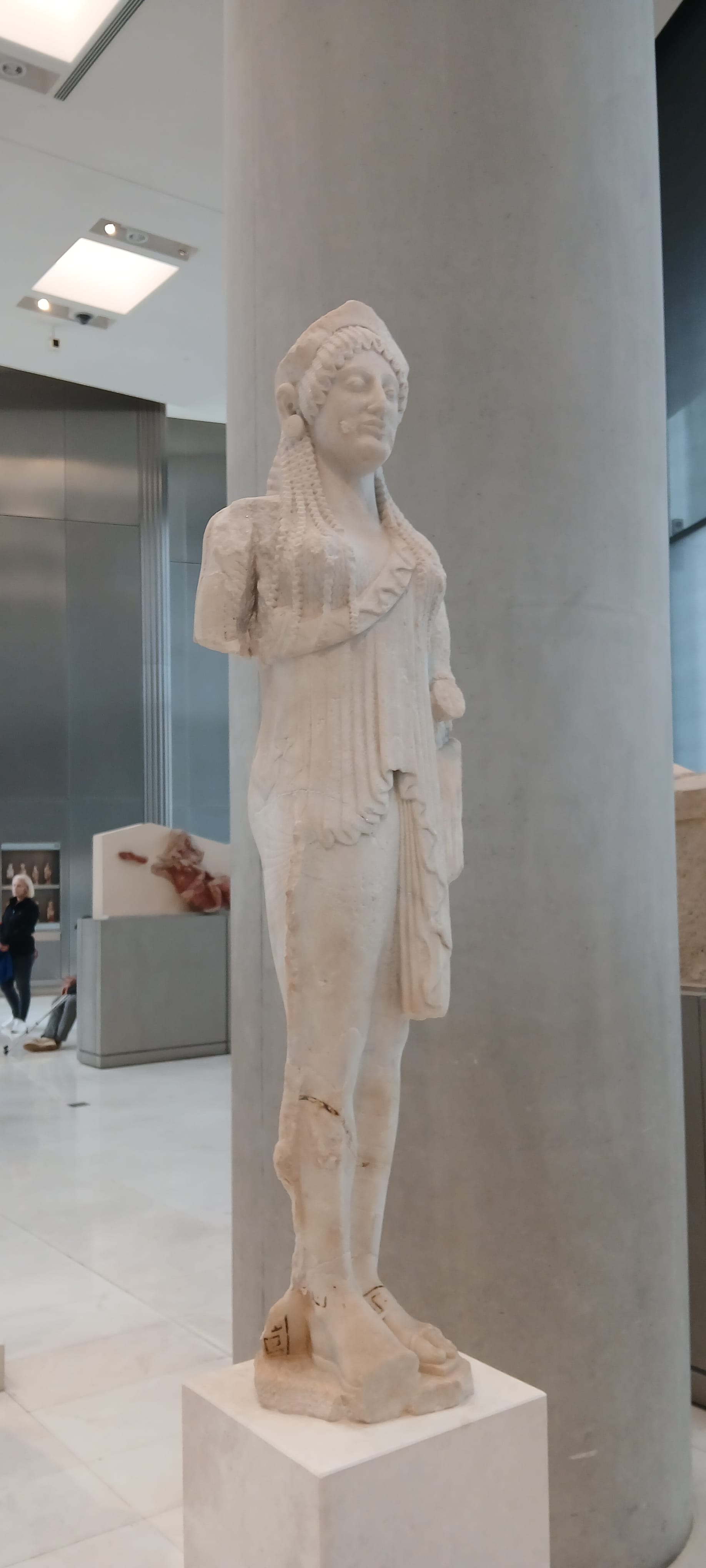
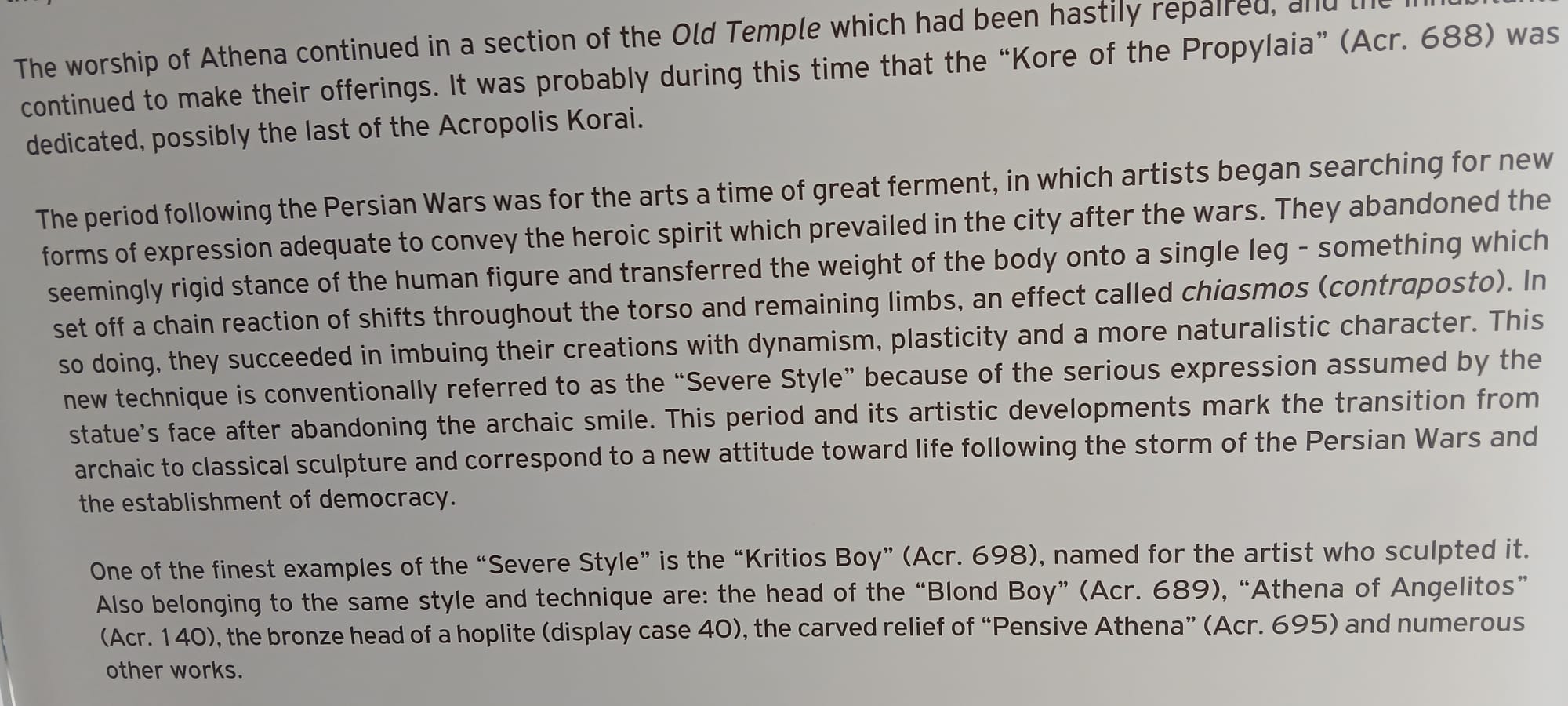
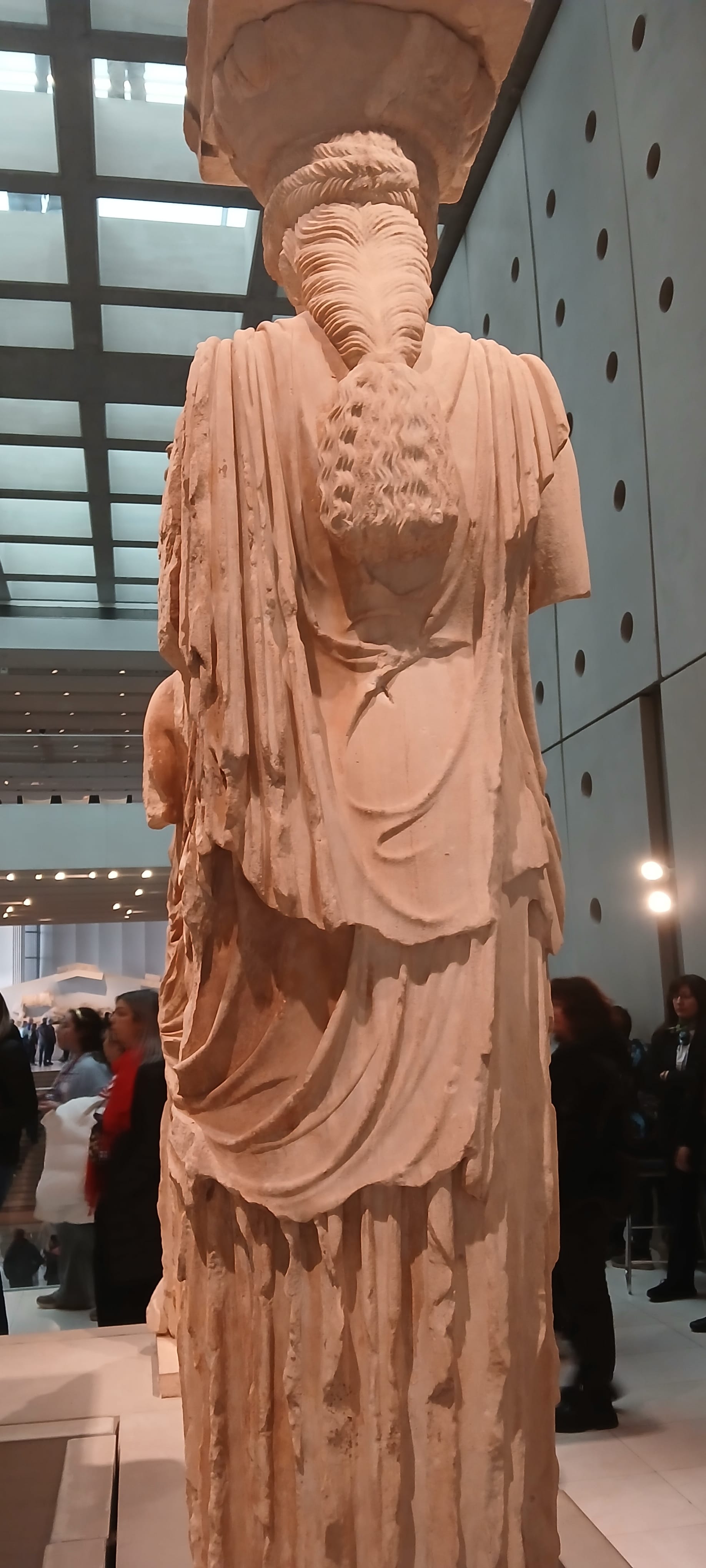
Extraordinary it already is, yet more extraordinary that the Erechtheion was built during Plato's lifetime. It was designed by the architect Mnesikles during the last 20 years of the 5th century BCE. The Korai pictured, one of whom was stolen by the Earl of Elgin, Thomas Bruce, a very Scottish name, who pawned them off on the British Museum when he was skint, are reproductions, the originals held for protection in the Acropolis Museum. Himation of note, for the curiosity of the word; and the capitals in the form of baskets; as well as the elegance of the pose, always with dynamos, always in action, dynamic, even while holding up the temple roof.
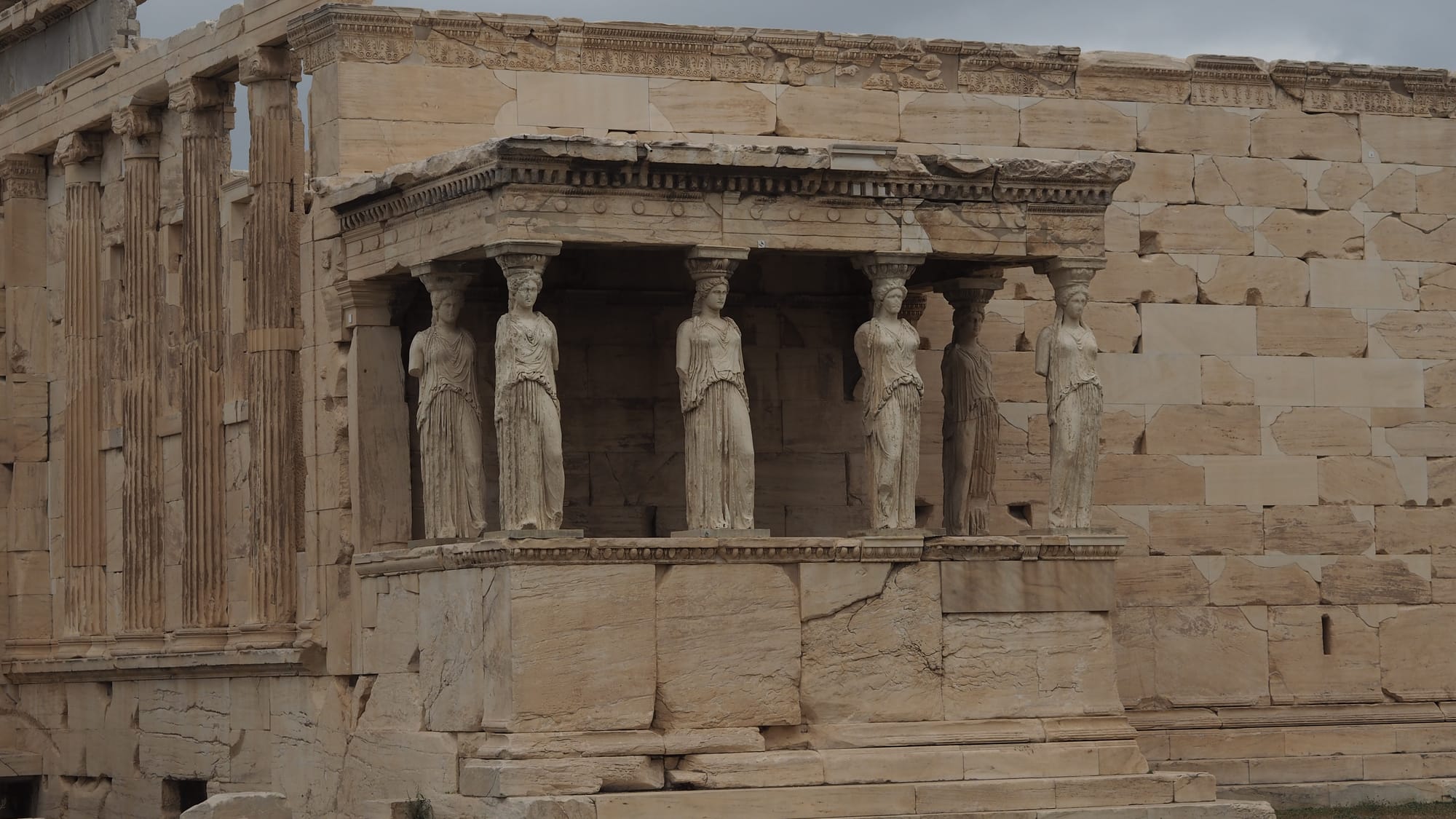
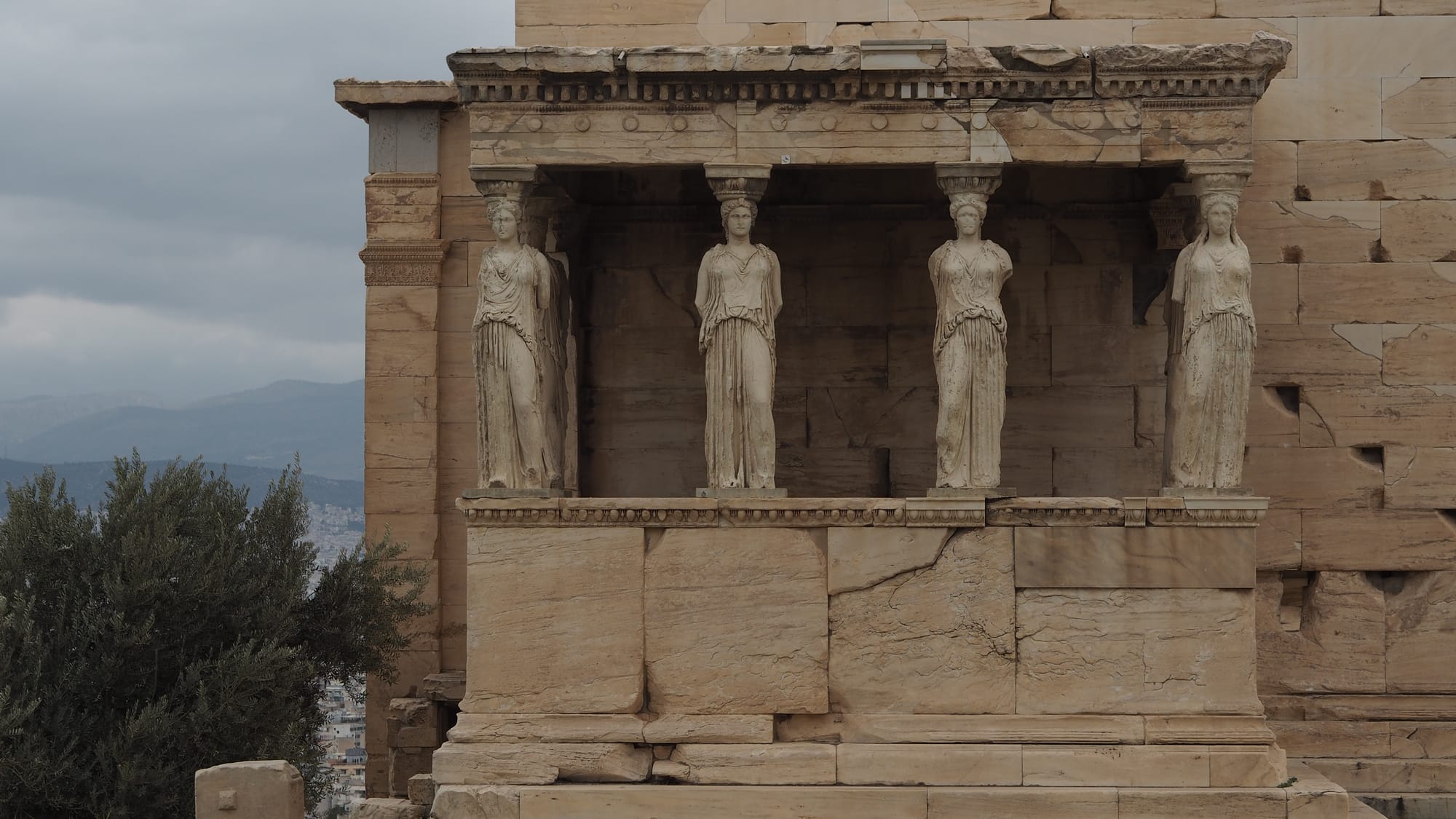
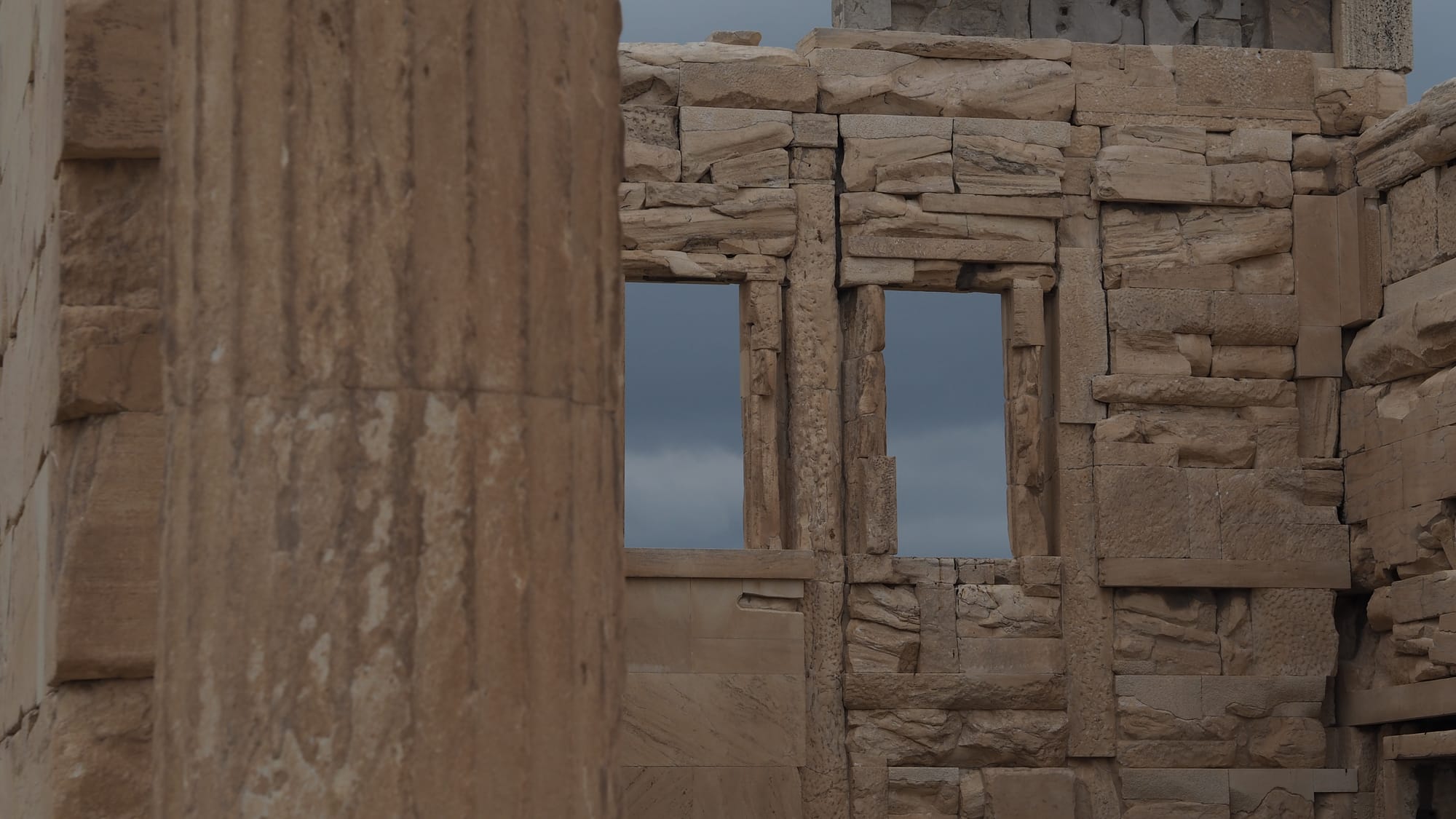
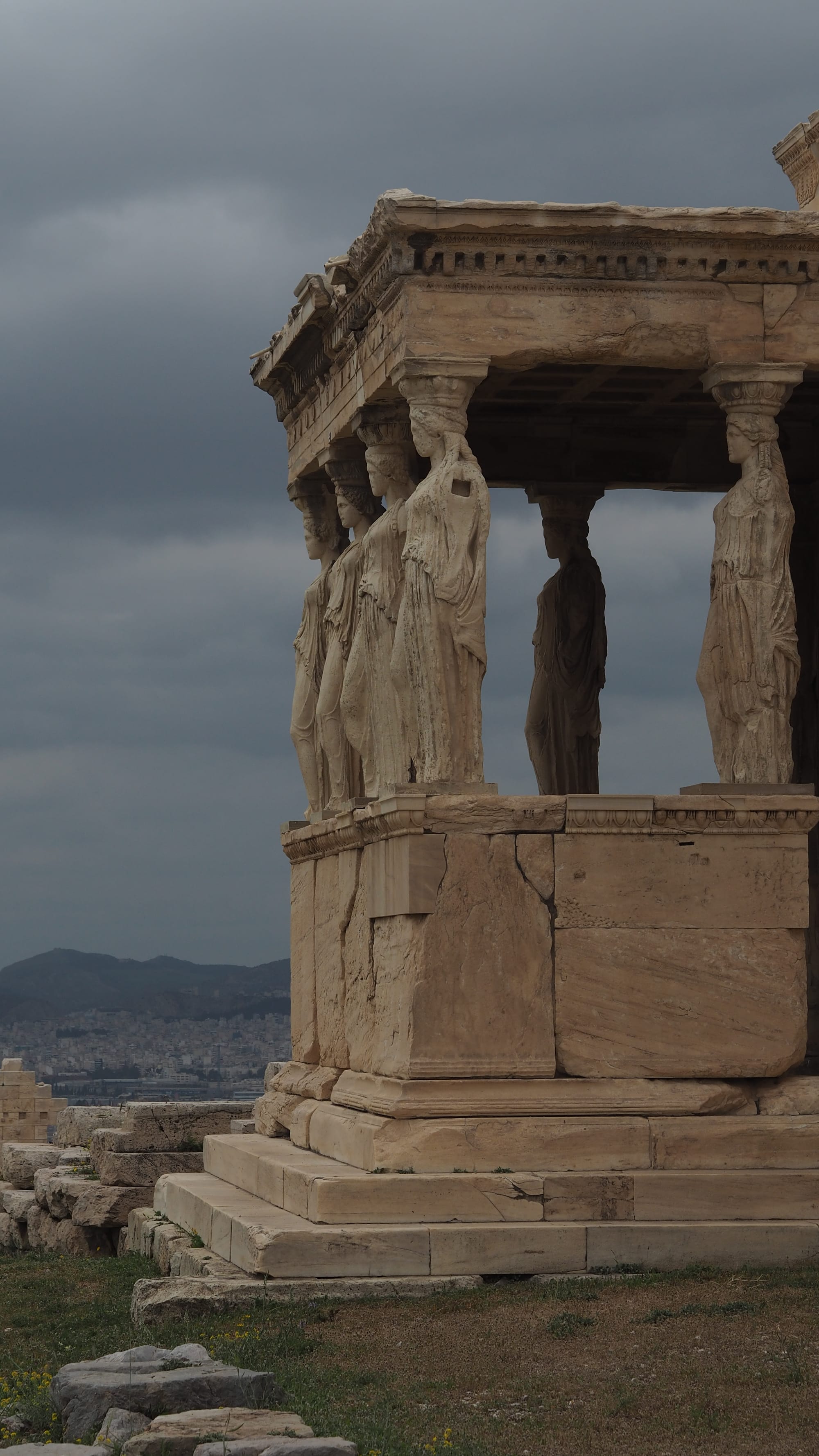
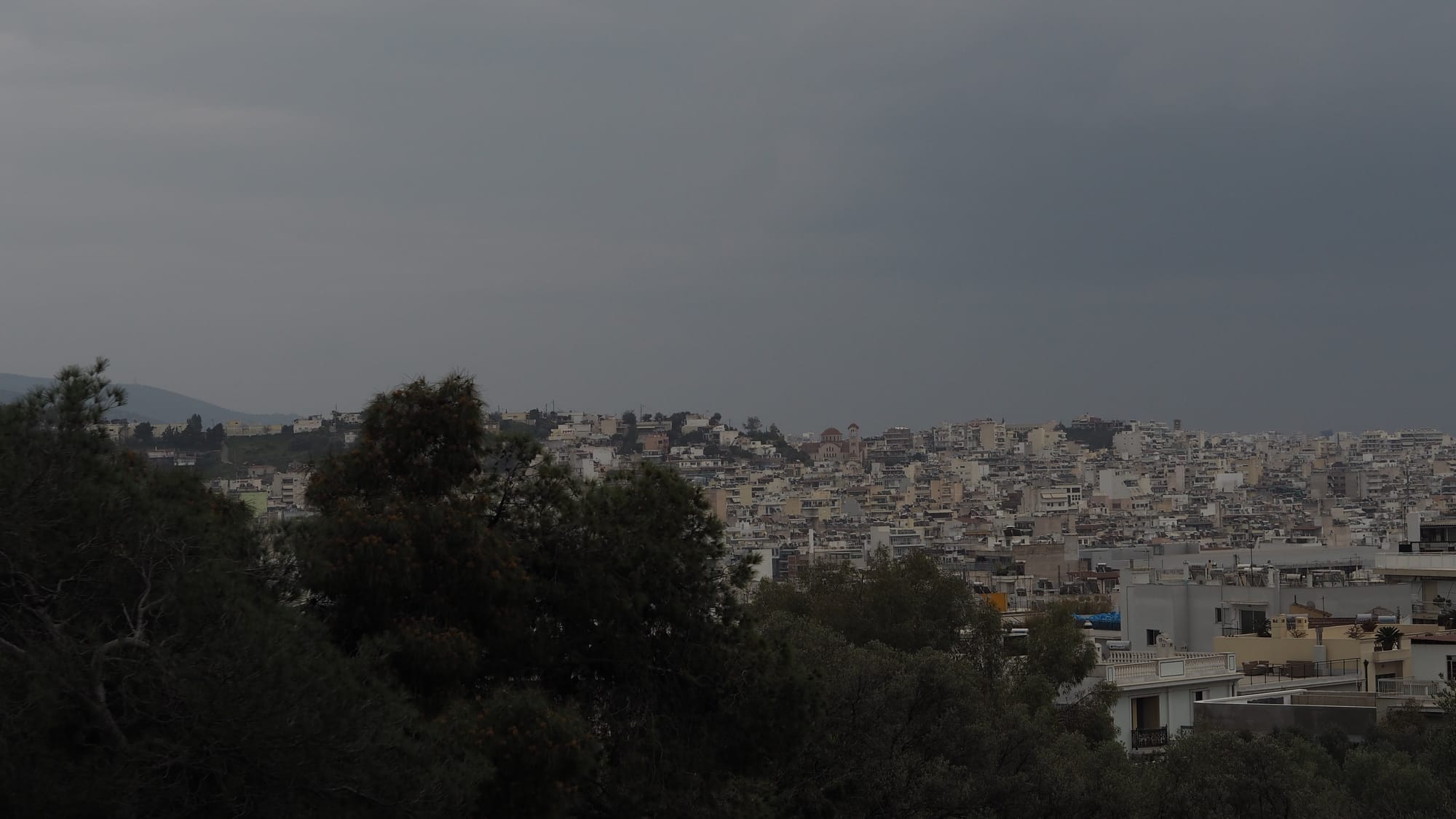
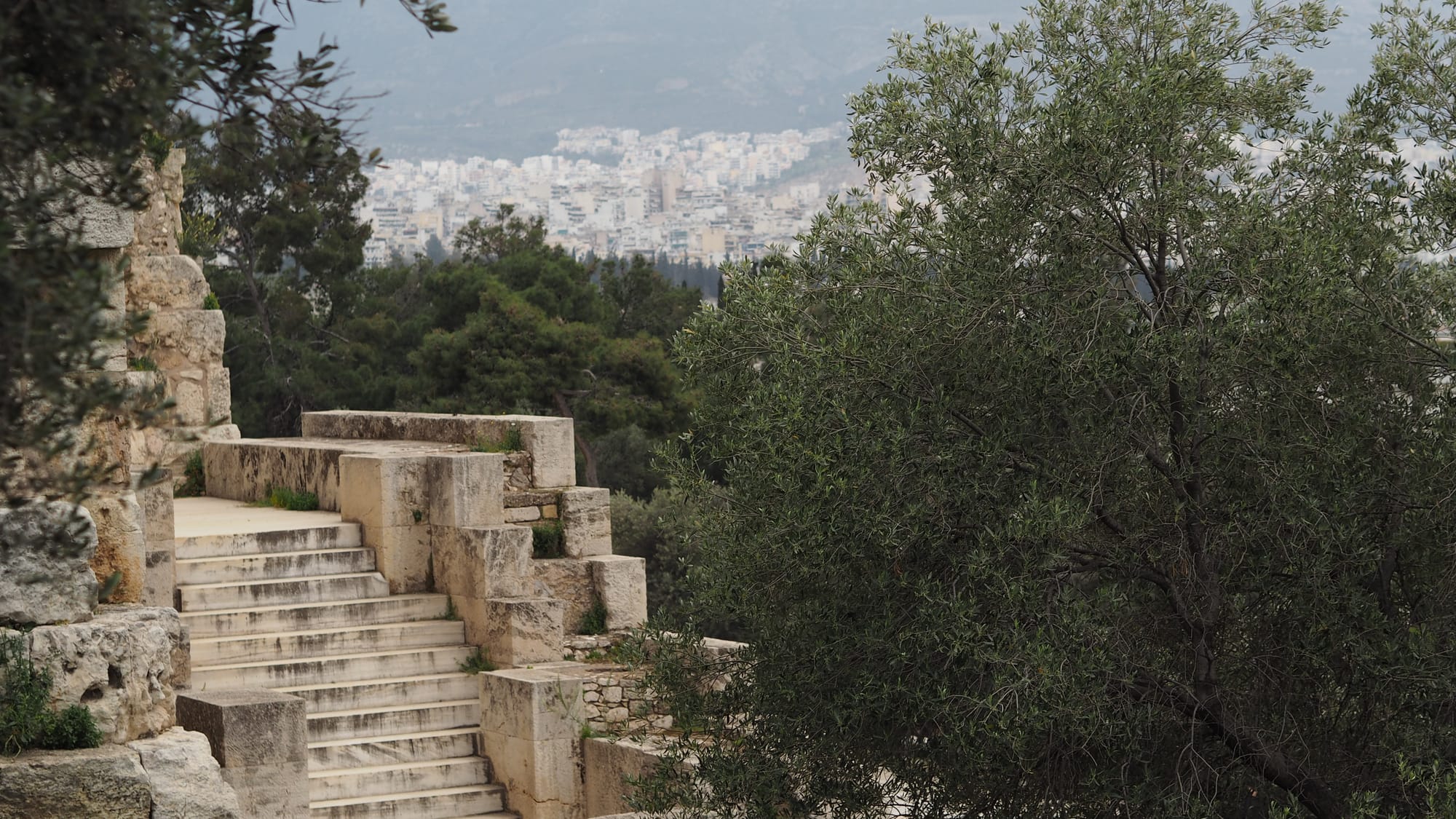
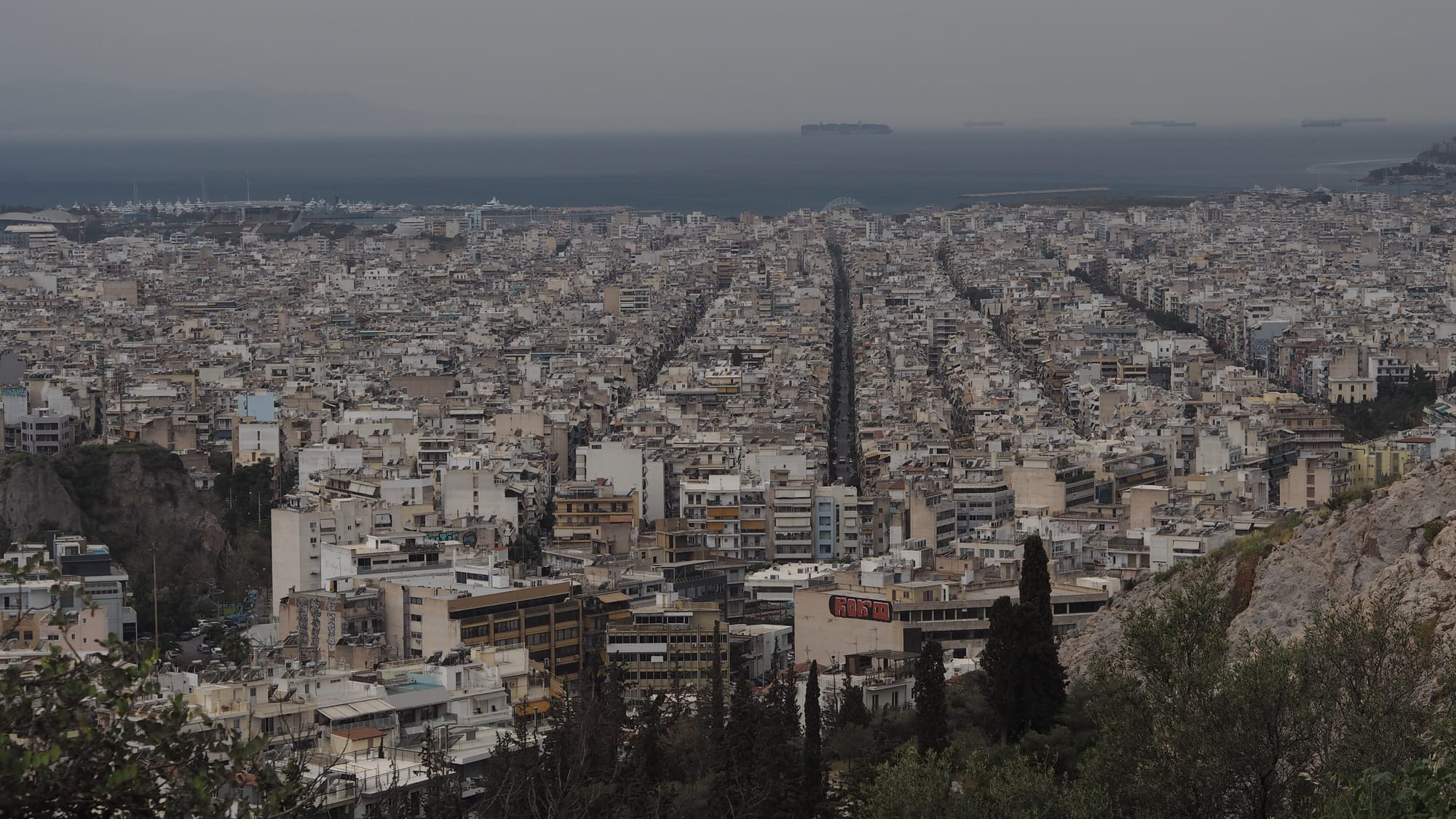
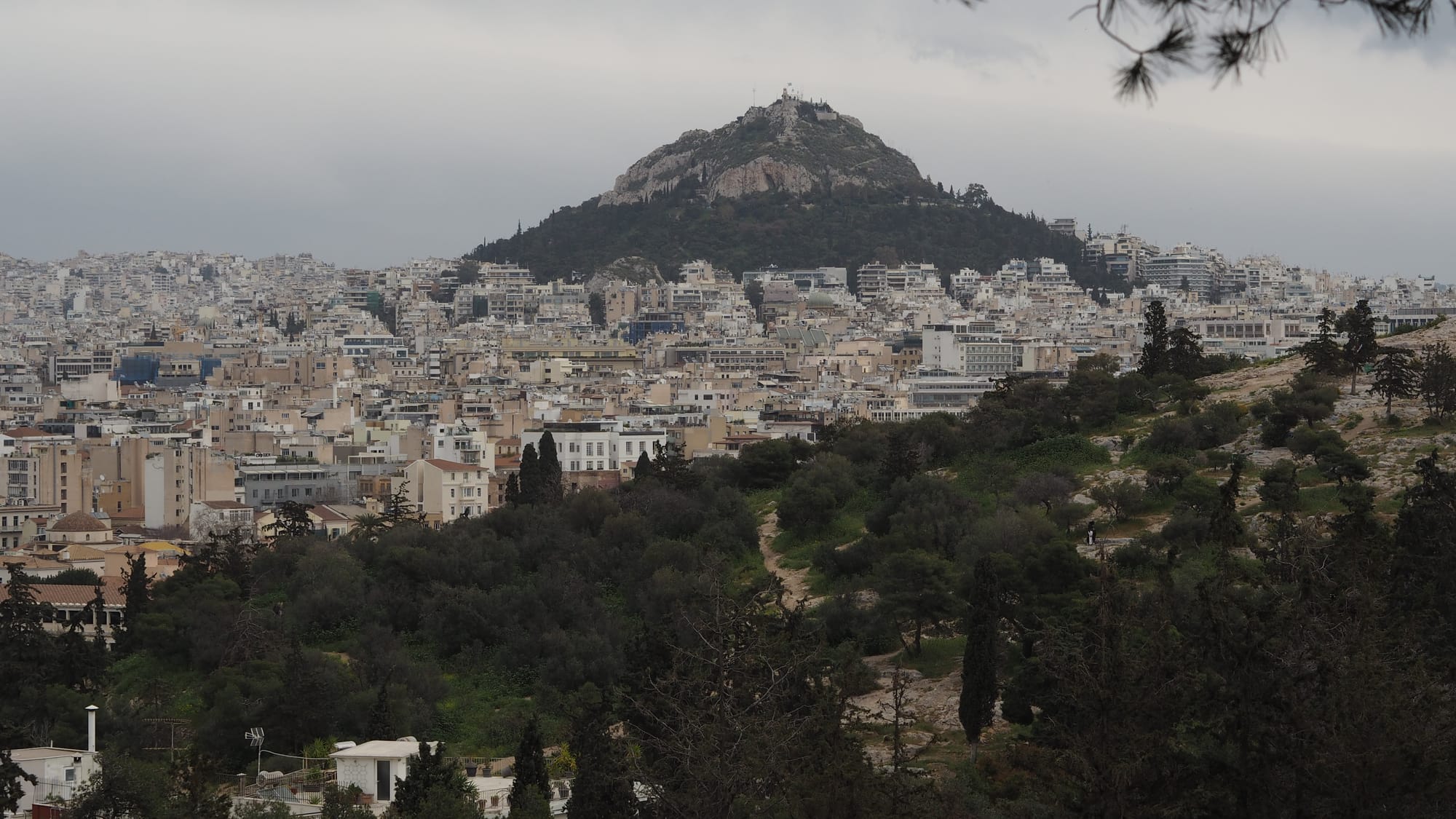
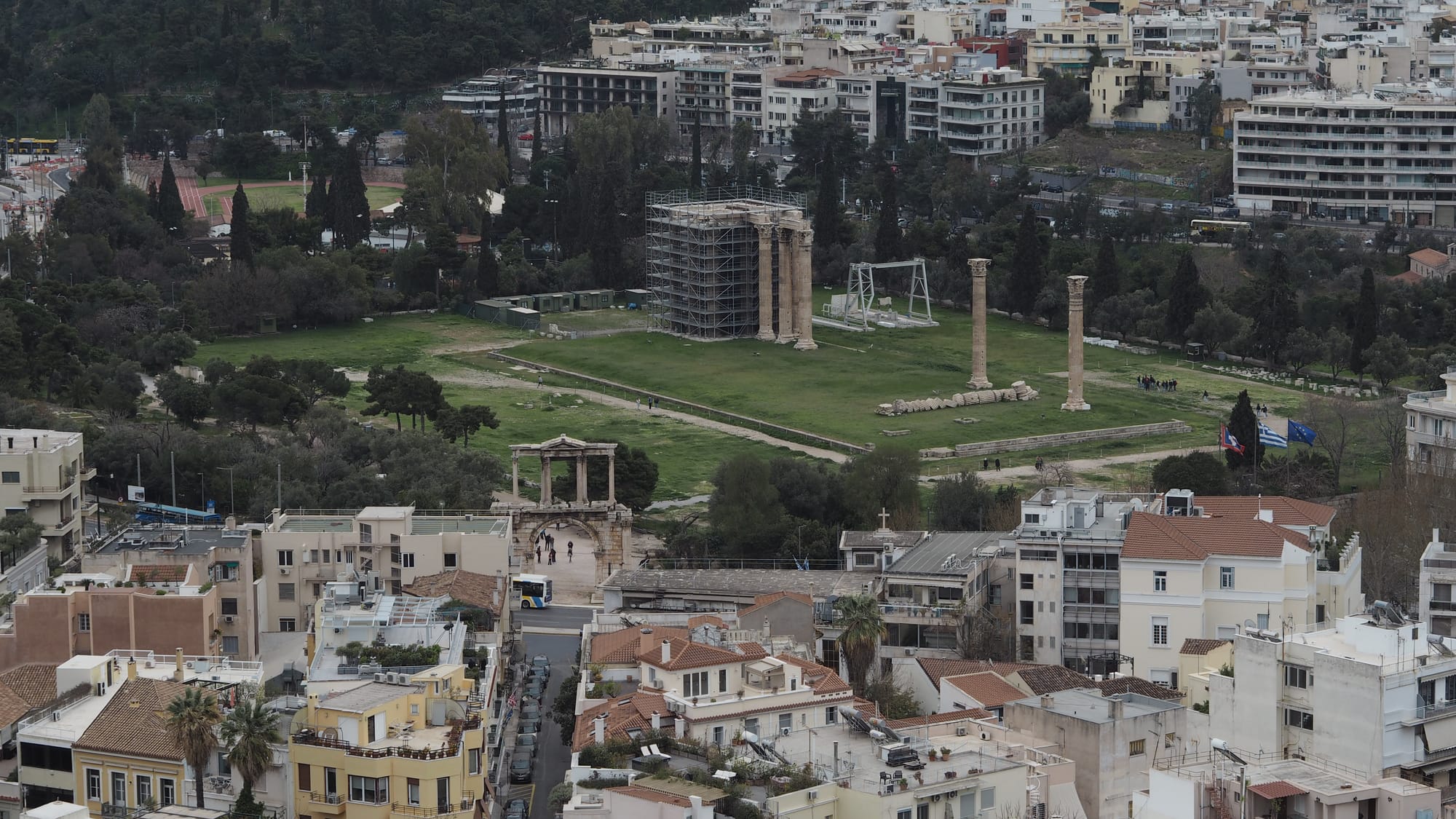
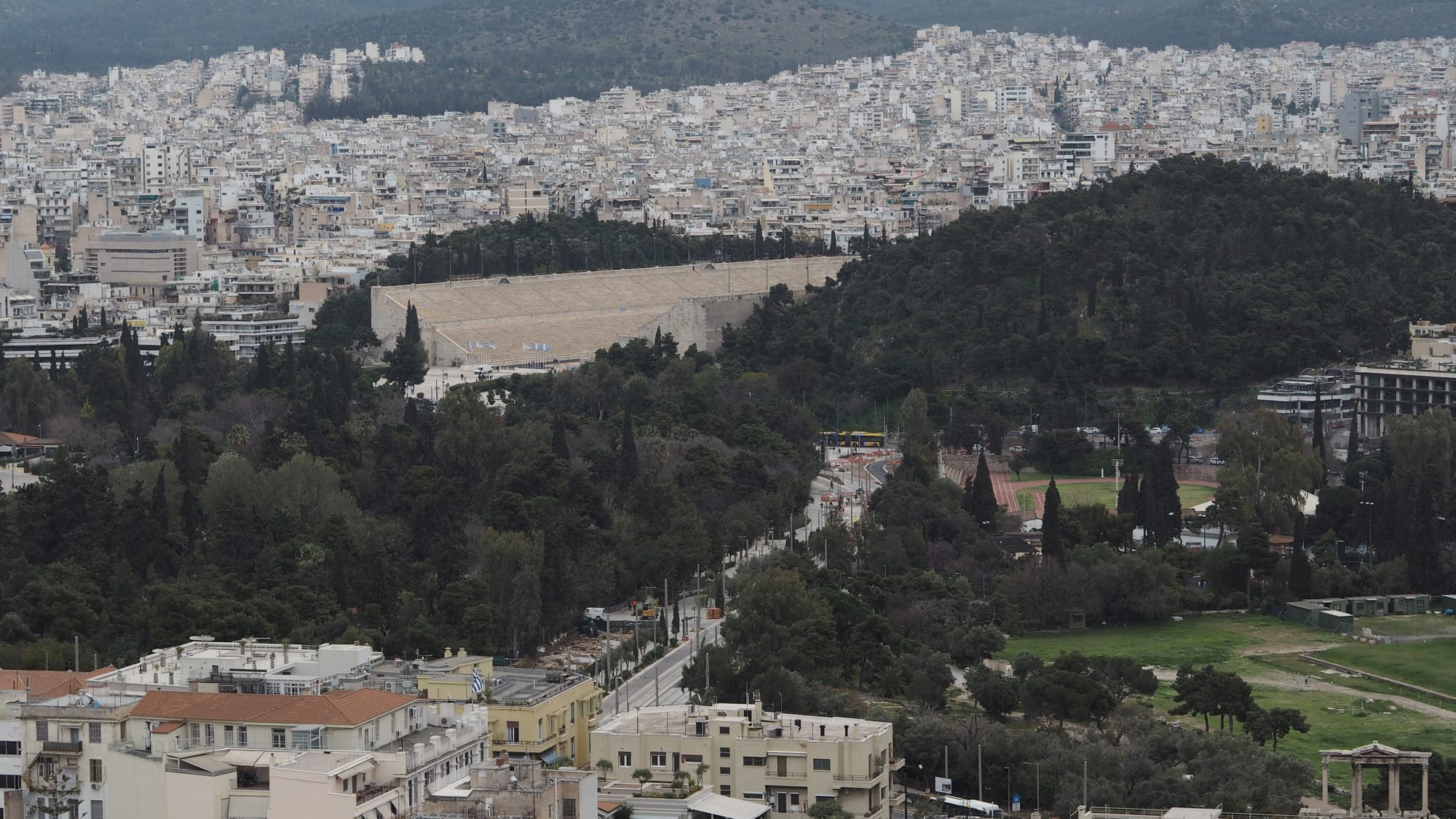
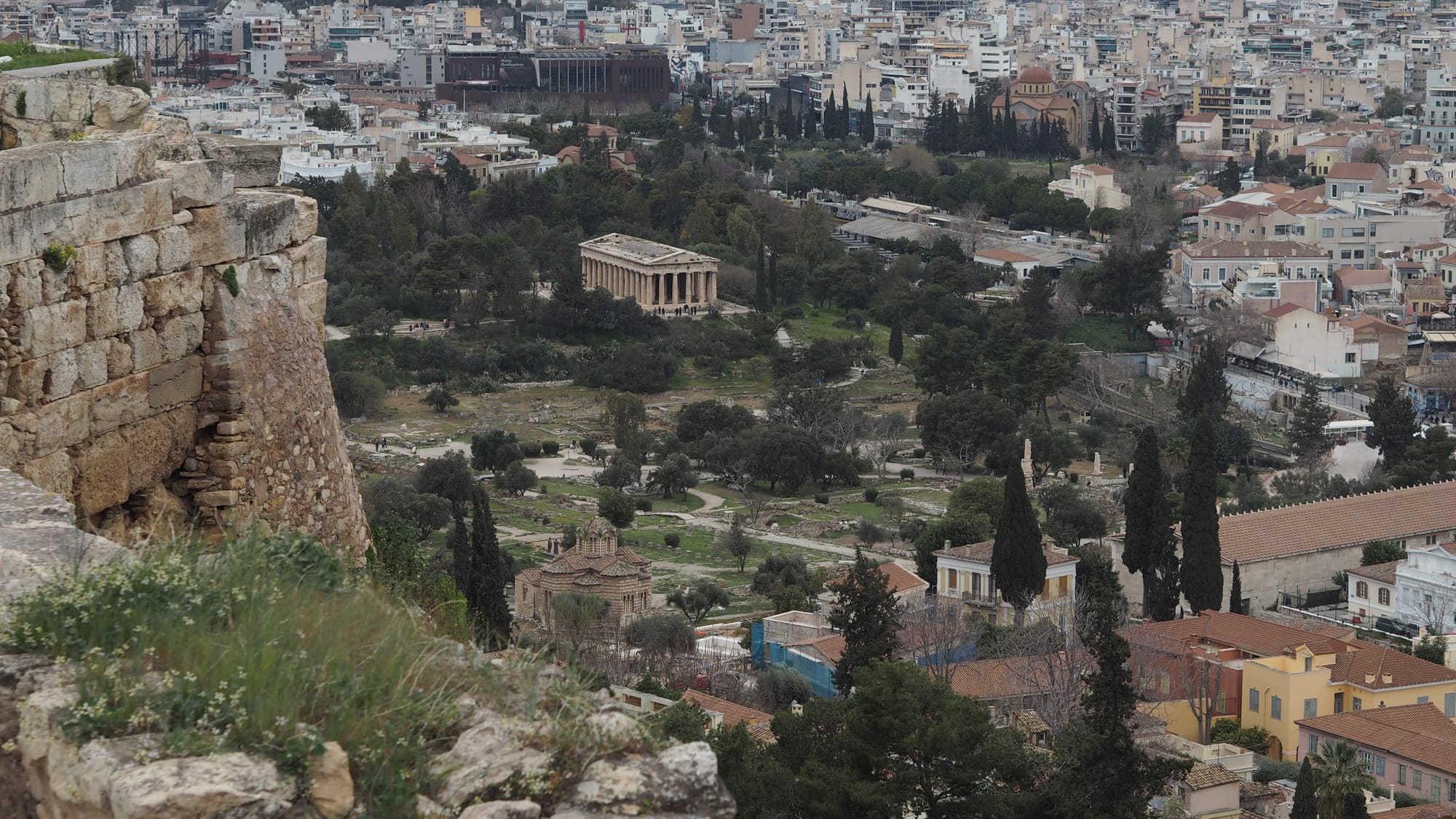
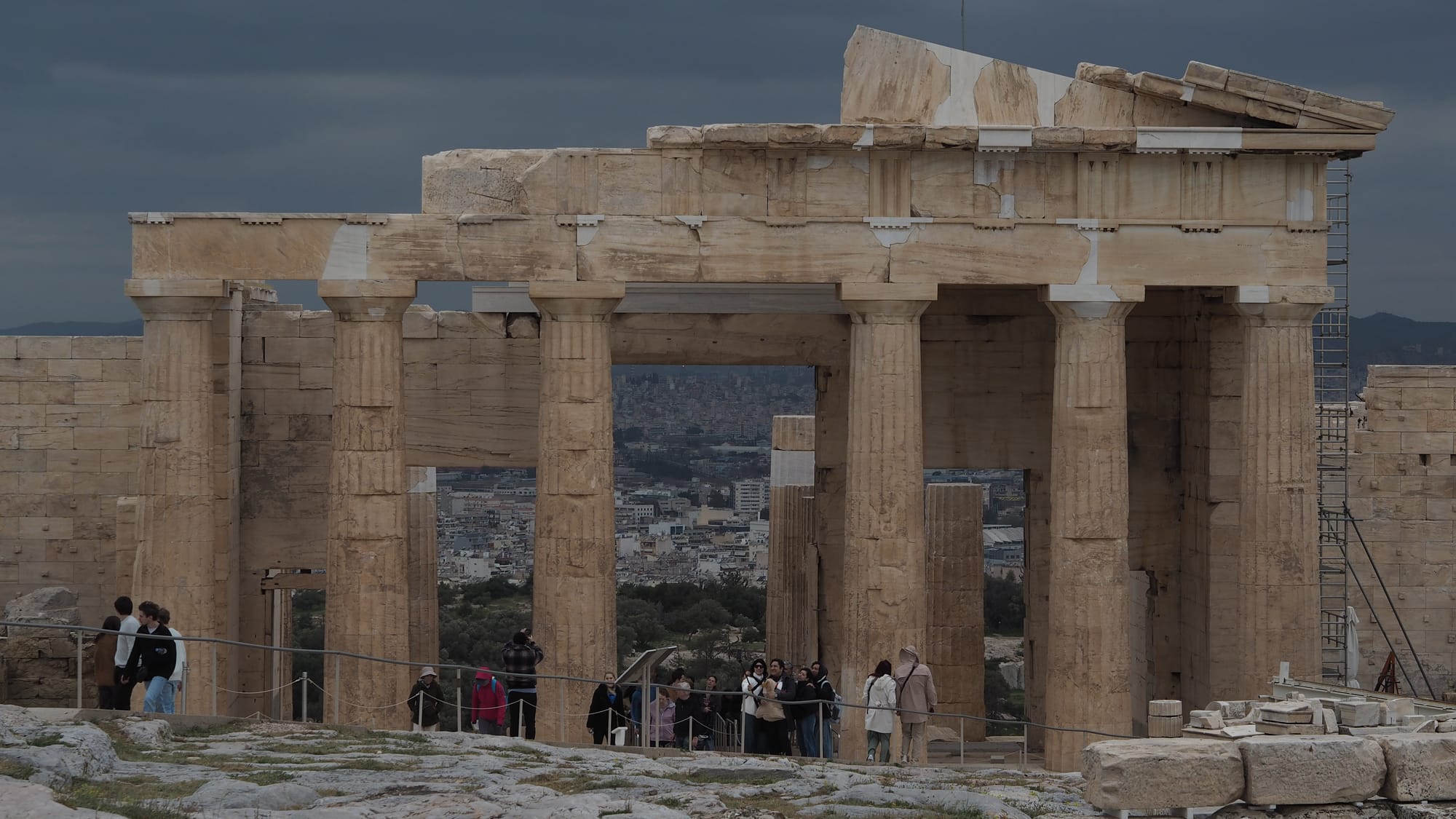
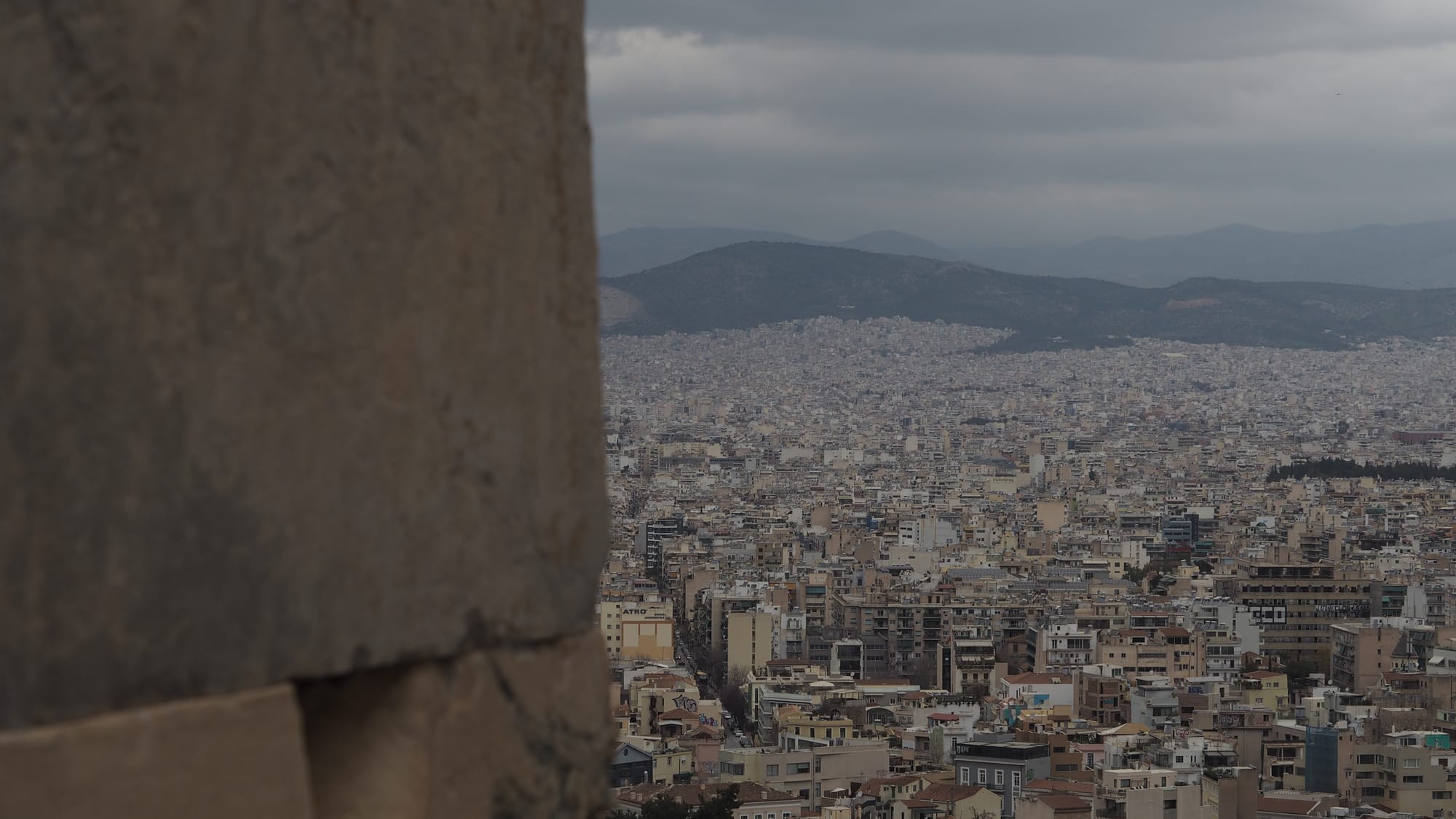
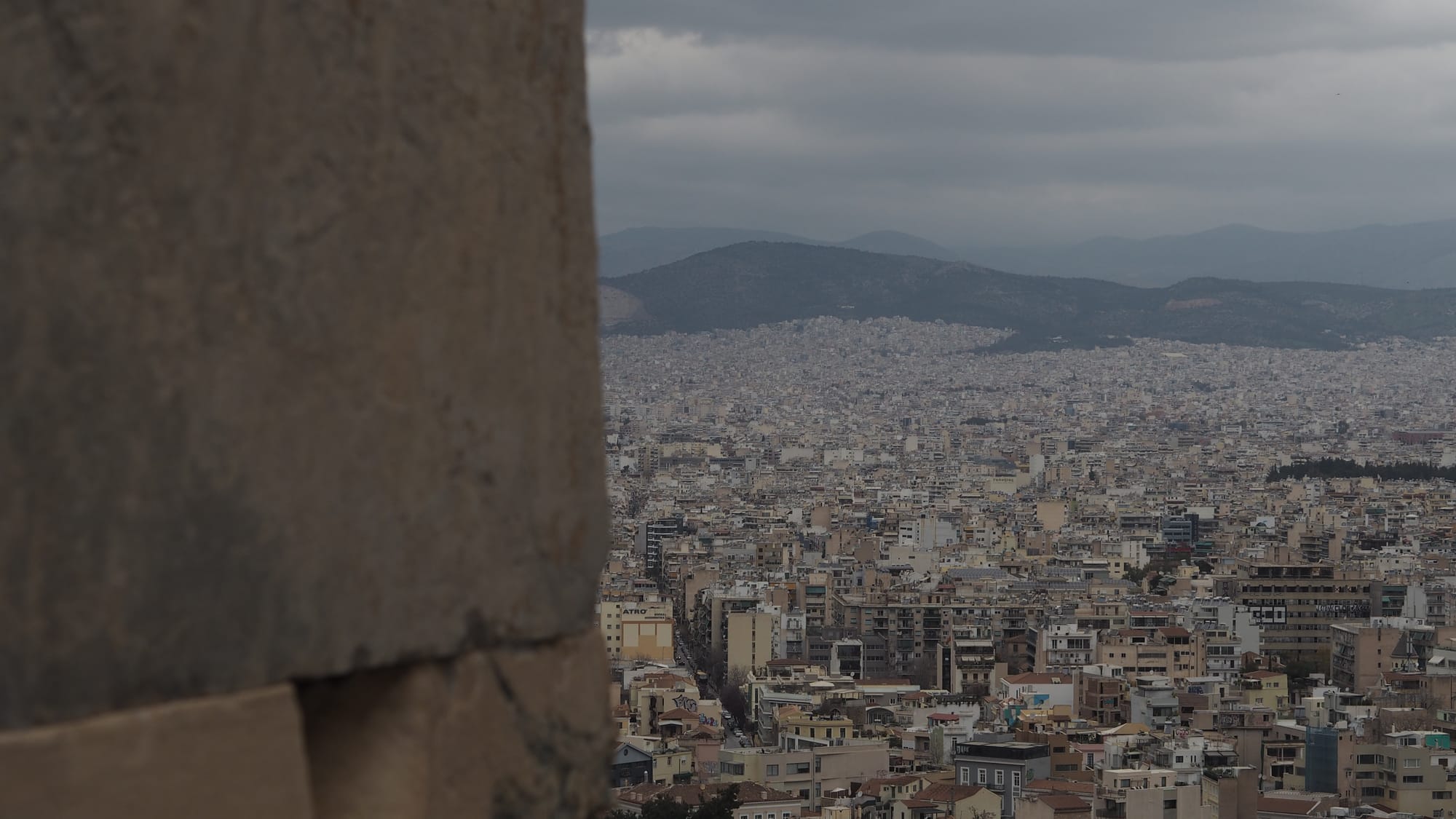
Views, the second got the whistle blown on me by an attendant in a pink plastic poncho whipping in the wind, because I climbed up on the walls:
Thetis came unto the house of Hephaestus, imperishable, decked with stars, preeminent among the houses of immortals, wrought all of bronze, that the crook-foot god himself had built him.
Him she found sweating with toil as he moved to and fro about his bellows in eager haste; for he was fashioning tripods, twenty in all, to stand around the wall of his well-builded hall, and golden wheels had he set beneath the base of each that of themselves they might enter the gathering of the gods at his wish and again return to his house, a wonder to behold.
Thus much were they fully wrought, that not yet were the cunningly fashioned ears set thereon; these was he making ready, and was forging the rivets.
–source: §18.365–§18.375
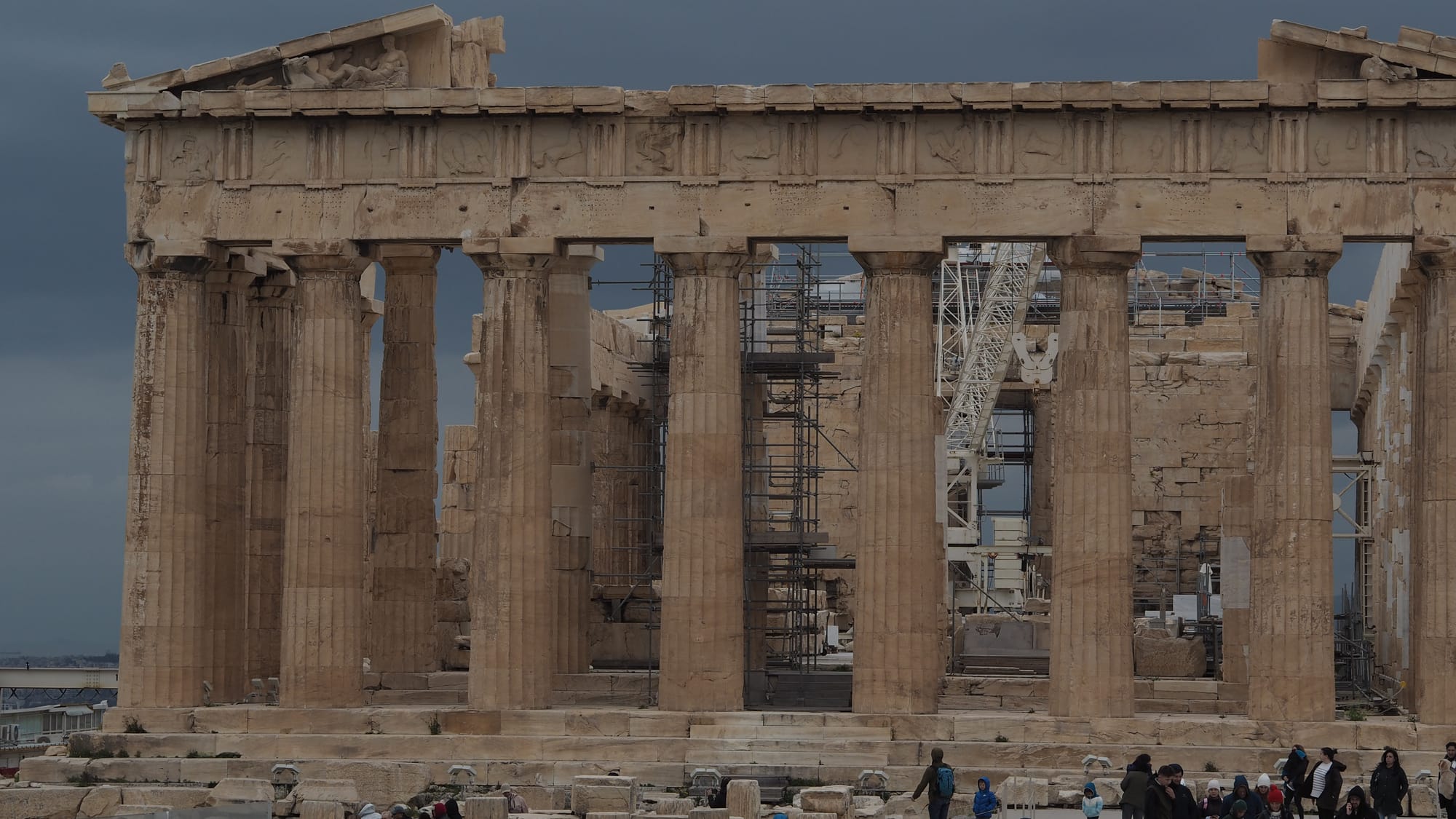
Speaking of which, the wind caught the steel beam these guys were hoisting, sending it spinning, here caught:
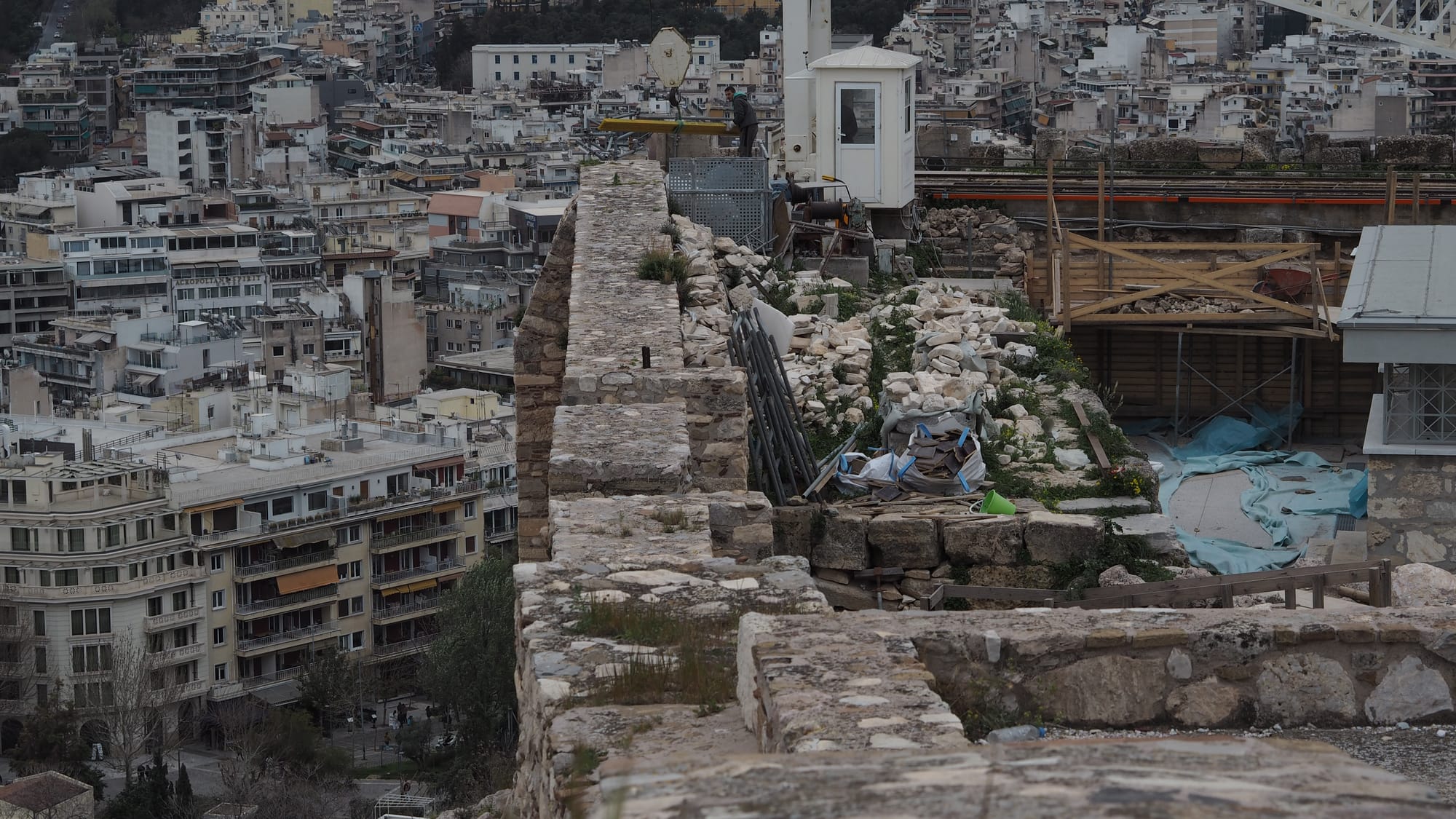
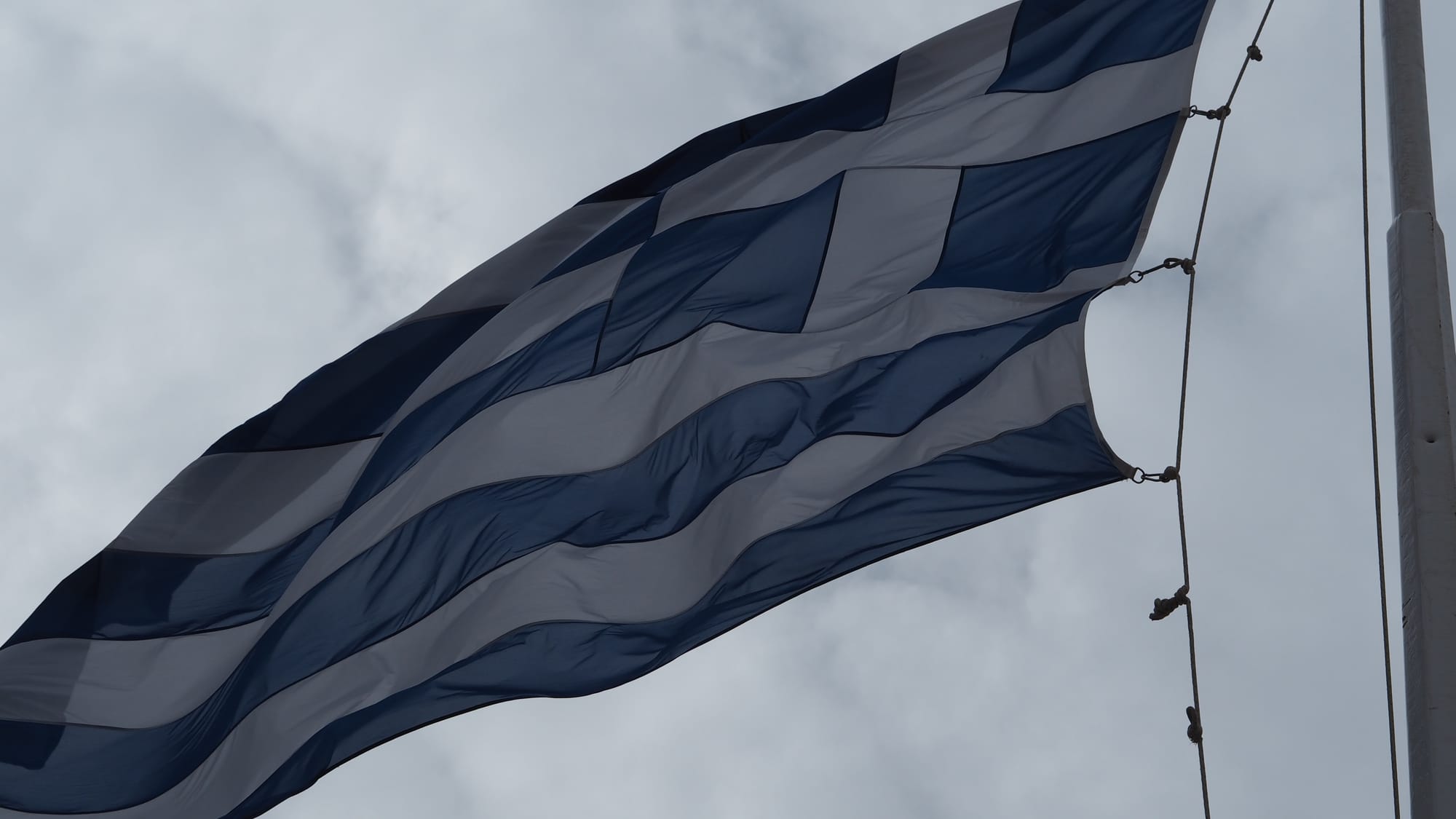
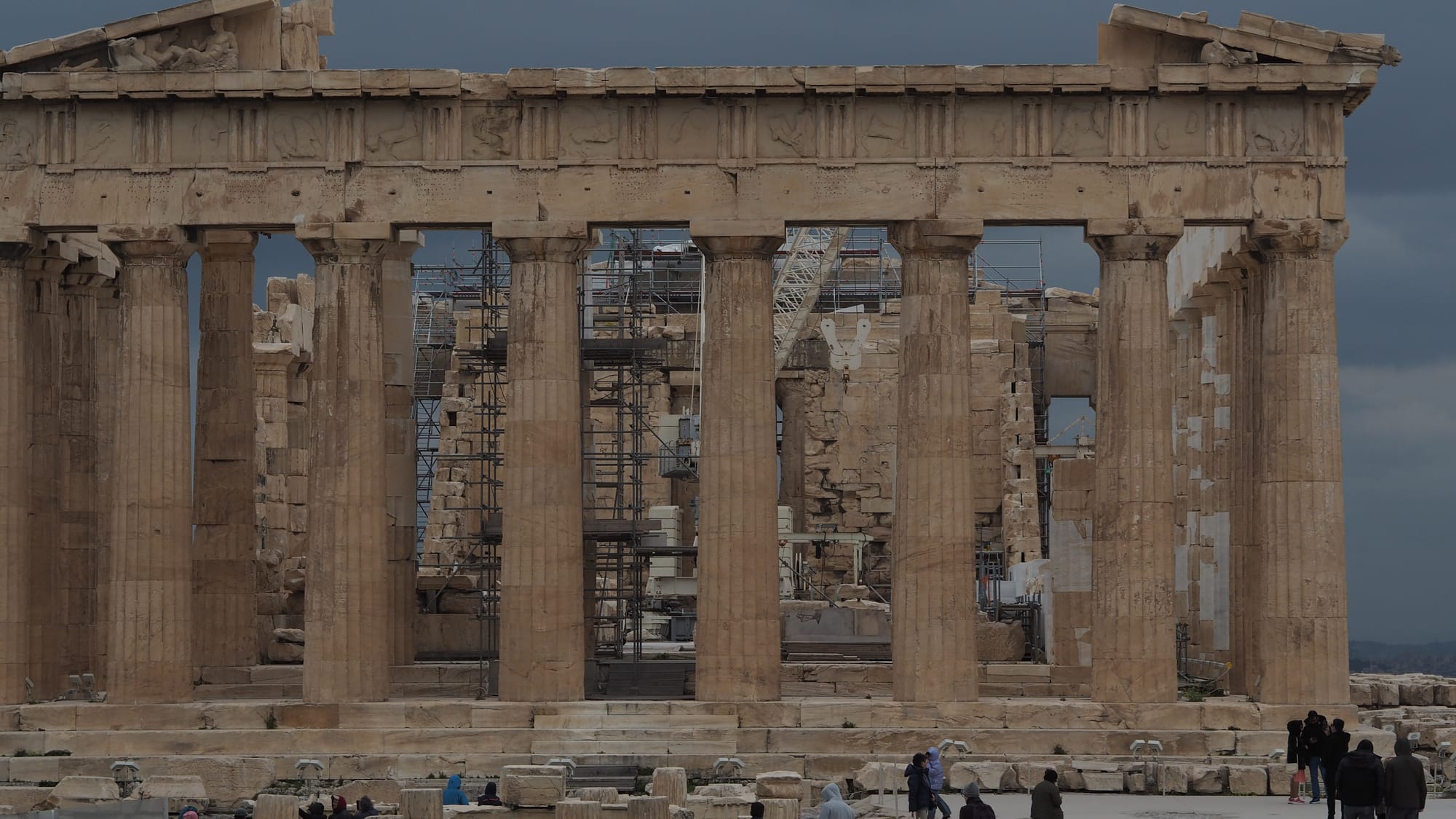
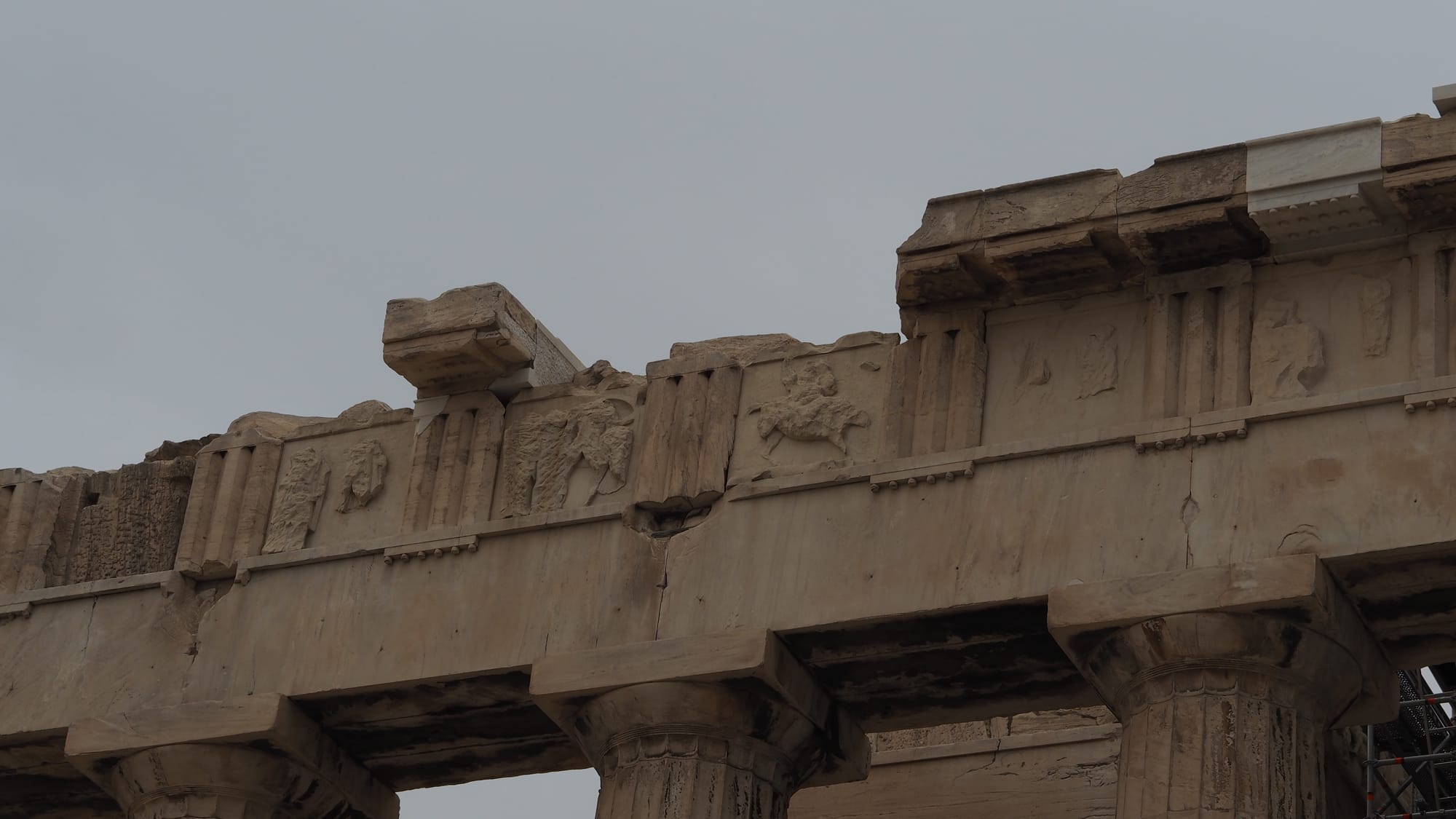
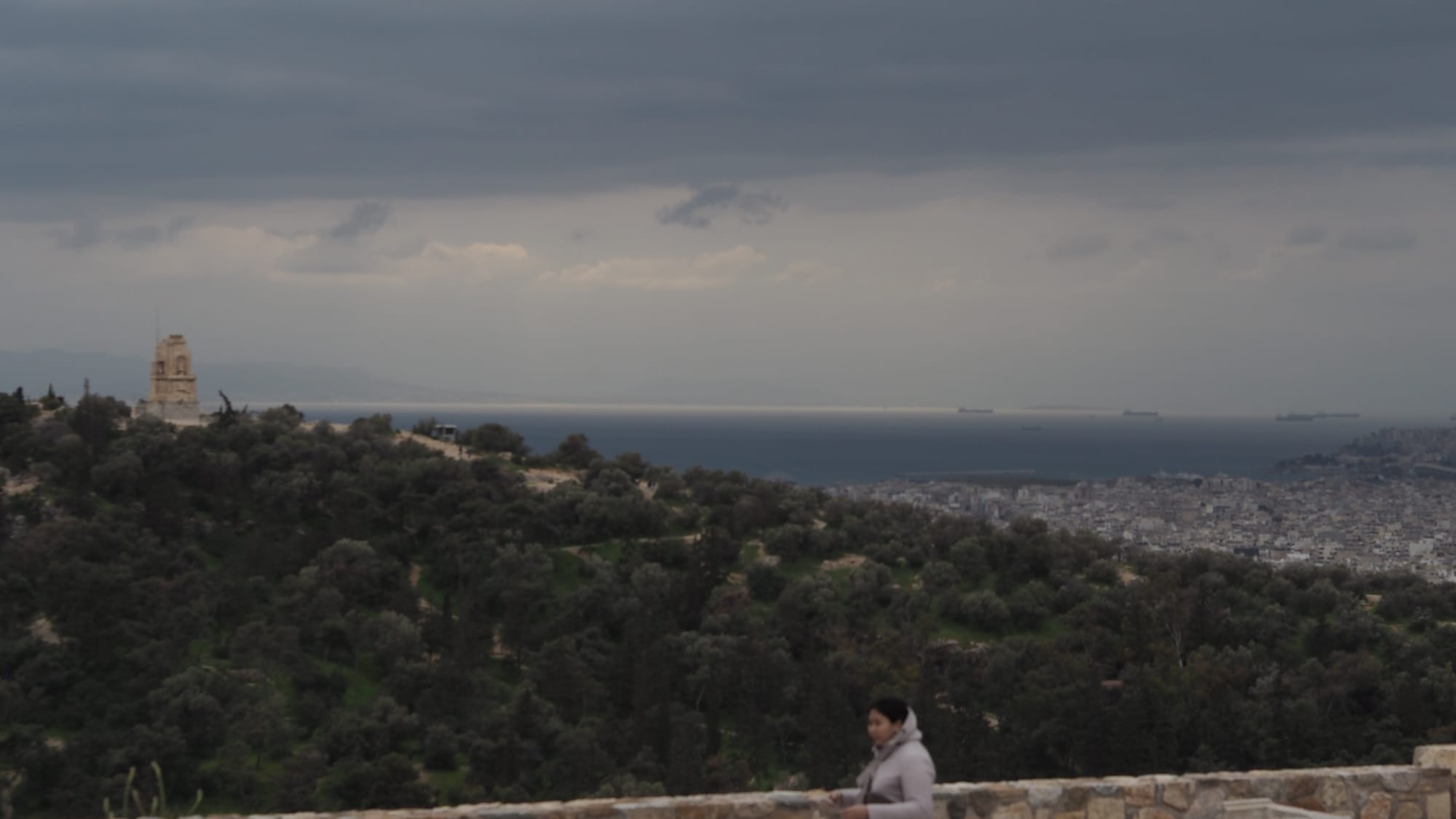
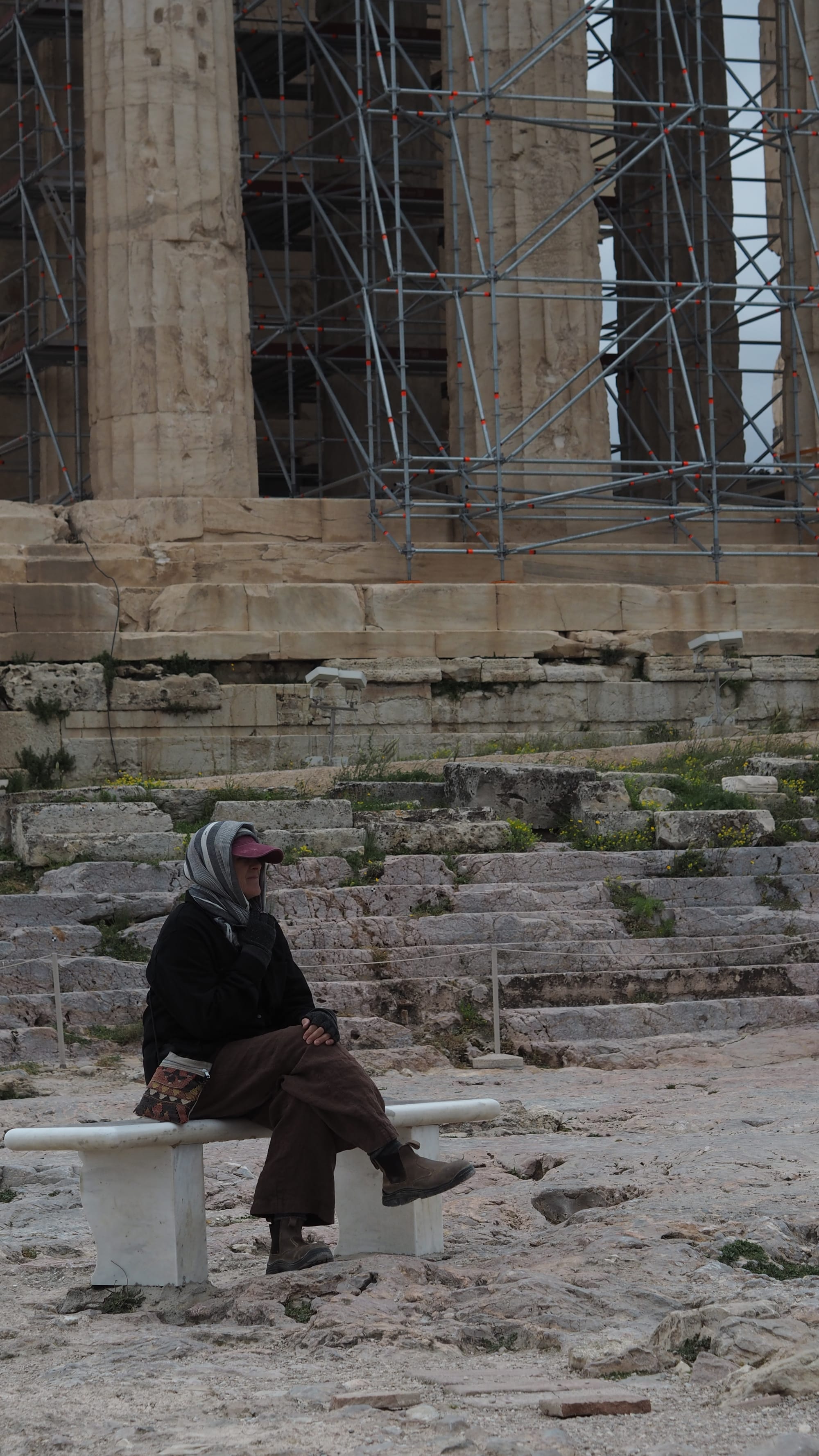
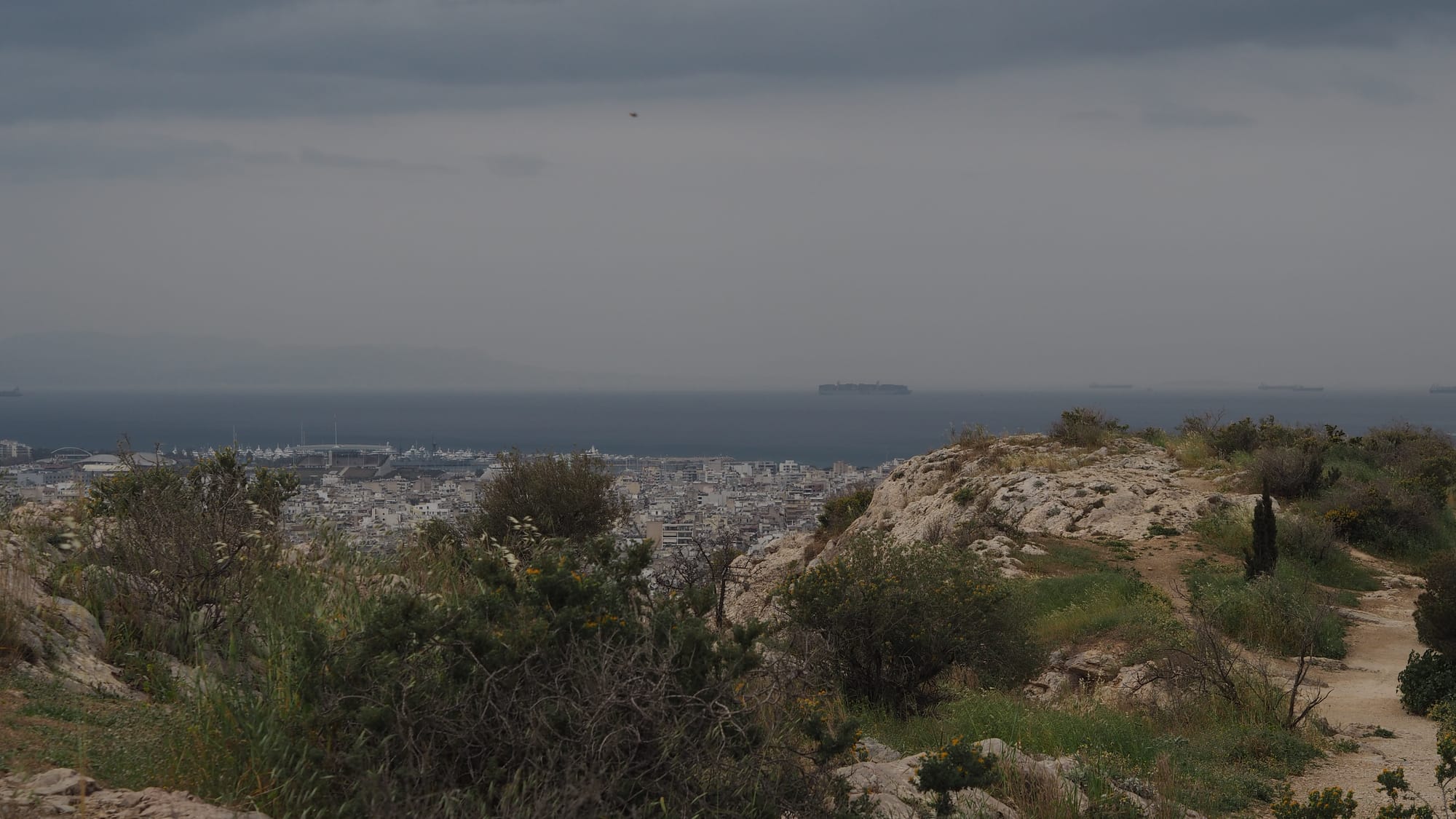
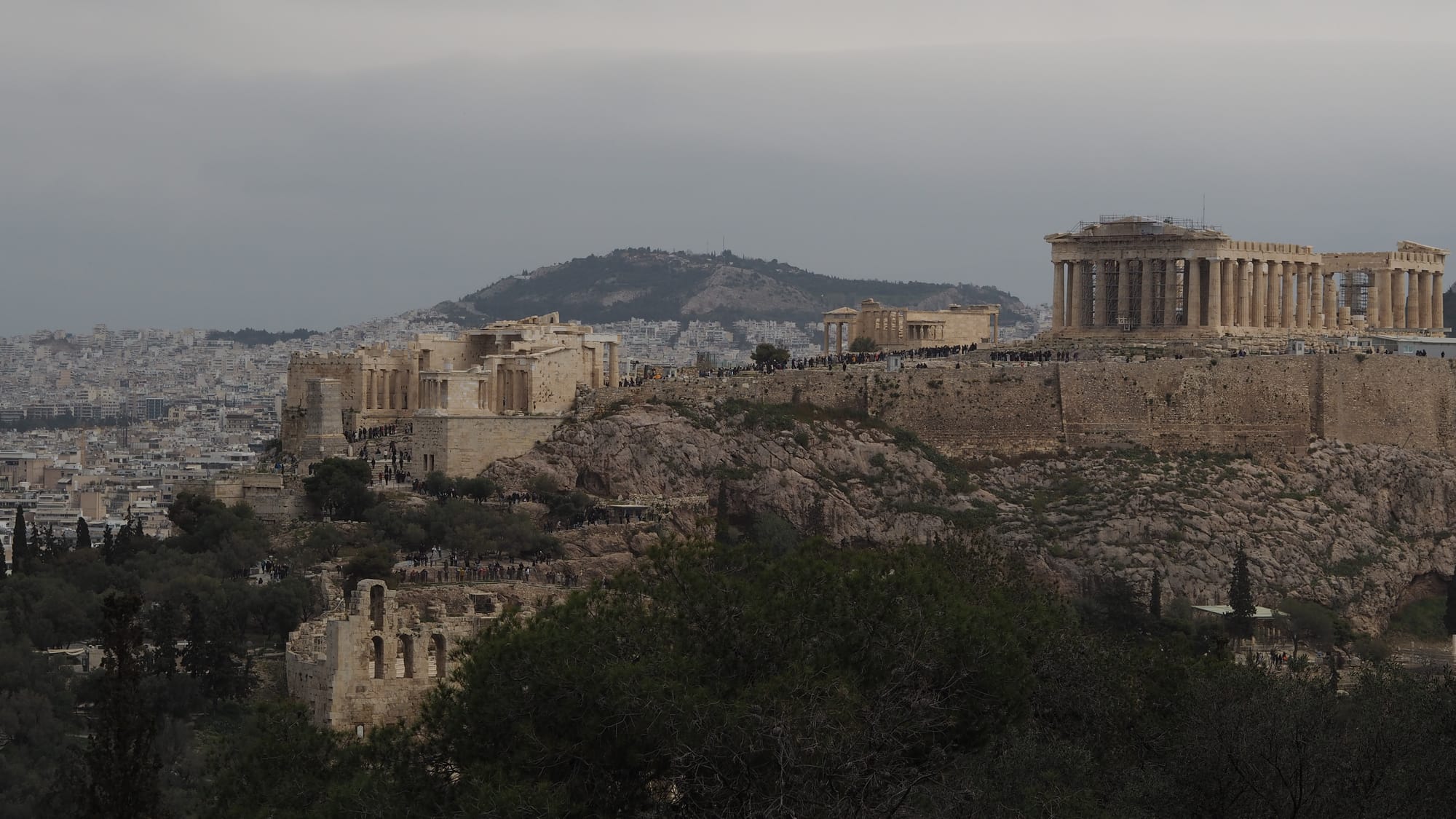
- the second to last of these is looking beyond the Hill of Muses and Philopappos's mausoleum to the horizon
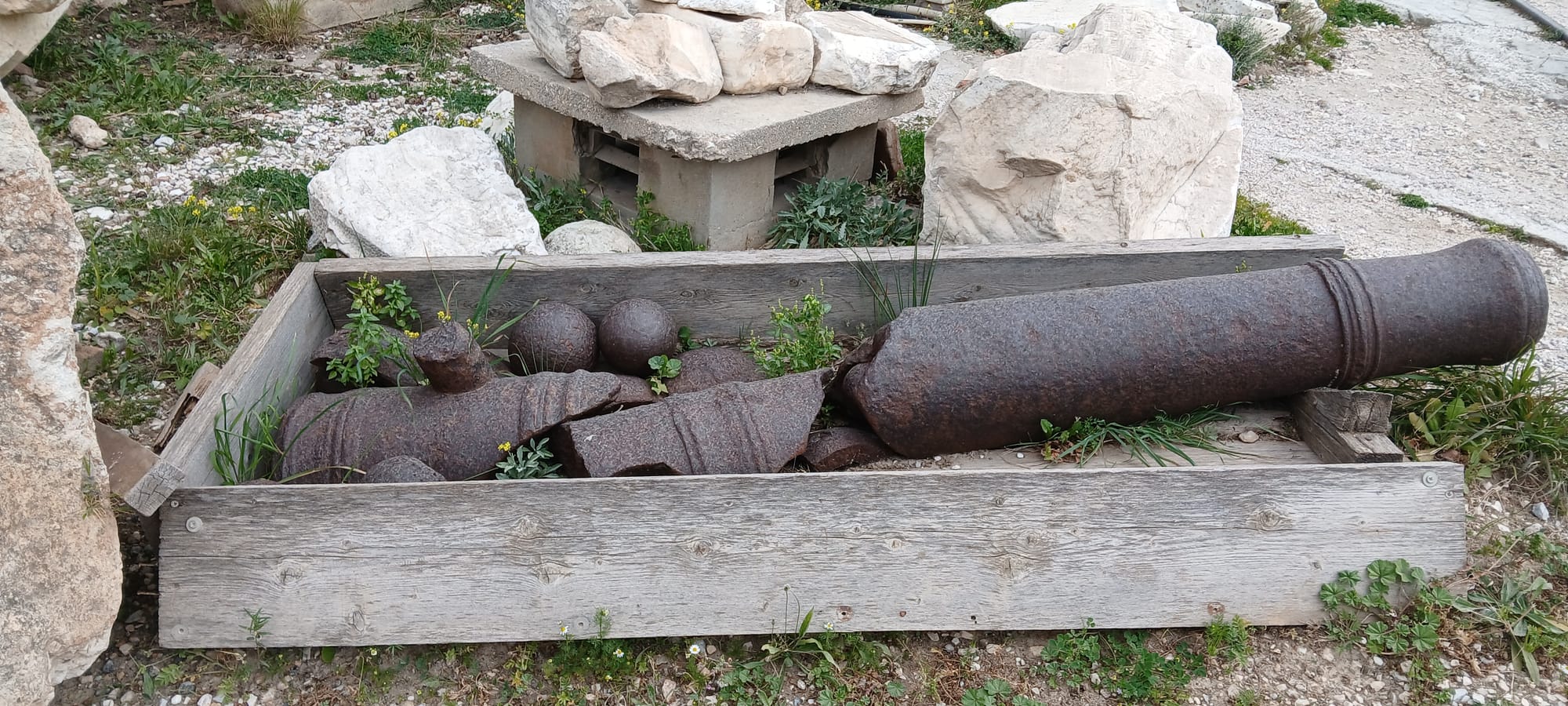
Snaps of lions and a cannon:
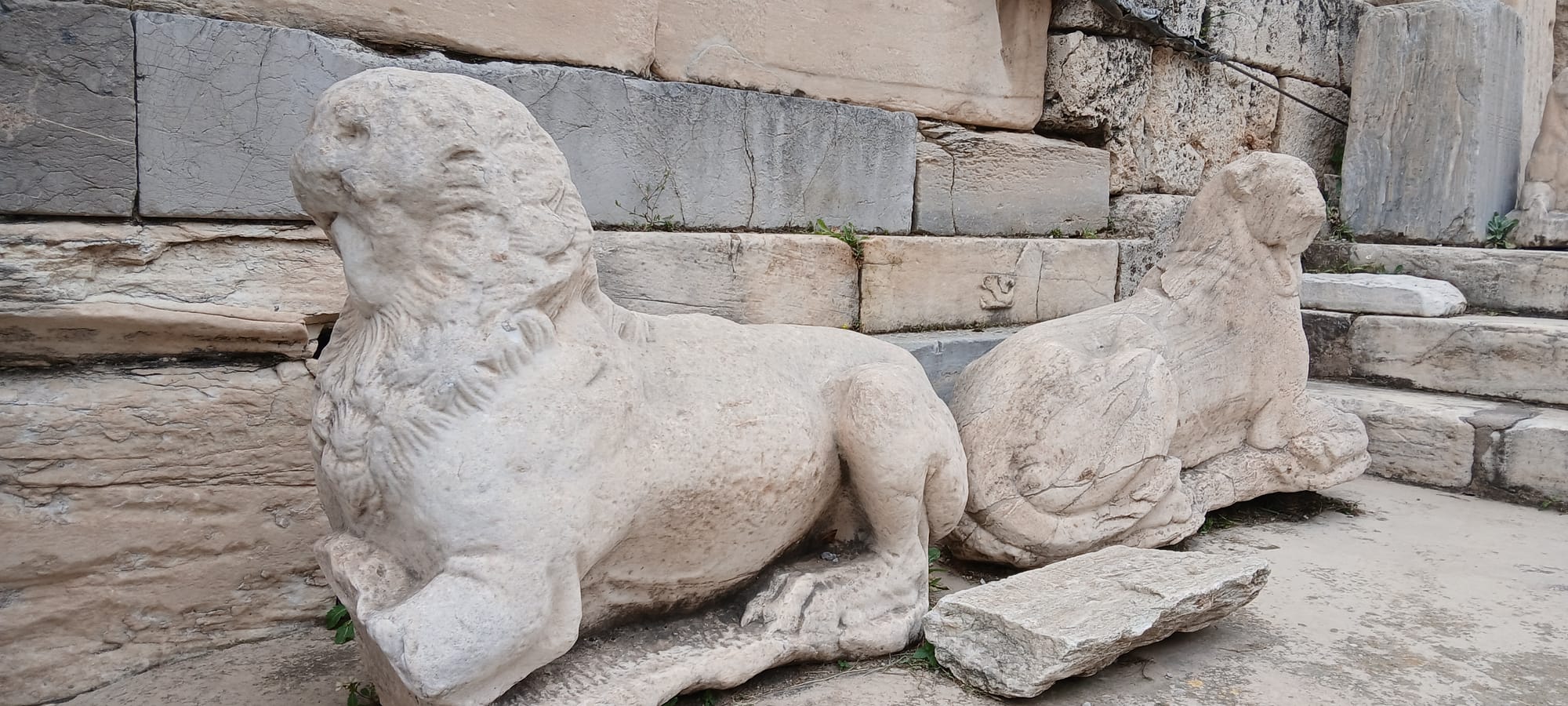
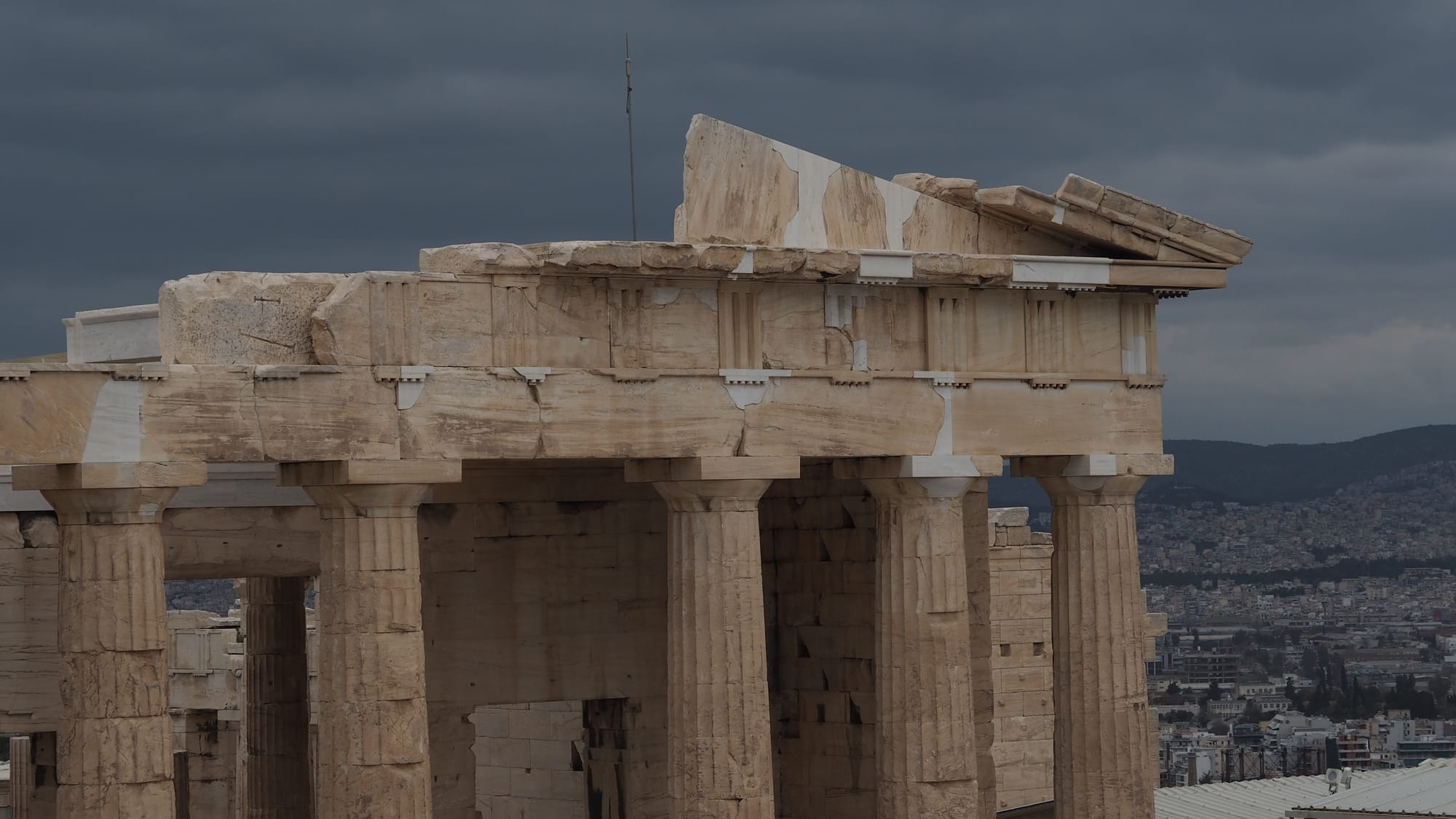
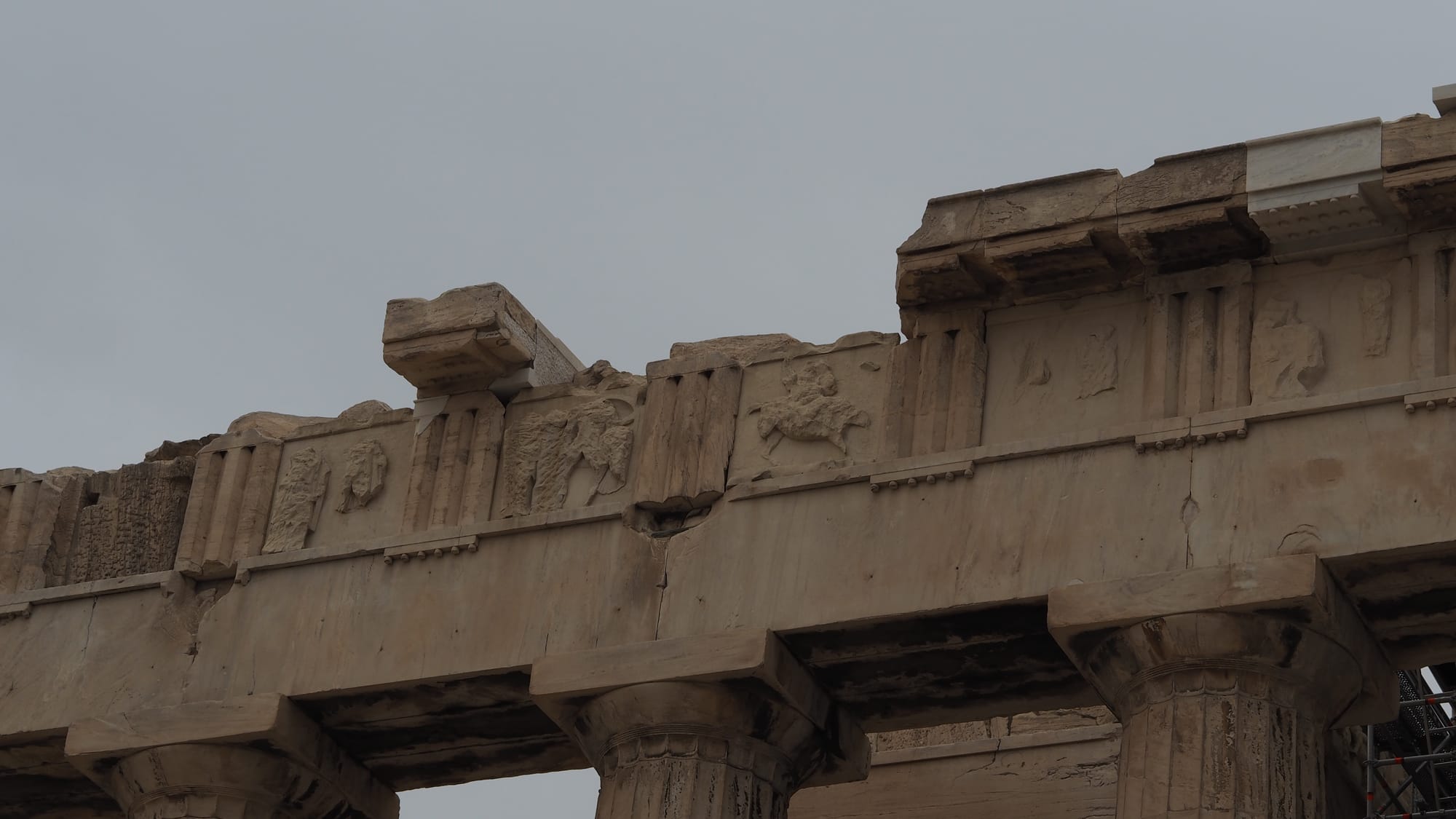
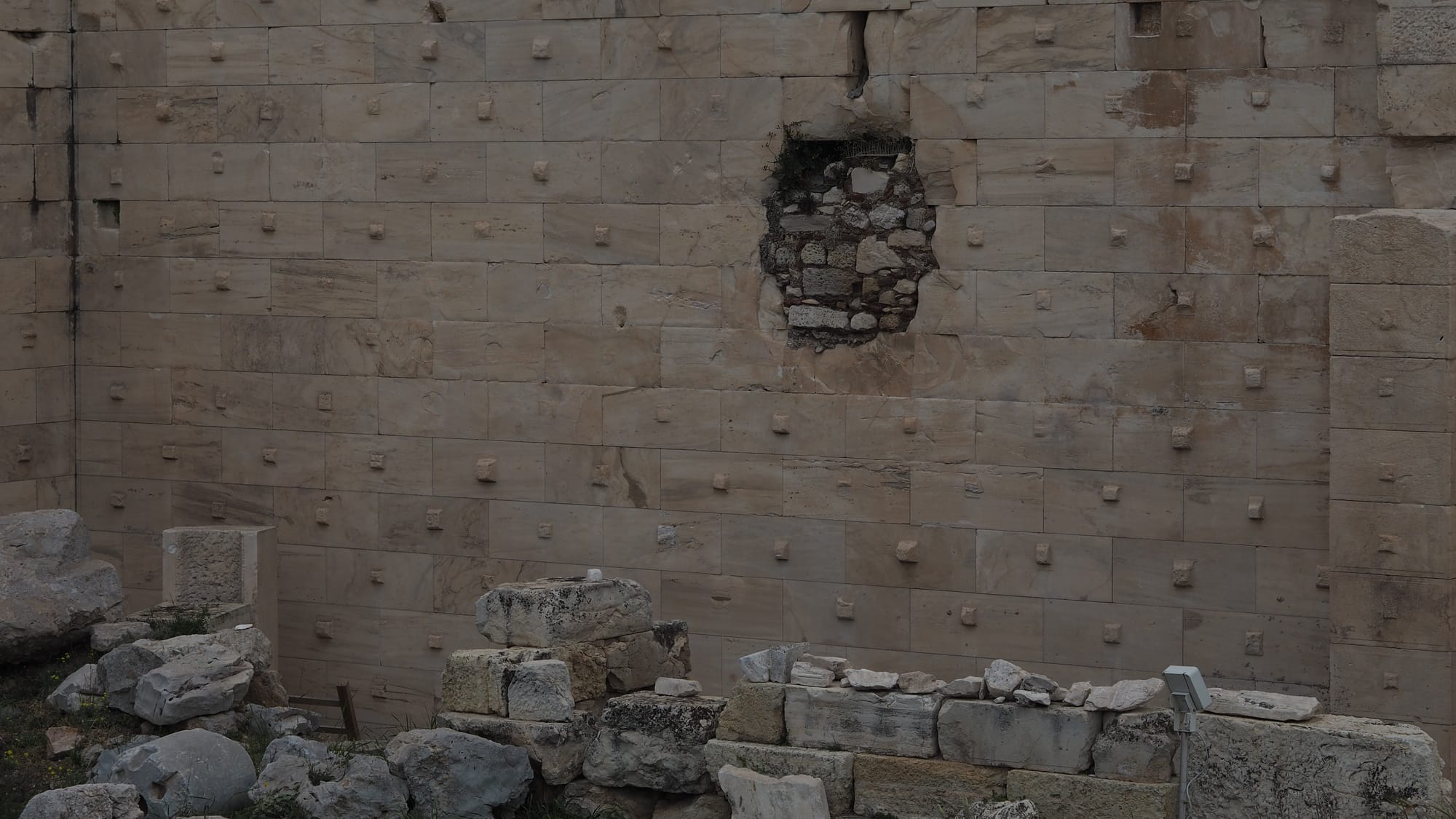
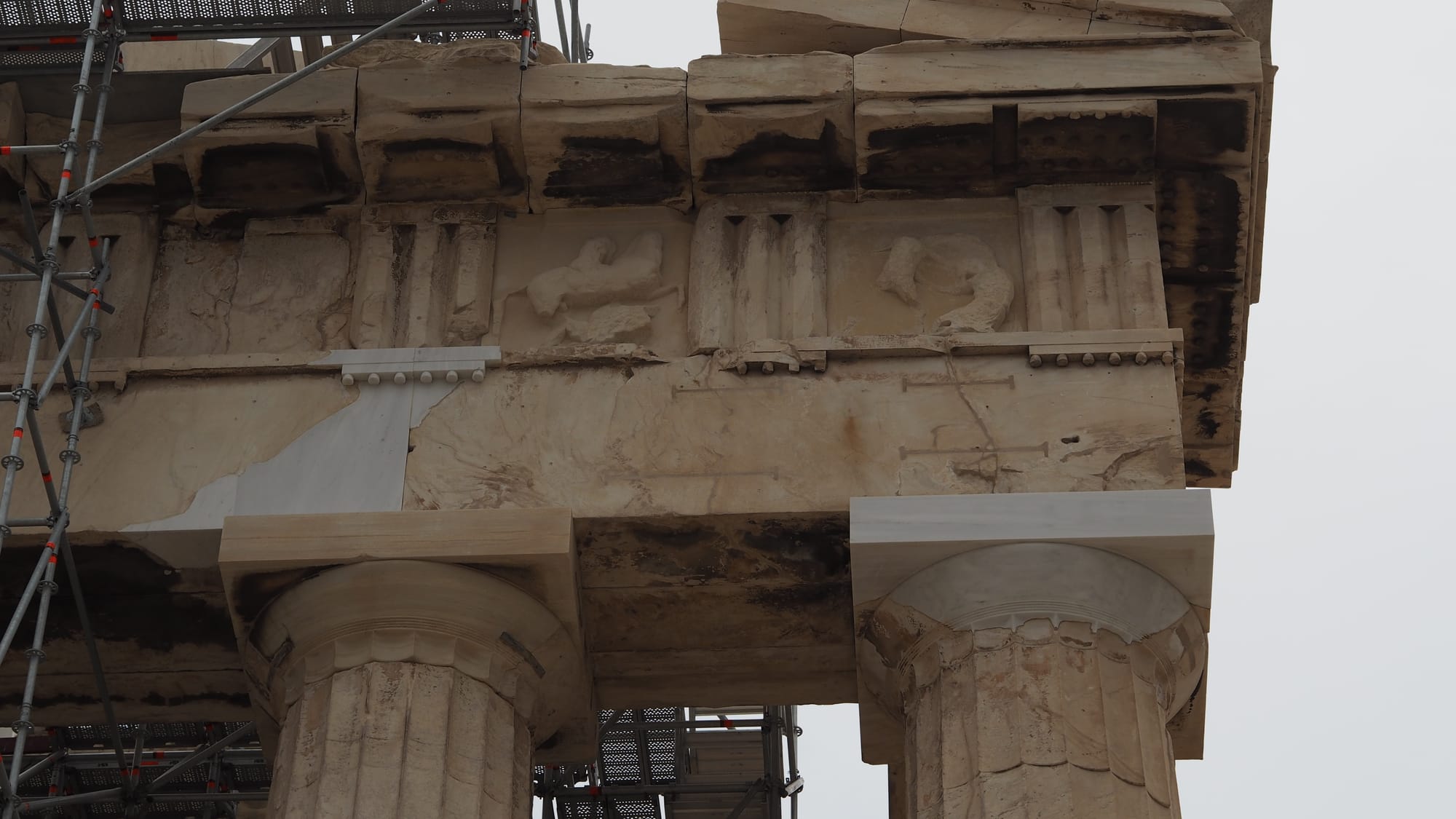
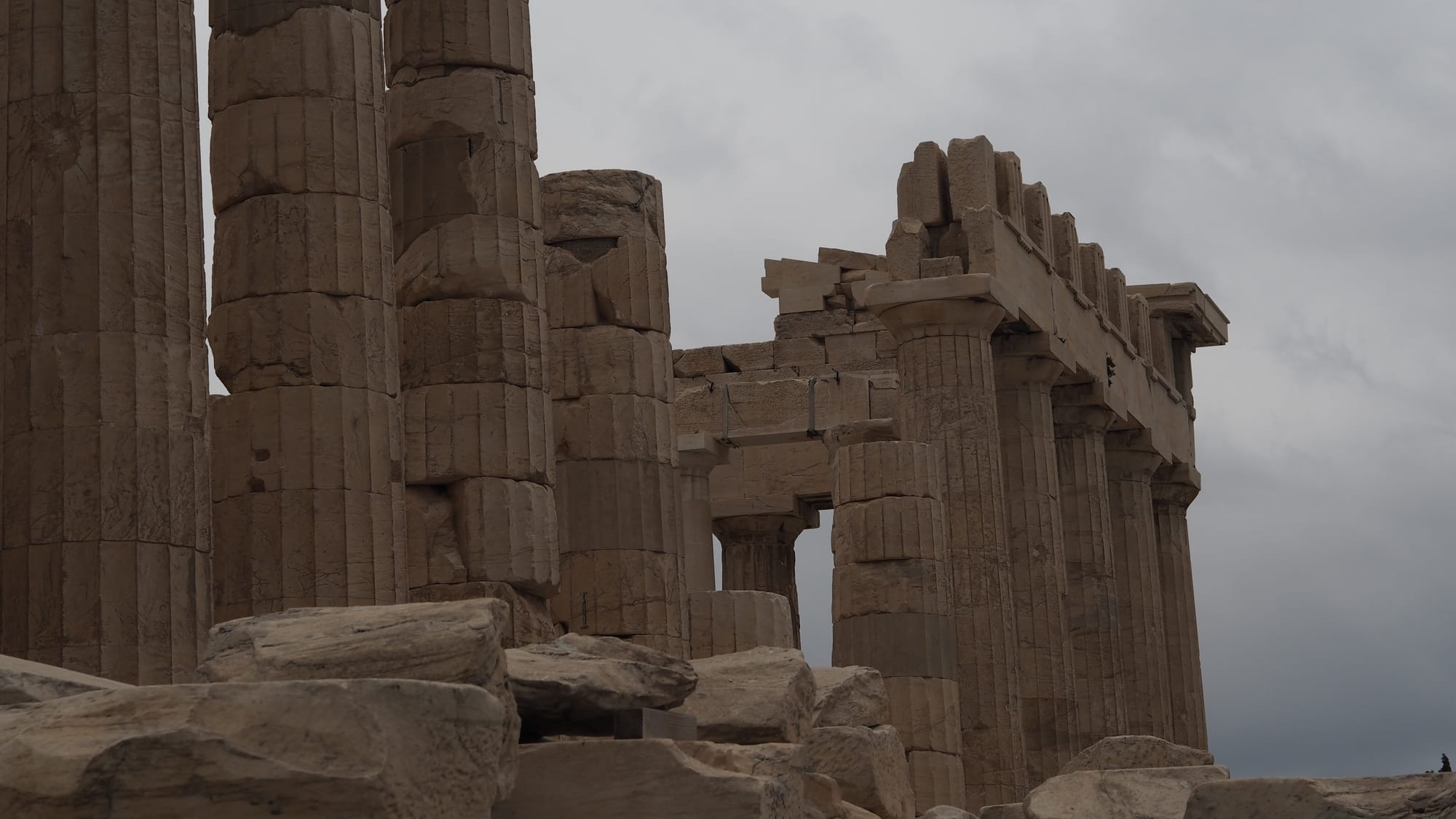
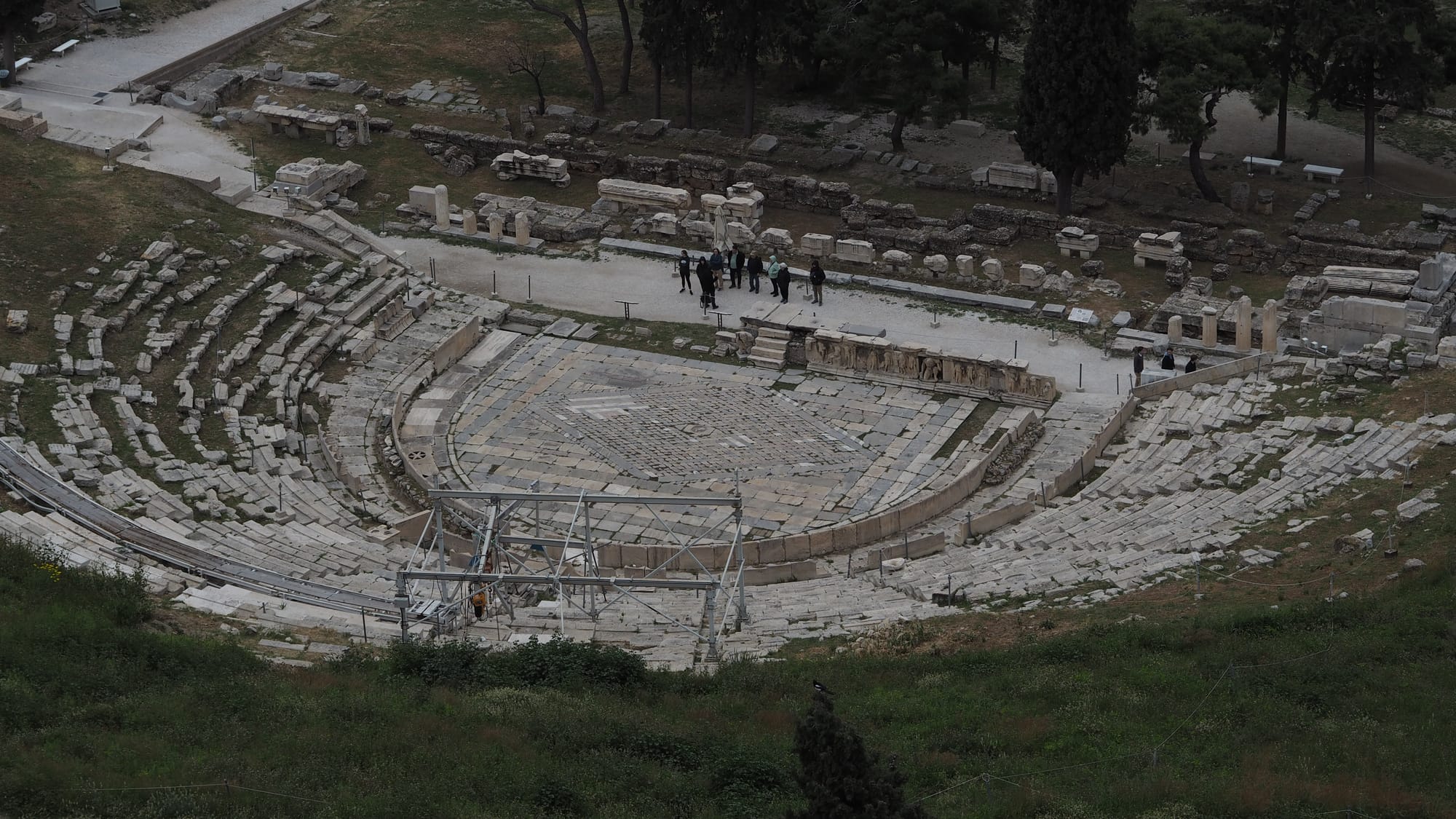
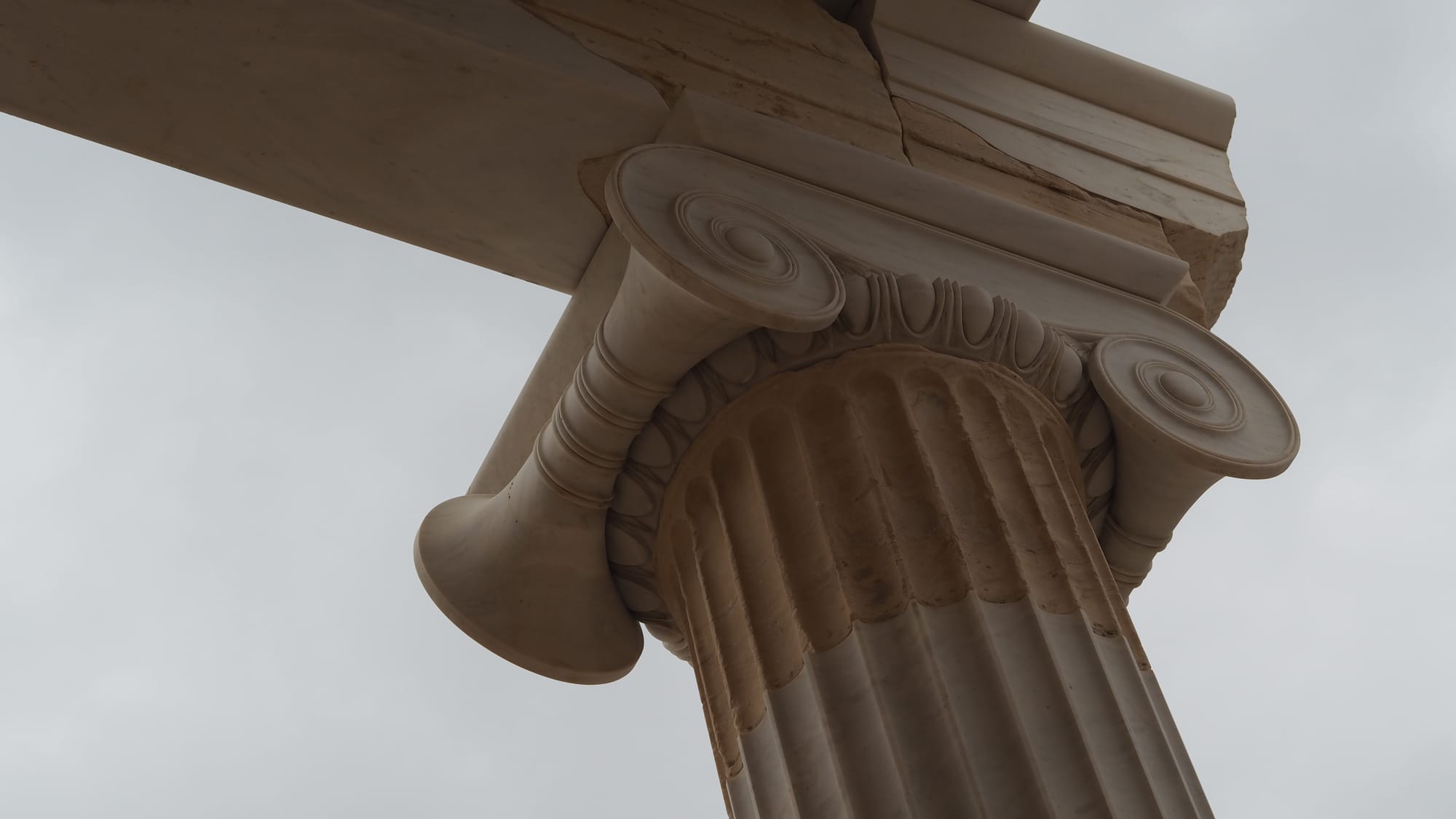
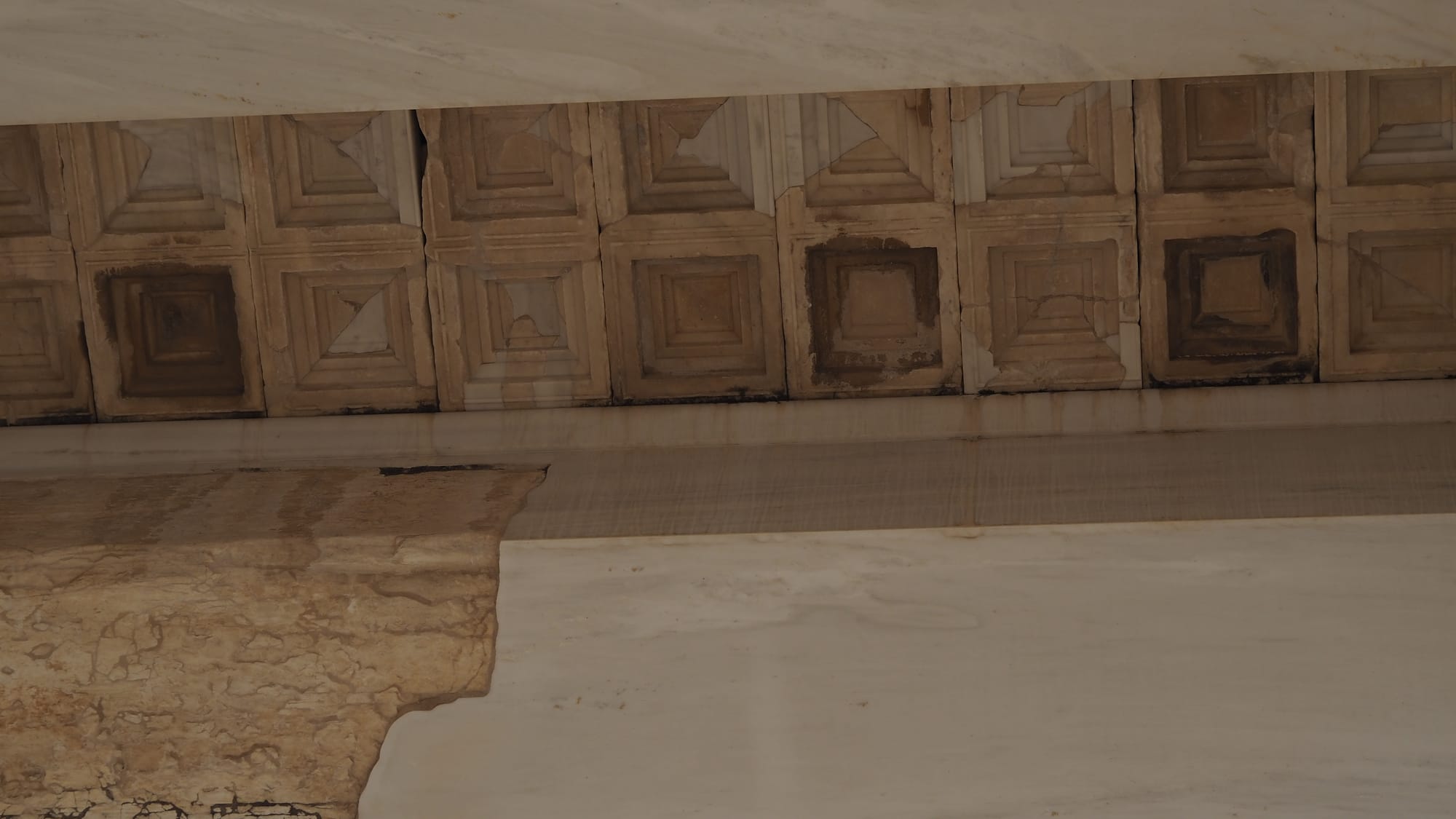
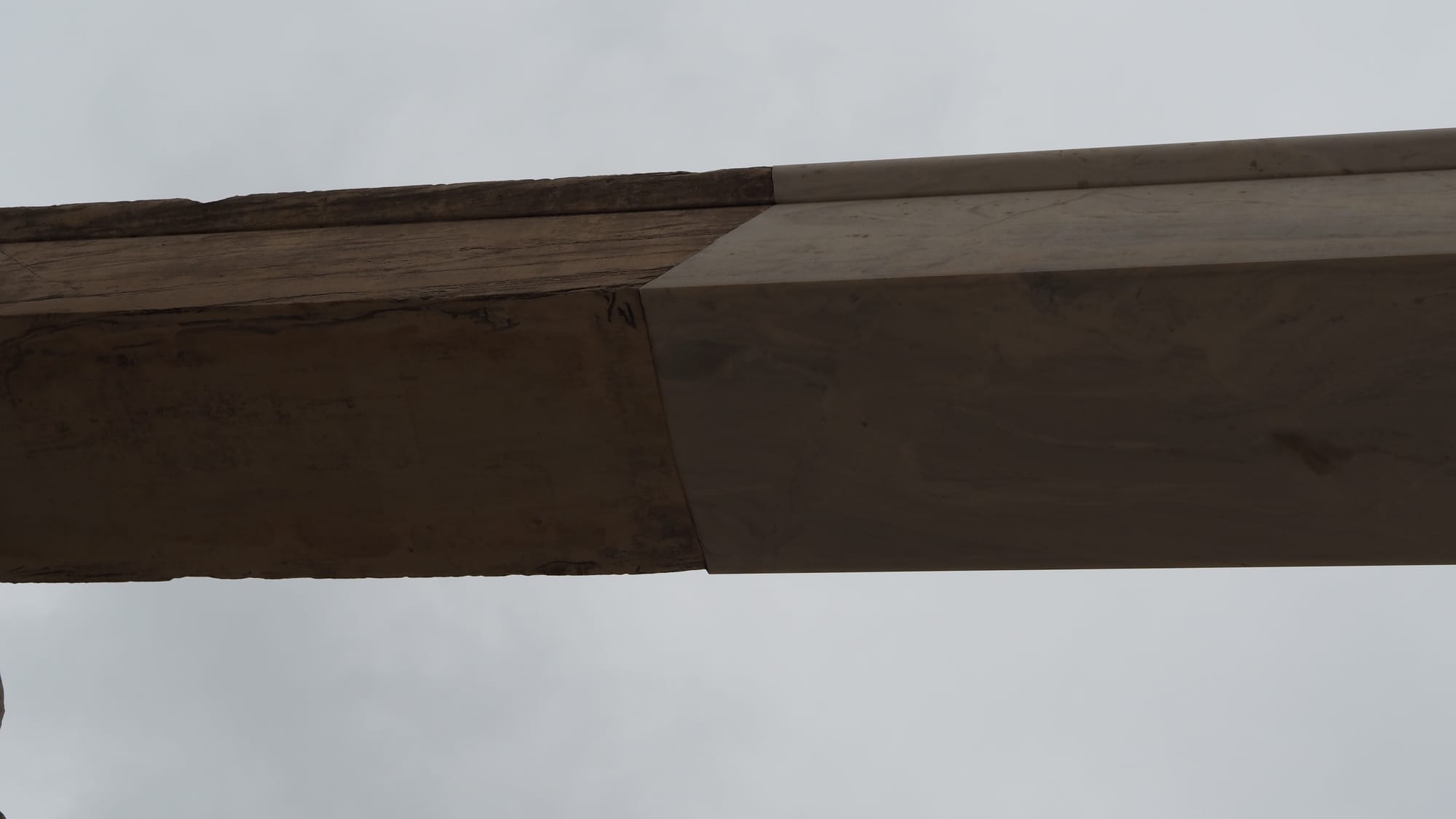
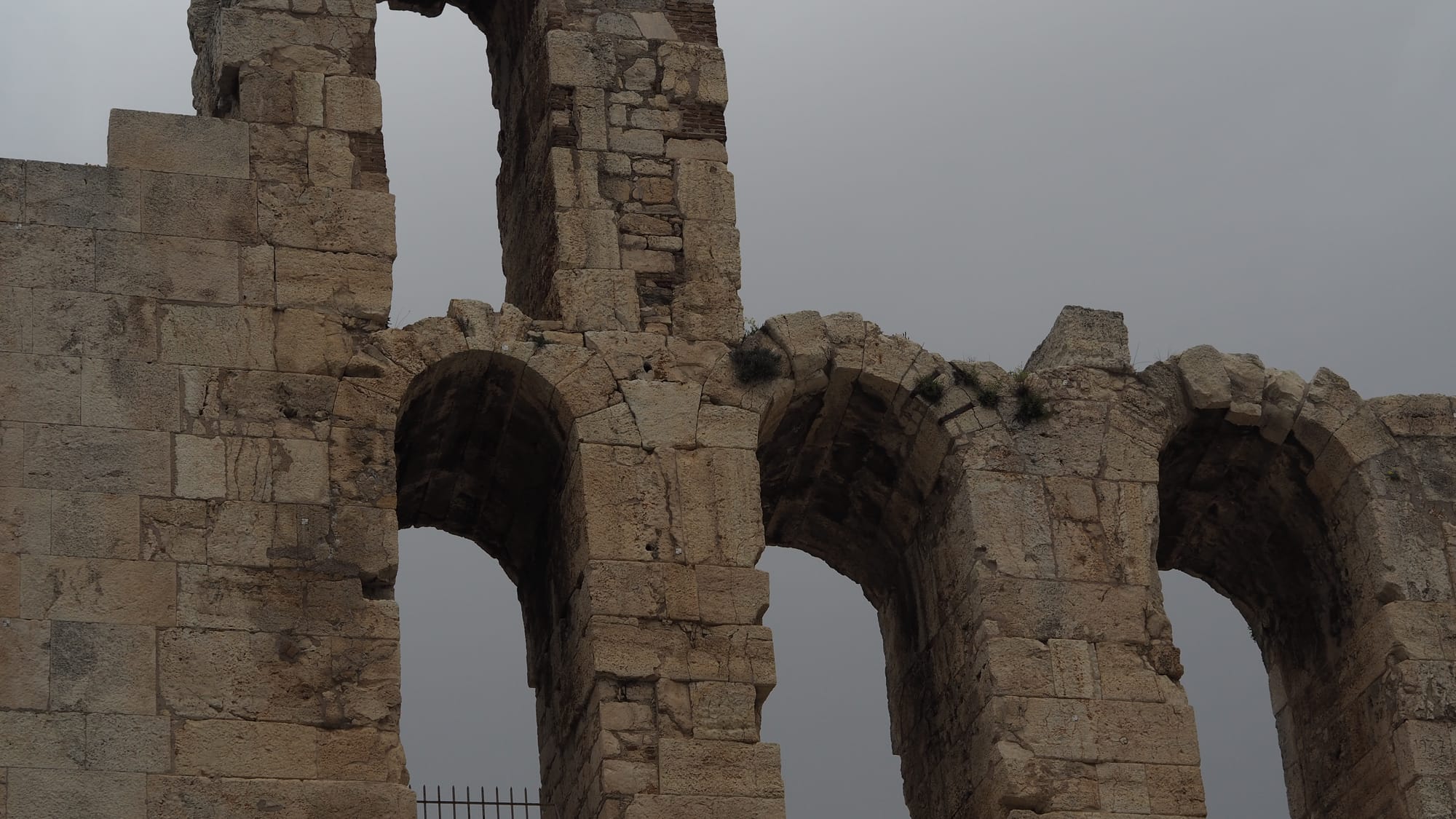
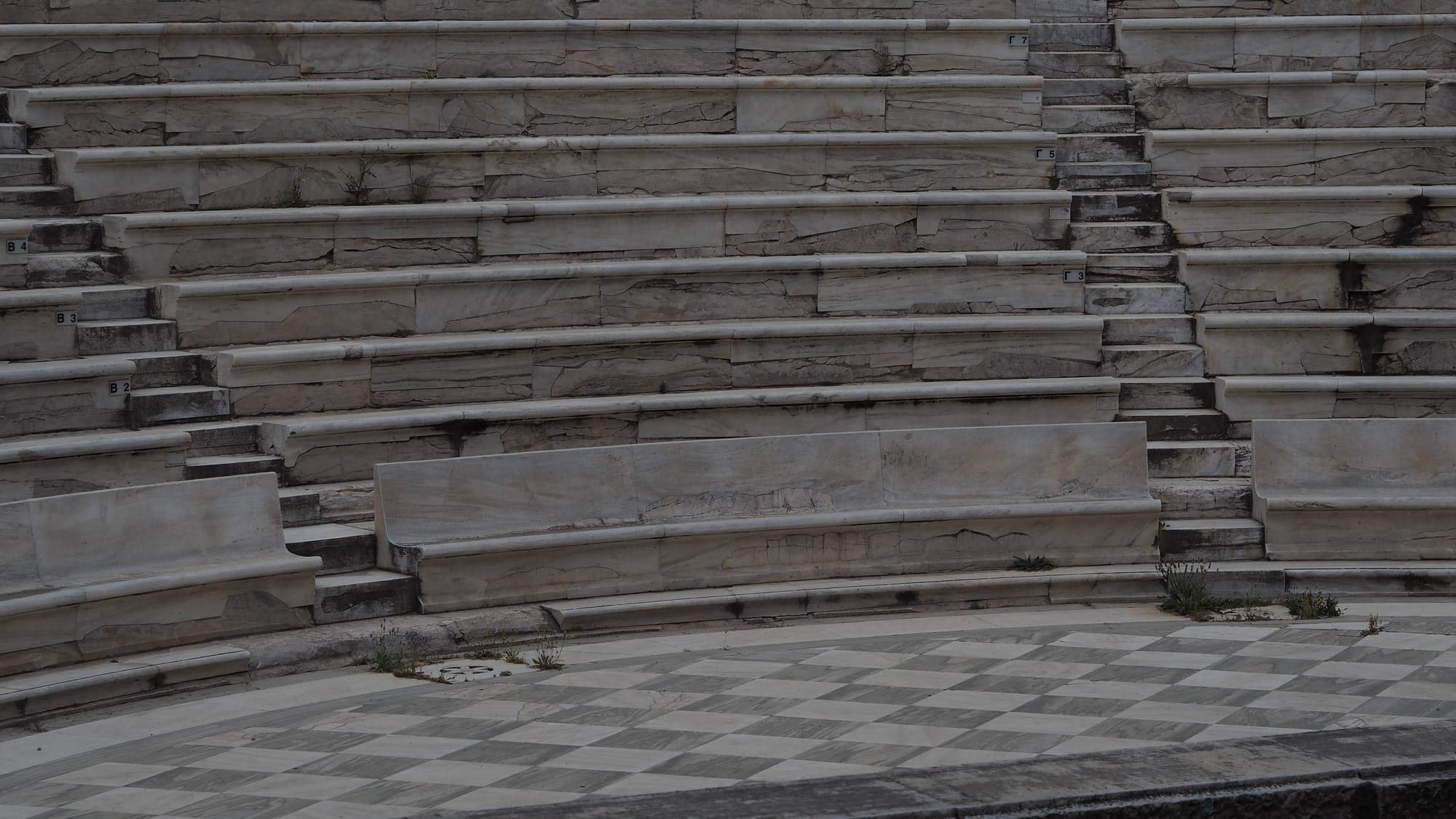
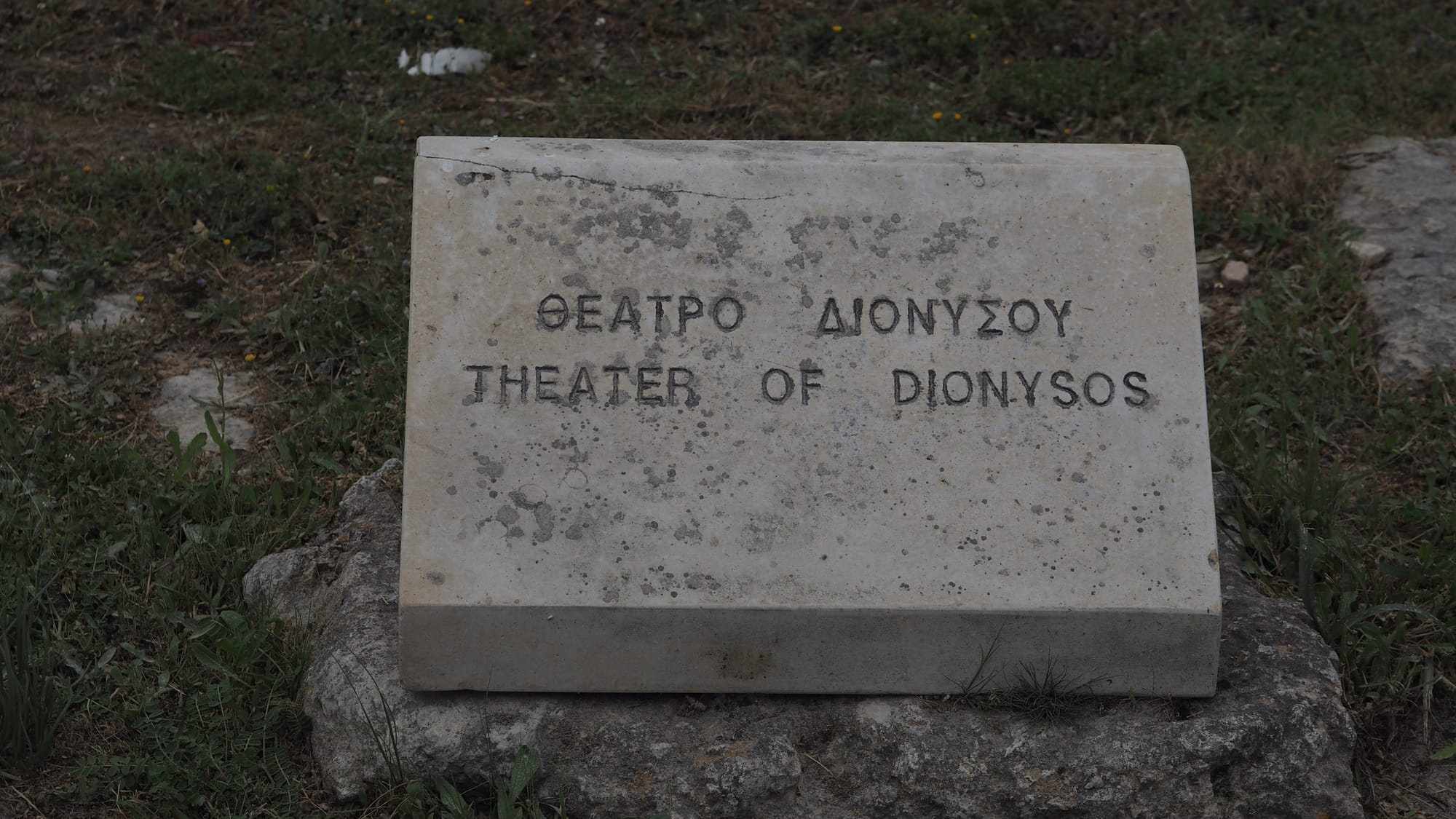
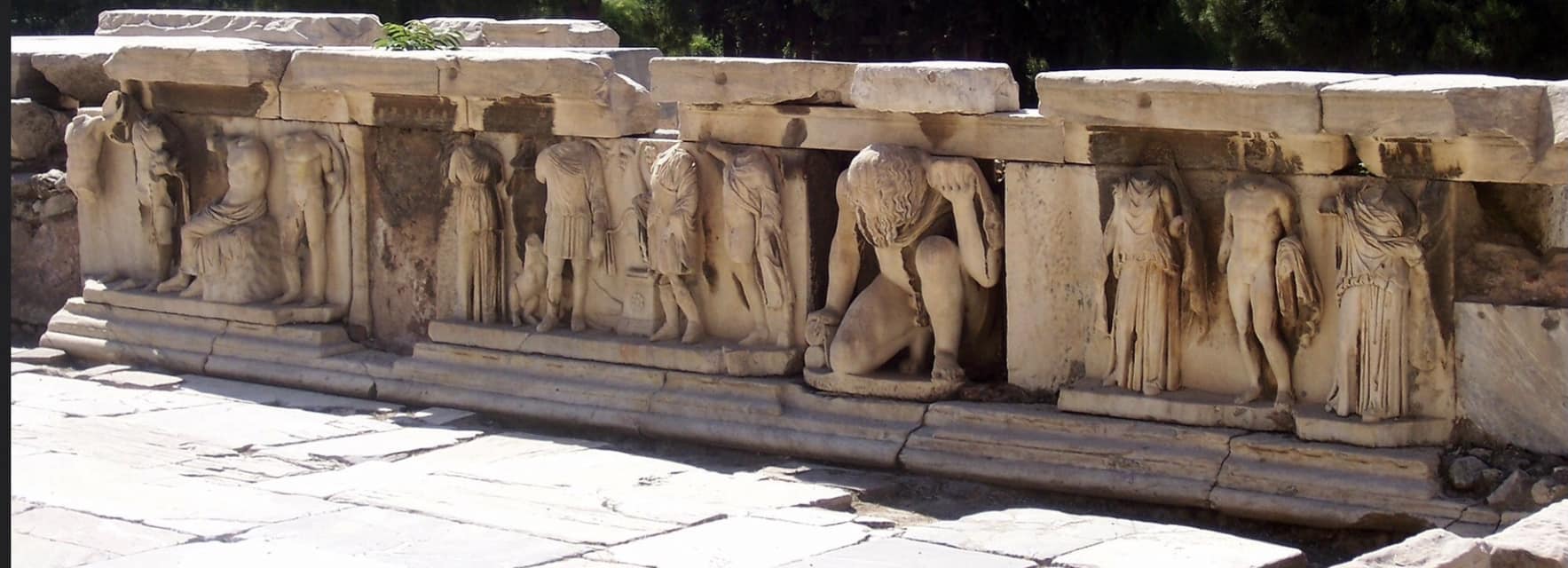
- Dionysos' theatre, above, had a capacity of up to 25,000, five times that of its better known neighbour, the Odeon of Herodes Atticus, which it also predates by @400 years
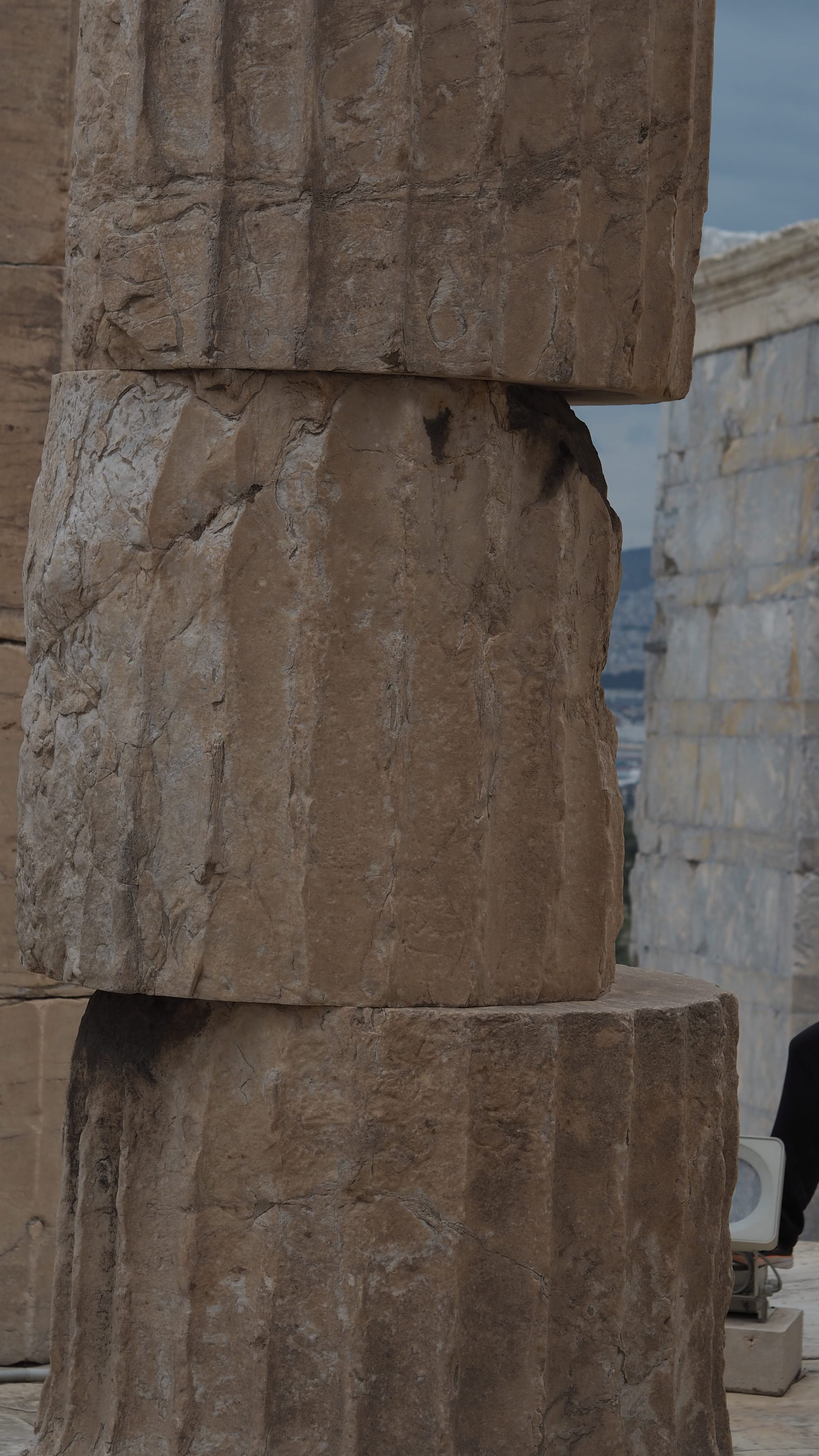
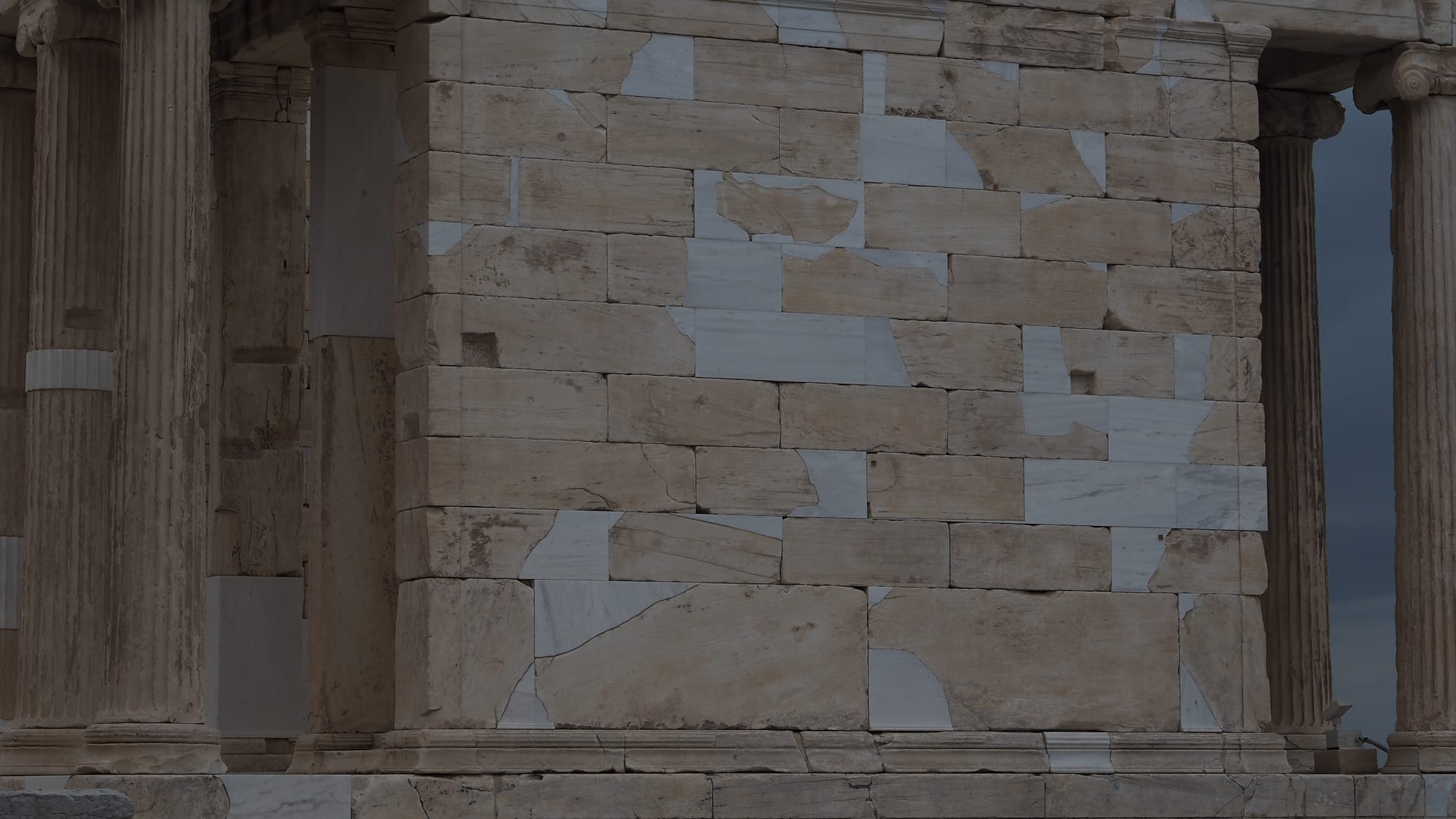
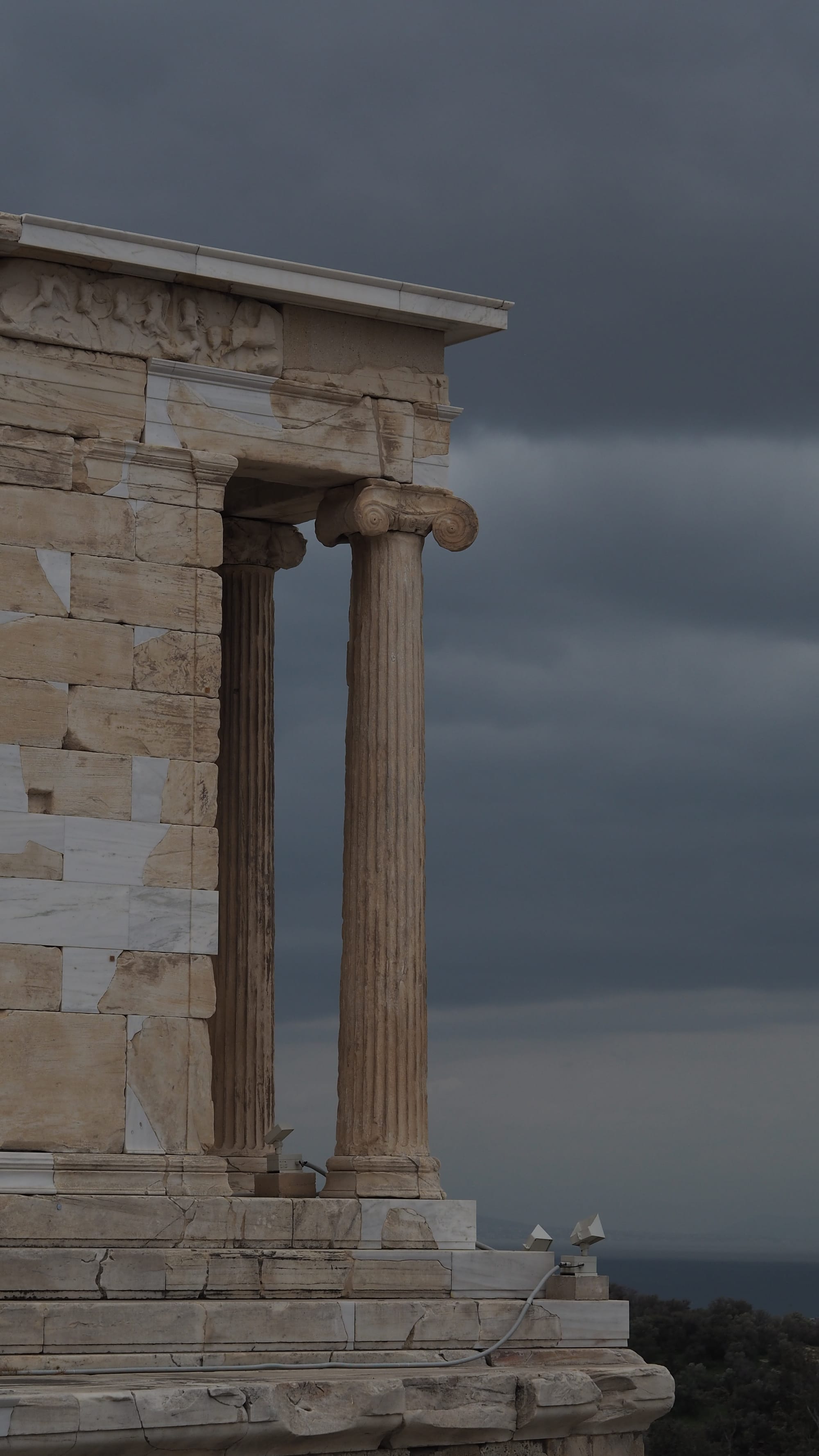
- the little temple ...
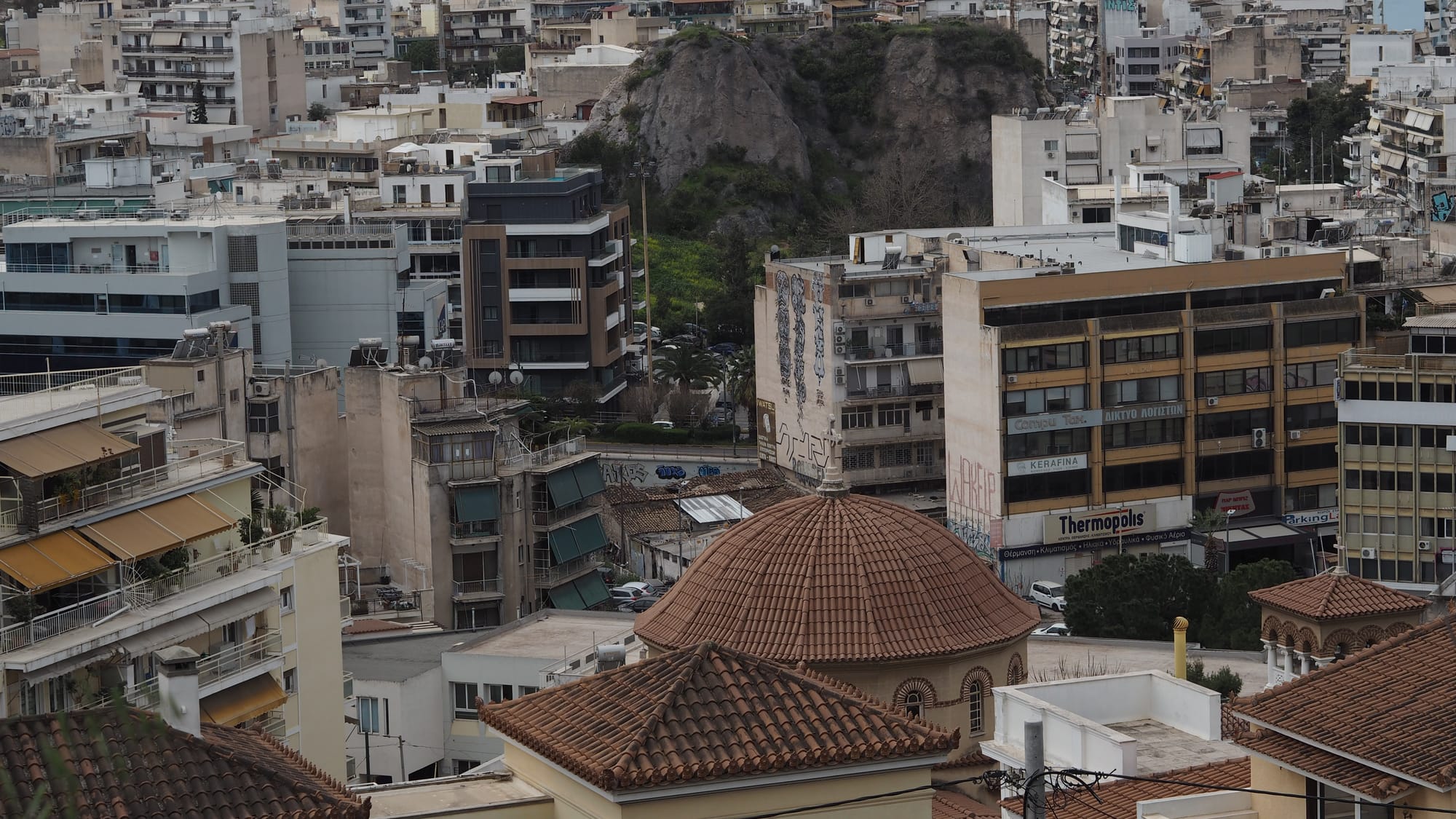
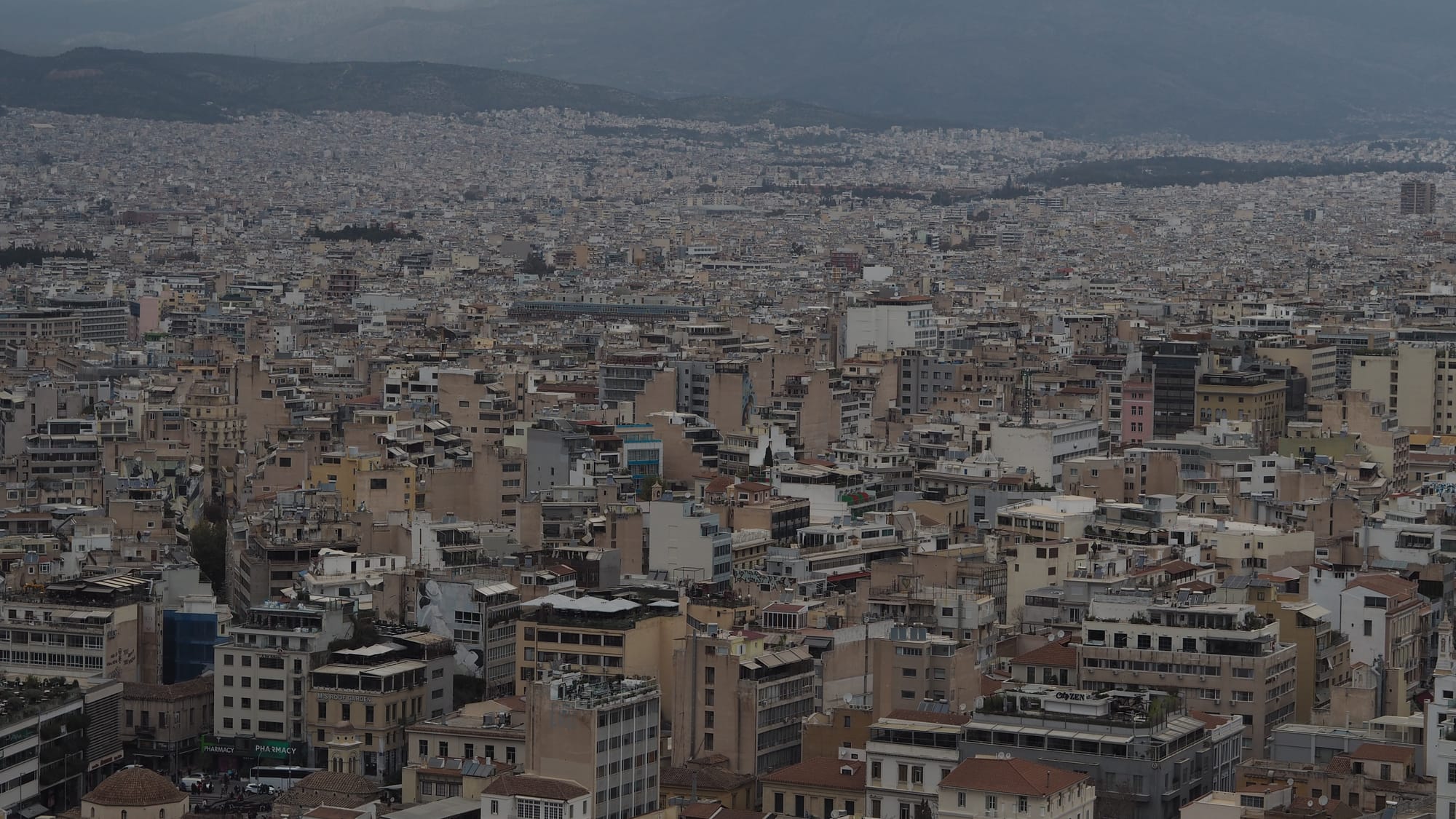
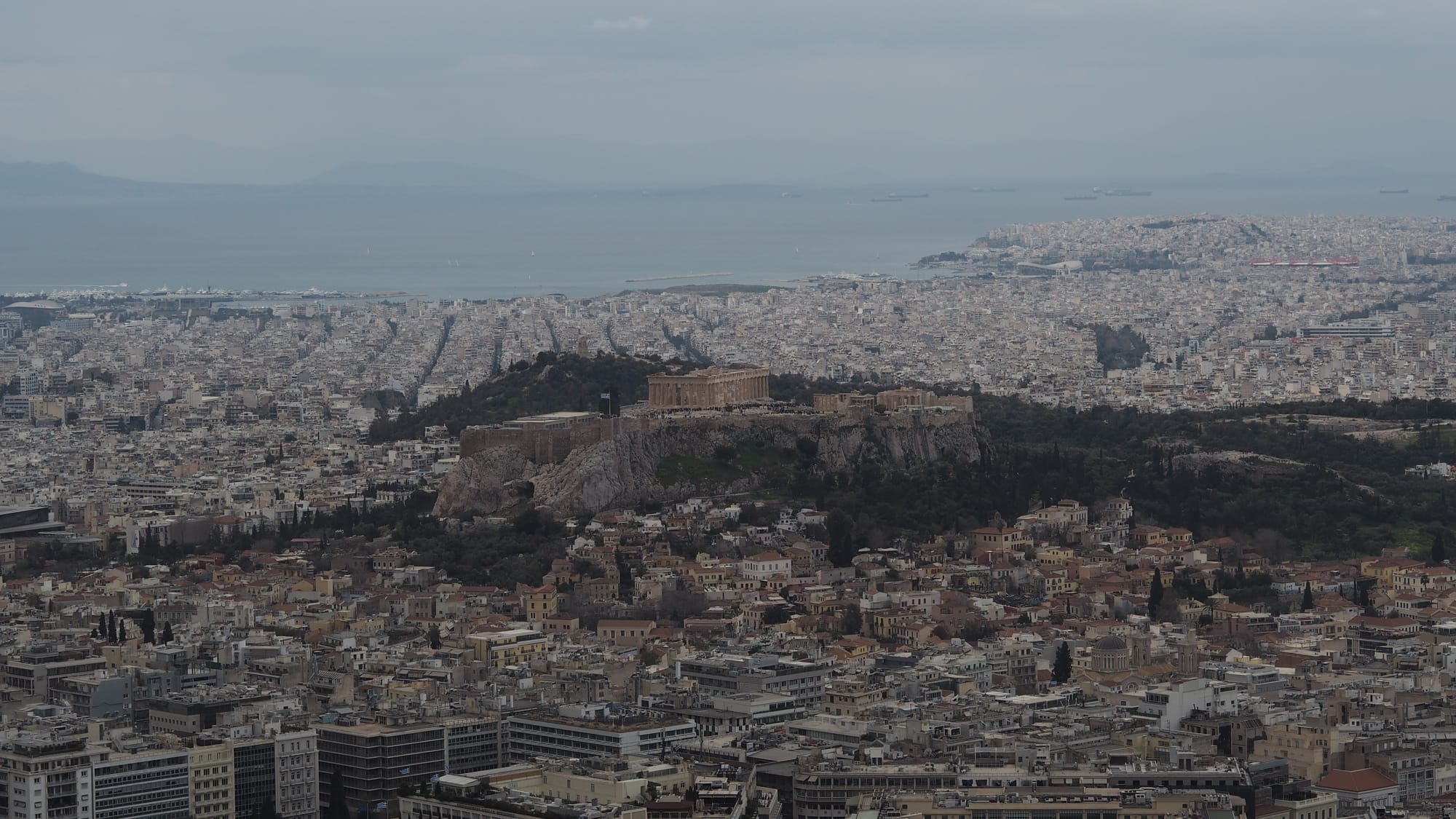
While up at the Acropolis the city looked to me like a froth, a white froth on a churned up sea, washing against the flanks of the hills surrounding Athens and leaving its scum line. How appropriate, I then thought, for a civilization that expends resources, as if living like a parasite on them, preserving the remnants of past civilizations: like those spiders which, having no teeth to chew, inject digestive fluids into their prey, in a system called extra-corporeal digestion. All that will be left of ours will be this froth, ranging from off-white to the yellow-brown and tar colour of decaying teeth; for all its external digestion, not much will be left outside. Its focus has for so long been on symbolic edifices, that, like musical scores, have no meaning without instruments to play them, make no sense, and disintegrate: our civilization has a largely virtual existence. It exists inside, inside inside, inside itself, in its inner world which it deludes itself into thinking, like a child, is the real one. We have too much poetry, in the rawest meaning, made stuff. We live off the top of the froth, although we lambast ourselves for materialism, generated by civilizations that valued materials so much they built things to outlast them. (A strange thought in the time of the POTUS who threatens civilizational destruction.)
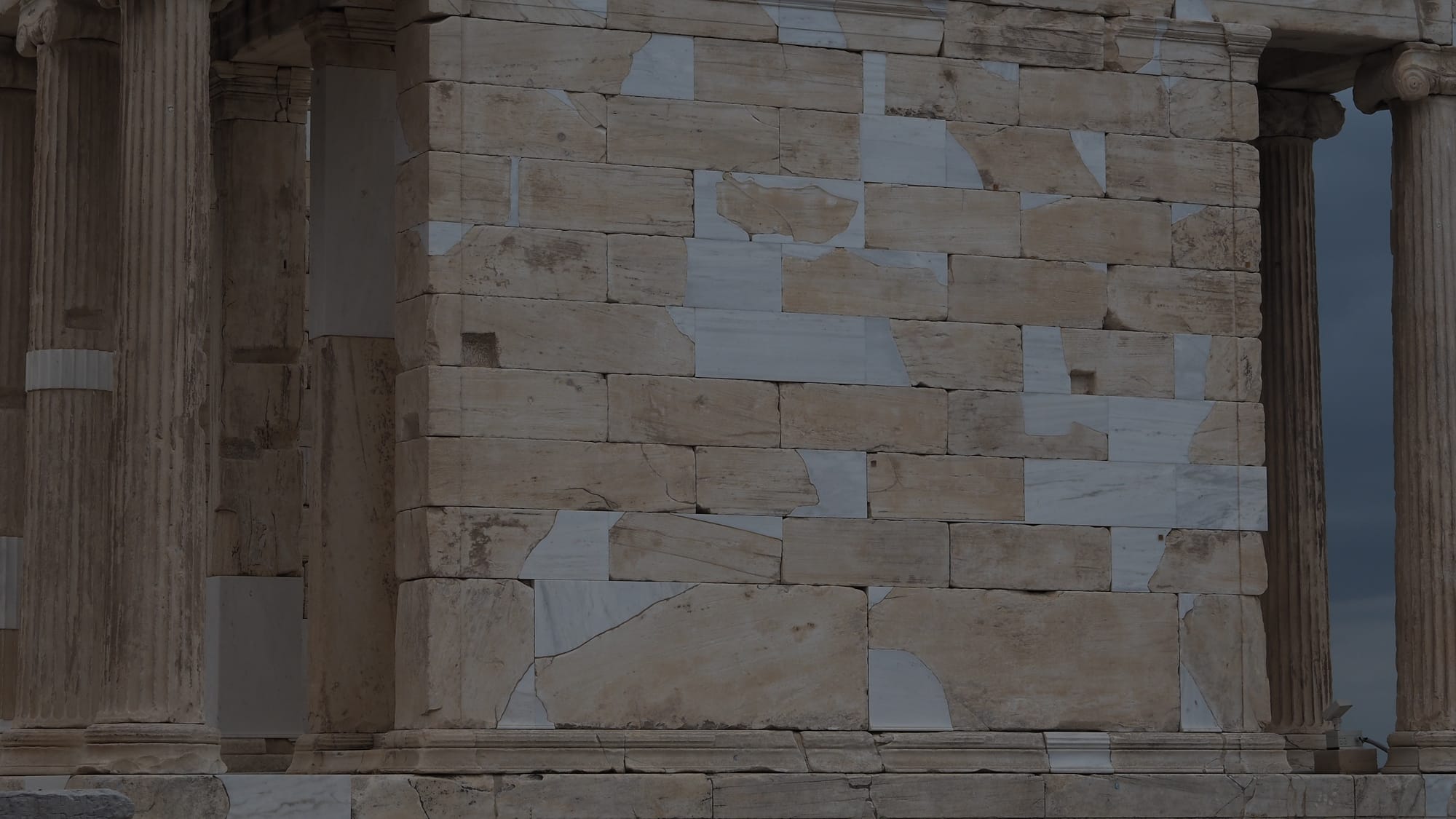
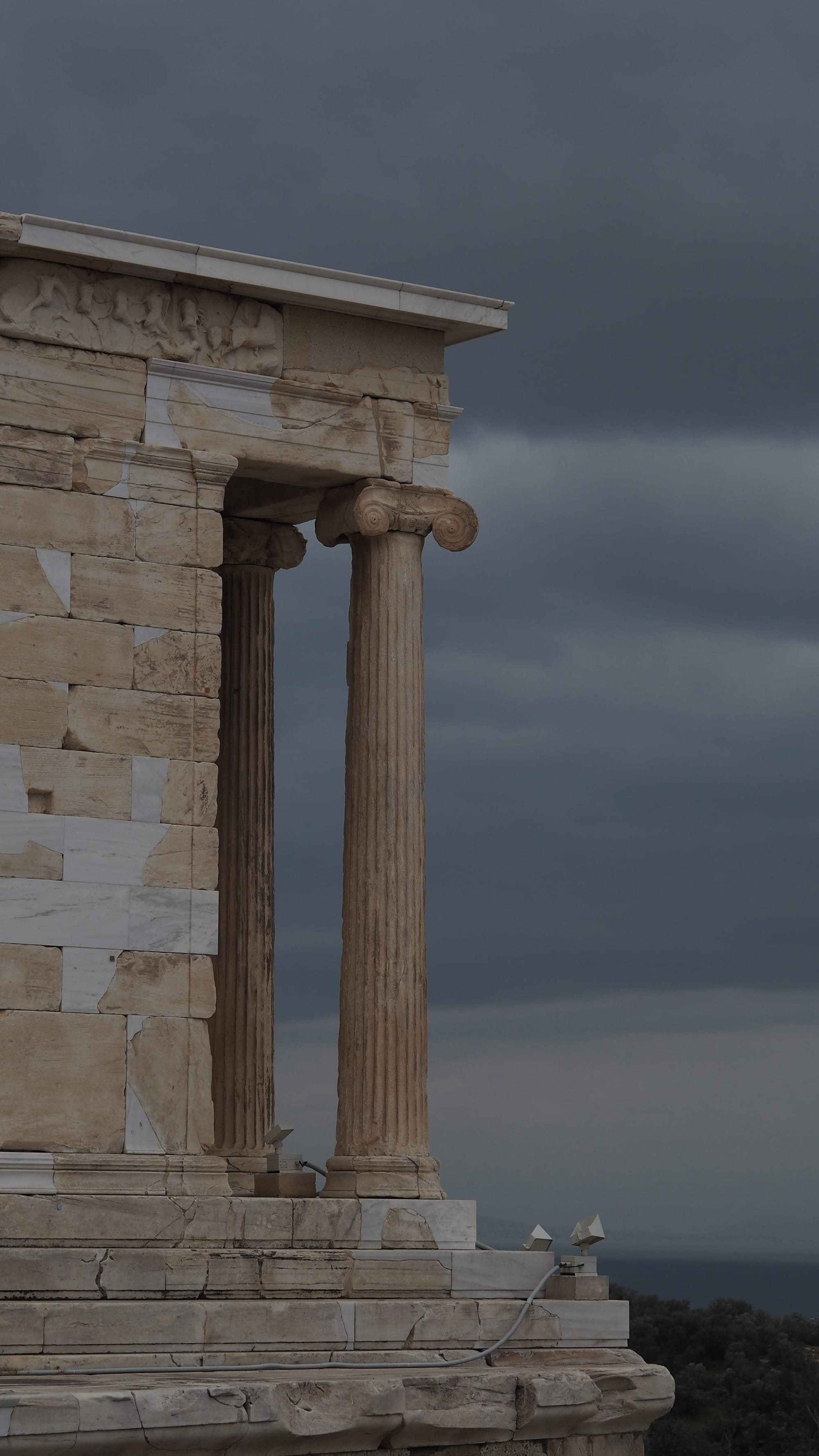
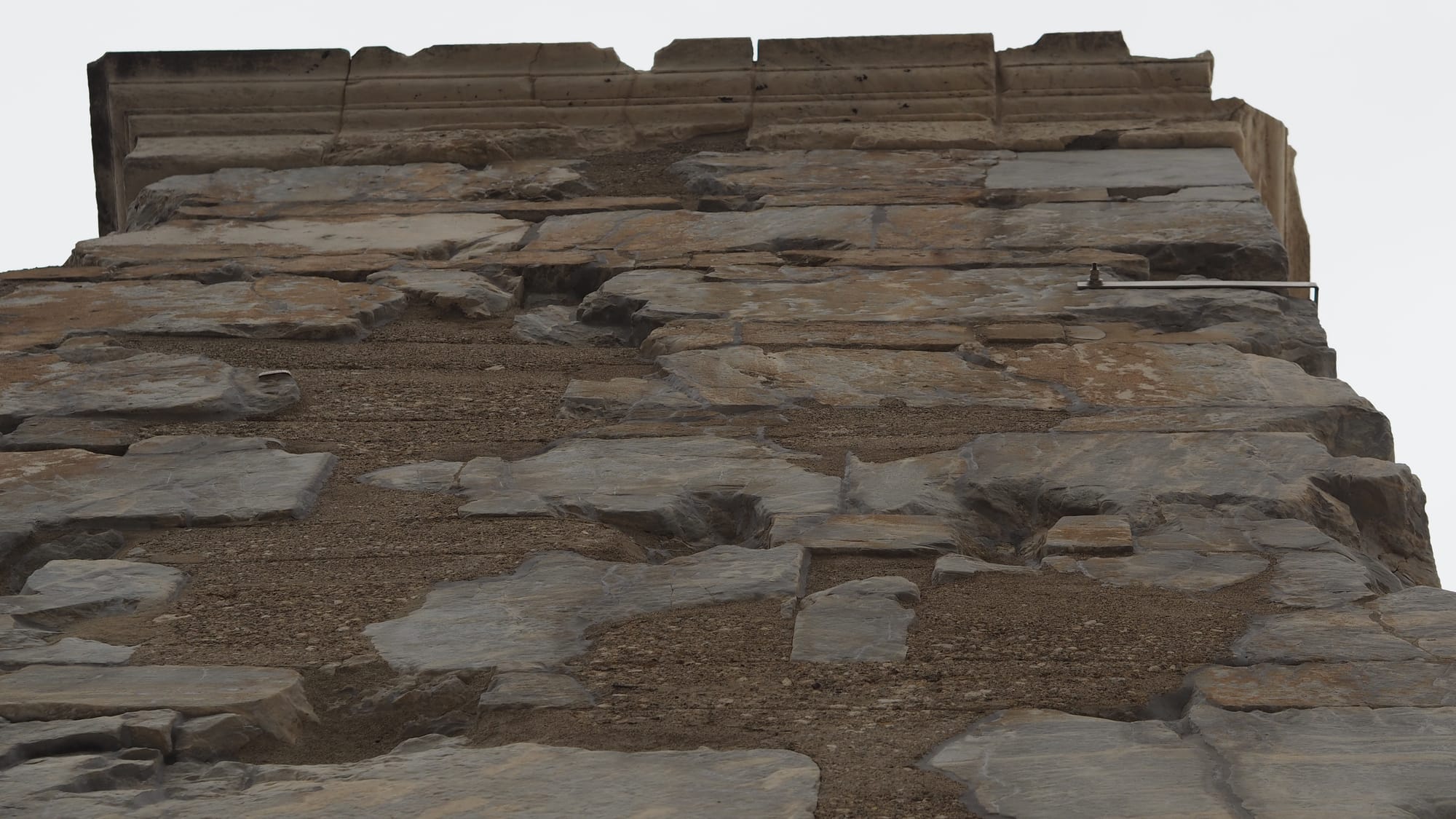
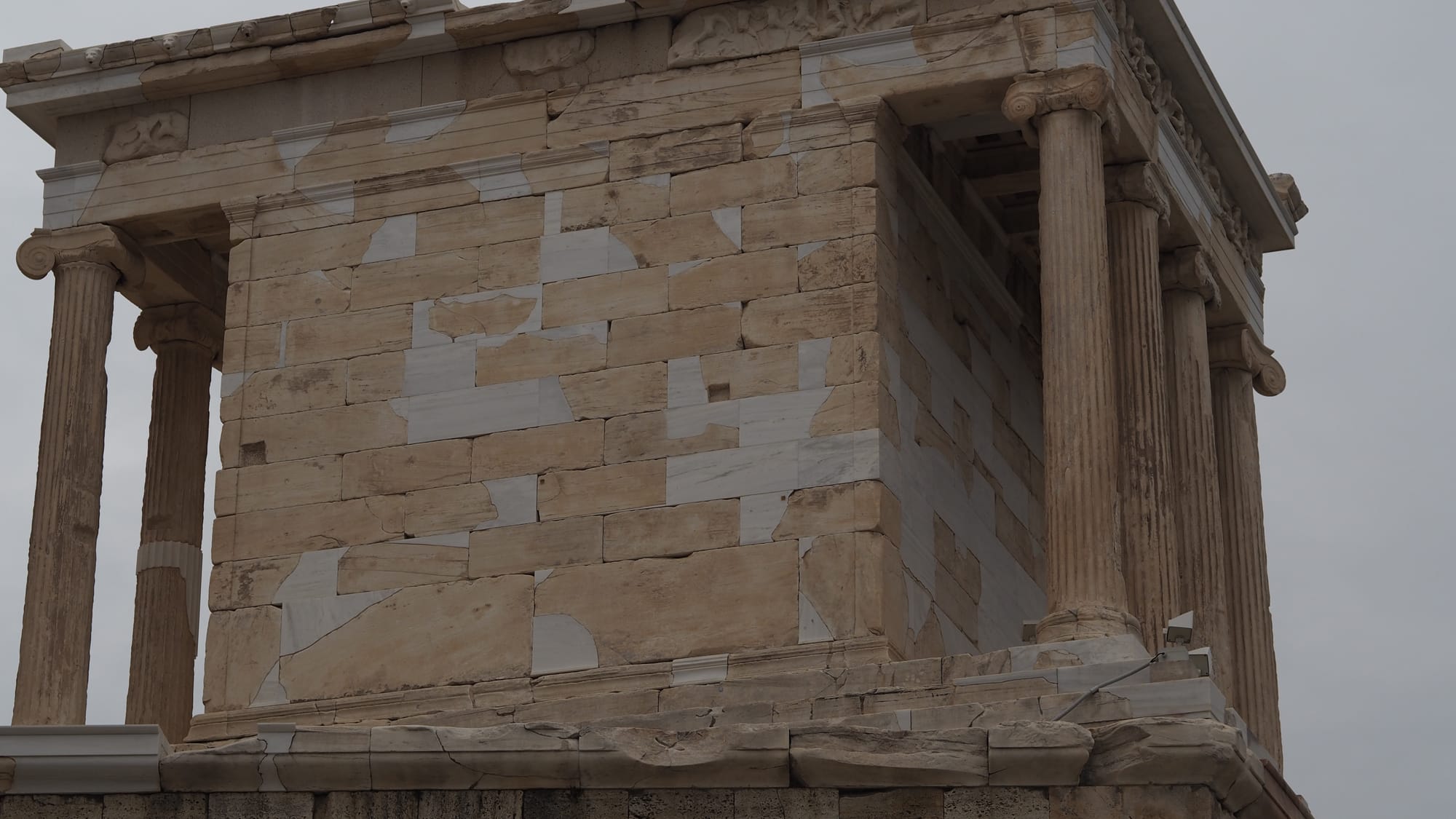
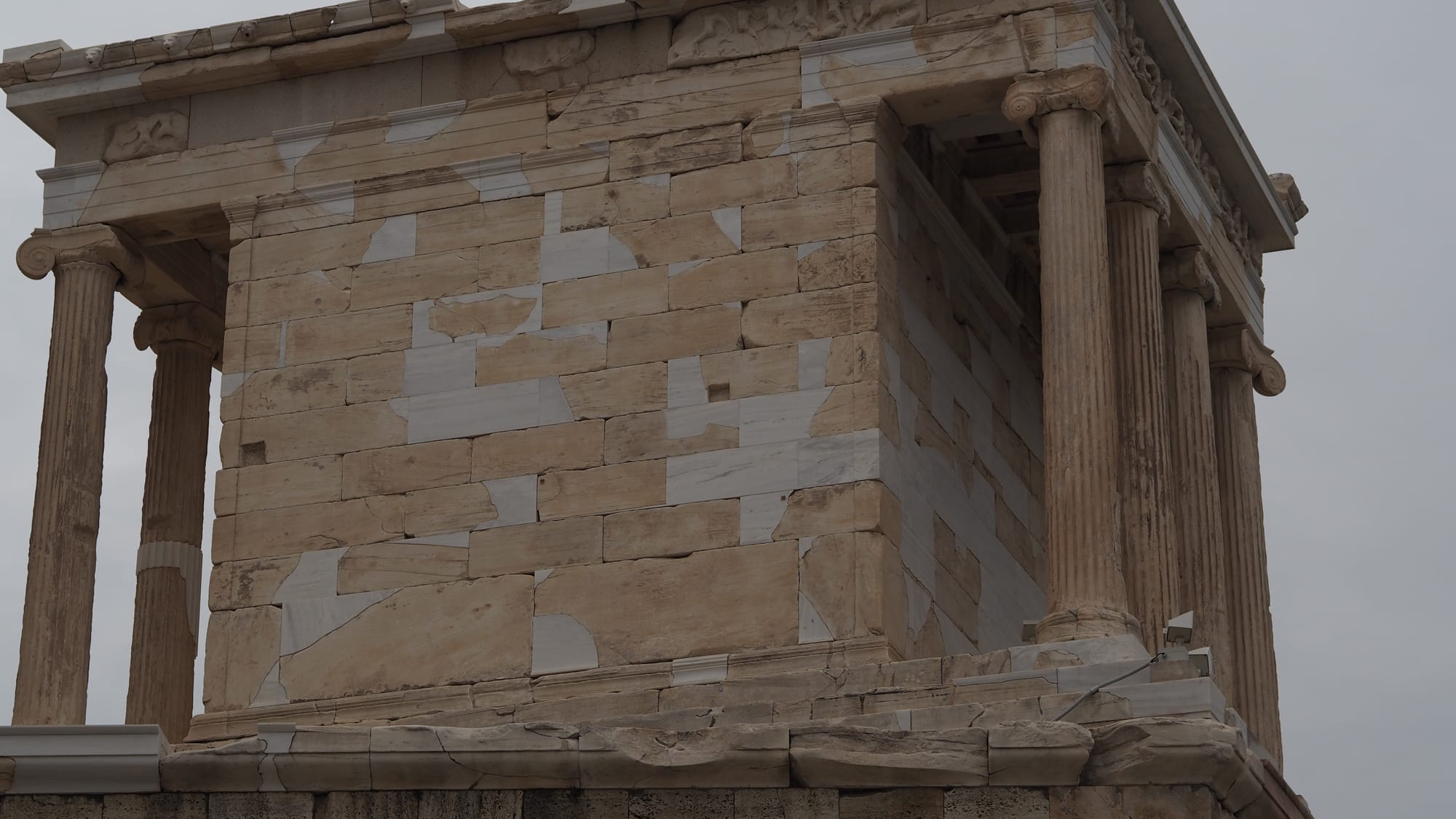
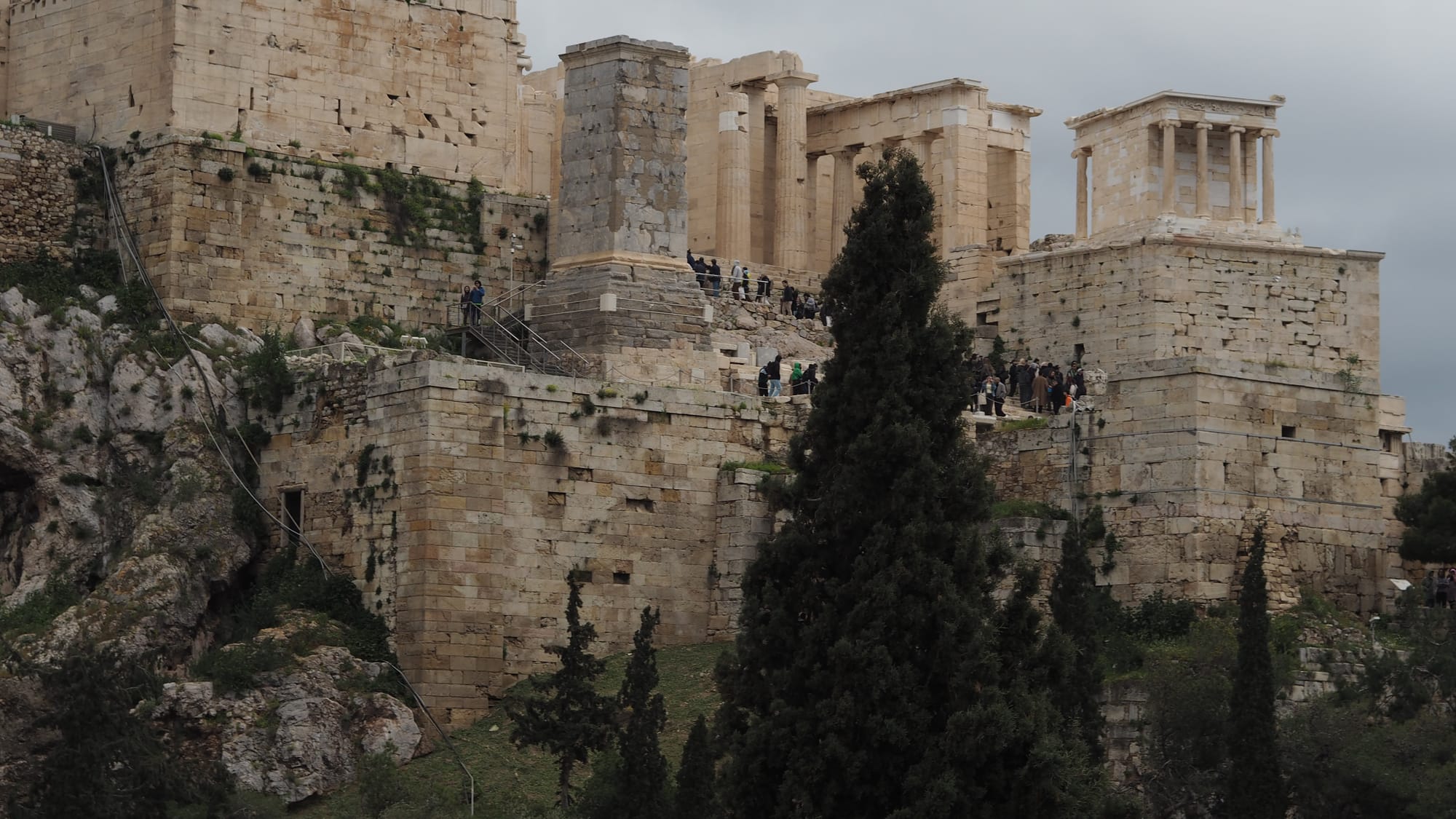
- the temple of Athena Nike is the last temple you see here, a name which can mean victory through wisdom, a lost concept
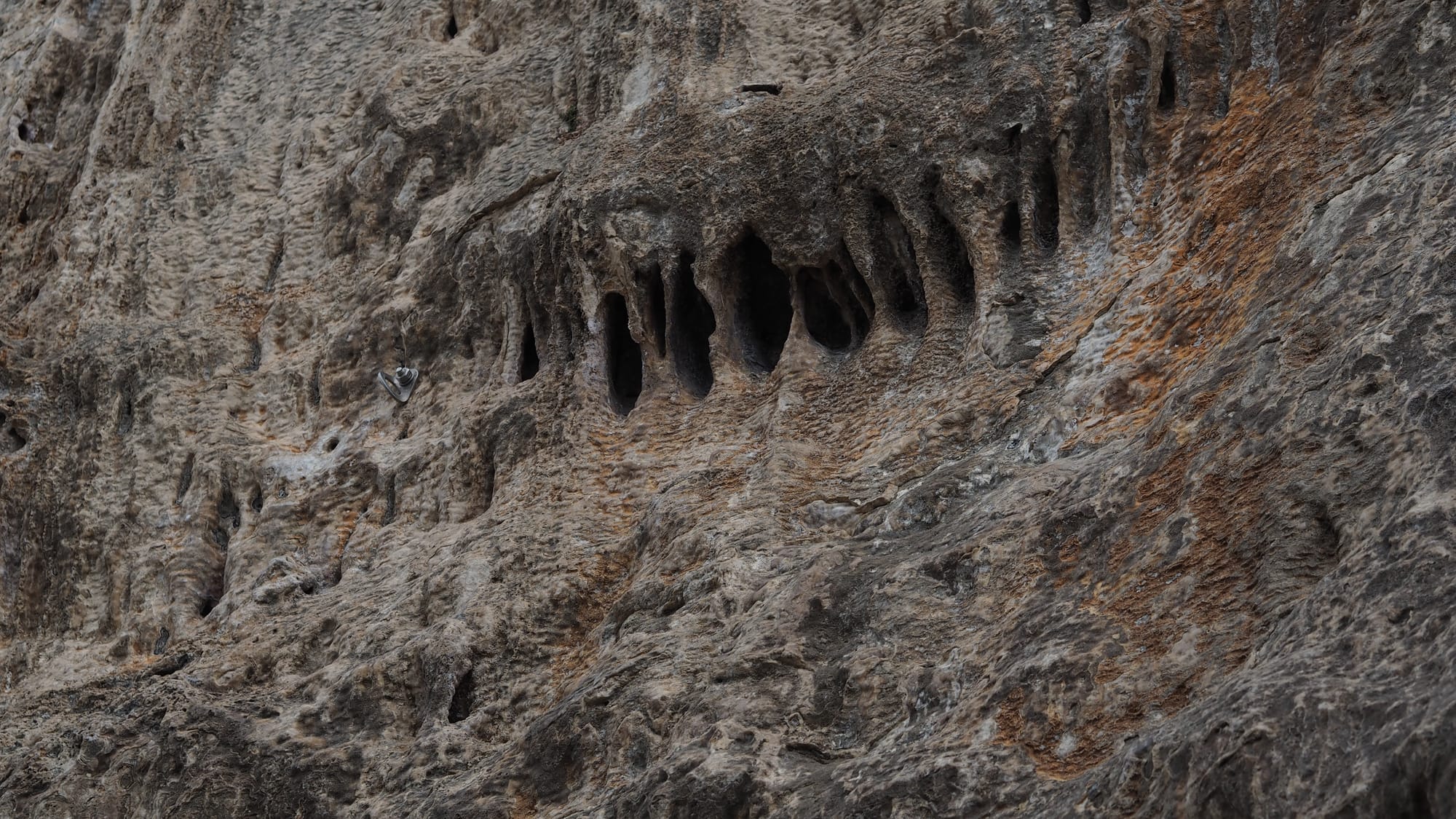
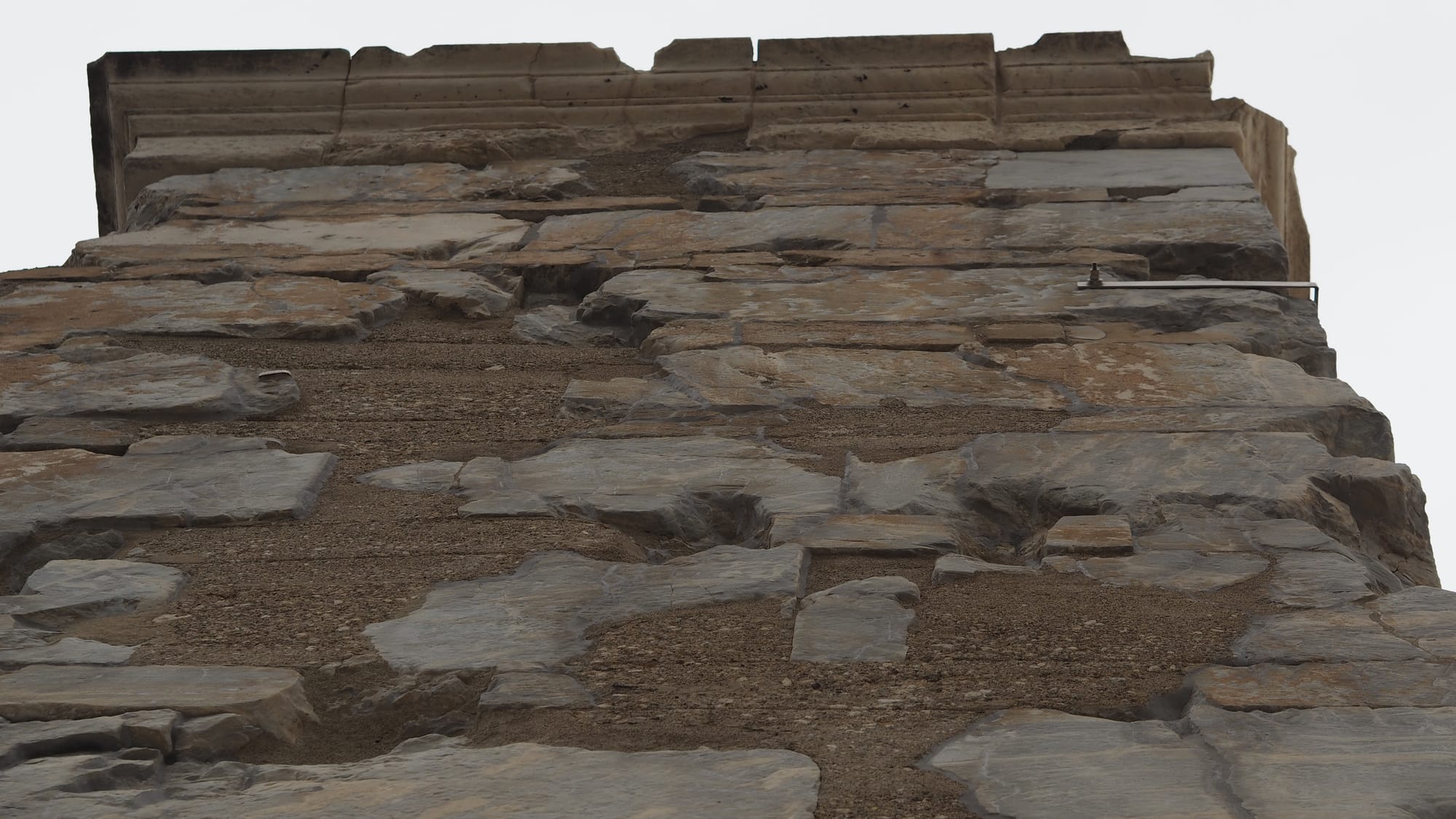
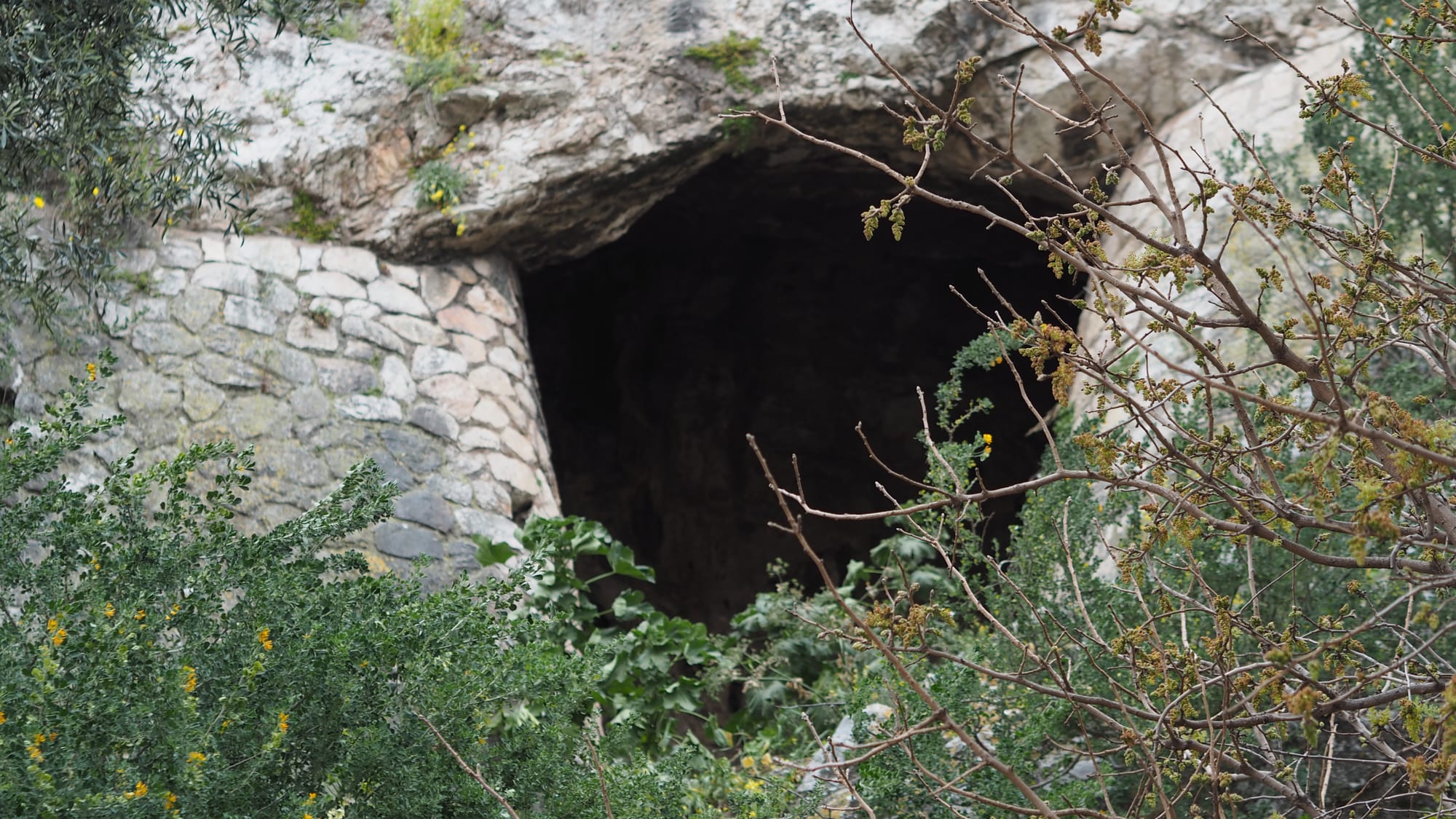
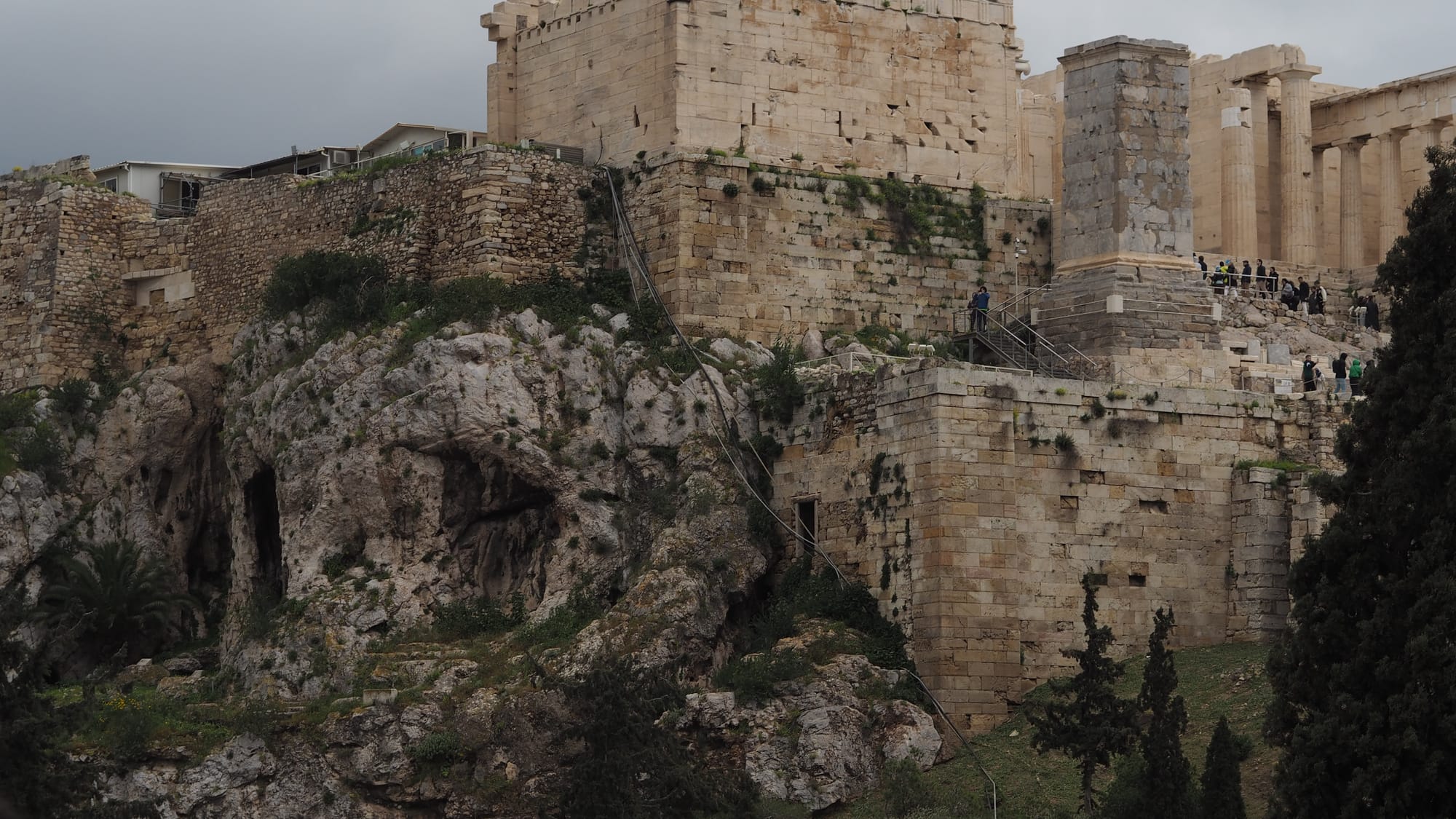
Holes. Visiting the Acropolis as a child in 1972 I was aware of the holes, caves, the largest seen looking up from Plaka, under the base of it. I wanted to get underneath it. Seeing it again, being on it, I was reminded how much I wanted to get under it.
We did. Not the hole pictured, not Pan's, but a famous cave nonetheless.
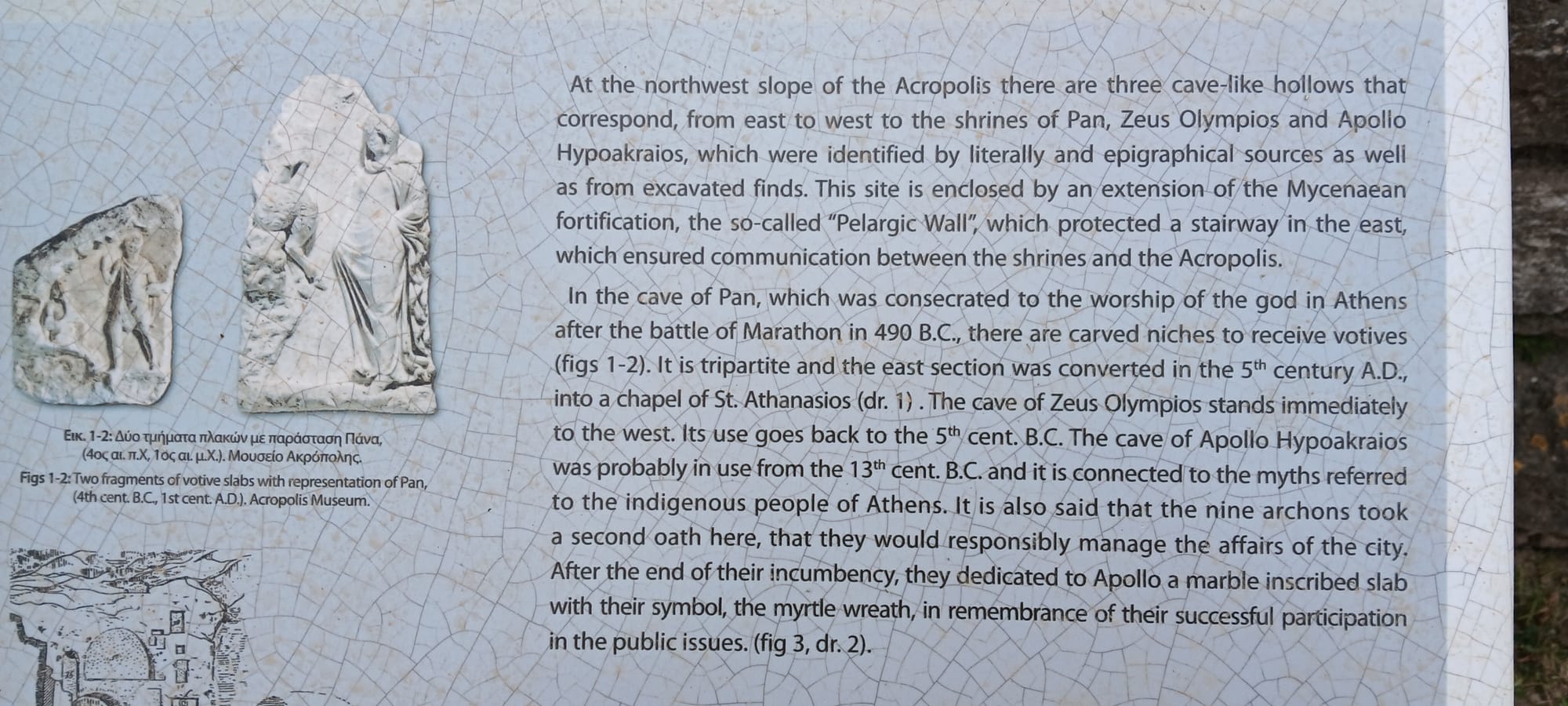
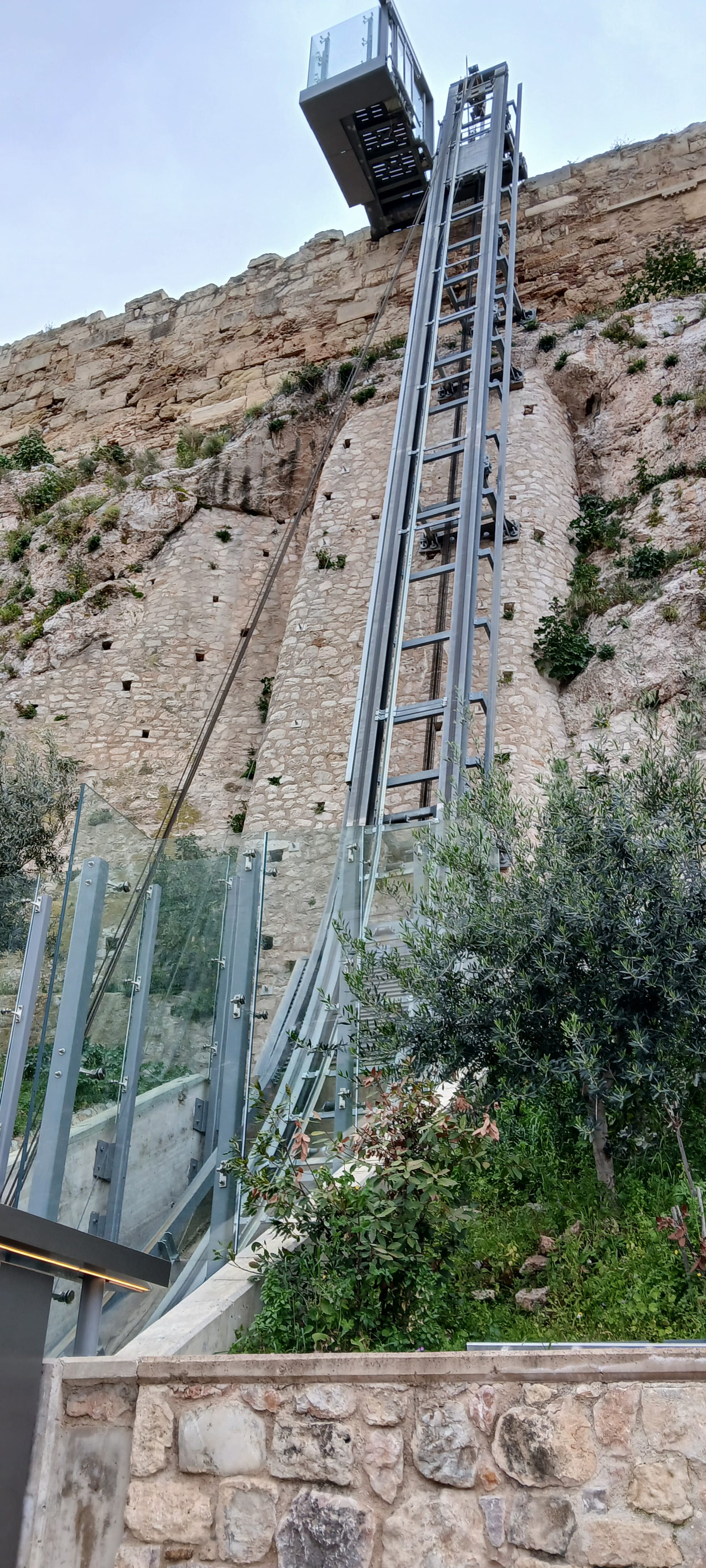
Not, past the wheelchair lift to the top, this one:
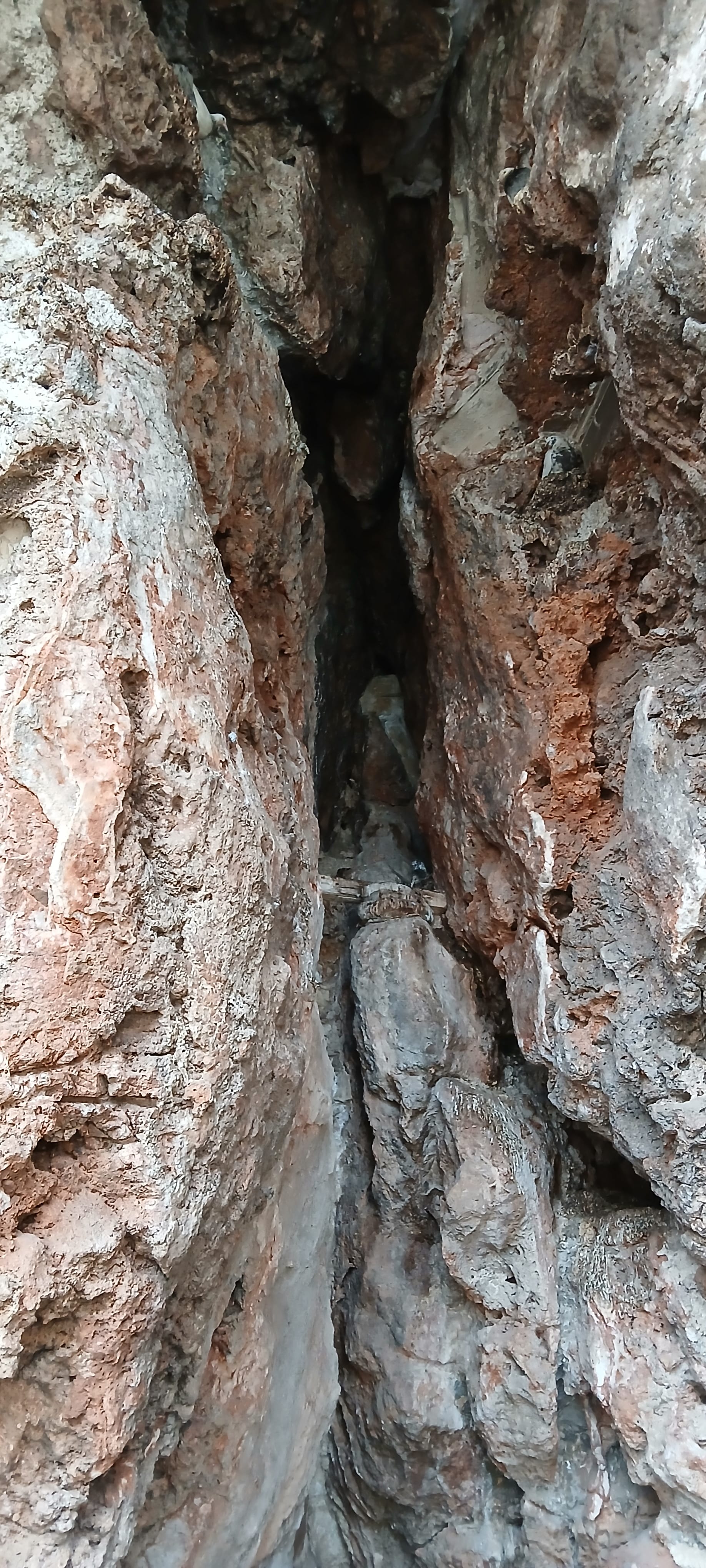
This one:
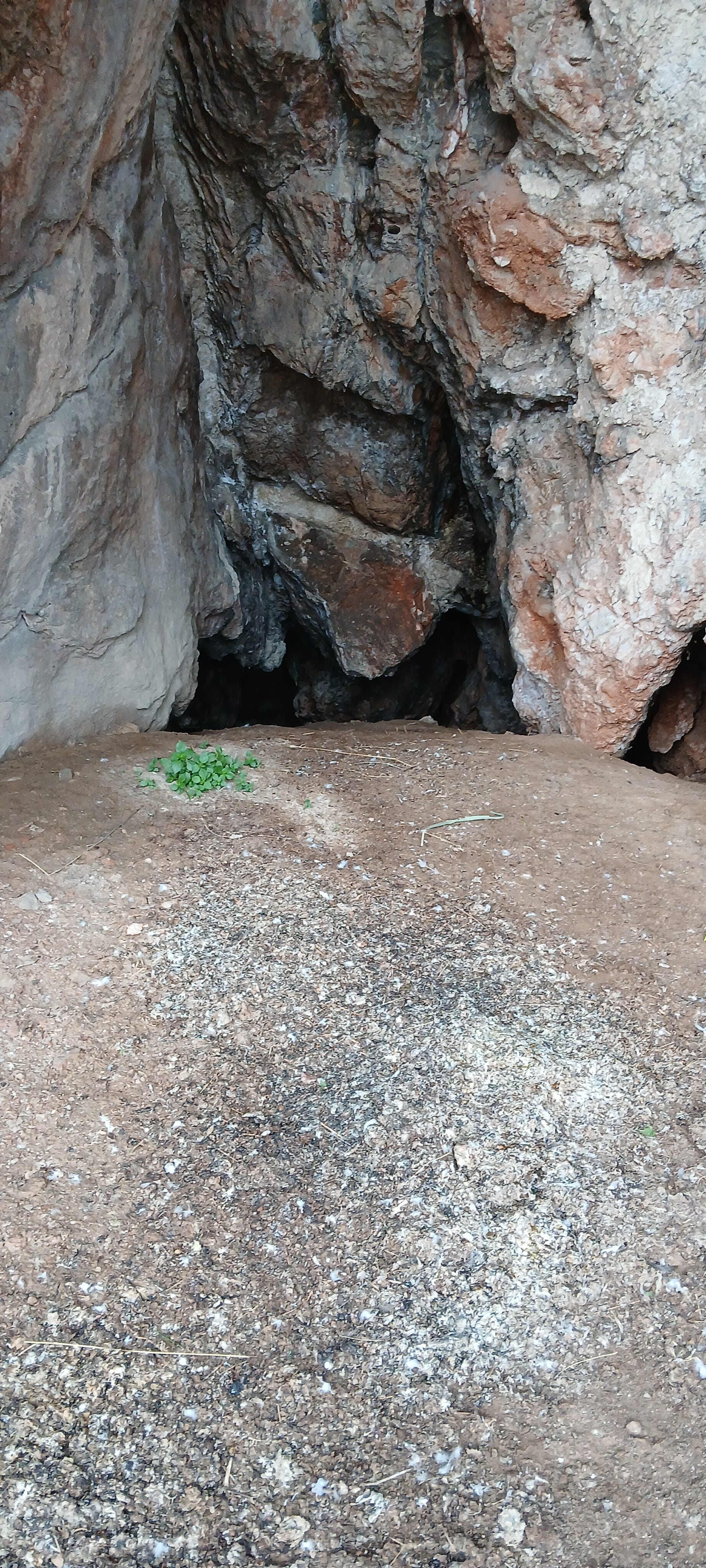
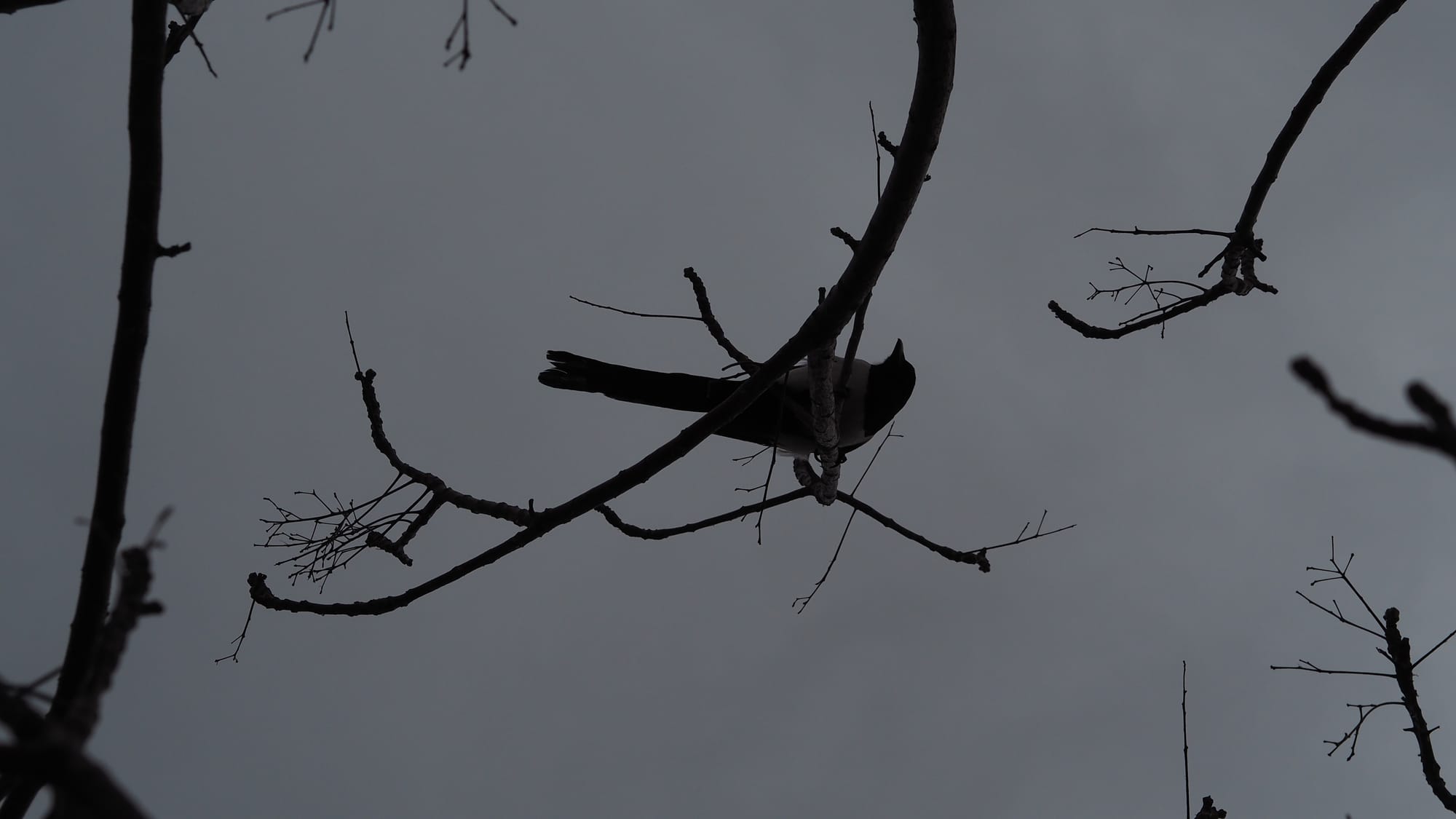
Pigeon, Cave Dove, pooh at its threshold, it is the cave of Aglauros who was told by the oracle at Delphi to save the city of Athens by jumping from it, killing herself. She became a cultic figure, for women presumably signifying political self-sacrifice, for the young men, or ephebes of Athens, since they came to the cave and swore an oath, serving as an example. (This has new importance having been in the political, anti-political zone of Germany, central EU, having heard the fervour of young women awake to the victimisation of others but seemingly unaware of any greater political sphere than this private politics. The personal is political is now as a slogan inverted to mean the political is only the personal. And, when I think about it, having heard the ferocity of young men, protesting the validity of these young women's claims. These are not the young men who like wounded dogs yearn for mastery.)
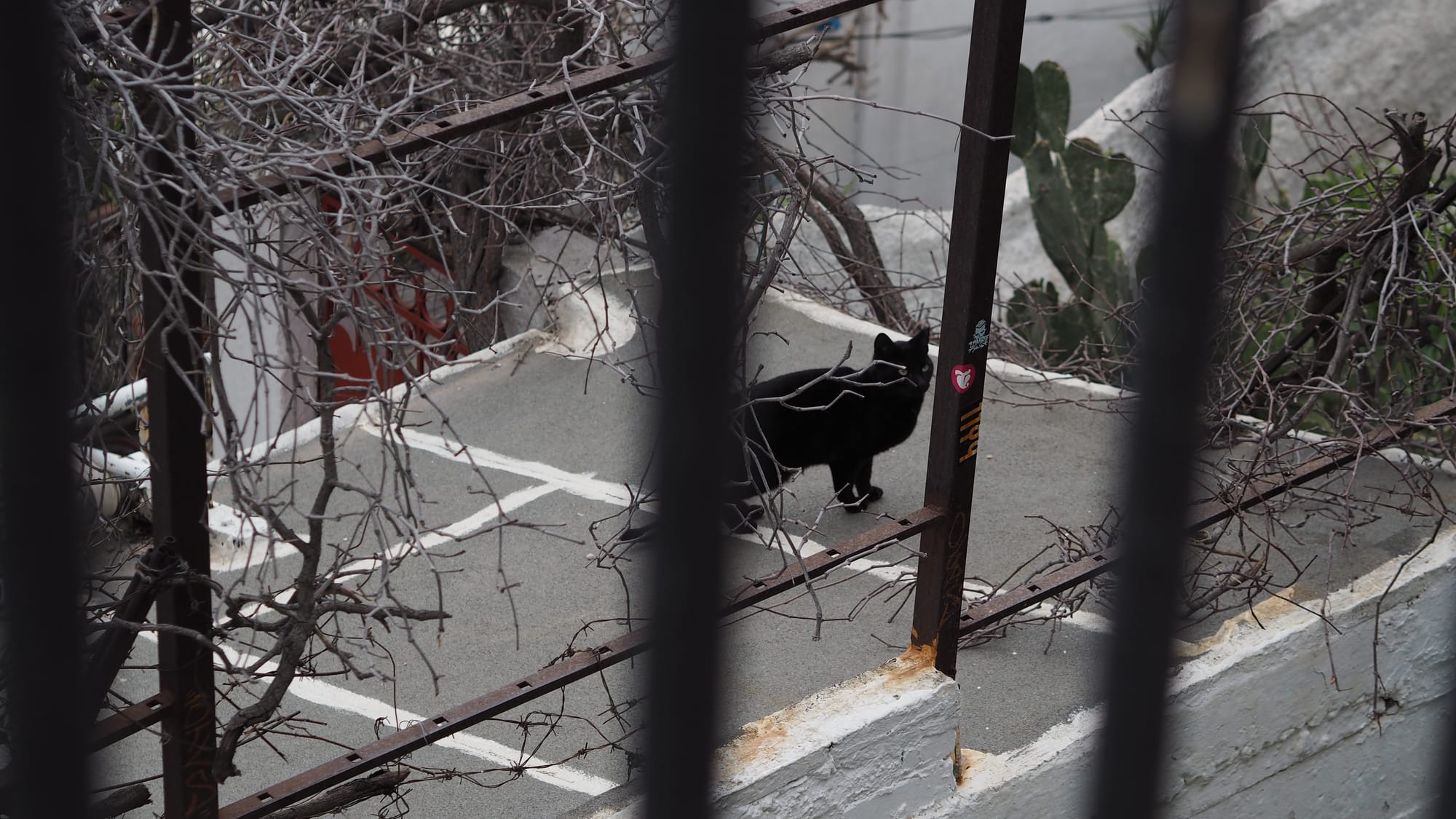
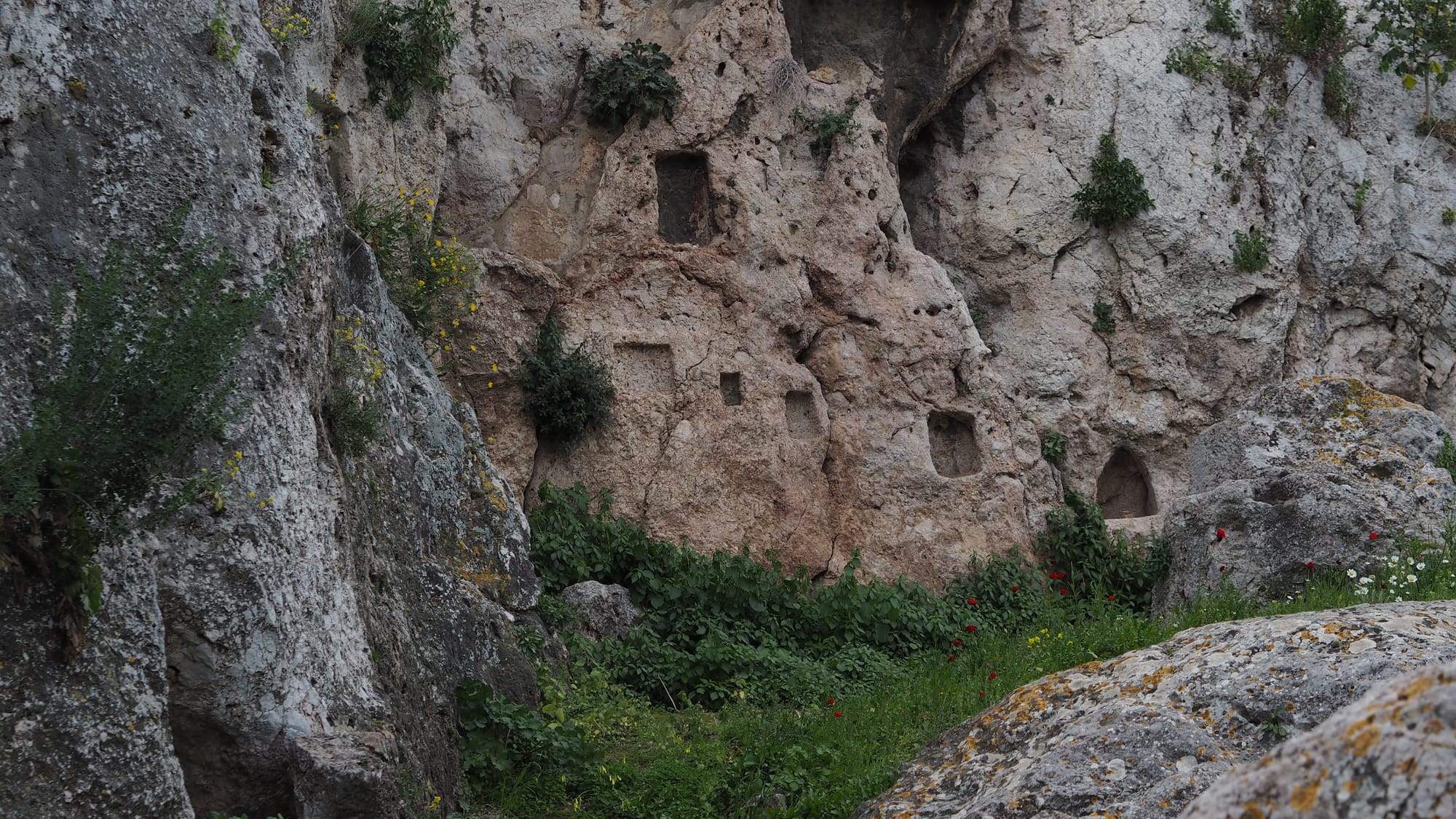
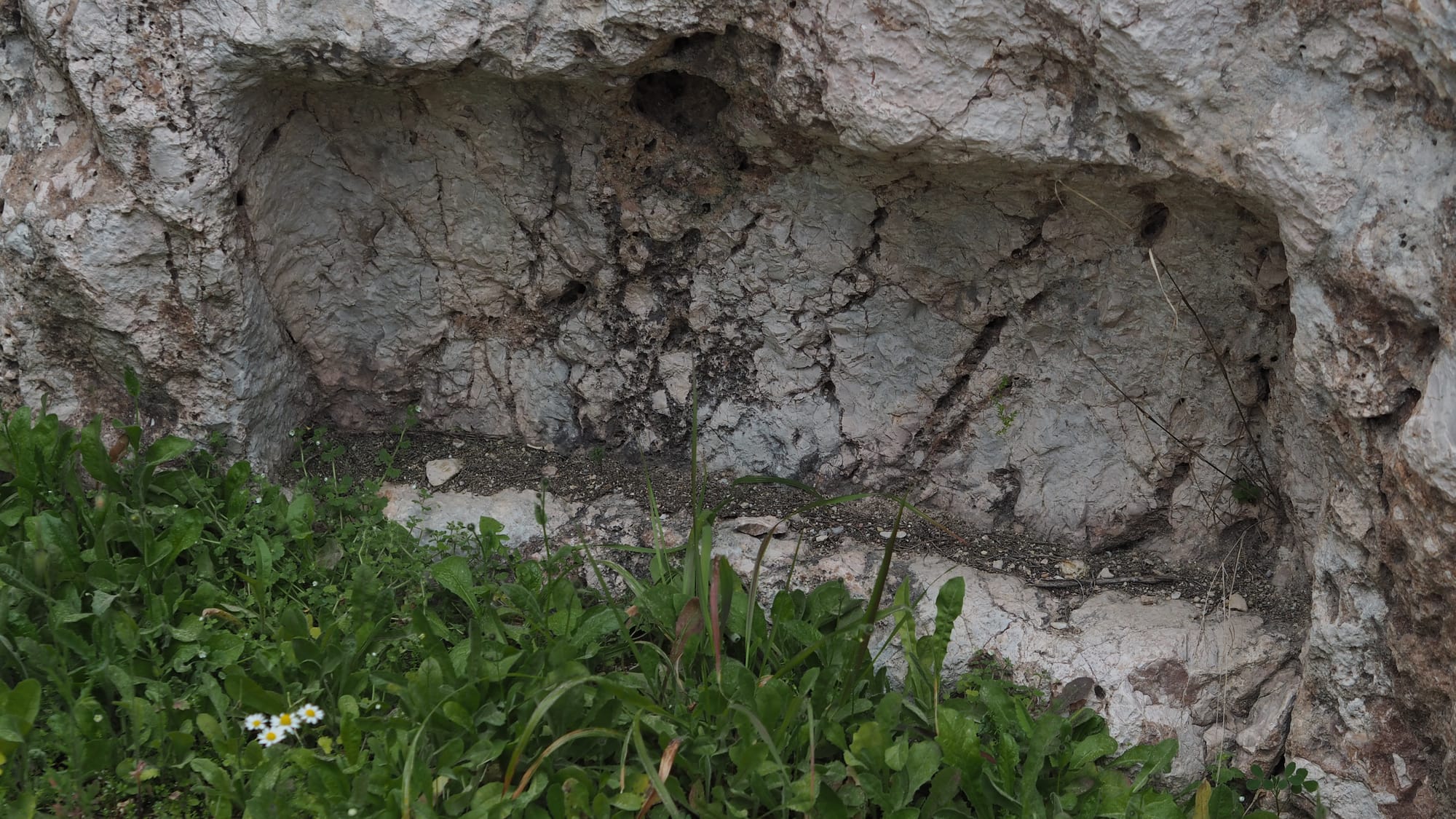
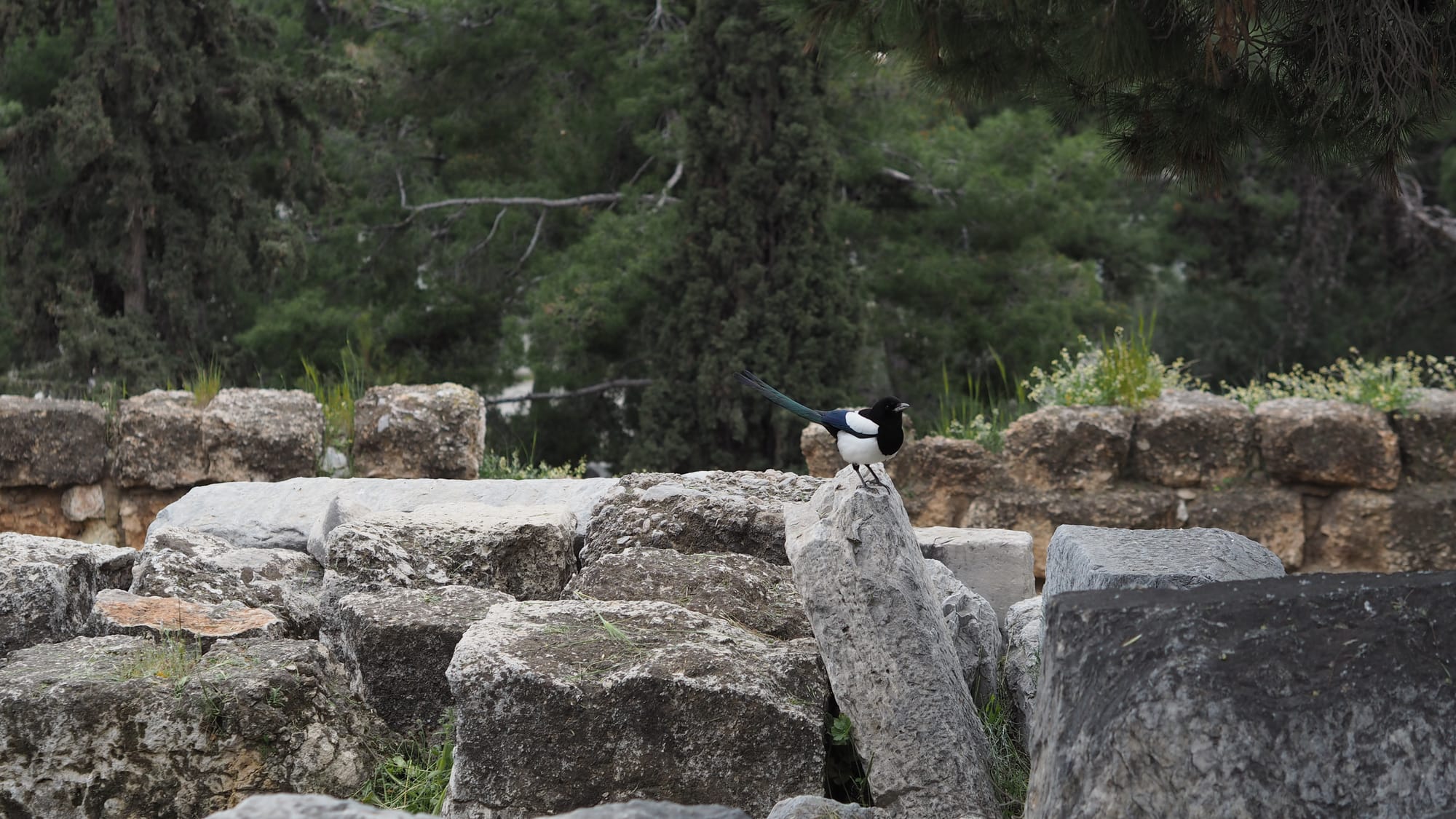
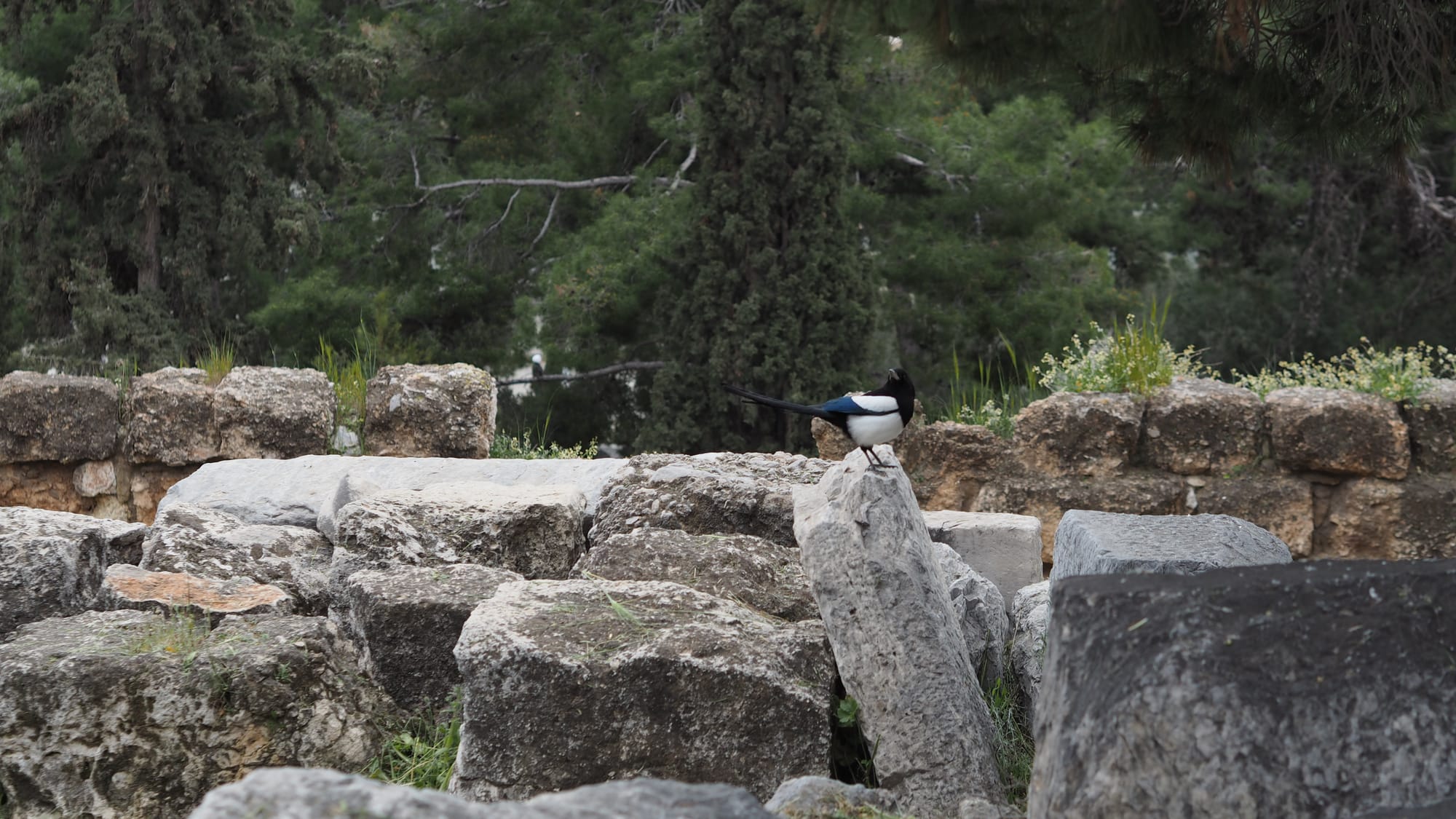
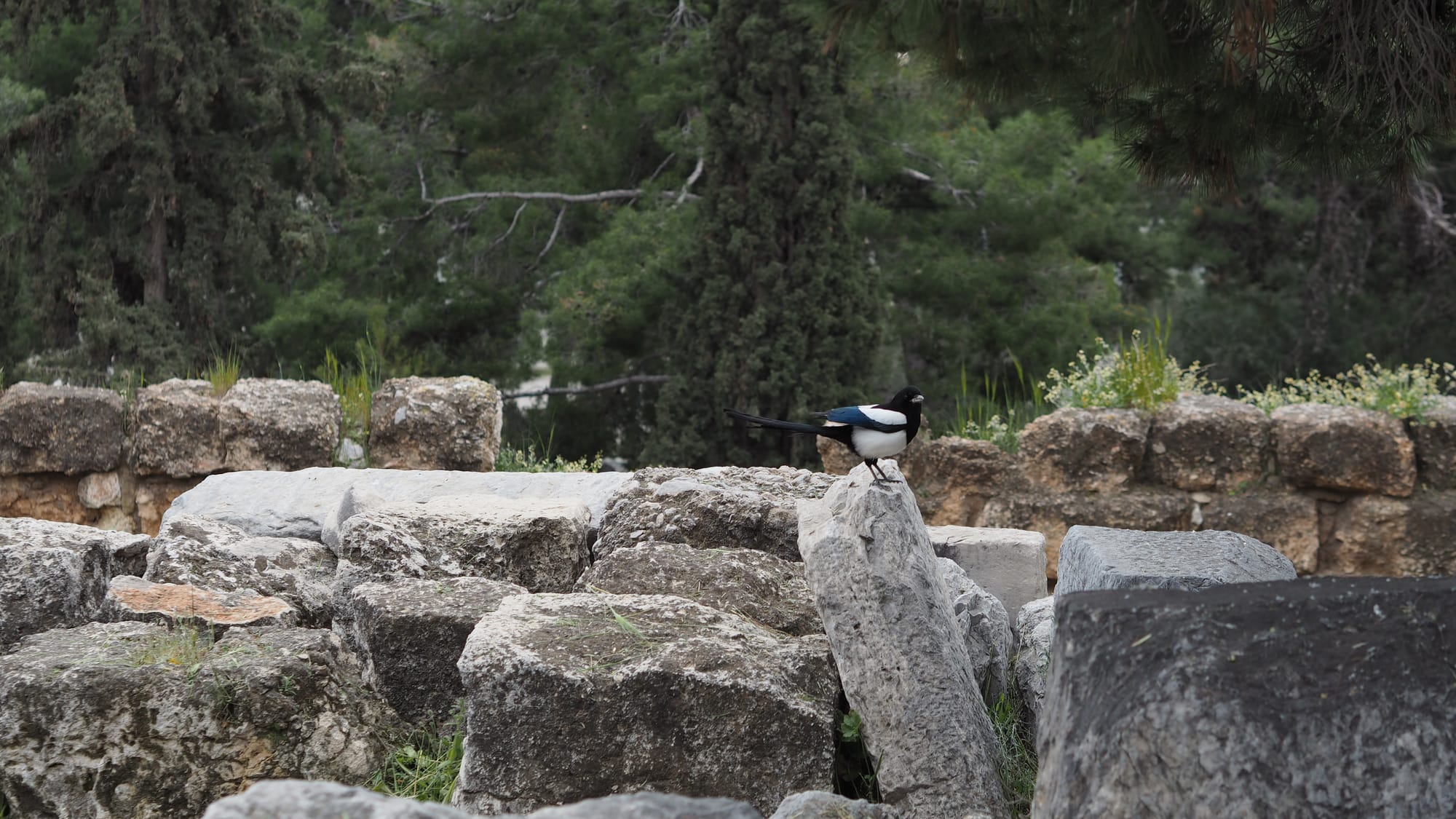
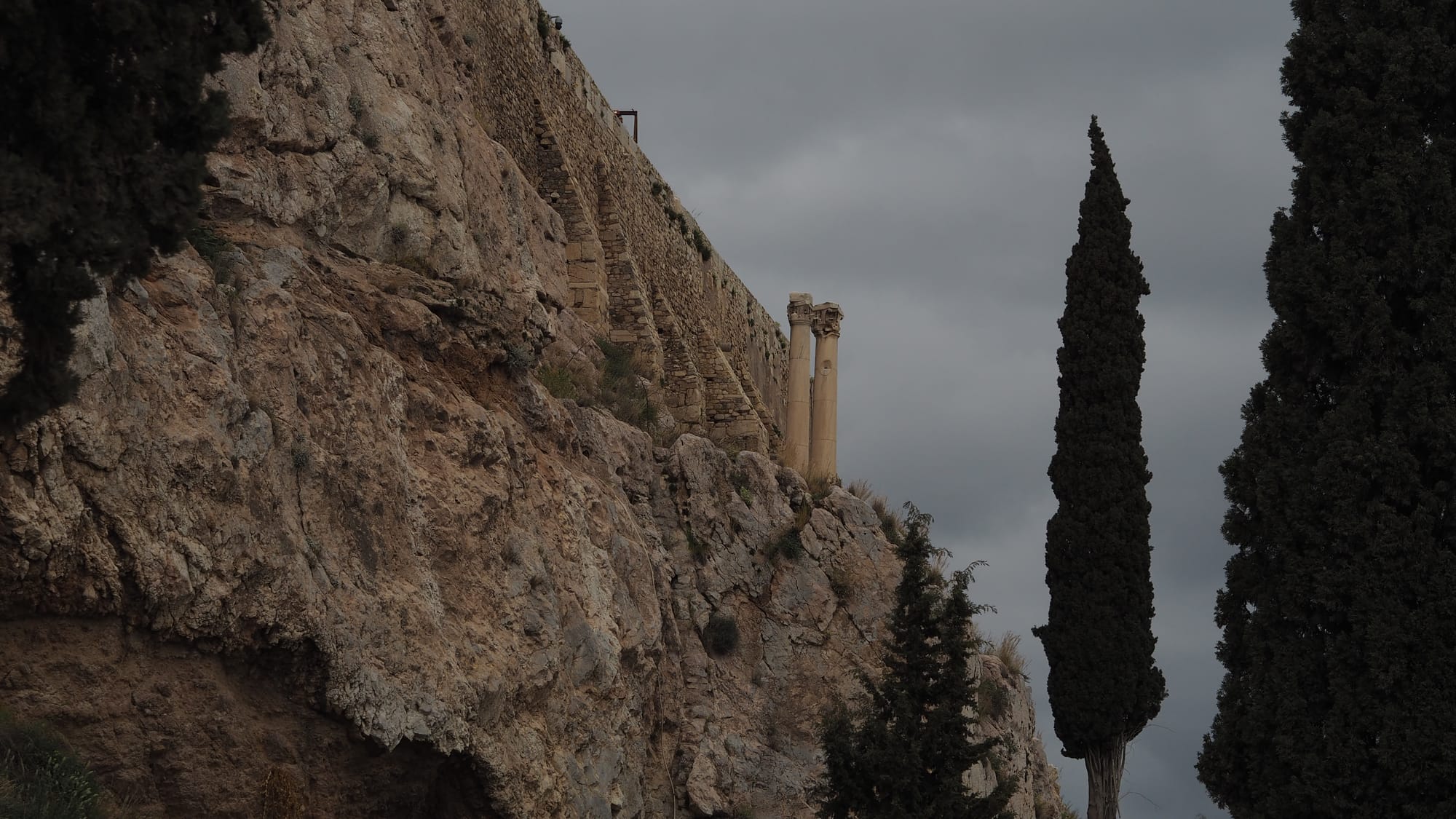
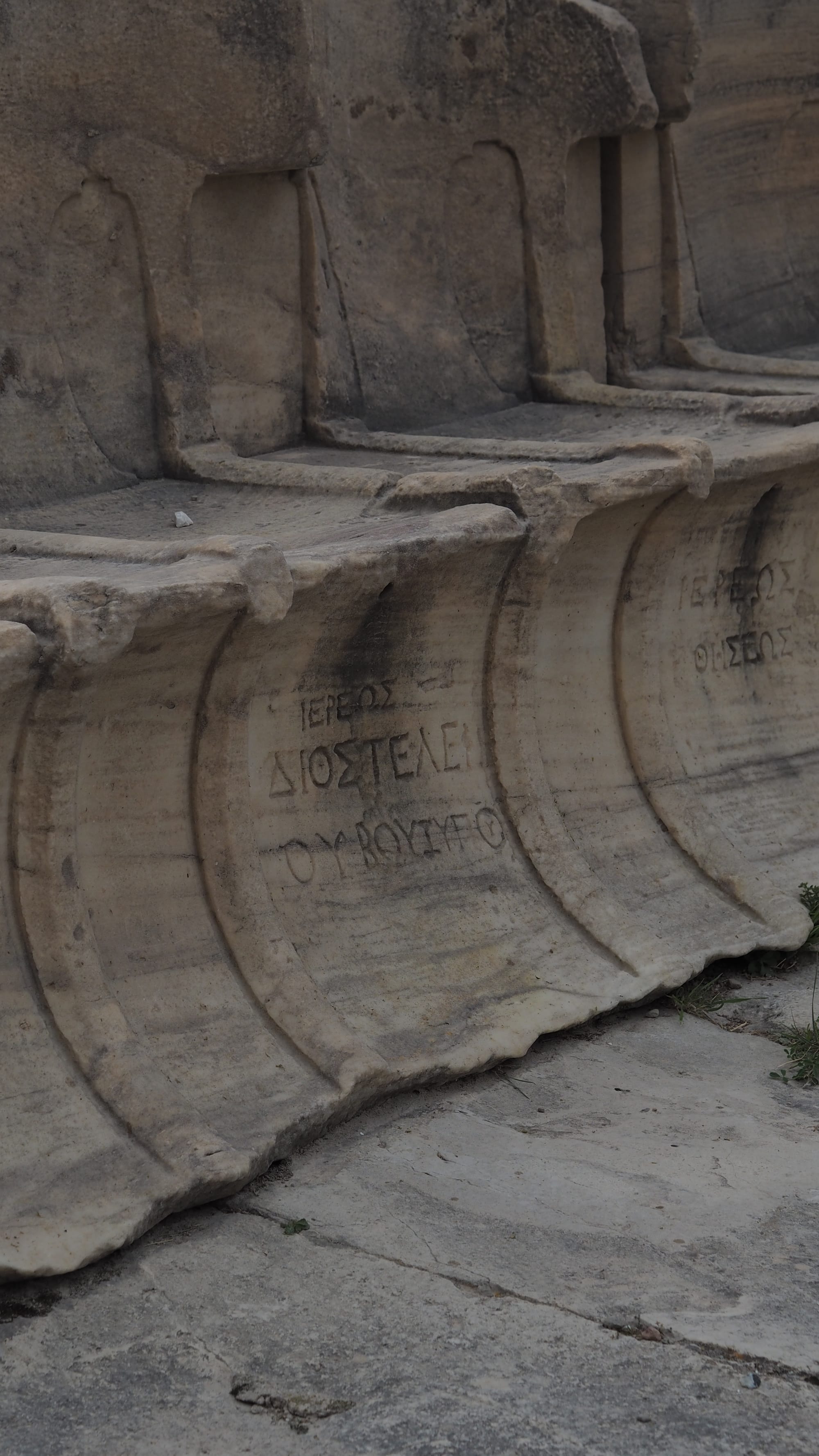
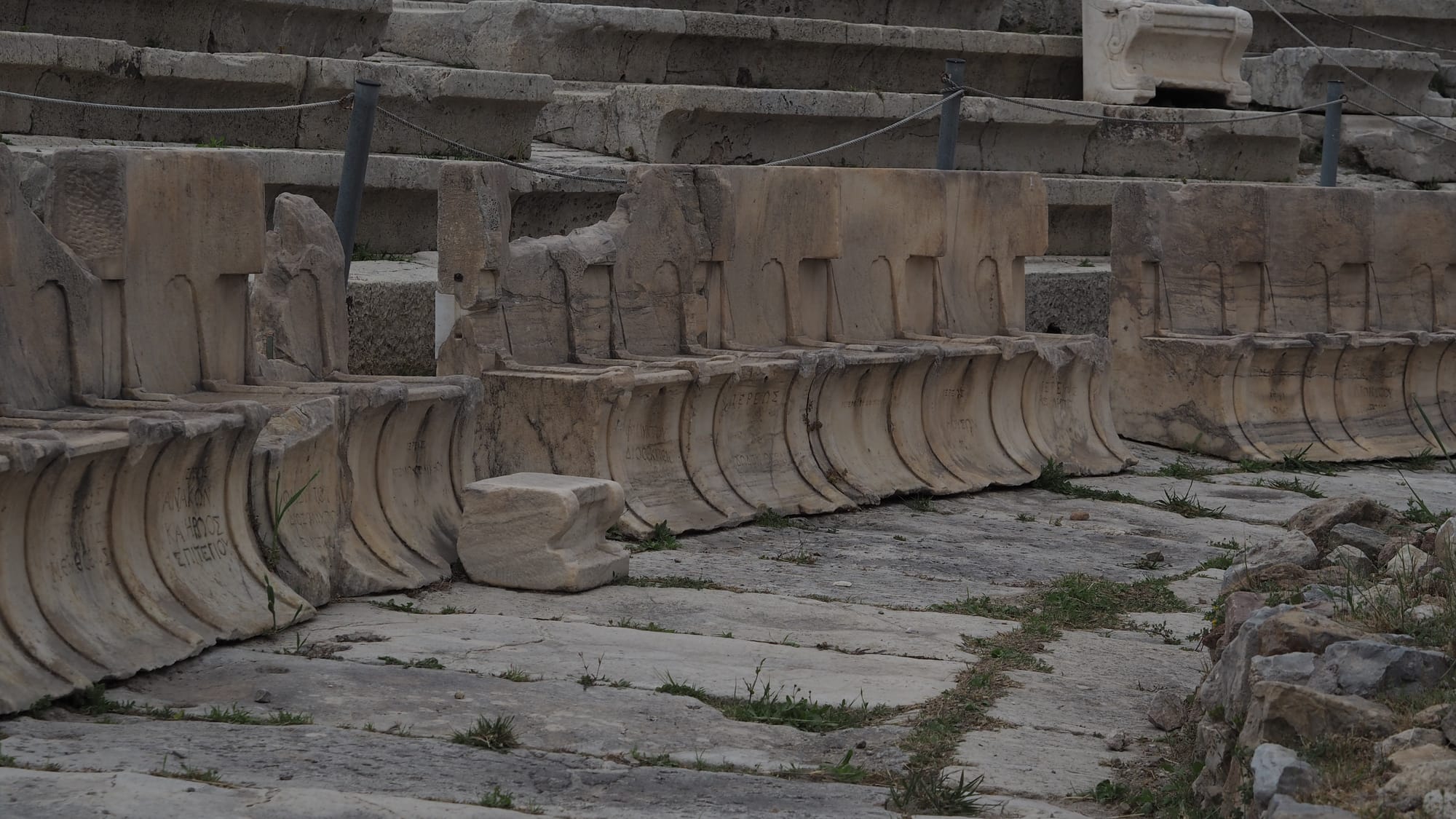
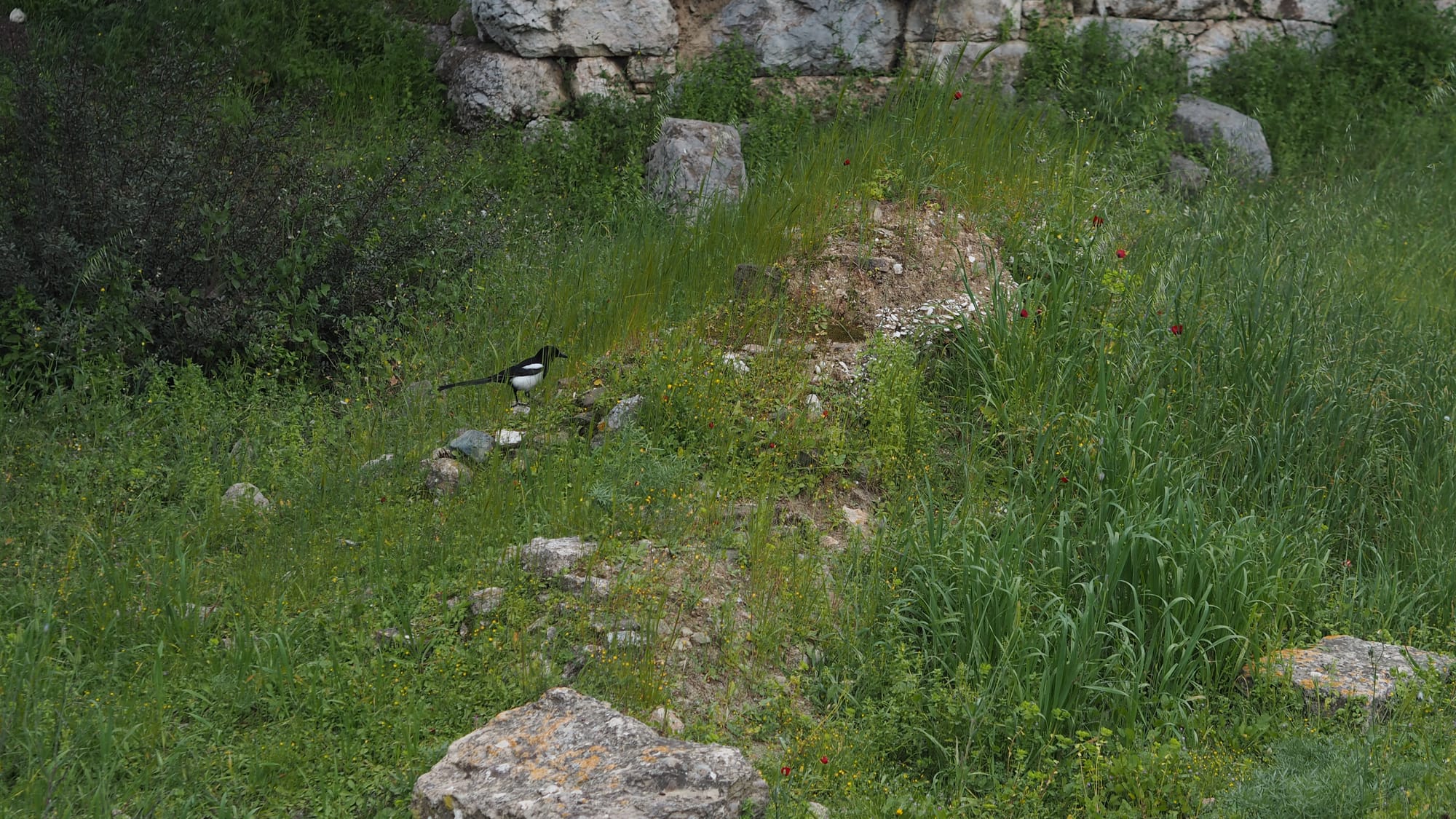
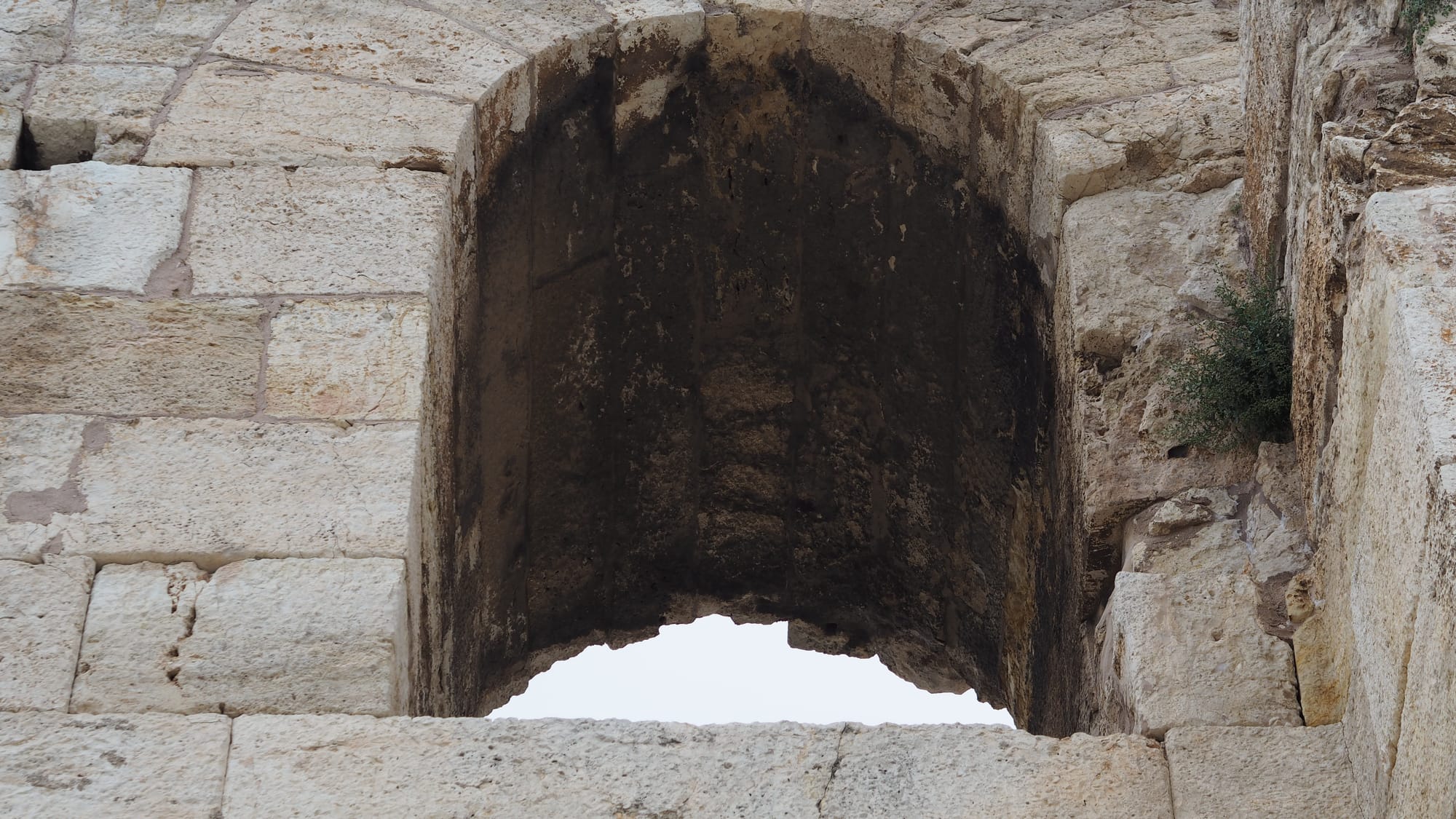
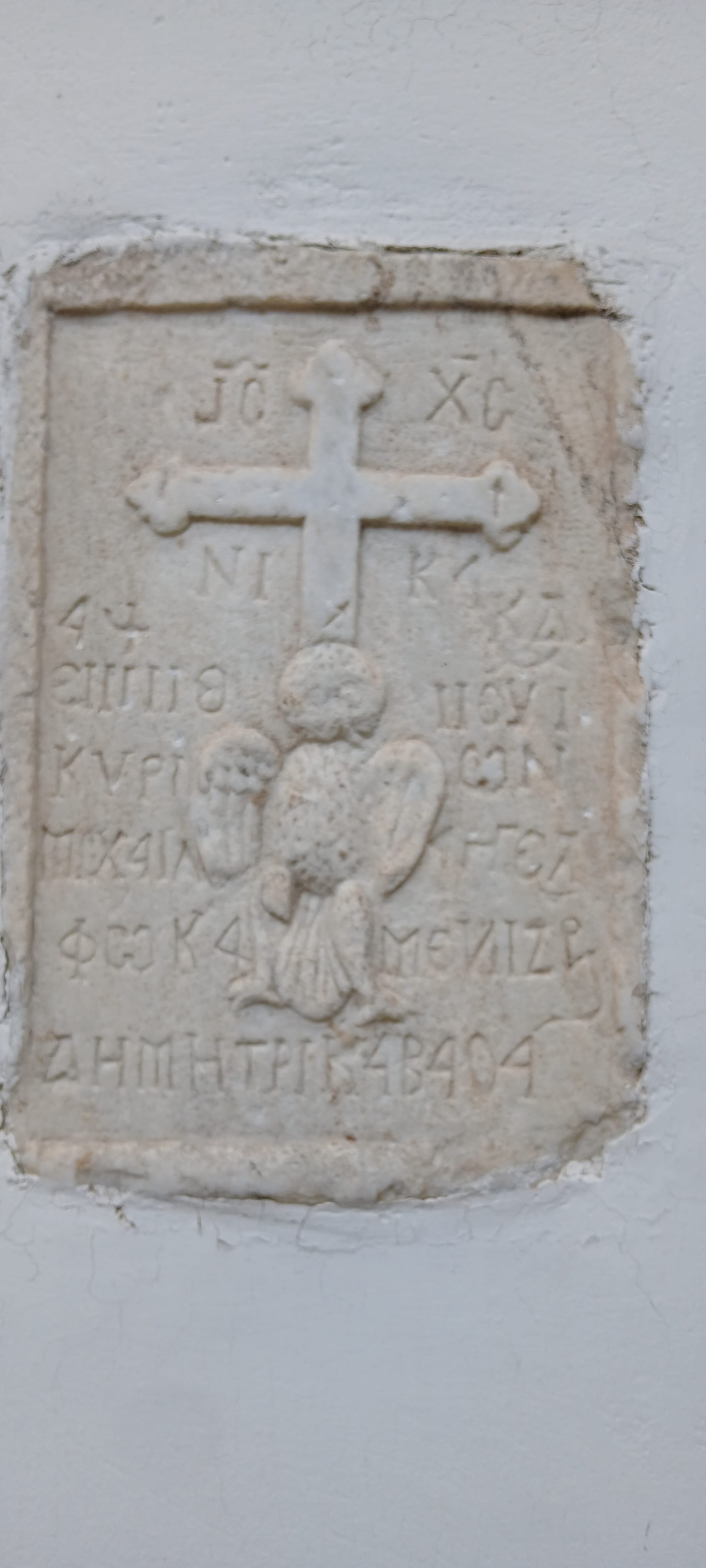
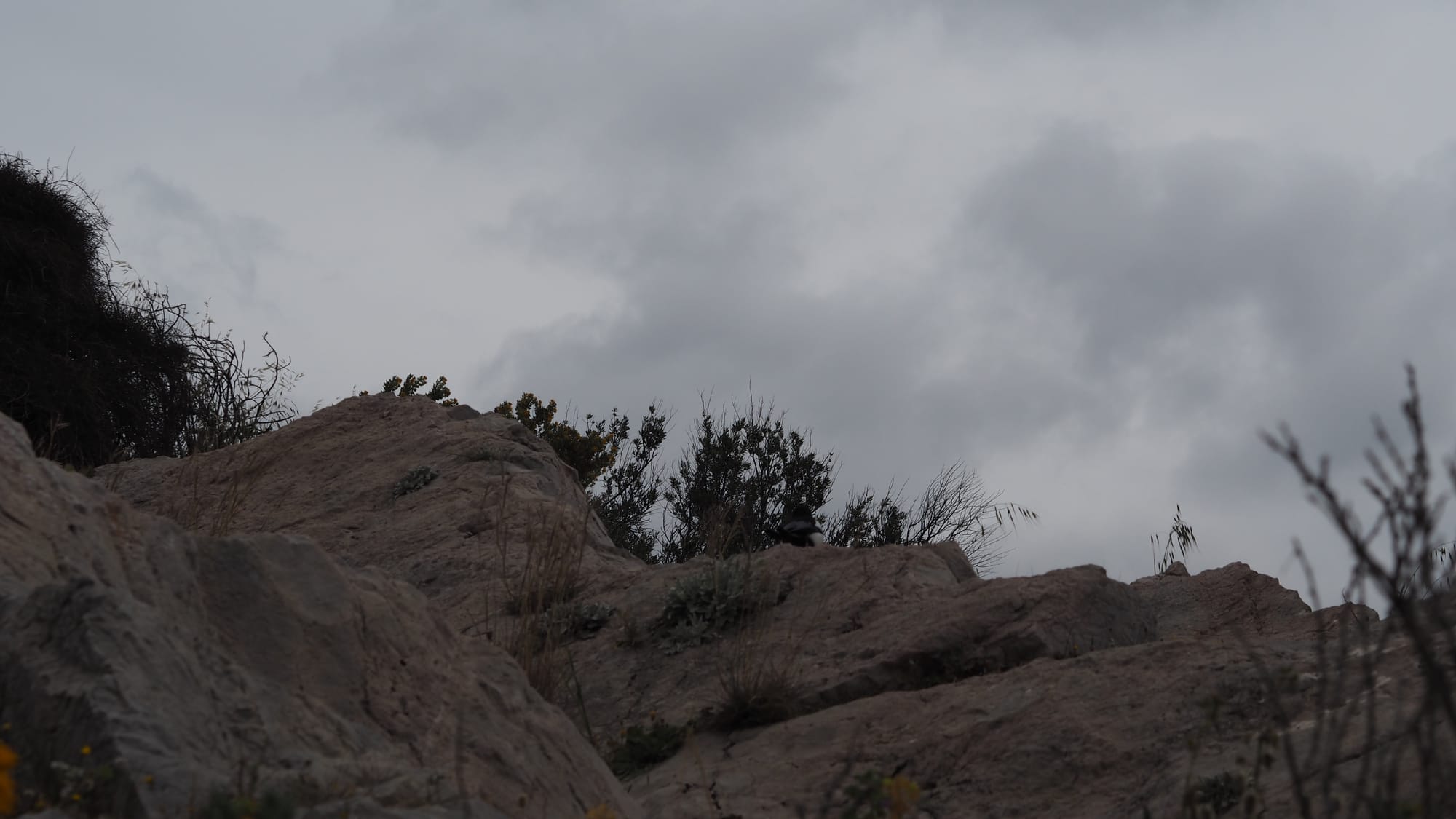
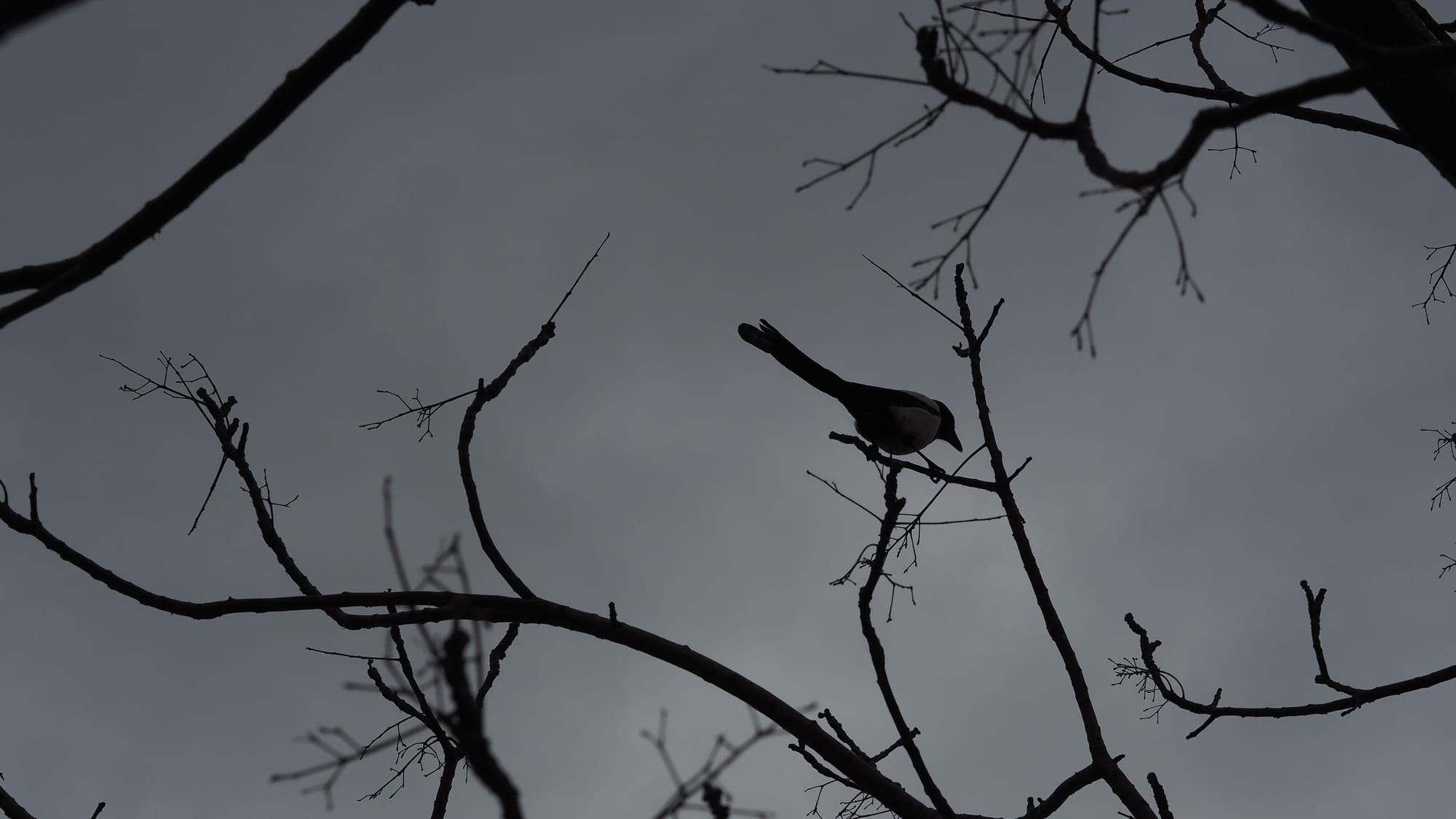
- various niches: top, those for votive offerings under the Acropolis; middle, that occupied by the Asian magpie; bottom those niches no longer filled but notable for their inscriptions and design
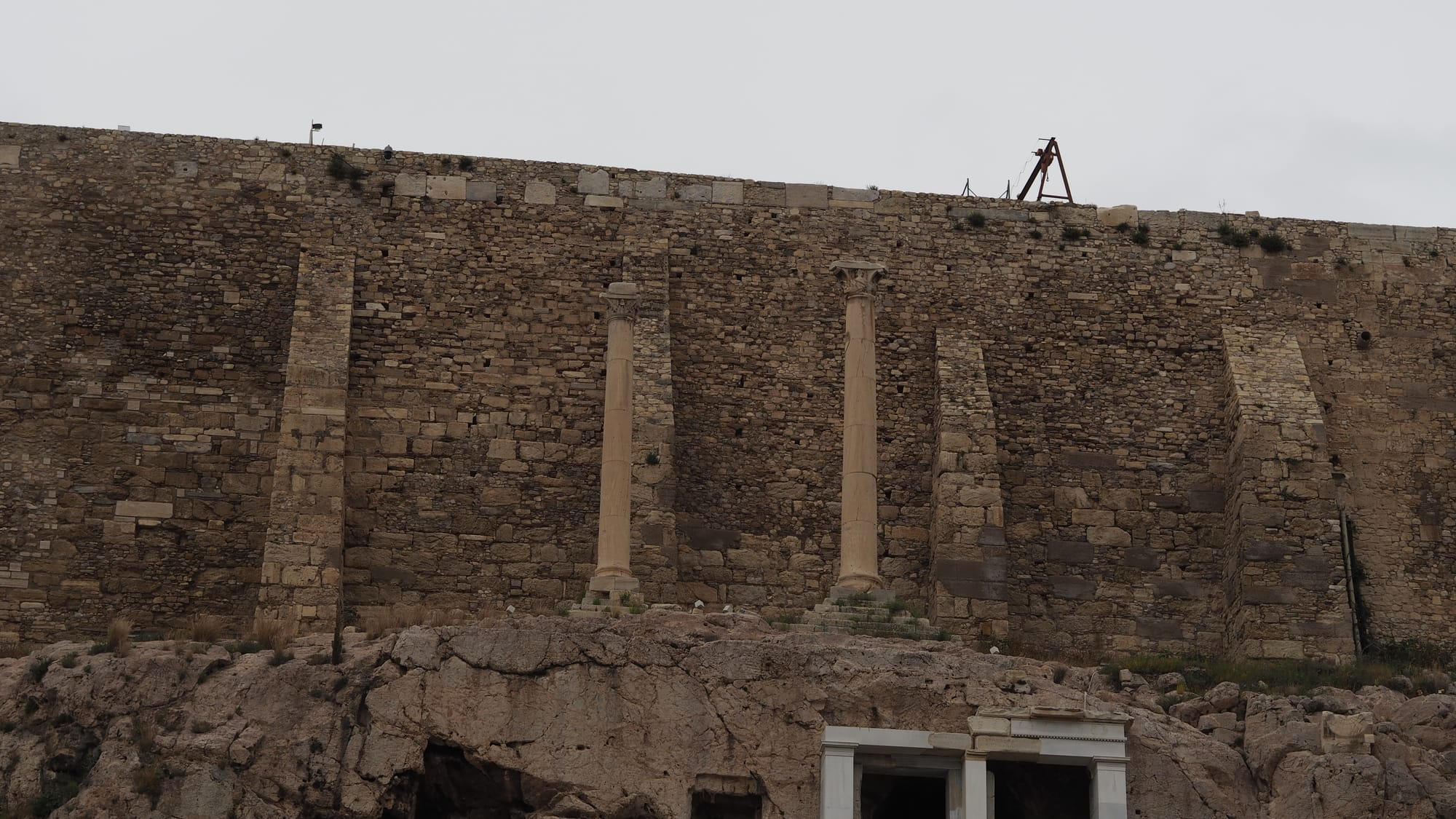
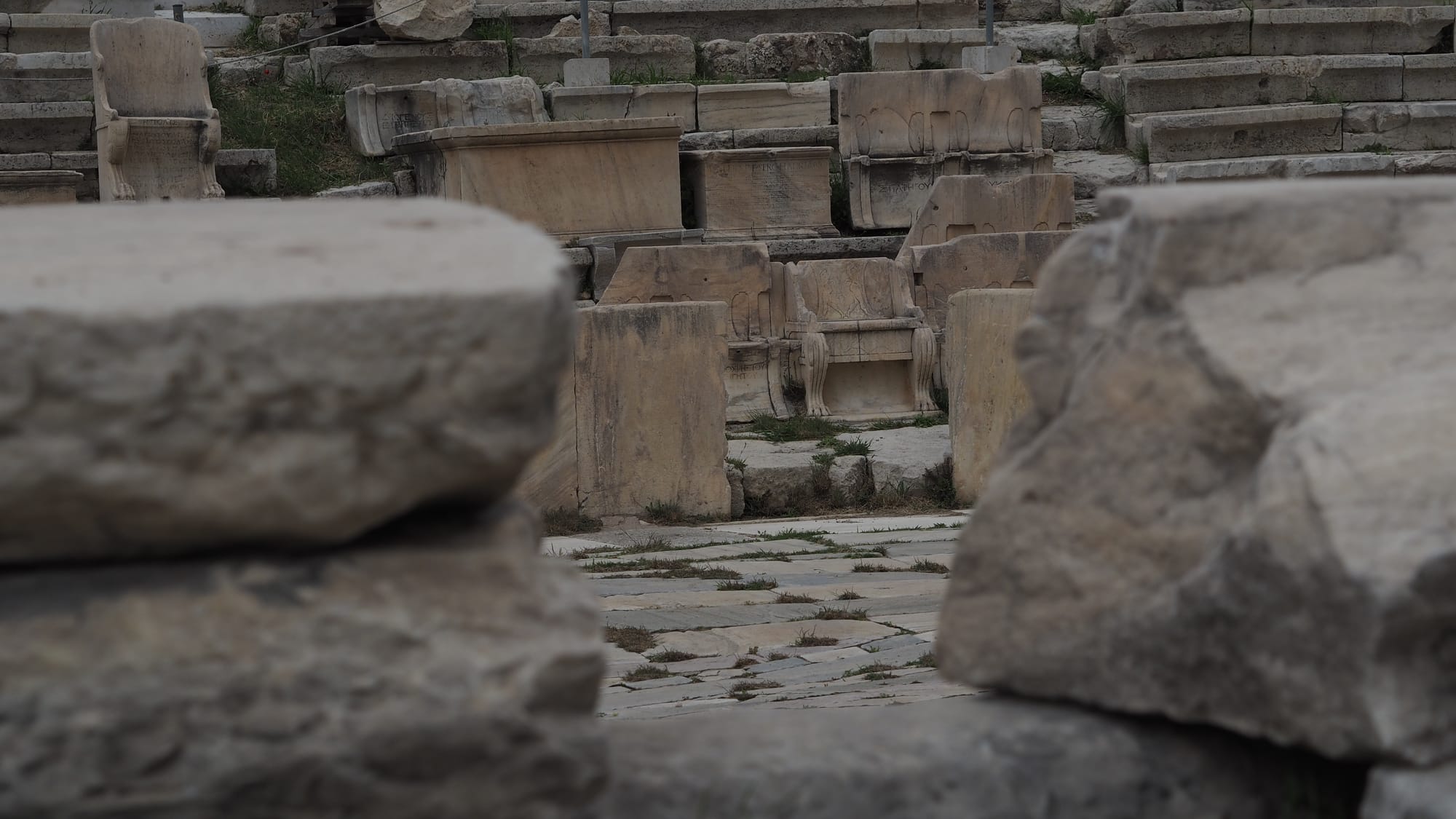
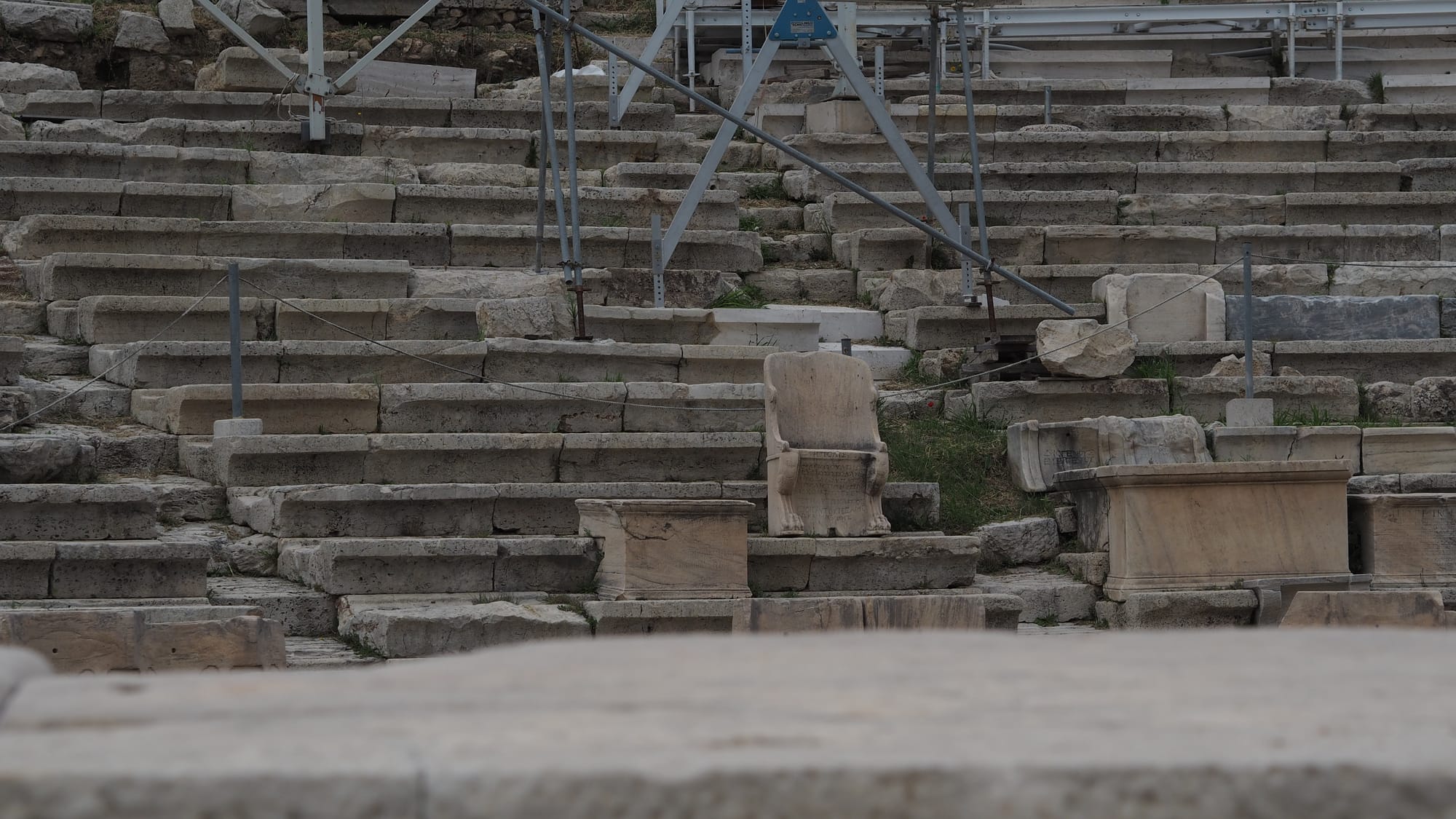
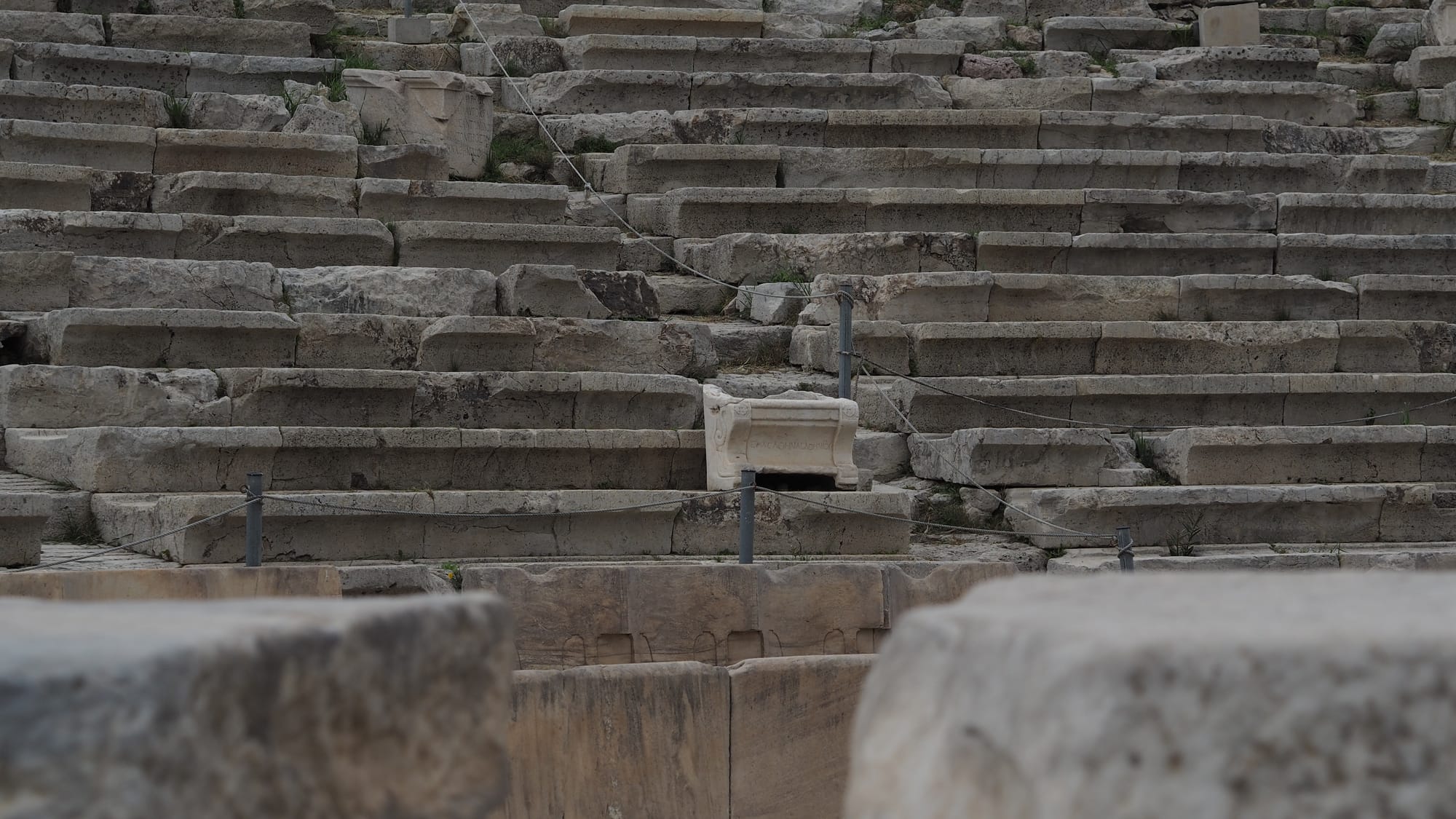
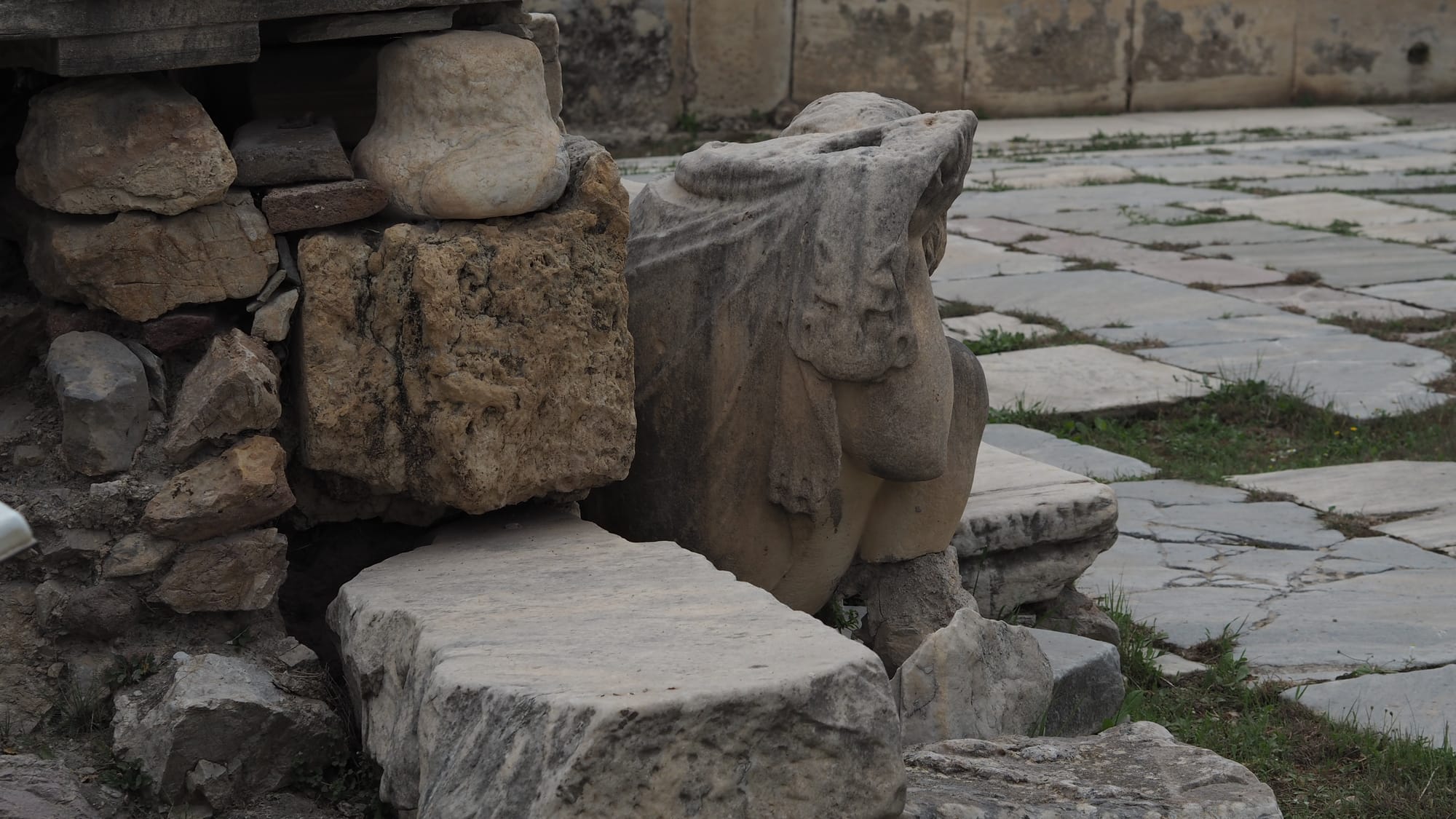
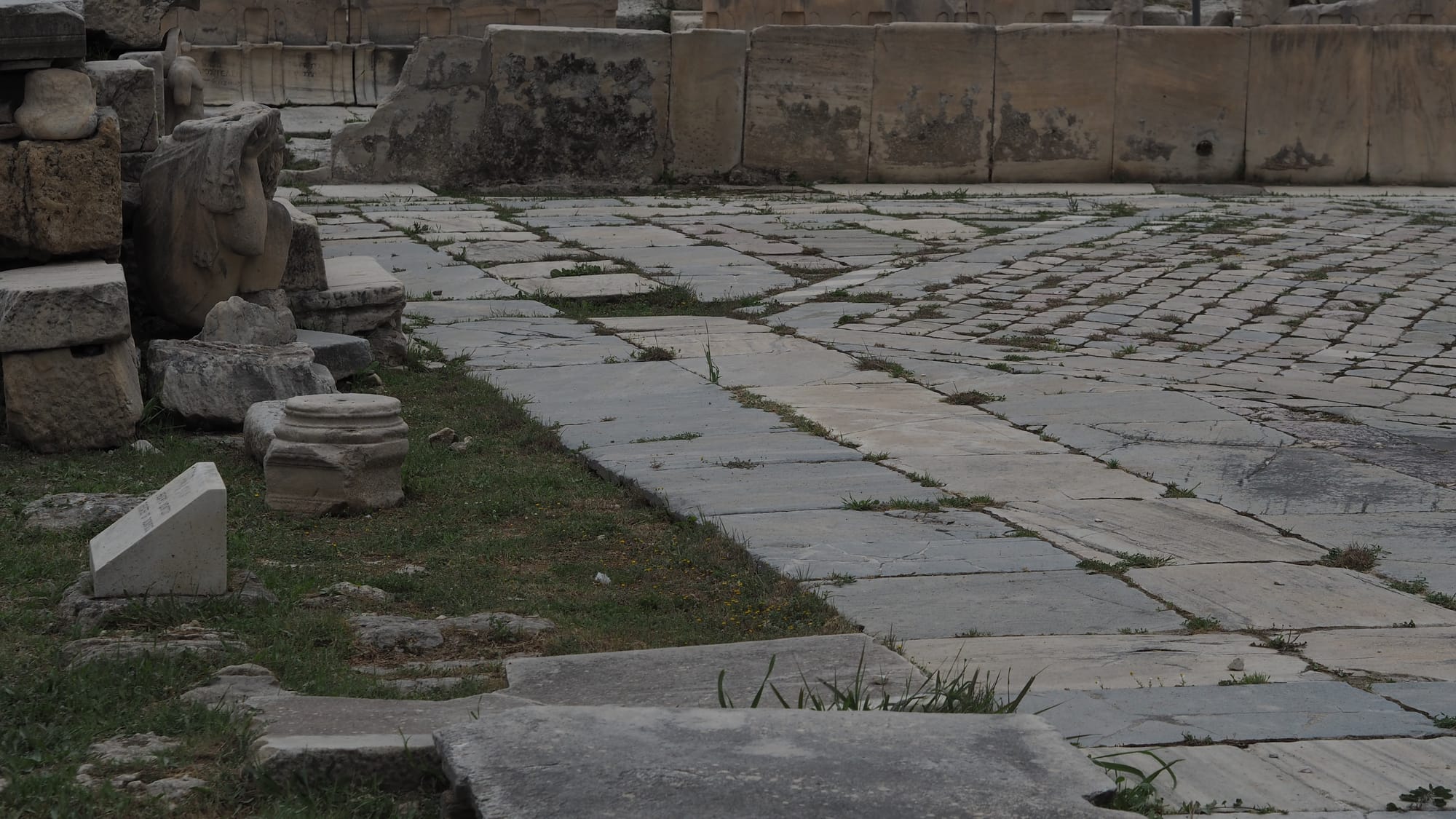
- more of the same, with a back view of an excellent crouching satyr:
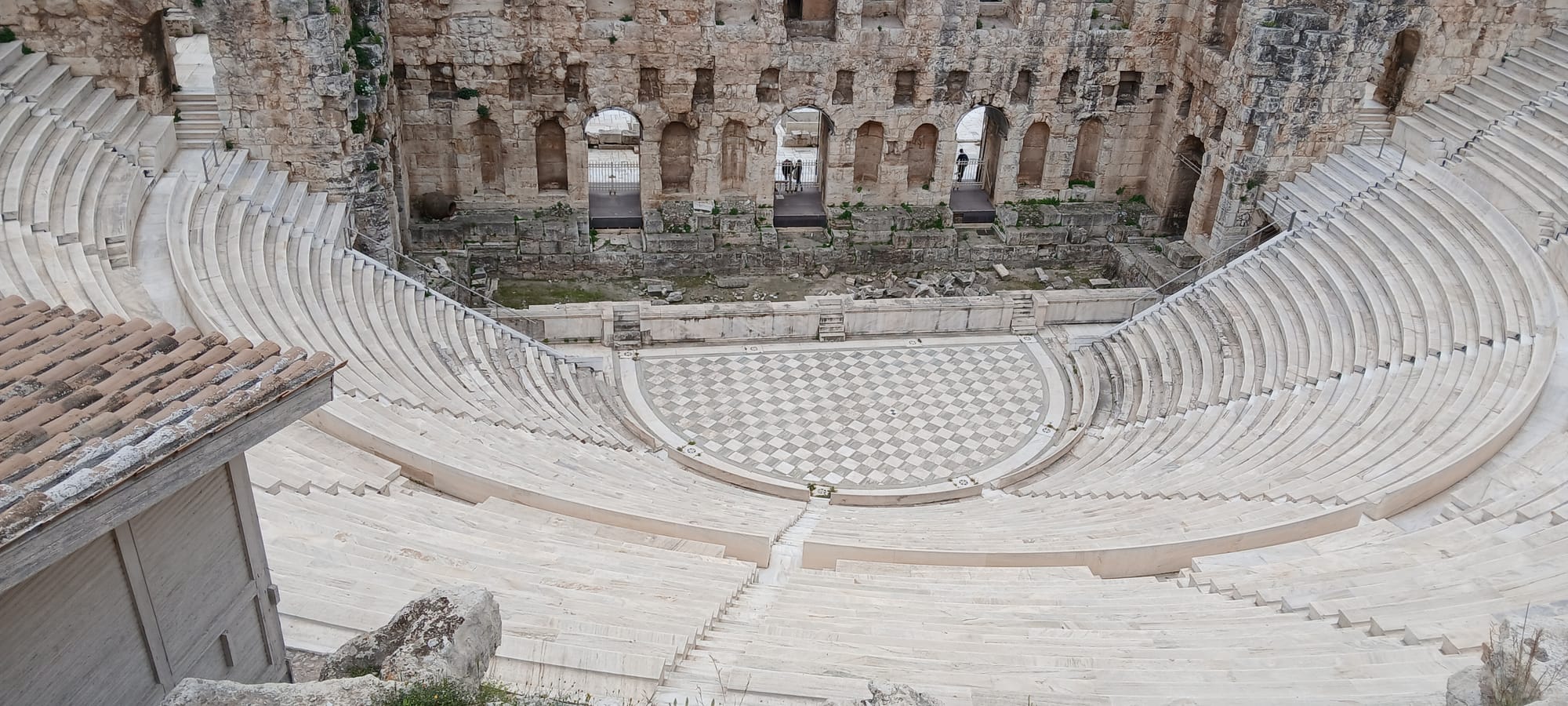
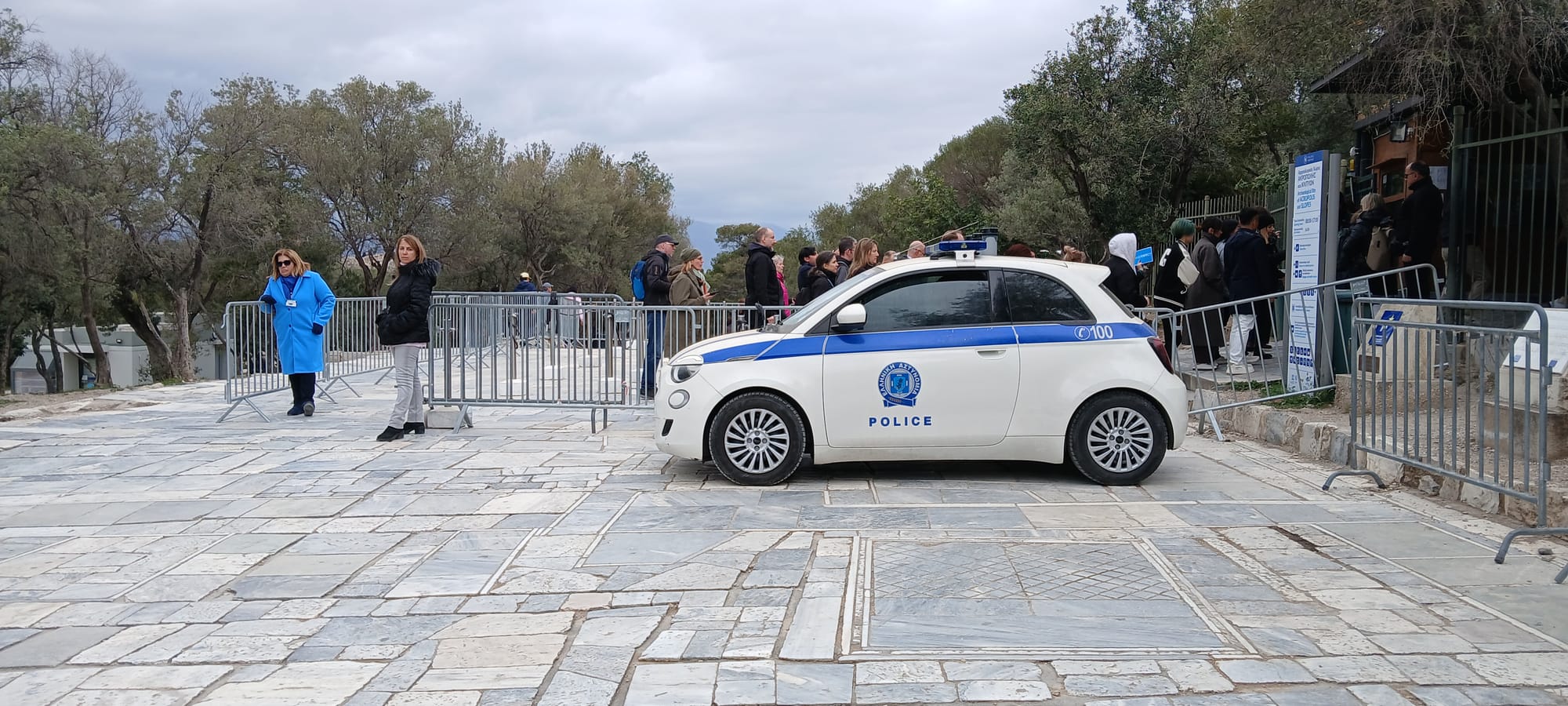
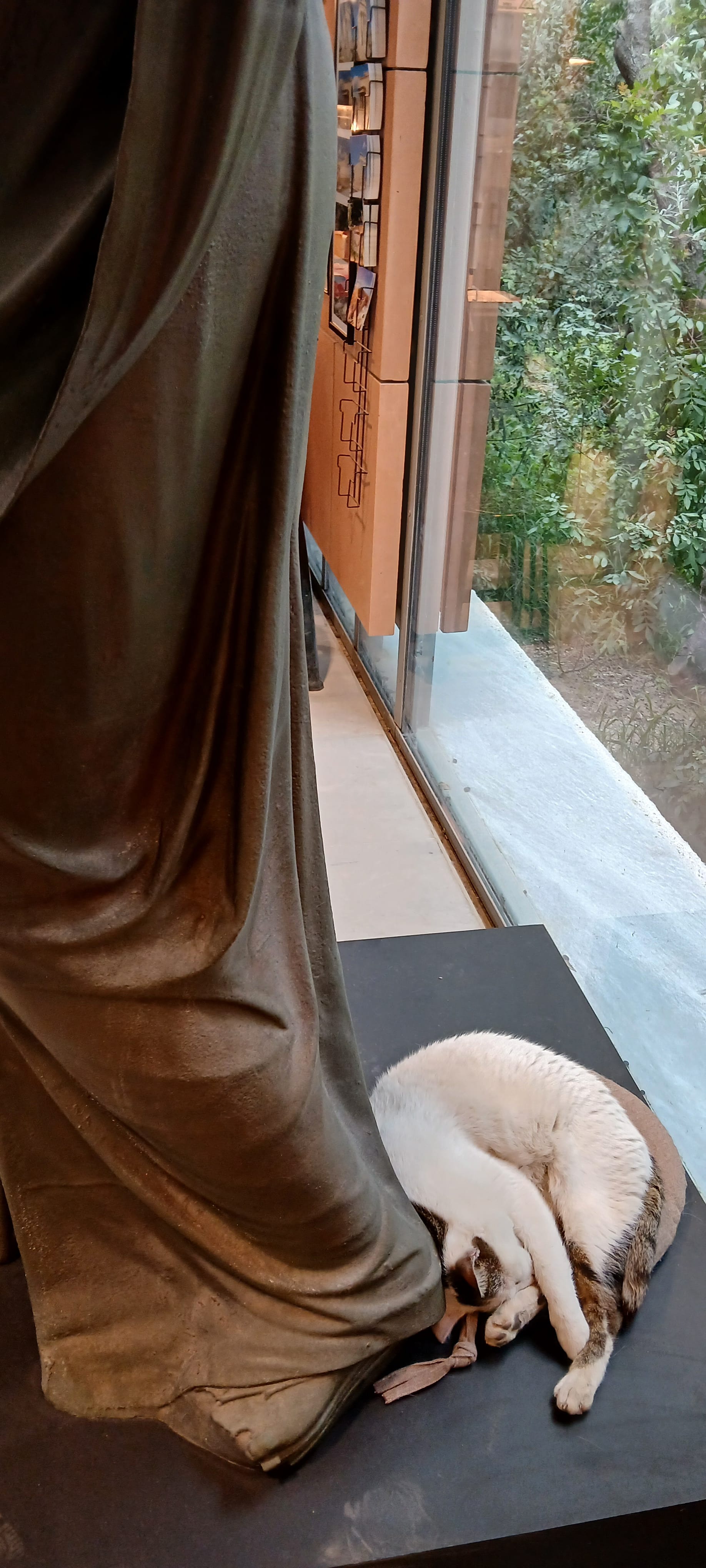
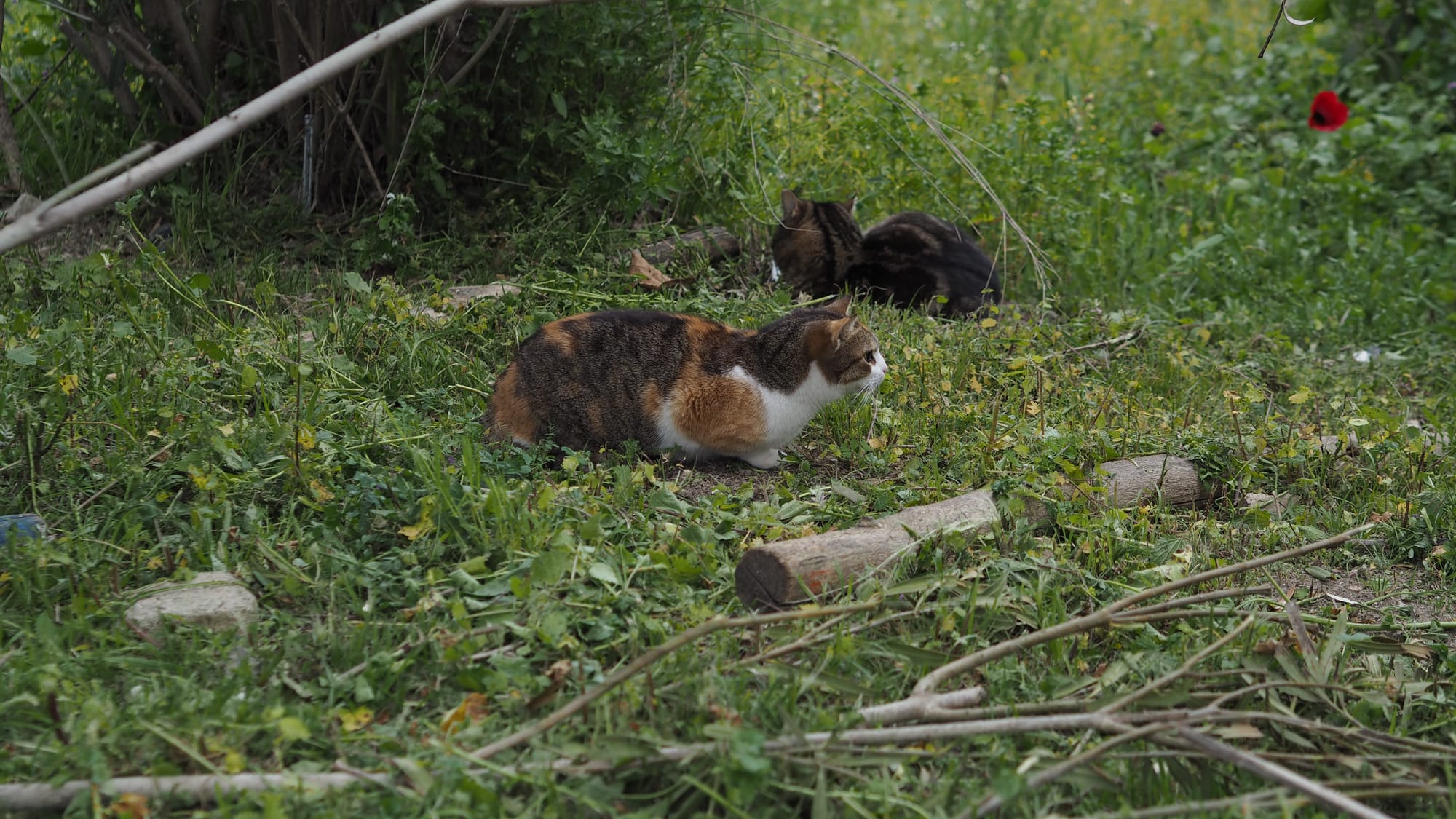
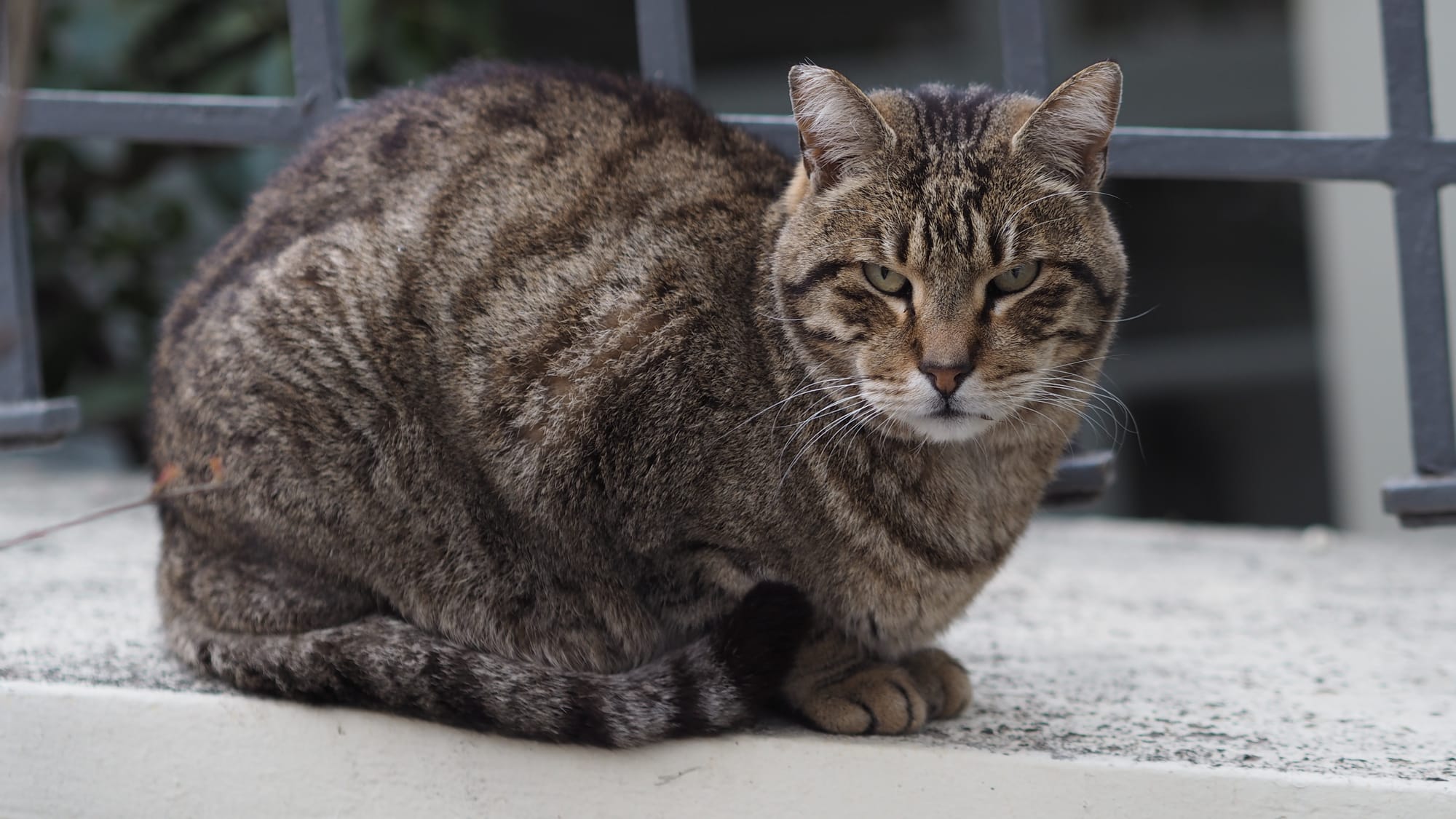
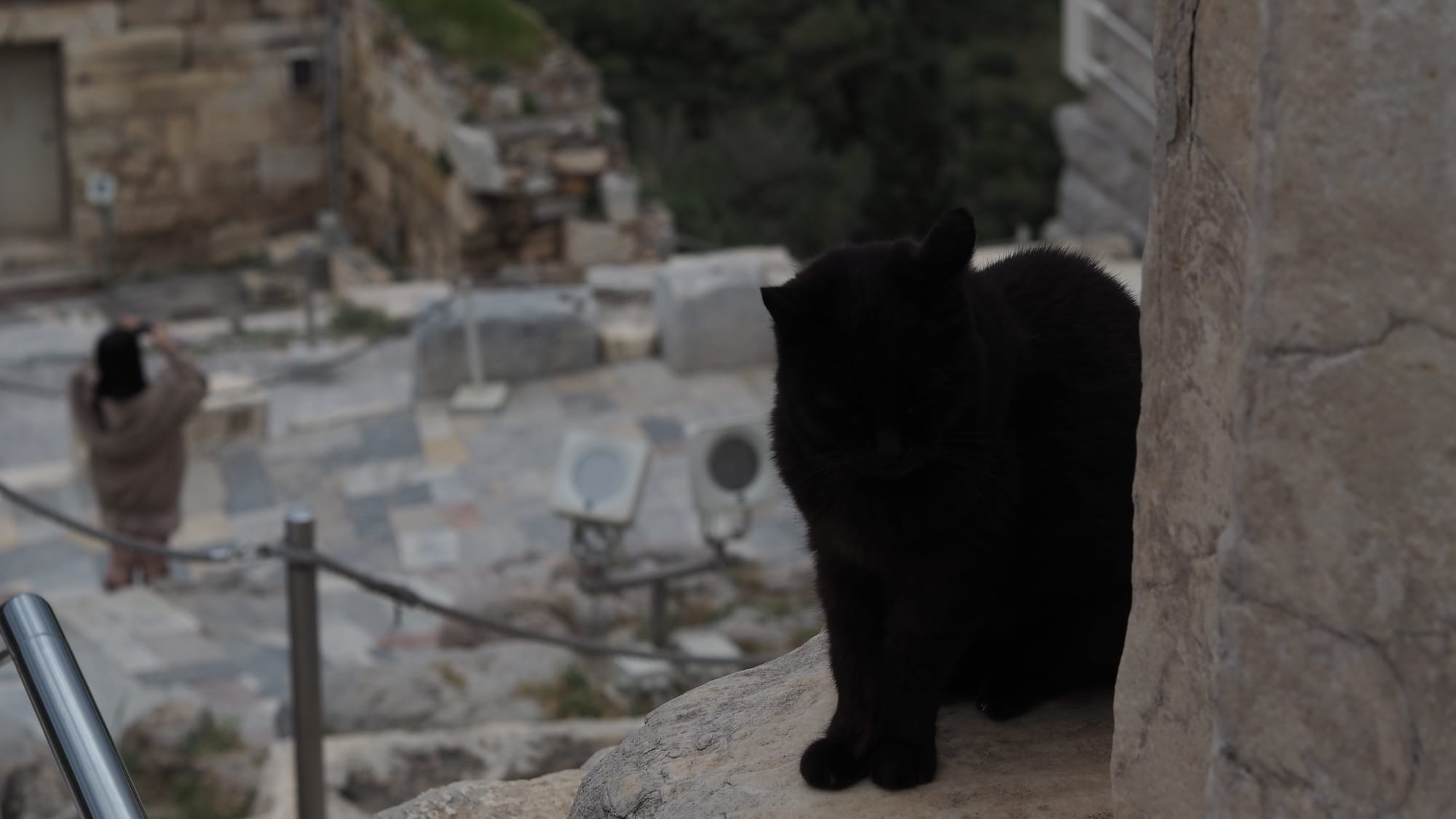
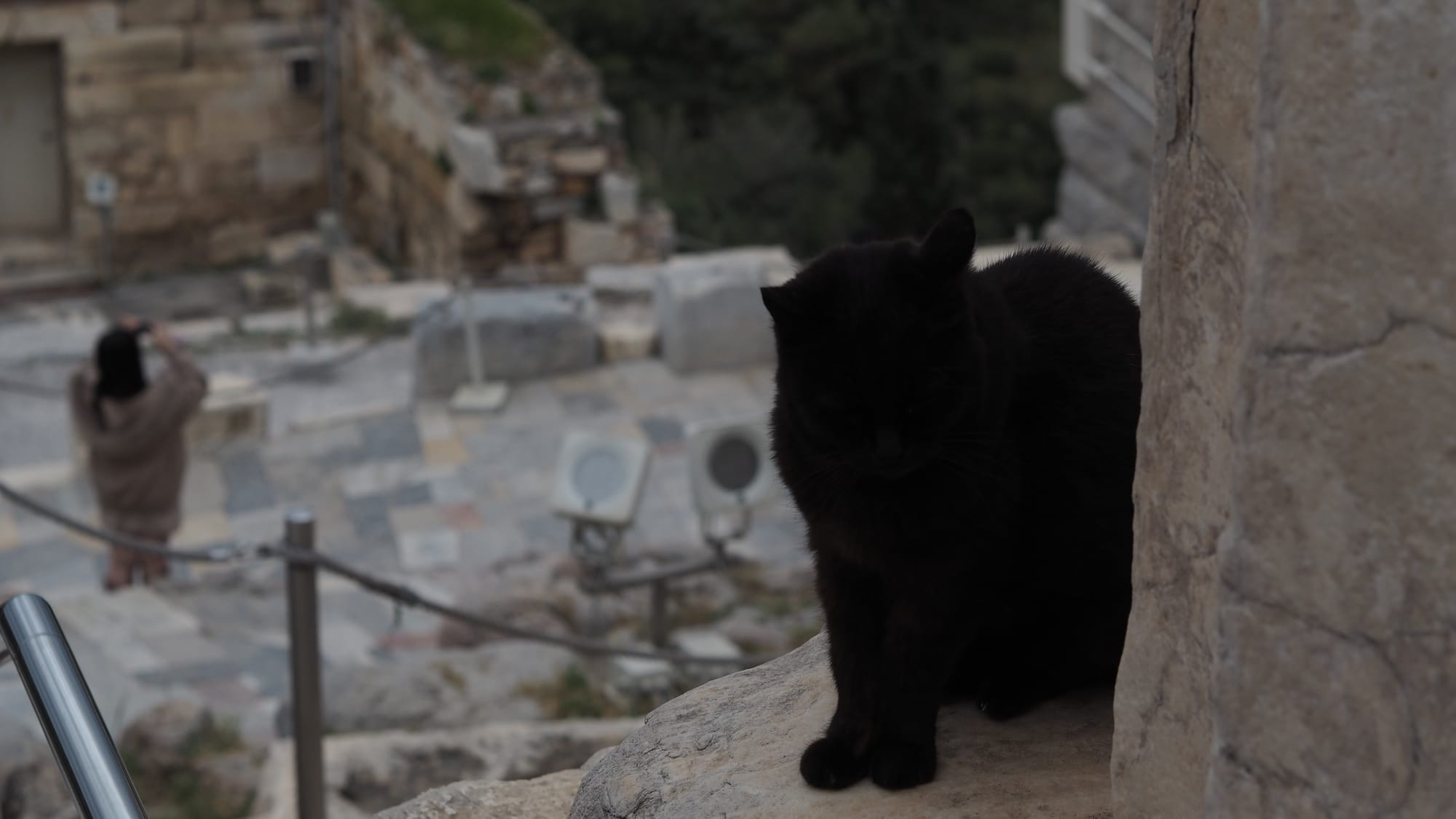
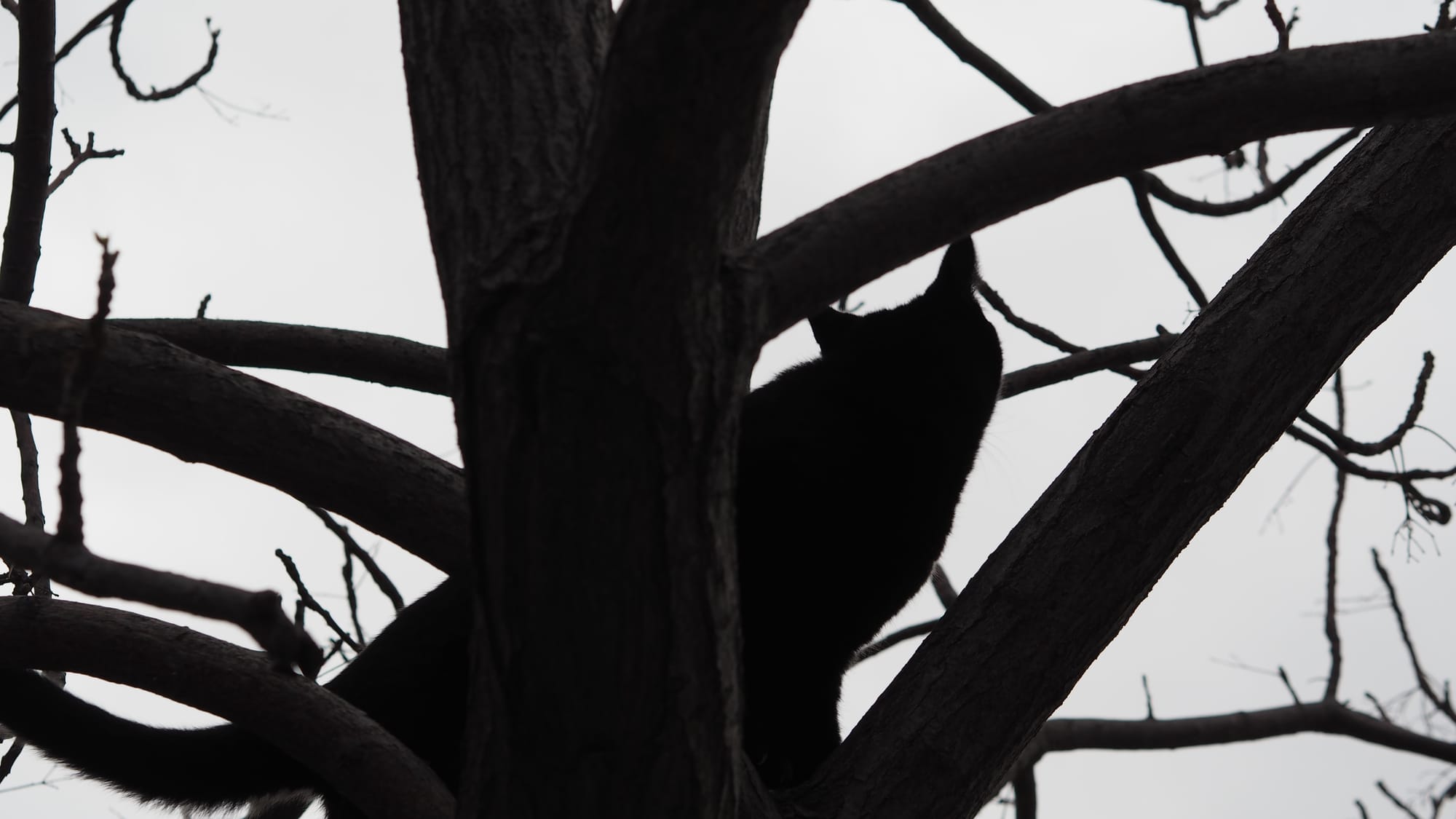
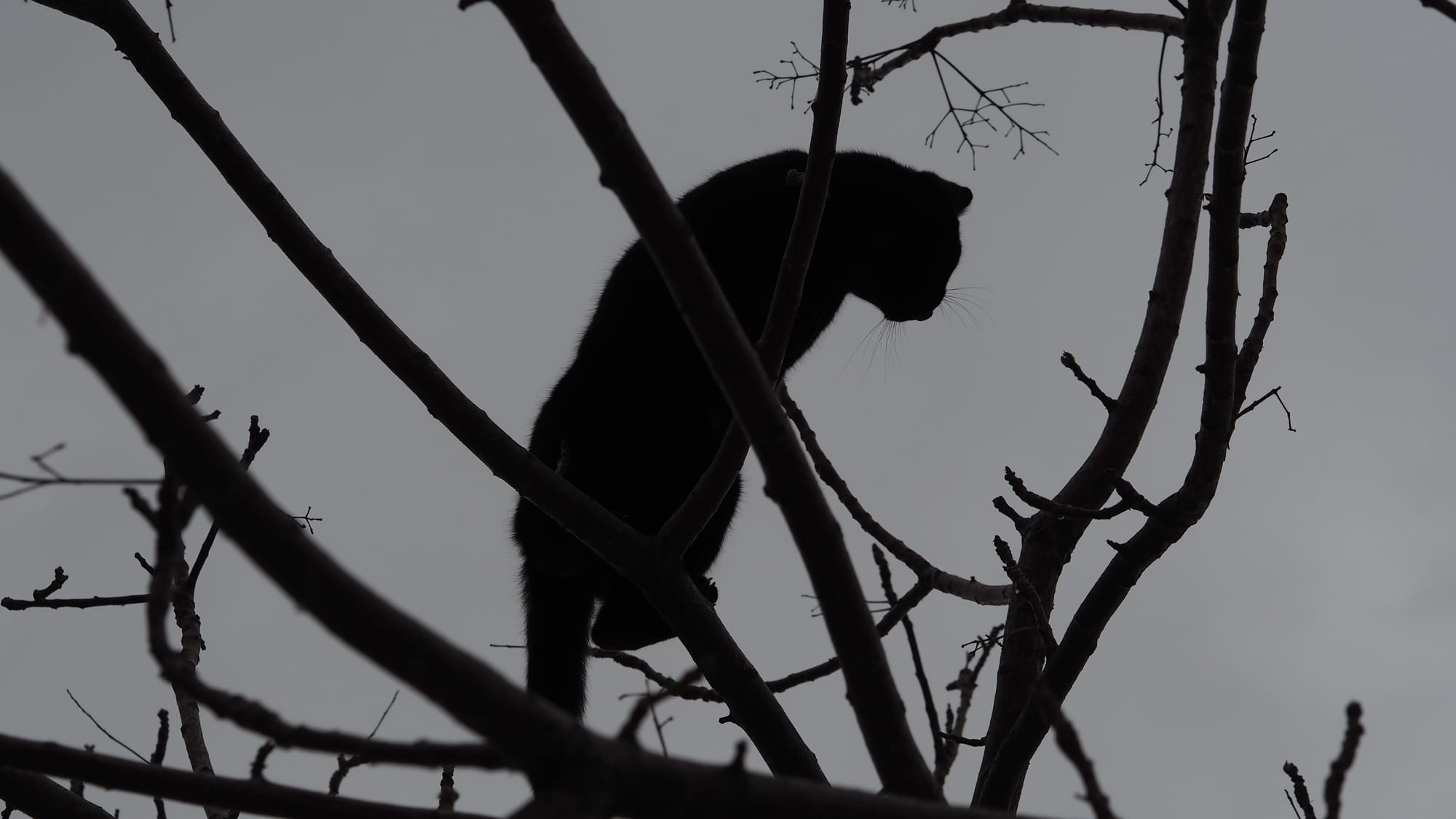
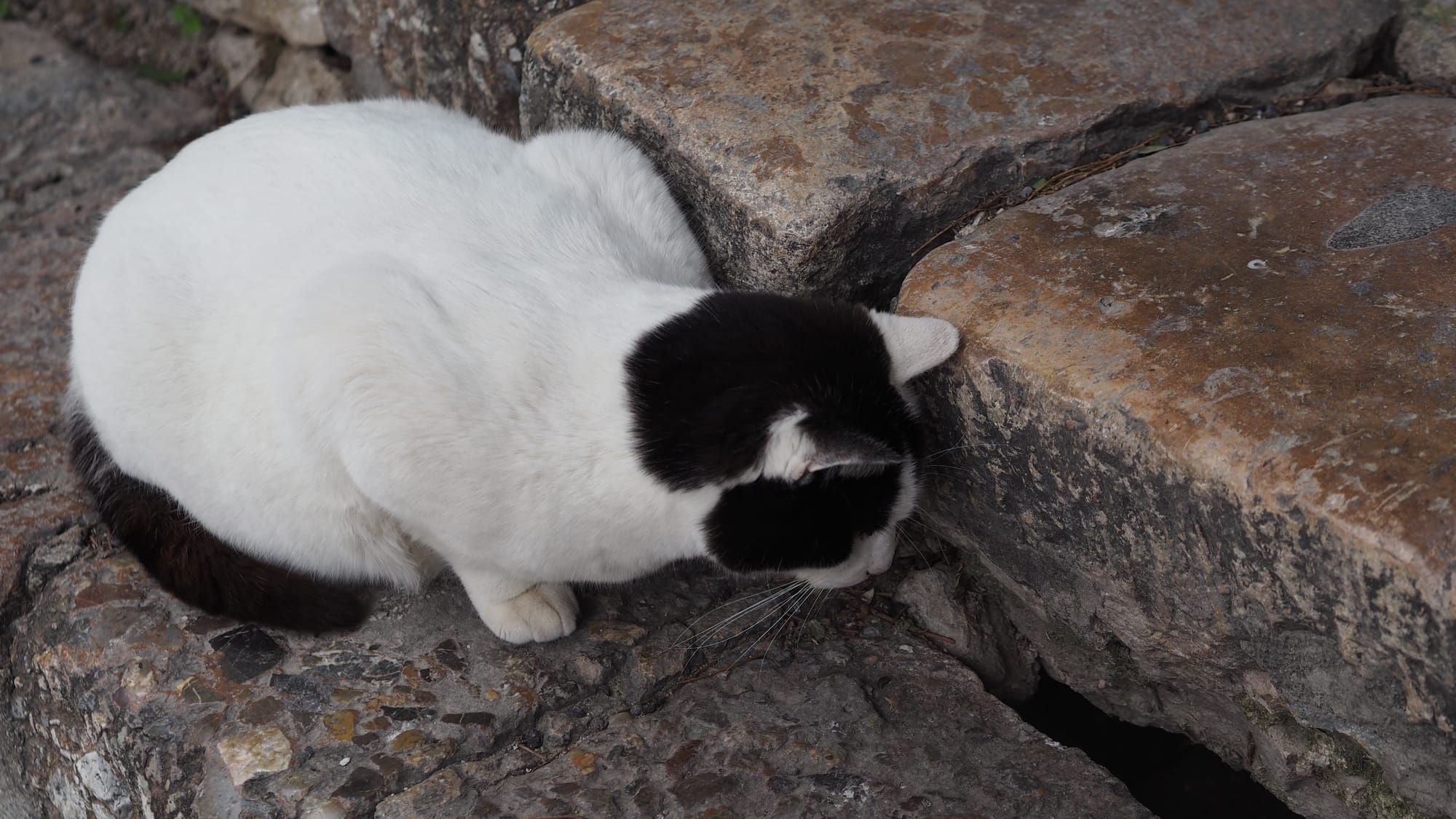
- these snaps sum up the post so far (the cat is behind a full-size stature of Athena in the shop at the foot of the Acropolis)
Today we visit the Acropolis Museum. What to expect: snap after snap of whatever I was struck by, including snippets of commentary, at the time.
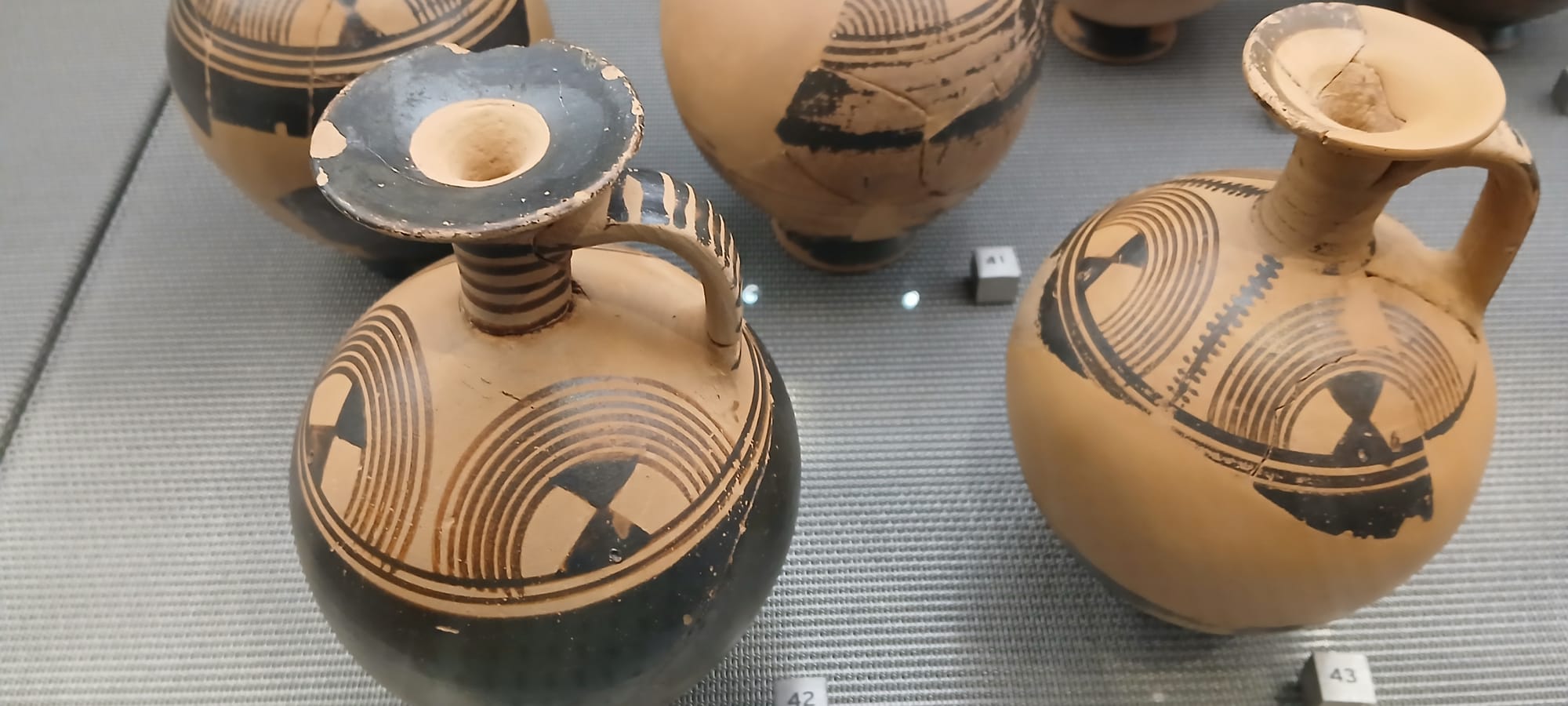
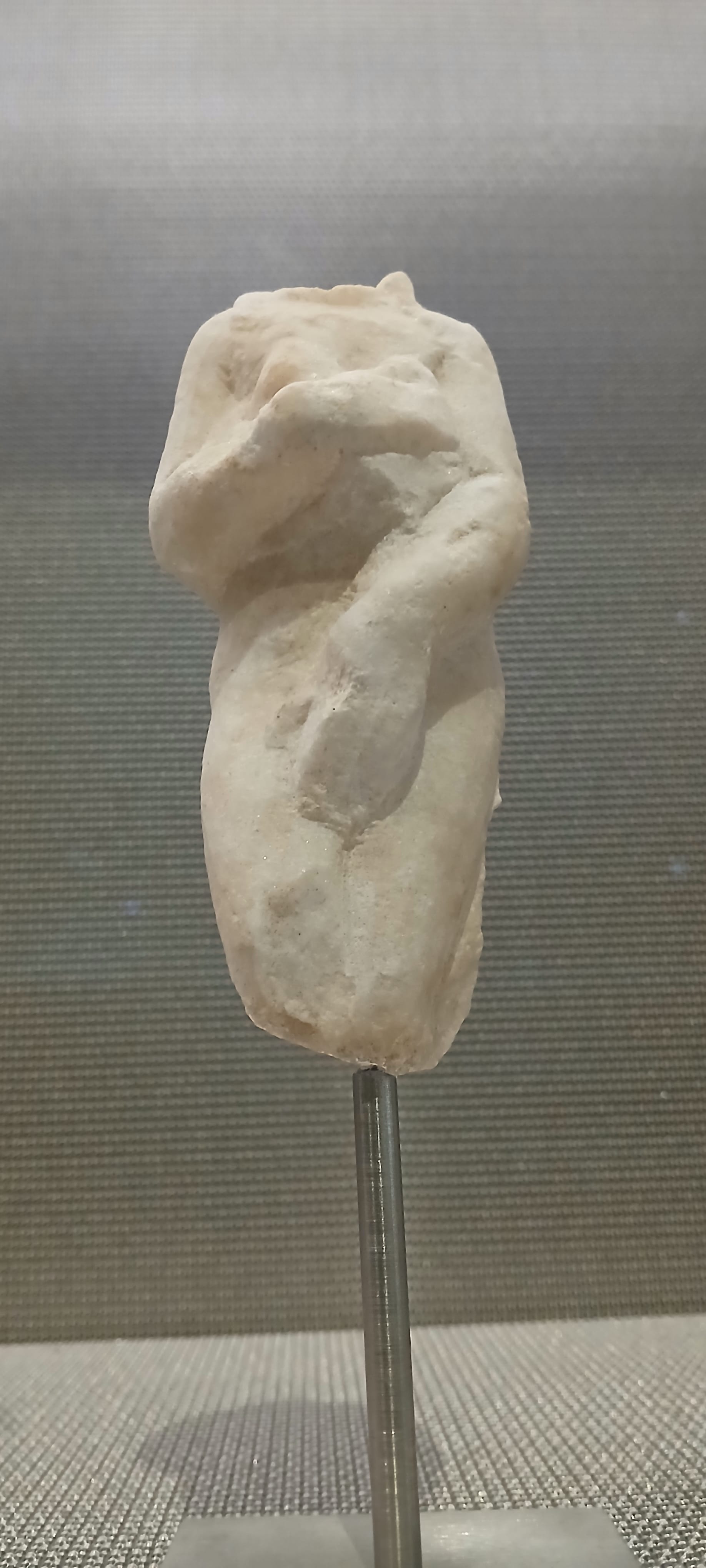
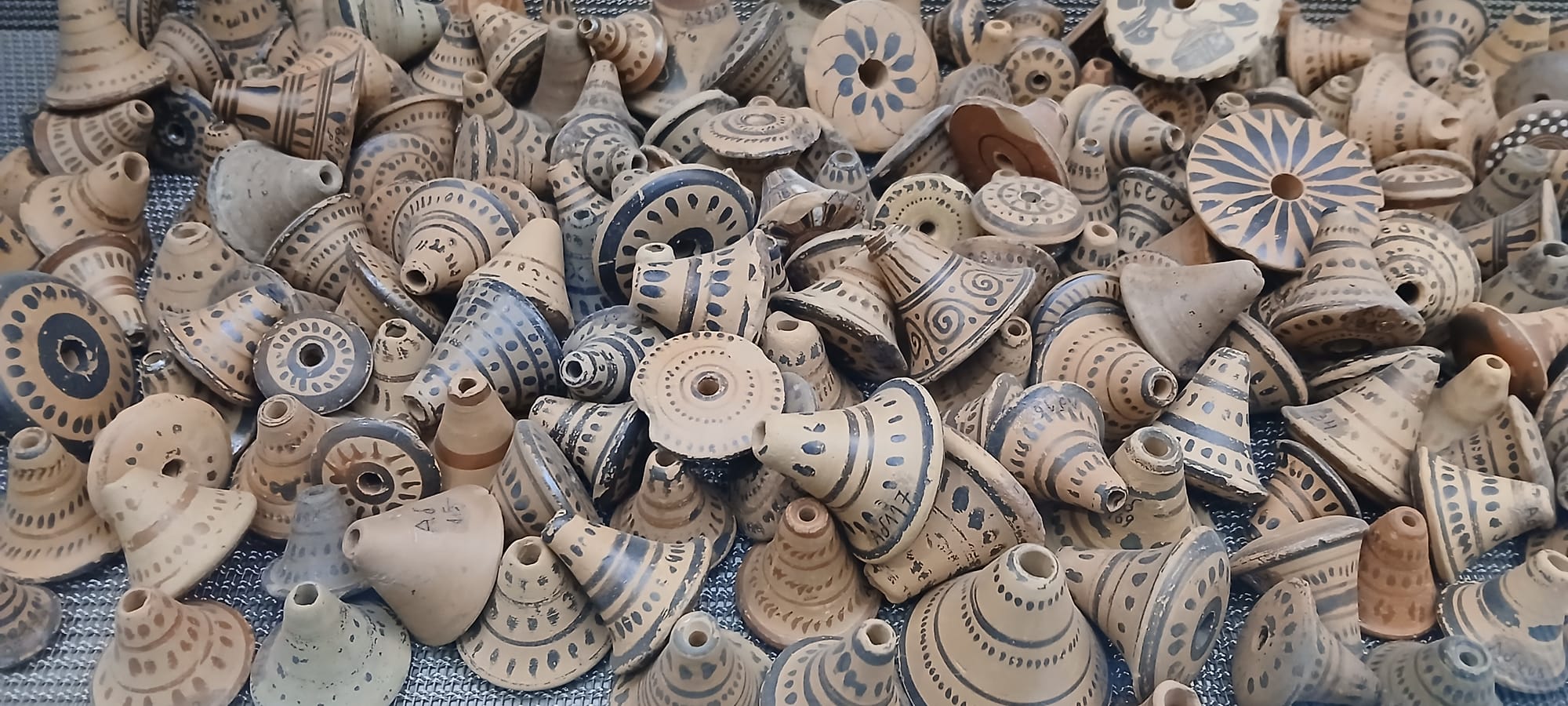
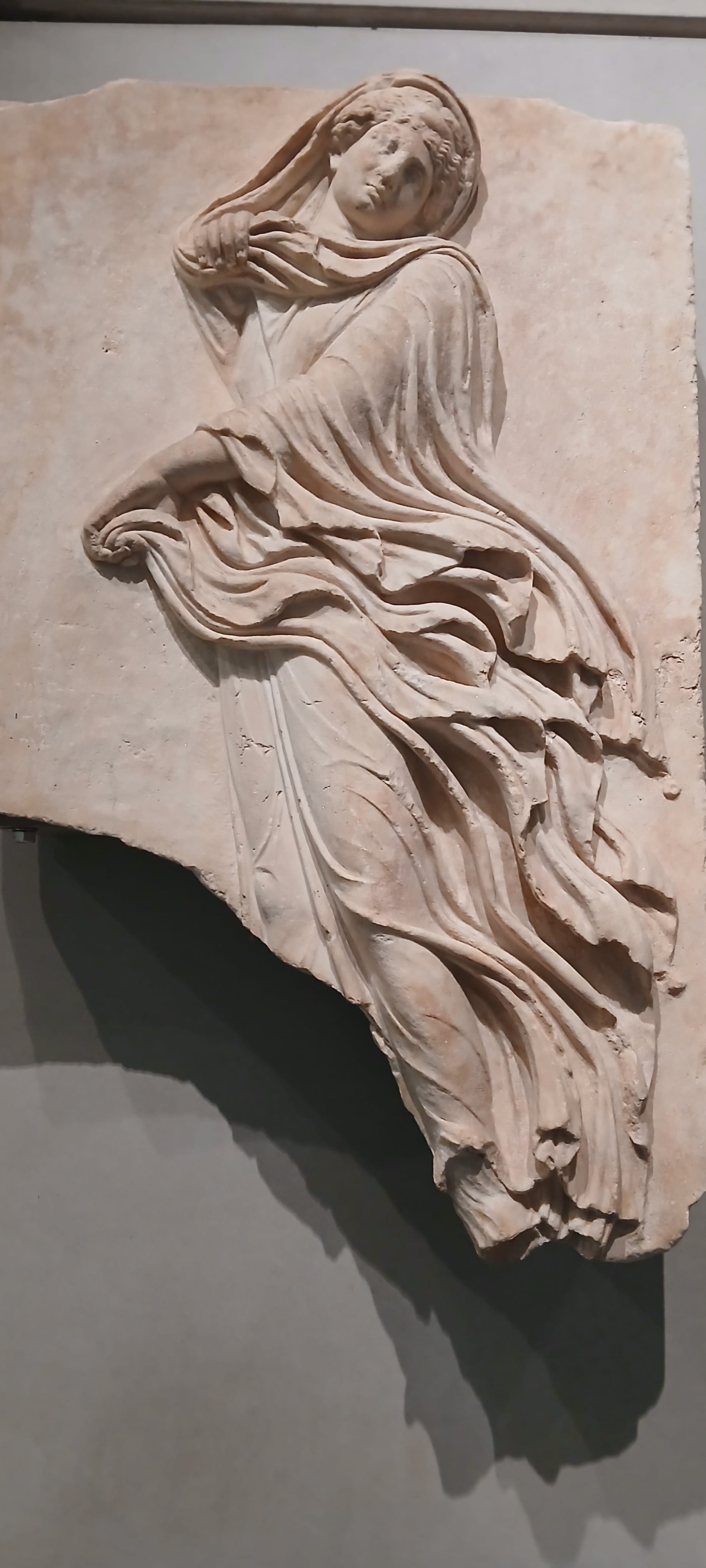
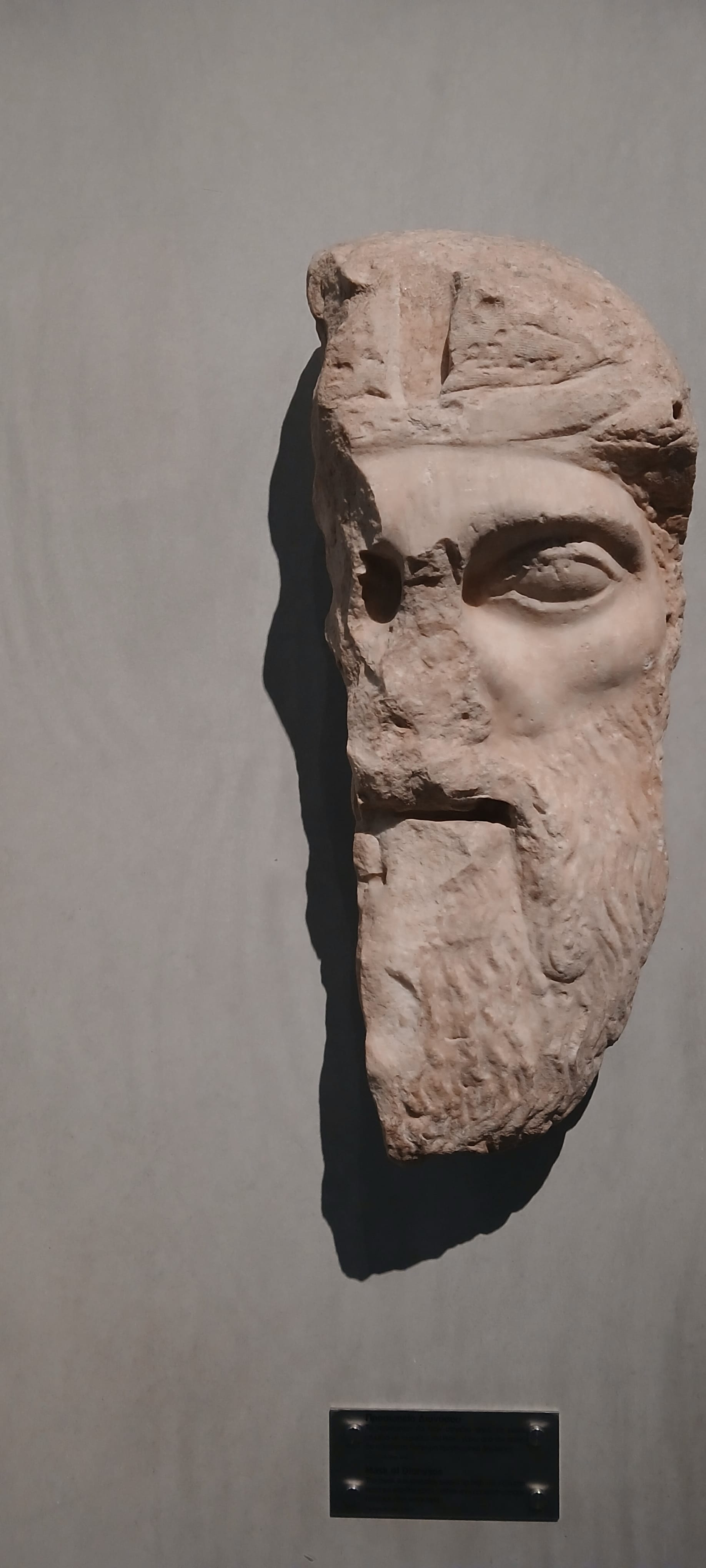
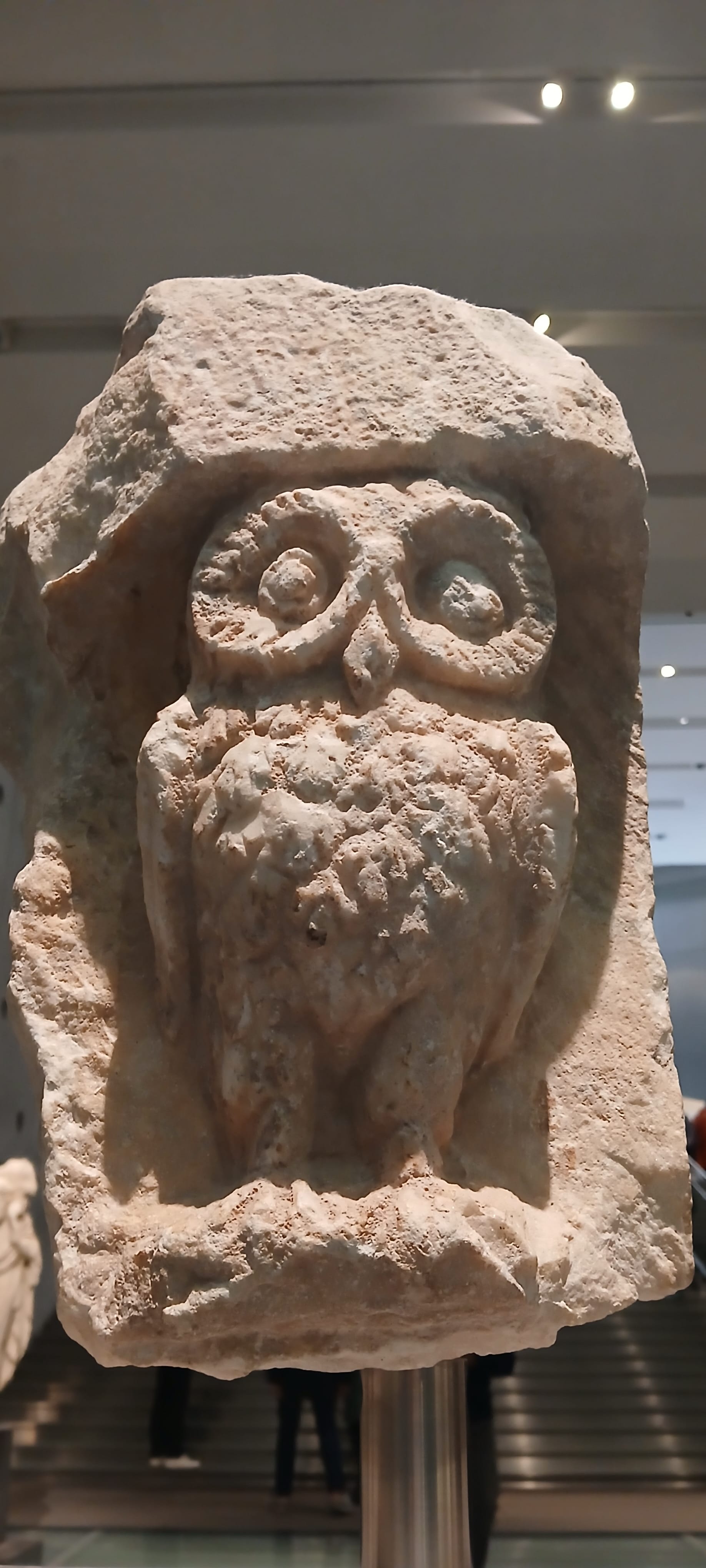
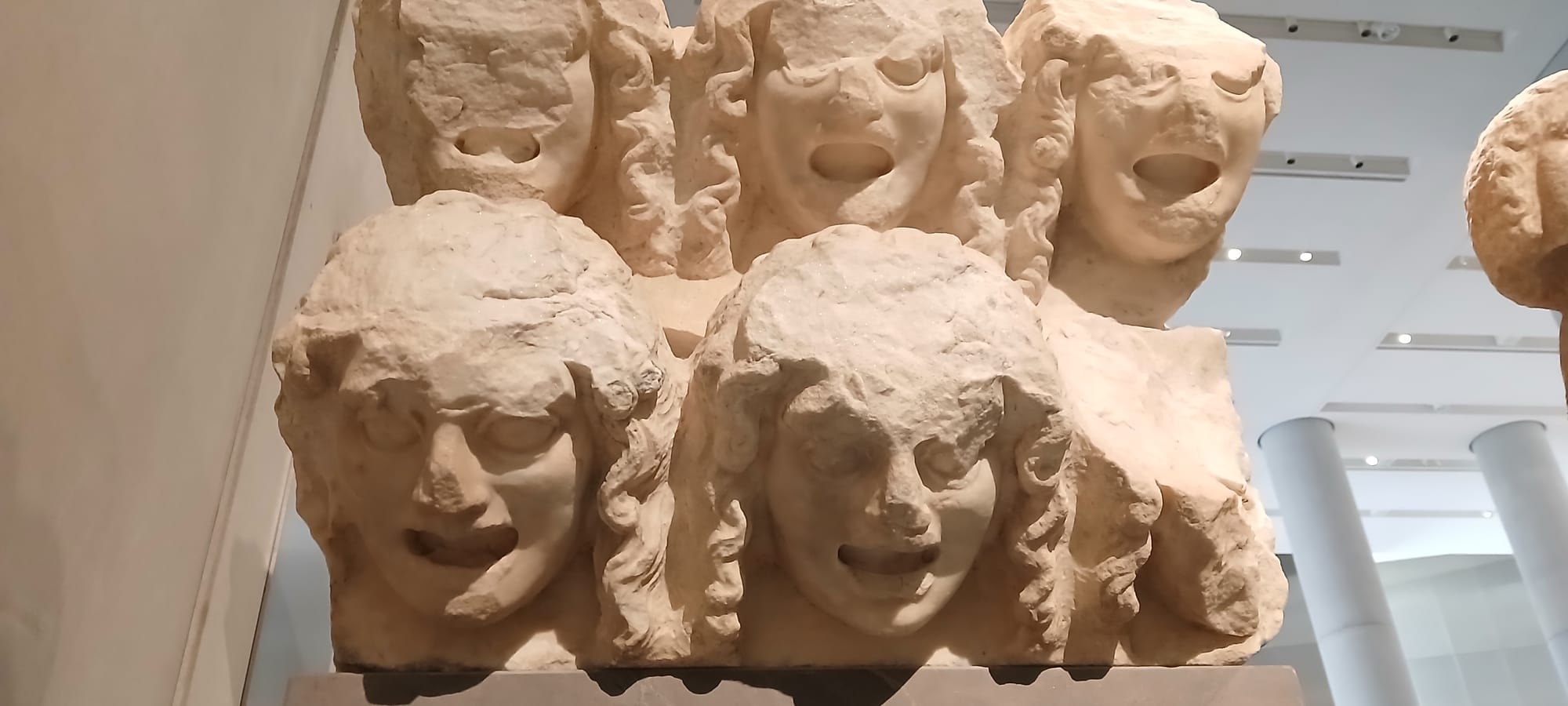
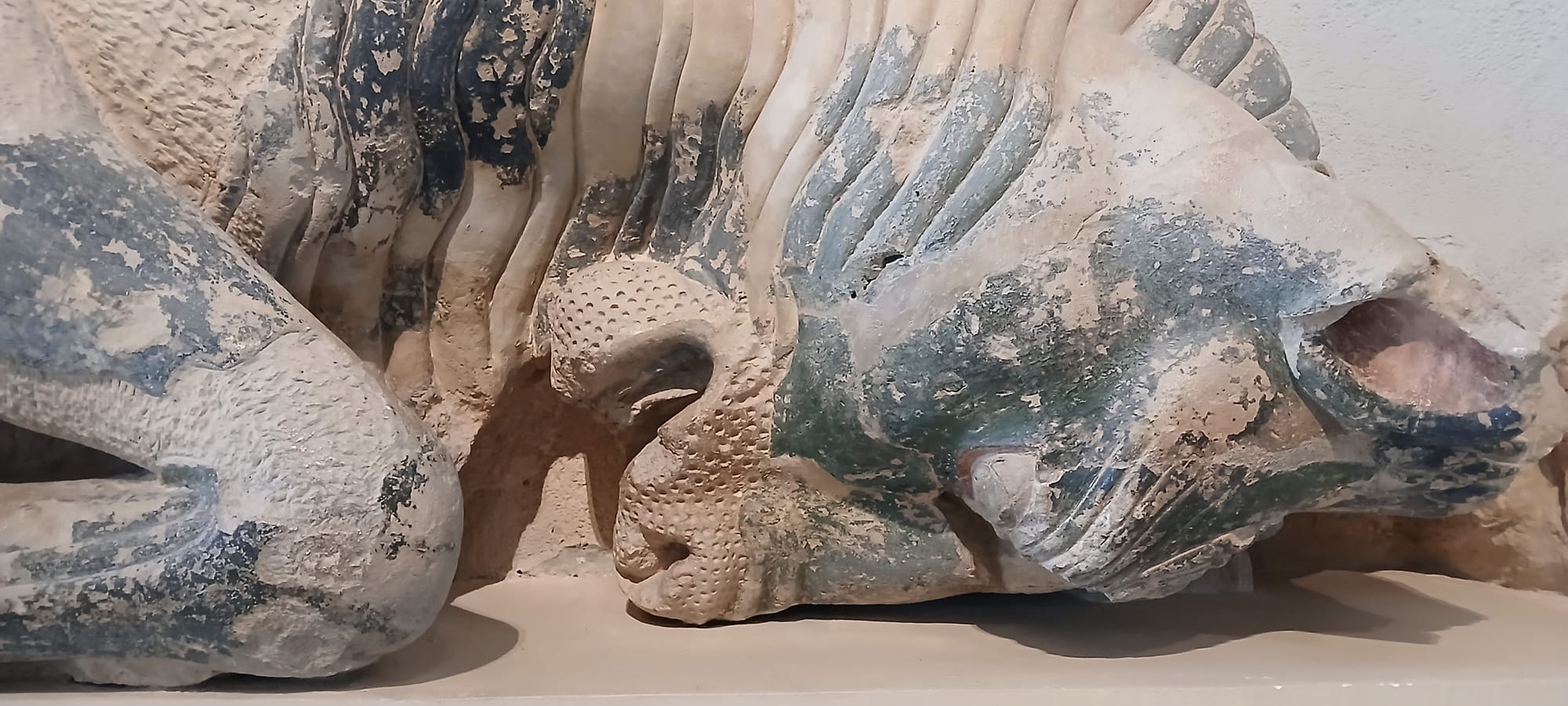
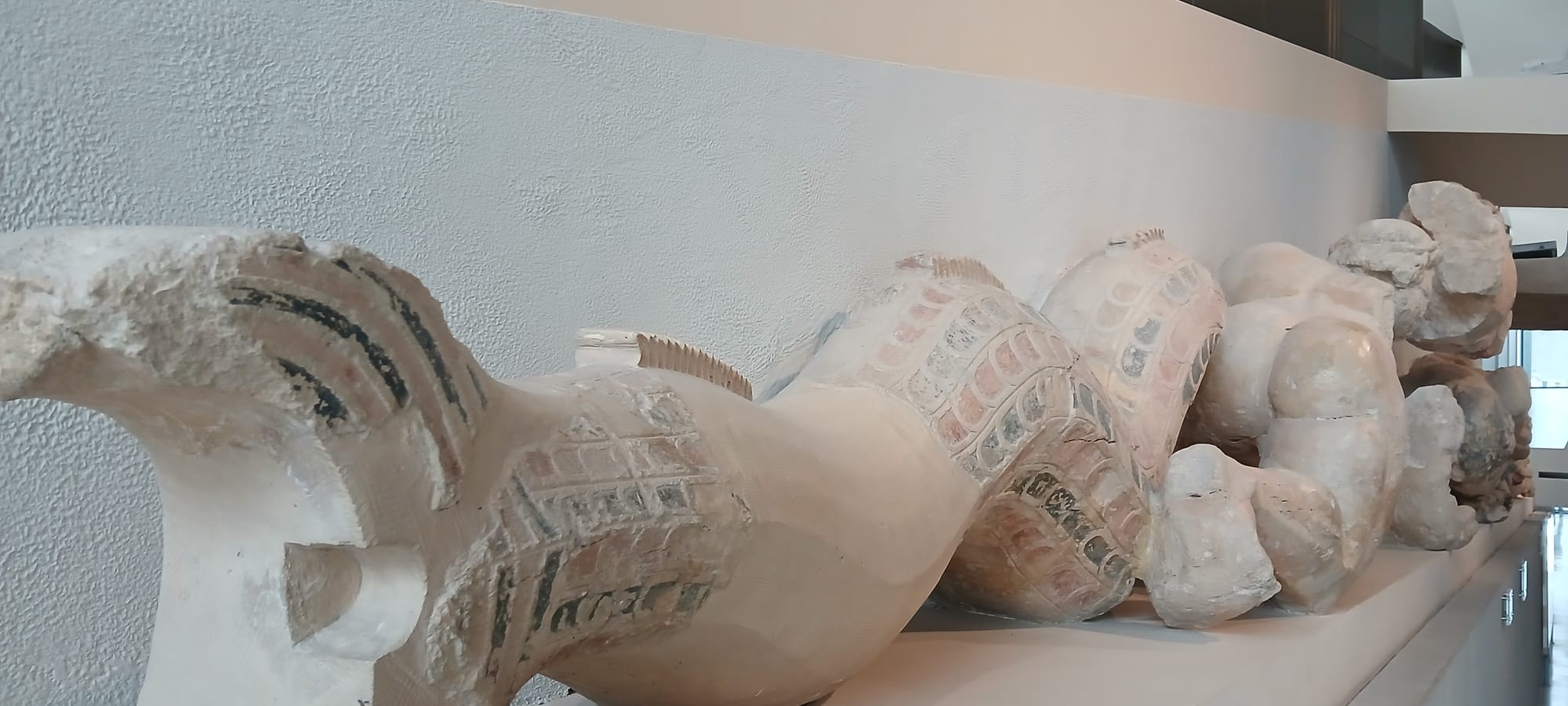
- note the masks above are theatrical masks
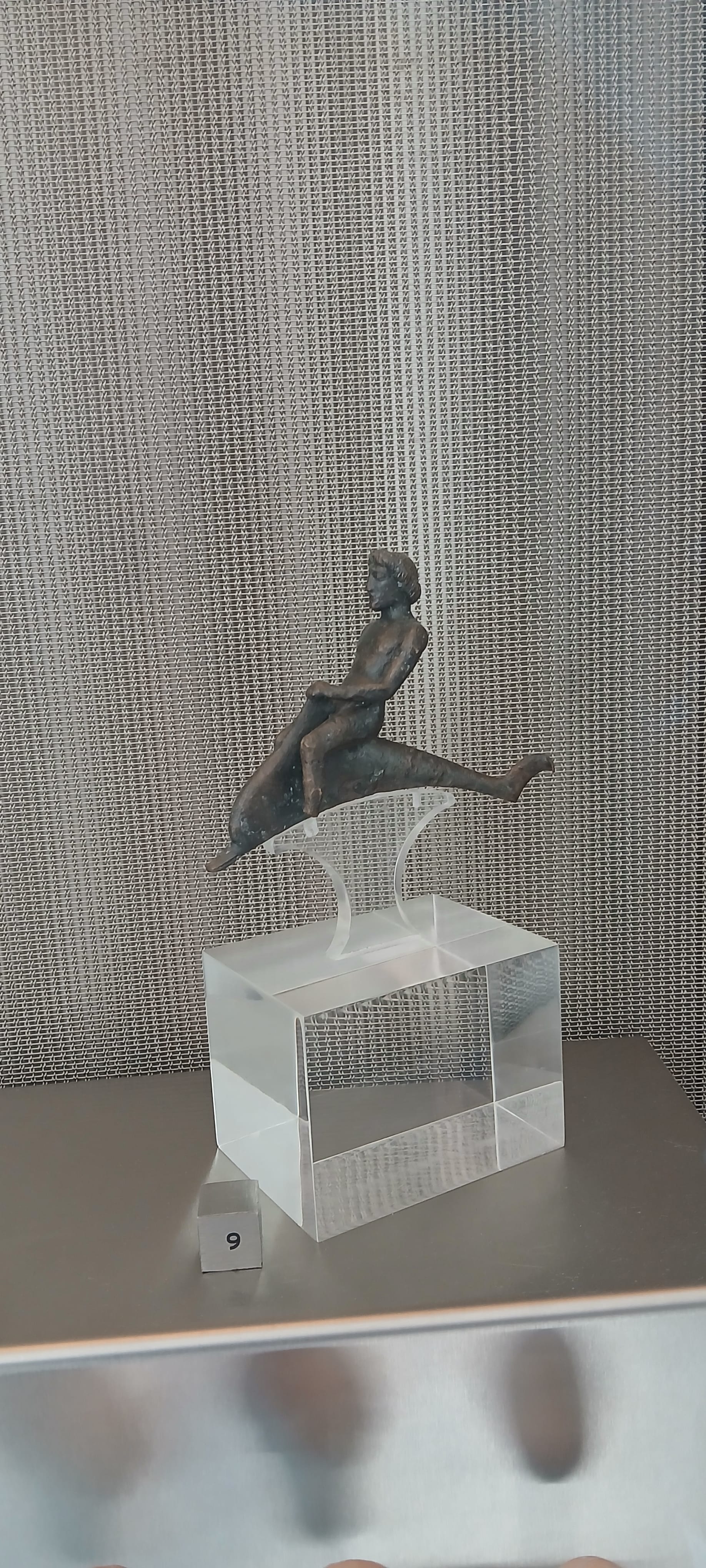
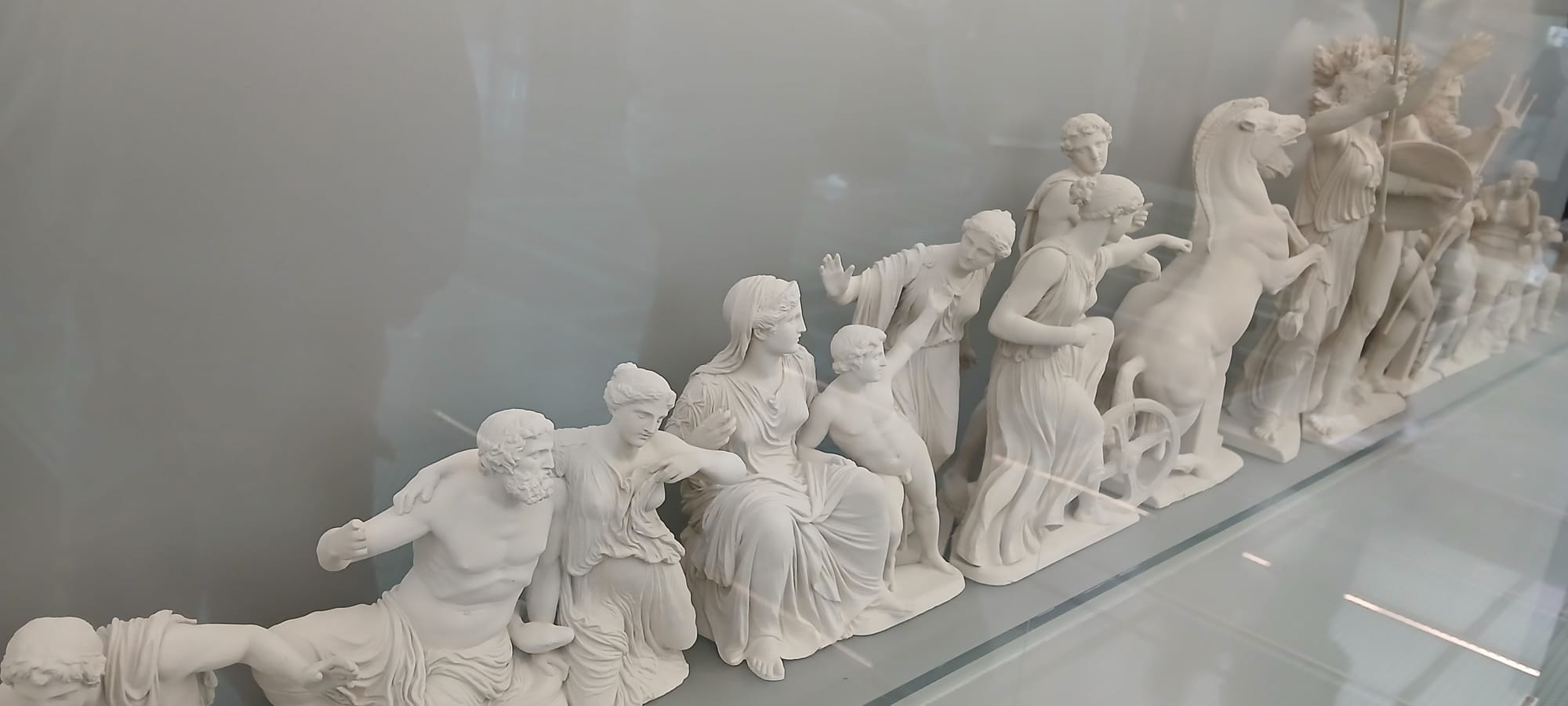
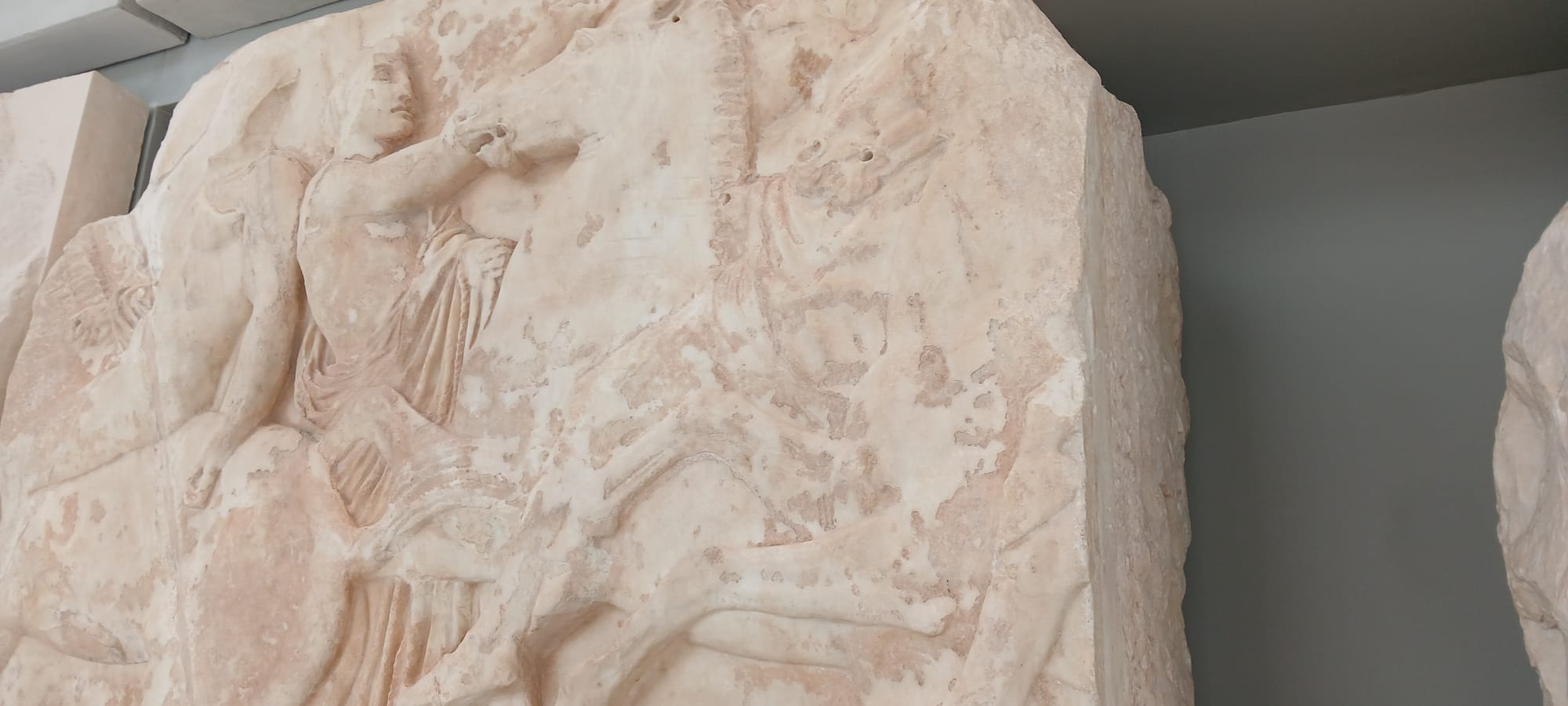
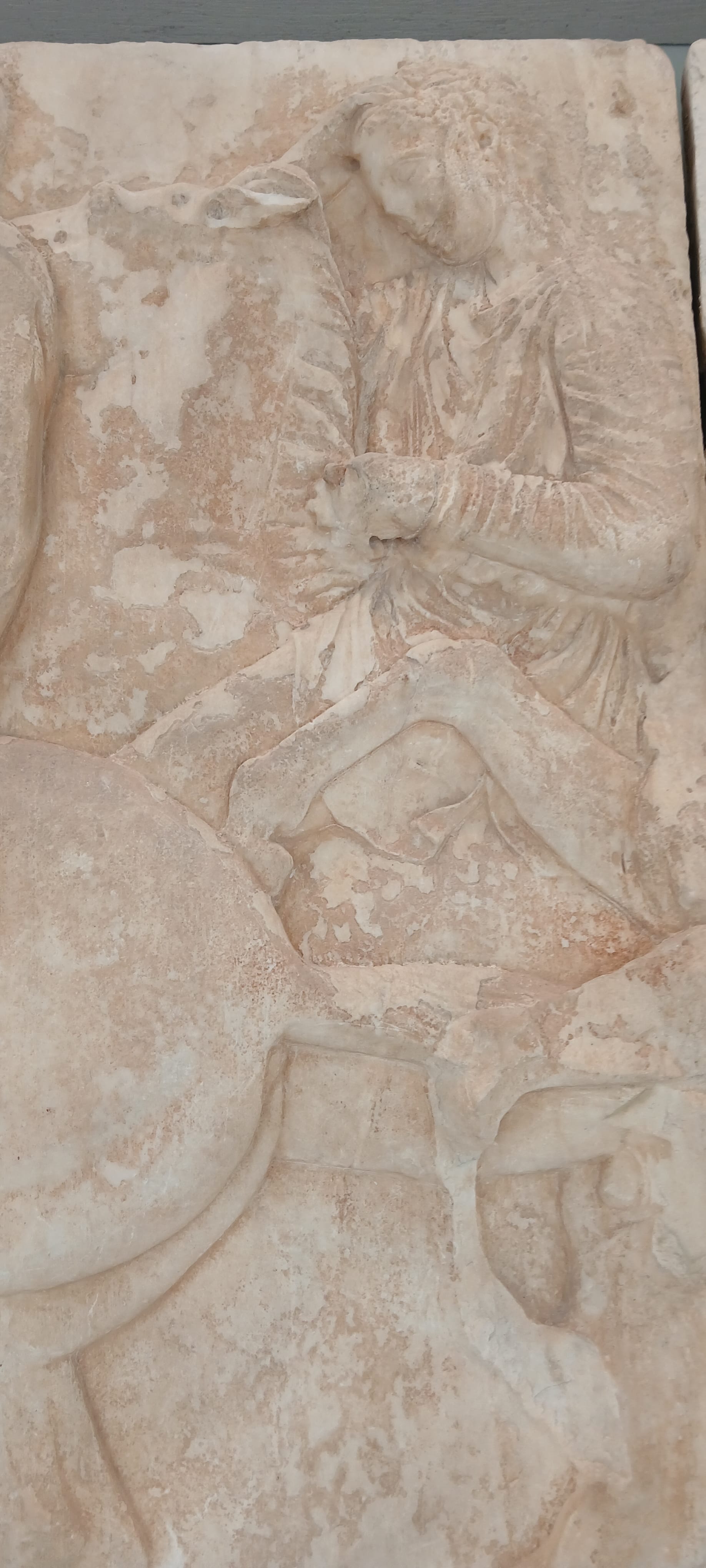
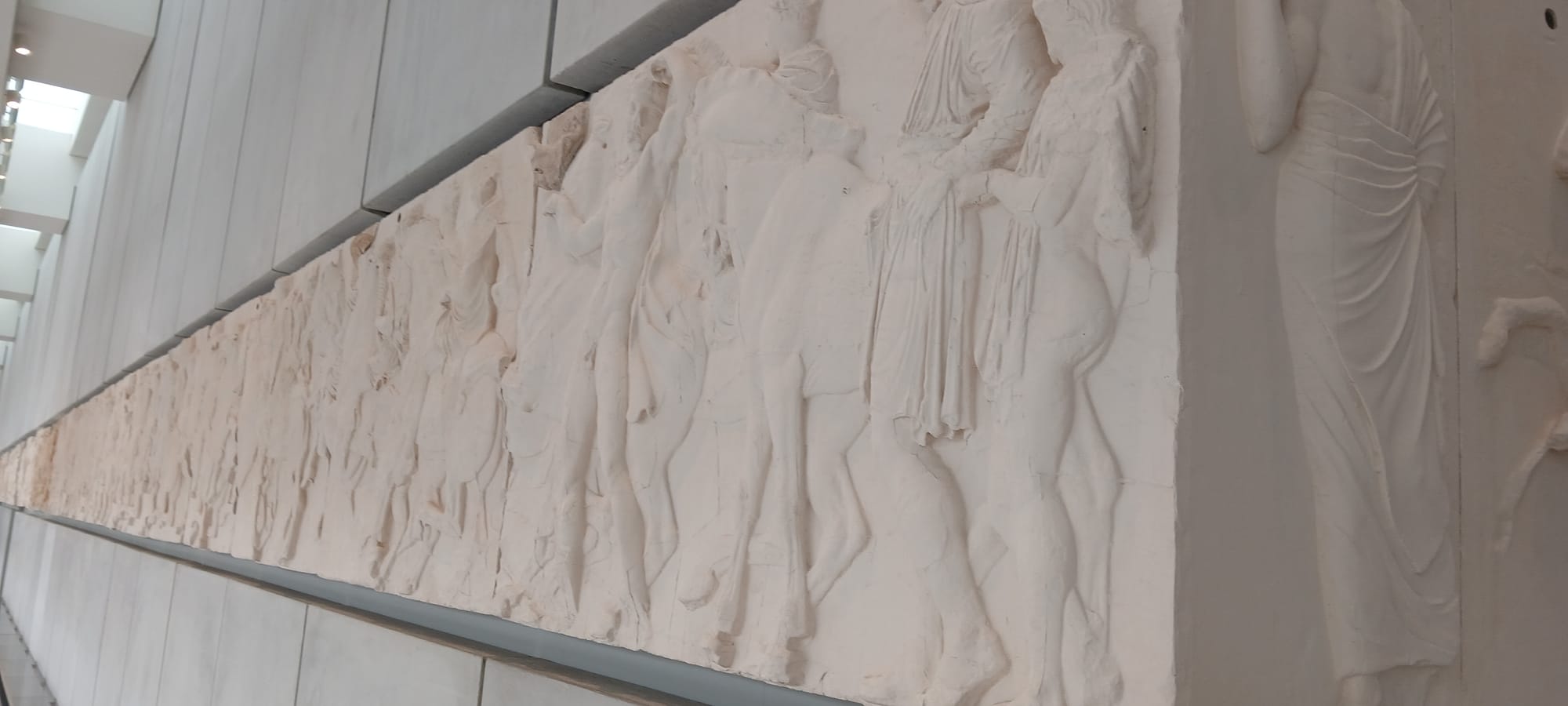
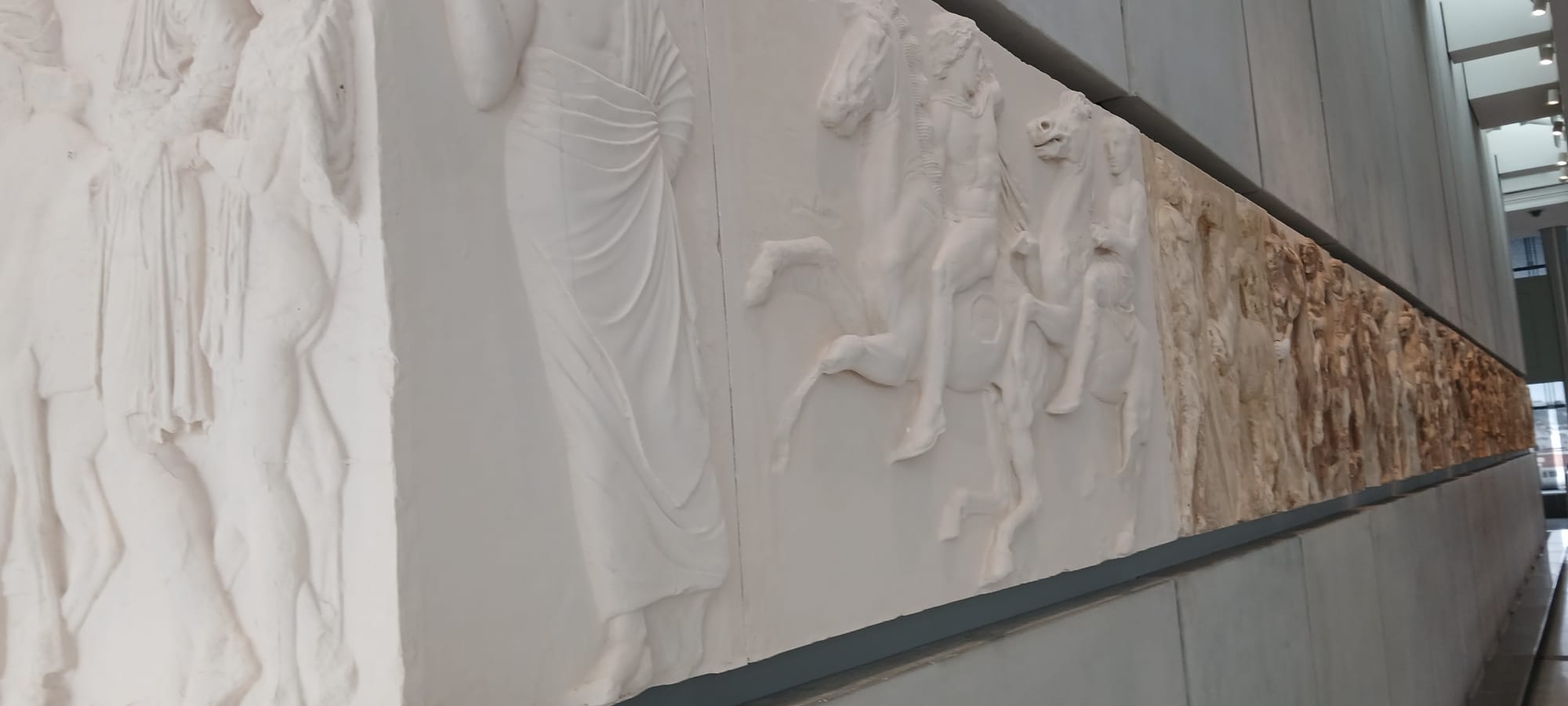
What struck me from these high-relief tablets (beefy blocks of marble) was how different these are from the images represented by those in Egypt (my documentation was so extensive, I was so snap-happy I've not posted these yet). While the Greeks love action movies, for the Egyptians everything is still, while still incarnate, deathly still.
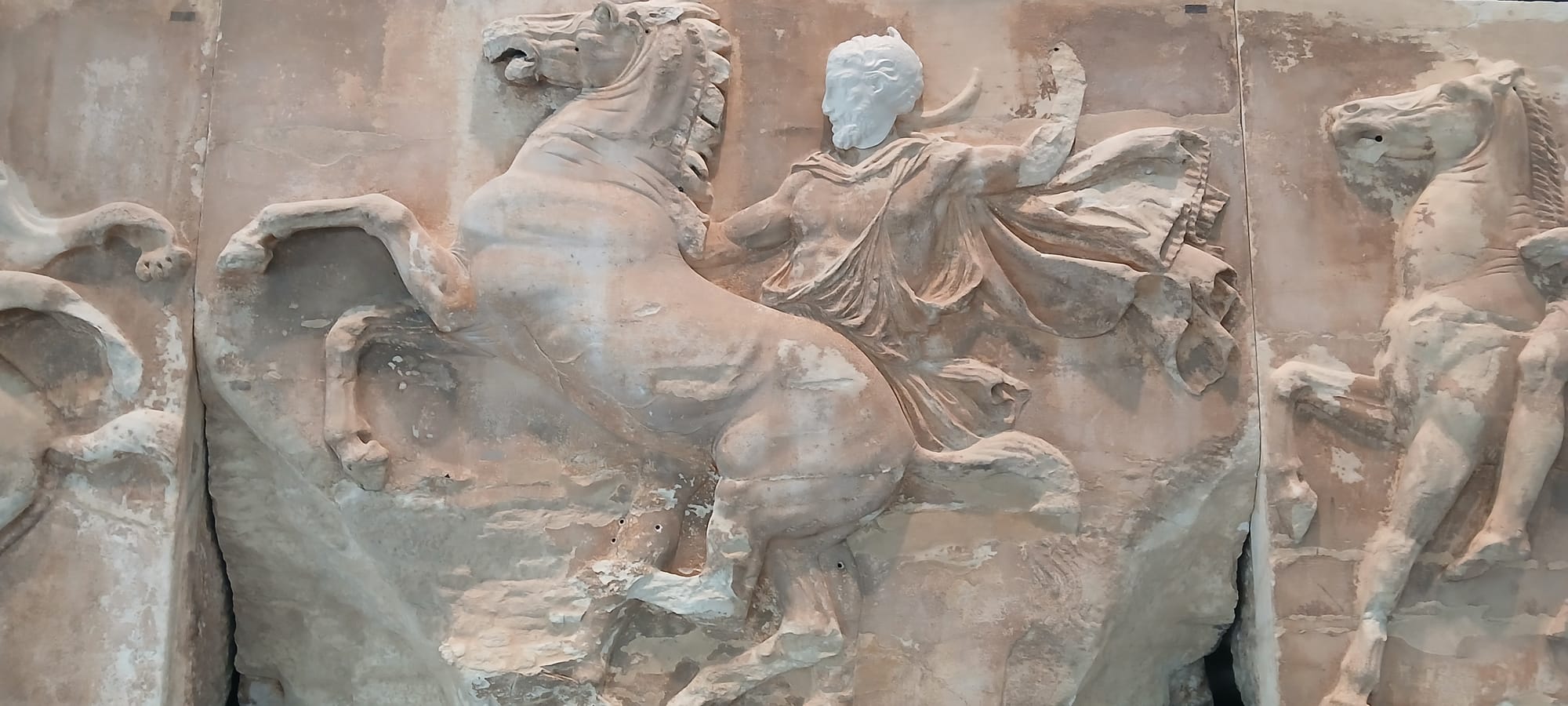
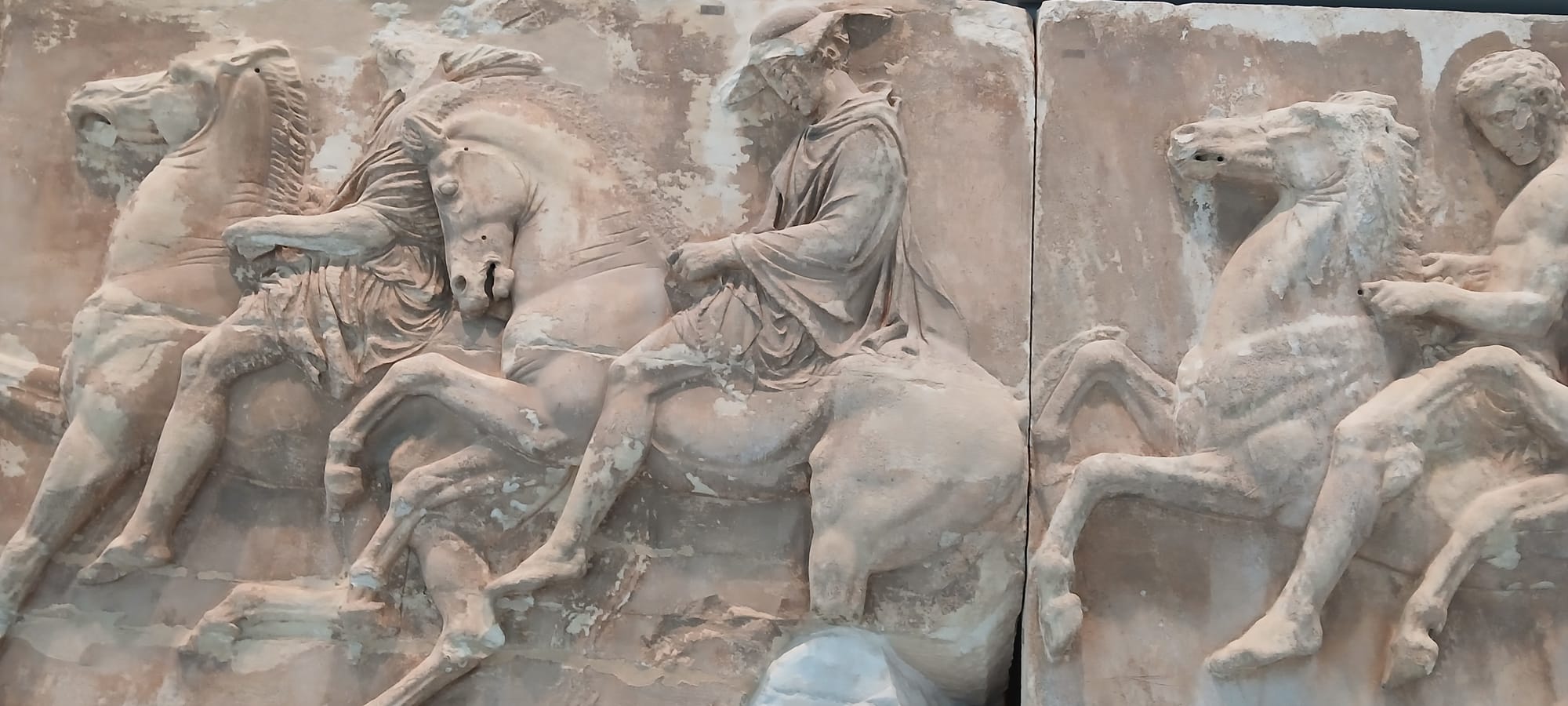
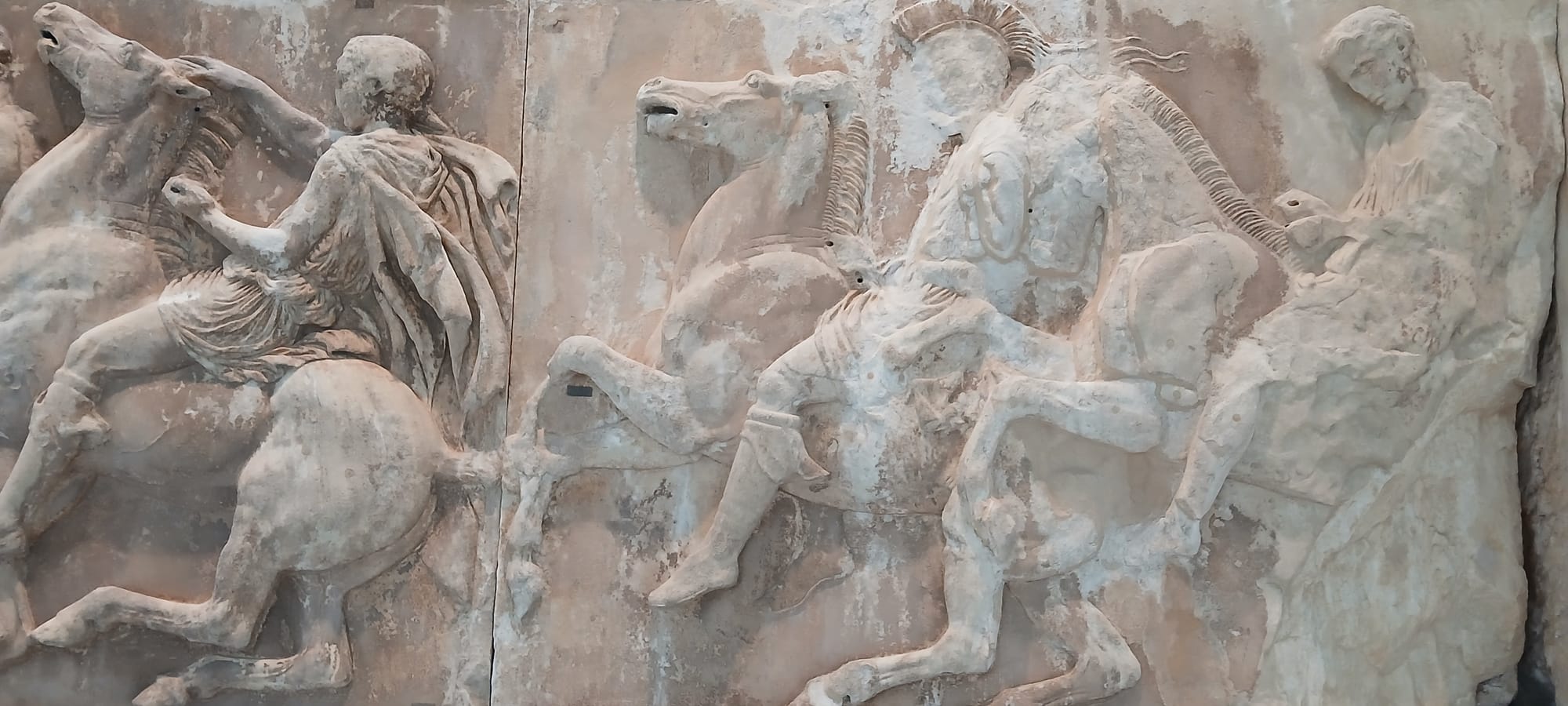
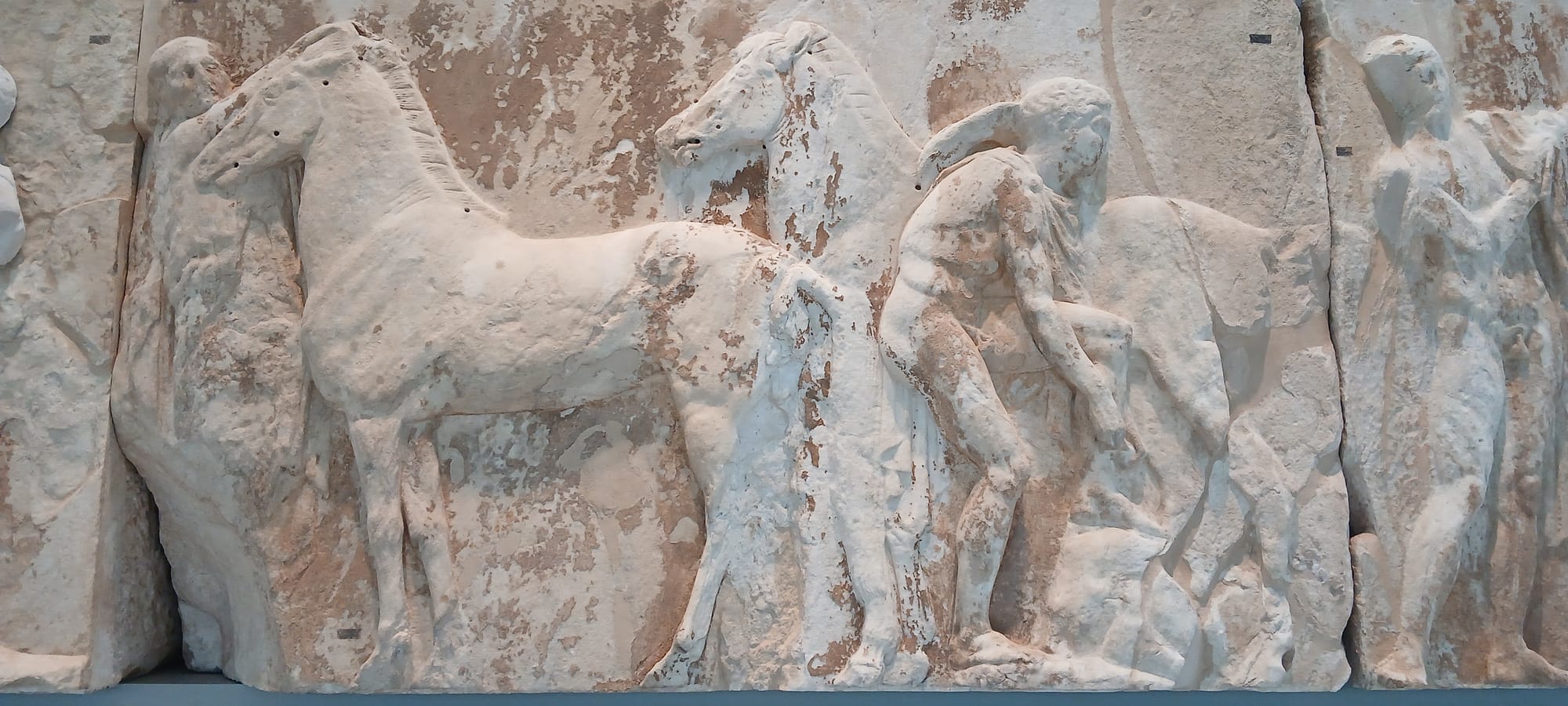
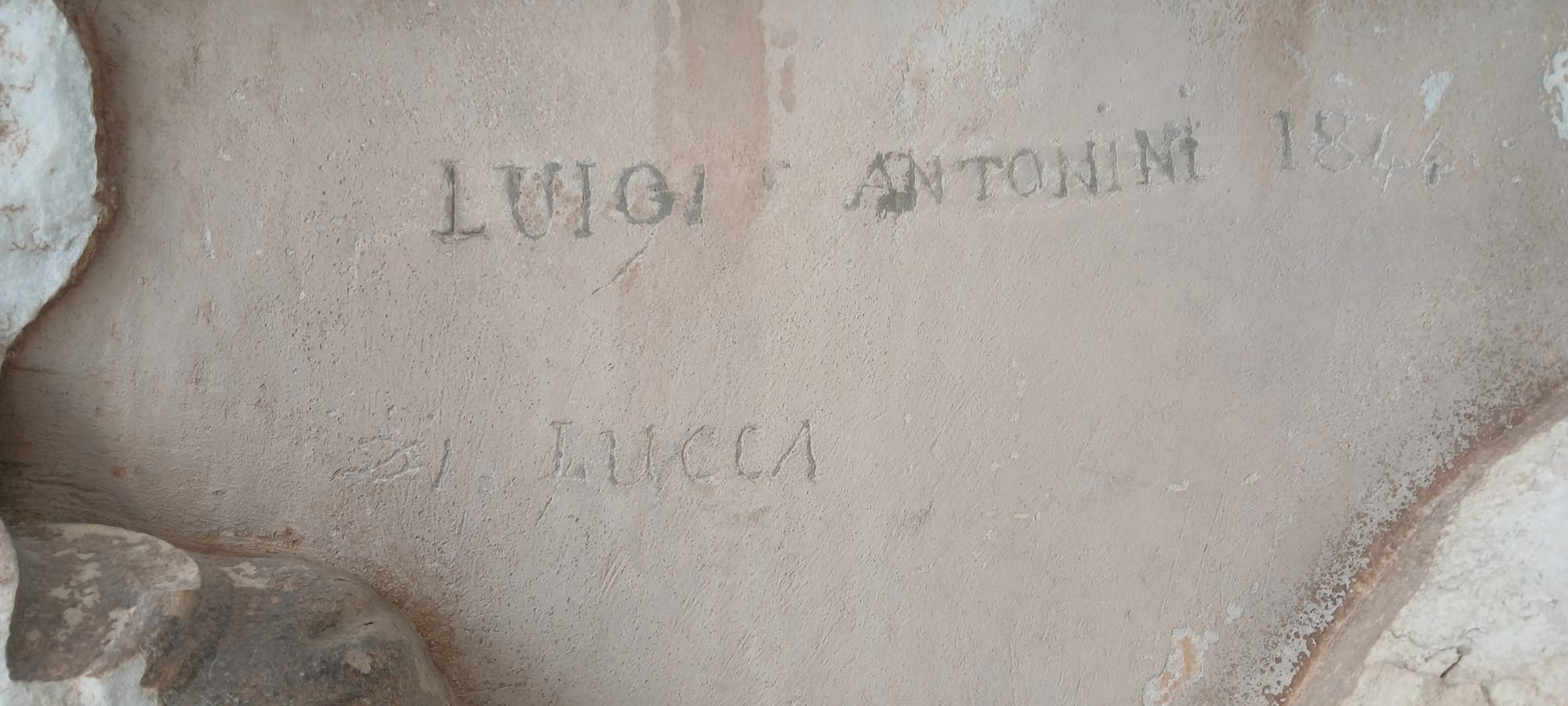
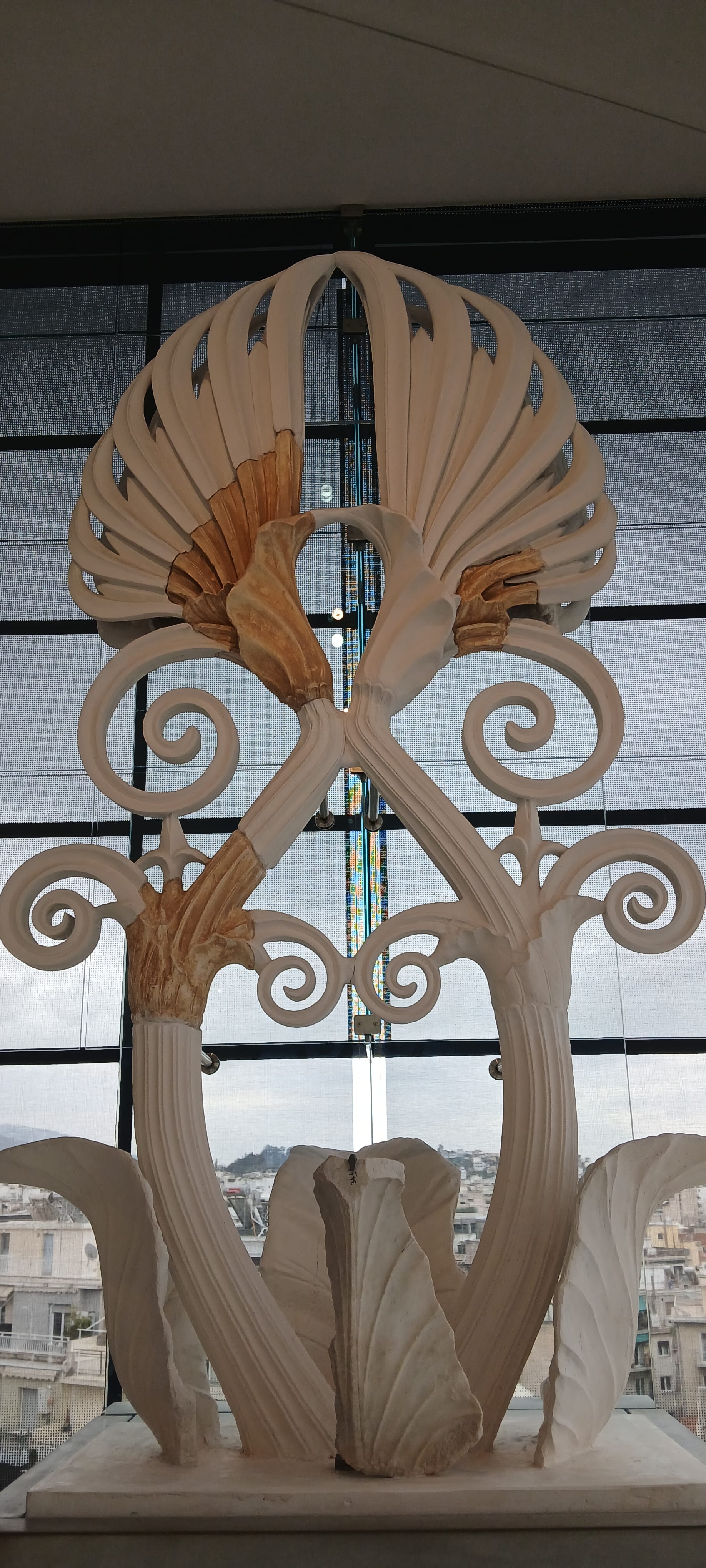
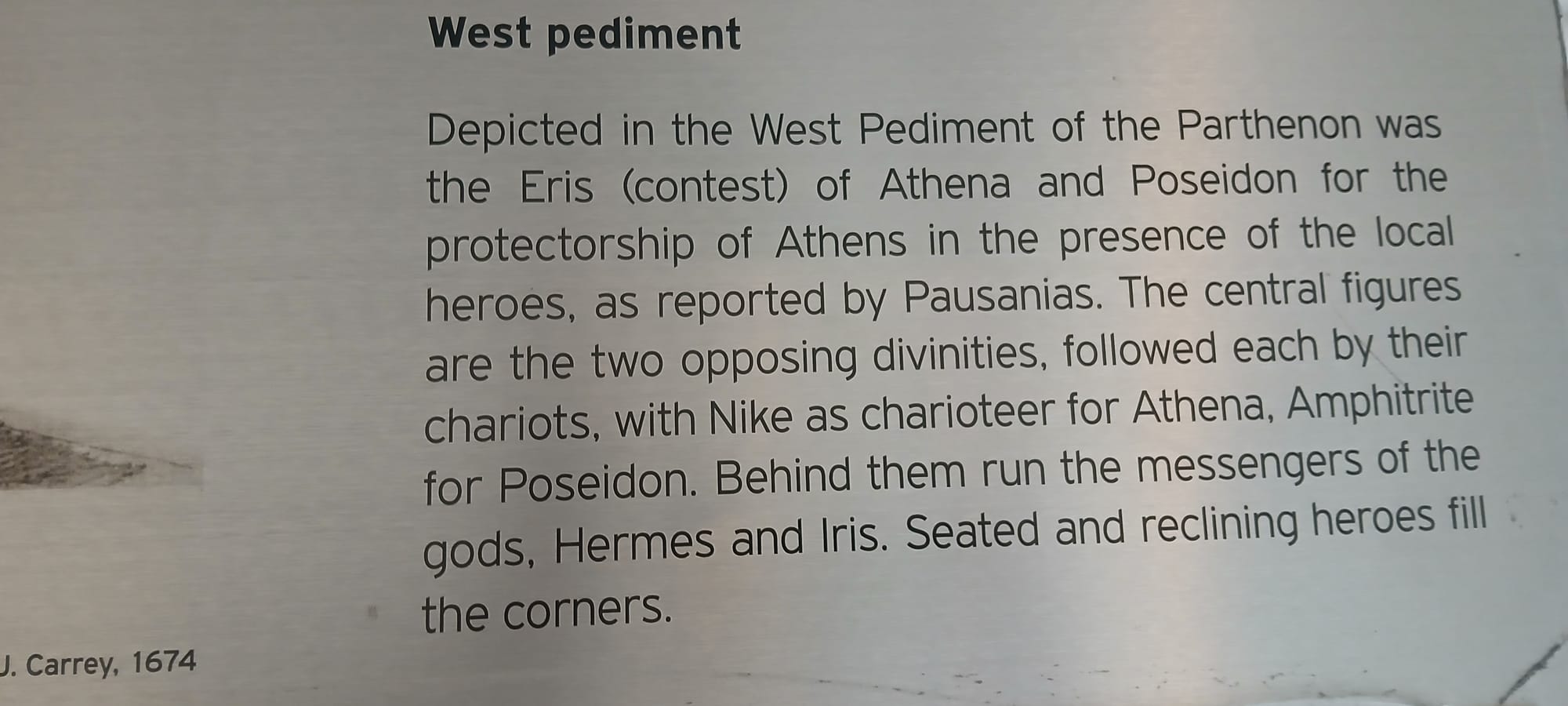
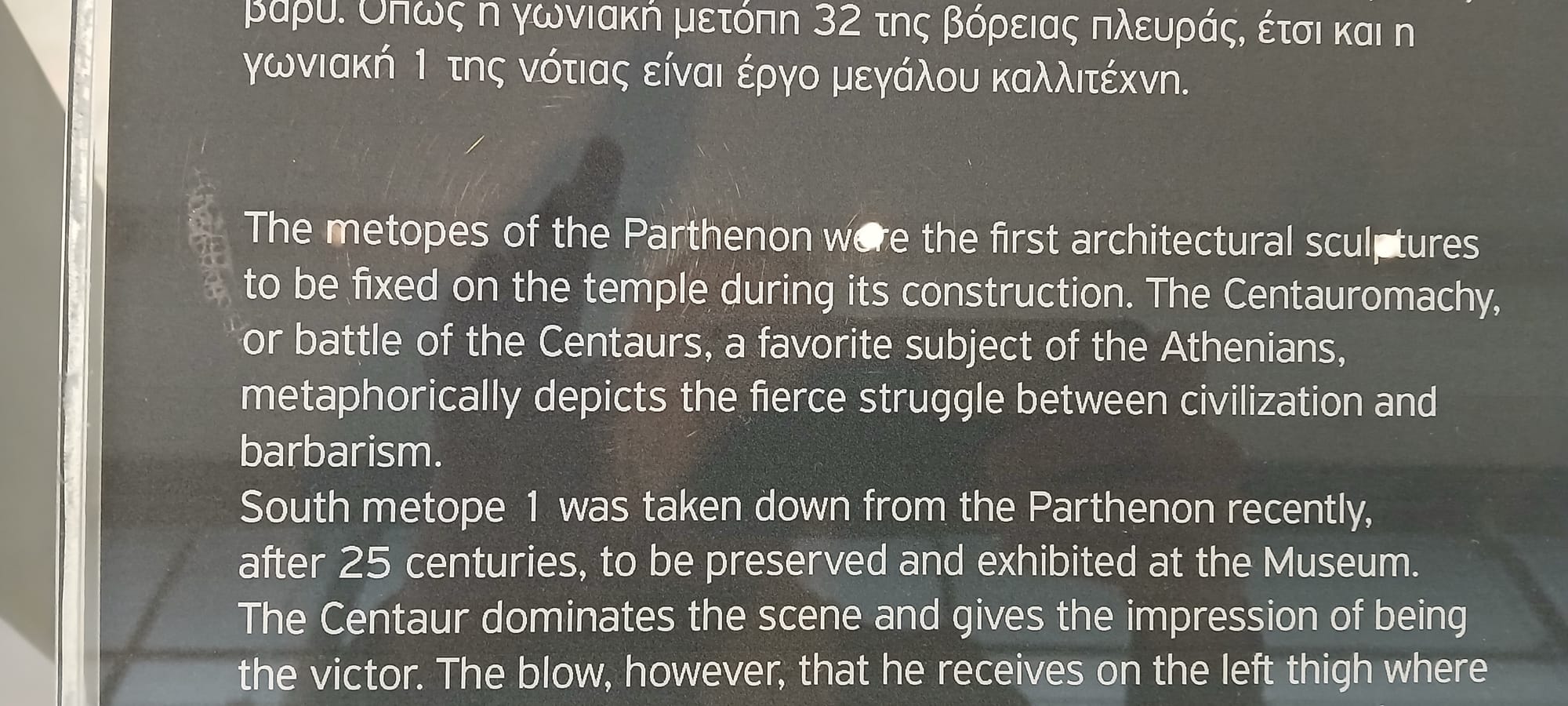
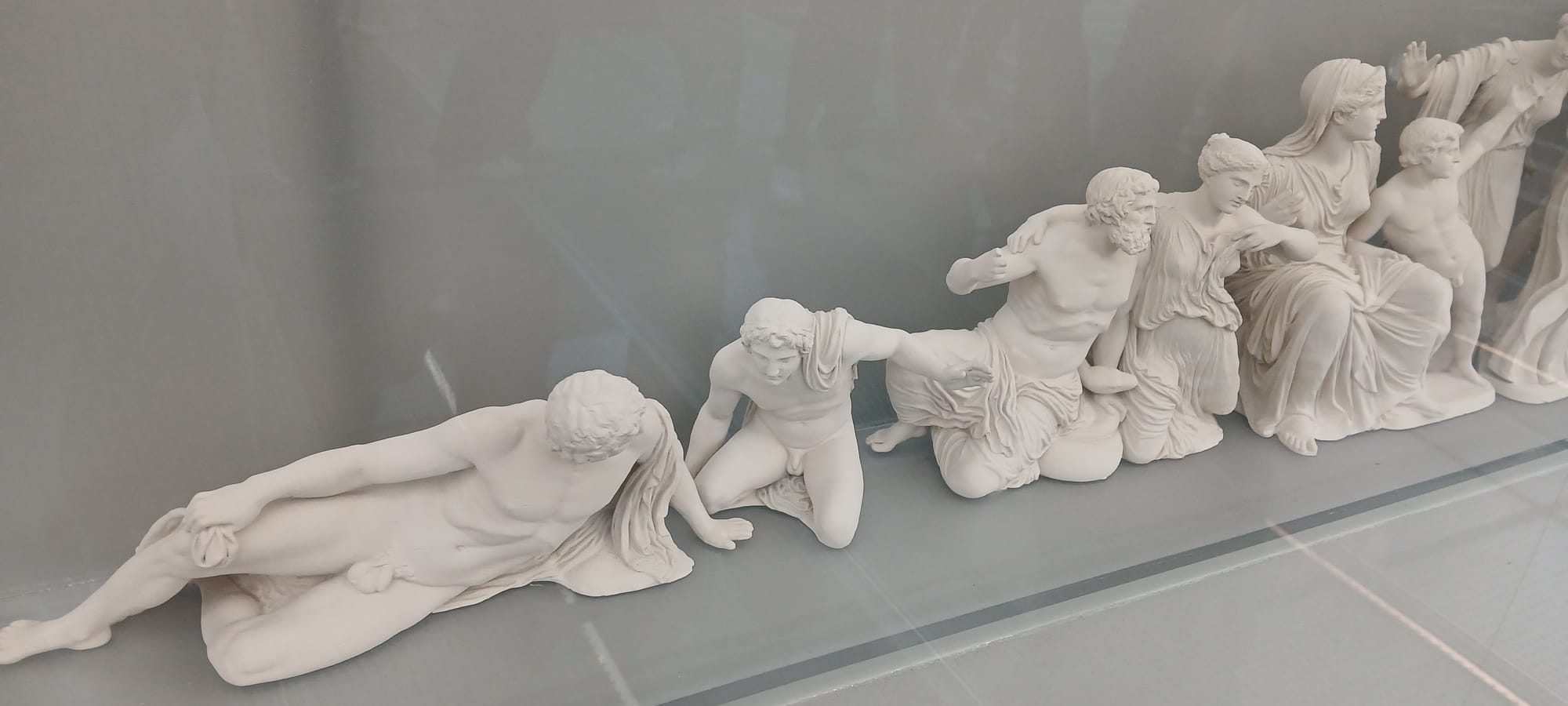
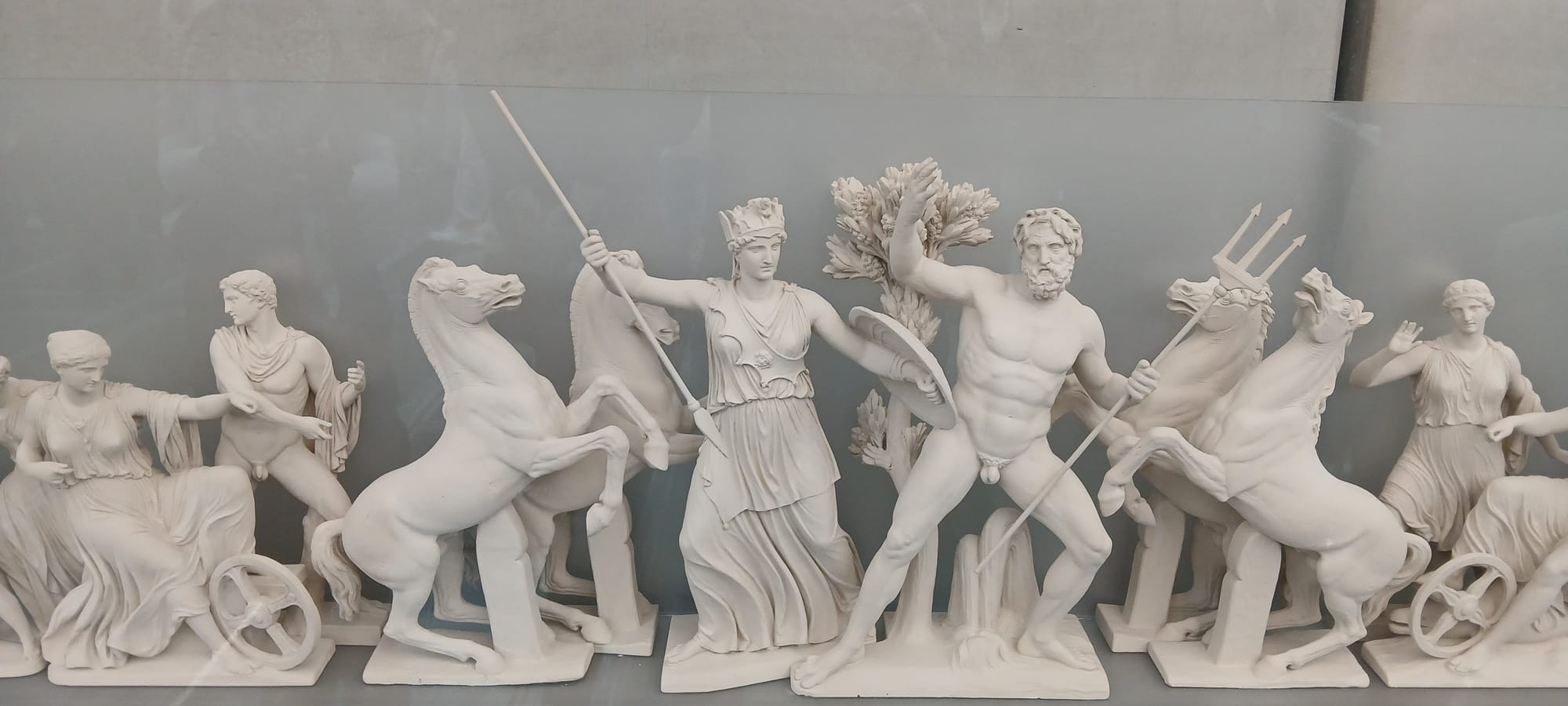
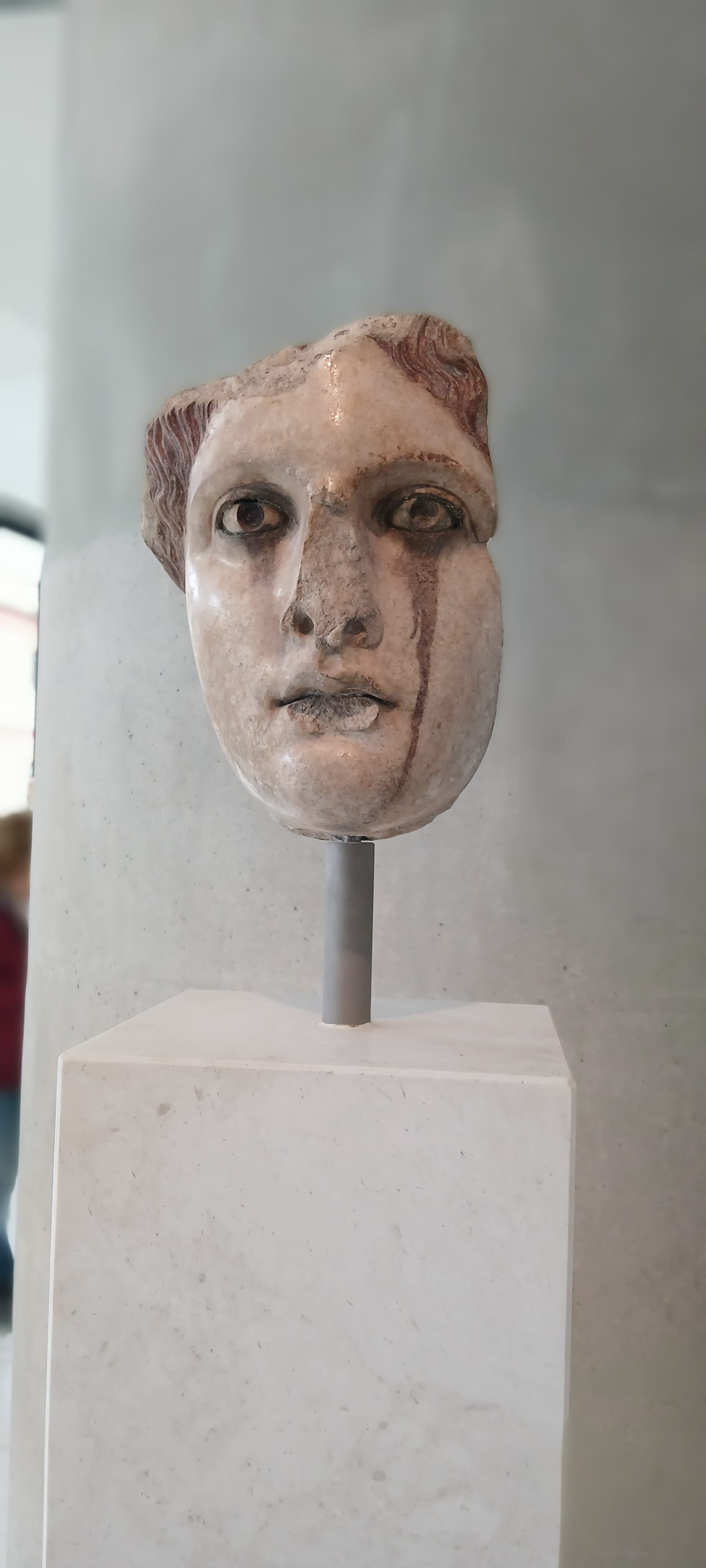
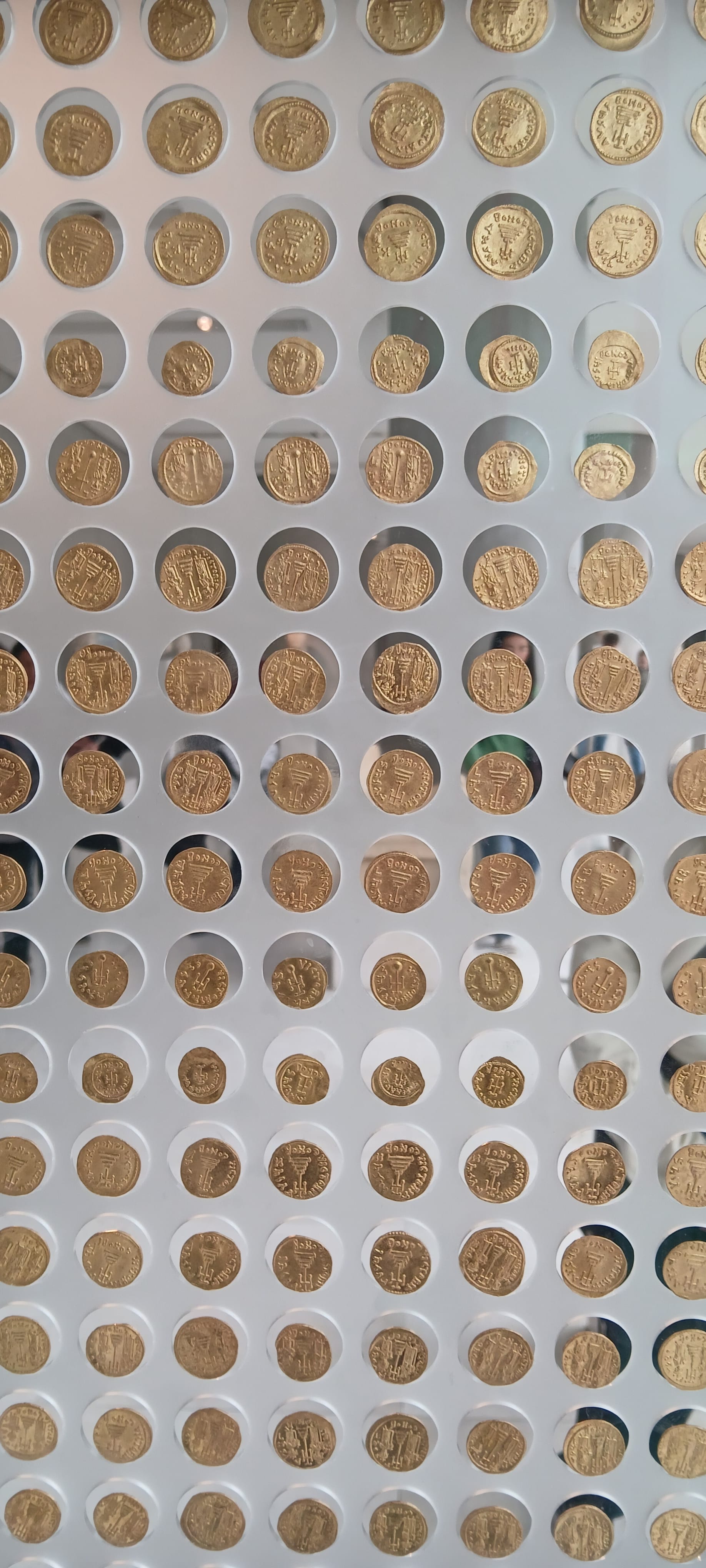
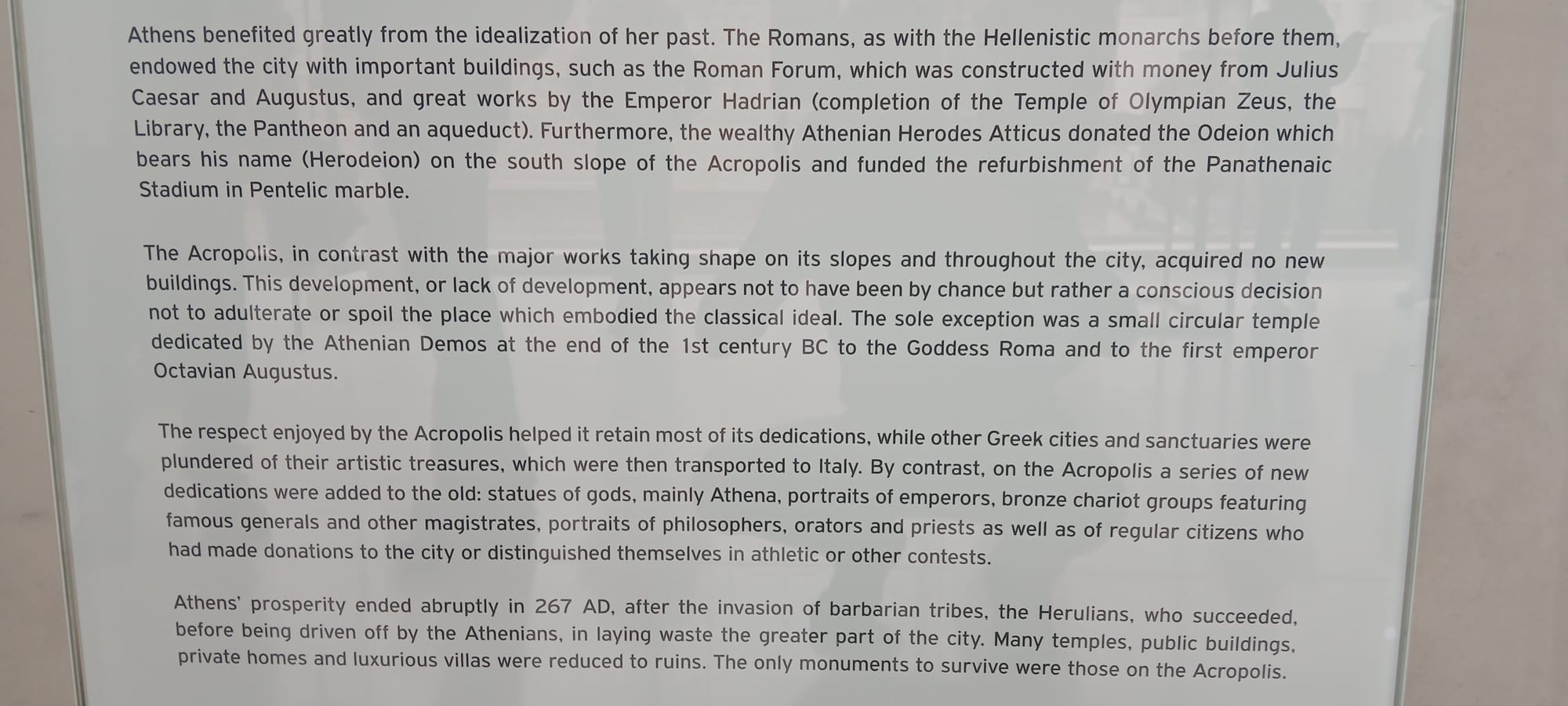
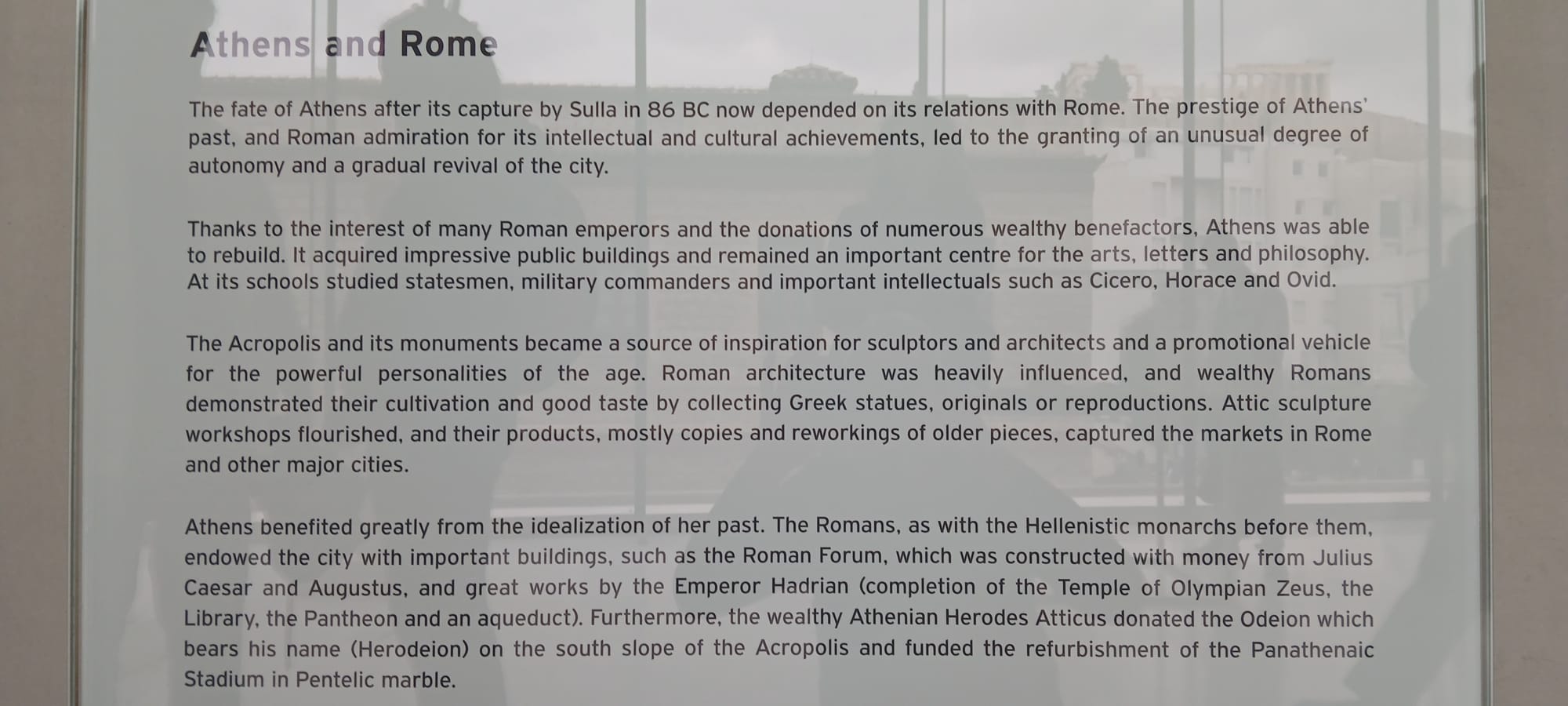
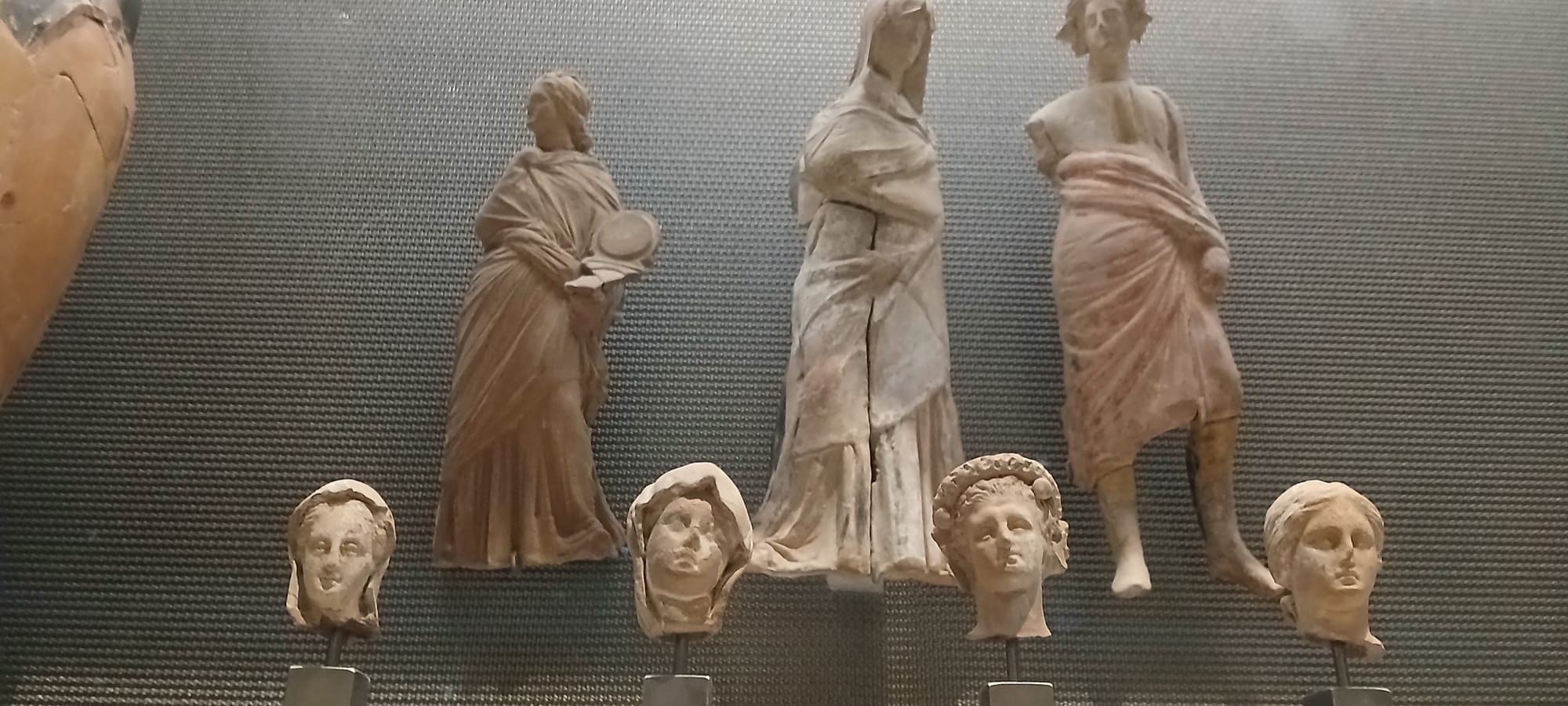
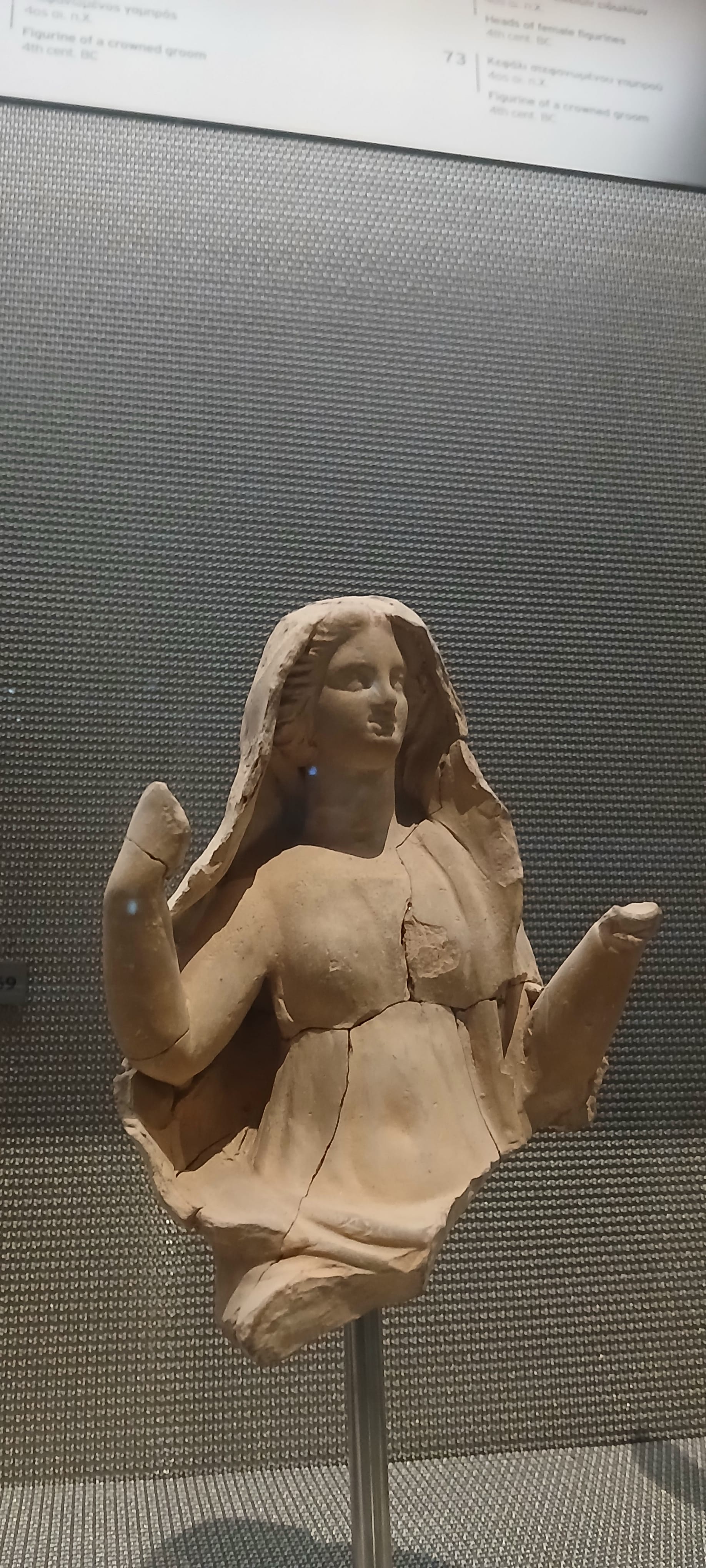
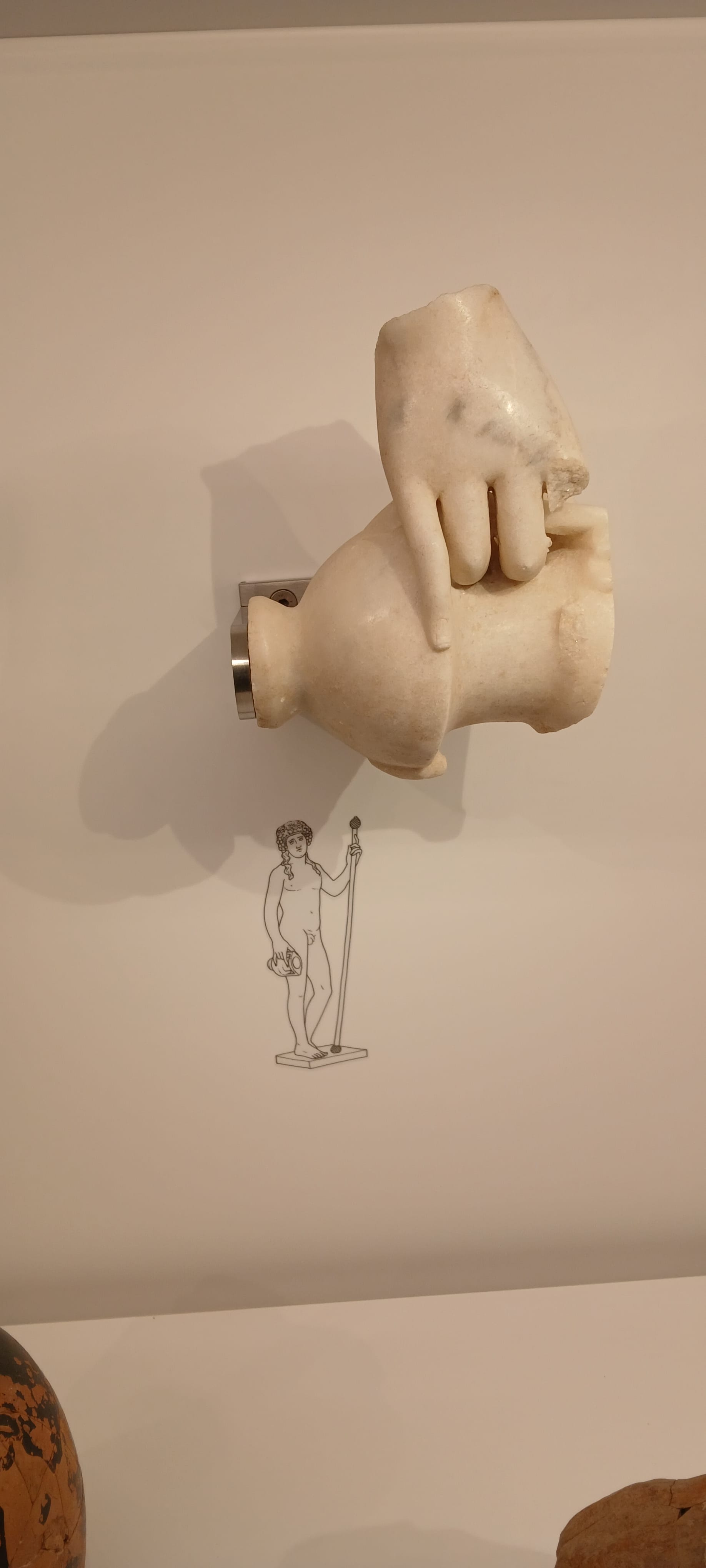
- isn't that mask stunningly beautiful? the one with the copper tear; and we have gone here from the museum to its basement display
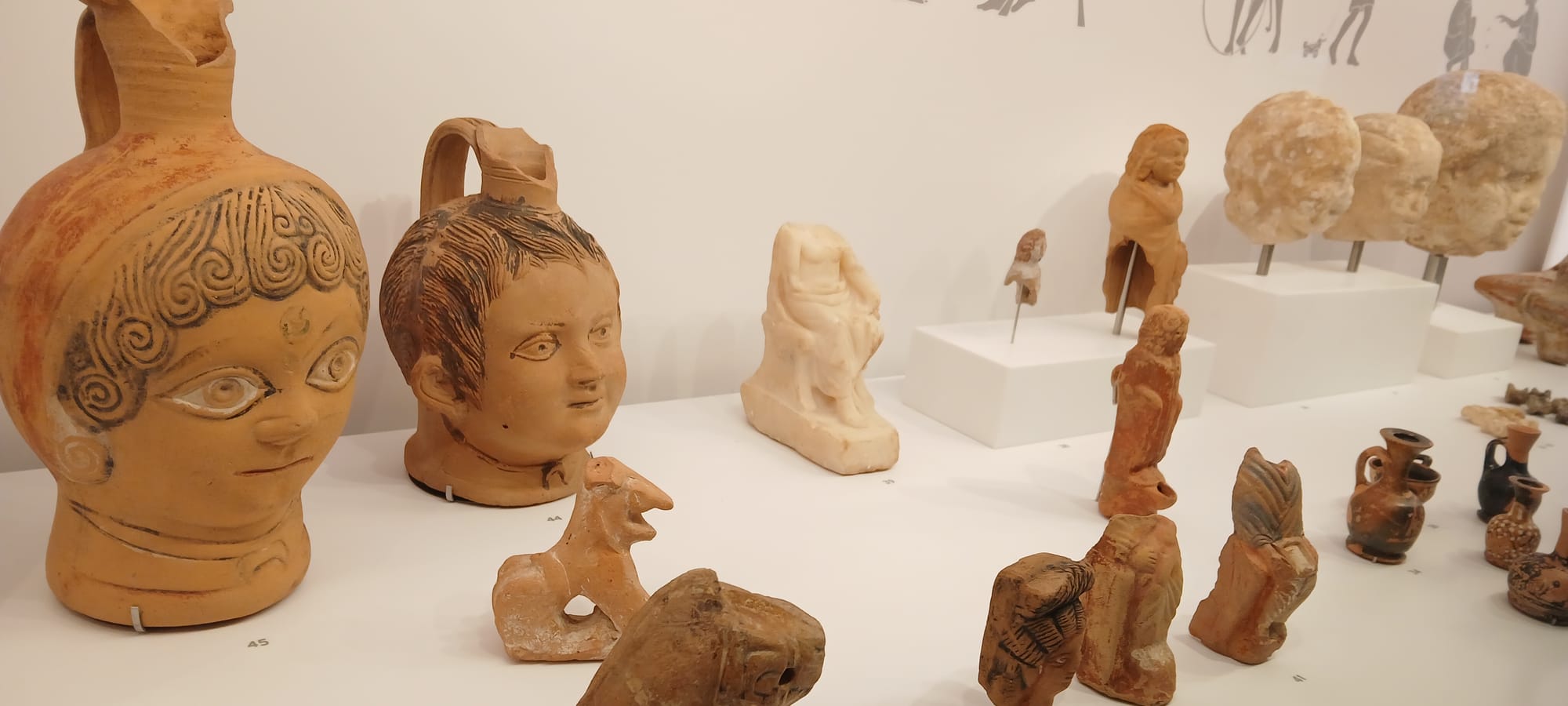
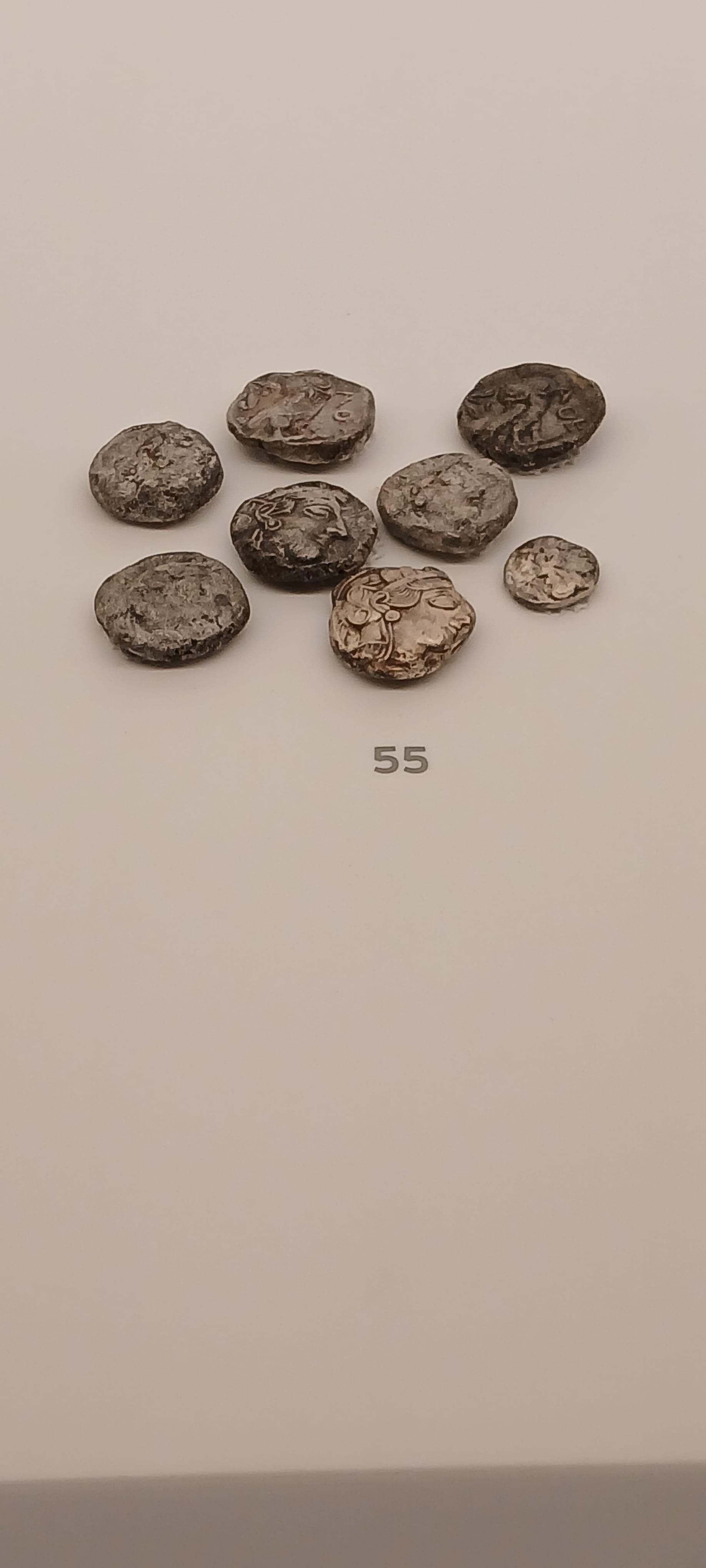
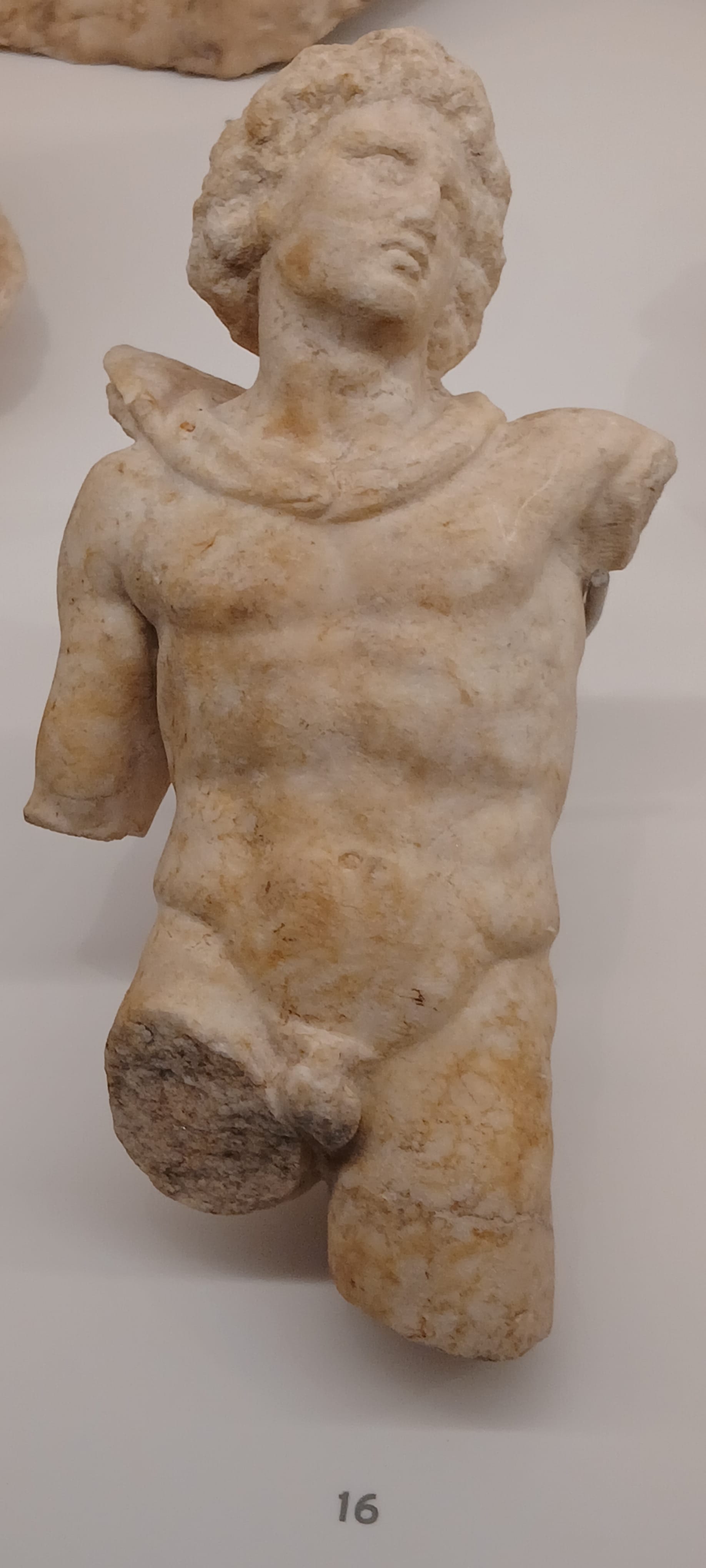
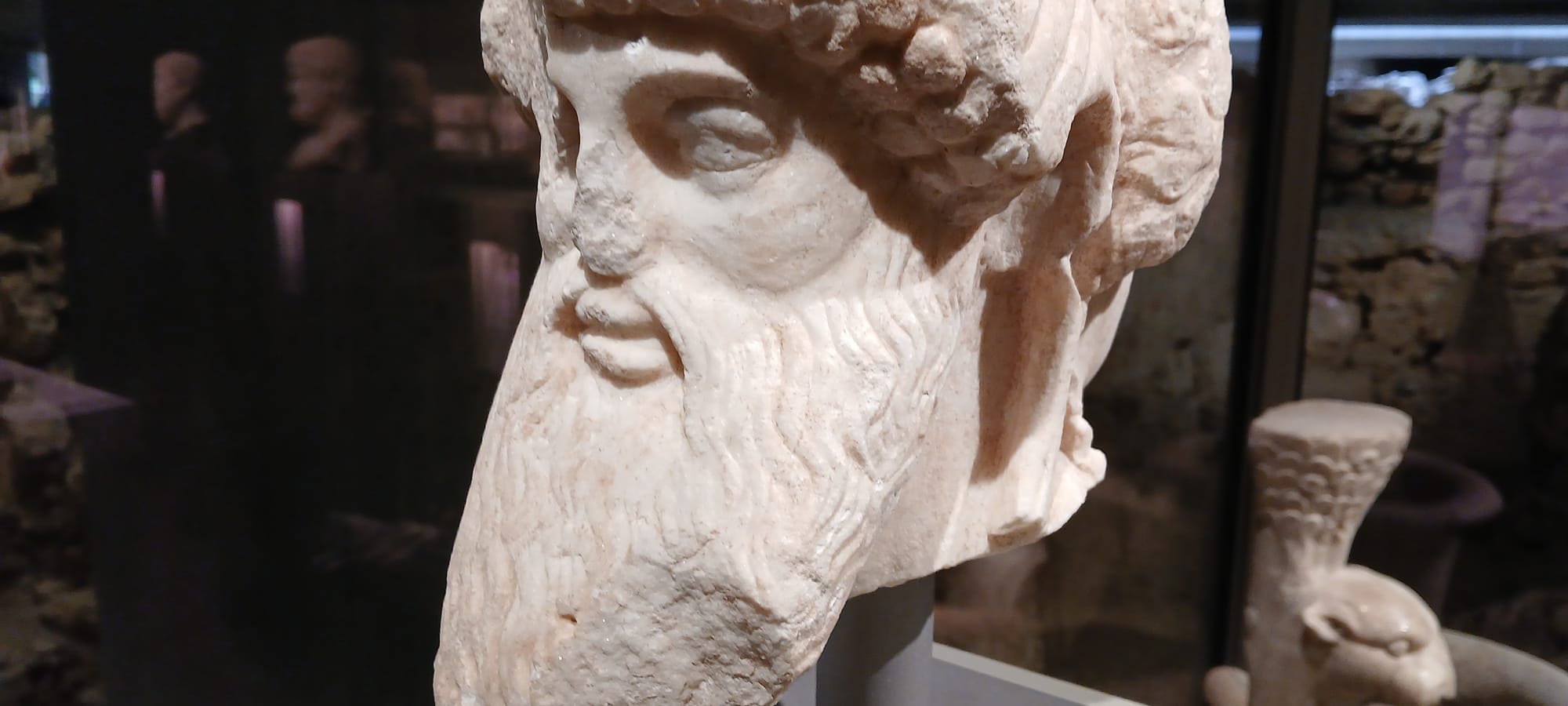
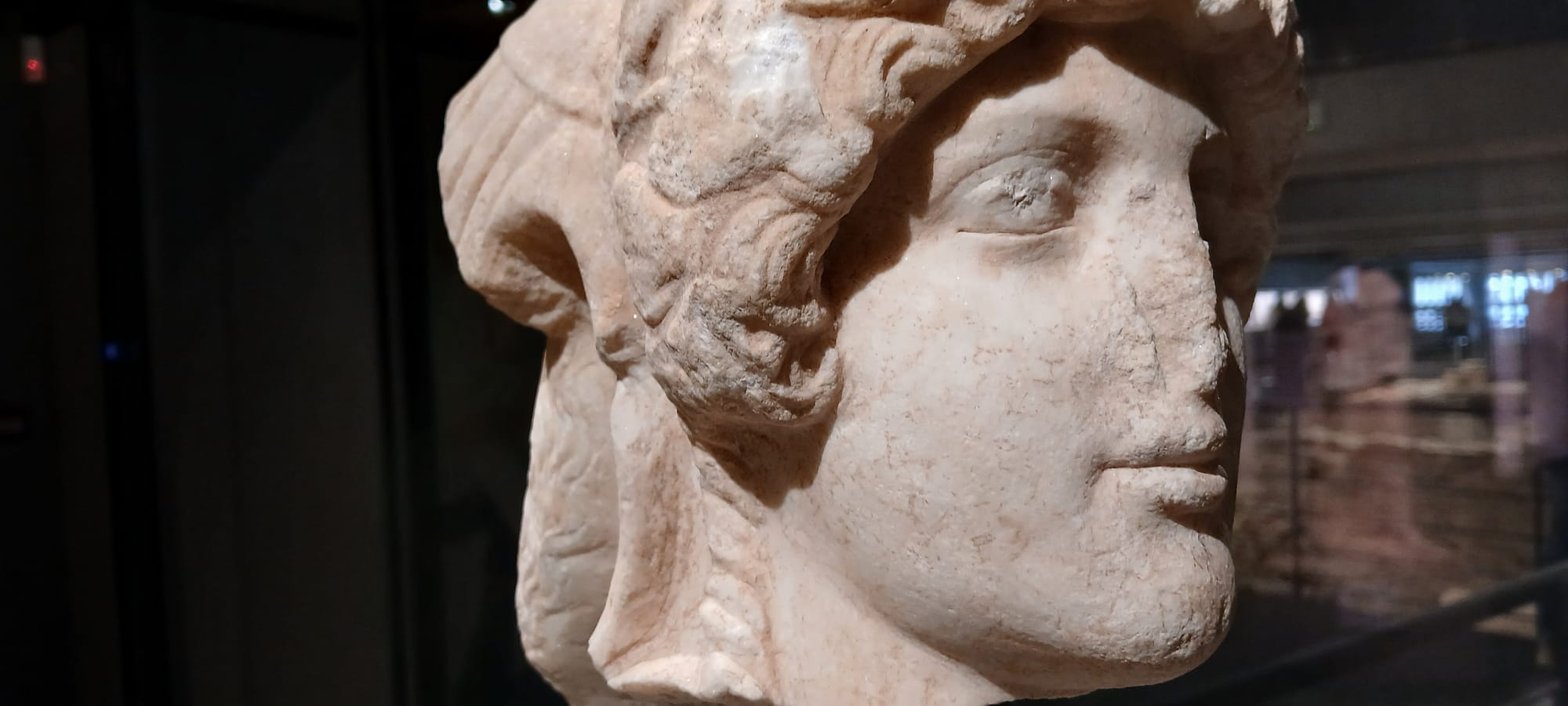
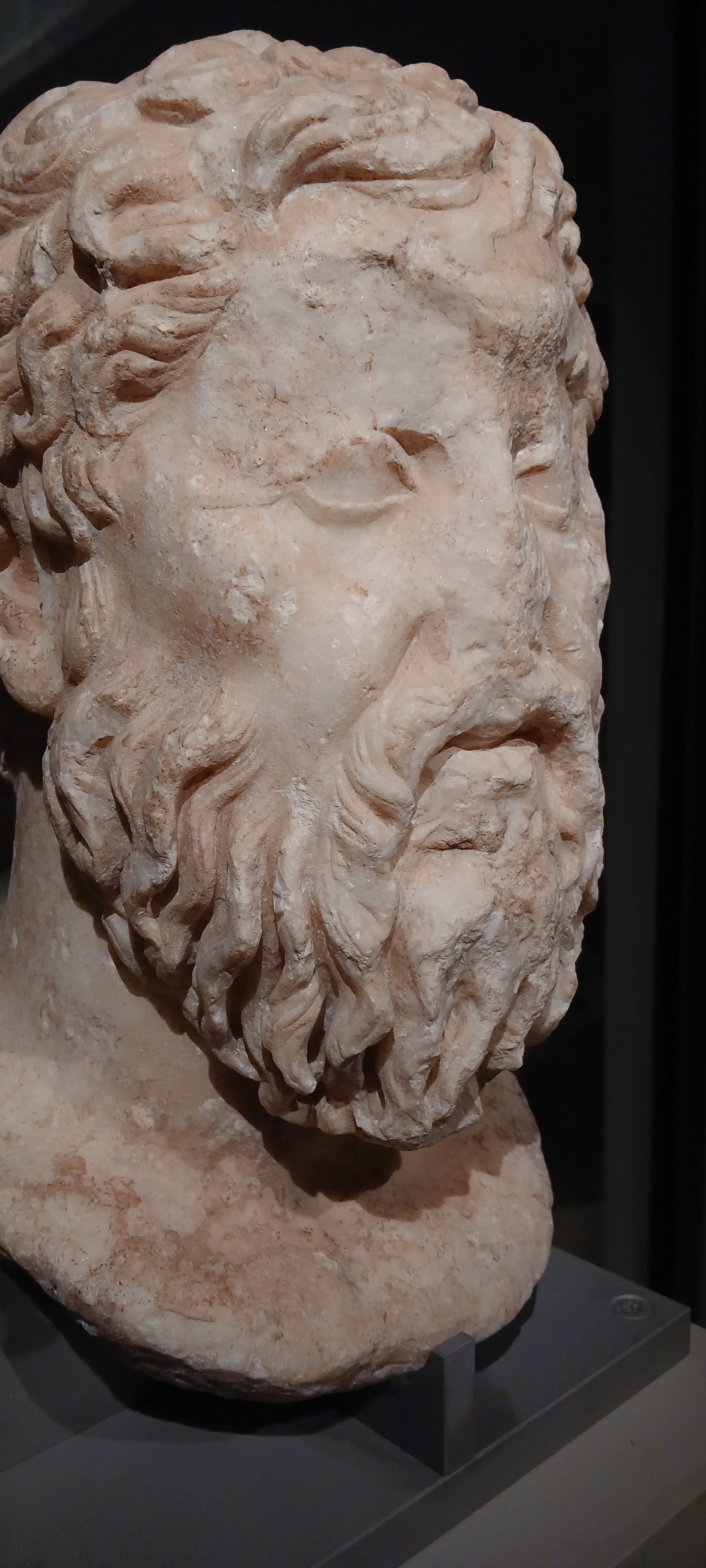
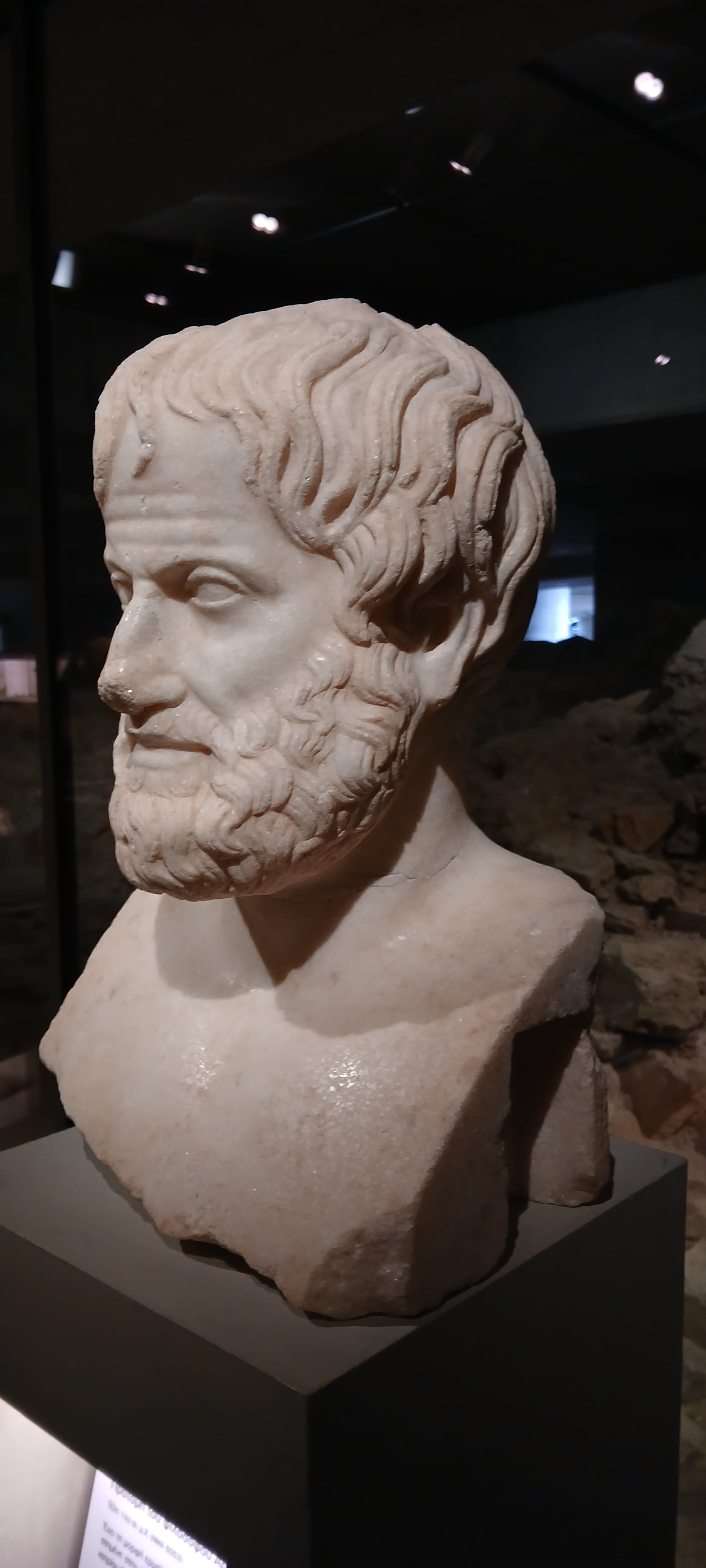
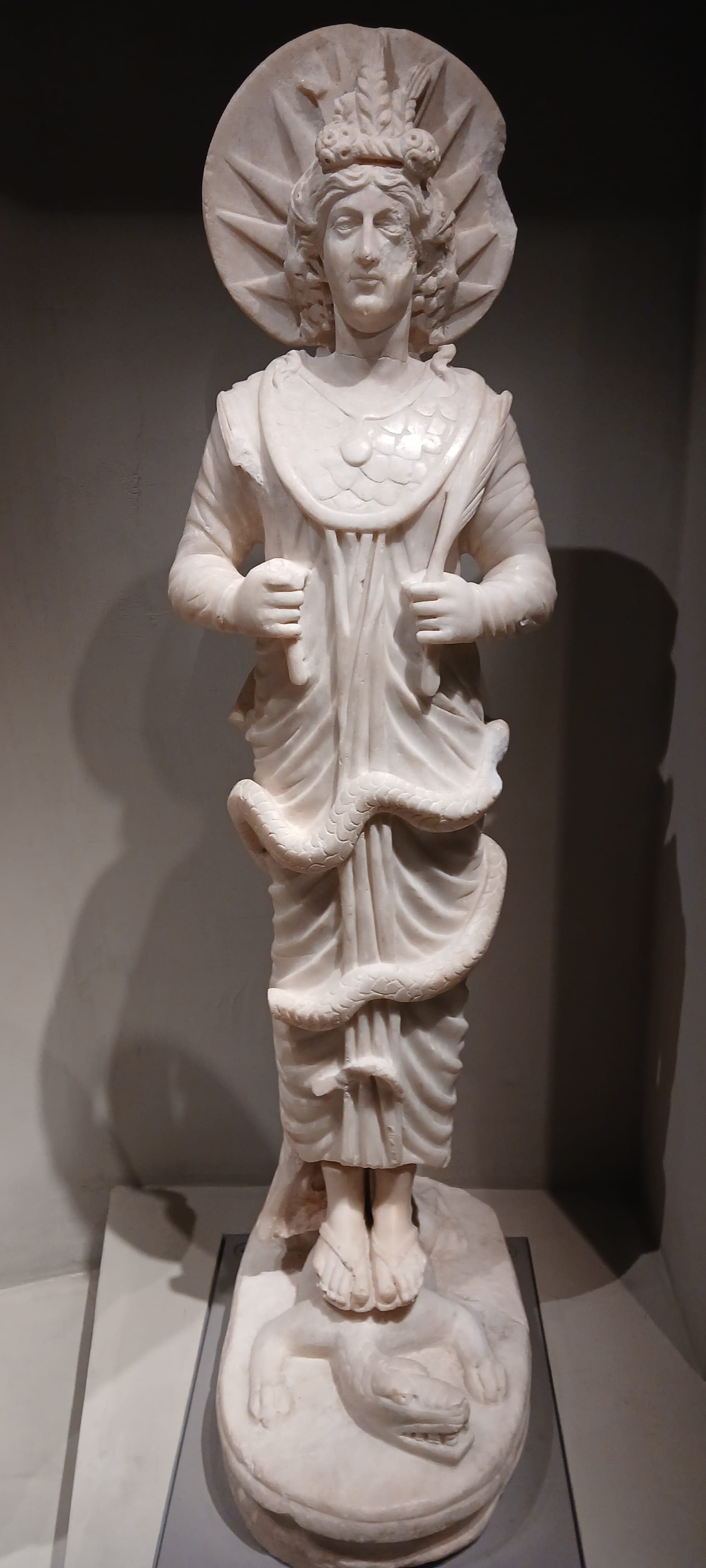
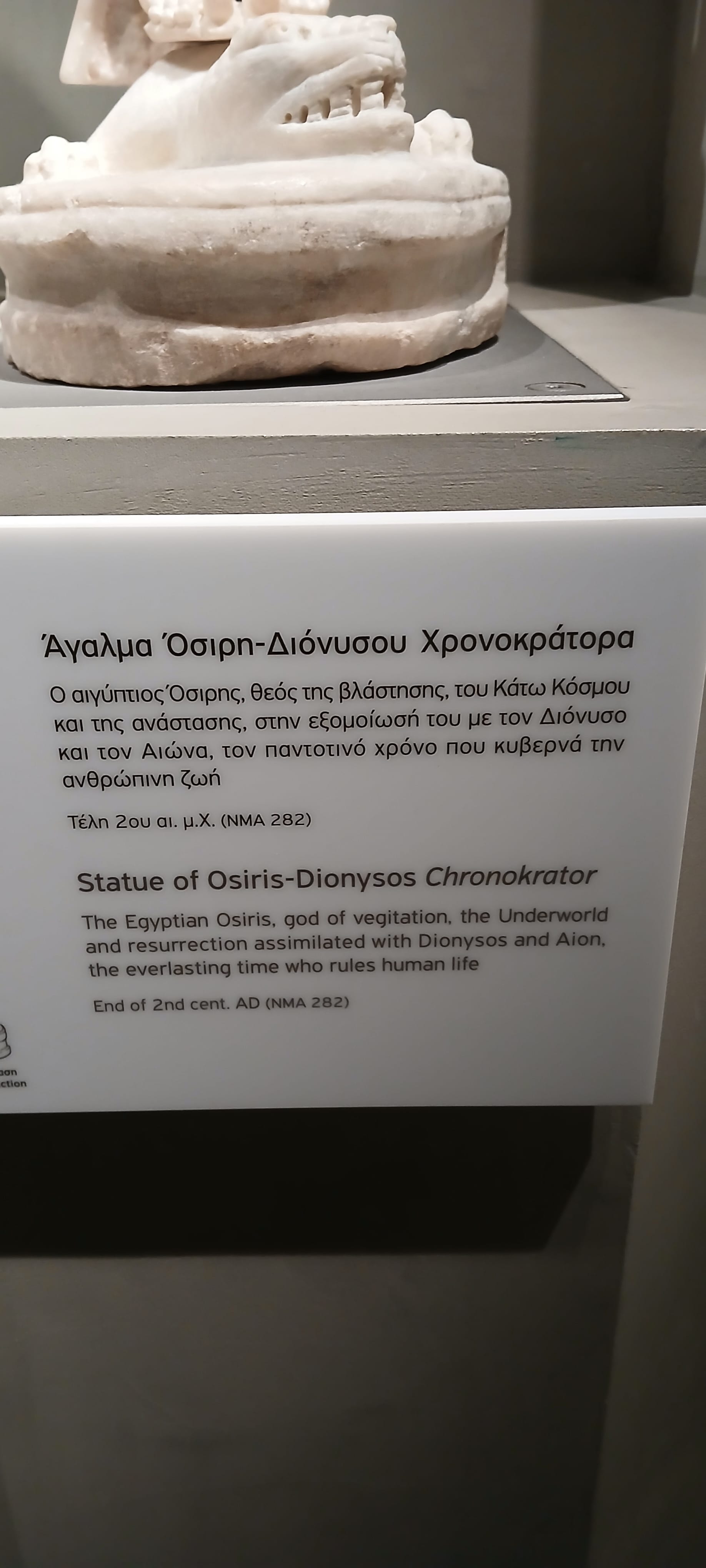
- featuring heads of Plato, Aristotle and Homer
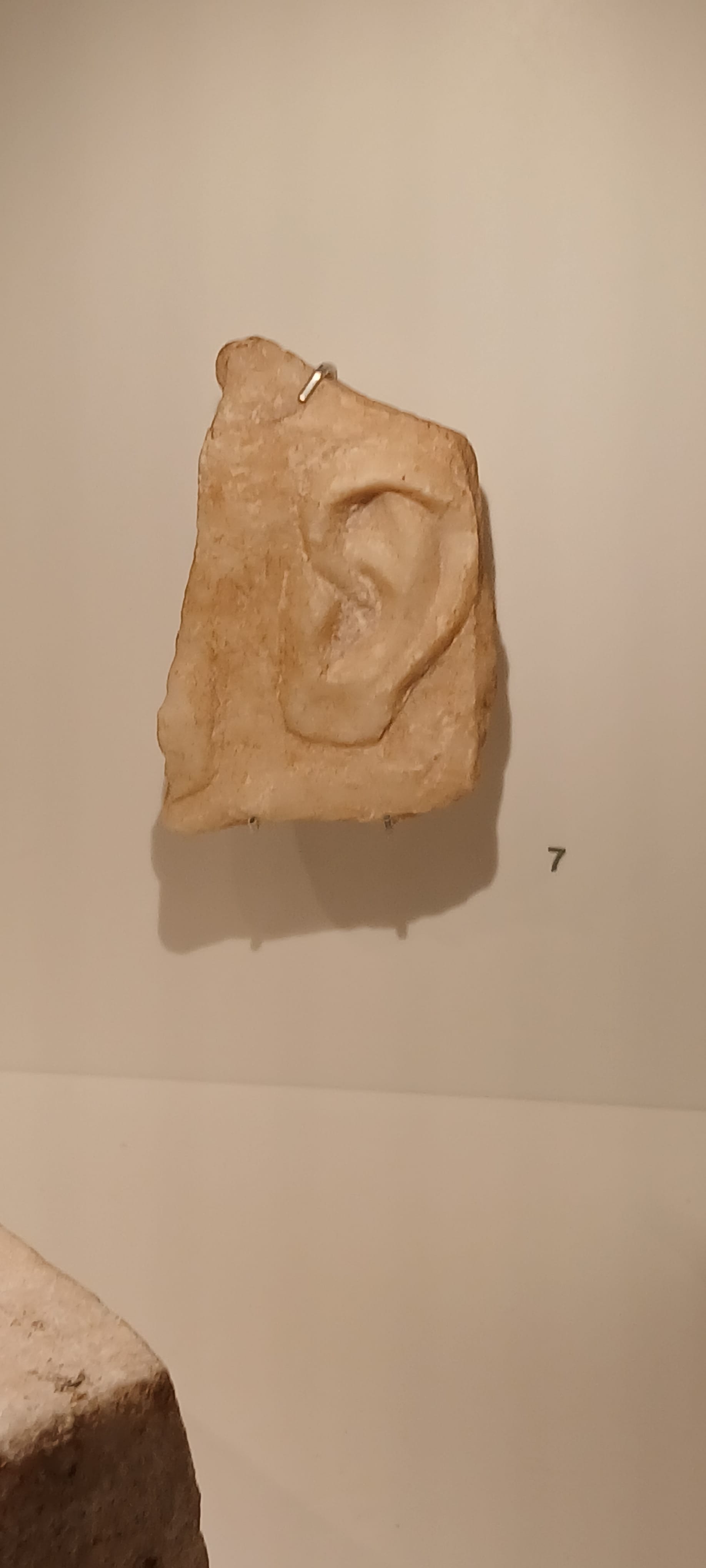
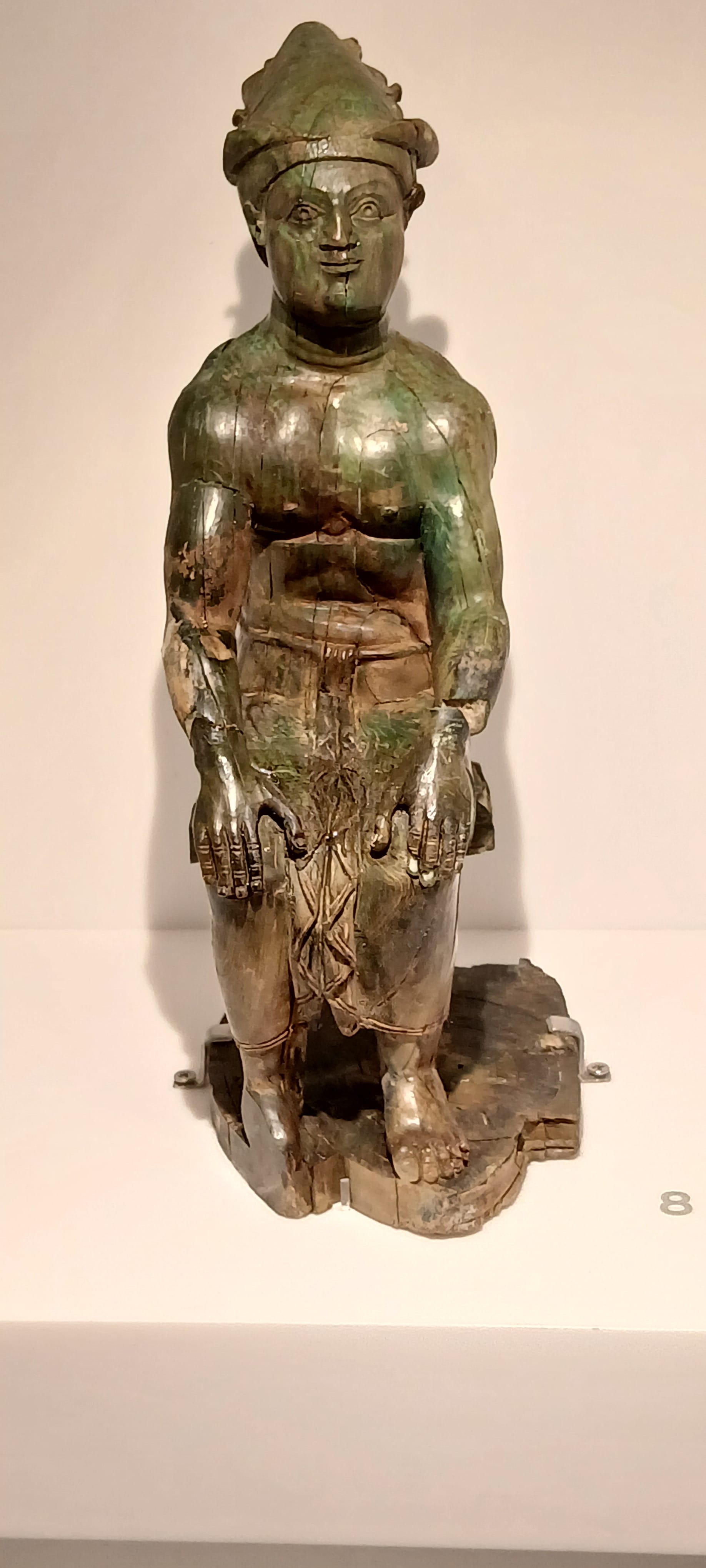
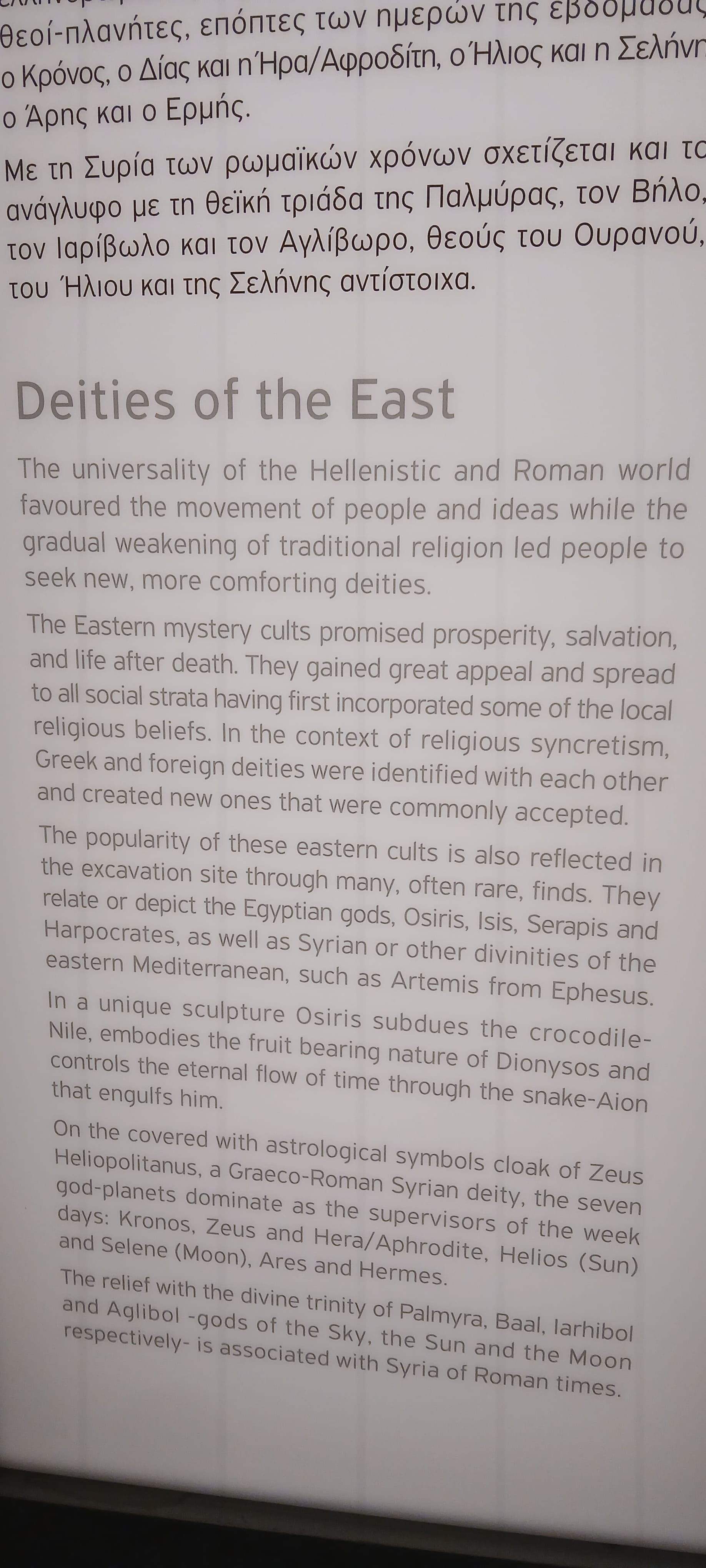
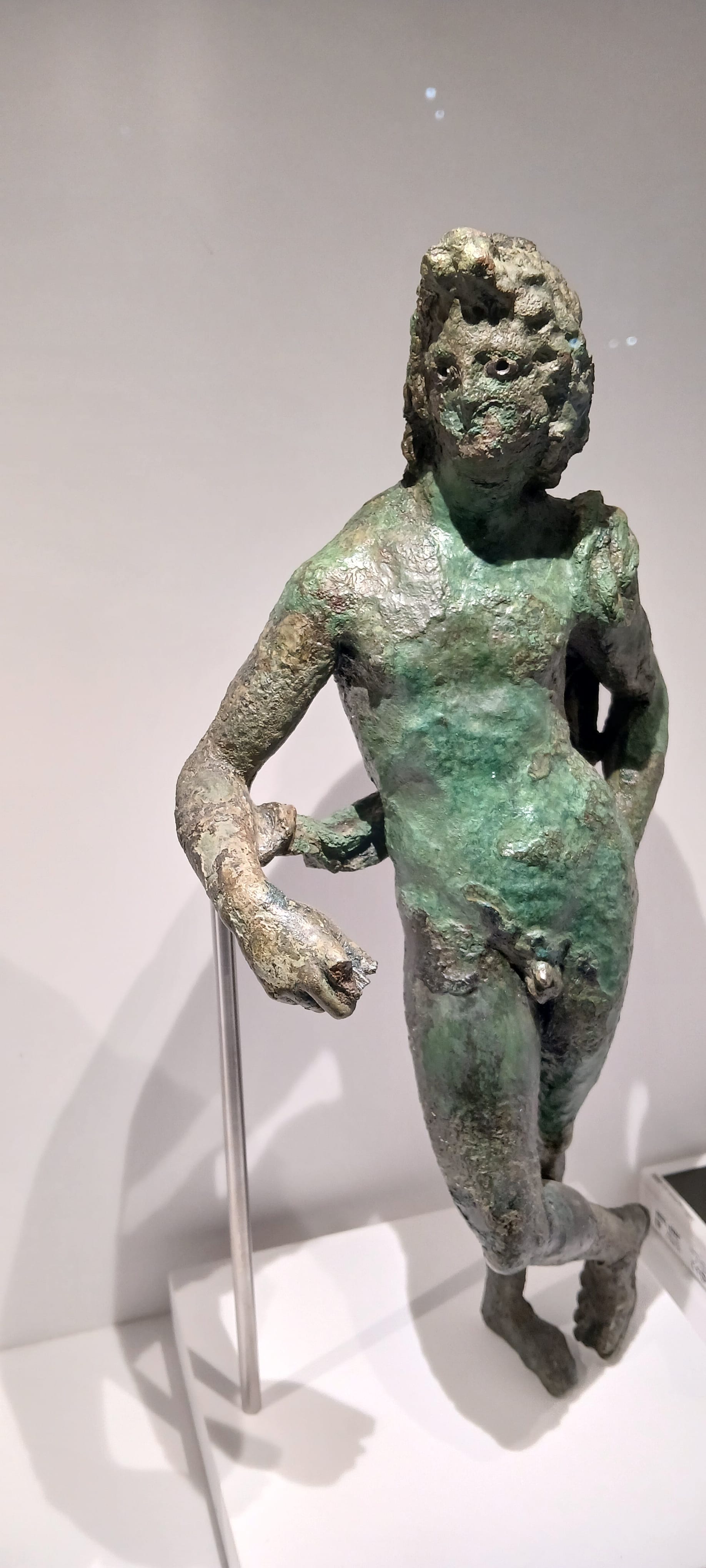
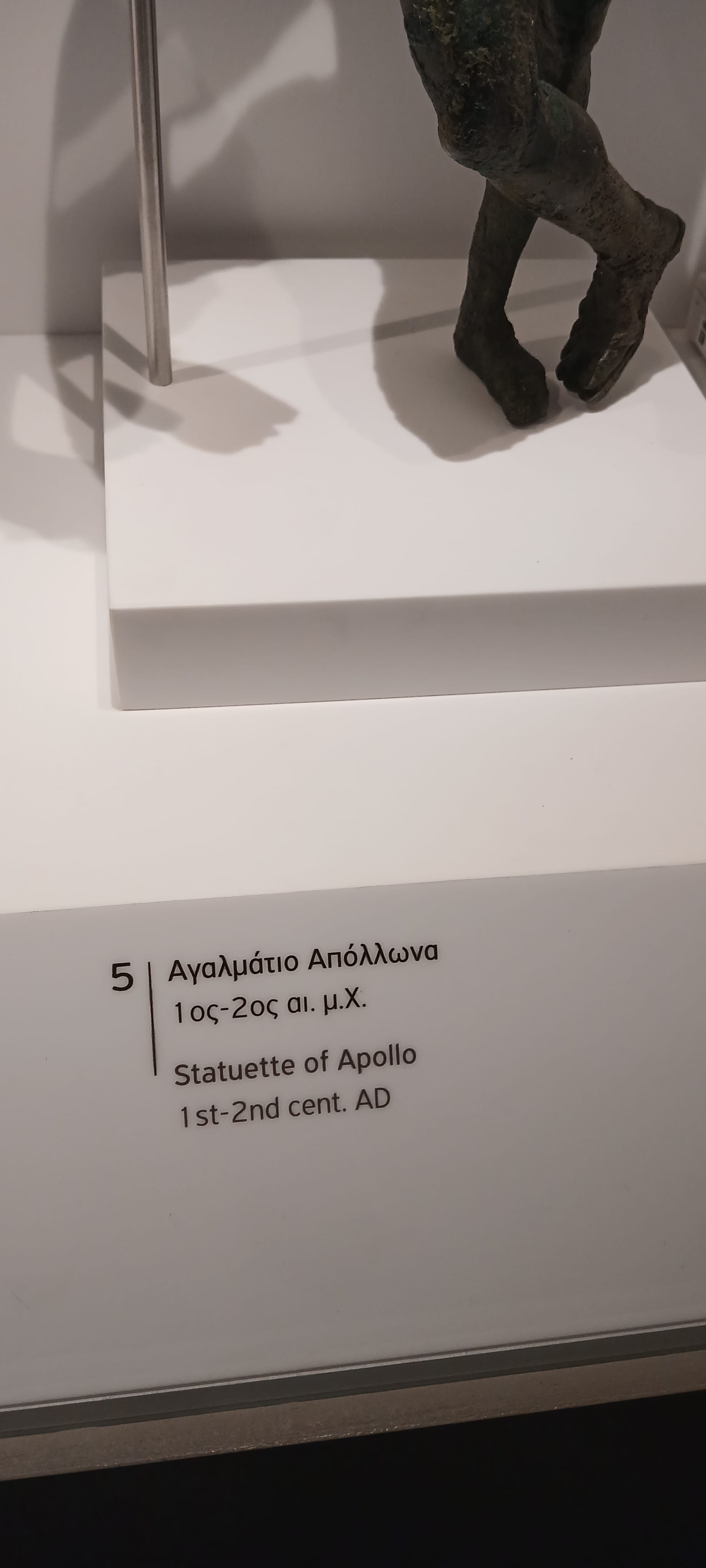
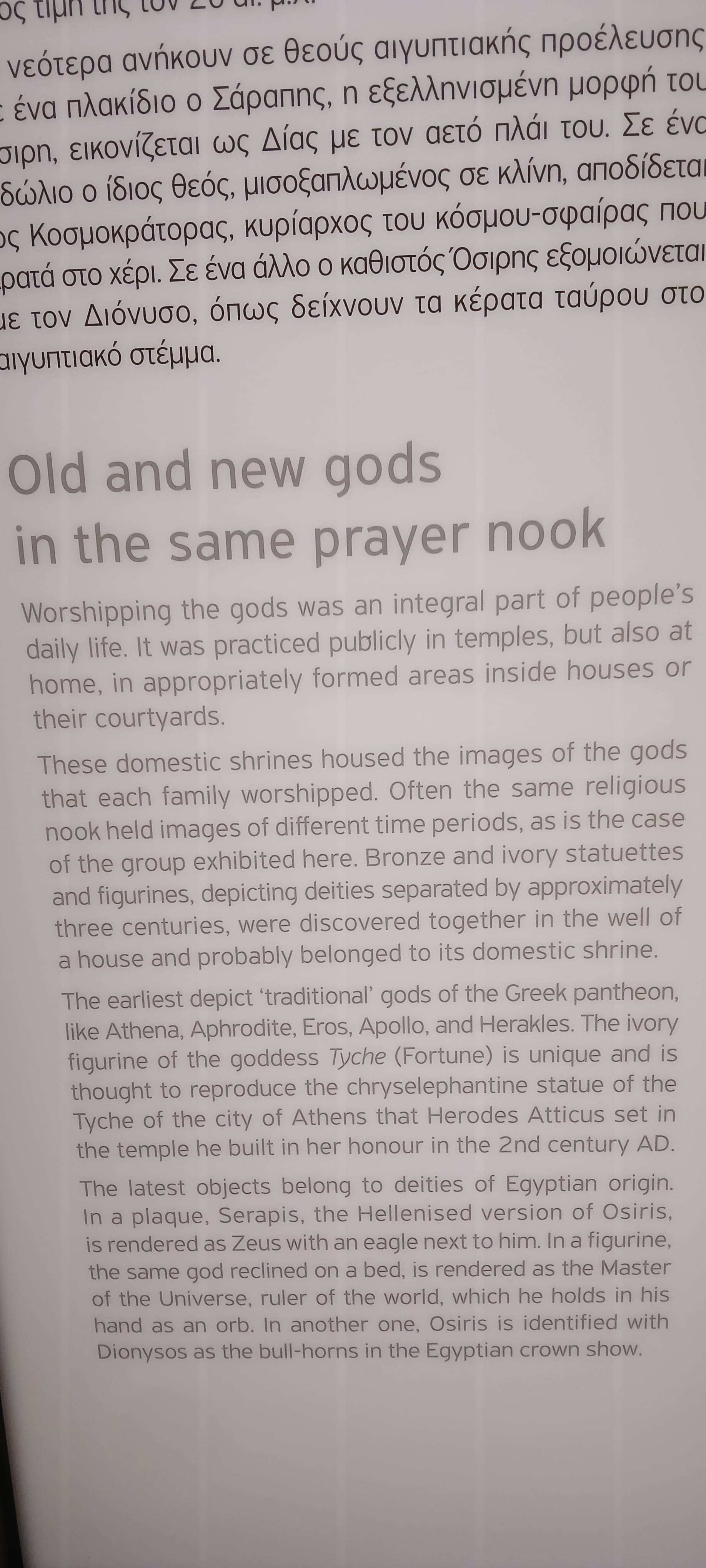
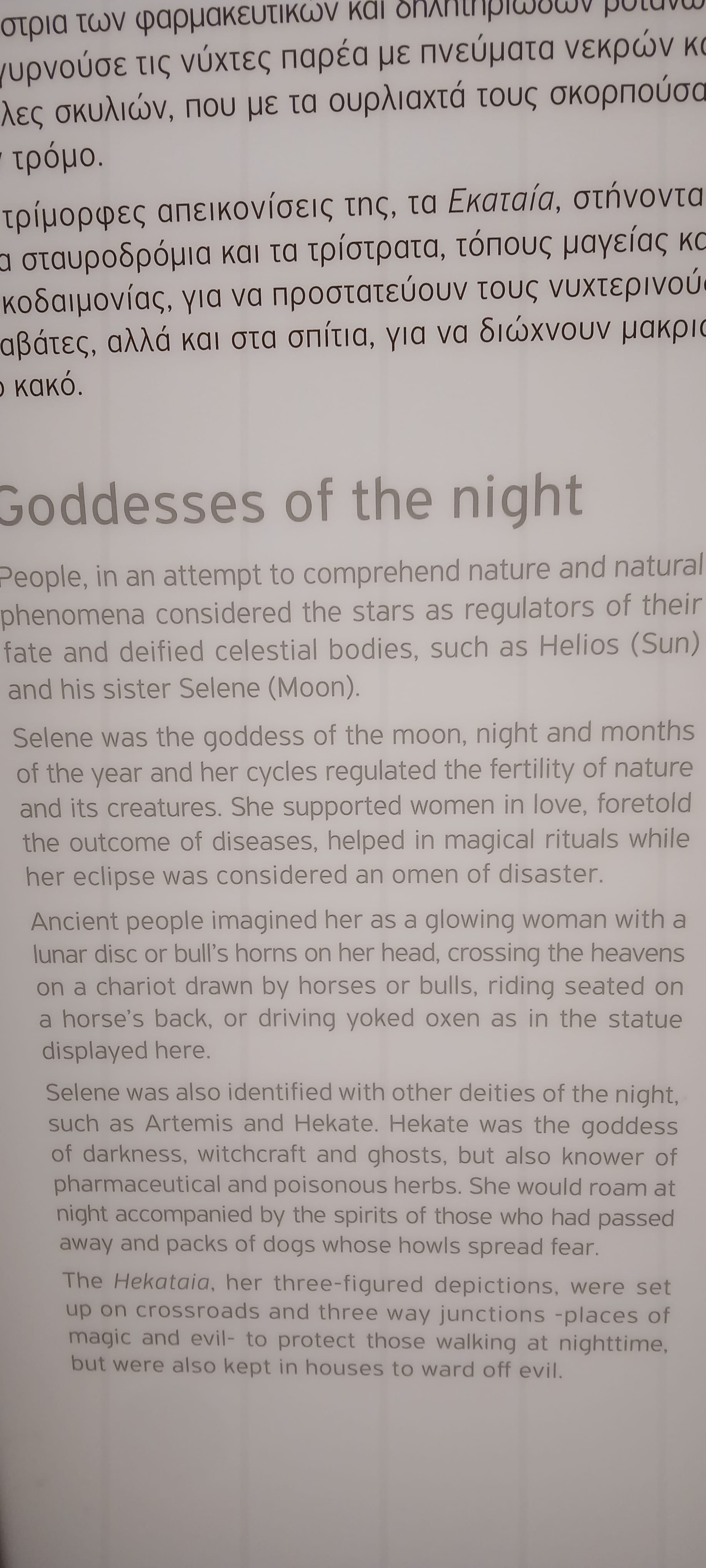
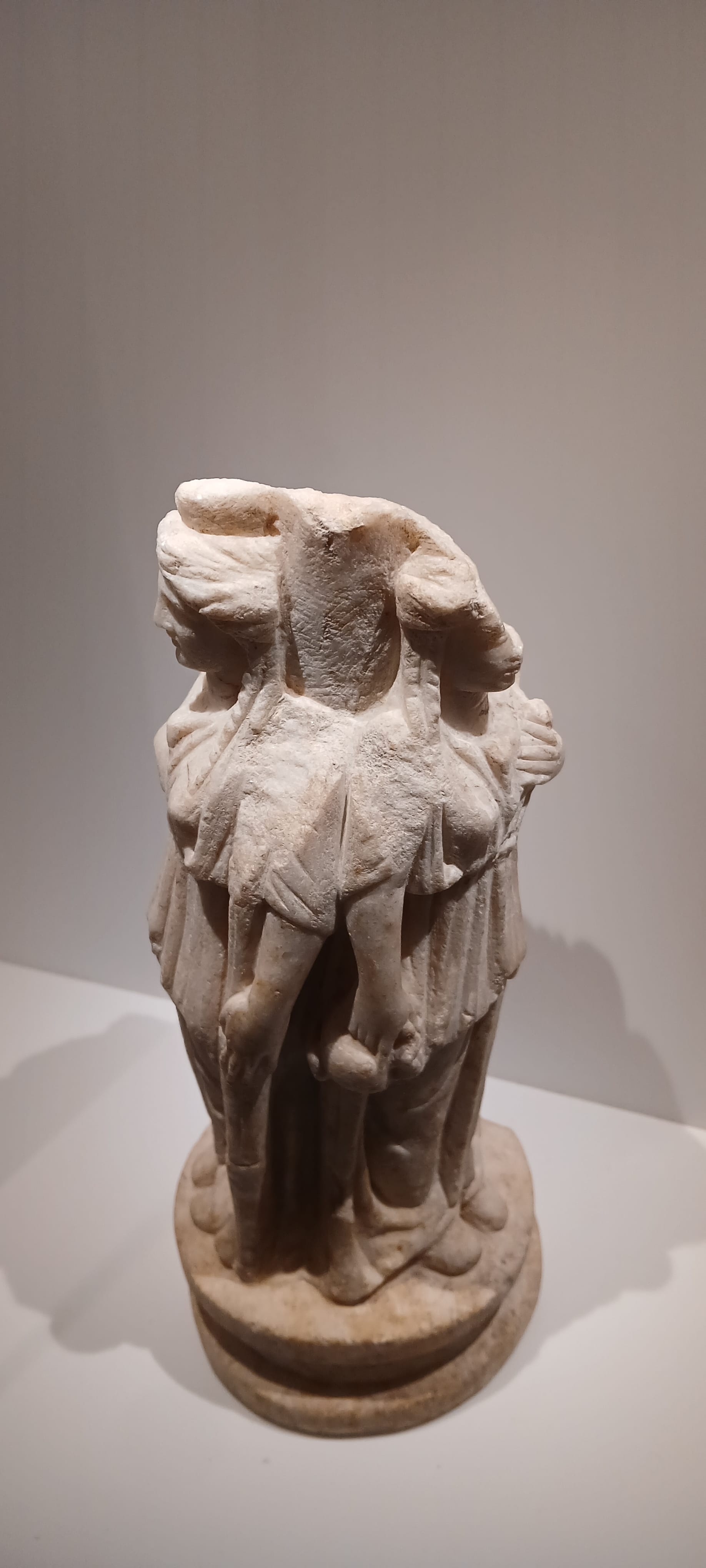
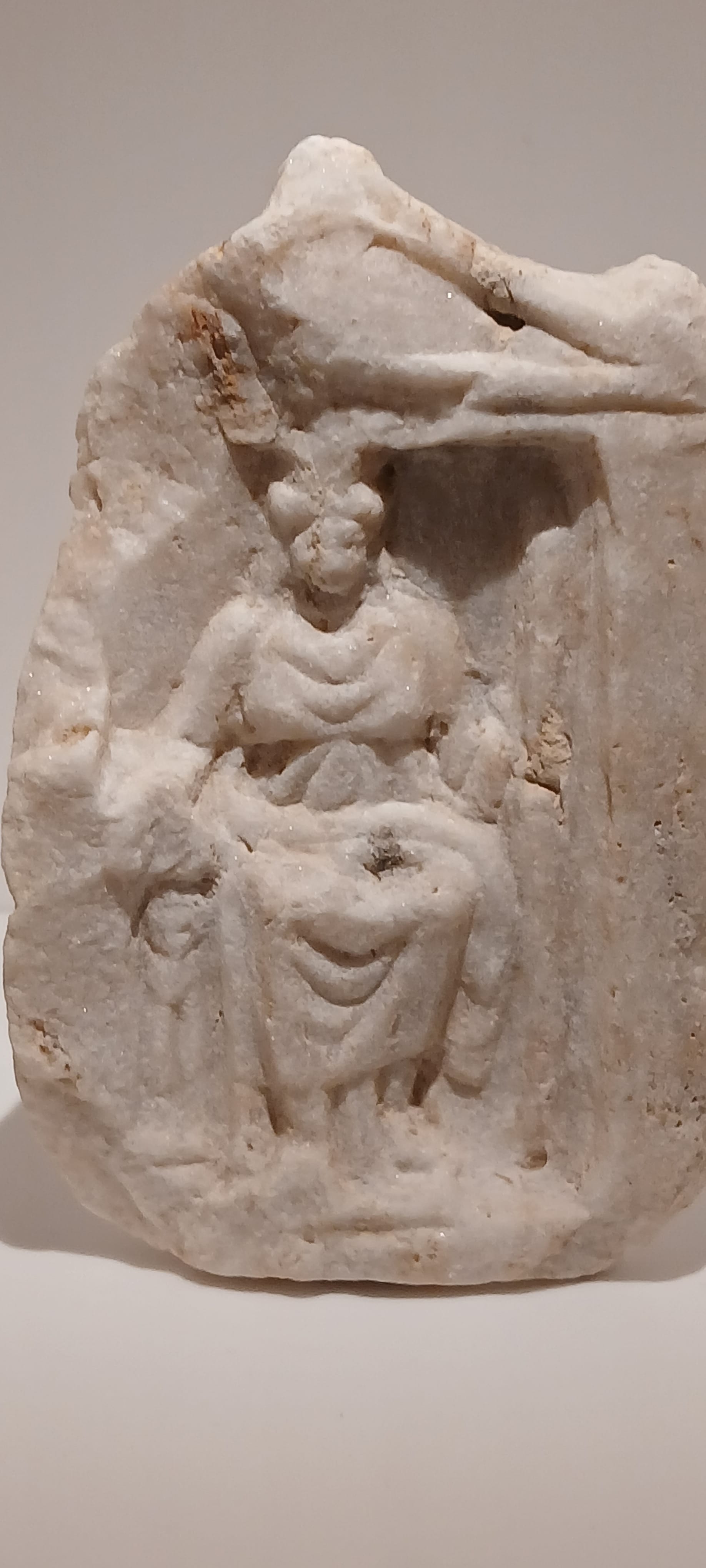
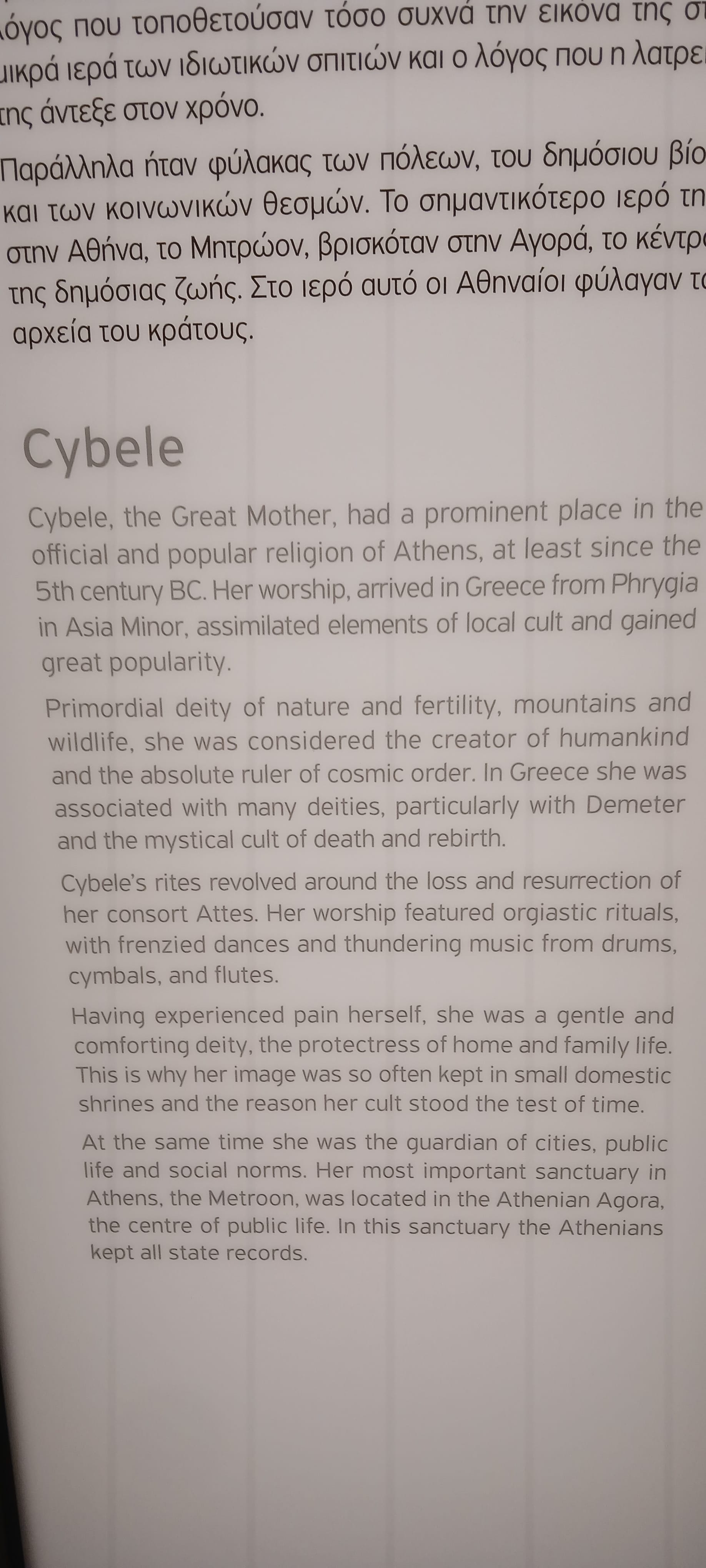
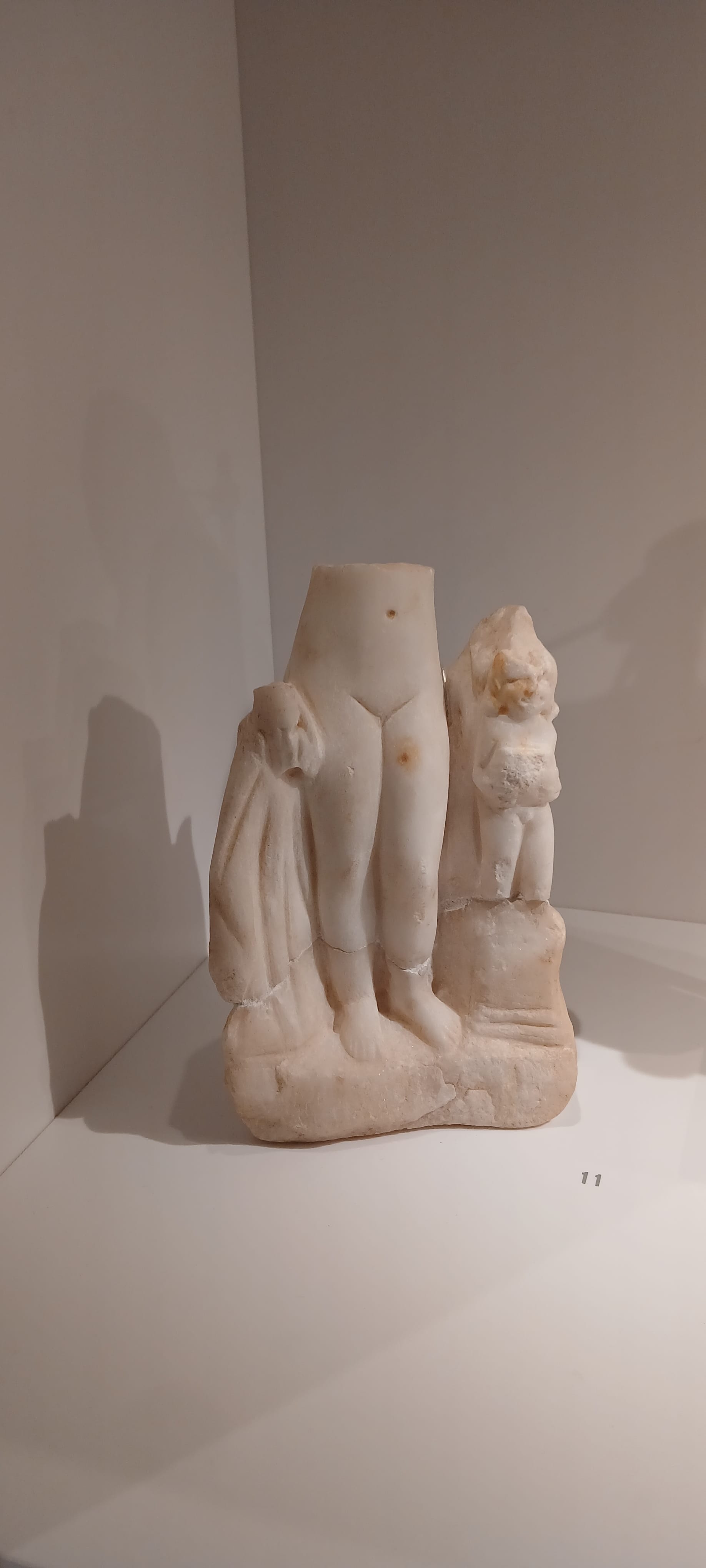
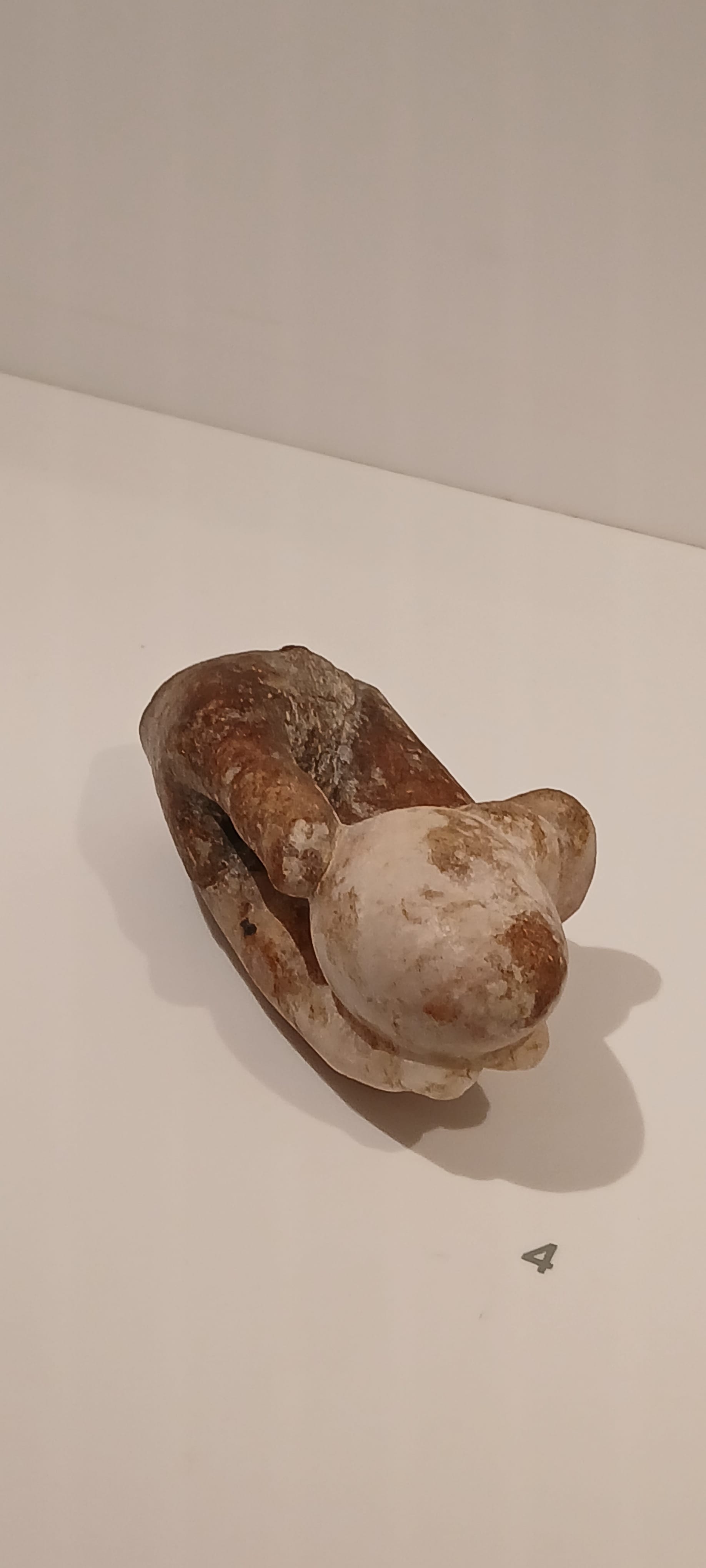
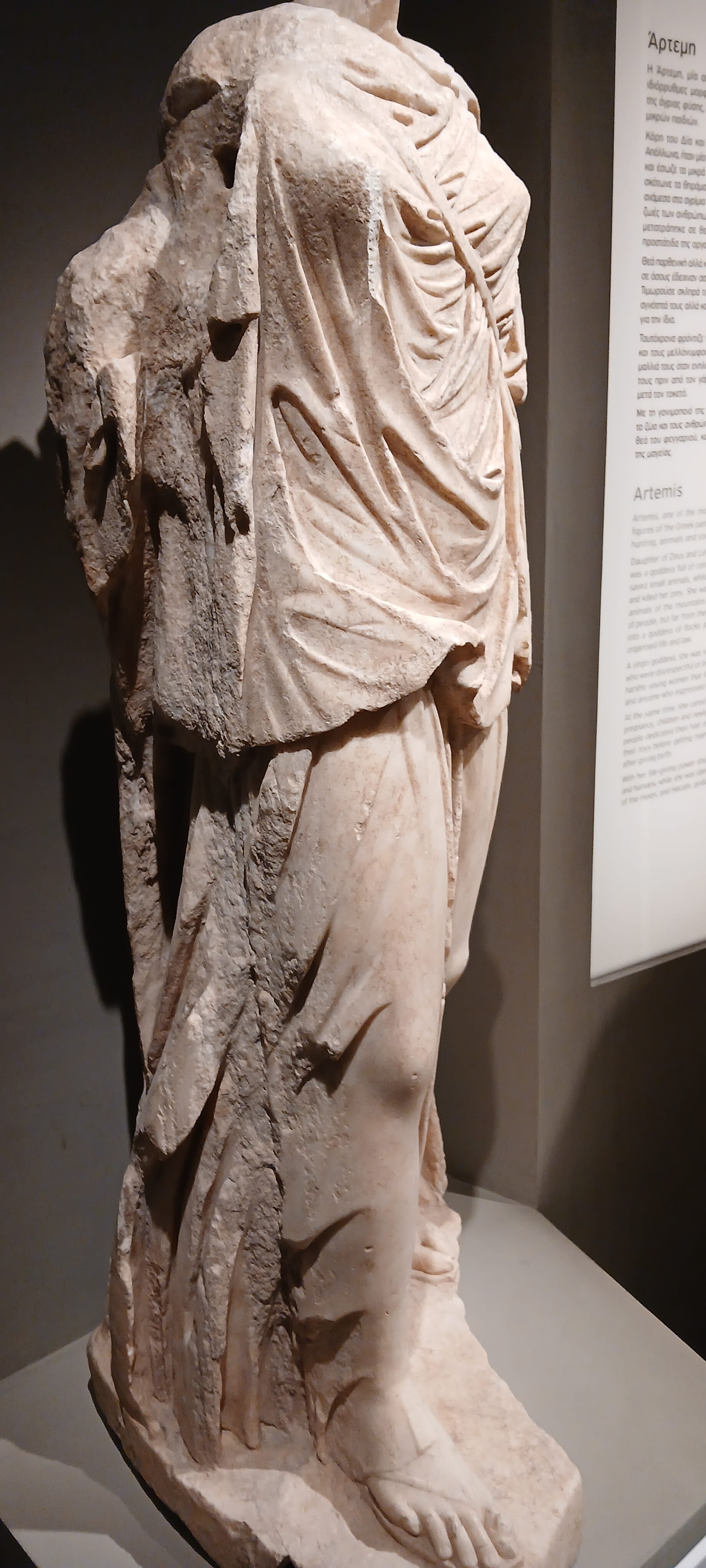
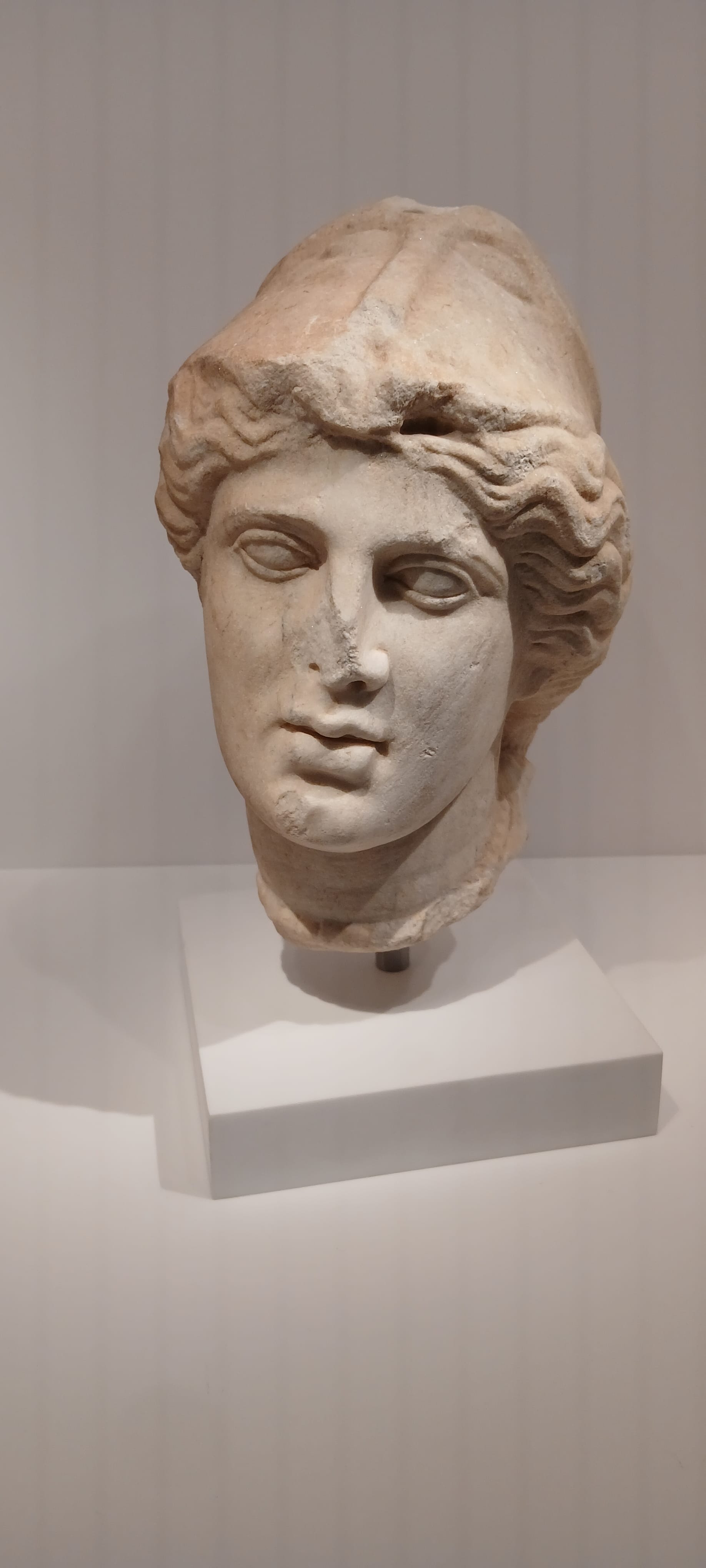
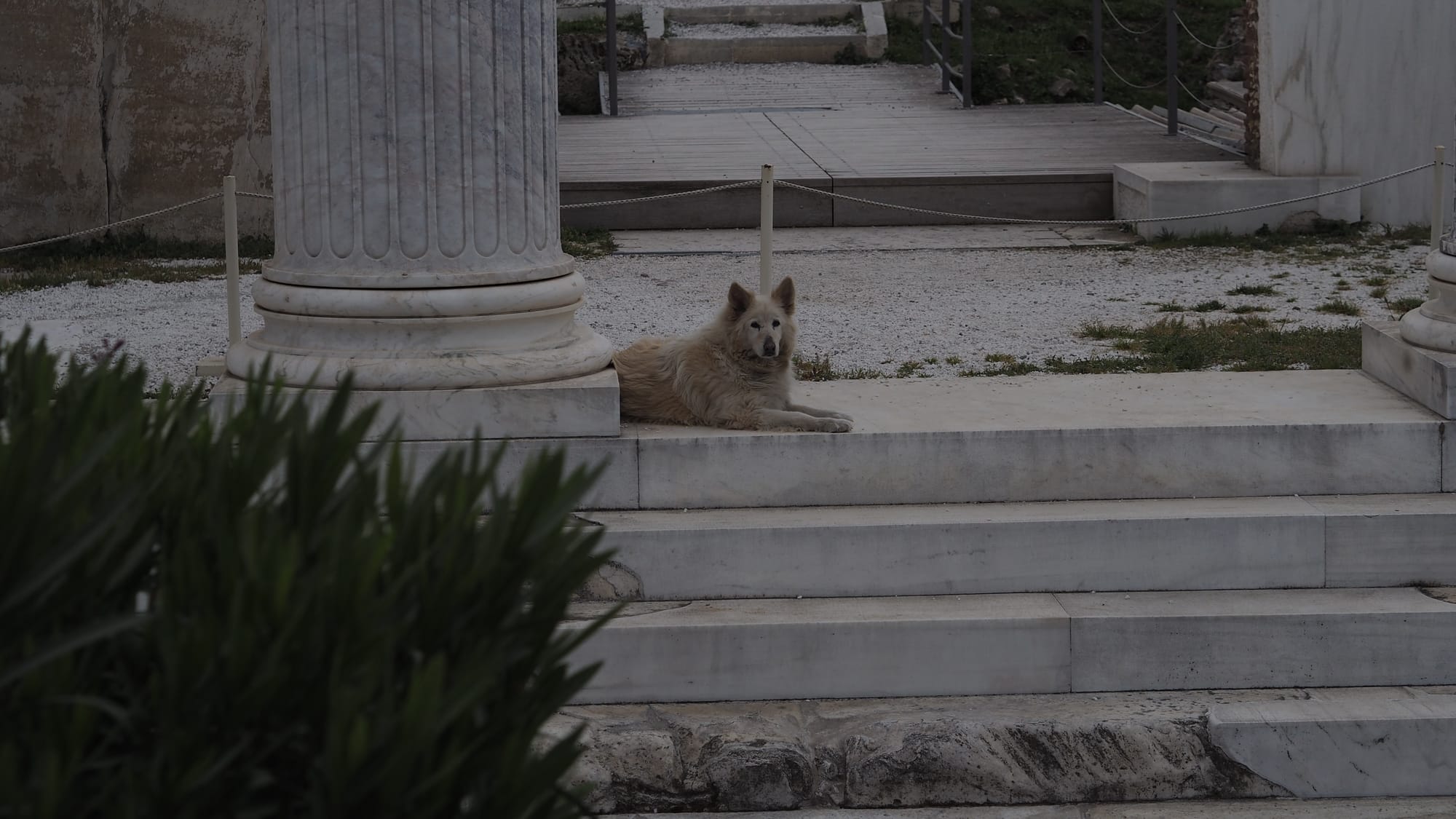
On the way home:
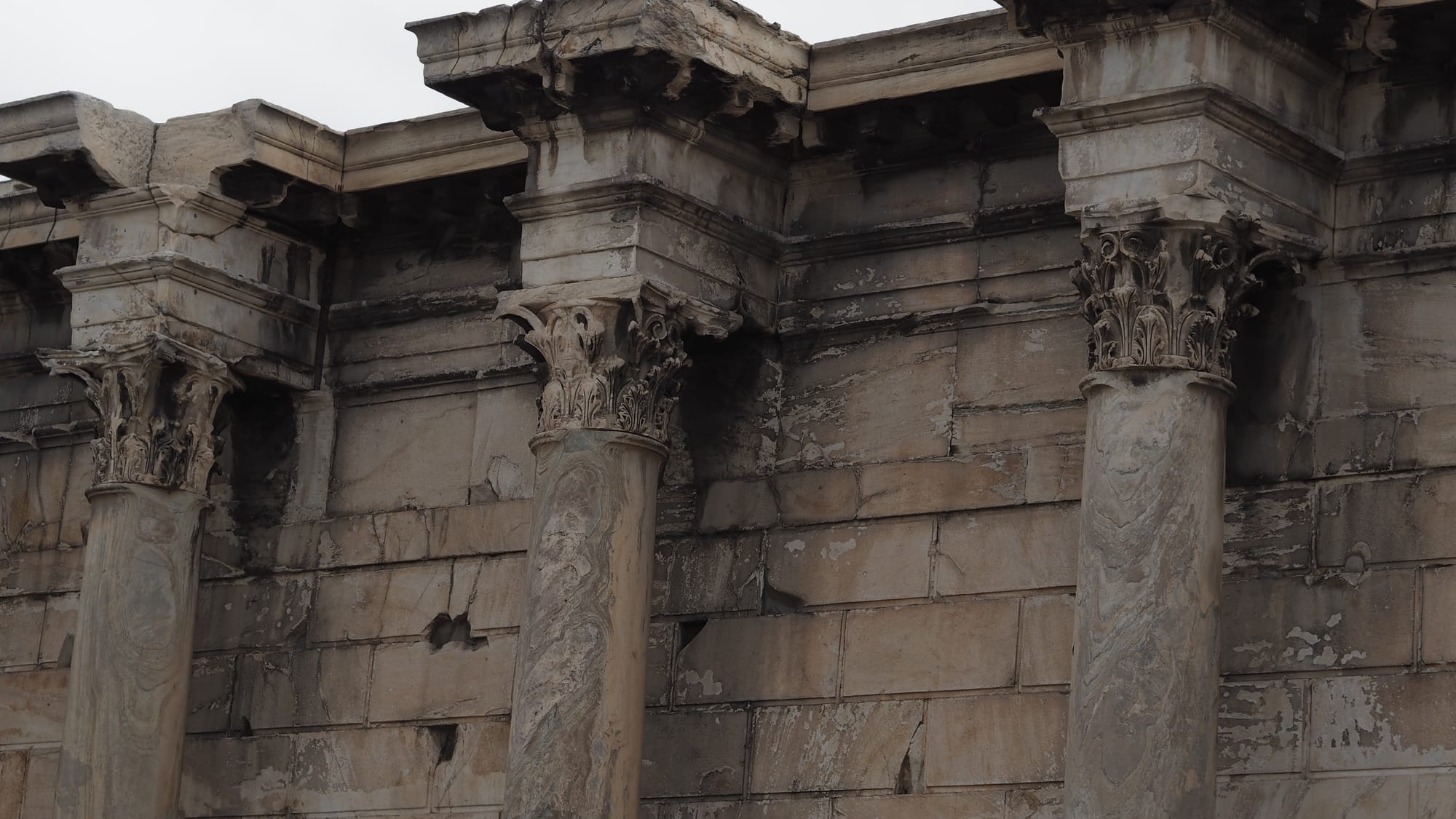
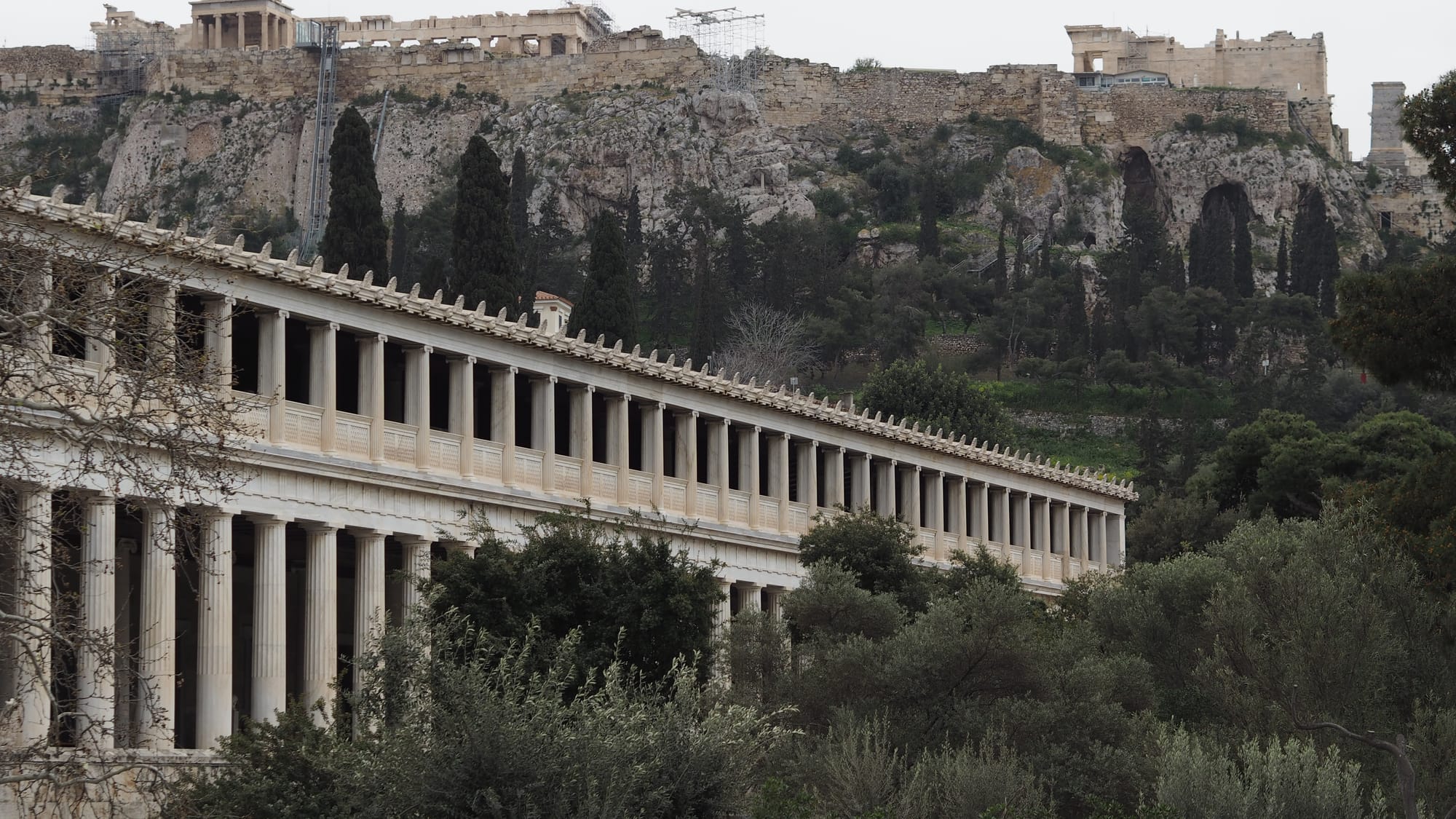
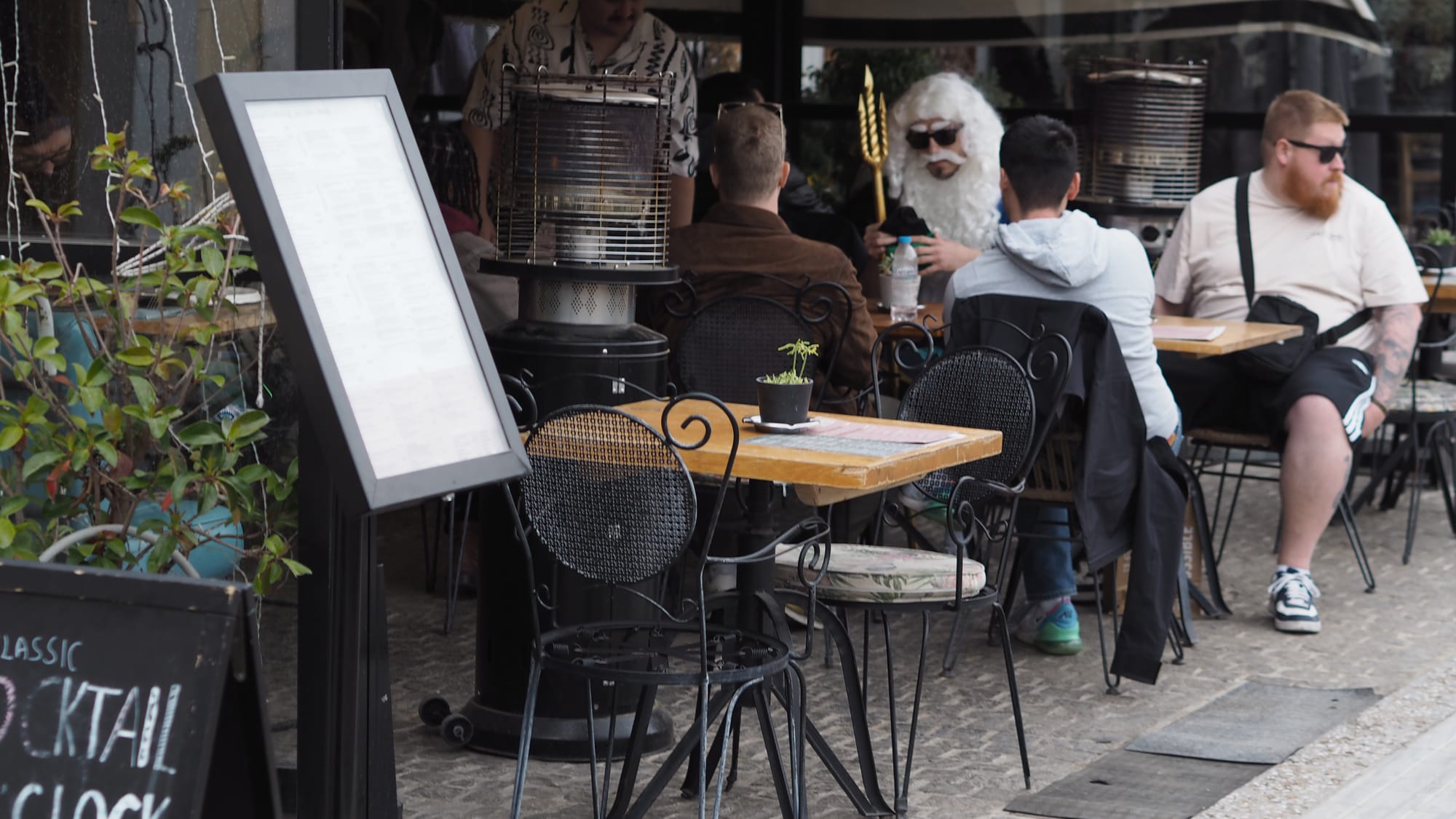
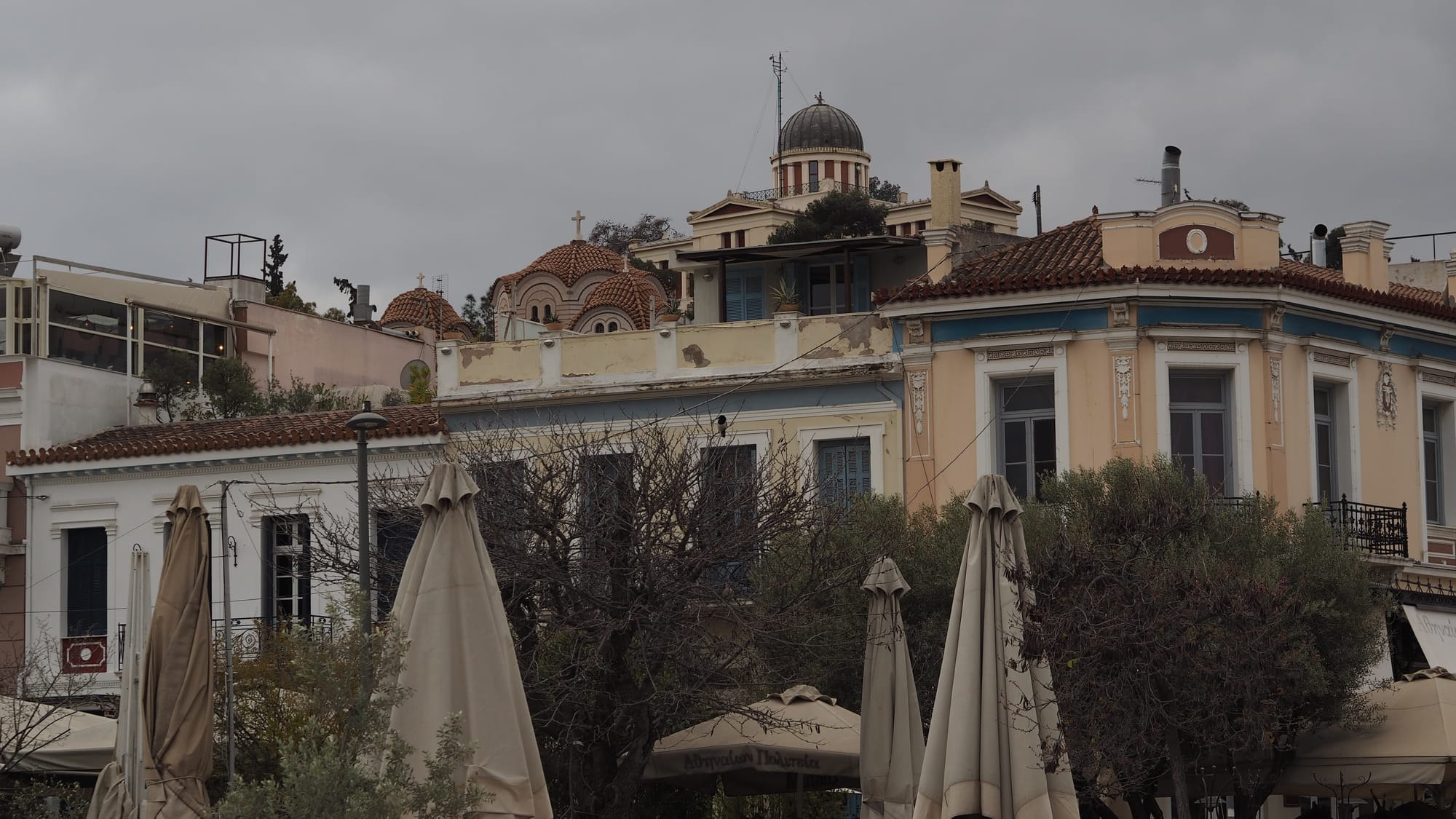
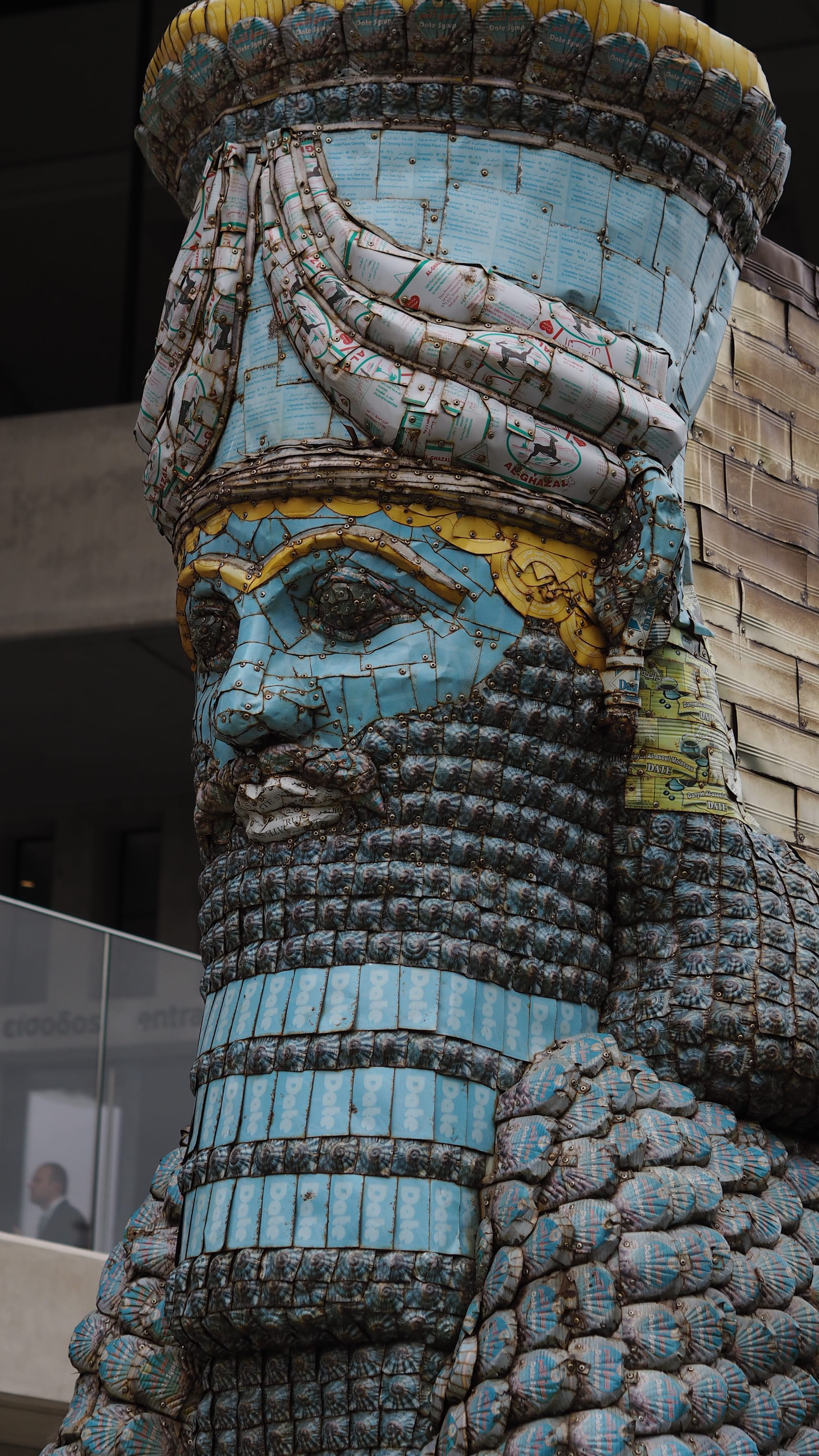
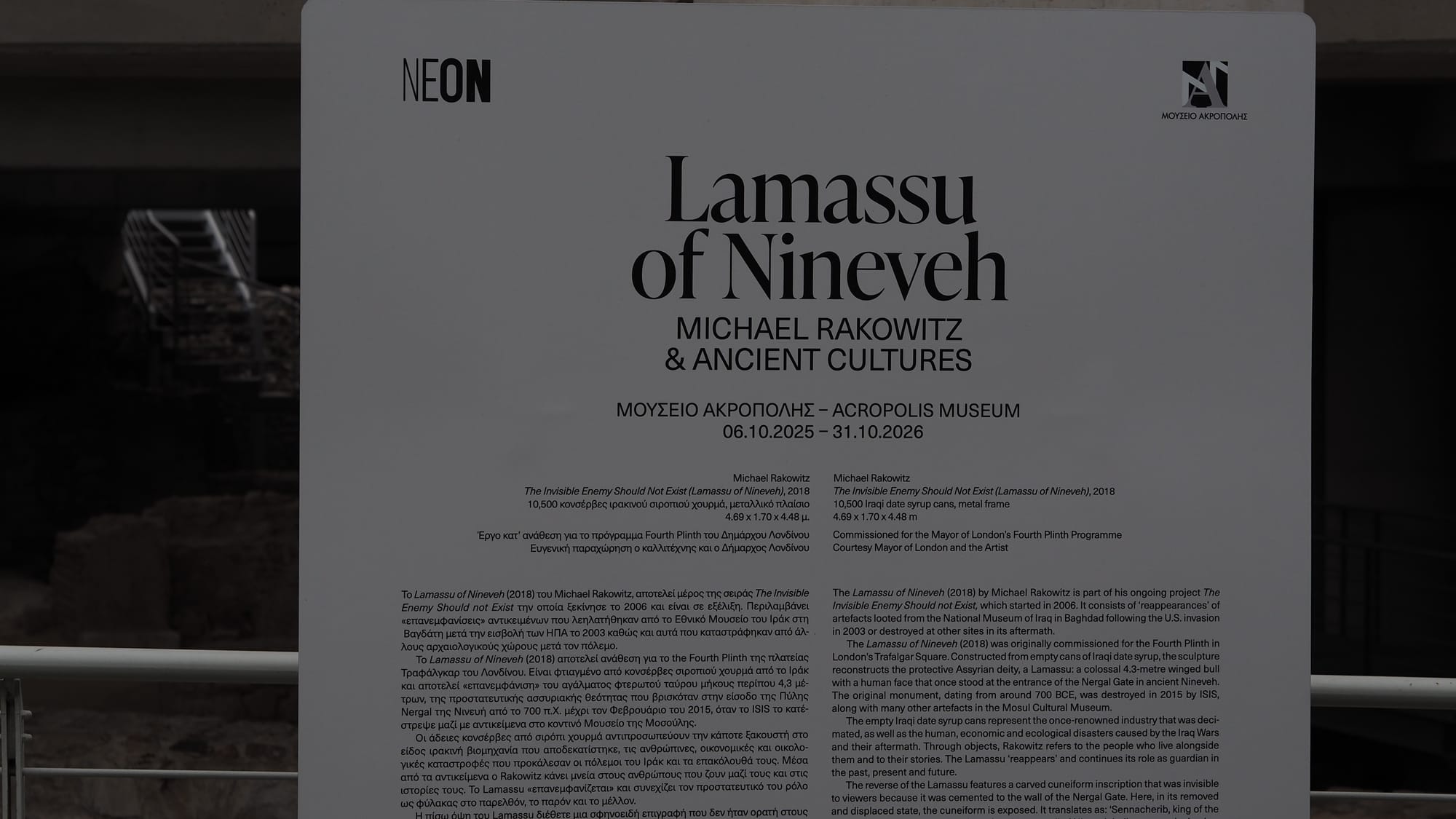
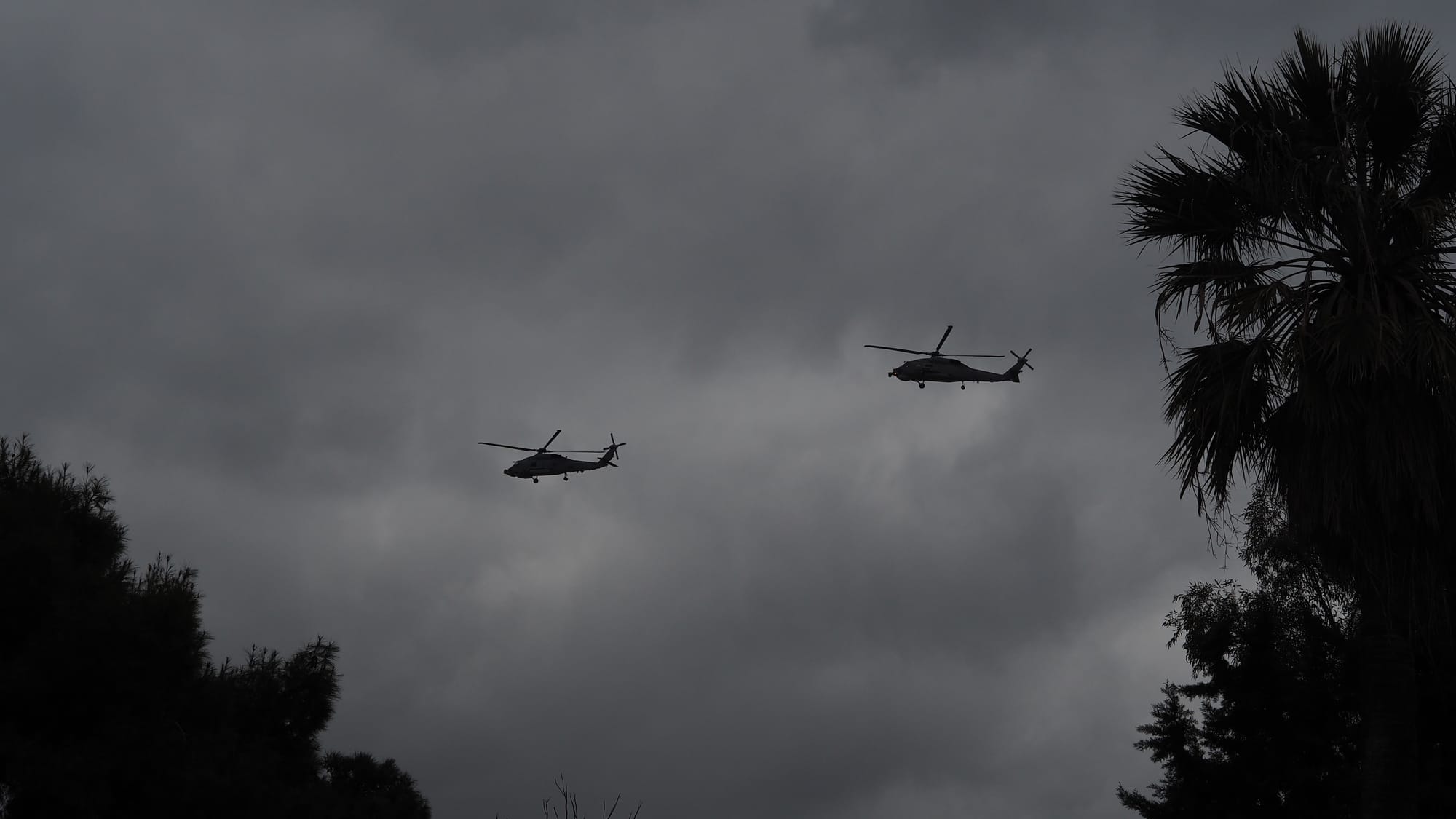
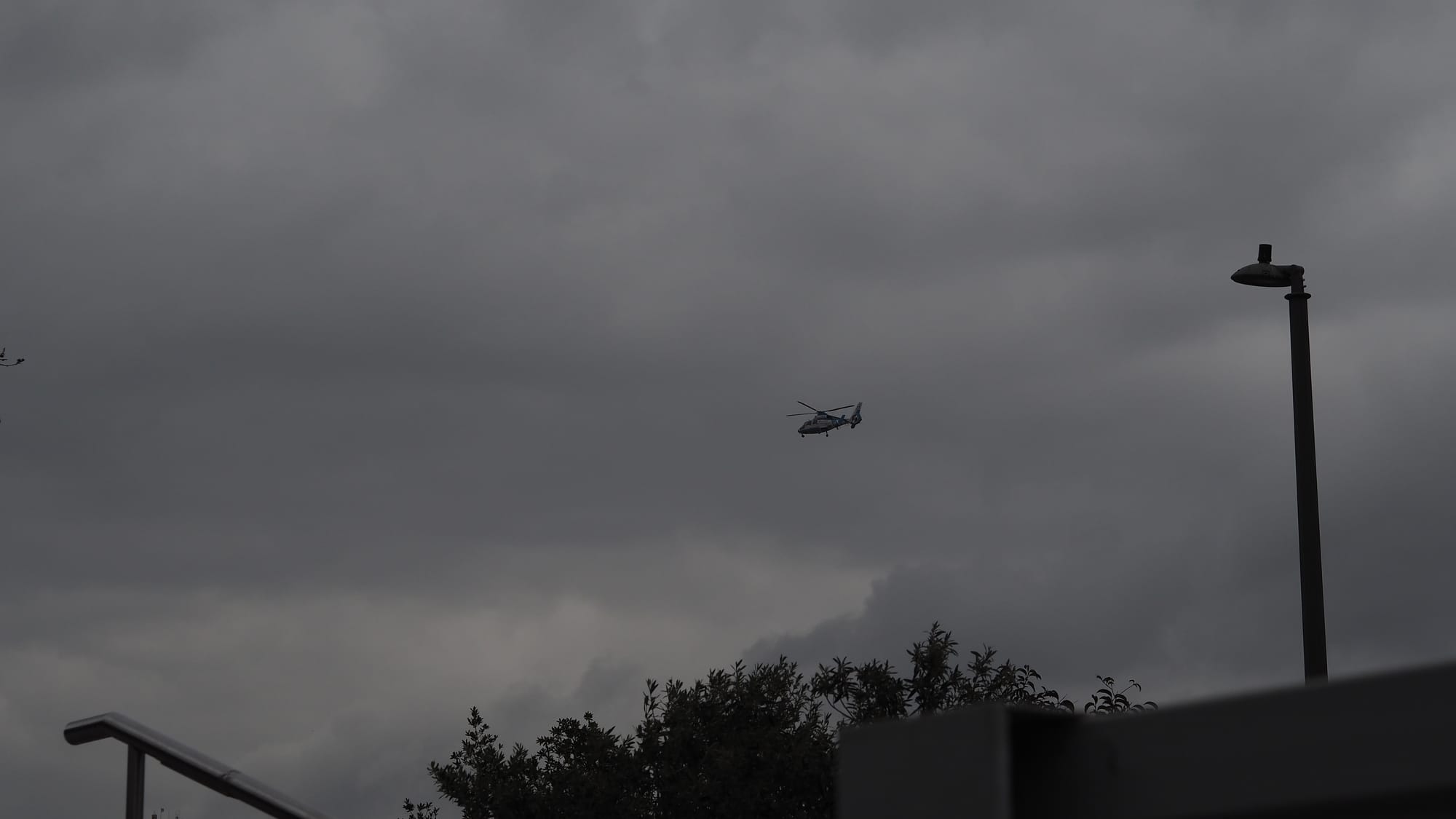
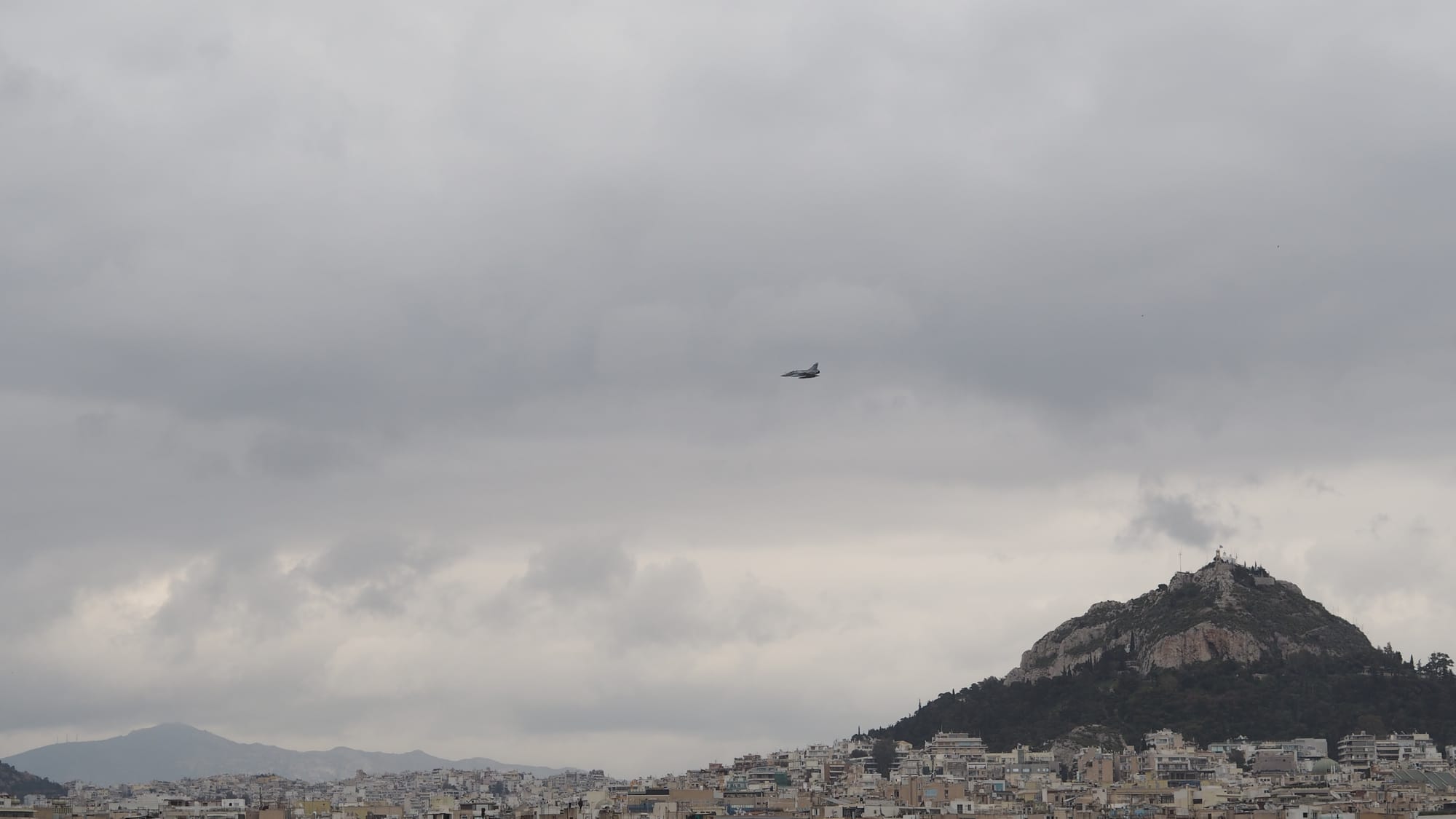
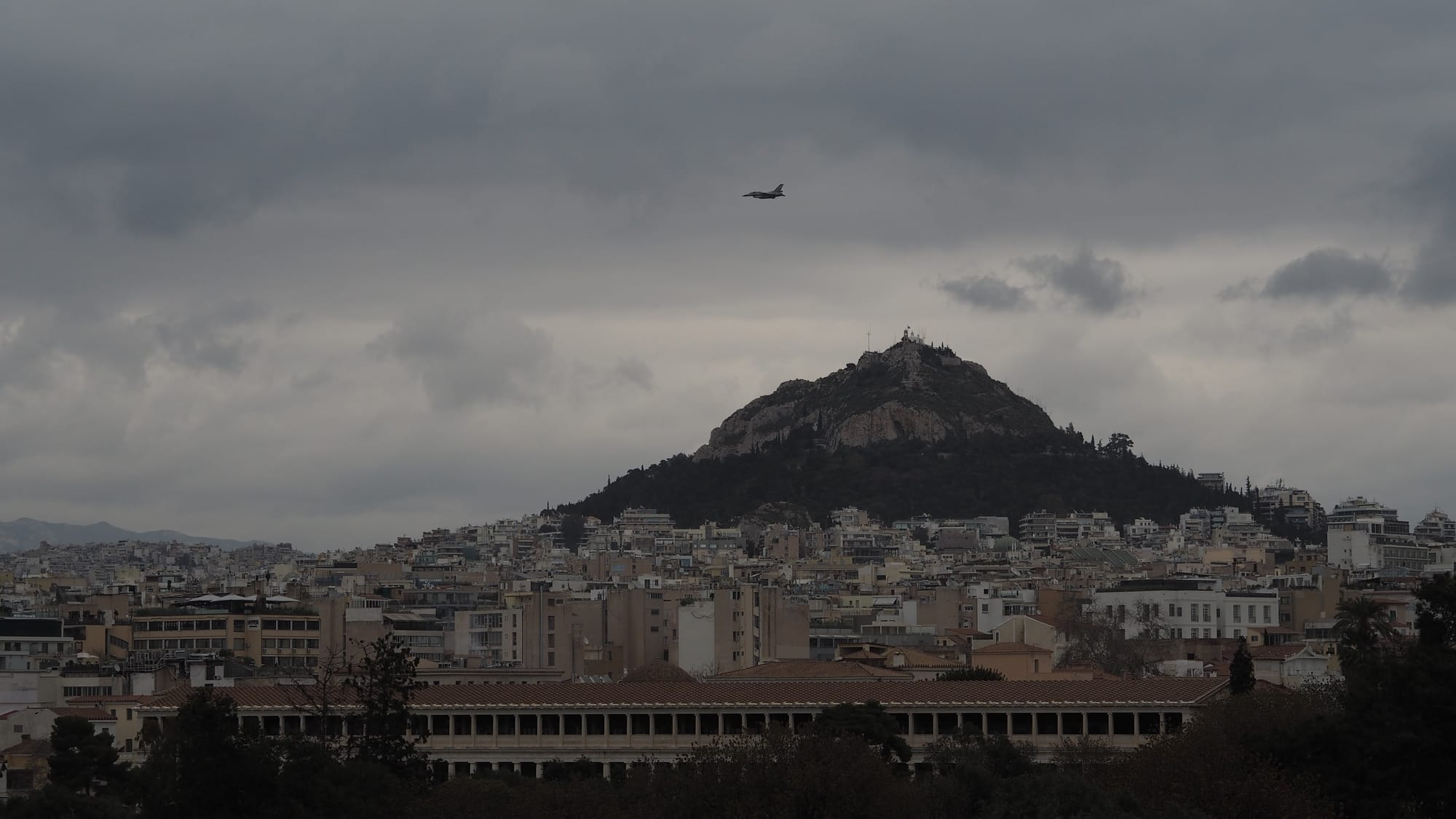
... because on that day were some military fly-overs to remind us of the present.
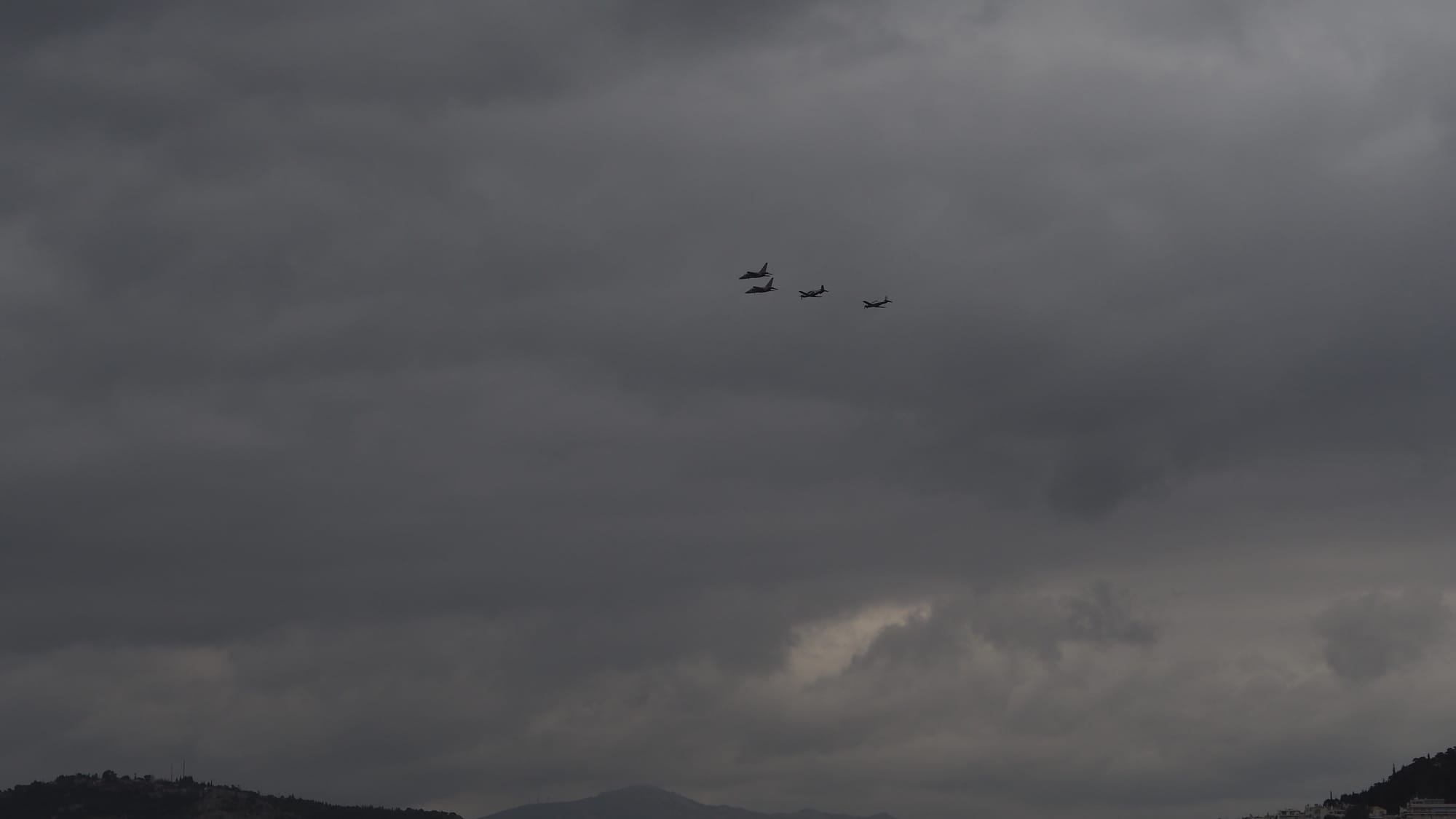
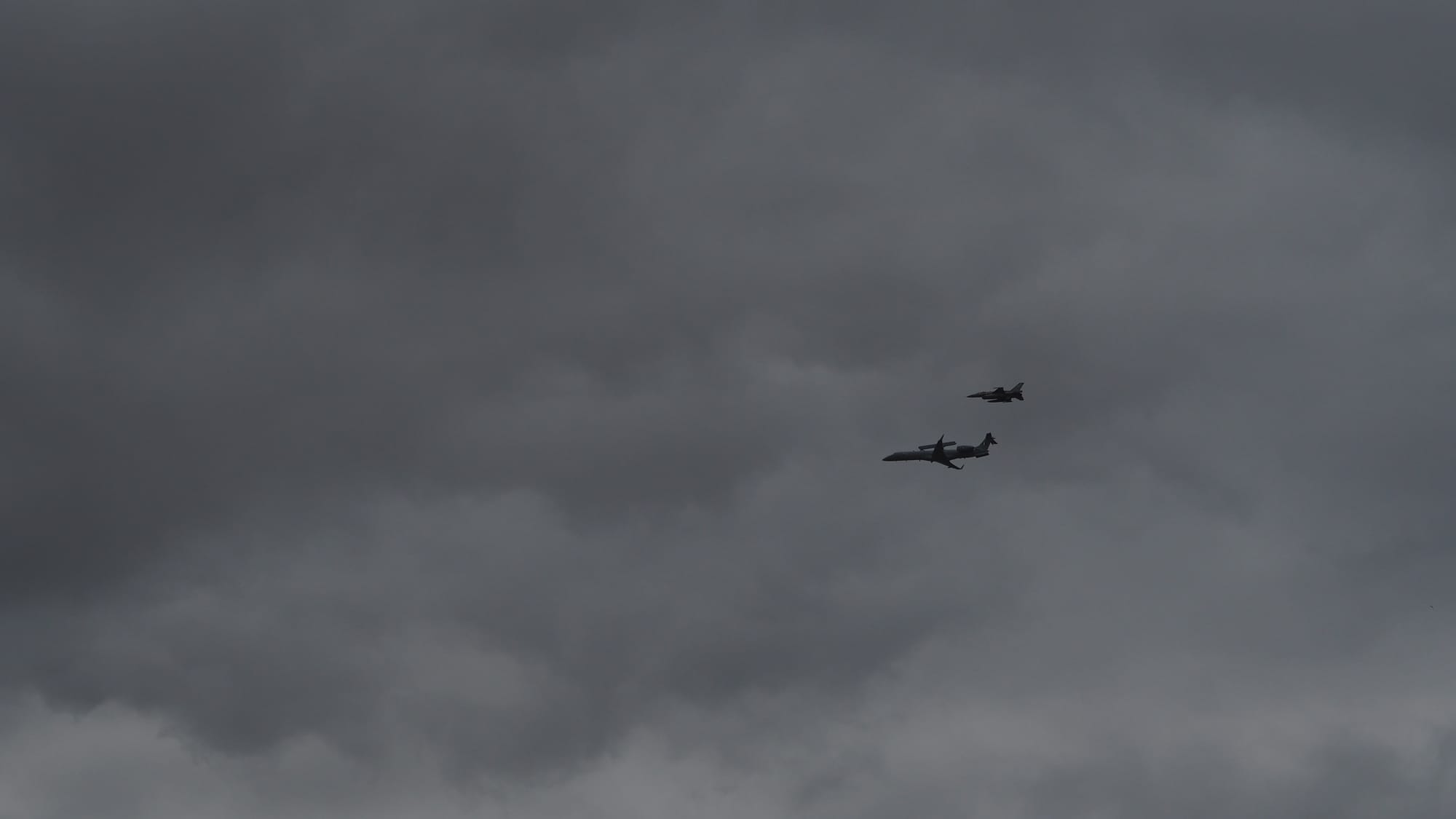
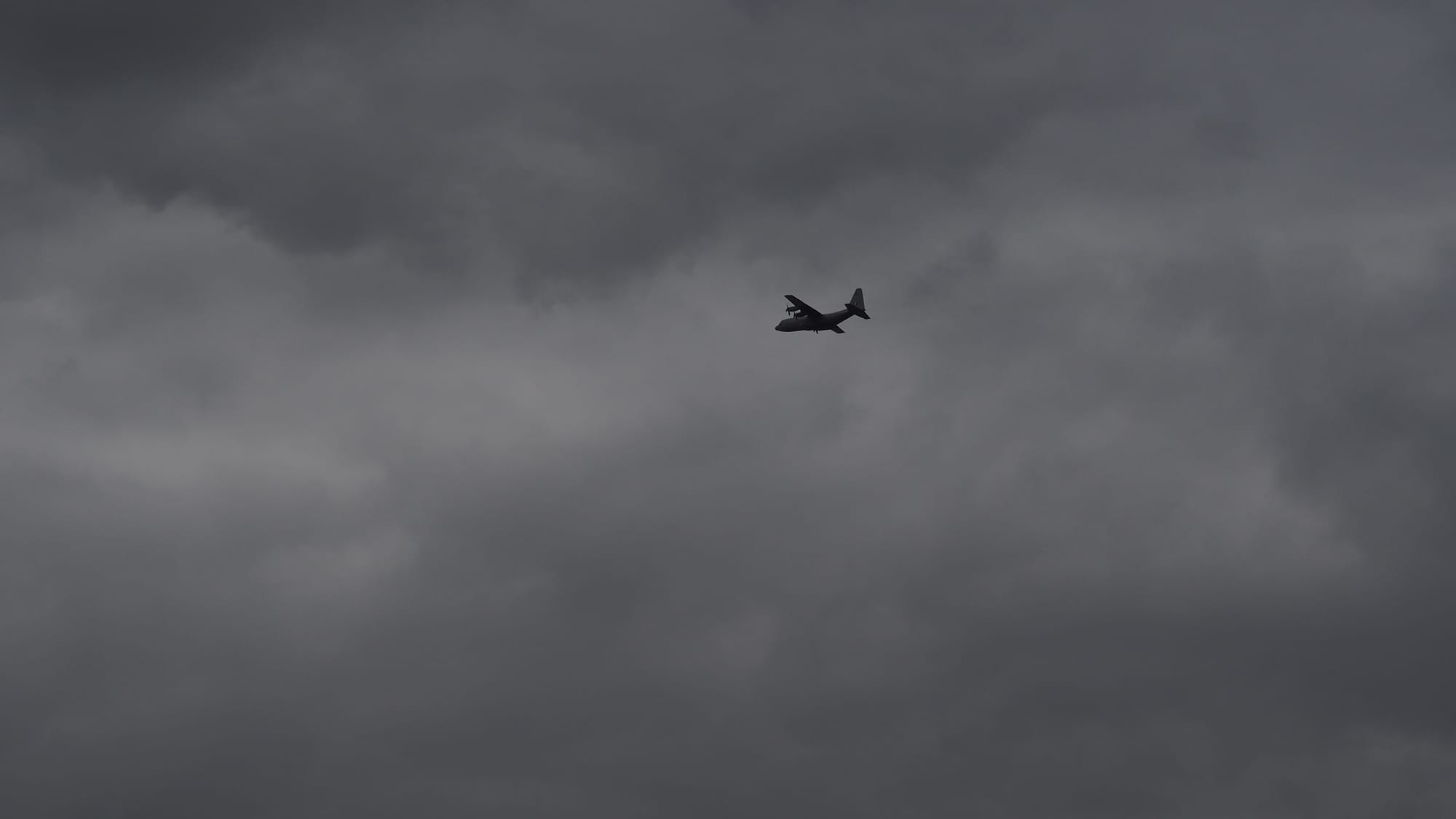
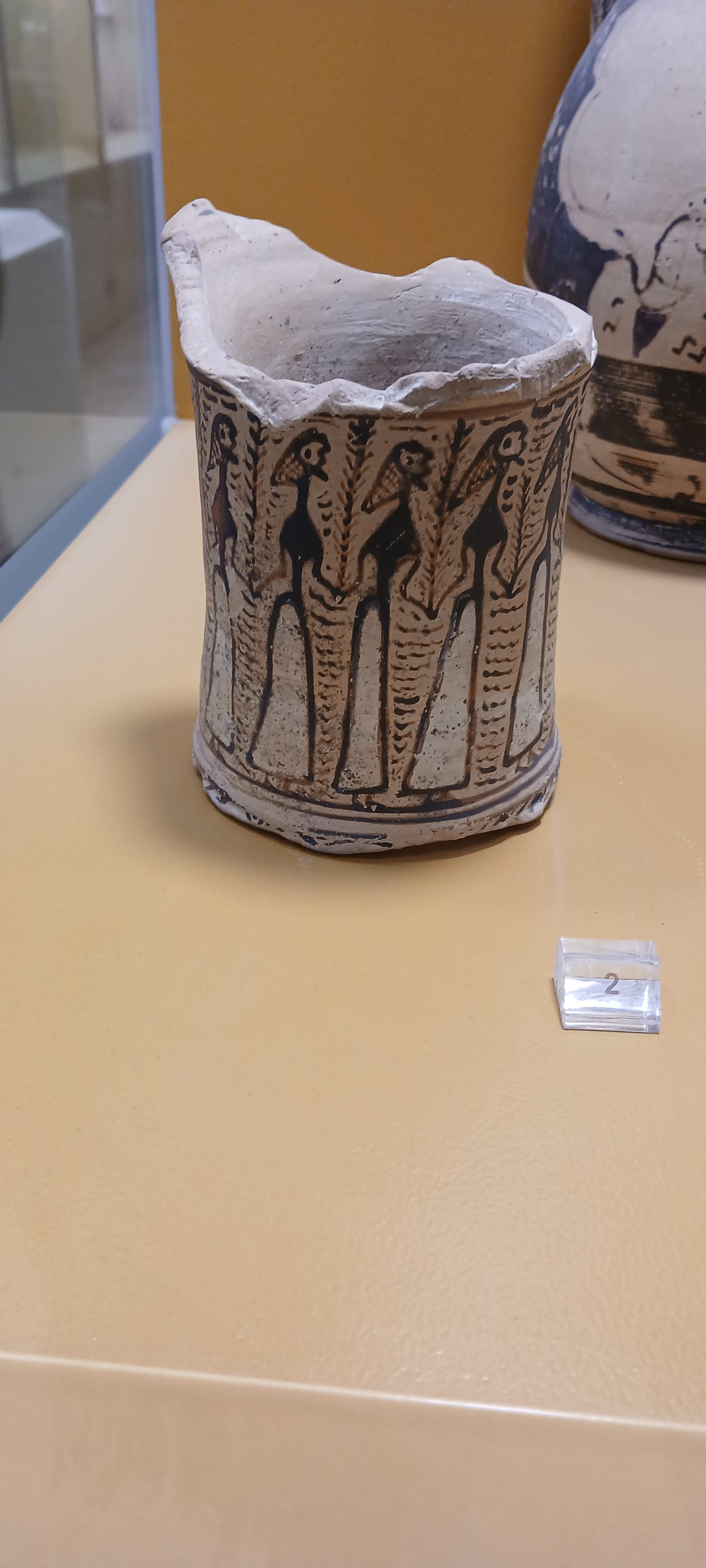
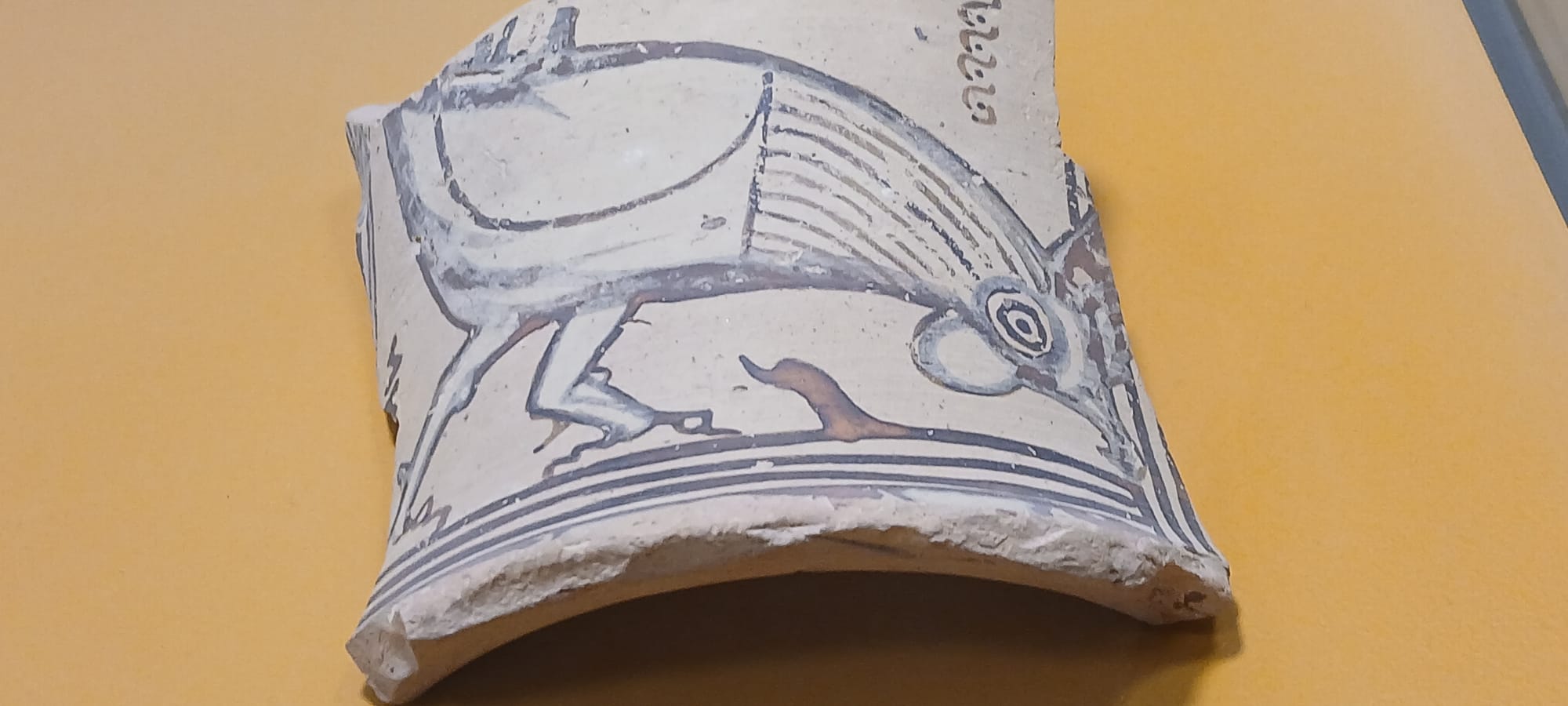
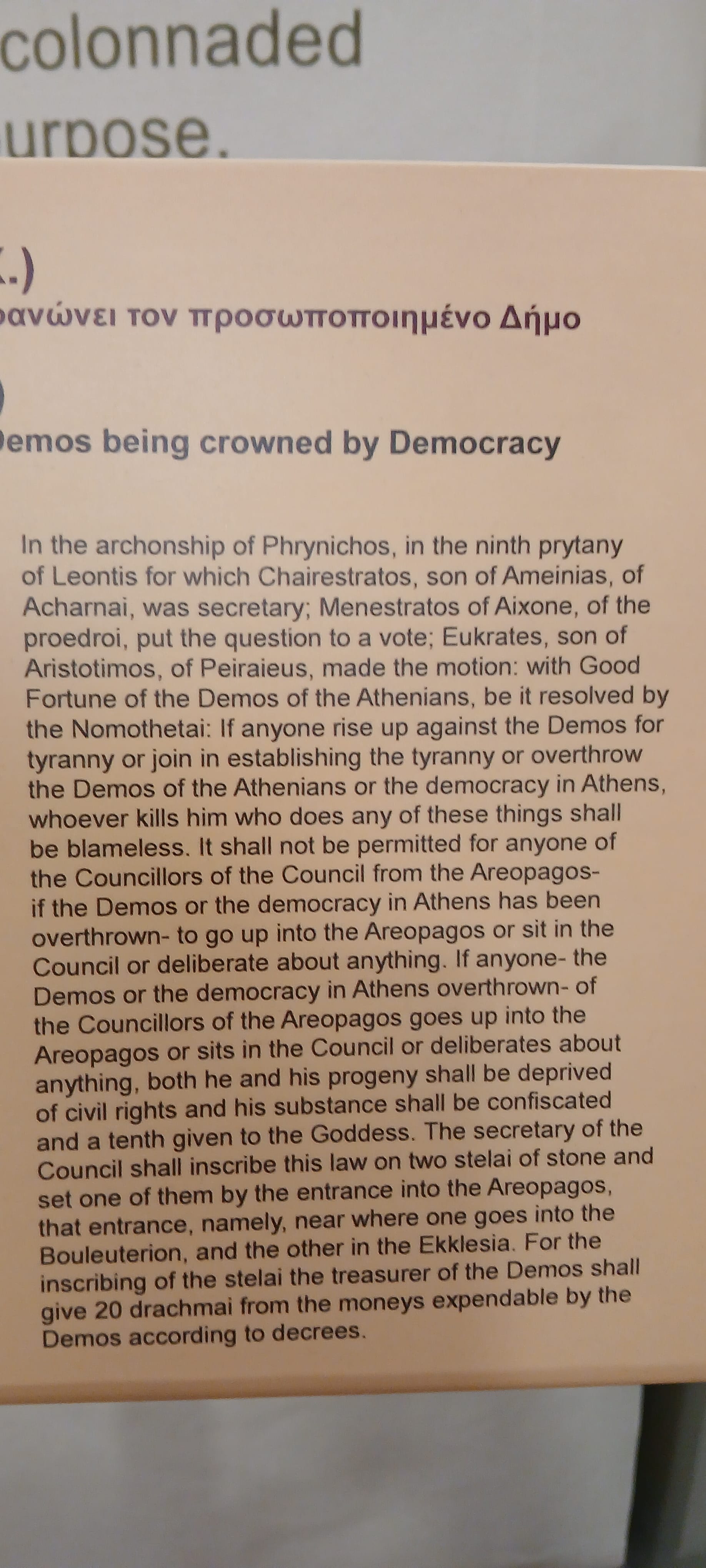
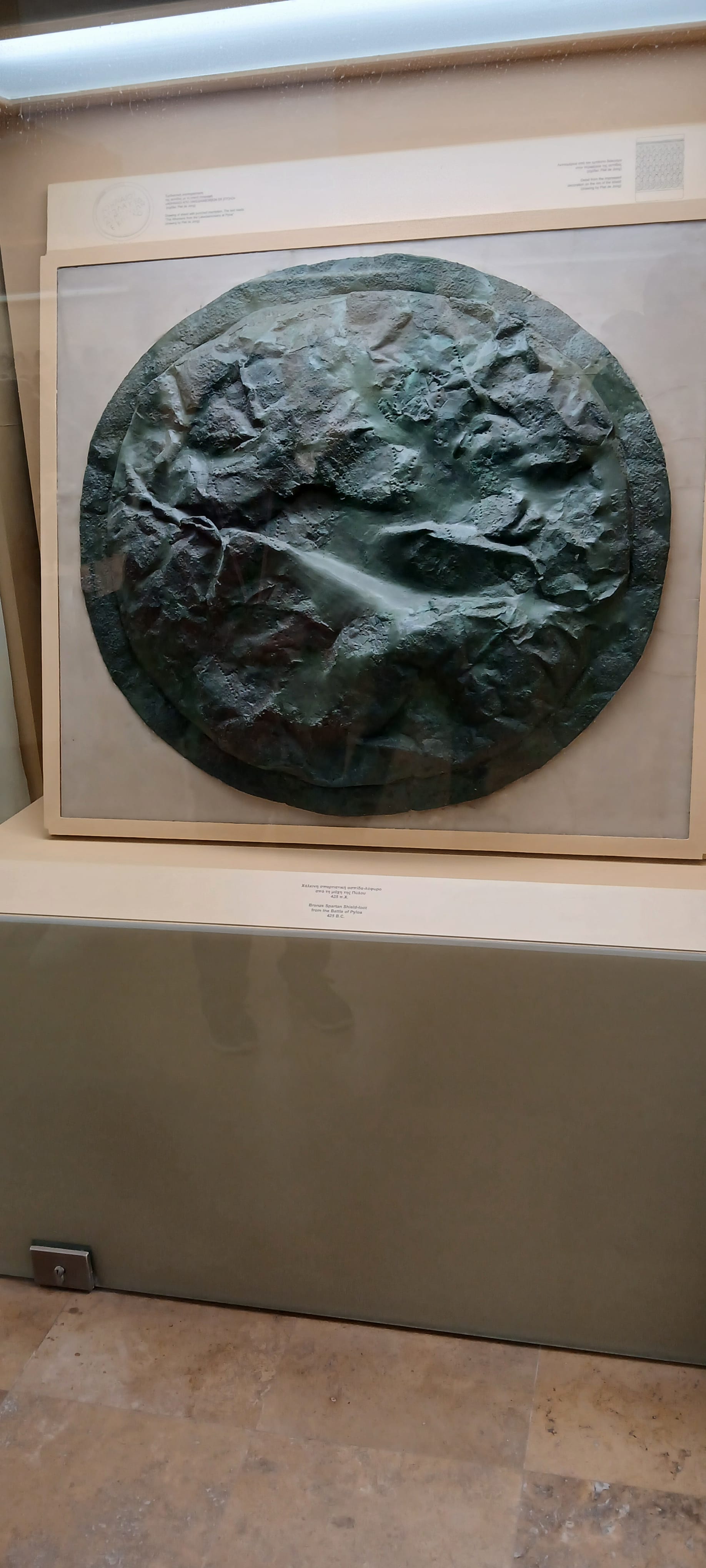
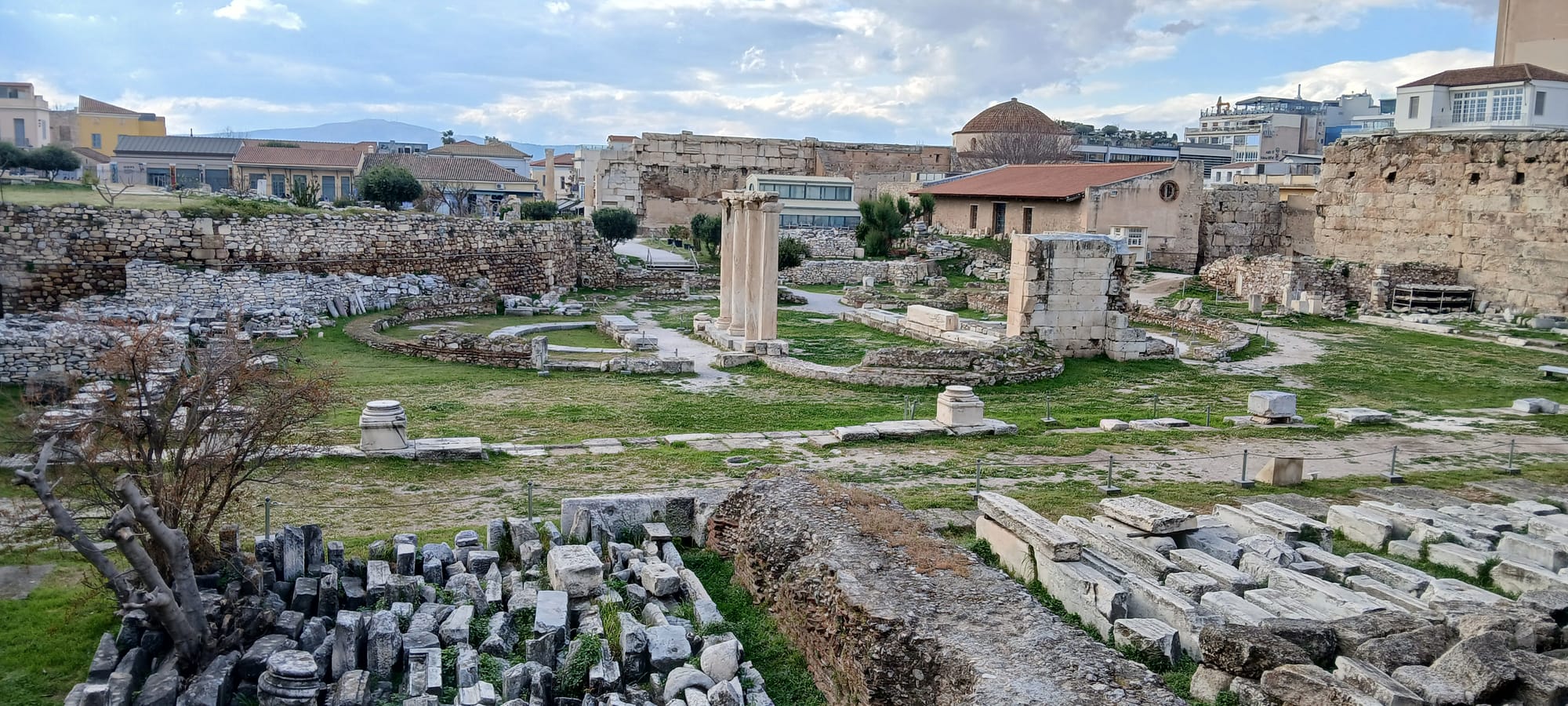
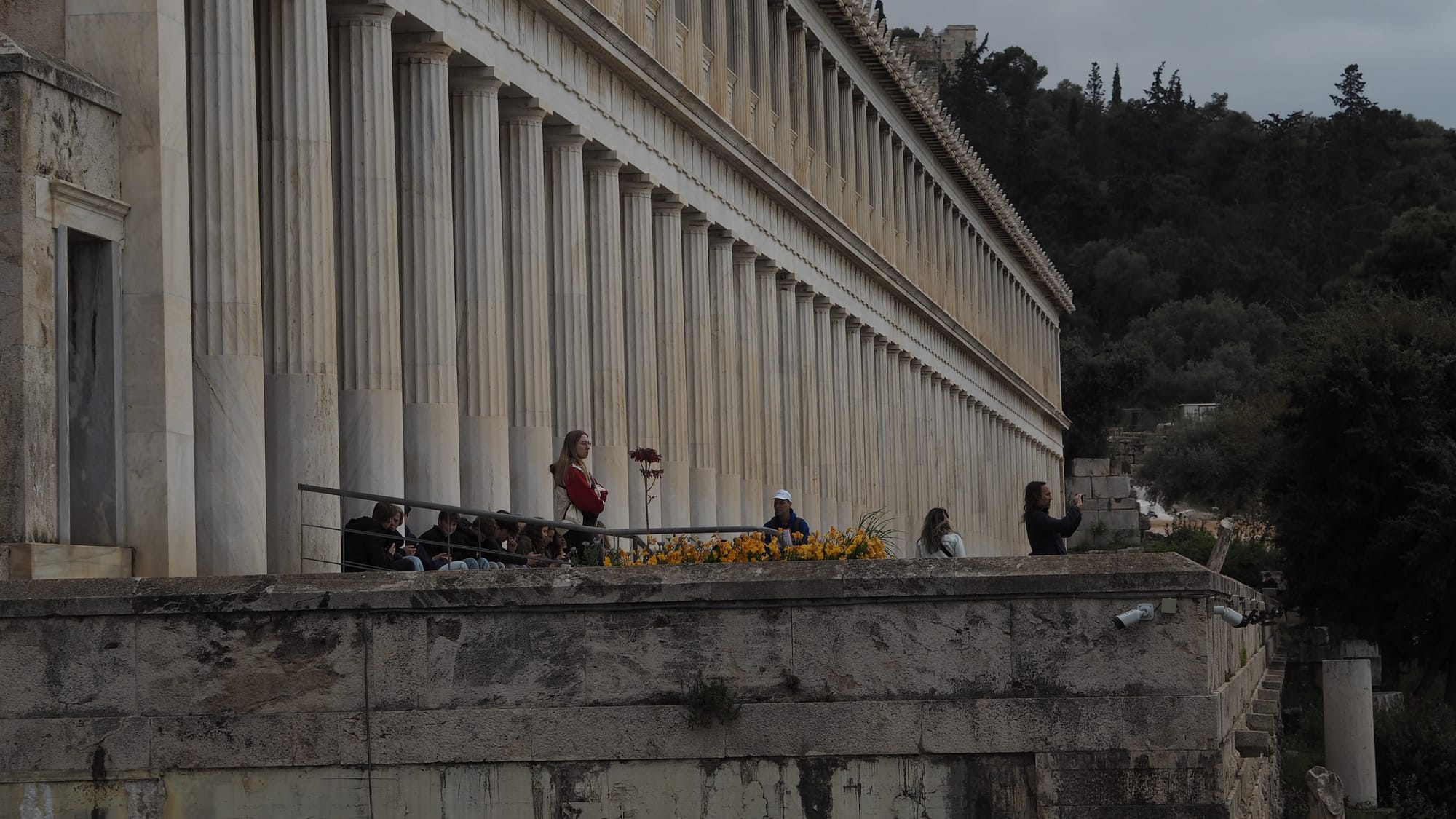
Today the Ancient Agora, open-air museum, Museum of, located in the American School of Classical Studies at Athens' 1953–1956 reconstruction of the 100BCE Stoa of Attalos, and Temple of Hephaestus (see above), boasting a centauromachy battle scene, centaur vs. soldier. Centaur vs. soldier, not citizen, note. Note the beginning of a political perception, as was also liberated at the time a philosophical perception, by and on the authority of animated text. What does this mean?
The Greek aleph-beta was the first known writing system to give a place and symbol to the aspirated letters we know as vowels, those embodying voice and animated by breath. Animated text equals writing which did not need to be spoken to have the authority of a voice. It needed neither priests nor specialised exegetes to be heard but spoke on its own behalf. A talking textuality, then, speaking to each equally. Democracy means the end of the tyranny of the representative of logos, whose word is law. Philosophy means the end of the tyranny of the representatives of the gods who interpret their sayings, who are oracular, as at Delphi. Philosophy is thought speaking on its own behalf because written. Democracy is the law, because it has the written authority, that speaks on its own behalf.
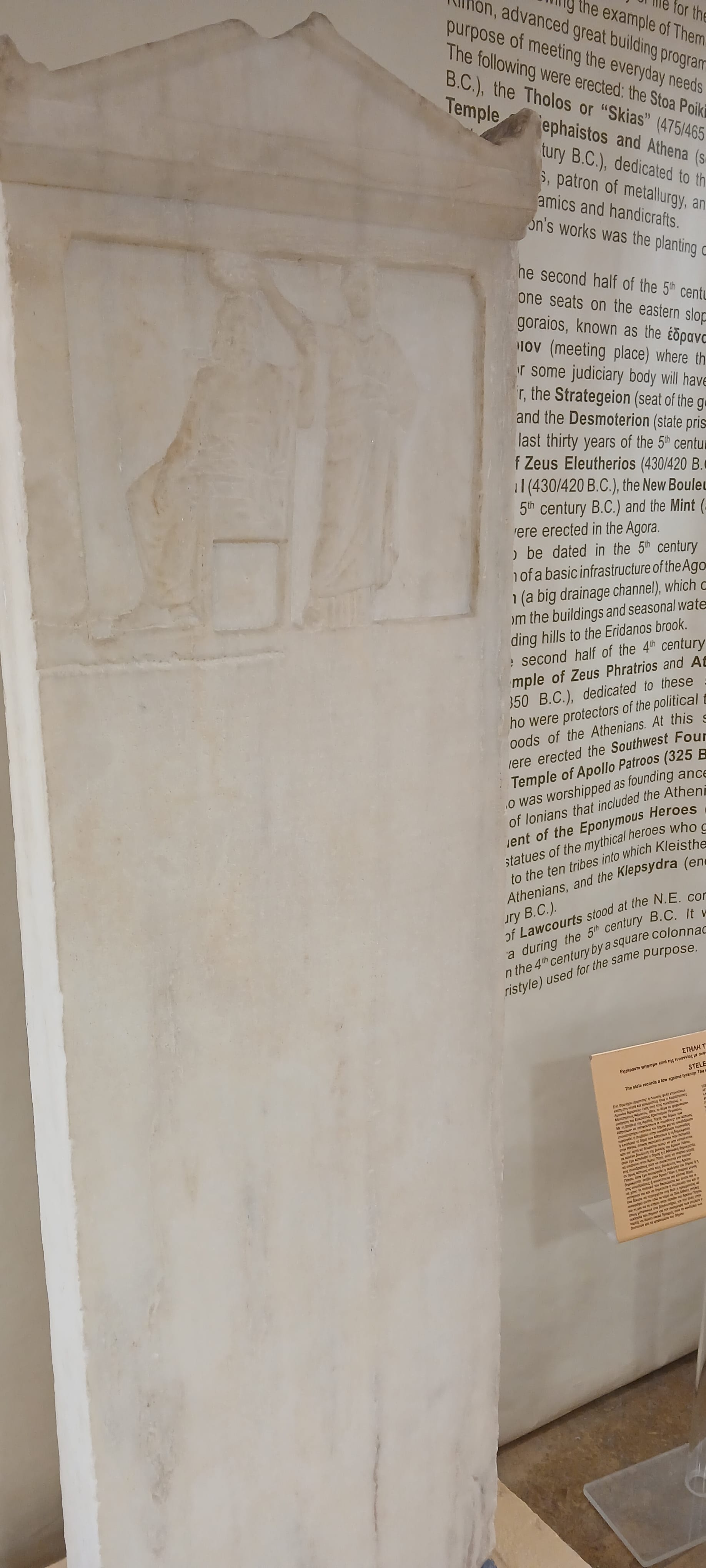
Defending the state from here on in means instead of fighting for the king fighting for the people. Centauromachy was popular for men overcoming, through struggle with it, the half-man, half-horse, their beastly element. And as some of the snaps show, like the self-government of being equally for the law that was for all equally, the people could be given in a single figure, the Demos. I wondered about how we would represent this figure now.
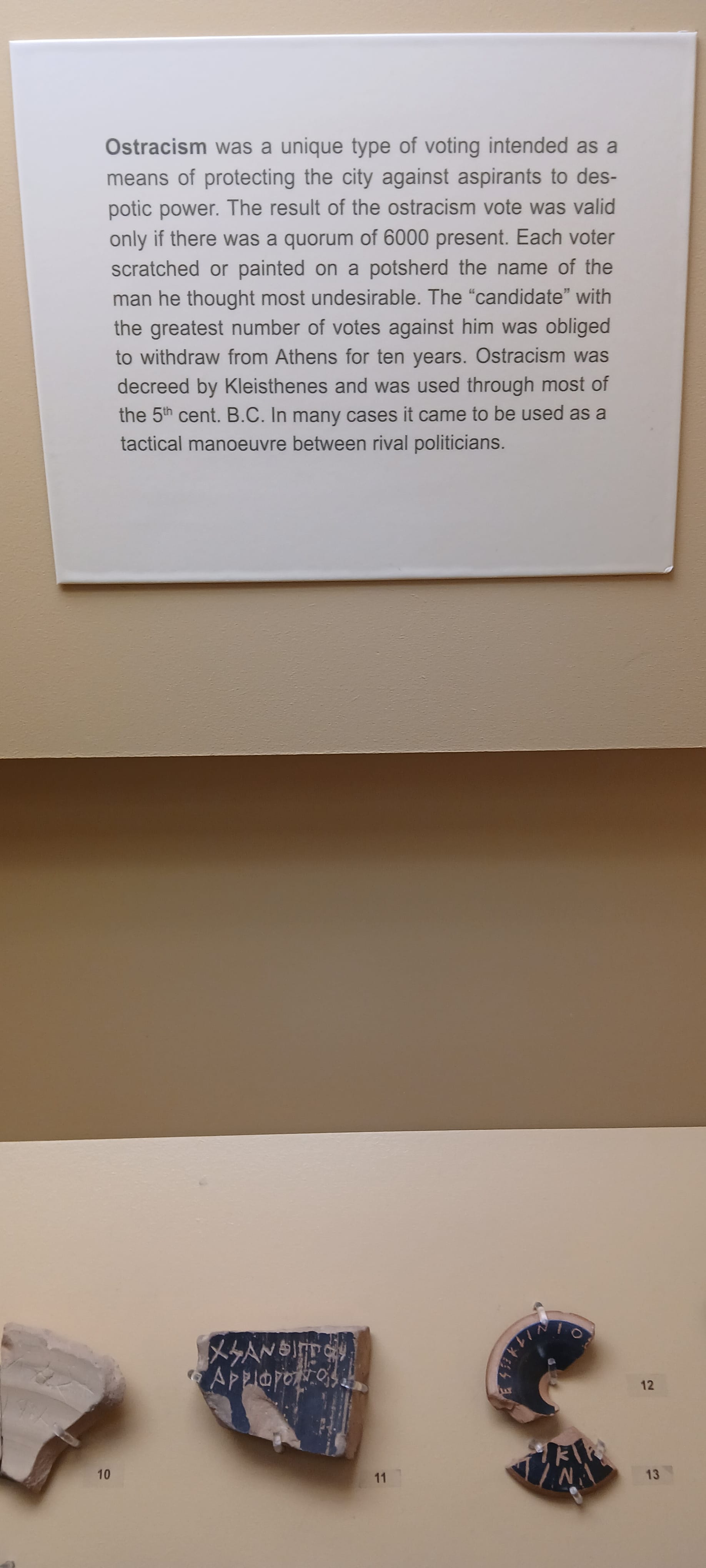
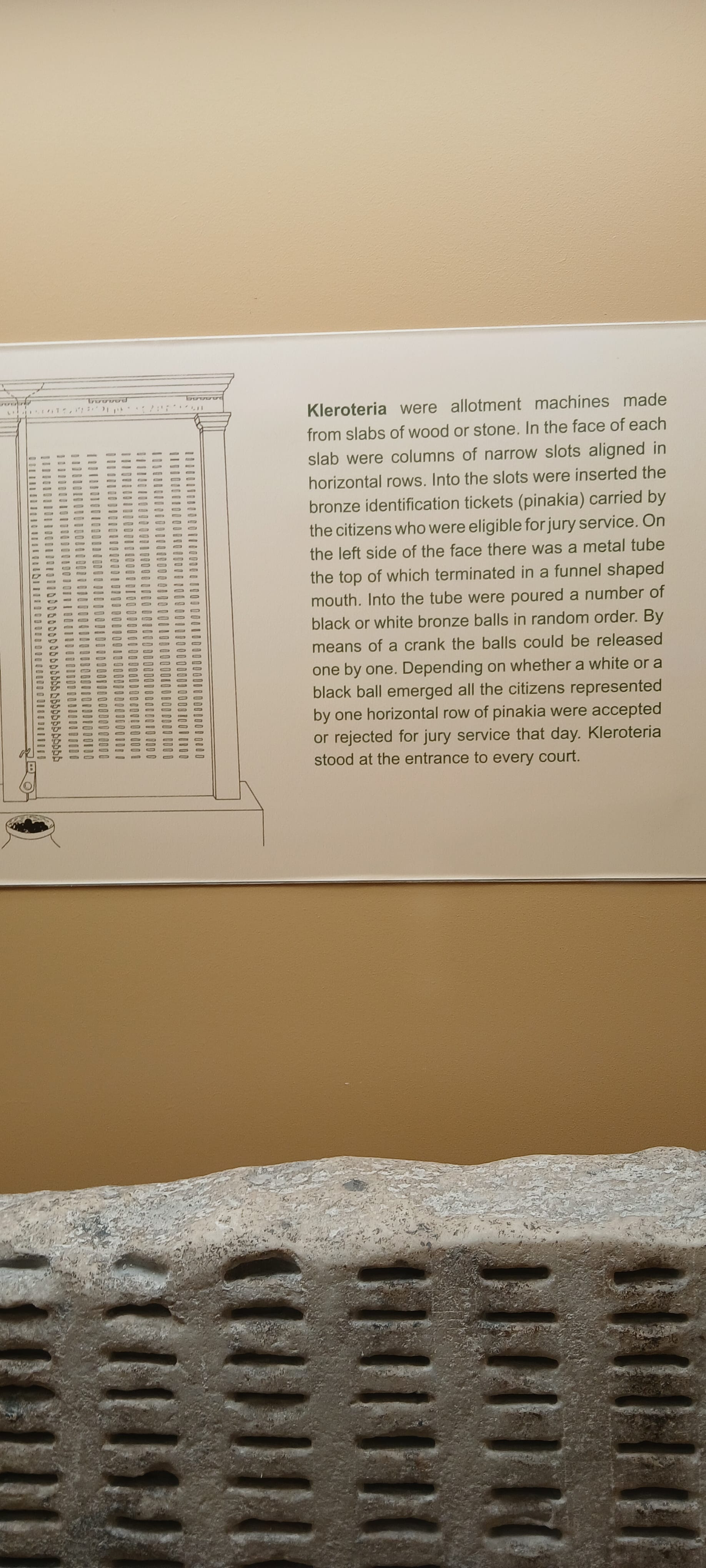
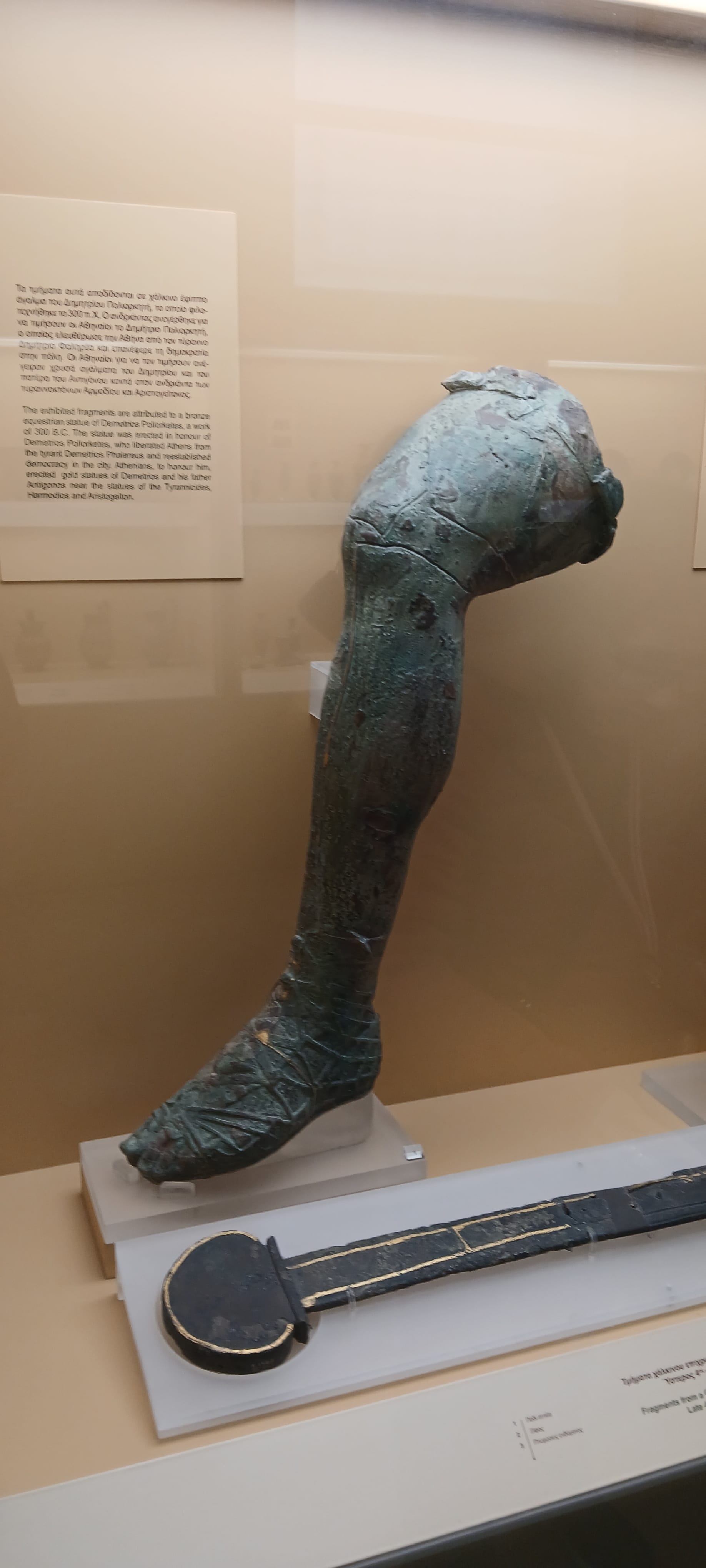
Other themes for thought came up for me during the visit, which, like that to the Acropolis and slopes, cost €20 each (the 5-Museum Pass having been discontinued). Colonisation, that of Greece and Athens by Rome and the Romans, who used the achievements of the Greeks, particularly in Athens, for propaganda purposes, inserting their own leaders into a political lineage, in which, because it tended to democracy, members of the Roman Republic, they did not belong. Tyranny: democracy's reason for being was to stop the rise of tyrants, to stamp it out before it occurred. Ostracism was a way to remove would-be tyrants by expelling them bodily from the state, placing them in exile, and not letting them back in until 10 years had passed. Machinism: political machines were invented in Ancient Greece and enlisted to support the political system.
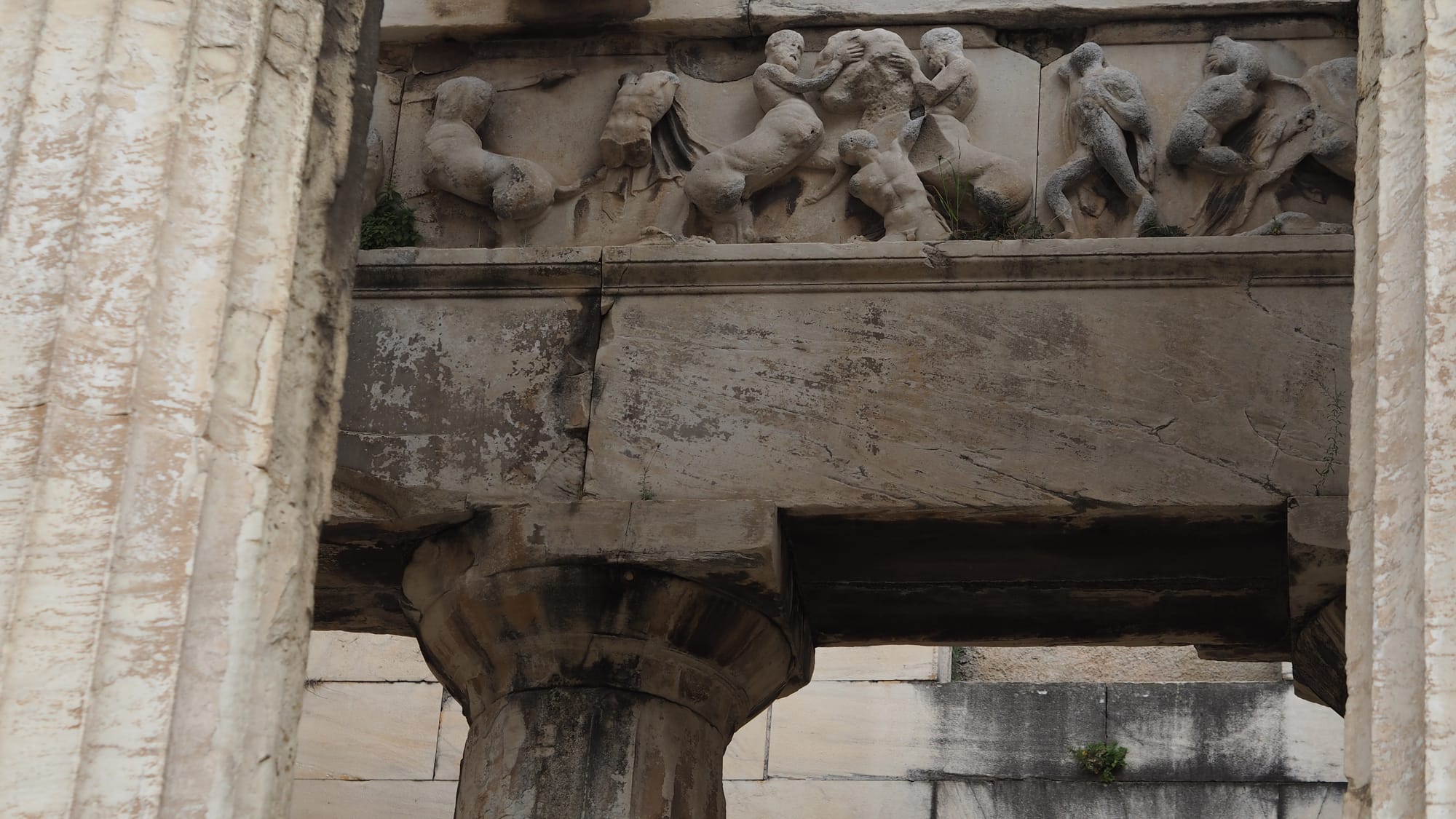
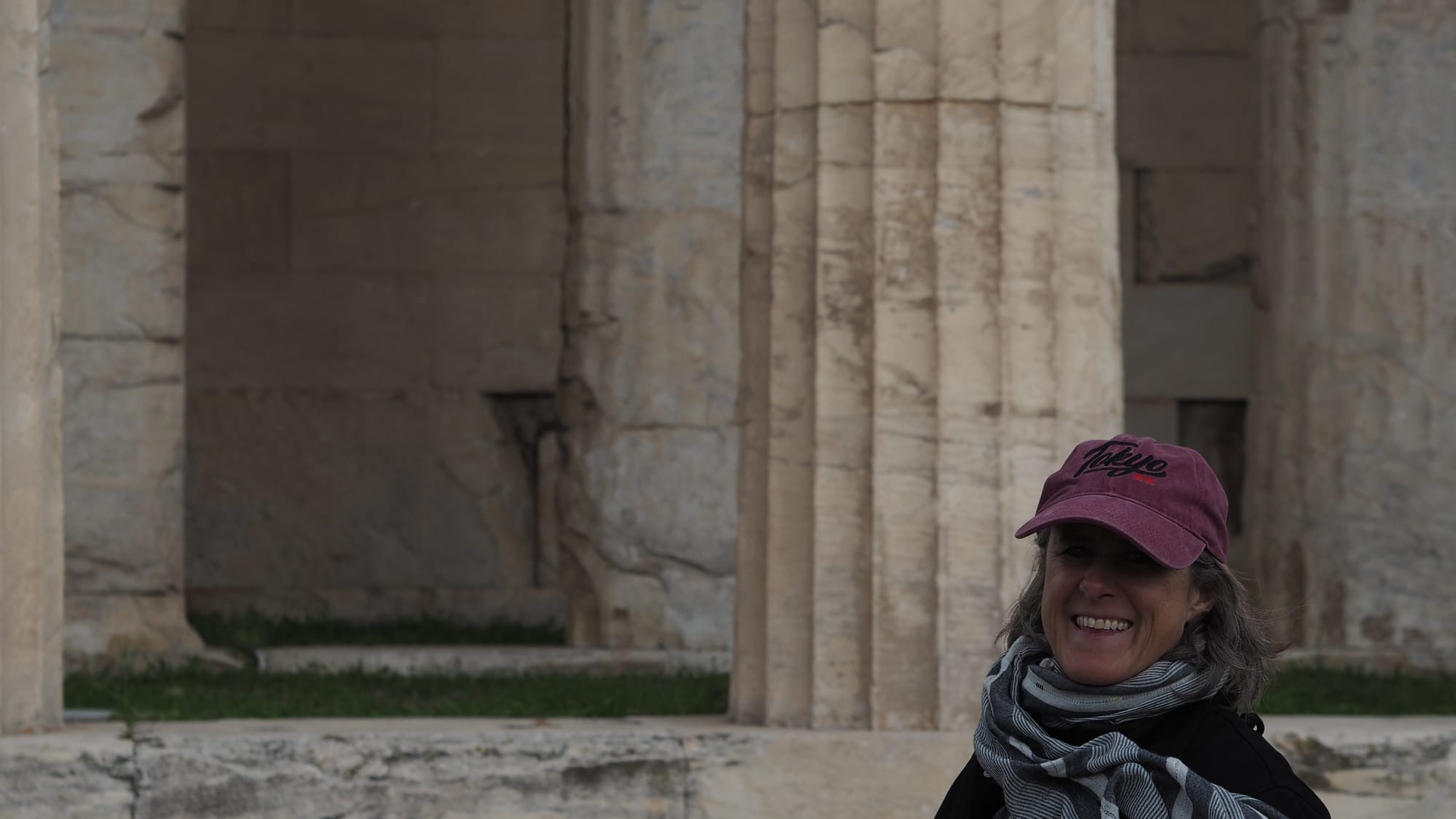
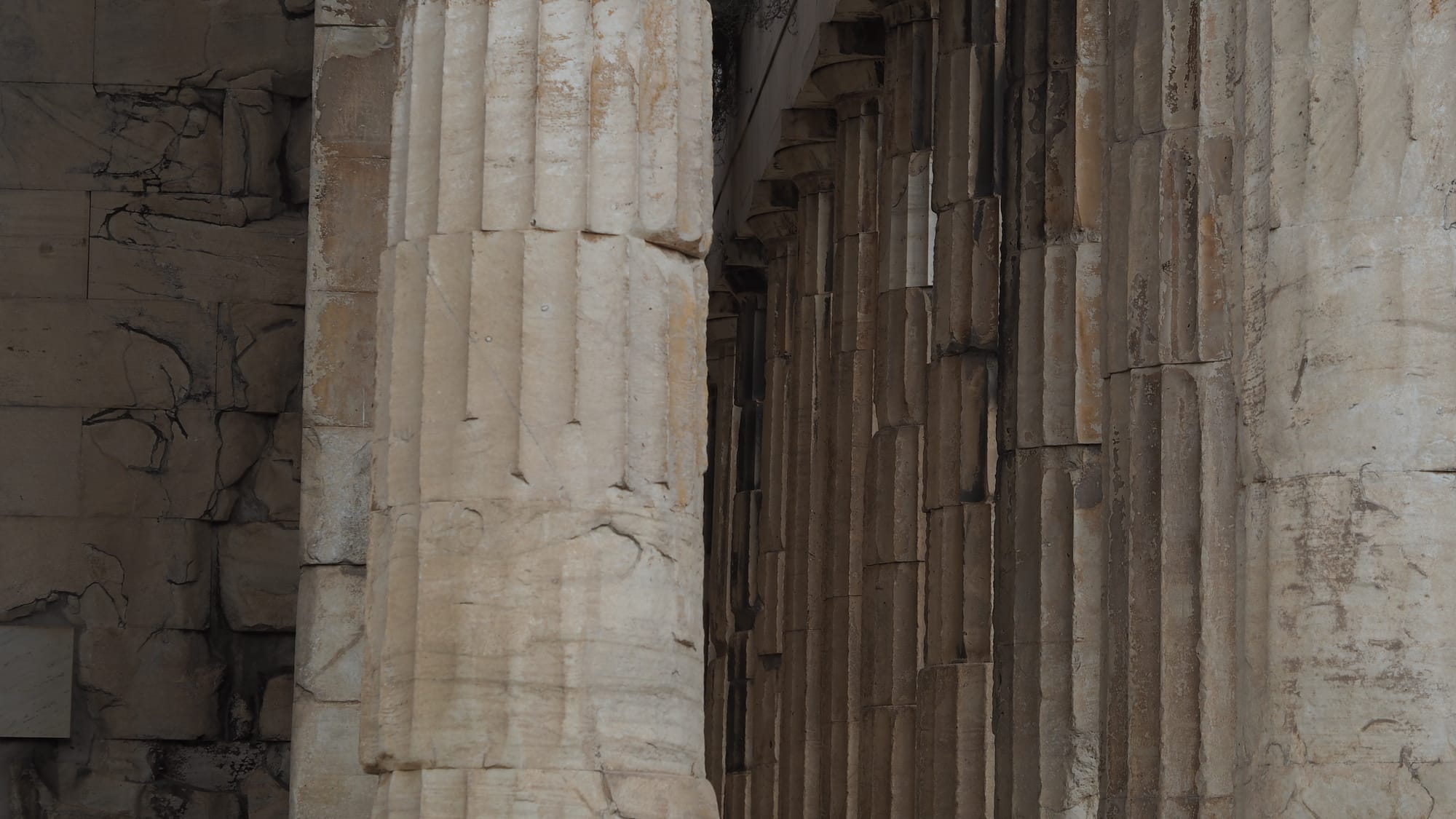
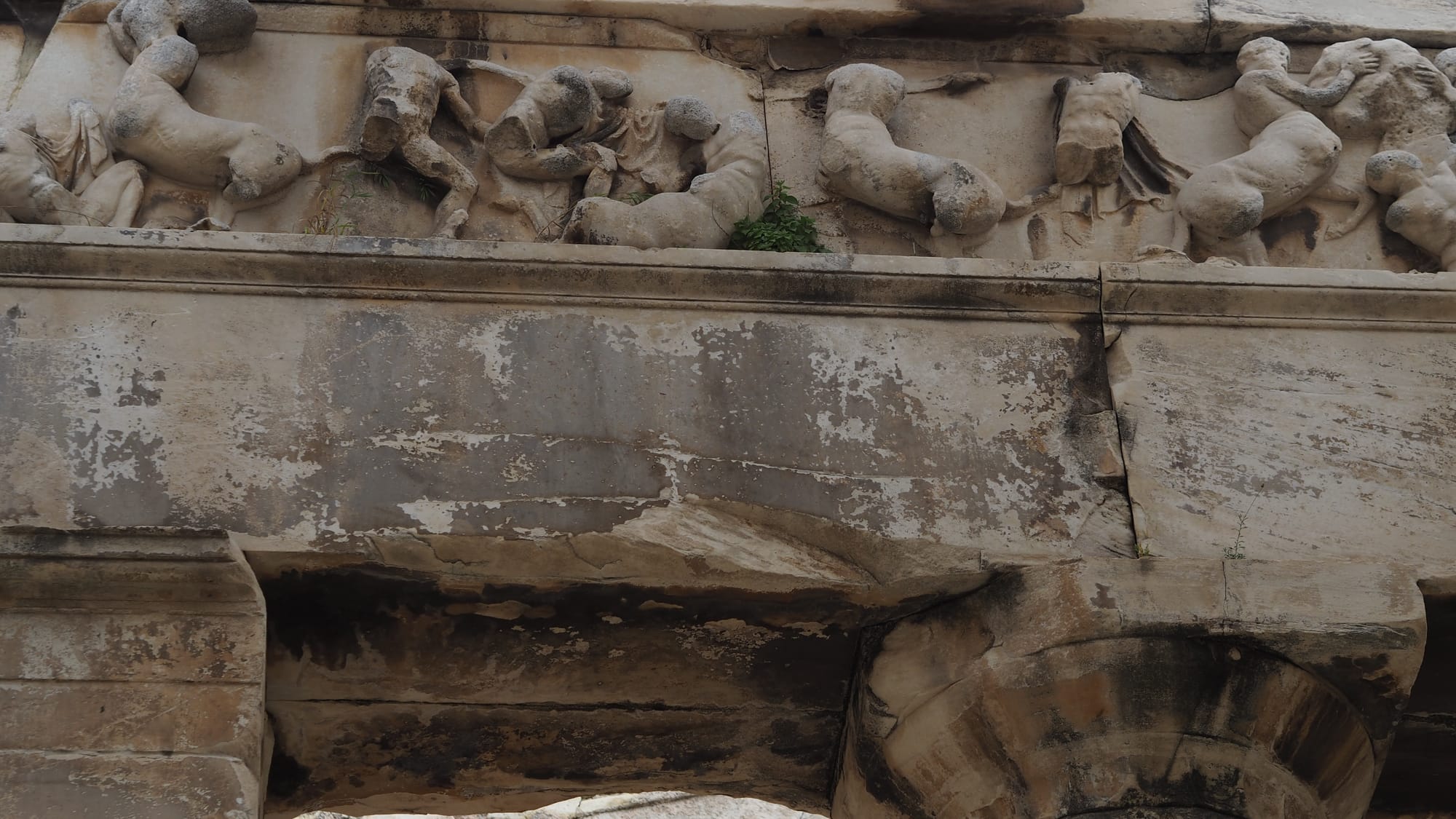
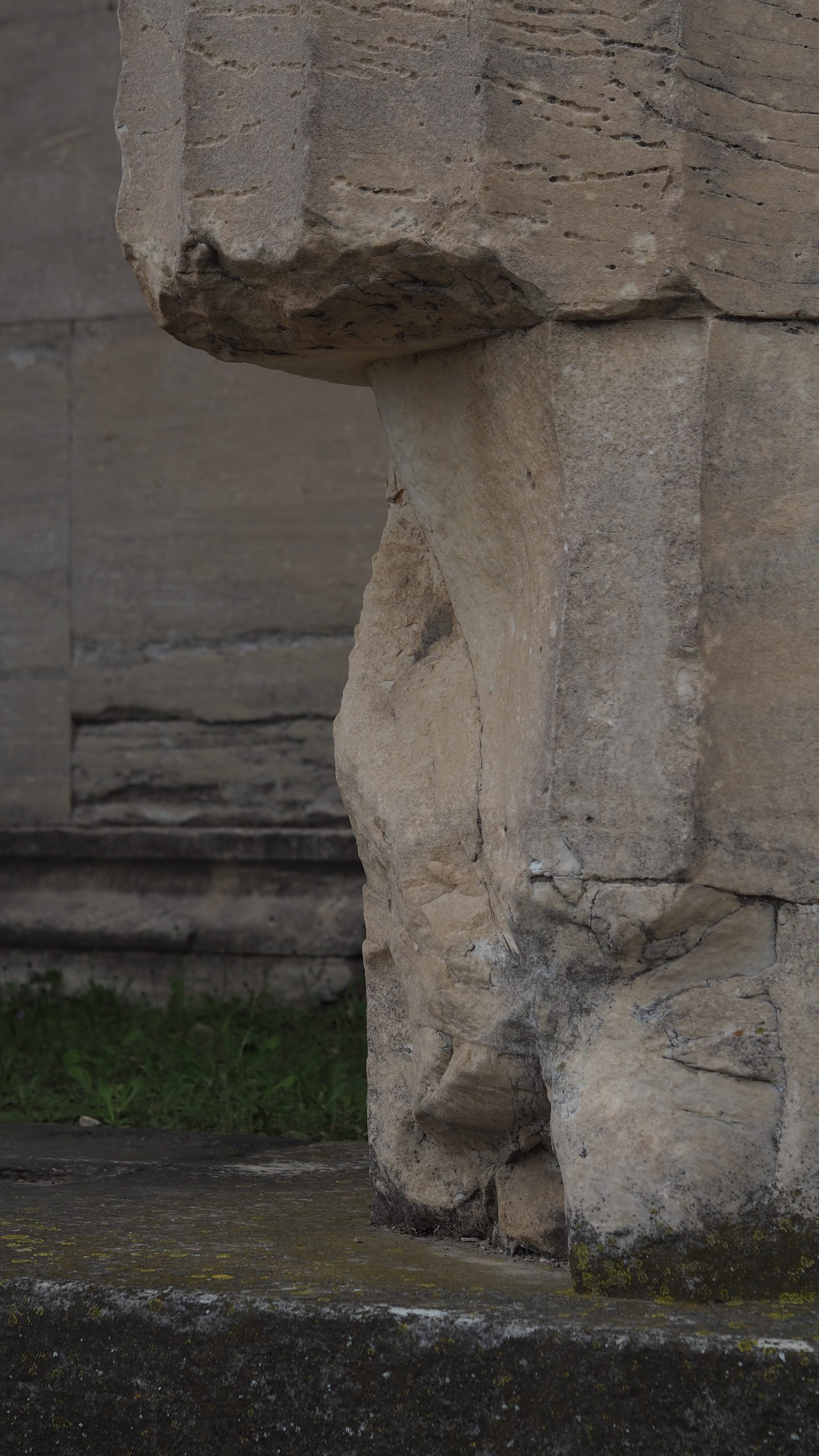
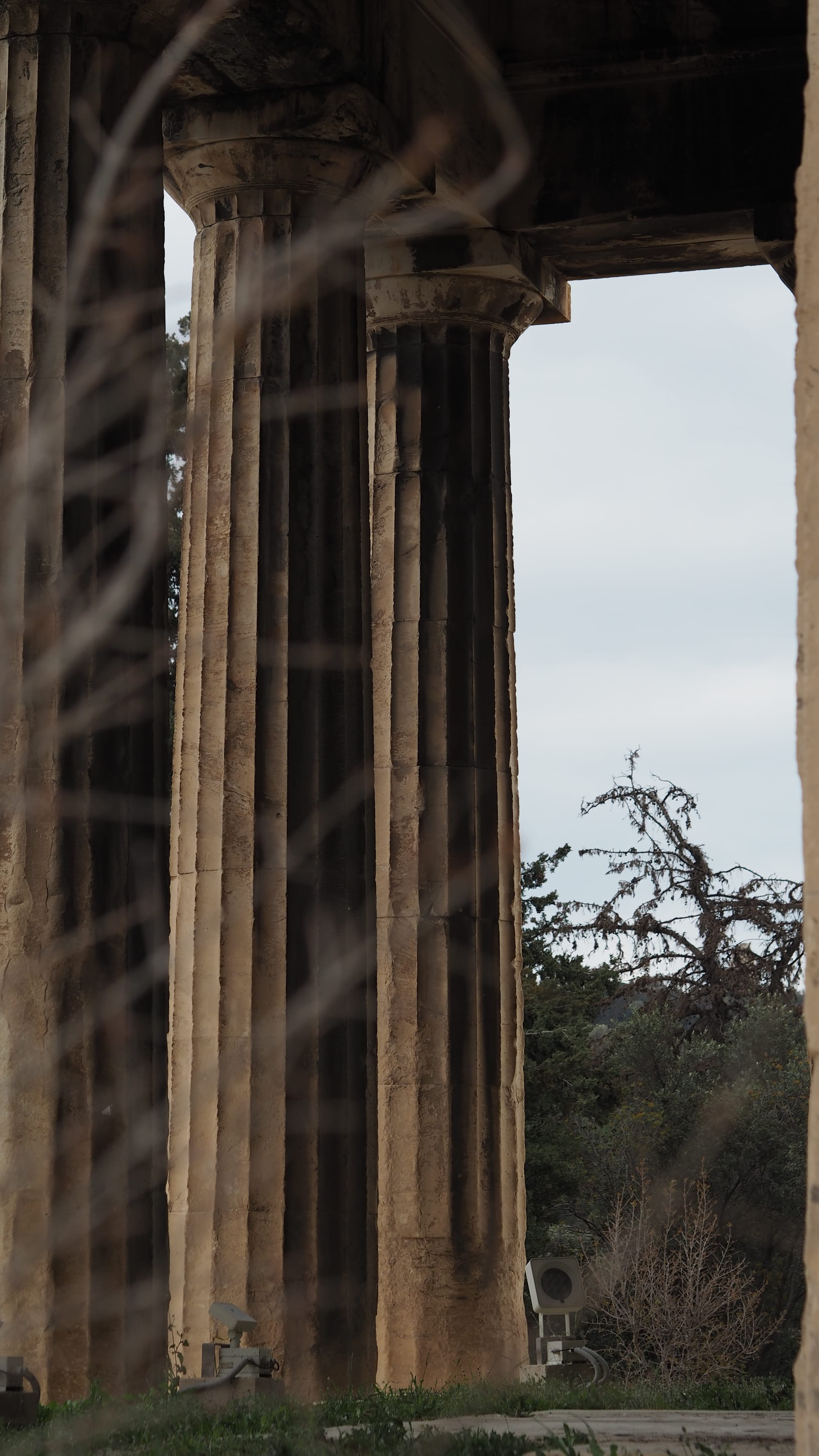
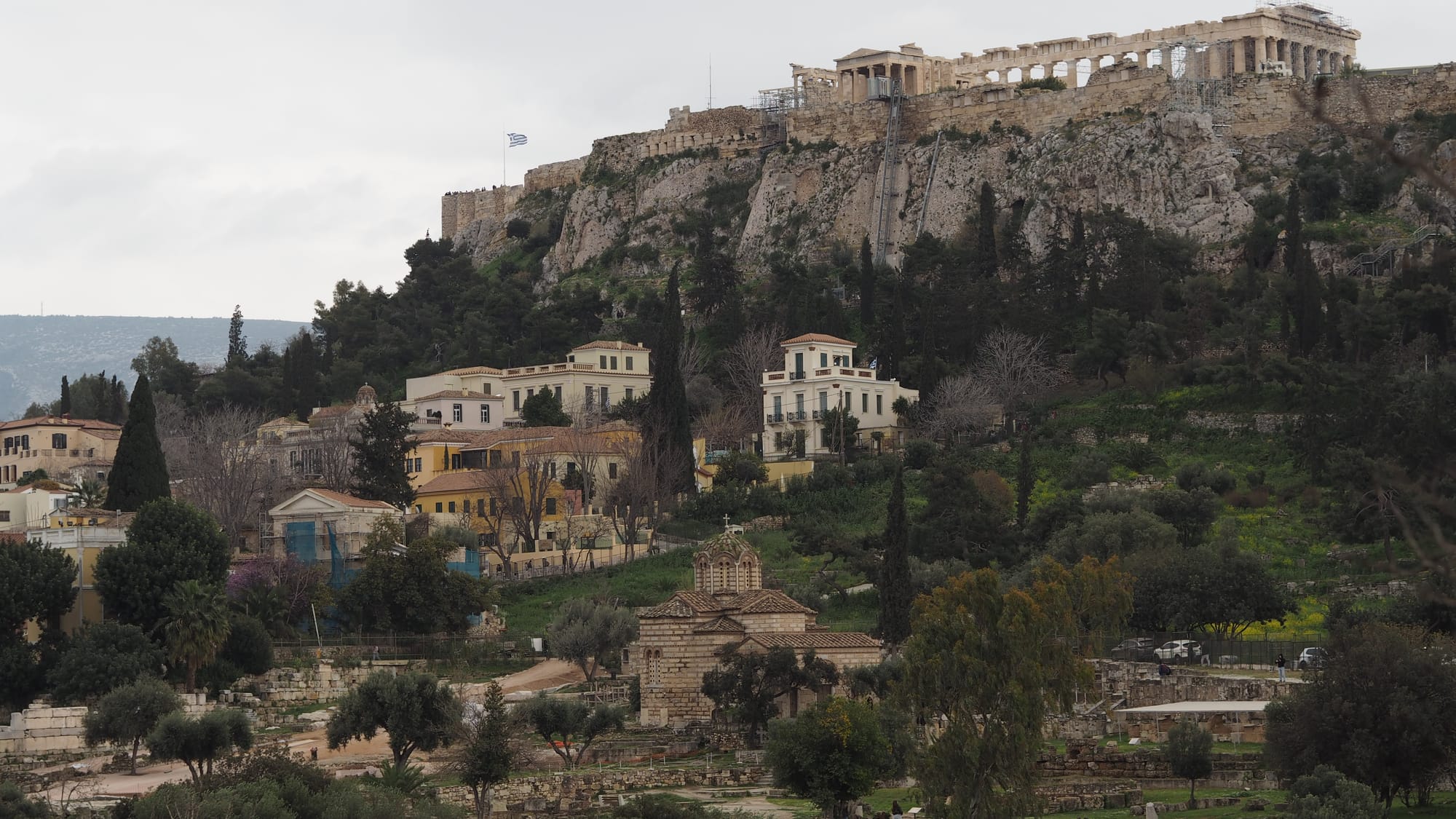
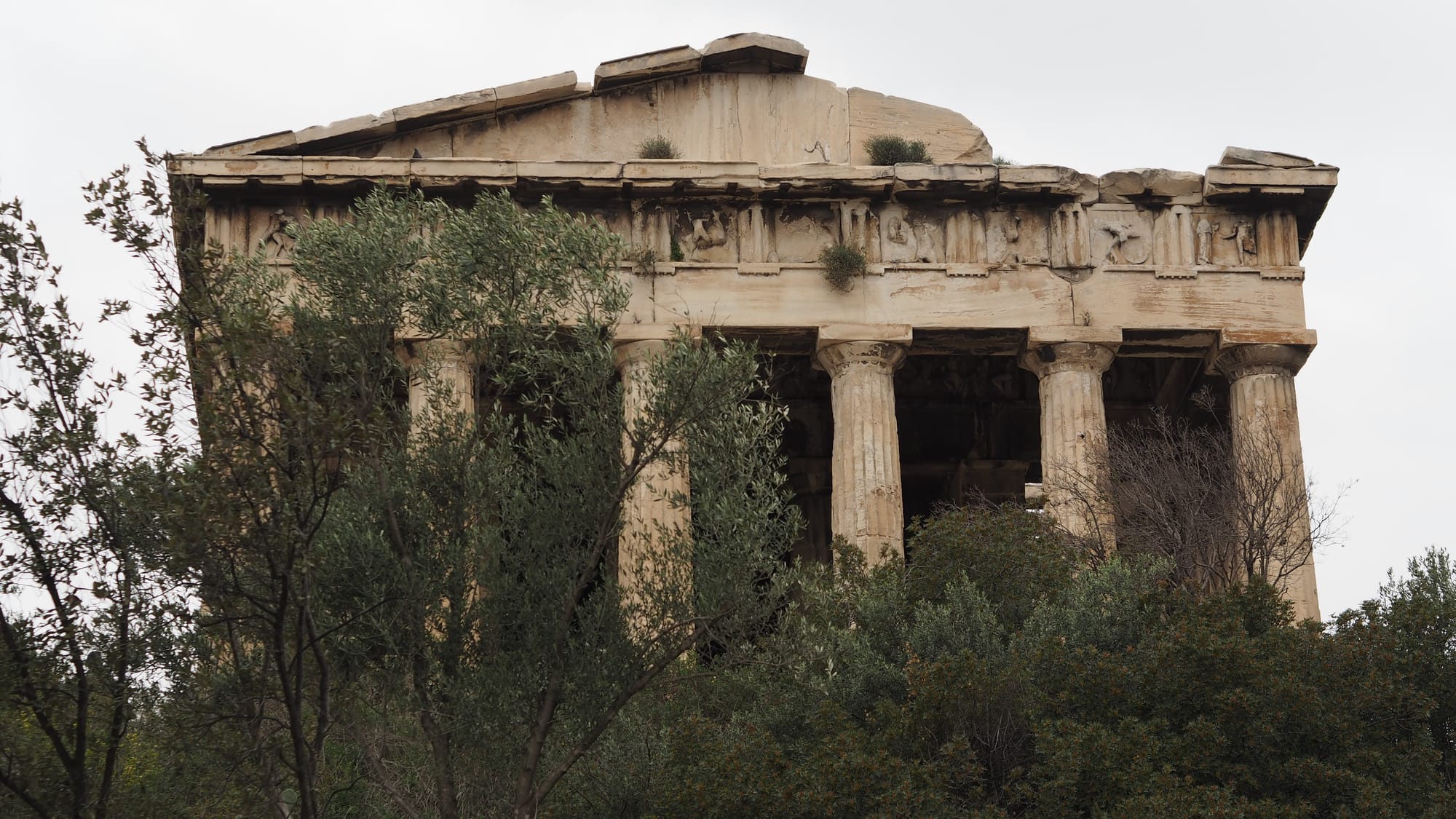
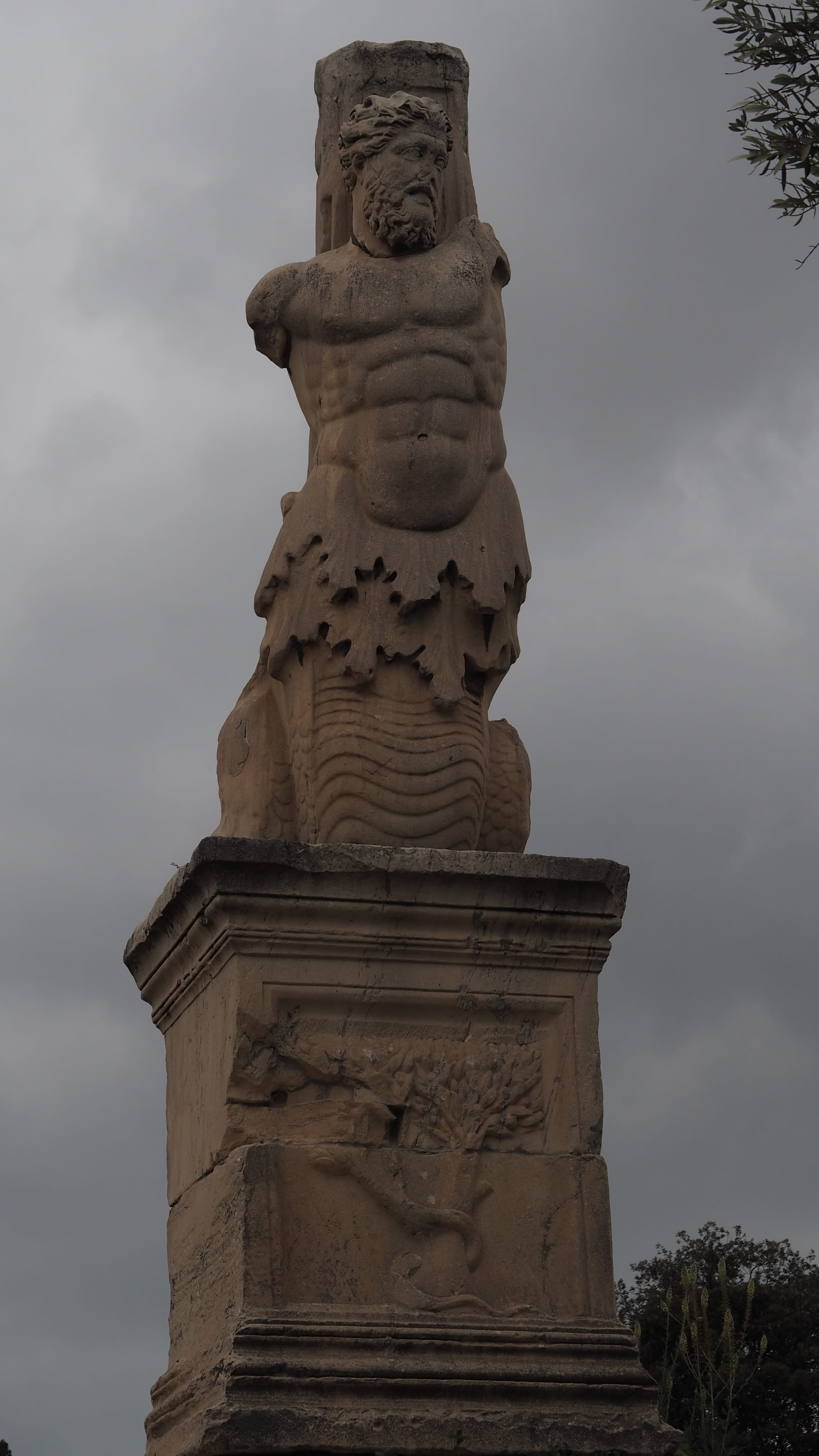
- at and from the Temple of Hephaestus
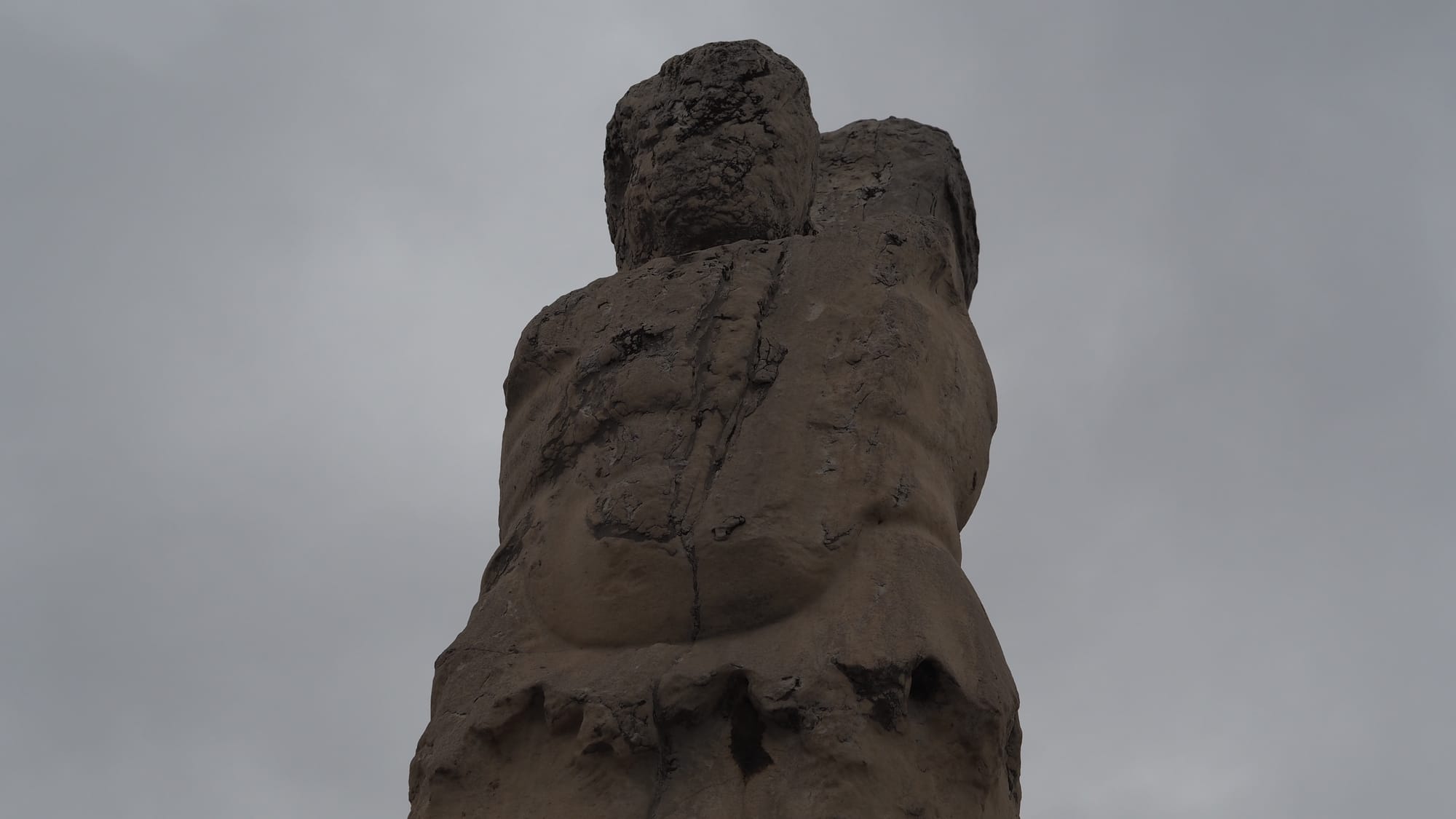
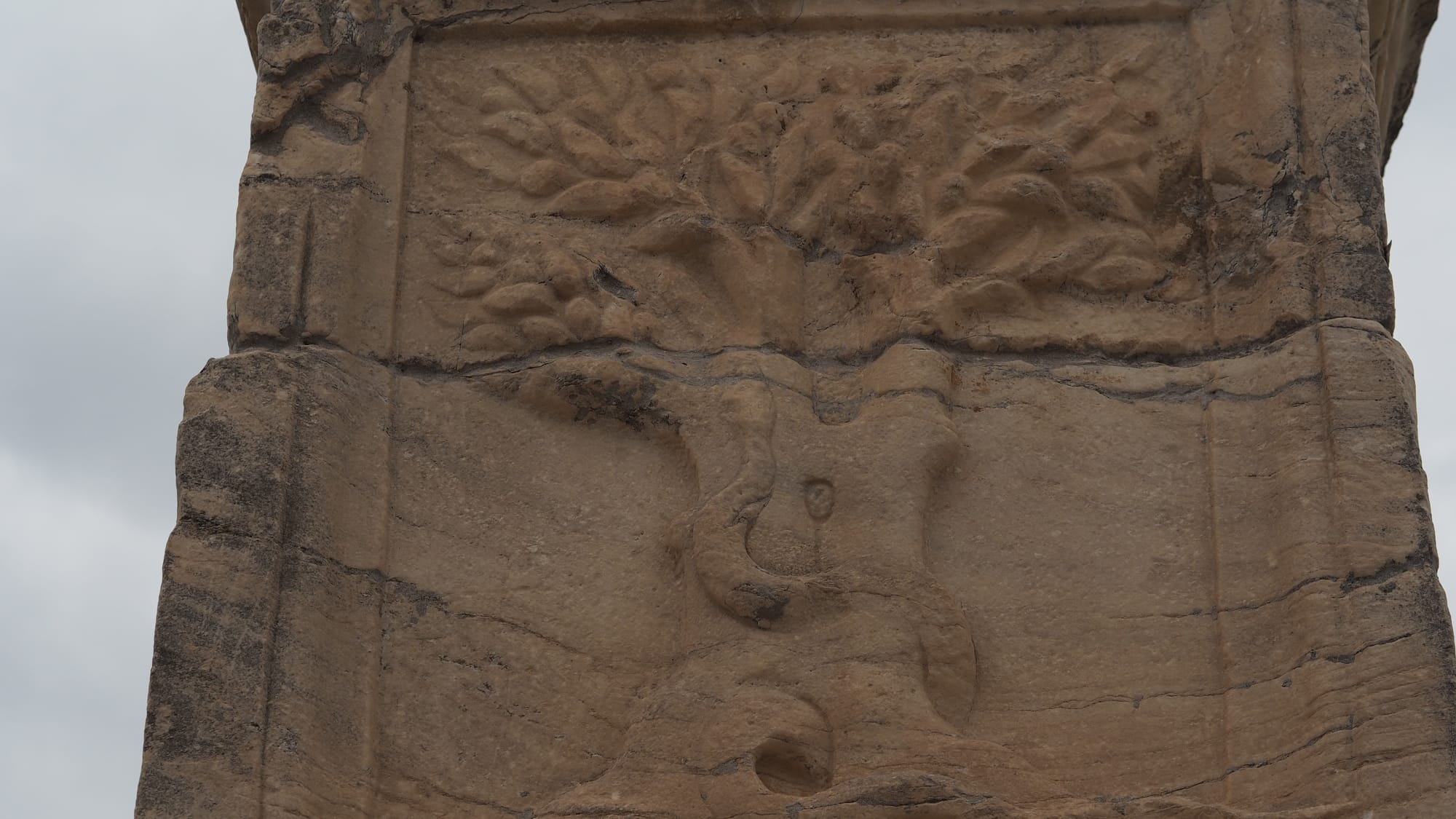
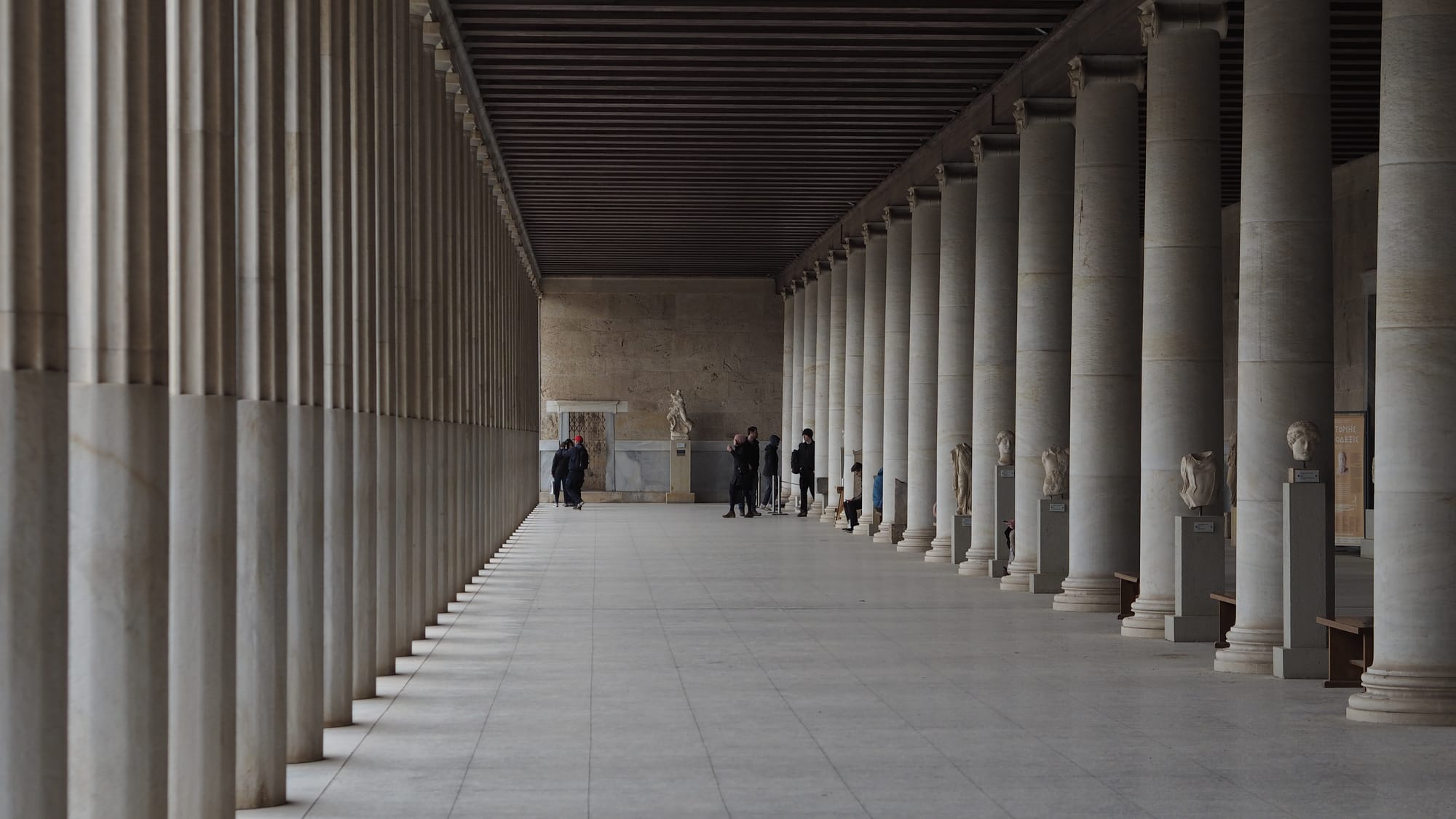
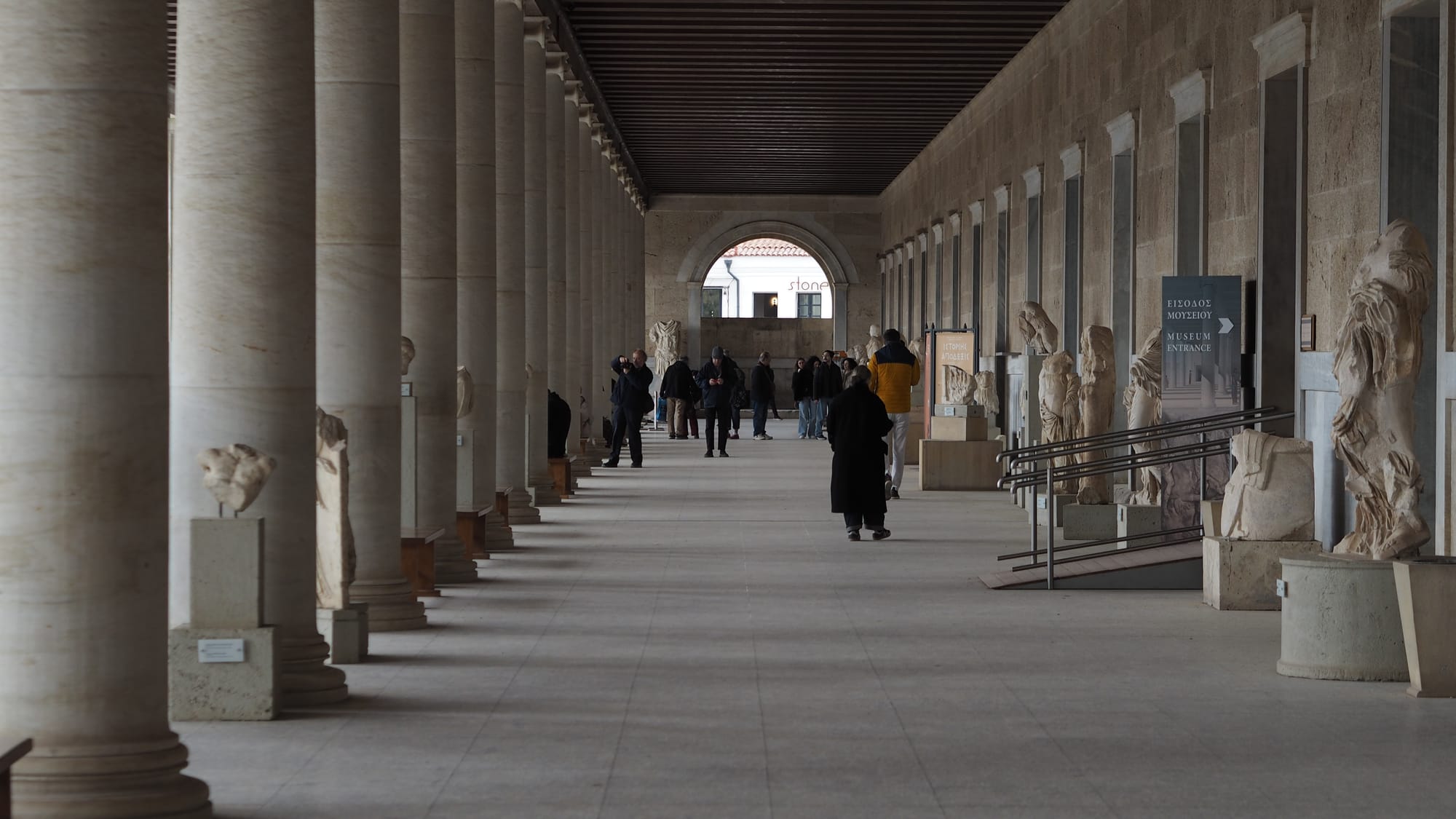
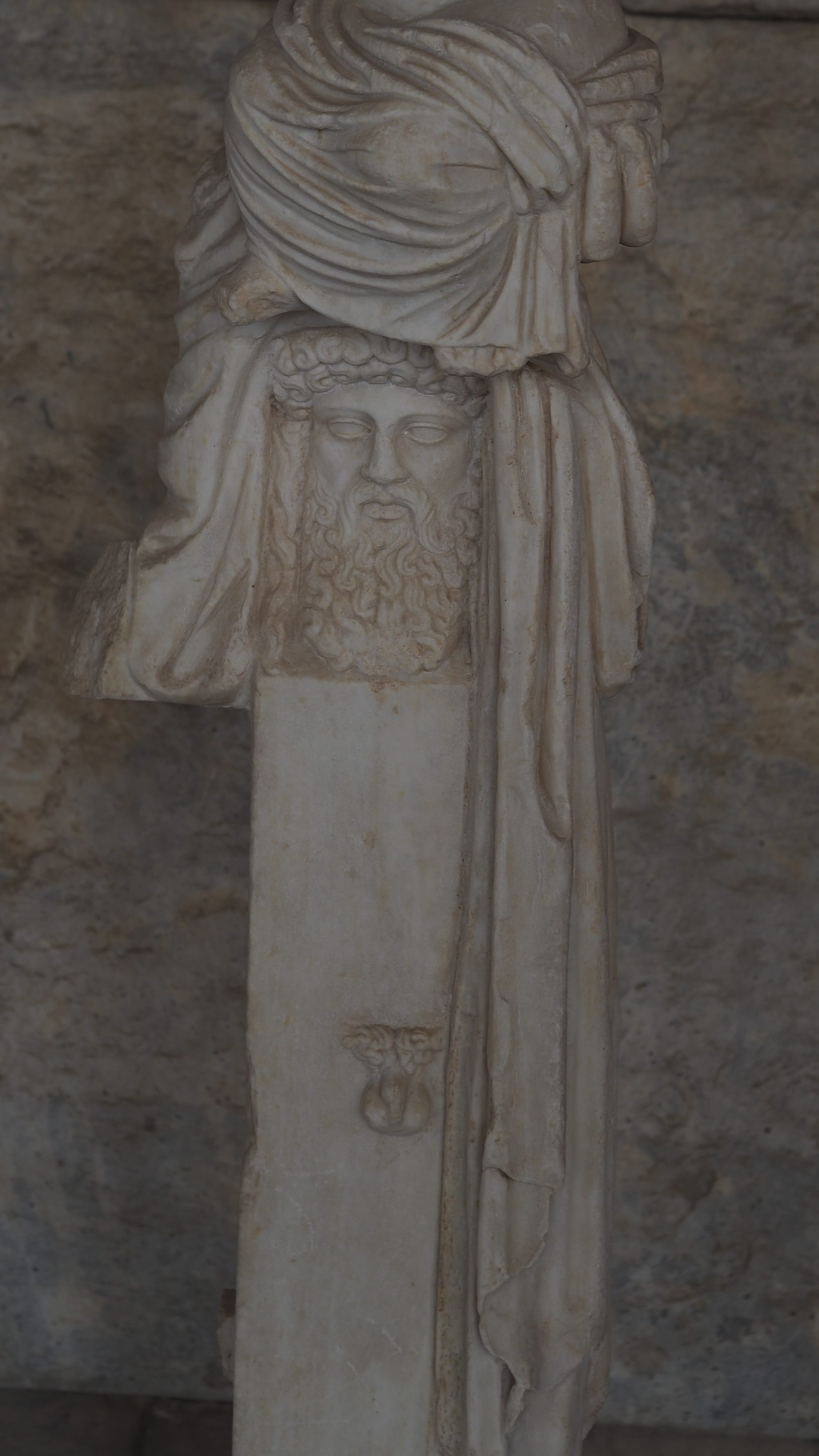
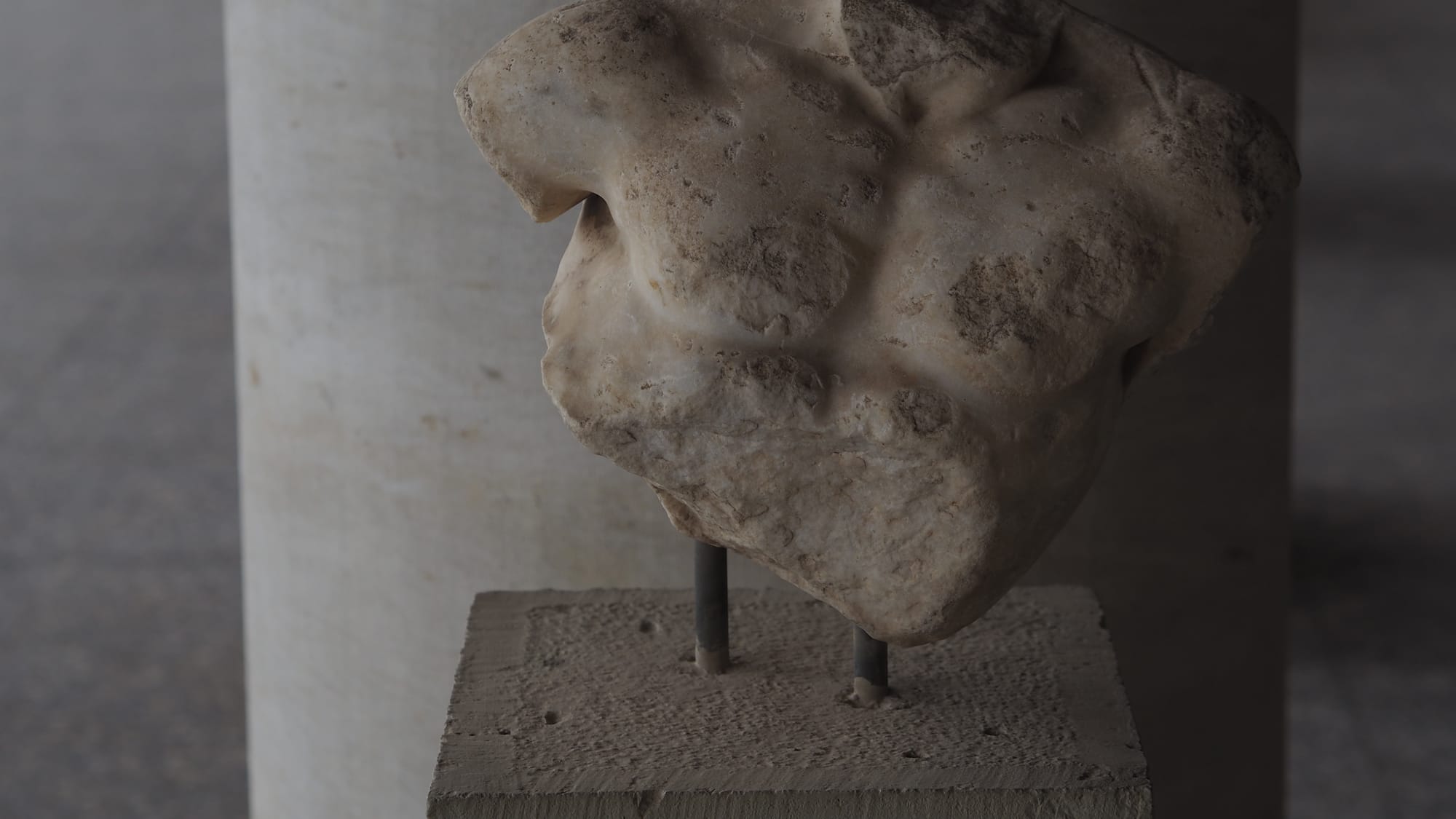
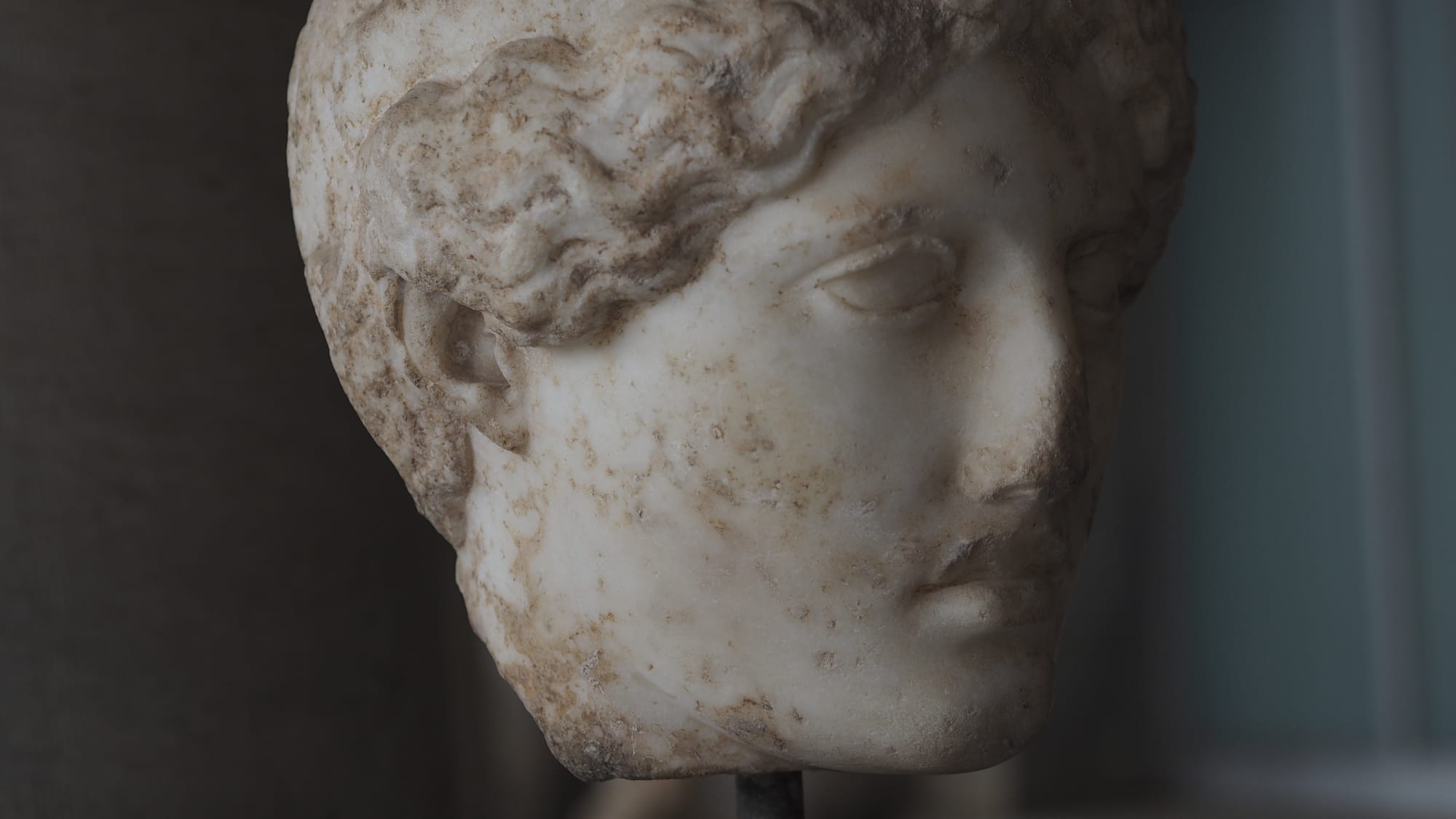
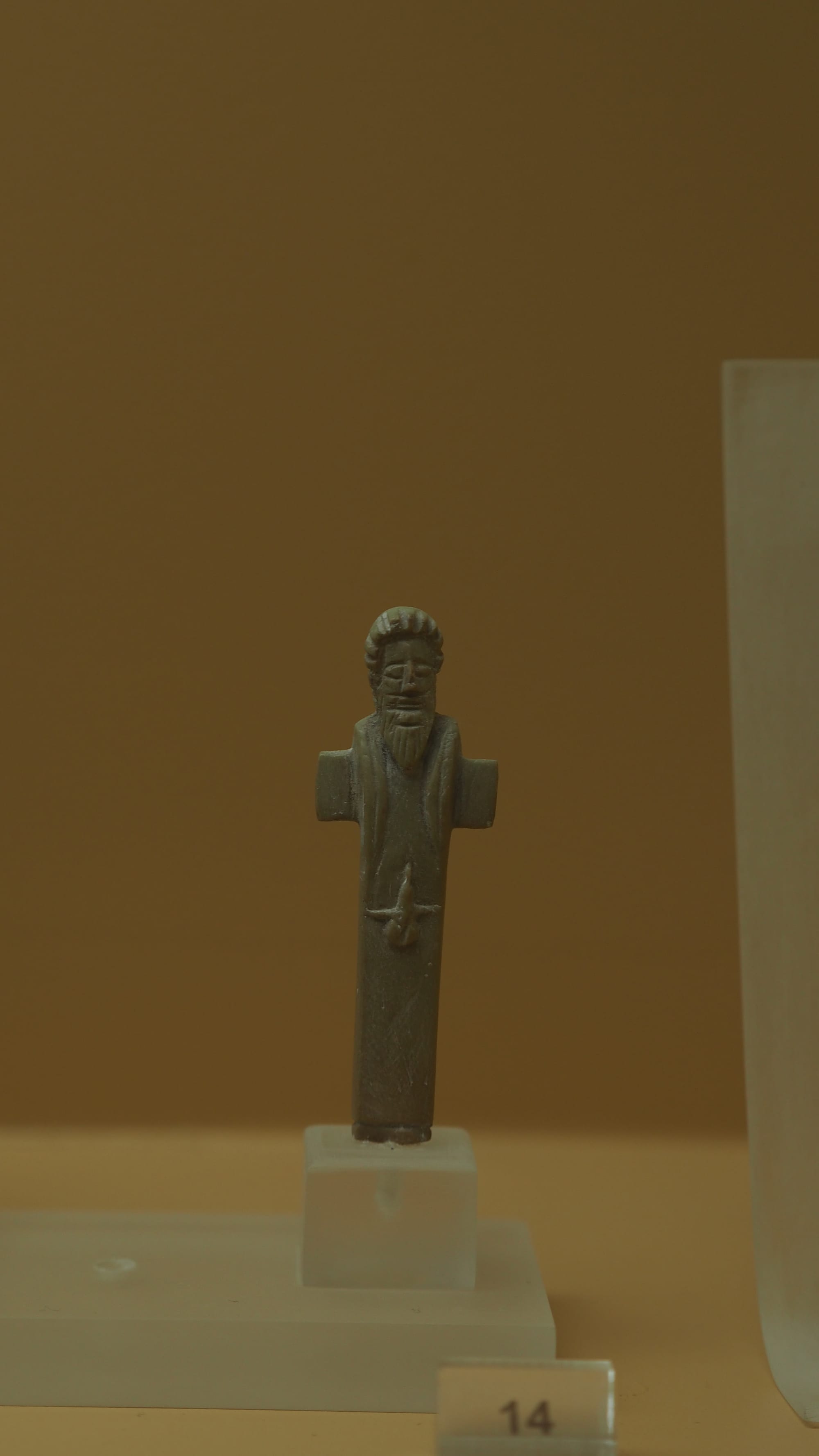
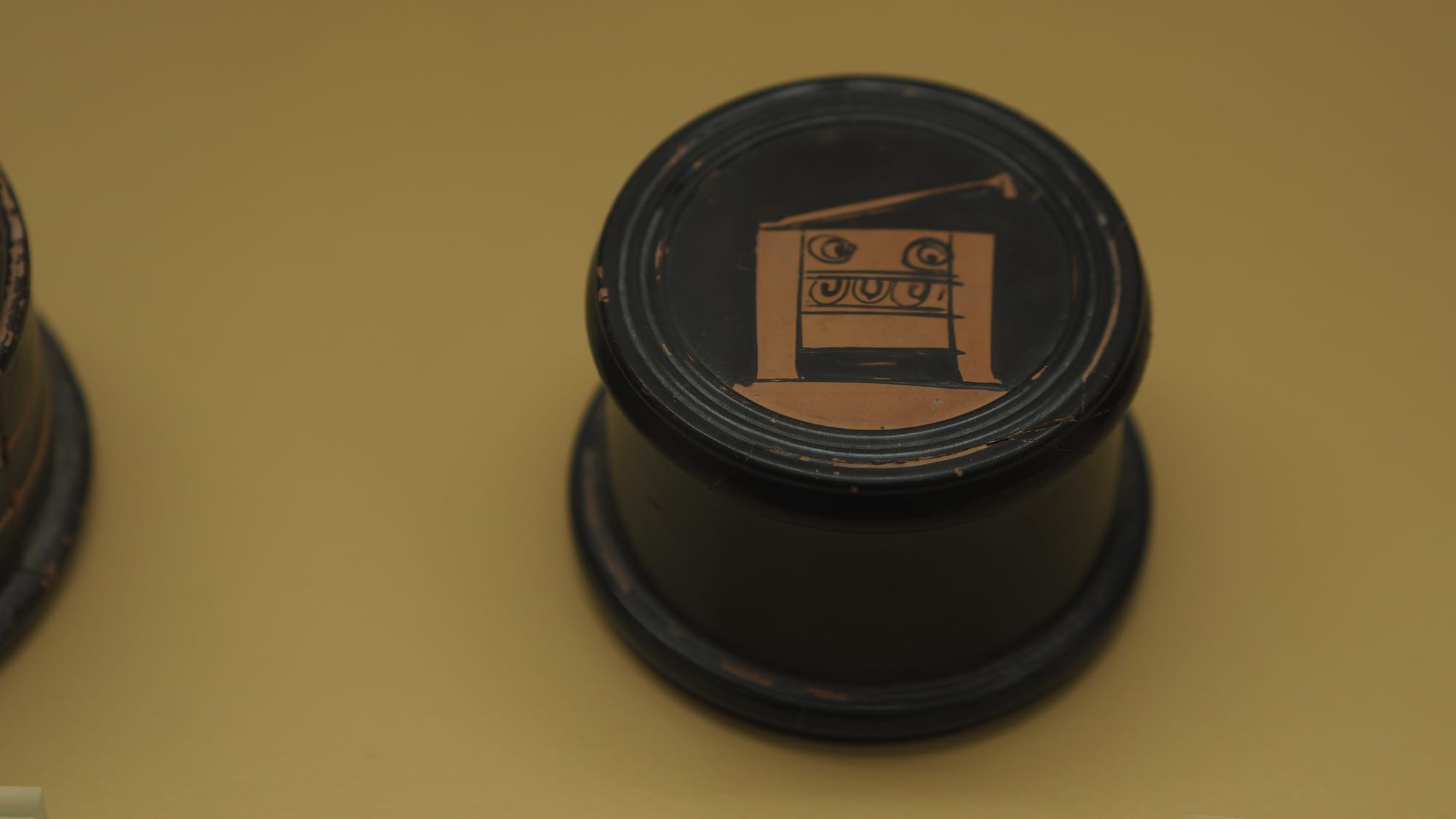
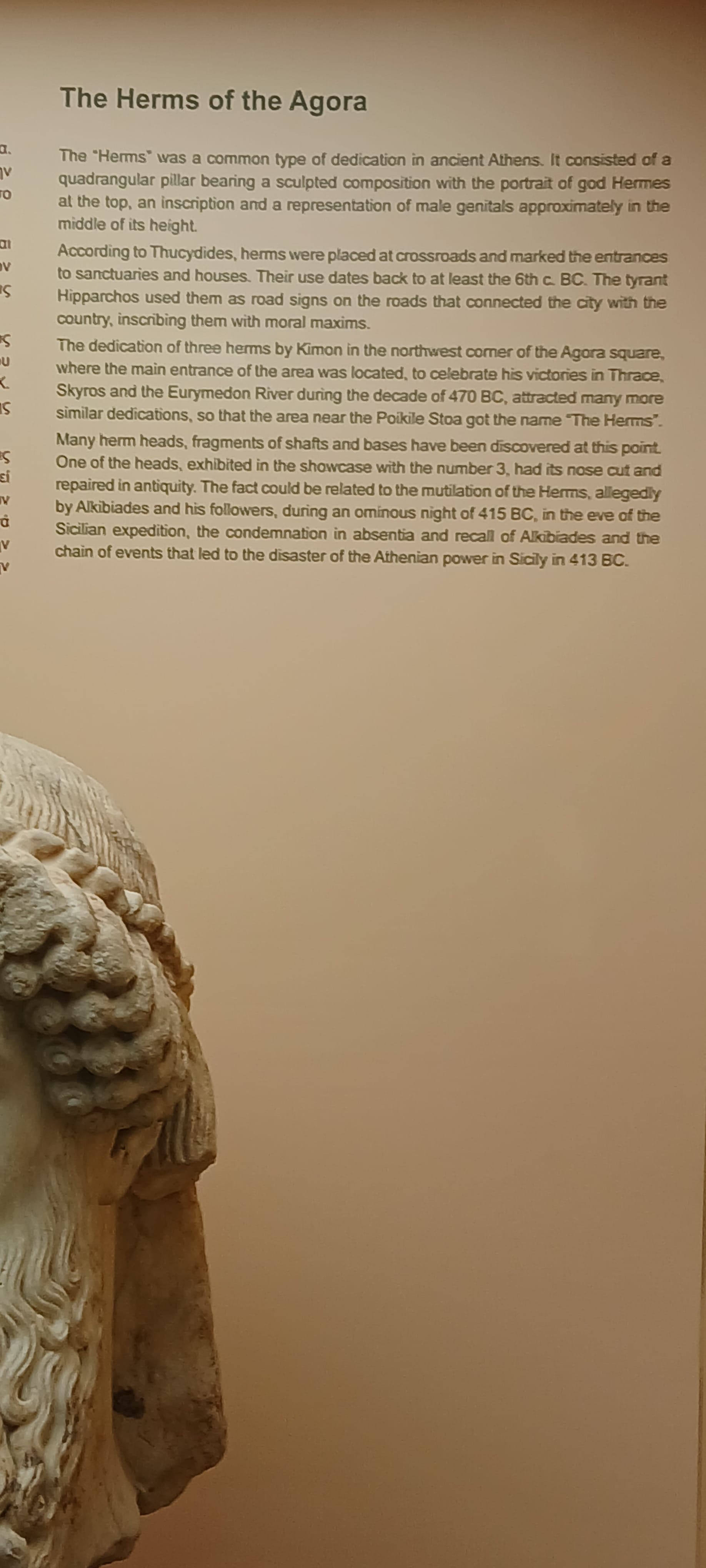
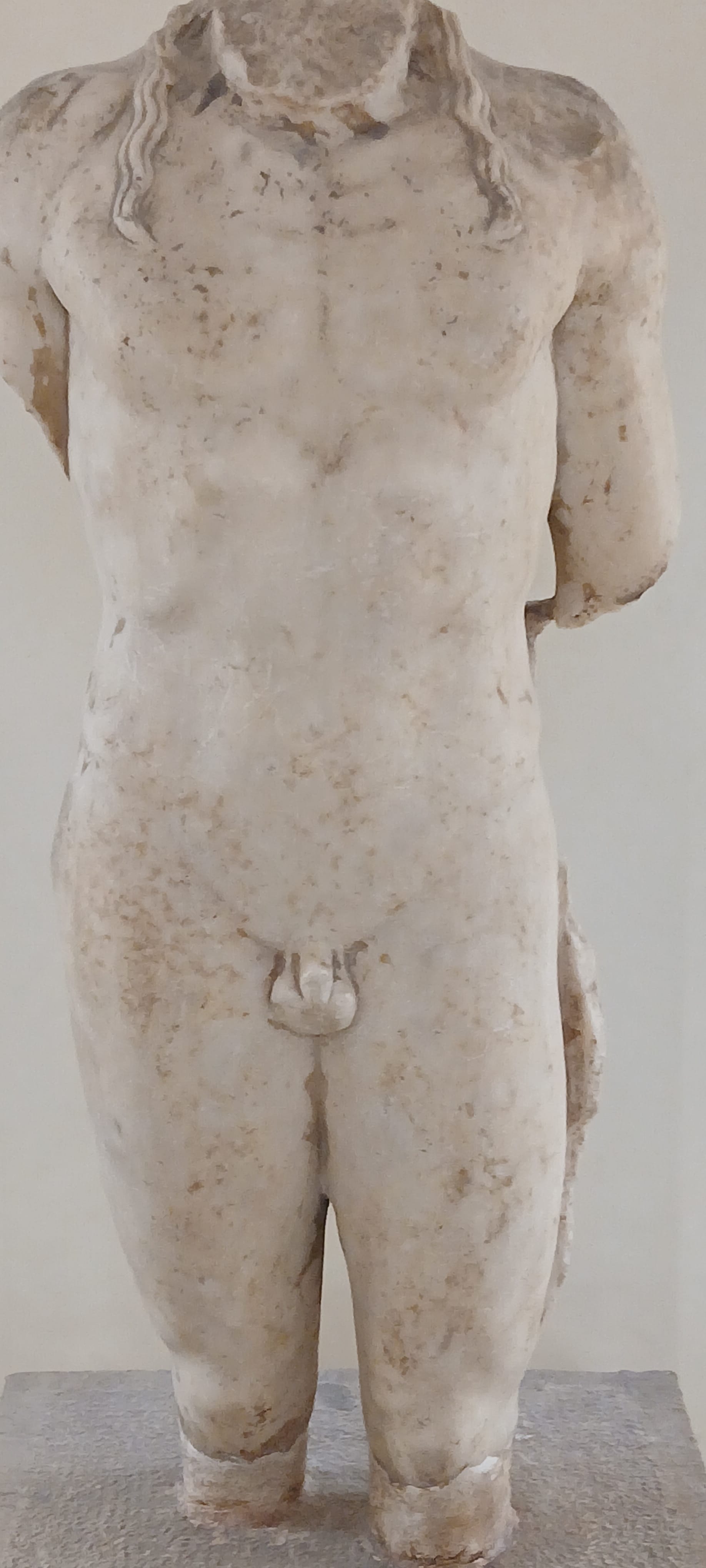
- a note on the Hermes of the Agora comes up later, in the snaps
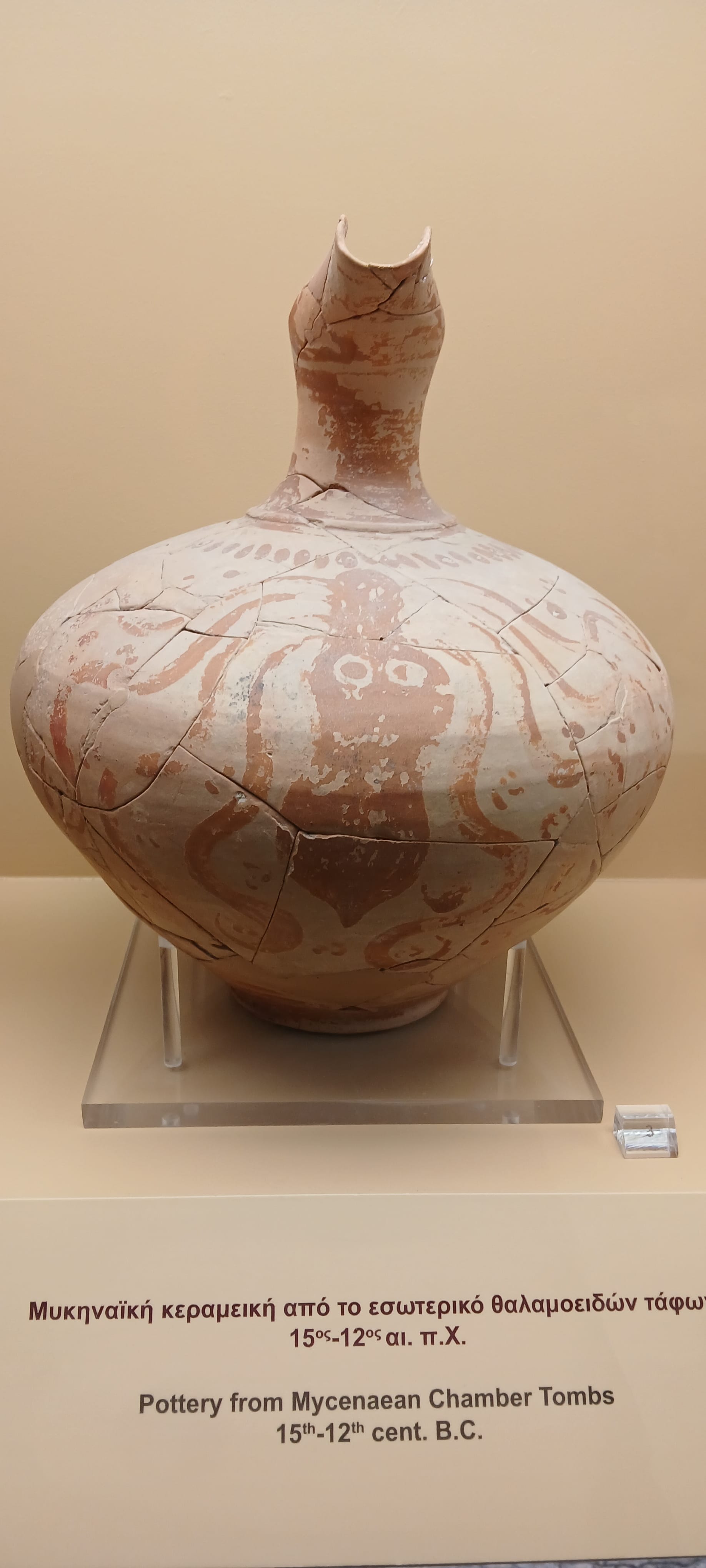
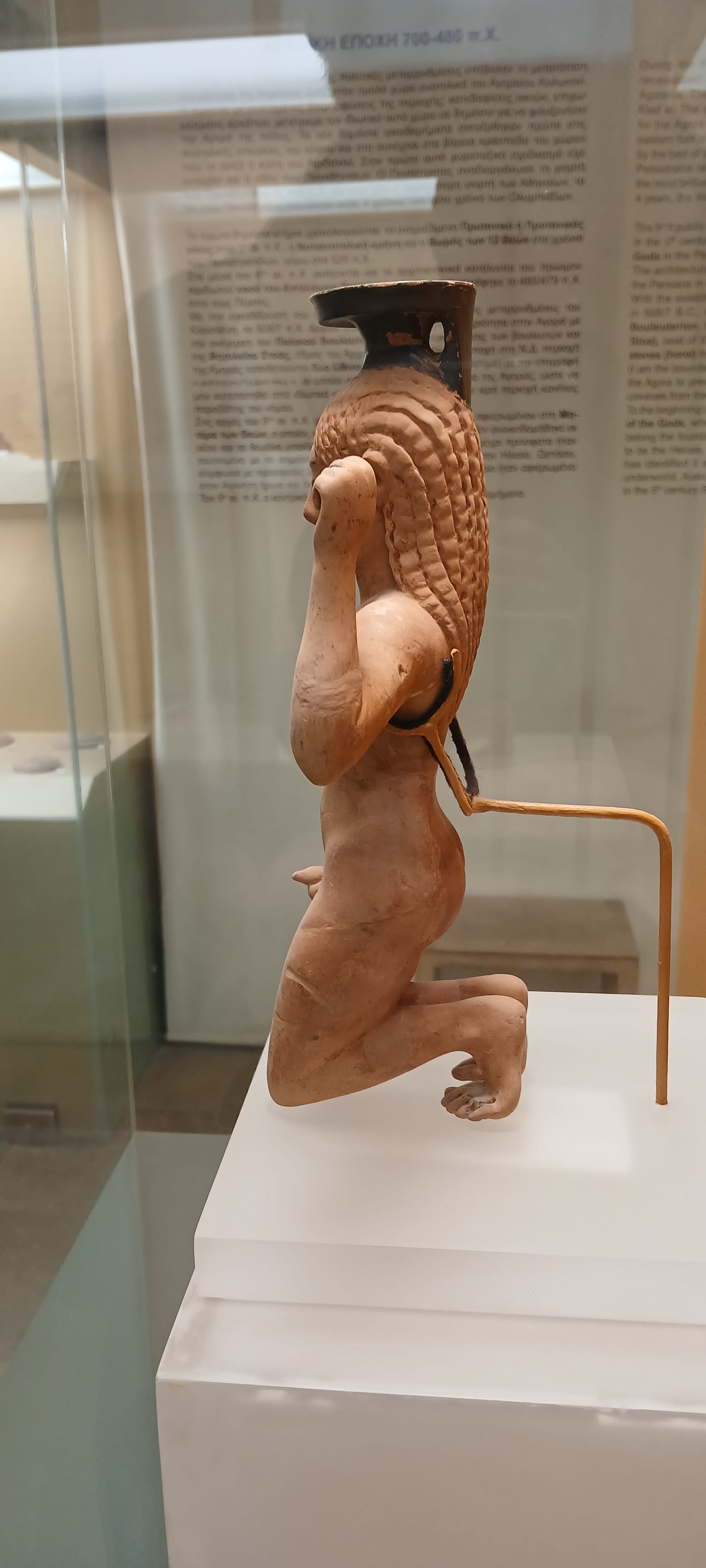
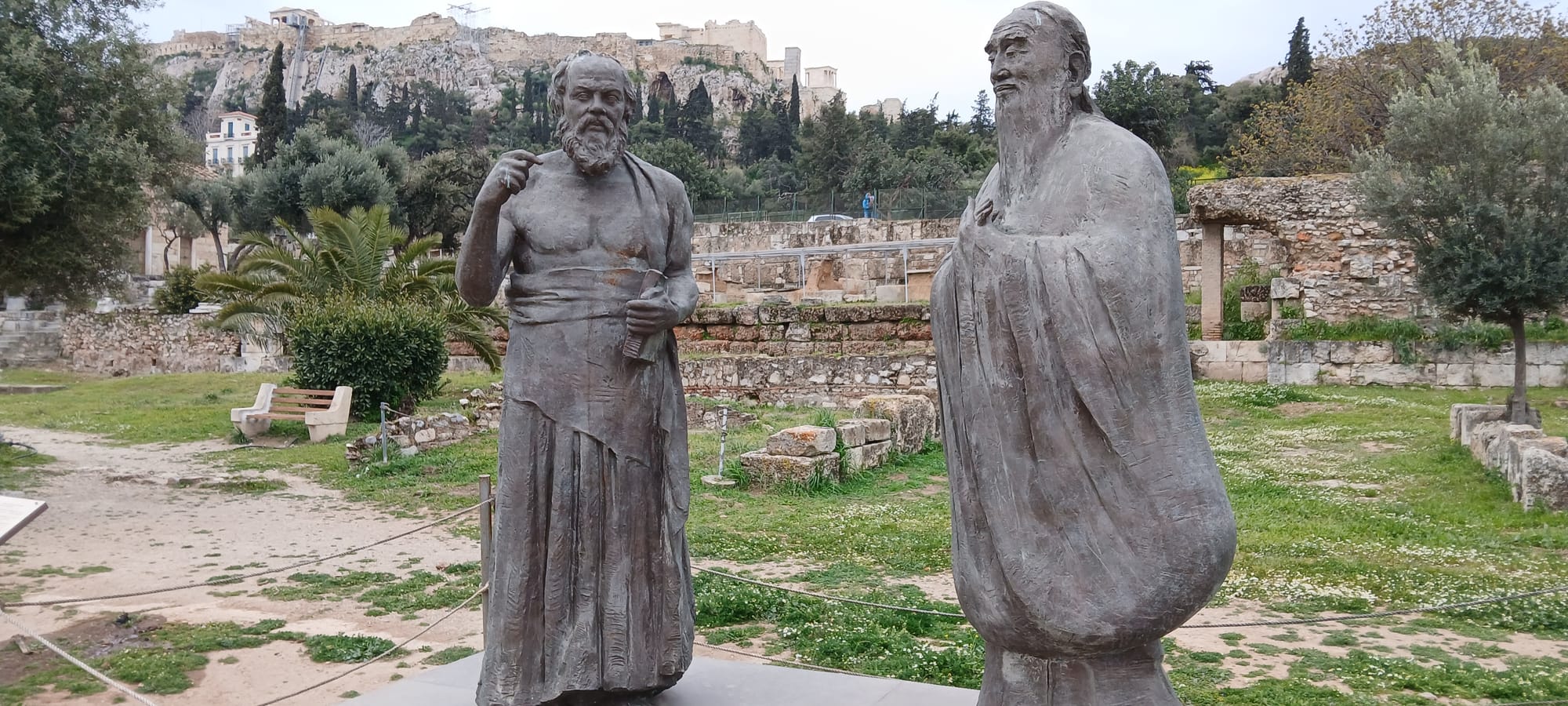
- these old guys are Confucius and Socrates, the sage and the philosopher, who never shared an encounter, the sculptor is Wu Weishan and the sculpture has been on the agora since 2021
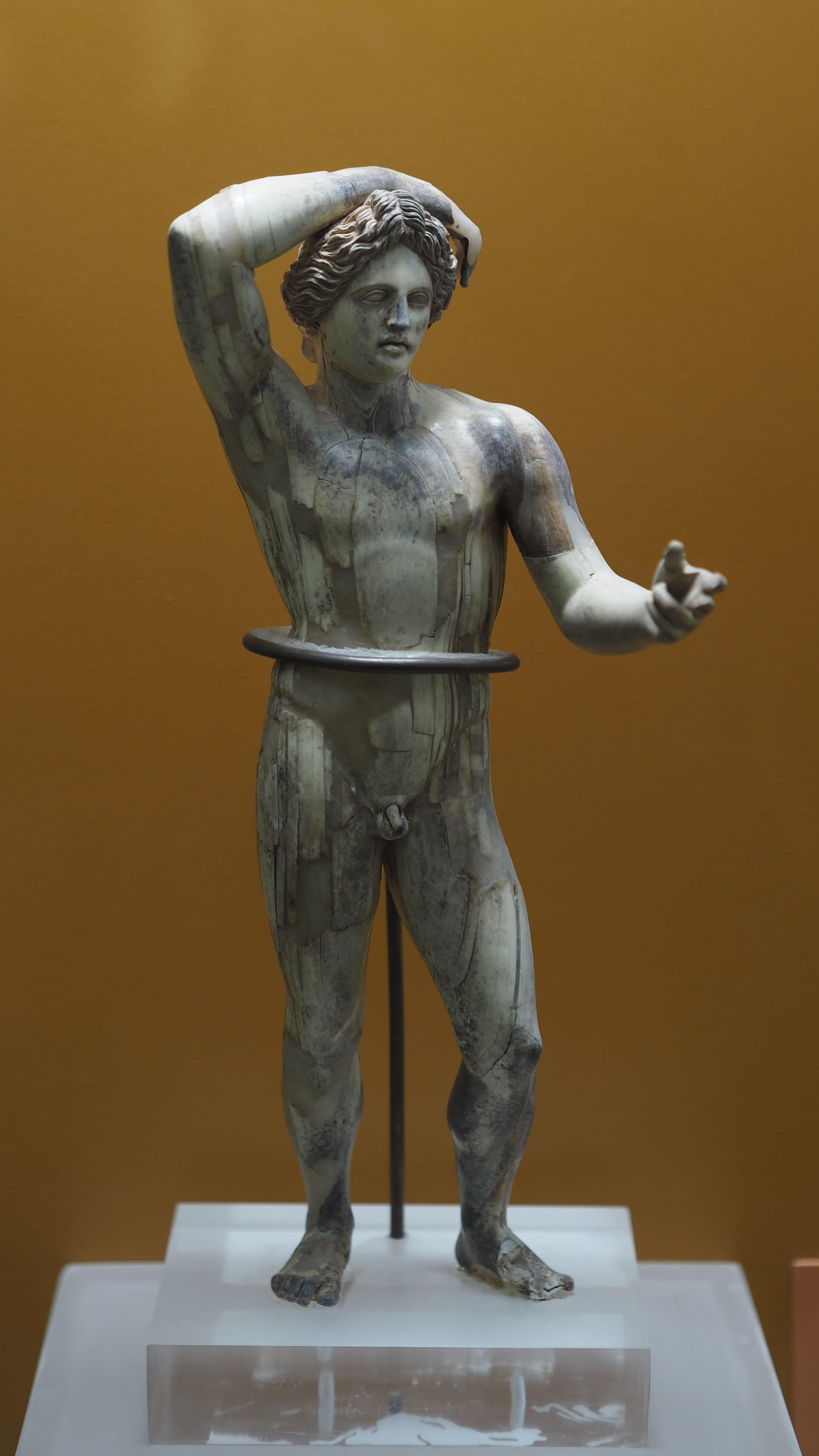
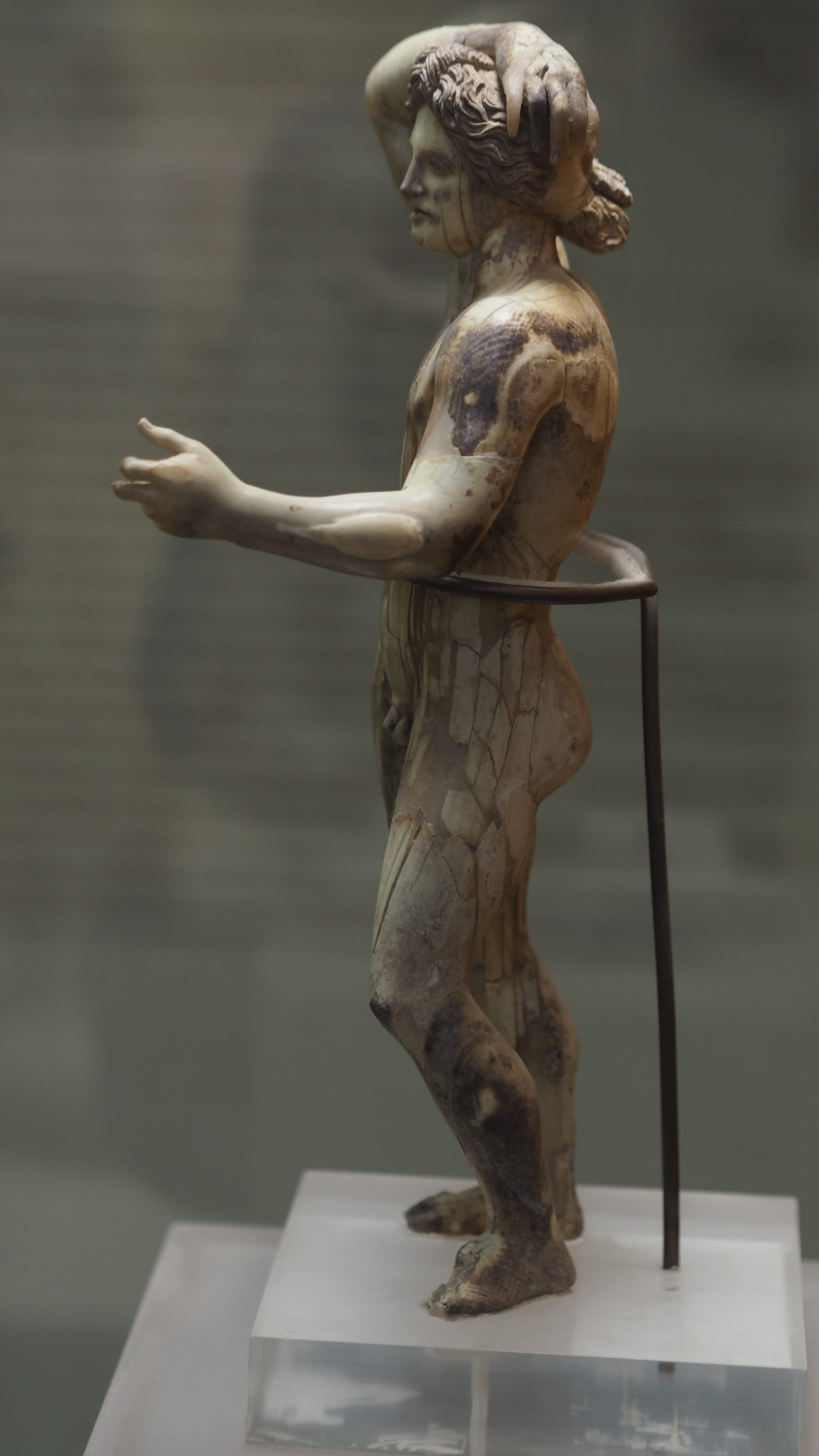
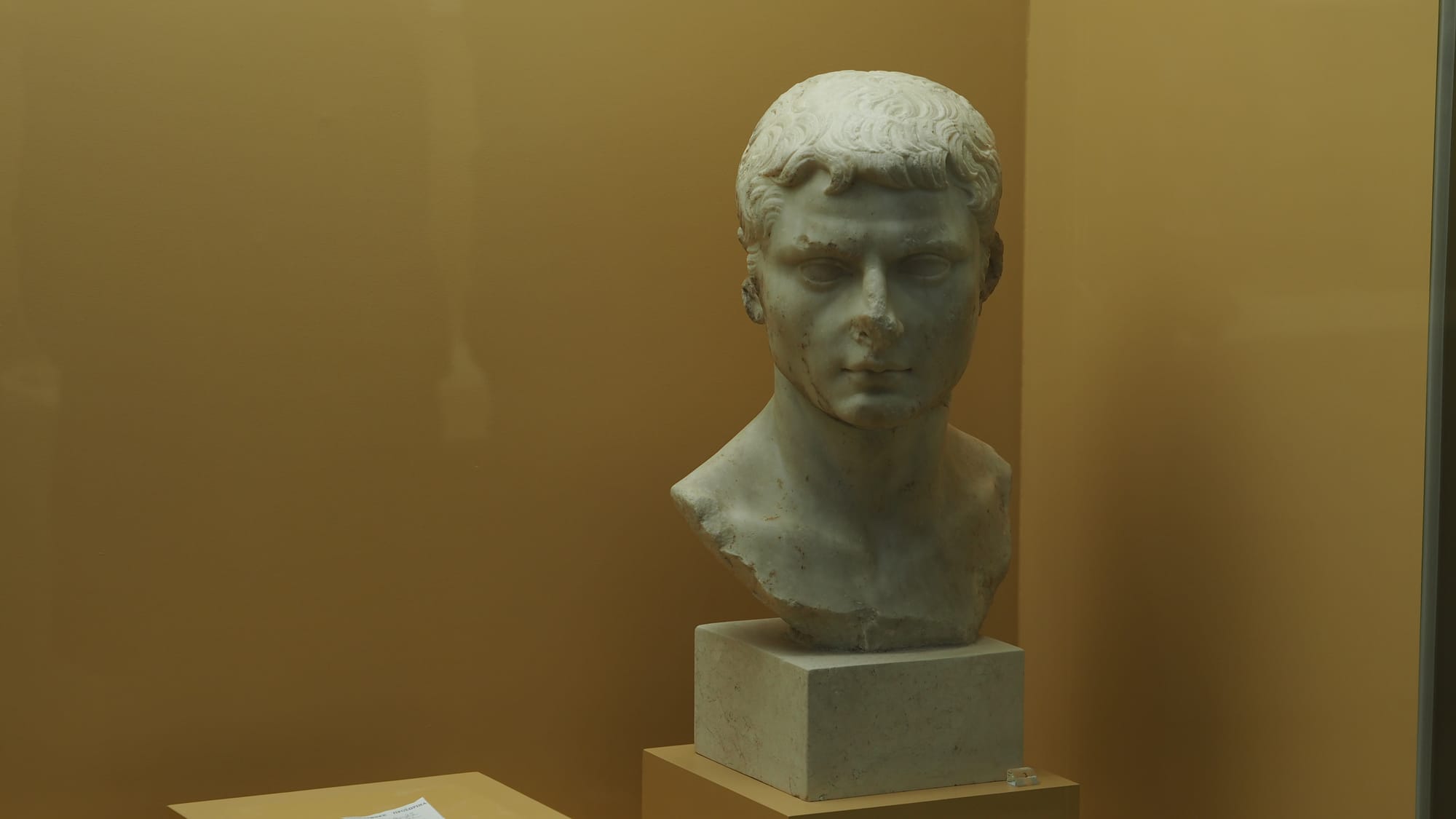
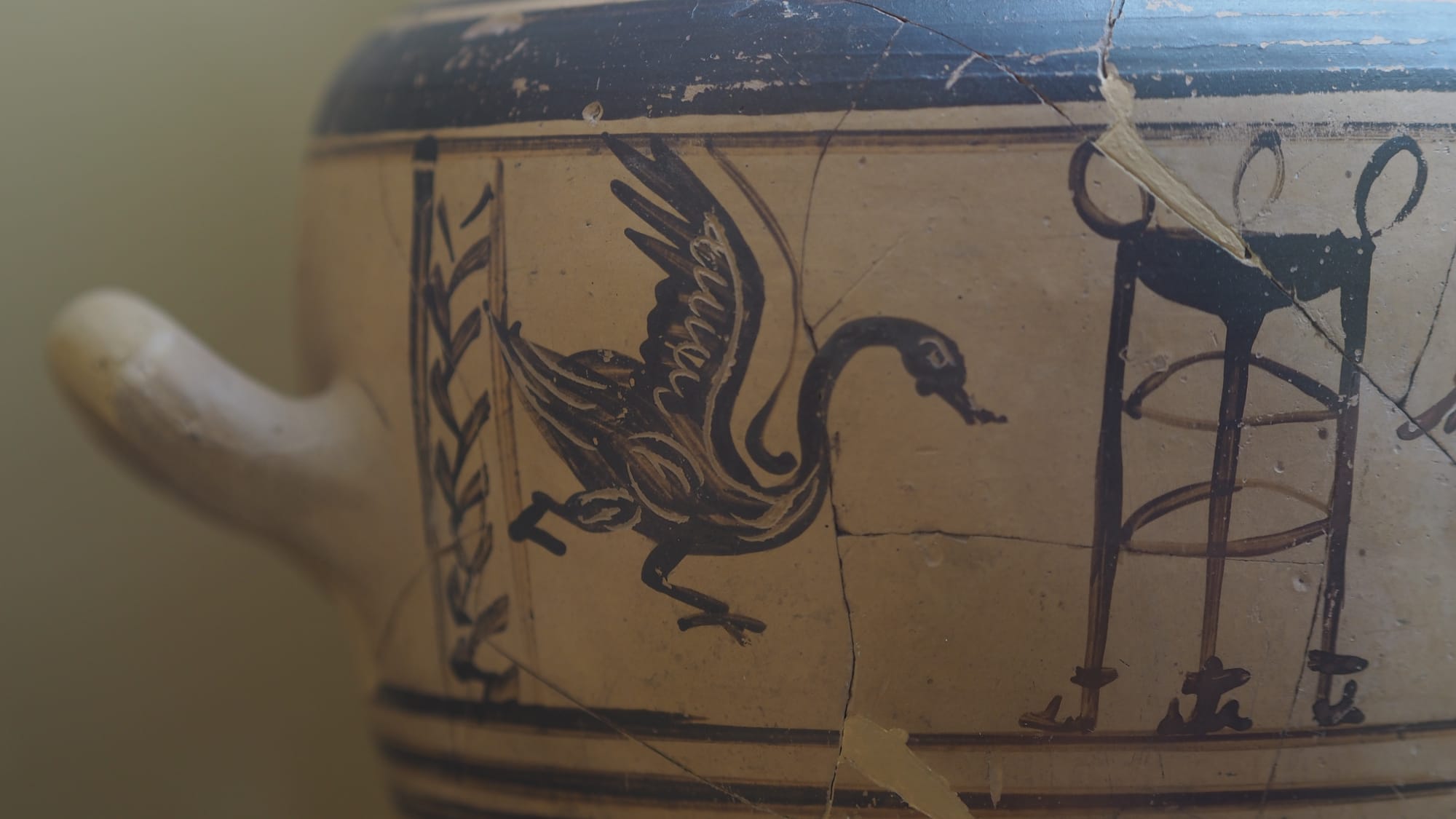
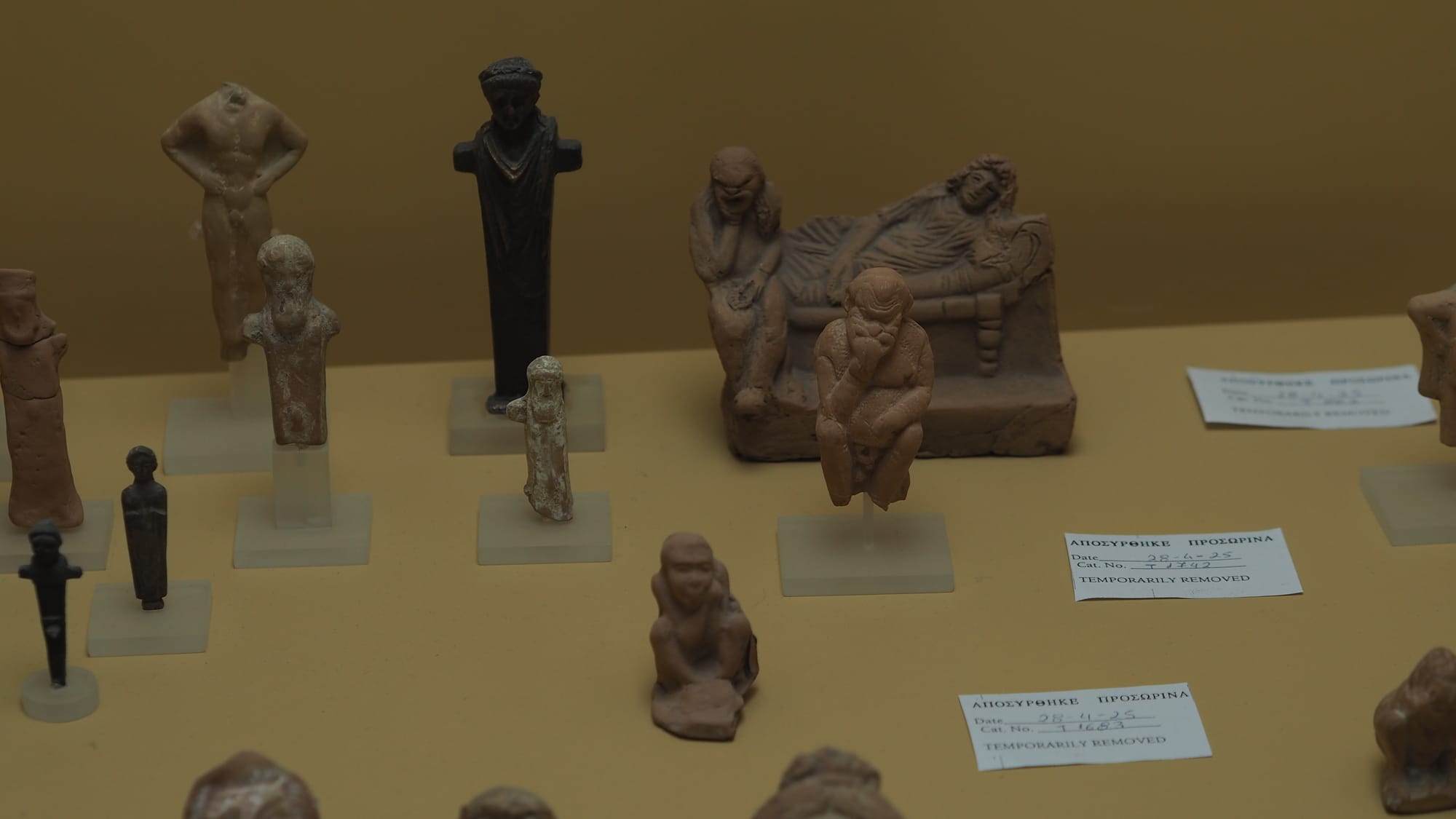
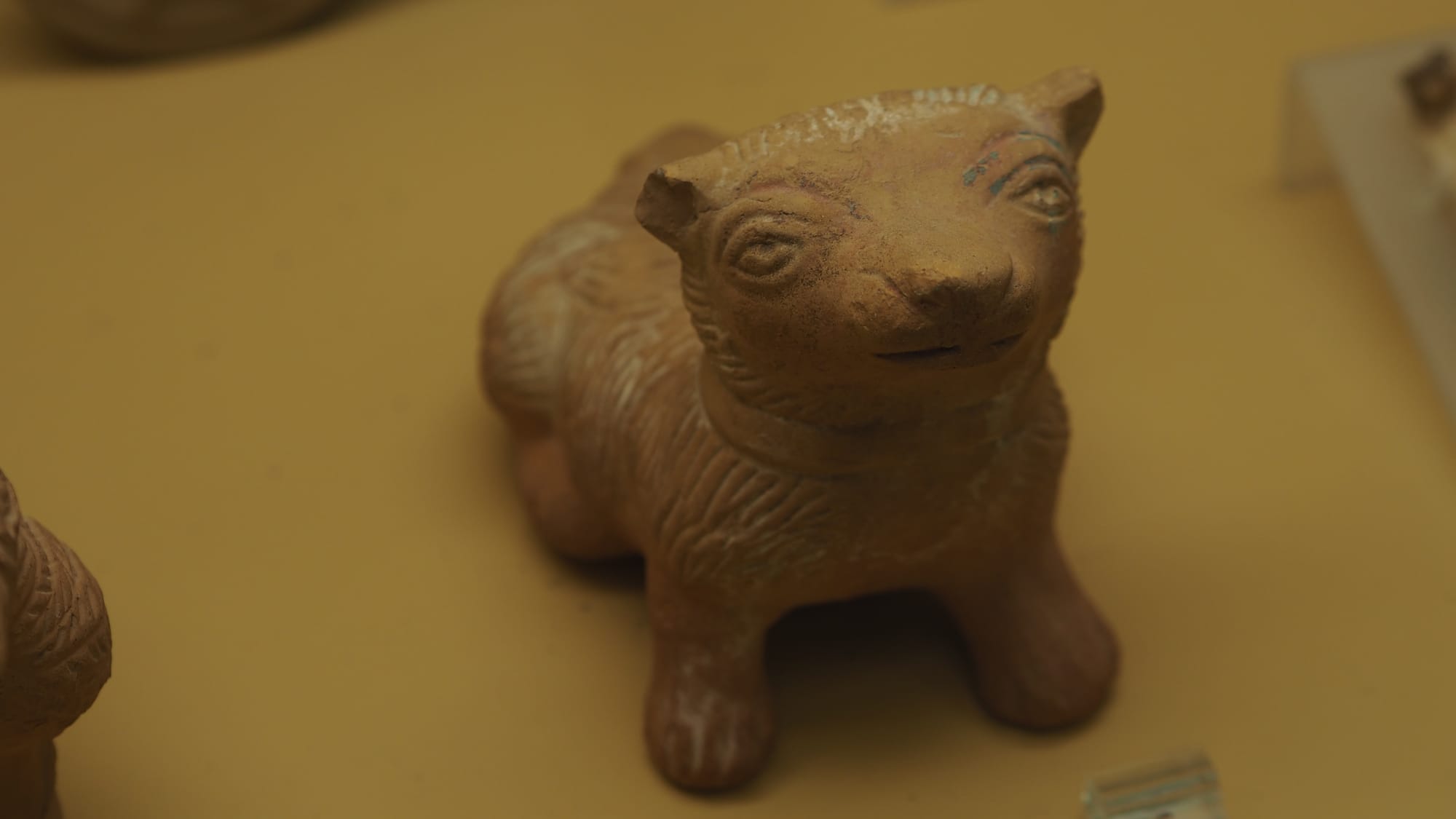
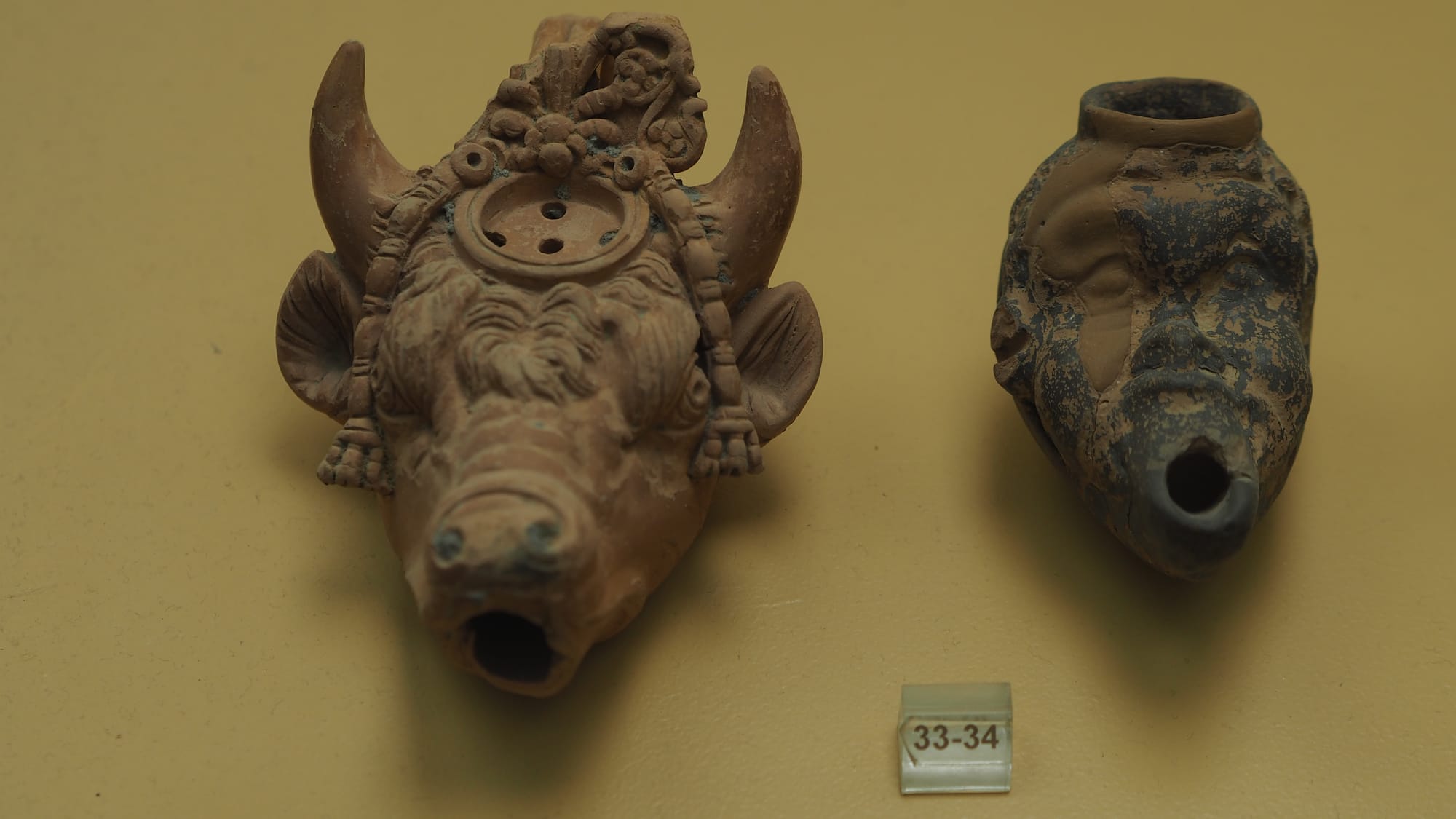
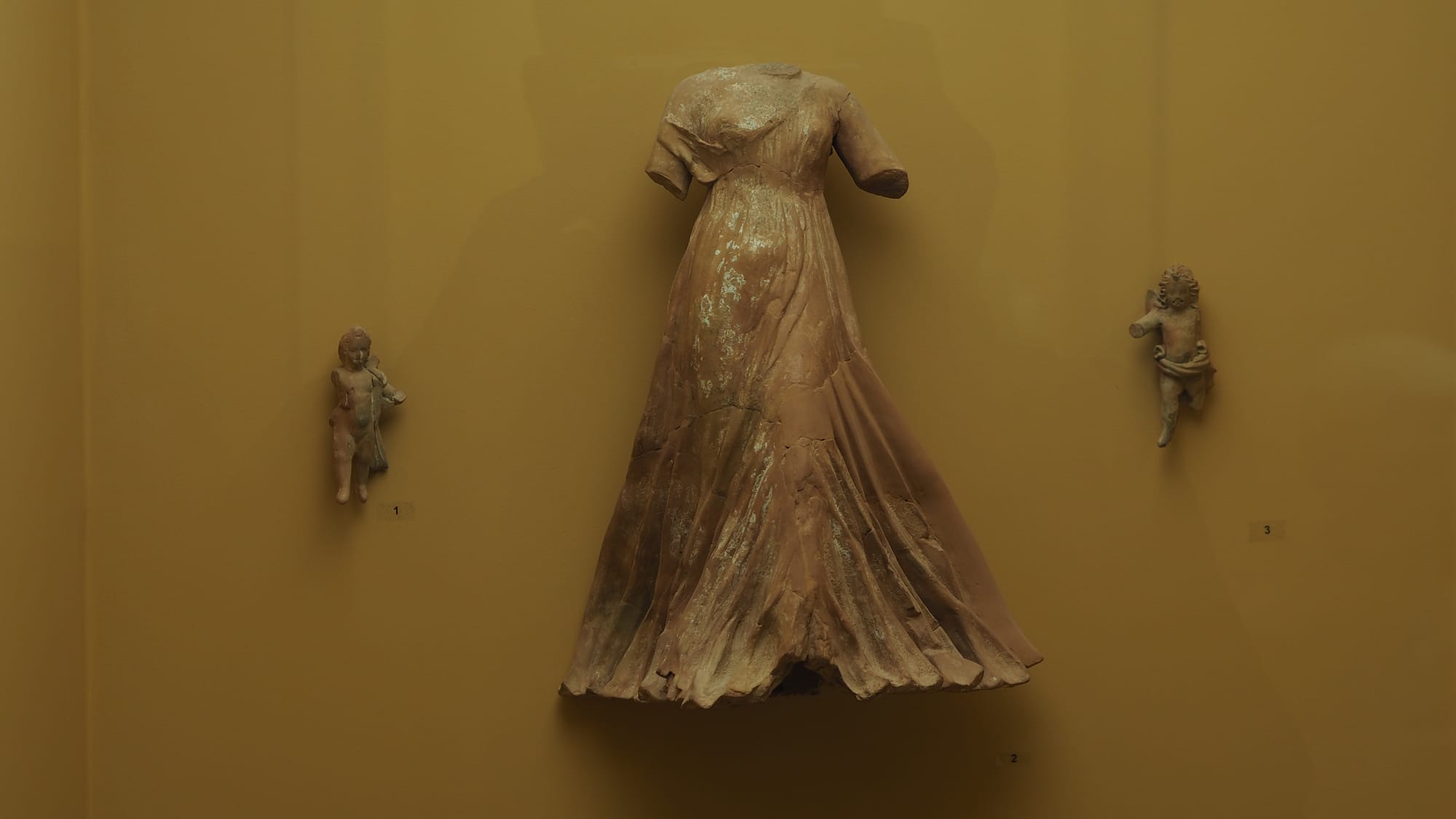
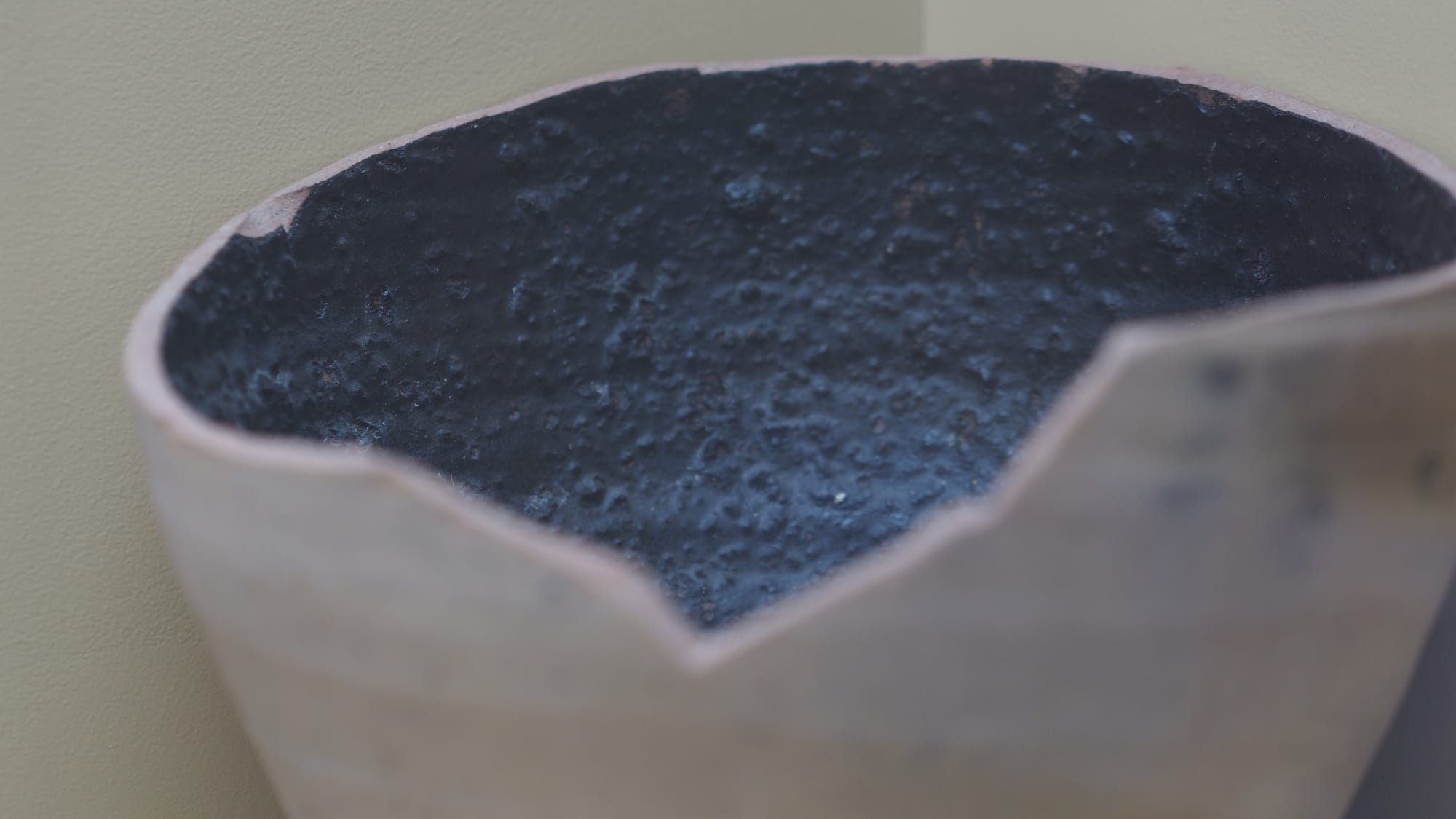
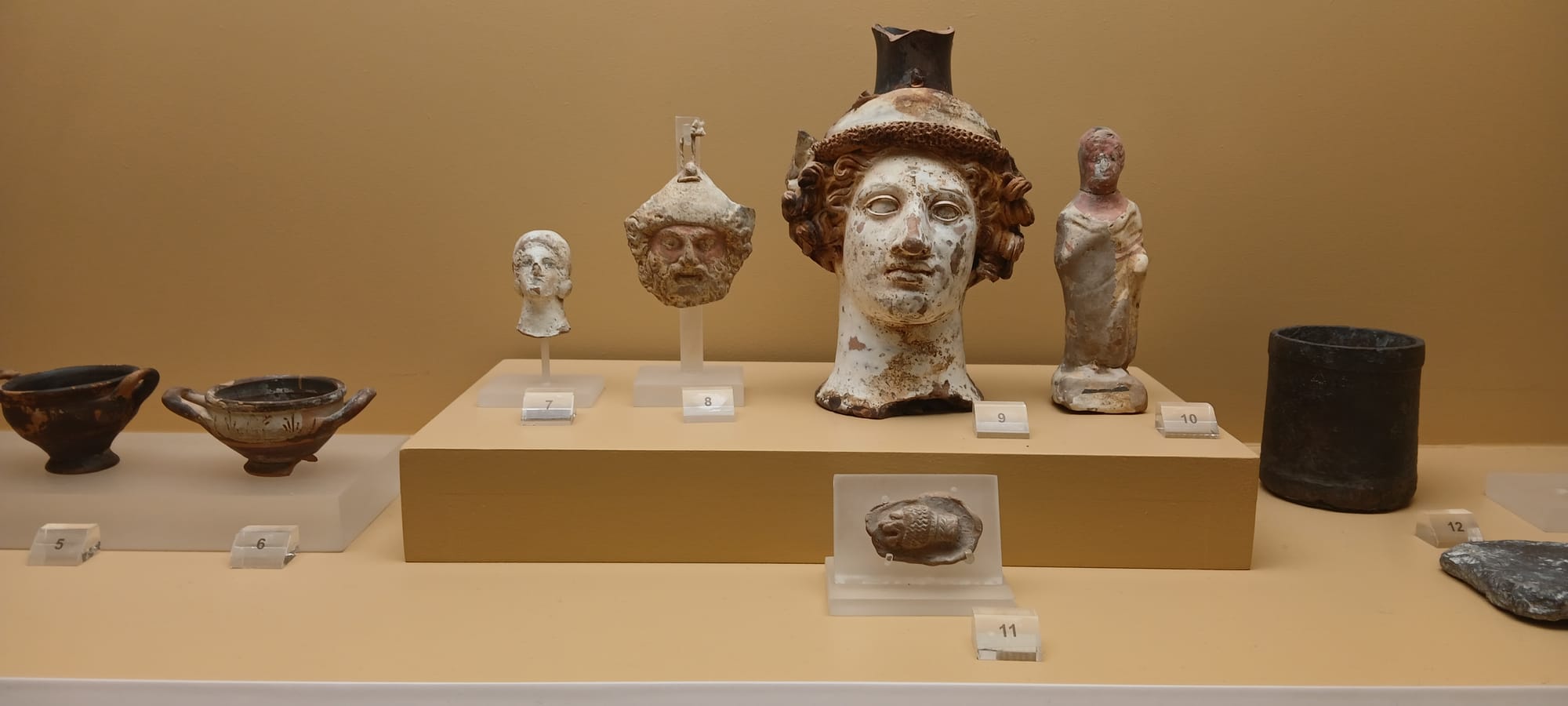
- bull and face are oil lamps
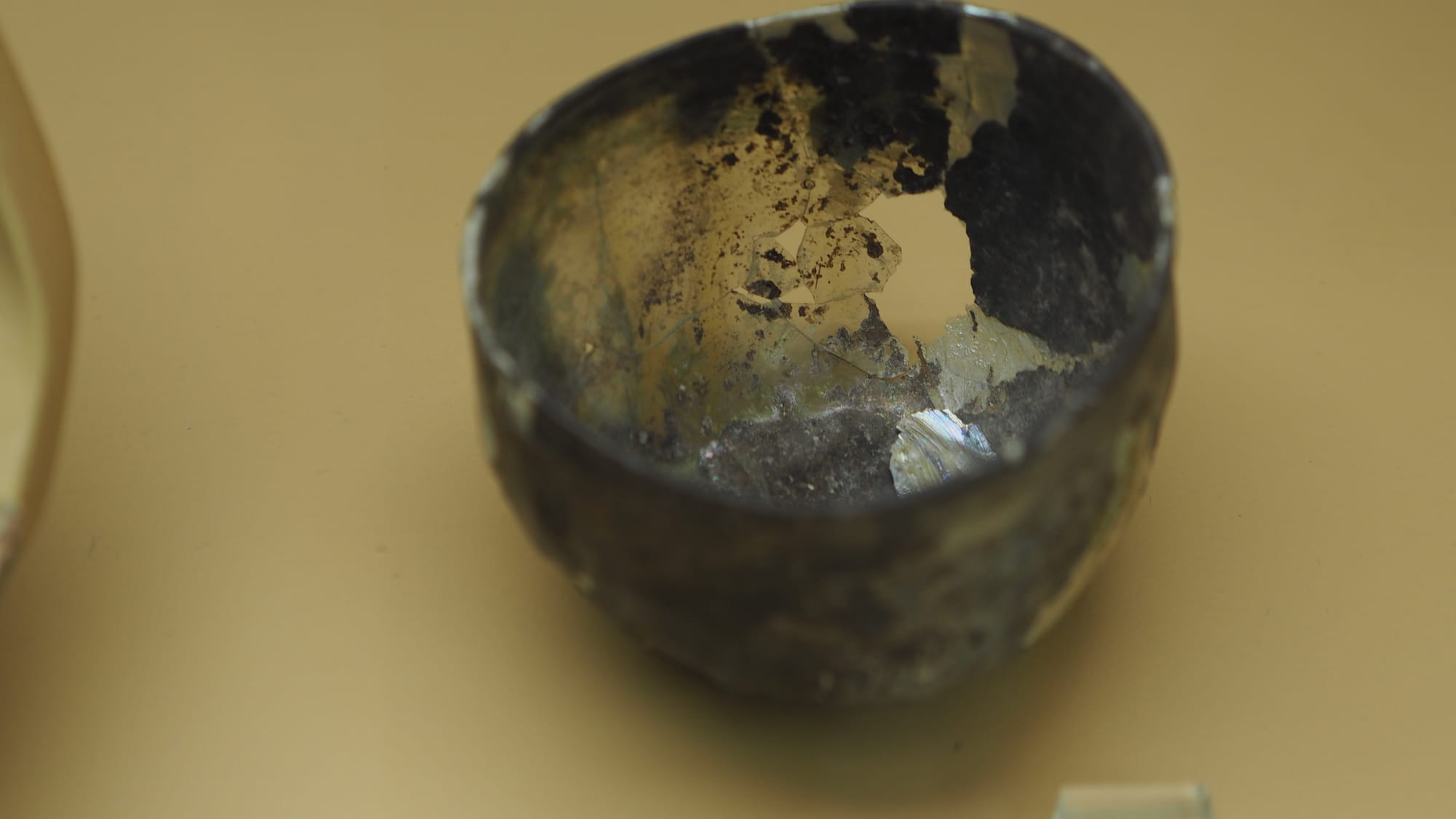
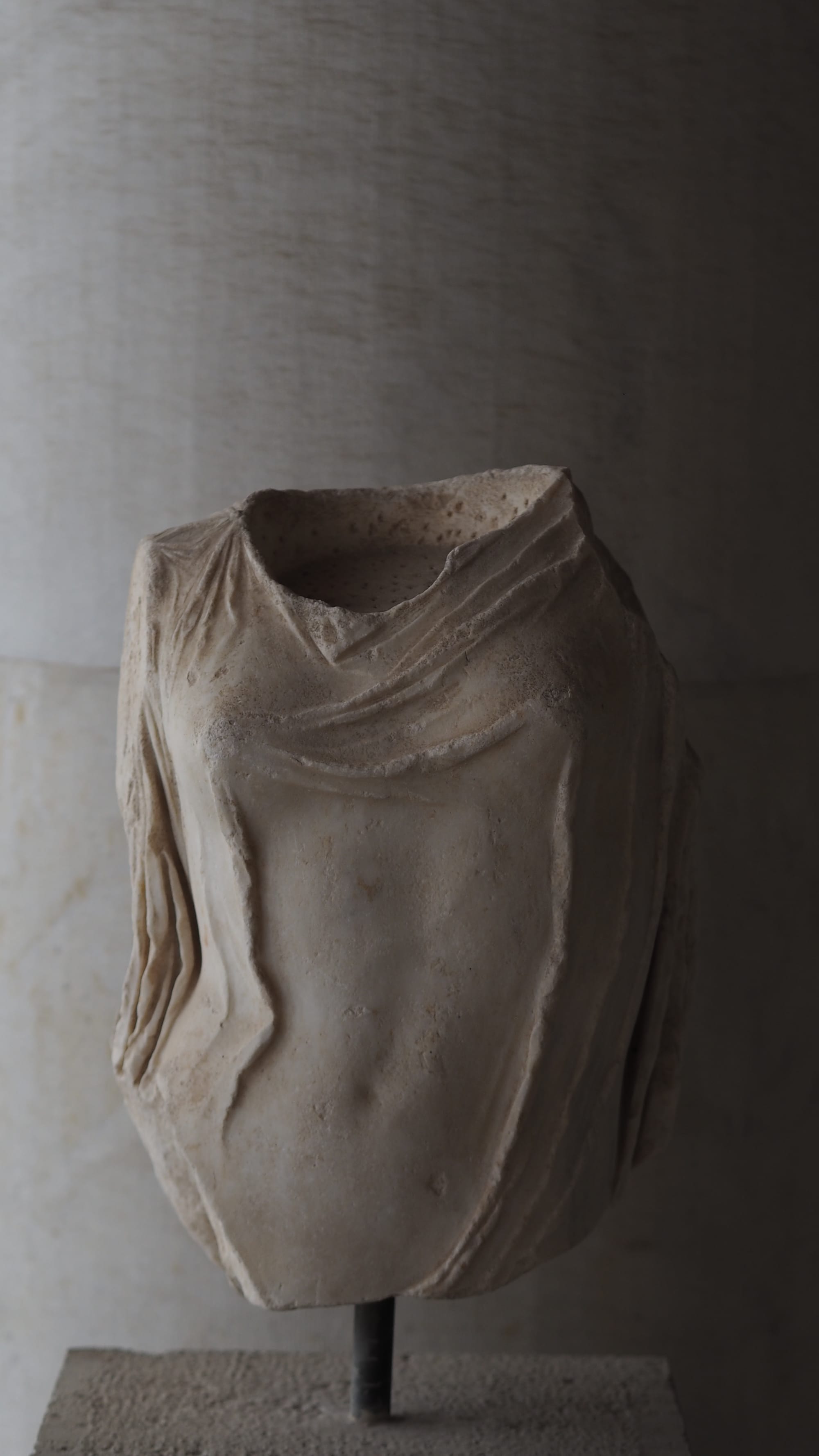
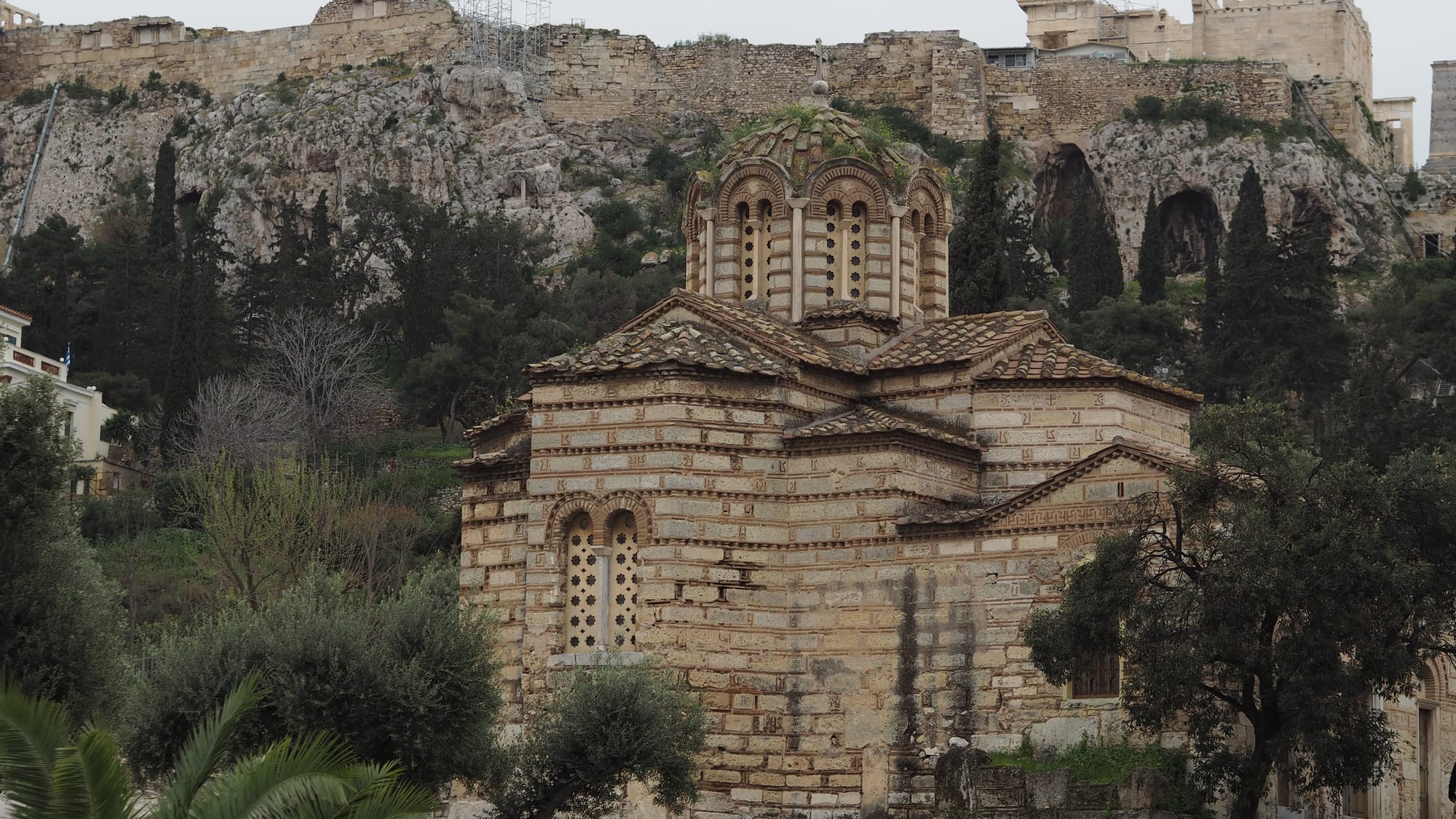
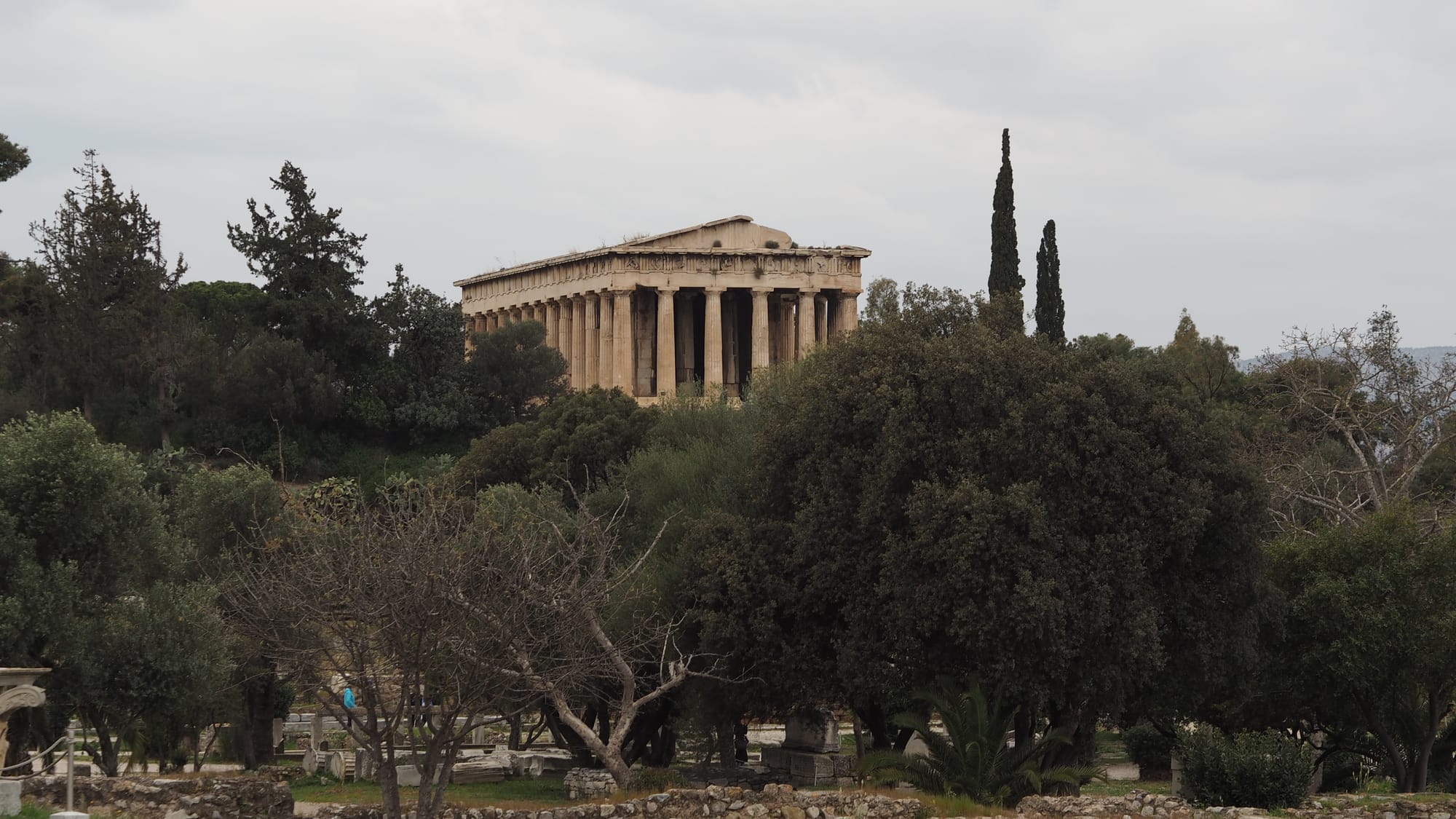
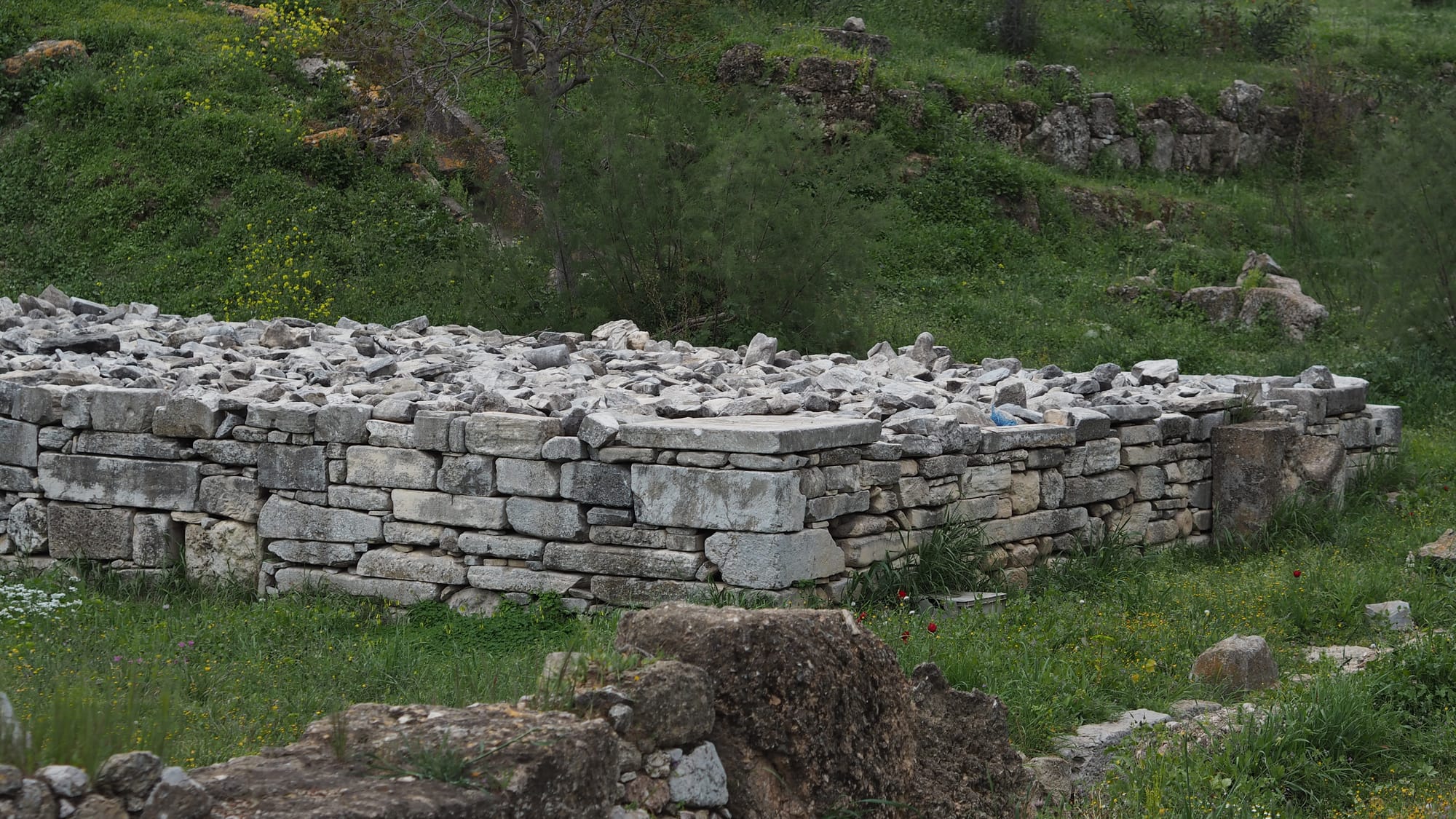
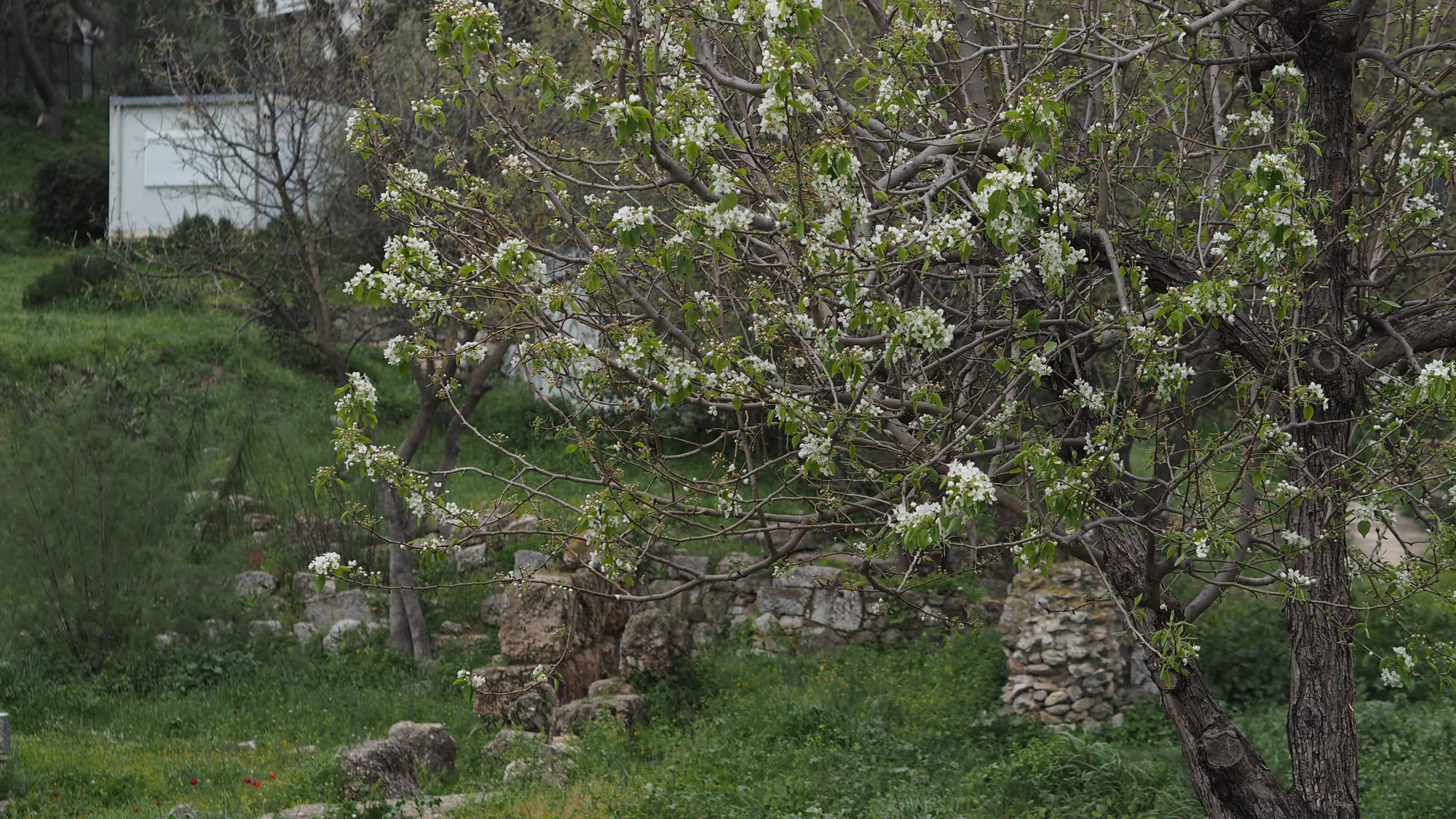
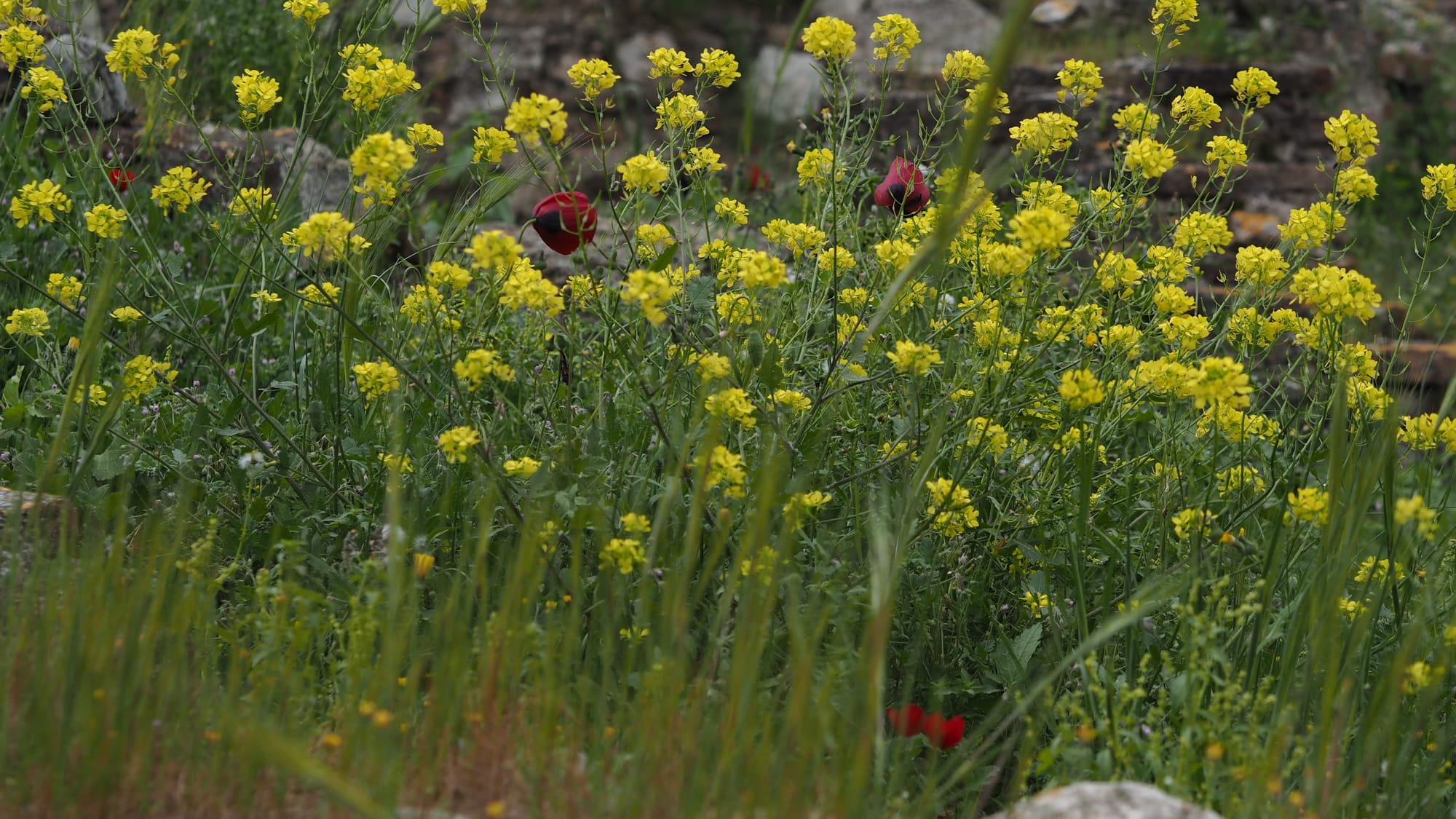
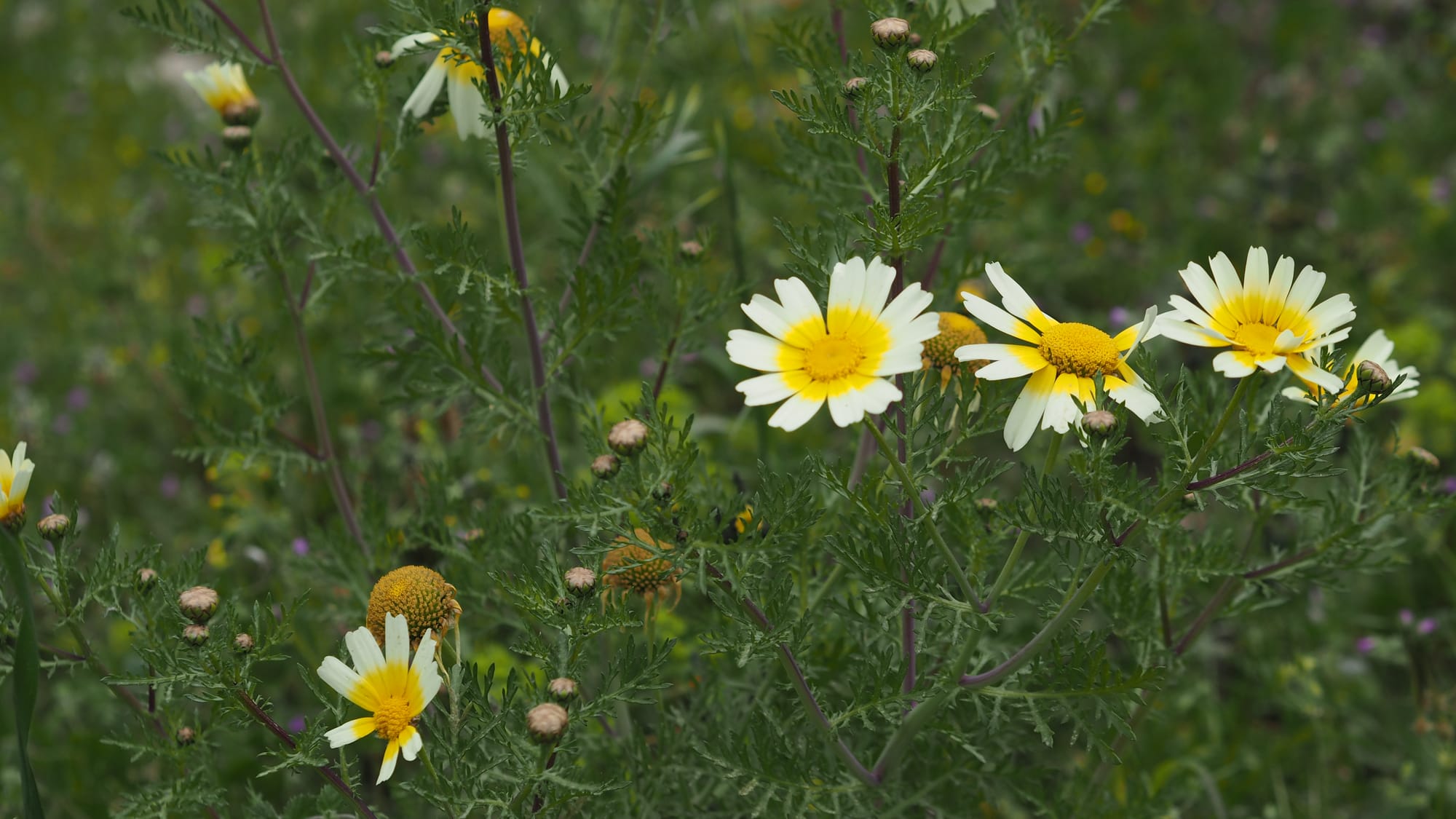
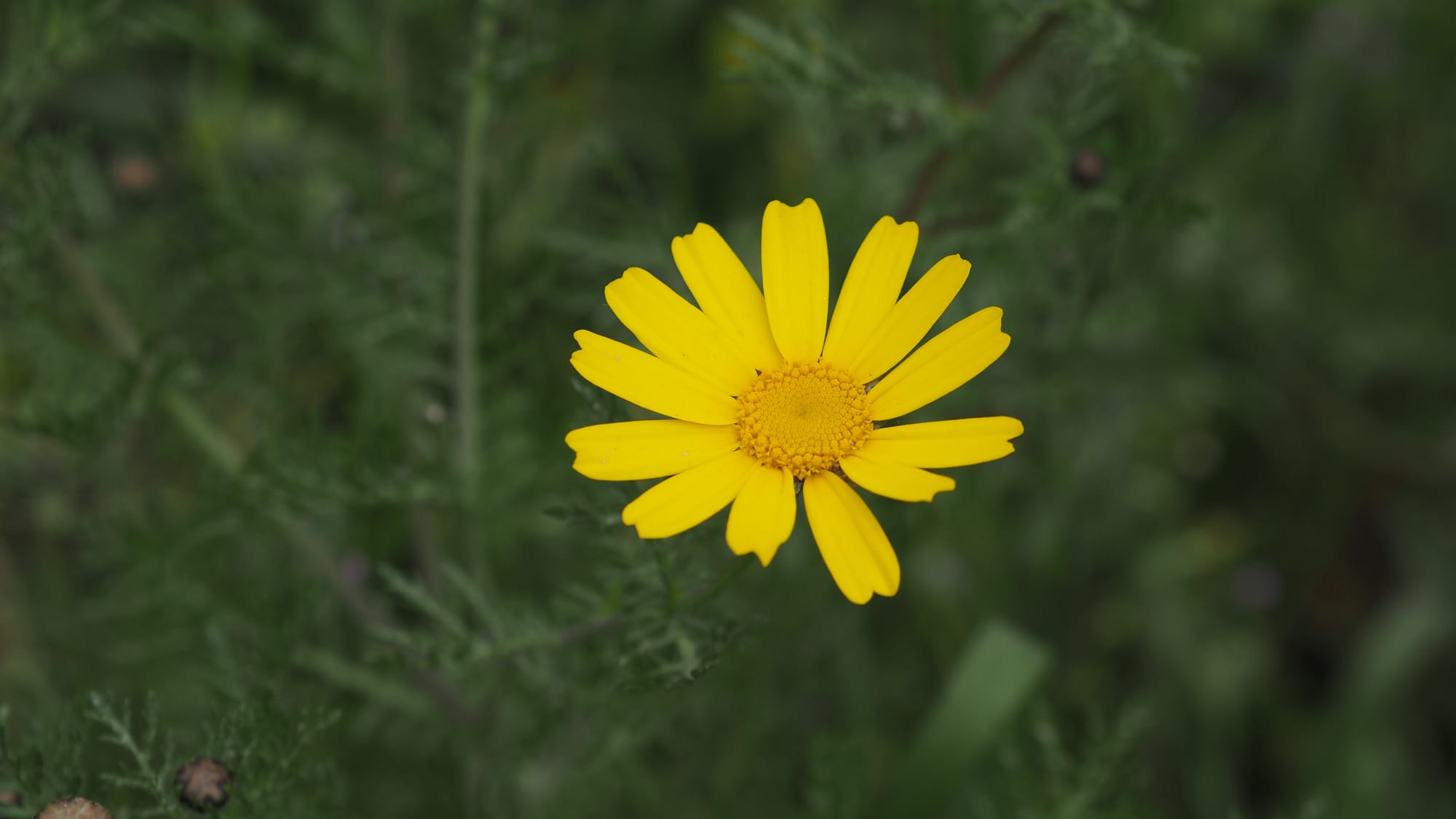
- behind the flowering tree is the prison where Socrates was held before his trial by the people of Athens and where he preferred to drink hemlock rather than escape in 399BCE, an episode pitting philosophy and democracy, both newly invented, against one another.
The question is: is Socrates a figure for the people, the Demos, or the tyrant? (would he have been executed or ostracised?)
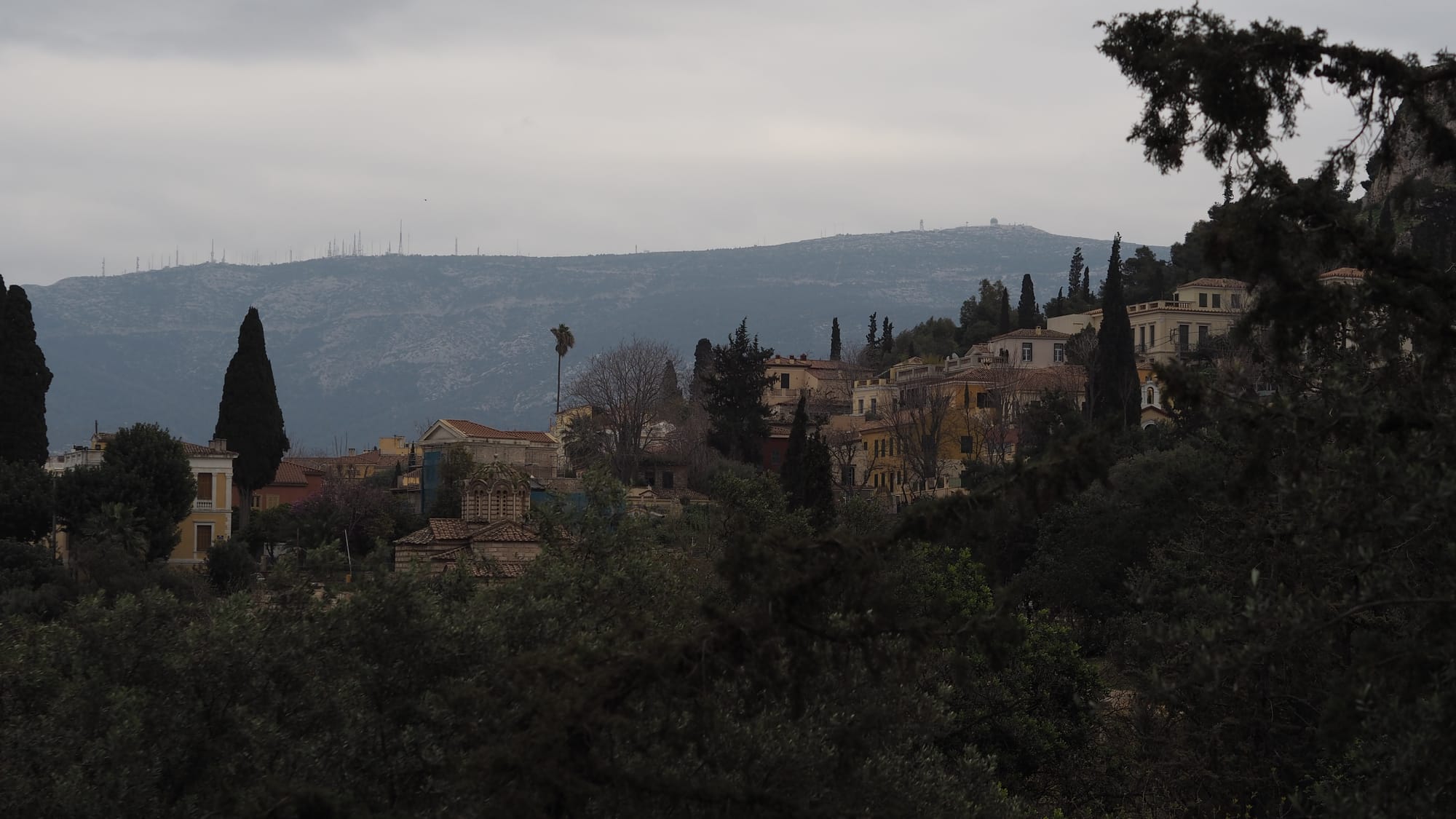
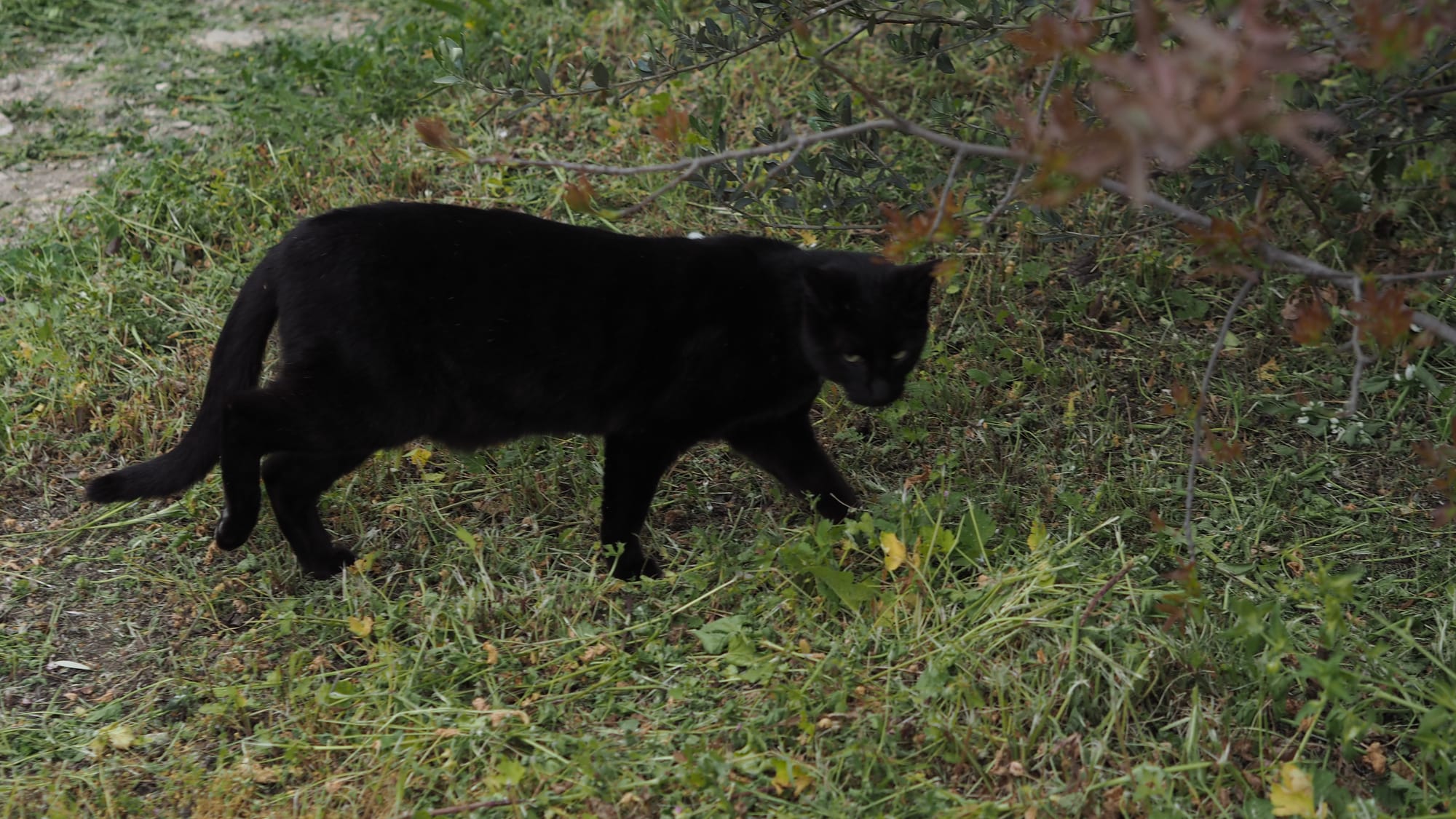
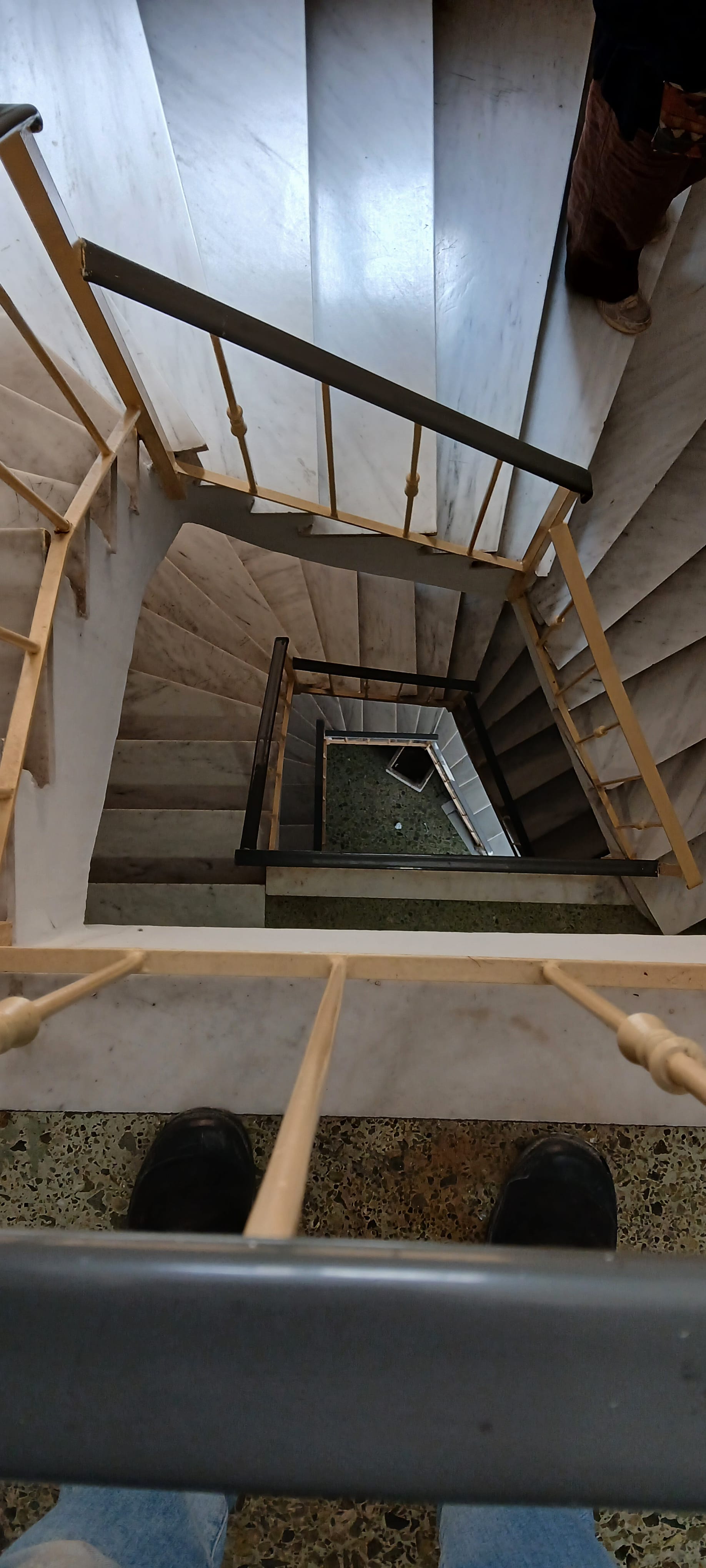
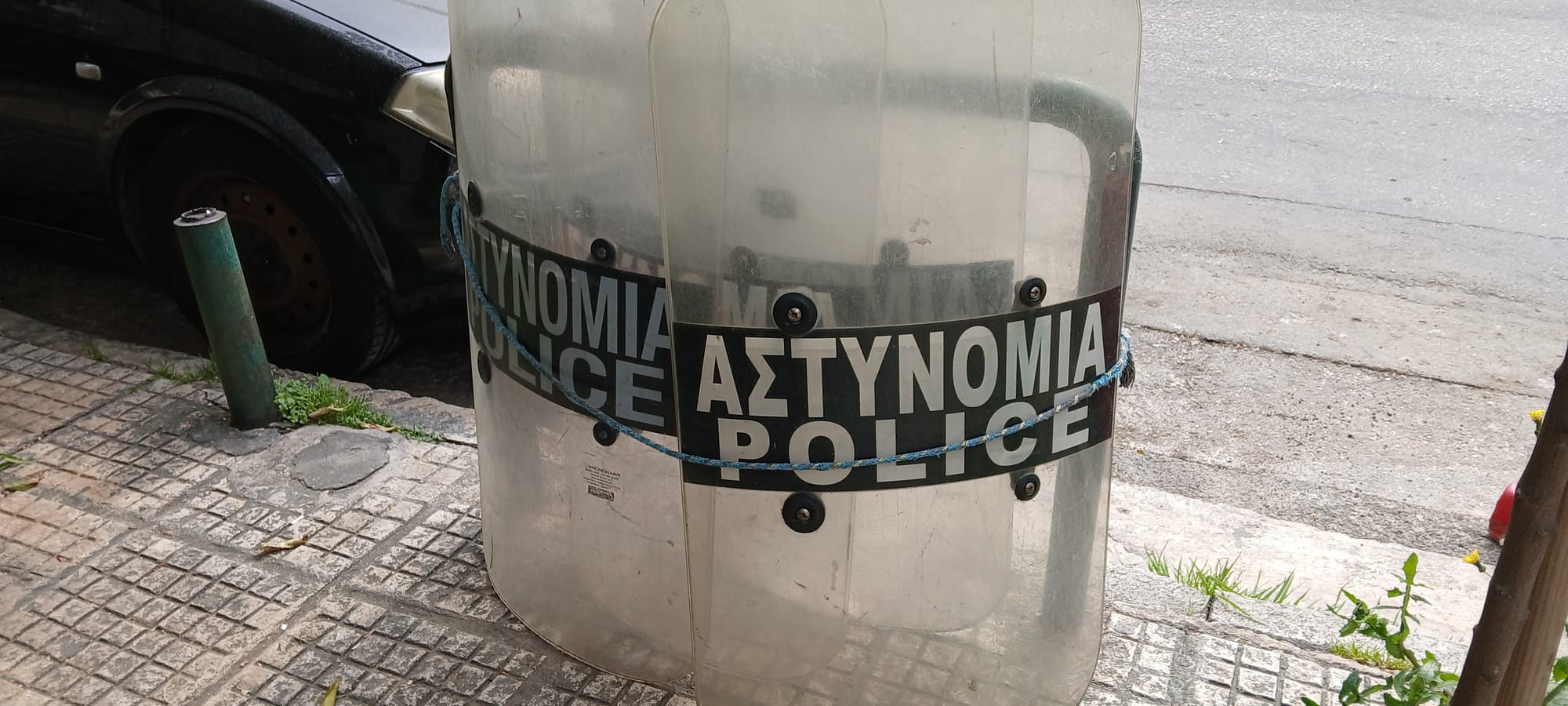
Climbed another hill:
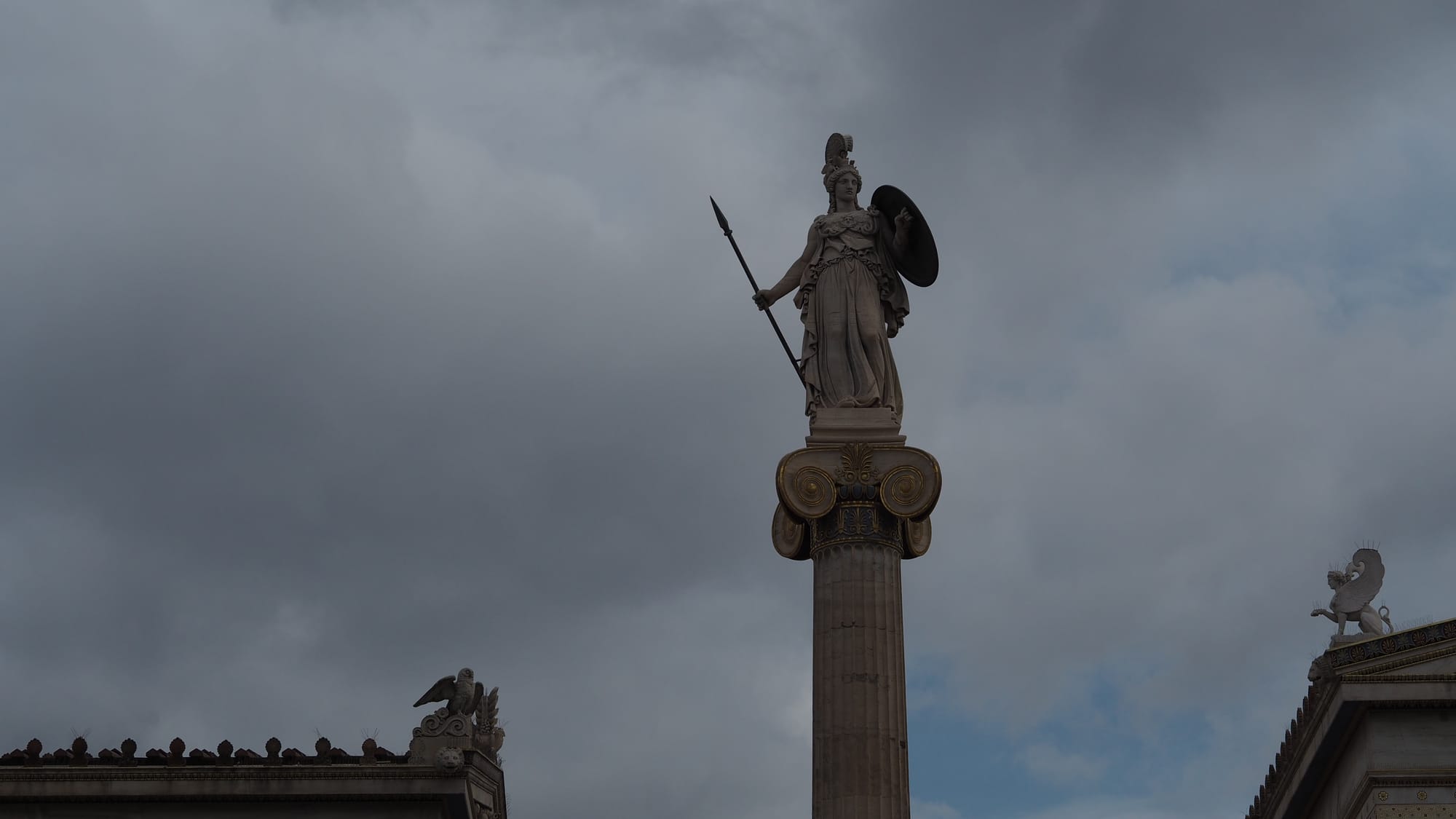
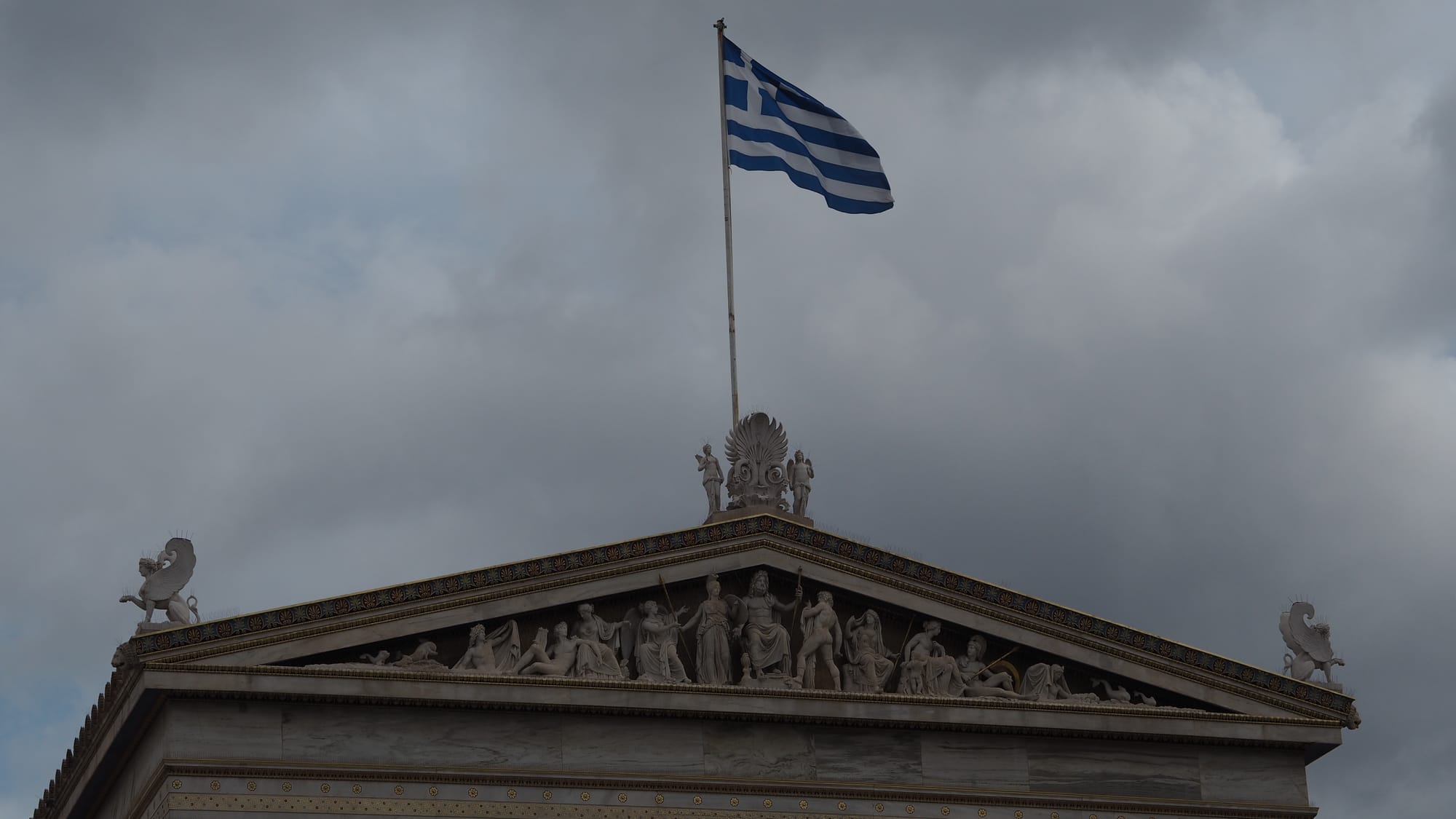
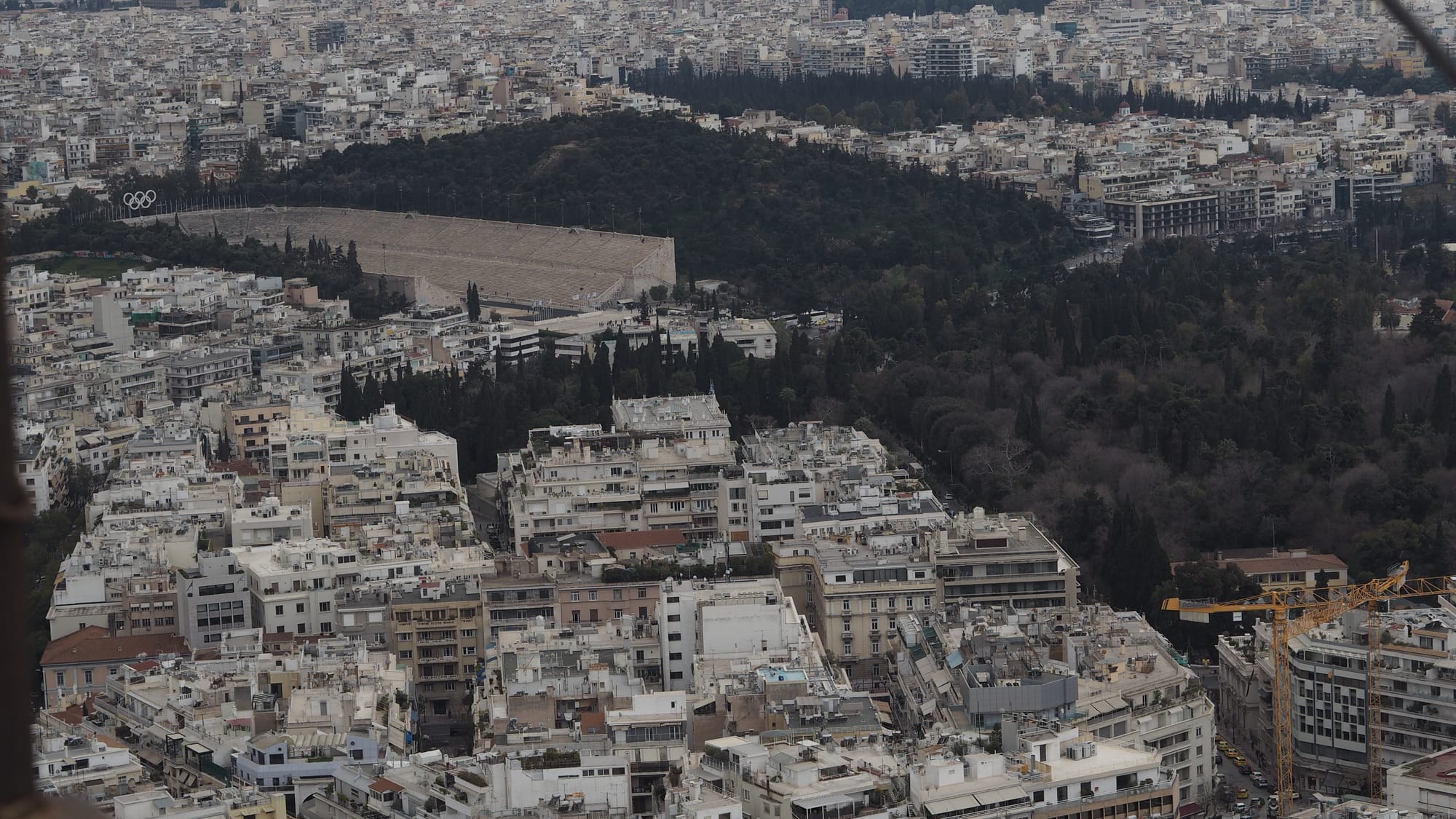
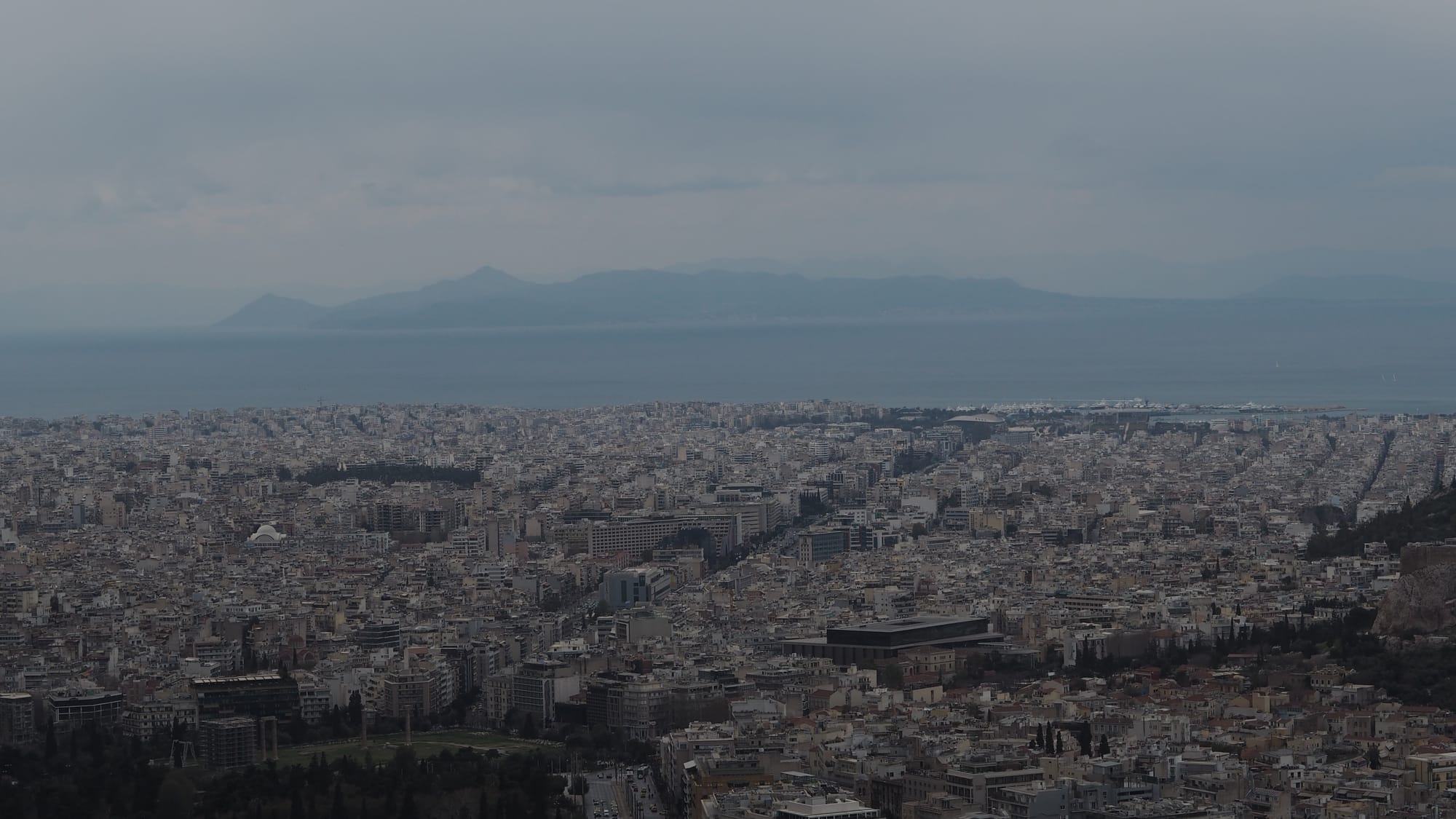
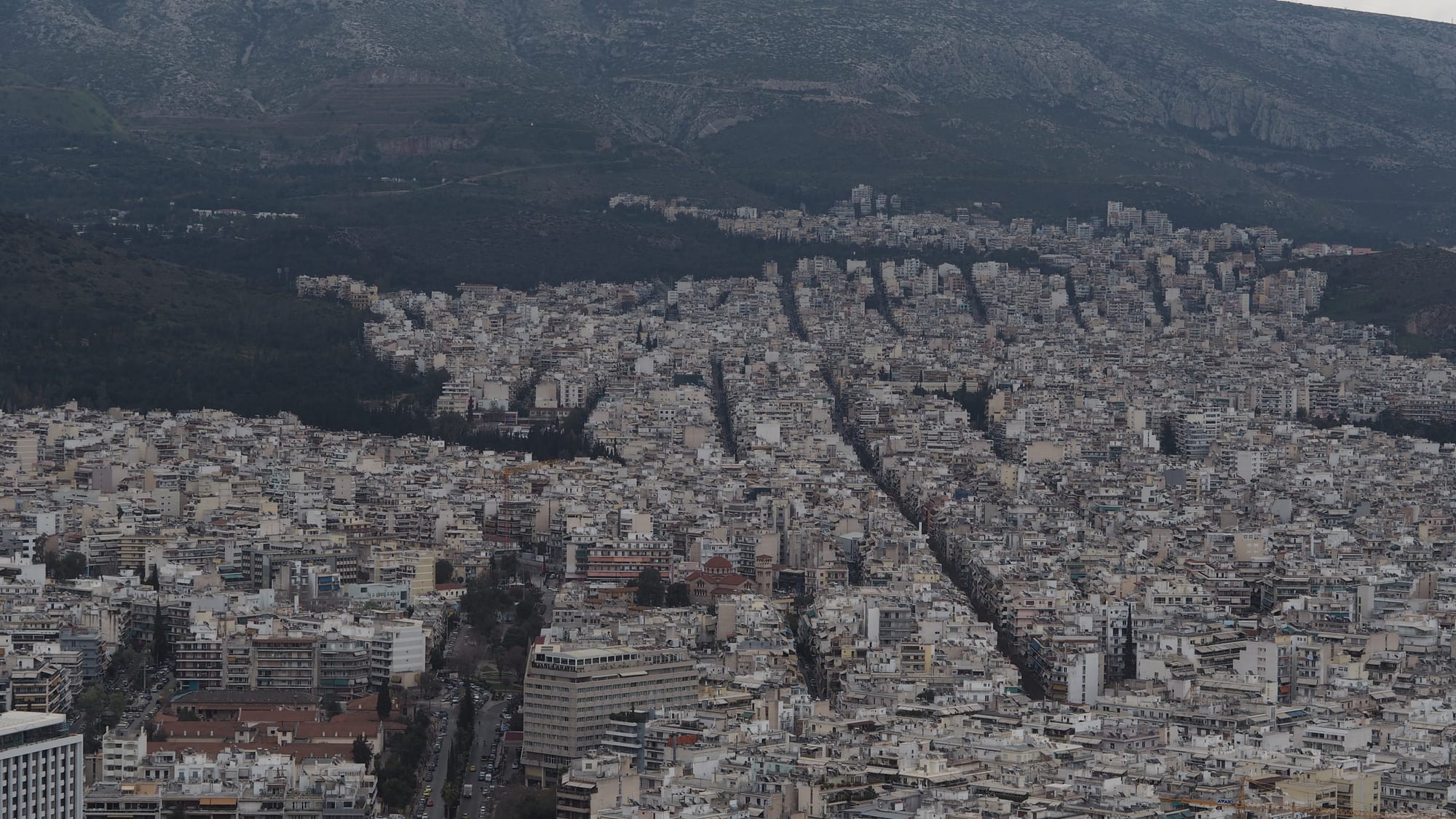
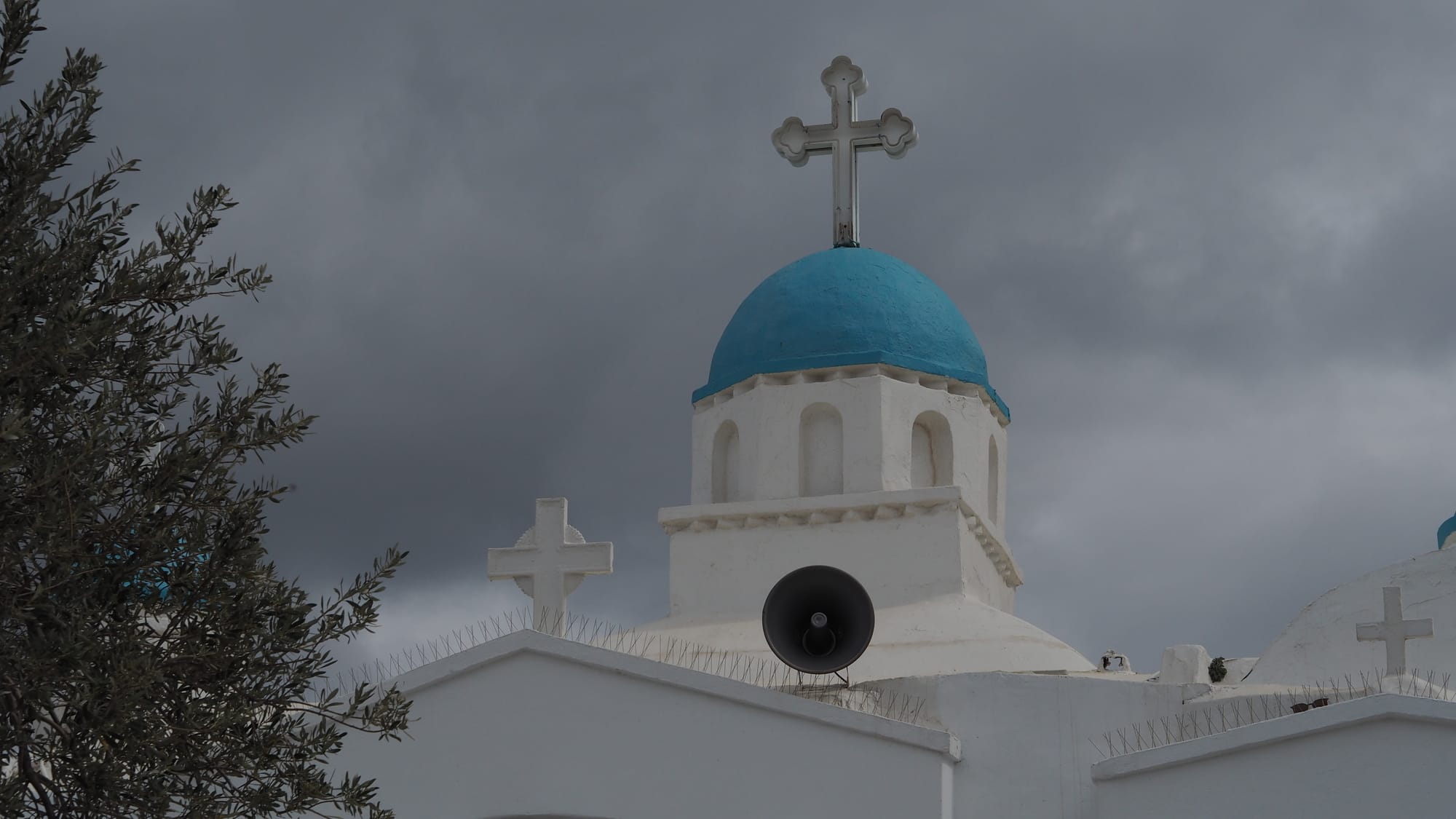
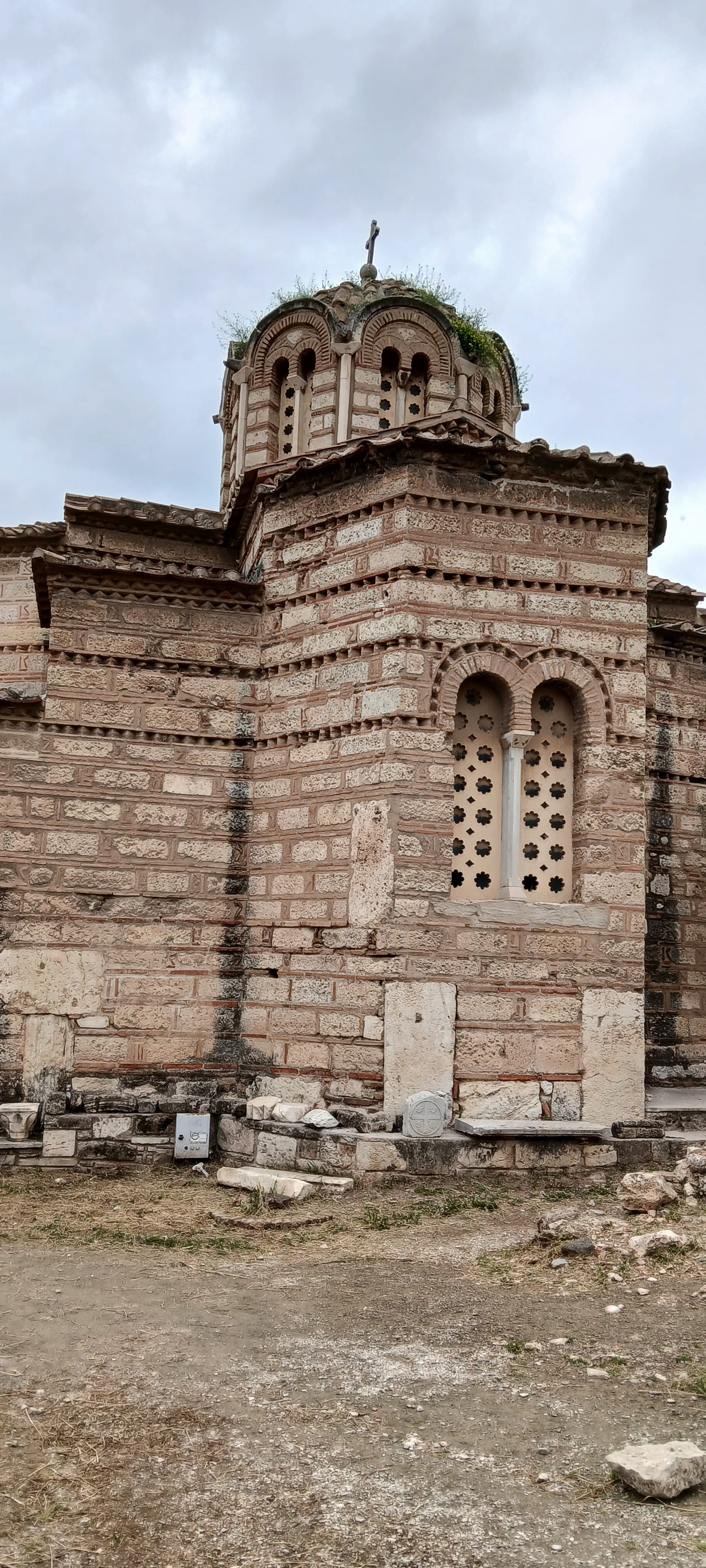
- up to another Byzantine or Greek Orthodox church, St. George's
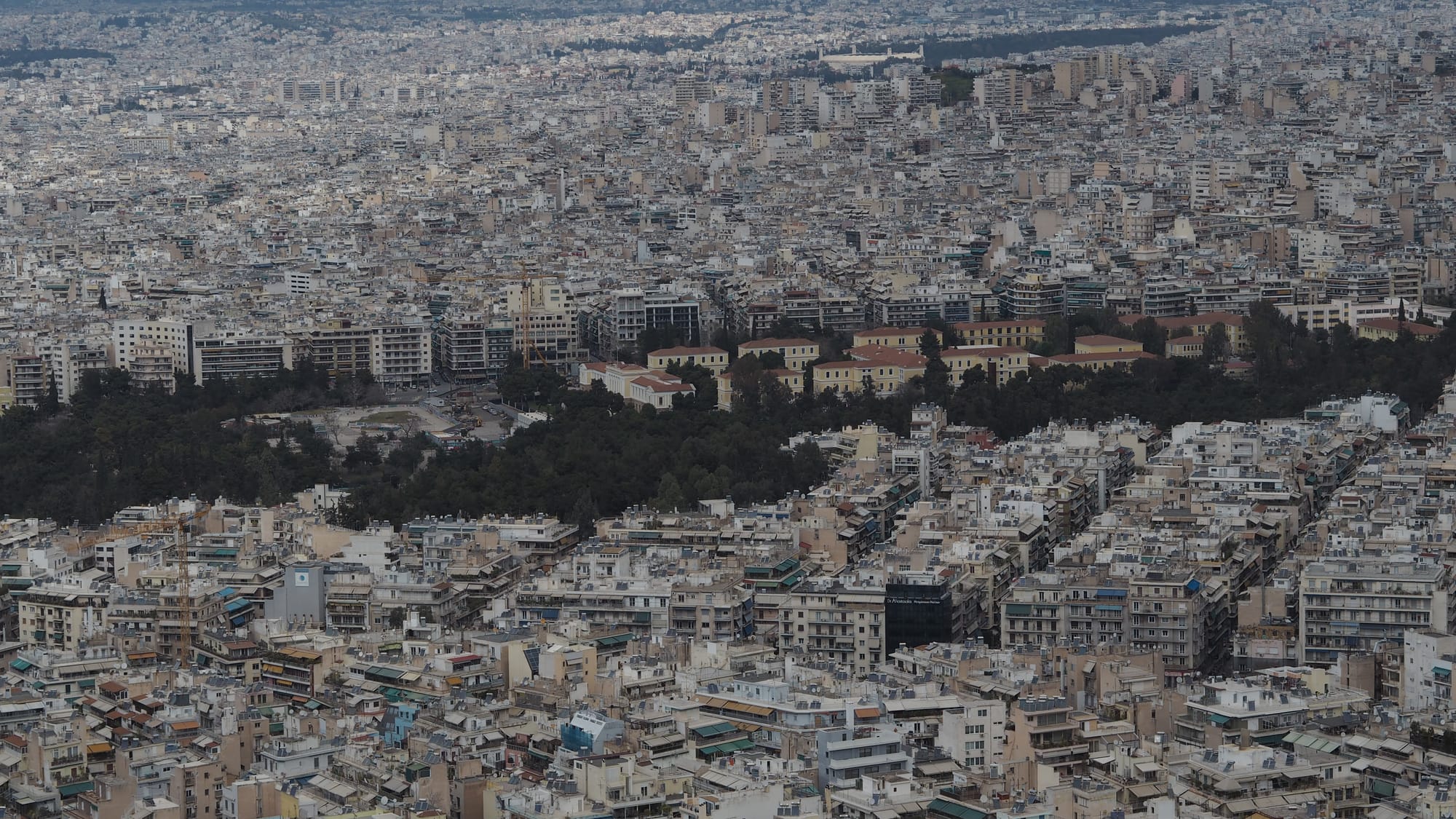
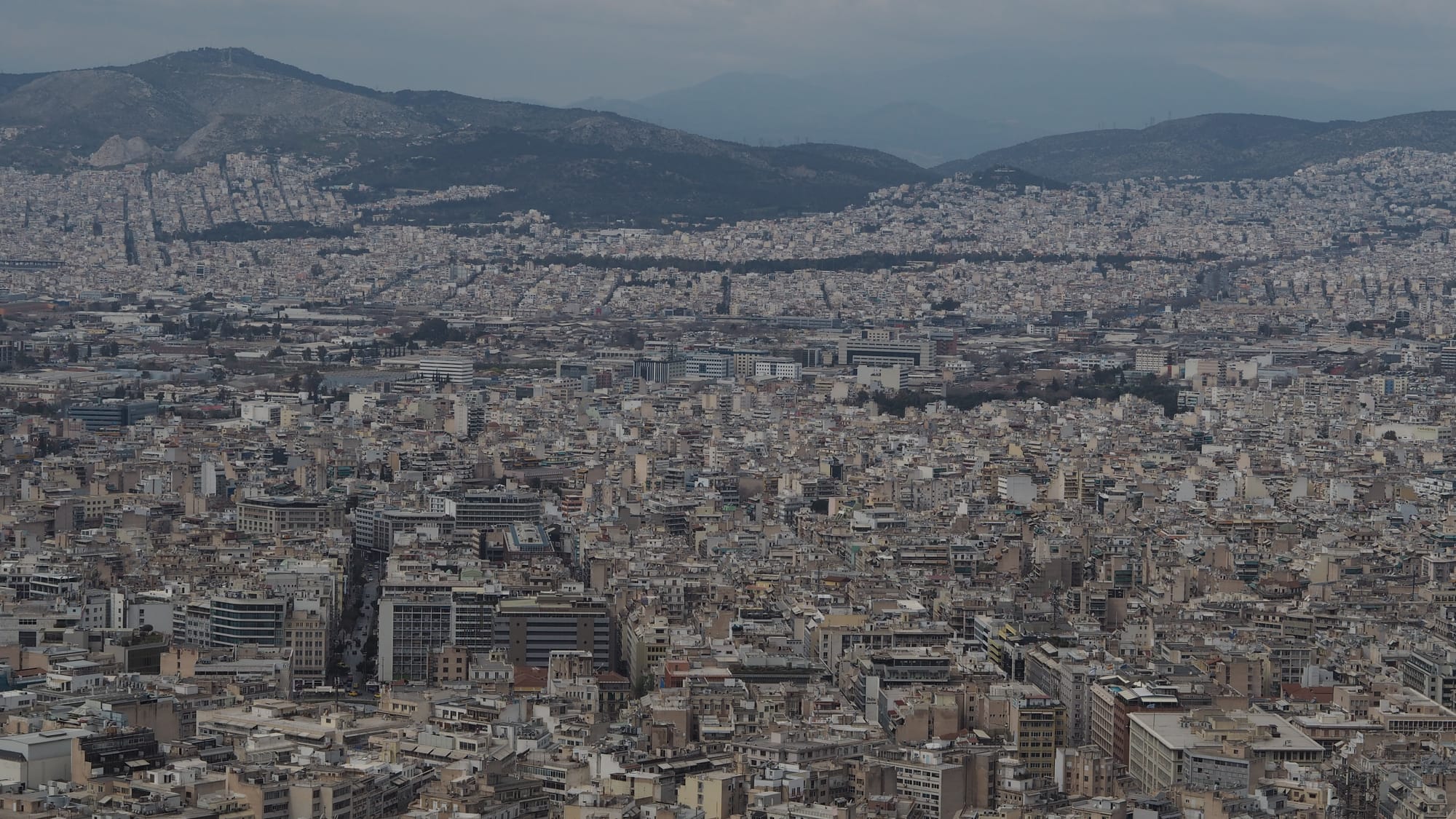
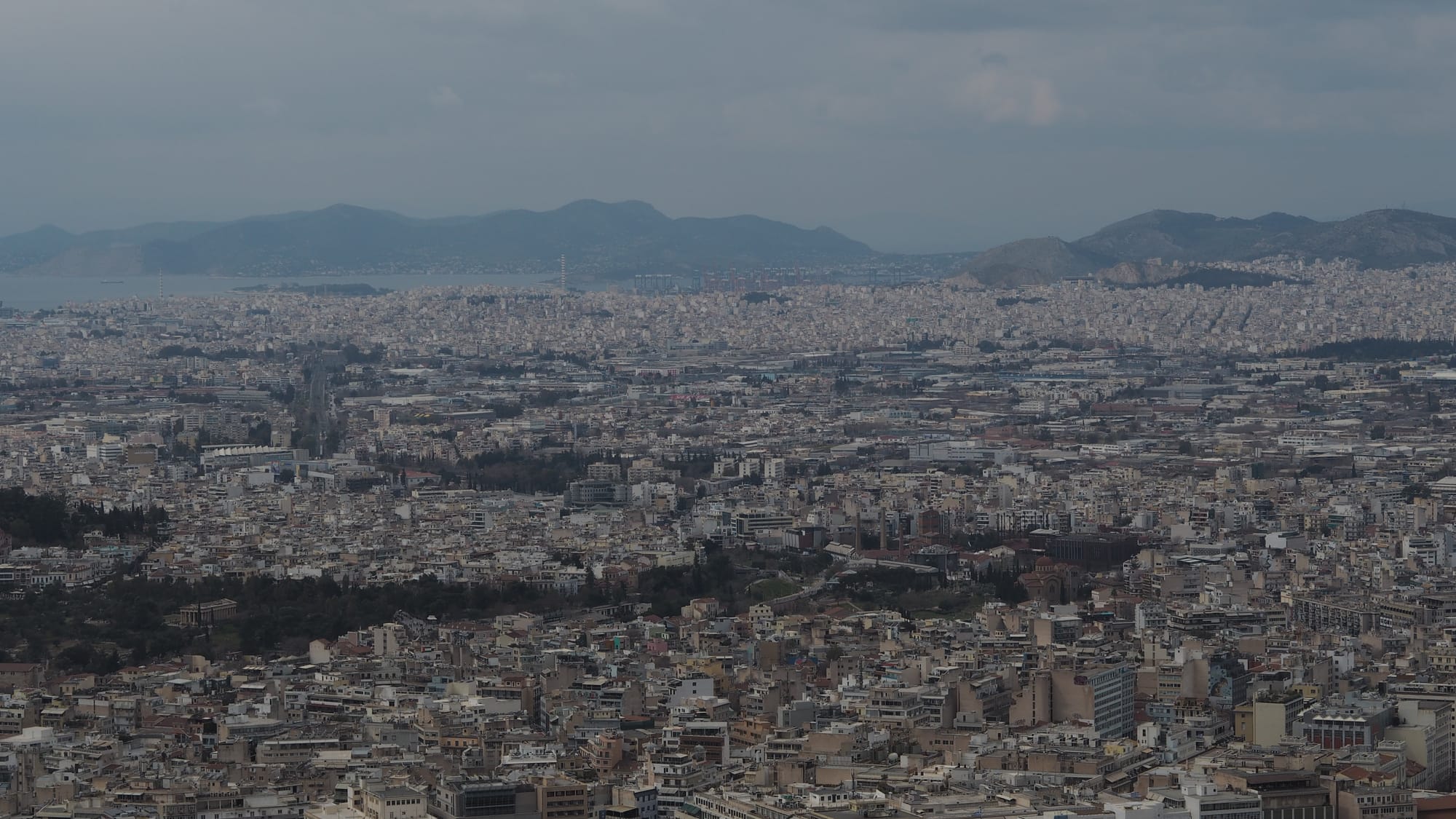
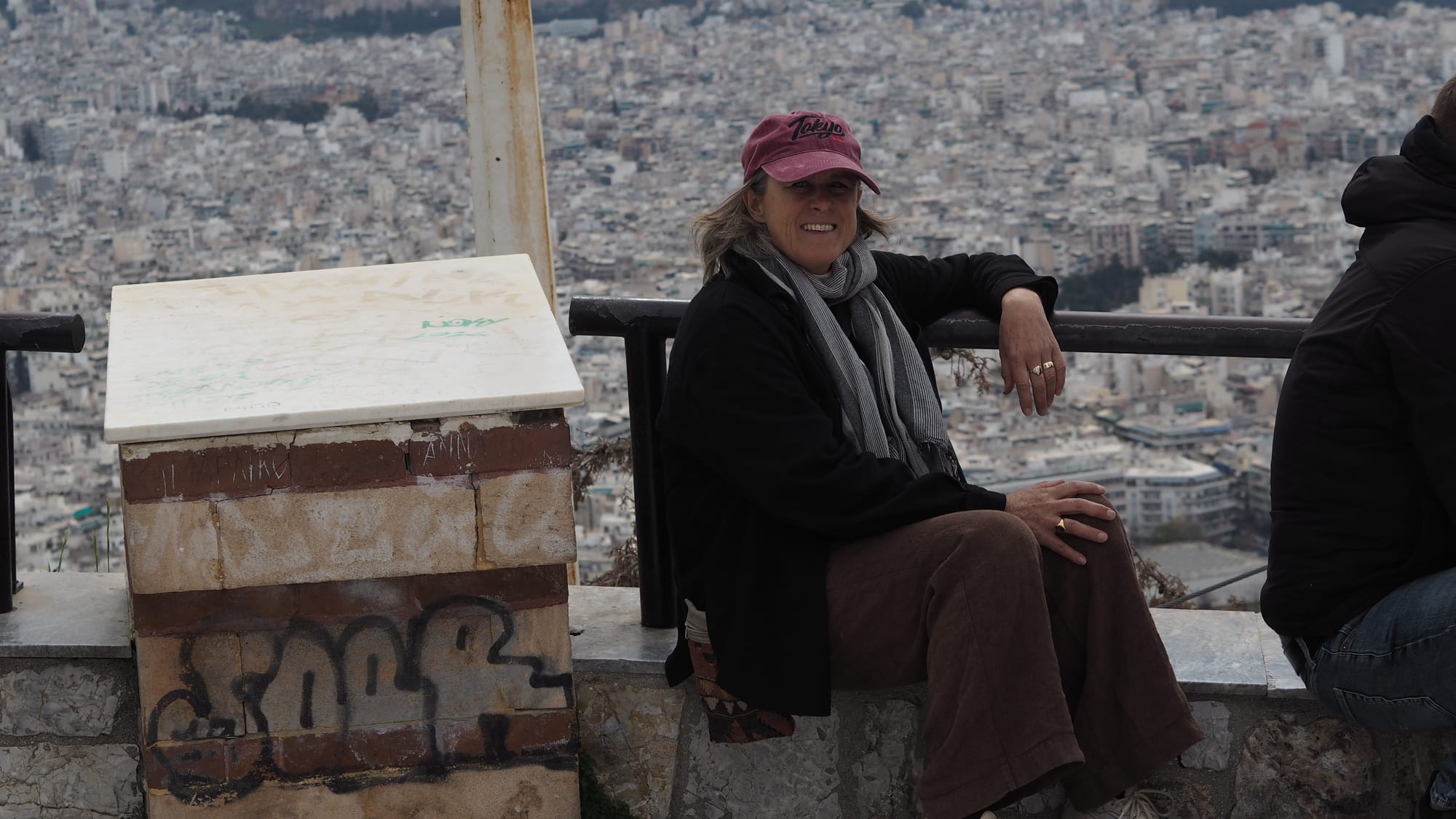
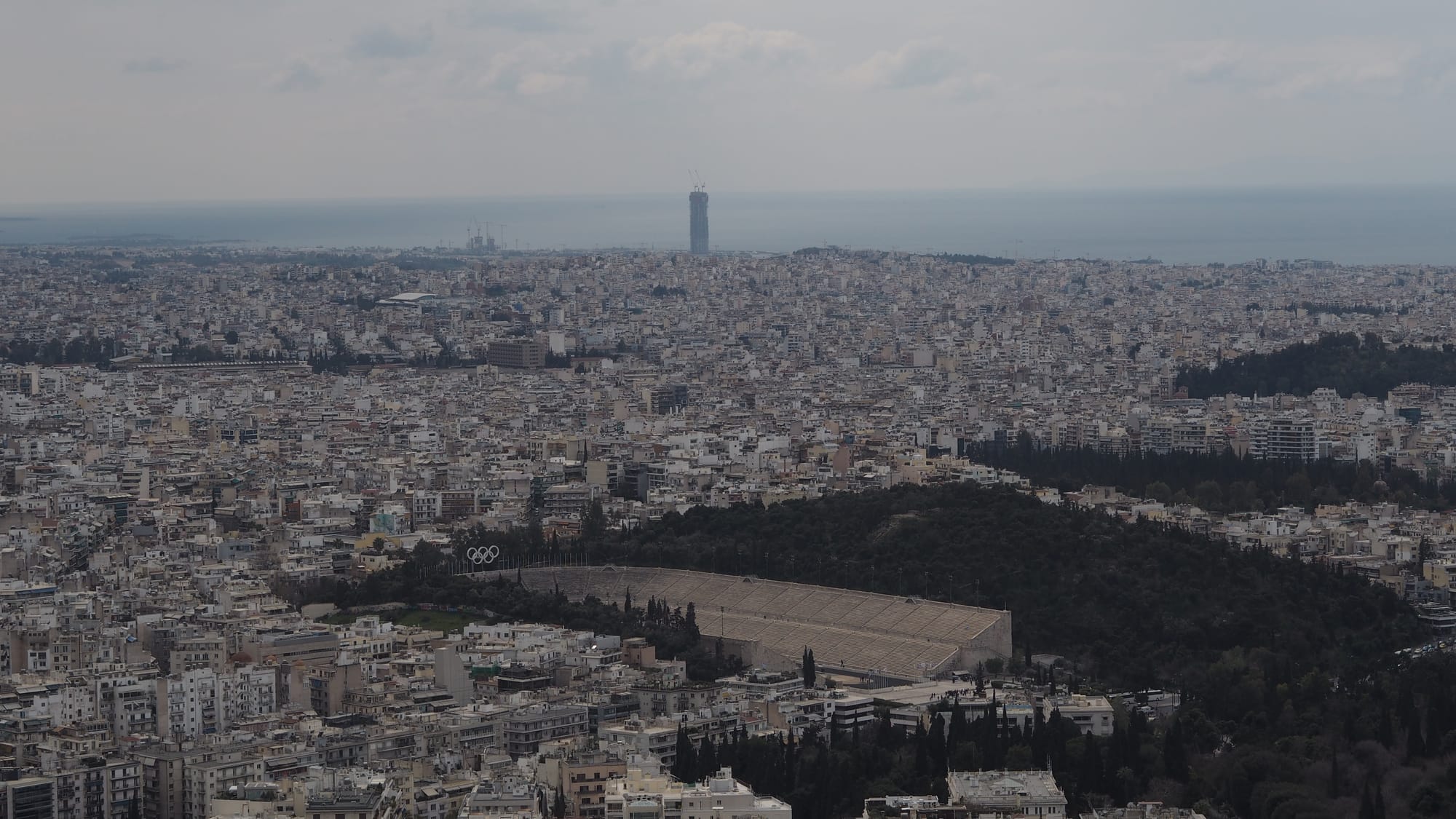
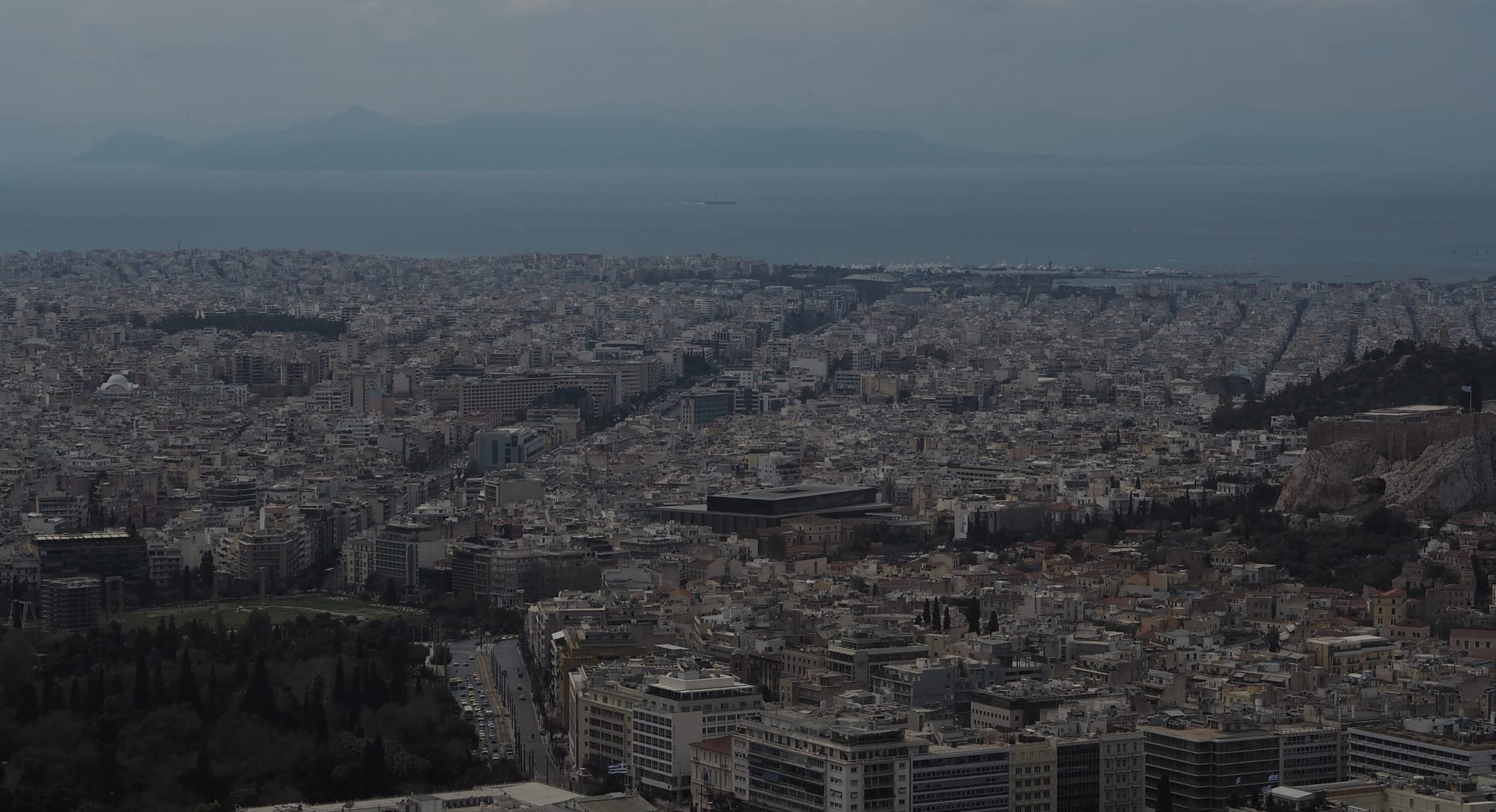
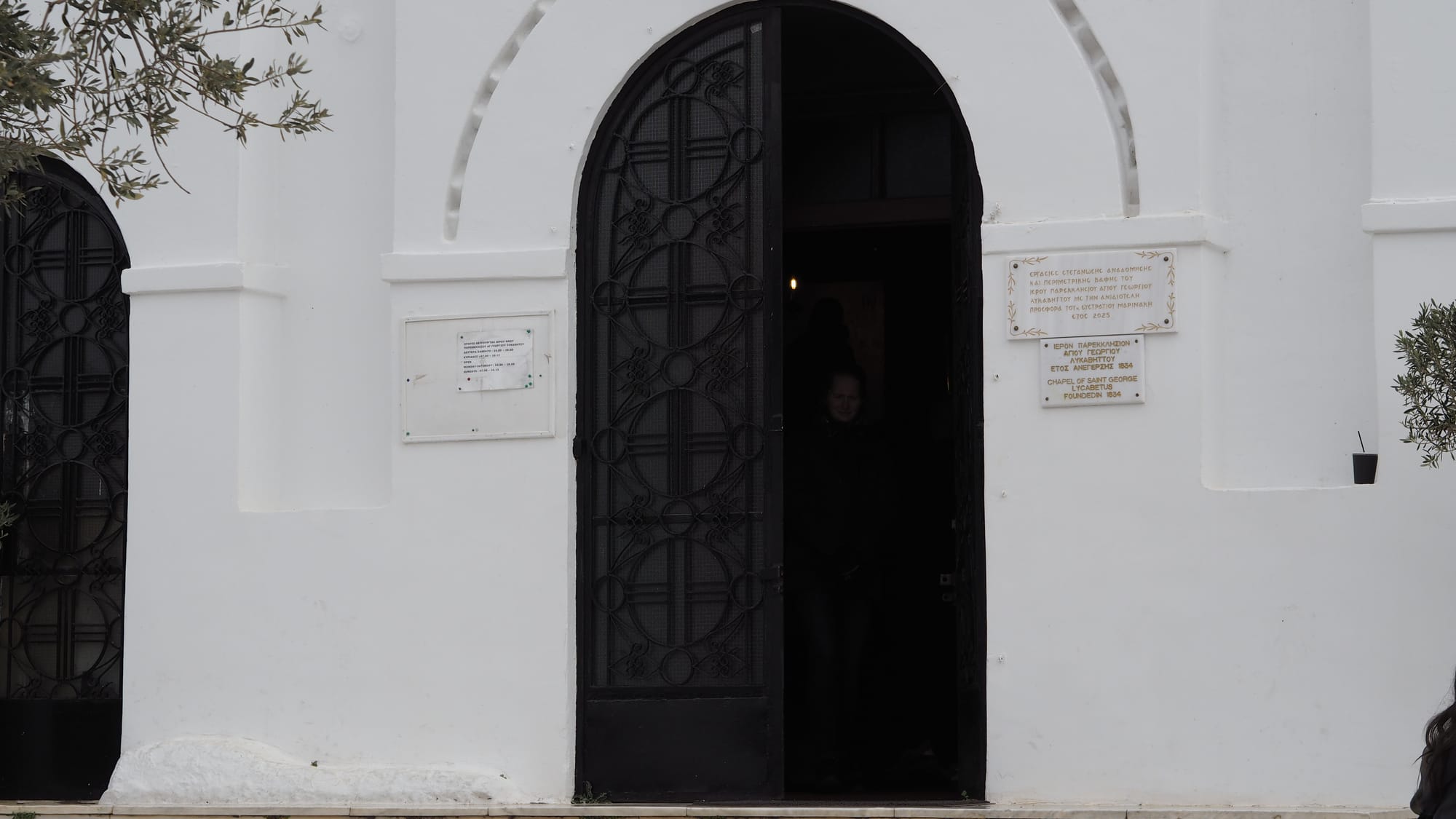
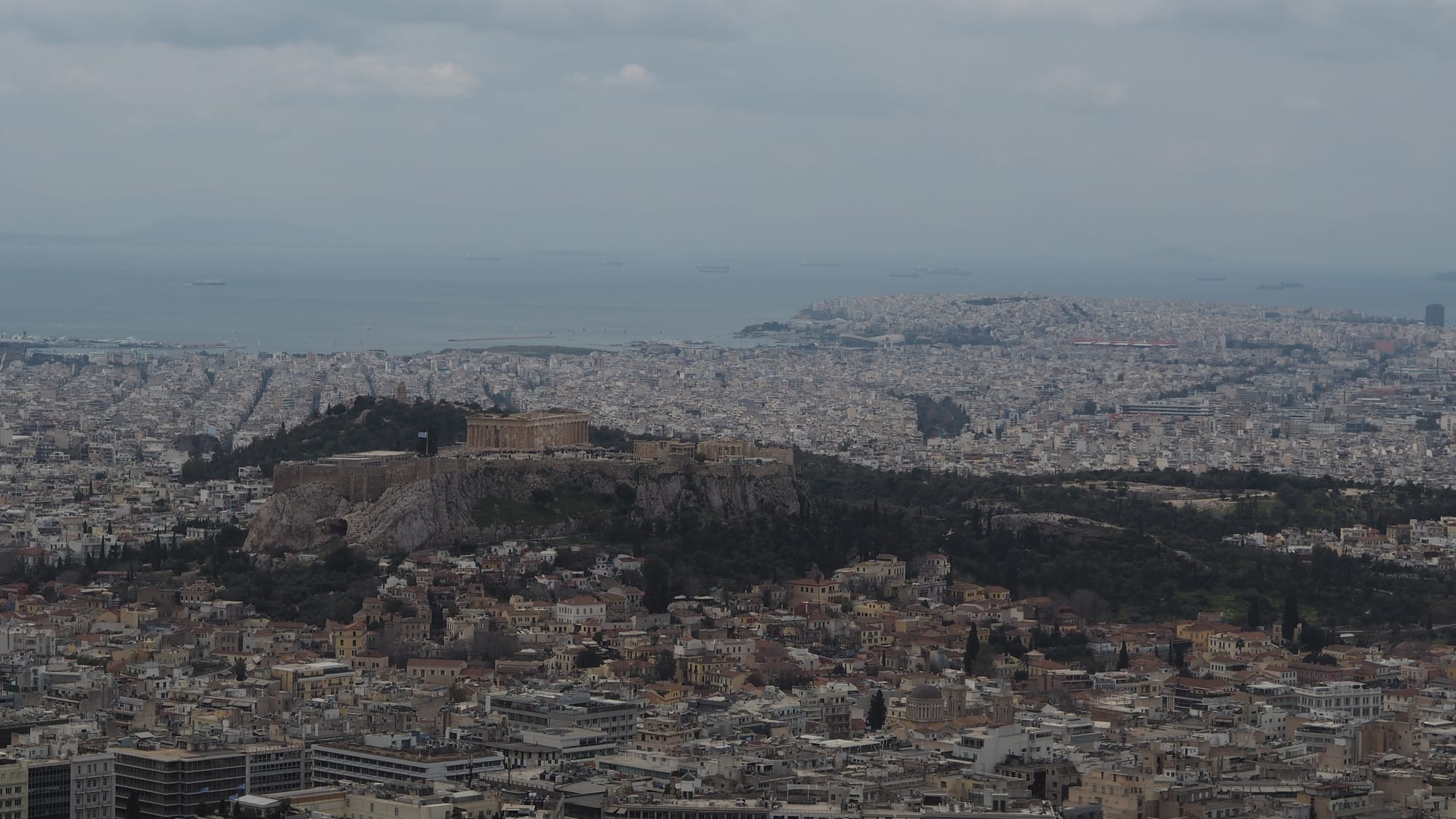
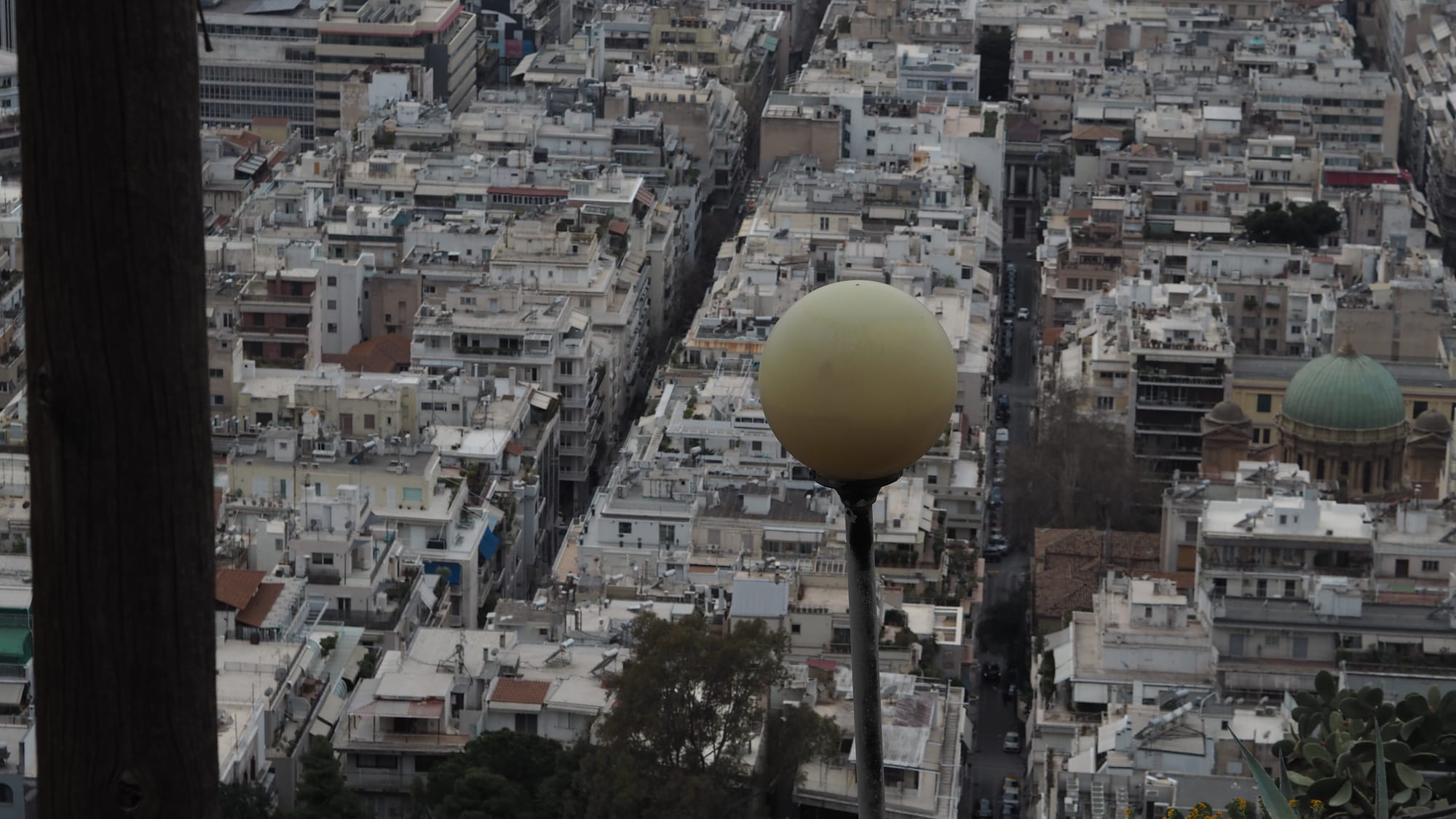
Coming down the hill, through a park and to the arena,
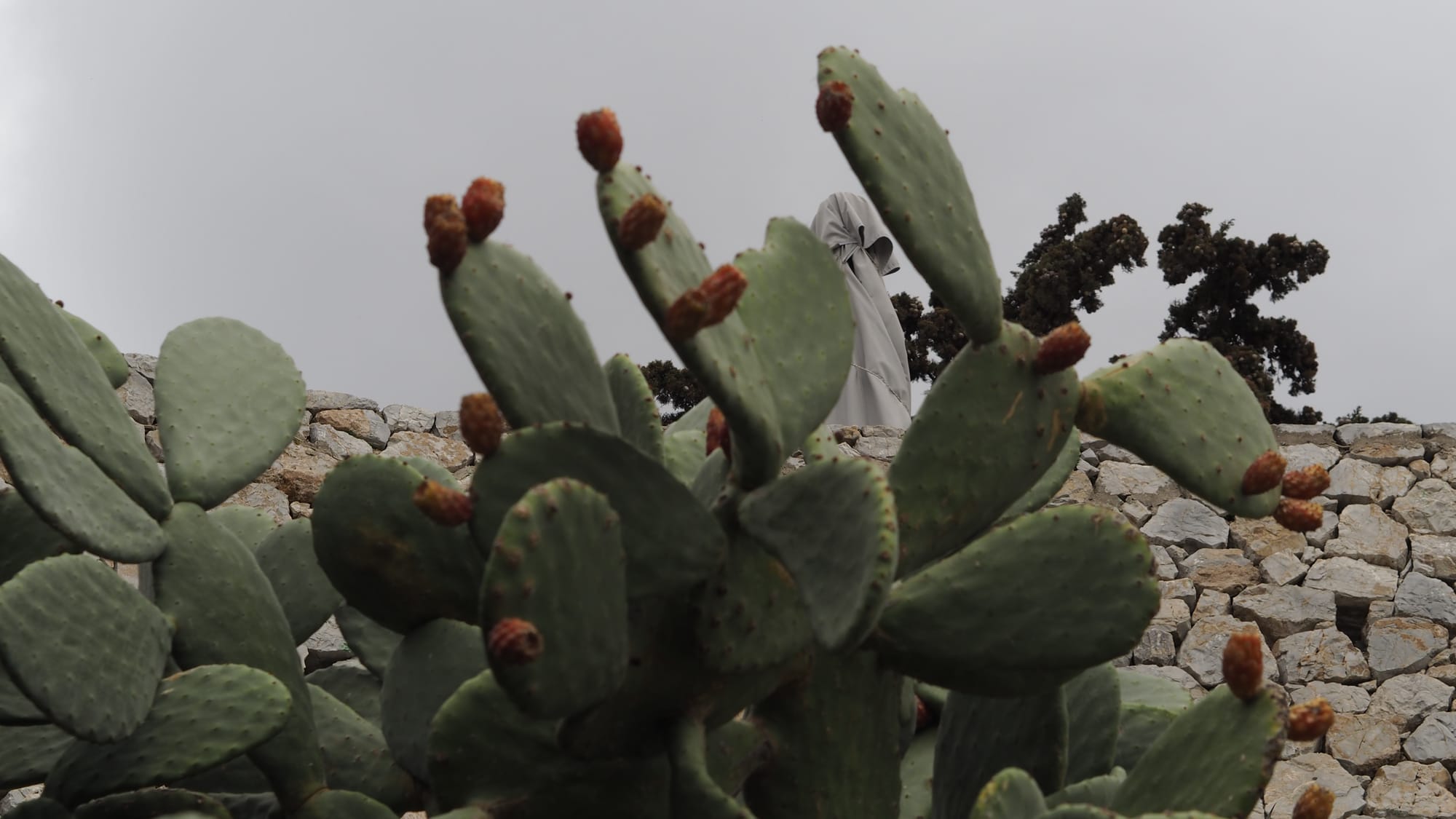
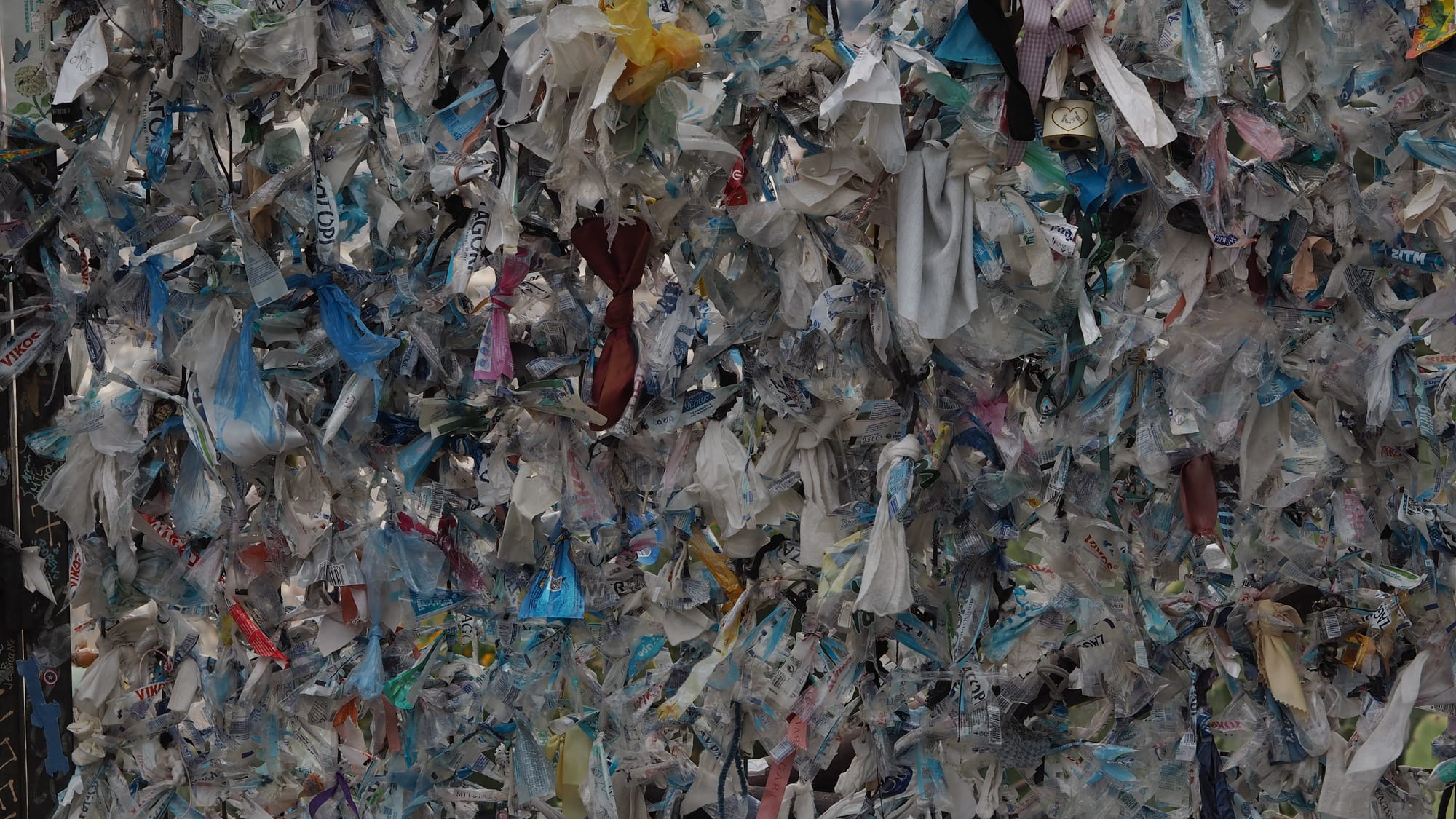
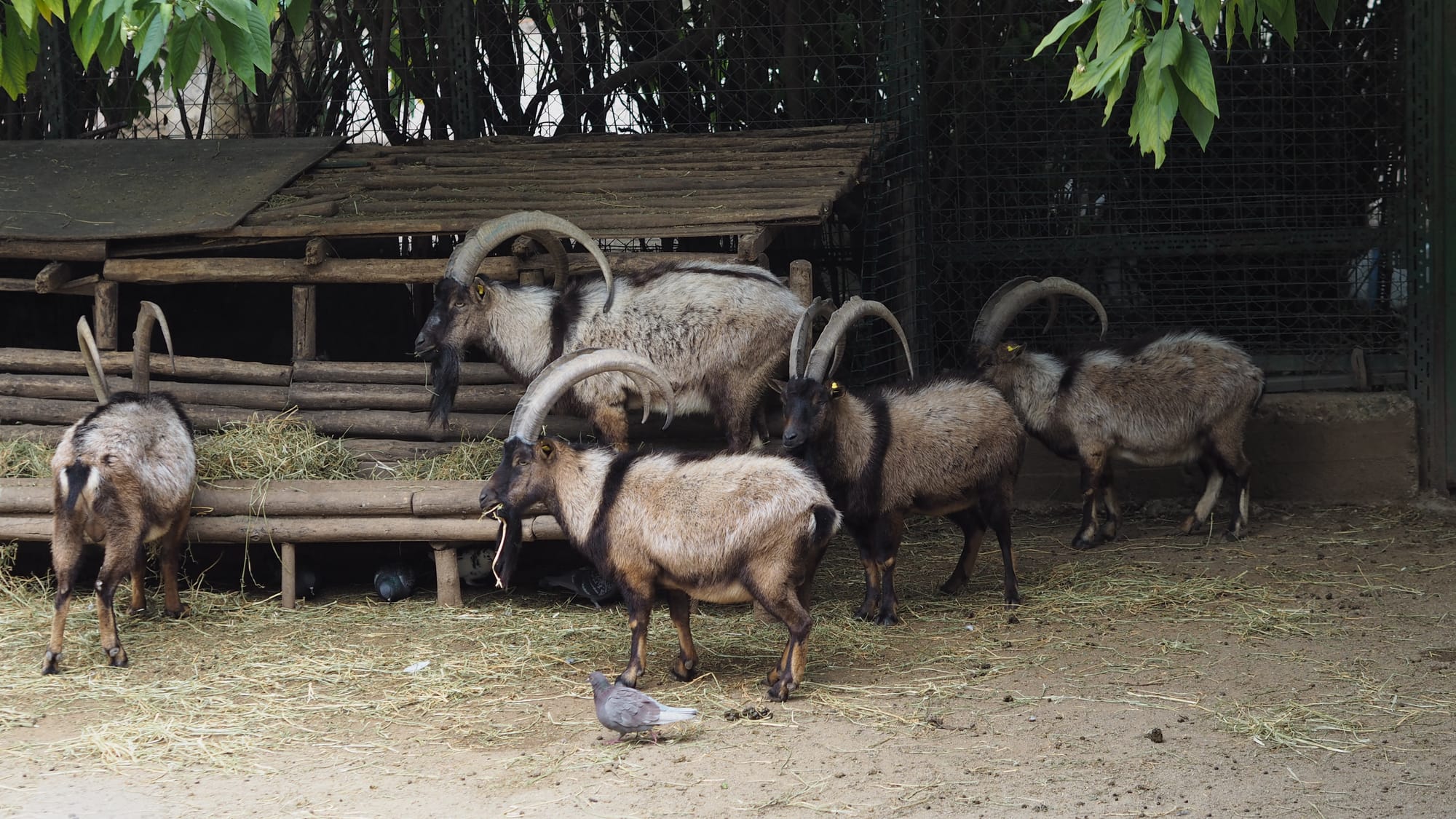
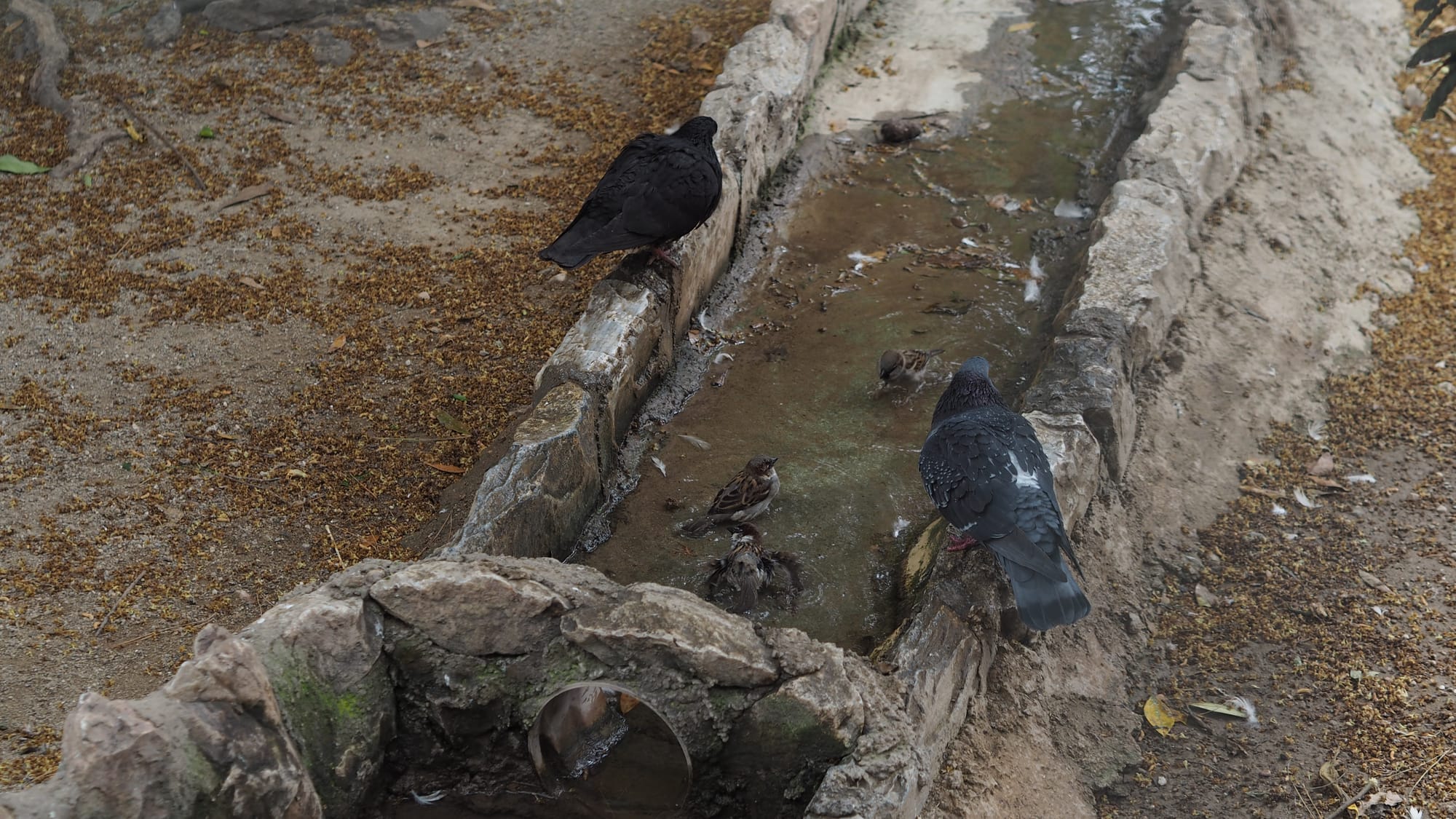
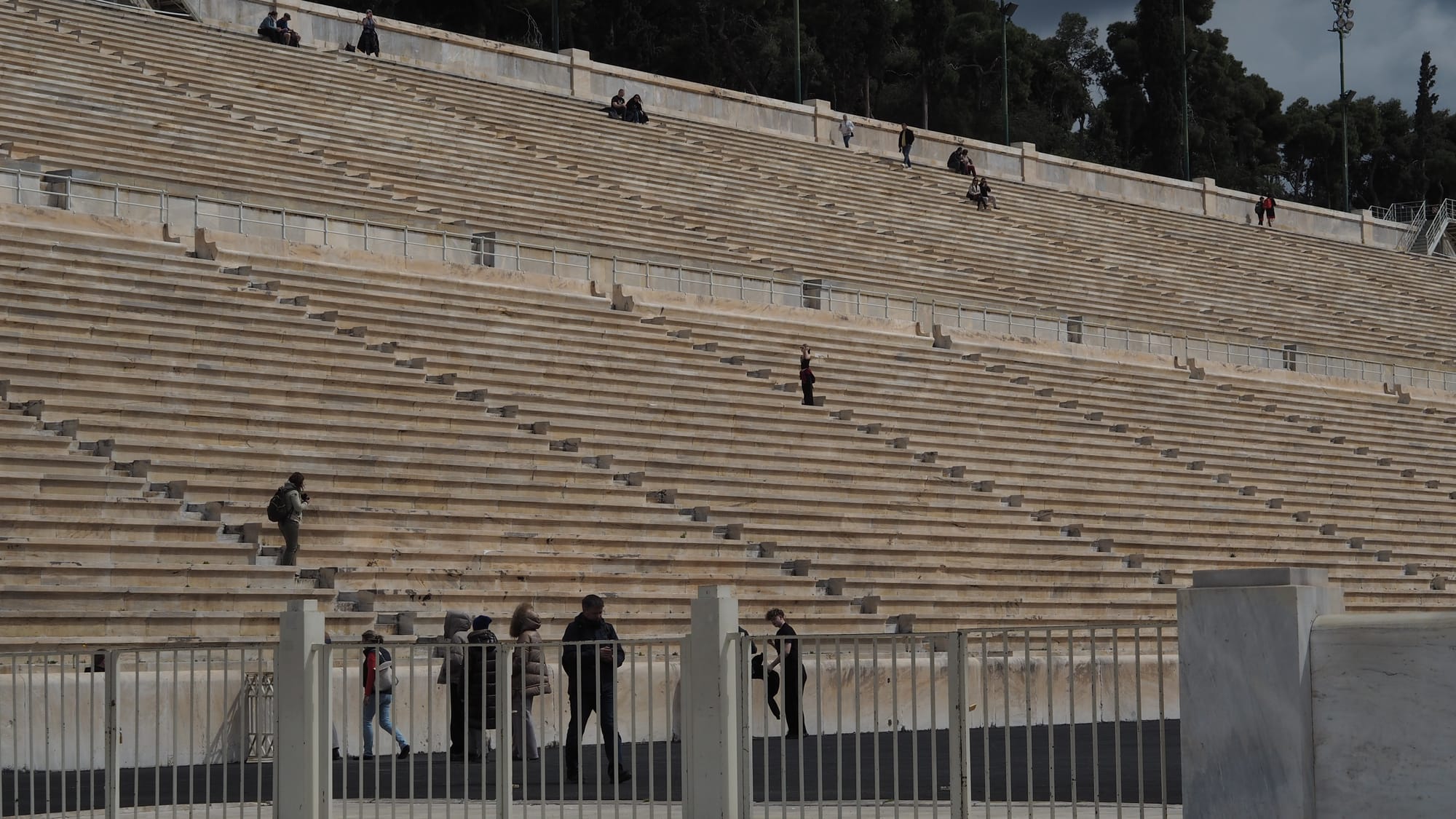
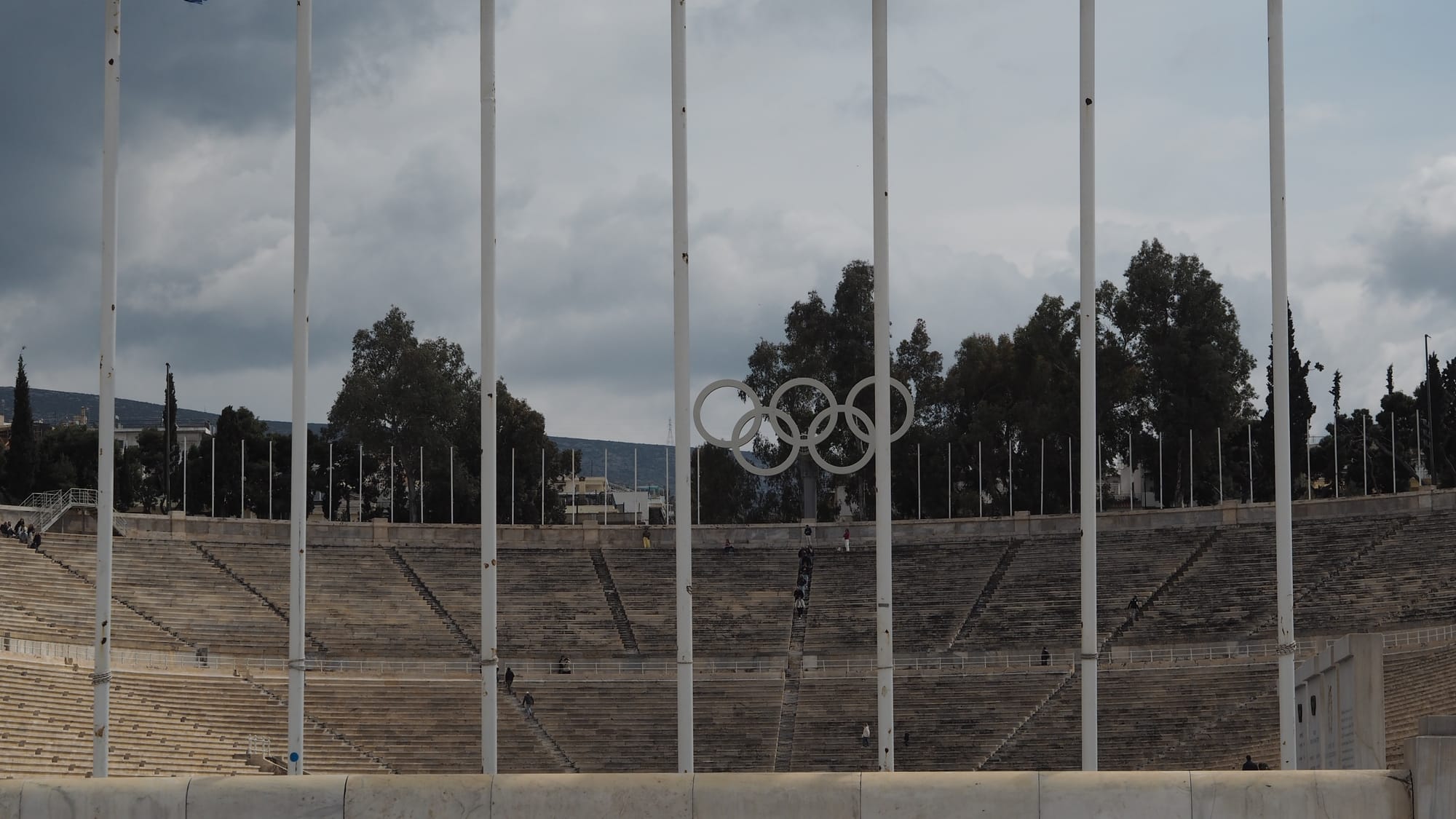
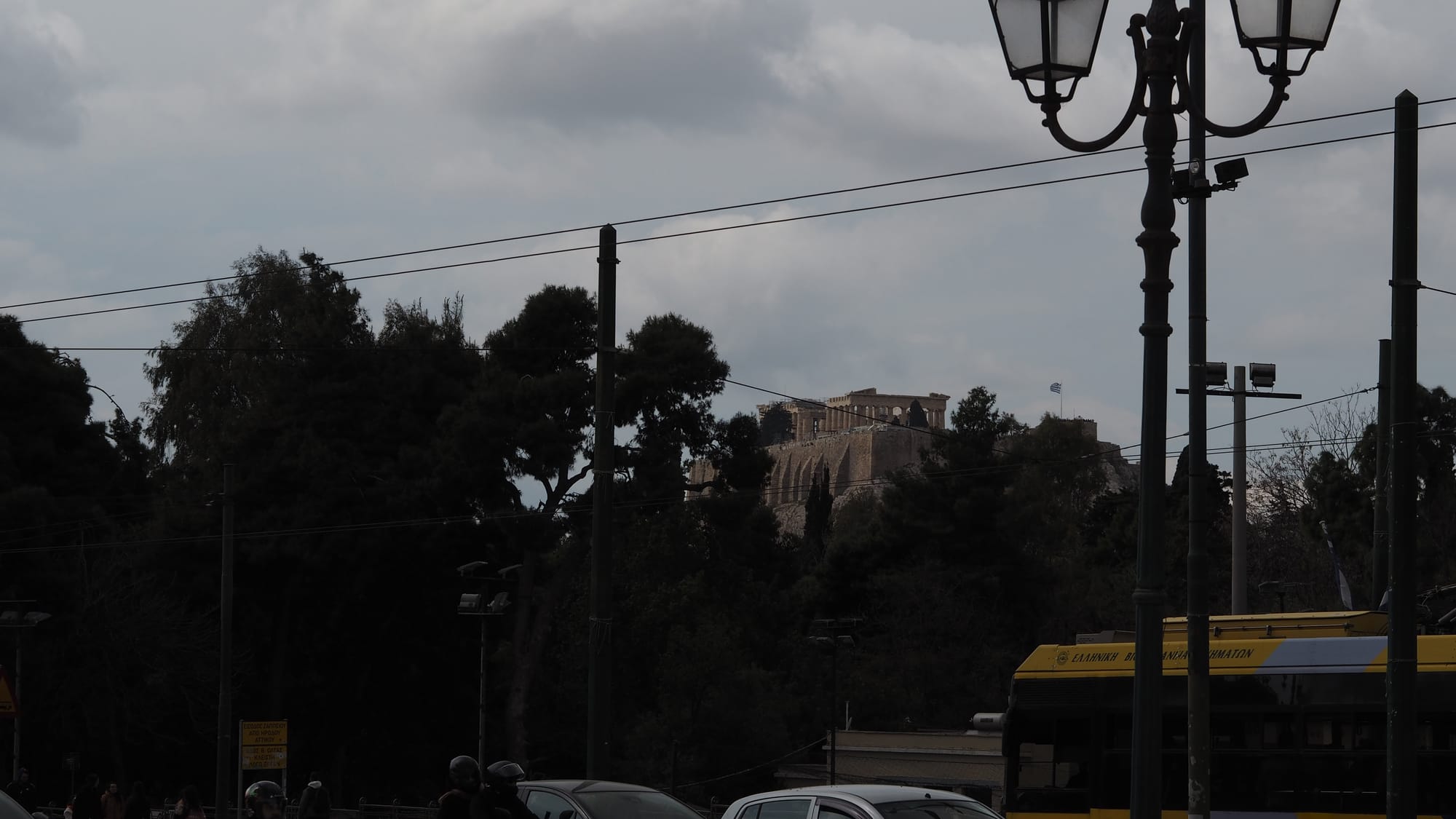
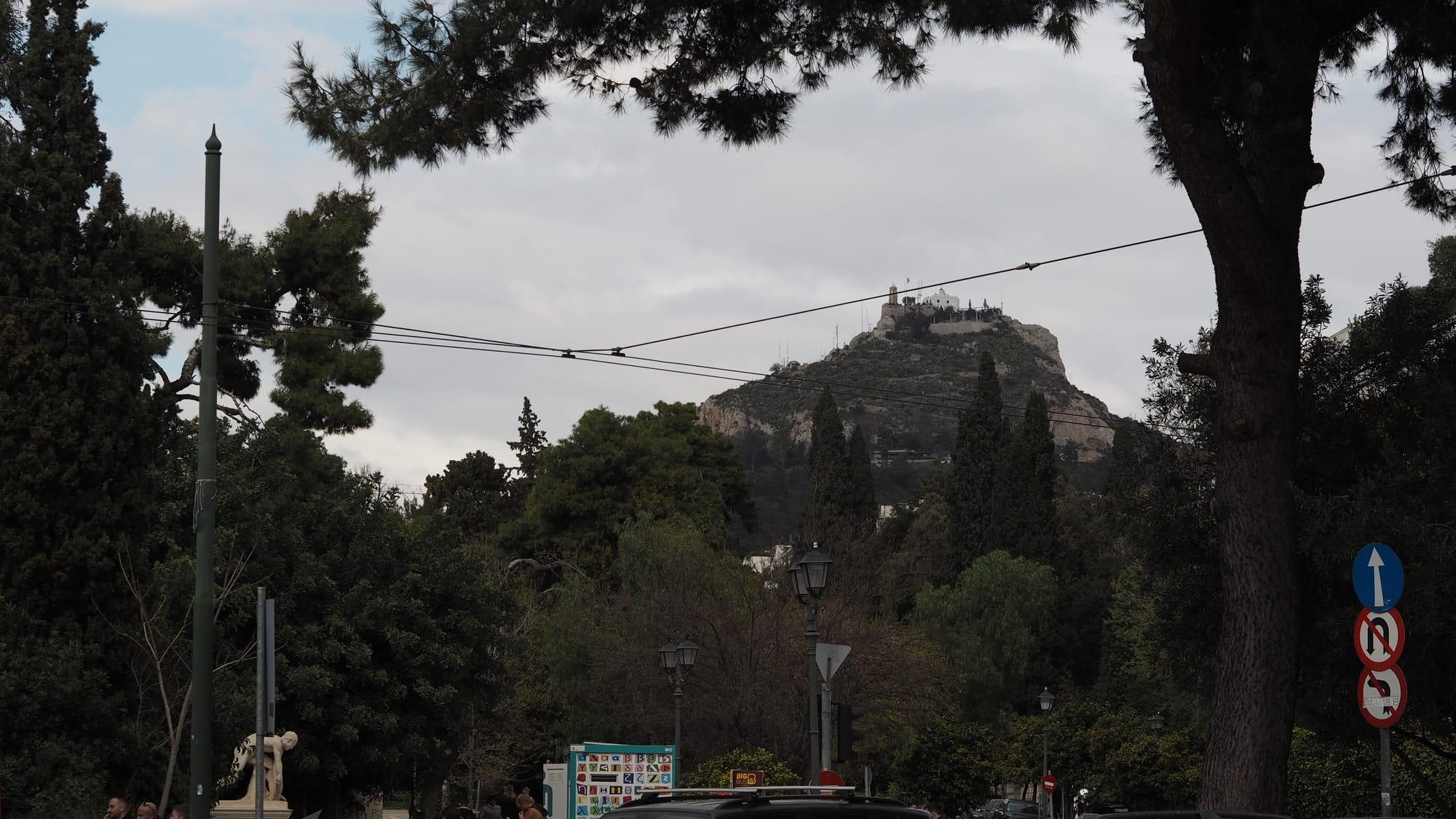
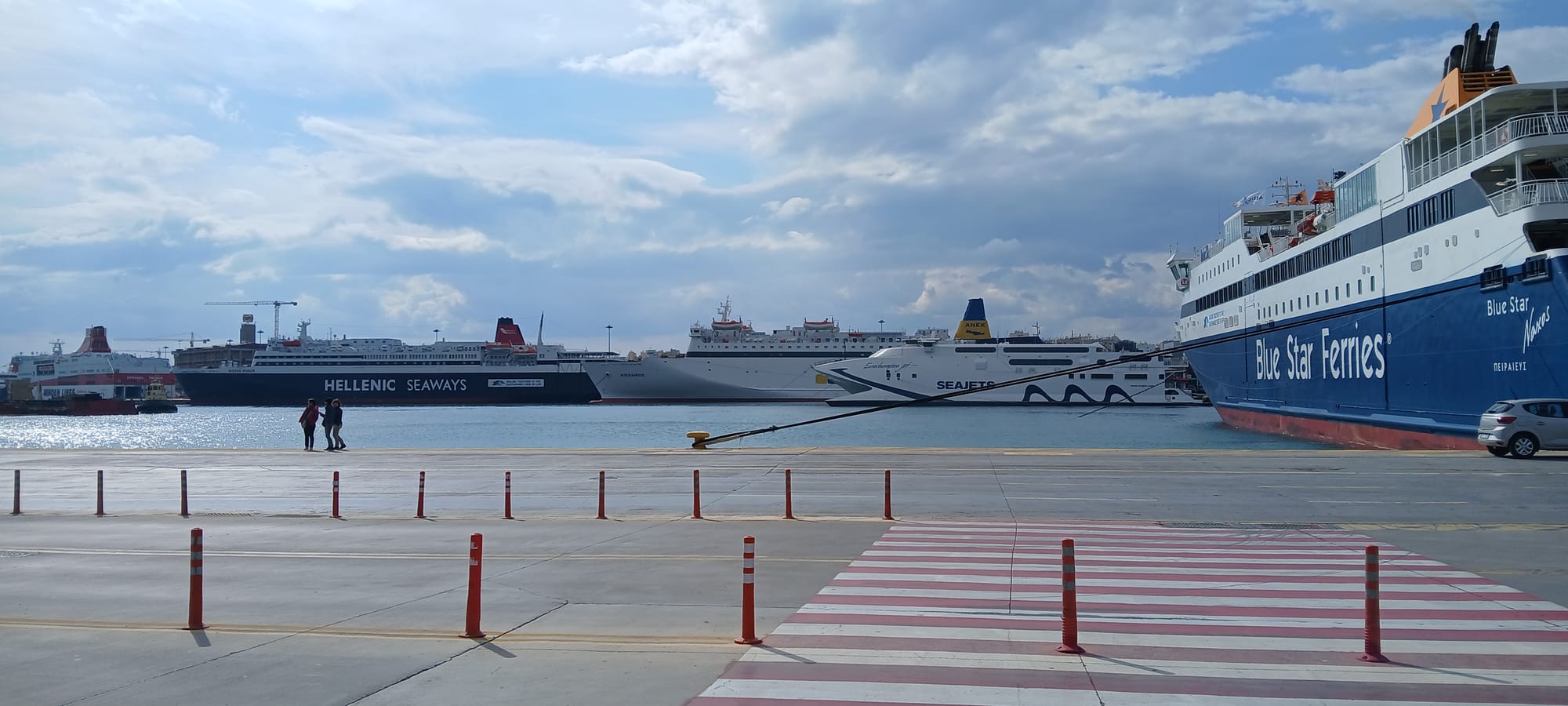
Out to Piraeus where all the galleries we wanted to visit were closed (a theme that would follow us to Berlin).
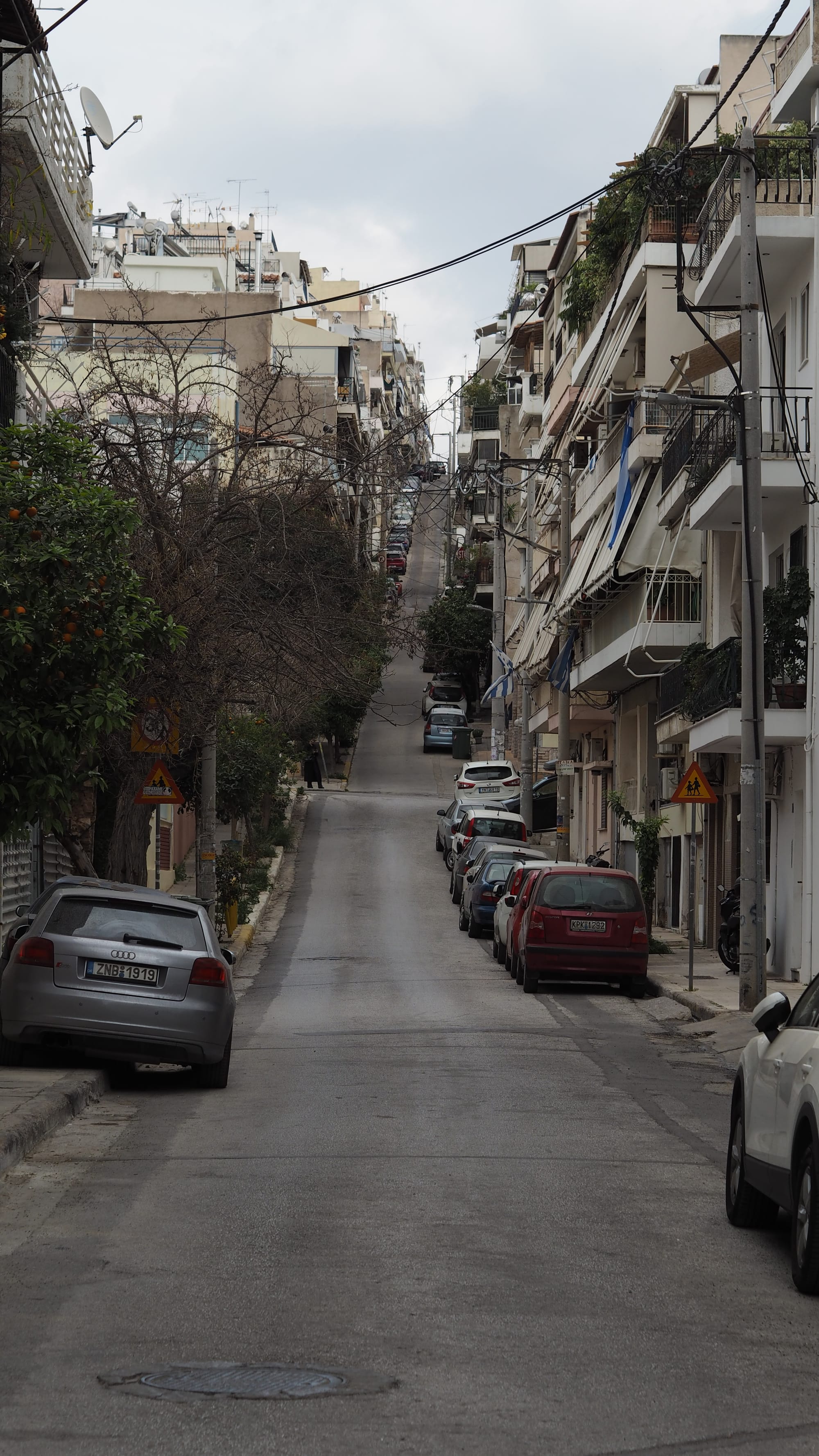
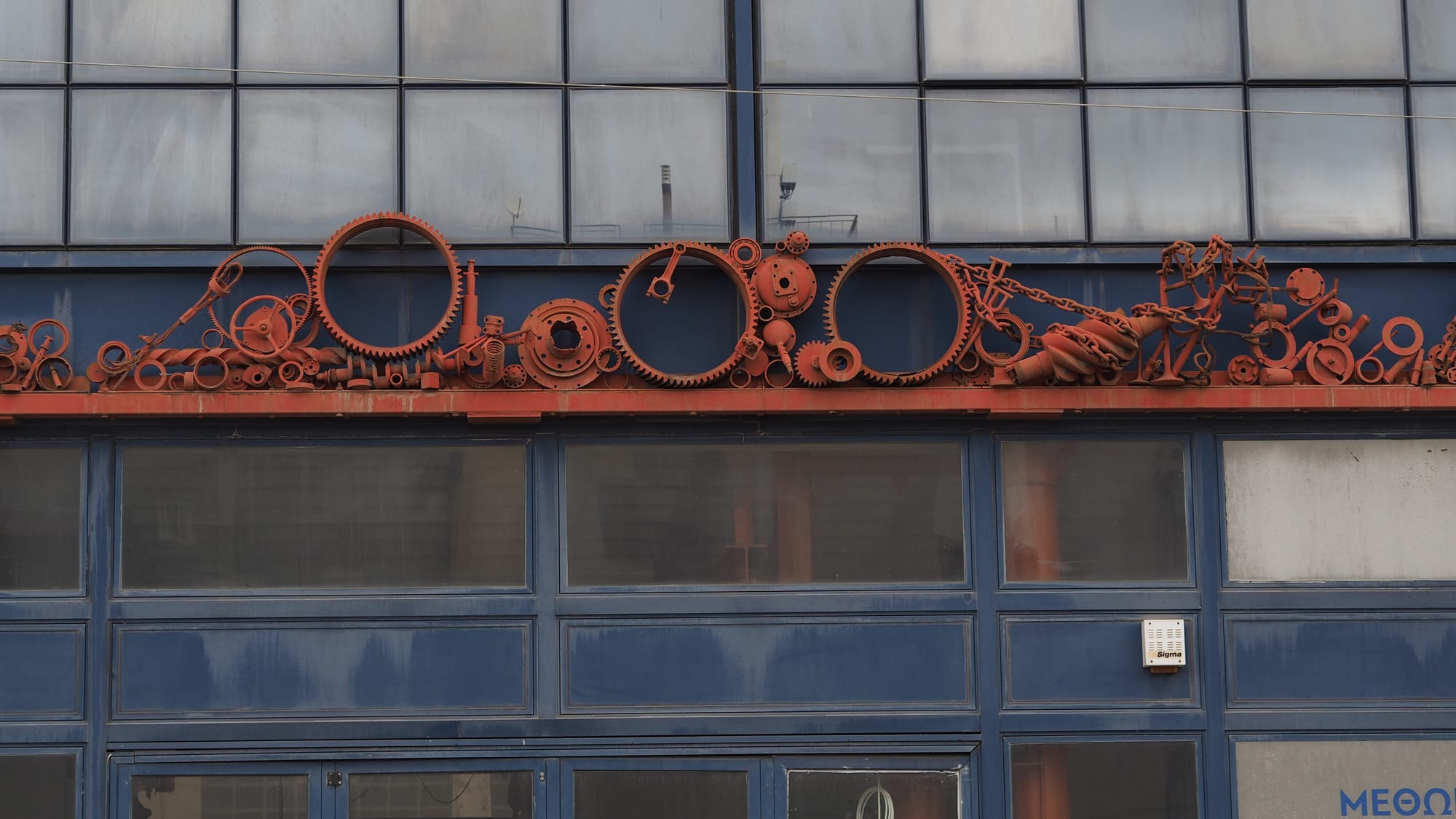
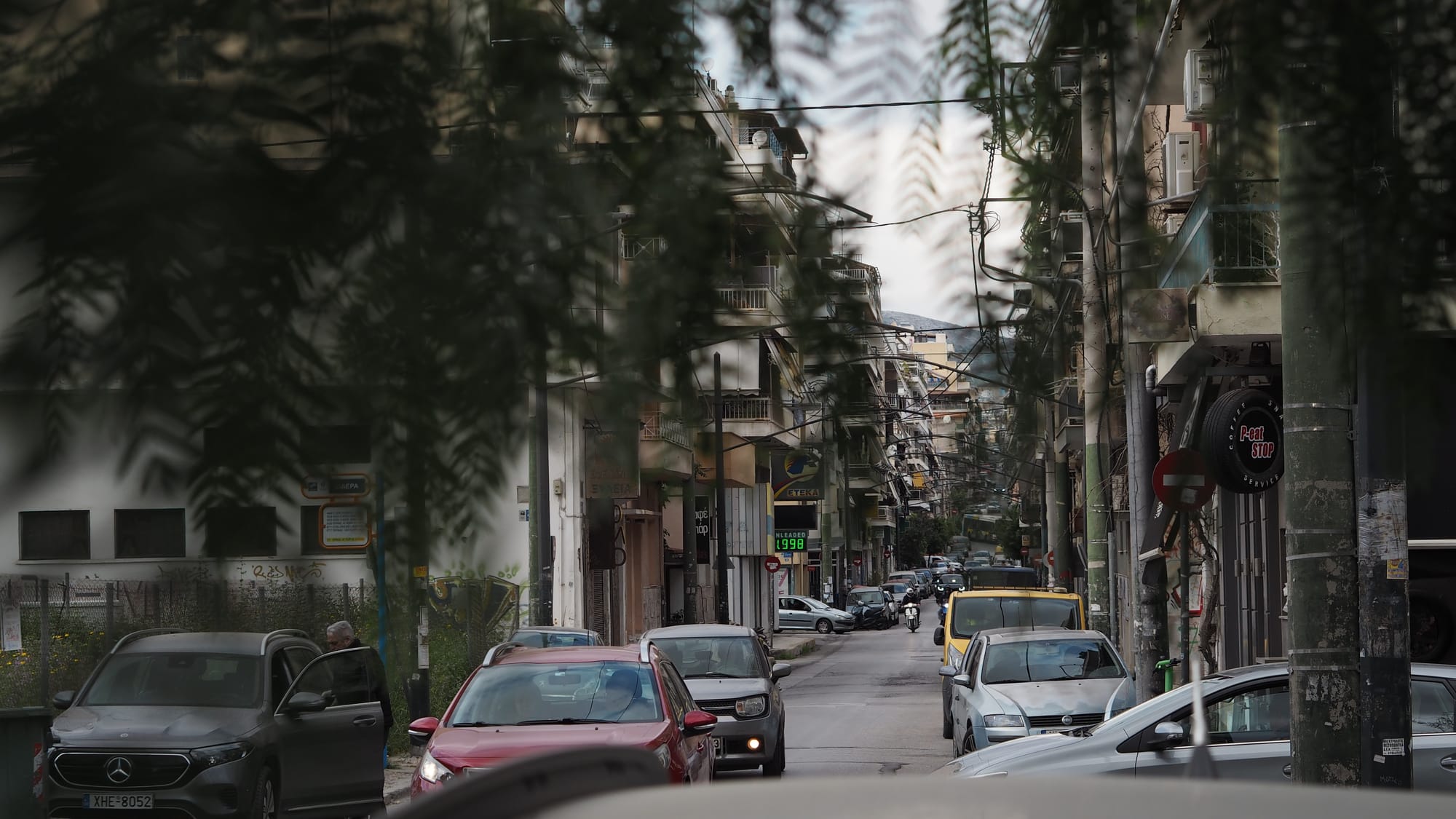
Jo picked up the most delicious freddo, cold and thick milky coffee, the chosen drink 'round here, choice of hipsters, like a Brazil coffee-shake in fact. That good. And,
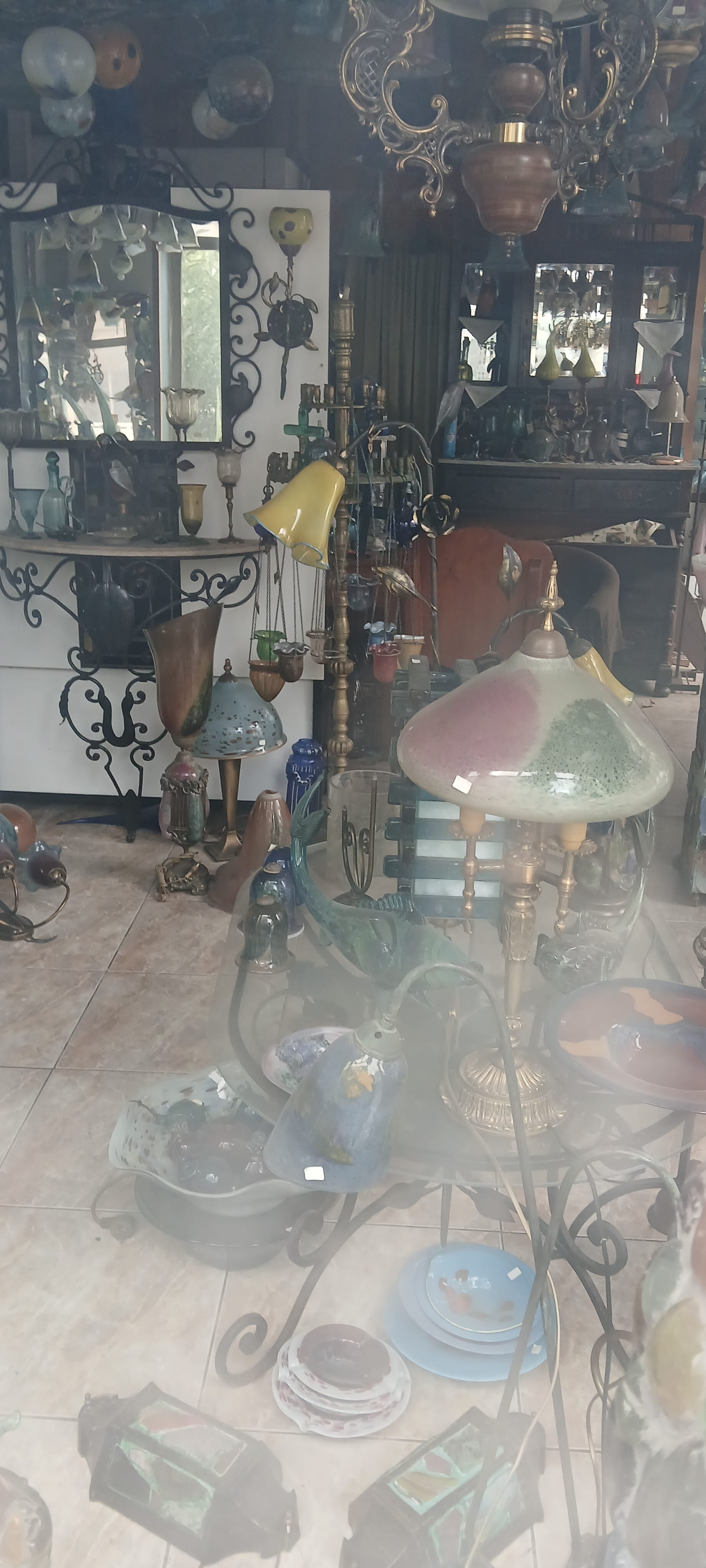
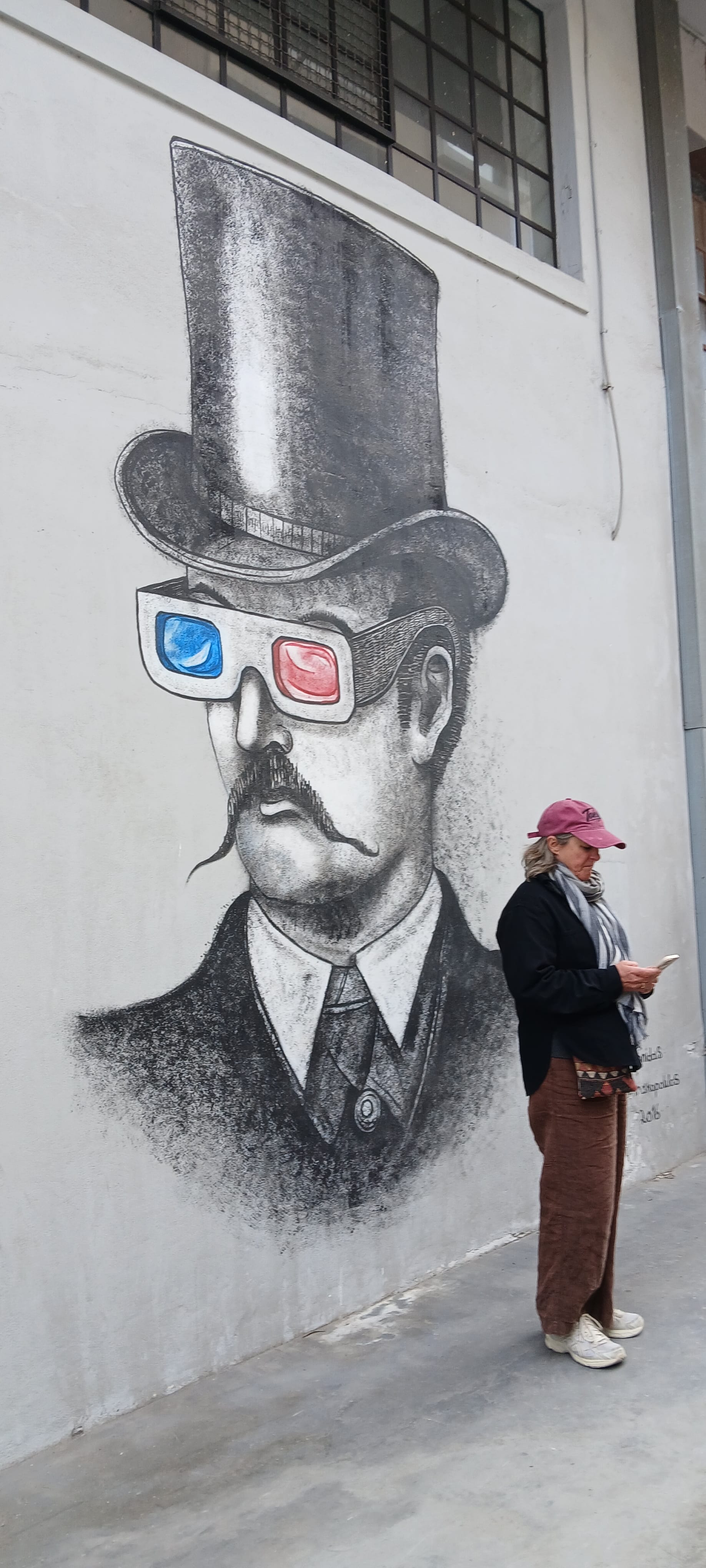
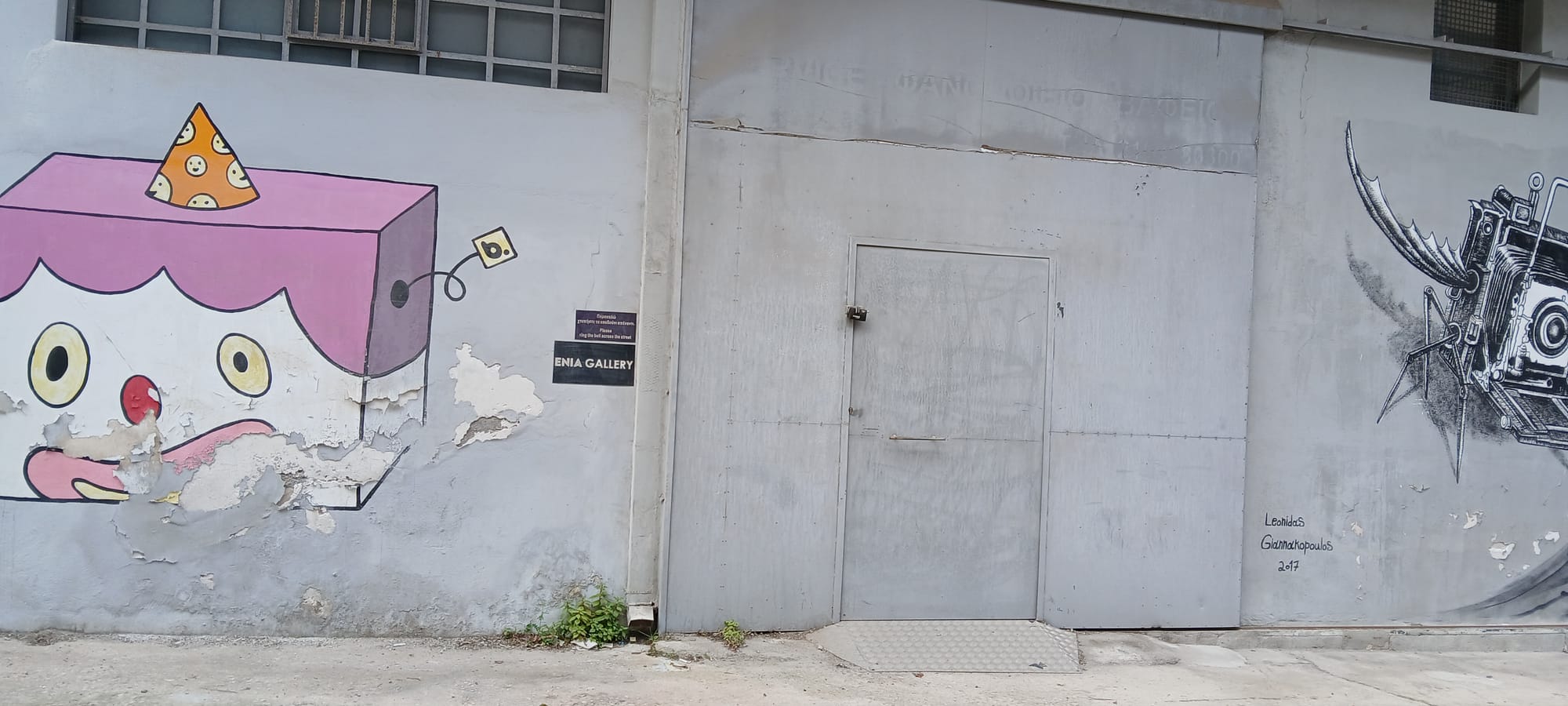
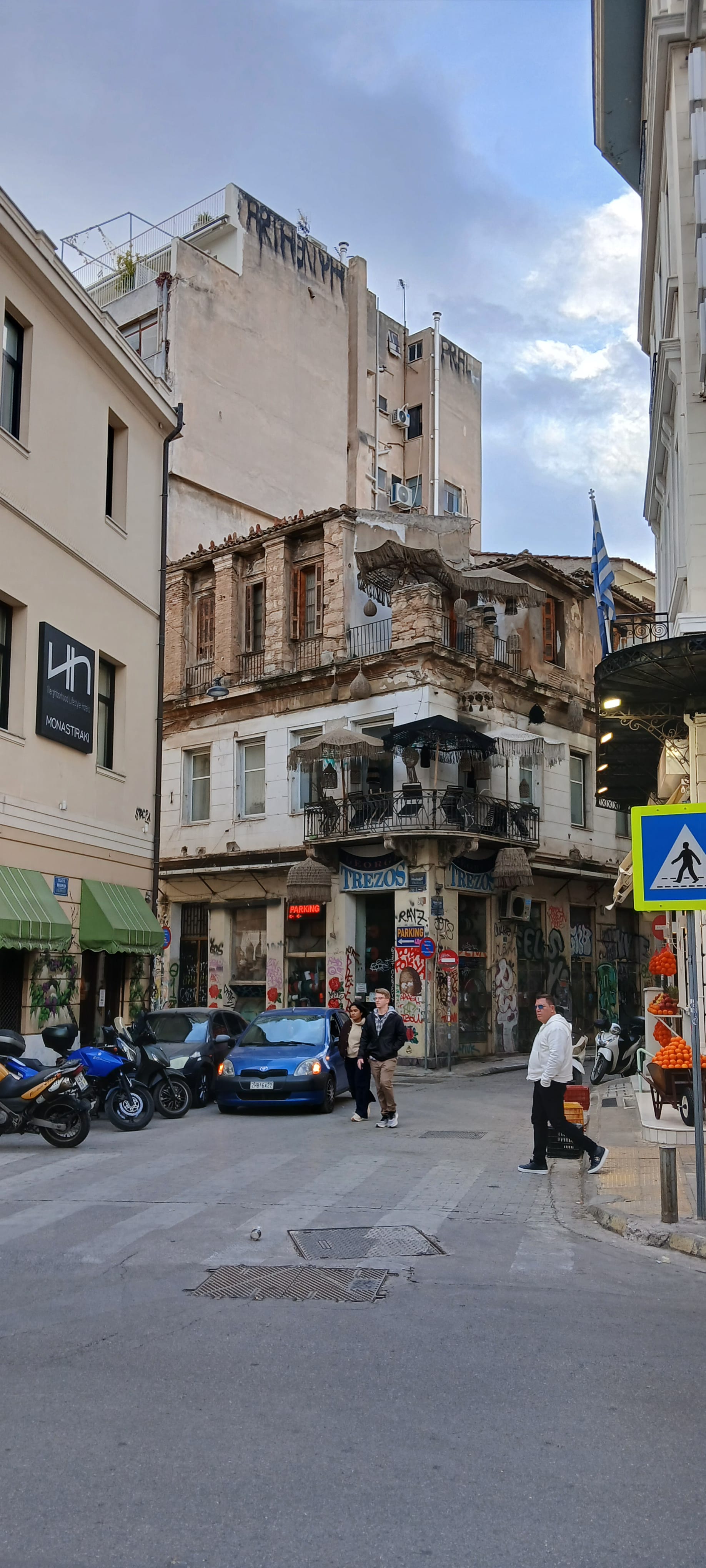
Returning to Plaka, over the hill, up at Monastiraki,
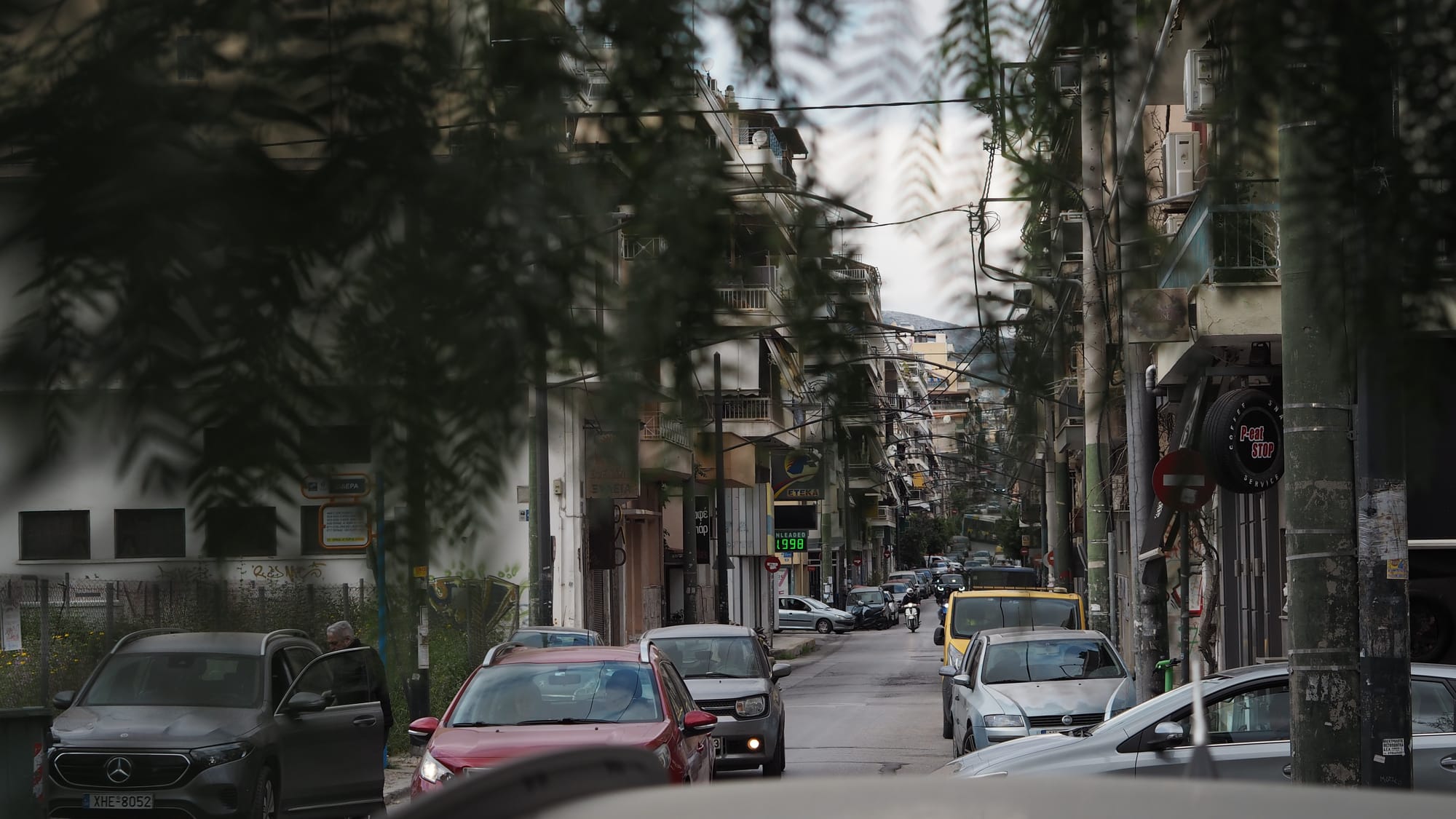
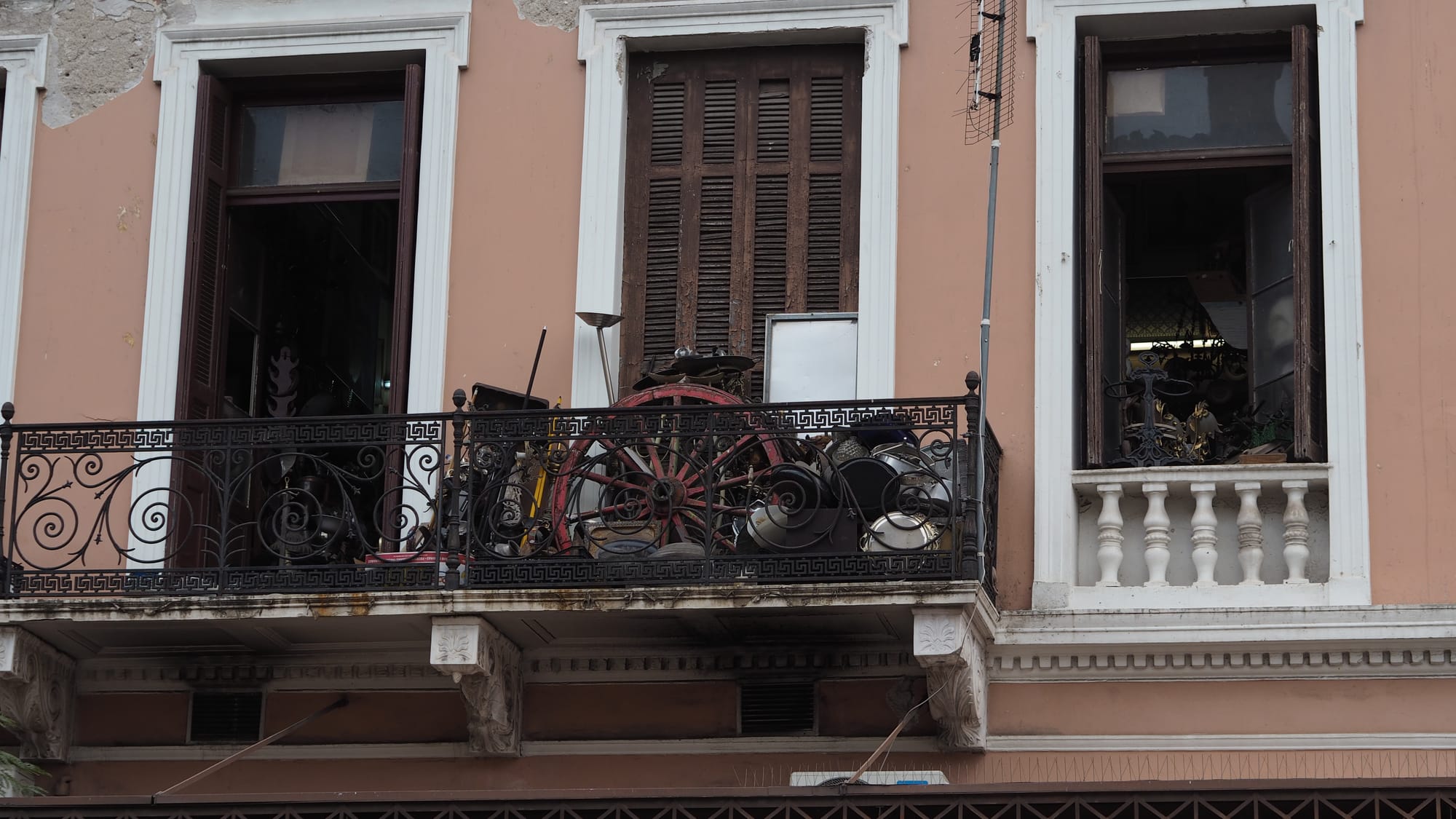
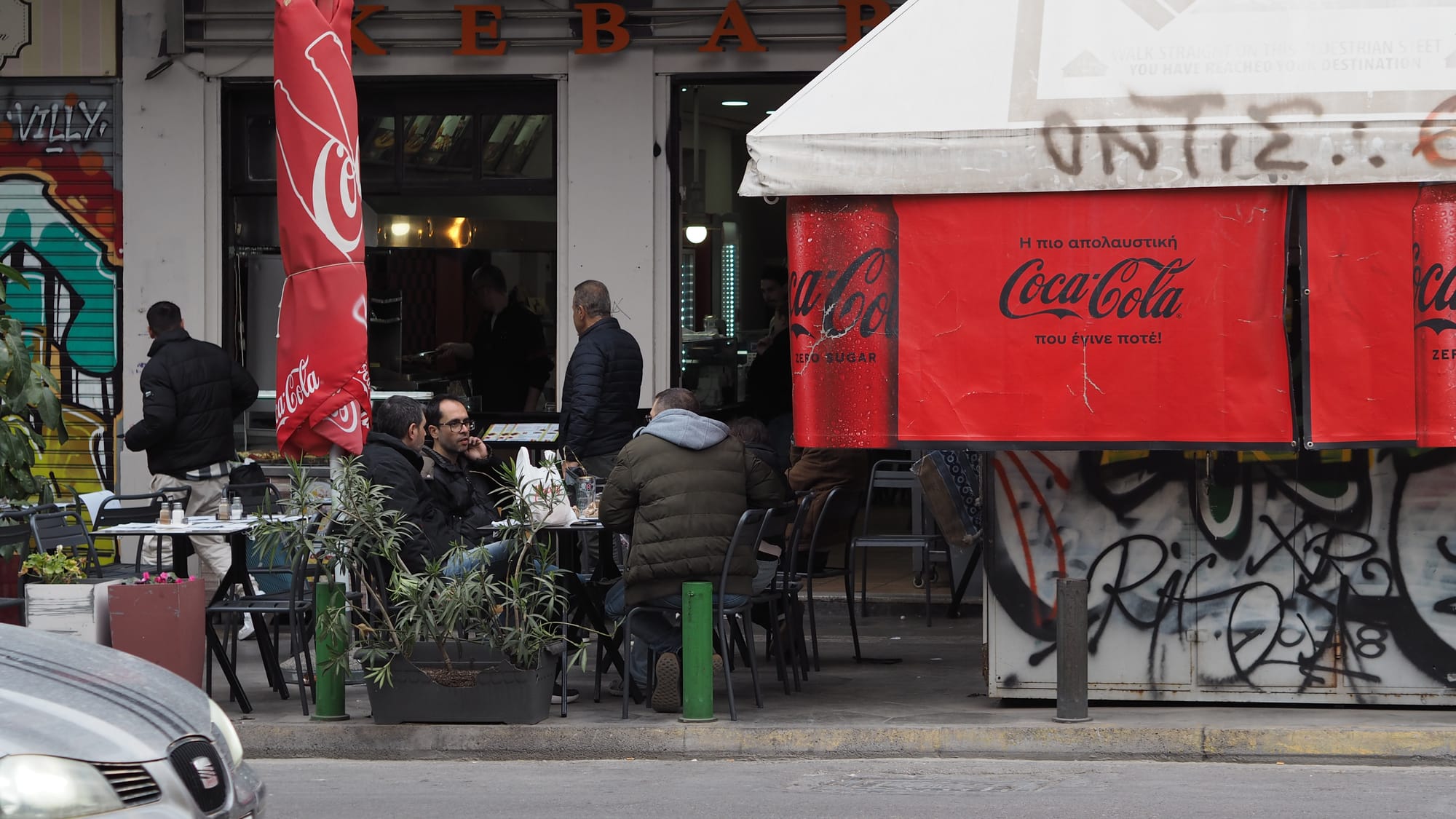
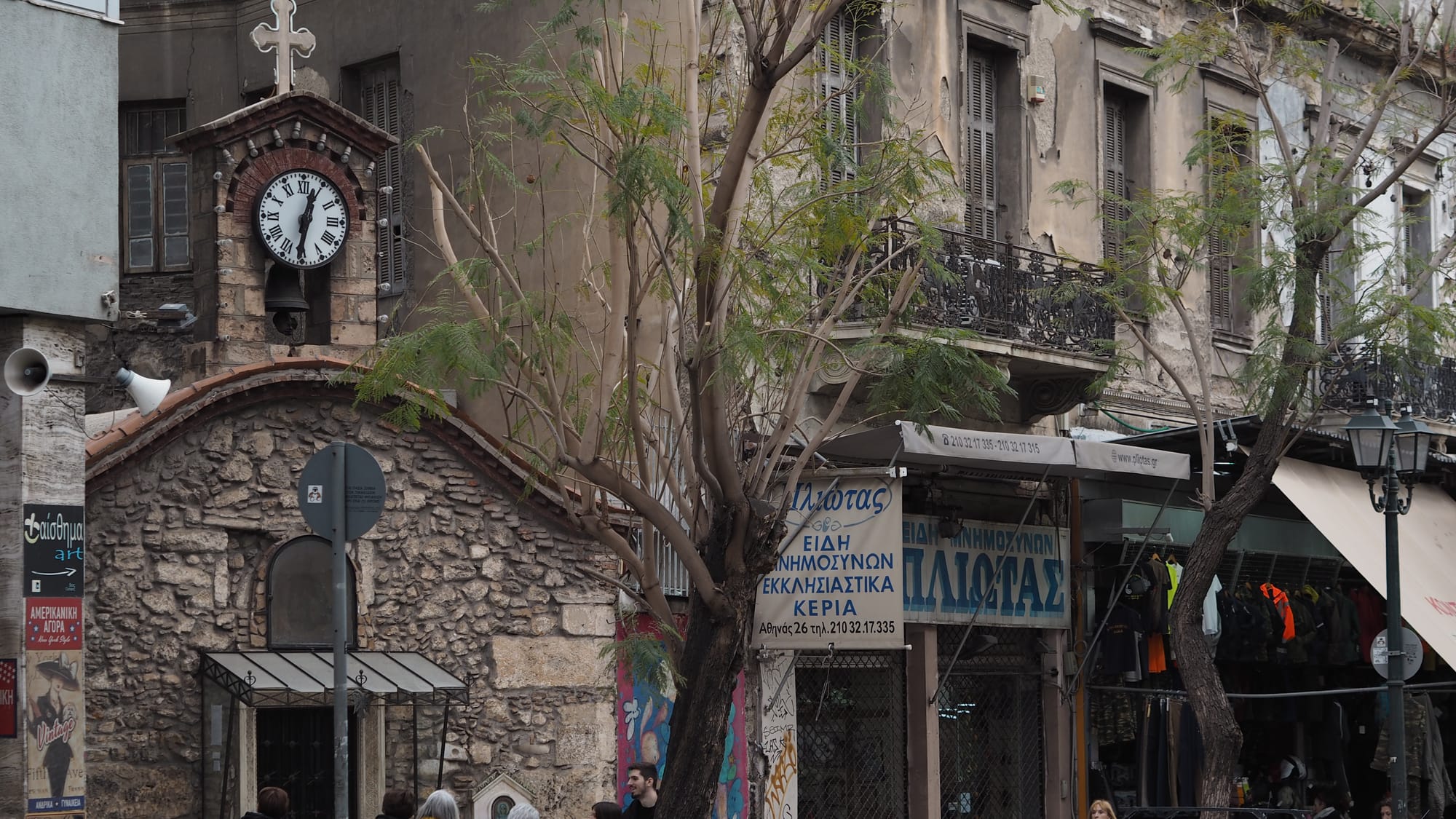
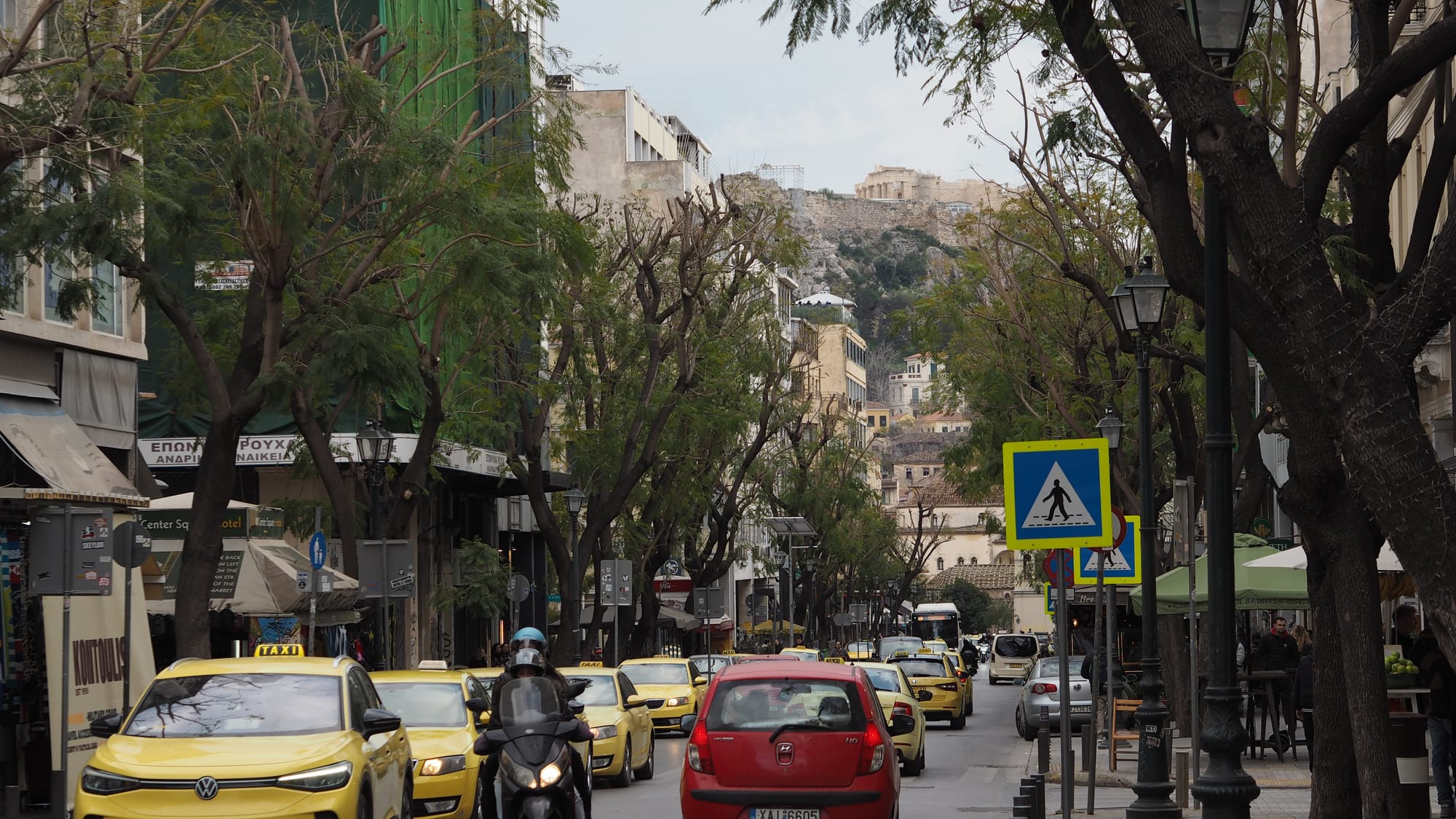
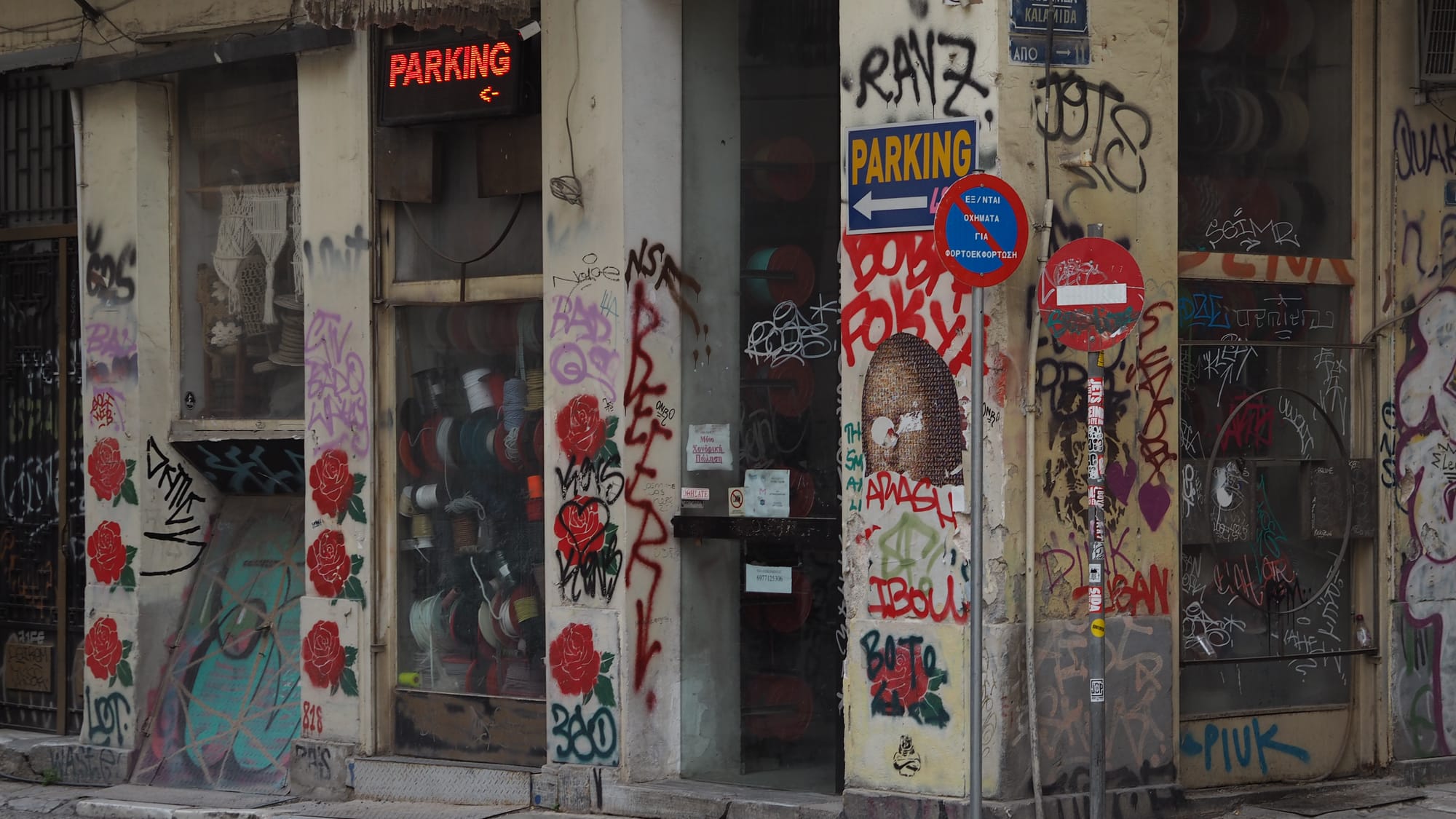
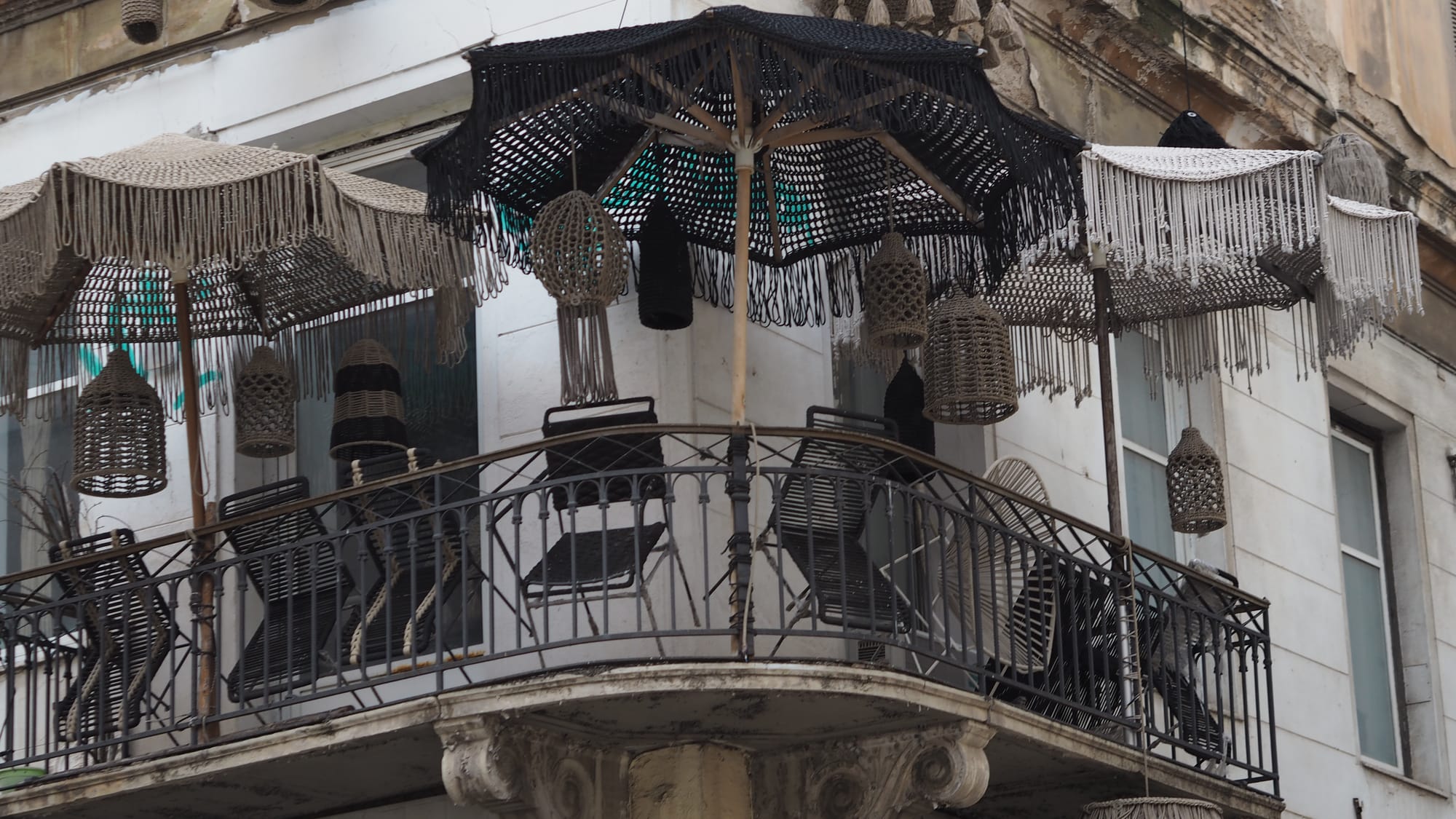
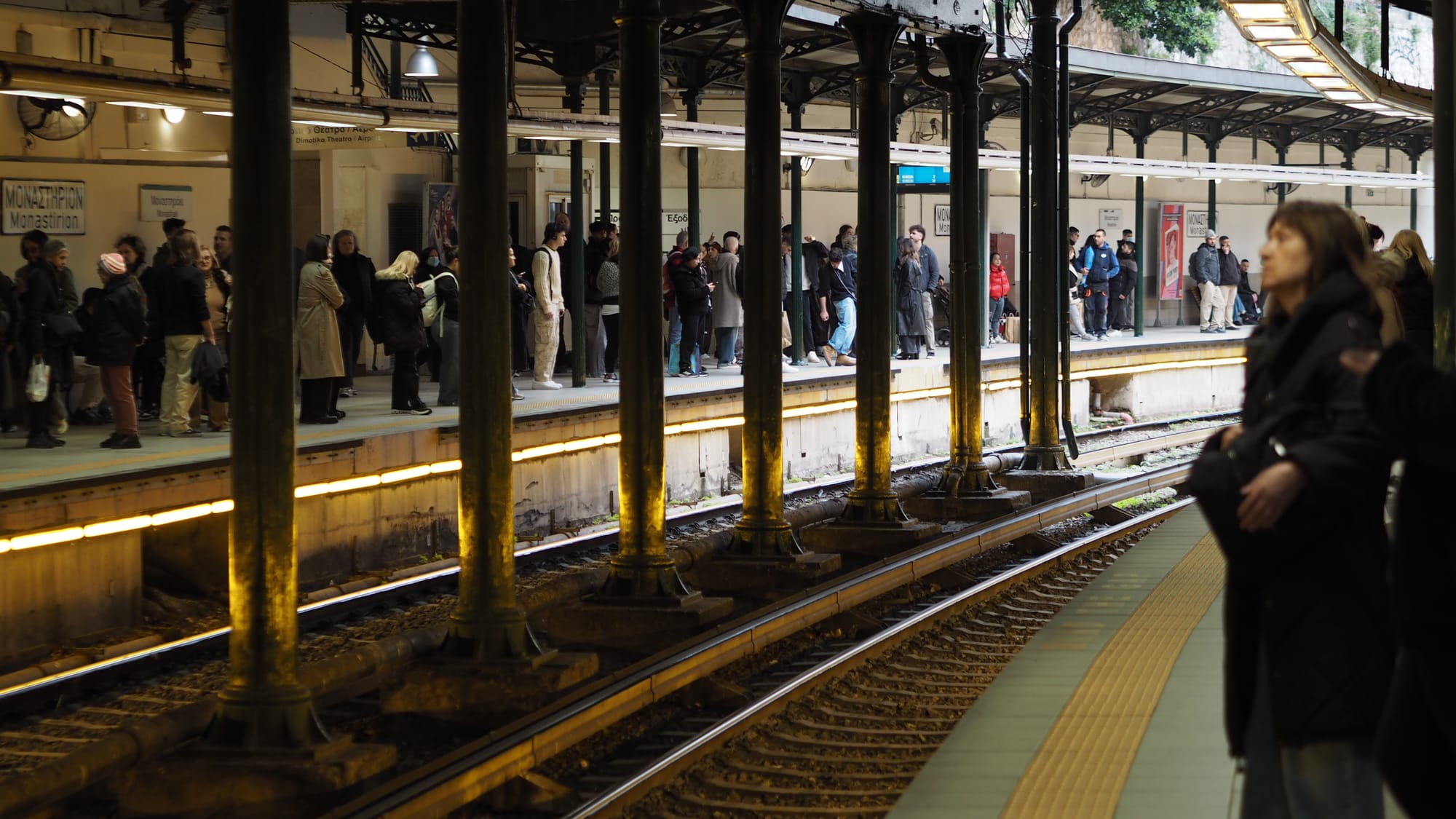
into a zone we had not expected,
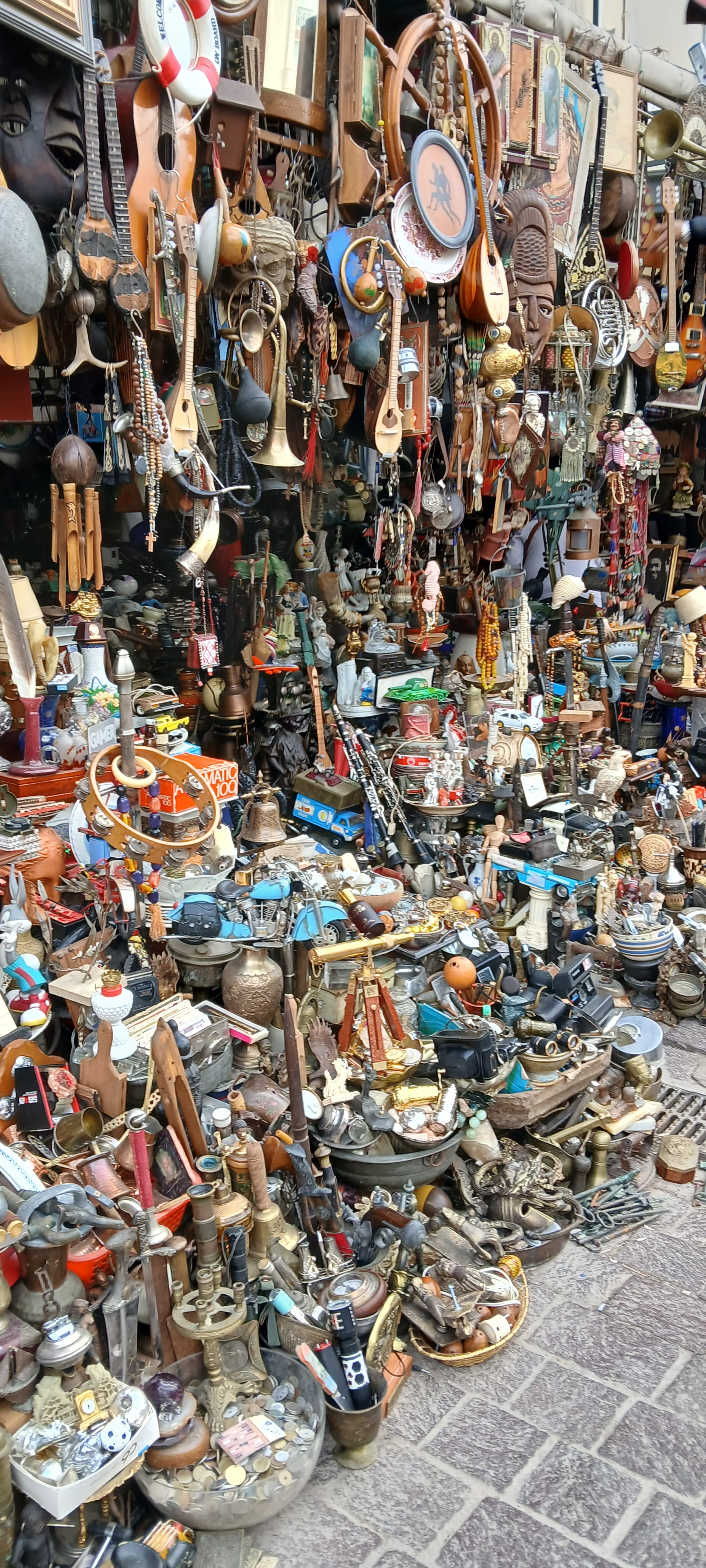
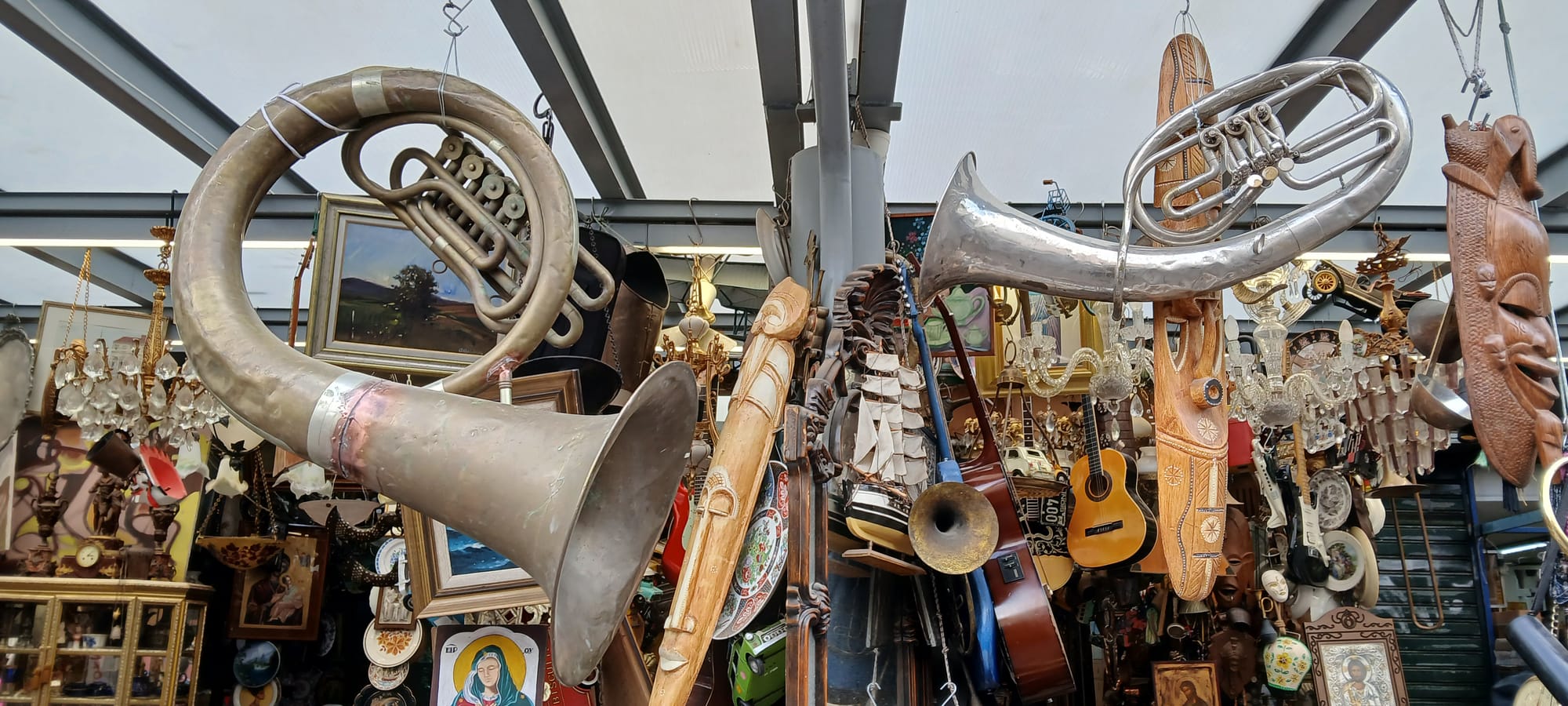
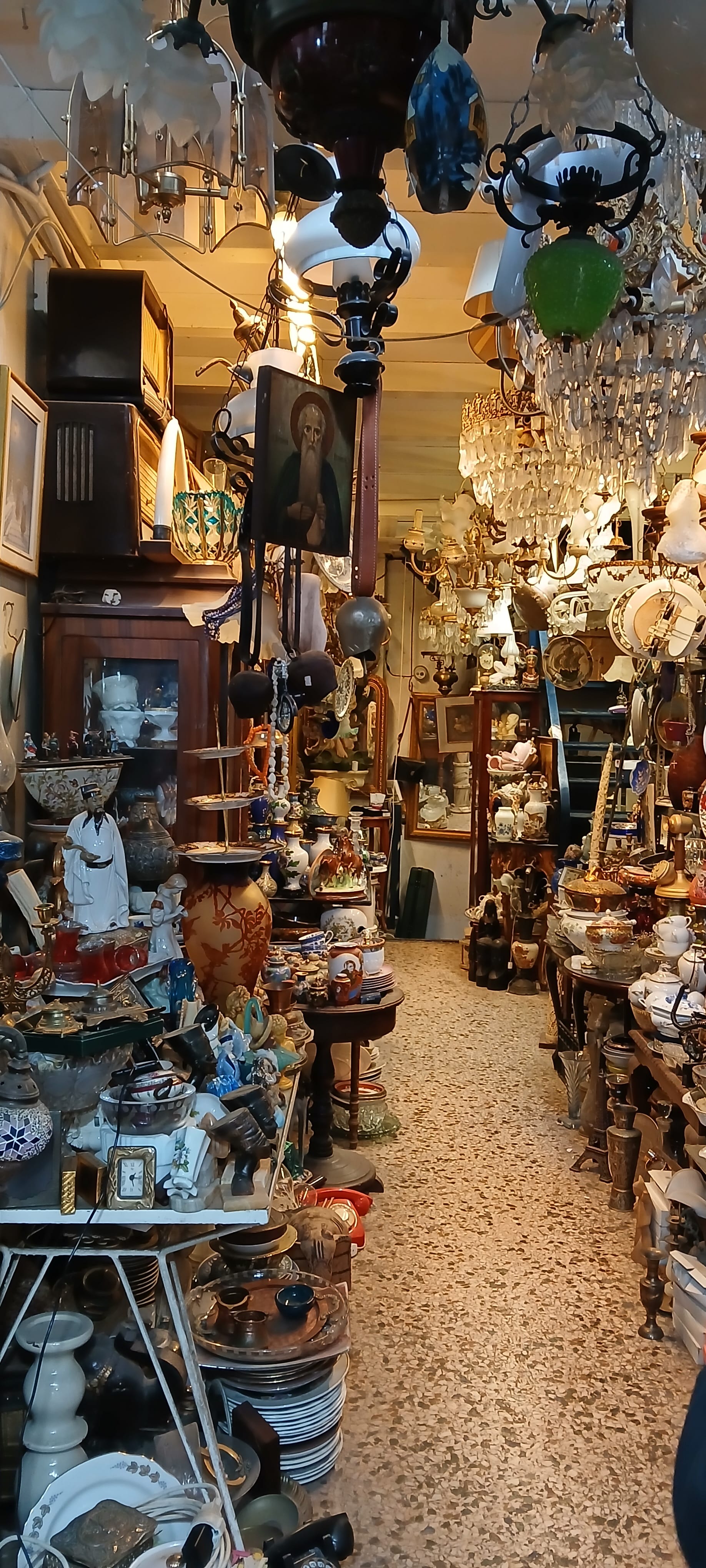
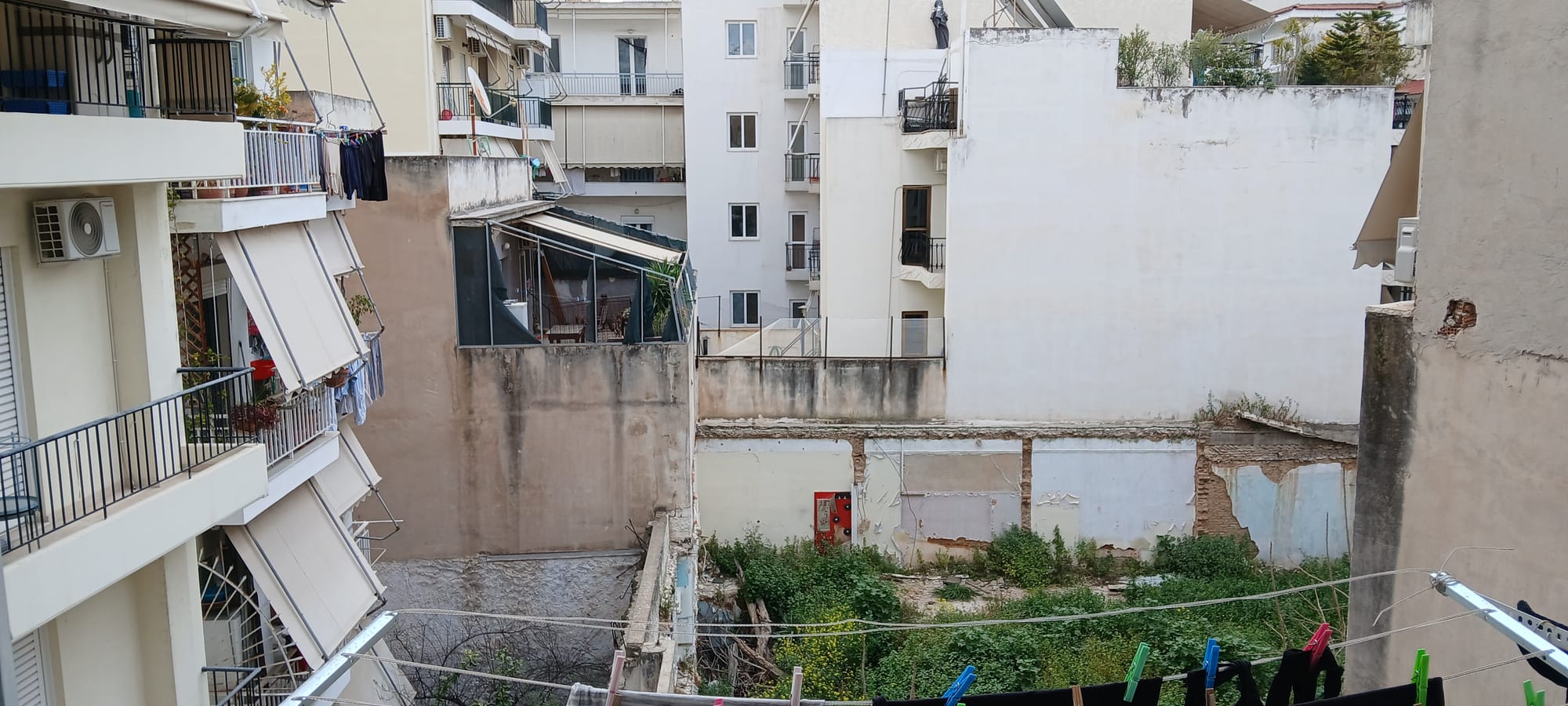
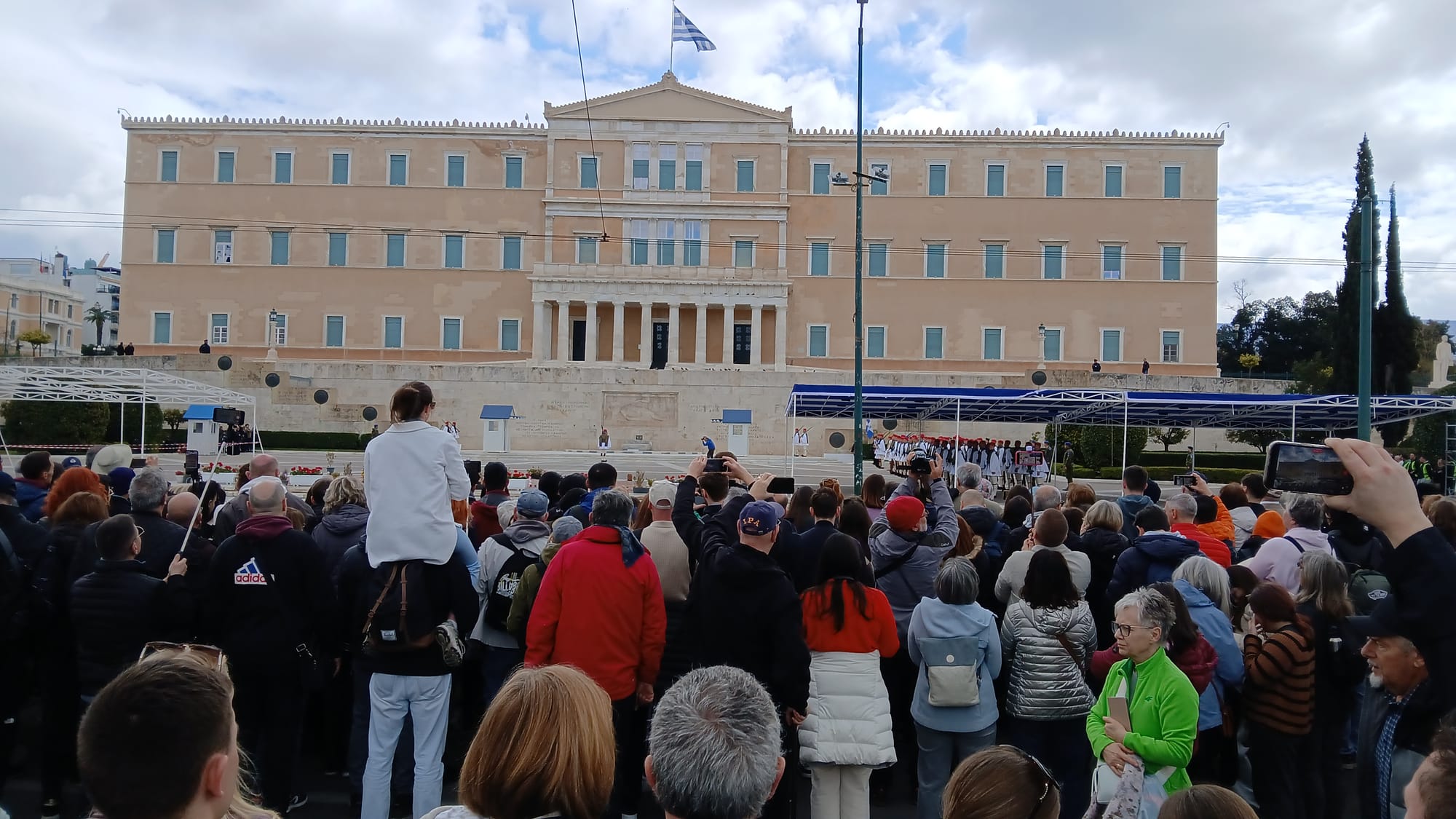
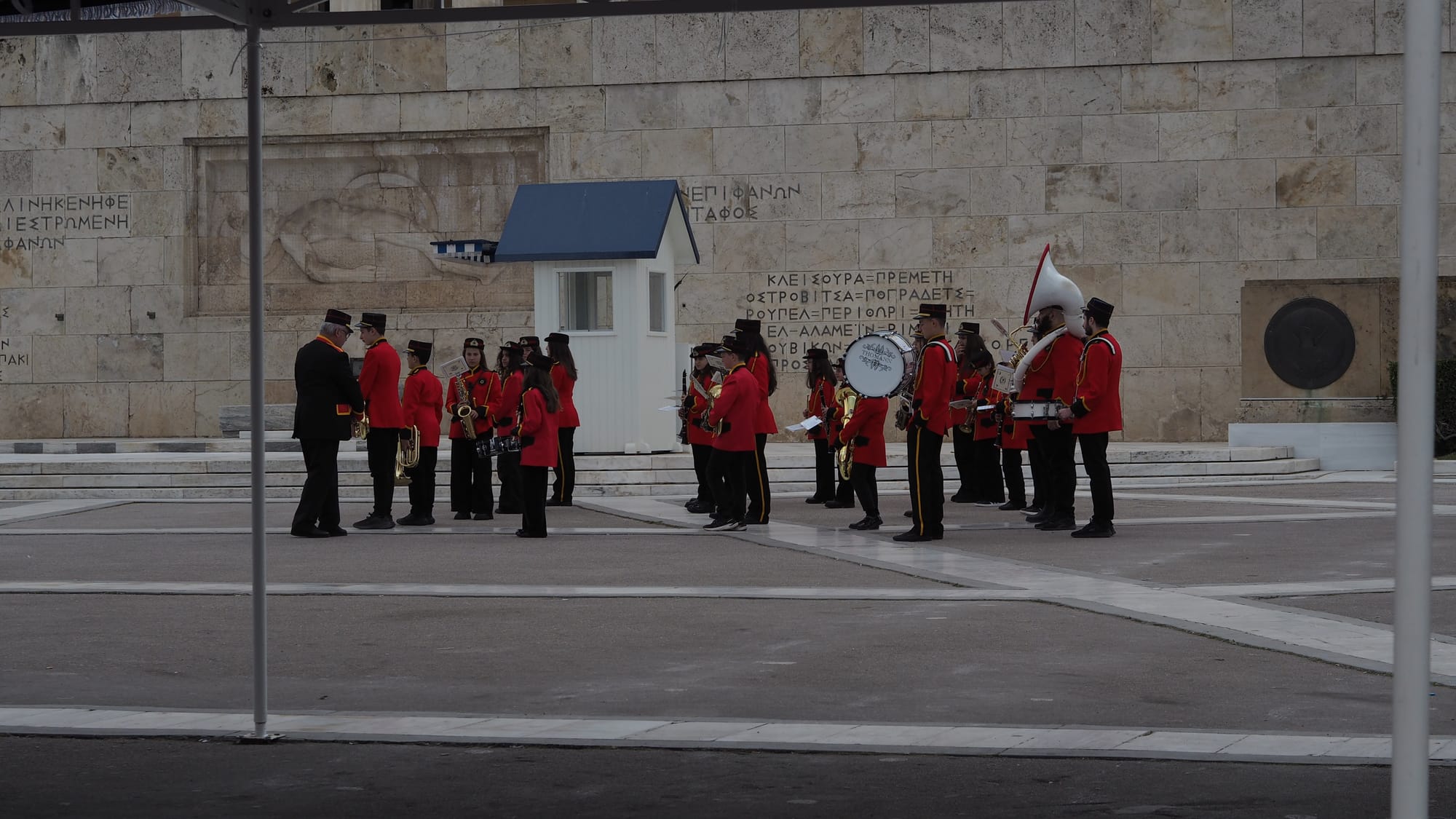
- the view from out the back French doors of the White Cube, never opened, too cold, to Syntagma Square and the changing of the guard
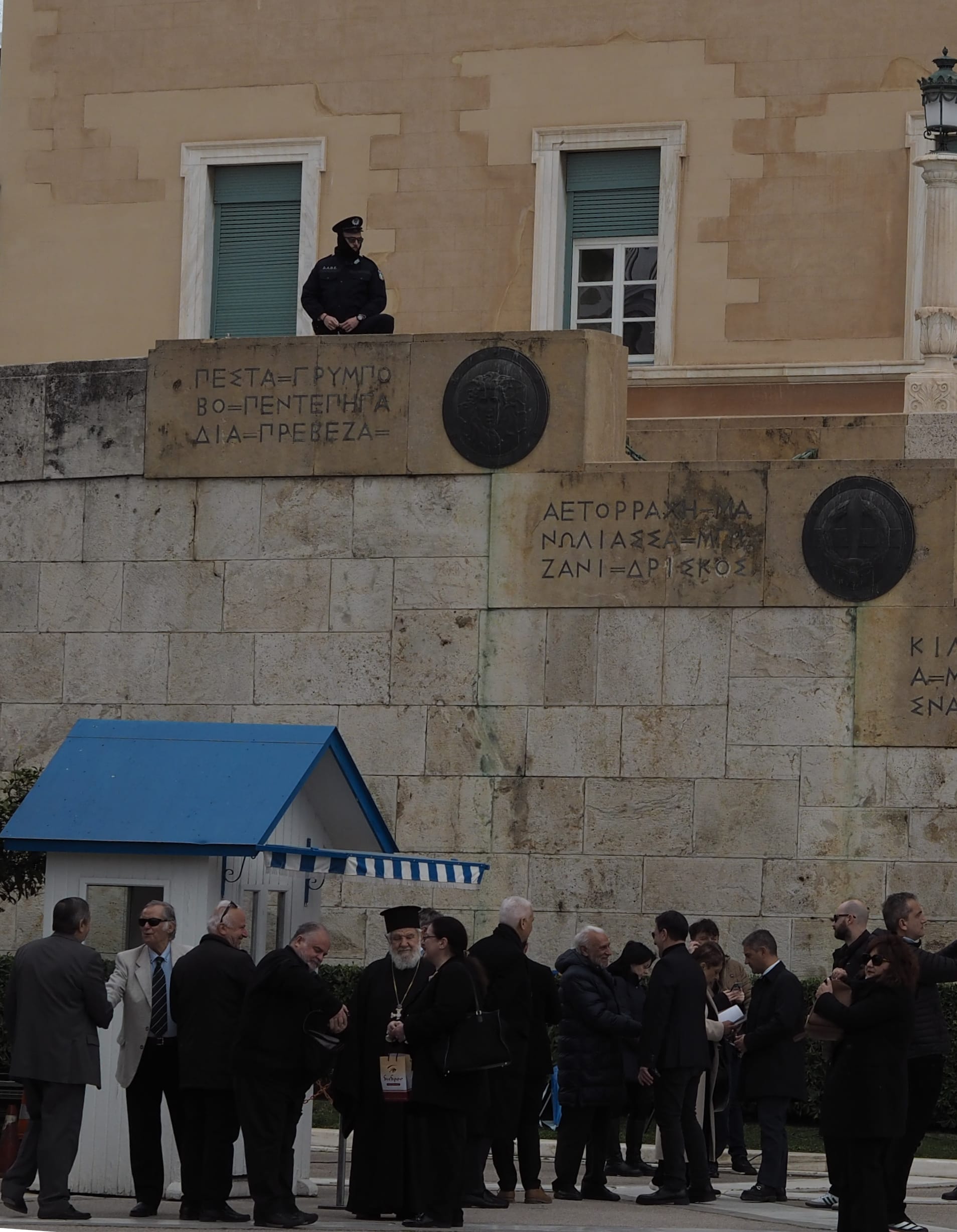
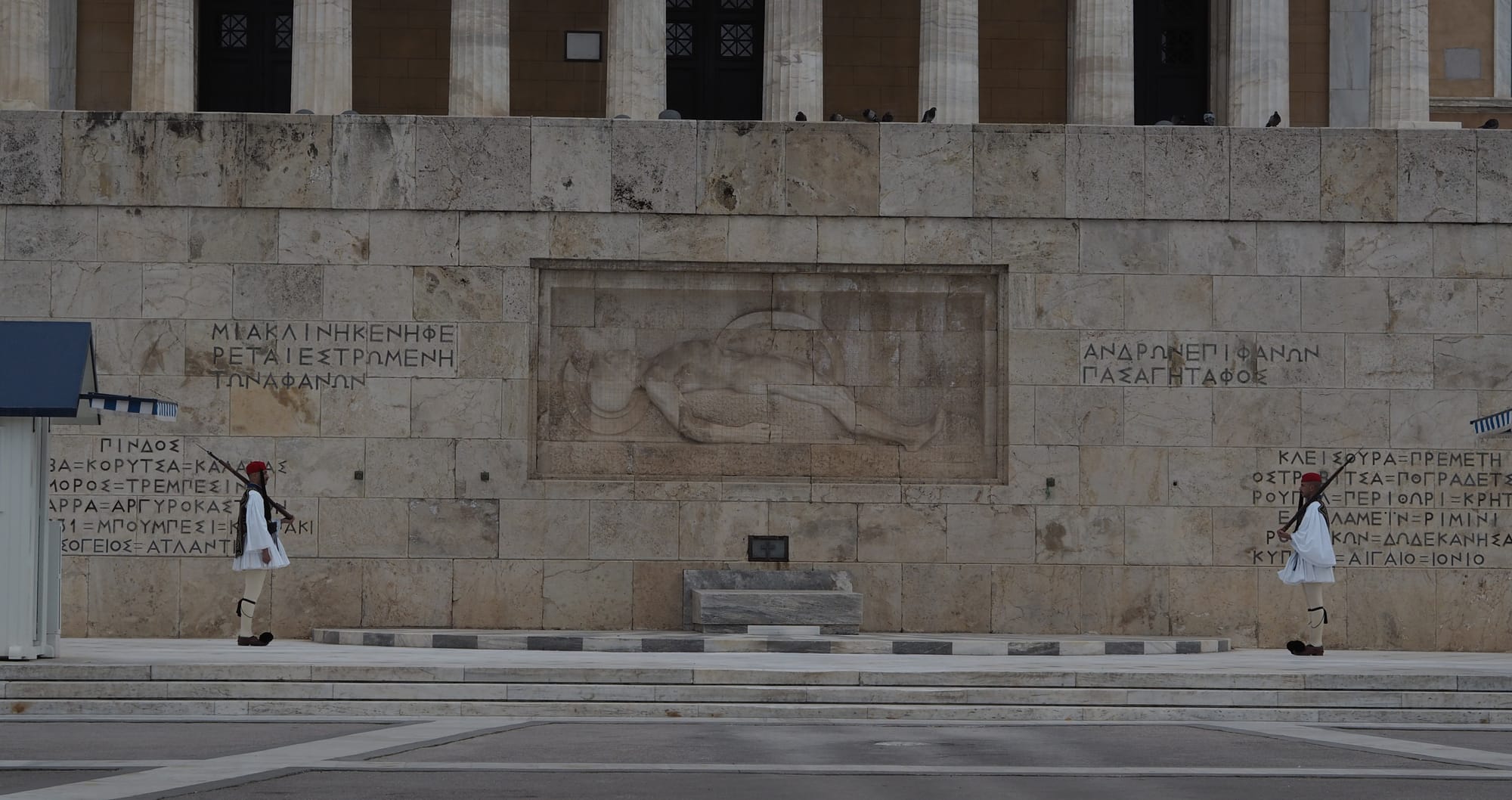
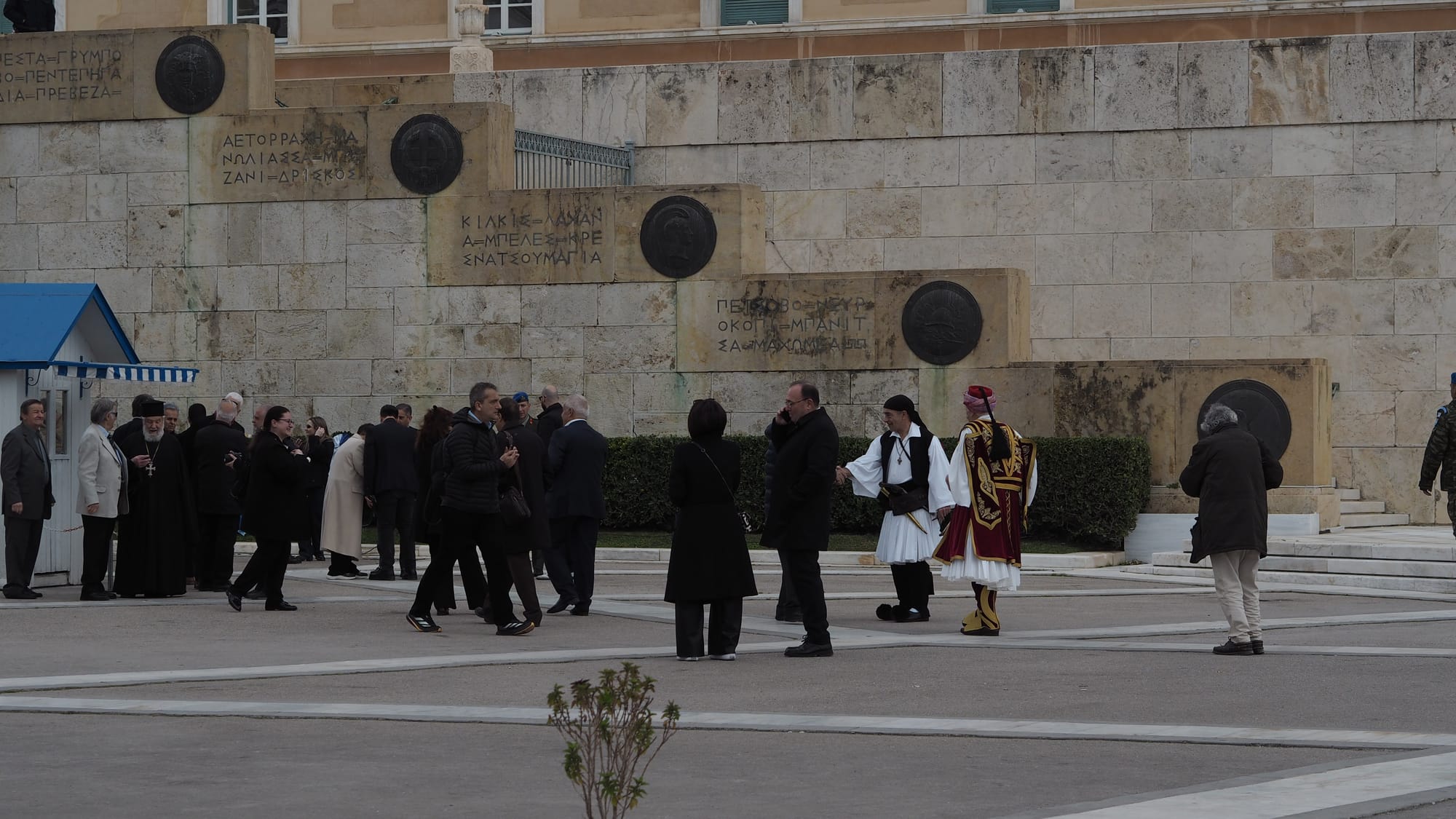
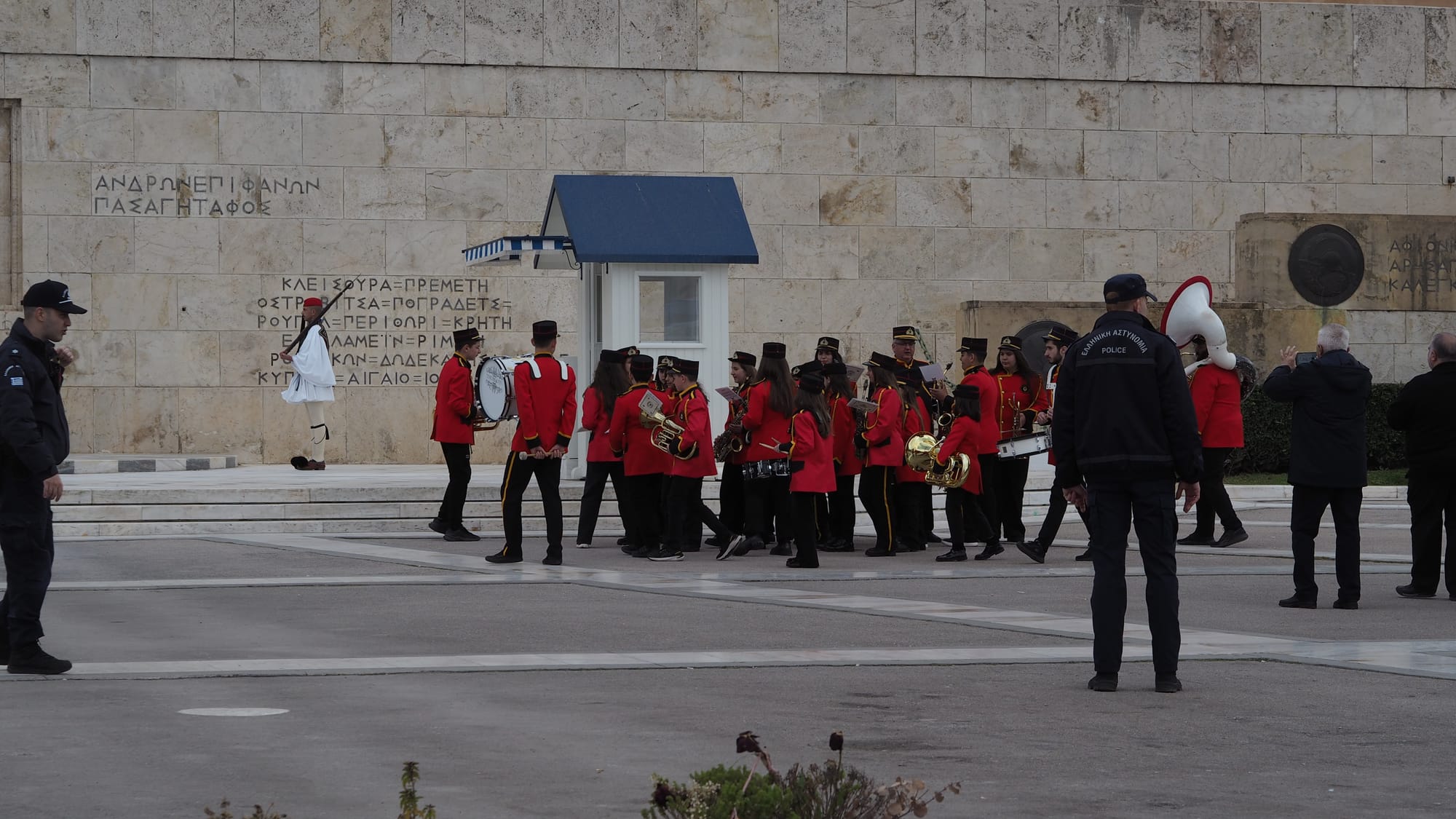
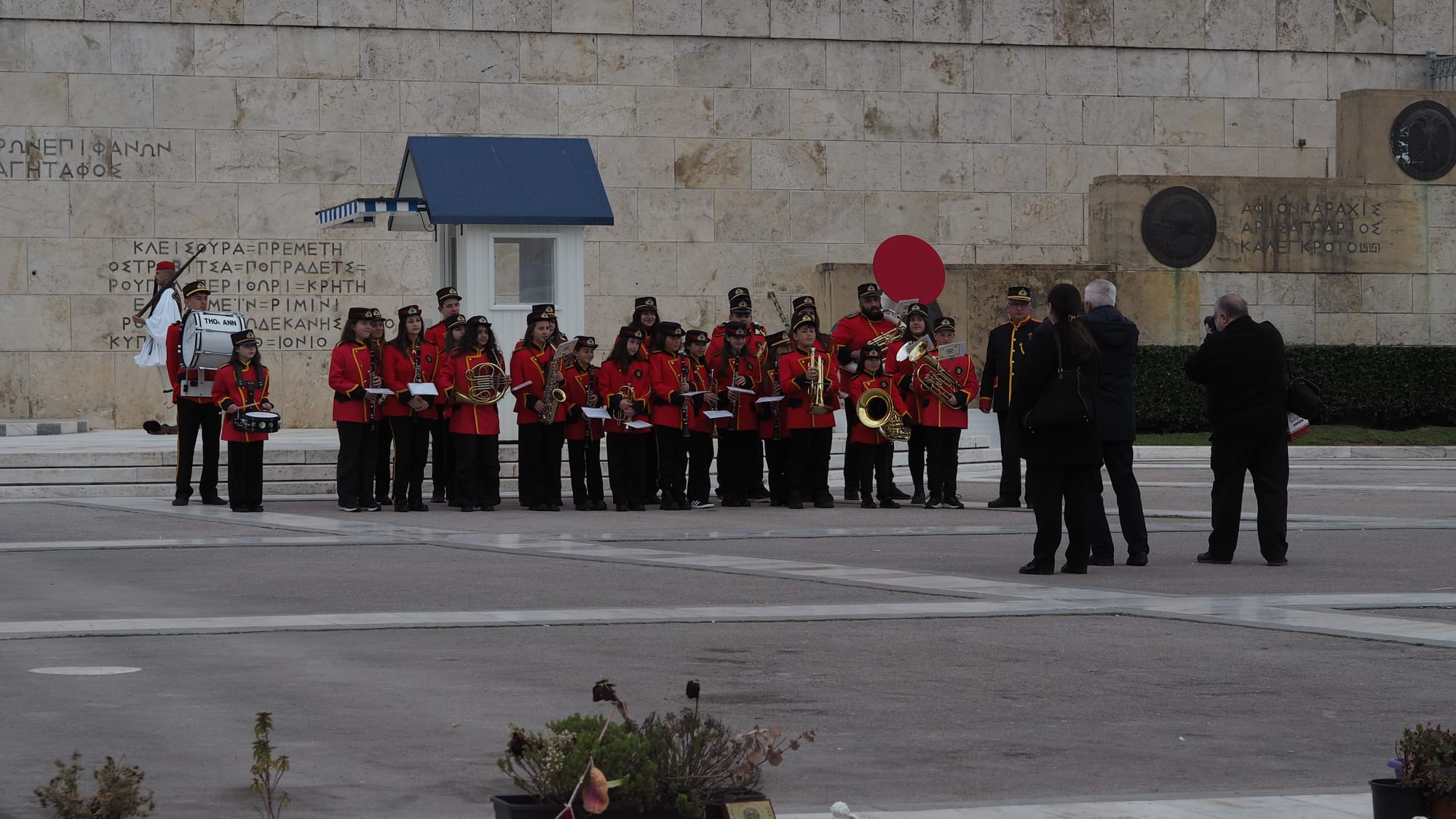
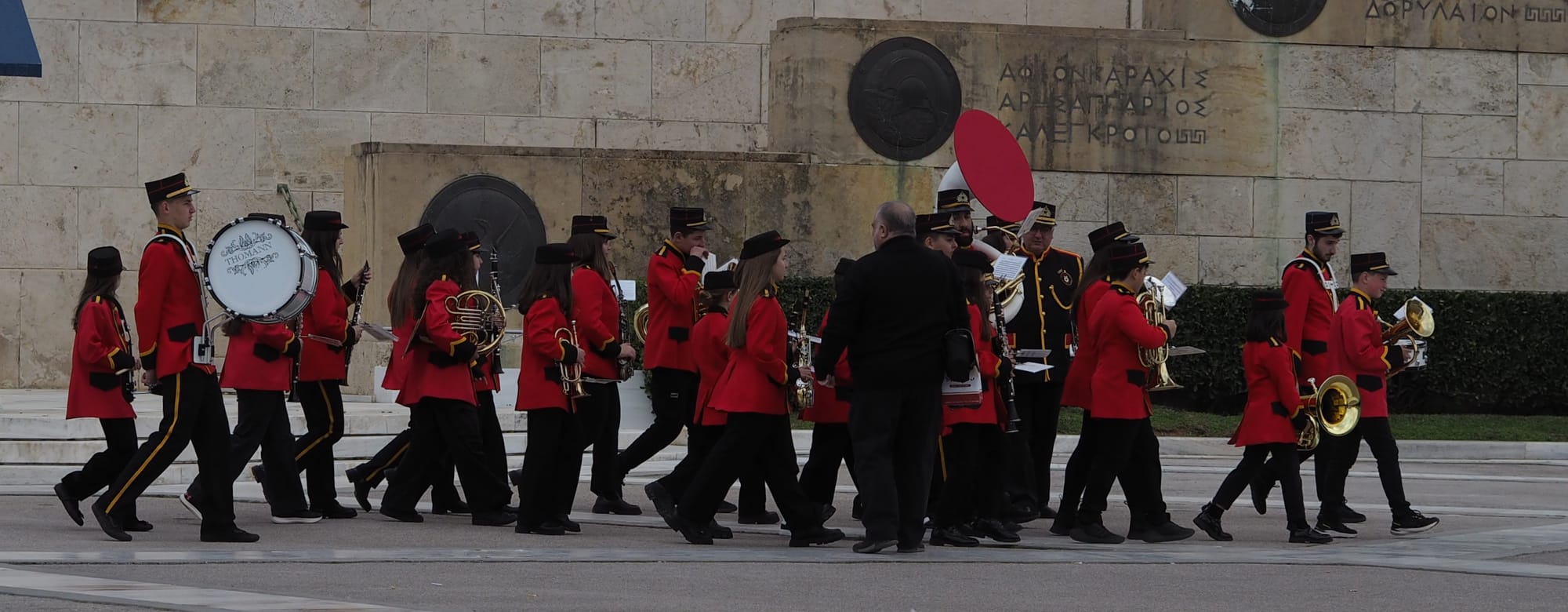
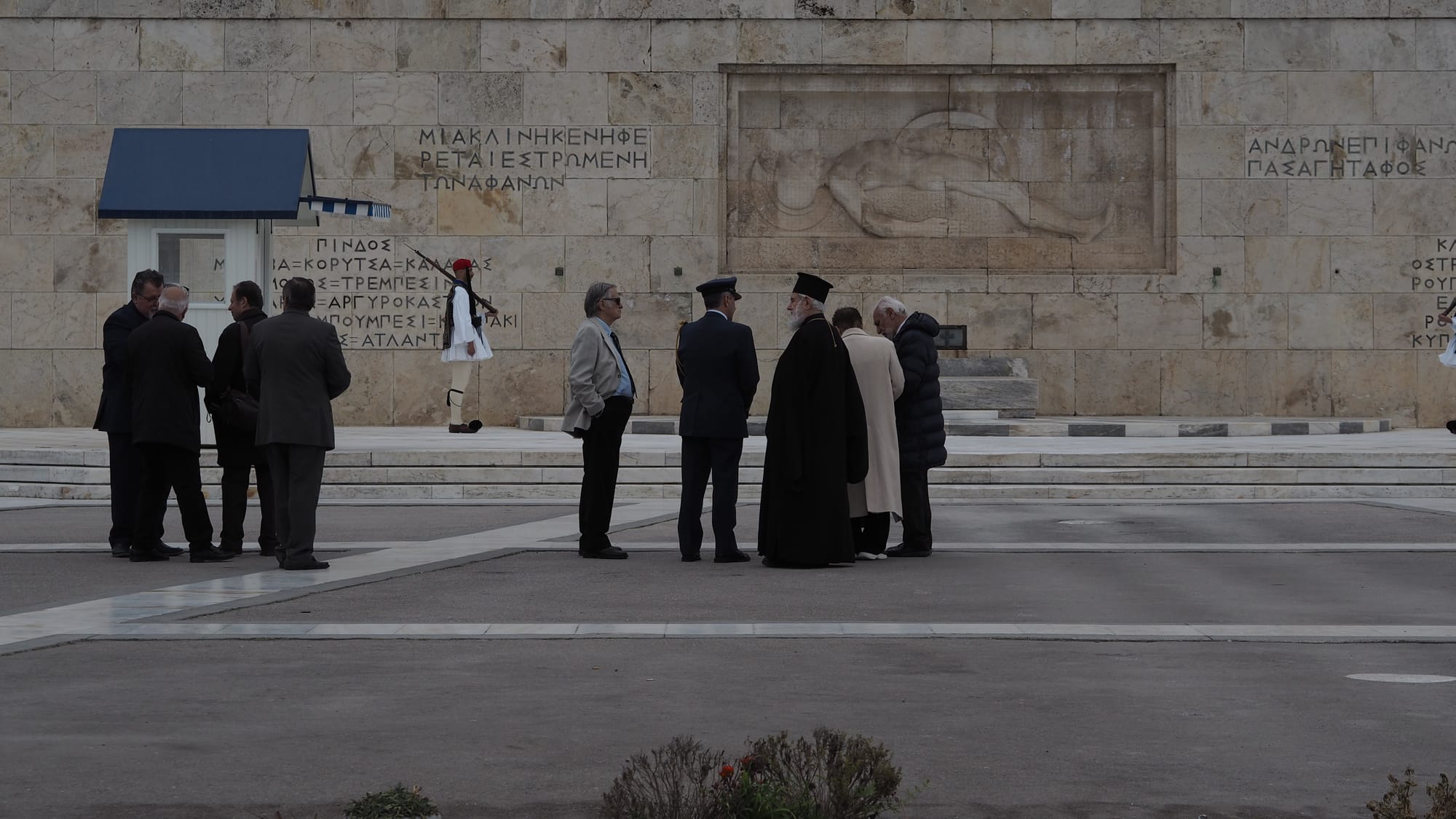
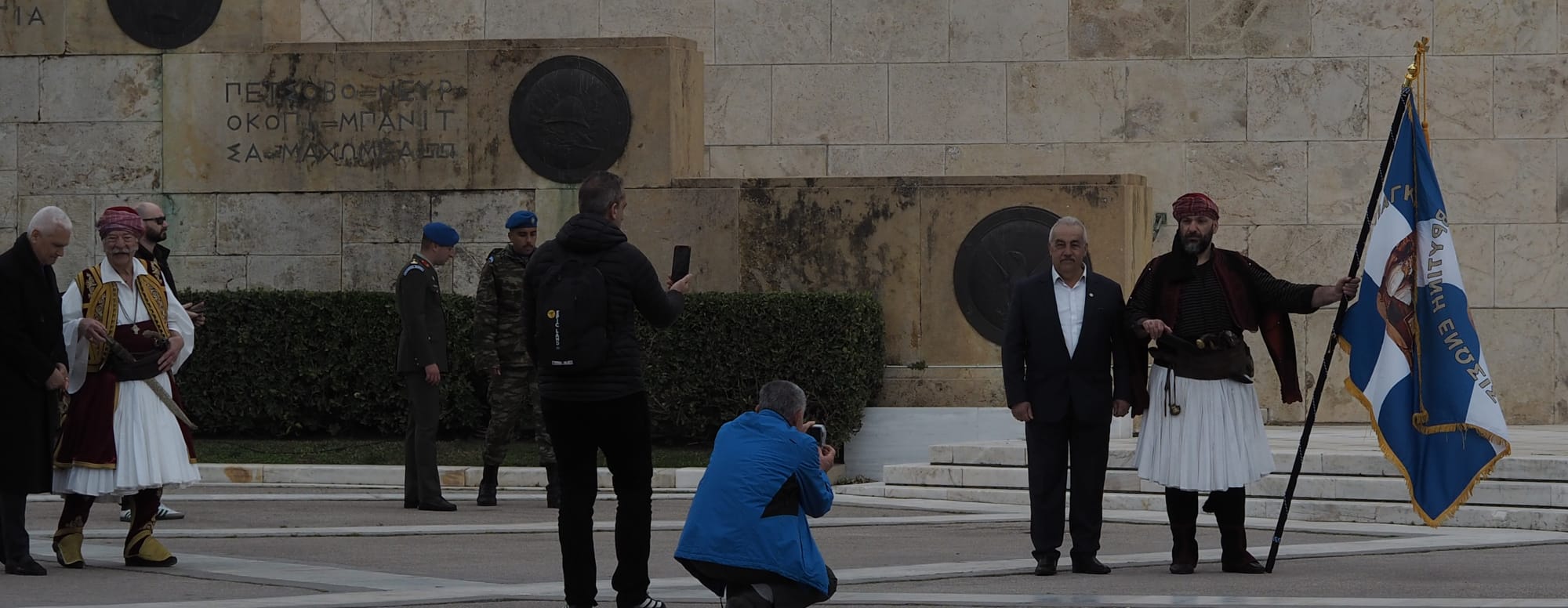
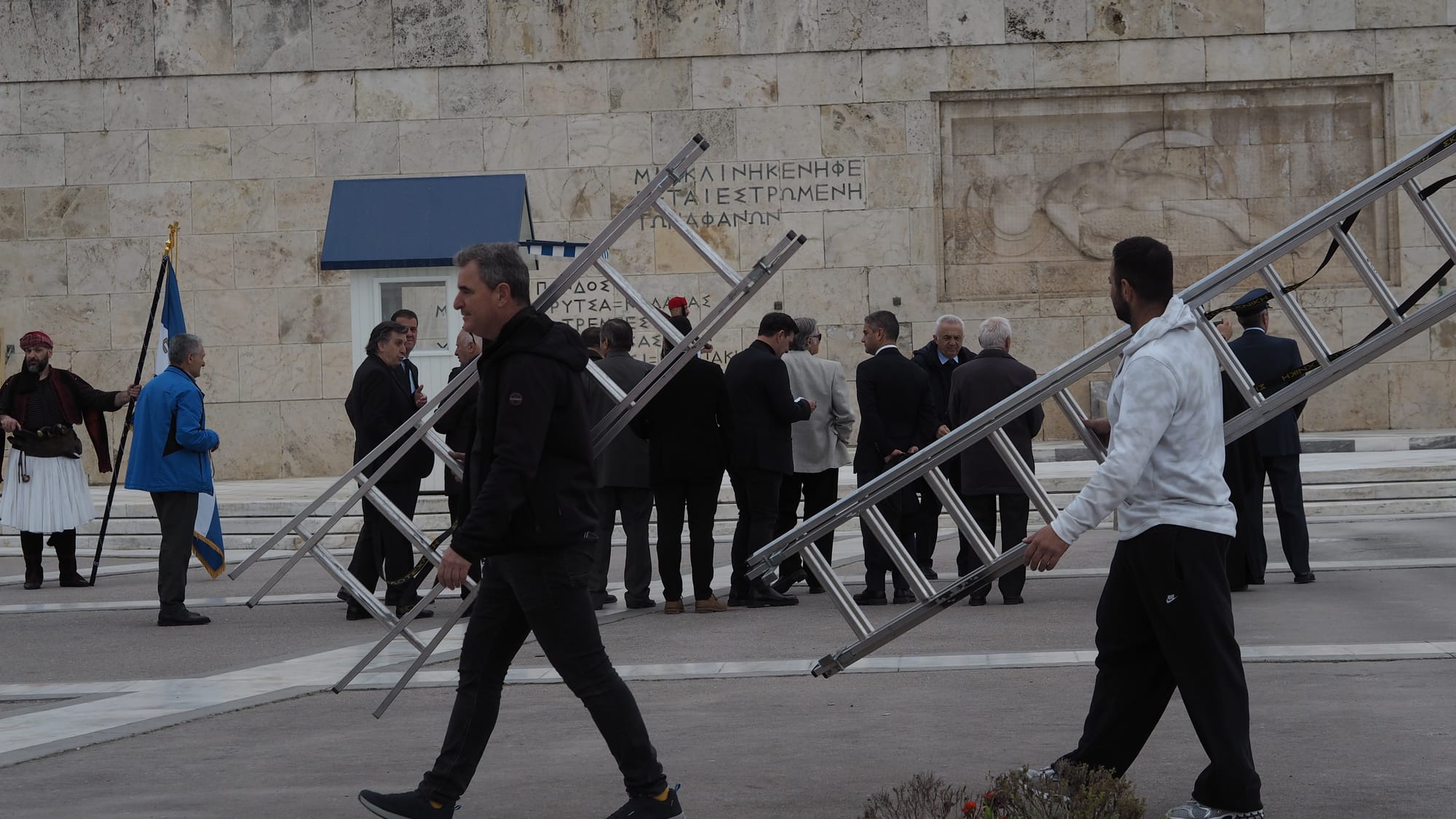
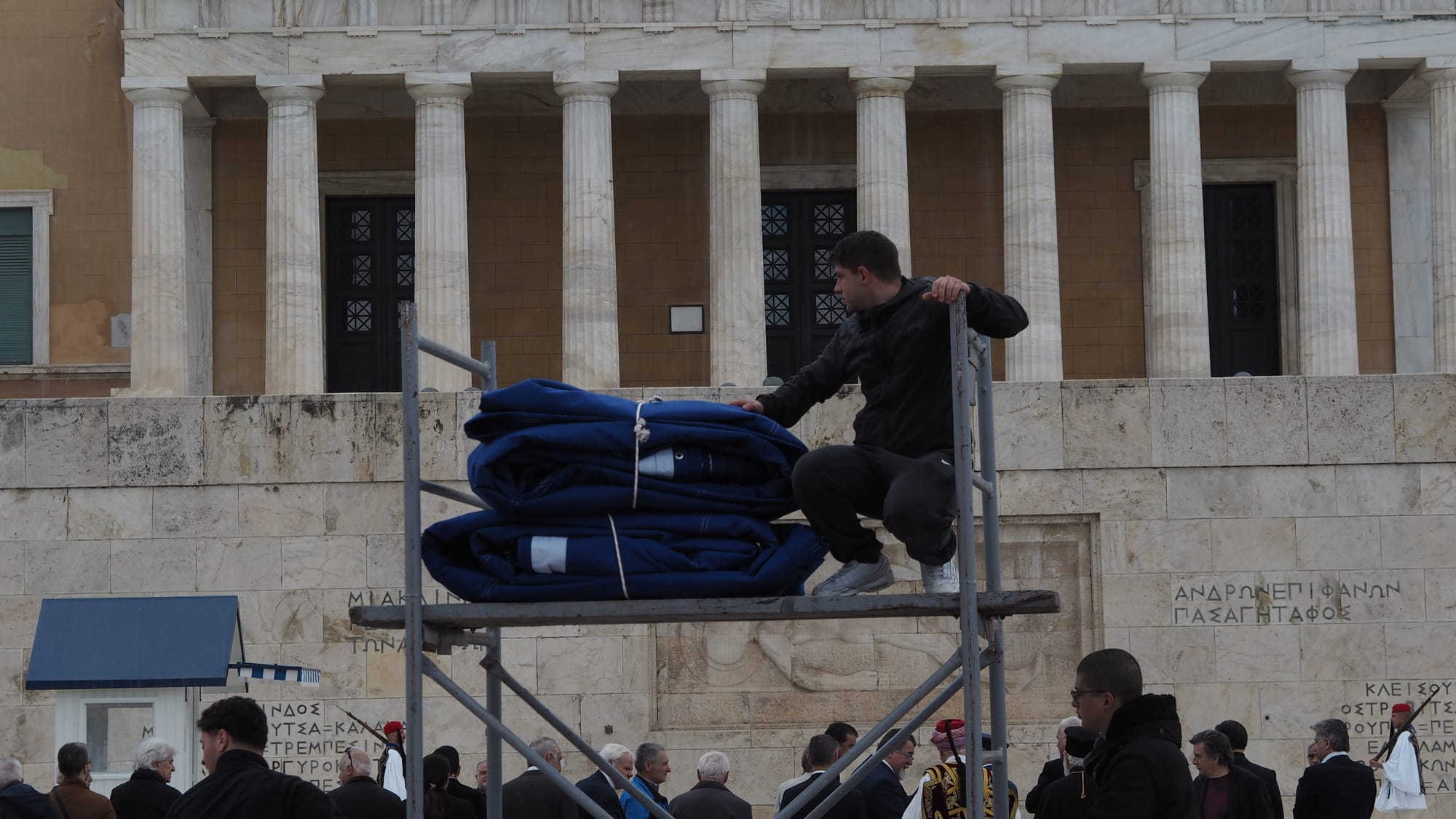
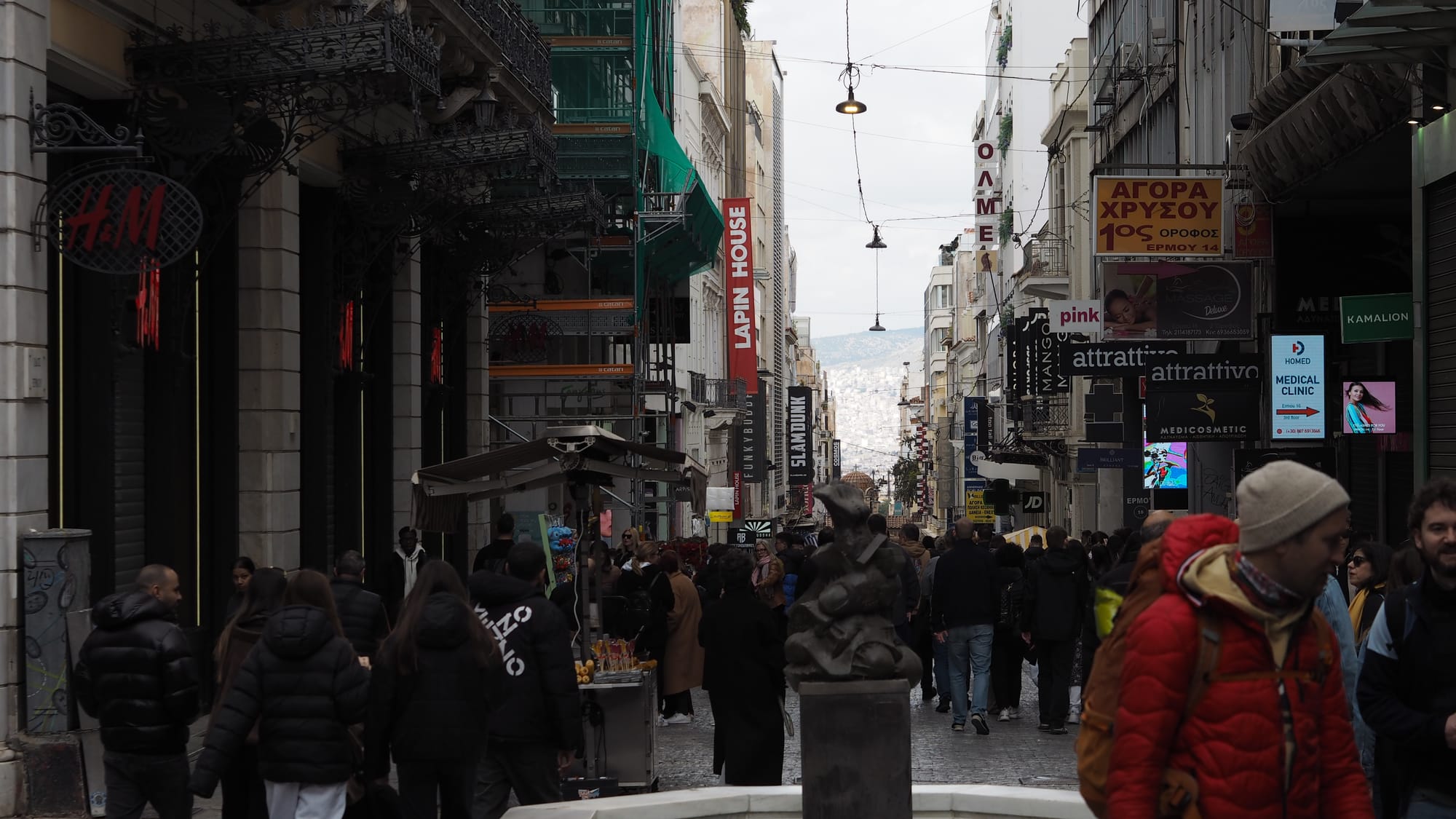
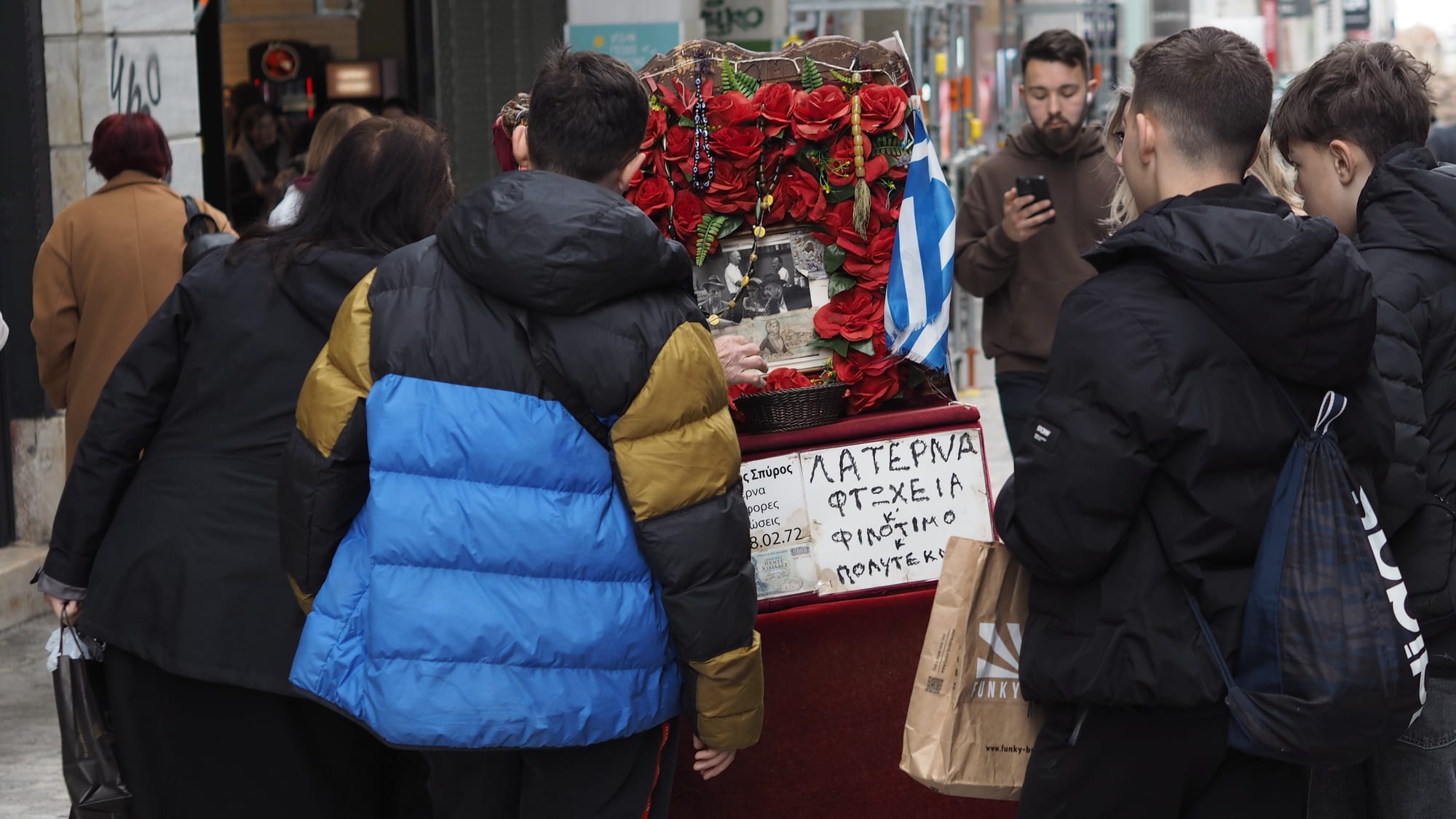
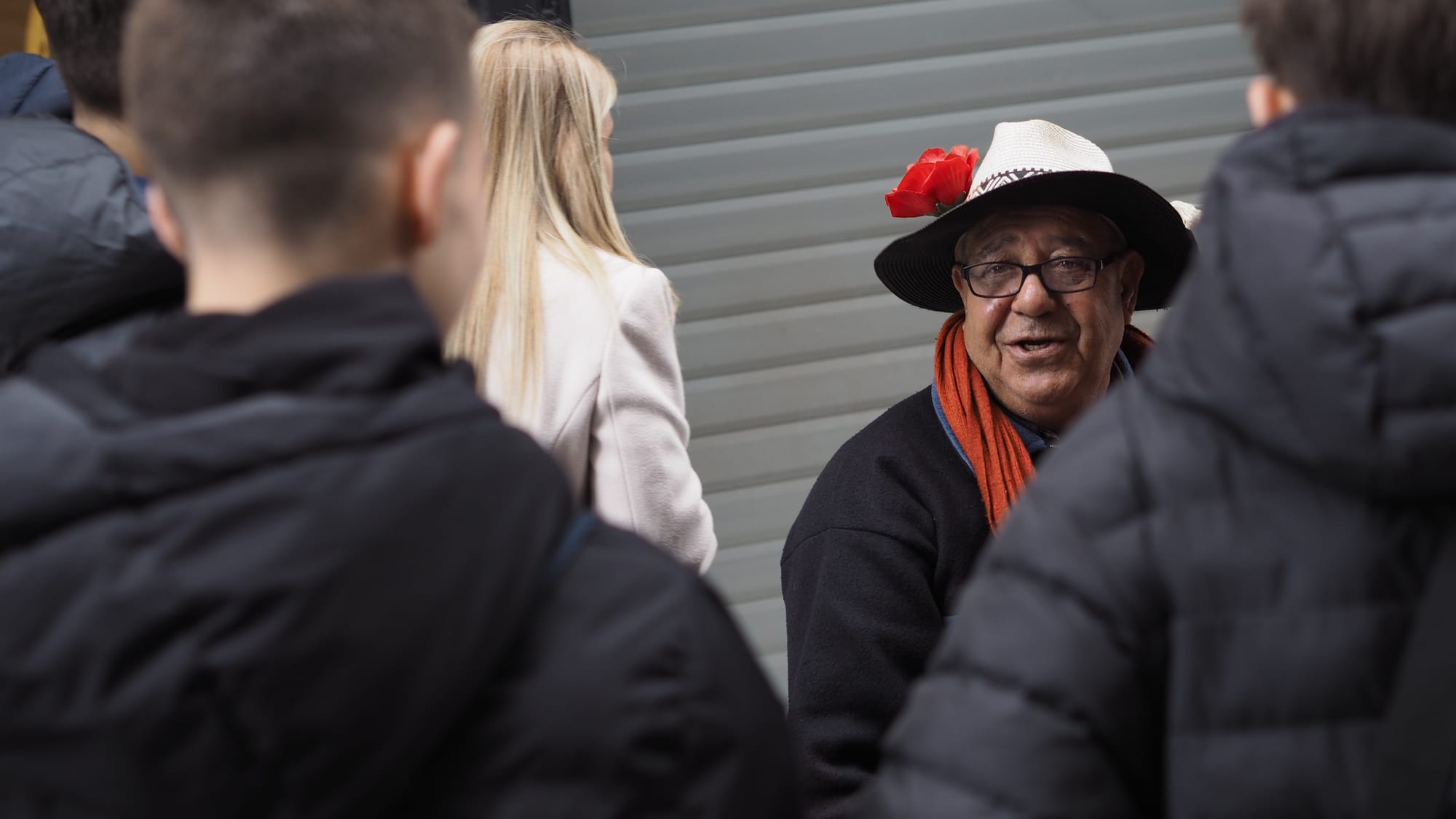
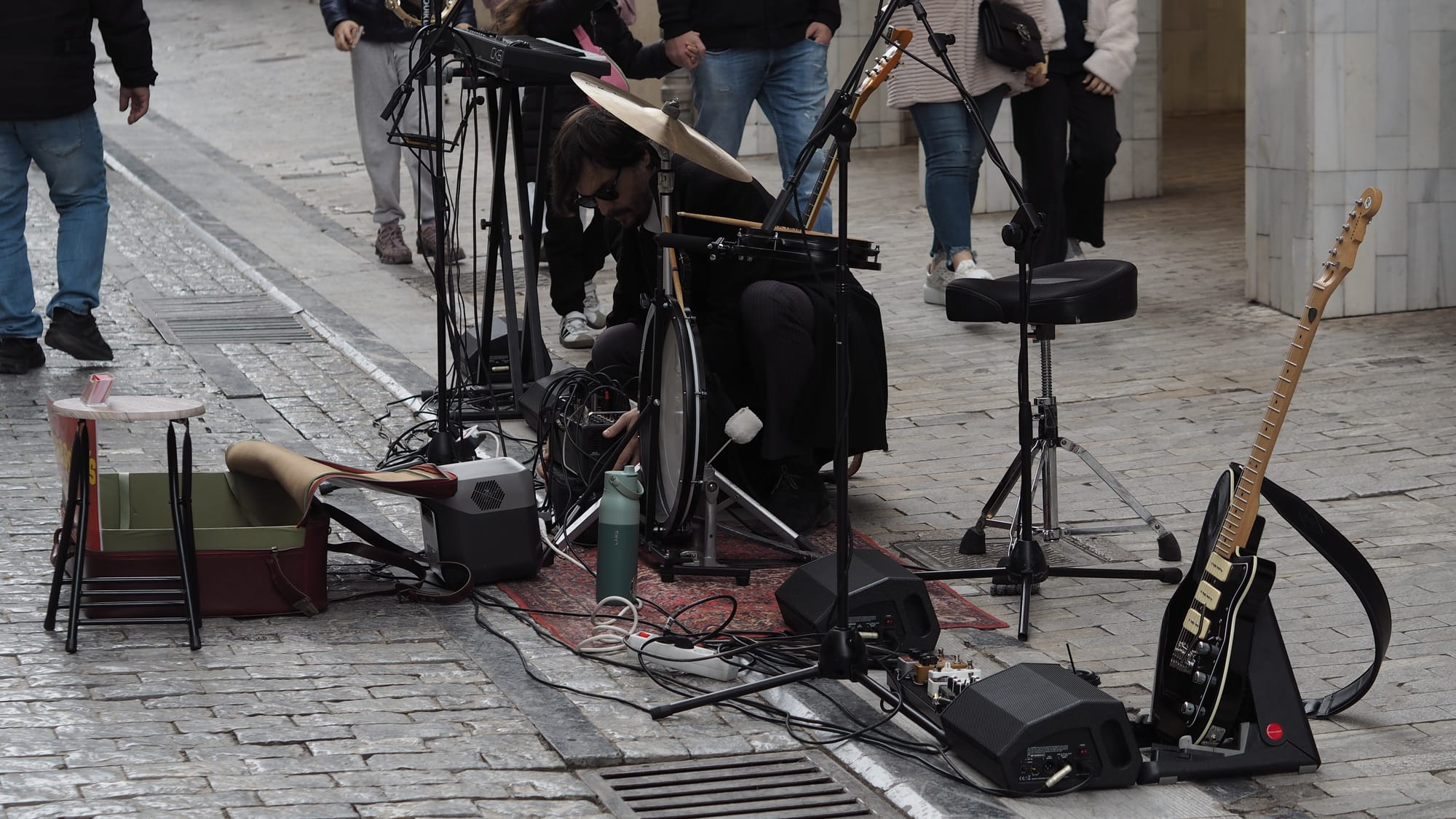
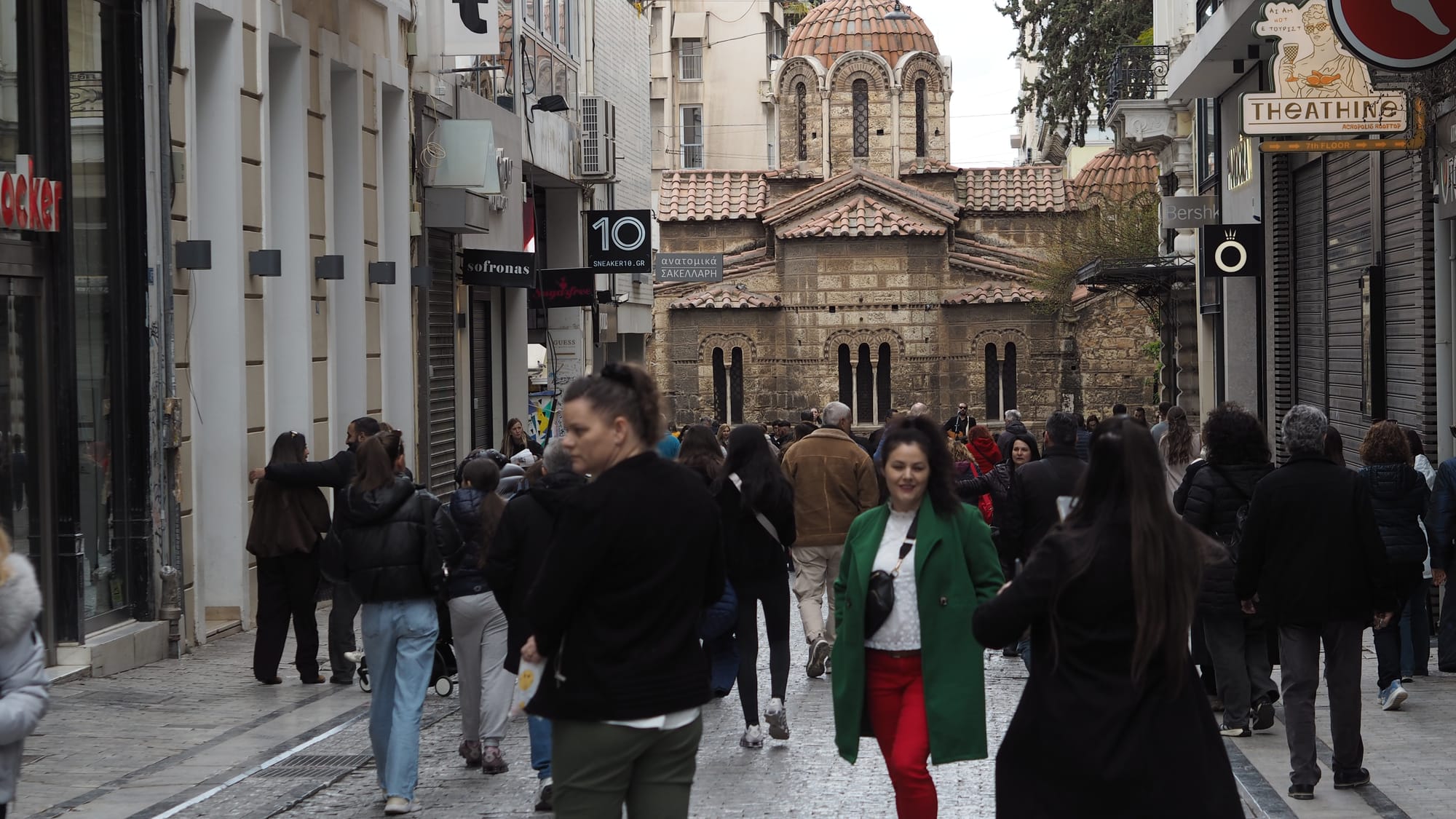
- here you see the face of the barrel-organ player, before the psychedelic (a Greek word) band started playing
Inside a little church and Mickey Mouse, whom I hadn't seen since the ward in the German Hospital Riyadh, on the boulevard,
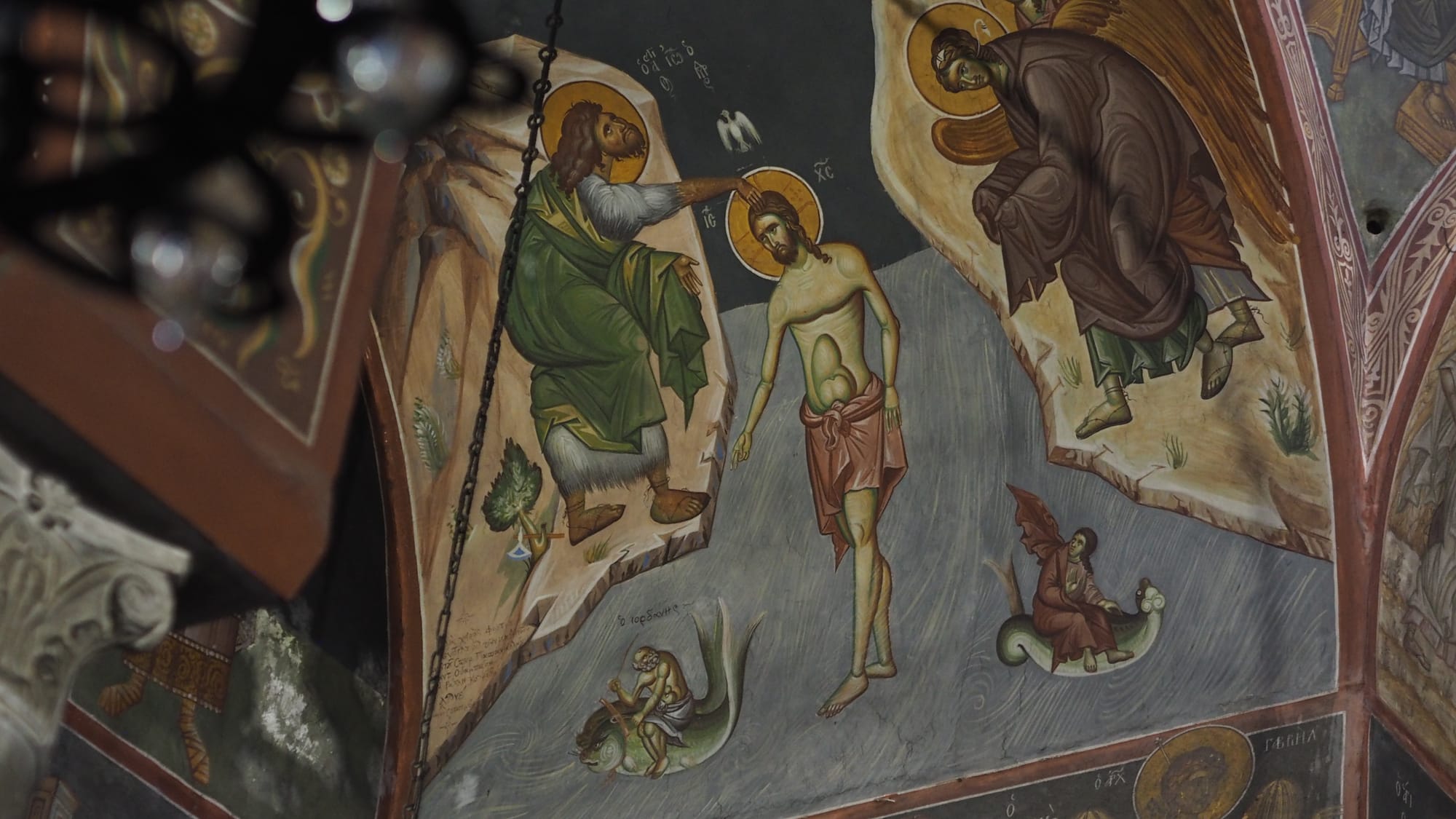
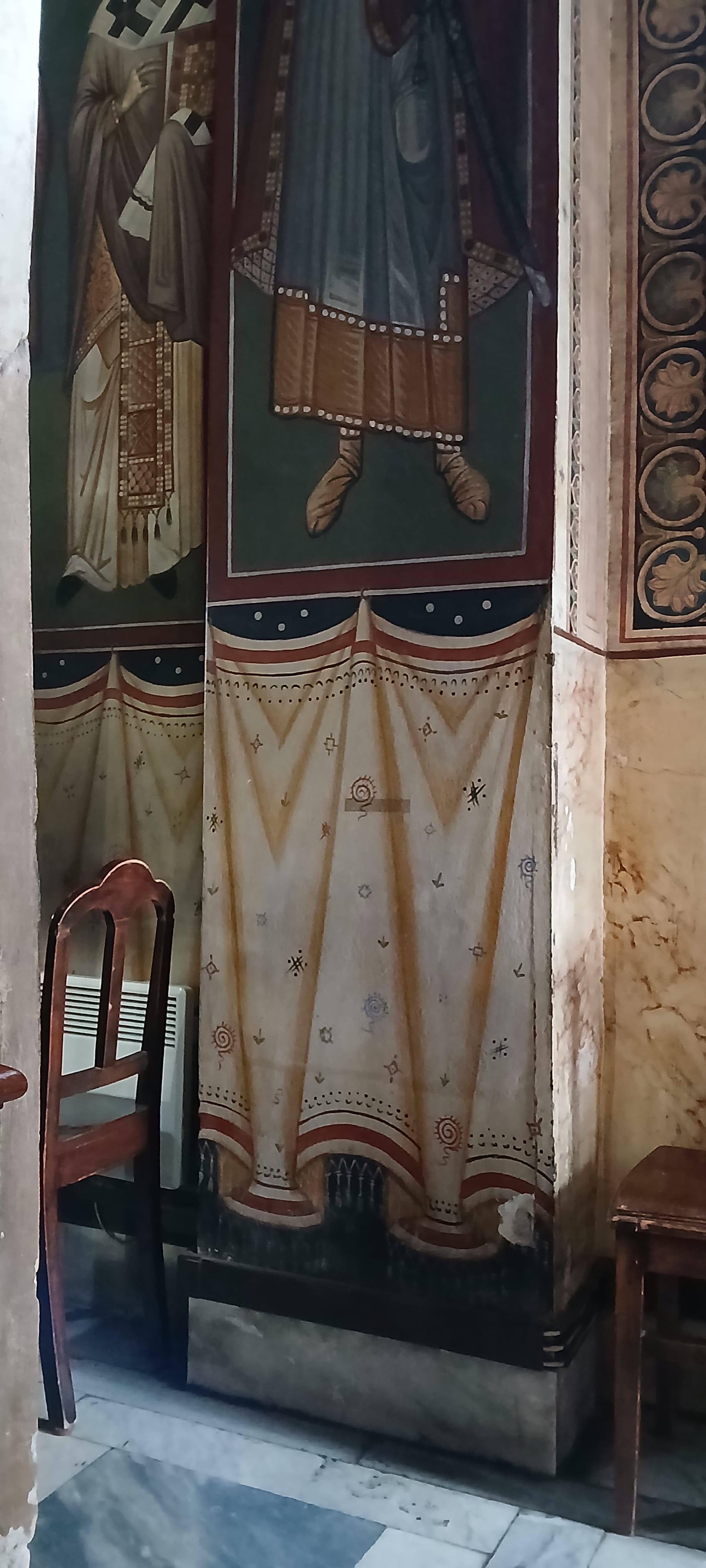
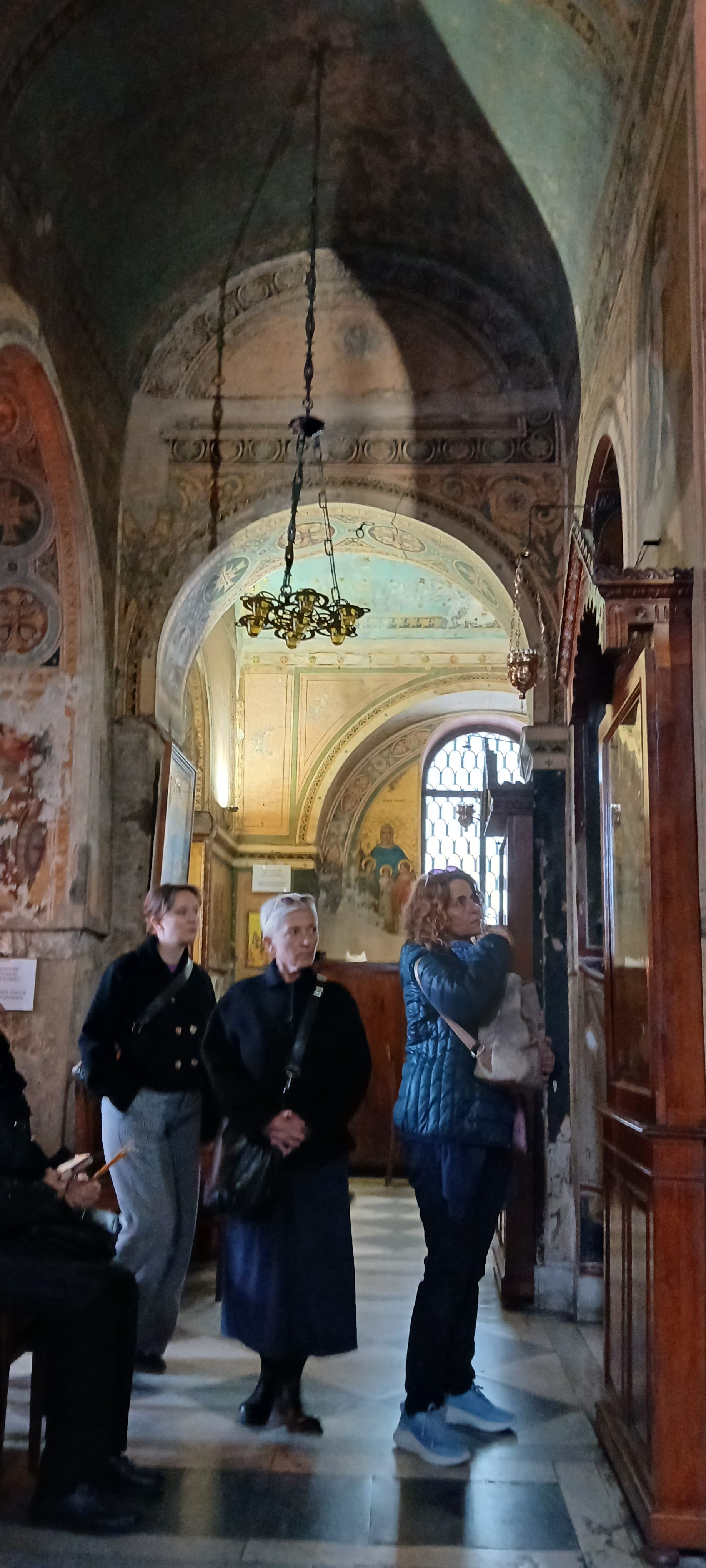
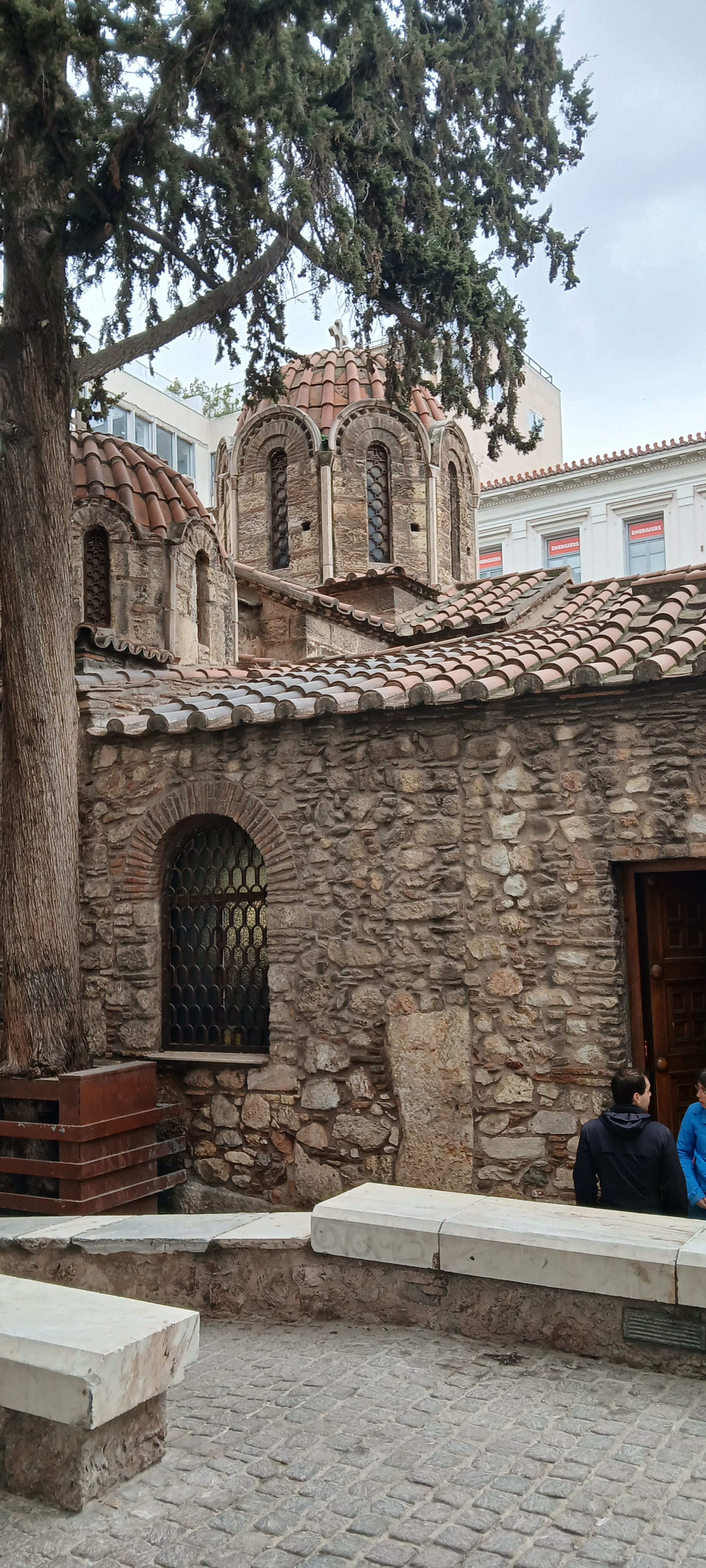
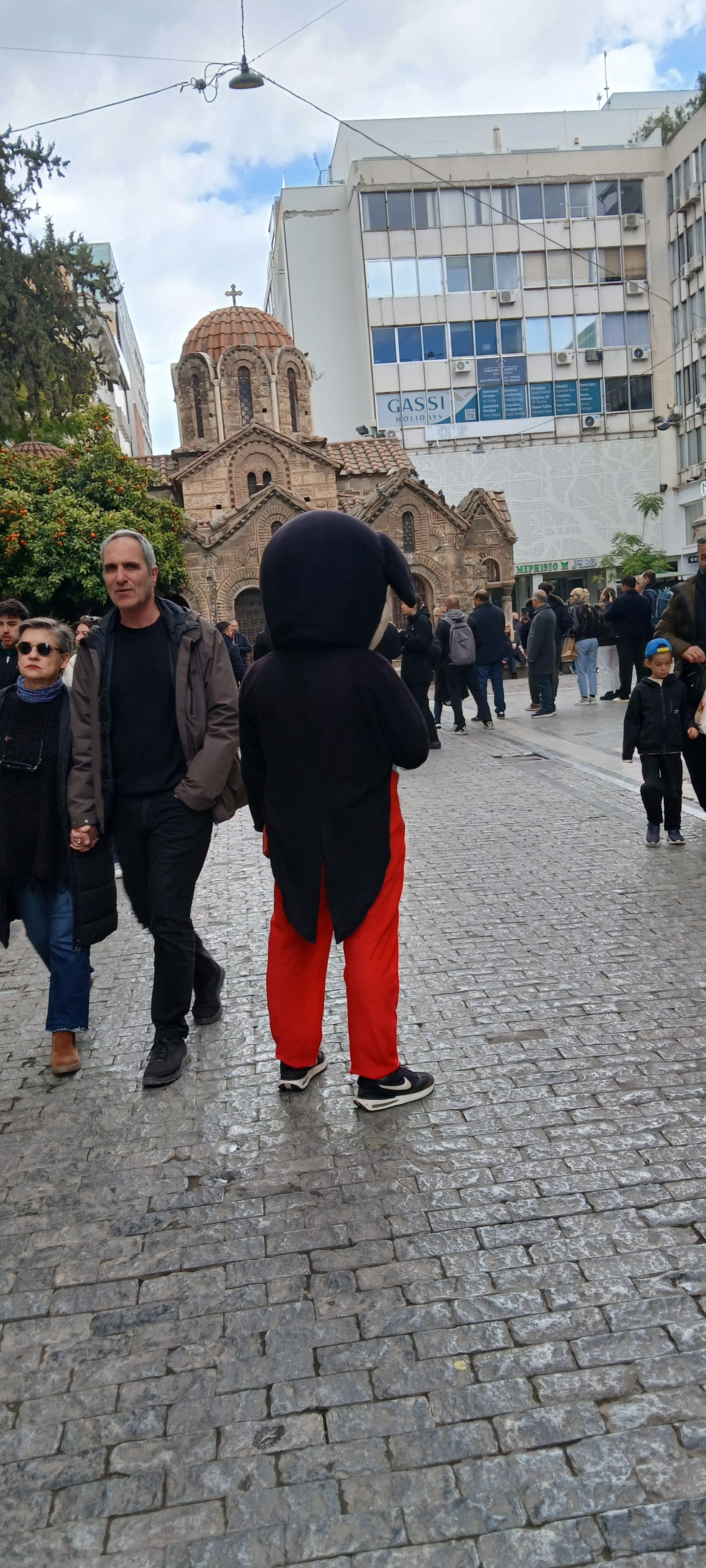
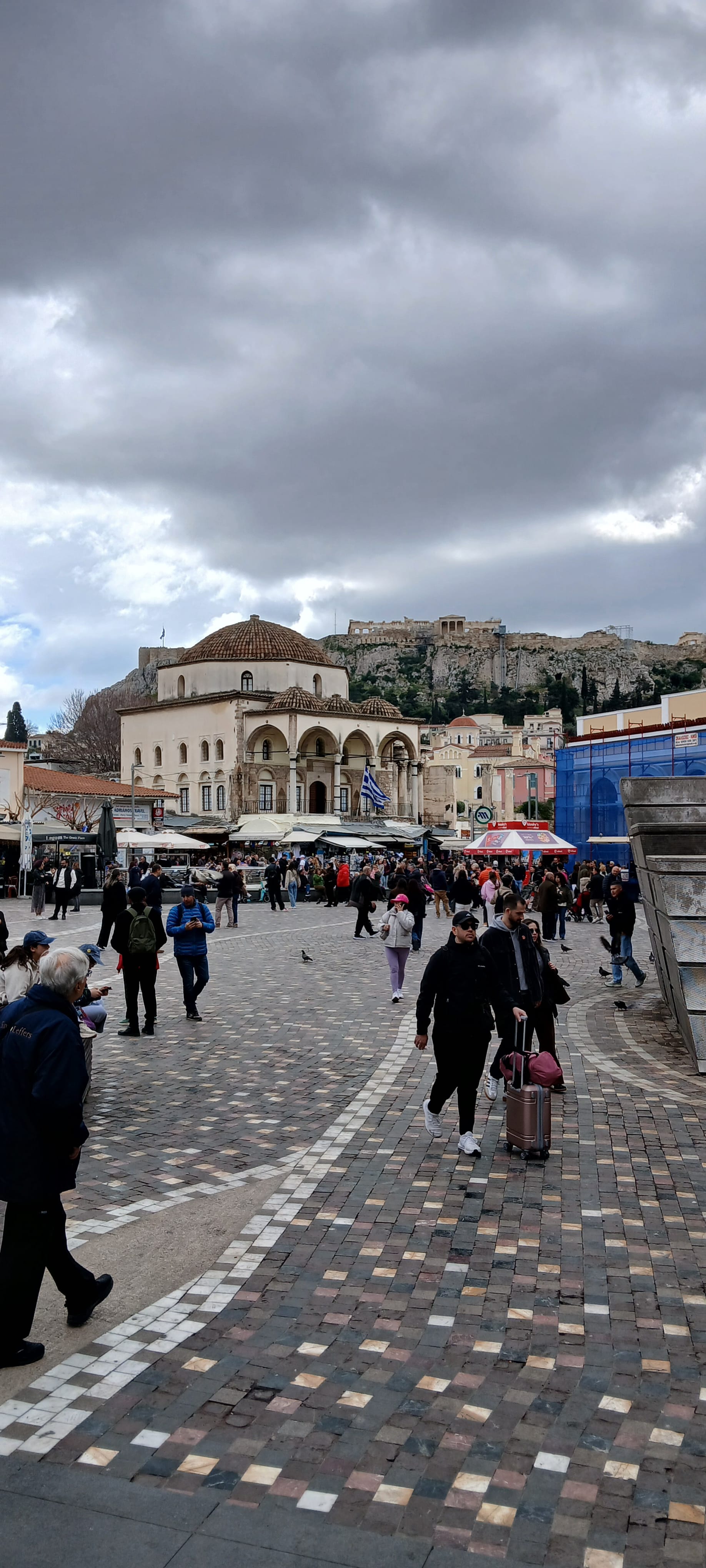
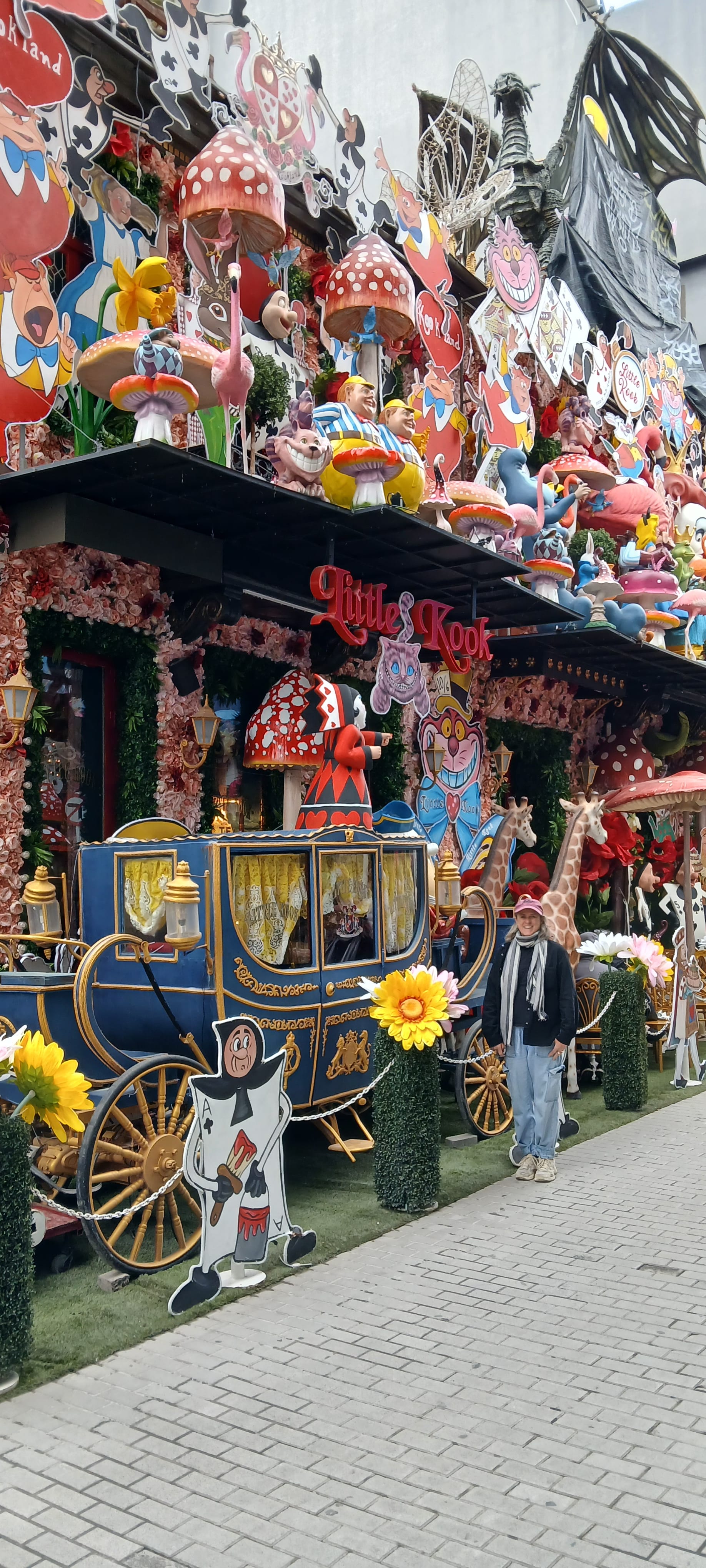
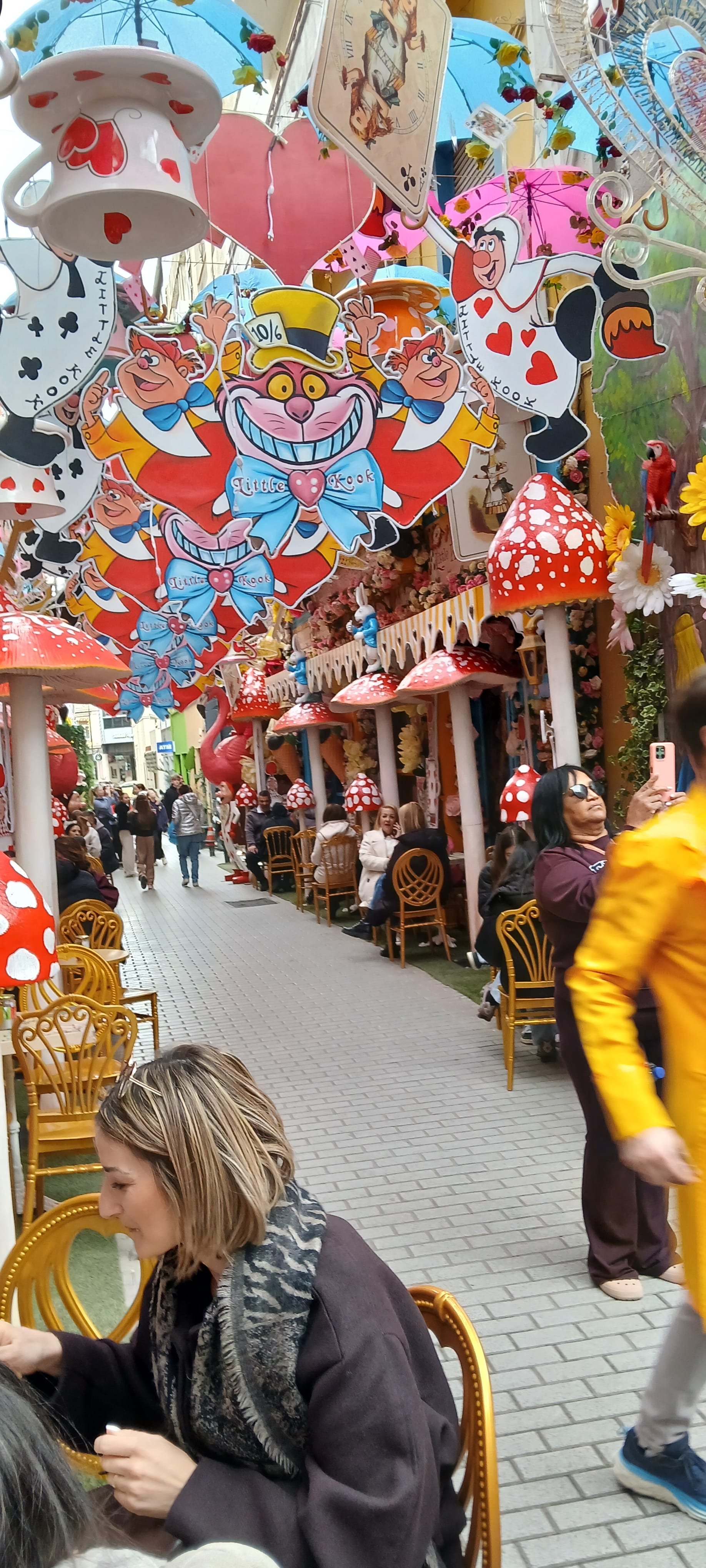
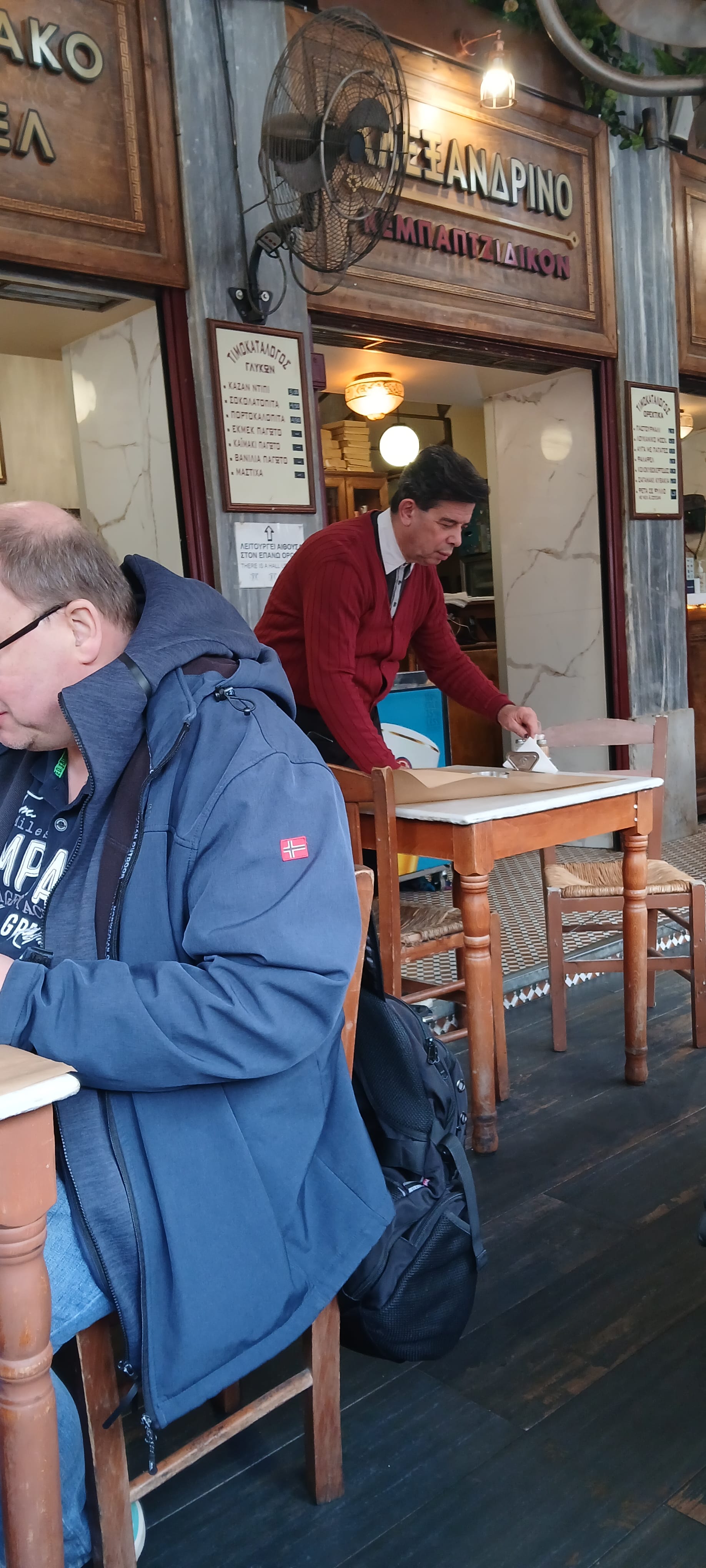
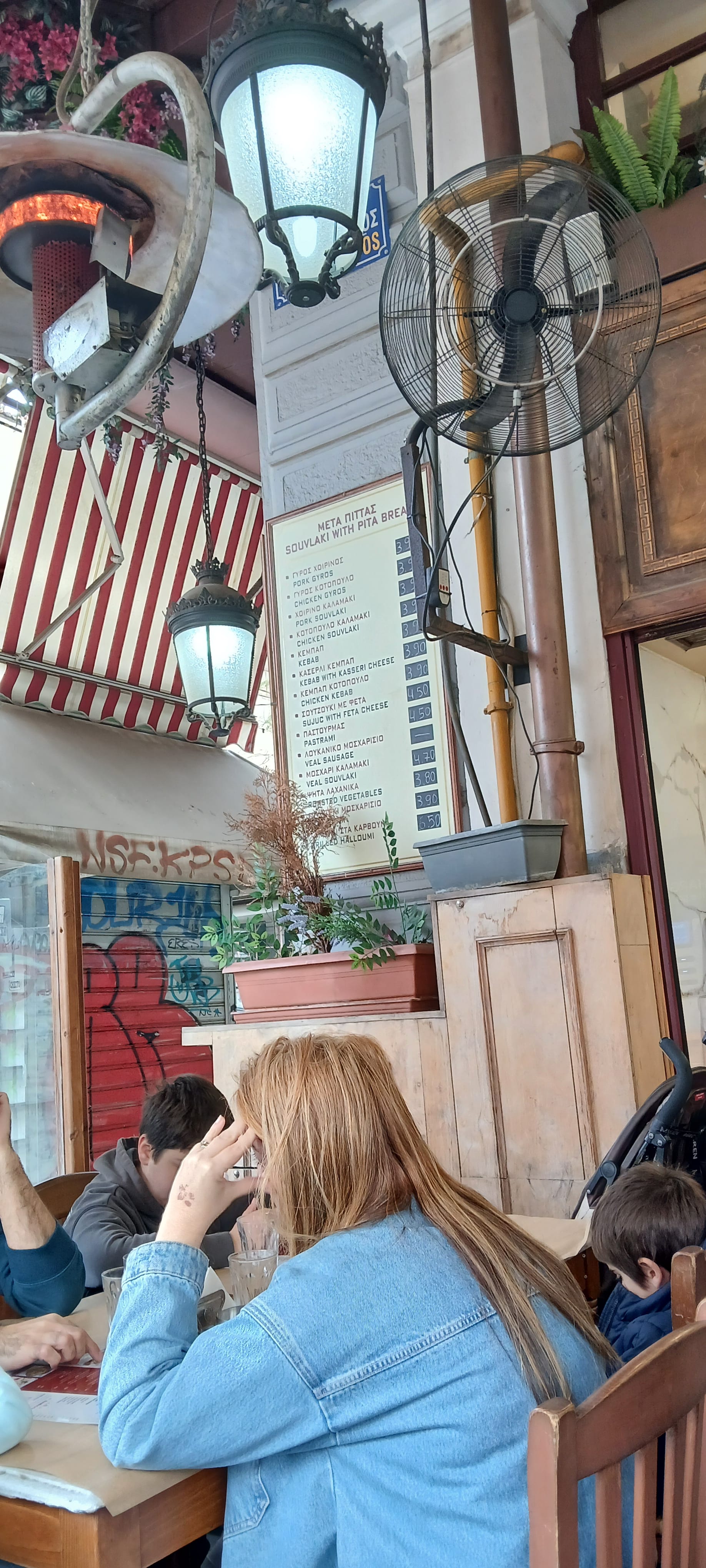
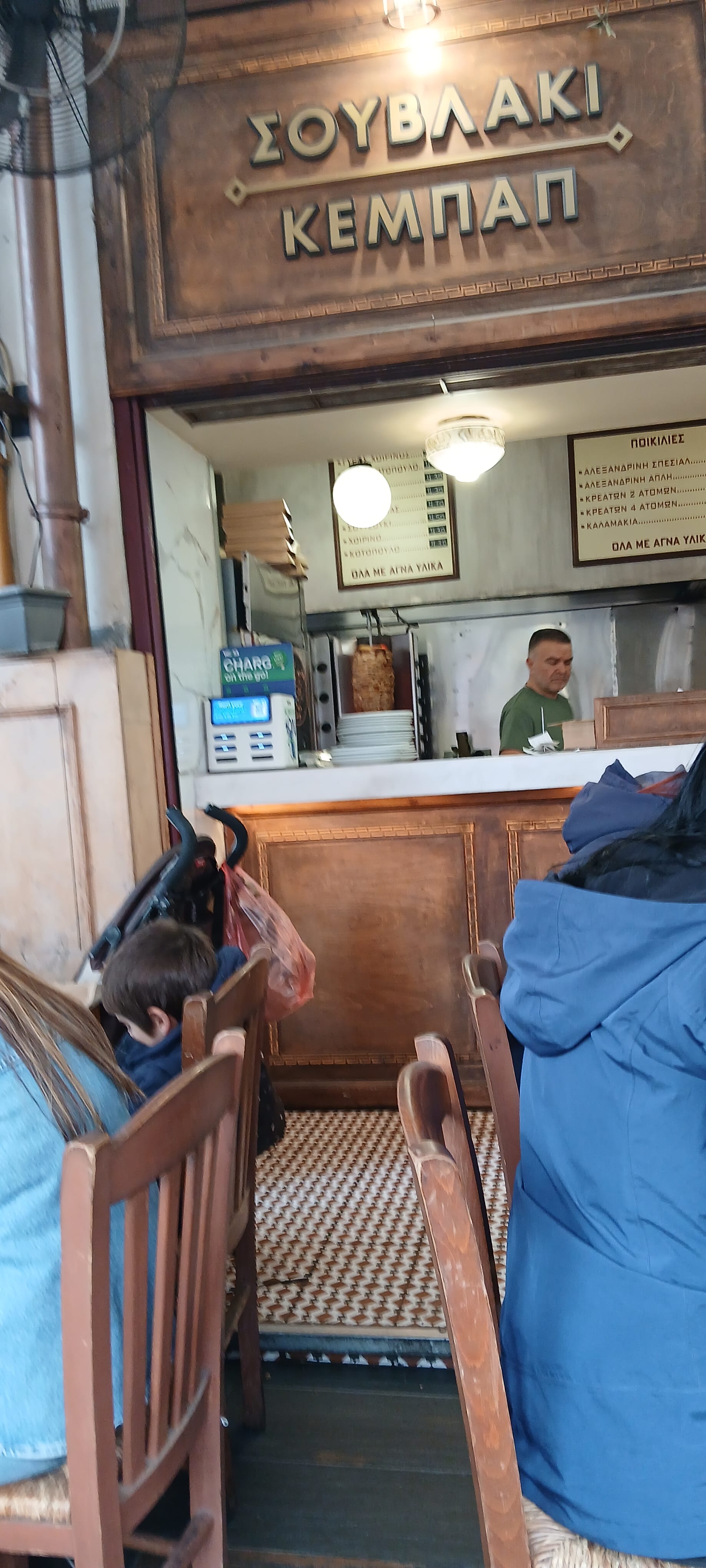
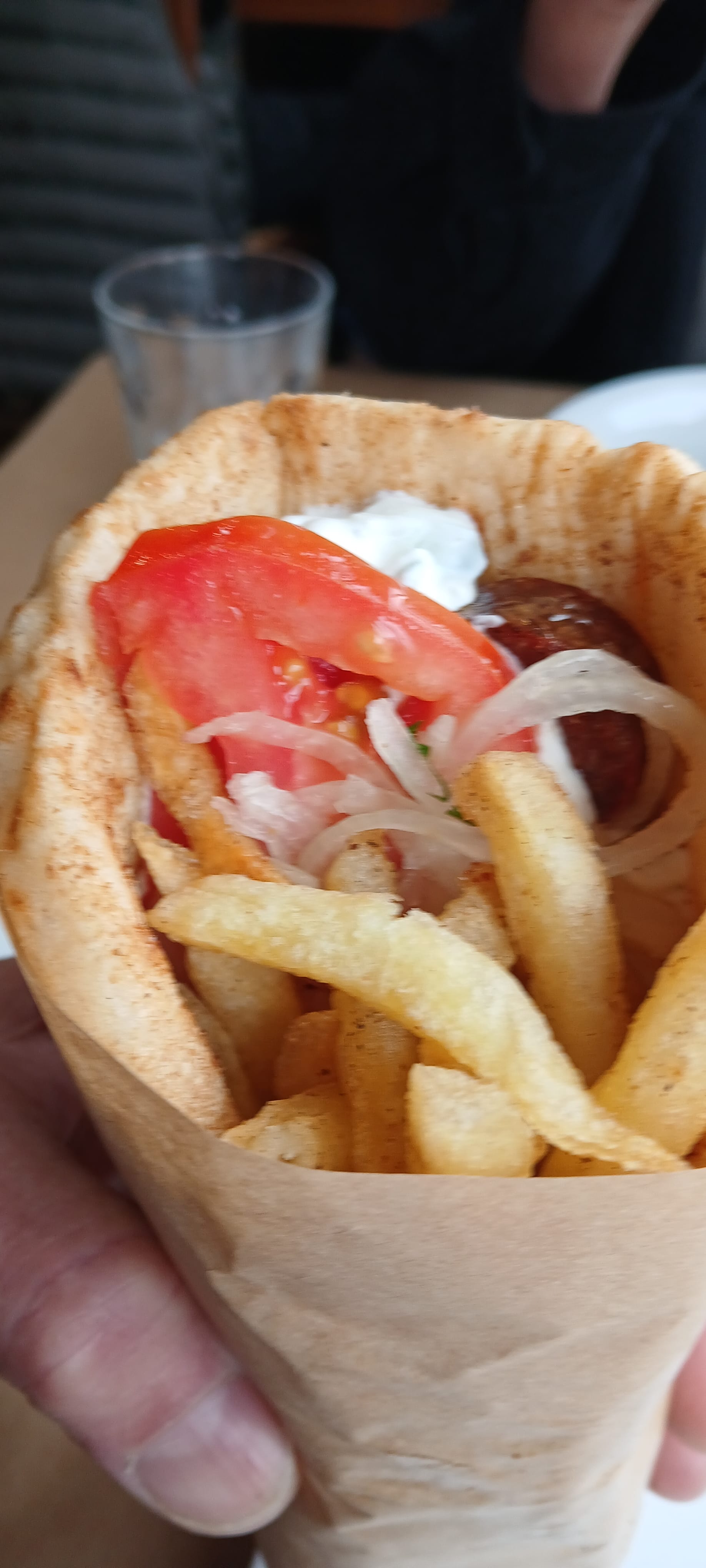
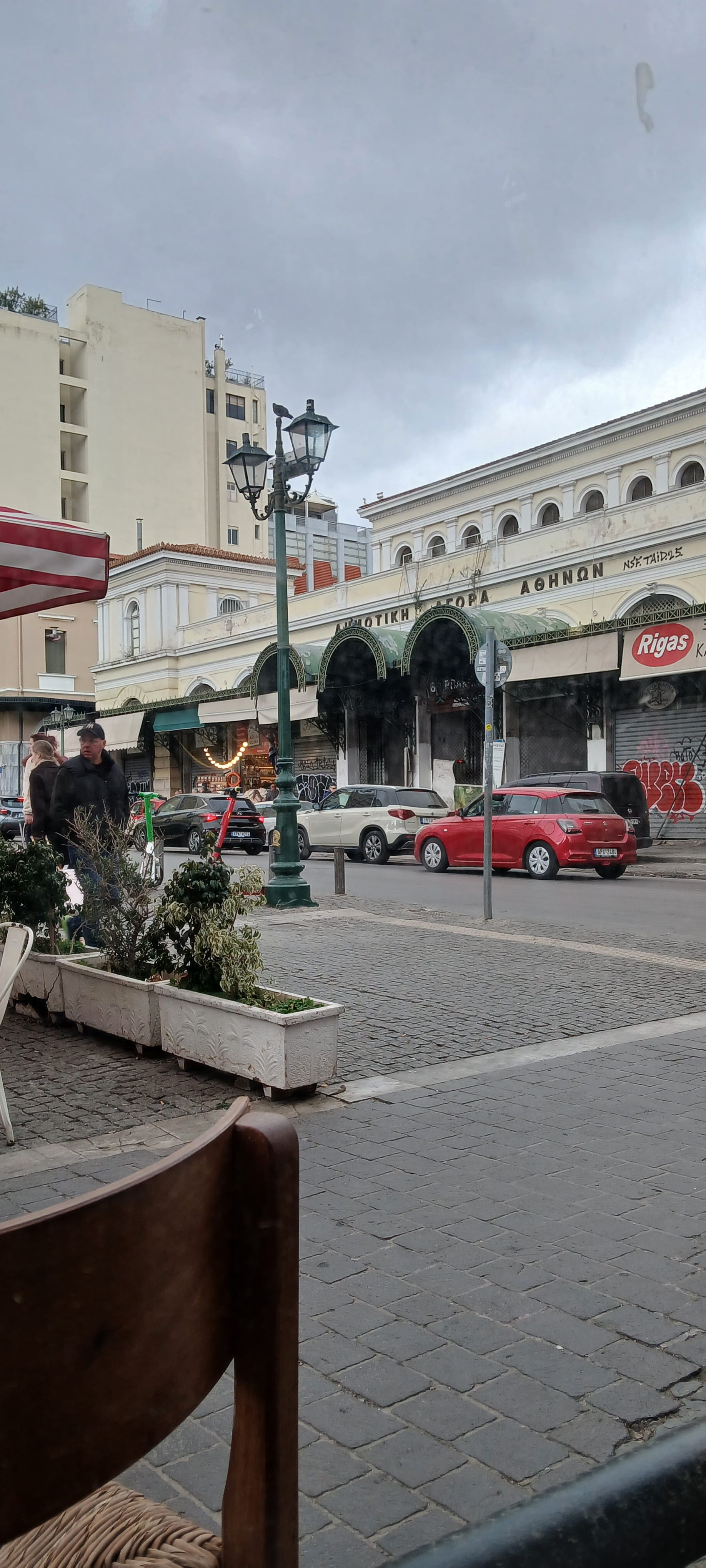
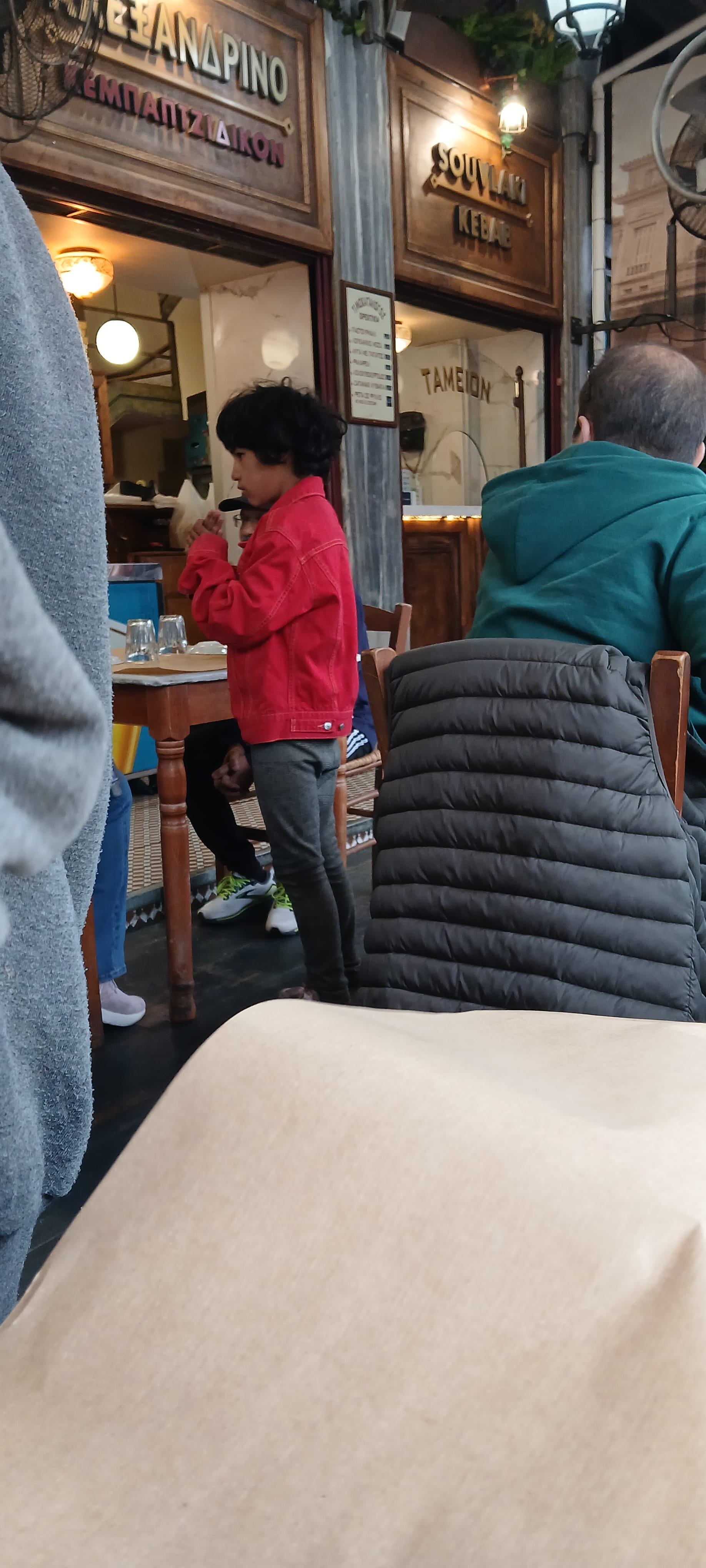
- lunch here, forgoing the Alice-themed extravaganza; see the beggar in his red jean-jacket? he and his sister had a good schtick:
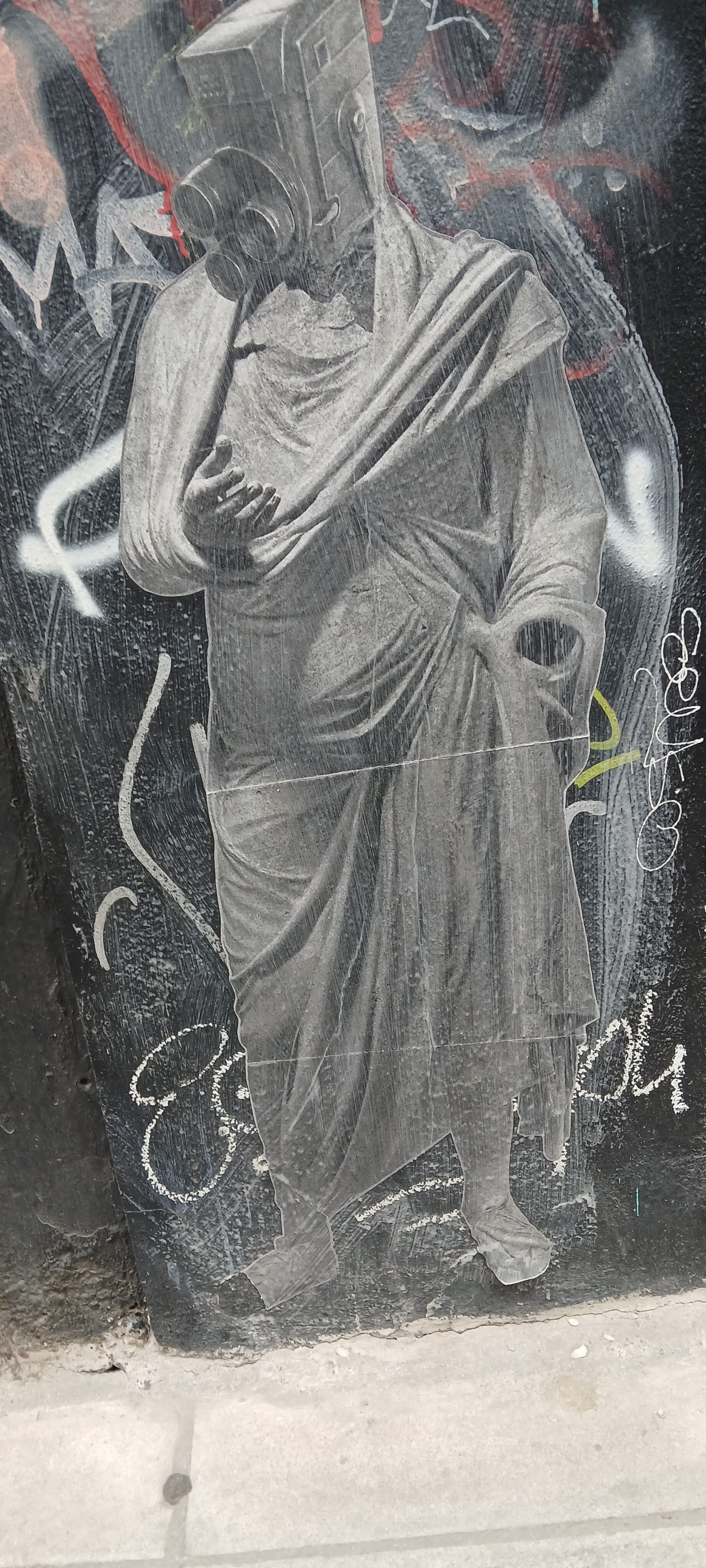
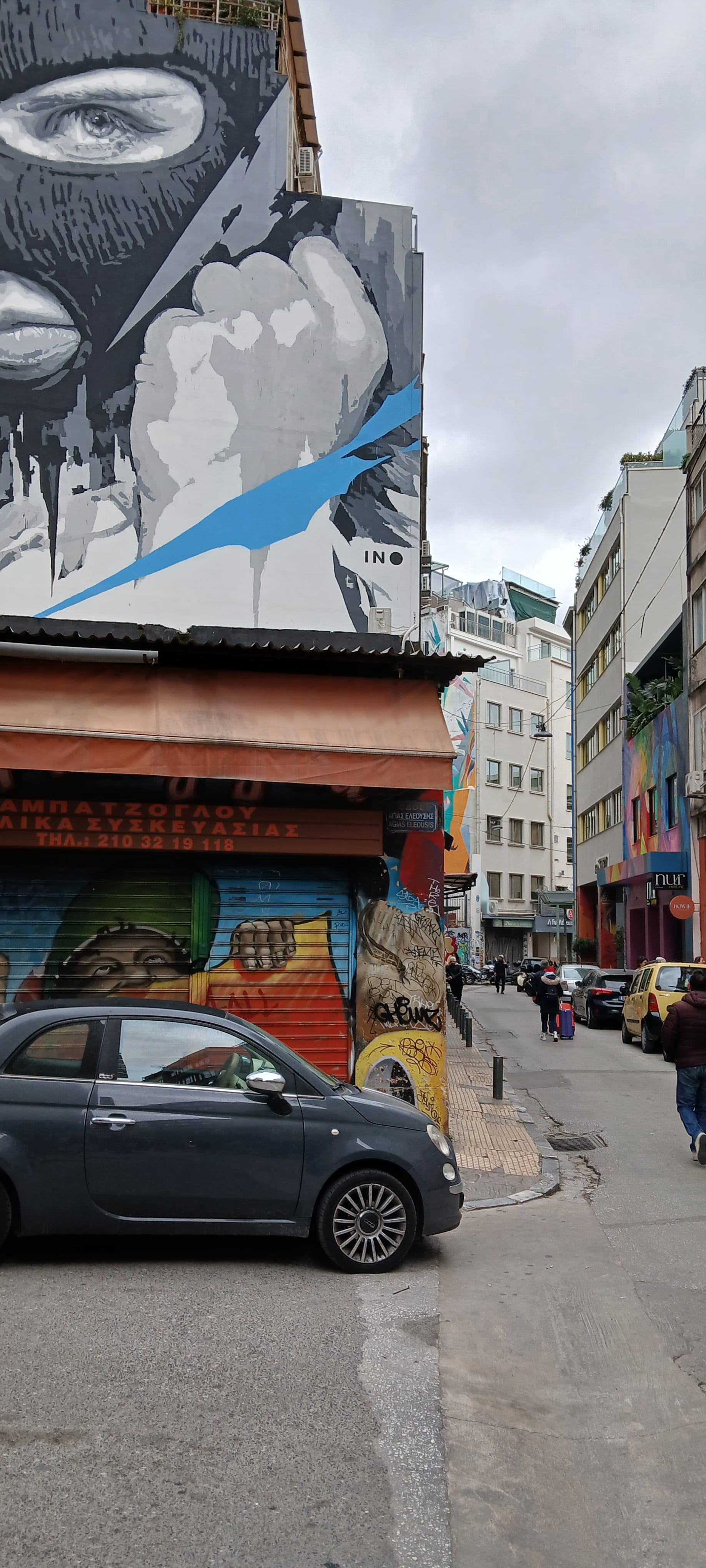
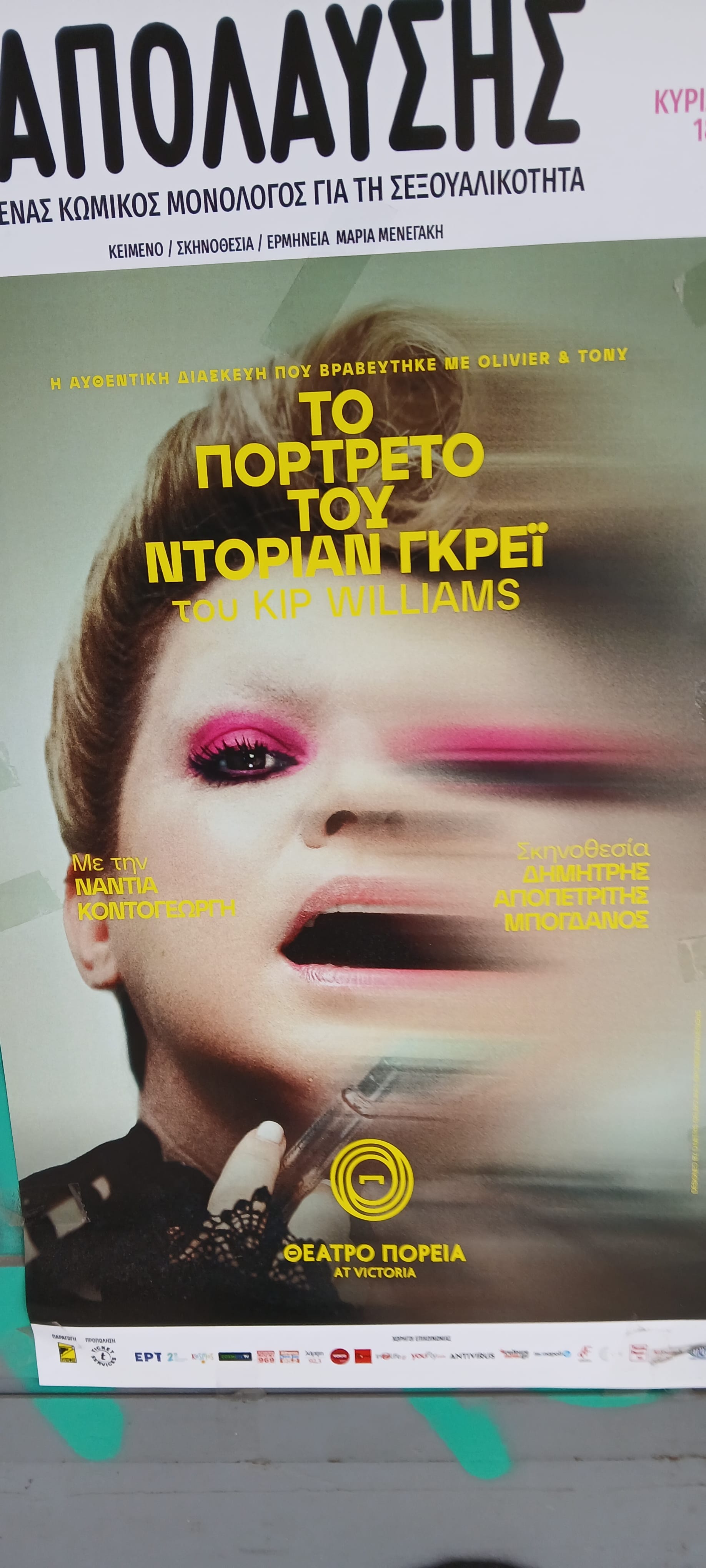
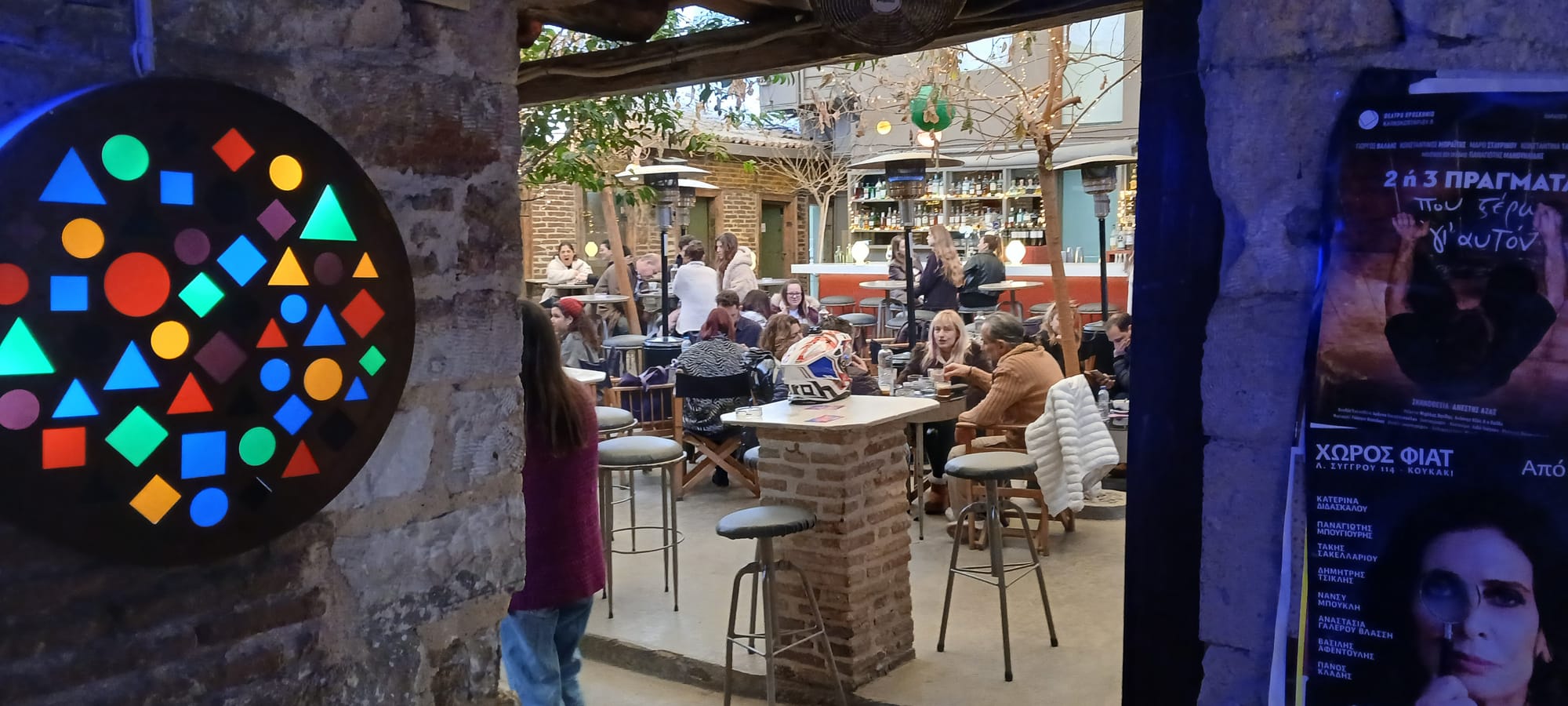
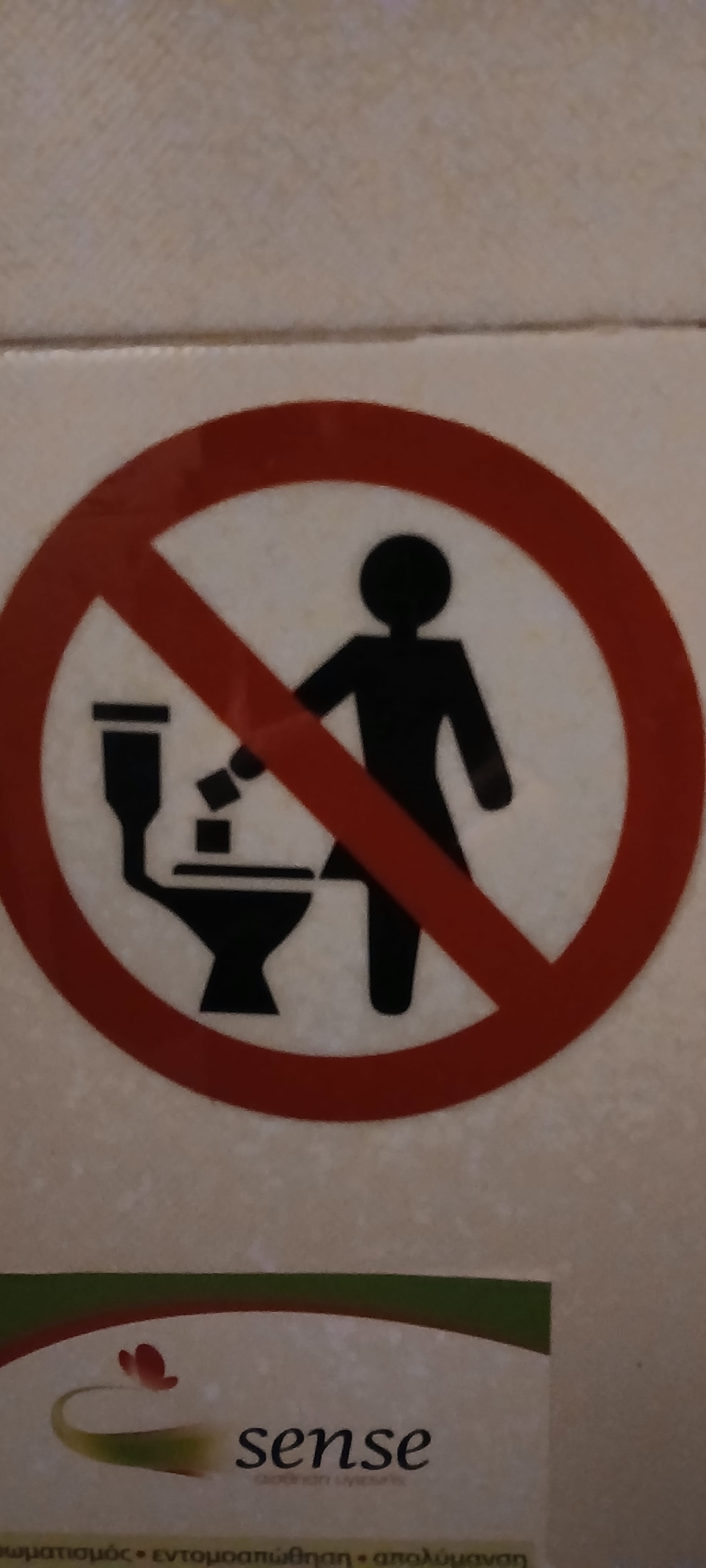
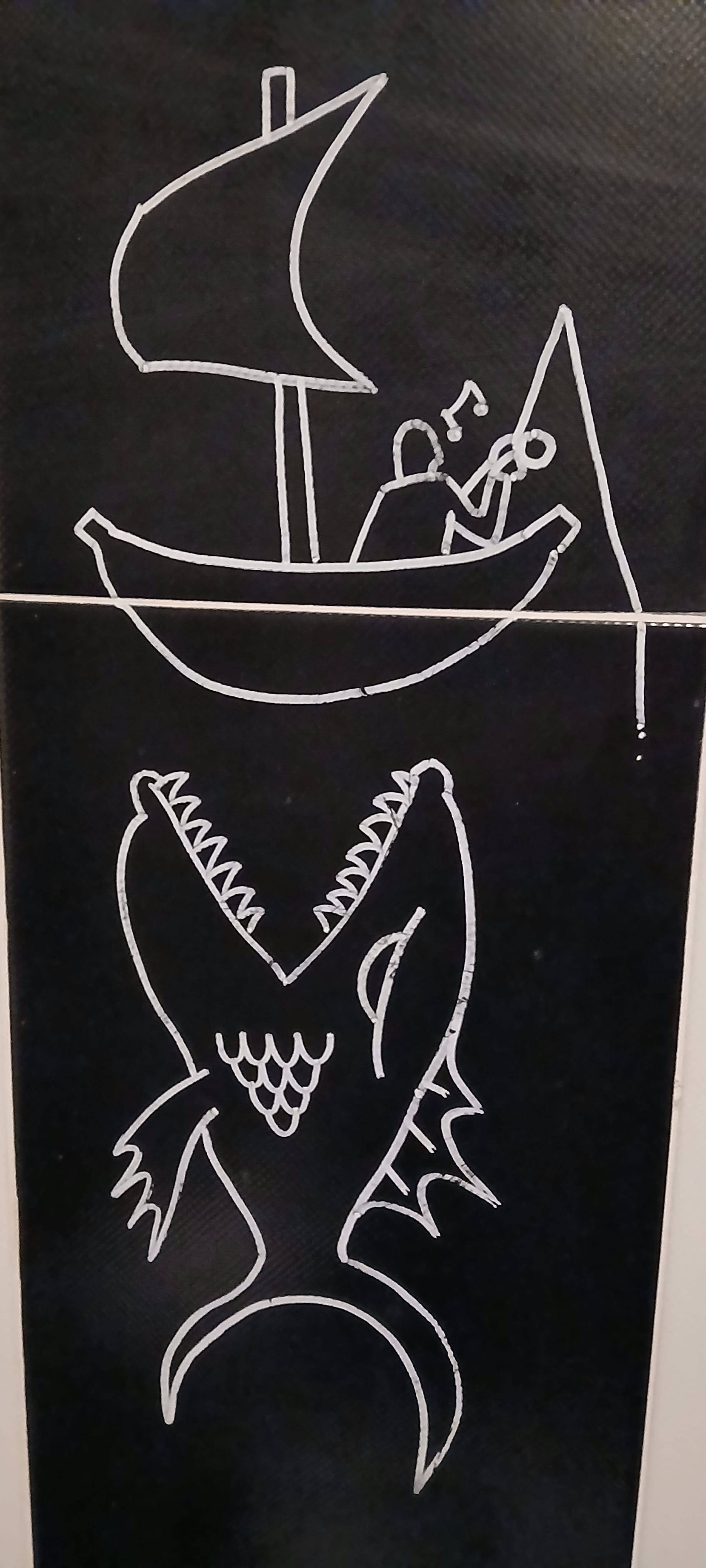
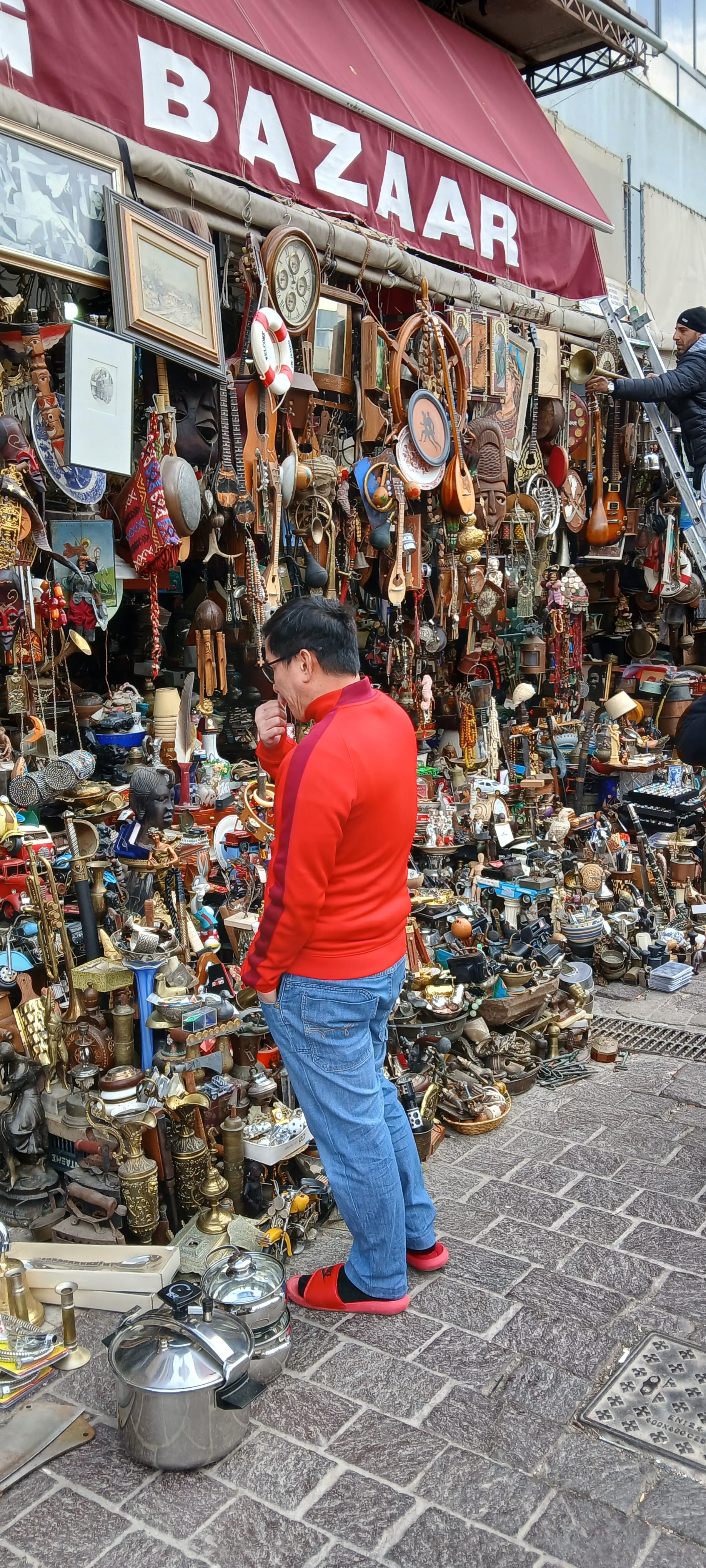
- to the flea-market (including a poster for Dorian Gray and a reminder not to flush toilet-paper and a reminder of what happens)
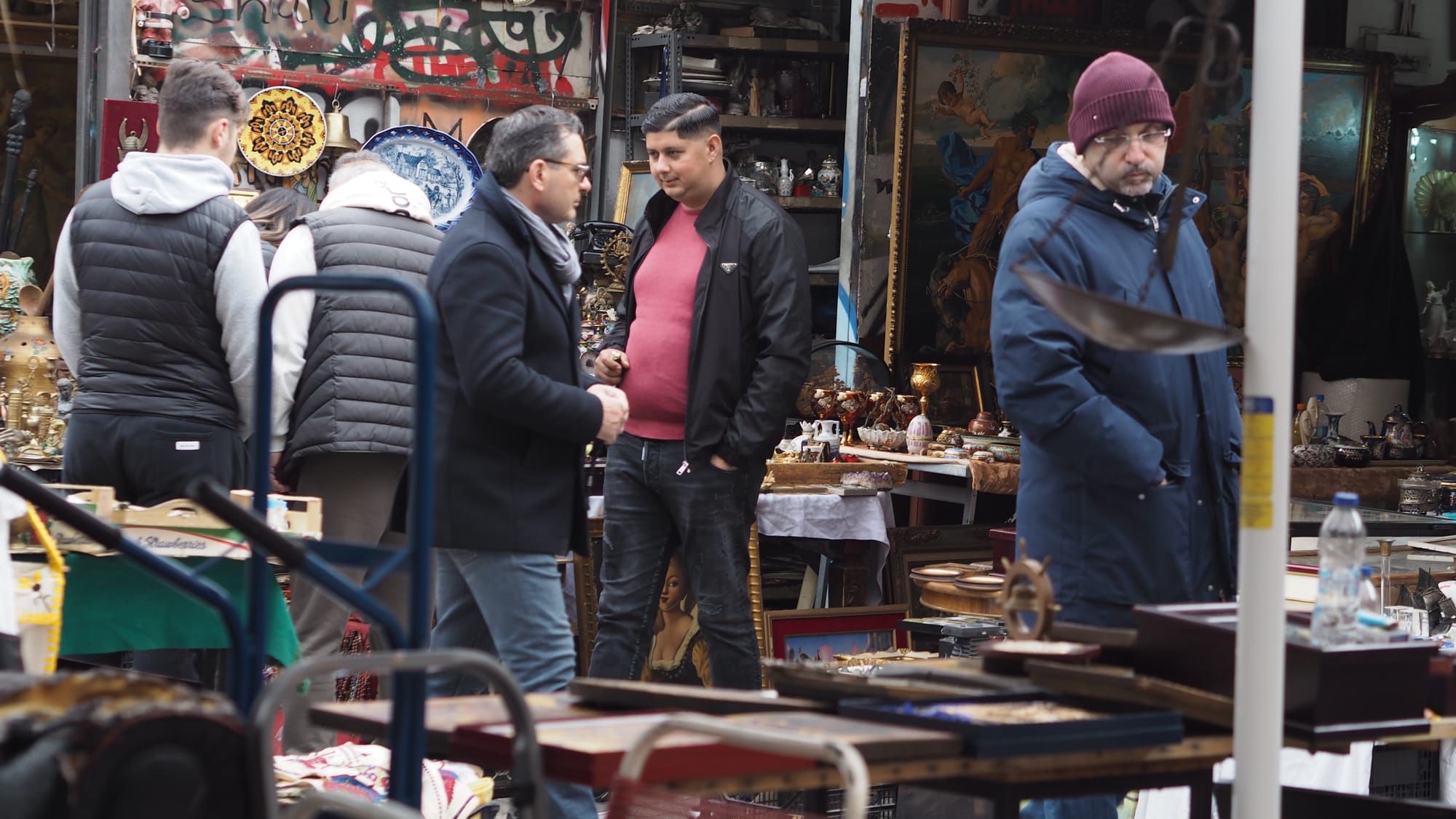
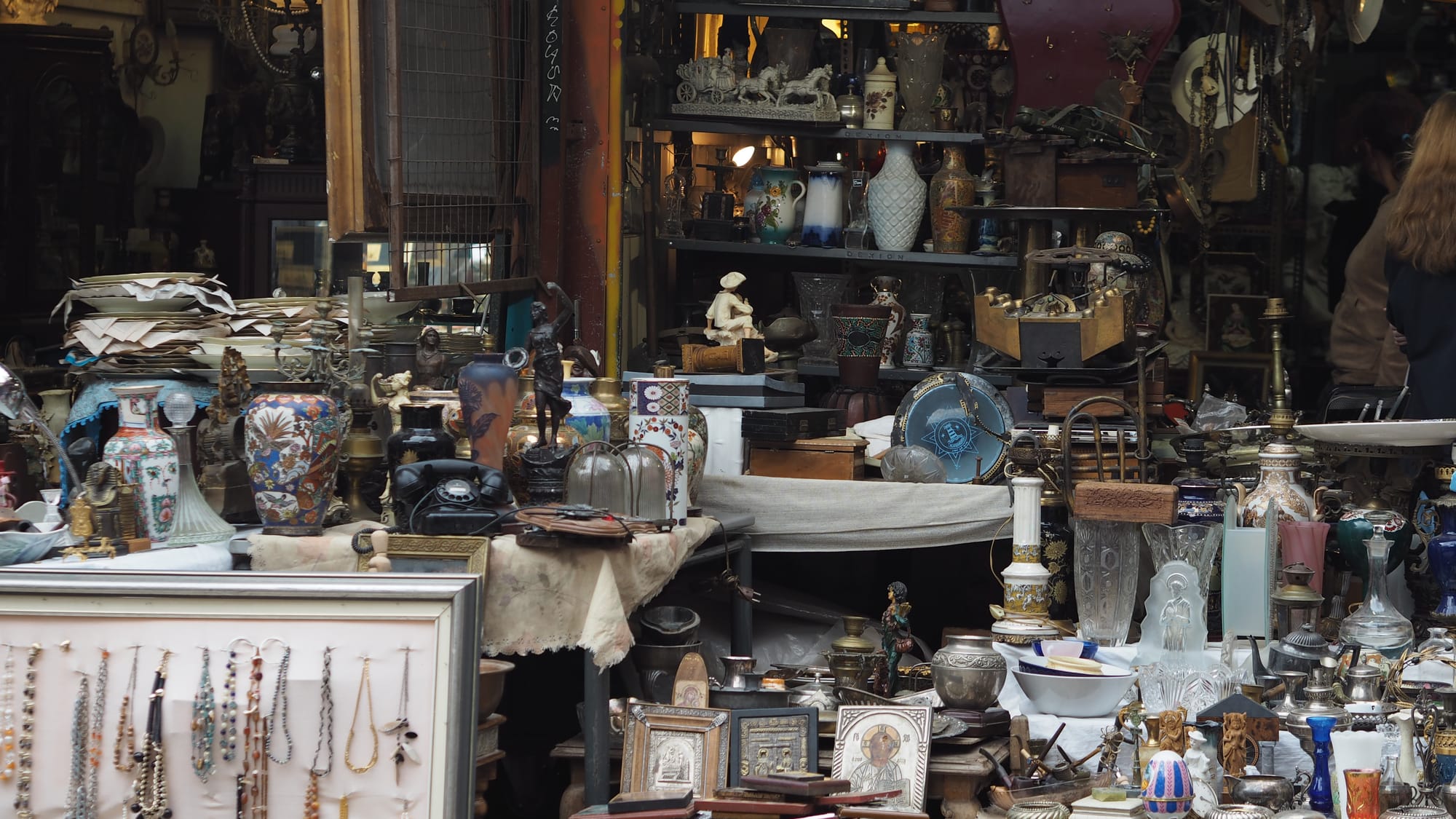
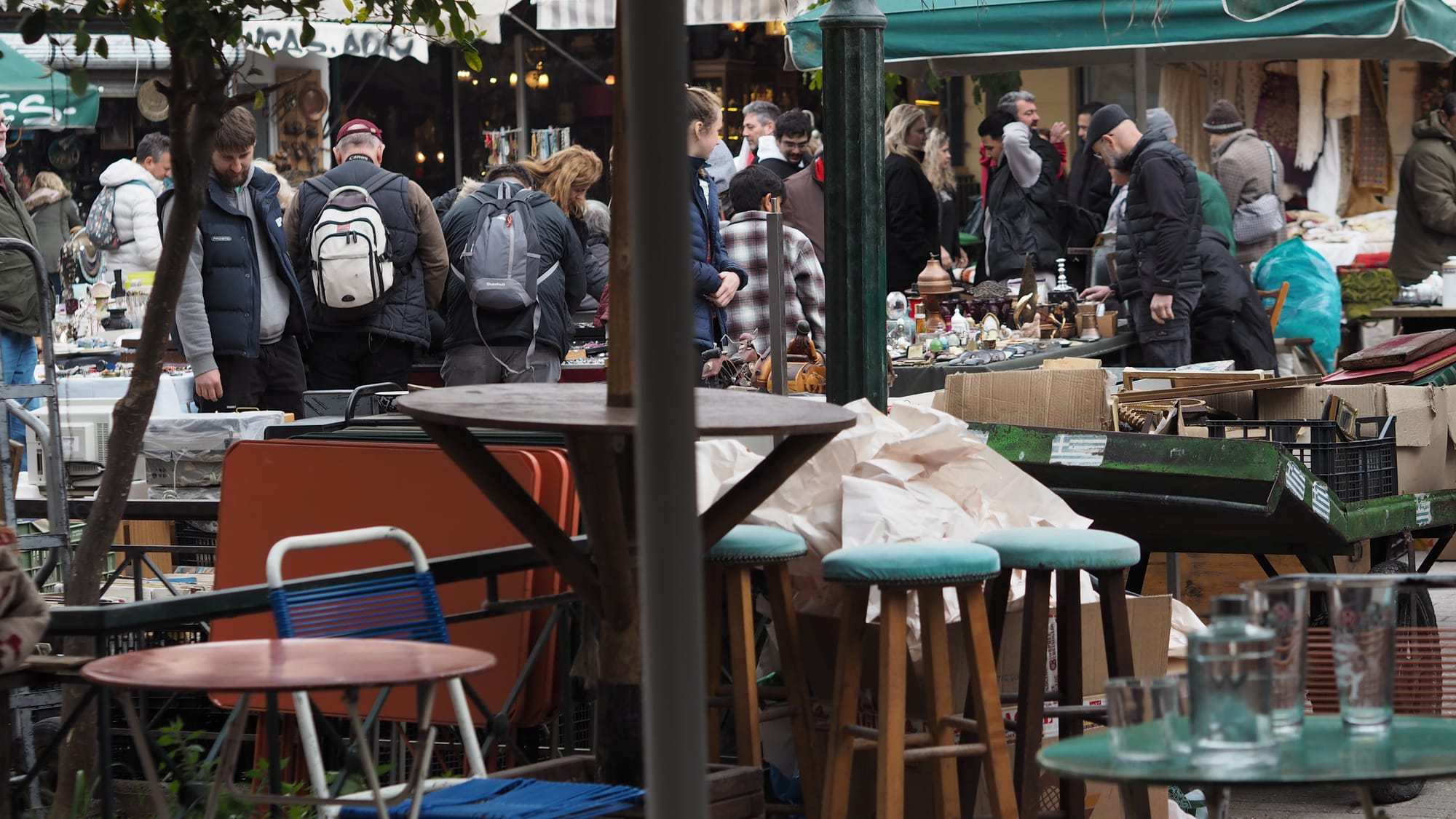
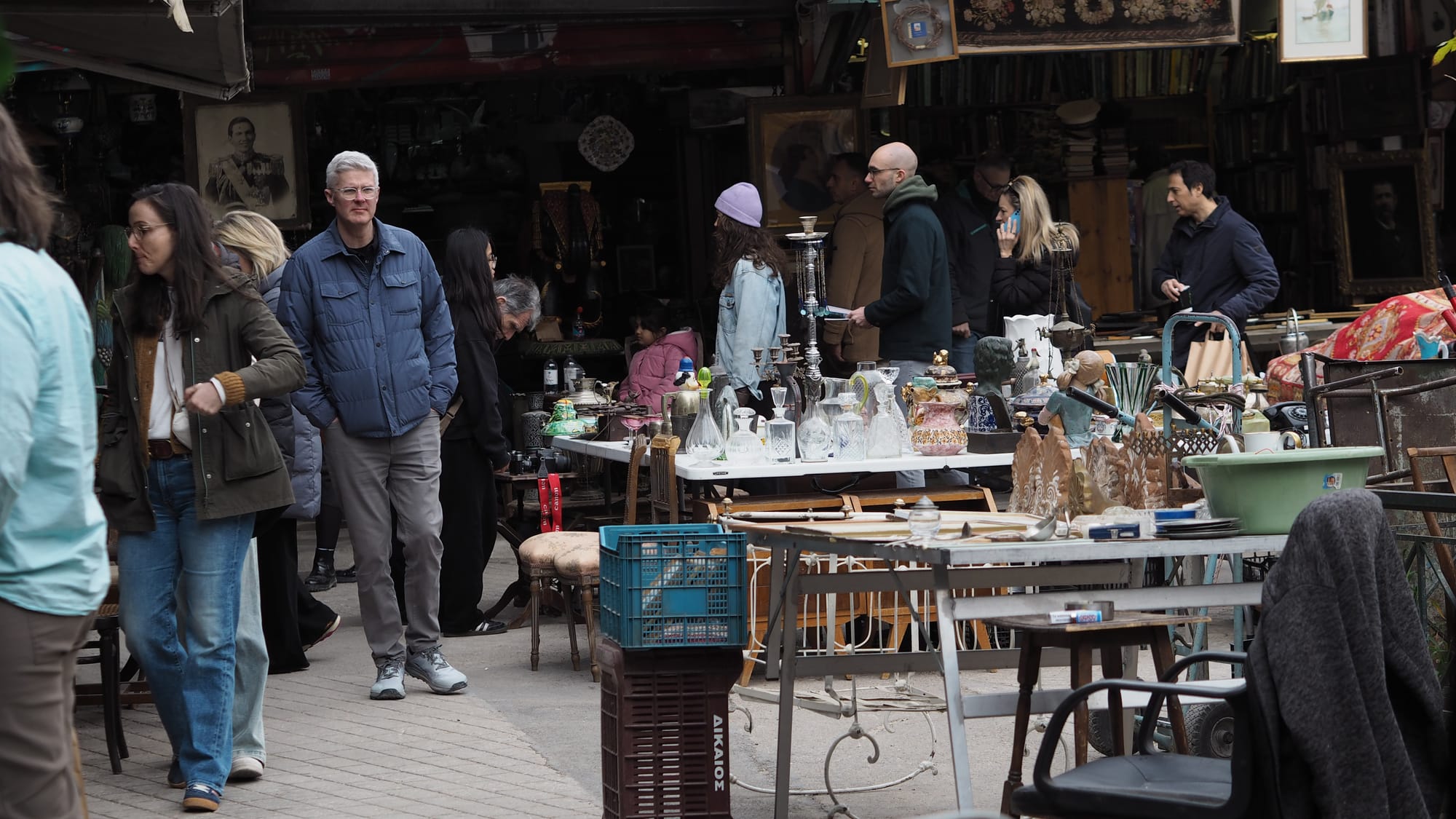
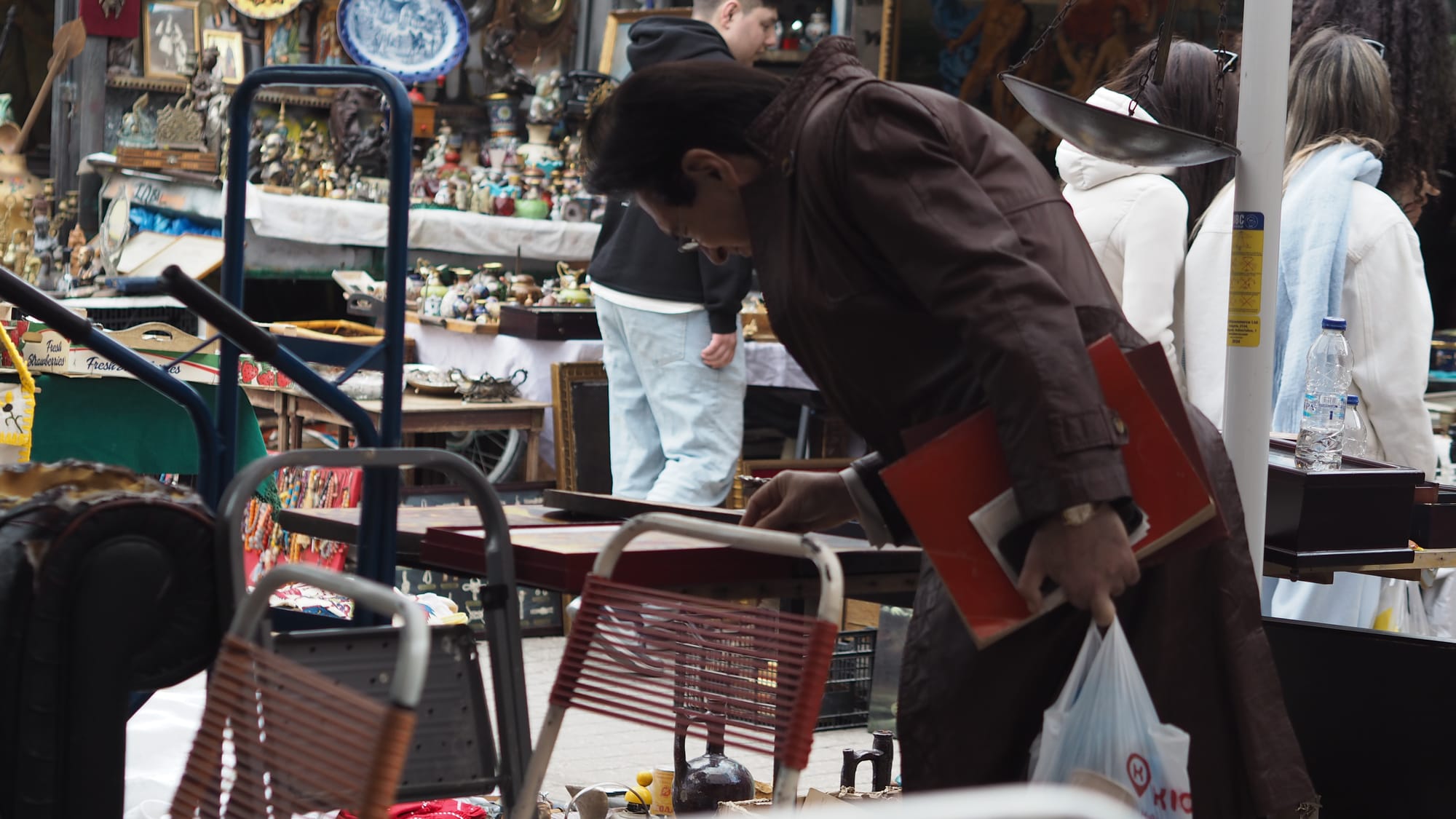
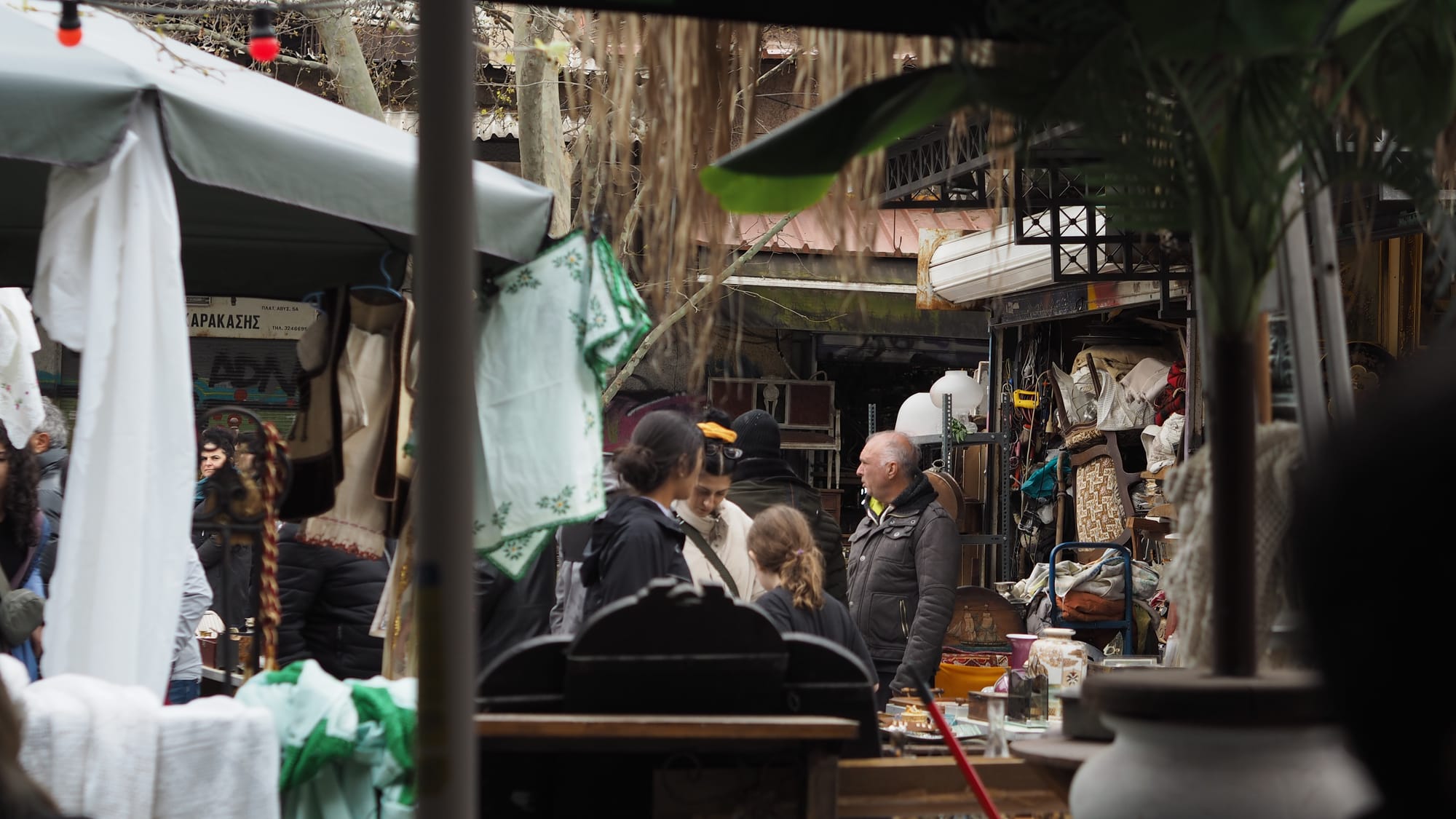
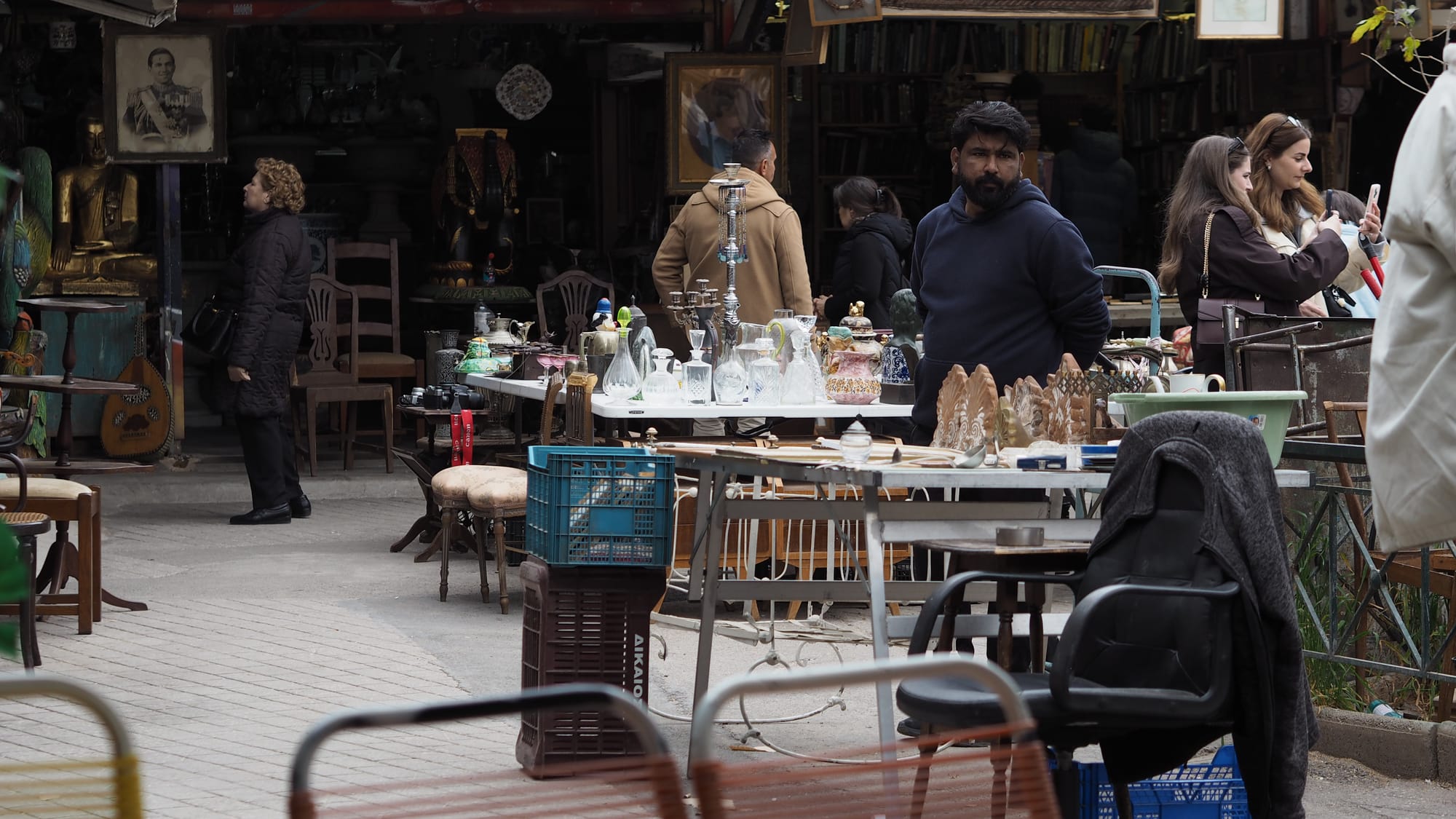
Anafiotika, a tiny enclave of Cycladic buildings for and built by the builders of Anafi, brought to Athens to build King Otto's palace, the one the changing of the guard charade took place in front of, built 1836–1843,
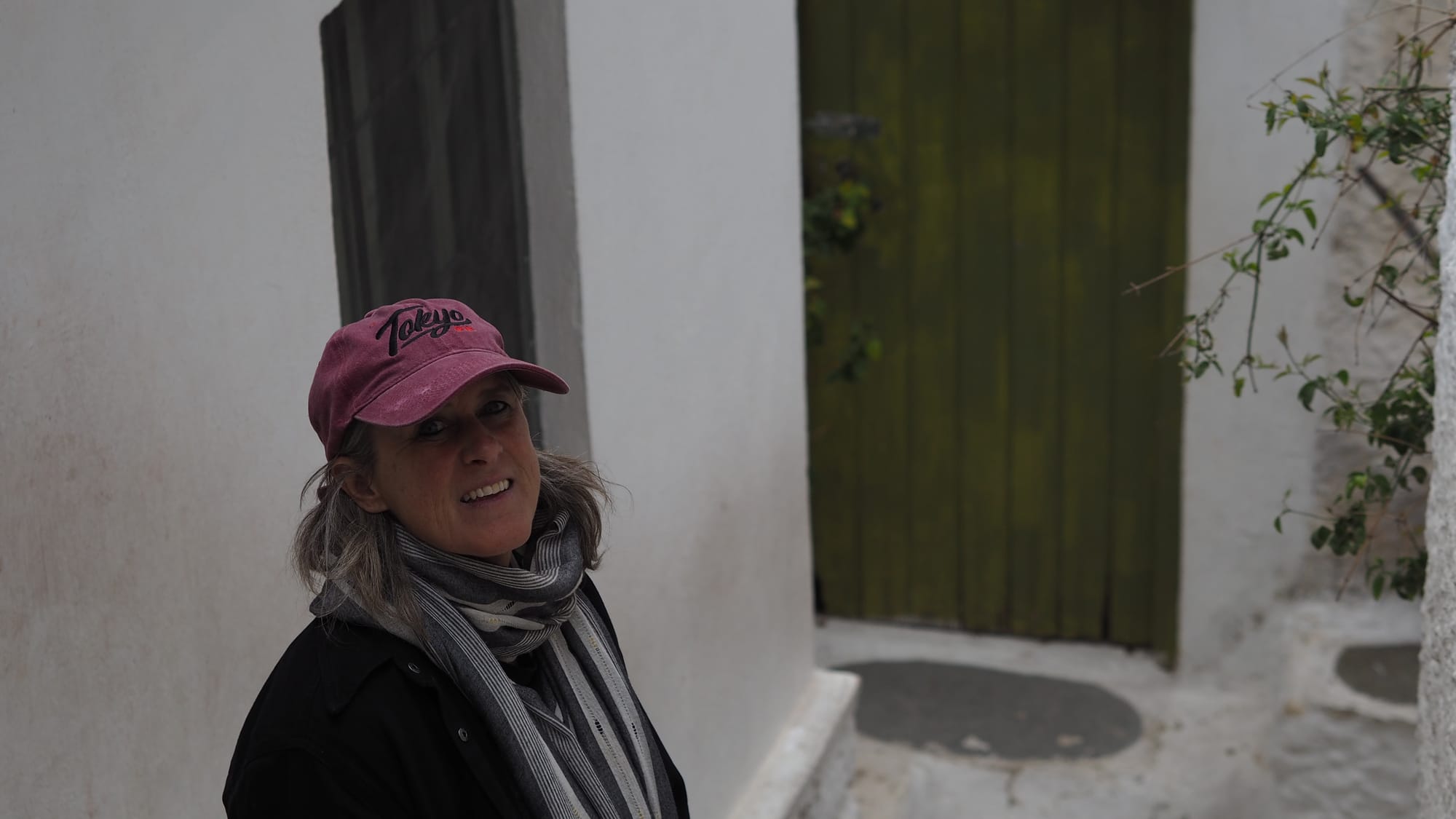
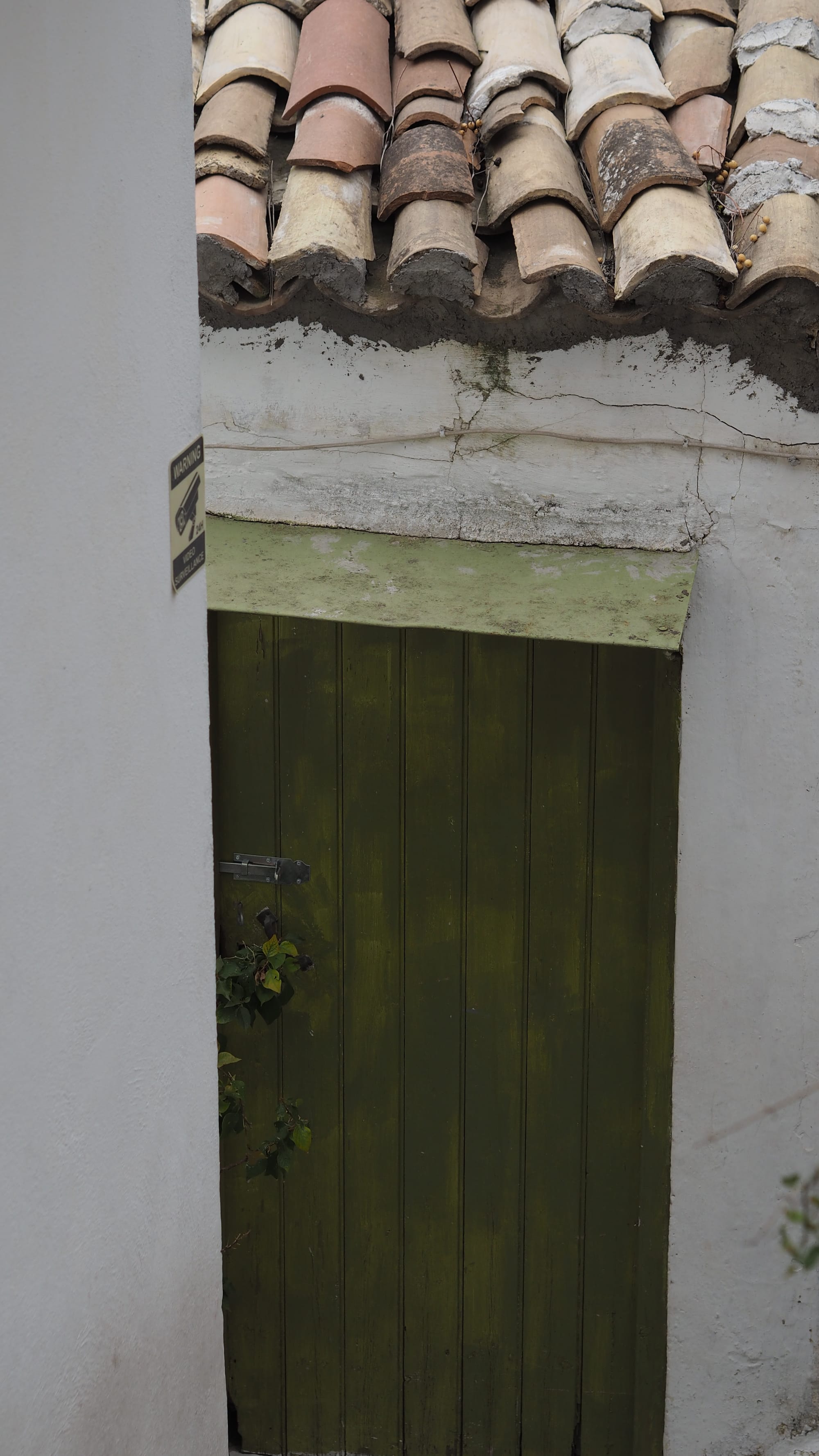
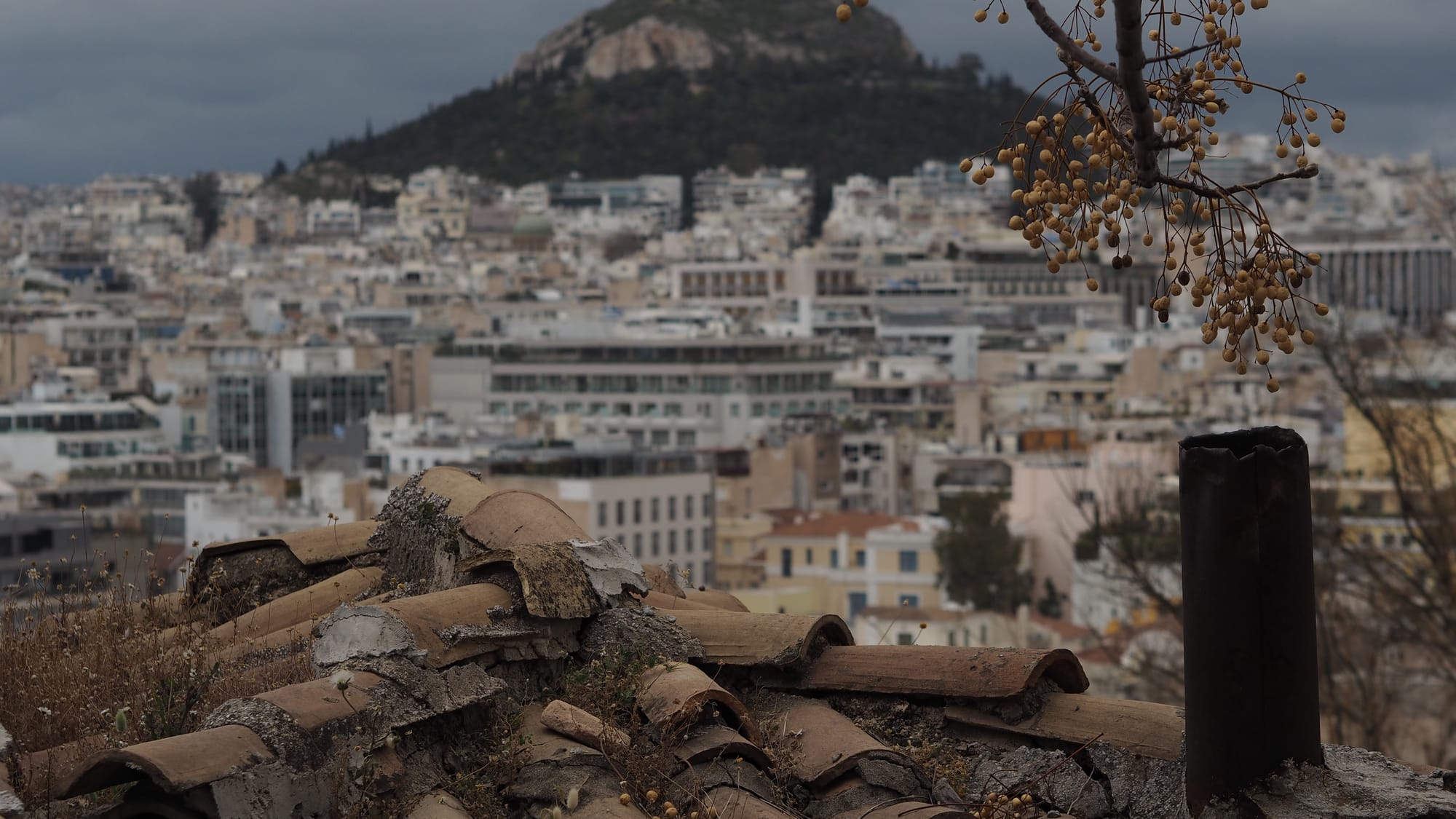
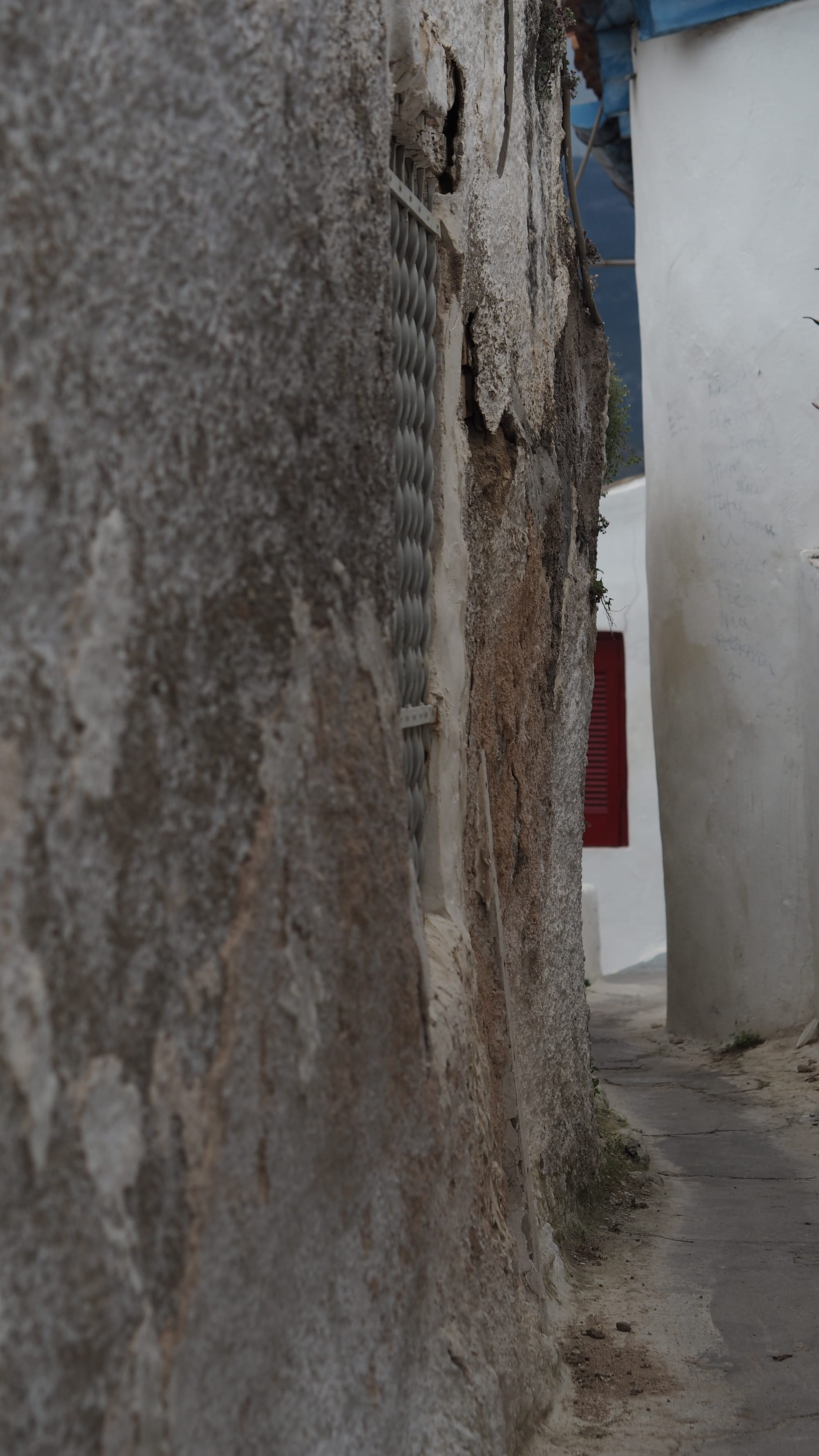
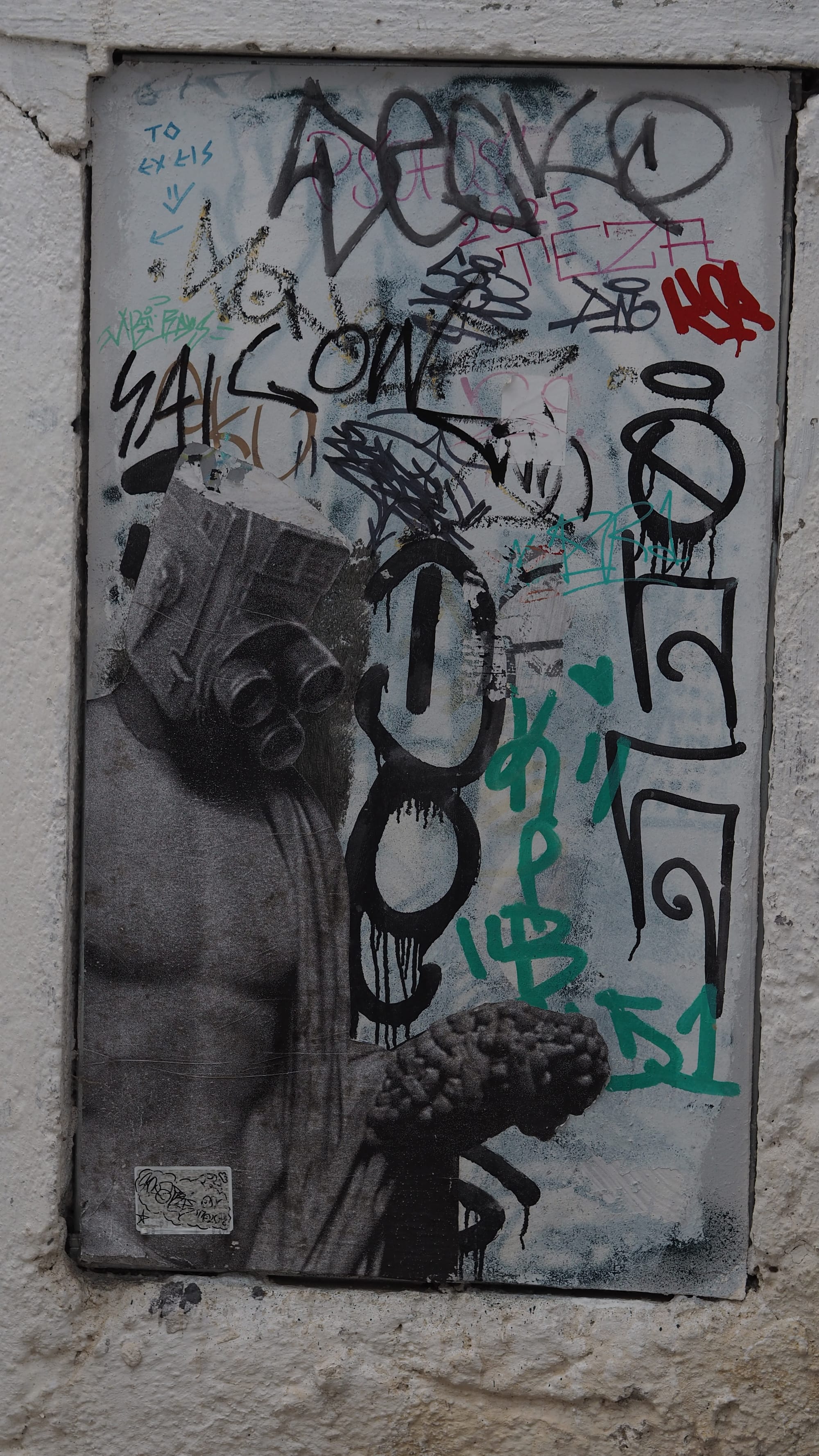
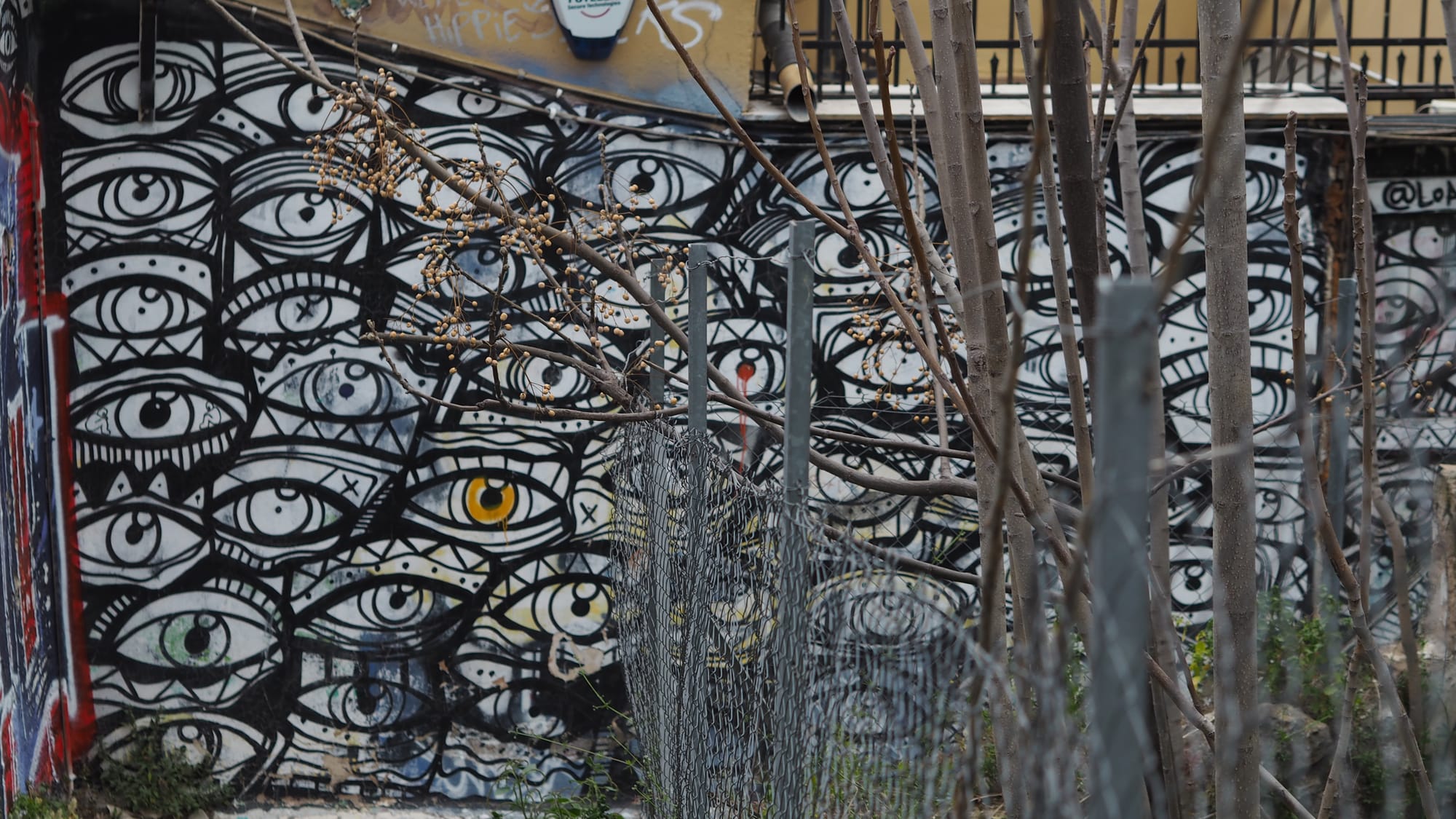
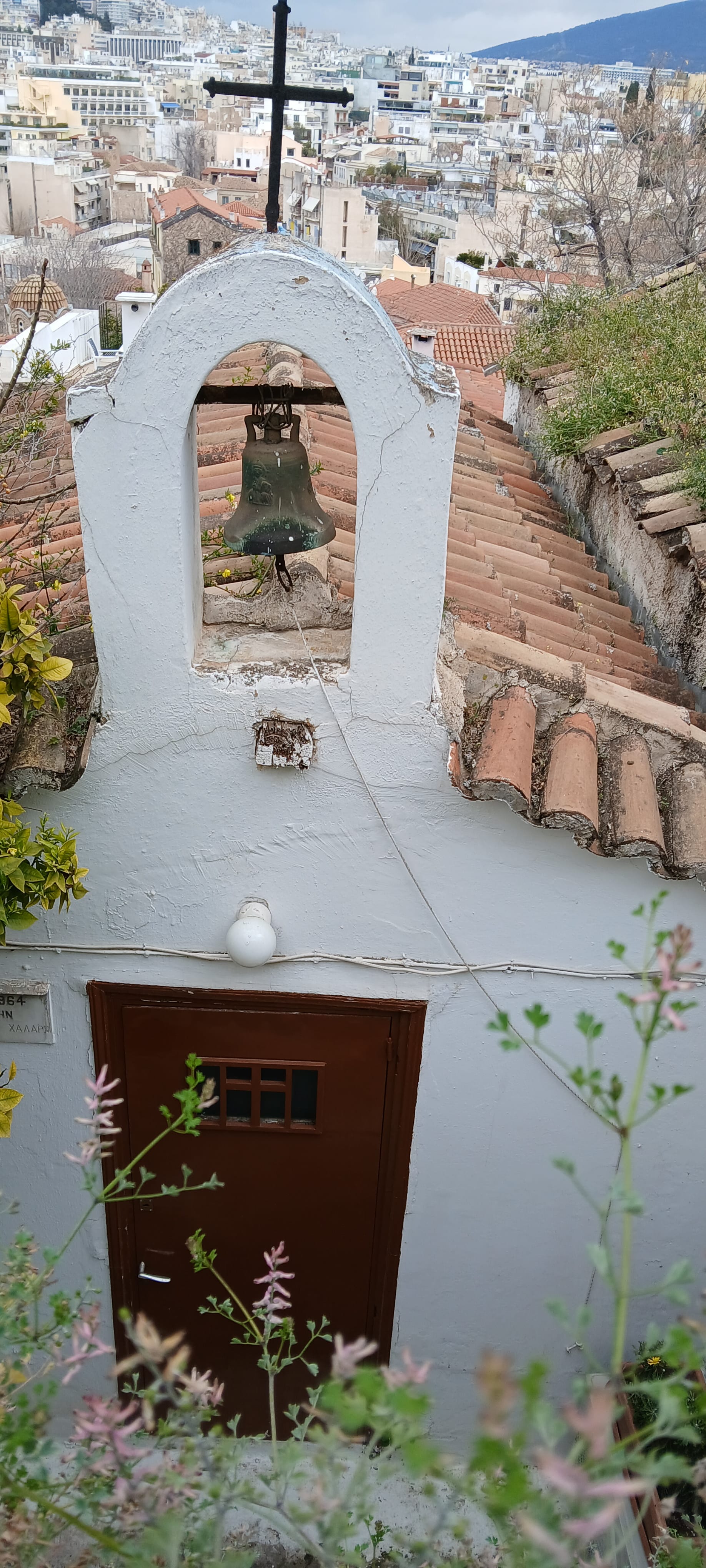
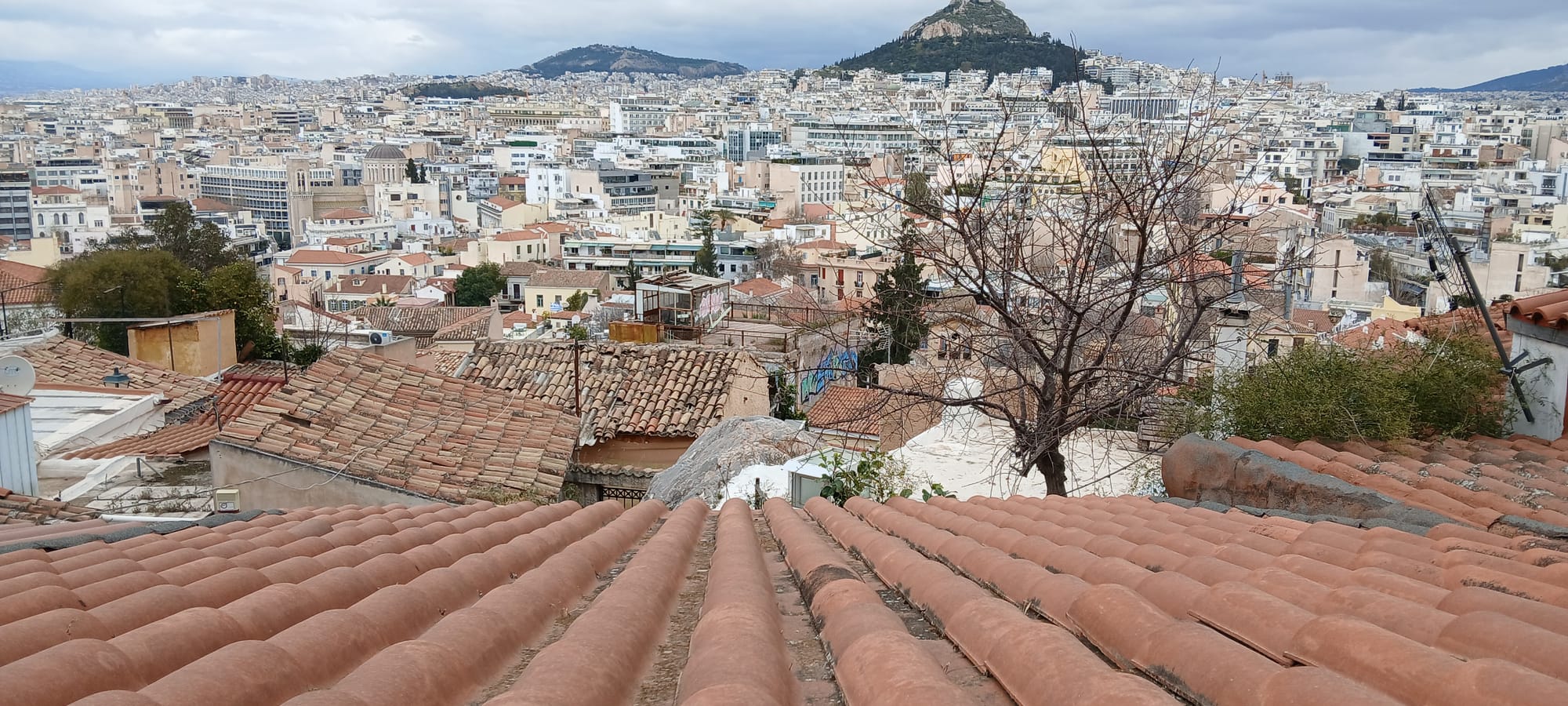
on the way down, a scene:
where we stopped and had a bite.
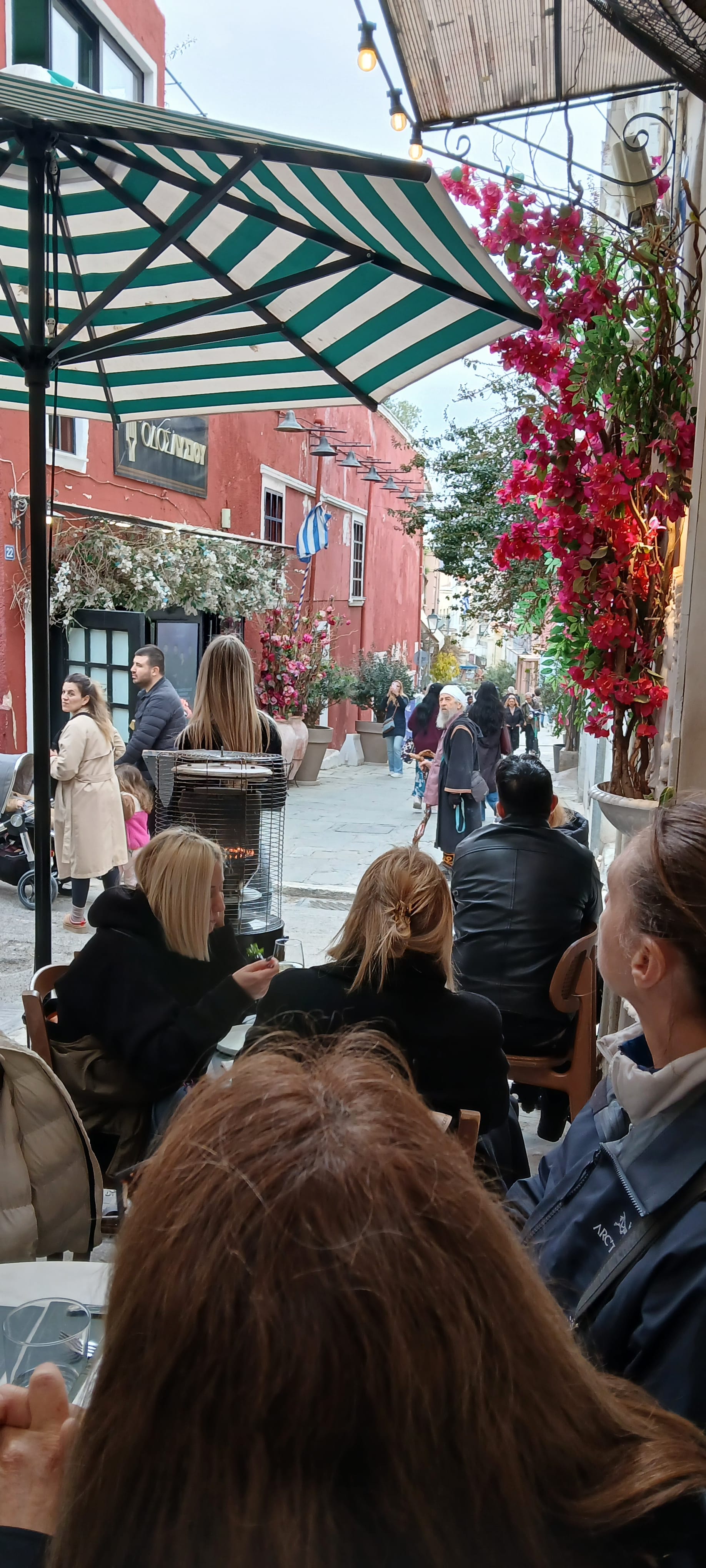
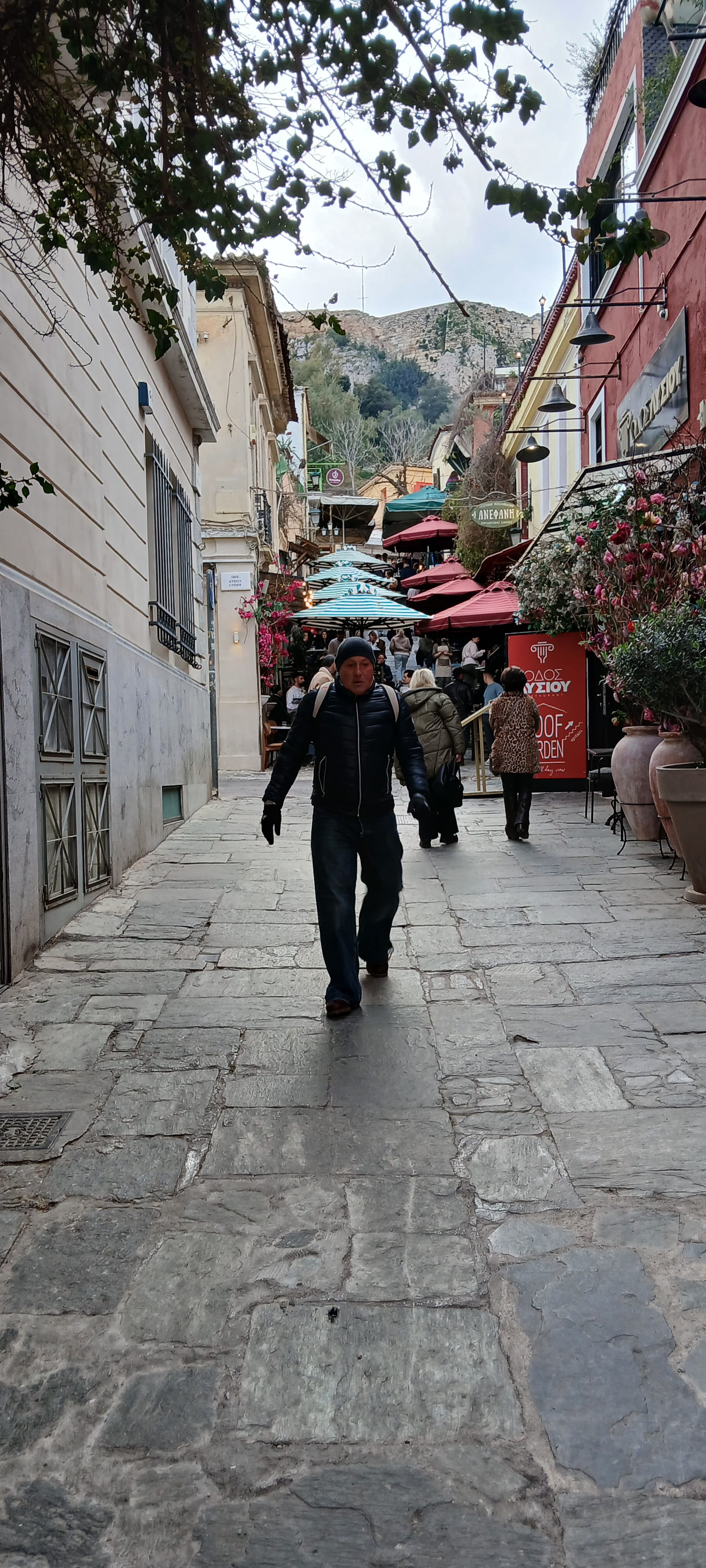
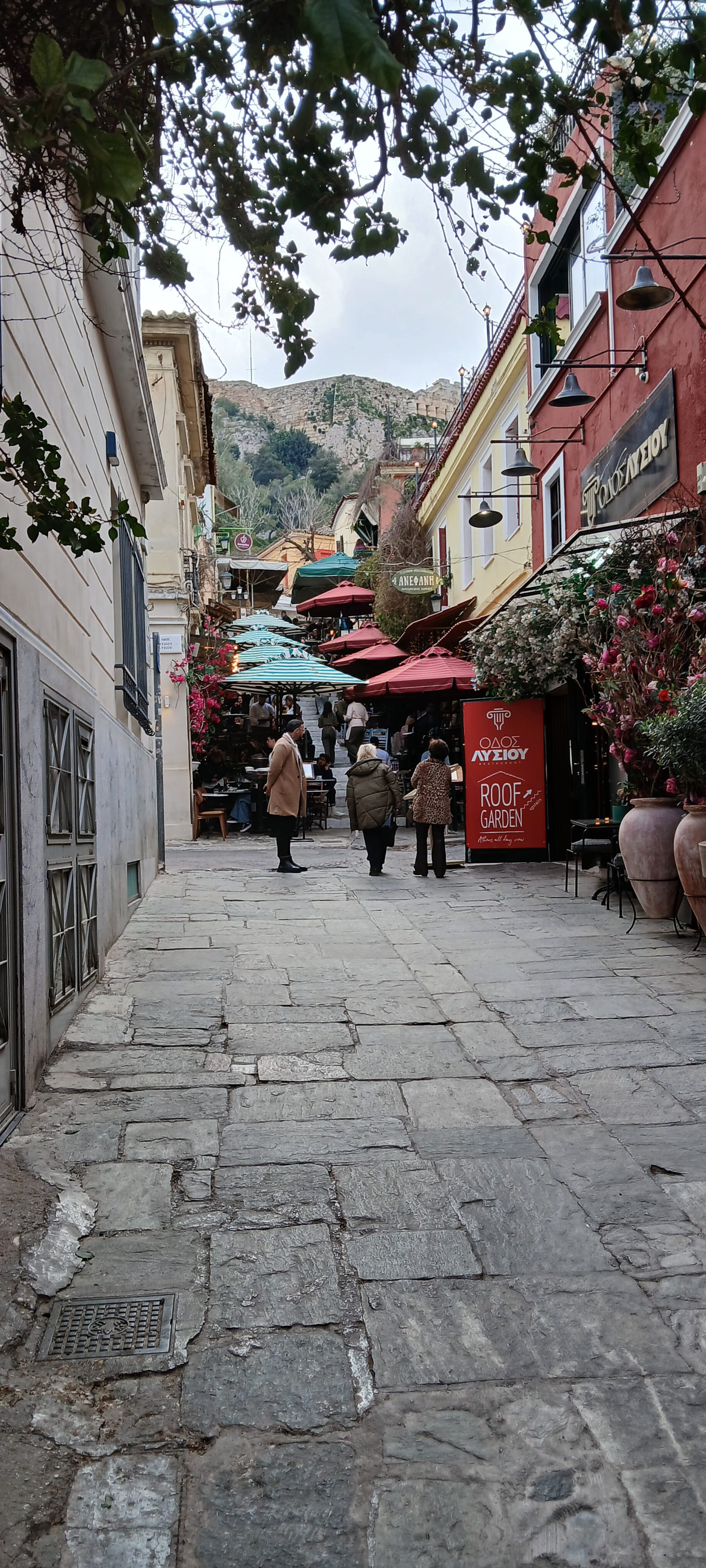
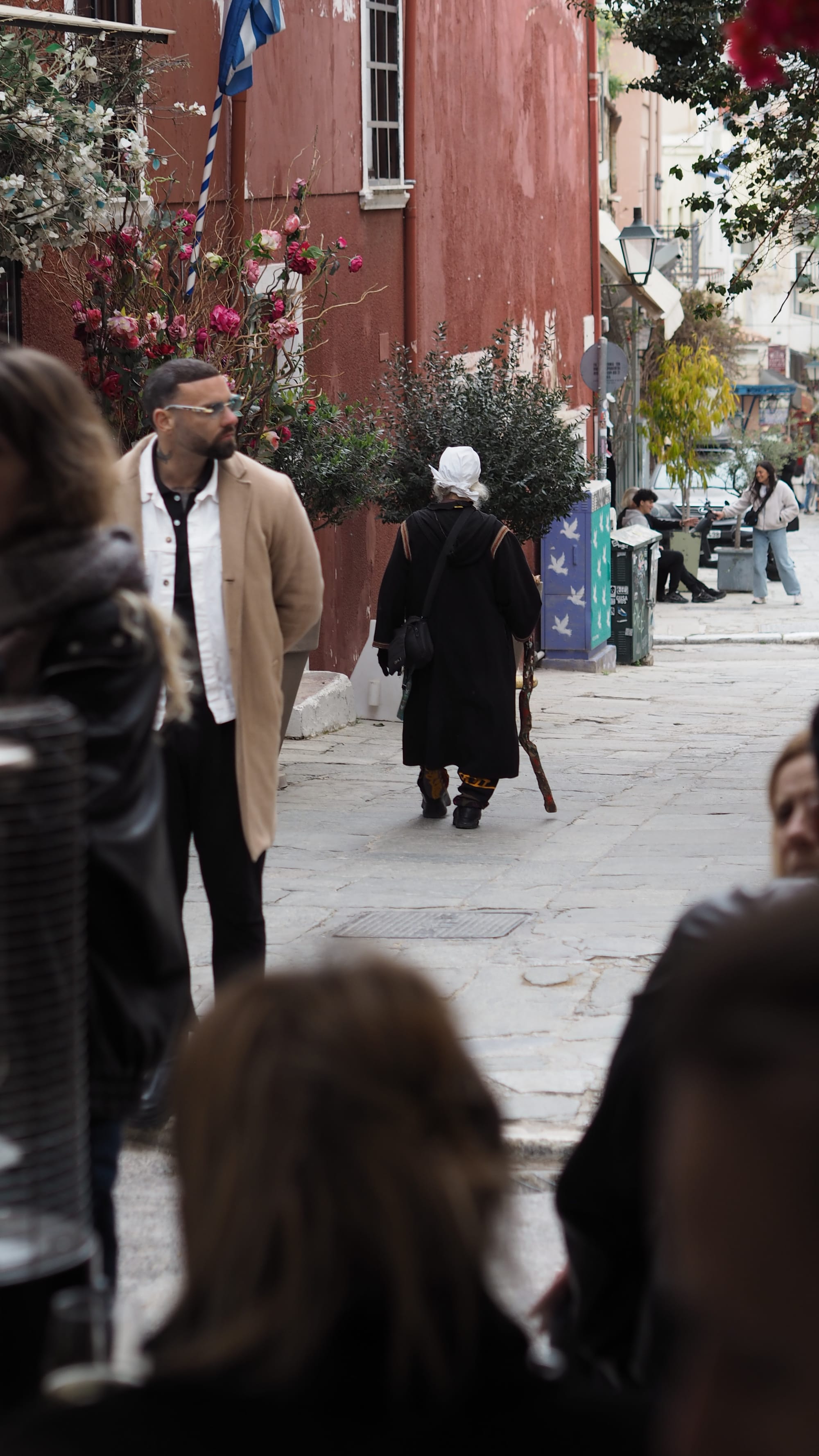
bits and pieces:
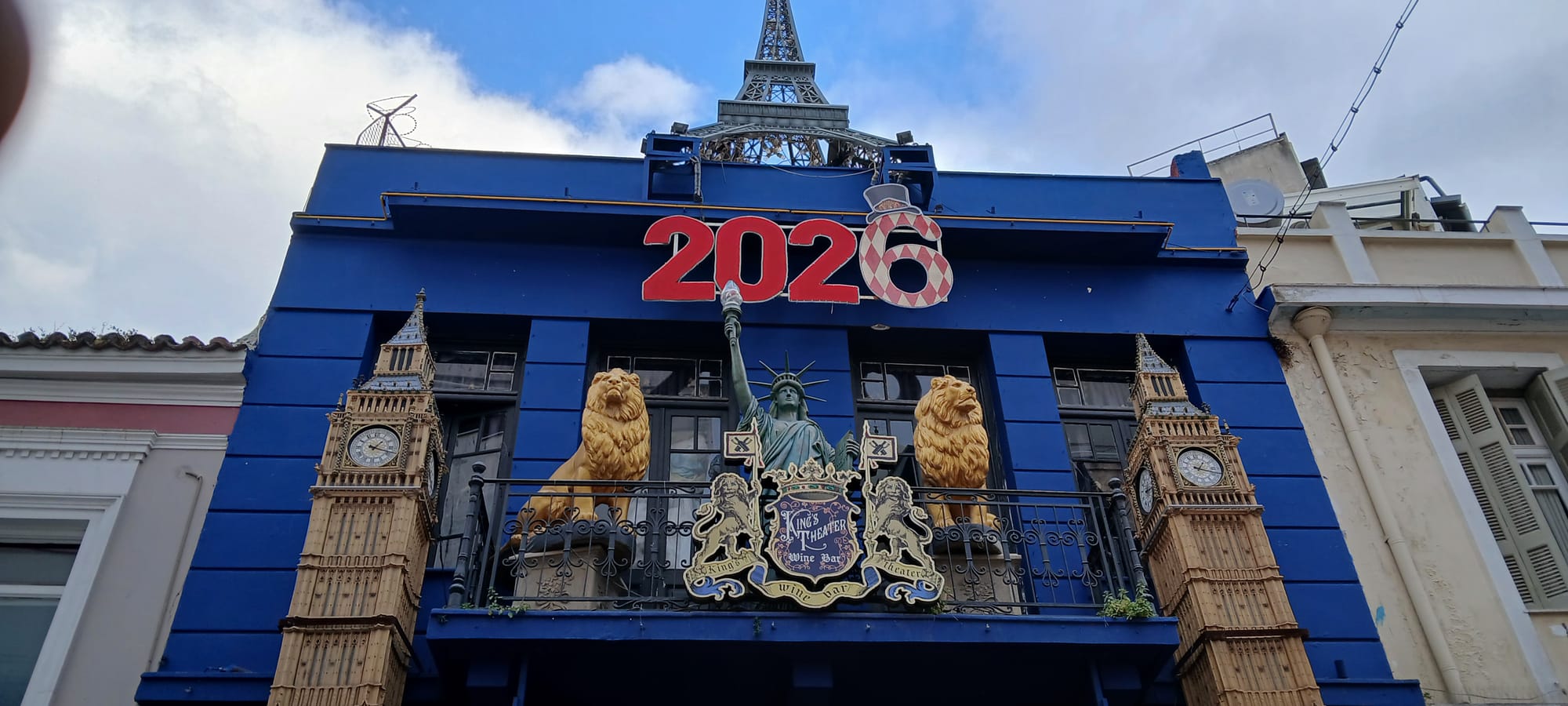
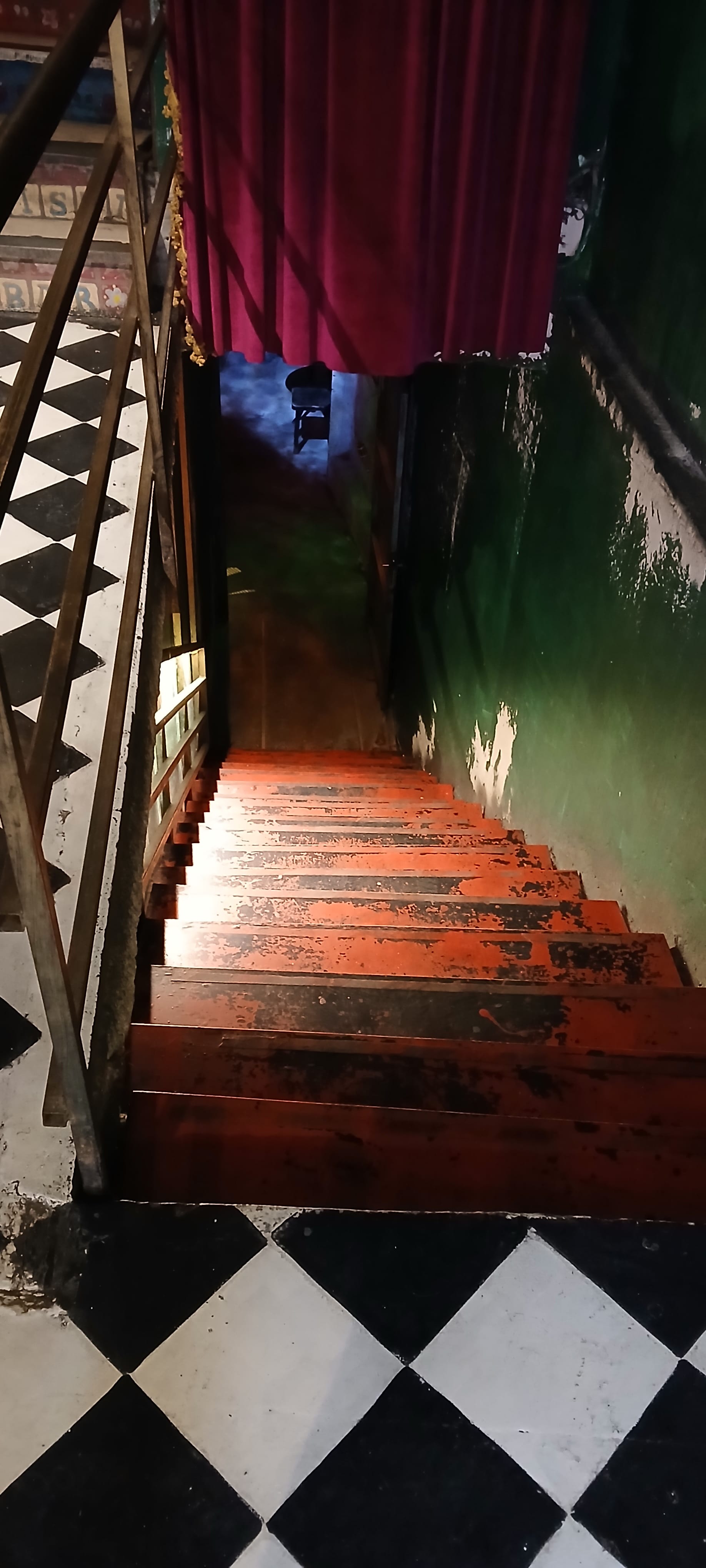
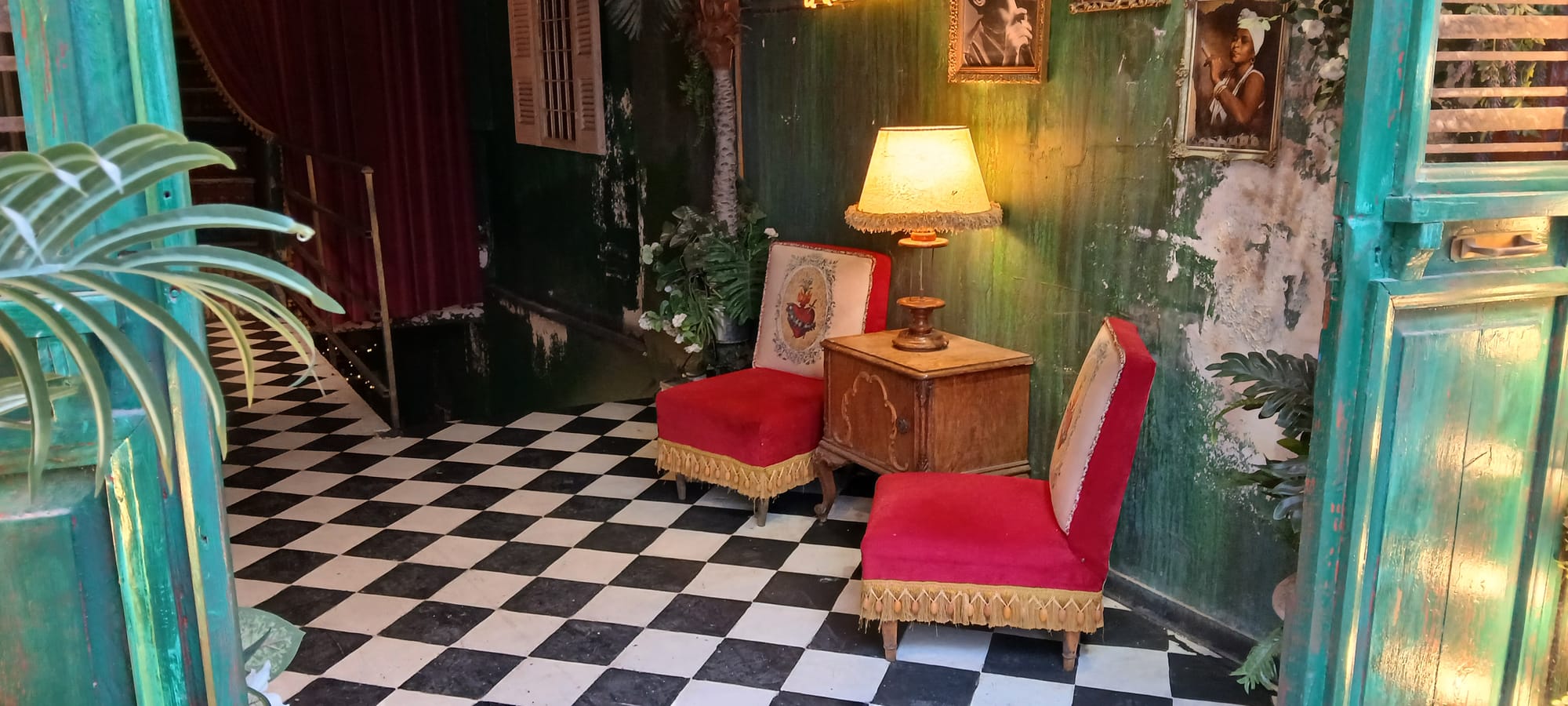
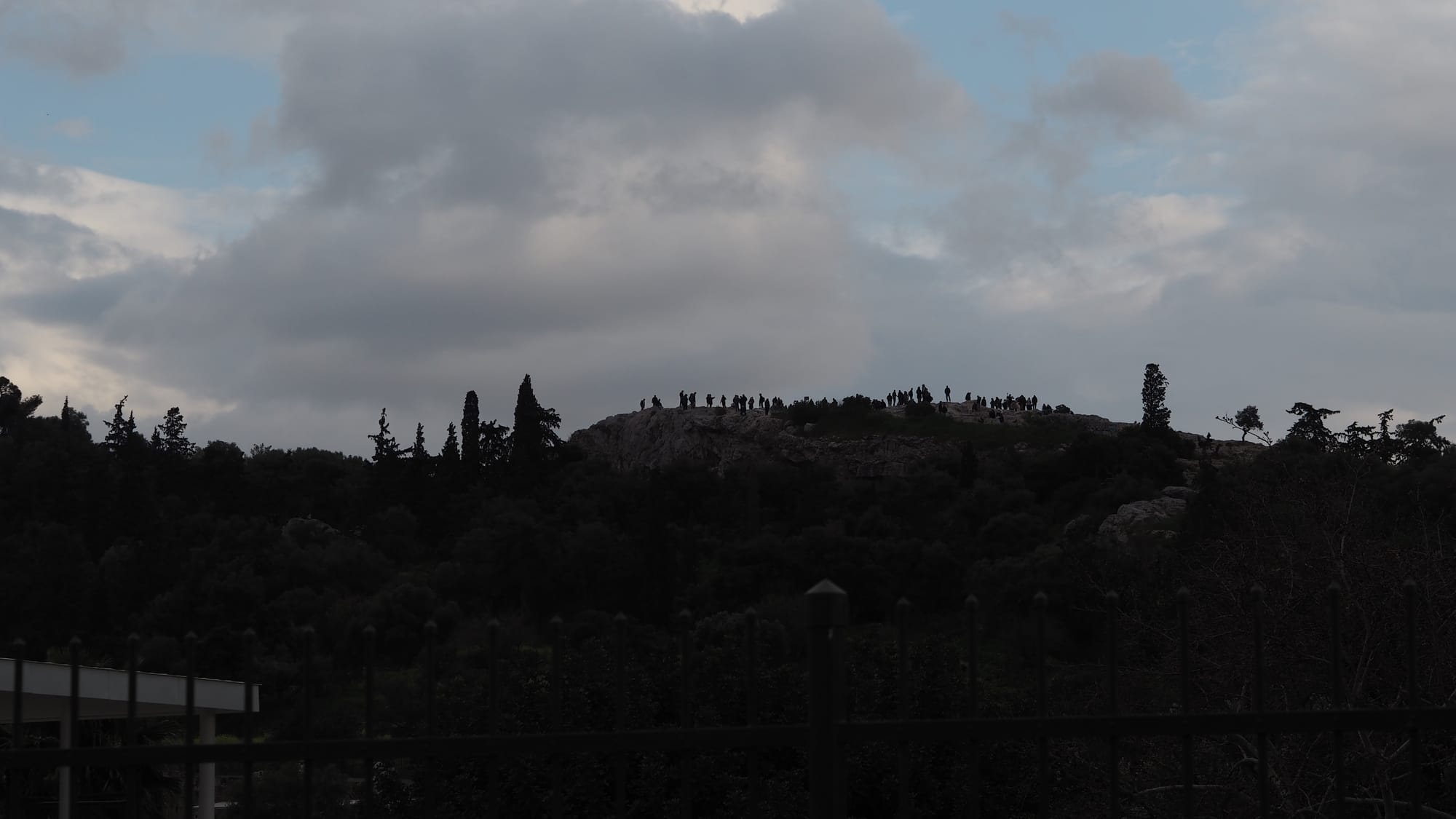
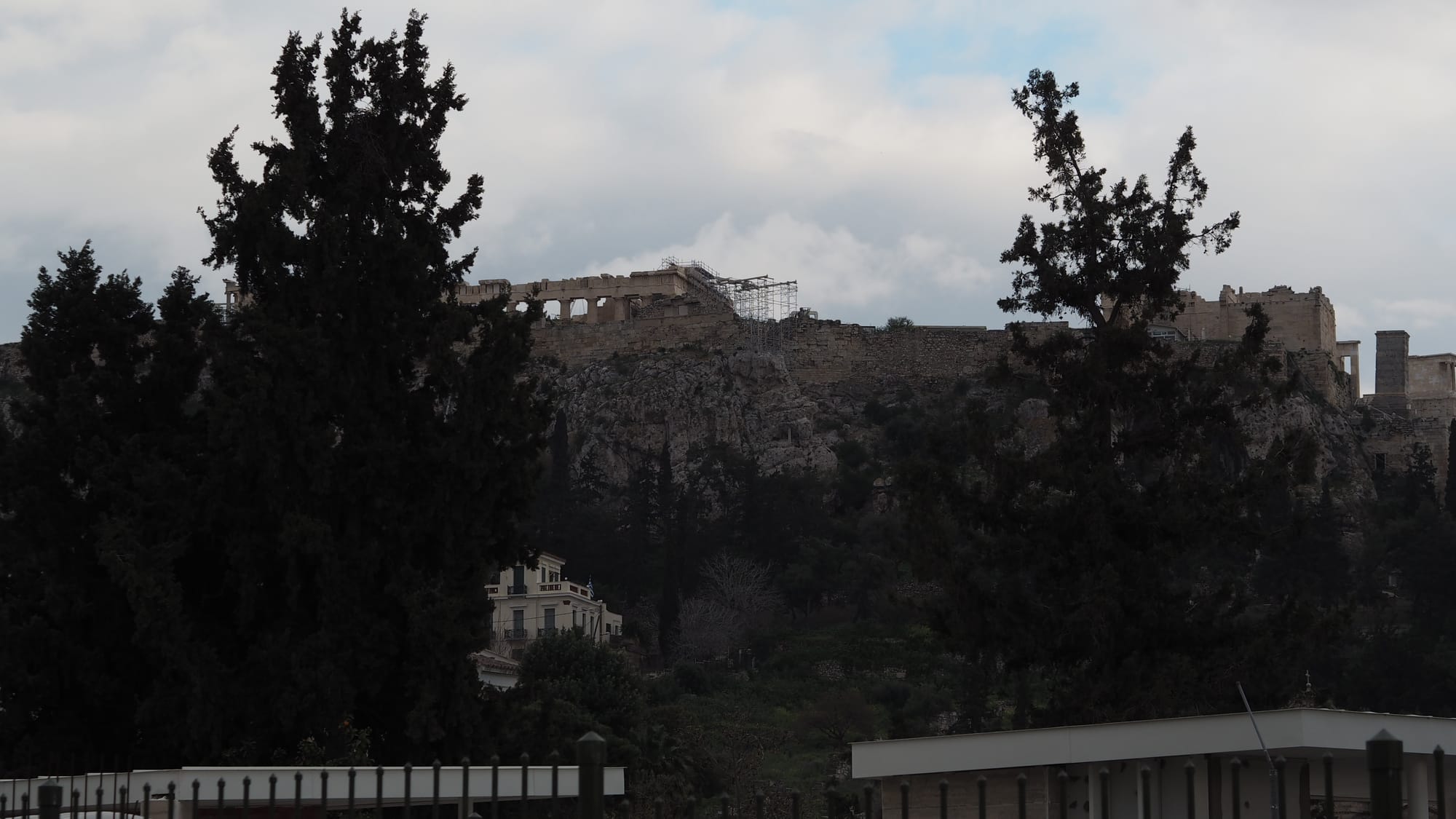
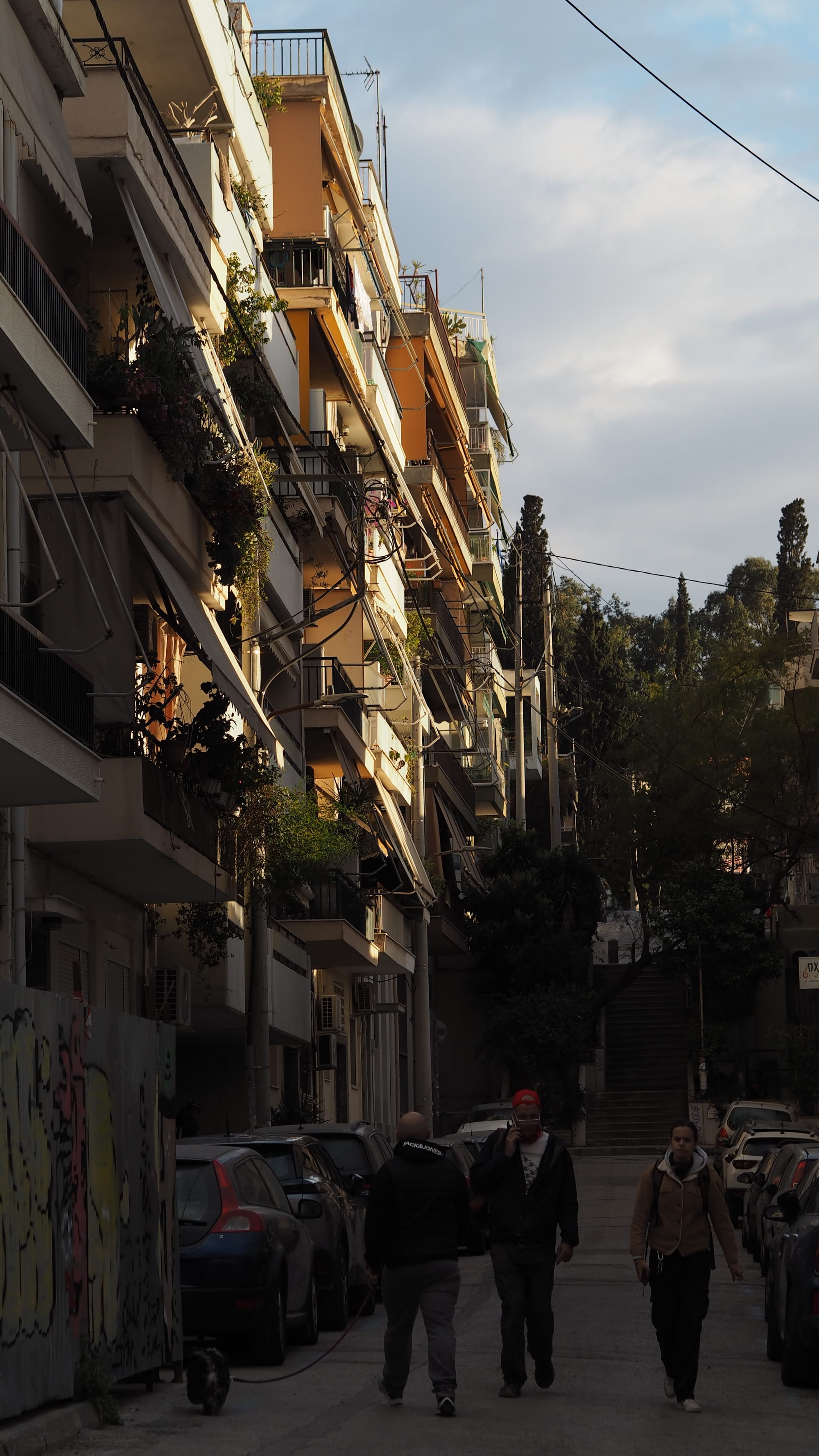
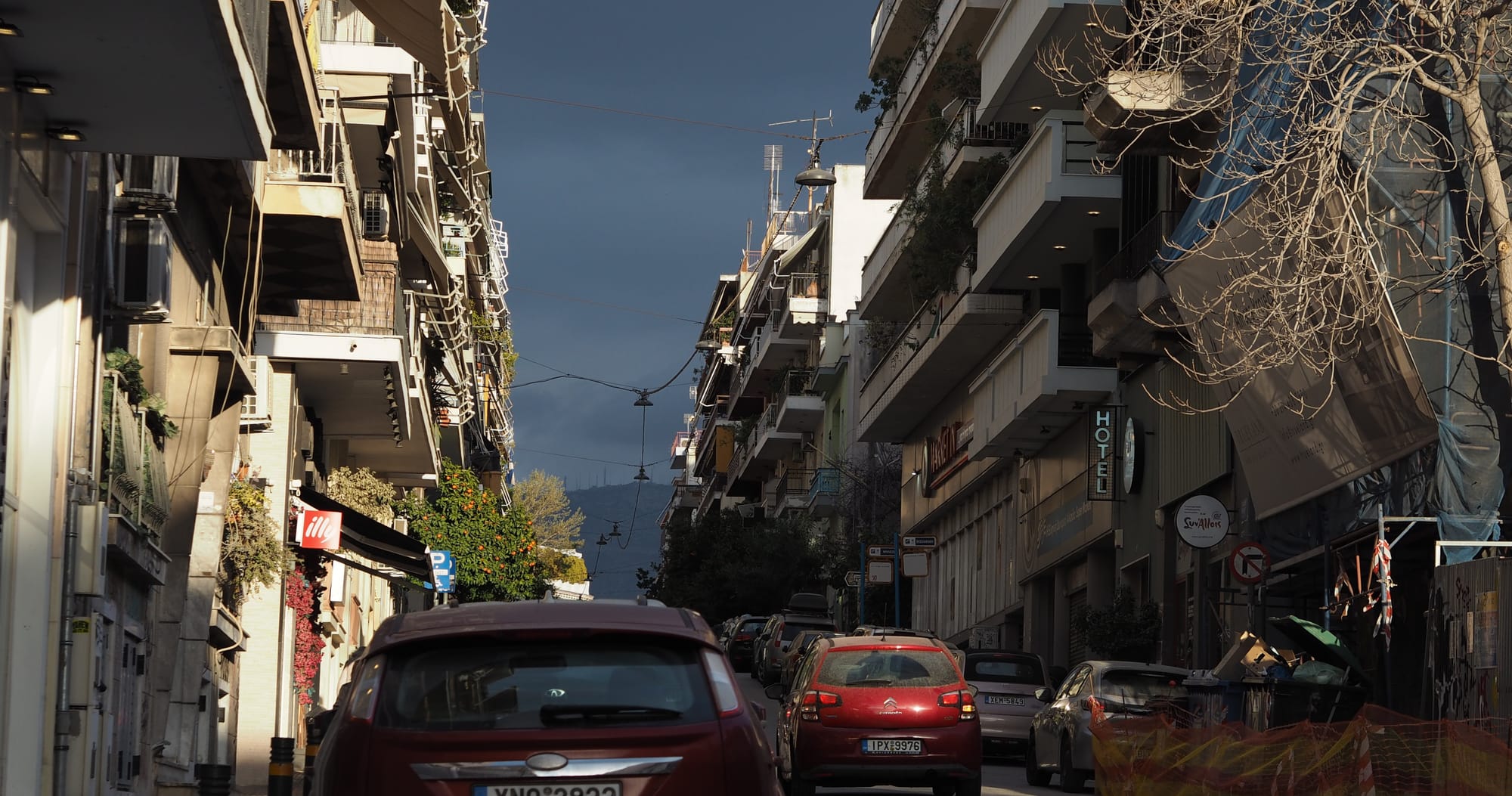
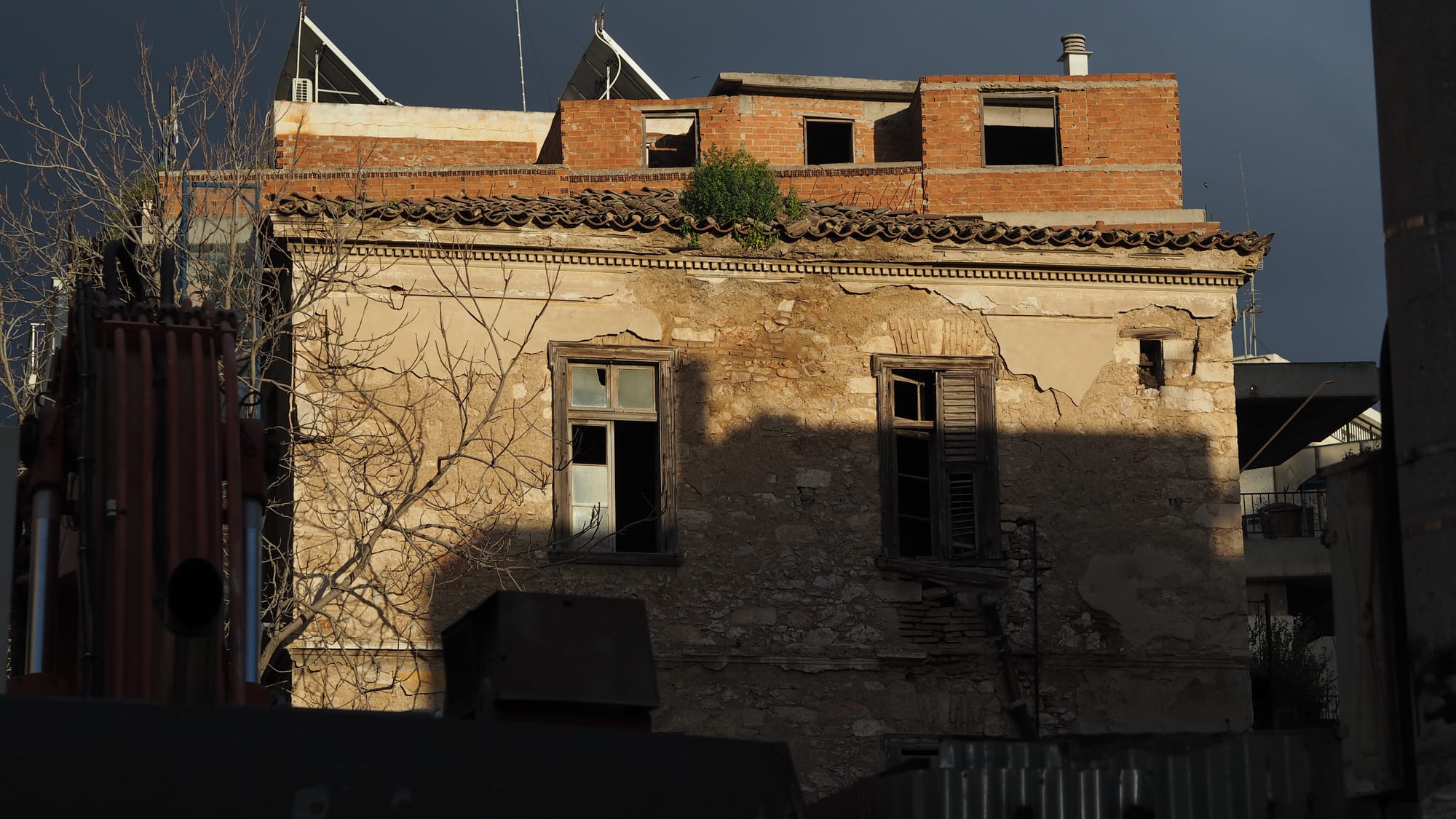
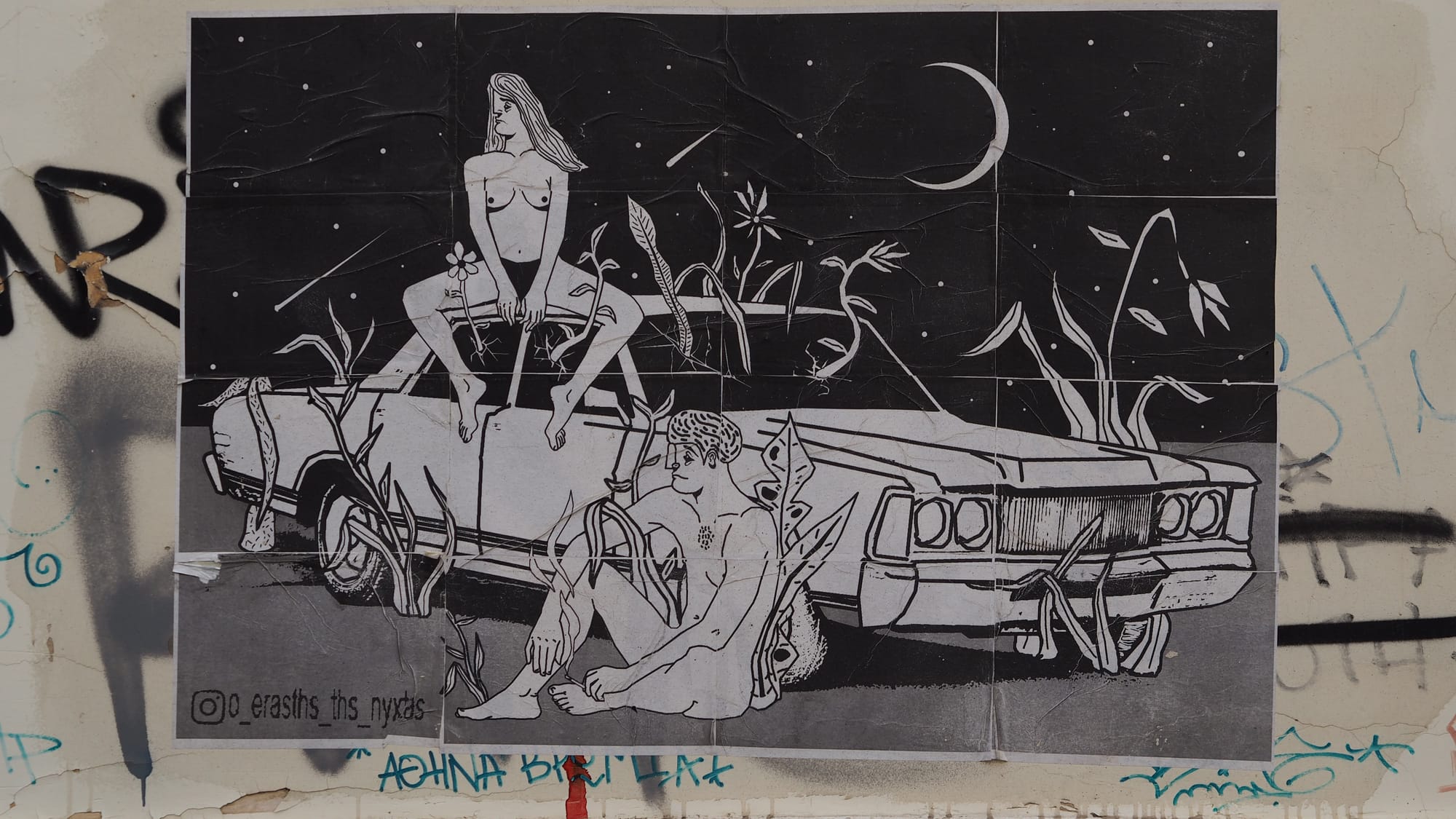
- recording our walk back into the home zone (note, it looks warm. It still was not.)
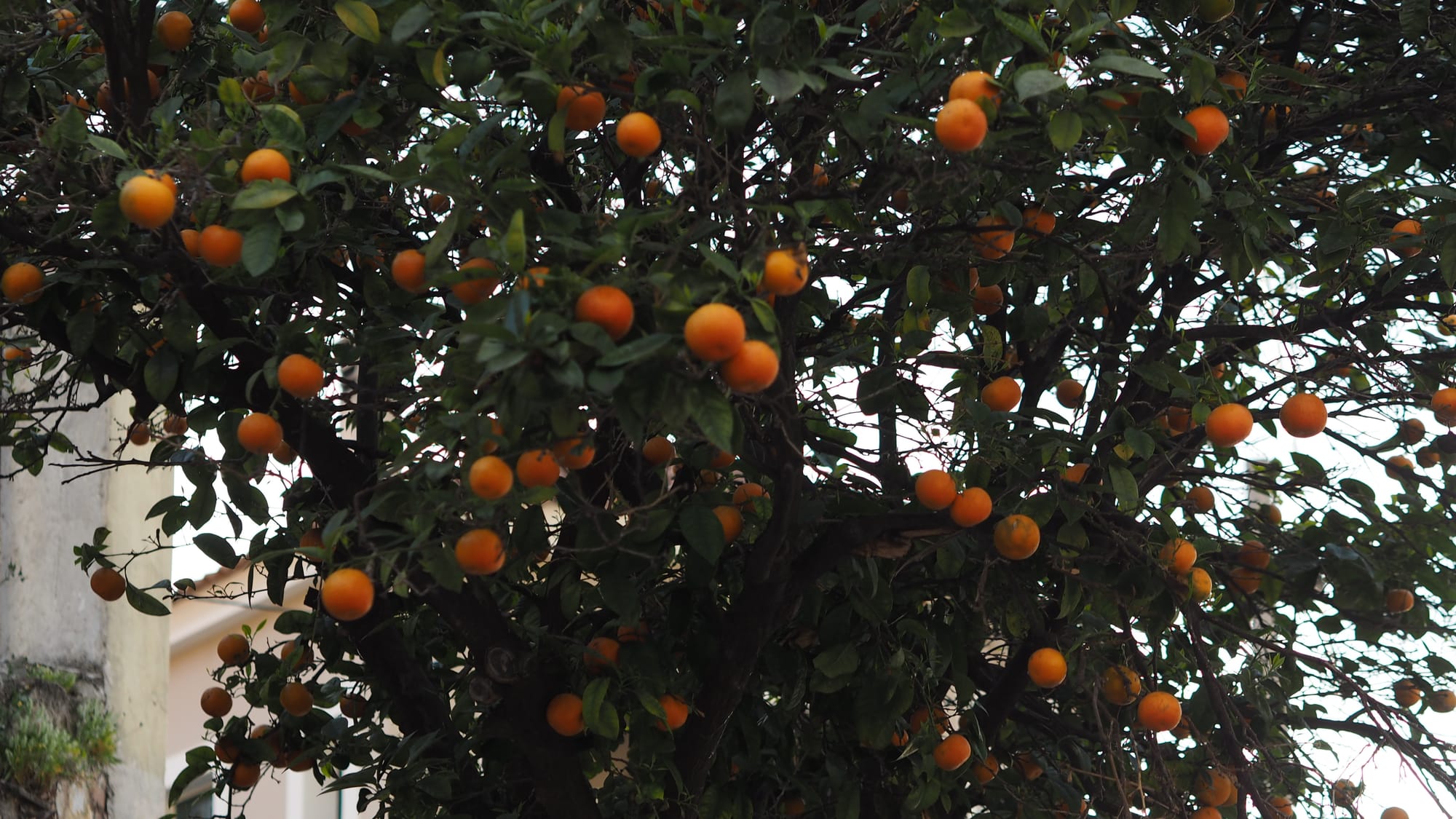
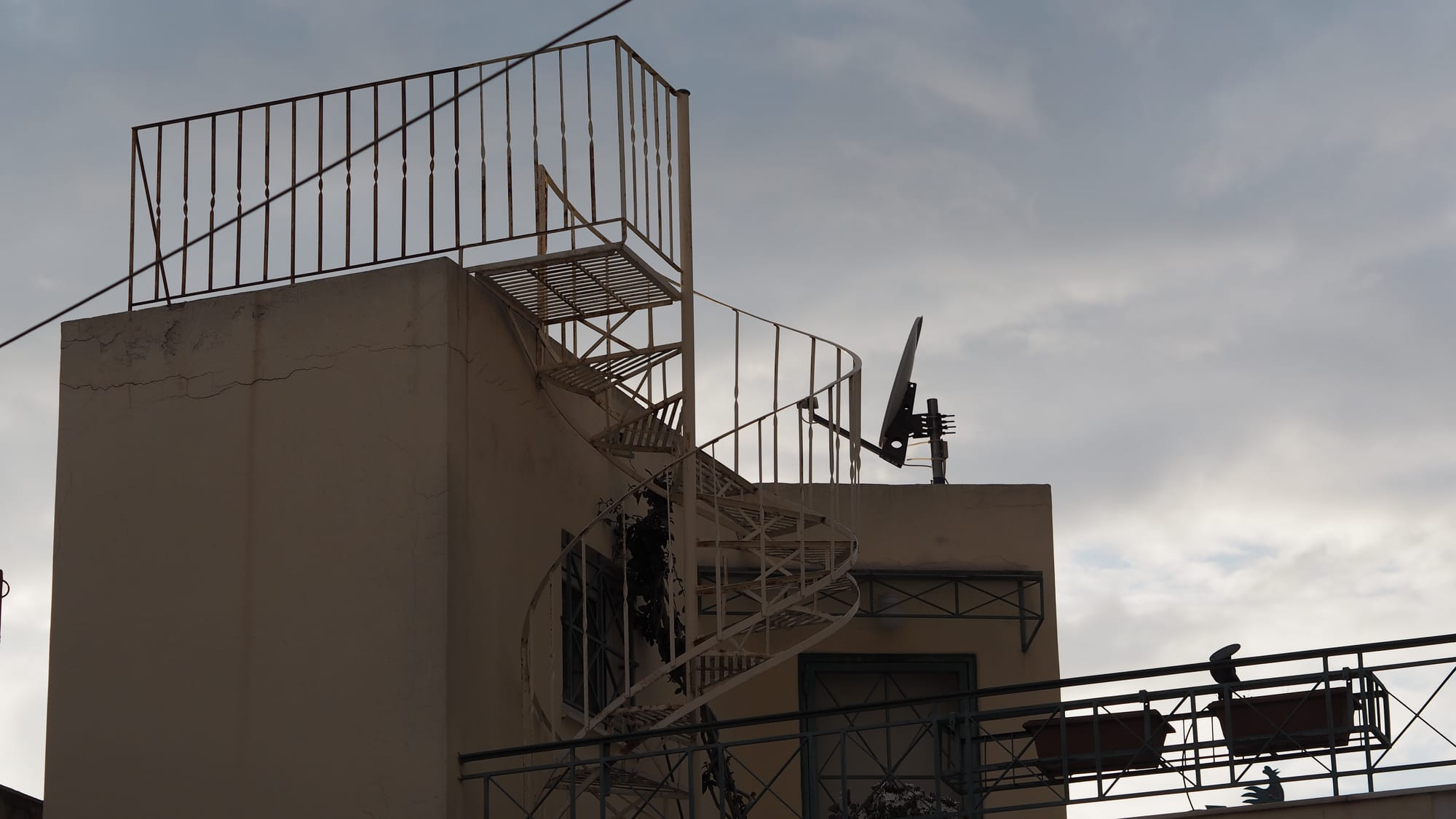
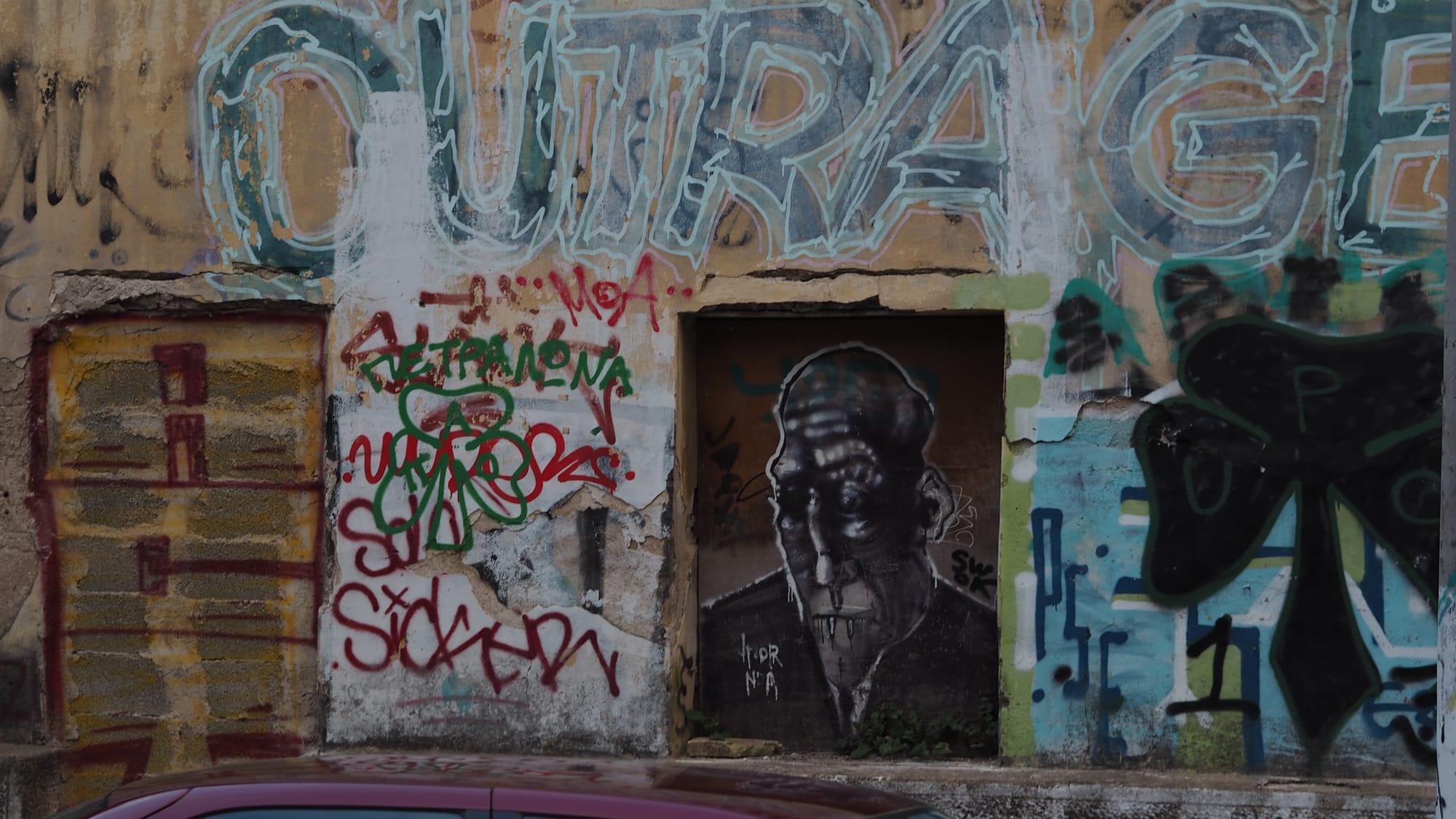
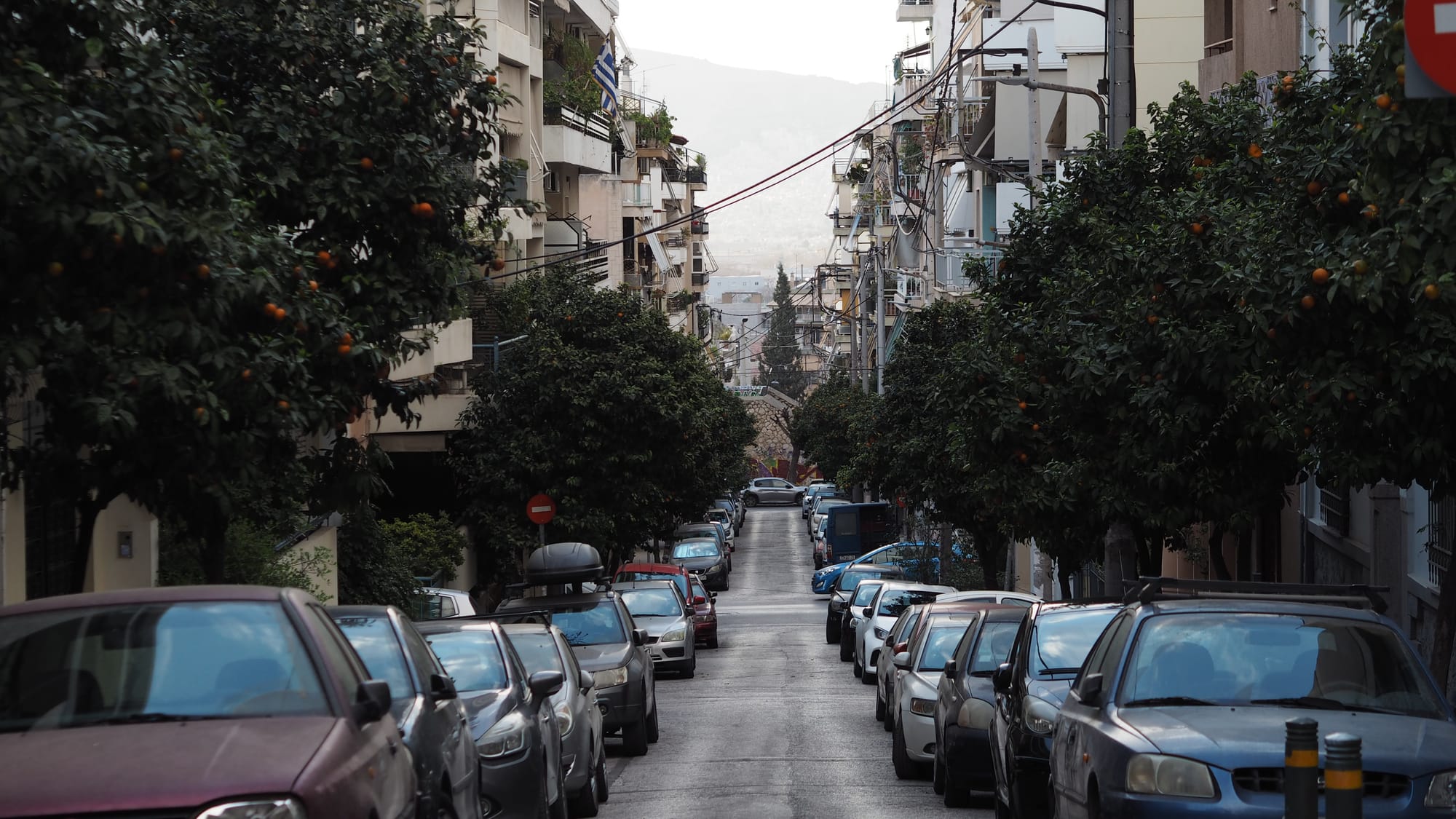
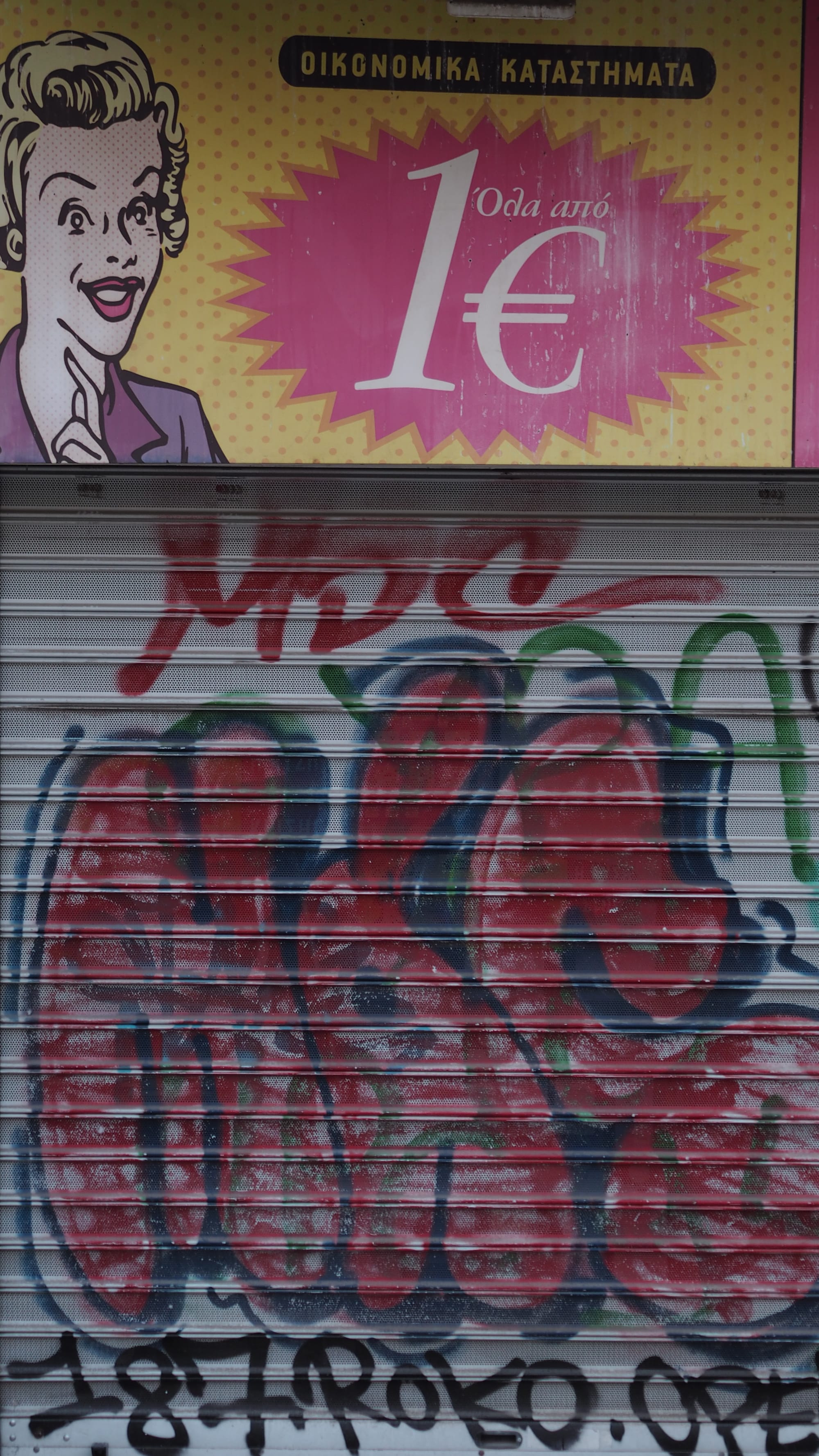
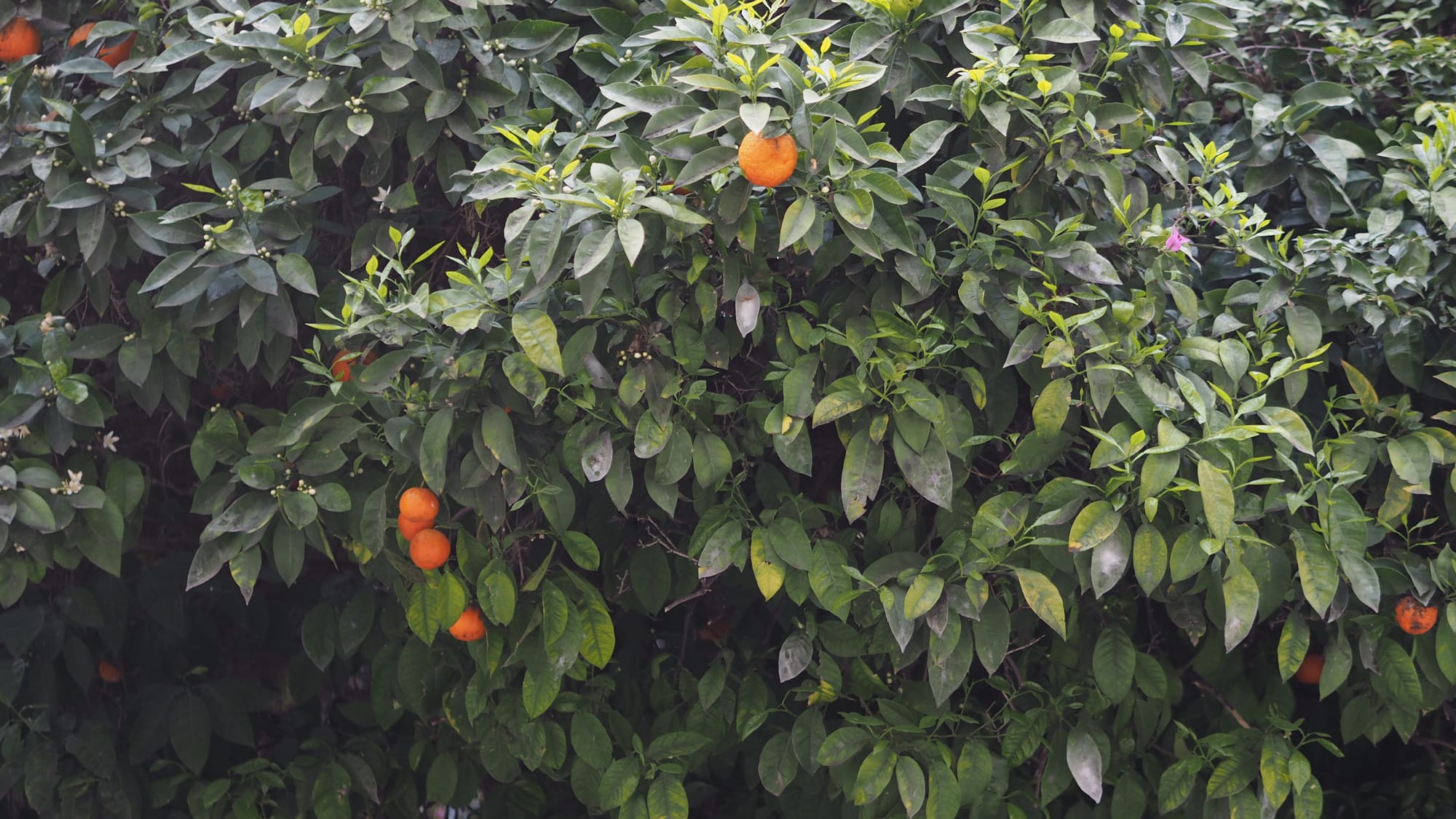
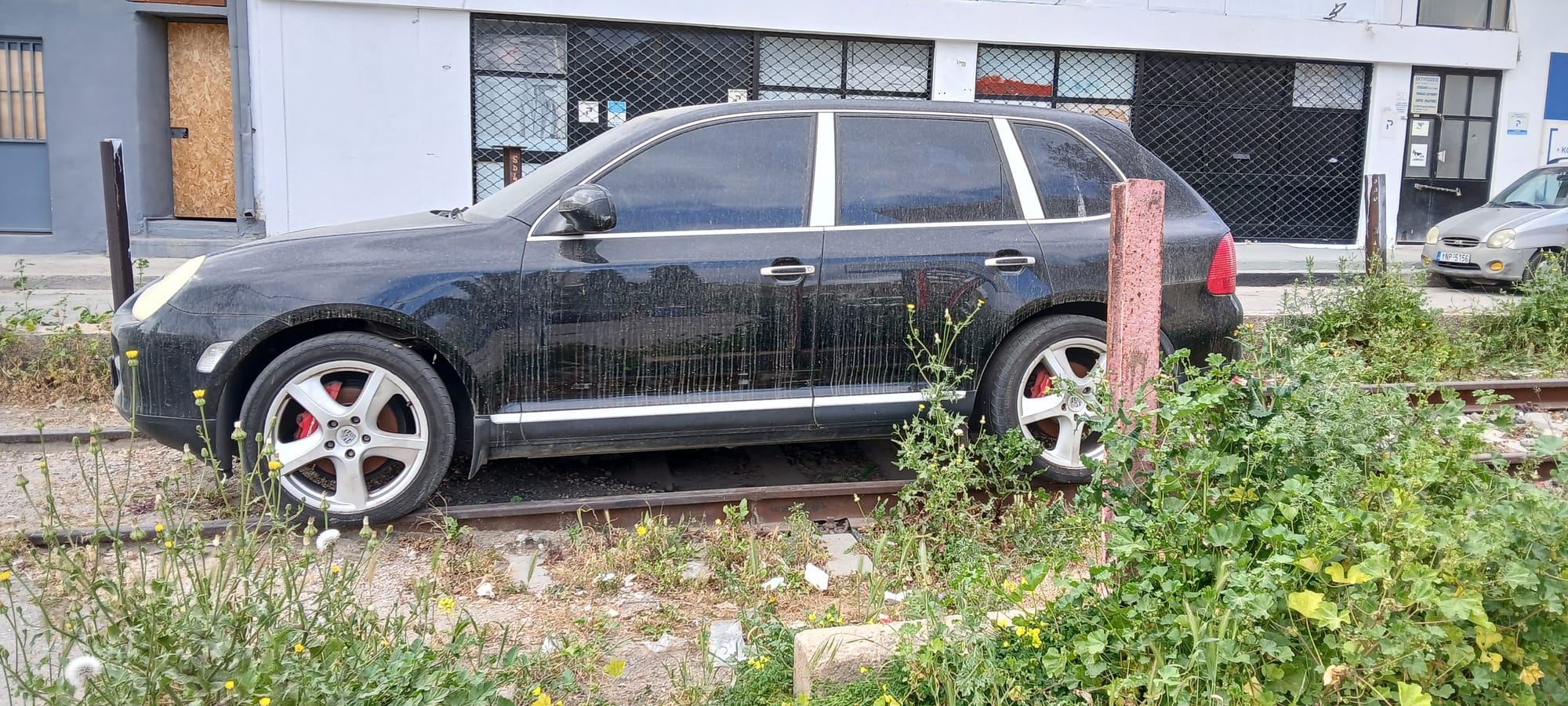
- the 1€ garage door was over the rail lines from our place and the oranges had accompanied us
The places we go, I ask, sometimes we ask each other, if we could imagine being here, staying or want to stay. For me, this theme goes back to 2010, we were leaving Barcelona, the thought, not of returning, but of leaving, leaving the architectural volumes, the generosity of dimension, the cultural dimensions of life, the endorsement and recognition of the place of art and theatre as having a legitimate and unquestionable place in it, the rich stone and permanent edifice of that human aspiration, figured for me by a single church in Barceloneta, entering which my son of 10 said, I know where to go if all the air in the world has gone, since it was so full of air, Basílica de Santa Maria del Mar, made me despair; it goes back further to thinking, when my father died, of the battle that I had had with his medical supervisors, those self-appointed footmen who have no conception of eternity, that I would rather die on the streets of Hong Kong (before it fell fully under Chinese control) than in a hospital in NZ: and a Talking Heads song,
. . . cities, I have thought, over this trip, you can trust to go on believing in themselves without you having to worry about what will become of them when you're gone. The same goes for nations. The same goes for the world, for the young who are, with good reason, so worried about it. Will my nation of birth care for my children when I am gone? It has a poor track-record of caring for those who I have cared for and who have cared for me. Yet I know there exist places and social set-ups, cities where the machinery although old and creaky is maintained, where love for it maintains it, like the outdoor escalators in Athens that shudder as if threatening to stop, retro-technologies, for the upkeep of which some sub-department, like the bureaucracy in the film Brazil, is responsible, a hero of the ducts, not a call-centre in Delhi, will like De Niro come winging in. Yet, asking about Athens I said, its people feel to be somehow defeated. I had in mind the Republic of Türkiye and what had been said to us by Netis, our charming host, in Crete. I had in mind our experience in Kaş.
Netis said, when we asked if he would visit us on Waiheke, that he could not. He could not, he insisted. Crete was his mother.
Greece has not been defeated by war but by two-faced practices of austerity.
I said goodbye to this T, we left the cube,
Τα λέμε, Αθήνα