“I don’t think character exists anymore.” –Rachel Cusk
... which is strange because this morning I was thinking exactly the same thing. However the thought is bluntly disputed by Brittany Allen. In her squib on Rachel Cusk's Life of M, more than likely about Natalie Portman, Allen writes, "Yet those are people, in her pages." She continues:
We may also note this isn’t the first time Cusk has been accused of insufficient fictionalization ...
–Everything you need to know about the Rachel Cusk/Natalie Portman drama. Literary Hub, 28 July 2026
Look on this accusation and tremble: You have been charged with insufficient fictionalisation. And let us all take note. This is not the first time.
Prior offences took place in 2009, a walk-on role recognised themselves and threatened the publisher with libel, causing the first print run of The Last Supper to be pulped; and in 2017 Damien Barr saw himself in Transit as being exposed in an unflattering light, when he is, as he says, an award-winning broadcaster and writer. (source)
Does this prove or disprove Cusk's thought? or does it simply show that characters are legally entitled to protest their existence? (which would be an excellent idea for a novel by Rachel Cusk, or Helen DeWitt, whose co-author in Your Name Here, Ilya Gridneff, has been accused of not existing, or, of insufficient factualisation.) As Edwin Frank writes,
... we exist, all of us, as inventions of ourselves and others.
–Edwin Frank, Stranger than Fiction: Lives of the Twentieth-Century Novel, Penguin, 2024, p. 306
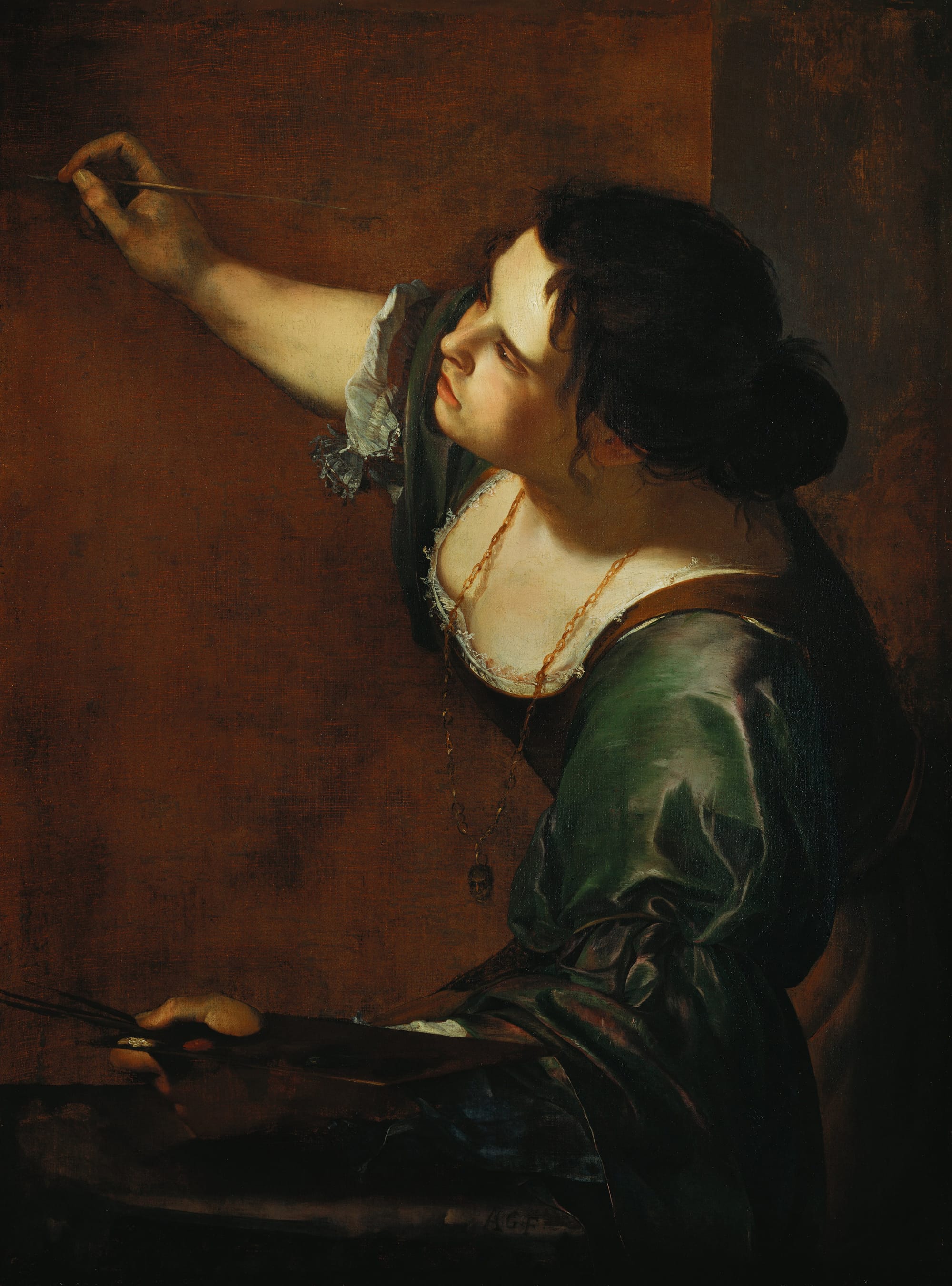
listen also to "Artworks are People Too," episode 216, at Weird Studies